

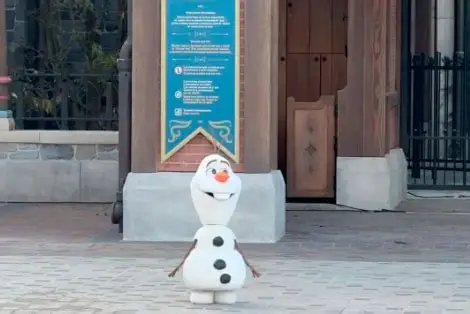
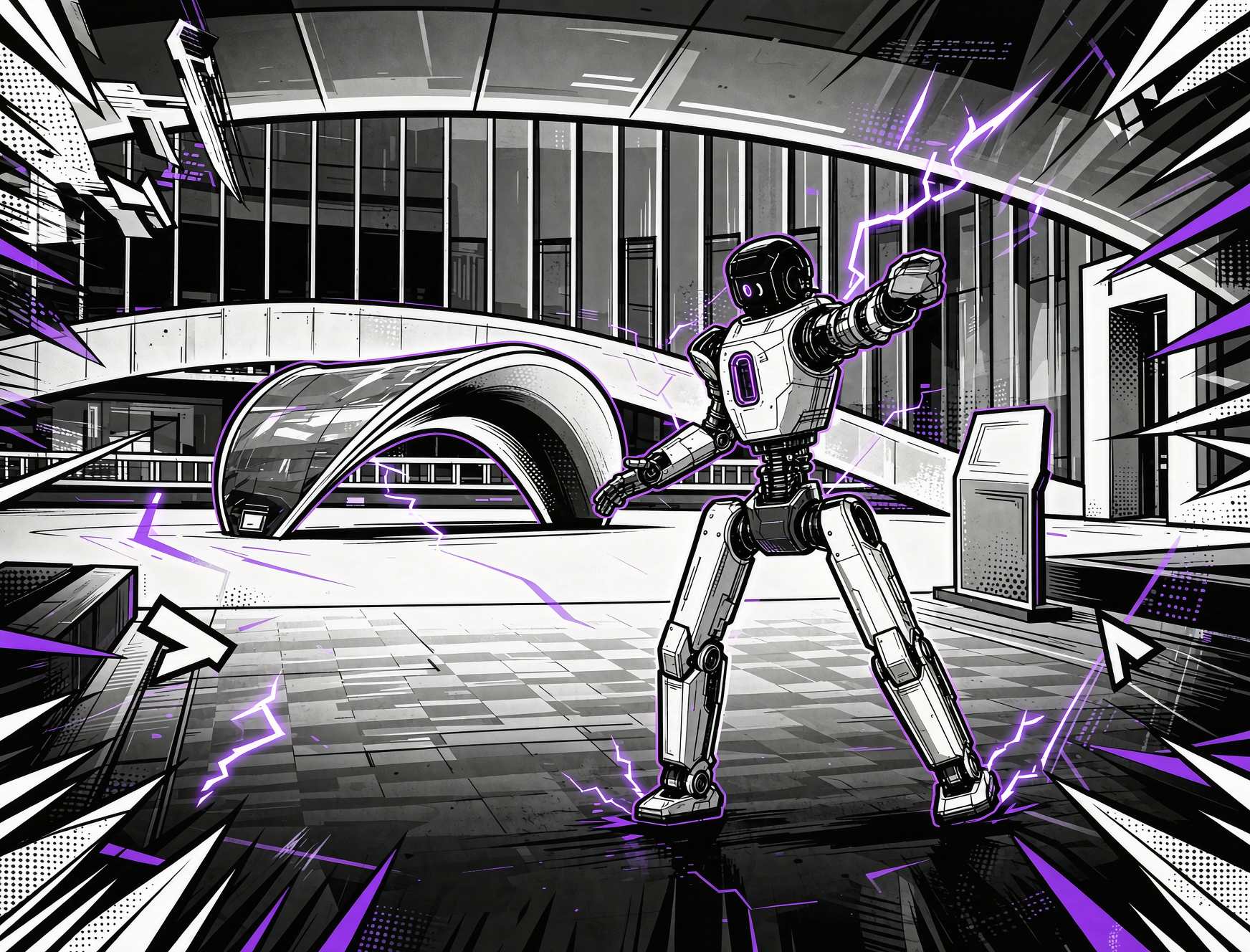
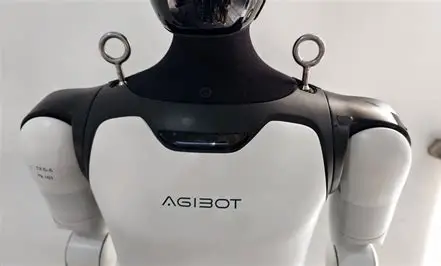
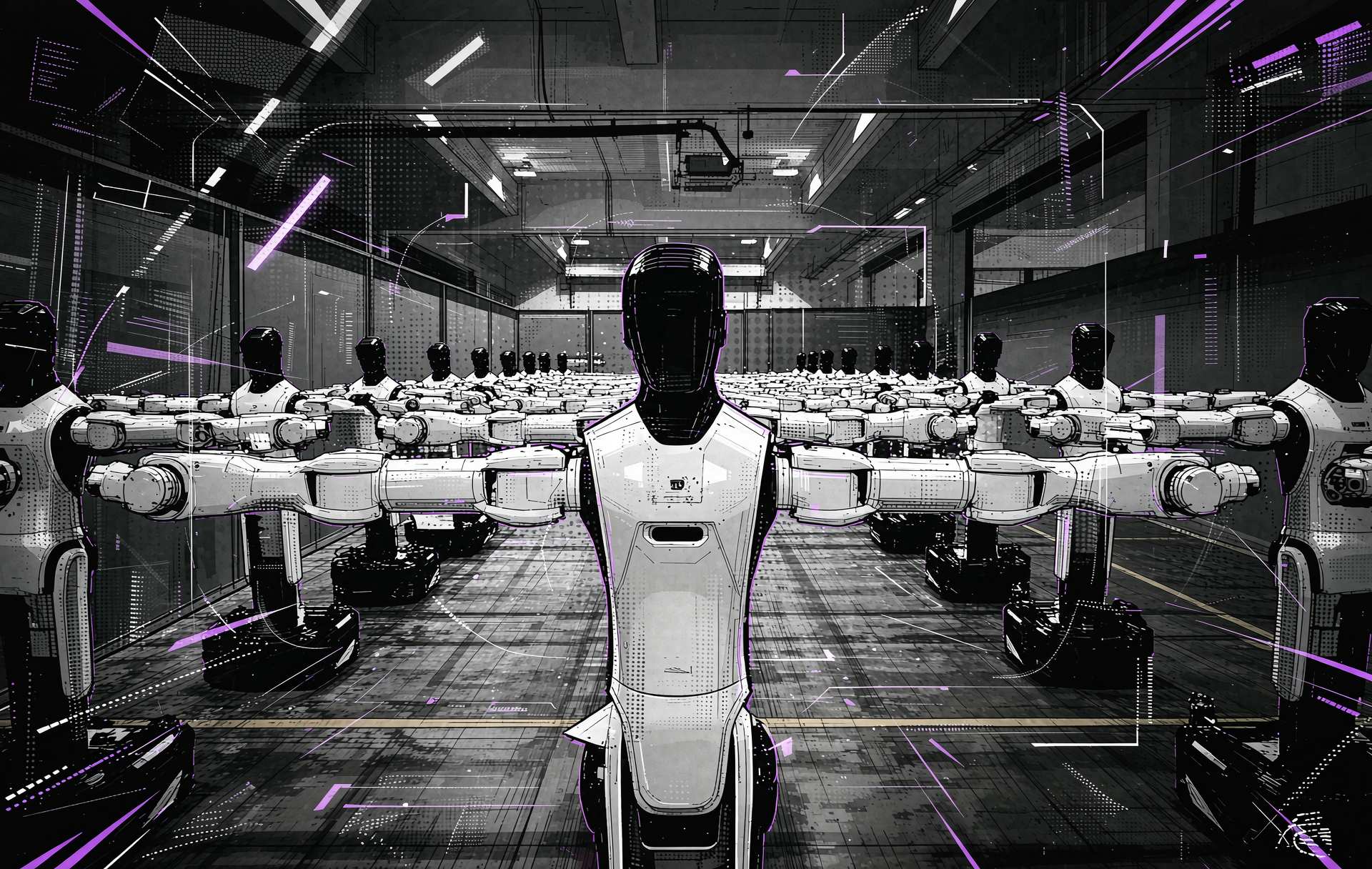
On September 24, the world's first large-scale embodied intelligence theme park officially opened in Zhuhai, Hengqin, featuring over 300 robots and more than 100 interactive points. This park, developed by Zhiyuan and Changlong, showcased the largest-scale human-robot performances and the world's first robot aerial acrobatics. Despite the rising popularity of robot performances in entertainment venues, theme parks face increasing profitability pressures due to high operational costs, particularly labor expenses.
The financial strain is evident in parks like Kaifeng's Qingming Riverside Landscape Garden, where revenues show slight growth but profits have declined significantly. Labor costs are projected to rise sharply, with direct labor expenses increasing nearly 77% from 2023 to 2025. In contrast, the cost of humanoid robots is expected to decrease significantly, potentially making them a more economical option than human NPCs or large animals in theme parks.
As the competition for intellectual properties (IPs) in theme parks evolves, the current trend shows that many robot IPs remain superficial, lacking depth in storytelling and character development. For a robot IP to succeed, it must offer ongoing interactive narratives and character growth, which may not necessarily be cheaper than developing human NPCs. The emergence of embodied intelligence provides new opportunities for IP competition but does not replace the fundamental importance of content in the entertainment sector.
Editor's Note
The integration of robotics in theme parks presents both opportunities and challenges. While the potential for cost reduction through automation is significant, the complexity of maintaining robotic systems in demanding environments raises operational concerns. Additionally, the need for compelling narratives and character development in robot IPs highlights the ongoing importance of content in driving visitor engagement and loyalty.























Leave a comment