Robotiq (CA)

Canadian developer of collaborative robot end-of-arm tooling, grippers, and integrated automation workcells. Products include gripper modules and lean palletising cells that embed intelligence at component level. Serves manufacturers seeking rapid deployment without complex custom integration.

Share
Robotiq (CA)
966, chemin Olivier, Suite 250
Lévis, Quebec G7A 2N1
RobotToday Initiative

Robotics needs a service framework.

RSF defines a common language for robot service capability, lifecycle operations, certification pathways, and service-provider networks.

Share

Related Content

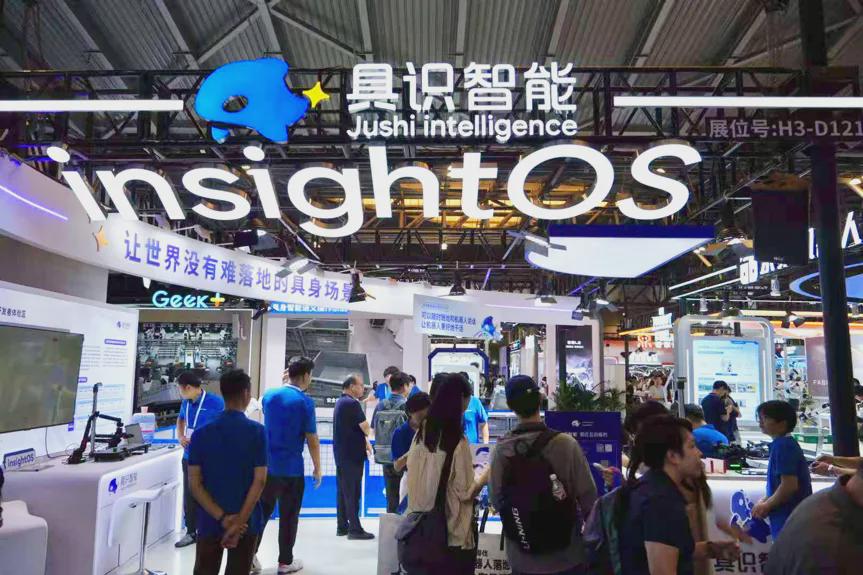
WAIC 2026: Insight AI Unveils First Embodied Semantic Intelligence System, insightOS Semantic

WAIC 2026: Insight AI Unveils First Embodied Semantic Intelligence System, insightOS Semantic

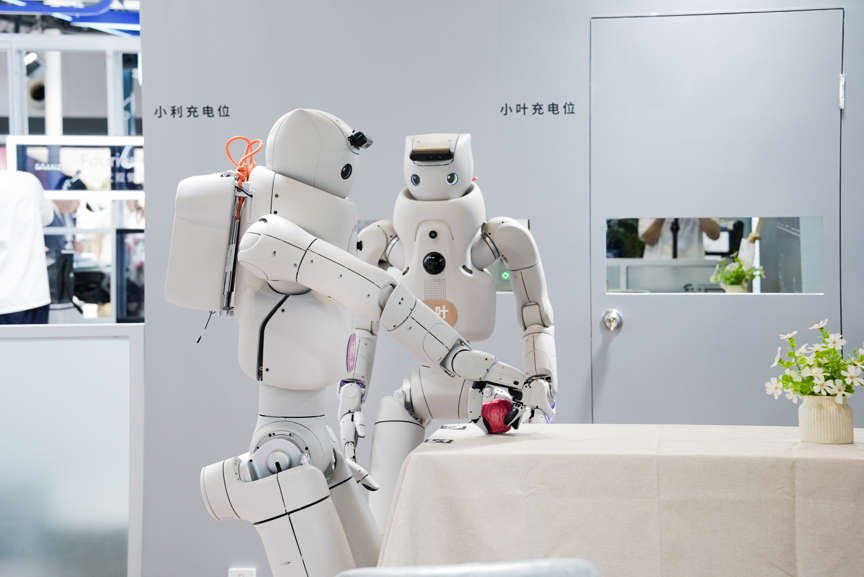
At the 2026 World Artificial Intelligence Conference in Shanghai, Insight AI launched the world's first embodied semantic intelligence system, insightOS Semantic. This system represents a pivotal shift in the embodied intelligence industry, moving from mere demonstration capabilities to practical applications in real-world scenarios. The significance of this development lies in its comprehensive approach to embodied intelligence, which now requires not only technical prowess but also a robust operating system, scenario validation, and a thriving developer ecosystem. Insight AI aims to address the critical challenges of understanding, adaptability, and evolution in robotics, which have hindered the large-scale deployment of embodied systems. Looking ahead, Insight AI's insightOS Semantic is designed to facilitate seamless communication between humans and robots, enabling task execution through natural language. The system's architecture integrates semantic understanding with physical operation capabilities, promising to enhance the efficiency and intelligence of robots in dynamic environments. No further timeline was disclosed at the time of publication.

Embodied Intelligence Robotic Systems AI Technology Natural Language Processing
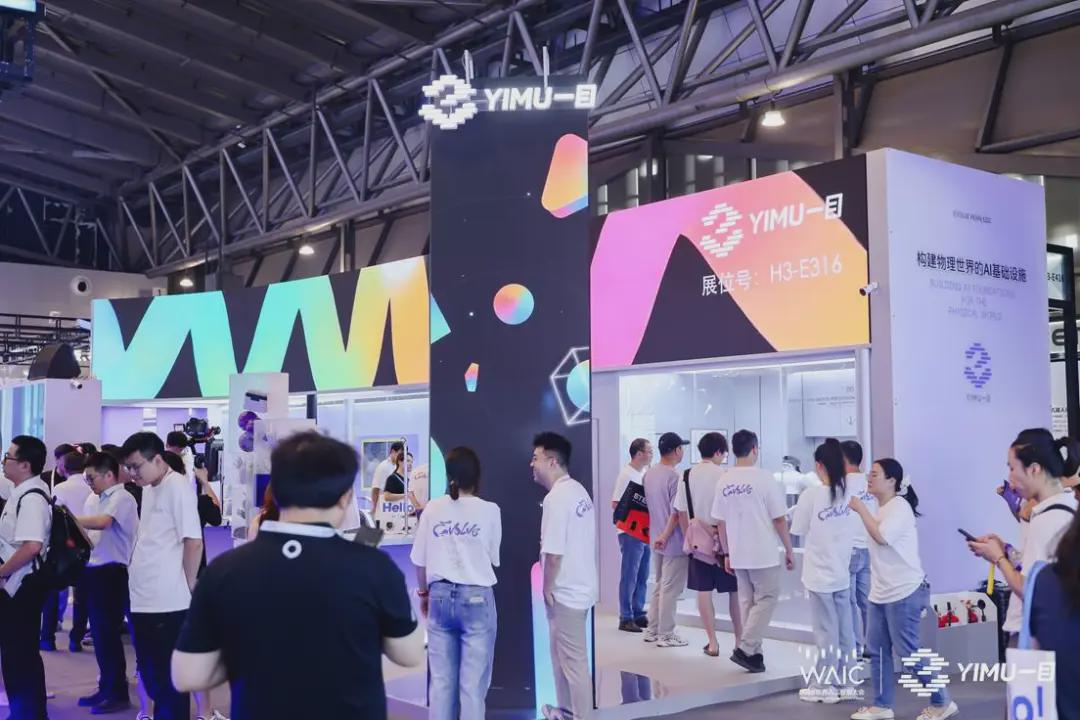
Yimu Technology Showcases Physical AI's Capabilities at WAIC 2026

Yimu Technology Showcases Physical AI's Capabilities at WAIC 2026

At WAIC 2026, Yimu Technology attracted significant attention with its demonstration involving two identical peanuts. The exhibit illustrated the concept that while visual cues may be indistinguishable, tactile feedback reveals critical differences in texture and resilience. This highlights the importance of physical interaction in understanding the physical world. The significance of this demonstration lies in its implications for Physical AI. Traditional robots have struggled to interpret tactile information, often failing in tasks requiring sensitivity, such as handling fragile items. Yimu Technology emphasizes that the key to advancing robotics is not merely increasing model size but ensuring robots receive accurate physical feedback from their environment. Looking ahead, the focus will be on how effectively robots can integrate this tactile feedback into their operations. Yimu Technology's approach, which utilizes optical systems to measure minute deformations, could revolutionize how robots interact with their surroundings. No further timeline was disclosed at the time of publication.

Physical AI Tactile Sensors Robotics Machine Learning
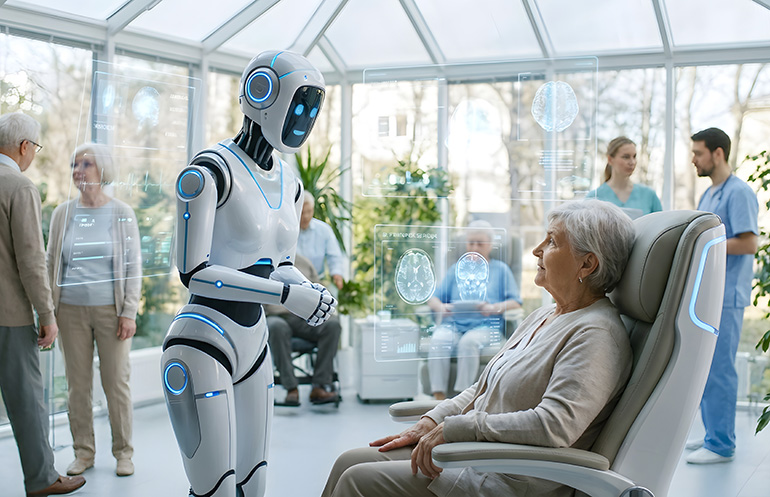
Palm Garden AI Introduces Coherence Guard for Enhanced Human-Robot Interaction

Palm Garden AI Introduces Coherence Guard for Enhanced Human-Robot Interaction

Palm Garden AI has developed Coherence Guard, a relational decision layer aimed at improving the behavior of service robots in human environments. This platform-agnostic technology evaluates actions before execution, ensuring they are relationally coherent by considering factors such as timing, proximity, and emotional tone. The significance of Coherence Guard lies in its potential to enhance the interaction between humanoid robots and humans in various sectors, including hospitality, care, and education. CEO Joachim Scheuerer emphasized that the technology does not replace existing systems but adds a crucial layer for evaluating social appropriateness, which is essential as robots become more integrated into everyday life. Looking ahead, the demand for such relational decision-making capabilities is expected to grow as service robots become more prevalent in human-centric environments. No further timeline was disclosed at the time of publication.

Artificial Intelligence Artificial Intelligence / Cognition Development Tools / SDKs / Libraries Healthcare Robotics Human Robot Interaction / Haptics Humanoids
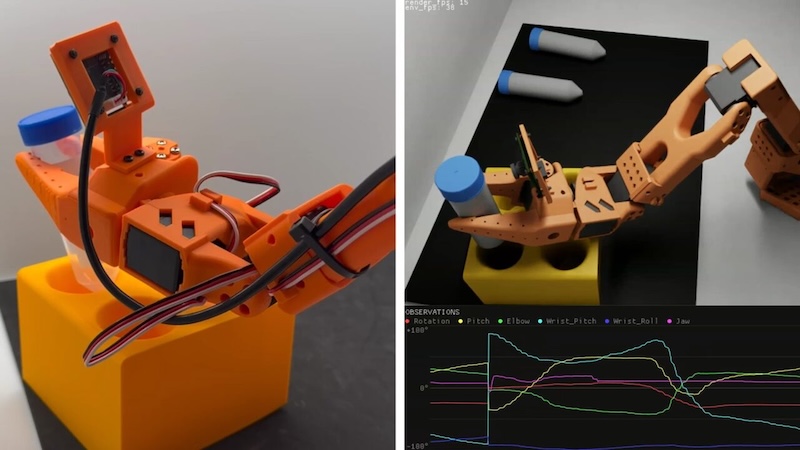
Nvidia and Hugging Face Enhance LeRobot with Advanced Open Robotics AI Tools

Nvidia and Hugging Face Enhance LeRobot with Advanced Open Robotics AI Tools

Nvidia and Hugging Face have expanded their partnership to introduce new AI models and robotics frameworks to the LeRobot platform, enhancing accessibility for developers. The integration of Nvidia Isaac GR00T 1.7, a vision-language-action foundation model, and the Isaac Teleop framework aims to streamline the development process for AI-powered robots. This collaboration is significant as it combines Nvidia's community of over three million robotics developers with Hugging Face's 16 million AI developers, fostering a broader access to physical AI technologies. The new tools will enable standardized workflows for data collection, model training, and performance evaluation, making it easier for developers to create and deploy robotic solutions. Looking ahead, the planned support for Nvidia Cosmos 3 will further empower developers by allowing the generation of synthetic data and simulation of environments. No further timeline was disclosed at the time of publication.

Artificial Intelligence Computing ai Hugging Face humanoid robots Isaac GR00T 1.7
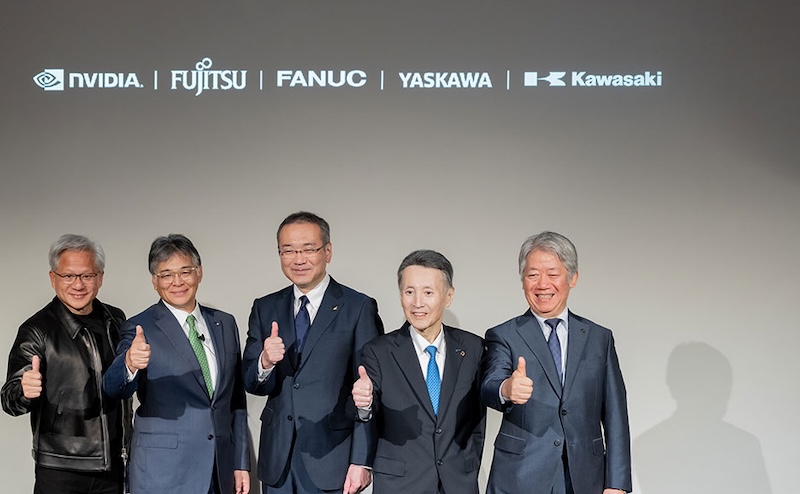
Fujitsu Collaborates with Fanuc, Yaskawa, and Kawasaki to Enhance Physical AI with Nvidia

Fujitsu Collaborates with Fanuc, Yaskawa, and Kawasaki to Enhance Physical AI with Nvidia

Fujitsu has initiated a partnership with Japanese robotics firms Fanuc, Yaskawa Electric, and Kawasaki Heavy Industries to advance the development and deployment of physical AI in sectors such as manufacturing, logistics, and healthcare. This collaboration will leverage Nvidia's physical AI technologies to create a collaborative control platform that connects digital systems with robots and physical equipment. The initiative aims to accelerate the adoption of physical AI, addressing challenges like labor shortages and an aging workforce while enhancing global competitiveness. The platform will optimize production planning in manufacturing, automate material handling in logistics, and improve healthcare operations by automating the transport of medical supplies and assisting with patient interactions. Fujitsu plans to develop an open collaborative control platform that integrates AI, robotics, and data analysis technologies, ensuring interoperability and addressing cybersecurity concerns. No further timeline was disclosed at the time of publication.

Artificial Intelligence Industry News ai factory automation fanuc
Toyota and Nvidia Enhance Collaboration to Advance AI in Vehicles, Manufacturing, and Urban Infrastructure

Toyota and Nvidia Enhance Collaboration to Advance AI in Vehicles, Manufacturing, and Urban Infrastructure

Toyota and Nvidia have broadened their partnership to develop physical AI technologies that encompass next-generation vehicles, manufacturing, robotics, and urban infrastructure. This collaboration builds on a previous agreement, focusing on advanced driver-assistance systems using Nvidia's DRIVE AGX platform and DriveOS operating system. The significance of this partnership lies in its potential to revolutionize mobility and manufacturing. Rishi Dhall, Nvidia's vice president of automotive, emphasized that physical AI will enhance the intelligence of various machines, making vehicles more autonomous and urban environments safer and more responsive. Toyota aims to implement Level 2++ functionality in its future vehicles while leveraging Nvidia AI models for efficient software engineering. Additionally, Toyota is integrating AI into its manufacturing processes through factory simulations using Nvidia's Omniverse and Isaac Sim frameworks. The partnership also extends to urban mobility technologies via Woven by Toyota, which is developing models to analyze traffic conditions. No further timeline was disclosed at the time of publication.

Computing News advanced driver assistance systems ai automotive AI digital twins
Robbyant Launches LingBot-World 2.0 with Enhanced Real-Time World Generation Features

Robbyant Launches LingBot-World 2.0 with Enhanced Real-Time World Generation Features

Robbyant, an embodied AI company under Ant Group, has released LingBot-World 2.0, an open-source interactive world model. This updated version supports hour-long real-time world generation, high-definition output, and enhanced interactive capabilities, marking a significant improvement over LingBot-World 1.0. The new model allows for continuous world generation sessions while maintaining visual quality and enabling real-time user interaction. It produces 720p video at 60 frames per second and is designed to generate, stream, and display content simultaneously, which reduces latency and enhances user engagement with the evolving environment. LingBot-World 2.0 features a dual-agent mechanism for dynamic interaction and supports multiple users in a shared virtual space. Additionally, Robbyant has open-sourced LingBot-Video, a video generation model aimed at robotics applications, which enhances efficiency and realism in AI-generated video for real-world robotic systems. No further timeline was disclosed at the time of publication.

Robot simulation AI models ai simulation Ant Group artificial intelligence embodied ai
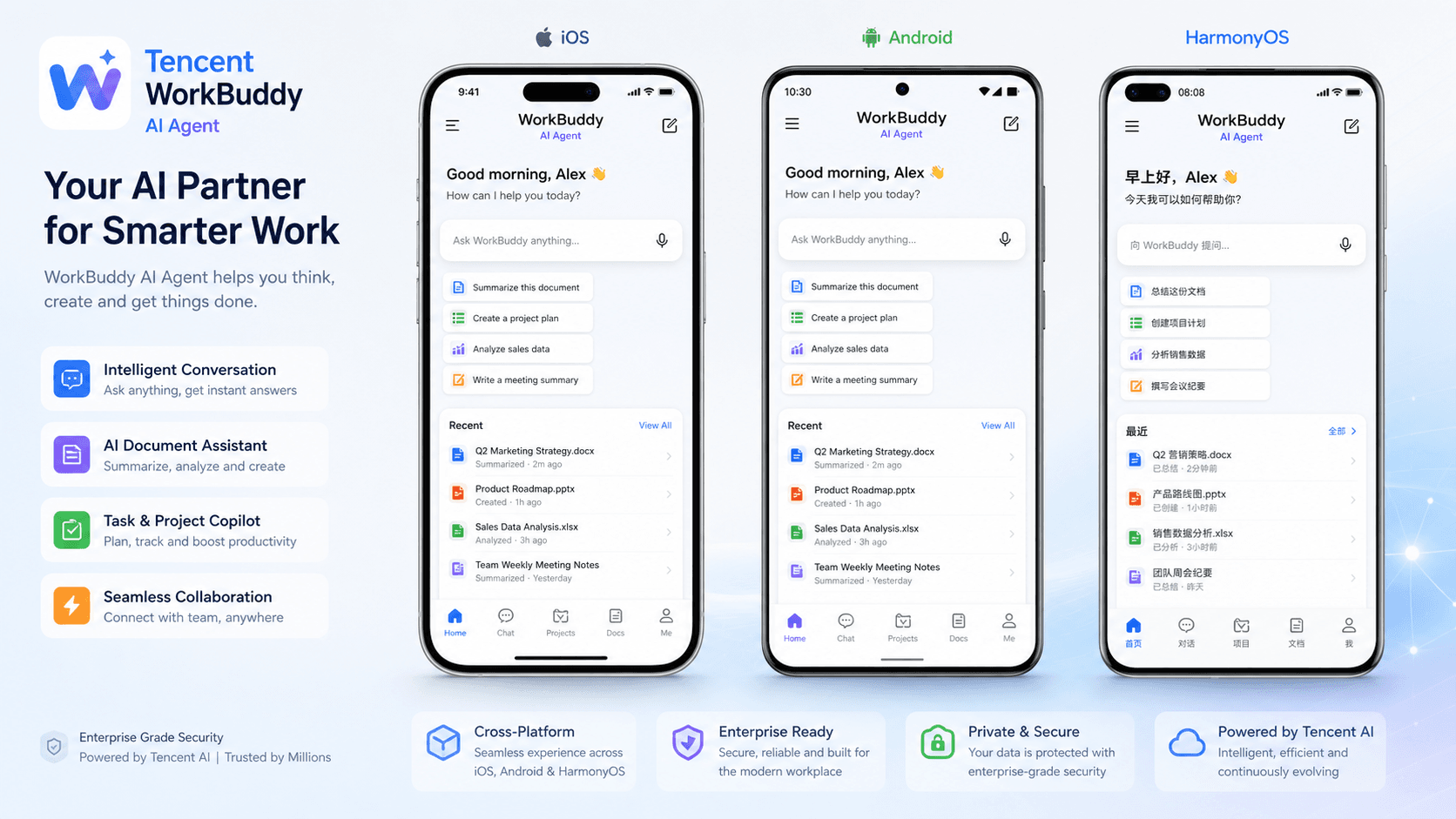
Tencent Launches WorkBuddy App on HarmonyOS, iOS, and Android for Mobile AI Tasks

Tencent Launches WorkBuddy App on HarmonyOS, iOS, and Android for Mobile AI Tasks

Tencent has launched the WorkBuddy agent desktop app across HarmonyOS, iOS, and Android, marking a significant step in mobile AI integration. This launch positions HarmonyOS as the first native agent application, facilitating seamless interaction between mobile devices and PCs for workplace AI tasks. The introduction of the WorkBuddy app is important as it bridges the gap between mobile and desktop environments, enhancing productivity and efficiency in workplace settings. By enabling AI-driven tasks on mobile platforms, Tencent aims to streamline workflows and improve user experience across devices. Looking ahead, the focus will be on how users adopt the WorkBuddy app and its impact on workplace productivity. No further timeline was disclosed at the time of publication.

Technology
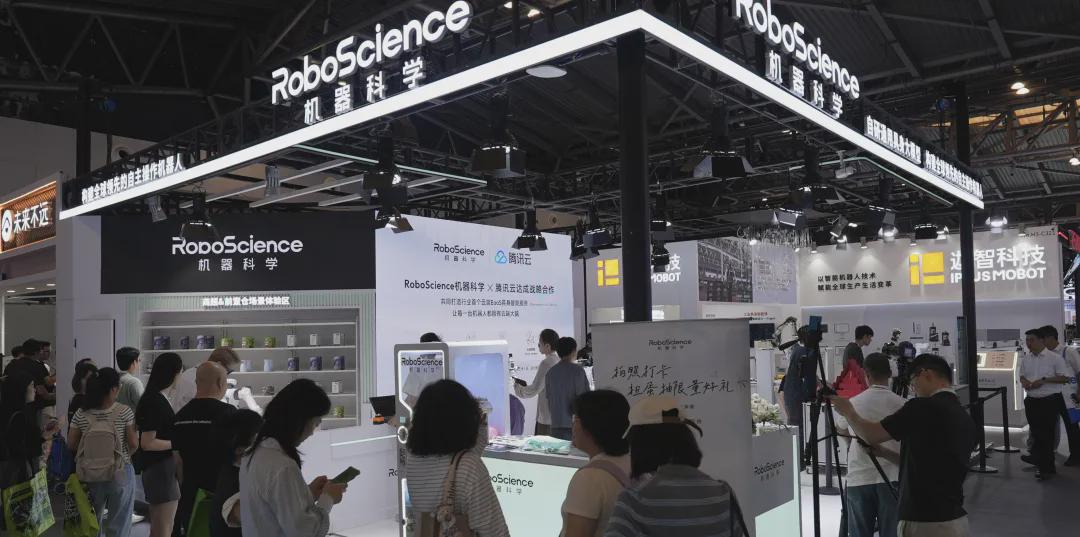
RoboScience Unveils First Cloud-Based Large Model for Robotics at WAIC

RoboScience Unveils First Cloud-Based Large Model for Robotics at WAIC

At the WAIC, RoboScience showcased a groundbreaking cloud-based embodied large model named Visics, capable of controlling multiple robotic hands. This innovation allows for seamless switching between different robotic hands while maintaining operational efficiency, demonstrating the ability to recognize and grasp various objects autonomously within 30 seconds. The significance of this development lies in its potential to revolutionize robotic operations across diverse applications. By enabling a single model to adapt to various hand configurations, Visics enhances the versatility of robotic systems, allowing them to perform complex tasks without the need for extensive retraining when hardware changes occur. Looking ahead, the industry will be keen to observe how Visics performs in real-world scenarios and its ability to execute long-term tasks by integrating multiple actions. No further timeline was disclosed at the time of publication.

Robotics Cloud Computing AI Automation Object Recognition
Fourier Introduces 'Embodied Home' Solution for Intelligent Robot Operations in 2026

Fourier Introduces 'Embodied Home' Solution for Intelligent Robot Operations in 2026

In 2026, the embodied intelligence industry is transitioning from technology validation to large-scale commercialization. With support from capital and policy, the focus is shifting from rigid, high ROI scenarios like industrial manufacturing to commercial services and home environments. A key challenge remains: can robots effectively operate in the complex and unstructured home settings? The complexity of home environments poses significant challenges for humanoid robots, which must navigate unclear instructions and varied layouts. Current mainstream navigation AI struggles with personalized understanding, a critical shortcoming for practical applications in home services. At the World Artificial Intelligence Conference 2026, Fourier showcased the 'Embodied Home' solution, aiming to enable robots to understand their environment and intentions, thereby completing long sequences of tasks autonomously. The 'Embodied Home' solution integrates a semantic task execution hub for humanoid robots, combining large language models, 3D spatial semantic memory, navigation planning, and control execution. This allows robots to autonomously interpret and execute tasks based on natural language commands, enhancing user interaction and ensuring task reliability through a complex task scheduling mechanism. No further timeline was disclosed at the time of publication.

Robotics AI Home Automation Semantic Understanding
OMRON Robotics to Demonstrate Next-Generation Autonomous Mobile Robots at Automate 2026

OMRON Robotics to Demonstrate Next-Generation Autonomous Mobile Robots at Automate 2026

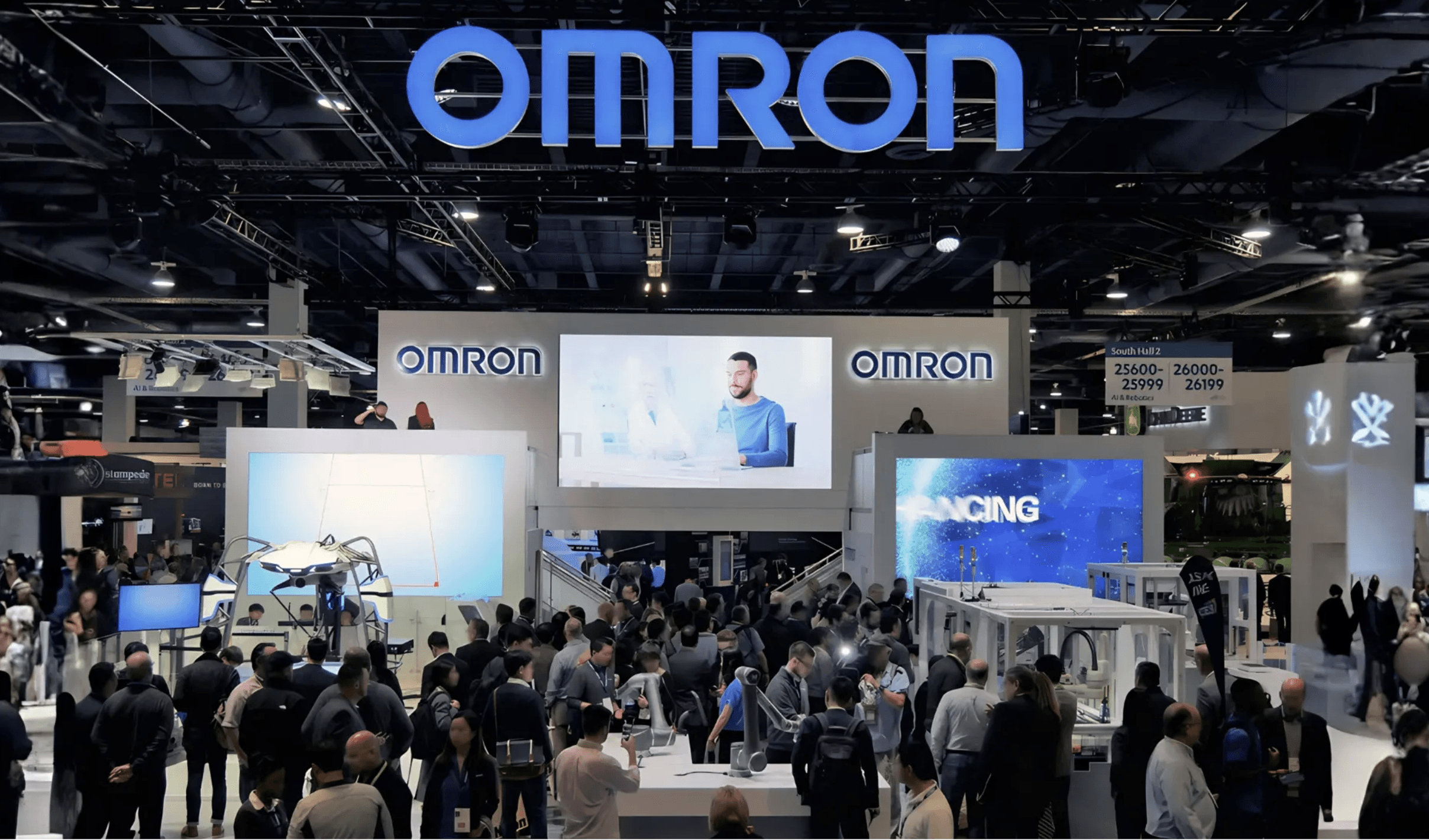
OMRON Robotics introduces the next-generation LD-150 and LD-300 autonomous mobile robots at Automate 2026, featuring higher payloads, 30-minute wireless charging, 360° safety scanning, and FLOW Core fleet integration for high-throughput manufacturing.

XELA Robotics Launches Next-Gen Tactile Sensors at Automate 2026

XELA Robotics Launches Next-Gen Tactile Sensors at Automate 2026

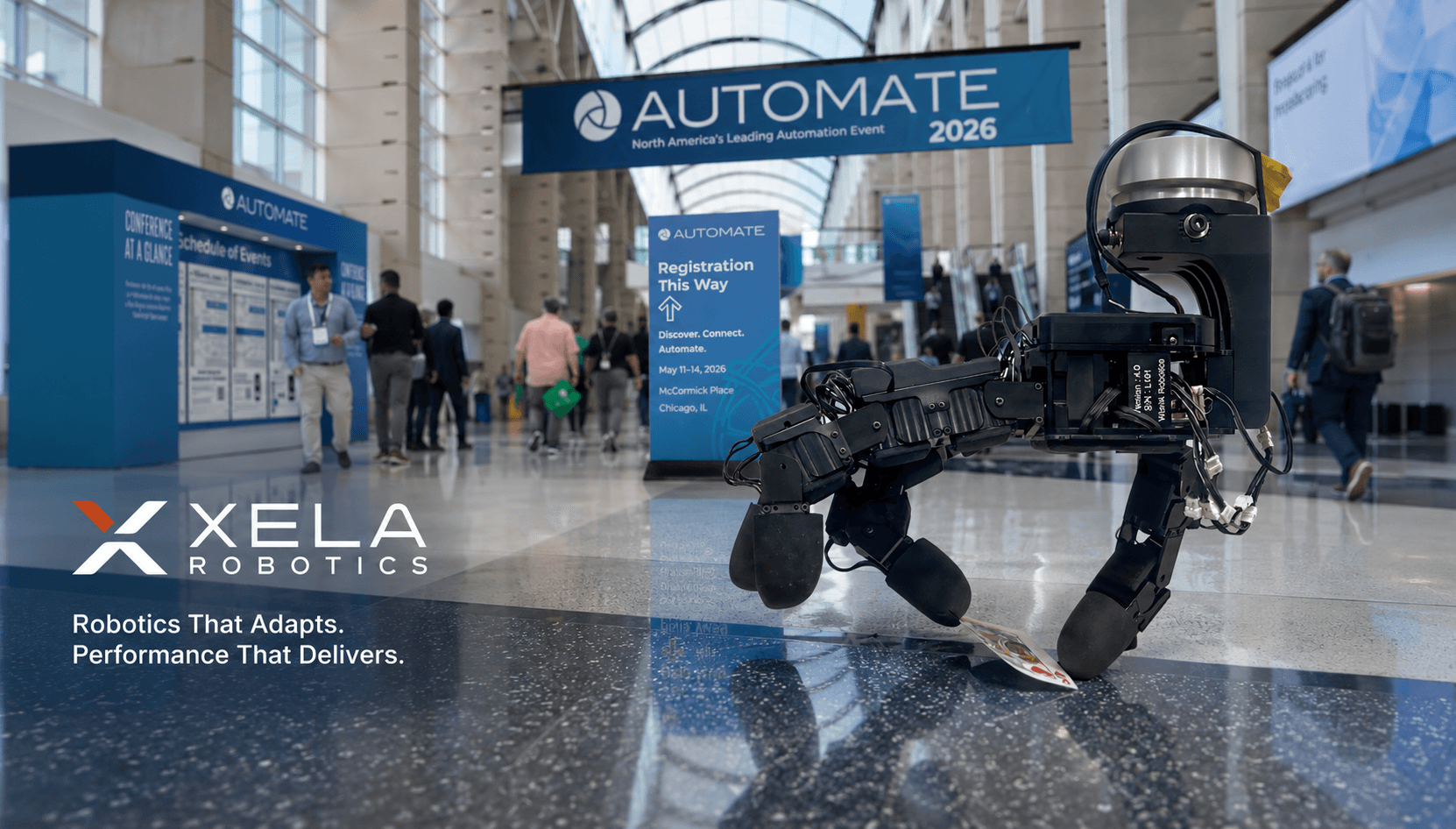
XELA Robotics unveiled five major uSkin® tactile sensor advances at Automate 2026 — including a force-sensitive nail fingertip, UMI AI integration, and fragile object handling. Full product report by RobotToday.com.

FUTURE WARFARE | The Geopolitical Competitive Landscape

FUTURE WARFARE | The Geopolitical Competitive Landscape

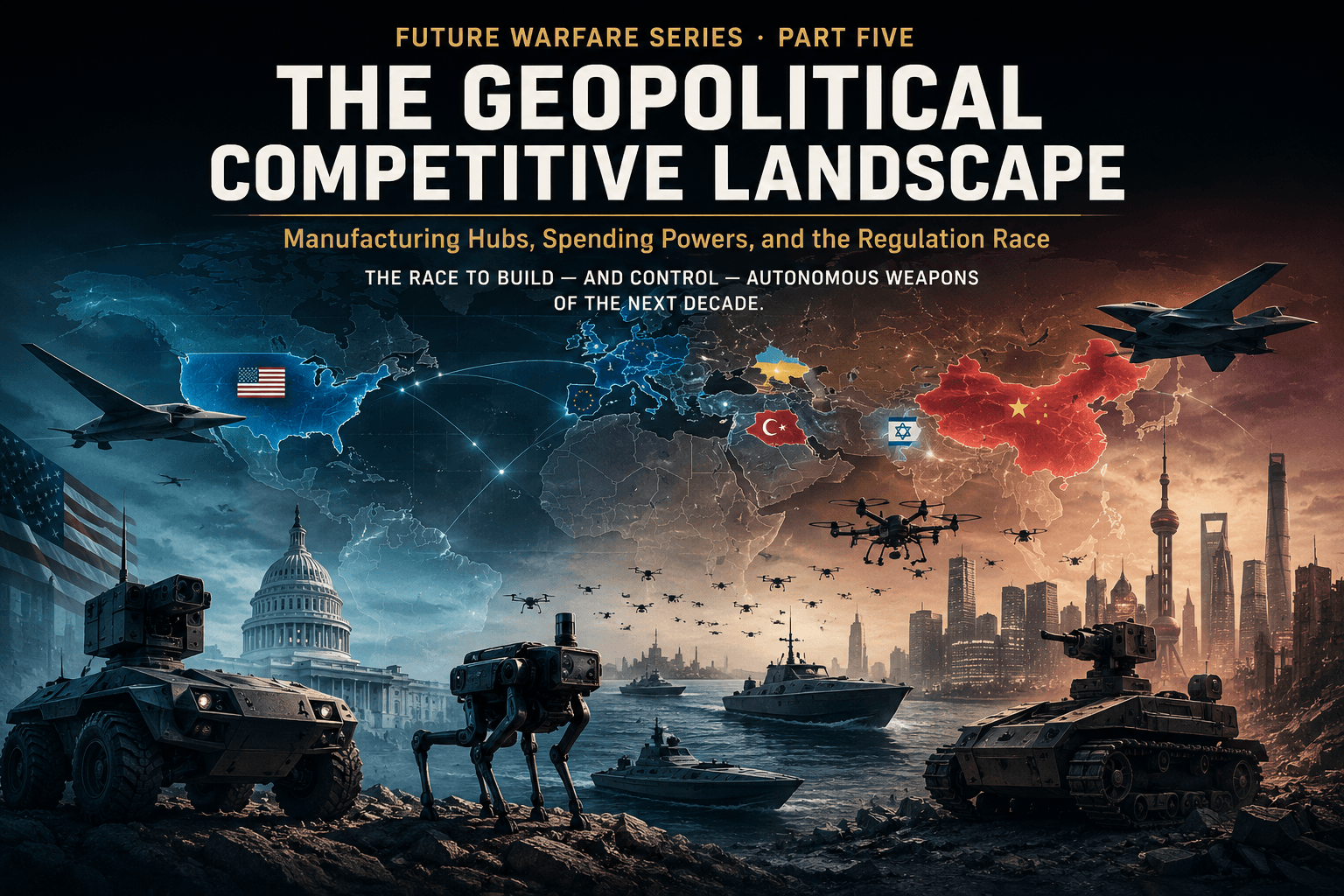
Military robotics is no longer a U.S.-centric story. Global defence spending crossed $2.75 trillion in 2026; defence-tech VC hit a record $49.1 billion in 2025; and a multipolar robotics order is crystallising in real time — with China’s 15th Five-Year Plan institutionalising civil-military fusion, Europe’s €381 billion defence budget financing its own AI champions, and Turkey and Israel reshaping the export market with affordable, combat-proven systems. Part Five of the Future Warfare Series maps the country-by-country competitive landscape, the collapsing regulation race, and the investment forces reshaping who builds — and who controls — the autonomous weapons of the next decade.

AGRICULTURAL ROBOTICS SERIES — Company Directory 2026

AGRICULTURAL ROBOTICS SERIES — Company Directory 2026

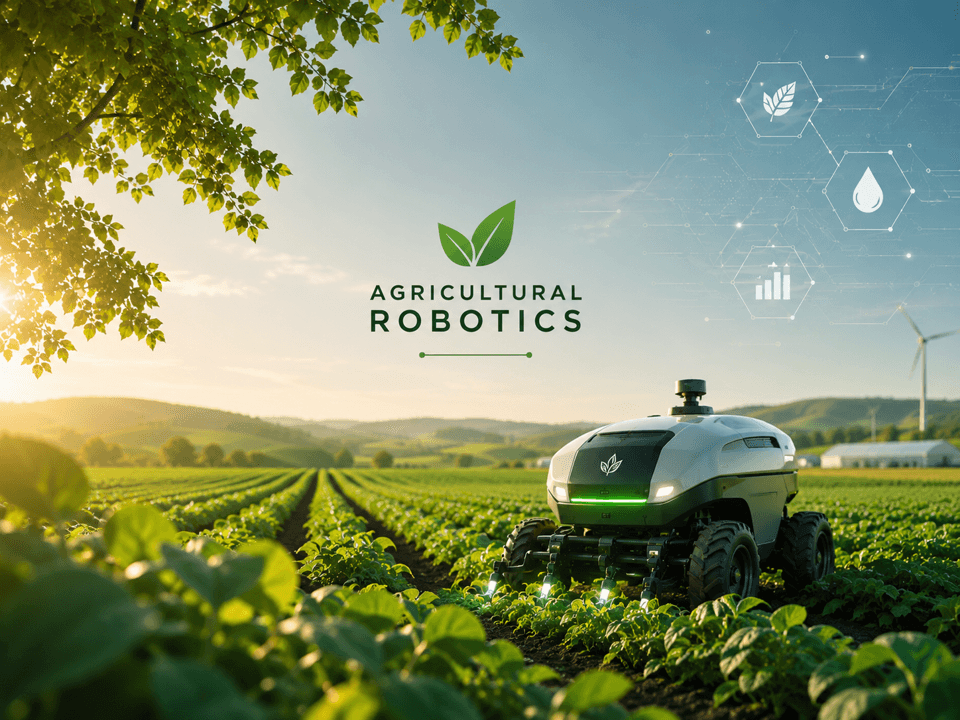
Access the definitive 2026 directory of 150+ agricultural robotics companies. A comprehensive reference guide covering autonomous tractors, harvest automation, precision weeding, and AI data platforms across the global agtech ecosystem.

GLOBAL ROBOTICS INDUSTRY Comprehensive Sector Overview

GLOBAL ROBOTICS INDUSTRY Comprehensive Sector Overview

A comprehensive global robotics industry overview for 2025, analyzing 14 key market segments — from industrial and humanoid robots to logistics AMRs, military systems, and service robots — with expert market sizing, US case studies, five-year forecasts, and bilingual English-Chinese analysis for executives and investors.

CONSTRUCTION ROBOTICS | Surface Finishing & Painting

CONSTRUCTION ROBOTICS | Surface Finishing & Painting

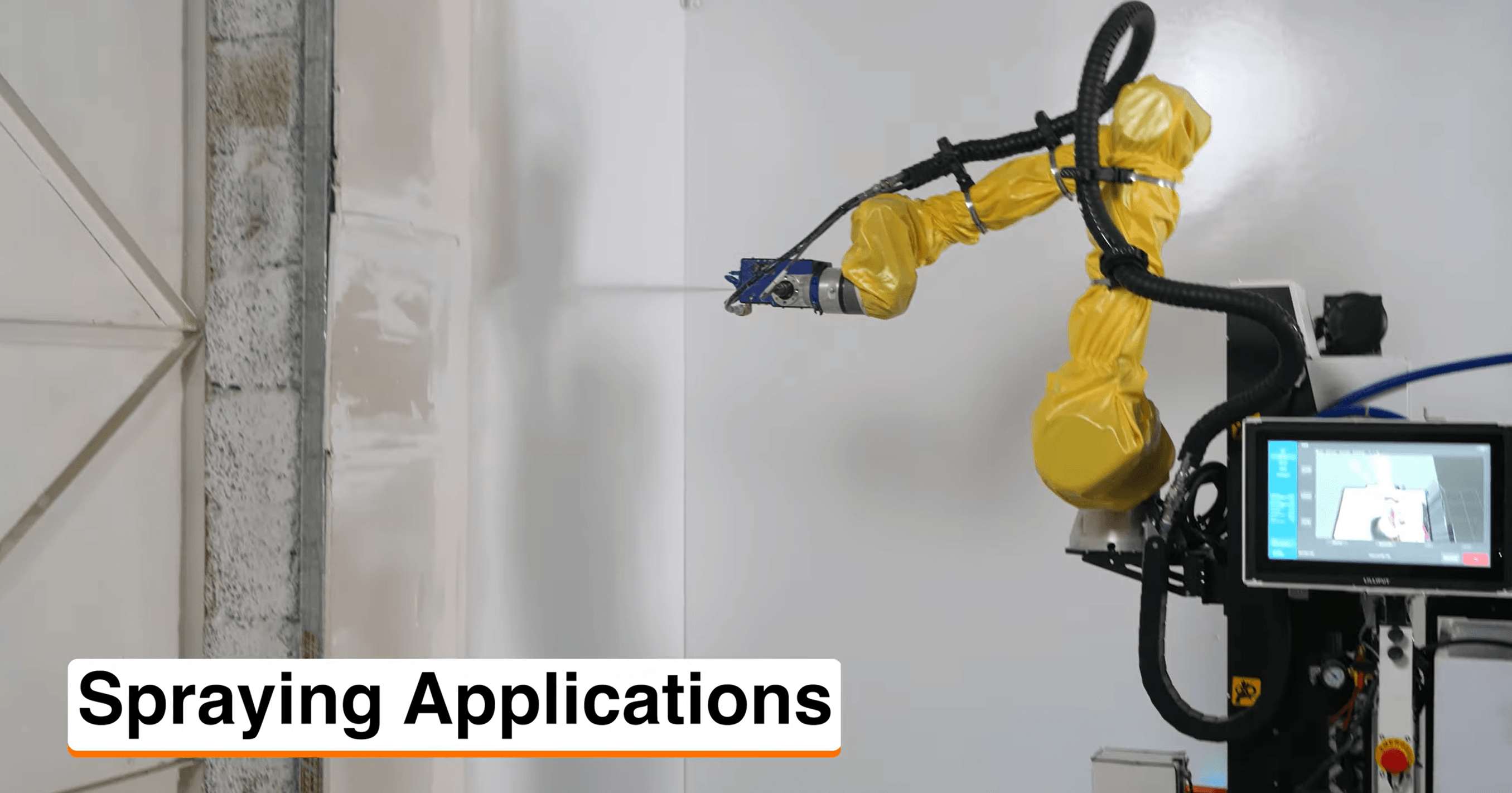
Surface finishing robots are construction's hottest automation segment. Okibo, Canvas, Dusty Robotics, Pictobot, and Brightrobot are rewriting the economics of painting, drywall, and tile-setting. Key stat: Okibo's EG7+ cuts finishing labor costs 50% and operates 10x faster than manual crews.

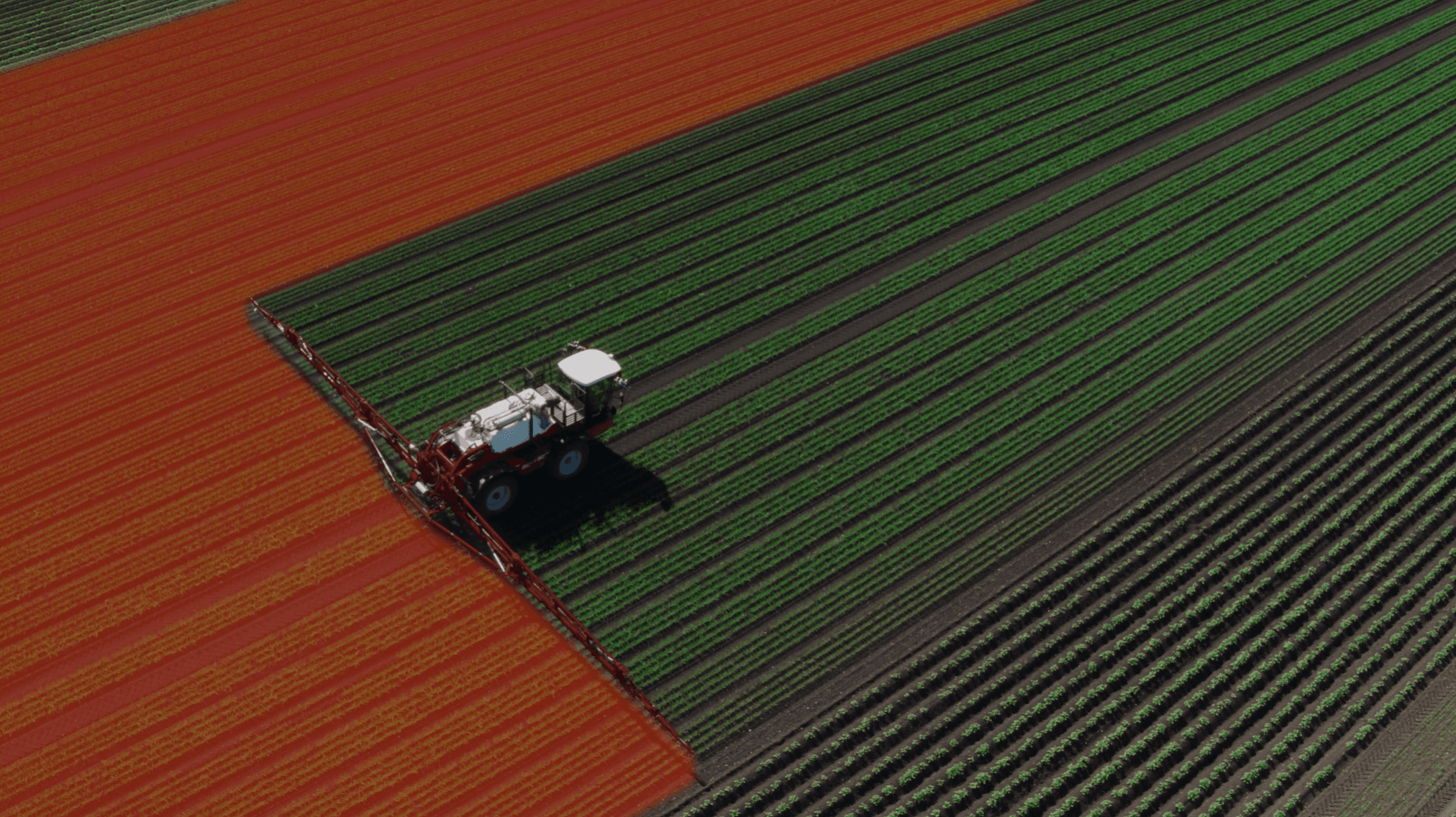
AGRICULTURAL ROBOTICS | Harvesting Robots: $6.9B Market

AGRICULTURAL ROBOTICS | Harvesting Robots: $6.9B Market

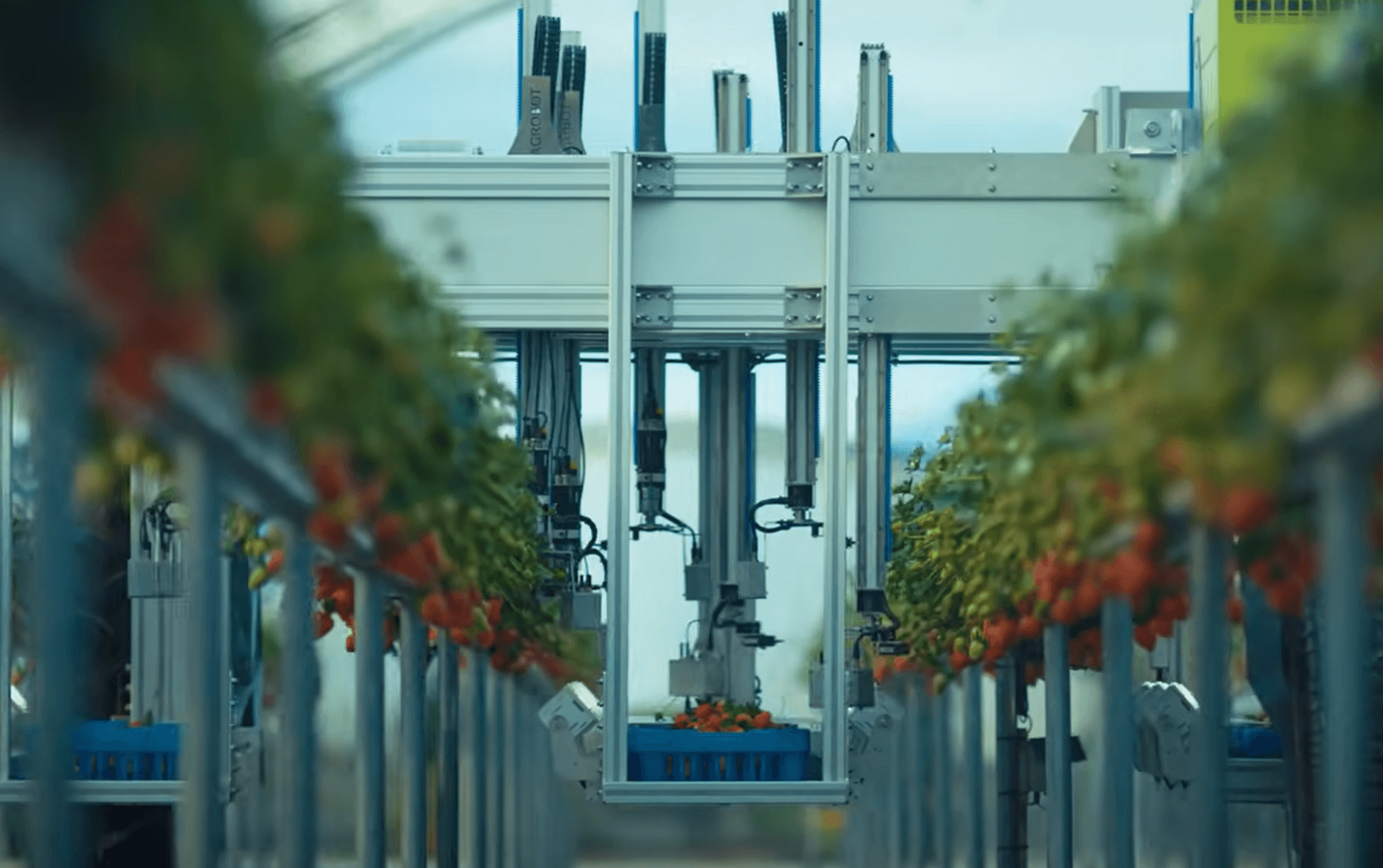
Harvesting robots hit $2.24B in 2024 and are targeting a $50B labor market at less than 5% penetration. Deep-dive: market data, 14 companies, economics, and 2030 outlook.

AGRICULTURAL ROBOTICS | $34B Weeding Robot Market

AGRICULTURAL ROBOTICS | $34B Weeding Robot Market

Weeding & crop management robots target a $34–42B herbicide market. Deep-dive on Carbon Robotics, Ecorobotix, Verdant, FarmWise, and the four tech platforms reshaping chemical-free farming by 2030.

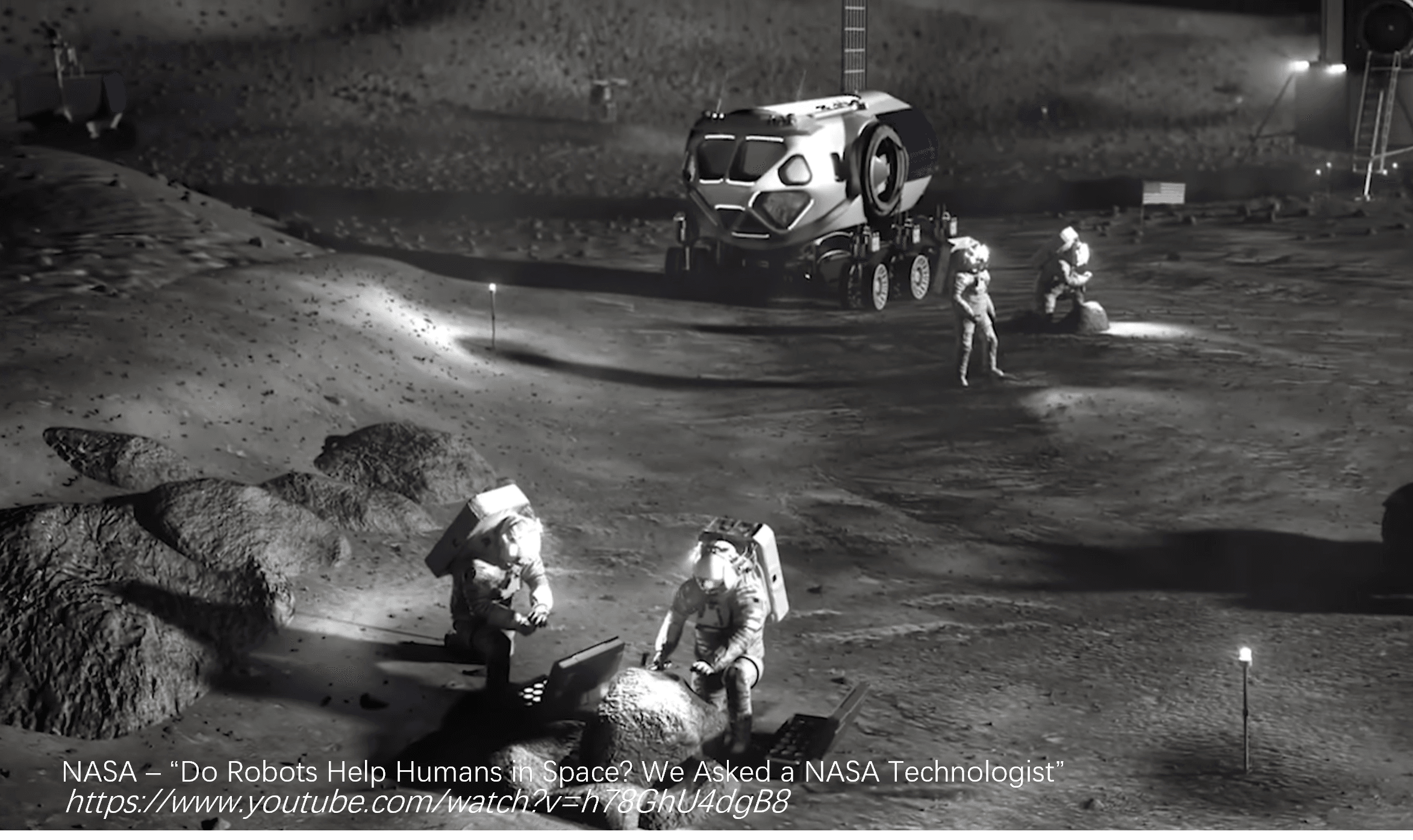
Space Robot- Building Skyscrapers in Space: ISMA's Industrial Revolution

Space Robot- Building Skyscrapers in Space: ISMA's Industrial Revolution

ISAM technology breaks rocket fairing limits through robotic space manufacturing. Market grows from $3.5B to $14.5B by 2032. See how 3D printing, autonomous assembly, and orbital fabrication are creating off-Earth factories.

IEEE Humanoids 2026

IEEE Humanoids 2026

IEEE Humanoids 2026 is the IEEE-RAS International Conference on Humanoid Robots, highlighting advances in bipedal locomotion, dexterous manipulation, embodied AI, and full-body humanoid system integration.