

NextStep Robotics
Baltimore-based startup developing AMBLE, an FDA-cleared wearable ankle robot for gait rehabilitation in stroke patients with foot drop.
Contact NextStep Robotics
WEBSITE
https://www.nextsteprobo.comPHONE
+1 443-869-3518HEADQUARTERS
United States

Company Facts
Founded
2017
Primary Role
Manufacturer
Company Size
-
Primary Region
North America
Annual Sales
-
Funding Stage
-
Funding Total
-
Certifications & Memberships

Nanyang Technological University Develops MMG-Driven Variable Stiffness Glove for Tremor Control
Nanyang Technological University (NTU) has unveiled a variable stiffness glove driven by mechanomyography (MMG) to suppress tremors associated with conditions like Parkinson's disease. This innovative wearable device utilizes a 3D-printed exoskeleton structure that adjusts its stiffness in response to detected muscle vibrations, providing support only when tremors occur. The significance of this development lies in its ability to enhance daily activities for individuals suffering from tremors without compromising joint flexibility. The glove's design incorporates a lightweight, high-strength nylon structure that can quickly transition from soft to rigid, ensuring optimal performance during tremor episodes. The research findings have been accepted for publication in IEEE Robotics and Automation Letters. Looking ahead, the team aims to further validate the glove's effectiveness in real-world applications. The rapid response time of the device, achieving 90% of maximum stiffness in approximately 0.63 seconds, positions it as a promising solution for tremor suppression. No further timeline was disclosed at the time of publication.
Wearable Technology Tremor Suppression Assistive Devices Healthcare Innovation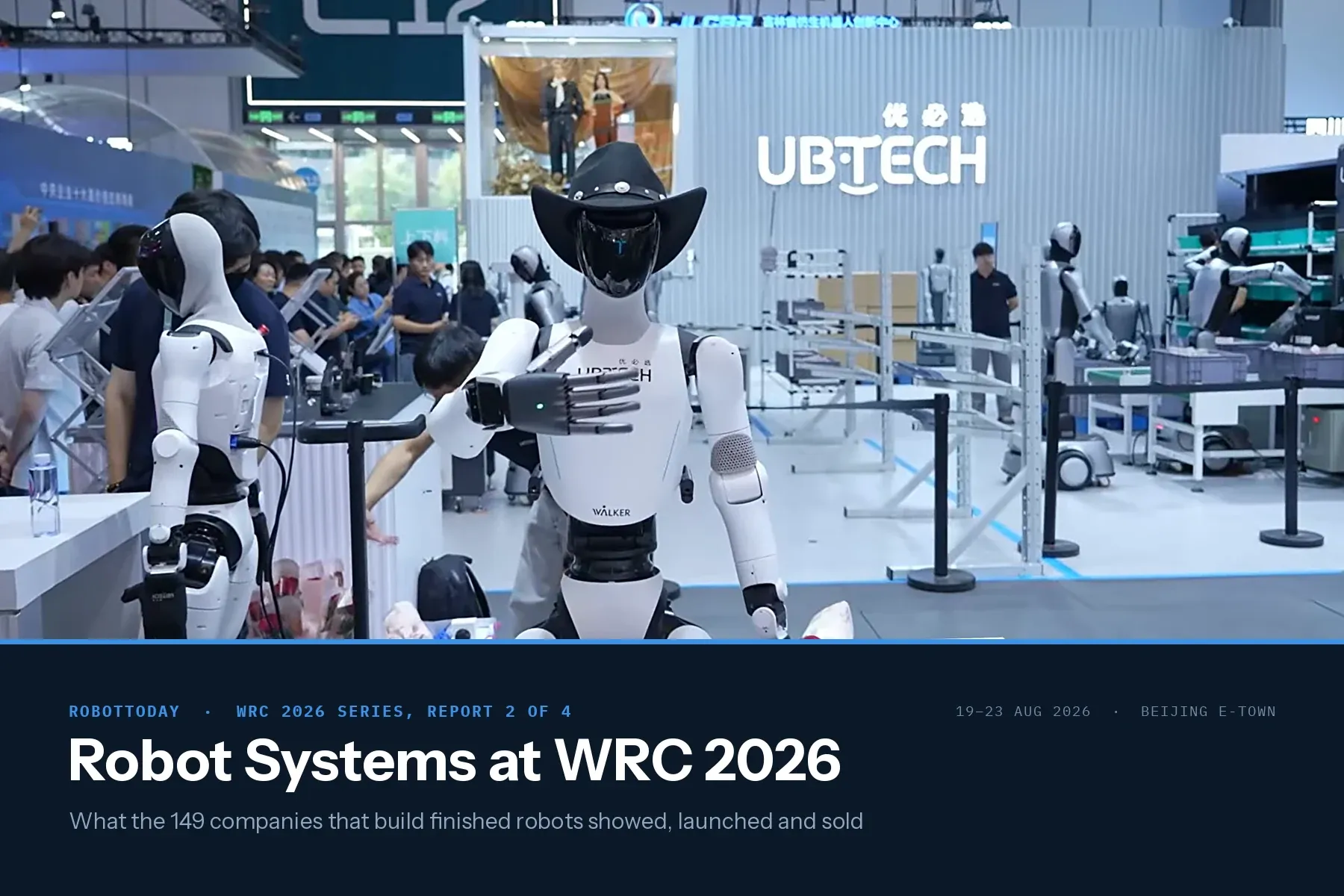
WRC 2026 Robot Systems: 149 Companies That Build Robots
149 of the 248 classified WRC 2026 exhibitors build finished robots. 93 build humanoid or legged machines. The audited humanoid sales number is one unit.

Five Key Trends Emerging from WRC 2026: Shift to Product Validation in Robotics
The World Robot Conference 2026 showcased a unique robot 'wedding' on Qixi and highlighted five significant trends in the robotics industry. Notably, robots are transitioning from technology validation to product validation, indicating a maturation in the field. This shift is crucial as it reflects the industry's movement towards practical applications and market readiness, rather than just experimental technologies. Additionally, while world models are still relevant, they did not generate as much excitement as anticipated, suggesting a need for further innovation. Looking ahead, tactile sensing is emerging as a key focus for dexterous robotic hands, while exoskeletons are beginning to show promise. Furthermore, the competition among component suppliers is intensifying, particularly concerning joints. No further timeline was disclosed at the time of publication.
VUB Leads RESSORT Project to Enhance Soft Robots with Sensing and Adaptation Capabilities
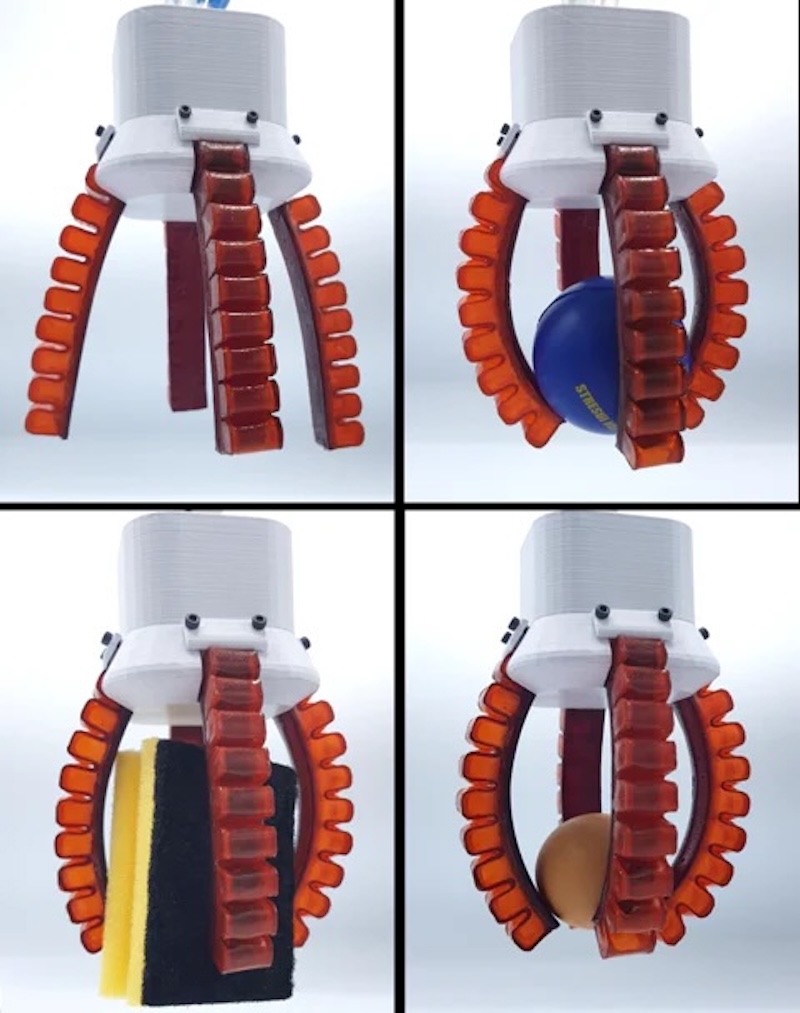
Vrije Universiteit Brussel (VUB) is spearheading the RESSORT project, a four-year initiative funded by the European Union's Horizon Europe program. This project aims to advance soft robotics by enabling these robots to sense, repair, and adapt to their environments, with applications in healthcare, food handling, and industrial inspection. The significance of RESSORT lies in its potential to transform soft robots into more sustainable and reliable solutions. By integrating innovative technologies such as self-healing materials and variable-stiffness structures, the project seeks to overcome existing limitations that have kept soft robots primarily in laboratory settings. This advancement could lead to safer interactions with humans and delicate objects. Looking ahead, RESSORT plans to develop three demonstrators to validate its technologies in real-world scenarios. One key application is a personalized soft exosuit for rehabilitation, designed to provide tailored support to patients. The project also aims to create an adaptive robotic system for the food industry, enhancing the ability to handle fragile products effectively.
Features Research Robotics Science adaptive robots brubotics
New Muscle-Sensing Technology Poised to Transform $1.6 Billion Exoskeleton Market
The exoskeleton market in China is projected to exceed 1.6 billion yuan by 2025, with approximately 26,000 units expected to be shipped annually. The medical rehabilitation sector remains the primary market driver, while consumer applications account for over 70% of shipments. Industries such as logistics, automotive manufacturing, energy, and emergency rescue are also beginning to adopt exoskeleton technology. Despite the growing sales of exoskeletons, a fundamental challenge persists: these devices can enhance human strength but often lack the ability to accurately gauge the user's exertion levels. Recent research from the University of Queensland introduces a solution by employing ultra-wideband radar (UWB) technology to measure muscle force without invasive procedures. This advancement offers a more direct method of assessing muscle exertion compared to traditional electromyography (EMG) techniques. As the field evolves, the integration of UWB technology could significantly improve the functionality of exoskeletons, making them more responsive to the user's actual physical output. Future developments in this area will be crucial to enhancing the effectiveness of rehabilitation and training applications. No further timeline was disclosed at the time of publication.
Exoskeletons Muscle Sensing Technology Healthcare Robotics Wearable Devices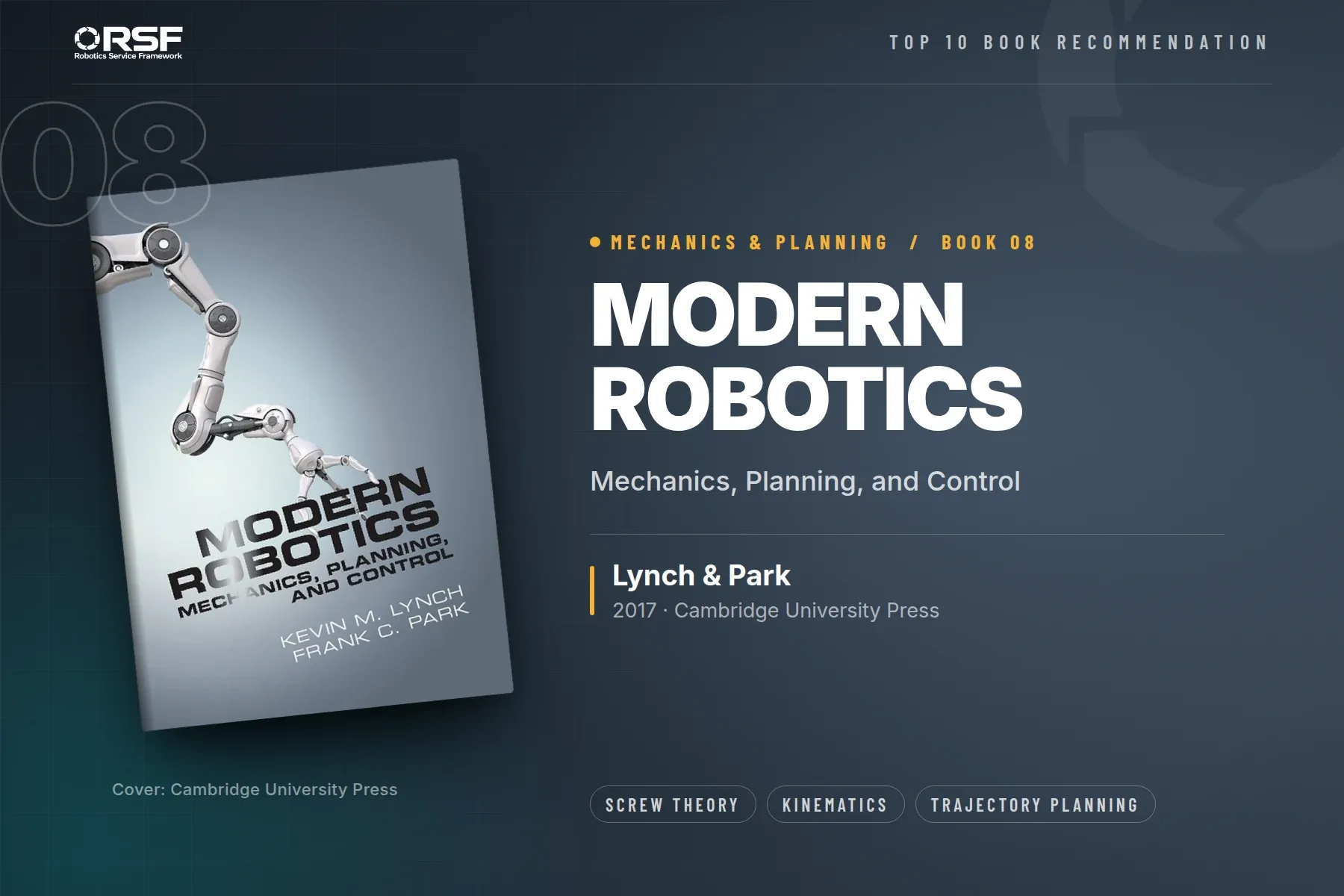
Modern Robotics K. M. Lynch & F. C. Park — RSF Top 10 Robot Education Textbooks · No. 8
The book the field agreed to make free: full preprint PDF, video lectures and open code from the authors. Screw theory and kinematics, taught rigorously.
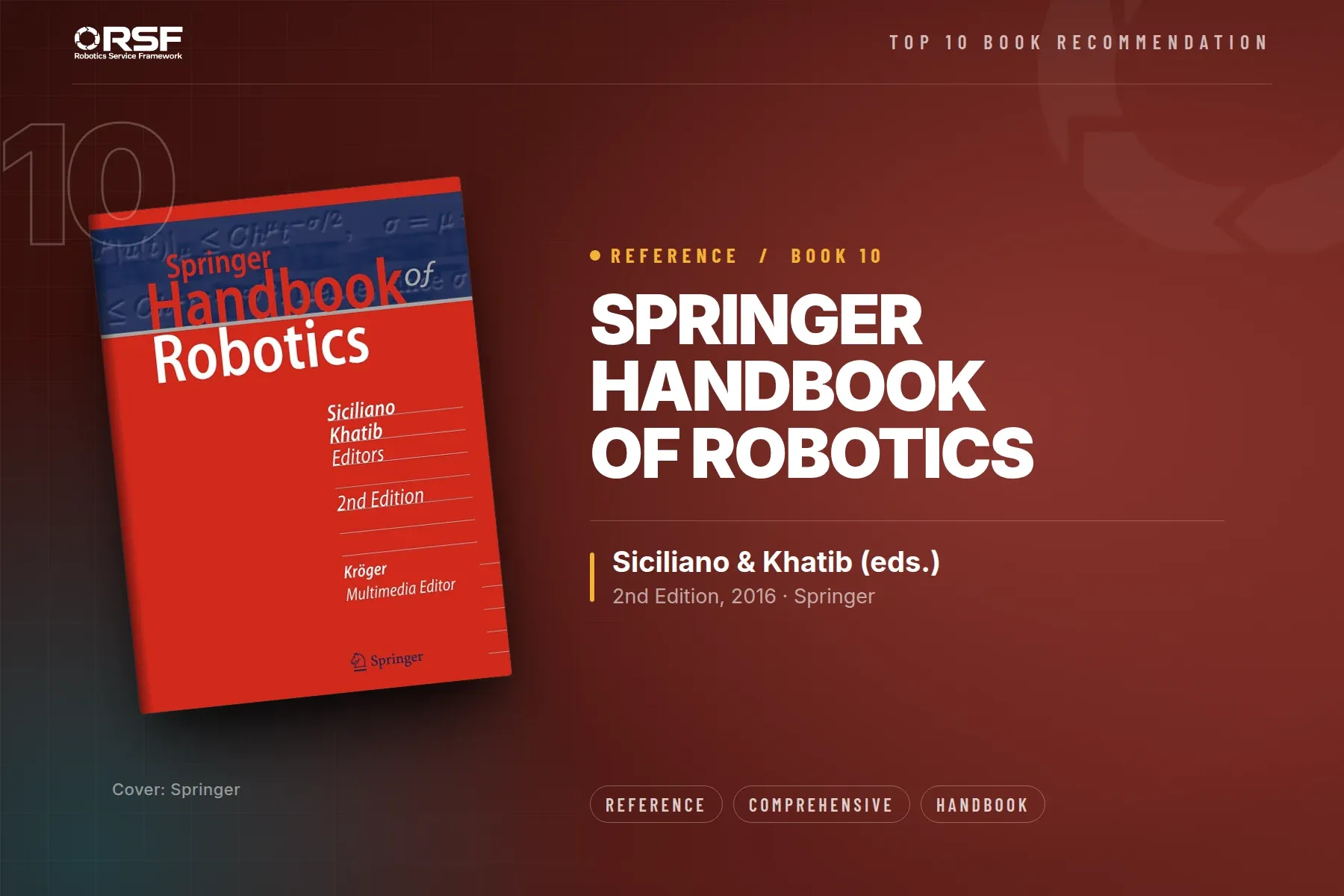
Springer Handbook of Robotics B. Siciliano & O. Khatib (eds.) — RSF Top 10 Robot Education Textbooks · No. 10
Eighty-plus chapters, 2,300 pages, nobody reads it cover to cover. It ranks for one reason: when a fault crosses domains, this is the reference of record.
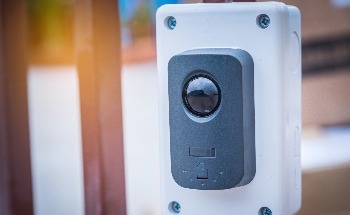
University of Queensland Develops Non-Invasive Sensors for Wearable Robotic Limbs
Researchers at the University of Queensland have developed new non-invasive sensors that measure muscle forces. This innovation unlocks new possibilities for wearable robotic mobility devices, enhancing their functionality and user experience. The development of these sensors is significant as it paves the way for improved integration of robotics with human movement. By accurately measuring muscle forces, these sensors can enable more responsive and adaptive robotic limbs, potentially transforming mobility solutions for individuals with disabilities. Looking ahead, the impact of these sensors on the design and functionality of wearable robotic devices will be crucial. No further timeline was disclosed at the time of publication.

Hyundai E&C Launches X-ble Shoulder Exoskeleton for Construction Workers
Hyundai Engineering & Construction announced the introduction of the X-ble Shoulder exoskeleton, developed by Hyundai Motor Group Robotics Lab, specifically for the construction industry. This innovative wearable device aims to reduce fatigue associated with repetitive tasks, enhance focus, and minimize the risk of musculoskeletal disorders. The significance of the X-ble Shoulder exoskeleton lies in its potential to improve overall work efficiency in construction, a sector often plagued by physical strain on workers. By addressing these challenges, Hyundai E&C is positioning itself as a leader in integrating advanced robotics into traditional industries, which could set a precedent for future developments. Looking ahead, the impact of the X-ble Shoulder exoskeleton on worker productivity and safety will be closely monitored. No further timeline was disclosed at the time of publication.
All News
Jiangsu's AI Innovations Showcase Rapid Robotics Training and Practical Applications
Jiangsu is demonstrating the capabilities of AI through various practical applications, including a quadruped robot conducting inspections and individuals mastering laser welding in just three days. This was highlighted during the 'Vibrant China Research Tour' organized by the Publicity Department, where over 100 journalists explored AI practices across eight cities in Jiangsu. The 'AI Mirror' ecosystem in Nanjing features an exoskeleton device that enhances user strength and a development center that connects product innovation with market testing. Since its launch in November, the center has engaged over 200 companies and facilitated nearly 70 million yuan in transactions, showcasing a successful model of technology integration. In Wuxi, various robots are being trained for precision tasks, while Nantong is transforming traditional manufacturing with AI systems. Suzhou's collaboration with local chip manufacturers is accelerating the laser industry. Jiangsu's diverse AI applications are providing concrete answers to the fundamental question of what technology can achieve in today's era.
AI Robotics Manufacturing Laser Technology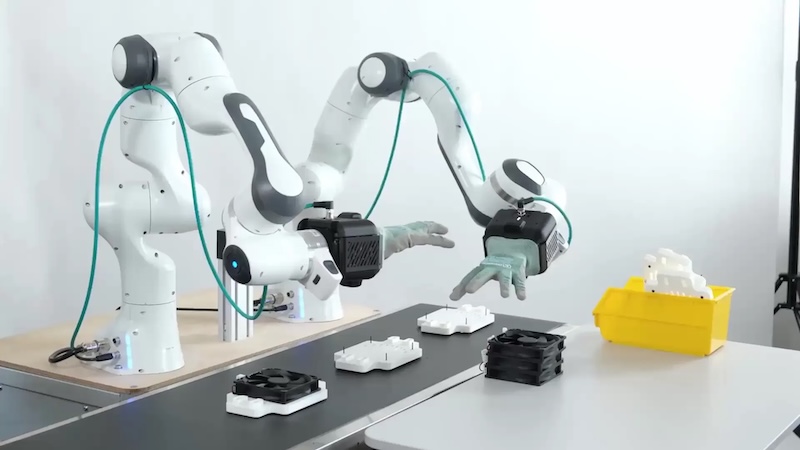
mimic Robotics Launches Comprehensive Platform for Advanced Dexterous Robot Manipulation
mimic Robotics has unveiled a new robotic hand, the mimic hand M1, along with the mimic wearable U1 exoskeleton and a proprietary software platform. This integrated system aims to enhance general-purpose dexterous manipulation in industrial robots by addressing the challenge of collecting high-quality training data for AI models that perform human-like tasks. The significance of this launch lies in mimic Robotics' approach to design, which focuses on human hand morphology rather than traditional two-finger grippers. The mimic hand M1 features 15 actuated degrees of freedom and is capable of handling payloads over 25 kg, while the mimic wearable U1 allows human operators to demonstrate tasks in real-time, improving data collection for AI training. Looking ahead, the company’s innovative middleware and teleoperation software are expected to enhance robot control and AI inference speed. No further timeline was disclosed at the time of publication.
Components Computing News ai automation dexterous manipulation
Aoyi Technology Showcases Innovative Products at WAIC 2026 Addressing Real-World Needs
On July 17, 2026, the World Artificial Intelligence Conference (WAIC) opened in Shanghai, attended by President Xi Jinping, who emphasized the importance of global AI cooperation. Aoyi Technology presented its full range of self-developed hardware, including the CeRelax EEG headset, gForce Ultra EMG wristband, and lower limb rehabilitation exoskeleton, focusing on practical applications in real environments. The showcased products aim to address specific pain points in various scenarios, such as the lower limb exoskeleton, which assists users in walking without the need for muscle signal collection. The gForce Ultra wristband captures minute muscle contractions to aid rehabilitation and optimize robotic operations, while the CeRelax headset bridges the gap between high-end research and consumer needs in brain health. Looking ahead, Aoyi Technology's Vice President Zhang Qi highlighted the industry's shift towards functional product development. The company plans to extend its capabilities into the education sector with a new matrix of embodied intelligence educational products designed for vocational schools, aiming to cultivate practical engineering talent. No further timeline was disclosed at the time of publication.
Brain-Machine Interfaces Wearable Technology Rehabilitation Robotics Educational Technology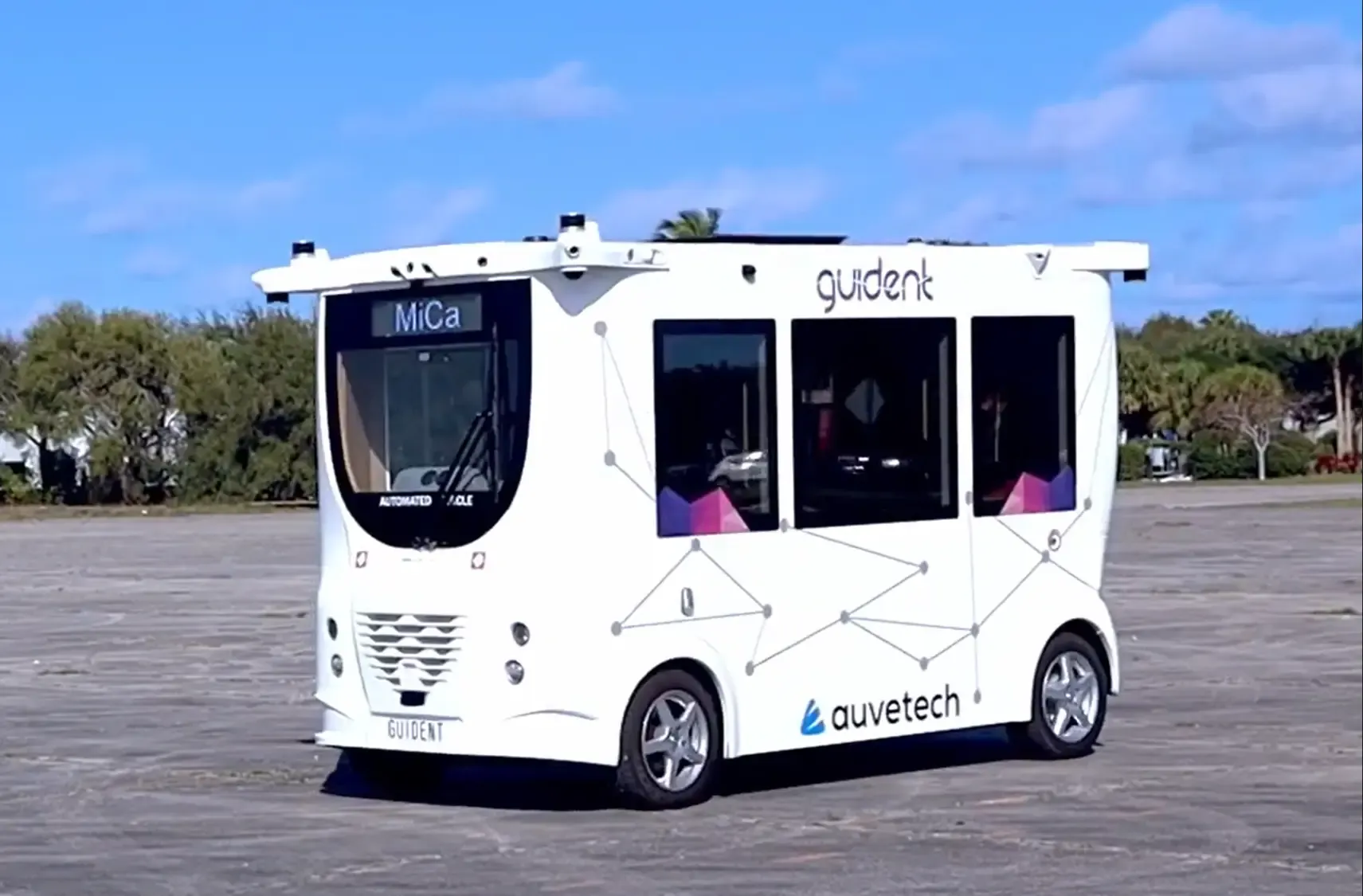
Inside Guident: How Harald Braun Is Building the Safety Layer Every Autonomous Vehicle Needs
Guident CEO Harald Braun on the RMCC architecture, IRLS risk identification system, and why California’s 2026 AV mandates validate six years of platform development.
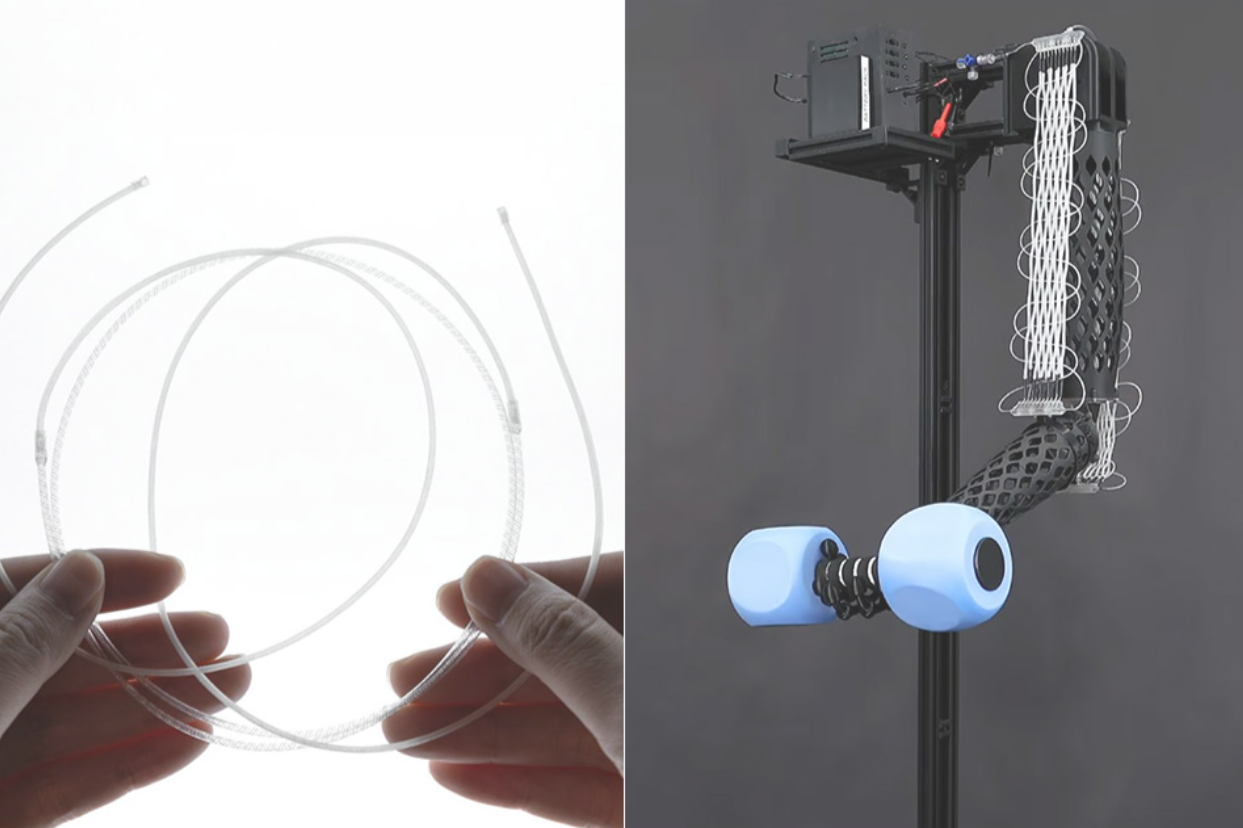
MIT Develops Innovative 'Fiber Muscles' for Robots to Imitate Natural Muscle Movement
Researchers from MIT Media Lab and Bari Polytechnic University have unveiled a groundbreaking technology in soft robotics, detailed in the journal Science Robotics. They have developed 'fiber muscles' that operate silently and efficiently, eliminating the need for external pumps and bulky components traditionally used in robotic joints. This innovation is significant as it addresses the limitations of current robotic systems, which rely on motors and gearboxes that generate noise and require heavy parts, impacting flexibility and energy efficiency. The new system integrates miniature pumps within the muscle fibers, allowing for a self-contained, lightweight, and quiet operation that mimics human muscle movement. Looking ahead, this technology could revolutionize the design of soft robots, enabling them to be embedded in robotic arms, wearable exoskeletons, or prosthetics. The potential for these fiber muscles to enhance human-robot interaction and create more adaptable robotic systems is promising, suggesting a future where the physical boundaries of human-robot coexistence may become more fluid.
Soft Robotics Robotic Actuators Bio-inspired Technology Wearable Robotics
Physical AI Landscape: From Digital Intelligence to the Embodied Physical World
A comprehensive industry analysis of Physical AI — covering Embodied AI, Field AI, Factory AI, VLM, World Model, VLA, and the VLA vs WAM architecture debate. Includes 20+ companies, 28 references, and the RobotToday Physical AI Landscape diagram. July 2026.
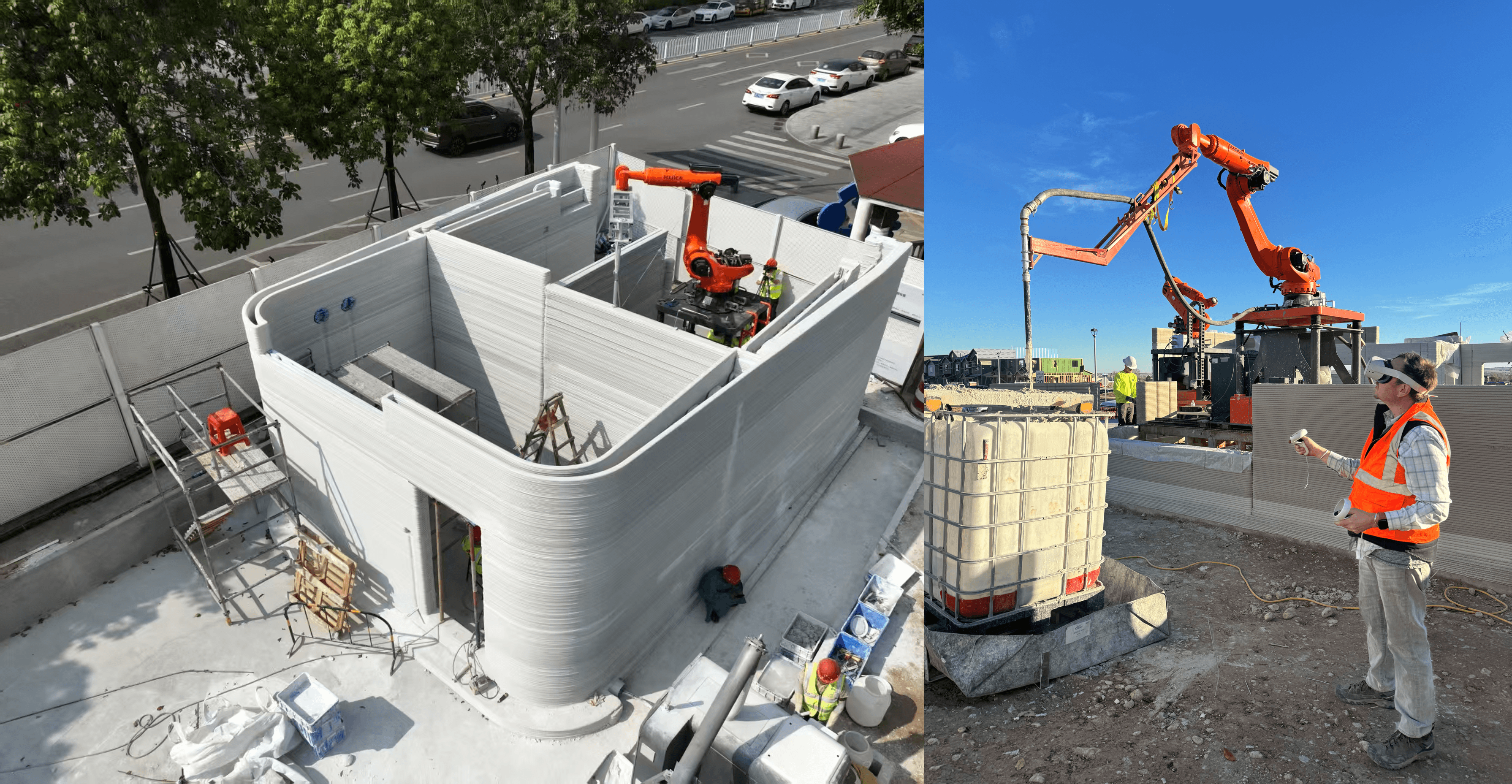
CONSTRUCTION ROBOTICS | FUTURE HORIZONS: 2025–2030 & BEYOND
Construction robotics is entering its decisive decade. Autonomous jobsites, swarm coordination, humanoid integration, and a potential $60 billion market reshape every strategic decision in the industry.

ROBOTTODAY WEEKLY May 11 - 15, 2026
This week in robotics: Figure AI's humanoids hit a 24/7 nonstop autonomous work milestone, Mind Robotics raises $400M to top $1B, Waymo recalls 3,800 robotaxis over flooding, Unitree debuts the world's first mass-produced human-carrying mecha, and WIRobotics closes a $68M Series B. May 11–15, 2026.

CONSTRUCTION ROBOTICS | BUSINESS MODELS & INVESTMENT LANDSCAPE
Construction robotics attracted $4.4 billion in built environment tech funding through Q3 2025. SoftBank acquired ABB Robotics for $5.375 billion. RaaS is displacing capex models. AI-native platforms command 39x revenue multiples. This is where money meets machines.
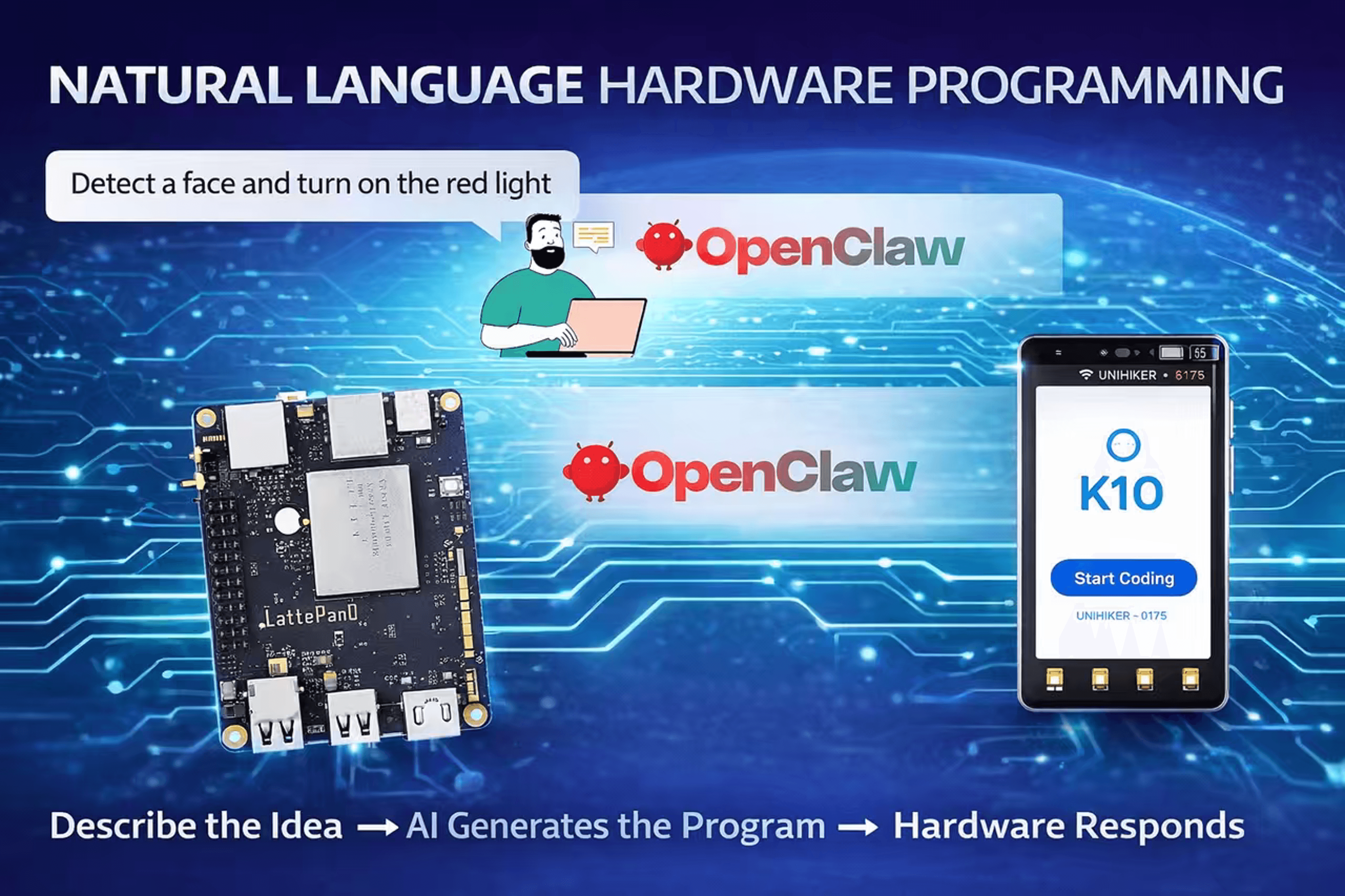
OpenClaw + UNIHIKER K10: Natural Language Hardware Programming in Minutes
Learn how OpenClaw enables natural language hardware programming on UNIHIKER K10, automating code generation, debugging, and deployment in minutes.
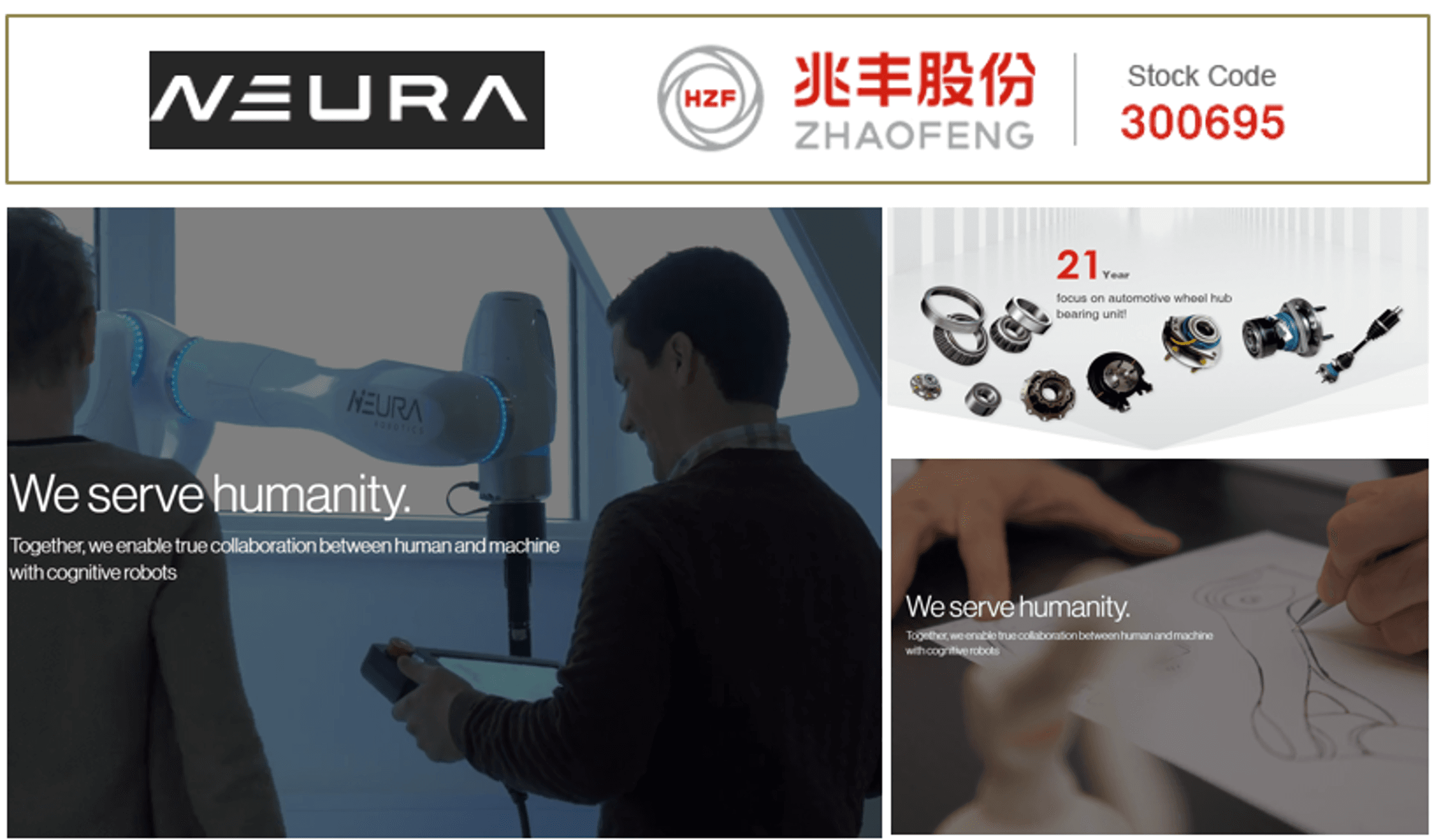
German Humanoid Robotics Pioneer Neura Robotics Teams Up with Chinese Mechatronics Giant HZF — A Cross-Border Alliance Redefines the Global Robotics Landscape
Neura Robotics and HZF form a cross-border alliance to accelerate global robotics innovation, combining strengths in hardware, AI, and market reach.


