


Lucky Engineering Co. Ltd.
South Korean manufacturer of automated food processing machinery specializing in gimbap and sushi production equipment.
Contact Lucky Engineering Co. Ltd.
WEBSITE
https://luckyeng.co.krPHONE
+82 2-2633-5470HEADQUARTERS
Korea, Republic of (South)

Company Facts
Founded
1992
Primary Role
Manufacturer
Company Size
-
Primary Region
Asia-Pacific
Annual Sales
-
Funding Stage
-
Funding Total
-
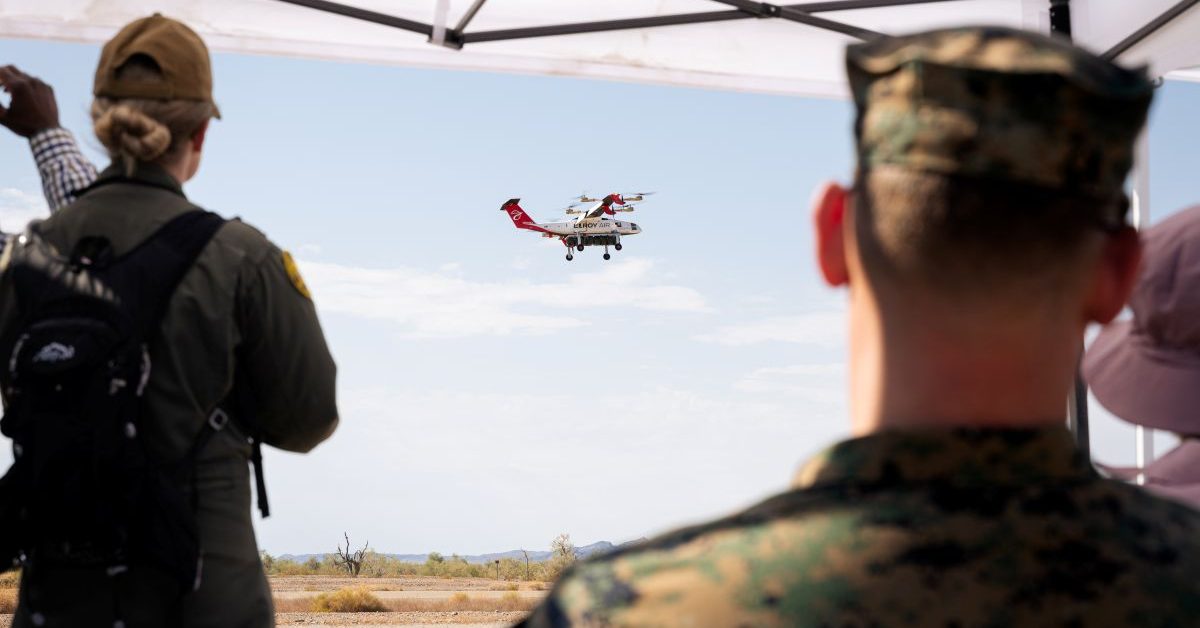
Elroy Air Raises $175 Million to Advance Chaparral Drone Production
Elroy Air has secured $175 million in expanded private investment commitments to scale production of its Chaparral autonomous cargo drone. This funding, which includes contributions from Lockheed Martin Ventures and Inflection Point, will support the transition from testing to large-scale manufacturing for military and commercial applications. The significance of this funding lies in Elroy Air's goal to enhance the Chaparral's capabilities, allowing it to carry over 500 pounds of cargo up to 450 miles without traditional infrastructure. The investment will accelerate production and enable the delivery of Chaparral drones to commercial and defense partners, particularly following a recent $46 million contract with the US Army. Looking ahead, Elroy Air aims to produce its first aircraft by late 2026, with manufacturing handled by Kratos Defense & Security Solutions in Sacramento, California. The company is focused on transforming successful demonstrations into large-scale production, leveraging its new financial resources to meet growing demand in logistics and defense sectors.
News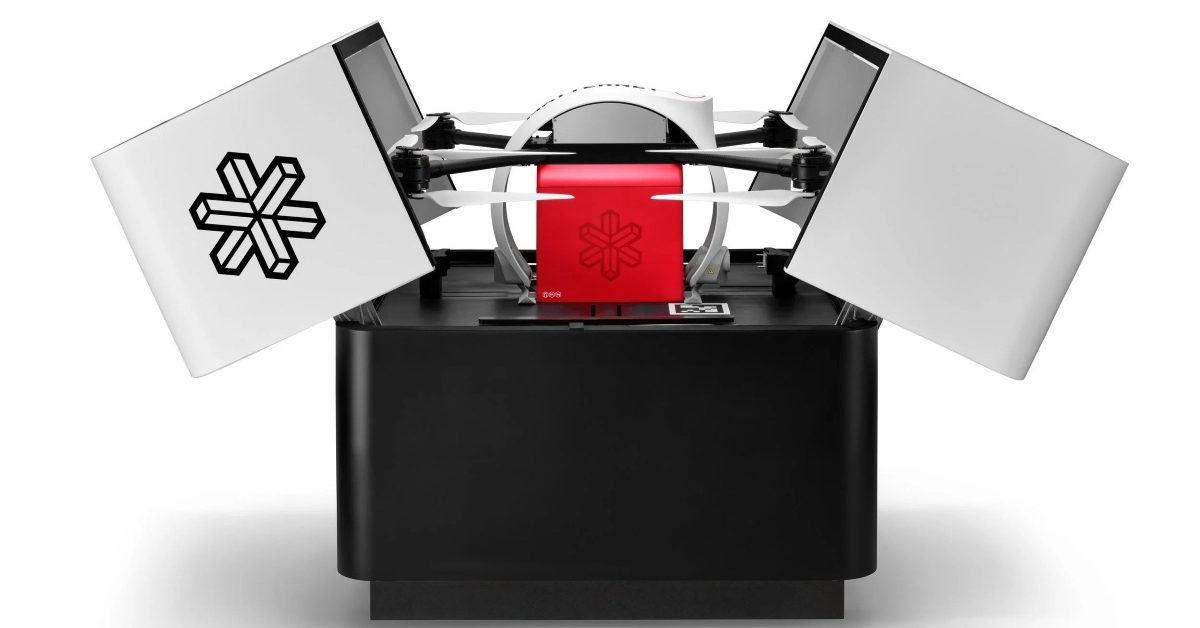
Matternet Launches M3 Drone with 11-Pound Payload Capacity and 10-Mile Range
Matternet has introduced the M3, its next-generation autonomous drone delivery platform, aimed at facilitating thousands of daily deliveries without human operators. The M3 can transport packages weighing up to 11 pounds over a service radius of 10 miles, utilizing a dedicated micro-hub system that allows businesses like restaurants and hospitals to send packages seamlessly. This innovation is significant as it addresses the logistical challenges of scaling drone delivery networks, which require efficient launch and recovery points, charging solutions, and manageable noise levels. Matternet's M3 system includes the M3 Dock for charging and storage, and the M3 Portal for package drop-off, making drone delivery more accessible and reliable. Looking ahead, Matternet is targeting commercial service for the second half of 2027, with initial deployments through partners like Dave’s Hot Chicken in the US and Apian in the UK. The company is also planning to expand its partnerships and establish US manufacturing for the M3 aircraft, leveraging its collaboration with SoftBank Robotics America to enhance deployment efforts.
News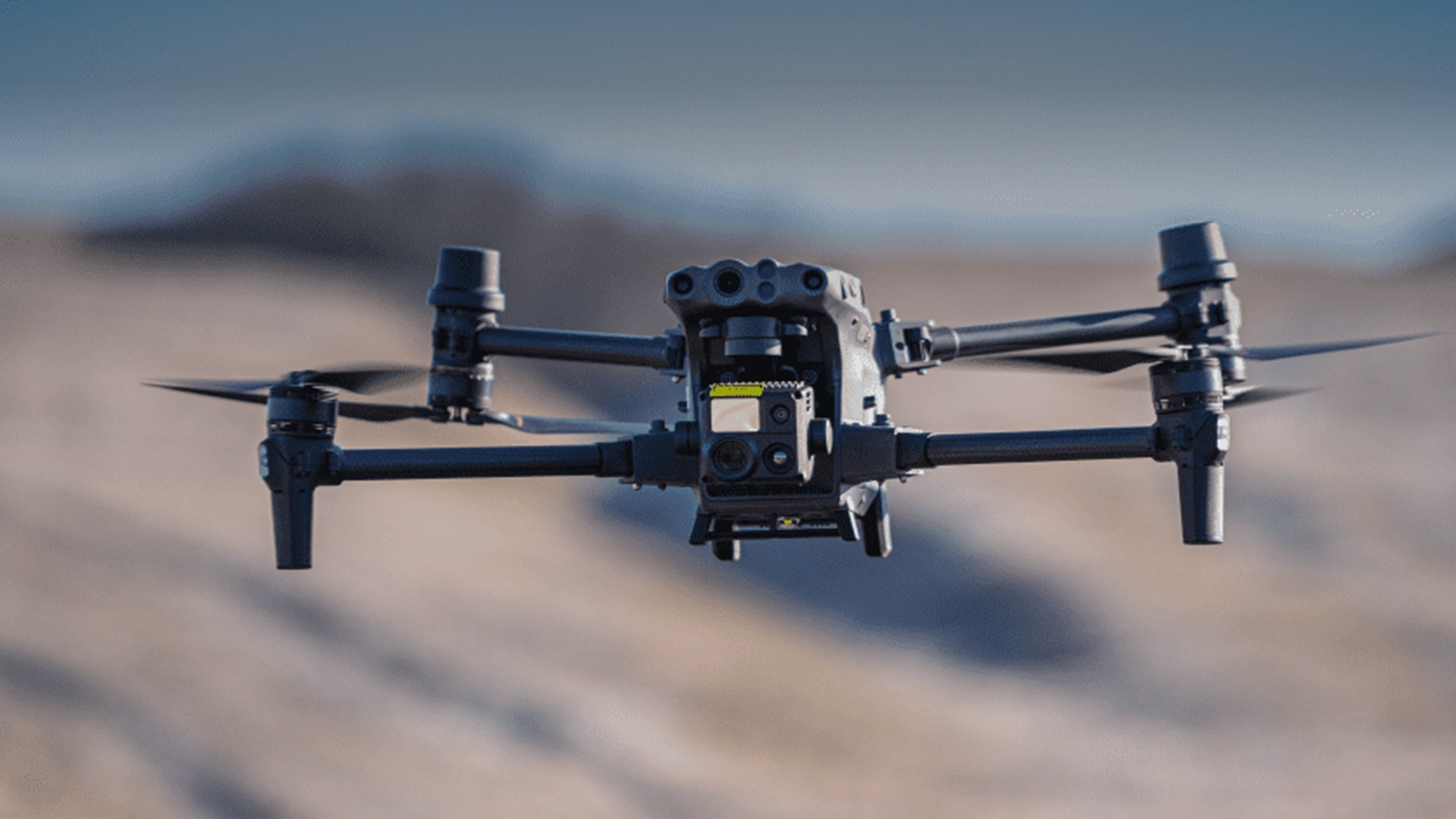
Amprius Technologies Secures $75M Grant to Transform EV Battery Line for Drone Production
The U.S. Department of War has granted Amprius Technologies up to $75 million to convert an electric vehicle battery production line into a facility for drone batteries. This retrofit, located in Fremont, California, aims to produce high-energy-density cells for unmanned aerial systems, with a projected capacity of 12 million cells annually by early 2028. This initiative is significant as it aligns with domestic sourcing requirements under the National Defense Authorization Act, ensuring that the U.S. can meet its defense needs with locally produced batteries. The total conversion project is estimated to cost around $100 million, which includes the federal grant and investments from Amprius and its South Korean manufacturing partner. Looking ahead, the converted facility will enhance Amprius’ manufacturing network and provide defense customers with access to NDAA-compliant batteries at higher volumes. No further timeline was disclosed at the time of publication.
Military
Key Insights for Successful Integrated Factory Acceptance Tests in Manufacturing
A recent experience highlighted a common issue in integrated factory acceptance tests (IFAT), where communication failures arose due to unconnected hardware. Despite over fifteen years of conducting IFATs, the primary challenges remain human errors rather than technological shortcomings. It is crucial for teams to verify equipment readiness through tangible evidence before scheduling tests to avoid costly delays. The significance of this issue lies in the frequent disconnect between stated confirmations and actual conditions on-site. Many plants confirm that equipment is ready, yet integration teams often find discrepancies upon arrival. By requesting proof of operational communication links, teams can mitigate risks and ensure smoother testing processes, ultimately reducing rework and enhancing project timelines. Looking ahead, organizations should prioritize treating IFATs as firm milestones rather than informal steps. This approach can help address intermittent faults and configuration changes that may arise during the testing phase. Running IFATs at vendor sites can provide better support and accountability, although testing on actual plant networks is also valuable. Balancing these approaches will be essential for successful project outcomes.
Factory / Plant Maintenance
Exploring Retrofit Versus Replace Decisions in Automation Initiatives
In a recent Automation World podcast recorded at the IMTS show in Chicago in late summer 2026, Sergei Altynbaev, founder and CEO of Aiolys, discussed the ongoing debate between retrofitting and replacing automation systems. This conversation highlighted how the decision-making process is evolving as automation technology matures and becomes more mainstream. The significance of this discussion lies in understanding the differing approaches to automation updates, particularly between European and American perspectives. As industries increasingly adopt automation, the choice to retrofit existing systems or invest in new technologies can impact operational efficiency and cost-effectiveness. Listeners should pay attention to how these trends in automation decision-making may influence future investments and strategies in the sector. No further timeline was disclosed at the time of publication.
Factory / Plant Maintenance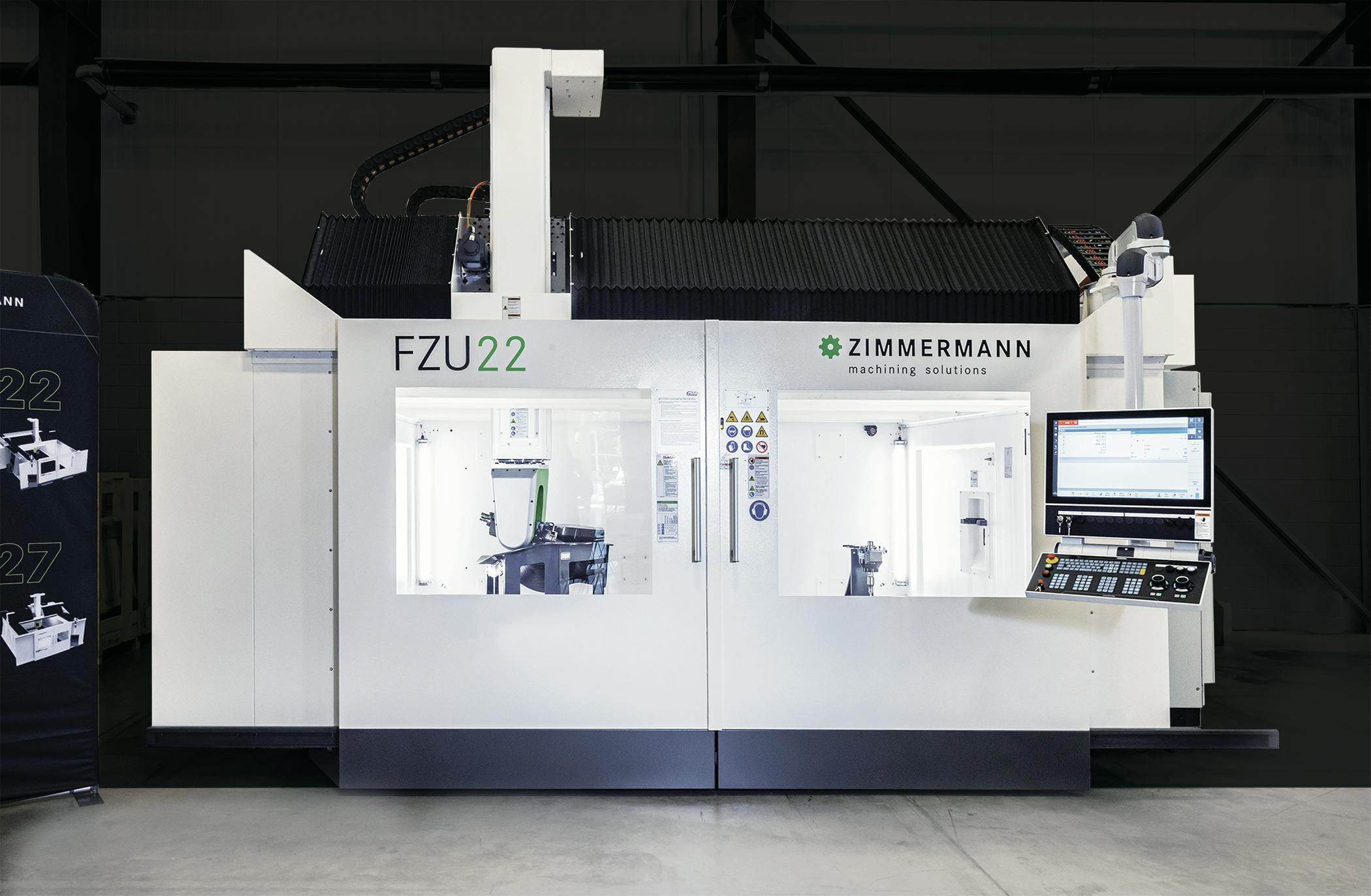
Zimmermann Unveils Advanced 5-Axis Portal Milling Machines at IMTS 2026
Zimmermann showcased its new 5-axis portal milling machine, the FZU22, at IMTS 2026 in Chicago from September 14-19. This machine targets lighter weight machining applications for large structures and is part of the FZP/FZU line, known for its precision and versatility. The FZU22 features a thermo(load)-symmetrical design that enhances dynamic performance and energy efficiency. It can process various materials, including aluminum, plastics, and carbon fiber composites, making it suitable for diverse machining applications. The machine's advanced features, such as a 24-tool changer and Siemens or Heidenhain CNC control, ensure accurate machining of complex contours. Looking ahead, Zimmermann's FZU22 offers optional equipment like a touch probe and chip conveyor, enhancing its versatility. Other models displayed, including the FZP/FZU42 and FZP/FZU37, cater to industries such as aerospace and automotive, emphasizing Zimmermann's commitment to precision in machining applications. No further timeline was disclosed at the time of publication.
Process / Digital Transformation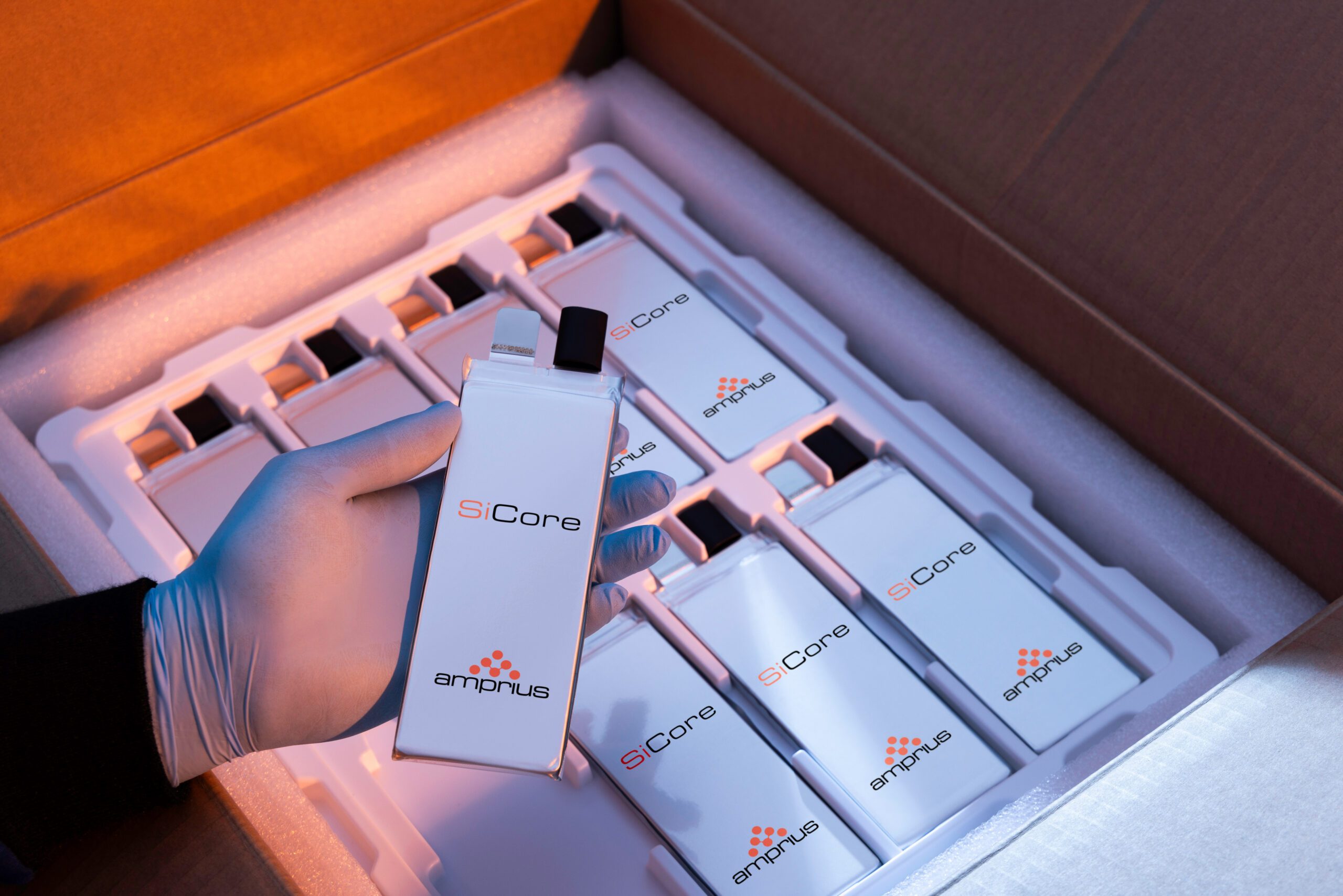
Amprius Secures Up to $75 Million Grant to Boost U.S. Drone Battery Production
Amprius Technologies has been awarded a federal grant of up to $75 million to enhance the production of batteries for unmanned aerial systems in the U.S. This funding will facilitate the conversion of an existing electric vehicle battery production line to manufacture high-energy-density cells for various drone categories. The grant, provided by the U.S. Department of War, aims to bolster domestic manufacturing capabilities crucial for national defense. This initiative is significant as it seeks to establish a high-volume manufacturing capability for advanced drone batteries within the United States. The project, which is expected to cost around $100 million, will involve reconfiguring a production line operated by a major South Korean battery manufacturer. Amprius anticipates that the new facility will produce 12 million cells annually, aligning with domestic sourcing requirements under the National Defense Authorization Act. Looking ahead, Amprius plans to complete this project by early 2028, which will enhance its existing manufacturing network across the U.S., South Korea, and China. The new capacity will be vital for supplying high-energy-density pouch cells to meet the growing demands of small and medium-sized unmanned aircraft, thereby supporting U.S. defense drone manufacturers in meeting domestic sourcing mandates.
battery technology Drone Manufacturing Drone News Drone News Feeds NDAA Compliant News
ABB Robotics Introduces E-Device for Multi-Device Robot Control
ABB Robotics has expanded its offerings for programming and operating robots with the introduction of the E-Device. This new tool allows users to control robots through various devices, enhancing flexibility and usability in robotic applications. The introduction of the E-Device is significant as it addresses the growing need for adaptable and user-friendly solutions in robotics. By enabling control from multiple devices, ABB Robotics aims to streamline operations and improve the efficiency of robotic systems in various industrial settings. Looking ahead, industry professionals should monitor how the E-Device impacts robot programming and operation. No further timeline was disclosed at the time of publication.
Allgemein Robotersteuerung & Digital Twin Robotik
Amprius Technologies Secures Up to $75 Million Grant for UAS Battery Production
Amprius Technologies has been awarded a grant from the US Department of War, potentially reaching $75 million, aimed at enhancing domestic battery production for unmanned aerial systems (UAS). This funding is significant as it underscores the importance of local manufacturing capabilities for UAS batteries, which are critical for the performance and reliability of drone operations. The grant reflects a growing emphasis on national security and self-sufficiency in defense-related technologies. Looking ahead, industry stakeholders will be keen to monitor how Amprius Technologies utilizes this funding to scale up production and improve battery technology for UAS applications. No further timeline was disclosed at the time of publication.
News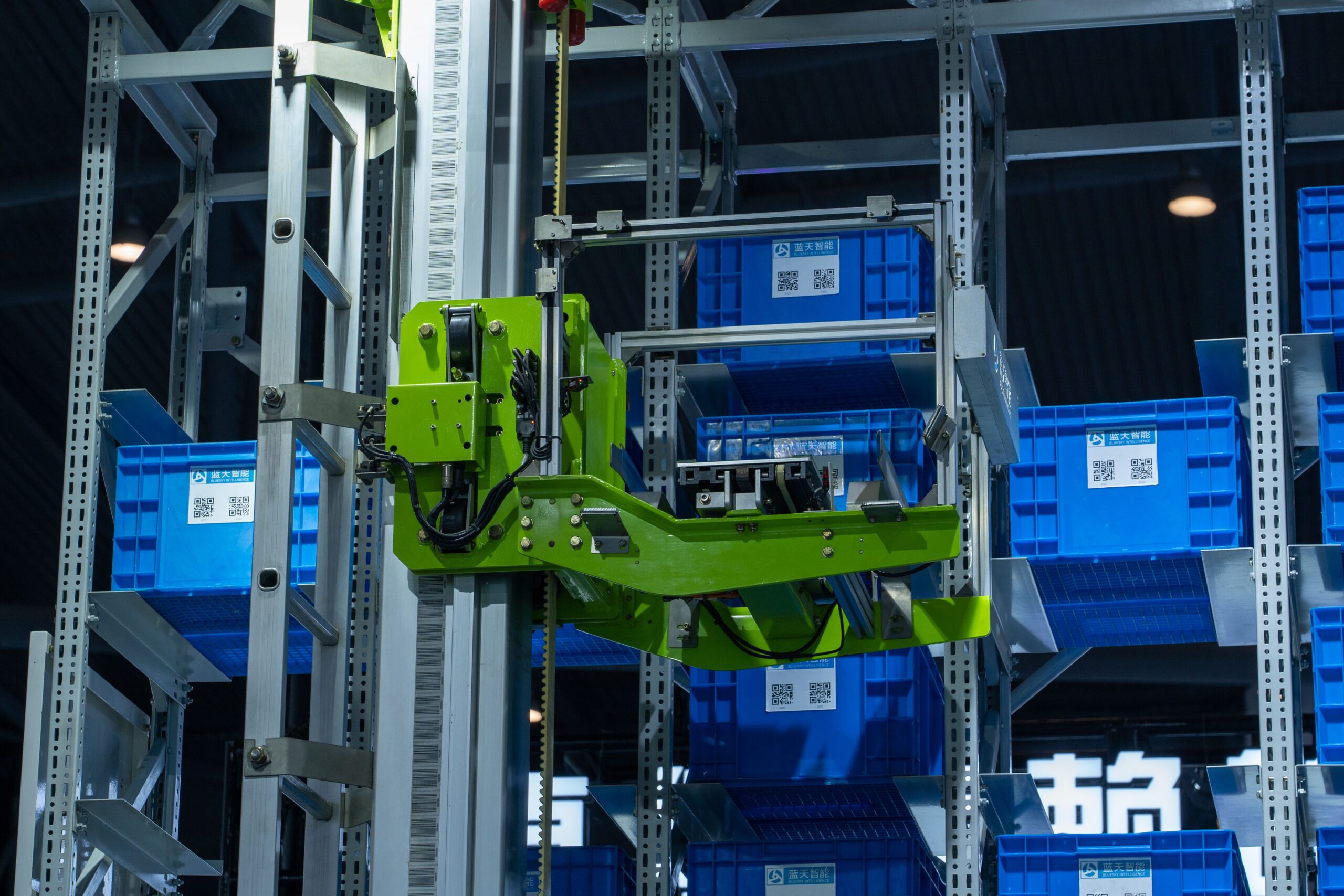
Robot Field Service Becomes Essential for Scalable Automation Success
The robotics industry is increasingly focusing on the post-installation phase as robot field service emerges as a critical challenge for automation scalability. Operational issues can arise when robots experience failures in remote locations, necessitating immediate technician intervention rather than simple software updates. This is particularly crucial in sectors like commercial kitchens, where downtime can severely impact service delivery. For logistics operators, the realization is that the journey of a robot begins with purchase and installation, but ongoing maintenance, spare parts availability, and technician training are vital for operational success. This could lead to changes in how contracts for warehouse robotics are structured, emphasizing service-level agreements that define response times and responsibilities for various types of faults. As the deployment of robots expands, the ability to maintain them effectively in the field will become increasingly important. A robust field-service model could minimize unplanned downtime and enhance confidence in deploying automation across multiple facilities, potentially driving demand for third-party service networks that support diverse robotic systems.
Latest News automation Field Service maintenance robotics warehouse automation
China’s Dexterous Hand Industry, 2026 Part 3 — The Players
Five vendor archetypes, MIR’s composite top ten, eight company profiles and six field deployments — every firm linked to the RobotToday supplier directory.

China’s Dexterous Hand Industry, 2026 Part 1 — The Demand Picture
MIR Databank puts China dexterous hand shipments above 30,000 units in 2026, yet only 3.5% of 2025 demand came from factory production. Part 1 of 3.
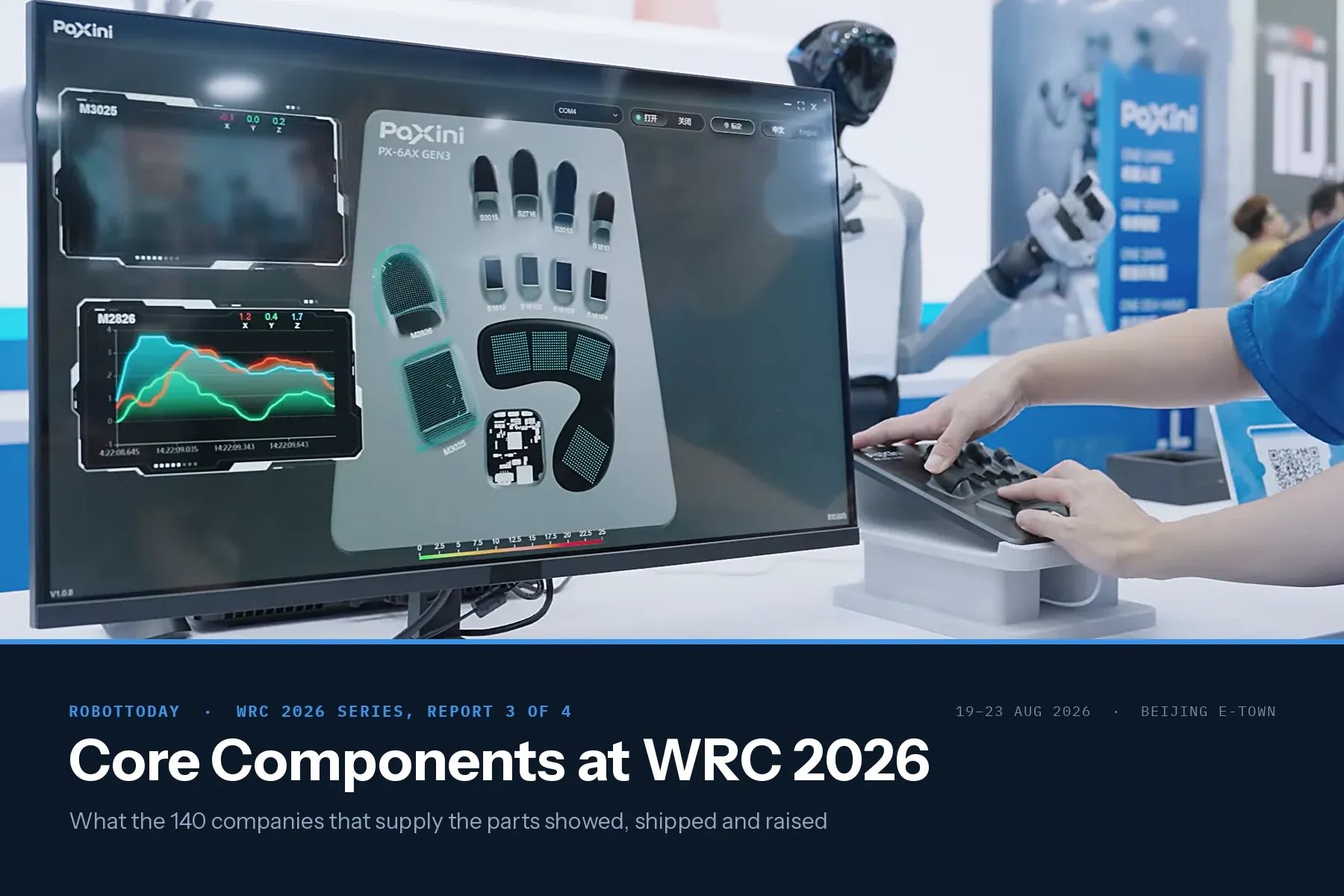
WRC 2026 Core Components: 137 Robot Parts Suppliers
The third report in the WRC 2026 series. Report 1 mapped all 248 exhibitors by category and Report 2 covered the 139 that build finished robots. This one covers the 137 that build what goes inside them.

WRC 2026 Exhibitor Map: 248 Robotics Companies Mapped
We classified 248 WRC 2026 exhibitors with the RobotToday taxonomy. Motion & Actuation leads at 75 companies, Humanoid at 72, and compute stays thin at 12. (Modified 2026-08-27)

Introduction to Robotics J. J. Craig — RSF Top 10 Robot Education Textbooks · No. 6
Six of ten benchmark universities teach kinematics from Craig. Frames, transforms and D-H parameters: the language vendor manuals already speak.
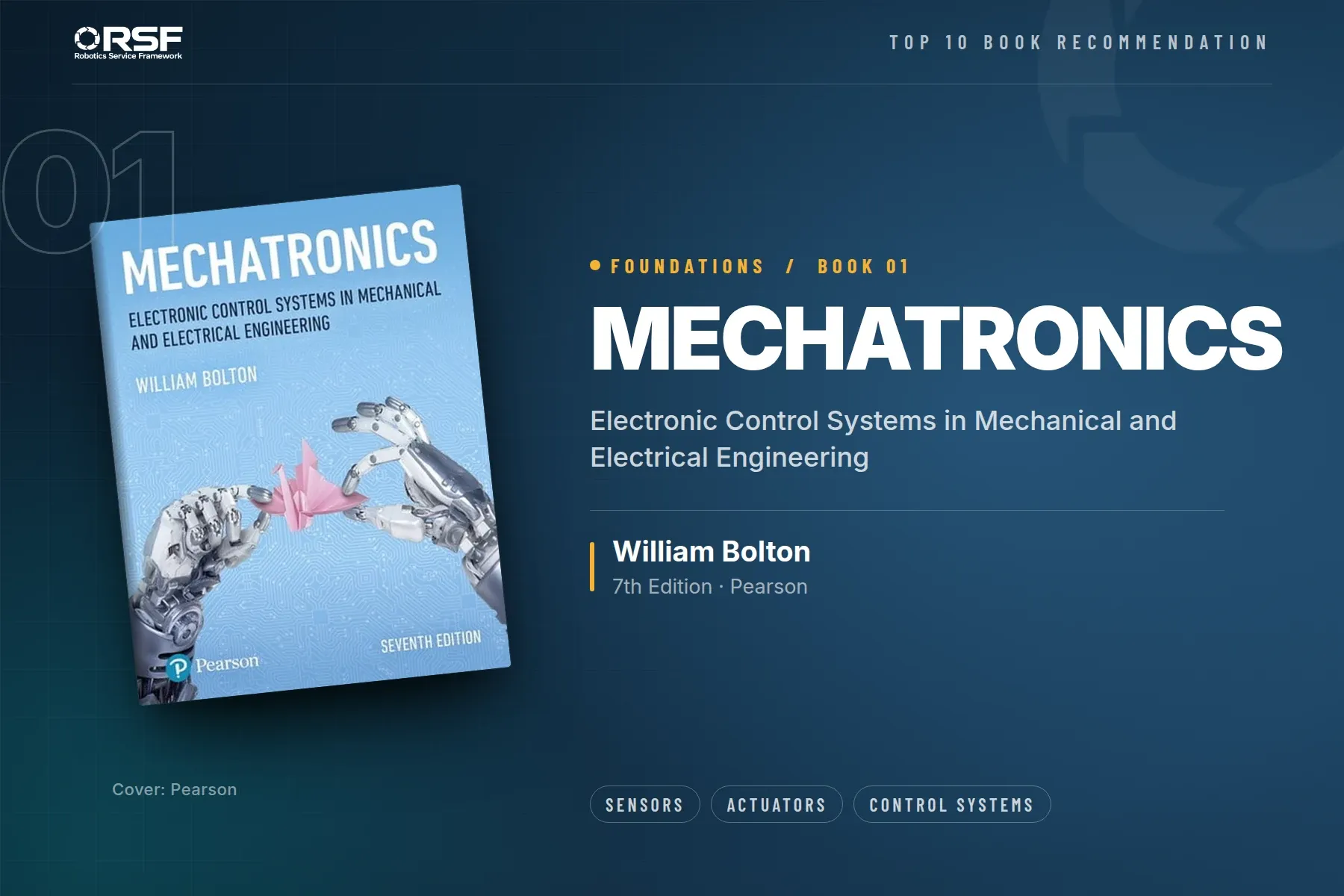
Mechatronics W. Bolton — RSF Top 10 Robot Education Textbooks · No. 1
Bolton's Mechatronics ranks No.1 for robot service engineers: encoders, drives, sensors and the Layer 2 faults most textbooks skip. Difficulty 2/5.

Pittsburgh Regional Alliance Convenes Nine CMU-Rooted Robotics Firms at Automate 2026
At Automate 2026, the Pittsburgh Regional Alliance convened nine robotics firms — most spun out of Carnegie Mellon — spanning materials, perception and AMRs.
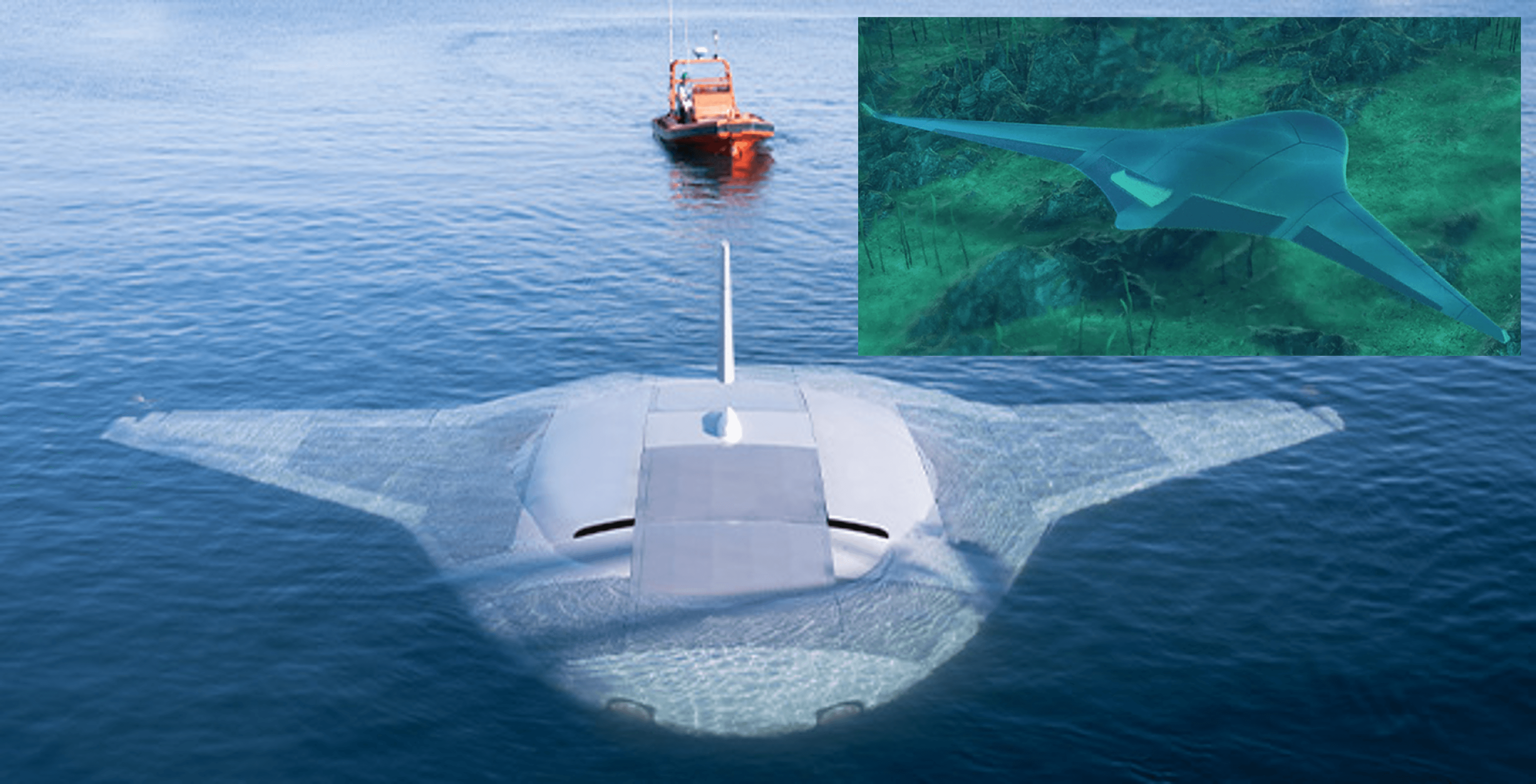
FUTURE WARFARE | Sea - Autonomous Surface Vessels & Unmanned Underwater Vehicles — The Hybrid Fleet Takes Shape
Ukraine’s ‘Sub Sea Baby’ autonomous torpedo struck a Russian Kilo-class submarine inside Novorossiysk harbour in December 2025 — the first confirmed underwater drone attack on a submarine in history. The U.S. Navy is requesting $5.3 billion for unmanned maritime systems in FY2026, a 70 percent year-on-year increase. Saronic Technologies went from prototype to $392 million production contract in under 12 months. And DARPA’s Manta Ray XL-UUV completed full-scale sea trials. This article maps the maritime autonomous systems revolution — from Ukraine’s improvised Black Sea fleet to the Pentagon’s hybrid manned–unmanned force of the 2030s, and from Saronic’s Franklin, Louisiana shipyard to Boeing’s 85-tonne robot submarine.

FUTURE WARFARE | The Economics of Attrition
How the cost equation of modern warfare has inverted: a $500 AI-guided drone now rivals a $2 million precision missile in tactical effect. Part One of the Future Warfare Series examines the unit economics, supply chain realities, and venture capital forces reshaping defence procurement — from Ukraine's 1.7 million FPV drones to Anduril's $30 billion factory-as-weapon bet.

Can China’s Humanoid Startups Lose ¥1B Like Yunji and Still IPO?
China’s humanoid robotics boom has over 300 startups—but with high costs and uncertain markets, only a few may survive, absorb huge losses, and reach IPO-ready scale.


