


IMAGO Technologies GmbH
German embedded vision component maker in Friedberg, part of Antares Vision Group. Smart cameras, AI cameras, vision sensors, and industrial PCs since 1994.
Contact IMAGO Technologies GmbH
WEBSITE
https://imago-technologies.comPHONE
+49 (0)6031-68426-11HEADQUARTERS
Germany

Company Facts
Founded
1994
Primary Role
Component Supplier
Company Size
-
Primary Region
Europe
Annual Sales
-
Funding Stage
-
Funding Total
-
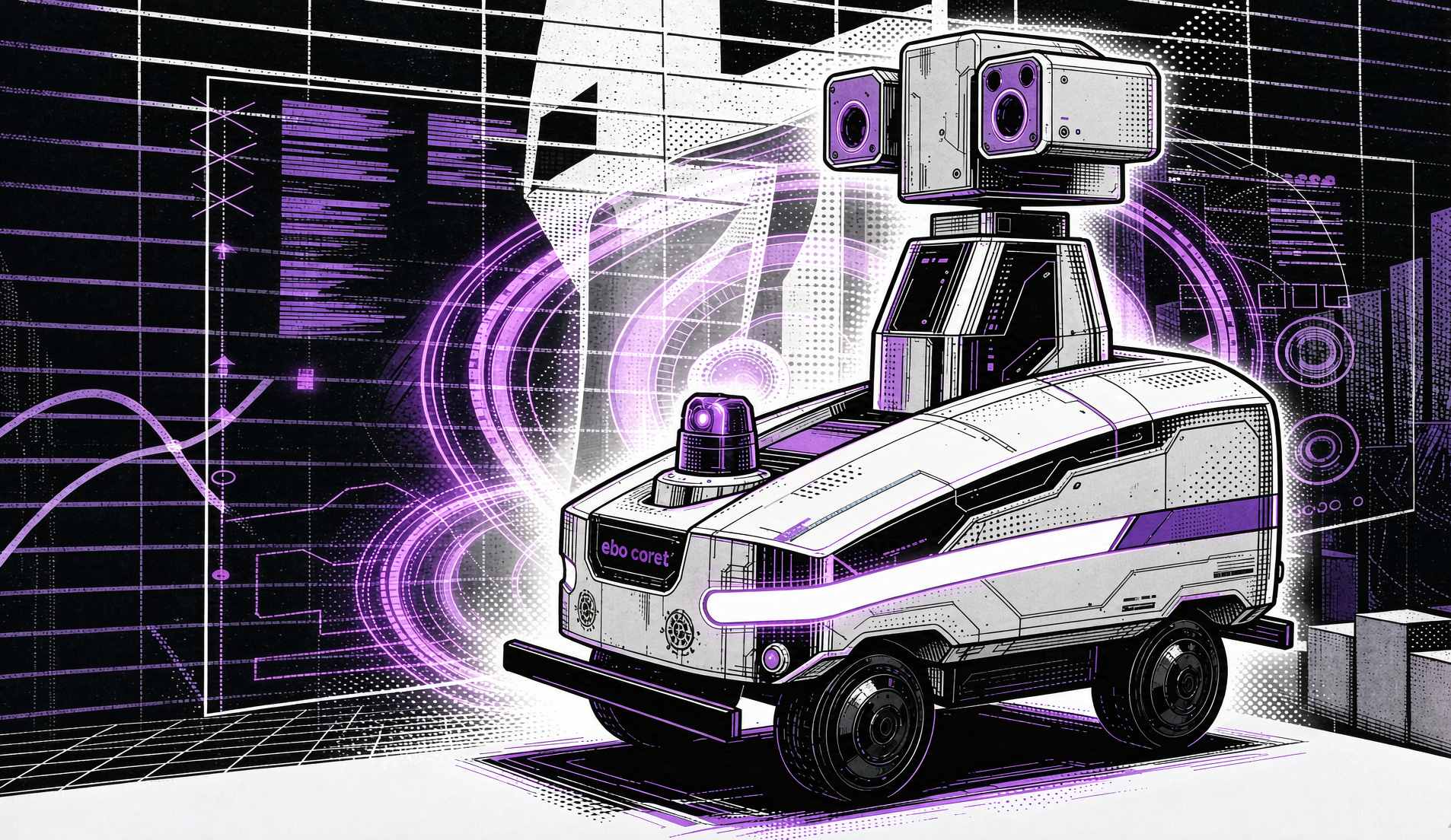
Hefei Team Develops All-Weather Forestry Inspection Robot for Enhanced Fire Detection
A team led by Cheng Ziyang has developed a forestry inspection robot designed to address the limitations of traditional fire detection methods. The robot integrates LiDAR and thermal imaging technologies, enabling it to operate effectively in low visibility conditions such as nighttime and smoke. This innovation aims to enhance the efficiency of forest fire monitoring by autonomously navigating complex terrains and detecting temperature anomalies that are often precursors to fires. The significance of this development lies in its potential to improve forest fire prevention efforts. Traditional methods, including fixed sensors and manual patrols, have proven inadequate due to high costs, low efficiency, and limited coverage. The new robot has demonstrated a 27% increase in inspection coverage and significantly improved accuracy in identifying fire sources, thereby reducing the need for human intervention in hazardous areas. Looking ahead, the team plans to further optimize the robot's performance and push for its industrialization. The challenges of cost, reliability, and mass delivery remain, but overcoming these hurdles could lead to a substantial enhancement in the intelligence of forest fire protection systems, ultimately reducing risks and improving response times in emergency situations.
Forestry Robotics Fire Detection Technology Autonomous Systems Environmental Monitoring
Boston Dynamics Introduces Industrial-Style Head for Atlas Robot Design
Boston Dynamics has redesigned its Atlas robot, incorporating an industrial-style head instead of human-like features. Mechanical engineer Taylor Frey-Baker emphasized that Atlas is intended for industrial environments, thus its appearance should reflect that purpose. The head lacks facial features and includes light rings that communicate the robot's operational status and intentions to nearby workers. This design choice is significant as it prioritizes safety and efficiency in shared workspaces. The head's lighting interface provides immediate visual cues about Atlas's actions, reducing ambiguity in industrial settings. The robot is equipped with HDR stereo cameras that enhance environmental perception, allowing operators to navigate challenging lighting conditions effectively. Looking ahead, the integration of the head as a sensor carrier and status indicator positions Atlas to work safely and predictably alongside human workers in factories and warehouses. No further timeline was disclosed at the time of publication.
Industrial Robots Robot Design Automation Technology Safety Systems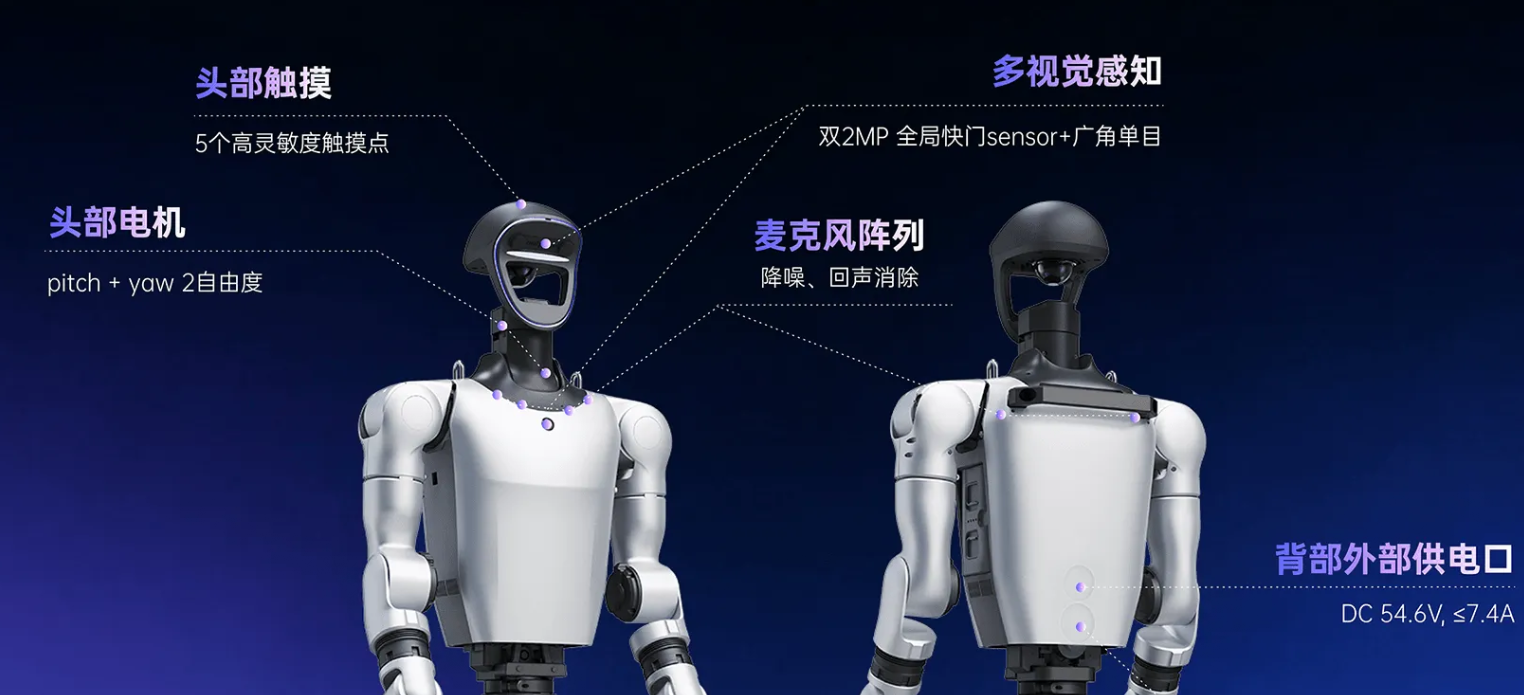
Unitree Introduces Enhanced G1+ Humanoid Robot Featuring Six Key Upgrades
Unitree has unveiled the G1+, an upgraded version of its G1 humanoid robot, featuring six significant enhancements in motion performance, perception, interaction, and endurance. The standard model is priced at RMB 95,000 in China, while the G1+ EDU version is available upon request through sales channels. The G1+ introduces two additional neck degrees of freedom, increases peak shoulder and waist motor torque by 110%, and boosts maximum arm torque by 43%, all while reducing heat generation at the same torque levels. These upgrades enhance the robot's operational capabilities, making it more versatile for various applications. Looking ahead, the G1+ is expected to attract interest in educational and research settings due to its advanced features, including a binocular-plus-wide-angle vision system, head touch sensing, external power support, a six-microphone array, and dual 10-watt speakers. No further timeline was disclosed at the time of publication.
News Feed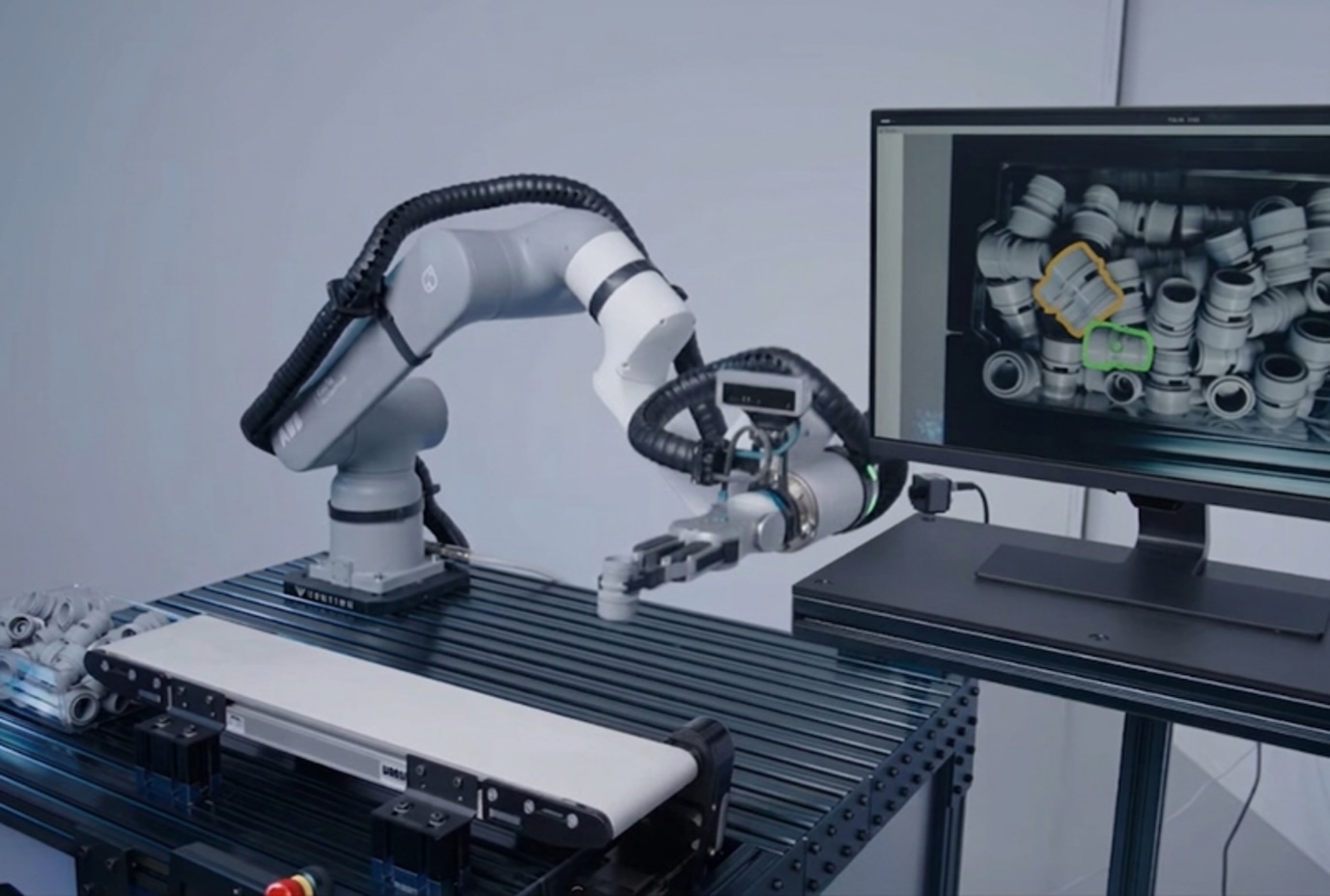
CSGE Enhances Multi-View 3D Detection in Robotic Systems with Modular Cross-Spatial Representation
The Journal of Field Robotics has published an early view article detailing the development of CSGE, a modular cross-spatial guided space representation designed to improve multi-view 3D detection in robotic systems. This innovative approach aims to enhance the accuracy and efficiency of 3D perception in various robotic applications. The significance of CSGE lies in its potential to address challenges in multi-view 3D detection, which is crucial for the effective operation of robotic systems in complex environments. By utilizing a modular design, CSGE allows for flexible integration into existing robotic frameworks, potentially leading to advancements in automation and intelligent manufacturing. Looking ahead, the industry will be monitoring the implementation of CSGE in real-world robotic applications and its impact on performance metrics. Further developments and research findings related to this technology may provide insights into its broader applicability and effectiveness in enhancing robotic perception capabilities. No further timeline was disclosed at the time of publication.
RESEARCH ARTICLE
University of Southern Denmark Develops Touch-Based Robot Inspired by Star-Nosed Moles
The University of Southern Denmark's robotics team has proposed a concept robot that relies on touch rather than vision, inspired by the star-nosed mole. This mammal is known for its exceptional tactile sensitivity, using its unique nose structure to detect food with remarkable precision. The team's design mimics the functionality of the mole's Eimer organs, which are sensitive structures that allow the mole to perceive its environment through touch. This innovative approach is significant as it addresses the limitations of visual-based robotics, which struggle with transparent, obscured, or hidden objects. By utilizing a flexible liquid-filled tube equipped with pressure sensors, the robot can generate tactile signals in response to external pressure, offering a different sensory pathway compared to traditional visual systems. This could be particularly valuable for robots operating in dark or confined spaces where vision is inadequate. Currently, the prototype remains in the conceptual stage and has not been officially released. However, it signifies a shift towards multimodal perception in robotics, complementing visual information with tactile feedback. As robots are expected to navigate various unstructured environments, the integration of touch could enhance their operational capabilities, similar to the evolutionary adaptations seen in star-nosed moles.
Robotics Tactile Sensors Artificial Intelligence Sensor Technology
Faraday Future's Chris Chen Discusses Robotics as an Extension of Intelligent Vehicles
Faraday Future, primarily recognized as an electric vehicle manufacturer, is expanding its technological applications to include robotics. The company emphasizes that various technologies initially developed for intelligent electric vehicles, such as artificial intelligence, computer vision, and sensor fusion, are highly relevant to robotic systems. This shift is significant as it highlights the versatility of Faraday Future's technology base, suggesting that advancements in electric vehicle technology can drive innovation in robotics. By leveraging their expertise in localization, connectivity, and simulation, the company aims to enhance the capabilities of robots, potentially transforming multiple industries. Looking ahead, it will be important to monitor how Faraday Future integrates these technologies into robotic applications and the impact this may have on both the automotive and robotics sectors. No further timeline was disclosed at the time of publication.
Artificial Intelligence Automotive Features Robotics AIxCrypto artificial intelligence
Kazakhstan Police Utilizes Robotic Dogs for Patrol at Nomad Alemi Festival
During the Nomad Alemi cultural festival in Ulan District, Kazakhstan, police deployed robotic dogs for actual patrol duties. This marks the first time robotic systems have been used for maintaining public order at a large event in the region. The robotic dogs can autonomously patrol designated areas, conduct continuous video surveillance, perform video analysis, and recognize faces, relaying real-time information back to the operations control center. The deployment of robotic dogs is significant as it addresses the challenge of limited police presence at large events while needing to monitor numerous points. These robots can cover areas not reachable by fixed cameras and can navigate through crowds, enhancing public safety. The East Kazakhstan police emphasized that these robotic systems are now part of the region's digital security framework, moving from trial and demonstration to regular operational use. Looking ahead, the capabilities of facial recognition integrated into the robotic dogs raise important questions regarding data retention, comparison permissions, and error handling. While the current deployment is limited in scale and focused on controlled environments, it provides a sample for observing the role of robotic dogs in public safety. Future developments will reveal whether this model expands to routine street patrols and how the data collected will integrate into broader security networks.
Robotic Dogs Public Safety Surveillance Technology Law Enforcement AI
Growing Demand for Robot Electronic Skin: Market Insights and Projections
The demand for electronic skin in humanoid robots is projected to reach 1.525 million square meters by 2030, with a market size of approximately 27.4 billion yuan. This shift indicates that electronic skin is transitioning from experimental samples to regular procurement items, as evidenced by a company receiving 13,000 orders for biomimetic skin in June alone. The significance of this demand lies in the evolving role of electronic skin, which enhances robots' capabilities in unstructured environments where visual data alone is insufficient. High-performance electronic skin, which collects various physical attributes, is essential for training models to understand object interactions, making it a critical component for robots operating in real-world scenarios. As humanoid robot manufacturers begin small-scale deliveries, the increase in electronic skin orders aligns with this trend. However, the integration of electronic skin with the design of the robots presents challenges, as factors like finger size and sensor layout must be collaboratively defined. The anticipated increase in demand and decrease in price hinges on the manufacturers' production capacity and the ability of electronic skin companies to maintain tactile precision while reducing costs.
Humanoid Robots Electronic Skin Tactile Sensors Robotics Technology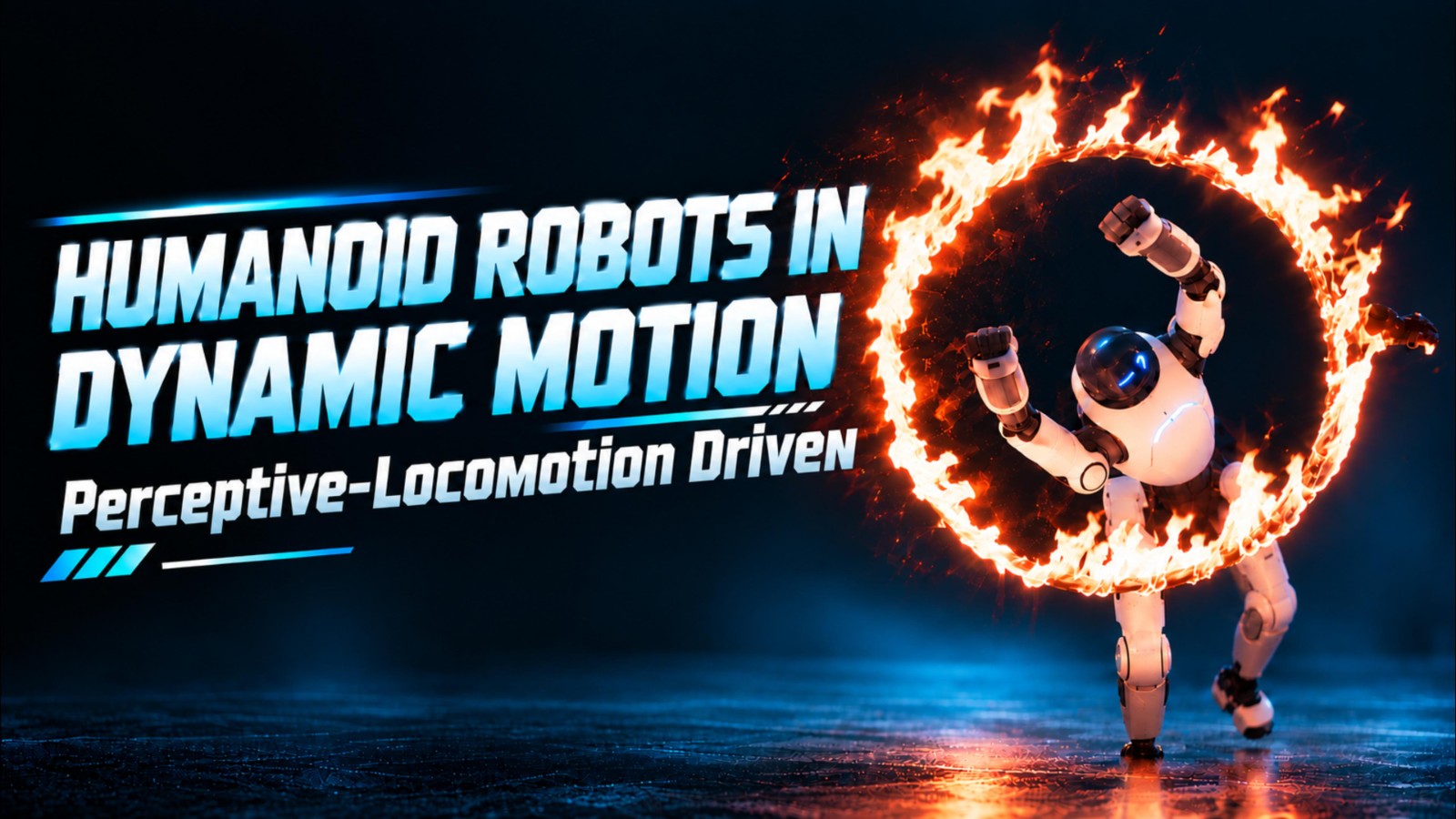
AGIBOT Introduces AGILE 2.0 for Enhanced Perception in Humanoid Robots
AGIBOT has unveiled AGILE 2.0, a sophisticated framework designed for perception-driven locomotion and comprehensive control in humanoid robots. This new system allows for real-time modifications to movement and manipulation based on environmental feedback, significantly enhancing robot adaptability. The introduction of AGILE 2.0 is significant as it showcases AGIBOT's commitment to advancing robotic capabilities. The framework was demonstrated with AGIBOT X2 robots executing intricate tasks, illustrating their enhanced ability to coordinate and adapt in dynamic real-world environments. Looking ahead, the industry will be keen to observe how AGIBOT's AGILE 2.0 framework influences the development of humanoid robots and their applications. No further timeline was disclosed at the time of publication.
robotics AI humanoid robots automation technology
MIT Researchers Develop New AI Technique for Safety-Critical Applications
MIT researchers have introduced a novel method that enhances generative artificial intelligence models for high-stakes problem-solving. This technique allows models to generate outputs that not only provide plausible solutions but also adhere to strict safety and task-specific requirements, known as hard constraints. By allowing more freedom during the generation process and enforcing constraints only on the final output, the method consistently delivers better solutions across various applications, including robotics and computer vision. The significance of this development lies in its potential to improve the reliability of AI in safety-critical environments. Traditional methods often struggle to balance the generative capabilities of AI with the necessity of meeting stringent safety standards. The new approach enables pretrained generative models to be adapted for use in scenarios where compliance with safety rules and physical laws is essential, thus expanding their applicability in real-world situations. Looking ahead, the adaptability of this technique suggests a promising future for generative AI in complex environments. As industries increasingly rely on AI for tasks like robot path planning, the ability to enforce hard constraints without compromising output quality will be crucial. No further timeline was disclosed at the time of publication.
Research Computer science and technology Artificial intelligence Machine learning Algorithms Mechanical engineering
WAIC Review 2/4: World Models vs. VLA: Robotics' Next 'ChatGPT Moment'
At WAIC 2026, world-model and VLA camps staked rival paths to generalist robots; Zhiyuan, SenseTime and NVIDIA predict a robot 'ChatGPT moment' in 2-5 years.

A Gentle Introduction to ROS Jason M. O’Kane — RSF Top 10 Robot Education Textbooks · No. 9
Most ROS material is for people who build systems. O'Kane wrote for people who must understand one: nodes, topics, where to look. Free, 10-12 hours.

Robotics, Vision and Control Peter Corke — RSF Top 10 Robot Education Textbooks · No. 5
Most books you read; Corke's you run. Every concept ships as executable Python via the open Robotics Toolbox. The code softens the maths.
US Restrictions on Chinese Humanoid Robots: The Full Map
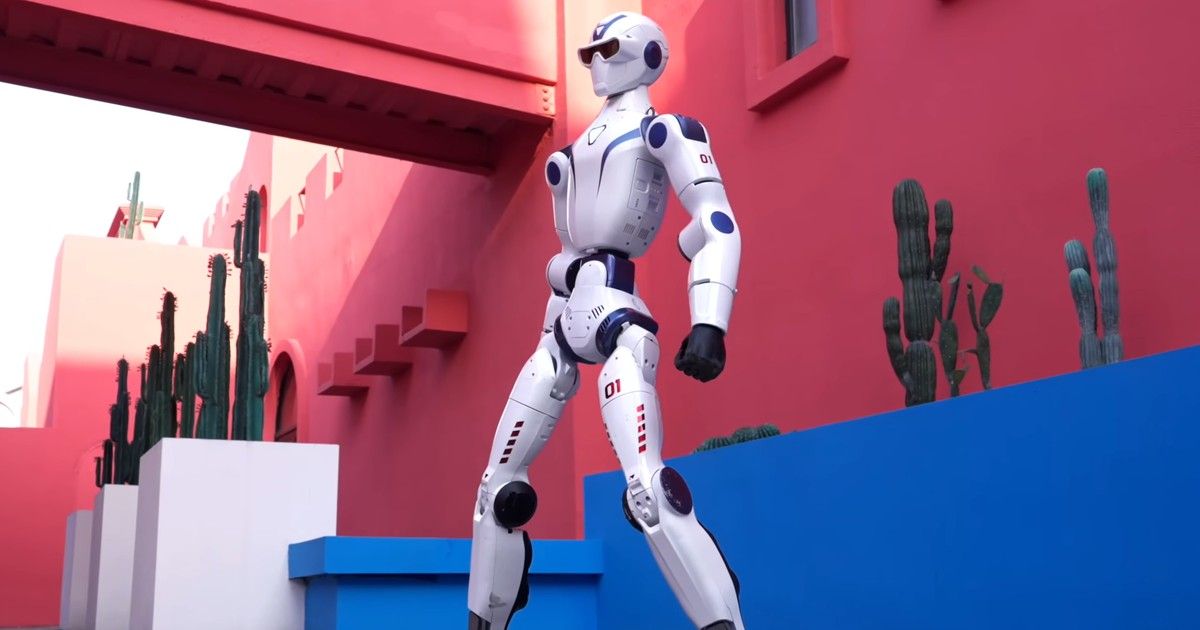
Every US restriction on Chinese humanoid robots — NDAA Sec. 163, GUARD Act, the 1260H list — plus the supply-chain math and a 4-tier map of decoupling.

Physical AI Landscape: From Digital Intelligence to the Embodied Physical World
A comprehensive industry analysis of Physical AI — covering Embodied AI, Field AI, Factory AI, VLM, World Model, VLA, and the VLA vs WAM architecture debate. Includes 20+ companies, 28 references, and the RobotToday Physical AI Landscape diagram. July 2026.

Automate 2026 | Ubicept Explores Photon-Level Machine Vision
Ubicept demonstrated single-photon SPAD imaging at Automate 2026, achieving 140 dB HDR and >10 dB SNR gains for industrial robotics edge AI.

The EV Déjà Vu: Why China's Humanoid Robot Blitz May Be Winning the Battle — but Losing the War
China controls 80% of humanoid robot shipments and crushes hardware costs. But is winning the body enough? A deep analysis of the US-China robot war beyond the EV analogy.
Robot Programming Languages 2026: From G-Code & FANUC KAREL to ROS2 — Complete History & Industrial Guide
A comprehensive guide to industrial robot programming language evolution: G-code and NC origins, FANUC KAREL/TP, ABB RAPID, KUKA KRL, Yaskawa INFORM, the ROS open-source revolution, ROS2 architecture, ROS-Industrial consortium, OPC-UA, TSN, and real-time Linux — how six decades of software history define today's factory floor.
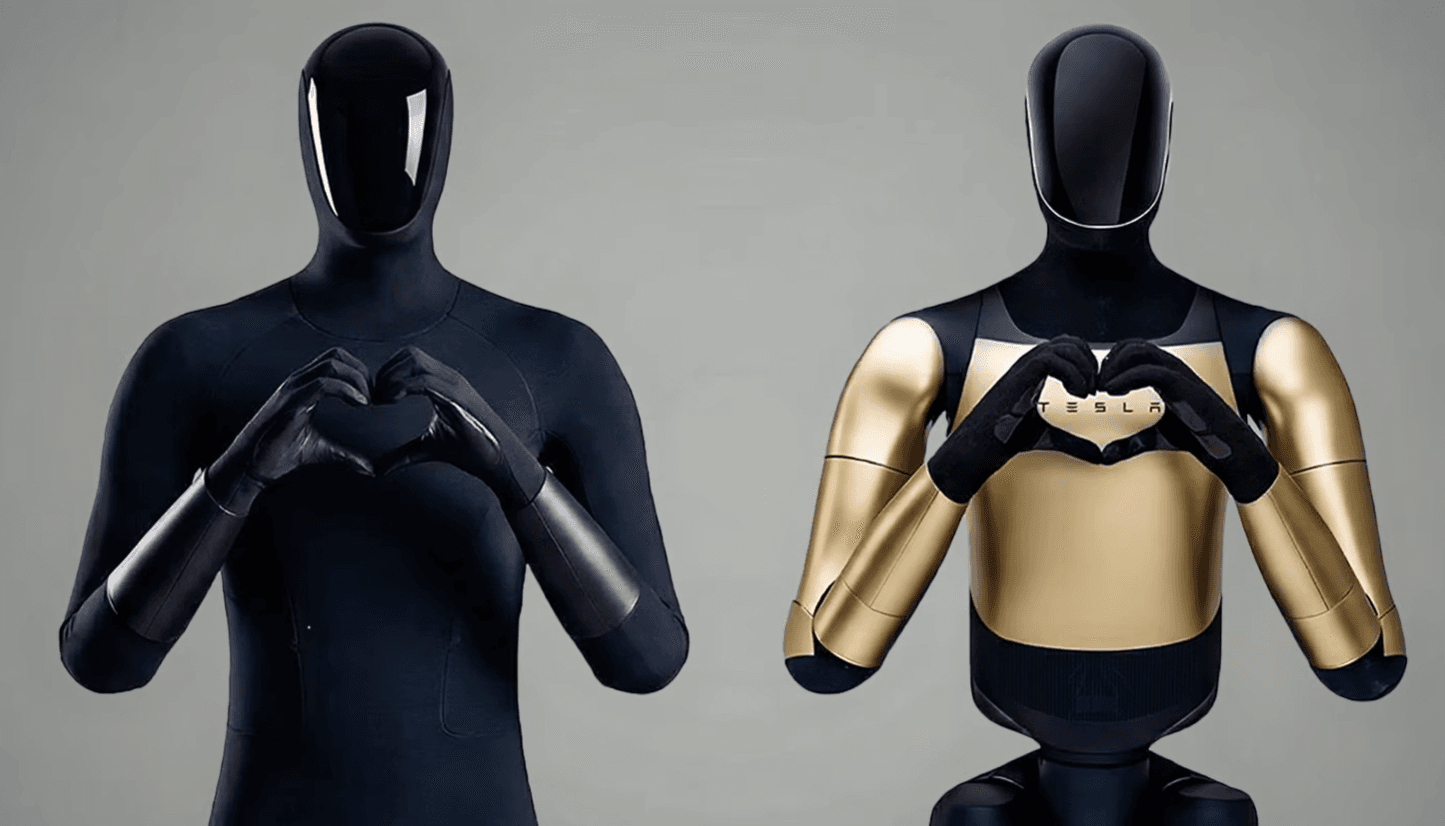
Vision-Based Tactile Sensing: The Race to Build What Tesla's Optimus Needs
Vision-based tactile sensing (VBT) is emerging as the critical missing piece for Tesla Optimus dexterous hands. This briefing covers the technology, six global milestones, a ten-company competitive landscape, and the Chinese startup ecosystem — including PaXini, Daimon Robotics, DouDong, WeiTi and QianJue.

Robotics Innovator Lens Unveils Ambitious Production Goals Amid AI Surge
LENS sets bold production targets as AI-augmented robotics demand soars, promising high-volume manufacturing and next-gen automation tech.


