


GCtronic
Swiss robotics spin-off from EPFL founded in 2005, commercially manufacturing the e-puck and e-puck2 mobile robots for university-level robotics education.
Contact GCtronic
WEBSITE
https://www.gctronic.comPHONE
+41 78 601 11 13HEADQUARTERS
Switzerland

Company Facts
Founded
2005
Primary Role
Manufacturer
Company Size
-
Primary Region
Europe
Annual Sales
-
Funding Stage
-
Funding Total
-
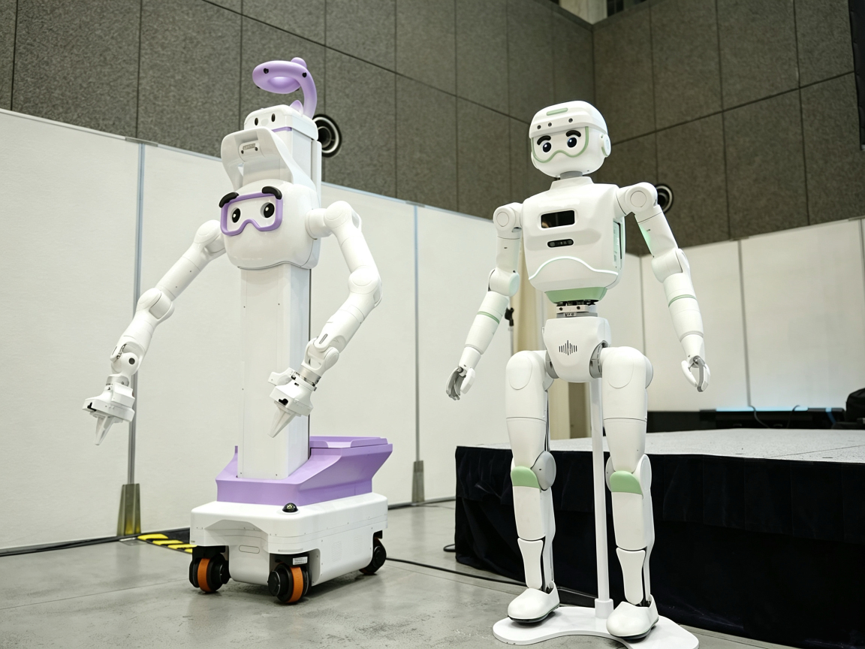
Zhengxing Innovation Launches First 24/7 Retail Physical Intelligence Service Solution
Zhengxing Innovation has unveiled the world's first 24/7 retail physical intelligence service solution, catering to the growing need for human-machine collaboration in retail environments. This innovative solution aims to enhance operational efficiency and customer experience by integrating advanced technologies into retail operations. The introduction of this service is significant as it addresses the increasing demand for seamless interaction between humans and machines in retail settings. By providing a continuous service model, Zhengxing Innovation is positioning itself as a leader in the retail technology space, meeting the evolving needs of businesses and consumers alike. Looking ahead, industry stakeholders will be keen to observe how this solution impacts retail operations and customer engagement. The effectiveness of the 24/7 service model in real-world applications will be crucial in determining its success and potential for wider adoption across the retail sector. No further timeline was disclosed at the time of publication.
Robotics Automation AI
U.S. Suspends Microsoft, Adobe, and Major IT Firms from Green Card Program for Skilled Workers
The Trump administration has suspended Microsoft, Adobe, and several other major technology companies from a program that facilitates skilled foreign workers obtaining permanent residency in the U.S. This decision comes amid allegations of fraud against these companies, as stated by U.S. Vice President JD Vance during a news conference. The suspension is significant as it directly impacts the ability of these firms to hire skilled foreign workers through the H-1B visa program, which is crucial for filling specialized positions. Nearly three-quarters of approved H-1B visas are awarded to workers from India, highlighting the reliance of tech companies on this program to meet their workforce needs. Looking ahead, the administration's investigation into nine prestigious universities, including Harvard and Stanford, for potential abuses of international student programs may further affect the landscape of skilled labor in the U.S. No further timeline was disclosed at the time of publication.
Government & Policy Microsoft
Ambrosia Energy and Bloom Energy Discuss AI Infrastructure Opportunities at TechCrunch Disrupt 2026
At TechCrunch Disrupt 2026, Ben Longmier, CEO of Ambrosia Energy, and Bill Thayer, SVP at Bloom Energy, will discuss the growing need for AI infrastructure. As AI applications expand, the demand for physical infrastructure such as power generation and data centers is increasing, presenting new business opportunities. This session will explore the challenges of scaling AI, particularly when demand for computing resources outpaces the availability of power and infrastructure. Longmier and Thayer will analyze which constraints may lead to durable business categories and how founders can navigate this evolving landscape. Attendees can expect insights into the emerging markets driven by AI's physical demands, including energy and cooling solutions. The conversation aims to help founders, investors, and tech leaders identify where to focus their efforts as AI infrastructure continues to develop. No further timeline was disclosed at the time of publication.
Startups AI Bloom Energy TechCrunch Disrupt Ambrosia Energy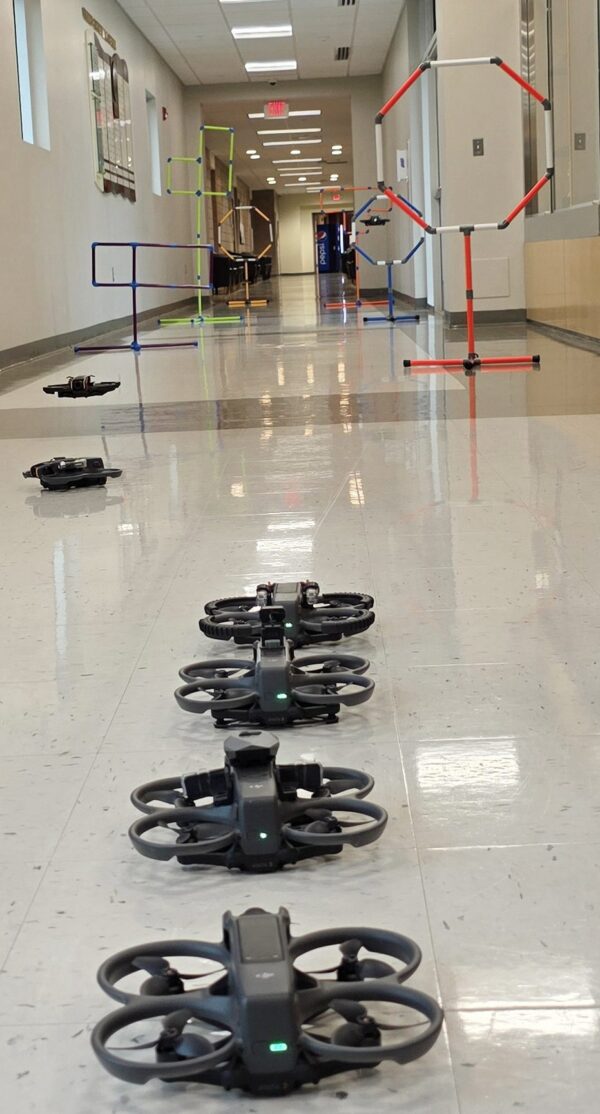
WarrenUAS Conducts Second Tactical Drone Training Course for Emergency Responders
WarrenUAS is set to host its second tactical drone training course on November 21, 2026, focusing on team leadership and mission evaluation. Following a successful July session for first responders from New Jersey and Pennsylvania, this course aims to enhance the skills of experienced drone operators in tactical scenarios. The importance of effective training for first responders is underscored by the growing use of drones in emergency situations. Peter Miller, chief pilot at WarrenUAS, emphasizes the need for well-trained personnel to safely deploy these technologies. The course will build on previous training, offering advanced skills for team leaders in decision-making and communication. Participants will engage in both classroom instruction and practical exercises, utilizing FPV drones for real-time ISR principles and tactical mission coordination. As the program continues to expand, it highlights the critical role of drones in enhancing public safety and operational efficiency for emergency services.
Drone News Drone News Feeds News training bomb squad drone Bushkill Township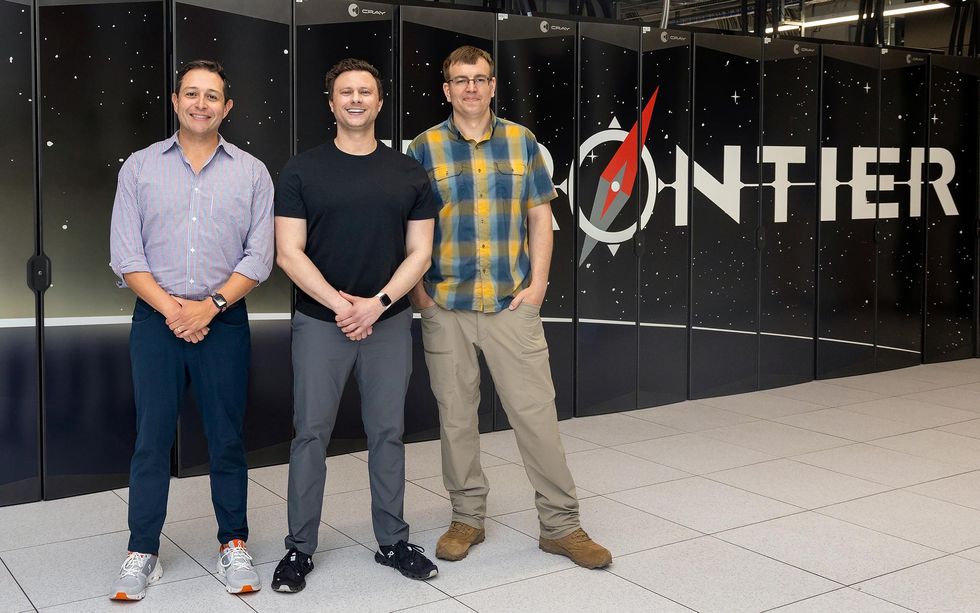
U.S. Nuclear Power Plants Embrace AI Integration for Operational Efficiency
The U.S. nuclear power sector is increasingly adopting AI technologies to enhance operational efficiency. Nearly all of the 94 nuclear reactors in the U.S. have been offered AI integration, with many accepting the opportunity. Atomic Canyon's NIVA, a virtual assistant for the nuclear industry, is now available across the fleet, while Nuclearn's products are utilized by over 65 partners, addressing workforce challenges and regulatory complexities. The integration of AI is crucial for the nuclear industry, which faces an aging workforce and hardware. According to Nuclearn CFO Jerrold Vincent, AI can help manage intricate regulations and streamline documentation processes, essential for regulatory compliance. The collaboration between technology firms and the nuclear sector aims to revitalize nuclear power, which is seen as vital for meeting the growing electricity demands of data centers. Looking ahead, the nuclear industry must navigate public perception challenges while leveraging AI to enhance operational capabilities. As the demand for advanced reactors increases, the successful integration of AI will be pivotal for the industry's future. No further timeline was disclosed at the time of publication.
Nuclear-power Artificial-intelligence Epri
Final Days to Secure Your Pass for TechCrunch Disrupt 2026 in San Francisco
In just five days, the TechCrunch Disrupt 2026 event will commence at San Francisco's Moscone West, gathering the global tech community. Attendees are encouraged to secure their tickets now to avoid increased prices, with final discounted rates available until the event opens at 8 a.m. PT on October 13, offering savings of up to $100. The significance of TechCrunch Disrupt lies in its extensive agenda featuring over 200 sessions across six stages, including the Disrupt Stage, which hosts major tech discussions and the Startup Battlefield 200 pitch competition. Notable speakers include Max Hodak from Science Corporation and Mark Wahlberg, among others. The event also features specialized stages focusing on AI, fintech, and robotics, providing insights from industry leaders. Looking ahead, attendees can expect a diverse range of interactive experiences, including networking opportunities and live robotics demonstrations. The Expo Hall will showcase over 300 companies, allowing participants to engage directly with innovators and discover new ideas. No further timeline was disclosed at the time of publication.
Startups Fintech Venture AI Robotics Fundraising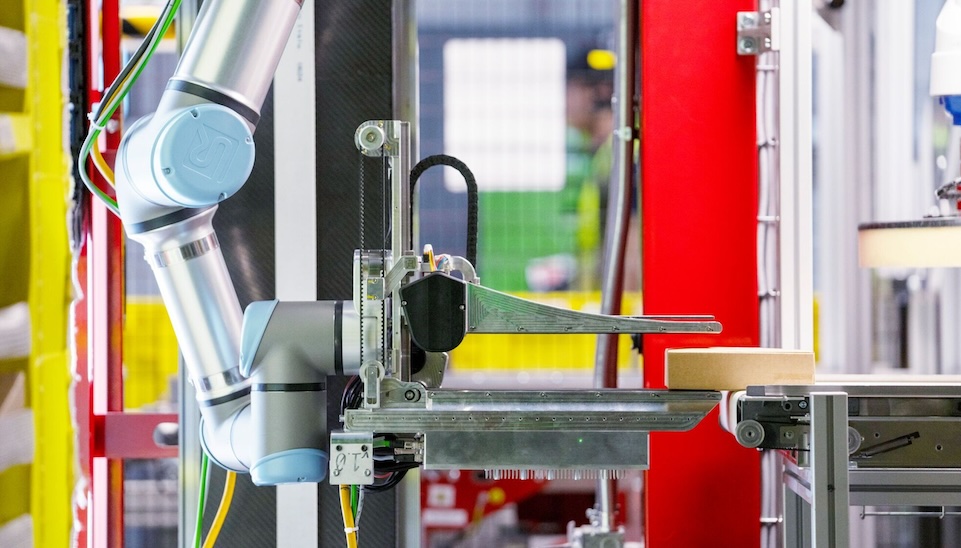
AWS Unveils Open-Source Physical AI Toolchain for Robotics Development
Amazon Web Services (AWS) has launched an open-source Physical AI Toolchain aimed at assisting roboticists in transitioning from data collection to the deployment of AI models on robots. This toolchain integrates AWS services with NVIDIA’s Physical AI software, addressing the challenge of connecting various components necessary for effective AI-powered robotics. The significance of this launch lies in its potential to streamline the development process for AI models, allowing companies to focus on solving specific problems rather than managing infrastructure. AWS's Sri Elaprolu emphasized the importance of generating synthetic data and utilizing simulation to enhance model training and deployment, particularly in environments with variable conditions. Looking ahead, the toolchain is designed to support continuous improvement through a feedback loop, where data from deployed robots is used to refine models. While no further timeline was disclosed at the time of publication, AWS's toolchain draws on insights from Amazon's extensive robotics operations, which include over 1 million robots, and aims to adapt to diverse operational environments such as convenience stores.
Artificial Intelligence Artificial Intelligence / Cognition Design / Development News Amazon amazon robotics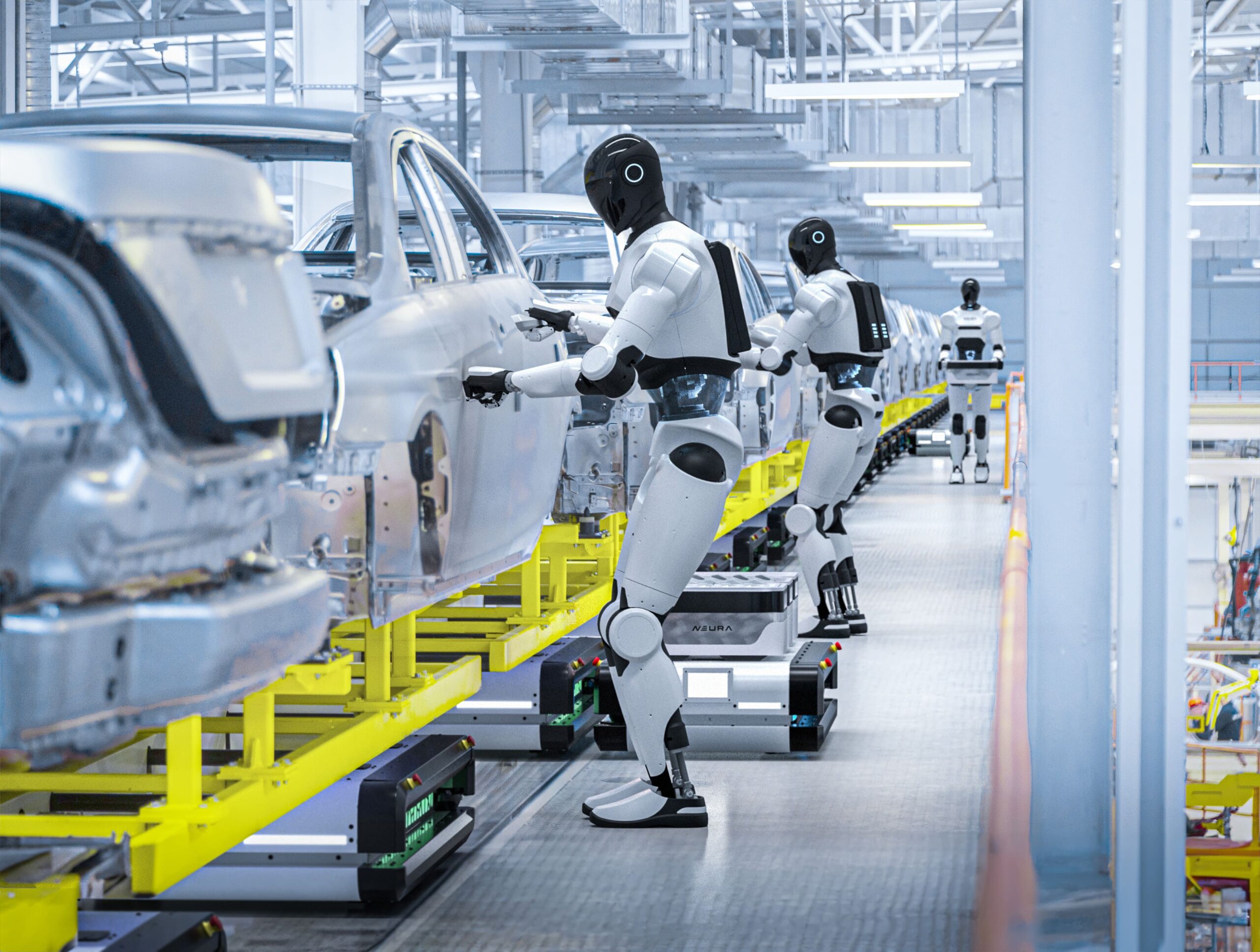
AWS Introduces Open-Source Physical AI Toolchain to Enhance Robotics Development
Amazon Web Services (AWS) has launched an open-source Physical AI Toolchain aimed at assisting robotics developers in training, simulating, deploying, and enhancing physical AI systems using AWS cloud services and Nvidia’s software stack. This toolchain encompasses synthetic data generation, model training, simulation, edge deployment, and continuous improvement, enabling users to manage fleets of machines effectively. The significance of this launch lies in its potential to streamline the engineering efforts of manufacturers and robotics developers, allowing them to focus more on innovation rather than infrastructure. With one in seven startups engaged in physical AI and 72% of them deeming cloud computing essential, the toolchain is positioned to support a wide range of applications, from industrial automation to humanoid robotics. Looking ahead, AWS's Physical AI Toolchain is expected to play a crucial role in the evolution of physical AI across various industries. As companies increasingly adopt this technology, the toolchain's capabilities for fleet management and operational data integration will be vital for improving performance and scalability in real-world applications. No further timeline was disclosed at the time of publication.
AI Physical AI Technology & Infrastructure AI infrastructure platform Amazon Amazon Web Services
AWS Startups Report Reveals Rapid Growth of Physical AI Amid Market Readiness Challenges
A report from AWS Startups in collaboration with Strand Partners indicates that 15% of startups across 20 markets are developing physical AI technologies. However, only 26% of these startups believe their local markets are ready for deployment, with 70% citing slow adoption as a significant barrier to growth. The report highlights the critical role of cloud infrastructure, with 72% of builders deeming it essential for development. Additionally, 62% of respondents indicated they could not have initiated their projects without cloud computing, while 56% noted that limited computing power hampers progress. Manufacturing and automotive sectors lead in commercial deployment at 51%, followed closely by logistics and retail at 47%. Looking ahead, 76% of builders anticipate that physical AI will become mainstream in their industries within five years, with 36% expecting this transition within two years. However, the report emphasizes that increased customer awareness, technical skills, funding, and clearer regulations are necessary for broader adoption.
Business & Markets Startups Technology & Infrastructure AI Amazon Asia
Agile Robots Develops Training Method for Machines Using Human Filming Techniques
Agile Robots, a German startup, is innovating in the field of industrial automation by training its robots through videos of humans performing various tasks. This approach aims to address the data shortage that has been a significant barrier to advancing automation technologies. The initiative is crucial as the demand for efficient automation solutions grows, and traditional data collection methods often fall short. By leveraging human-generated video data, Agile Robots seeks to enhance the learning capabilities of its machines, thereby improving their performance in real-world applications. Looking ahead, the effectiveness of this training method will be key to Agile Robots' success in the competitive landscape of industrial automation. No further timeline was disclosed at the time of publication.
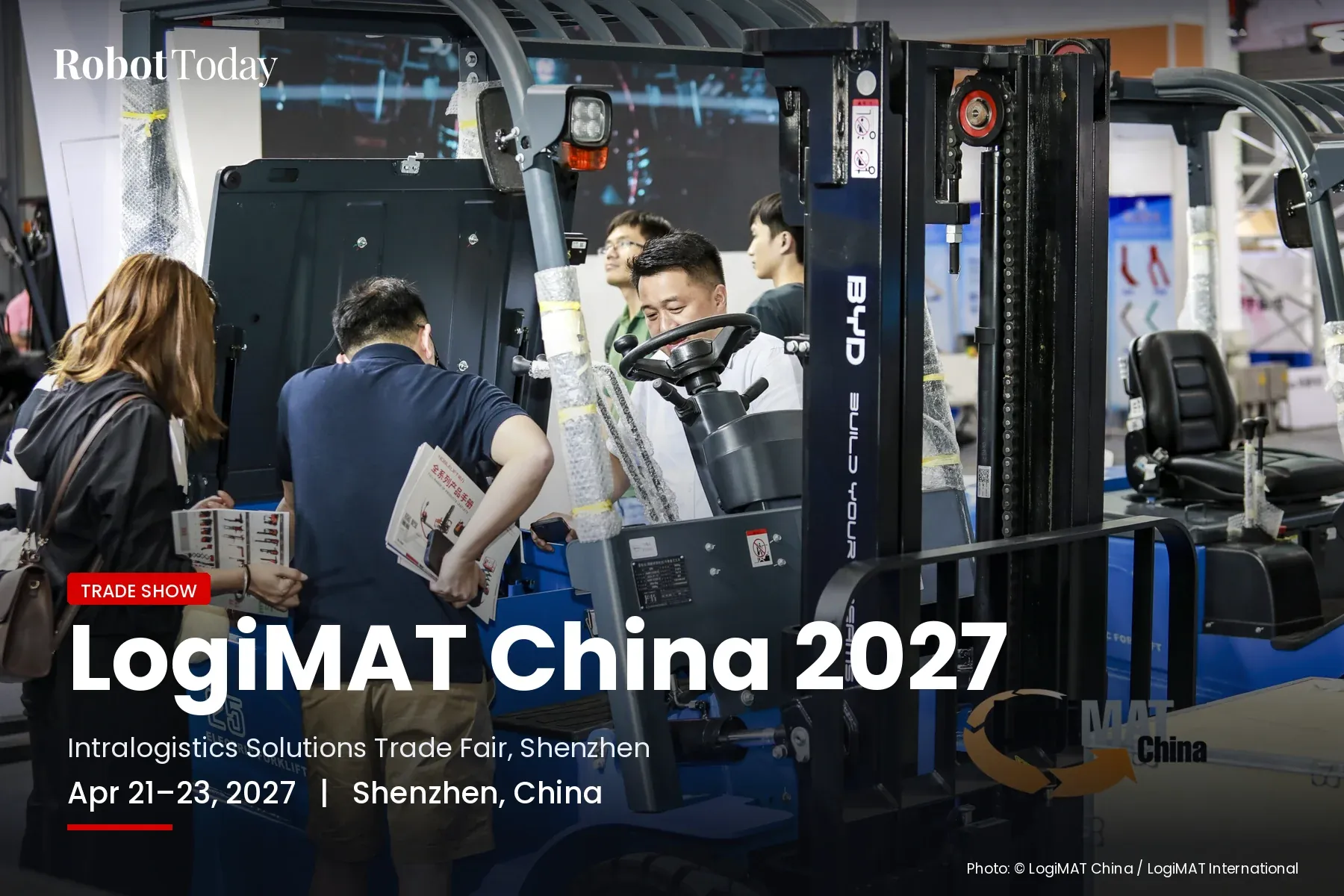
LogiMAT China 2027: April 21–23, Shenzhen
LogiMAT China 2027 runs April 21–23 in Shenzhen, featuring AMRs, smart sorting, 3D-vision picking and AI logistics from the Greater Bay Area robotics base.

LogiMAT 2027: March 16–18, Messe Stuttgart
Meta description LogiMAT 2027 runs March 16–18 at Messe Stuttgart under the theme "MIND MEETS MACHINE", with AI, AMRs and humanoid robots in focus for intralogistics.
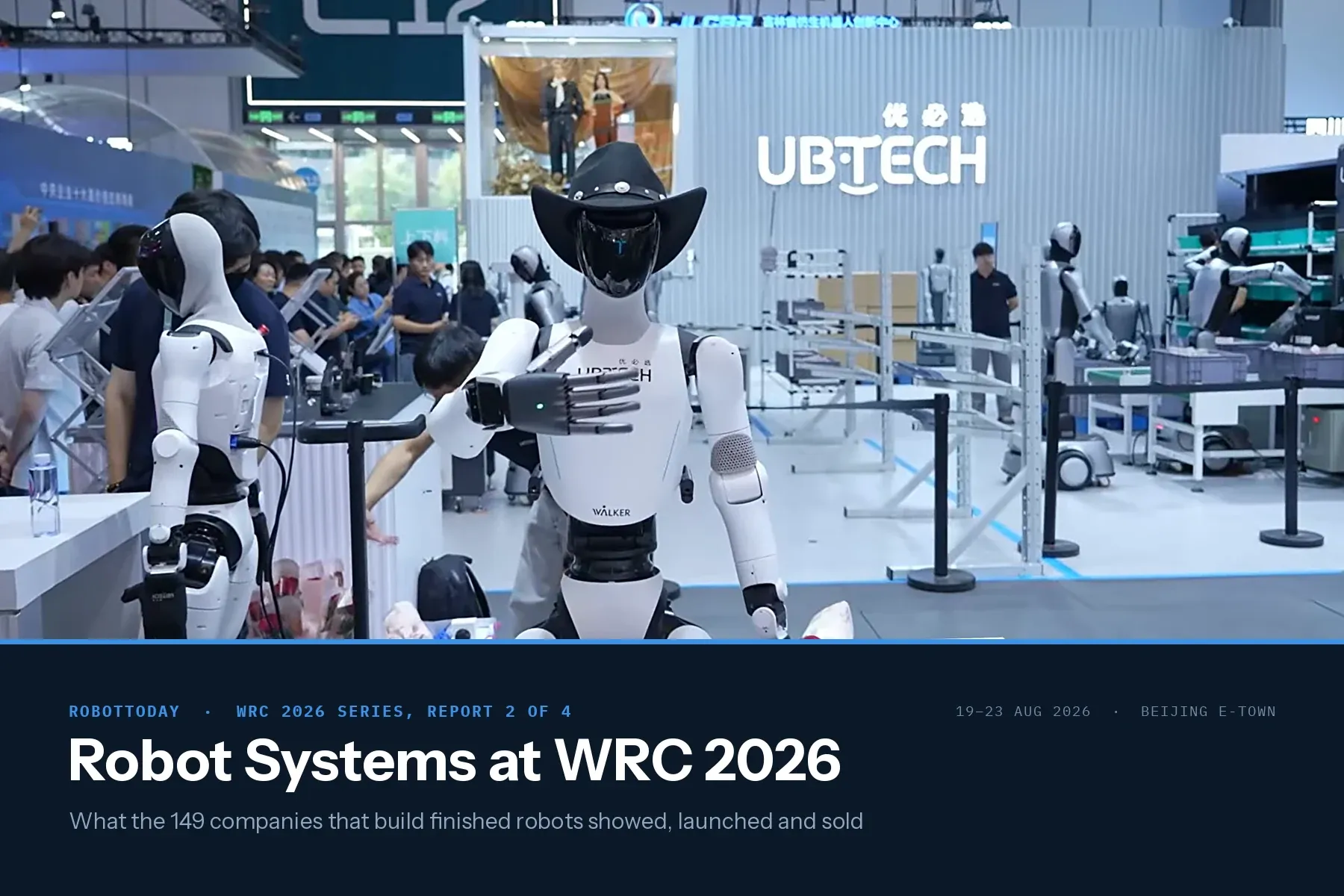
WRC 2026 Robot Systems: 149 Companies That Build Robots
149 of the 248 classified WRC 2026 exhibitors build finished robots. 93 build humanoid or legged machines. The audited humanoid sales number is one unit.
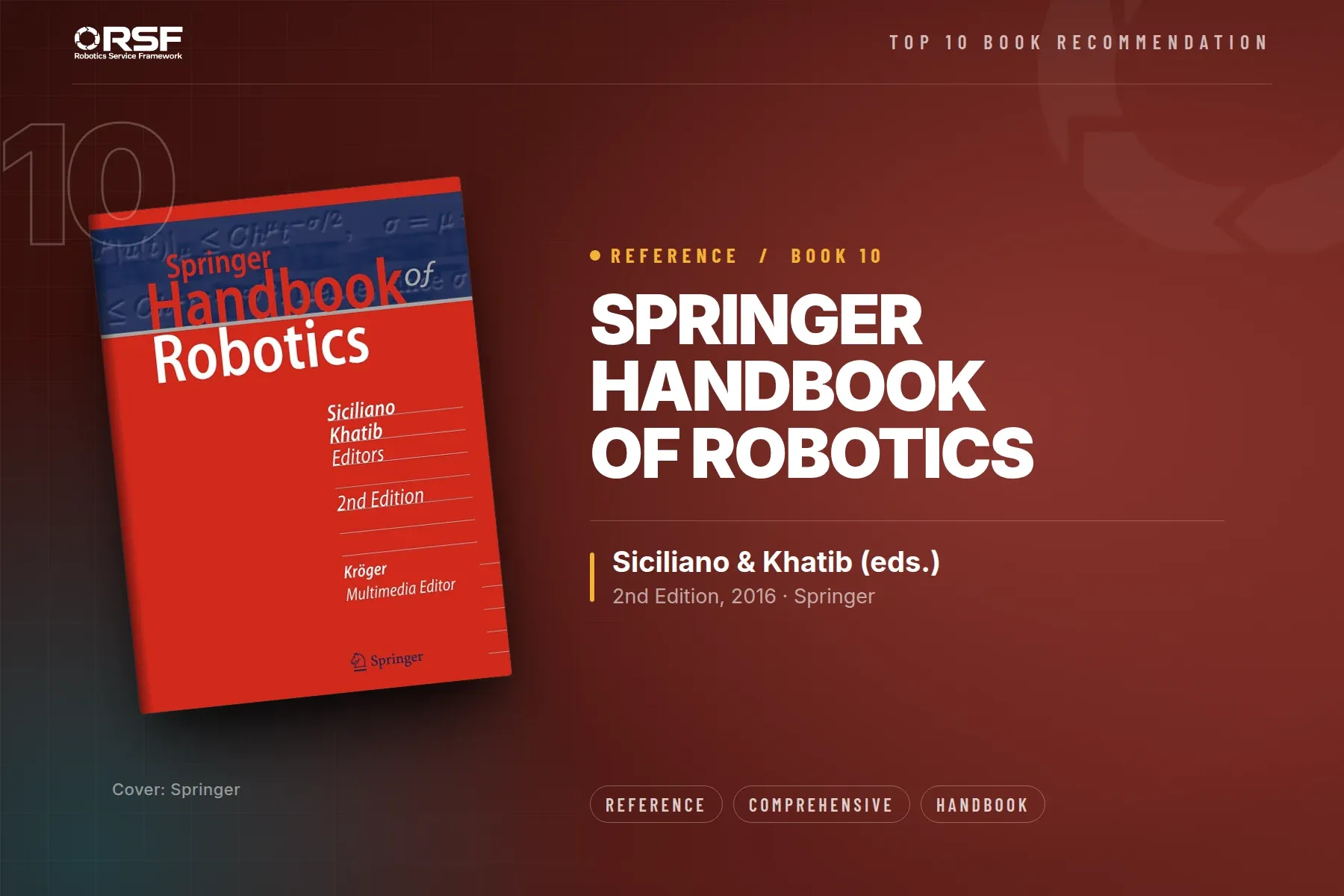
Springer Handbook of Robotics B. Siciliano & O. Khatib (eds.) — RSF Top 10 Robot Education Textbooks · No. 10
Eighty-plus chapters, 2,300 pages, nobody reads it cover to cover. It ranks for one reason: when a fault crosses domains, this is the reference of record.

Autonomous Mobile Robots Siegwart, Nourbakhsh & Scaramuzza — RSF Top 10 Robot Education Textbooks · No. 3
AMR and AGV fleets are the biggest robot service market. Siegwart decodes the vendor manual: odometry, localization, cost maps.

Robotics, Vision and Control Peter Corke — RSF Top 10 Robot Education Textbooks · No. 5
Most books you read; Corke's you run. Every concept ships as executable Python via the open Robotics Toolbox. The code softens the maths.
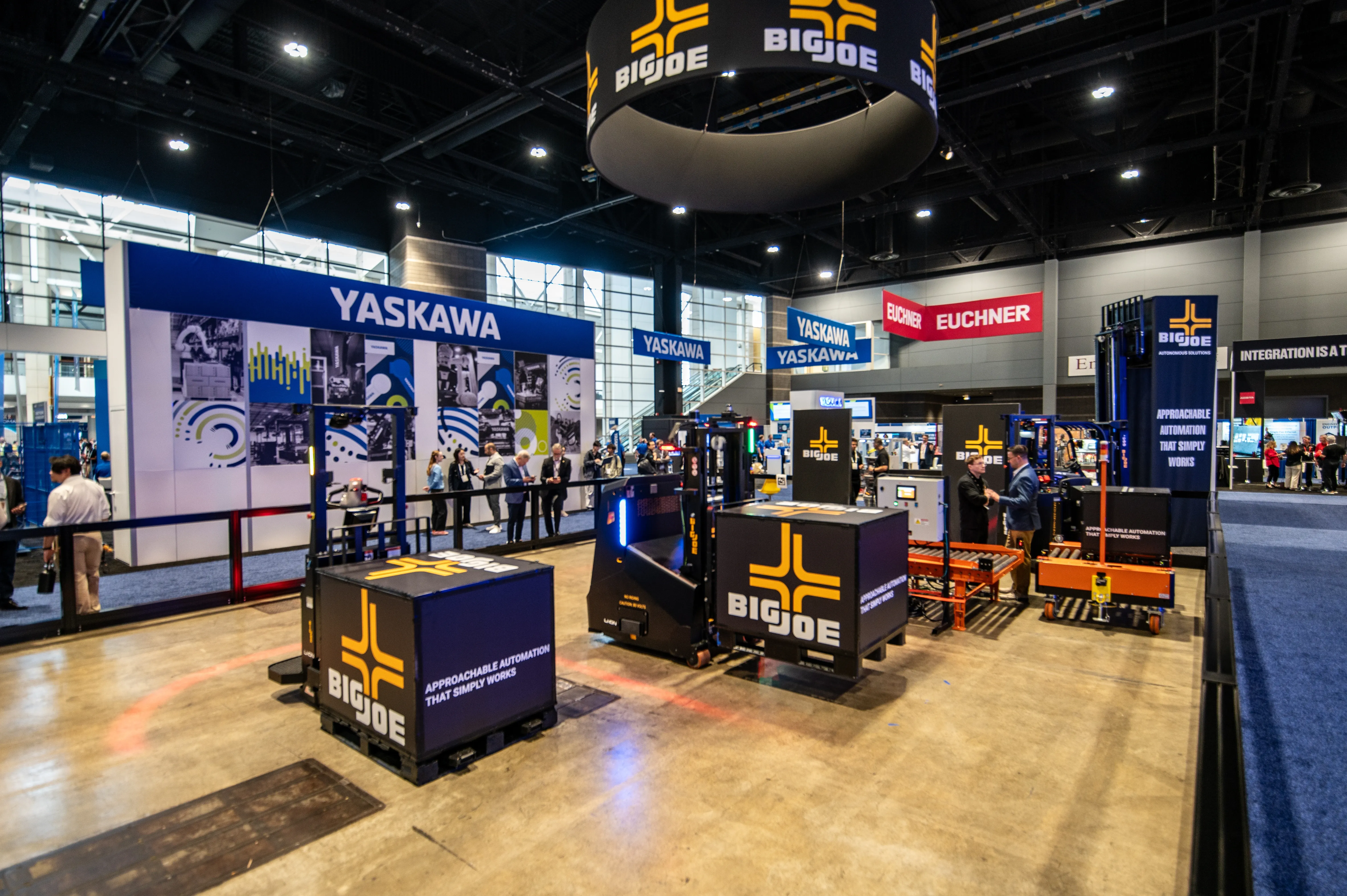
Big Joe's Four-Product AMR Push at Automate 2026: What It Reveals About the North American Warehouse Automation Market
RobotToday analyzes Big Joe's four new autonomous vehicles launched at Automate 2026 — AP44, ASC40, ATC100, ACV40 — in the context of North America's warehouse labor shortage and AMR market growth.
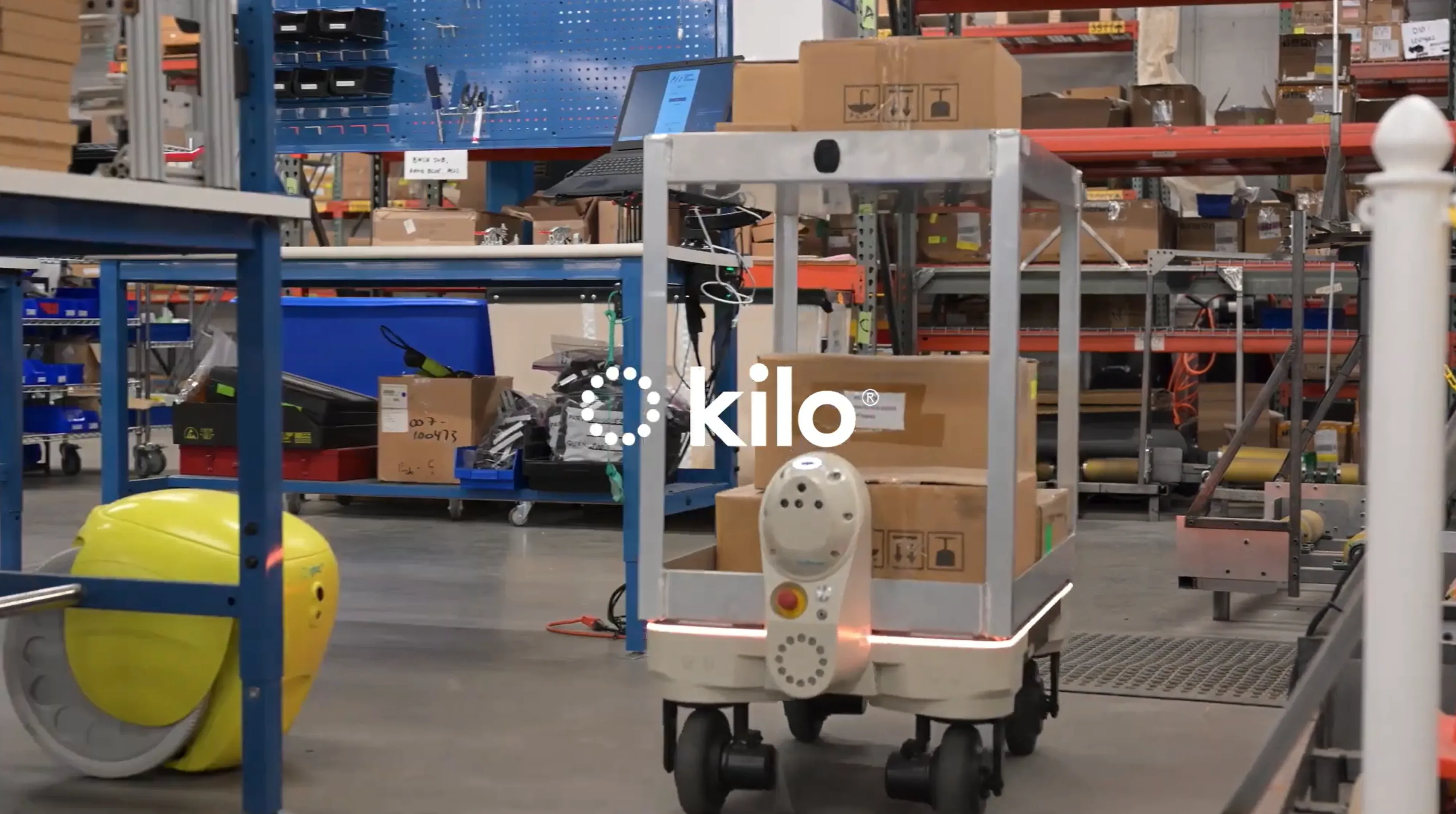
Piaggio Fast Forward Brings kilo® Autonomous Mobile Robot to Automate 2026
Piaggio Fast Forward showcases kilo®, an infrastructure-free collaborative AMR (300 lb payload, 360° LiDAR), at Automate 2026 booth #17054.
When a Materials Giant Meets Robotics: Covestro at Automate 2026
At Automate 2026, Covestro brought Makrolon, Bayblend, Baysafe BEF and Vulkollan to robotics — tackling weight, heat, sensing and sustainability for humanoids and AGV/AMRs.
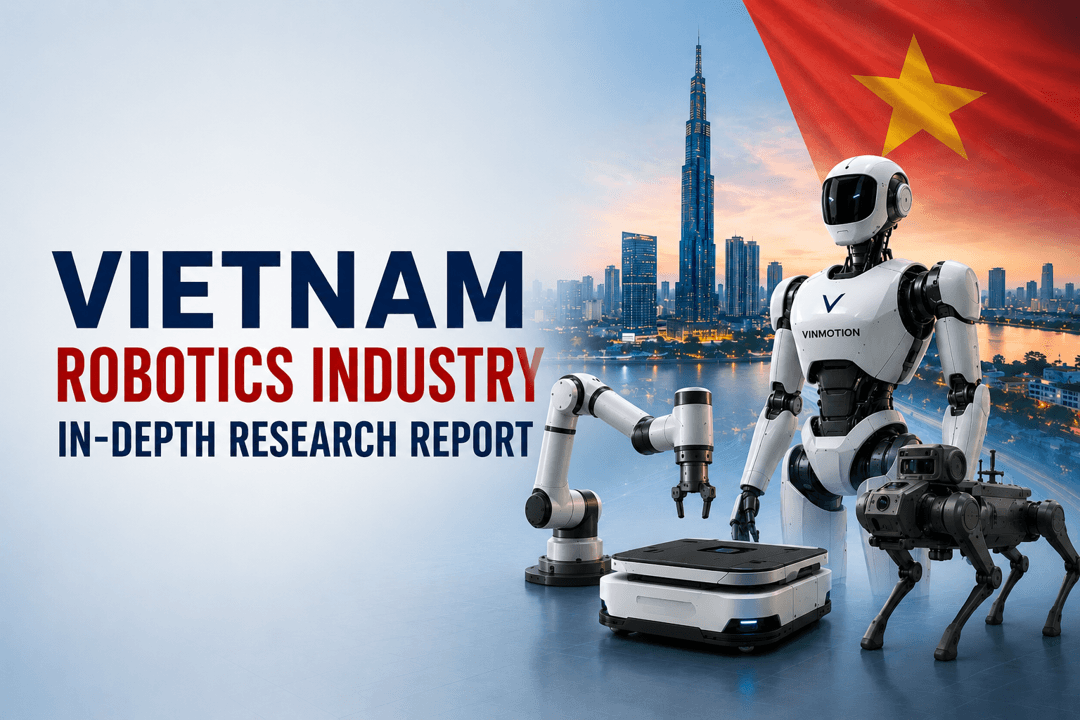
Vietnam Robotics Industry Report 2026
Comprehensive analysis of Vietnam's robotics industry: market size, industrial policy, key companies (Vingroup, Apicoo, Phenikaa-X), geopolitical dynamics, and 2030 growth opportunities.


