Drone & Co (FR)

Drone & Co (operating as DronatorX) provides professional drone services including facade cleaning, roof maintenance, insecticide treatment, greenhouse cleaning, and aerial video capture using DJI Matrice 350 RTK platforms.

Share
Drone & Co (FR)
79 Rue du Levant
Saint-Mesmes 77410
RobotToday Initiative

Robotics needs a service framework.

RSF defines a common language for robot service capability, lifecycle operations, certification pathways, and service-provider networks.

Share

Related Content

Tsubame Lab Showcases Automation Solutions at LADEC2026 with Robotic Arms and AMRs

Tsubame Lab Showcases Automation Solutions at LADEC2026 with Robotic Arms and AMRs

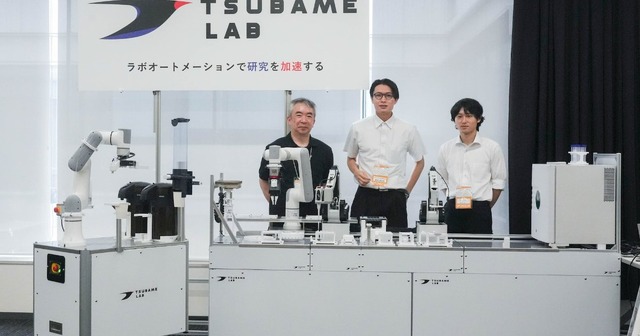
Tsubame Lab Inc. participated in the Laboratory Automation Developers Conference 2026 (LADEC2026) held on July 2-3, 2026, at the Miraikan in Japan. The company demonstrated automation solutions for pre-processing tasks using robotic arms and introduced the concept of 'room-level automation' by integrating autonomous mobile robots (AMRs) for sample transportation. This participation is significant as it highlights Tsubame Lab's ongoing efforts to create a 'Cloud Lab' that allows researchers to execute experiments remotely via APIs and MCPs. The conference featured over 40 speakers and approximately 60 sponsoring companies, emphasizing the importance of automating repetitive tasks in research environments, which are still largely performed manually by researchers and staff. Looking ahead, Tsubame Lab plans to expand automation elements for pre-processing tasks, enhance the application range of room-level automation through AMR integration, and continue collaborating with the research automation community. No further timeline was disclosed at the time of publication.

Huawei Launches CloudRobo Platform to Enhance Embodied Intelligence Development

Huawei Launches CloudRobo Platform to Enhance Embodied Intelligence Development

On July 20, Huawei showcased its complete range of computing modules at the WAIC 2026, including the 800GE AI network card. This marks Huawei's strategic entry into the embodied intelligence sector with the public testing of its CloudRobo platform, aimed at enhancing the industry's development capabilities. Unlike traditional approaches, Huawei focuses on providing the intelligent core for robots rather than manufacturing them directly. This strategy mirrors Huawei's earlier success in the smart automotive sector, where it empowered brands like Seres without producing vehicles itself. The trend is evident across the industry, with major players like Tencent and Baidu also opting to develop intelligent systems and tools rather than building robots. This shift highlights a growing emphasis on software and cloud services in the robotics field, as hardware becomes less of a scarce resource. As the industry transitions from prototype demonstrations to large-scale implementation, the efficiency of foundational development remains a critical bottleneck. Huawei's CloudRobo aims to address this by offering a comprehensive platform for data production, model development, and deployment, with over 20 companies already joining the initiative. No further timeline was disclosed at the time of publication.

Embodied Intelligence AI Development Platforms Robotics Cloud Computing
Ensuring Connectivity for Humanoid Robots with Advanced 6G Technology Solutions

Ensuring Connectivity for Humanoid Robots with Advanced 6G Technology Solutions

At the WAIC 2026, 208 embodied intelligent terminals and over 300 real machines showcased their capabilities, raising concerns about connectivity during real-time collaborative operations. Asmote introduced a next-generation wireless base designed for humanoid robots, which integrates communication, perception, intelligent computing, and control based on 6G technology. This innovation is crucial as it addresses the need for reliable connectivity in complex industrial environments, ensuring that robots remain online with 99.99% reliability and millisecond-level latency. Asmote's AI-EDGE platform significantly reduces the power consumption, cost, and weight of robots by offloading communication and computing tasks to the 6G-native base, allowing robots to focus on performance optimization and task execution. Looking ahead, Asmote aims to provide a digital foundation for physical AI across various industries, emphasizing the importance of a robust infrastructure that goes beyond mere connectivity. No further timeline was disclosed at the time of publication.

Humanoid Robots 6G Technology Wireless Communication AI Industrial Automation
Xpeng Transforms into 'Physical AI Company' at Munich Event with New Innovations

Xpeng Transforms into 'Physical AI Company' at Munich Event with New Innovations

On July 16, Xpeng Motors held its 'XPENG LIVE: PHYSICAL AI FOR ALL' brand day in Munich, showcasing its evolution from an automotive manufacturer to a 'physical AI company.' The highlight was the global debut of the MONA series L03, designed by former Ferrari chief designer JuanMa Lopez, featuring a low drag coefficient of 0.228Cd and offering both pure electric and super extended range options across nine configurations, priced between 123,800 to 156,800 RMB. The L03 is equipped with Xpeng's self-developed Turing AI chip, providing up to 750 TOPS for the Max version and 1500 TOPS for the Ultra SE version, alongside the second-generation VLA large model. The pure electric version boasts a CLTC range of 525km or 625km and supports 3C fast charging, achieving 10%-80% charge in just 19.1 minutes, while the extended range version offers a maximum comprehensive range of 1330km. Additionally, Xpeng introduced its split-type flying car, the 'land aircraft carrier,' which has completed its first flight in Dubai and has over 7,000 global orders. The humanoid robot IRON is set to launch globally in 2027, with a production target of over 1,000 units per month by late 2026. Chairman He Xiaopeng emphasized the company's mission to leverage technology to transform mobility and lifestyle, marking a significant shift in Xpeng's identity and vision for the future of movement.

Electric Vehicles Flying Cars Humanoid Robots AI Technology
Moore Threads Unveils MTT C256 System with 256 GPUs at WAIC 2026

Moore Threads Unveils MTT C256 System with 256 GPUs at WAIC 2026

Moore Threads, a Chinese GPU developer, showcased its MTT C256 system at WAIC 2026, integrating 256 GPUs into a single data-center-scale computing unit. This innovative system employs a one-layer Scale-up network that facilitates all-to-all communication among the GPUs, all housed within two standard racks. Moore Threads claims that this network achieves sub-microsecond latency, enhancing performance significantly. The introduction of the MTT C256 system is significant as it represents a leap in GPU technology, allowing for advanced computational capabilities. The ability to train a 236-billion-parameter mixture-of-experts model using over 25 trillion tokens showcases the system's potential for handling large-scale data processing tasks. This advancement could have implications for various industries relying on high-performance computing. Looking ahead, the performance of the MTT C256 system in real-world applications will be crucial to monitor. As Moore Threads continues to innovate in GPU technology, the effectiveness of their solutions in practical scenarios will determine their impact on the market. No further timeline was disclosed at the time of publication.

News Feed
AMD and Microsoft Expand Strategic Partnership with Large-Scale Deployment of AI Rack Scale 'Helios' on Azure

AMD and Microsoft Expand Strategic Partnership with Large-Scale Deployment of AI Rack Scale 'Helios' on Azure

On July 20, 2026, AMD announced an expansion of its strategic partnership with Microsoft, focusing on the large-scale deployment of the AMD Helios rack-scale AI product on Azure. This collaboration encompasses GPUs, CPUs, networking, and software, with Helios being utilized for inference processing of frontier AI models by Microsoft and its AI customers. The significance of this partnership lies in the integration of AMD's Helios, which combines the AMD Instinct MI455X GPU, the sixth-generation EPYC CPU, and Pensando's networking technology into a cohesive AI system designed for extensive AI learning and inference. Microsoft plans to deploy Helios across three new Azure virtual machine series, enhancing its infrastructure offerings for next-generation AI applications. Looking ahead, AMD is set to begin shipping Helios to customers, including Microsoft, in late 2026. The collaboration is expected to broaden the scope of AMD's AI solutions, with potential implications for other major companies already adopting AMD's Instinct series, such as Meta and OpenAI. No further timeline was disclosed at the time of publication.

Microsoft Plans to Launch AI Security Tool 'Project Perception' in July 2026

Microsoft Plans to Launch AI Security Tool 'Project Perception' in July 2026

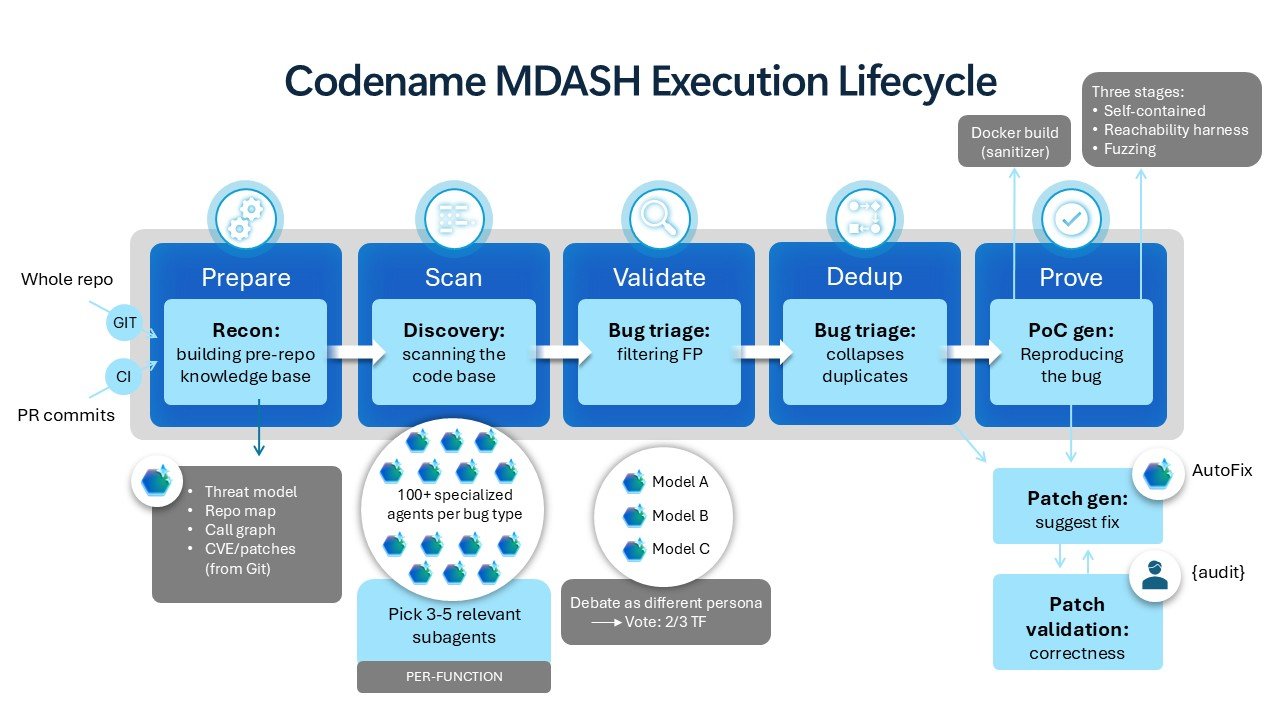
Microsoft is set to introduce 'Project Perception', an AI-driven security tool, in July 2026. This initiative aims to enhance the detection of vulnerabilities in IT systems, led by Hayete Gallot, the new EVP of security. The project will integrate advanced AI technologies, including MDASH, into existing products like Microsoft Defender and GitHub Code Security. The significance of Project Perception lies in its potential to revolutionize security measures by utilizing AI to proactively identify and address vulnerabilities. The integration of MDASH, which employs over 100 specialized AI agents for vulnerability assessment, is expected to improve the accuracy of security reports, reducing the noise typically associated with traditional tools. Looking ahead, the collaboration between Project Perception and existing Microsoft security products will streamline the vulnerability reporting process for IT administrators. No further timeline was disclosed at the time of publication.

GE Aerospace Achieves Historic Hybrid-Electric Flight Above 30,000 Feet

GE Aerospace Achieves Historic Hybrid-Electric Flight Above 30,000 Feet

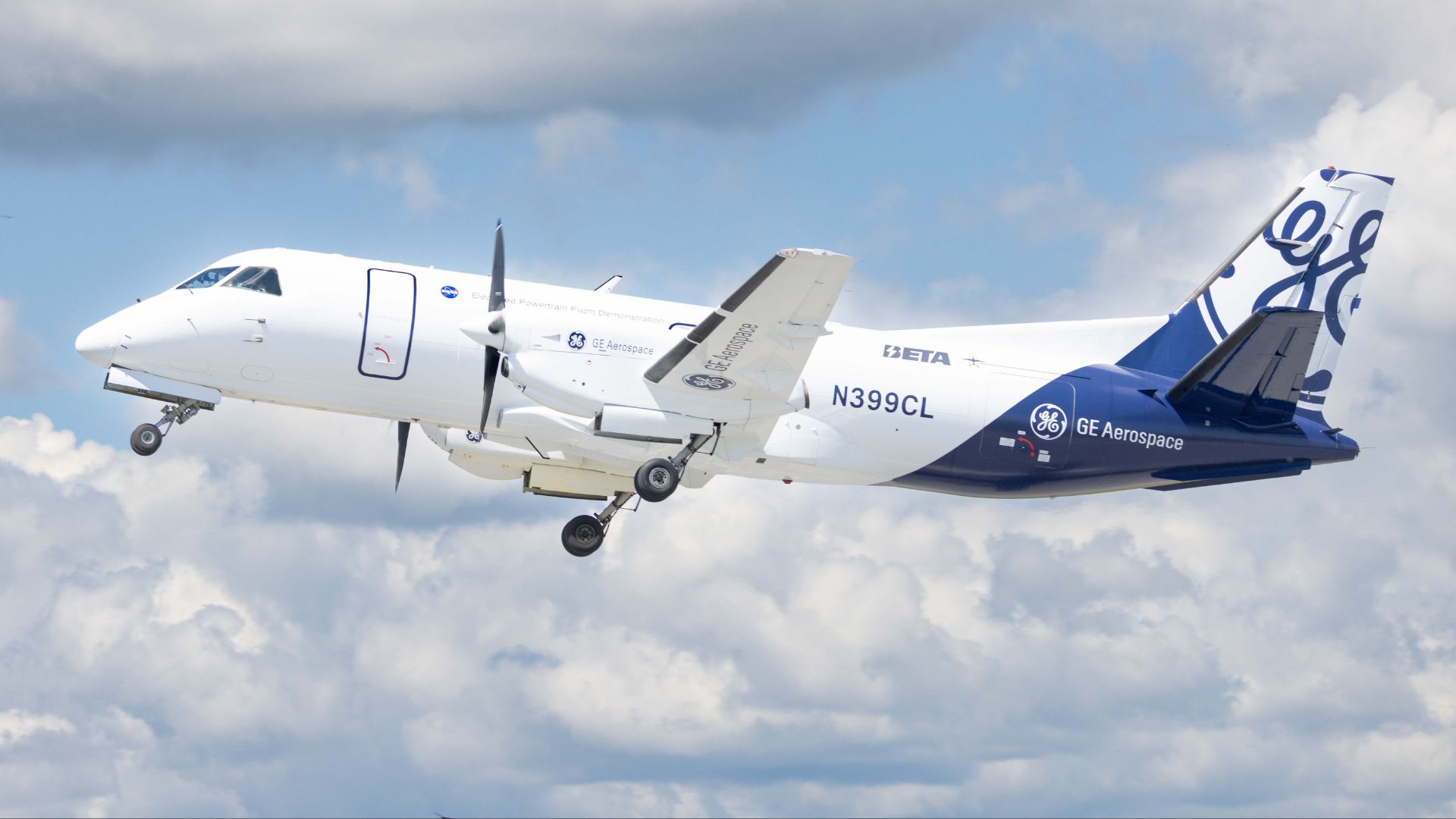
GE Aerospace has successfully completed the first flight of a hybrid-electric aircraft above 30,000 feet, marking a significant advancement in hybrid-electric aviation. This milestone was achieved in collaboration with NASA, BETA Technologies, and Boeing, demonstrating the potential of electrified propulsion for commercial aviation. The flight involved a modified Saab 340B, which operated its hybrid-electric propulsion system for over two hours at cruising altitudes typical for commercial passenger aircraft. This achievement is part of NASA's Electrified Powertrain Flight Demonstration program, showcasing the efficiency and performance benefits of combining a gas turbine with an electric powertrain. Looking ahead, GE Aerospace's successful flight tests pave the way for future hybrid aircraft development. The company has plans for further milestones under the CFM International RISE program, which aims to reduce fuel burn by over 20%. No further timeline was disclosed at the time of publication.

Transportation
DaxAI Robot Secures Major Funding and Unveils Innovations at WAIC 2026

DaxAI Robot Secures Major Funding and Unveils Innovations at WAIC 2026

In 2025, Zhu Xiaohu, a prominent partner at Jinsha River Venture Capital, announced a significant exit from humanoid robot companies, causing a stir in the investment community. However, he has now led a new funding round for DaxAI Robot, which has quickly raised hundreds of millions in just one year. This resurgence highlights a renewed confidence in the robotics sector. DaxAI Robot showcased its advancements at WAIC 2026, presenting four major achievements including the DaxBrain-WM (Dualis) world model and a range of all-terrain robotic products. The company emphasizes a holistic approach to embodied intelligence, integrating both cognitive and operational capabilities to enhance robotic performance in real-world applications. Looking ahead, DaxAI Robot's innovative technologies and strategic data engineering practices position it for significant growth in the robotics market. The company's ability to adapt across various environments and its focus on practical applications will be crucial as it navigates future challenges and opportunities in the industry. No further timeline was disclosed at the time of publication.

Robotics AI Embodied Intelligence Consumer Technology

AGIBOT Launches Four New Embodied AI Products at WAIC 2026

AGIBOT Launches Four New Embodied AI Products at WAIC 2026

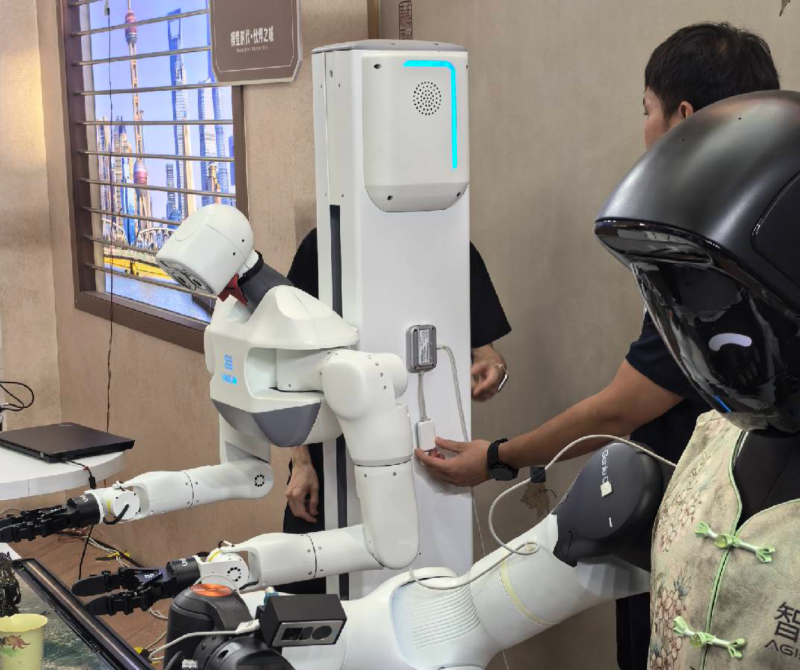
AGIBOT unveiled four new embodied AI products at the World Artificial Intelligence Conference (WAIC) 2026, expanding its portfolio with humanoid platforms, industrial robots, and dexterous manipulation systems. The new offerings include the AGIBOT A3 Ultra, G2 Max, and OmniHand 3 Ultra-M, designed to address the challenges of reliable manufacturing and integration in real-world environments. The significance of these launches lies in AGIBOT's commitment to moving beyond mere demonstrations of robotic capabilities. Co-founder Peng Zhihui emphasized the importance of consistent performance in operational settings, highlighting the company's focus on delivering practical value at scale. AGIBOT's recent production milestone of 15,000 robots underscores its rapid growth and ambition in the robotics sector. Looking ahead, AGIBOT aims to further develop its “Three Intelligences in One” architecture, which integrates locomotion, interaction, and manipulation. The company is also set to showcase its products and capabilities at its exhibition space in Shanghai, with a focus on commercial, service, and educational applications. No further timeline was disclosed at the time of publication.

Arms / Manipulators Artificial Intelligence Artificial Intelligence / Cognition Autonomous Mobile Robots (AMRs) Cameras / Imaging / Vision China
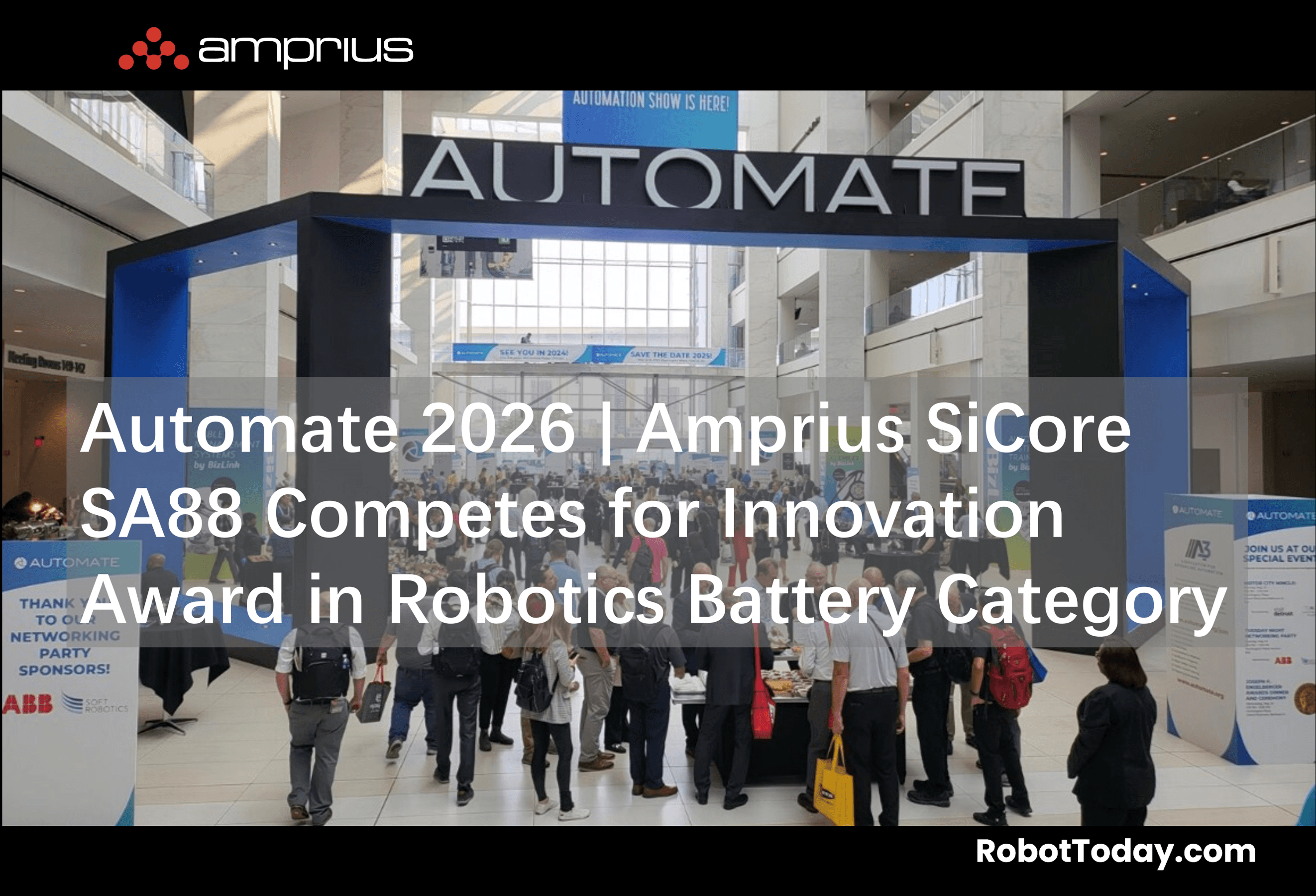
Automate 2026 | Amprius SiCore SA88 Competes for Innovation Award in Robotics Battery Category

Automate 2026 | Amprius SiCore SA88 Competes for Innovation Award in Robotics Battery Category

At Automate 2026 in Chicago, Amprius Technologies exhibited its SiCore SA88 silicon-anode pouch cell — 358 Wh/kg, 750 Wh/L — as a finalist in the Components, Hardware & Enabling Technologies category. Analysis of implications for AMR, UAV, and aerial mobility platforms.

ROBOTTODAY Weekly, June 8 – 12, 2026

ROBOTTODAY Weekly, June 8 – 12, 2026

This week in robotics: Bezos’ Prometheus raises $12B for physical AI, NEURA Robotics closes $1.4B Series C, NVIDIA deepens partnerships with Hyundai and LG in Seoul, and Hyundai’s Boston Dynamics robot dogs debut at FIFA World Cup 2026. June 8–12, 2026.

Vietnam Robotics Industry Report 2026

Vietnam Robotics Industry Report 2026

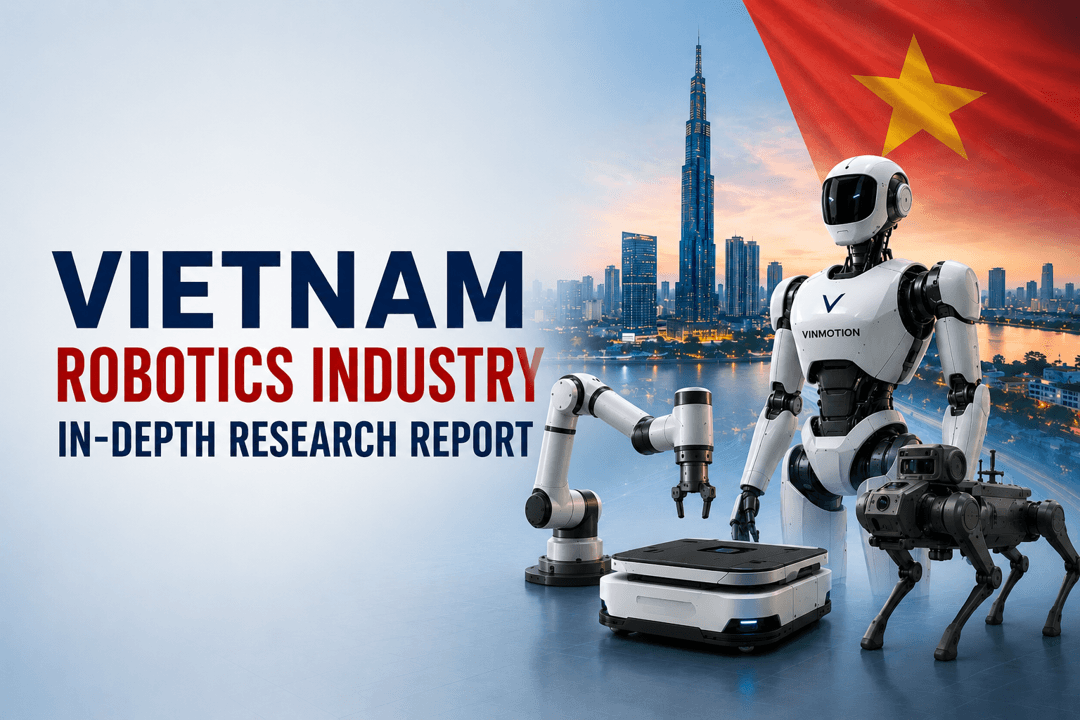
Comprehensive analysis of Vietnam's robotics industry: market size, industrial policy, key companies (Vingroup, Apicoo, Phenikaa-X), geopolitical dynamics, and 2030 growth opportunities.

CONSTRUCTION ROBOTICS | BUSINESS MODELS & INVESTMENT LANDSCAPE

CONSTRUCTION ROBOTICS | BUSINESS MODELS & INVESTMENT LANDSCAPE

Construction robotics attracted $4.4 billion in built environment tech funding through Q3 2025. SoftBank acquired ABB Robotics for $5.375 billion. RaaS is displacing capex models. AI-native platforms command 39x revenue multiples. This is where money meets machines.

AGRICULTURAL ROBOTICS SERIES — Company Directory 2026

AGRICULTURAL ROBOTICS SERIES — Company Directory 2026

Access the definitive 2026 directory of 150+ agricultural robotics companies. A comprehensive reference guide covering autonomous tractors, harvest automation, precision weeding, and AI data platforms across the global agtech ecosystem.

ROBOTTODAY WEEKLY May 4 - 8, 2026

ROBOTTODAY WEEKLY May 4 - 8, 2026

RobotToday Weekly covers the week's top robotics developments: Meta acquires humanoid robotics startup ARI, Genesis AI unveils GENE-26.5 foundation model, Hugging Face launches Reachy Mini robot app store, and 1X begins NEO humanoid production in California. Plus SoftBank's $100B robotics spinoff plans, $200M+ funding for humanoid robots, and 20 curated product launches across foundation models, robotaxi, surgical robotics, drone policy, and more. Curated for industry executives, investors, and robotics engineers.

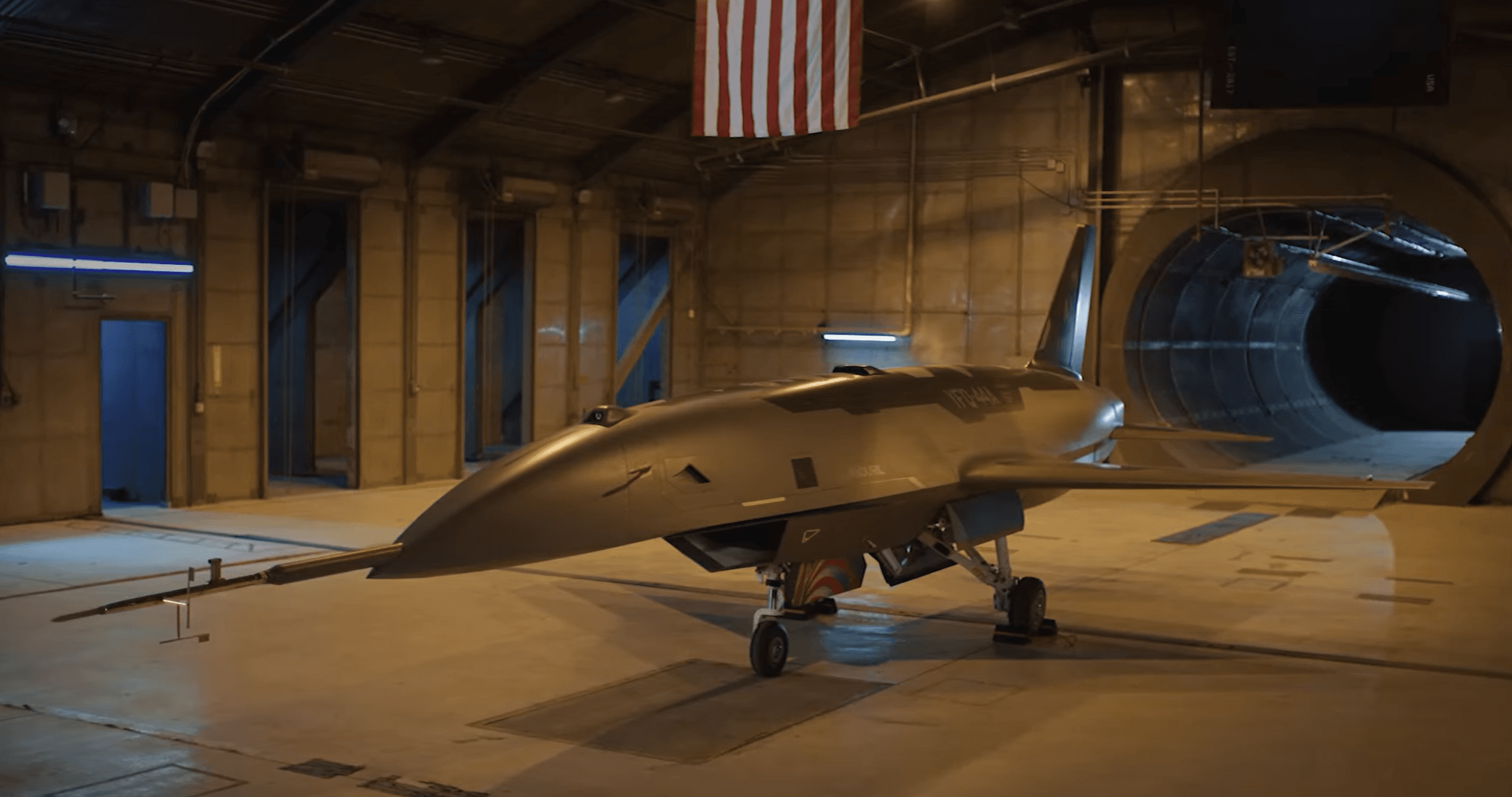
FUTURE WARFARE | Air - Collaborative Combat Aircraft, Drone Motherships & the Autonomy Race Above the Battlefield

FUTURE WARFARE | Air - Collaborative Combat Aircraft, Drone Motherships & the Autonomy Race Above the Battlefield

Anduril’s YFQ-44A Fury flew its first semi-autonomous mission on 31 October 2025 — 556 days from contract to flight. By February 2026 it was carrying live missiles and swapping autonomy software mid-flight. China’s Jiutian drone mothership flew on 11 December 2025, capable of releasing over 100 loitering munitions from its internal bay at 15,000 metres. And the U.S. Air Force is standing up its second experimental one-way attack drone unit for mid-2026. This article maps the most consequential aerial autonomous systems competition in history: the CCA programme that will determine U.S. air dominance in the 2030s, the Valkyrie’s surprising rebirth, the A-GRA open-architecture breakthrough, and the Chinese drone mothership that has no Western equivalent.

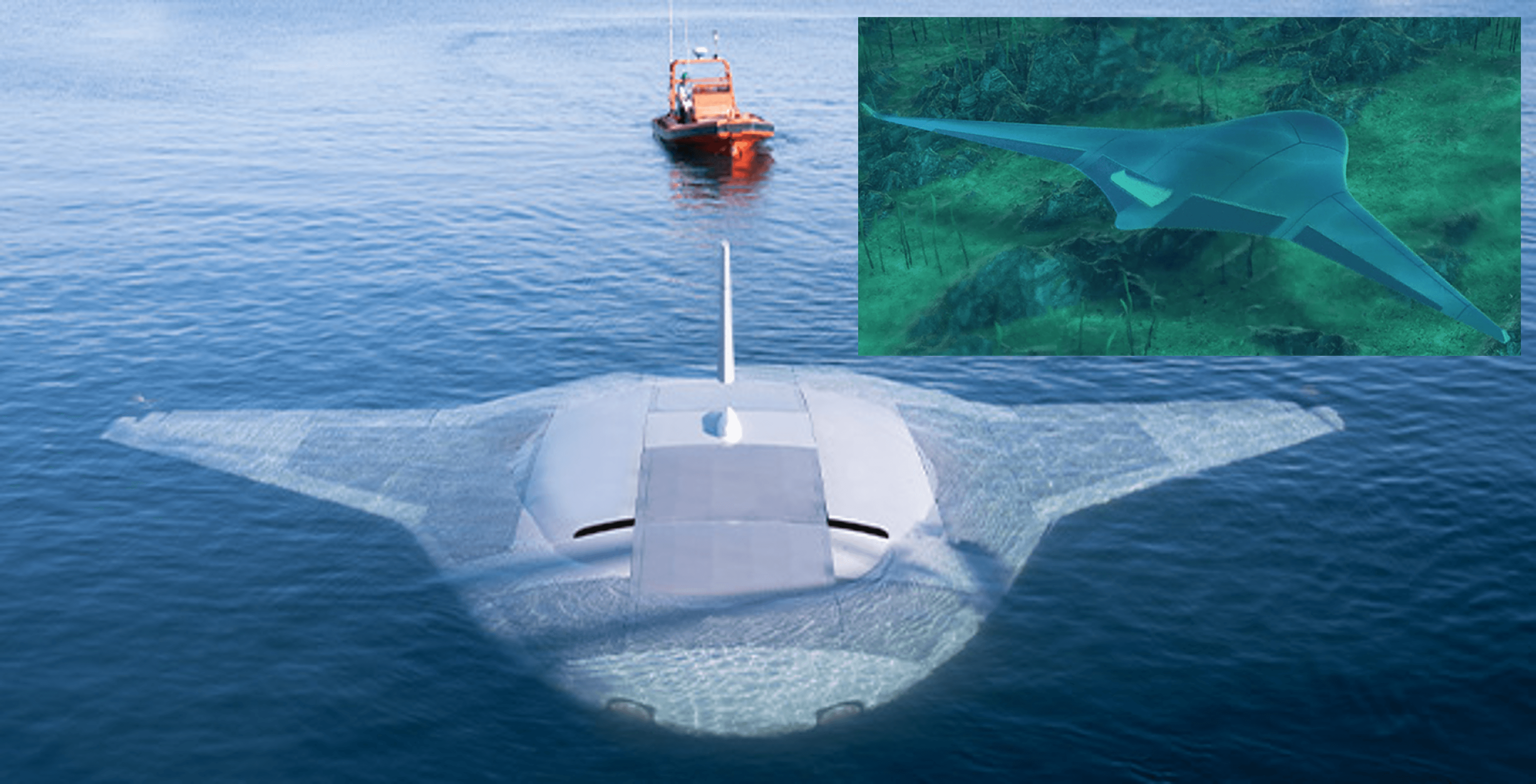
FUTURE WARFARE | Sea - Autonomous Surface Vessels & Unmanned Underwater Vehicles — The Hybrid Fleet Takes Shape

FUTURE WARFARE | Sea - Autonomous Surface Vessels & Unmanned Underwater Vehicles — The Hybrid Fleet Takes Shape

Ukraine’s ‘Sub Sea Baby’ autonomous torpedo struck a Russian Kilo-class submarine inside Novorossiysk harbour in December 2025 — the first confirmed underwater drone attack on a submarine in history. The U.S. Navy is requesting $5.3 billion for unmanned maritime systems in FY2026, a 70 percent year-on-year increase. Saronic Technologies went from prototype to $392 million production contract in under 12 months. And DARPA’s Manta Ray XL-UUV completed full-scale sea trials. This article maps the maritime autonomous systems revolution — from Ukraine’s improvised Black Sea fleet to the Pentagon’s hybrid manned–unmanned force of the 2030s, and from Saronic’s Franklin, Louisiana shipyard to Boeing’s 85-tonne robot submarine.

EU Bets €1.5B on Drones and AI: Inside EDIP's 2026–2027 Defence Industry Programme

EU Bets €1.5B on Drones and AI: Inside EDIP's 2026–2027 Defence Industry Programme

The EU's €1.47 billion European Defence Industry Programme (EDIP) 2026–2027 targets drones, counter-UxS systems, AI-enabled autonomy, and loitering munitions across six major funding calls — allocating over €232 million directly to unmanned systems and related electronics supply chains.

RobotToday Weekly Industry Briefing: March 23  – March 27, 2026

RobotToday Weekly Industry Briefing: March 23 – March 27, 2026

RobotToday's weekly industry briefing for March 21–28, 2026 covers Physical Intelligence's $1B raise, Amazon's Fauna Robotics acquisition, Agile Robots' DeepMind partnership, the launch of Europe's first robotaxi service, DJI's Avata 360 drone, Skydio's $52M Army order, and the latest in humanoid, AMR, and drone technology.