Industry Briefing
A single destination for timely, editor-curated robotics news from around the world.
Prox Industries, a physical AI company from the University of Tokyo, ranks 2nd in ICRA 2026 VLA competition.
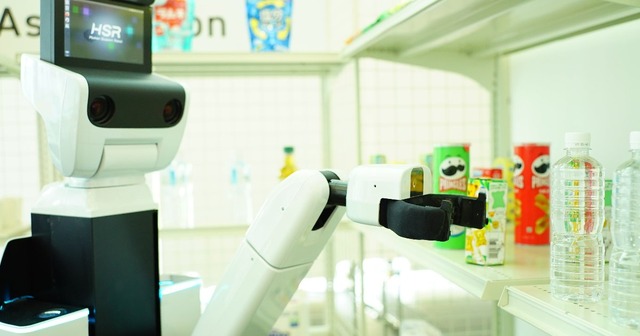
Prox Industries, a physical AI startup developed by researchers at the University of Tokyo's Matsuo Lab, has announced that it secured second place in a competition held during the ICRA 2026 Workshop titled "From Data to Decisions: VLA Pipelines for Real Robots." The event, organized by the AI Robot Association (AIRoA), featured 36 competing teams. This achievement highlights Prox Industries' innovative contributions to the field of robotics and artificial intelligence.

ACCESS reveals experimental results on remote robot control and local-like operations using VLA model and IOWN APN.
ACCESS has announced the successful execution of remote robot control experiments utilizing the Vision-Language-Action (VLA) model. Conducted recently, these experiments demonstrated that by leveraging a high-quality communication network, the responsiveness and operational quality of robot control in remote environments can closely match that of local settings for certain tasks. This advancement highlights the potential for improved remote robotic applications, driven by enhanced communication technologies.

Li Auto reveals evolution goals for the Mach VLA capabilities.
At the recent Livis Day event hosted by Li Auto, the head of the company’s base model division, Zhan Kun, announced ambitious goals for the evolution of the Li Auto Mach VLA capabilities. The company plans to roll out a new version of the AD MAX system in the third quarter, which will enhance the Mach VLA's functionalities. Additionally, by the fourth quarter, Li Auto aims to align its capabilities with Tesla's FSD V14, signaling a competitive push in the autonomous driving sector. This strategic move reflects Li Auto's commitment to advancing its technology and staying competitive in the rapidly evolving electric vehicle market.

Zhi Ping Fang launches NeuroVLA, a brain-like embodied intelligence system.
Recently, Zhi Ping Fang unveiled NeuroVLA, an innovative brain-inspired embodied intelligence system, marking a significant advancement in robotics. This system features a unique three-tier architecture that mimics the human brain, comprising the cortex for semantic understanding and task planning, the cerebellum for high-frequency motion coordination and dynamic correction, and the spinal cord for rapid motion execution and safety reflexes. Experimental results indicate that NeuroVLA can reduce robotic motion jitter by over 75% and achieve reflex responses within 20 milliseconds following a collision, all while significantly lowering system power consumption. This breakthrough aims to enhance the efficiency and safety of robotic operations, positioning NeuroVLA at the forefront of intelligent robotics technology.

Magic Atom's debut of the VLA K02 model at the conference
On June 13, the 12th China (Shanghai) International Technology Import and Export Fair (CSITF) concluded in Shanghai. During the event, MagicLab showcased its comprehensive technology matrix and publicly unveiled two major technological achievements for the first time in the domestic market: the self-developed Magic-VLA K02 large model and the Magic-Mix world model. This presentation highlights MagicLab's commitment to innovation and its role in advancing technological development in China.

ugo and FastLabel launch training program for developing VLA model with domestic humanoids and physical AI.
Ugo Corporation and FastLabel Inc. have launched a hands-on training program aimed at facilitating the development of Vision-Language-Action (VLA) models for companies, universities, and research institutions. This initiative utilizes the domestically produced humanoid robot, the "ugo Pro R&D model," to support participants from the initial stages of model development. The program, titled "ugo VLA Model Development Training Program powered by FastLabel," is designed to enhance practical skills and knowledge in the emerging field of VLA technology.
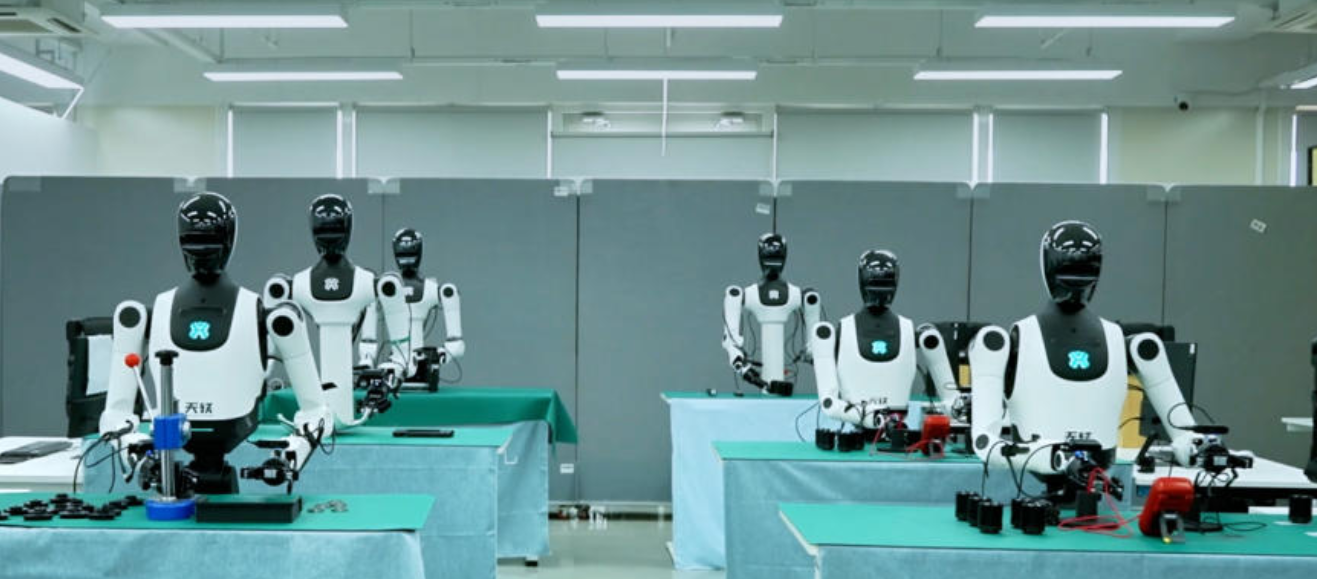
Launch of Robo-ValueRL: The First Open-Source VLA Reinforcement Learning Framework for Robotics
The Beijing Humanoid Robot Innovation Center and Renmin University of China's Gaoling Artificial Intelligence Institute have launched the Robo-ValueRL open-source framework. This initiative aims to enhance humanoid robots' decision-making capabilities in precision tasks, such as semiconductor assembly, by addressing challenges in data quality, control precision, and adaptability in dynamic environments. Robo-ValueRL introduces a value estimation mechanism based on historical observations, enabling robots to autonomously assess their actions. This closed-loop learning process—observation, value estimation, correction, and iteration—allows for improved accuracy and reduced instability in operations. The framework is fully open-source, providing access to core algorithms, evaluation tools, and standardized protocols for universities, research institutions, and manufacturers. The open-source nature of Robo-ValueRL significantly lowers the barriers for small and medium-sized manufacturers to implement reinforcement learning in specialized fields like semiconductor production and medical device manufacturing. This development marks a shift in humanoid robotics from laboratory experiments to practical industrial applications, paving the way for robots to evolve their decision-making capabilities independently.
Humanoid Robots Reinforcement Learning Precision Manufacturing Open Source Technology
Prox Industries accelerates physical AI research with dual-arm UR3e collaborative robots using VLA and reinforcement learning.
Prox Industries has announced its collaboration with Universal Robots (UR) to enhance the development of physical AI through the utilization of UR's "Physical AI Development Support Program." The initiative will focus on accelerating research and development of physical AI by employing a dual-arm robotic configuration using two UR3e collaborative robots. This partnership aims to leverage advanced robotics technology to innovate in the field of AI, reflecting Prox Industries' commitment to advancing automation solutions.

Interview with Wang Zhongyuan: VLA will survive, but world models are the future.
In recent months, the concept of "World Model" has gained significant traction within the AI and robotics sectors, driven by underlying industry anxieties. As AI technology has rapidly evolved over the past two years, limitations in embodied intelligence have become apparent, revealing that while robots can recognize objects, they struggle to understand physical interactions and causal relationships. The World Model aims to bridge this gap by enabling robots to learn the laws of the physical world. At the forefront of this exploration is Wang Zhongyuan, the director of the Beijing Academy of Artificial Intelligence, who identifies four distinct paths in the development of World Models. These include language-centered models, pixel-centered models, 3D structure-centered models, and visual representation-centered models. The Beijing Academy is pioneering a fifth approach that integrates language and visual data into a unified latent space representation, allowing for more complex interactions and predictions. Wang emphasizes that the World Model's potential lies in its ability to enhance embodied intelligence, enabling robots to understand and predict physical interactions over time. He envisions a future where World Models serve as the foundational brain for robots, capable of complex reasoning and decision-making in real-world scenarios. However, he cautions that achieving this goal will require significant advancements in data collection and model training, with a timeline of three to five years anticipated for substantial progress. As the field continues to evolve, the competition will focus on the ability to create models that accurately reflect the complexities of the physical world.
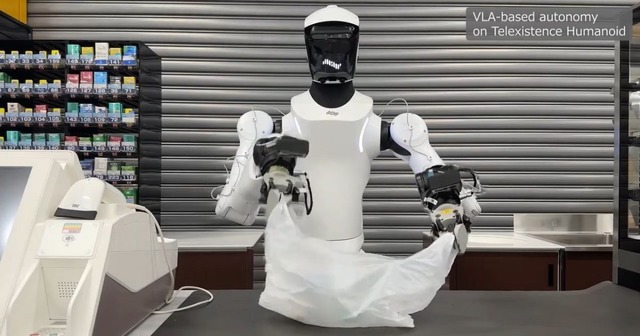
Teleexistence reveals humanoid's success in autonomous convenience store bagging using VLA and NVIDIA's "DreamZero."
On June 10, 2026, Teleexistence showcased a demonstration of autonomous operations using humanoid robots as part of the "Physical AI Fellowship 2026," a collaborative initiative supported by AWS, NVIDIA, and MassRobotics. The event highlighted the integration of NVIDIA's World Model, "DreamZero," showcasing advancements in robotic technology and artificial intelligence. This demonstration aims to illustrate the potential of physical AI in enhancing robotic capabilities and fostering innovation in the field.

Chinese Team Solves VLA Model's Weakness with 'Moving Eyes' Technology
A research team from China has made significant advancements in enhancing the performance of Vision-Language-Action (VLA) models, which typically experience severe performance declines with minor camera movements. By implementing a novel 'moving eyes' paradigm that employs dual robotic arms for dynamic data collection, the team has achieved a notable increase in task success rates, showcasing a more profound understanding of spatial interactions. Their innovative findings were presented at the esteemed IROS 2026 conference, highlighting the importance of addressing vulnerabilities in VLA models to improve their reliability in real-world applications.
Vision-Language-Action Robotics Dynamic Data Collection AI Machine Learning
Robbyant Upgrades and Open-Sources LingBot-VLA 2.0 as a Next-Generation Universal Brain for Embodied AI
While the embodied AI industry is witnessing rapid advancements in hardware and control systems, the lack of a truly universal brain remains a primary bottleneck for industrial-scale deployment. LingBot-VLA 2.0 addresses this critical gap by dramatically expanding its pre-training data and architectural capabilities.
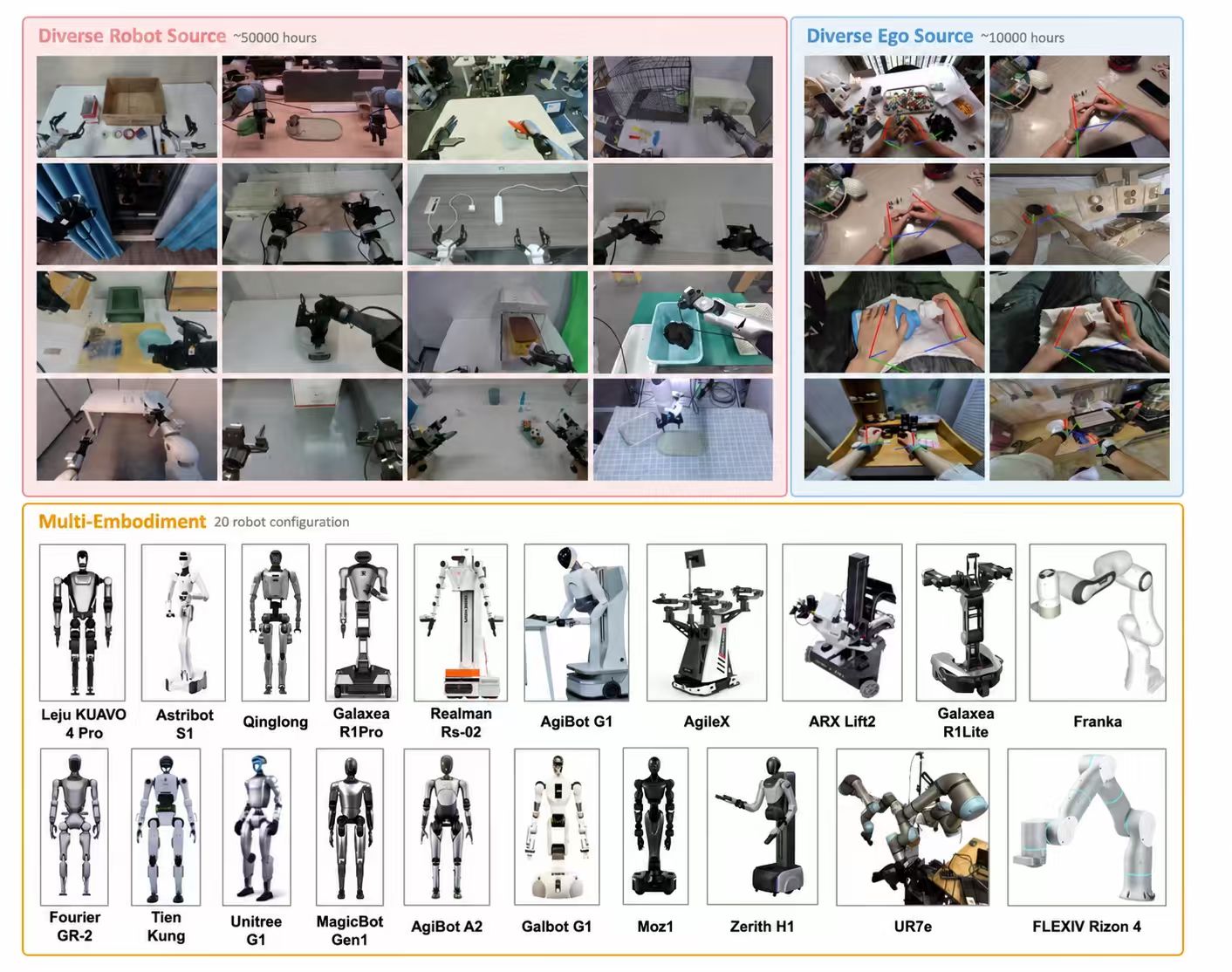
Ant Group Releases Open Source LingBot-VLA 2.0 with 60,000 Hours of Real-World Data
On July 8, Ant Group unveiled the upgraded LingBot-VLA 2.0 model, which has been enhanced through the integration of 60,000 hours of high-quality real-world data. This latest version offers improved support for a variety of robot configurations and degrees of freedom, leading to increased efficiency and performance in both dual-arm operations and mobile tasks. The model has been made accessible to developers via platforms such as Hugging Face and GitHub, promoting wider collaboration and innovation in robotics.
Robotics AI Open Source Machine Learning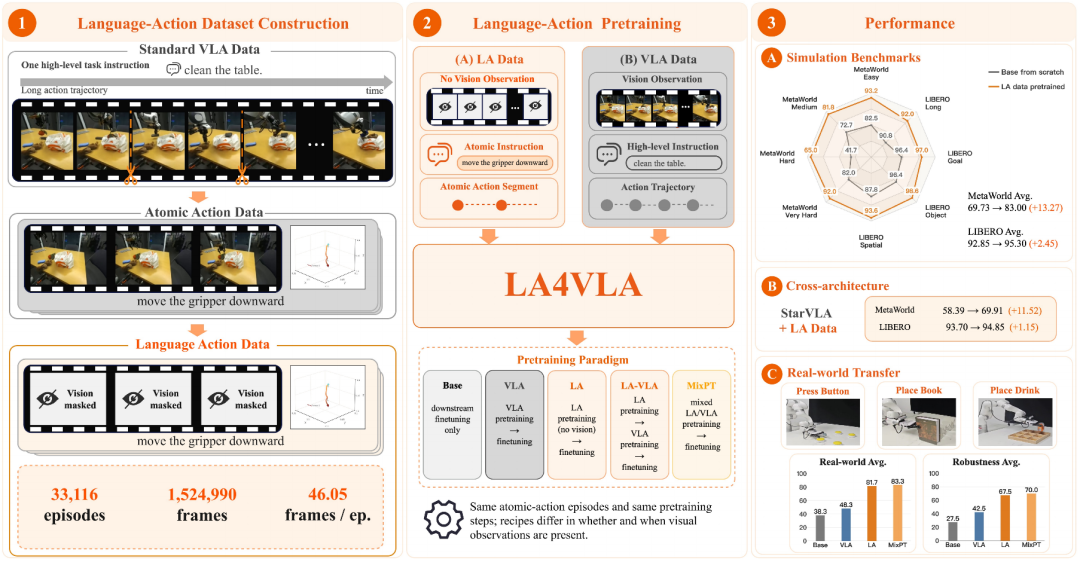
LA4VLA: Redefining VLA Pretraining for Robots to Learn Action Language
Researchers have introduced the LA4VLA framework, a new approach that enhances the capabilities of robots in understanding language commands and executing actions. This framework distinguishes language-action supervision from visual input, enabling robots to learn the relationship between commands and actions independently of visual cues. The study, which highlights the limitations of traditional Vision-Language-Action models, was conducted to address the tendency of these models to rely on visual inputs when confronted with conflicting information. By focusing on a more robust language-action learning process, the LA4VLA framework aims to improve the overall understanding of how language influences robotic actions.
Vision-Language-Action Robotics Machine Learning AI Training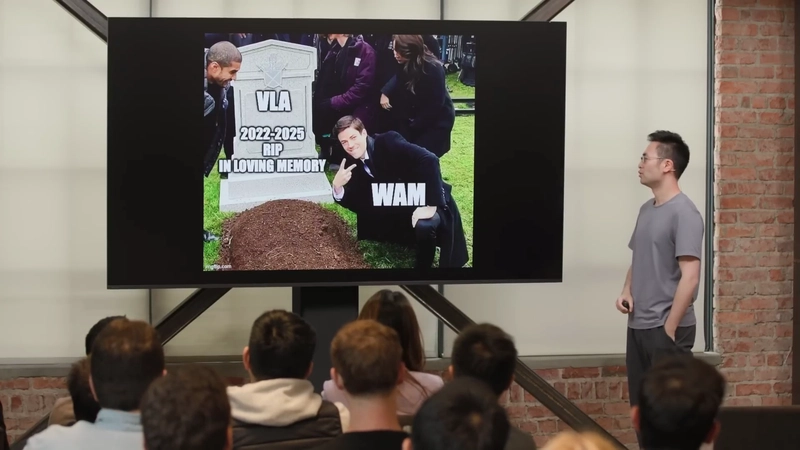
The Divergence of VLA in Autonomous Vehicles and Robotics: Insights from Xiaopeng and Jim Fan
A recent article examines the divergent trajectories of VLA (Vision-Language Agents) in the realms of autonomous driving and robotics, underscoring the distinct operational requirements inherent to each field. The analysis delves into the complexities of incorporating world models into VLA systems, revealing significant challenges that could impact the future development of artificial intelligence in these areas. The discussion emphasizes the necessity for specialized strategies that cater to the unique demands of autonomous driving and robotics, suggesting that a one-size-fits-all approach may not be viable for advancing AI technologies effectively.
Autonomous Driving Robotics AI World Models Machine Learning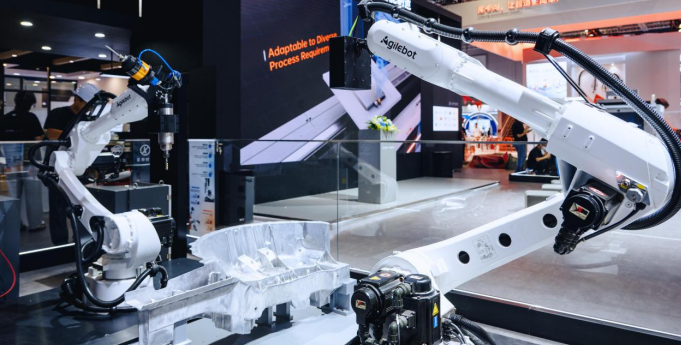
VLA Shines at ICRA: Investment Thrives While Factories Calculate
The ICRA 2026 conference held in Vienna highlighted a significant milestone in the field of robotics, featuring a record number of submissions, with nearly 20% dedicated to Vision-Language-Action (VLA) research. While the academic community applauds these advancements, the industry faces ongoing challenges in reliably implementing these technologies within manufacturing environments. Leading the charge is the company 微亿智造, which is utilizing extensive real-world industrial data to improve the stability and efficiency of robotic operations. This integration of data aims to bridge the gap between theoretical research and practical application, addressing the pressing need for robust solutions in factories.
Vision-Language-Action Industrial Robotics Data-Driven Automation Manufacturing Technology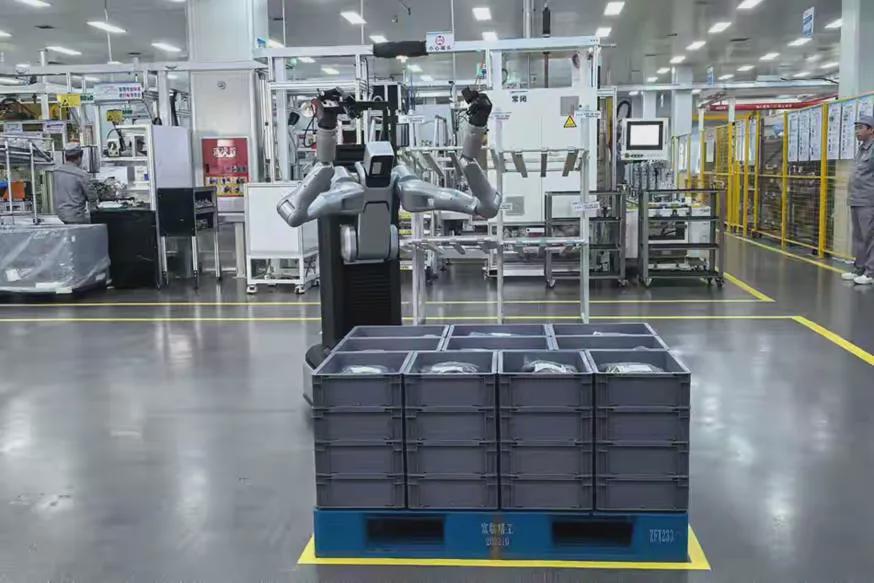
Interview with Oakfruit: Moving Beyond VLA to Instinct-Driven Intelligence
In a recent interview, Oakfruit Robotics addressed the significant challenges confronting the embodied intelligence sector, particularly highlighting the constraints of the Visual-Language-Action (VLA) model. The company introduced an innovative approach known as 'Instinct-Driven' technology, which seeks to improve robotic autonomy and operational intelligence. This advancement is expected to facilitate mass production and expand the application of robotics across various industries, potentially transforming how robots interact with their environments and perform tasks. The insights shared by Oakfruit Robotics underscore the need for evolution in robotic technology to meet growing demands and enhance functionality.
Embodied Intelligence Robotics AI Technology Automation
Alibaba's Qwen Team Enters Embodied AI With Qwen-VLA Model
Alibaba's Tongyi Qianwen team has unveiled Qwen-VLA, marking the company's inaugural foray into the realm of vision-language-action models for embodied artificial intelligence. This launch, which took place recently, positions Alibaba to compete in the rapidly evolving sector of physical world AI. The development of Qwen-VLA is driven by the increasing demand for advanced AI systems capable of understanding and interacting with the physical environment, highlighting the company's commitment to innovation in artificial intelligence technologies. Through this new model, Alibaba aims to enhance the capabilities of AI in real-world applications, paving the way for more sophisticated interactions between machines and their surroundings.
AI
The Death of VLAs: Unraveling the True Challenges of Embodied Intelligence
At the Sequoia AI Summit, NVIDIA's Jim Fan made headlines by declaring that "VLA is dead," igniting a conversation about the shortcomings of visual-language models in the realm of embodied intelligence. This statement highlights the growing recognition within the tech community of the necessity for enhanced physical capabilities in AI systems. The discussions at the summit emphasized the importance of developing world models that can better address the limitations currently faced by visual-language models. As the field of artificial intelligence continues to evolve, experts are calling for innovative solutions to improve the integration of visual and physical understanding in AI applications.
Embodied Intelligence Visual-Language Models World Models Robotics AI Technology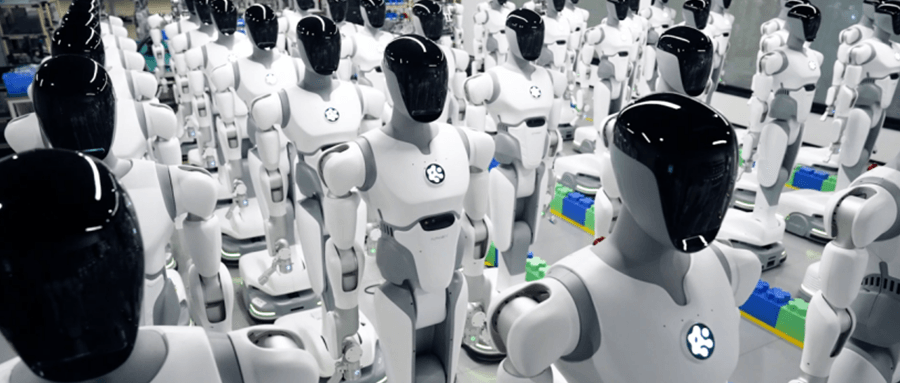
AI² Robotics Founder Defends VLA, Launches NeuroVLA Model
Guo Yandong, the founder of AI² Robotics, recently defended the VLA architecture as essential for advancing embodied intelligence. During a presentation, he introduced the NeuroVLA, a brain-inspired model designed to enhance cognitive processing in robotics. Additionally, Yandong unveiled the AlphaBrain Platform, an open-source toolkit that supports plug-and-play world models, allowing developers to easily integrate and customize their robotic systems. This initiative aims to foster innovation in the field of robotics by providing accessible resources for researchers and developers. The announcement highlights AI² Robotics' commitment to pushing the boundaries of artificial intelligence and robotics technology.
News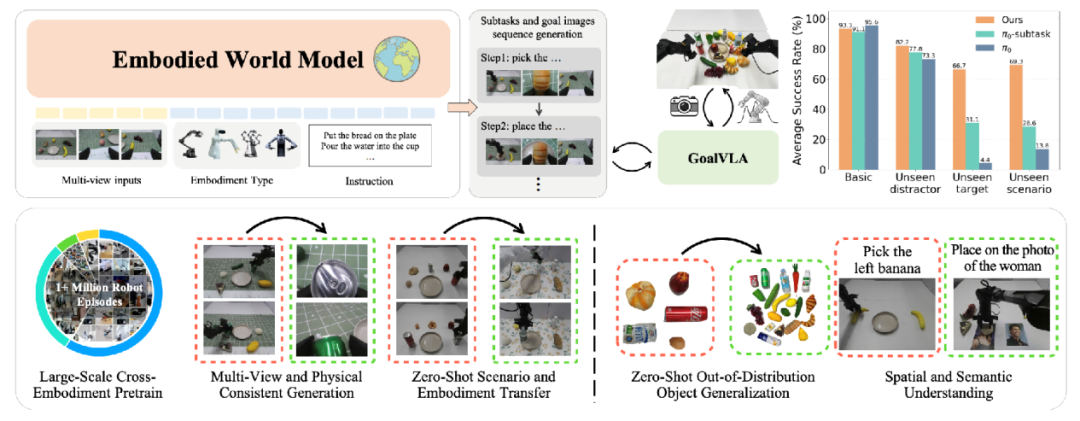
ZhiYuan VISTA: The Industry's First Open Source World Model + VLA Framework
The ZhiYuan VISTA framework has unveiled a revolutionary solution aimed at addressing the challenges of robotic generalization. By integrating a world model with Vision-Language-Action (VLA) capabilities, this innovative framework significantly improves performance in real-world applications. Achieving a success rate of 69% in out-of-distribution tasks, the ZhiYuan VISTA framework demonstrates its effectiveness even with limited data. This advancement marks a significant step forward in the field of robotics, potentially transforming how robots interact with and adapt to diverse environments.
Robotics AI Machine Learning Computer Vision
The Era of Embodied Intelligence: Introducing the Open-Source FluxVLA Engine
Zhijidongli, a prominent domestic technology company, has introduced the FluxVLA Engine, a groundbreaking platform designed to tackle the systemic challenges associated with deploying Very Large Array (VLA) models. Launched recently, this innovative engine aims to establish a standardized engineering foundation that simplifies the development process. By enhancing the transition from simulation to real-world applications, the FluxVLA Engine seeks to improve efficiency and effectiveness in various technological deployments. This initiative reflects Zhijidongli's commitment to advancing engineering solutions in the tech industry.
Embodied Intelligence VLA Models Open-Source Software Robotics Development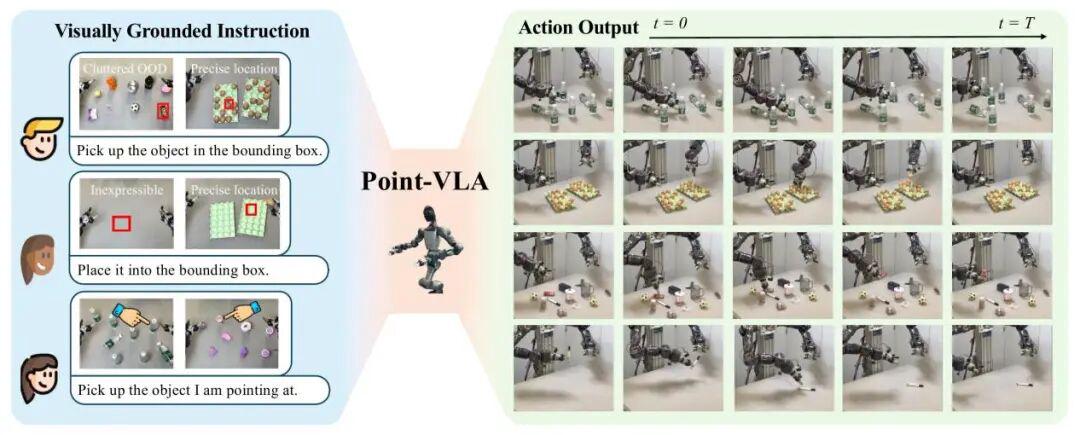
Gaoyang Team's Breakthrough: Point-VLA Solves the Ultimate Challenge of Embodied Intelligence with a Single Visual Box!
The Gaoyang team from Qianxun Intelligent has unveiled Point-VLA, an innovative method designed to improve the accuracy of robot instructions through the use of a visual bounding box. This advancement is particularly significant as it enhances the success rate of robotic operations in complex environments, achieving a remarkable 92.5% success rate. The introduction of Point-VLA marks a notable step forward in robotics technology, addressing the challenges faced by robots in navigating and performing tasks in intricate settings.
Robotics Embodied Intelligence Visual Recognition AI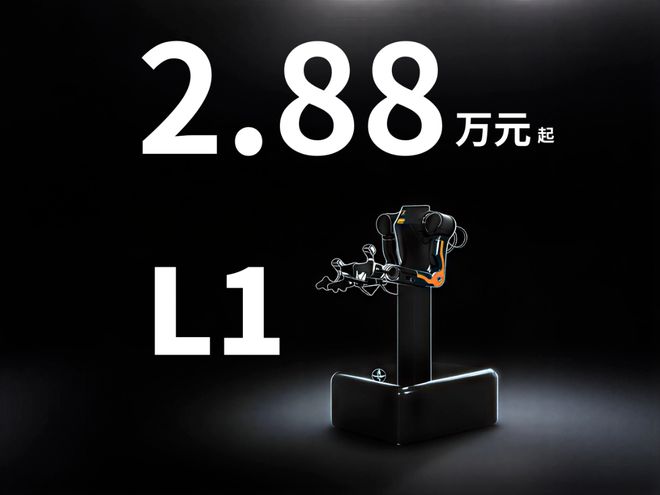
Starting at 28,800 Yuan! VLAI Robotics Launches the L1 Mobile Dual-Arm Robot, Ushering in a New Era of Embodied Intelligence
VLAI Robotics has introduced its latest innovation, the L1 mobile dual-arm robot, which aims to enhance flexibility and precision across multiple sectors. Launched with a starting price of 28,800 Yuan, the L1 is engineered to meet the demands of research, industrial automation, and service industries. This advanced robot features superior mobility and dual-arm functionality, positioning it as a versatile solution for a range of applications. The unveiling of the L1 marks a significant step forward in robotic technology, catering to the increasing need for automation and efficiency in various fields.
Mobile Robots Dual-Arm Robotics AI Automation Research and Development
AGIBOT Introduces ACoT-VLA, Selected for CVPR 2026 and Open-Sourced as AGIBOT WORLD CHALLENGE Baseline
AGIBOT's ACoT-VLA (Action Chain-of-Thought) architecture has been chosen as the official baseline for the AGIBOT WORLD CHALLENGE, set to take place during the Computer Vision and Pattern Recognition (CVPR) conference in 2026. This selection represents a significant leap forward in the field of embodied intelligence, as the ACoT-VLA model effectively bridges the semantic-kinematic gap present in current Vision-Language Alignment (VLA) systems. By making this innovative architecture open-source, AGIBOT aims to foster collaboration and advancement within the research community, encouraging further exploration and development in embodied intelligence technologies.
Embodied Intelligence Robotics Computer Vision AI Open Source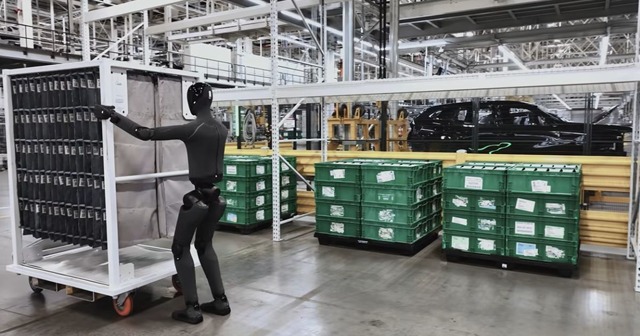
BMW introduces humanoid "Figure 03" at factory for physical AI coordination and sequencing tasks.
Figure AI has introduced its humanoid robot, Figure 03, at BMW Group's Spartanburg plant, showcasing its capability to perform parts sorting tasks. This demonstration highlights the integration of advanced robotics in manufacturing processes, aimed at enhancing efficiency and productivity in the automotive industry. The event marks a significant step in the collaboration between technology and manufacturing, reflecting the ongoing trend of automation in production environments.

How World Models and VLA Can Be Implemented: Insights from Top Experts in Embodied Intelligence
At the 2026 Zhangjiang Embodied Intelligence Supply Chain Conference, a roundtable discussion brought together leading experts in robotics to explore the critical role of world models in embodied intelligence. The event highlighted various industry challenges, particularly the necessity for robust data infrastructure and the integration of visual-language-action models with world models. Experts emphasized that high-quality data and innovative technological solutions are essential for advancing the field. The conference served as a platform for addressing these pressing issues, aiming to foster collaboration and drive progress in robotics and artificial intelligence.
Embodied Intelligence World Models Robotics Data Infrastructure AI Integration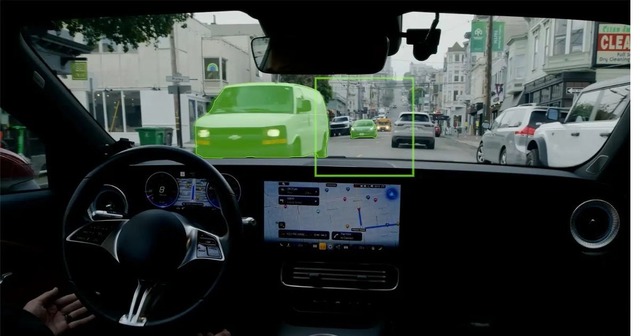
NVIDIA unveils 320 billion-parameter self-driving model "Alpamayo 2 Super" to accelerate Level 4 robo-taxi development.
NVIDIA announced a significant expansion of its open AI model family, "NVIDIA Alpamayo," aimed at developing safe Level 4 robotic taxis. The announcement was made during the NVIDIA GTC Taipei event held on June 1, 2026, in Taipei, Taiwan. This initiative reflects NVIDIA's commitment to advancing autonomous vehicle technology, enhancing safety and efficiency in transportation. The expansion of Alpamayo is expected to play a crucial role in the future of urban mobility, as the company seeks to address the growing demand for innovative transportation solutions.
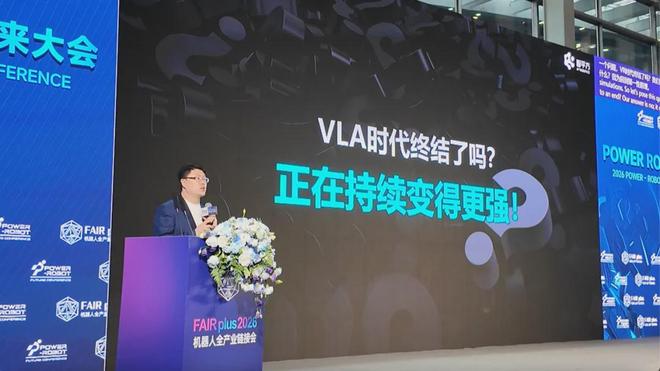
"The era of VLA has not ended!" Guo Yandong, founder of Zhifengfang, sets the tone for industry disputes while launching the world's first one-stop ...
On April 19, the 2026 Beijing Yizhuang Humanoid Robot Half Marathon took place, showcasing significant advancements in robotics. The Honor "Lightning" robot achieved a remarkable net time of 50 minutes and 26 seconds, breaking the human men's half marathon world record and improving upon the previous year's robot champion's time by an impressive 110 minutes. The event drew enthusiastic crowds, reflecting a growing interest in the embodied intelligence sector. A notable shift in participation methods was observed, with nearly 40% of the competing robots operating autonomously, a departure from the reliance on remote control seen in last year's inaugural event, where technicians managed the robots manually. This transition to autonomous operation not only highlights rapid technological progress but also positions the event to potentially set a Guinness World Record for the most autonomous humanoid robots in a half marathon. The advancements in robotics within just one year indicate a significant leap in the industry, marking a new era for robotic participation in competitive events. Following the marathon, on April 22, Qianxun Positioning announced further developments in the field, underscoring the momentum generated by this groundbreaking event.
Robotics Automation AI
New heat-pressed silk material outperforms wood, rivals Kevlar and carbon fiber
A team of researchers from Tufts University, Imperial College London, and the University of Michigan has unveiled a groundbreaking development in the field of biomedical engineering. This innovation, announced on October 15, 2023, focuses on creating a new type of biodegradable material that could significantly enhance medical implants and devices. The research aims to address the growing concern over the environmental impact of traditional plastic implants, which can take centuries to decompose. By utilizing advanced materials science, the team has engineered a substance that not only meets the necessary medical standards for safety and efficacy but also naturally breaks down in the body over time, reducing the need for surgical removal. This advancement is expected to revolutionize the way medical professionals approach implantable devices, offering a sustainable alternative that aligns with the increasing emphasis on eco-friendly practices in healthcare. The findings were published in a peer-reviewed journal, highlighting the collaborative efforts of the researchers and their commitment to addressing both health and environmental challenges. As the medical community continues to seek innovative solutions, this new biodegradable material stands out as a promising step towards more sustainable healthcare practices. The research team plans to conduct further studies to explore the full potential and applications of this material in various medical fields.

Interview with Ding Wenchao of Itstone: No VLA, No Simulation, No Remote Control - Itstone's Embodied Brain Has No Plan B
Itstone made headlines at AWE 2026 with the unveiling of its A1 robot, which set a Guinness World Record for sub-millimeter flexible wiring assembly. The company, recognized for tackling complex challenges in robotics, showcased its latest innovation, AWE 3.0, an advanced embodied AI model designed to perform effectively in real-world industrial environments. Unlike previous models, AWE 3.0 operates independently without the need for remote operation data, marking a significant advancement in autonomous robotics. This debut not only highlights Itstone's commitment to pushing the boundaries of technology but also positions the A1 robot as a leading solution in the field of industrial automation.
Embodied Intelligence Industrial Automation Robotics AI Technology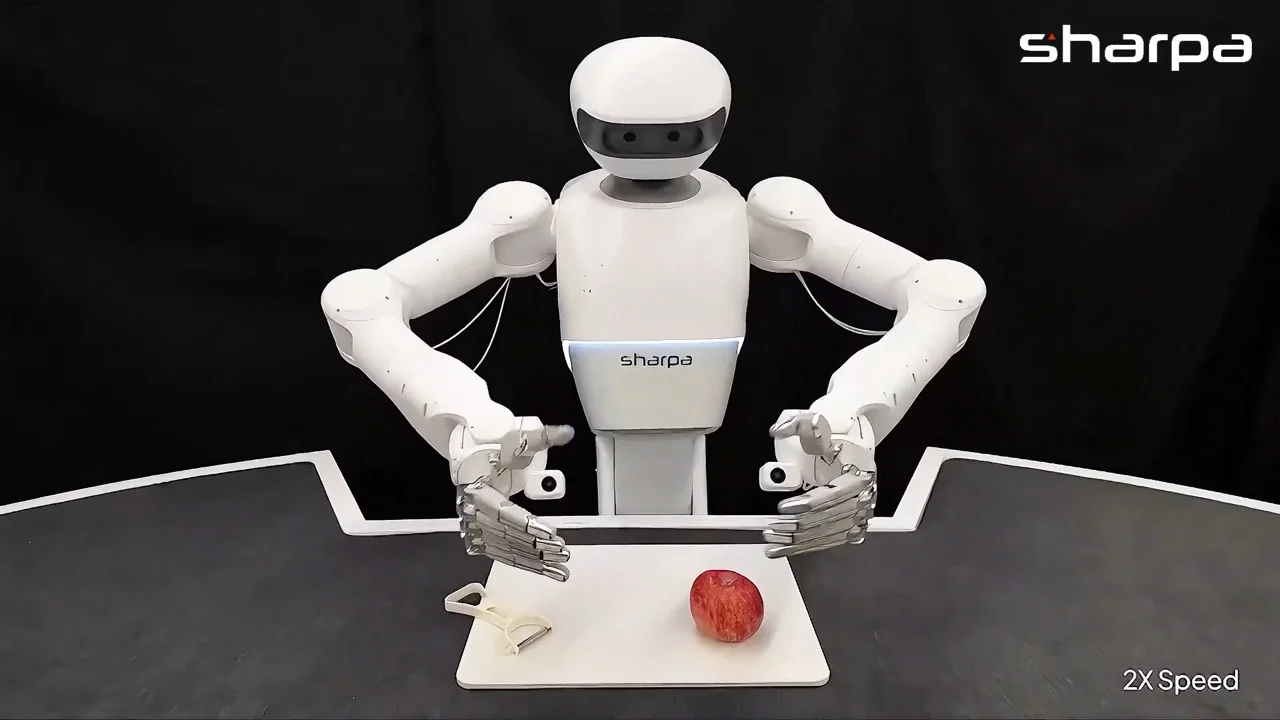
The Apple Peeling Milestone: How Sharpa’s "MoDE-VLA" Unlocks Bimanual Dexterity
Sharpa Robotics has introduced an innovative hierarchical framework designed to enhance complex manipulation tasks that require contact-rich interactions. This new system integrates shared-autonomy data collection with a sophisticated "mixture-of-experts" AI model, enabling robots to perform intricate operations more effectively. The announcement was made in October 2023, showcasing the company's commitment to advancing robotic capabilities in various applications. By leveraging this cutting-edge technology, Sharpa Robotics aims to improve the efficiency and precision of robotic manipulation, addressing the growing demand for automation in industries that rely on complex physical tasks.
SharpaWave hand Sharpa Robotics hands Singapore
Volkswagen becomes launch customer for XPeng’s VLA 2.0 model
Volkswagen has been announced as the launch customer for XPeng's second-generation Vision-Language-Action model, according to CEO He Xiaopeng. This significant development, which could represent a pivotal moment for intelligent driving, was revealed on Wednesday. The model, first introduced by XPeng in November 2025, is touted as the company's first mass-produced large model designed to comprehend and anticipate real-world scenarios. This collaboration highlights XPeng's commitment to advancing intelligent driving technology and Volkswagen's interest in integrating innovative solutions into its vehicle lineup.
News Feed
Beyond the VLA: NVIDIA’s DreamZero and the ‘GPT-2 Moment’ for Robotic World Models
NVIDIA GEAR Lab has introduced DreamZero, an advanced World Action Model (WAM) featuring 14 billion parameters. This innovative model employs video diffusion technology to provide robots with a form of physical "imagination," allowing them to complete tasks without prior training and adapt quickly to various robotic forms. The unveiling of DreamZero marks a significant advancement in robotics, showcasing the potential for enhanced flexibility and efficiency in robotic applications. By leveraging this cutting-edge technology, NVIDIA aims to revolutionize how robots interact with their environments and perform complex tasks autonomously.
Dr Jim Fan NVIDIA World-Models Research embodied-ai
Xiaomi Robotics Launches Open Source U0 Model with Significant Performance Enhancements
On July 15, Xiaomi Robotics unveiled the open-source Xiaomi-Robotics-U0, a multimodal autoregressive foundational model with 38 billion parameters. This release follows the introduction of the VLA model Xiaomi-Robotics-0 in February, marking a significant advancement in embodied intelligence. The code and model weights are now available on GitHub, HuggingFace, and the Modao community. The importance of the U0 model lies in its ability to generate vast amounts of training data in virtual environments while receiving high-density validation feedback from real-world factory lines. The model achieved a success rate of 98% in dual-side operations at a car factory, just 1% shy of human performance. U0's design allows for efficient multi-task training without compromising the general visual understanding and spatial reasoning inherited from large-scale pre-training. Looking ahead, U0's capabilities in generating training data for embodied tasks present a controlled and efficient solution for enhancing model performance. Its integration with real-world validation processes at Xiaomi's automotive factory creates a robust feedback loop, ensuring continuous improvement and practical application of the technology. No further timeline was disclosed at the time of publication.
Robotics AI Machine Learning Automation
University of Illinois Researchers Challenge Traditional Views on Brain Decision Making
Researchers at the University of Illinois Urbana Champaign have revealed new insights into brain decision-making processes, suggesting that these processes begin earlier than previously thought. This research, led by Professor Yurii Vlasov, indicates that early sensory brain regions play a crucial role in decision-making, contradicting the long-held belief that decisions are made only after information passes through a strict hierarchy of brain regions. The implications of this study are significant for both neuroscience and artificial intelligence. By understanding that decision-making involves interconnected feedback loops rather than a linear progression, researchers can design AI systems that mimic this biological architecture. This could lead to the development of AI that is not only more capable but also more energy-efficient, addressing current limitations in AI technology. Moving forward, the research team aims to further explore how biological intelligence, refined through evolution, can inform AI development. No further timeline was disclosed at the time of publication.
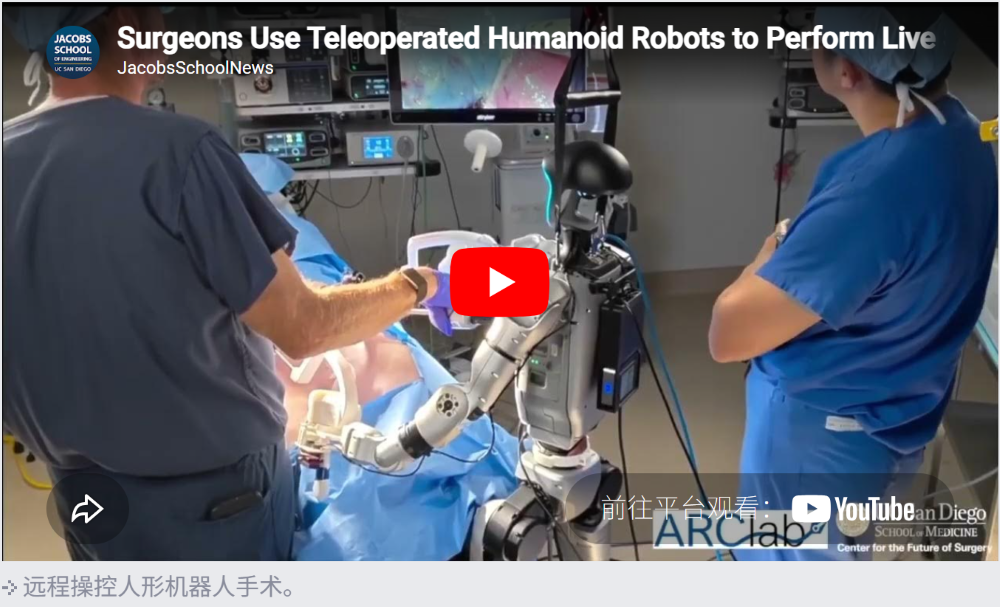
Westlake Robotics Raises Over 100 Million Yuan to Enhance Dual-Pretraining Technology
Westlake Robotics completed a funding round exceeding 100 million yuan in June 2026, backed by Henan Investment Group's Huirong Fund. This marks the company's third financing round in five months, with total disclosed funding reaching several hundred million yuan. The funding is aimed at advancing their unique dual-pretraining technology, which combines a general brain and a humanoid small brain for improved robotic performance. The significance of this funding lies in Westlake Robotics' differentiated technical approach, utilizing a dual-pretraining model that integrates VLA and world model fusion. Their General Action Expert (GAE) model addresses common issues in humanoid robots, such as stiffness and imbalance, by enabling real-time interpretation of human motion intent. This capability allows a single operator to control multiple Westlake o1 robots simultaneously, reducing deployment and labor costs in applications like logistics inspection and data collection. Looking ahead, Westlake Robotics plans to use the latest funding to further develop their unified embodied large model and accelerate deployment with industrial clients. The company, founded by academic researchers from Westlake University, is positioned to leverage its strong academic background to bridge the gap between laboratory demonstrations and real-world applications. No further timeline was disclosed at the time of publication.
Robotics Embodied Intelligence Automation Logistics AI
NVIDIA and Hugging Face integrate AI model "GR00T 1.7" into open-source robot development platform "LeRobot."
NVIDIA and Hugging Face have announced the integration of their cutting-edge technologies aimed at enhancing humanoid robots. The collaboration will see the incorporation of NVIDIA's visual language action (VLA) model, known as NVIDIA Isaac GR00T 1.7, along with the remote operation framework, NVIDIA Isaac Teleop, into Hugging Face's open-source robot development library, LeRobot. This initiative is set to advance the capabilities of humanoid robots, enabling more sophisticated interactions and functionalities. The announcement highlights a significant step in the ongoing evolution of robotics, reflecting both companies' commitment to fostering innovation in the field.
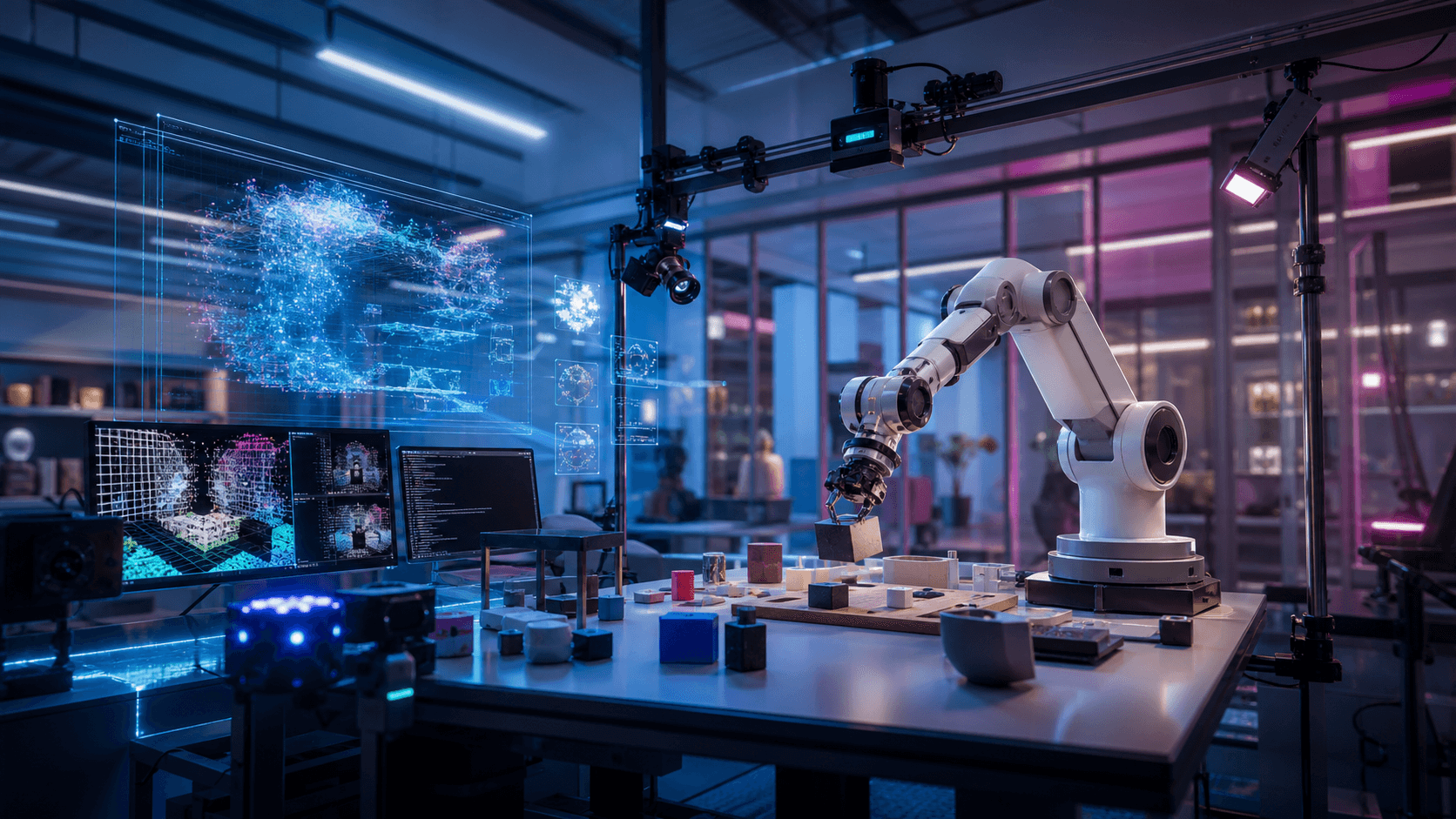
Embodied AI's Spatial Vision Achilles' Heel Finally Solved: CMG Lab's IROS 2026 Breakthrough
China Merchants Group's LionRock AI Lab identifies and solves VLA shortcut learning with Hybrid Dynamic Data Collection, accepted at IROS 2026.
News
Japan Pioneered Humanoid Robots—Can It Now Catch China?
“In the future, the relationship between humans and robots will deepen, and the distinction between them will probably disappear.” This prediction, from one of the attendees at the recent Humanoids Summit in Tokyo, might have been unremarkable had it not come directly from an android that was first introduced to the world 20 years ago. Geminoid HI-6 is the sixth-generation of a robot originally designed in 2006. The mechanical twin of Osaka University professor Hiroshi Ishiguro, Geminoid HI-6 is now equipped with a large language model trained on Ishiguro’s own writings and interviews. It has advanced conversational skills and can even have a chat with its creator, an eerie spectacle. But at the Humanoids Summit, Geminoid was one of the few humanoid robots from Japan, the country that pioneered the form factor.While the event in Tokyo only had about 40 robots on display, Chinese systems outnumbered Japanese by roughly three to one. Some Japanese robotics firms were even using Chinese robots in their own technology demonstrations, something that would have been unthinkable in the recent past—one Japanese engineer described the situation as “sad.” The conference was a stark reminder of how Japan has ceded its early lead in humanoid robot development to overseas competitors, and the challenge it now faces to secure a place in an ecosystem increasingly dominated by general-purpose robots powered by AI. Twenty-five years ago, Japan was turning out groundbreaking humanoids that were showstopping in their abilities, but they were not commercialized as practical machines in any meaningful way. Heavily influenced by science fiction and lacking practical applications, they were mostly expensive technology demonstrations that were eventually mothballed. What Japan retains, however, is robotics design and know-how, which it must leverage to be a key player in the rapidly evolving humanoid ecosystem. Learning to Walk—Then Standing StillTo anyone who has seen recent videos of Chinese humanoids doing kung-fu and synchronized acrobatics, as well as half-marathon races, China’s remarkable progress in the field is nothing new. At the Humanoids Summit, Toyota showed a video of its latest basketball-playing robot, and Honda exhibited its latest robot hand, but the full-scale humanoids on the floor were mostly Chinese–the kid-size K1 machines from Booster Robotics of Beijing were dancing to Michael Jackson tunes. The full-scale G1 humanoid from Unitree Robotics of Hangzhou was also doing demos. “You cannot sell these bipedal systems in Japan for safety and compliance reasons,” says Shuichi Nagao, a frequent visitor to China as CTO of Omakase Robotics, a division of Zeals, a Japanese humanoid robot developer. Omakase was exhibiting a G1 modified with an external PC controller, a dextrous hand, a suction-cup manipulator and a sensor “hat” with an extra speaker, mic and camera. “In China, the government is pushing humanoid development. They didn’t have an industry 20 years ago. The people pushing it are young, in their 20s and 30s. It’s a really different mentality out there,” says Nagao. “Big players in Japan are still looking for use cases for humanoids. In China, they’re already doing mass production and reducing the cost, so other countries can’t compete with them anymore.”Another Japanese company showing off G1 bots was summit sponsor GMO AI & Robotics, a subsidiary of Japanese internet company GMO. It’s using the robots in partnership with Japan Airlines to load and unload cargo containers at Tokyo’s Haneda airport. The cargo project is a trial—like many other humanoid experiments—but the fact that Chinese machines have penetrated so far into Japan’s ecosystem upends a long history. In 1973, scientists at Waseda University in Tokyo built WABOT-1, considered the first full-scale humanoid robot and capable of slow bipedal locomotion, grasping objects and simple communication. It inspired Honda’s groundbreaking Asimo humanoid, but it was never commercialized. Asimo was eventually retired in 2022, the year ChatGPT was released. Two years later, Unitree’s G1 went on sale for US $16,000. China’s High Torque Technology Co. showed off its Mini Pi biped, customized with an anime-inspired head, at Humanoids Summit in Tokyo. The regular version is priced at $3,500. Tim HornyakSupply and DemandJapan’s development of humanoids happened before practical applications or widespread demand were in place, but bad timing is only part of the story—Japan also has a history of developing technologies that might appeal to domestic consumers but not necessarily those overseas. For example, decades after they first appeared, its highly engineered, multifunction toilets have only recently found a following abroad. Japan’s humanoid prowess was partly built on the back of its legendary industrial automation, yet even that stronghold has eroded. Ani Kelkar, a partner from McKinsey & Company in Boston who produces analytical reports about the robotics industry, told the summit audience that while Japan occupied the top spot in the world in manufacturing robot density (the number of multipurpose industrial robots in operation per 10,000 employees) from at least 1994 to 2009, it then slipped to second in 2014, third in 2019 and fifth in 2024. In that year, South Korea was at the top of the leaderboard with a robot density of 1,220 compared to Japan’s 446. The International Federation of Robotics estimates China now has the most operational industrial robots in the world, with around 2 million total units, approximately 4.5 times more than Japan. “The annual installation numbers are impressive too: 54 percent of all robots installed worldwide in 2024 were deployed in China,” the IFR said in a release in April 2026. “I think the loss of Japanese leadership is more to do with the rise of China as a manufacturing powerhouse including for sectors that Japan had high export levels,” Kelkar said in an email interview. “The recovery has not yet happened as Japan ‘missed’ the rapid acceleration in AI for robotics and is now playing catchup.”How Japan Can Adapt Kelkar believes Japan has a US $100 billion opportunity in general-purpose robotics, which are machines that can perform a wide variety of tasks, and it cannot rely on the slower-growing industrial robot market, which is centered on factory machines that do one simple and predictable task like welding car parts. He points to a McKinsey white paper suggesting that while Japan has much of the hardware and technology experience needed to support general purpose robot development, it must change its strategy to capture more share in AI, software, data collection and robotics platforms.Tetsuya Ogata is a professor of engineering and director of the Institute for AI and Robotics at Waseda University, the birthplace of humanoids in Japan. He briefed the summit on how a nonprofit he chairs, the AI Robot Association (AIRoA), is working with Toyota and other members to develop foundational technologies for collaborative use. For instance, AIRoA has collected some 80,000 hours of data on remote operation of mobile manipulators, and Ogata believes it’s the largest dataset of its kind. Using the data, it built and verified Vision-Language-Action (VLA) models, and it has also started data collection for dual-arm mobile manipulation. In an interview, Ogata acknowledged Japan’s struggle to find its place in the changing landscape. “The world of AI is inherently a game of scale,” says Ogata. “Therefore, Japan’s absolute prerequisite is to secure a competitive baseline of scale—in data, computing resources, and talent. Beyond that, what I consider most critical is a mindset shift: rather than trying to hoard scale within a single nation or company, we must grow stronger by collaborating with a diverse ecosystem of domestic and international players.” Specifically, this means creating a ‘collaborative domain’ to address data—the single biggest bottleneck—through industry-wide cooperation rather than data-siloing. By collectively nurturing a pre-competitive, shared data infrastructure and foundation model, individual companies can then compete on top of it with their own applications. “By offering this open ‘data ecosystem’ to the world, we can engage global players and establish a ‘third pole’ alongside the US and China,” says Ogata. “I believe this is how Japan can reclaim its global presence.”In 1999, Japan introduced the world’s first mobile internet services platform. But being first didn’t turn Japan into a smartphone manufacturing or design center—it’s now merely a supplier of parts to other countries who are leading the smartphone industry. If Japan can avoid a repeat of that experience and successfully deregulate, diversity, and commercialize its original humanoid dreams, it stands a better chance of influencing the direction of the industry and reaping billions in value. As automobiles and electronics were pillars of Japan’s industrial strategy in the last century, Japan could make humanoid robots one of its key value generators in the 21st century, an approach that would not only deliver economic benefits but give Japan greater clout in how the industry will evolve. Just like Japanese cars, electronics, and even toilets, Japanese humanoids could stand for craftsmanship and reliability. It’s a legacy that Japan can’t afford to give up.
Japan Robotics Humanoids Humanoid-robots
AI agents will soon be able to match human traders, Robinhood CEO tells CNBC
In a recent interview with CNBC, Vlad Tenev, co-founder of Robinhood, discussed the transformative potential of artificial intelligence (AI) agents in the trading sector. Tenev highlighted how these advanced technologies could revolutionize trading strategies and enhance decision-making processes for investors. He emphasized that AI agents could analyze vast amounts of market data more efficiently than human traders, potentially leading to improved trading outcomes. Tenev's insights come at a time when the financial industry is increasingly exploring the integration of AI to streamline operations and gain a competitive edge. As the market evolves, he believes that embracing AI will be crucial for adapting to the rapidly changing landscape of trading.

Chinese AI company offers a new solution for physical AI in the uncertain trillion-dollar market.
In 2026, the field of physical AI is set to emerge as a transformative force, following a consensus reached by industry leaders at the CES in Las Vegas, where NVIDIA's CEO Jensen Huang heralded the arrival of "physical AI's ChatGPT moment." Over the past two years, significant advancements have been made in five key areas: brain models, imagination engines, training environments, ontology, and commercial ecosystems, laying the groundwork for real-world applications. In the first half of 2026, global investment in physical AI surged, with over $6.4 billion raised in just the first quarter, including notable funding rounds from AMI Labs and World Labs. The industry is witnessing a clear technological divergence, with three primary paths emerging: Visual Language Models (VLM), Visual Language Action (VLA), and world models. The anticipated future architecture for physical AI is expected to integrate VLA's decision-making capabilities with world models' predictive simulations. Despite the rapid growth, the competitive landscape remains uncertain, with various companies pursuing different strategies, including those focusing solely on VLA or world models, and others exploring hybrid approaches. The ultimate goal is to develop AI that can effectively navigate and understand the complexities of the physical world, moving beyond mere reactive capabilities to proactive, autonomous decision-making. As the physical AI market is projected to expand significantly, reaching an estimated $3.26 trillion by 2040, the industry faces the challenge of ensuring that technology translates into tangible business value. Companies like Om AI are pioneering innovative models that prioritize continuous perception and spatial understanding, aiming to redefine how AI interacts with its environment. The ongoing evolution of physical AI emphasizes the importance of real-world applications and the need for AI systems that can adapt and respond to dynamic physical spaces.
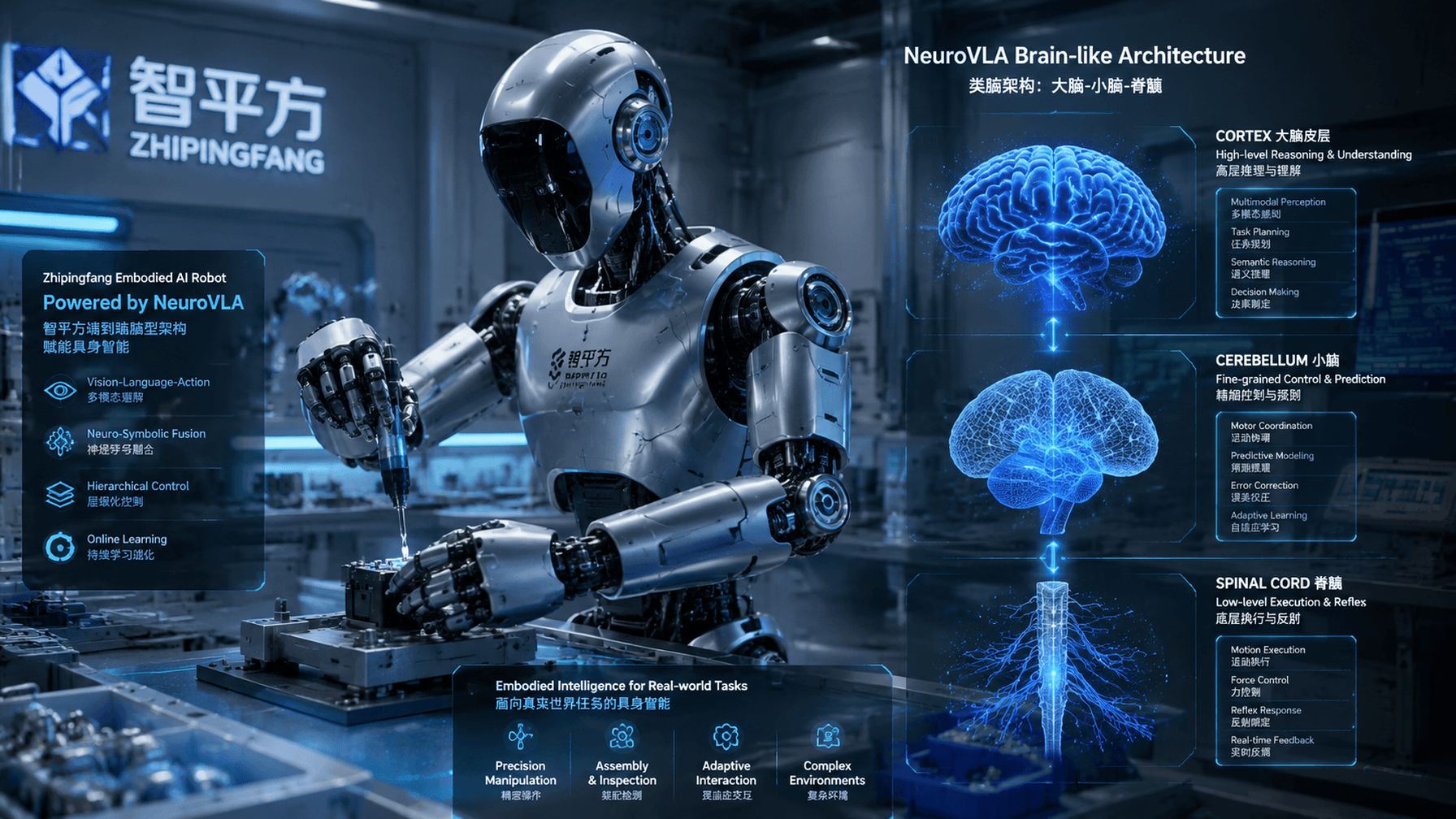
Zhipingfang Hits $2.8B Valuation as Brain-Like AI Era Dawns, Greater Bay Area's First Embodied AI Unicorn
Zhipingfang, a company specializing in embodied artificial intelligence, has successfully raised around 5 billion yuan in new funding. This significant financial boost has propelled the company's total valuation to over 20 billion yuan. The funding is expected to enhance the development of Zhipingfang's innovative NeuroVLA architecture, which is inspired by brain functions. The announcement of this funding round highlights the growing interest and investment in advanced AI technologies, reflecting the industry's potential for future growth and innovation.
Startups
Smart Hand valued at $1 billion after 5 months, achieves profit in first quarter; DeepSeek plans to double all departments.
On June 26, 2026, Wuliangye announced the removal of Zeng Zongqin from his position as chairman due to his inability to fulfill his duties. The decision was made during the company's annual shareholder meeting, where a proposal to appoint Deng Min as the new chairman was approved. Zeng's departure, effective immediately, will not affect the company's operations, as he held no shares and had no outstanding commitments. In Yantai, JD Pharmacy has established a new company, JD Pharmacy (Yantai) Co., Ltd., with a registered capital of 100,000 RMB. The company, fully owned by JD Pharmacy (Qingdao) Chain Co., Ltd., will engage in retailing pharmaceuticals and providing medical device services. SpaceX, led by Elon Musk, plans to launch a new Starlink mobile service in the U.S. and develop its own ground mobile network, aiming to compete with major carriers like Verizon, AT&T, and T-Mobile. He Xiaopeng announced on June 25 that XPeng Motors is set to expand globally, with the second-generation VLA model expected to enter international markets by 2027, coinciding with new EU regulations on autonomous driving. Meanwhile, Lingqiao Shou, a company spun off from Zhiyuan Robotics, has achieved a valuation of $1 billion within just five months of its establishment, following significant funding rounds. Beijing Tongrentang Medical and Health Investment Co. plans to raise up to HKD 671.6 million through an IPO in Hong Kong, with shares priced between HKD 5.48 and HKD 6.21, expected to begin trading on July 7. Lastly, DeepSeek announced plans to double its workforce across all departments, while Apple reported a surge in memory demand due to the rapid expansion of AI data centers, presenting challenges for the electronics industry.
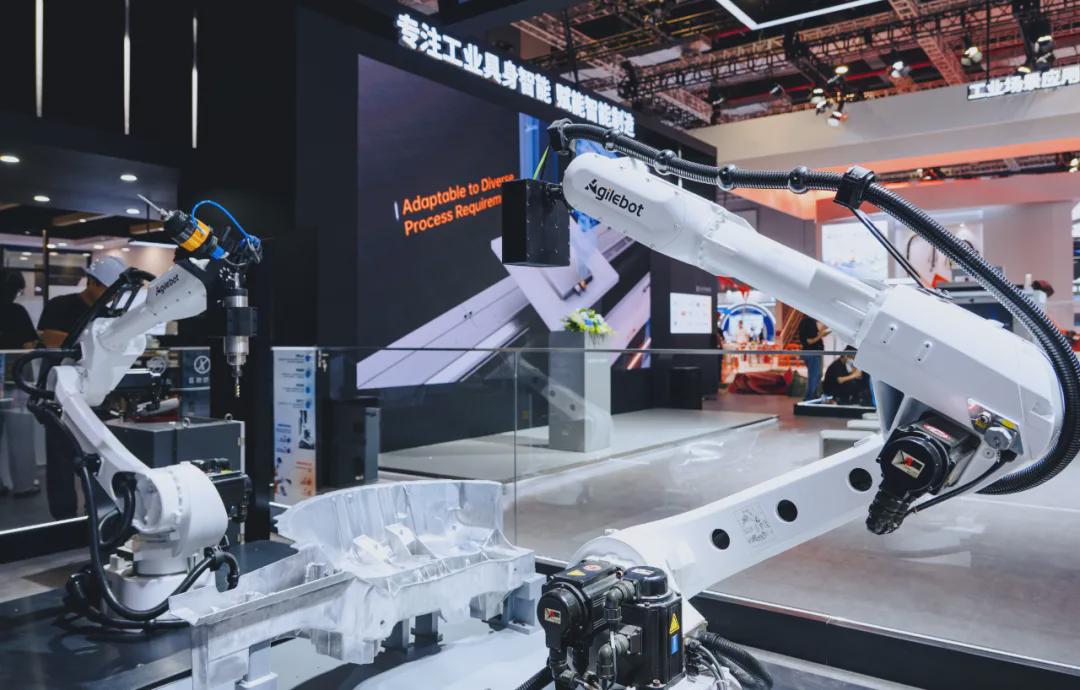
Is Physical AI the Optimal Solution for Factory Automation?
At the recent Zhangjiang Robot Forum, industry leaders convened to address the shortcomings of current Variable Length Architecture (VLA) models in manufacturing environments. Despite substantial investments in humanoid robotics, the majority have struggled to achieve consistent production levels. Experts emphasized the need to transition from merely enhancing model architecture to developing comprehensive operational systems that guarantee return on investment, facilitate environmental interaction, and ensure precise control. WeiYi's innovative approach, which integrates artificial intelligence with industrial requirements, was highlighted as a potential solution to these challenges. The forum underscored the urgency for the robotics sector to evolve in order to meet the demands of modern manufacturing.
Physical AI Factory Automation Humanoid Robots Industrial Robotics
WDC2026: Gao Jiyang Discusses the Evolution of Embodied Intelligence
At the Galaxea WDC 2026 held in Beijing, CEO Gao Jiyang presented a comprehensive overview of the evolution of embodied intelligence, tracing its development from instinctive to evolutionary stages. During the event, he unveiled the latest VLA model, G0.5, and introduced the bipedal robot Kengo, which exemplifies advancements in robotic technology. Jiyang underscored the significance of collaboration with international developers, asserting that such partnerships are crucial for enhancing productivity through the integration of embodied intelligence in various applications.
Embodied Intelligence Bipedal Robots AI Models Robotics Development
Robinhood Cuts 10% of Staff in Restructuring That Avoids Any Mention of AI
Robinhood is set to reduce its workforce by approximately 290 employees, accounting for 10% of its full-time staff, as part of a restructuring effort. This decision comes amid a broader trend in the tech industry, where companies like Amazon, Coinbase, GitLab, and Intuit have cited advancements in artificial intelligence as a rationale for similar layoffs. However, CEO Vlad Tenev notably omitted any mention of AI in his communication to employees, marking a distinct contrast to the narratives adopted by other firms. The layoffs aim to streamline operations and enhance efficiency within the company, reflecting ongoing challenges in the financial technology sector.
AI AI Funding & Investment Business business insights layoffs
UGREEN 6-Port PoE Switch Now 25% Off at 4,185 Yen in Flash Sale
A time-limited sale on Amazon is offering a 25% discount on UGREEN's six-port PoE (Power over Ethernet) switching hub. This hub features four ports that support PoE+, enabling long-distance transmission of up to 250 meters. Additionally, it includes VLAN mode and is housed in a durable metal body, making it a robust option for networking needs. The promotion highlights the growing demand for efficient networking solutions in both home and office environments.

Tsinghua PhD Team Secures Nearly $15 Million Seed Funding with Innovative Instinct-Driven Technology
Oak Fruit Robotics, a startup founded by a team of nine PhD graduates from Tsinghua University, has successfully secured nearly $15 million in seed funding. This funding will support the company's innovative approach to robotics, which they describe as 'instinct-driven' technology that seeks to challenge conventional visual-linguistic attention (VLA) methods. The company aims to enhance robotic capabilities specifically in flexible manufacturing environments by emphasizing the difference between operational and linguistic intelligence. This new funding round marks a significant step in their mission to revolutionize the industry.
Embodied Intelligence Robotics Flexible Manufacturing AI Technology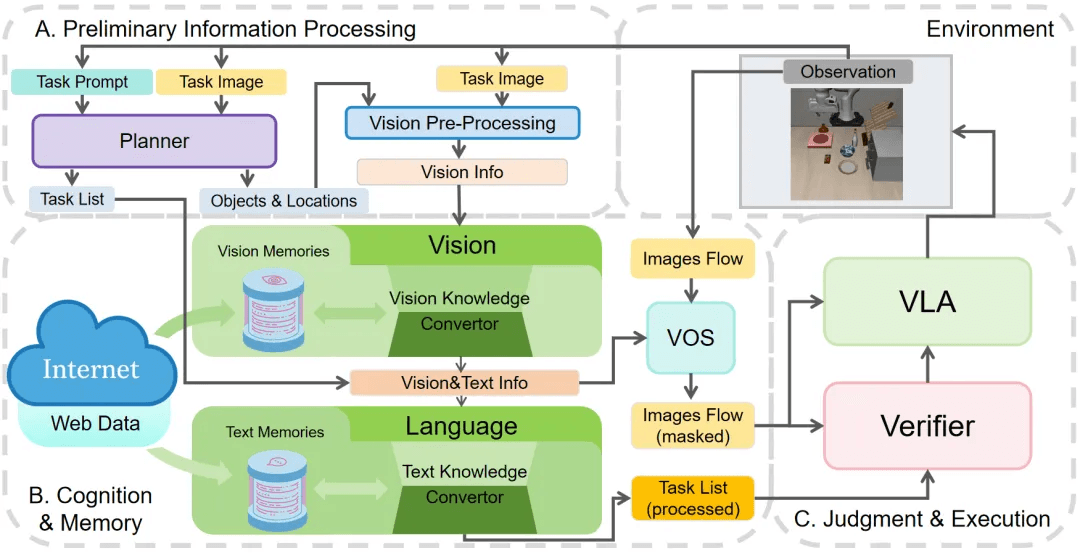
Zhejiang University Team Creates Visual Reasoning System That Lets Robots 'Think With Their Eyes' — 22x Faster Than Text
A team of researchers from Zhejiang University, in partnership with Cornell University, the National University of Singapore, and Xidian University, has unveiled an innovative visual reasoning system named VisualThink-VLA. This advanced technology allows robots to process visual information directly, enabling them to "think with their eyes" instead of relying on traditional language-based reasoning. The system boasts a remarkable speed enhancement, operating 22.8 times faster than conventional text-based methods, while also achieving greater accuracy. This development marks a significant advancement in the field of robotics and artificial intelligence, potentially transforming how machines interpret and interact with their environments.
TechnologyRobotics needs a service framework.
RSF defines a common language for robot service capability, lifecycle operations, certification pathways, and service-provider networks.