

Industry Briefing
A single destination for timely, editor-curated robotics news from around the world.

A Multilevel Path Planning Framework for Unmanned Surface Vehicles in Environmental Monitoring
A new multilevel path planning framework has been developed for unmanned surface vehicles (USVs) aimed at enhancing environmental monitoring of uninhabited islands and reefs. This framework utilizes information-driven techniques to optimize navigation and data collection processes in challenging marine environments. The significance of this development lies in its potential to improve the efficiency and effectiveness of environmental monitoring efforts. By employing advanced path planning strategies, USVs can navigate complex terrains and gather critical data, which is essential for conservation and research initiatives in remote areas. Looking ahead, the implementation of this framework could lead to more widespread use of USVs in environmental studies. As researchers and organizations seek innovative solutions for monitoring ecosystems, the advancements in path planning technology will be crucial in facilitating these efforts. No further timeline was disclosed at the time of publication.
RESEARCH ARTICLE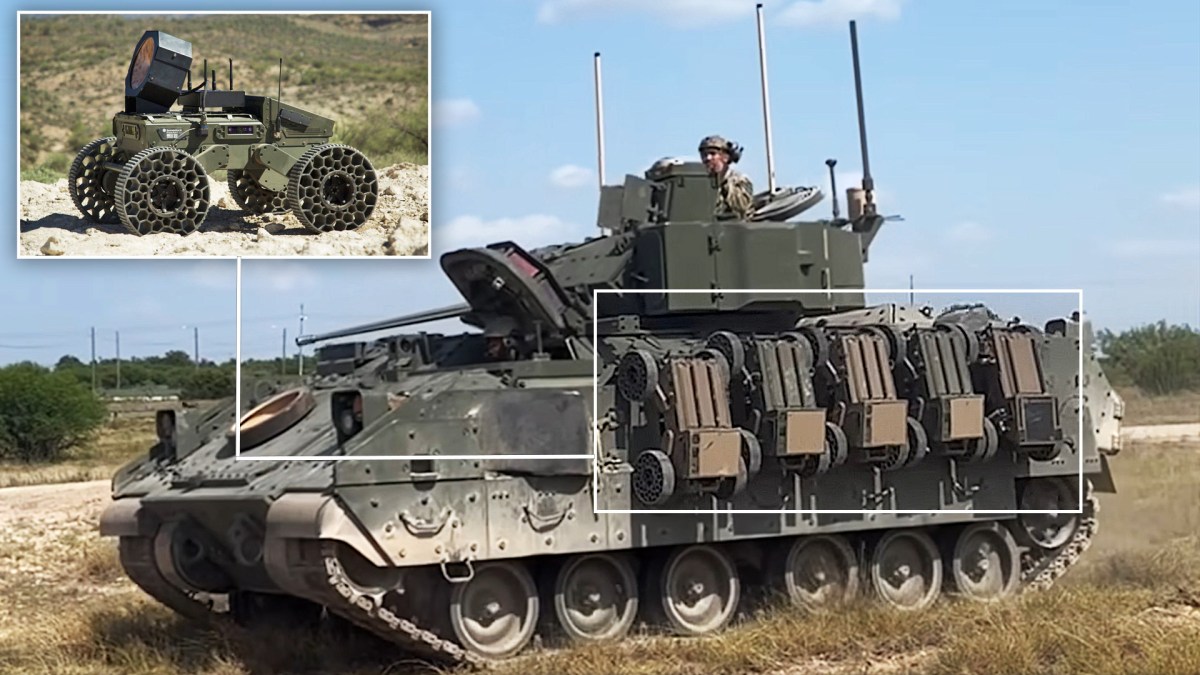
Bradley Fighting Vehicle Demonstrates Swarming Ground Drones in Recent Military Exercise
During a recent test exercise, U.S. Army soldiers utilized a Bradley Fighting Vehicle to transport FireAnt uncrewed ground vehicles (UGVs). These versatile 4×4 UGVs can be adapted for various missions, including electronic warfare and reconnaissance. The integration of Bradleys as carriers for swarms of UGVs like the FireAnt could significantly enhance operational capabilities. This development is crucial as it aligns with the U.S. Army's Transformation In Contact (TIC) modernization initiative, which aims to incorporate advanced technologies into military operations. Swarmbotics AI, the developer of the FireAnt, showcased this capability during the Pegasus Charge 3 exercise, where the Bradley was seen carrying five FireAnt UGVs. The potential for these UGVs to operate in swarms could revolutionize battlefield tactics and strategies. Looking ahead, the effectiveness of the FireAnts in operational scenarios remains to be fully understood, particularly regarding their deployment and control from the Bradley. As the Army continues to test and evaluate these systems, the focus will be on how these UGVs can be integrated into existing military frameworks and their impact on future combat operations. No further timeline was disclosed at the time of publication.
Land Armies Armored Vehicles M2/3 Bradley News & Features U.S. Army
Raytheon and Composite Energy Technologies Showcase HADALUS Unmanned Undersea Vehicle Capabilities
Raytheon, a business unit of RTX, and Composite Energy Technologies (CET) have successfully demonstrated the HADALUS unmanned undersea vehicle (UUV) during a U.S. Navy exercise. This event showcased the UUV's undersea launch capabilities, marking a significant advancement in integrated unmanned undersea operations. The demonstration is crucial as it highlights the potential for a single UUV to perform multiple functions, including detection, reacquisition, and engagement, within a single mission. Jen Gauthier from Raytheon emphasized that this development is part of a broader strategy to deliver autonomous undersea capabilities that are less detectable than surface platforms. HADALUS, measuring 34 feet with over 2,000 nautical miles of endurance, is designed to be cost-effective, with production costs significantly lower than comparable vehicles. The rapid development from concept to prototype in under 18 months illustrates the agility of the undersea industrial base, according to CET's CEO Chase Hogoboom. No further timeline was disclosed at the time of publication.
rtx raytheon composite energy technology demo uuv
Coast Guard Seeks Effective Technology to Counter Unmanned Underwater Vehicles
The Coast Guard has announced its search for technology capable of defeating unmanned underwater vehicles (UUVs). According to a recent notice, there are currently limited solutions that have been tested and fielded to address this challenge. This initiative is significant as the rise of UUVs poses potential threats to maritime security and safety. The Coast Guard's efforts to find effective countermeasures highlight the urgency of addressing vulnerabilities in underwater operations and protecting critical assets. Looking ahead, the Coast Guard's ongoing search for viable technology solutions will be crucial in enhancing maritime defense capabilities. No further timeline was disclosed at the time of publication.
Naval Warfare coast guard Drones Navy Unmanned unmanned underwater vehicle
MVP Robotics Showcases M2P Heavy's Autonomy in Wildfire Vehicle Challenge
MVP Robotics successfully demonstrated the autonomous capabilities of its M2P Heavy, capable of moving up to 800 pounds, during the Autonomous Ground Vehicles Prize Challenge. This event took place at the Beasley Knob Off-Highway Vehicle Trail in Georgia's Chattahoochee-Oconee National Forest, focusing on wildfire response operations. The demonstration is significant as it highlights advancements in heavy-payload autonomous ground operations, which are crucial for effective wildfire management and emergency response. The ability to transport substantial loads autonomously can enhance operational efficiency in challenging terrains, particularly in disaster scenarios. Looking ahead, the performance of the M2P Heavy in such demanding conditions may influence future applications of autonomous vehicles in various sectors, including emergency services and environmental management. No further timeline was disclosed at the time of publication.

Army Replaces Infantry Squad Vehicles with Polaris MRZR for Unmanned Systems Testing
The U.S. Army has officially transitioned from using Infantry Squad Vehicles (ISVs) to Polaris MRZR platforms for its Unmanned Systems (UxS) autonomy program. This change, confirmed by Michael Rose, chief technology officer for CPE Mission Autonomy, aims to enhance off-road autonomy testing. The MRZR platforms will allow multiple companies to test their autonomy software in a standardized environment, facilitating direct comparisons of technological capabilities. This shift is significant as it marks a departure from the Army's previous plans to enhance ISVs with autonomy software from Forterra, Overland AI, and Scout AI. The decision to adopt MRZR platforms is based on evolving technological needs and aims to address challenges identified in the initial UxS program, including safety risks and financial constraints. The Army has received 12 MRZR Alphas from Polaris for this initiative, indicating a commitment to advancing unmanned ground vehicle capabilities. Looking ahead, the Army is evaluating various autonomy software providers for the MRZR platforms, although specific companies involved have not been disclosed. The ongoing participation of Forterra, Overland AI, and Scout AI in the UxS program suggests a competitive landscape as the Army seeks to refine its approach to unmanned systems. No further timeline was disclosed at the time of publication.
Land Warfare Army autonomy Drones ground autonomy GVSETS 2026
South Korea's Unmanned Ground Vehicle Deployment Addresses Military Recruitment Challenges
South Korea has initiated a large-scale deployment of unmanned ground vehicles (UGVs) as a strategic response to declining military recruitment numbers. This move highlights the nation's commitment to enhancing its defense capabilities while addressing personnel shortages. The significance of this deployment lies in its potential to modernize South Korea's military operations and maintain national security. By integrating UGVs into their defense strategy, South Korea aims to mitigate the impact of reduced manpower on military effectiveness. Looking ahead, it will be important to monitor how this deployment evolves and whether it successfully addresses the recruitment challenges faced by the South Korean military. No further timeline was disclosed at the time of publication.
News
MBDA Unveils Upgraded ASRAAM for Ground and Unmanned Vehicle Integration
MBDA showcased a new weapon at the recent exhibition, featuring a truck-mounted configuration. This upgraded version of the Advanced Short Range Air-to-Air Missile (ASRAAM) is designed for ground-launch capabilities. The significance of this development lies in its versatility, as the upgraded ASRAAM can also be integrated onto unmanned ground vehicles and unmanned surface vessels. This adaptability enhances operational flexibility for military applications. Looking ahead, industry stakeholders should monitor the integration of this weapon system into various platforms, as it may influence future military procurement strategies. No further timeline was disclosed at the time of publication.
Air Warfare Global Land Warfare Air Force Army ASRAAM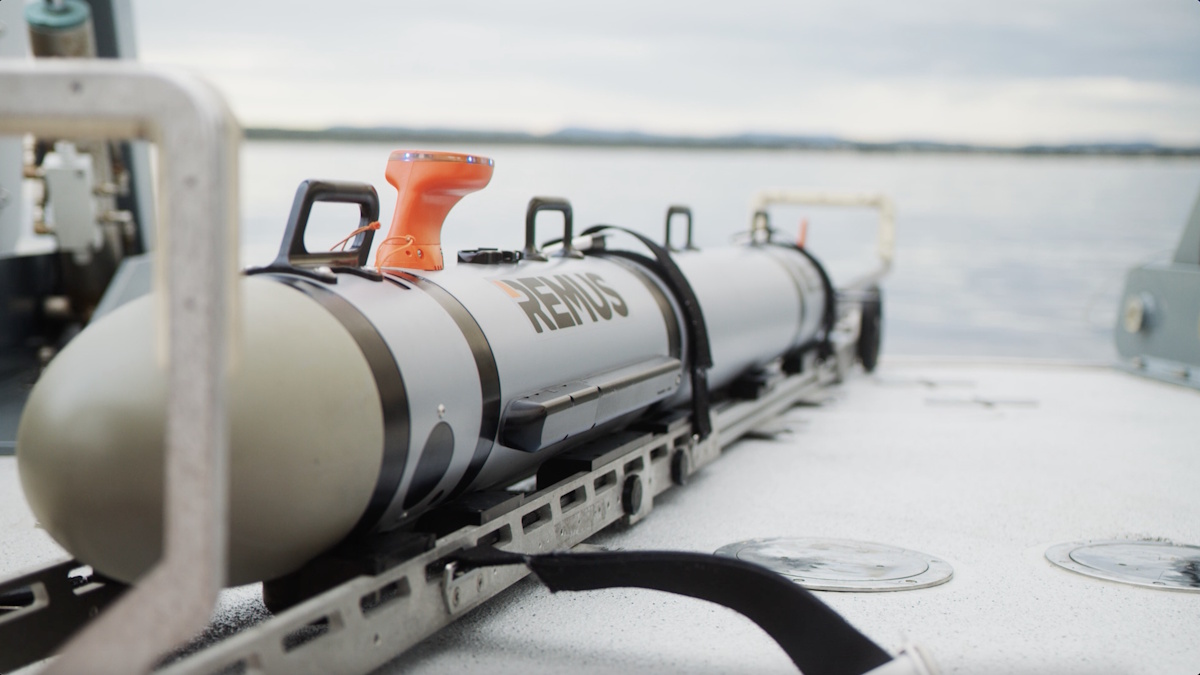
HII Secures Option Year Contract for 200 U.S. Navy Lionfish Undersea Vehicles
HII has been awarded an option year production contract for the U.S. Navy's Lionfish small unmanned undersea vehicle (SUUV), which is based on the REMUS 300 platform. This contract, announced on June 7, 2026, continues the momentum of the Lionfish program, which achieved a significant milestone with the completion of its 42nd vehicle at HII’s Pocasset facility by the end of 2025. The five-year program could scale to a total of 200 vehicles, with a contract value exceeding $347 million. The Lionfish SUUV is designed for various undersea warfare missions, including mine countermeasures, intelligence, surveillance and reconnaissance (ISR), anti-submarine warfare, and electronic warfare operations. The U.S. Navy's decision to exercise this option year contract reflects confidence in the platform's operational performance and adaptability, as stated by Duane Fotheringham, president of HII’s Unmanned Systems group. Looking ahead, HII aims to enhance the capabilities of the Lionfish program to meet evolving mission requirements for sailors and marines. No further timeline was disclosed at the time of publication, but the continued investment in this program indicates a strong commitment to advancing autonomous systems in naval operations.
hii contract award u.s. navy lionfish unmanned undersea vehicle uuv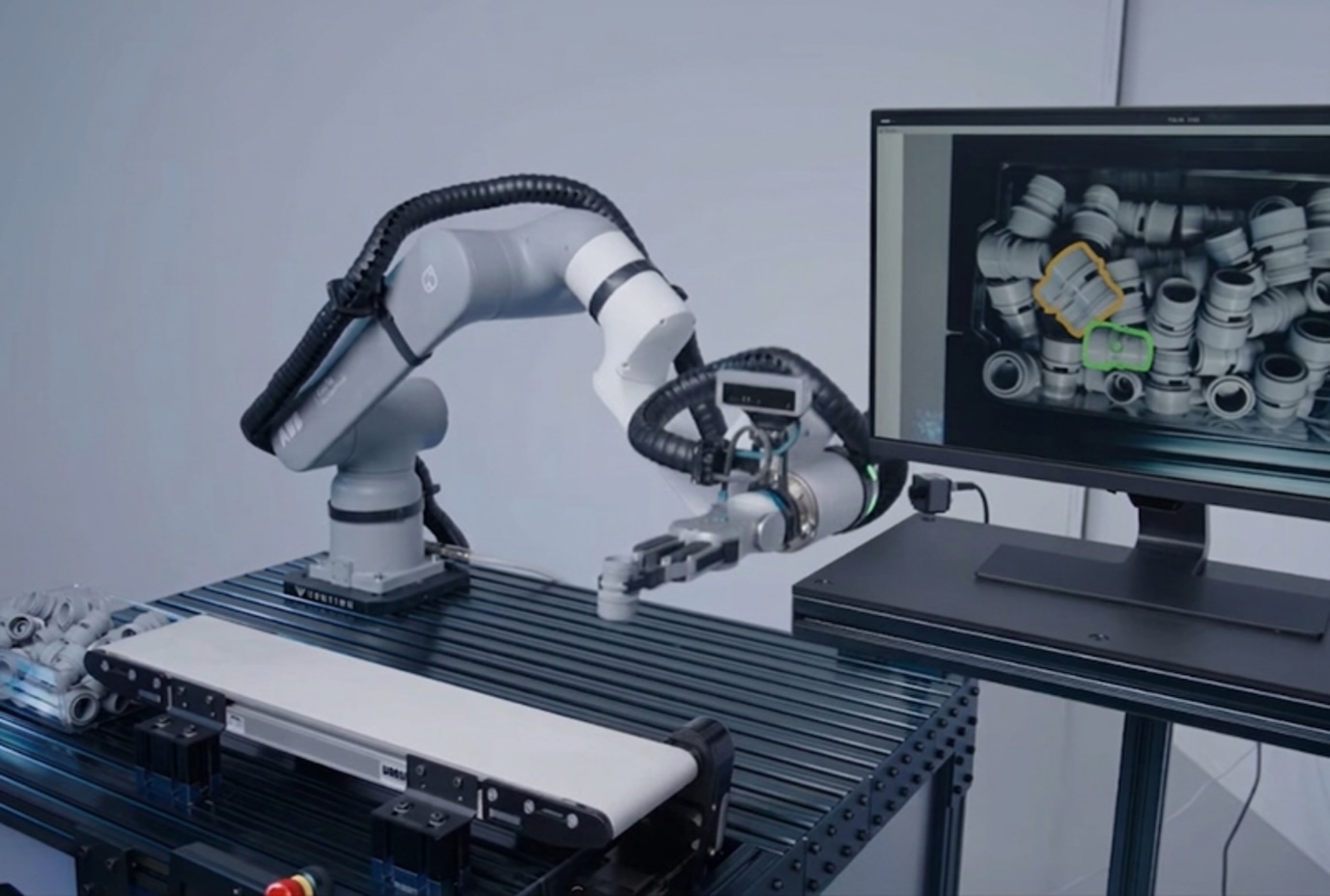
Kalman Filter–Based Sensor Fusion for Navigation of Holonomic Unmanned Ground Vehicles
In a recent study published in the Journal of Field Robotics, researchers explored advancements in robotic navigation systems, focusing on their application in complex environments. The study, which appeared in the June 2026 issue, highlights innovations that enhance the ability of robots to navigate through challenging terrains, such as urban landscapes and disaster-stricken areas. Conducted by a team of engineers and roboticists, the research aims to address the growing demand for autonomous systems capable of performing tasks in unpredictable settings. By integrating advanced algorithms and machine learning techniques, the team demonstrated significant improvements in navigation efficiency and accuracy. The findings are particularly relevant as industries increasingly rely on robotics for tasks ranging from search and rescue operations to urban planning. The researchers conducted extensive field tests to validate their models, showcasing the robots' ability to adapt to dynamic obstacles and varying environmental conditions. This work not only contributes to the field of robotics but also underscores the potential for these technologies to enhance safety and effectiveness in critical situations. As the demand for intelligent robotic systems continues to rise, this research marks a significant step forward in the evolution of autonomous navigation.
RESEARCH ARTICLE
Havelsan unveils Barkan 3 unmanned ground vehicle, to be part of autonomous swarm
A Turkish defense firm has unveiled a new AI-enabled combat management system, marking a significant step in its initiative to incorporate artificial intelligence into its “digital troops concept.” This development was announced during a recent presentation by company executives, who emphasized the importance of integrating advanced technology into military operations. The introduction of this system aims to enhance operational efficiency and decision-making capabilities on the battlefield, reflecting a broader trend in the defense industry towards modernization and technological advancement.
Global AI Drones Europe Havelsan Middle East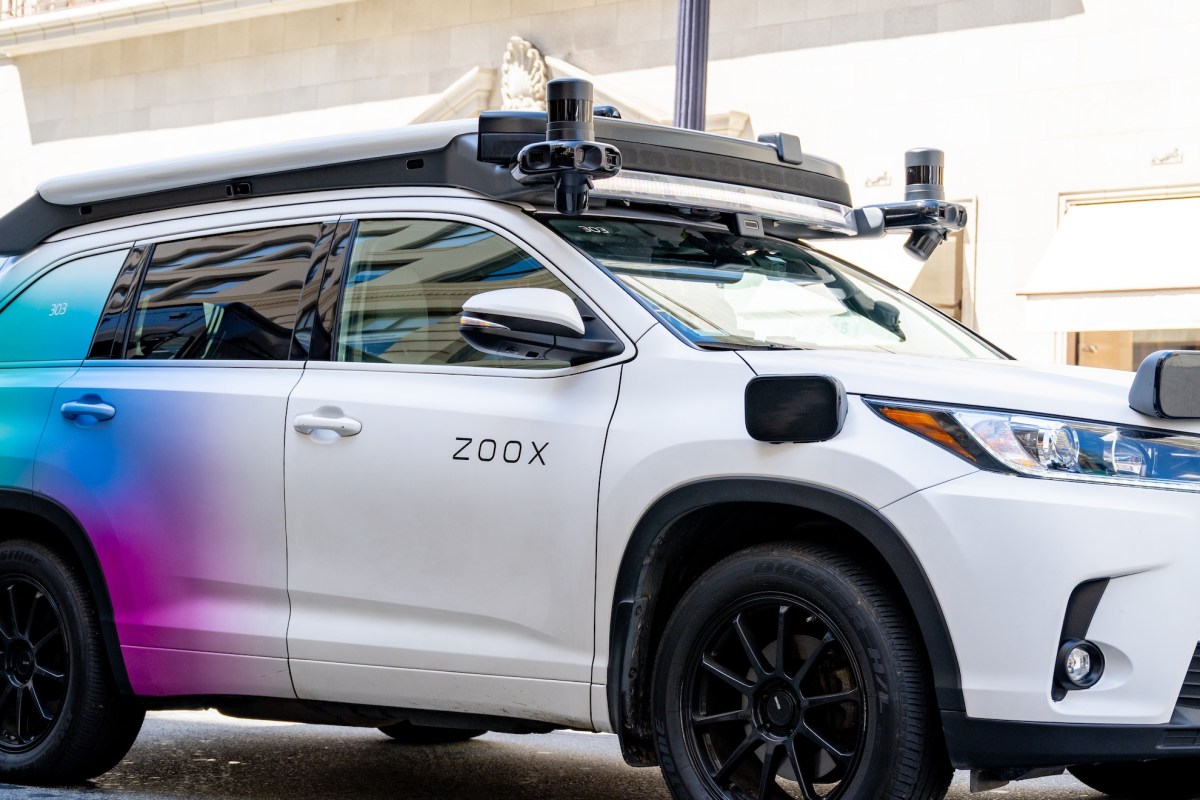
Zoox Halts Atlanta Autonomous Vehicle Testing After Worker Gas Exposure Reports
Zoox has suspended its autonomous vehicle test fleet in Atlanta following reports of potential gas exposure among safety drivers. Workers experienced symptoms consistent with exposure to carbon monoxide, carbon dioxide, or hydrogen sulfide, prompting one employee to file a complaint with the Occupational Safety and Health Administration (OSHA). The agency has since opened an inquiry into the matter. The situation is significant as it raises concerns about worker safety amid Zoox's rapid expansion into new cities, including Las Vegas and San Francisco. Reports indicate that as many as 40 workers may have been exposed to toxic gases, although Zoox claims the number is lower. The incidents have led to increased scrutiny of safety protocols, especially as the company aims to compete with market leader Waymo. Moving forward, it will be important to monitor Zoox's investigation results and the implementation of new safety measures, including the addition of CO2 monitors in vehicles. OSHA has closed its inquiry, but the implications of these incidents on Zoox's operations and reputation in the autonomous vehicle sector remain to be seen.
Transportation autonomous vehicles avs Exclusive robotaxis zoox
L3Harris and ARX Robotics Test Counter-Drone Sensing on Uncrewed Ground Vehicle
L3Harris Technologies and ARX Robotics have successfully demonstrated a robotic ground vehicle equipped with a counter-drone sensing system during the US Army’s Project Convergence-Capstone 6 experimentation campaign. This innovative approach allows for the deployment of sensors on a remotely controlled robot, reducing the risk to soldiers by keeping them away from potential drone threats. The demonstration utilized L3Harris' CORVUS-RAVEN counter-drone capability mounted on ARX Robotics' GEREON uncrewed ground vehicle. This setup enhances situational awareness by passively detecting signals associated with drone threats and providing critical bearing information. The ability to reposition the robotic vehicle as tactical situations evolve offers commanders a flexible alternative to fixed sensor locations. As small drones pose increasing challenges for modern militaries, the collaboration between L3Harris and ARX Robotics highlights the importance of modularity and adaptability in military technology. No further timeline was disclosed at the time of publication.
Military
ARX Robotics Demonstrates GEREON Uncrewed Ground Vehicles in US Army Trials
ARX Robotics UK has successfully showcased the capabilities of its GEREON uncrewed ground vehicles (UGVs) during Project Convergence-Capstone 6 (PC-C6). This event marks the largest experiment in the US Army's initiative to enhance land warfare capabilities. The successful demonstration is significant as it highlights the operational potential of GEREON UGVs in modern military applications. This aligns with the US Army's ongoing efforts to integrate advanced technologies into their land warfare strategies. Looking ahead, further developments in the integration of autonomous systems into military operations are expected. No further timeline was disclosed at the time of publication.
News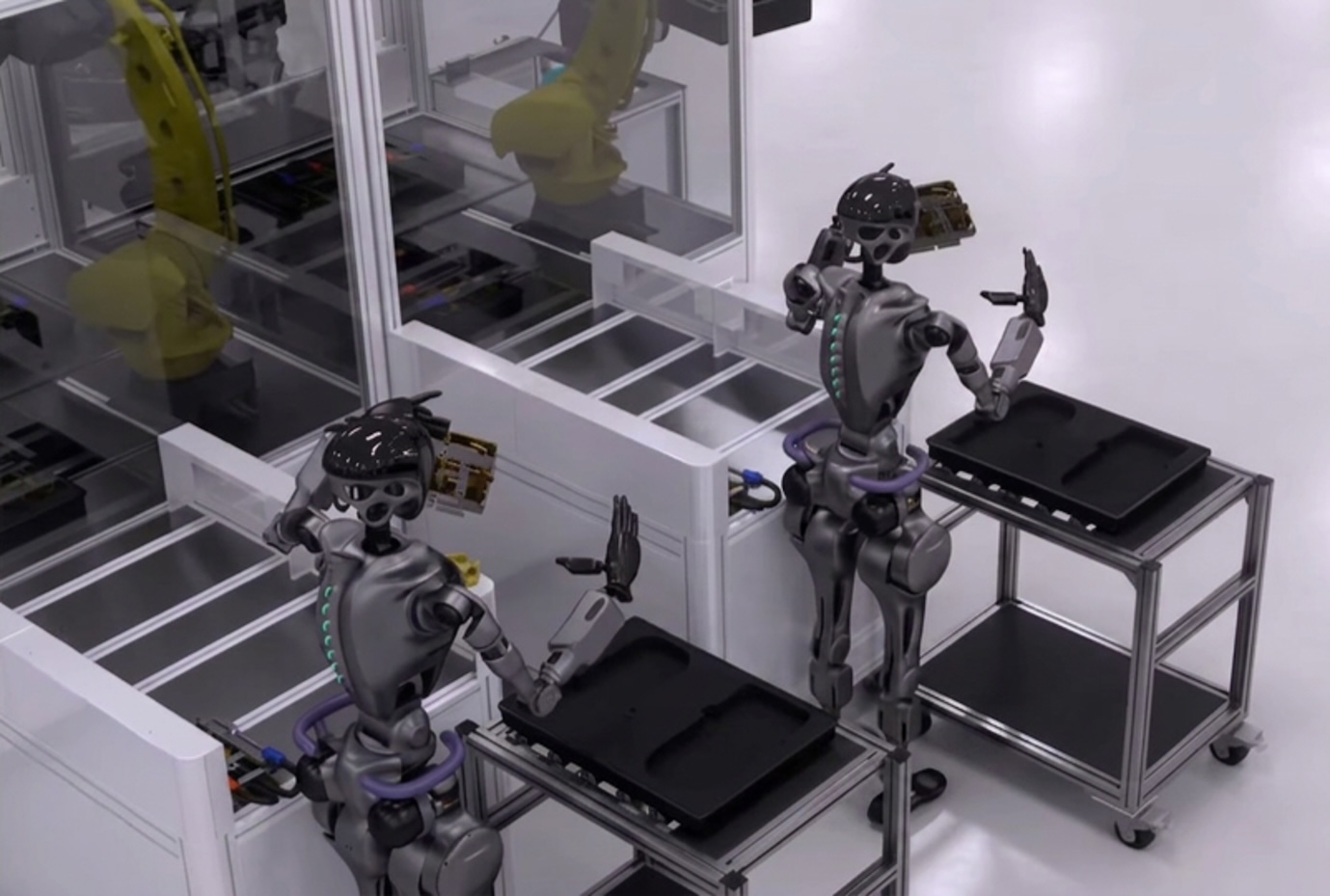
American Rheinmetall Secures Contract for Autonomous Ground Vehicles for US Army
American Rheinmetall has been awarded a contract to provide advanced autonomous ground vehicle technologies to the US Army as part of Project Sustainment. This development is significant as it underscores the growing emphasis on integrating autonomous systems into military operations, enhancing operational efficiency and effectiveness for the US Army. Looking ahead, it will be important to monitor the implementation of these technologies and their impact on military logistics and operations. No further timeline was disclosed at the time of publication.
News
Tesla's Optimus Robots to Support Starmind Satellite Production, Not Maintenance
Tesla's Optimus robots will not be used to repair Starmind satellites in orbit, as confirmed by recent statements from Elon Musk. Instead, these robots are intended to assist in the construction and operation of the Terafab chip manufacturing facility in Texas. The AI1 satellites, designed to disintegrate upon reentry, highlight the company's swap-and-replace strategy rather than traditional maintenance practices. This approach is significant as it reflects a broader trend in satellite management, where mass-produced satellites are replaced rather than repaired. The economics of servicing missions are prohibitive, with the cost of launching a replacement satellite being significantly lower than conducting a repair mission. This model aligns with SpaceX's operational history, where rapid replacement of satellites is more efficient than attempting to maintain them in orbit. Looking ahead, the focus will remain on the production capabilities of the Gigasat factory, which is expected to support the continuous replacement of satellites. No further timeline was disclosed at the time of publication, but the demand for rapid satellite turnover suggests a robust future for Optimus robots in terrestrial manufacturing rather than in-space servicing.

SpaceX's Starmind Project: Supplier Strategy and Chip Manufacturing Plans for 2026
SpaceX's Starmind project, aimed at deploying up to 1 million AI satellites, was filed with the FCC on January 30, 2026. The initiative is designed to minimize reliance on external suppliers, with CEO Elon Musk stating that current chip production capabilities only meet 2% of the projected needs. The first satellite, AI1, is set for prototype launches in early 2027, featuring a 70-meter wingspan and a modular payload system that allows for interchangeable chips from various suppliers. The significance of Starmind lies in its ambitious supply chain strategy, which seeks to transition from external hardware suppliers to a fully integrated Musk-owned facility by 2028. The Gigasat manufacturing site in Bastrop, Texas, is expected to be operational by the end of 2027, with plans for high-volume production of the D3 chip, specifically designed for space applications. This approach aims to consolidate chip manufacturing processes under the Terafab joint venture, which has an estimated initial investment of $55 billion. Looking ahead, the next milestone for Starmind is the launch of AI1 prototypes in early 2027, while the full-scale chip production at Terafab is projected to ramp up significantly thereafter. However, analysts express skepticism regarding the feasibility of achieving Musk's ambitious compute goals, which may require substantial investment and time to establish the necessary manufacturing capabilities.
SpaceX's Starmind Faces Feasibility Challenges for 1 Million Satellite Deployment
On January 30, 2026, SpaceX submitted a request to the FCC to launch up to 1 million satellites as part of its Starmind orbital compute constellation. This ambitious plan is unprecedented, as the total number of satellites ever launched globally is in the low tens of thousands. The proposal seeks a waiver from standard deployment milestones, citing reliance on the Starship's full reusability for success. The significance of this request lies in the technical and logistical challenges it presents. Experts warn that low Earth orbit may not support the proposed number of active satellites without risking a debris cascade. SpaceX's own IPO prospectus acknowledges unresolved dependencies related to Starship's launch cadence and reusability, which are critical for the orbital AI compute strategy. Looking ahead, the timeline for achieving the necessary launch cadence and manufacturing capacity remains uncertain. SpaceX's Gigasat facility in Texas aims for volume production by late 2027, but this would require unprecedented output levels. No further timeline was disclosed at the time of publication, leaving the feasibility of the Starmind project in question.
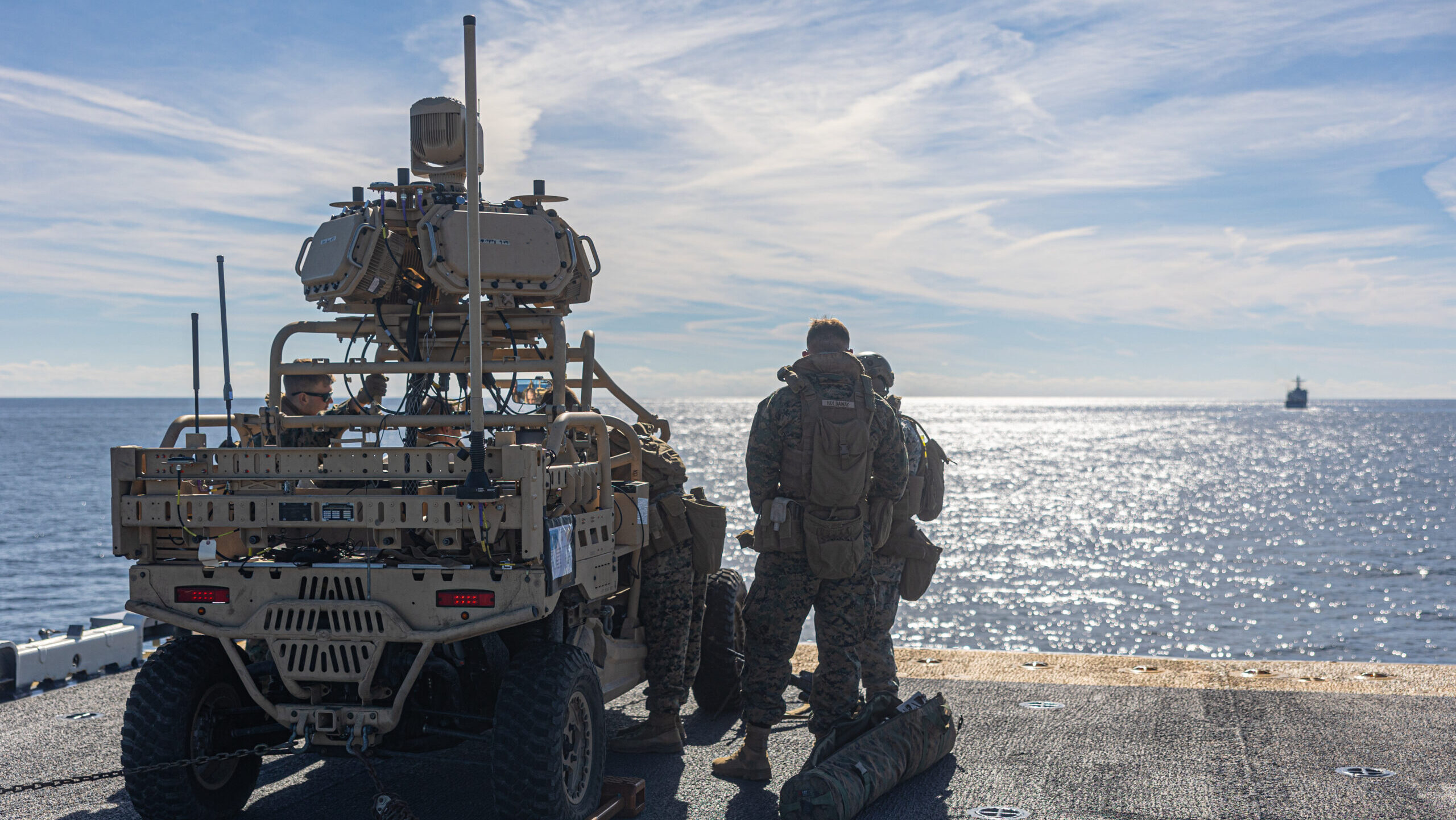
Overland AI nets Marine Corps autonomous ground vehicle contract
Overland AI has announced the development of an autonomous ground vehicle, clarifying that it is not designed to replace the Joint Light Tactical Vehicle (JLTV). CEO Byron Boots emphasized that the new vehicle will complement existing military assets rather than serve as a direct substitute. This initiative aims to enhance operational efficiency and adaptability in various mission scenarios. The announcement comes as part of Overland AI's ongoing commitment to innovate within the defense sector, leveraging advanced technology to meet the evolving needs of military operations.
Land Warfare Naval Warfare AI & Autonomy Army Drones MADIS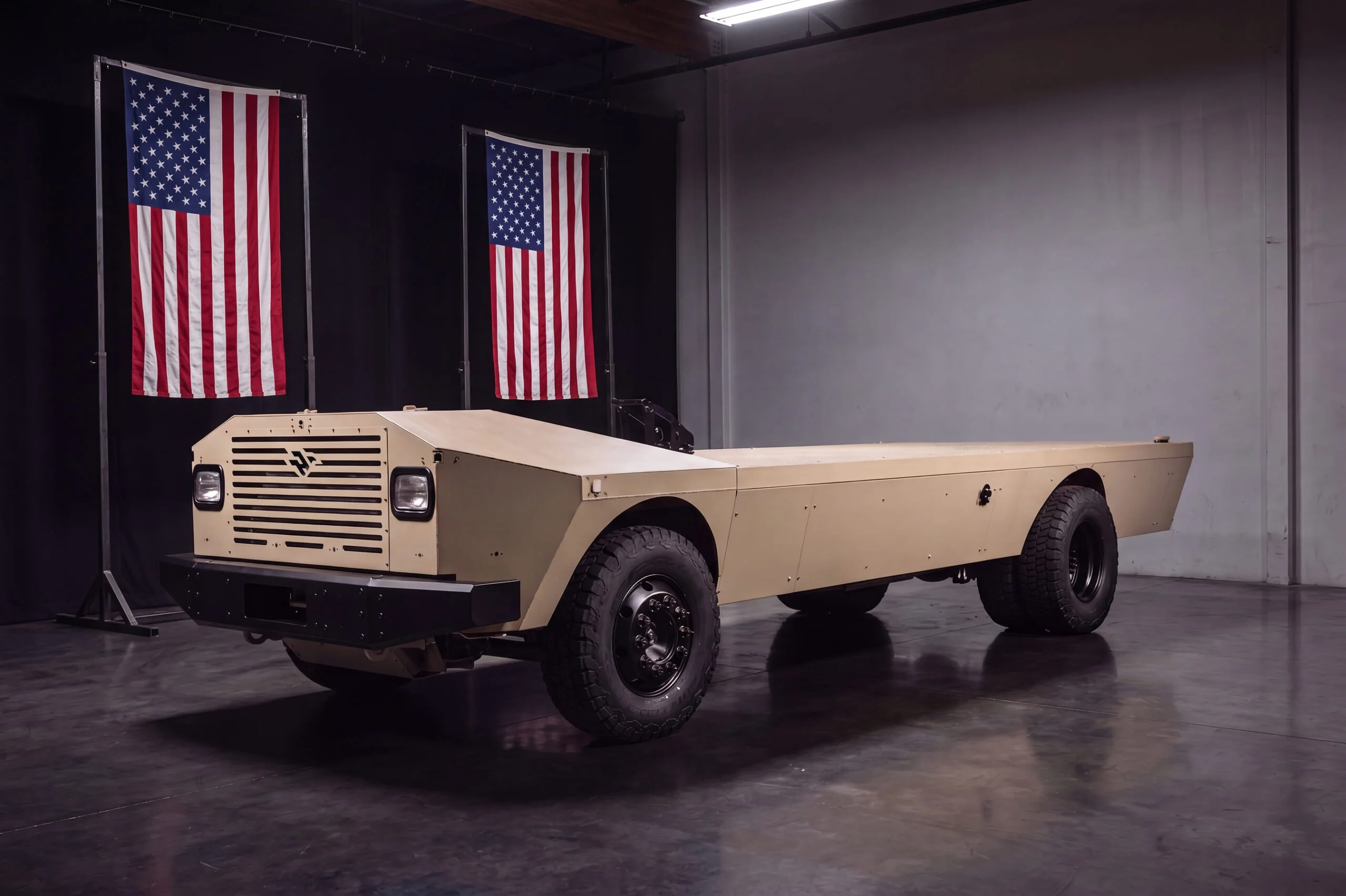
Harbinger Announces Unmanned Hybrid-Electric Military Vehicle Platform
Harbinger has introduced a new unmanned hybrid-electric military vehicle platform, marking a significant advancement in defense technology. This initiative is part of the company's newly established business unit, Harbinger Praesidia, which aims to collaborate with government clients and defense contractors. The launch is further bolstered by a strategic investment from In-Q-Tel (IQT), a nonprofit organization that invests in technologies to enhance U.S. national security and support allied governments. This partnership underscores the growing interest in innovative military solutions and the importance of private sector involvement in national defense efforts.
AI AI Funding & Investment AI Use Cases Robotics Defense Harbinger
RGPB‐Planner: A Real‐Time Gaussian Potential B‐Spline Trajectory Planner for Unmanned Aerial Vehicles in Complex Environments
A recent study published in the Journal of Field Robotics explores advancements in autonomous robotic systems designed for agricultural applications. Researchers from various institutions conducted the study to address the growing need for efficient farming solutions amid increasing global food demands. The findings, released in early October 2023, highlight innovative technologies that enhance the capabilities of robots in tasks such as planting, harvesting, and monitoring crops. The research was conducted in diverse agricultural settings, showcasing how these robotic systems can adapt to different environments and crop types. By integrating artificial intelligence and machine learning, the robots are able to optimize their performance, reducing labor costs and increasing productivity for farmers. This initiative stems from the urgent necessity to improve agricultural efficiency and sustainability in response to climate change and population growth. The study emphasizes that the implementation of these robotic systems could significantly transform traditional farming practices, making them more resilient and resource-efficient. The research team utilized a combination of field tests and simulations to demonstrate the effectiveness of the robotic technologies, providing a comprehensive analysis of their potential impact on the agricultural sector. As the industry continues to evolve, the insights from this study may pave the way for broader adoption of robotics in farming, ultimately contributing to food security and environmental sustainability.
RESEARCH ARTICLE
Performance Evaluation of Different Laser SLAM Algorithms for Unmanned Mining Vehicles
A recent study published in the Journal of Field Robotics highlights advancements in robotic technology aimed at improving agricultural efficiency. Researchers from a leading university conducted experiments to develop autonomous robots capable of performing tasks such as planting, weeding, and harvesting crops. The study, which took place over the summer of 2023, was conducted on various farms in California, showcasing the robots' adaptability to different agricultural environments. The motivation behind this research stems from the increasing demand for sustainable farming practices and the need to address labor shortages in the agricultural sector. By integrating advanced sensors and artificial intelligence, the robots are designed to optimize crop yields while minimizing resource use. The research team employed a series of field trials to test the robots' performance, collecting data on their effectiveness and efficiency compared to traditional farming methods. Preliminary results indicate that these autonomous systems can significantly reduce labor costs and increase productivity, offering a promising solution for modern agriculture. As the agricultural industry faces challenges such as climate change and population growth, this innovative approach could play a crucial role in ensuring food security and sustainability in the coming years. The findings from this study are expected to pave the way for further developments in agricultural robotics, potentially transforming the way food is produced globally.
SURVEY ARTICLE
Ground robots in Latvia and the history of manned-unmanned teaming
This week on The Break Out, NATO troops are conducting drone testing in Eastern Europe, showcasing the alliance's commitment to enhancing its military capabilities. The event highlights the growing significance of unmanned systems in modern warfare, as the program aims to evaluate the effectiveness and reliability of various drone technologies. The testing comes at a critical time, given the evolving security landscape in the region. By examining the historical development of unmanned systems alongside current advancements, the initiative seeks to improve operational strategies and strengthen defense readiness among member nations. The program underscores NATO's proactive approach to adapting to new threats and ensuring collaborative defense efforts.
Global Break Out Video Drones Europe FPV ground robotics
Hanwha Aerospace joins Milrem Robotics for Romania unmanned vehicle program
South Korean defense company Hanwha Aerospace announced its collaboration with Estonian unmanned systems firm Milrem Robotics to develop Romania's uncrewed ground vehicle program. The partnership aims to broaden Hanwha Aerospace's European business portfolio, moving beyond traditional artillery systems. The agreement was formalized on Thursday during the BSDA 2026 defense exhibition held in Bucharest, Romania. This strategic alliance reflects Hanwha's commitment to enhancing its presence in the European defense market.
All News
oToBrite Showcases Automotive-Grade Vision-AI for North America's Robotics and Unmanned Vehicle Market at XPONENTIAL 2026
oToBrite has unveiled its latest innovation, a long-range 3D stereo vision camera module designed specifically for robotics, during a recent exhibition. This advanced system boasts impressive features, including 120 dB high dynamic range (HDR) imaging and global shutter synchronization. These capabilities allow for stable feature extraction even in difficult conditions, such as bright sunlight, deep shadows, and low-texture environments. The launch aims to enhance the performance of robotic systems, making them more effective in a variety of real-world applications.

Teledyne FLIR Defense Grows Third-Party Payload Integration Program, Adds Emesent Hovermap LiDAR for Unmanned Air, Ground, and Detection Platforms
A newly certified payload is set to enhance the capabilities of drones, robots, and radiation detection systems, facilitating faster deployment of mapping in environments where GPS signals are unavailable. This innovative technology aims to improve the efficiency of fused Chemical, Biological, Radiological, and Nuclear (CBRN) visualizations, which are critical for various applications, including emergency response and environmental monitoring. The certification, achieved in October 2023, underscores the growing importance of advanced technological solutions in navigating complex and hazardous situations. By integrating these systems, operators can obtain real-time data and insights, significantly improving situational awareness and decision-making in challenging scenarios.
Research on Collision Avoidance Methods for Logistics Unmanned Aerial Vehicle Based on Dynamic Controlled Interactive Collaborative Fusion
A recent study published in the Journal of Field Robotics highlights advancements in robotic technology aimed at enhancing agricultural efficiency. Researchers from various institutions collaborated to develop a new autonomous robot designed to optimize crop monitoring and management. The study, released in early October 2023, emphasizes the growing need for innovative solutions in agriculture to address challenges such as labor shortages and increasing food demand. The robot utilizes advanced sensors and machine learning algorithms to gather real-time data on soil conditions, crop health, and environmental factors. This data-driven approach allows farmers to make informed decisions, ultimately leading to improved yields and reduced resource waste. The research team conducted field tests in various agricultural settings, demonstrating the robot's effectiveness in diverse conditions. The motivation behind this initiative stems from the pressing need for sustainable agricultural practices as global populations continue to rise. By integrating robotics into farming, the researchers aim to support farmers in adapting to changing environmental conditions while maximizing productivity. This breakthrough in agricultural robotics represents a significant step toward modernizing farming practices, showcasing how technology can play a crucial role in addressing food security and sustainability challenges. The findings are expected to influence future developments in the field, paving the way for more sophisticated agricultural solutions.
RESEARCH ARTICLE
Transition Strategy for Unmanned Aerial‐Aquatic Vehicles (UAAVS): A Survey
In the May 2026 issue of the Journal of Field Robotics, researchers present groundbreaking advancements in robotic technology, focusing on the development of autonomous systems designed for complex field operations. This comprehensive study highlights innovations that enhance the efficiency and safety of robots deployed in various environments, including agriculture, disaster response, and exploration. The research team, comprised of leading experts in robotics and artificial intelligence, conducted extensive field tests to evaluate the performance and adaptability of these autonomous systems. Their findings reveal significant improvements in navigation, obstacle avoidance, and decision-making capabilities, which are crucial for real-world applications. The motivation behind this research stems from the increasing demand for reliable robotic solutions that can operate in unpredictable and hazardous conditions. By addressing these challenges, the team aims to pave the way for more widespread adoption of robotics in critical sectors, ultimately improving operational outcomes and reducing human risk. The study's implications are far-reaching, suggesting that these advanced robotic systems could revolutionize industries by providing enhanced support in tasks that are currently labor-intensive or dangerous. As the field of robotics continues to evolve, this research marks a significant step forward in harnessing technology to meet the needs of society.
SURVEY ARTICLE
Enhanced Unscented Kalman Filter With Time‐Varying Attenuation Factor for Cross‐Domain Unmanned Surface Vehicle/Autonomous Underwater Vehicle Tracking Using Time‐Direction of Arrival Measurements
The Journal of Field Robotics has recently published an early view article highlighting advancements in robotic technology. This publication, which became available in October 2023, focuses on innovative applications of robotics in various fields, including agriculture, search and rescue, and environmental monitoring. Researchers and engineers are increasingly motivated to enhance robotic capabilities to address complex challenges and improve efficiency in these sectors. The article outlines the methodologies employed in developing these advanced robotic systems, emphasizing the integration of artificial intelligence and machine learning. By showcasing successful case studies and ongoing projects, the journal aims to inform and inspire further research and collaboration within the robotics community.
RESEARCH ARTICLE
Analysis of Unilateral Track Movement for Tracked Unmanned Combat Vehicles
A recent study published in the Journal of Field Robotics highlights advancements in autonomous robotic systems designed for agricultural applications. Researchers from a leading university conducted experiments to assess the effectiveness of these robots in optimizing crop management. The study took place over the summer of 2023 on various farms across the Midwest, where the robots were deployed to monitor crop health and automate tasks such as planting and harvesting. The motivation behind this research stems from the increasing need for sustainable farming practices and the challenges posed by labor shortages in the agricultural sector. By integrating advanced sensors and artificial intelligence, the robots demonstrated significant improvements in efficiency and accuracy compared to traditional farming methods. The researchers utilized a combination of field tests and data analysis to evaluate the robots' performance, focusing on their ability to adapt to different environmental conditions and crop types. The findings suggest that these autonomous systems could play a crucial role in enhancing productivity while reducing the environmental impact of farming. As the agricultural industry continues to evolve, this study underscores the potential of robotics to transform farming practices, addressing both economic and ecological challenges. The ongoing research aims to further refine these technologies, paving the way for broader adoption in the field.
RESEARCH ARTICLE
Advances in Autonomous Vehicle Testing: The State of the Art and Future Outlook on Driving Datasets, Simulators, and Proving Grounds
A recent study published in the Journal of Field Robotics highlights advancements in autonomous robotic systems designed for agricultural applications. Researchers from a leading university conducted the study to explore how these robots can improve efficiency and sustainability in farming practices. The findings, released in early October 2023, indicate that the integration of advanced sensors and artificial intelligence allows these robots to perform tasks such as planting, monitoring crop health, and harvesting with greater precision. The research was conducted on various farms across the Midwest, where the team tested different robotic models under real-world conditions. The motivation behind this study stems from the increasing demand for food production and the need to reduce environmental impact. By employing autonomous technology, farmers can potentially decrease labor costs and enhance productivity while minimizing the use of pesticides and fertilizers. The study outlines the methodology used, including the development of algorithms that enable the robots to navigate complex terrains and adapt to changing environmental conditions. As agriculture faces challenges such as labor shortages and climate change, the implementation of these robotic systems could play a crucial role in the future of farming. The researchers emphasize the importance of continued innovation in this field to address global food security concerns effectively.
SURVEY ARTICLE
Improved Target Detection in Unmanned Aerial Vehicles Search and Rescue via V‐Circular Trajectory Optimization
The Journal of Field Robotics has recently published an early view article highlighting significant advancements in robotic technology. Researchers from various institutions collaborated to explore innovative applications of robotics in field environments, aiming to enhance efficiency and safety in agricultural practices. This study, released in October 2023, emphasizes the growing importance of automation in addressing labor shortages and improving productivity in the agricultural sector. By integrating advanced sensors and artificial intelligence, the team demonstrated how robots can autonomously navigate complex terrains and perform tasks such as planting, harvesting, and monitoring crop health. The findings suggest that these technological advancements could revolutionize traditional farming methods, ultimately leading to more sustainable agricultural practices.
RESEARCH ARTICLE
Bringing Firepower to the Fleet: Lockheed Martin Invests $50M in Saildrone to Advance Unmanned Surface Vehicle Capabilities for US Navy
Lockheed Martin has announced a significant investment of $50 million in Saildrone, Inc., aimed at enhancing the capabilities of unmanned surface vehicles (USVs). This partnership, revealed today, seeks to integrate advanced defense technology with Saildrone's proven USV systems, positioning them for military applications. The collaboration is expected to accelerate the development of these vehicles, equipping them with cutting-edge technology for all-domain defense operations. The investment underscores Lockheed Martin's commitment to advancing defense solutions and reflects the growing importance of innovative technologies in military strategy.
lockheed martin investment saildrone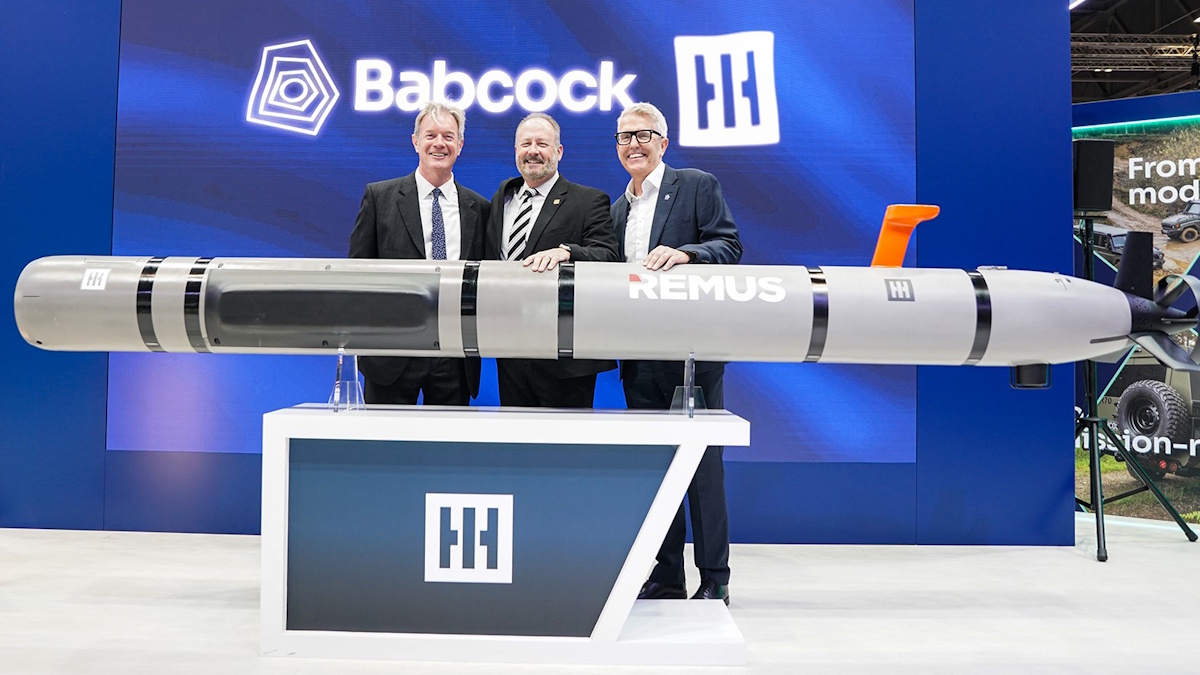
HII and Babcock Join Forces to Integrate Unmanned Underwater Vehicles with Submarine Weapon Handling and Launch Systems
Babcock International Group and HII have entered into a memorandum of understanding to integrate HII’s REMUS unmanned underwater vehicles with Babcock’s advanced submarine Weapon Handling and Launch Systems. This collaboration aims to enhance the autonomous launch and recovery capabilities of UUVs through submarine torpedo tubes, thereby bolstering the undersea operational advantages of allied navies. This initiative marks the inaugural program of its kind within Babcock's Mission Systems division, reflecting a significant step forward in military maritime technology.
hii babcock unmanned underwater vehicles submarine weapon handling and launch systems dsei 2025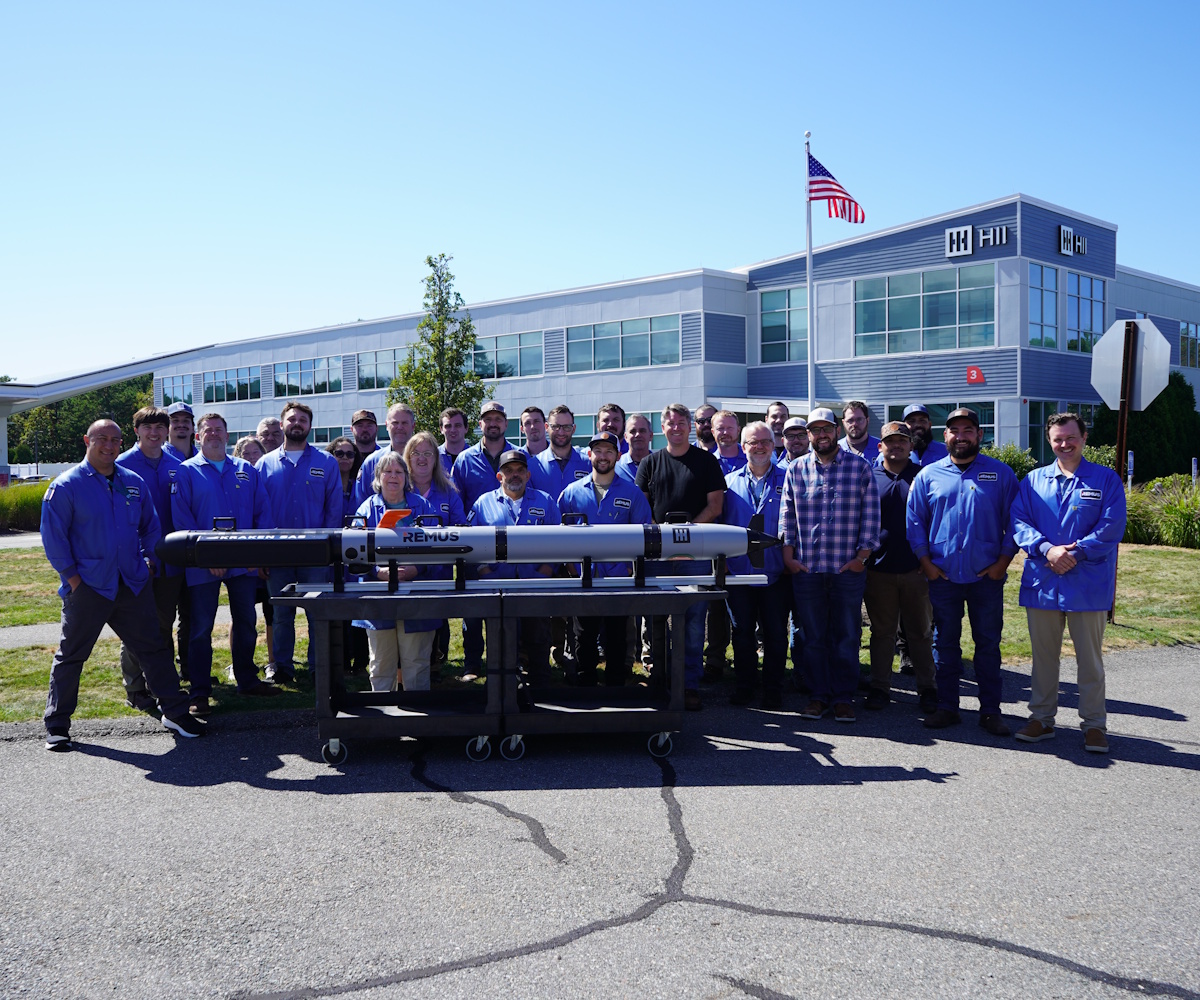
HII Completes 750th REMUS Unmanned Undersea Vehicle for German Navy
HII, the largest military shipbuilder in the United States and a pioneer in advanced unmanned autonomous technologies, has announced the successful completion of its 750th REMUS unmanned undersea vehicle (UUV). This significant milestone was reached at HII's unmanned facility located in Pocasset, Massachusetts. The 750th unit, a REMUS 300, is set to be delivered to the German navy, highlighting the growing demand for advanced maritime technology solutions. This achievement underscores HII's commitment to innovation and its role as a leader in the defense sector.
hii 750th remus unmanned undersea vehicle (uuv) german navyRobotics needs a service framework.
RSF defines a common language for robot service capability, lifecycle operations, certification pathways, and service-provider networks.
Join the RobotToday community on LinkedIn
Daily robotics news, in-depth analysis, conference highlights, and discussions with professionals worldwide.







