

Industry Briefing
A single destination for timely, editor-curated robotics news from around the world.

L3Harris and ARX UK Evaluate Passive Counter-Drone Technology on Autonomous UGVs
L3Harris and ARX UK have tested the CORVUS-RAVEN sensors mounted on unmanned ground vehicles (UGVs) to enhance battlefield awareness. These sensors are designed to track approaching threats, allowing operators to maintain a safe distance from potential dangers. The implementation of the CORVUS-RAVEN technology is significant as it improves situational awareness for military operators, enabling them to respond effectively to drone threats without direct engagement. This advancement in counter-drone capabilities is crucial in modern warfare, where unmanned aerial vehicles pose increasing risks. Looking ahead, the focus will be on the further development and deployment of these passive counter-drone systems. No further timeline was disclosed at the time of publication.
News
Babcock International and Digital Concepts Engineering Collaborate on UGV Development
Babcock International has signed a Memorandum of Understanding (MoU) with Digital Concepts Engineering to enhance the development of Unmanned Ground Vehicles (UGVs) tailored for defense clients. This partnership is significant as it aims to leverage the expertise of both organizations to meet the growing demand for advanced UGVs in the defense sector. By collaborating, Babcock and Digital Concepts Engineering can combine their resources and knowledge to create innovative solutions that address the specific needs of military applications. Looking ahead, industry stakeholders should monitor the progress of this collaboration and any resulting advancements in UGV technology. No further timeline was disclosed at the time of publication.
News
U.S. Army Integrates FireAnt UGVs with Bradley Vehicles During Pegasus Charge 3 Experiment
The U.S. Army is testing the integration of small unmanned ground vehicles (UGVs) into armored formations by carrying them on M2A4 Bradley infantry fighting vehicles. Footage from Swarmbotics AI, released on August 25, 2026, shows a Bradley transporting at least five FireAnt UGVs during the Pegasus Charge 3 experiment with the 1st Cavalry Division. This initiative is significant as it explores how existing armored vehicles can deploy multiple robotic systems alongside traditional crewed roles. The FireAnt, developed by Swarmbotics AI, is designed for various missions, including intelligence and reconnaissance. The Army's approach raises important questions about the integration of robotic systems into combat formations, emphasizing the need for innovation in military doctrine. Looking ahead, the use of Bradleys to carry UGVs could enhance operational flexibility, allowing commanders to deploy unmanned systems for reconnaissance and other missions in high-risk areas. No further timeline was disclosed at the time of publication.
Military
Ukraine Advances Robotic Warfare by Converting Soviet BRDM-2 Vehicles into UGVs
Ukraine is transforming Soviet-era BRDM-2 armored reconnaissance vehicles into remotely controlled uncrewed ground vehicles (UGVs) to enhance combat capabilities. This initiative, led by the Central Innovation Activities Directorate of the Ukrainian Armed Forces, aims to keep troops safe while increasing the effectiveness of military operations along contested front lines. The modernization includes equipping the BRDM-2 with advanced features such as a powerful diesel engine, automatic transmission, and remote control capabilities extending up to 1,000 km. These enhancements will allow the vehicles to engage in ground combat, logistics, and casualty evacuation, thereby preserving the lives of service members while providing critical support in frontline operations. As the conflict evolves, the integration of artificial intelligence in combat UGVs is crucial for operational effectiveness. The Ukrainian military is leveraging its existing stock of BRDM-2s, which will be fitted with day/night cameras and robust satellite links for remote operation. No further timeline was disclosed at the time of publication.
News & Features Around The Globe Europe Ukraine
U.S. Army Selects Six Companies for Autonomous UGV Prototypes in Battlefield Logistics
The U.S. Army has chosen six companies to develop prototypes of autonomous ground vehicles (UGVs) for critical battlefield missions, including resupply and casualty evacuation. This initiative, known as the Infantry Last Tactical Mile (ILTM), aims to enhance operations in high-risk areas where soldiers currently face enemy fire while delivering supplies or retrieving casualties. The significance of this initiative lies in its potential to reduce the risk to personnel by allowing autonomous vehicles to operate in dangerous zones. The Army's focus on beyond-line-of-sight capabilities for these UGVs reflects a strategic shift towards integrating autonomy into military logistics, thereby changing the operational landscape rather than merely introducing new weaponry. Looking ahead, the Army plans to evaluate the prototypes from the selected companies, which include American Rheinmetall and Overland AI, among others. These evaluations will determine which vehicles are best suited for further investment and potential production, although no production orders have been issued at this stage. No further timeline was disclosed at the time of publication.
Military
American Rheinmetall Secures Contract for Autonomous Ground Vehicles for US Army
American Rheinmetall has been awarded a contract to provide advanced autonomous ground vehicle technologies to the US Army as part of Project Sustainment. This development is significant as it underscores the growing emphasis on integrating autonomous systems into military operations, enhancing operational efficiency and effectiveness for the US Army. Looking ahead, it will be important to monitor the implementation of these technologies and their impact on military logistics and operations. No further timeline was disclosed at the time of publication.
News
War robots invade Eurosatory 2026 as interest grows in UGVs after use in Ukraine
Ukrainian companies recently showcased their combat-proven unmanned ground vehicles at a defense exhibition, highlighting advancements in military technology amid ongoing conflict. The event, which took place in October 2023, aimed to demonstrate the capabilities of these vehicles in real combat scenarios. However, some experts remain skeptical about the broader applicability of such technologies beyond their current military use. Despite the impressive displays, concerns linger regarding the potential for these unmanned systems to be integrated into wider operational strategies.
Global Land Warfare Army Drones Europe EUROSATORY 2026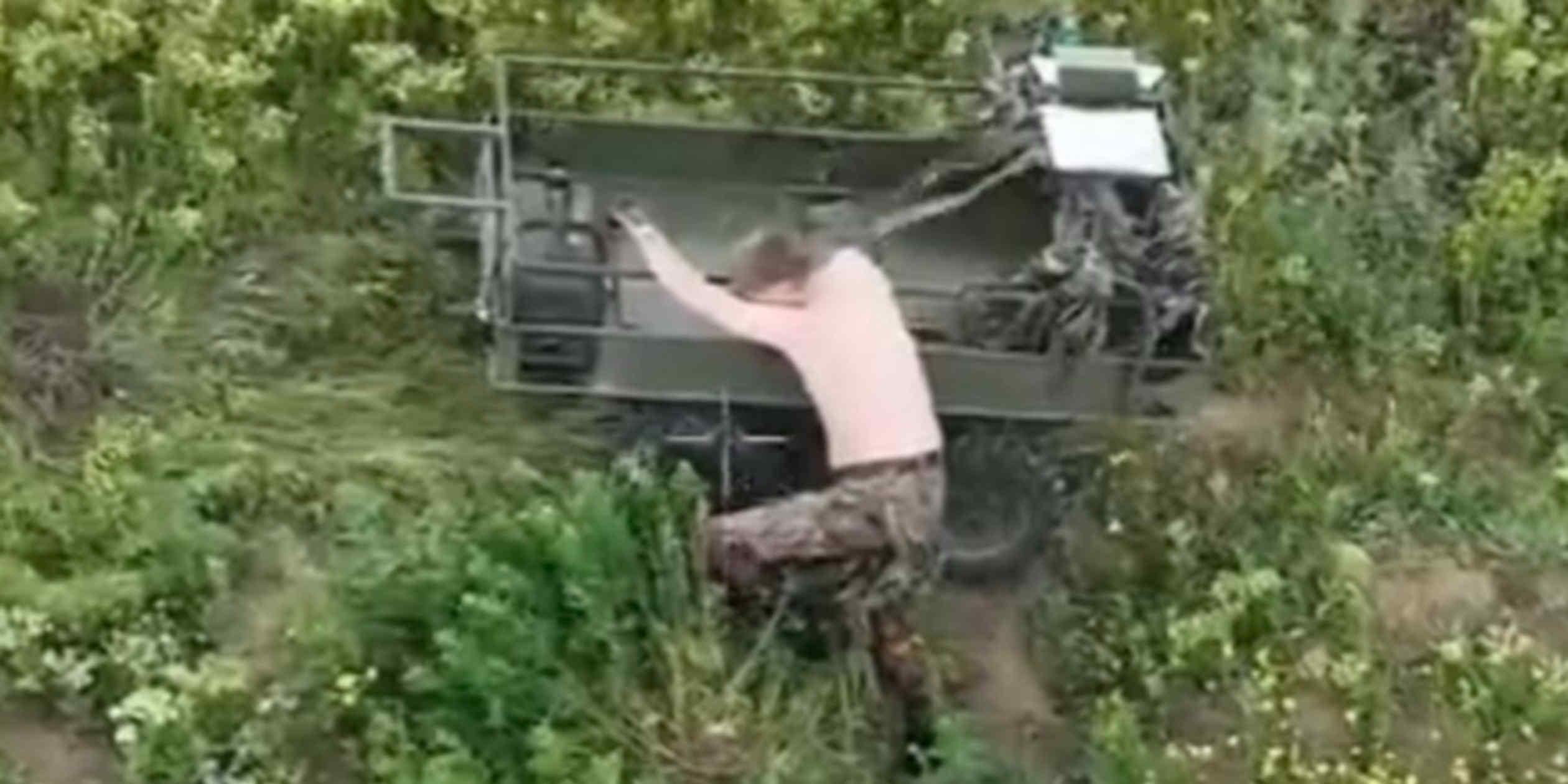
Ukraine-Russia drone war turns UGVs into medevac lifeline
In eastern Ukraine, the ongoing conflict has intensified the use of unmanned ground vehicles (UGVs) as vital medical evacuation tools. On April 26, a soldier from Ukraine's 32nd Brigade, Roman Kryshnya, suffered severe injuries when an FPV drone struck the vehicle he was in, resulting in the death of the driver and leaving Kryshnya with a critically damaged arm. This incident underscores the increasing dangers faced by soldiers on the front lines, where traditional evacuation methods are becoming increasingly risky due to drone warfare. As the conflict continues, UGVs are being adapted to transport the wounded safely away from the battlefield, highlighting the evolving nature of military tactics in response to new threats.
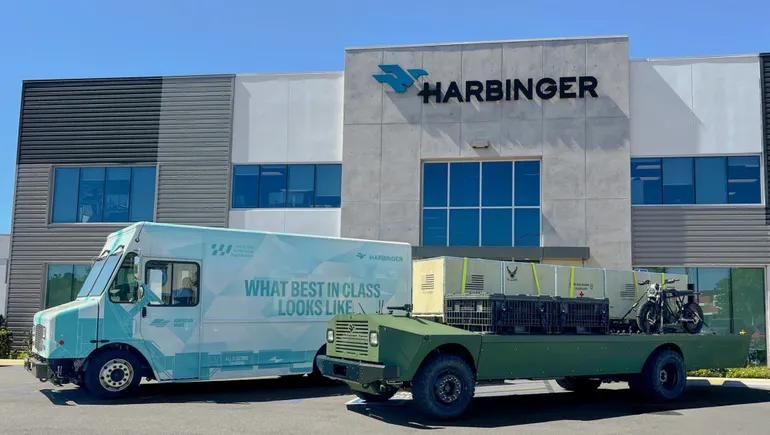
American Rheinmetall, Harbinger team up for R&D robotics, UGVs
Rheinmetall, a prominent defense contractor, has announced a significant investment of $41 million aimed at enhancing its production capabilities across six manufacturing facilities in the United States. This initiative is part of the company's strategy to upgrade its operations and strengthen its supply chain. The investment reflects Rheinmetall's commitment to meeting increasing demand for defense products and ensuring operational efficiency in a competitive market. The expansion is expected to bolster the company's presence in the U.S. defense sector and support its long-term growth objectives.
Robotics needs a service framework.
RSF defines a common language for robot service capability, lifecycle operations, certification pathways, and service-provider networks.
Join the RobotToday community on LinkedIn
Daily robotics news, in-depth analysis, conference highlights, and discussions with professionals worldwide.







