Industry Briefing
A single destination for timely, editor-curated robotics news from around the world.

Kraken Robotics Announces $12 Million in Orders for Synthetic Aperture Sonar and Subsea Batteries
Kraken Robotics has secured purchase orders worth approximately $12 million for its synthetic aperture sonar (SAS) and battery products. The orders, which include Kraken's KATFISH™ towed SAS spares and SeaPower™ batteries, have been placed by various organizations, notably Teledyne Marine, Terradepth, and two NATO member navies. This significant acquisition underscores the growing demand for advanced underwater technology and highlights Kraken's position in the marine robotics sector. The company aims to enhance its product offerings and support military and commercial applications with these new contracts.
kraken robotics synthetic aperture sonar subsea batteries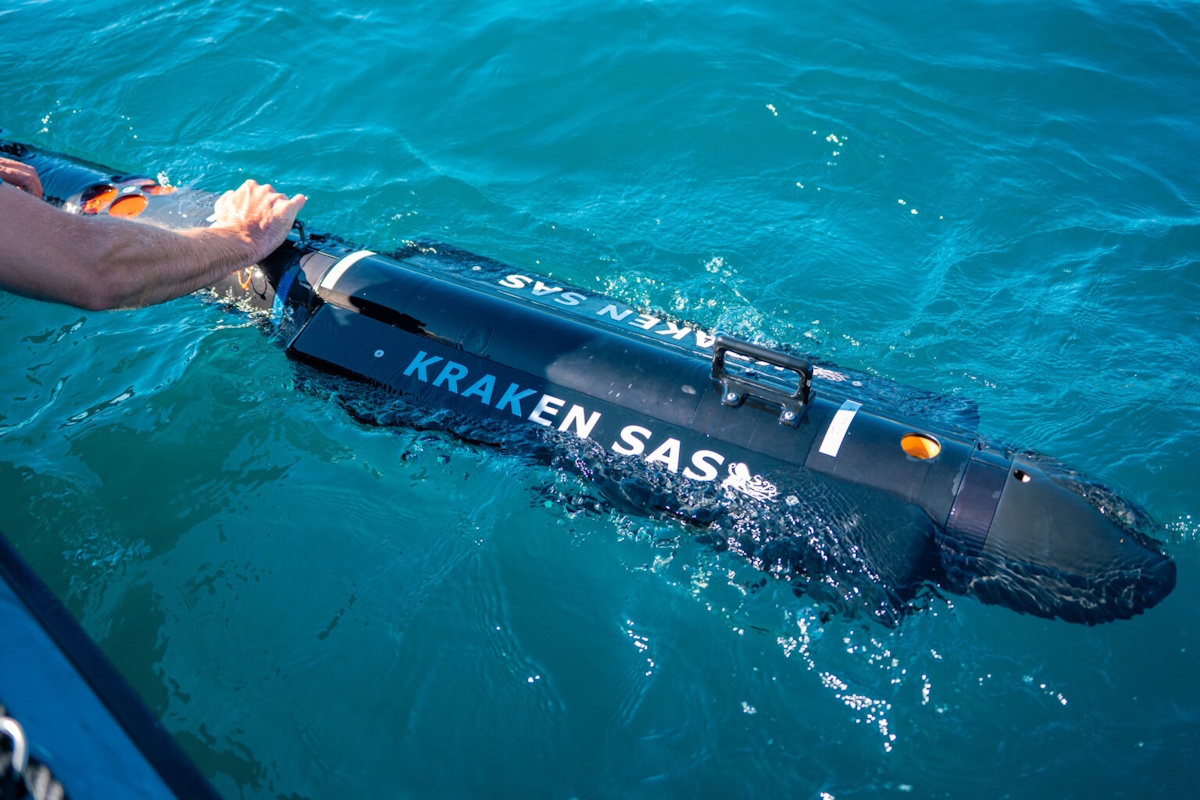
Record Number of Participants Deployed Kraken Robotics’ Synthetic Aperture Sonar at REPMUS 2025
Kraken Robotics has reported a significant milestone at the recent Robotic Experimentation and Prototyping with Maritime Unmanned Systems (REPMUS) exercise held in Portugal, where a record number of participants utilized its synthetic aperture sonar (SAS) technology. The event featured seven international naval teams alongside three uncrewed underwater vehicle (UUV) manufacturers, all employing Kraken's advanced sonar for various maritime security applications. These included mine countermeasure operations and inspections of critical underwater infrastructure, showcasing the technology's effectiveness in enhancing interoperability among different platforms and nations. The successful deployment of Kraken SAS during this exercise underscores its vital role in addressing contemporary challenges in the underwater domain.
kraken robotics synthetic aperture sonar (sas) repmus 2025
Kraken Robotics Announces More than $3 Million in Synthetic Aperture Sonar Sales
Kraken Robotics has secured over $3 million in new orders for its Synthetic Aperture Sonar (SAS) systems, which will be deployed on small and medium-class uncrewed underwater vehicles (UUVs). This development highlights the growing demand for advanced underwater technology among clients across the Asia Pacific, Europe, and North America. The orders reflect Kraken's commitment to enhancing maritime operations through innovative sonar solutions, enabling improved underwater exploration and data collection capabilities. The integration of these systems into UUVs is expected to advance the capabilities of marine research and commercial applications in various regions.
kraken robotics synthetic aperture sonar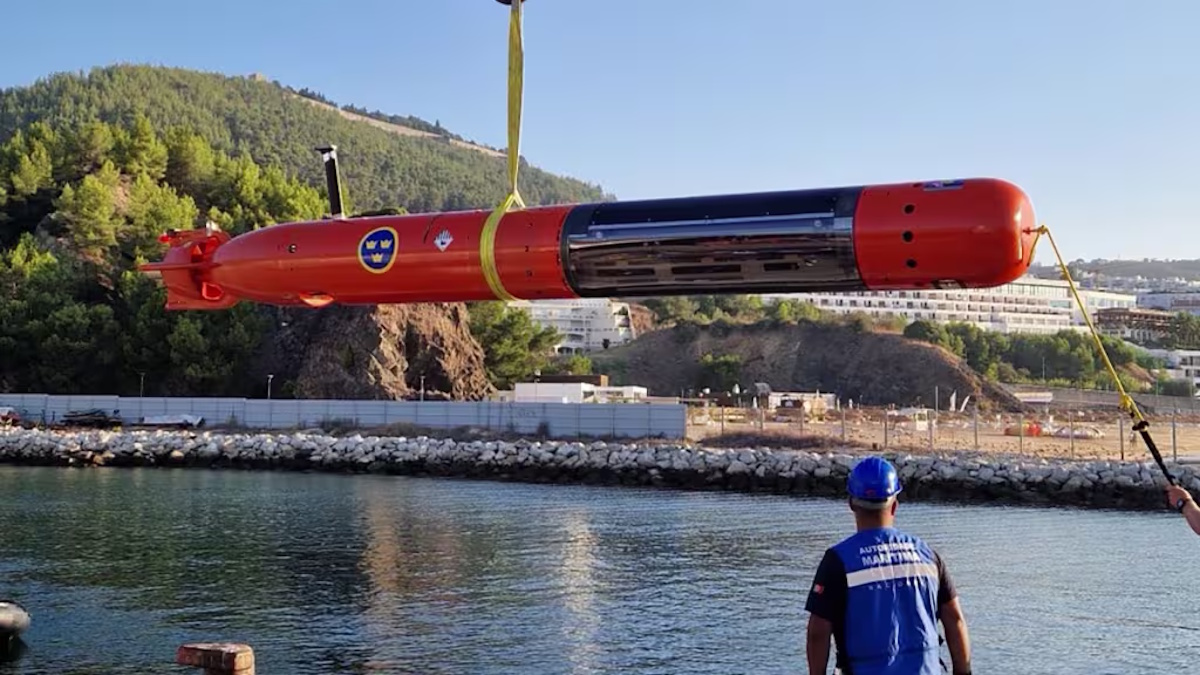
Klein Marine Systems Signs Development Agreement With SAAB to Provide Synthetic Aperture Sonar (SAS) Technology
Klein Marine Systems, a prominent player in sonar technology, has secured a contract to supply Synthetic Aperture Sonar (SAS) hardware to Saab Kockums AB, based in Linköping, Sweden. This partnership underscores Klein's commitment to advancing maritime surveillance and reconnaissance capabilities. The agreement highlights the growing demand for sophisticated sonar systems in defense applications, as both companies aim to enhance underwater operational efficiency. The collaboration is expected to leverage Klein's cutting-edge technology to support Saab's ongoing projects, reflecting a strategic alignment in the defense sector.
klein marine systems development agreement saab synthetic aperture sonar (sas) technology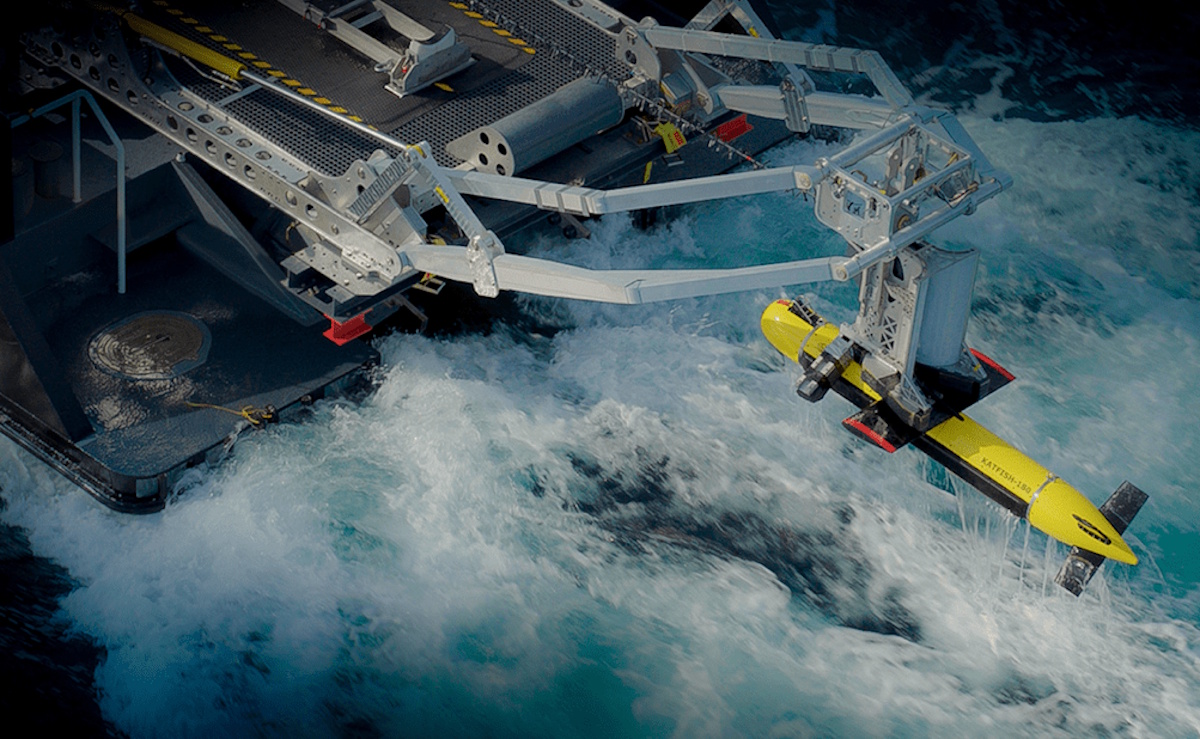
Kraken Robotics Announces Synthetic Aperture Sonar Service for the Offshore Energy Market
Kraken Robotics Inc. is set to introduce a new synthetic aperture sonar (SAS) service aimed at the global offshore energy market. The company’s commercial services team will offer dedicated KATFISH towed SAS systems for rental, with availability commencing in July 2025. This initiative reflects Kraken's commitment to enhancing underwater exploration and data collection capabilities in the energy sector, addressing the increasing demand for advanced technology in offshore operations.
kraken robotics synthetic aperture sonar (sas) offshore energy market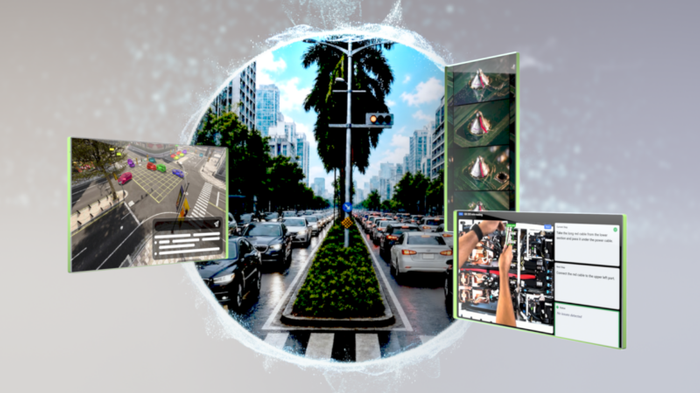
Into the Omniverse: Three Workflows for Improving Vision AI Agent Accuracy With Synthetic Data and Fine-Tuning
In a recent installment of the "Into the Omniverse" series, developers, 3D practitioners, and enterprises are exploring innovative ways to enhance their workflows through the latest advancements in OpenUSD and NVIDIA Omniverse. This initiative highlights the growing significance of Vision AI agents, which are increasingly being integrated into various industries to streamline processes and improve efficiency. The series aims to educate participants on how these technologies can be leveraged to transform traditional practices, ultimately fostering a more collaborative and productive environment. As organizations seek to adapt to the rapidly evolving digital landscape, the insights shared in this series are crucial for staying competitive and maximizing the potential of emerging technologies.

KLM operates first passenger flight to Germany with synthetic kerosene-blended fuel
A KLM Cityhopper flight successfully landed in Hamburg, Germany, after a short trip originating from Amsterdam. The flight, which is part of KLM's regional service, aims to enhance connectivity between major European cities. This route is particularly significant for business travelers and tourists looking to explore the vibrant culture and economy of Hamburg. The timely arrival of the flight underscores KLM's commitment to providing efficient air travel options within Europe, catering to the growing demand for regional travel.
Transportation
The "Synthetic Human" Roadmap: Clone Robotics Eyes Silicon Valley and $20,000 Price Points
At the 2026 Abundance Summit, Dhanush Radhakrishnan, co-founder of Clone Robotics, announced the company's strategic expansion to Mountain View. This move is supported by a new funding round of $50 million, aimed at accelerating the development of their innovative "Robo Butlers." Radhakrishnan outlined an ambitious goal to bring these advanced robotic assistants to the mass market by 2028, reflecting the company's commitment to revolutionizing household automation and enhancing everyday life through technology.
clone robotics US clone Europe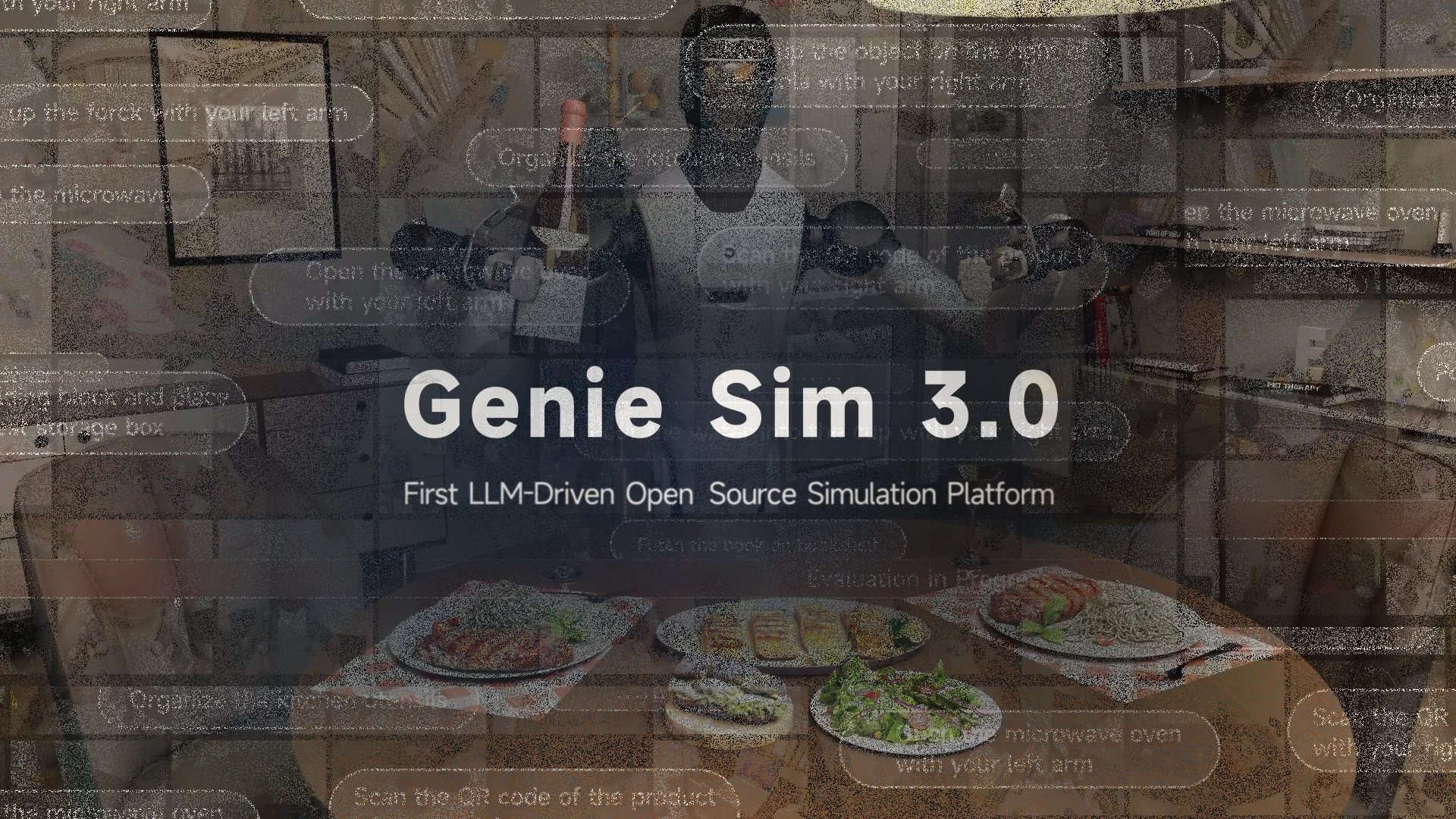
The Synthetic Engine: How AGIBOT Genie Sim 3.0 Resolves the Embodied AI Data Bottleneck
AGIBOT has introduced a groundbreaking unified simulation infrastructure designed to enhance the transition from digital training to real-world application. This innovative system leverages large language model (LLM)-driven spatial world models alongside massively parallel reinforcement learning techniques. By integrating these advanced technologies, AGIBOT aims to significantly accelerate the development and deployment of robotic systems. The announcement, made recently, highlights the company's commitment to advancing artificial intelligence and robotics, providing a robust framework that could revolutionize how machines are trained and utilized in various industries. The infrastructure is expected to streamline processes, improve efficiency, and ultimately lead to more effective physical deployments of AI-driven solutions.
AI Week open-source China AGIBOT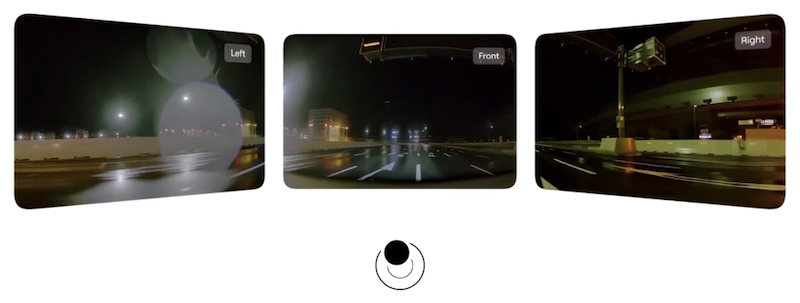
Decart’s Oasis 3 world model streams realism into robotic training environments
Decart, a leading frontier AI research lab, has unveiled its latest world model, Oasis 3, in a bid to integrate synthetic simulation with physical AI. The announcement, made recently, highlights the model's capability to enhance the training processes for operating system models used in robots and autonomous vehicles. By focusing on this innovative approach, Decart aims to advance the development of intelligent systems that can operate seamlessly in real-world environments. The launch of Oasis 3 represents a significant step forward in the quest to improve AI's practical applications, addressing the growing demand for more sophisticated and capable autonomous technologies.
Artificial Intelligence Computing Culture Design automation news autonomous vehicles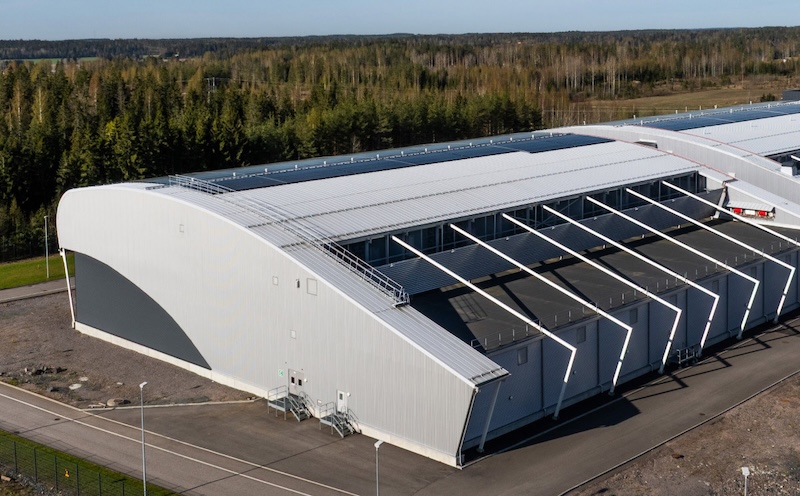
Nebius and Nvidia launch Physical AI Living Lab for European robotics startups
Nebius, a prominent AI cloud company, has launched the Physical AI Living Lab, a six-month initiative aimed at supporting robotics startups across Britain and Europe. This program provides participants with access to Nvidia’s advanced physical AI development tools alongside Nebius’s robust AI cloud infrastructure. The initiative addresses a significant challenge faced by early-stage robotics companies, which often lack the resources to create large-scale simulations, generate synthetic data, and utilize accelerated computing necessary for their development. By offering these essential tools and support, Nebius aims to foster innovation and growth within the robotics sector, ultimately enhancing the capabilities of emerging technologies in the field.
Artificial Intelligence Computing AI cloud computing AI infrastructure automation news nebius
Khosla Ventures is betting $10M on Ian Crosby, whose last startup, Bench, imploded
Crosby is developing Synthetic, an innovative AI bookkeeping service designed to operate autonomously for startups. This initiative aims to streamline financial management for emerging businesses, allowing them to focus on growth and innovation without the burden of traditional bookkeeping tasks. The service leverages advanced artificial intelligence technologies to provide accurate and efficient financial reporting, ensuring that startups can maintain clear oversight of their finances. With the rise of digital solutions in business operations, Synthetic is positioned to meet the increasing demand for automated services in the startup ecosystem. The project is set to launch in early 2024, with the goal of transforming how new companies manage their financial records.
AI Fintech Venture accounting bench Khosla Ventures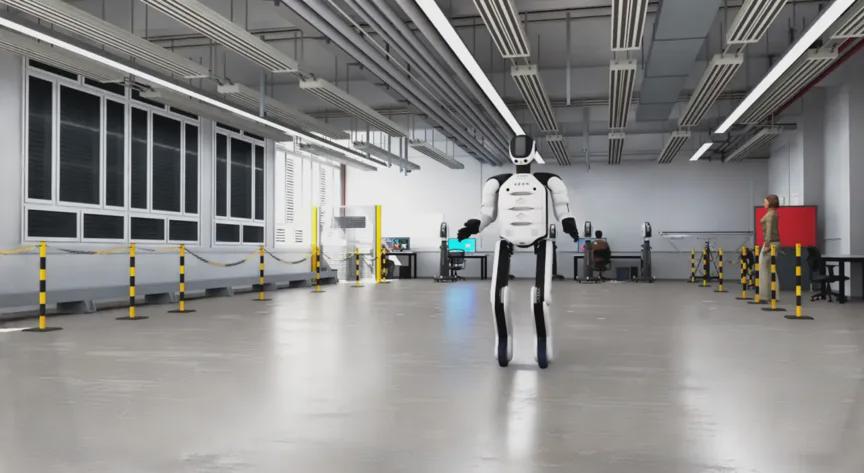
NVIDIA and DeepMind Lead Robotics Simulation Debate with New Industrial Applications
The field of embodied intelligence is witnessing a fierce debate over the best approach to training robots for industrial applications. One faction advocates for simulation-based training, leveraging structured environments to generate synthetic data, while the opposing view emphasizes the necessity of real-world data to handle complex physical interactions and unpredictable scenarios. Key players include NVIDIA, DeepMind, and Intrinsic, each with unique strategies and technologies. NVIDIA's Omniverse platform and Isaac Sim engine exemplify the simulation approach, enabling comprehensive digital twins of factories for training and optimization. Their collaboration with BMW on a digital twin project in Hungary showcases the potential of synthetic data in logistics and robotic movements. However, challenges remain in achieving the necessary fidelity for force control and physical interactions, prompting NVIDIA to seek partnerships with companies like Hexagon Robotics. Conversely, DeepMind's use of the MuJoCo physics engine has demonstrated that pure simulation can achieve industrial-grade precision in specific tasks, such as sorting with known rigid models. Yet, this method's effectiveness is limited to scenarios with minimal contact and force control. Intrinsic aims to transform simulation into a comprehensive development tool for industrial robots, focusing on lowering barriers for small manufacturers. The ongoing challenge of the SIM2REAL gap remains a critical factor in the success of these approaches.
Robotics Industrial Automation Simulation Technology AI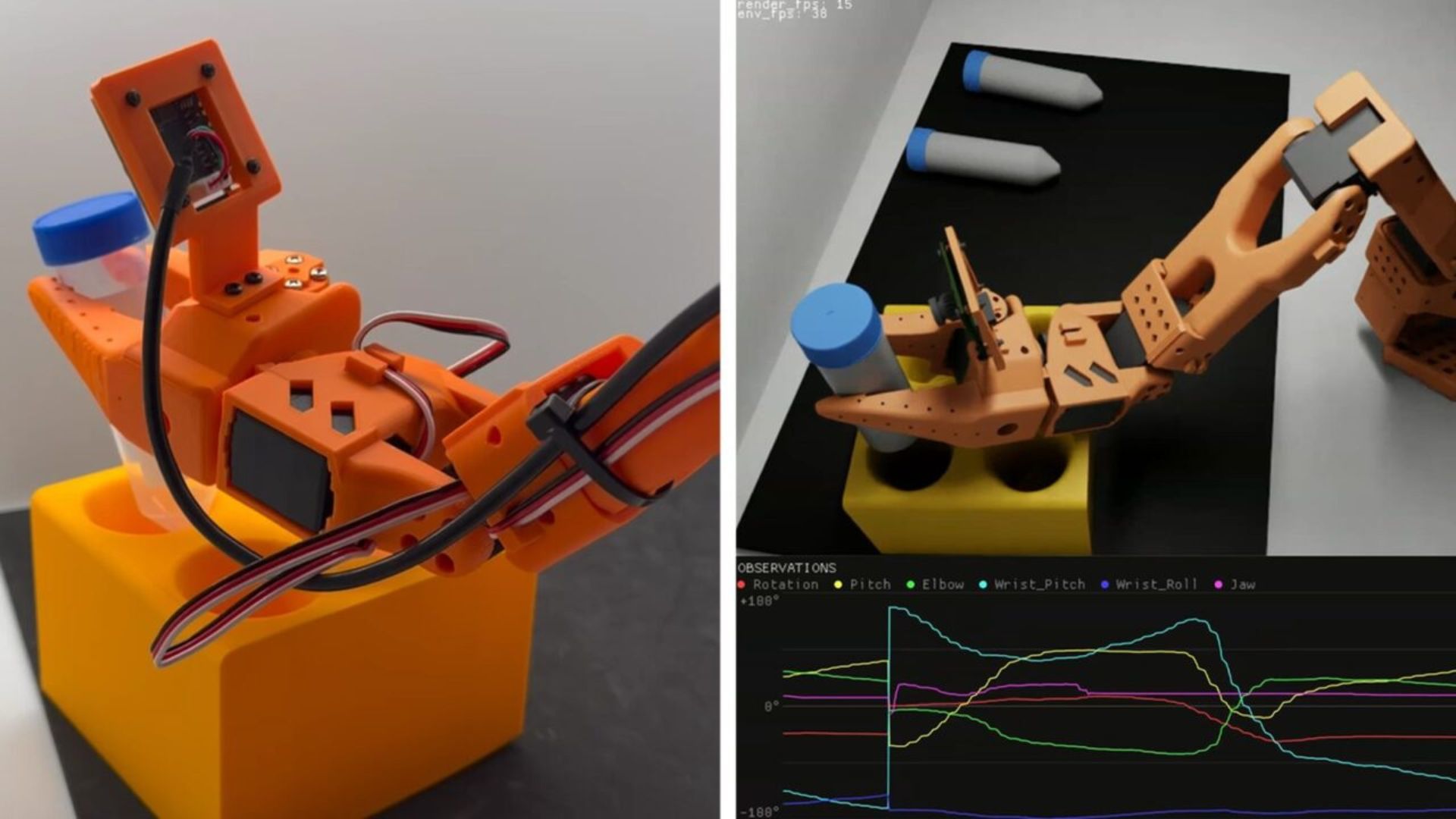
NVIDIA and Hugging Face Enhance LeRobot with New AI Models and Frameworks
NVIDIA has expanded its collaboration with Hugging Face to enhance the LeRobot open-source robotics platform with new AI models and frameworks. This integration includes the NVIDIA Isaac GR00T 1.7 vision-language-action model and the Isaac Teleop framework, aimed at streamlining robot development. The partnership seeks to make advanced robotics tools more accessible to developers and researchers, with plans to incorporate NVIDIA Cosmos 3 in the future. This collaboration is significant as it addresses the fragmented nature of robotics development by providing standardized workflows for data collection, model training, and robot deployment. The introduction of the Isaac Teleop framework allows for high-quality training data collection through human demonstrations, which can be shared within the LeRobot ecosystem. By lowering barriers to entry, NVIDIA and Hugging Face aim to foster broader collaboration in the robotics community. Looking ahead, NVIDIA plans to integrate the Cosmos 3 model into LeRobot, which will generate synthetic robotics data and assist in policy development. The collaboration builds on existing resources, including a dataset with over 350,000 robot trajectories and 57 million grasp examples. No further timeline was disclosed at the time of publication.
AI and Robotics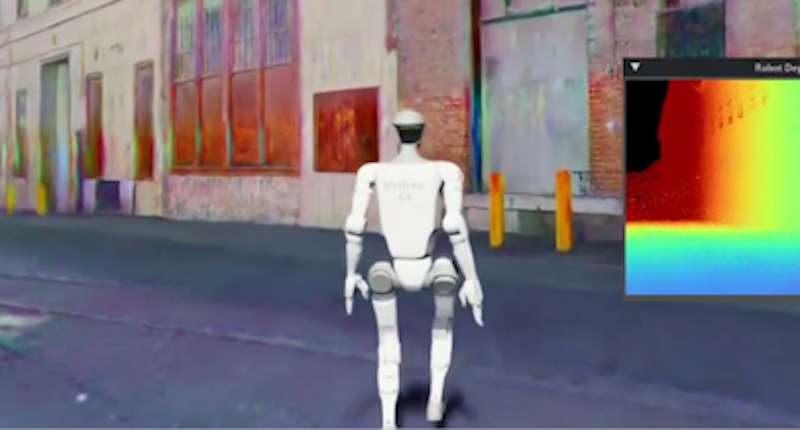
Niantic Spatial adds USDZ export to Scaniverse to streamline robotics simulation workflows
Niantic Spatial has launched USDZ export for its Scaniverse app, enabling robotics developers to convert real-world environments into simulation-ready digital twins for use with Nvidia Isaac Sim. The new capability is designed to help address the long-standing “sim-to-real” gap in robotics, where systems trained in synthetic environments often struggle when deployed in complex, real-world settings. […]
News Robot simulation 3d scanning Autonomous robots digital reconstruction digital twins![[Man-ki Kim] Foster dual-use defense tech](/uploads/2026/06/2669837006758506.jpg)
[Man-ki Kim] Foster dual-use defense tech
For much of the 20th century, defense technology evolved within a tightly controlled military-industrial framework, where governments dictated needs, contractors created solutions, and civilian sectors reaped the benefits later. However, this paradigm is shifting. In the contemporary landscape, advancements in technologies such as artificial intelligence, semiconductors, robotics, batteries, cloud computing, autonomous systems, synthetic-aperture radar satellites, and commercial drones are increasingly emerging from the civilian economy. This transformation is reshaping how defense capabilities are developed and integrated, highlighting the growing interdependence between civilian innovations and military applications. As a result, the defense sector is now leveraging these civilian technologies to enhance its operational effectiveness and adaptability in a rapidly changing global environment.
All News
NVIDIA Corporation (NVDA) Partners with Nebius to Support AI Robotics Startup in Europe
NVIDIA Corporation has announced a strategic partnership with Nebius to bolster the development of robotics startups across Europe. On June 9, the two companies reaffirmed their collaboration aimed at creating a cloud platform specifically for robotics and physical artificial intelligence. As part of this initiative, Nebius has launched the Physical AI Living Lab, which will provide UK and European robotics startups with access to NVIDIA's advanced development tools and Nebius AI's cloud infrastructure. This six-month program is designed to help early-stage robotics firms overcome challenges related to large-scale simulation, synthetic data, and accelerated computing resources. Startups participating in the program will utilize NVIDIA technologies, including OSMO for workload orchestration and Cosmos World Foundation models. The goal of the Physical AI Living Lab is to connect UK robotics innovation with market-ready physical AI solutions by offering affordable cloud-scale training. NVIDIA, a leading provider of specialized computer chips and a key player in the global AI revolution, continues to expand its influence beyond gaming graphics into comprehensive infrastructure for artificial intelligence.
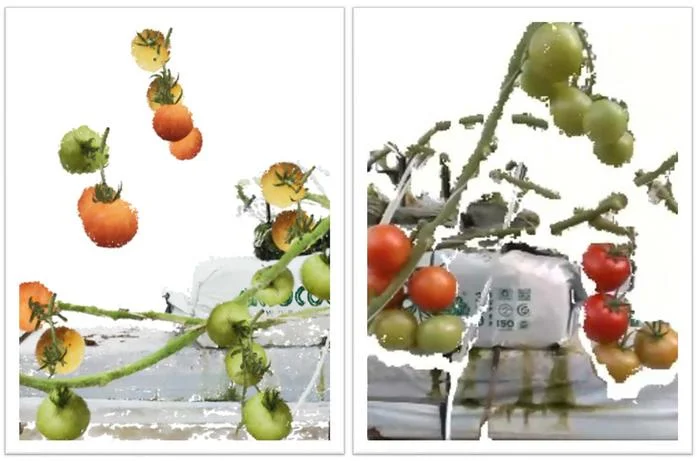
Researchers Develop Method To Train Ag AI Robots with Virtual Tomatos
Researchers at Osaka Metropolitan University have introduced a groundbreaking method for creating synthetic training data aimed at enhancing agricultural AI systems. This innovative approach utilizes realistic virtual tomato farms, addressing a significant challenge in the development of autonomous harvesting robots. The findings of this study, published in the journal Smart Agricultural Technology, highlight the potential of virtual environments to effectively train AI models. By simulating diverse farming scenarios, the researchers aim to improve the efficiency and accuracy of AI systems in agricultural applications, ultimately paving the way for more advanced robotic solutions in the field.
AI AI Research & Advances Robotics agriculture AI autonomous harvesting robots Osaka Metropolitan University
Japan’s IHI begin to benefit from ICEYE SAR imagery
IHI, a prominent player in Japan's aerospace industry, has successfully integrated two operational ICEYE synthetic aperture radar (SAR) satellites into its operations, with plans to deploy two additional satellites in the near future. This advancement marks a significant step for IHI, enhancing its capabilities in satellite technology and data acquisition. The deployment of these satellites is expected to bolster IHI's position in the aerospace sector, allowing for improved monitoring and analysis of various environmental and industrial applications. The initiative reflects IHI's commitment to advancing its technological offerings and responding to the growing demand for satellite-based data solutions.
News
Researchers develop armadillo-inspired protective shell module for soft robotics
In a groundbreaking development, materials scientists have successfully replicated the unique armor of the armadillo, an armored mammal that has evolved over millions of years. This innovative achievement was announced in a study published recently, showcasing the potential applications of the armadillo's natural design in creating advanced protective materials. The research, conducted by a team at a leading university, aims to harness the armadillo's exceptional defensive capabilities to enhance safety in various fields, including personal protective equipment and military gear. By analyzing the structure and composition of the armadillo's armor, the scientists were able to develop synthetic materials that mimic its protective features. This advancement not only highlights the importance of biomimicry in materials science but also opens new avenues for creating lightweight, durable, and effective protective solutions.

Māori Text-to-Speech Model Spurns Big Tech’s Values
Researchers at the University of Waikato in New Zealand have developed a high-fidelity synthetic voice for te reo Māori, the indigenous language of the country, in response to concerns over the ownership and control of Māori language data by foreign technology companies. Led by associate professor Te Taka Keegan and his former master's student Kingsley Eng, the project was motivated by a desire for "sovereign digital systems" that prioritize Māori ownership of their language resources. The initiative began with the recording of 4.5 hours of data from Ngaringi Katipa, a fluent speaker and language mentor, which was later expanded to 7 hours and 45 minutes. The researchers faced challenges due to the unique linguistic features of te reo Māori, such as vowel length and digraphs, which can alter meanings. They employed a phoneme-based approach to training the text-to-speech model, utilizing open-source tools and testing various neural architectures to achieve an effective AI voice with a word error rate of 6.78 percent. Despite receiving funding from Google, Keegan emphasized that the ownership of the voice model remains a collective responsibility of the Māori community, particularly the tribes affiliated with Katipa. The project aims to empower Māori language speakers and establish a framework for similar initiatives among other indigenous communities globally. Keegan envisions a future where community-owned language models can preserve and promote indigenous knowledge, ensuring that technology serves to empower rather than diminish cultural heritage.
Artificial-intelligence Languages Ai-models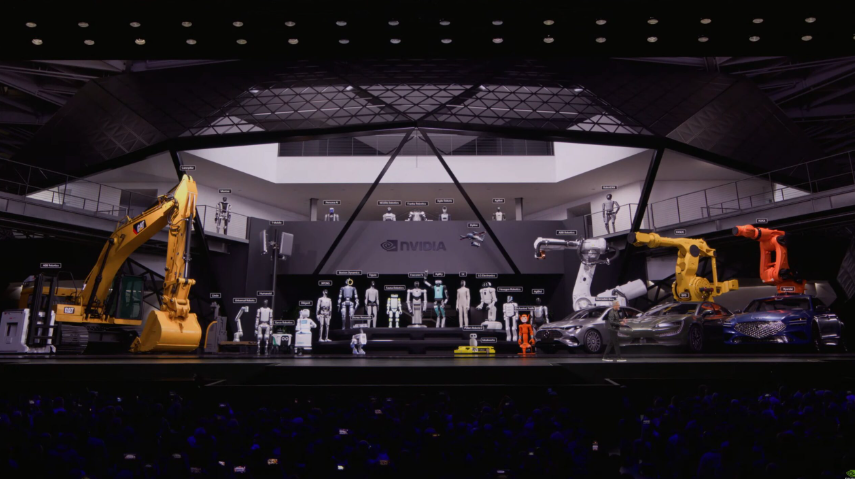
GTC 2026: NVIDIA Aims to Transform Robotics Data Challenges into Computational Solutions
At the GTC 2026 conference, NVIDIA unveiled its latest innovation in robotics, the Olaf robot, highlighting its commitment to 'Physical AI'. This initiative seeks to revolutionize the way data is collected for robotic development by shifting from costly real-world data acquisition to the use of simulation and synthetic data generation. By leveraging these advanced techniques, NVIDIA aims to enhance the creation of intelligent robots that can be applied across multiple industries, thereby streamlining processes and reducing expenses associated with traditional data collection methods.
Robotics Artificial Intelligence Simulation Technology Industrial Automation
Moore Threads and Guangyun Intelligence Partner to Build Domestic Physical AI Foundation with Sovereign Compute and Simulation
Moore Threads and Guangyun Intelligence have announced a strategic partnership aimed at developing a high-confidence synthetic data solution tailored for embodied artificial intelligence. This collaboration will leverage Moore Threads' advanced domestic GPU computing capabilities alongside Guangyun's proprietary simulation platform. The initiative is expected to enhance the effectiveness and reliability of AI systems by providing robust synthetic data, which is crucial for training and improving AI models. The partnership marks a significant step in the evolution of AI technology, reflecting the growing importance of synthetic data in the field.
AI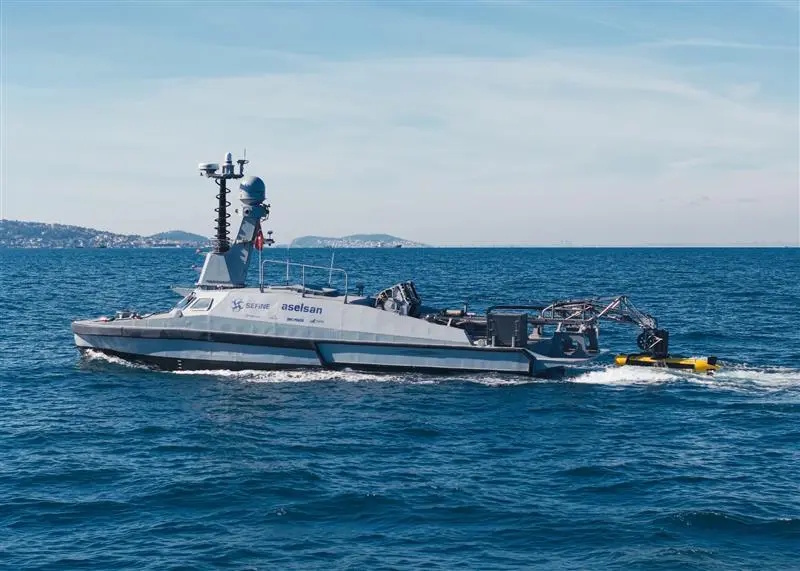
Kraken Robotics Demonstrates KATFISH Autonomous Launch and Recovery from SEFINE USV
Kraken Robotics has successfully integrated and demonstrated its KATFISH towed synthetic aperture sonar system along with an autonomous launch and recovery system (LARS) aboard SEFINE’s RD-22 unmanned surface vessel (USV). This significant event occurred in the first quarter of 2026 off the coast of İstanbul, Türkiye. The collaboration with SEFINE SISAM, the Strategic Unmanned Systems Research Center, highlights the advancements in maritime technology and aims to enhance operational capabilities in underwater exploration and surveillance. The integration of these systems marks a notable achievement in the field of unmanned maritime operations, showcasing Kraken Robotics' commitment to innovation and collaboration in the industry.
kraken robotics katfish autonomous launch and recovery sefine usv
Training Driving AI at 50,000× Real Time
General Motors (GM) is advancing its autonomous driving technology by addressing the complex challenges associated with unpredictable road scenarios, known as the "long tail." This initiative is crucial as GM aims to achieve fully autonomous vehicles capable of navigating diverse environments safely. The company employs a combination of large-scale simulations, reinforcement learning, and advanced AI models, such as Vision Language Action (VLA), to enhance the decision-making capabilities of its autonomous systems. To prepare for rare and unexpected driving situations, GM conducts millions of high-fidelity simulations that replicate real-world conditions. These simulations allow engineers to test the vehicles against hazardous scenarios that would be difficult to encounter safely in reality. Additionally, GM utilizes innovative techniques like “Seed-to-Seed Translation” to generate synthetic training data, enabling the modeling of extreme weather conditions and traffic scenarios. The development process also incorporates a unique dual-frequency model that balances high-level decision-making with immediate vehicle control, ensuring quick responses to dynamic road conditions. Furthermore, GM's approach includes adversarial testing to identify potential safety risks by challenging the AI's perception capabilities. As GM continues to refine its autonomous driving technology, the company is focused on creating an ecosystem that integrates various learning methods and addresses the critical edge cases that will determine the readiness of autonomous vehicles for widespread deployment. This comprehensive strategy aims to enhance safety and reliability, paving the way for a future where autonomous driving can operate without human intervention.
Autonomous-vehicles Self-driving-cars Gm
Kongsberg Discovery launches HISAS2020 as standalone solution, setting a new standard in ultra-high-resolution underwater imaging
Kongsberg Discovery has launched the HISAS2020 synthetic aperture sonar, making one of the world’s most advanced underwater imaging technologies accessible to the market. This innovative sonar system is designed to enhance underwater exploration and mapping capabilities, providing users with high-resolution imagery that can significantly improve marine research, resource management, and environmental monitoring. The launch, which took place today, aims to meet the growing demand for sophisticated underwater imaging solutions across various sectors, including defense, oil and gas, and scientific research. By leveraging cutting-edge technology, Kongsberg Discovery seeks to empower organizations with the tools necessary for more effective underwater analysis and decision-making.
kongsberg
Artificial tendons give muscle-powered robots a boost
Engineers at the Massachusetts Institute of Technology (MIT) have unveiled an innovative design that has the potential to enhance various biohybrid systems. This groundbreaking development, announced recently, aims to improve the functionality and efficiency of biohybrids, which combine biological and synthetic components for applications in fields such as robotics and medicine. The motivation behind this research stems from the growing need for advanced technologies that can mimic natural processes and improve interaction with living organisms. By integrating new materials and engineering techniques, the team at MIT has created a design that could significantly advance the capabilities of biohybrid builds, paving the way for more sophisticated applications in the future.
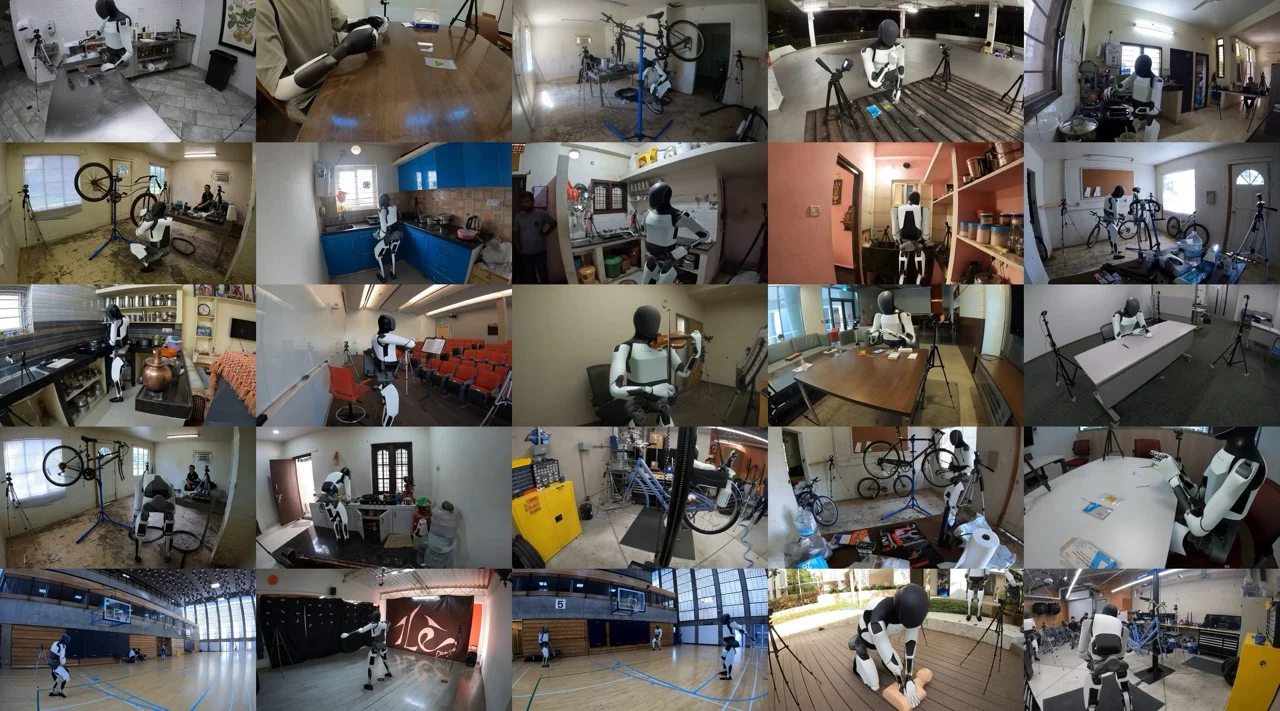
Research Spotlight: X-Humanoid ‘Robotizes’ Human Videos to Train the Next Generation of Androids
Researchers at the National University of Singapore have unveiled an innovative generative video pipeline designed to transform third-person footage of human activities into synthetic training data for humanoid robots. This groundbreaking development aims to address the embodiment gap in robotics, enabling more effective training of robots by providing them with diverse and realistic scenarios. The project, which leverages advanced video synthesis techniques, represents a significant advancement in the field of robotics and artificial intelligence. By creating a scalable solution for generating training data, the researchers hope to enhance the capabilities of humanoid robots, making them more adept at understanding and interacting with the world around them.
Data Collection embodied-ai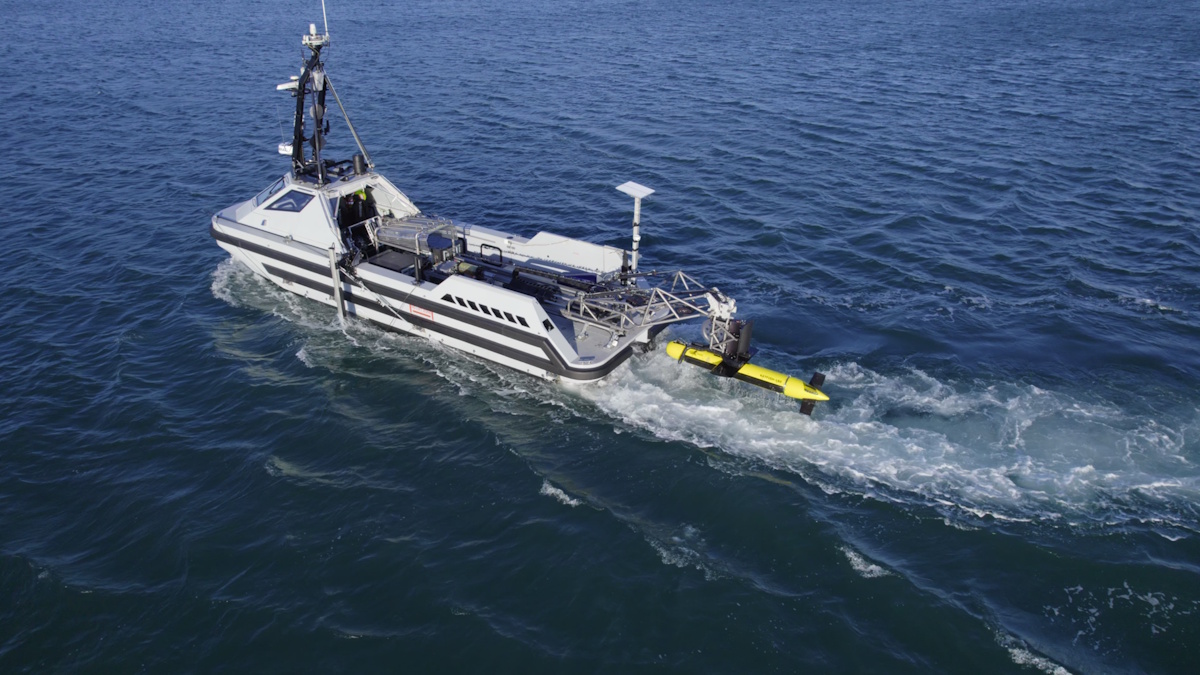
Kraken Robotics and TKMS ATLAS UK Demonstrate KATFISH USV Launch and Recovery System on an in-service UK Royal Navy ARCIMS USV
Kraken Robotics has successfully demonstrated its KATFISH Unmanned Surface Vessel Launch and Recovery System (USV-LARS) aboard TKMS ATLAS UK's 11-meter ARCIMS Unmanned Surface Vehicle (USV). This demonstration highlights a significant advancement in maritime security technology, as the integrated systems deliver a comprehensive autonomous survey solution tailored for mine countermeasure operations and the inspection of critical underwater infrastructure. Notably, the collaboration between ARCIMS and KATFISH USV-LARS marks the introduction of the industry's first air-deployable, 300-meter depth-rated autonomous towed Synthetic Aperture Sonar (SAS) survey system. This innovation aims to enhance operational efficiency and safety in maritime missions.
kraken robotics tkms atlas uk katfish usv launch and recovery system uk royal navy arcims usv
Kraken Robotics Appoints BlueZone Group as Sales Representative for Australia and New Zealand
Kraken Robotics has appointed BlueZone Group as an authorized reseller for its Synthetic Aperture Sonar (SAS) technology and the KATFISH towed SAS platform in Australia and New Zealand. This partnership, announced recently, aims to enhance Kraken's market presence in the region by leveraging BlueZone Group's established network and expertise in marine technology. The collaboration is expected to provide local customers with access to advanced underwater imaging solutions, improving capabilities in marine exploration and monitoring. By aligning with BlueZone Group, Kraken Robotics seeks to expand its reach and support the growing demand for innovative sonar systems in the Australian and New Zealand markets.
kraken robotics bluezone group royal australian navy (ran)
XPeng unveils new IRON humanoid robot with full-solid-state battery and AI brain
At the 2025 XPeng Tech Day, Chinese electric vehicle manufacturer XPeng introduced its latest innovation, the IRON humanoid robot, which it claims to be the most human-like robot to date. The IRON robot is designed with an advanced bionic structure that mimics human anatomy, featuring a flexible spine, synthetic muscles, and soft full-body skin. Its hands boast 22 degrees of freedom, allowing for intricate movements. This unveiling marks a significant step in robotics, showcasing XPeng's commitment to integrating advanced technology into everyday life. The event highlights the company's vision to enhance human-robot interaction and push the boundaries of artificial intelligence and robotics.
News Feed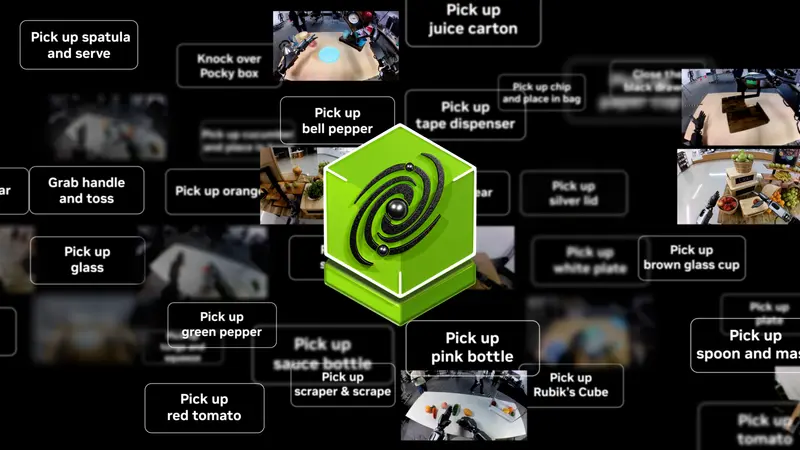
NVIDIA Advances Humanoid AI with GR00T N1.5, Eyeing a Future of Simulated Realities
NVIDIA has introduced its latest innovation, the Isaac GR00T N1.5, along with advanced simulation tools aimed at enhancing the learning capabilities of humanoid robots. This announcement, made during a recent tech conference, highlights the company's commitment to addressing the challenges associated with the 'Physical Turing Test' through the use of synthetic data generation. By leveraging these new tools, NVIDIA aims to improve the performance and adaptability of robots in real-world scenarios. The initiative reflects the growing demand for more sophisticated robotic systems that can seamlessly interact with their environments, ultimately pushing the boundaries of artificial intelligence and robotics.
NVIDIA GR00T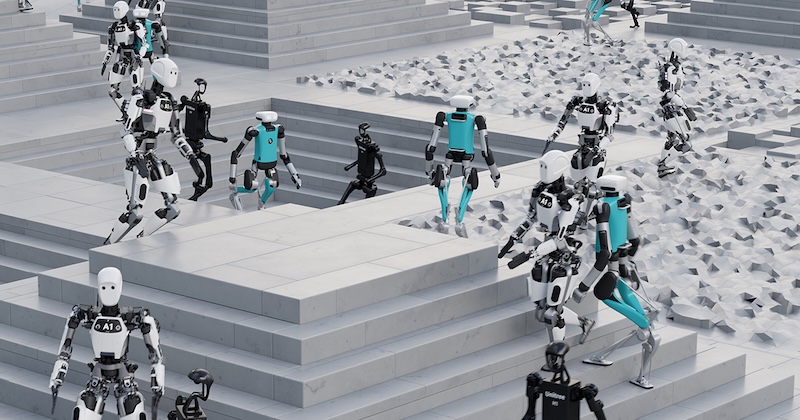
Interview with Columbia professor and co-founder of SceniX Yunzhu Li: ‘Simulation is central’
The robotics industry is currently experiencing a significant influx of investment and media coverage, driven by ambitious projections regarding the future of humanoid machines. Numerous companies have unveiled plans to produce thousands of robots, leveraging recent advancements in artificial intelligence that have heightened expectations for the integration of general-purpose robots into various environments, including factories, warehouses, workplaces, and homes. This surge in interest reflects a growing belief that robots could soon become a standard presence in everyday life. However, amidst the enthusiasm, there are underlying challenges and considerations that the industry must address to realize these ambitious goals.
Artificial Intelligence Features Robotics ai robotics artificial intelligence automation news
Why robotics can’t advance without physical AI
Recent advancements in robotics are shifting focus from enhancing processors and mechanical designs to improving data quality, particularly through realistic training environments. This emerging field, known as Physical AI, emphasizes the creation of 3D assets and simulation environments that incorporate genuine physical properties. By accurately mimicking real-world behaviors, these simulations aim to enhance the training of robotic systems, enabling them to perform more effectively in various applications. As researchers and developers prioritize realistic data over traditional methods, the potential for breakthroughs in robotic capabilities is becoming increasingly evident. This evolution in robotics is expected to redefine how machines interact with their environments, paving the way for more sophisticated and adaptable technologies.
Artificial Intelligence Robotics ai robotics automation news Autonomous robots digital twinsRobotics needs a service framework.
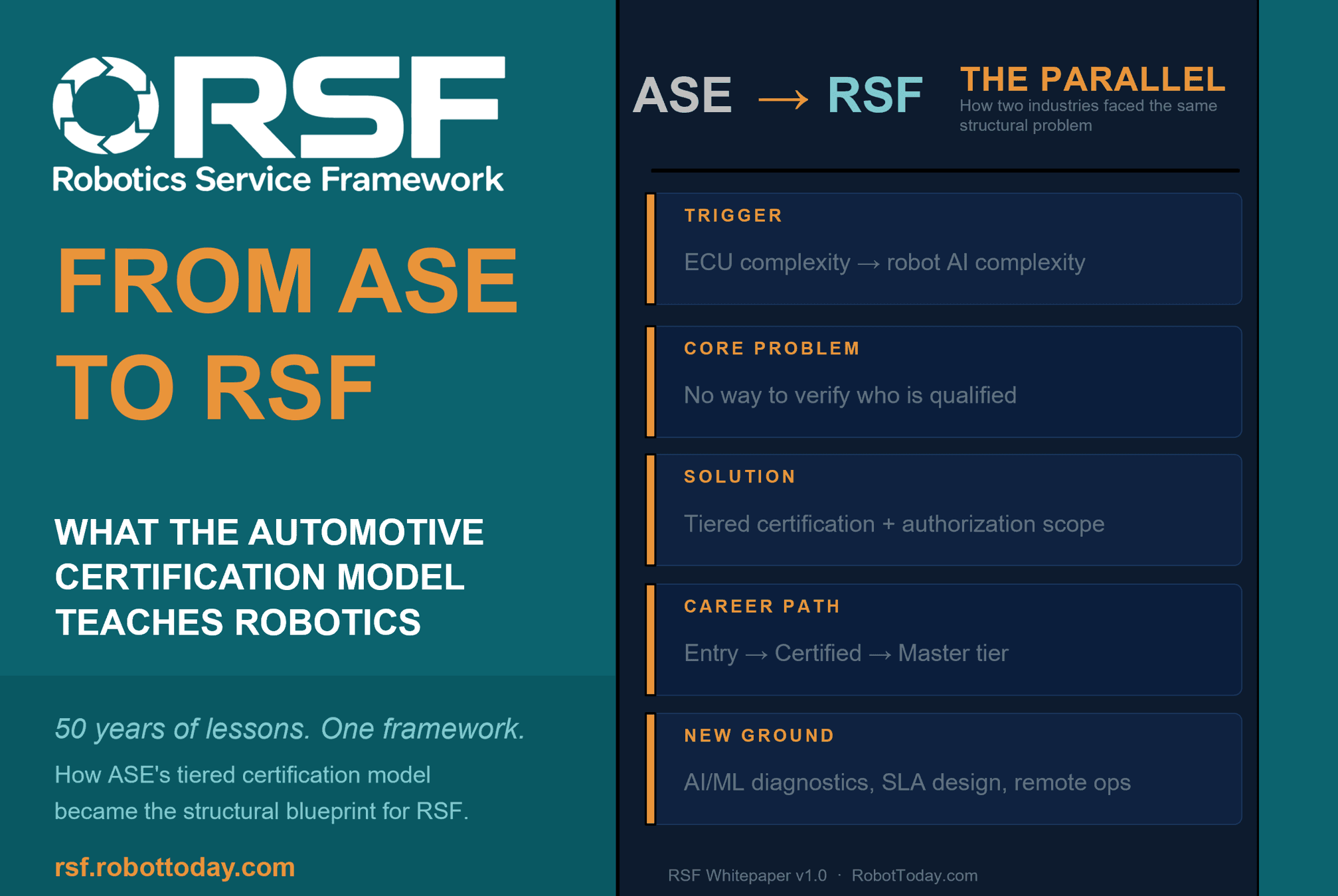
RSF defines a common language for robot service capability, lifecycle operations, certification pathways, and service-provider networks.