Industry Briefing
A single destination for timely, editor-curated robotics news from around the world.
Benchmarking Your Development System for Effective Robotics Simulations
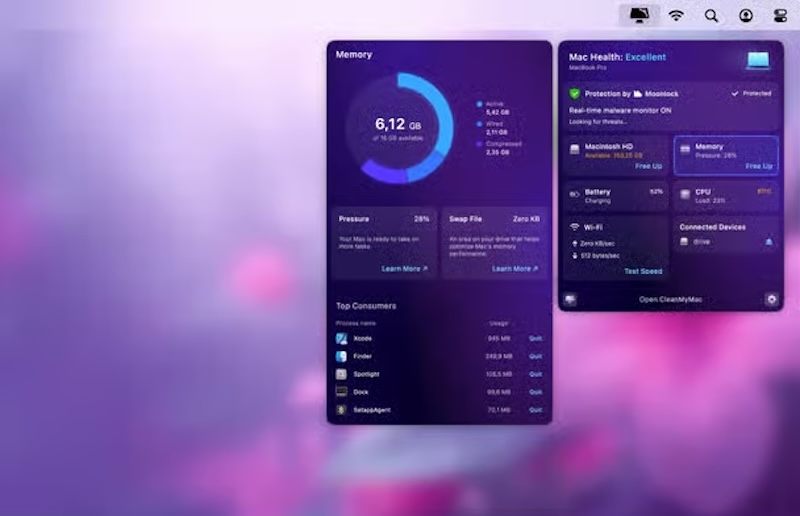
The development of robotics begins long before physical assembly, relying heavily on simulations to validate designs and refine algorithms. These simulations demand significant computational resources, making system benchmarking crucial to identify hardware limitations early in the process. By measuring workstation performance under demanding workloads, engineers can establish a performance baseline that aids in spotting potential bottlenecks. Understanding how different hardware components affect simulation performance is essential for robotics development. Whether using macOS, Windows, or Linux, benchmarking helps determine if slowdowns are due to software changes or hardware limitations. Key components such as the processor, graphics card, memory, and storage play varying roles in performance, and the weakest link can dictate the overall experience. As robotics projects grow in complexity, the need for robust hardware becomes increasingly important. Engineers should focus on comprehensive benchmarking to ensure their systems can handle the demands of their simulations. No further timeline was disclosed at the time of publication.
Components Robot simulation ABB RobotStudio automation cpu delmia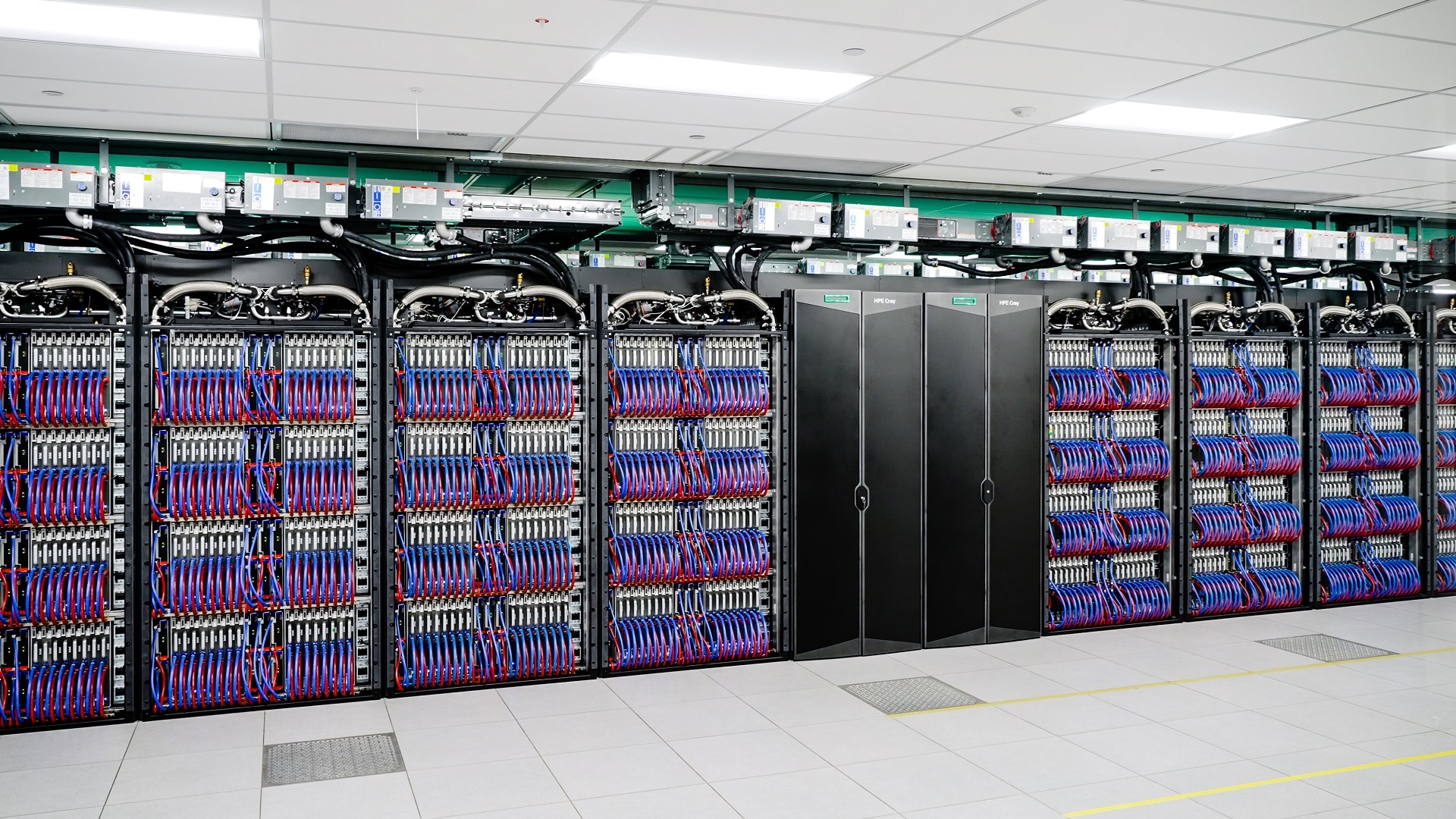
Argonne National Laboratory launches ChemGraph framework for automated chemistry simulations
Researchers at Argonne National Laboratory have introduced ChemGraph, an open-source framework that automates complex computational chemistry simulations using AI agents. Built on the Aurora exascale supercomputer, ChemGraph simplifies the simulation process by allowing users to describe scientific problems in plain language, which the system then translates into computational tasks. This innovation aims to enhance research in materials science, battery design, and combustion systems by streamlining workflows and reducing the need for specialized expertise. The significance of ChemGraph lies in its ability to combine large language models with agent-based automation, enabling researchers to conduct simulations without manually navigating every technical step. By distributing tasks among AI agents, the framework enhances efficiency and reduces costs associated with computational resources. This approach not only improves the accuracy of simulations but also allows for the integration of various scientific software and libraries, ensuring that results are physics-based rather than solely reliant on language model outputs. Looking ahead, ChemGraph's open-source nature has already led to adaptations for other applications, such as X-ray absorption spectroscopy and high-throughput materials screening. The research team envisions further educational applications, providing a platform for professors to teach advanced computational techniques while simplifying the exploration of research questions for students. No further timeline was disclosed at the time of publication.
AI and Robotics
Synthium Develops Human-in-the-Loop Simulations for Humanoid AI Models
Synthium is advancing humanoid AI by operating human-in-the-loop simulations that generate essential motion, voice, and reasoning data. This innovative approach allows for more realistic and effective decision-making processes in embodied AI systems. The significance of Synthium's work lies in its potential to enhance the capabilities of humanoid robots, making them more adept at interacting with humans and performing complex tasks. By integrating human feedback into the simulation process, Synthium aims to create AI models that better understand and respond to human behavior. Looking ahead, the development of these simulations could lead to breakthroughs in how humanoid robots are deployed in various sectors. No further timeline was disclosed at the time of publication.
Artificial Intelligence Robotics Startups Nicolas Duval Startup spotlight Synthium
China's Robots Learning Human Skills Through Real-World Simulations
In a discreet industrial park in suburban Beijing, a humanoid robot is meticulously stacking bags of chips on a shelf. Nearby, workers are filming their actions of folding sheets and handling cushions, which will serve as 'textbooks' for the robots. China is undertaking a significant initiative to transition robots from laboratories to simulated environments like supermarkets, factories, and homes to learn human skills, and the scale of this 'internship' is rapidly expanding. This initiative is crucial as robots need to understand the physical world's rules, such as how to hold an egg without breaking it or catch a cup of water before it slips off a tray. Unlike the U.S., which relies on data purchasing and low-cost data collection in countries like India and Vietnam, China has established at least 64 data collection and training centers nationwide, with over 20 more under construction. At the Beijing Humanoid Robot Innovation Center, more than 120 robots are being trained across 30 scenarios in six major sectors, forming a comprehensive 'robot training network' across the country. As hardware advancements continue, Chinese robotics companies are focusing on enhancing their AI capabilities. Yushu Technology is preparing for an IPO, pledging nearly half of its $610 million fundraising to AI model development. By mid-2026, funding in China's embodied intelligence sector has already exceeded 90 billion yuan, five times that of the previous year. With plans to deploy over 1,000 humanoid robots in factories this year and more than 10,000 by 2027, China is leveraging its organizational capabilities to collect data at scale, positioning itself advantageously in the race towards general intelligence.
Humanoid Robots AI Robotics Training Data Collection Automation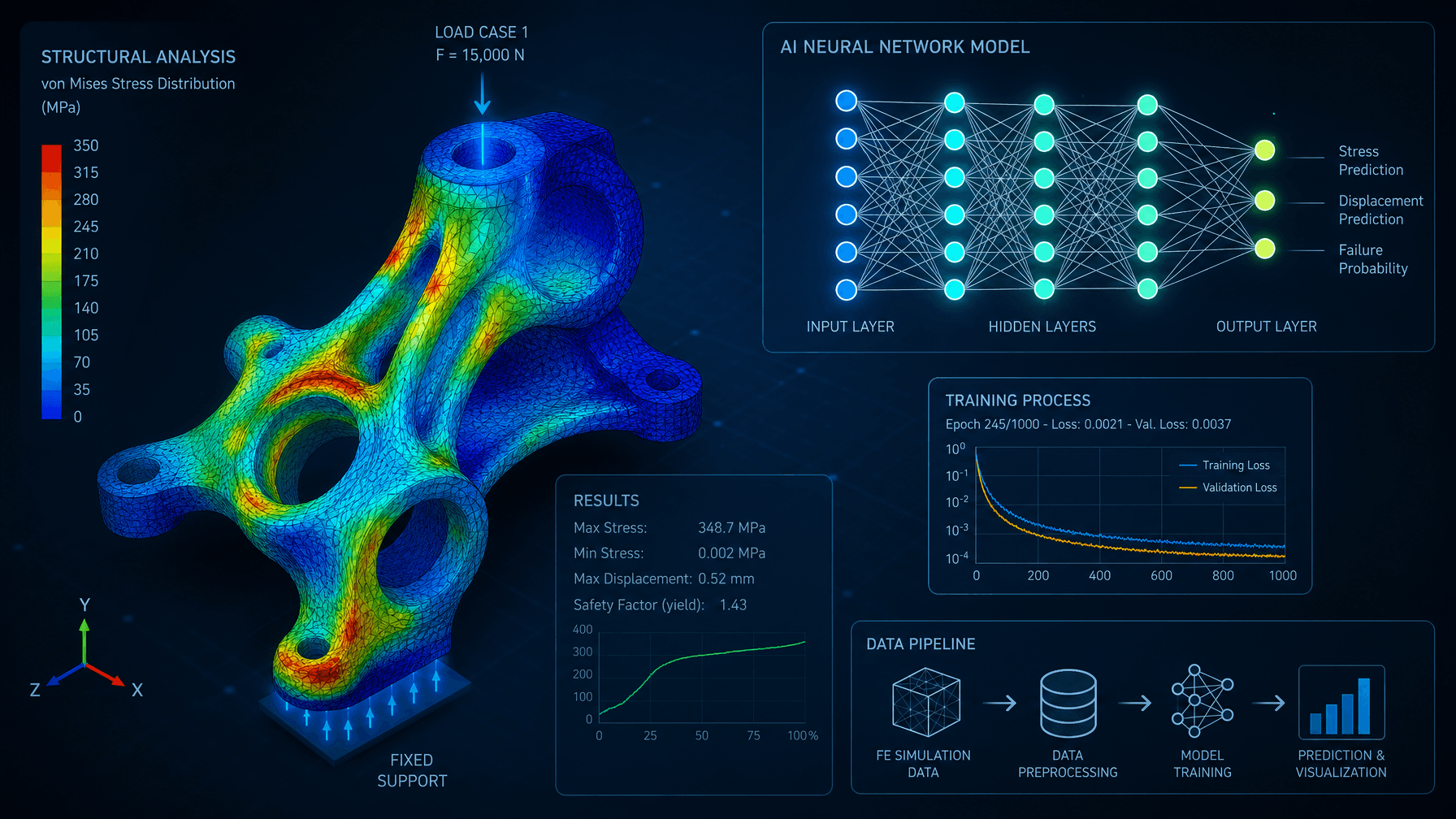
Jiying Technology Launches First Zero-Shot Generalizable Physics Model for Engineering Simulations
Jiying Technology has unveiled its Jiying 2.0 physics foundation model, which is capable of zero-shot generalization across various geometries, materials, and boundary conditions. This model represents a significant advancement in physics AI, particularly for engineering simulations, and was announced in October 2023. The introduction of the Jiying 2.0 model is crucial as it allows engineers to simulate complex physical scenarios without the need for extensive retraining on specific datasets. This capability can enhance efficiency and reduce the time required for simulations, making it a valuable tool in engineering design and analysis. Looking ahead, industry professionals will be keen to observe how the adoption of the Jiying 2.0 model influences engineering practices and simulation accuracy. No further timeline was disclosed at the time of publication regarding additional features or updates to the model.
Technology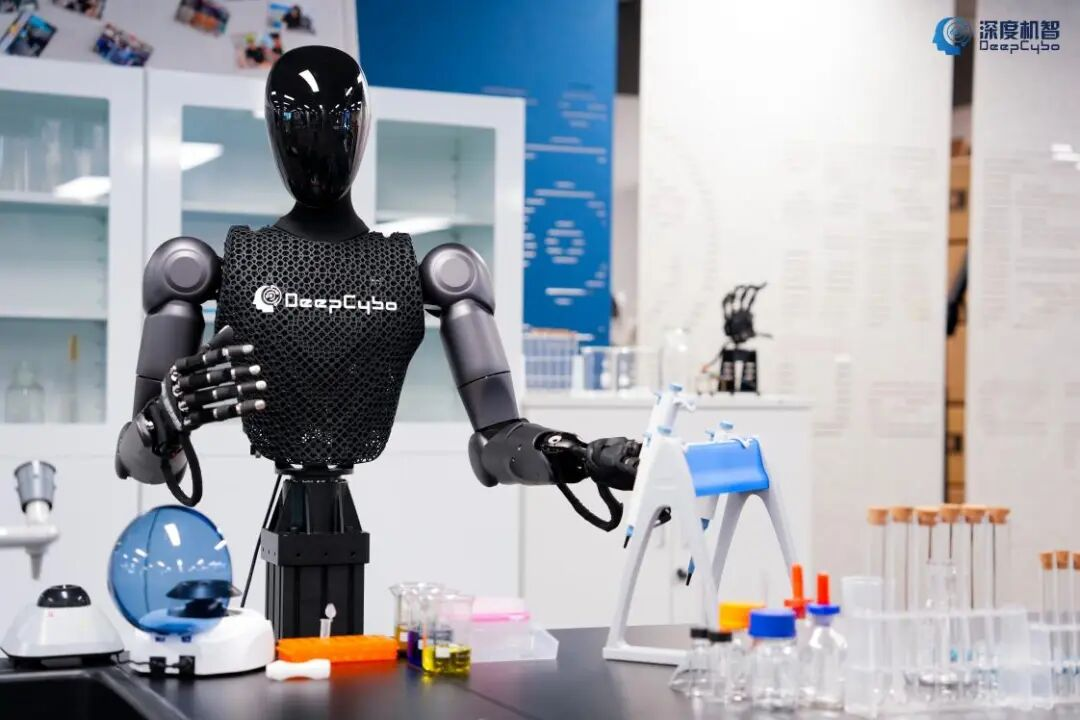
"Not Competing with Real Machines, Not Stacking Simulations: Deep Intelligence Relies on 'Human Learning' to Secure Hundreds of Millions in Financing"
Deep Intelligence, a company focused on advancing artificial intelligence through human learning methodologies, has secured hundreds of millions in financing. This significant funding round, announced recently, highlights the growing interest in AI technologies that prioritize human-like learning processes over traditional machine simulations. The investment aims to enhance Deep Intelligence's research and development efforts, positioning the company as a leader in the AI sector. By leveraging insights from human cognition, Deep Intelligence seeks to create more intuitive and effective AI systems. The financing comes at a time when the demand for innovative AI solutions is surging, driven by various industries looking to integrate smarter technologies into their operations.
Robotics Automation AI
Quantum simulations that once needed supercomputers now run on laptops
Researchers at the University at Buffalo have developed a groundbreaking method that allows for the simulation of complex quantum systems without the need for supercomputers. By enhancing the truncated Wigner approximation, the team has created a more accessible and efficient approach to modeling quantum behavior, translating intricate equations into a format that can be executed on standard computers. This innovation could significantly change the landscape of quantum physics, enabling physicists to explore quantum phenomena more effectively and broaden their research capabilities.
Robotics needs a service framework.
RSF defines a common language for robot service capability, lifecycle operations, certification pathways, and service-provider networks.
Join the RobotToday community on LinkedIn
Daily robotics news, in-depth analysis, conference highlights, and discussions with professionals worldwide.