

Industry Briefing
A single destination for timely, editor-curated robotics news from around the world.
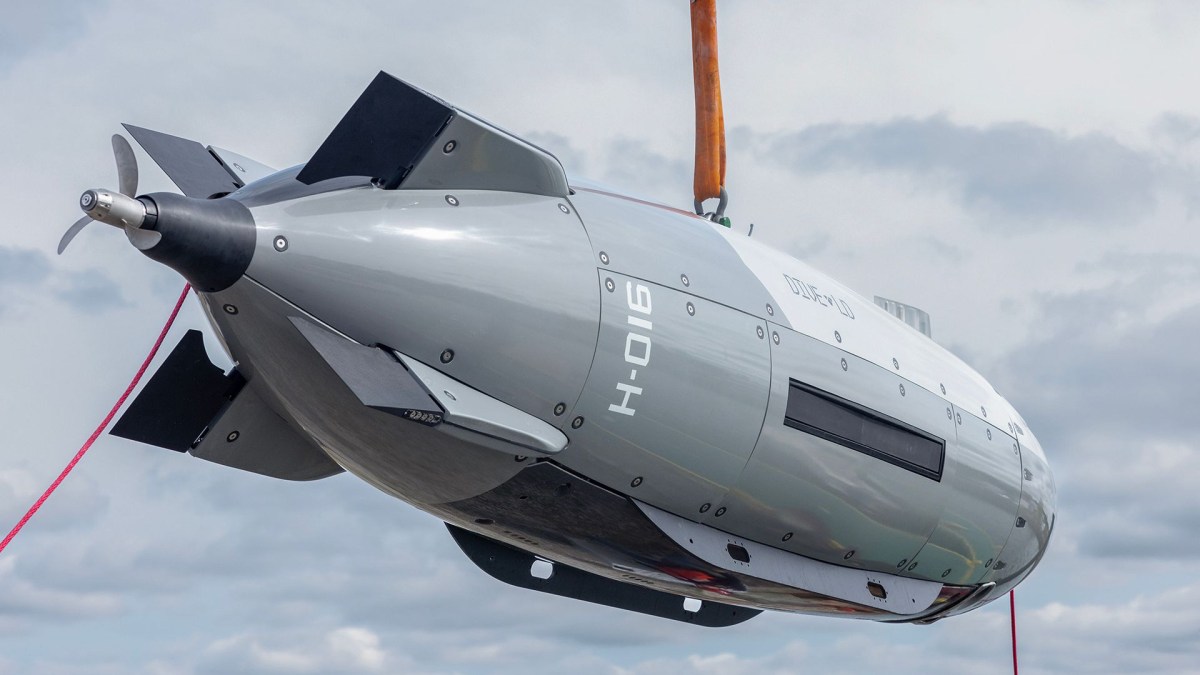
U.S. Navy's Dive-LD Drone Captured by Iran: Key Details and Implications
The U.S. Navy has lost a Dive-LD uncrewed underwater vehicle (UUV) to Iran, which claims to have retrieved it intact near the Strait of Hormuz. This incident marks the first known operational deployment of the Dive-LD, a relatively new capability for the Navy that began service over a year ago. The significance of this event lies in the ongoing tensions in the Strait of Hormuz, a critical maritime route. U.S. officials have confirmed the use of UUVs to assist in keeping the strait free of Iranian naval mines, which have impeded maritime traffic. The Iranian regime's announcement of the capture highlights the potential risks associated with U.S. military operations in the region. Looking ahead, the exact circumstances of the UUV's malfunction and subsequent capture remain unclear. No further timeline was disclosed at the time of publication. The U.S. Navy continues its operations in the area, and the implications of this incident for future UUV deployments and regional security will be closely monitored.
Sea Around The Globe Iran Middle East Navies News & Features
Cybersecurity Risks Emerge from Chinese Components in Royal Navy's Kraken USVs
Recent reports indicate that Chinese-made components in the cameras of the U.K. Royal Navy's Kraken Unmanned Surface Vessels (USVs) were transmitting data to a device in China. The U.K. Ministry of Defense confirmed the issue, which arose during a routine cyber vulnerability assessment, prompting the removal of internet connectivity from the affected cameras. This situation underscores significant cybersecurity risks associated with military supply chain vulnerabilities, particularly concerning Beijing's potential access to sensitive Western defense technology. The Kraken K3 Scout USVs, valued at approximately $16.2 million, were introduced into Royal Navy service in March and are utilized by the Coastal Forces Squadron and 47 Commando of the Royal Marines. Looking ahead, the Royal Navy's USVs are expected to be deployed to the Persian Gulf to support U.K. special forces in securing navigation in the Strait of Hormuz. The Ministry of Defense has stated that it prioritizes national security and is committed to ongoing security assessments to mitigate vulnerabilities in its systems and equipment. No further timeline was disclosed at the time of publication.
Sea Espionage Navies News & Features Royal Navy Unmanned Surface Vessels (USVs)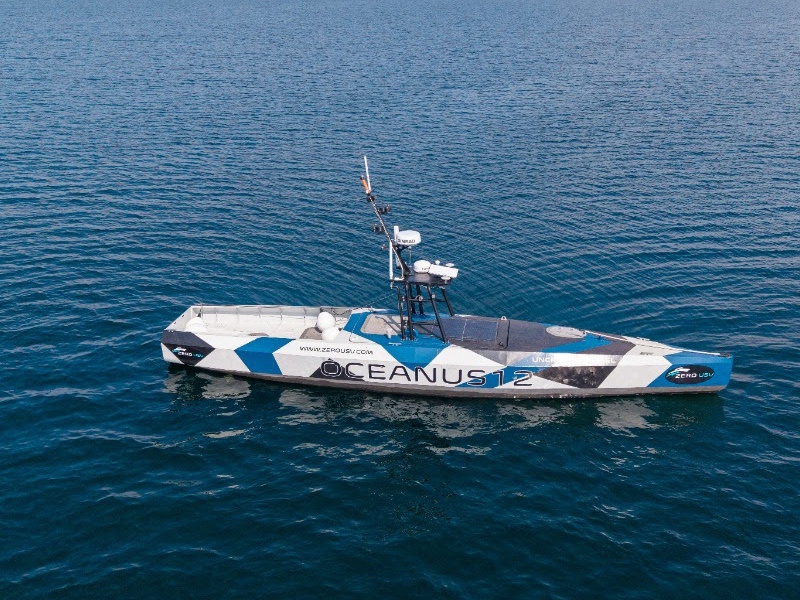
ZeroUSV Showcases Oceanus12 Uncrewed Surface Vessel to Royal Danish Navy
ZeroUSV recently showcased its Oceanus12 uncrewed surface vessel (USV) to the Royal Danish Navy in a demonstration held two hours northwest of Copenhagen, Denmark. This event was part of a competitive selection process by Danish Defence, aimed at evaluating the capabilities of the Oceanus12 USV over two days. The demonstrations highlighted the ease of mobilization and logistics involved in deploying the Oceanus12, showcasing its modular payload capabilities for various defense and security missions. Matthew Ratsey, Managing Director of ZeroUSV, expressed pride in being selected to demonstrate the platform, emphasizing its technological maturity and versatility for different mission roles. These demonstrations are part of ZeroUSV's ongoing international engagement efforts as the company seeks to expand its uncrewed maritime capabilities within allied defense markets. No further timeline was disclosed at the time of publication.
zerousv demo oceanus12 royal danish navy usv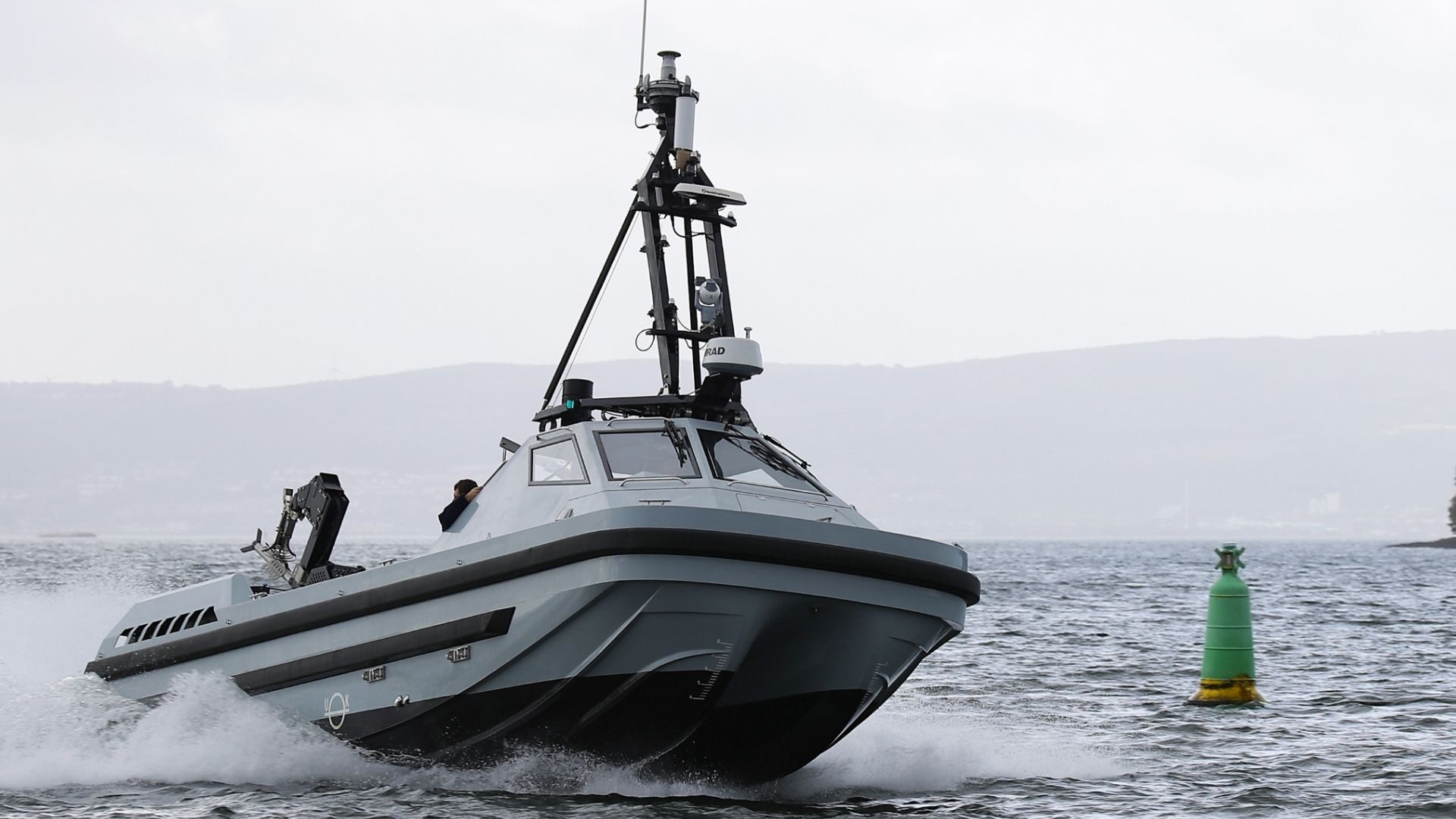
US Navy Demonstrates Robotic Refueling System for Unmanned Vessels at Sea
The US Navy has successfully showcased a robotic system capable of capturing, refueling, and releasing an unmanned surface vessel (USV) at sea. This demonstration, led by the Naval Air Warfare Center Weapons Division, took place off Joint Expeditionary Base Little Creek-Fort Story, Virginia, and involved the T38 USV and a towable refueling system. This innovative capability is significant as it allows USVs to remain deployed for extended missions without the need to return to port for fuel. By reducing the frequency of refueling stops, the Navy can enhance sensor coverage during operations and decrease reliance on crewed support vessels, which is crucial for ongoing testing and operational efficiency. Looking ahead, the robotic refueling system is expected to support the Blue Water Instrumentation program, particularly in trials related to hypersonic systems and precision long-range fires. No further timeline was disclosed at the time of publication.
Innovation Military Science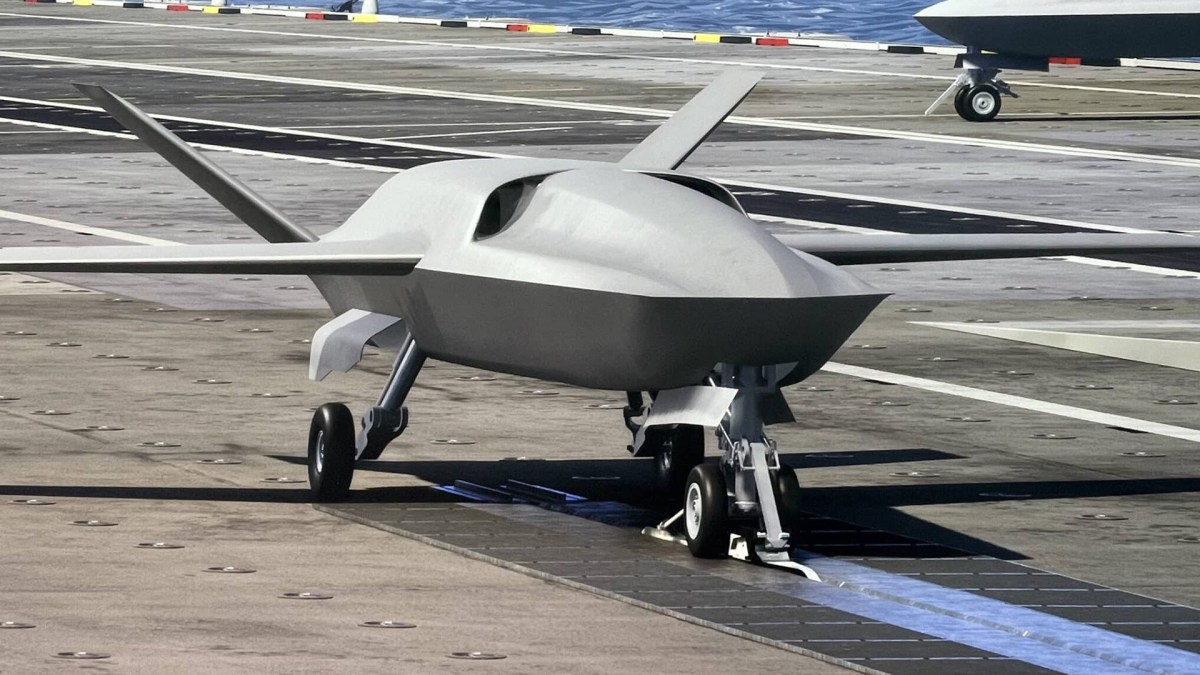
U.S. Navy Seeks 1,000 Nautical Mile Range for Future Carrier-Based Drones
The U.S. Navy is planning to develop carrier-based uncrewed aircraft capable of striking enemy targets at least 1,000 nautical miles away without mid-air refueling. This initiative is part of a broader request for information (RFI) issued by Naval Air Systems Command (NAVAIR) regarding the Air Wing of the Future (AWOTF) family of systems. This capability is crucial as adversary anti-access/area denial strategies evolve, necessitating that carrier air wings operate from greater distances. The Navy's focus on uncrewed systems aims to enhance combat effectiveness over existing platforms while ensuring compatibility with Nimitz and Ford class carriers. Future developments will likely include vertical takeoff and landing drones for use on destroyers, as well as integration with existing U.S. Navy Unmanned Carrier Aviation control systems. No further timeline was disclosed at the time of publication.
Air Carriers Collaborative Combat Aircraft Drones Navies News & Features
First Bluebottle Hull Christened as Part of Royal Australian Navy's Program of Record
Ocius Technology has achieved a significant milestone in the Royal Australian Navy's $176 million Bluebottle Program with the ceremonial christening of the first uncrewed surface vessel (USV) hull. This event, which took place following the contract announcement in March, marks the initial delivery under the program aimed at enhancing naval capabilities. The Bluebottle USVs are designed to support various maritime operations, reflecting the Navy's commitment to modernizing its fleet and improving operational efficiency. The successful christening underscores Ocius Technology's role in advancing innovative maritime solutions for the Australian defense sector.
bluebottle usv hull christening ocius royal australian navy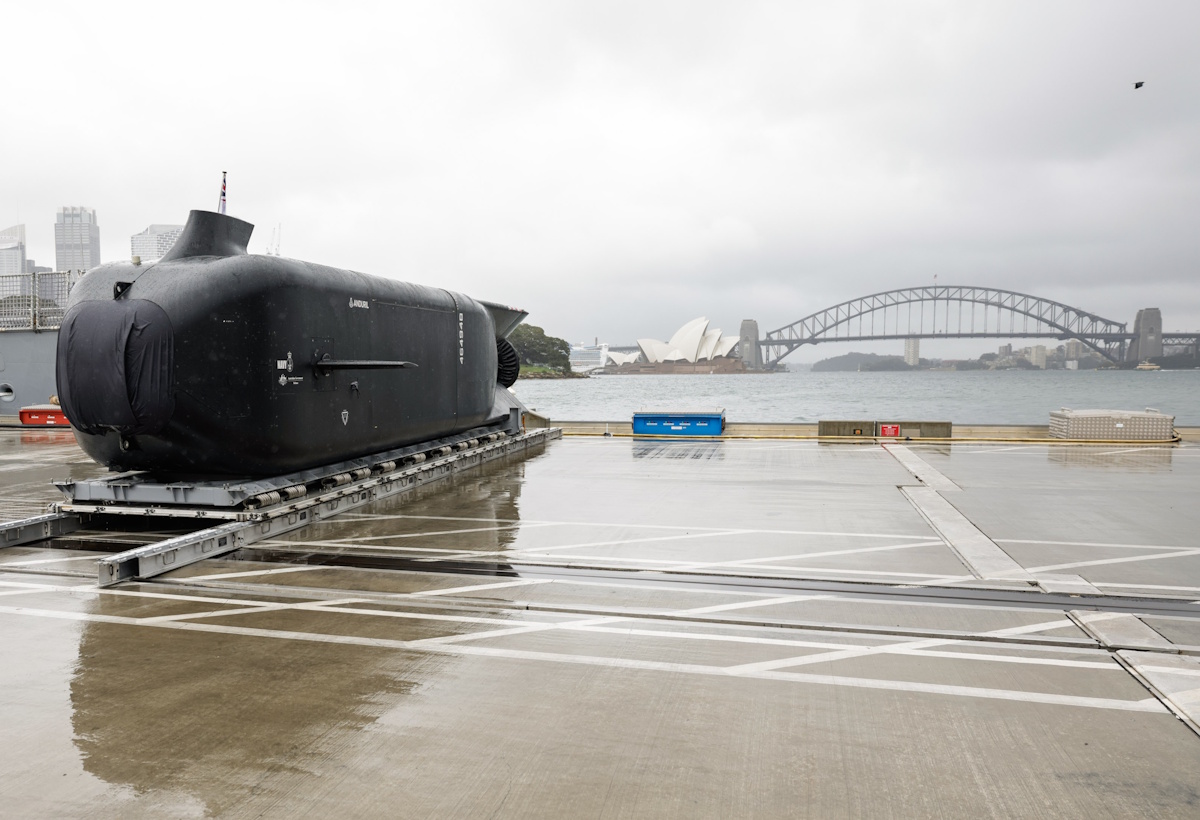
Equipping the Royal Australian Navy with Next Generation Autonomous Undersea Vehicles
The Albanese Government has announced a significant investment of $1.7 billion to enhance the capabilities of the Royal Australian Navy by acquiring a new fleet of Australian-designed and built extra-large autonomous undersea vehicles, referred to as the Ghost Shark. This initiative aims to bolster national security and maritime defense, reflecting the government's commitment to modernizing the Navy's operational assets. The acquisition is part of a broader strategy to strengthen Australia’s defense capabilities in response to evolving regional threats. The Ghost Shark vehicles are expected to play a crucial role in underwater surveillance and reconnaissance missions, thereby improving the Navy's effectiveness in safeguarding Australia's maritime interests. The investment underscores the government's focus on advancing domestic defense manufacturing and technological innovation.
royal australian navy (ran) autonomous undersea vehicles
Royal Australian Air Force Achieves Key Milestones in Air Surveillance Capabilities
The Royal Australian Air Force (RAAF) has announced significant advancements in its air surveillance and reconnaissance capabilities. This enhancement comes with the confirmation of key milestones across three crucial aircraft fleets, marking a pivotal moment for Australia's defense operations. These developments are vital as they strengthen Australia's ability to monitor and respond to aerial threats, ensuring national security. The RAAF's progress in upgrading its aircraft fleets underscores the commitment to maintaining a robust defense posture in an increasingly complex geopolitical landscape. Looking ahead, stakeholders will be keen to observe further advancements in the RAAF's capabilities and any additional milestones that may be achieved. No further timeline was disclosed at the time of publication.
News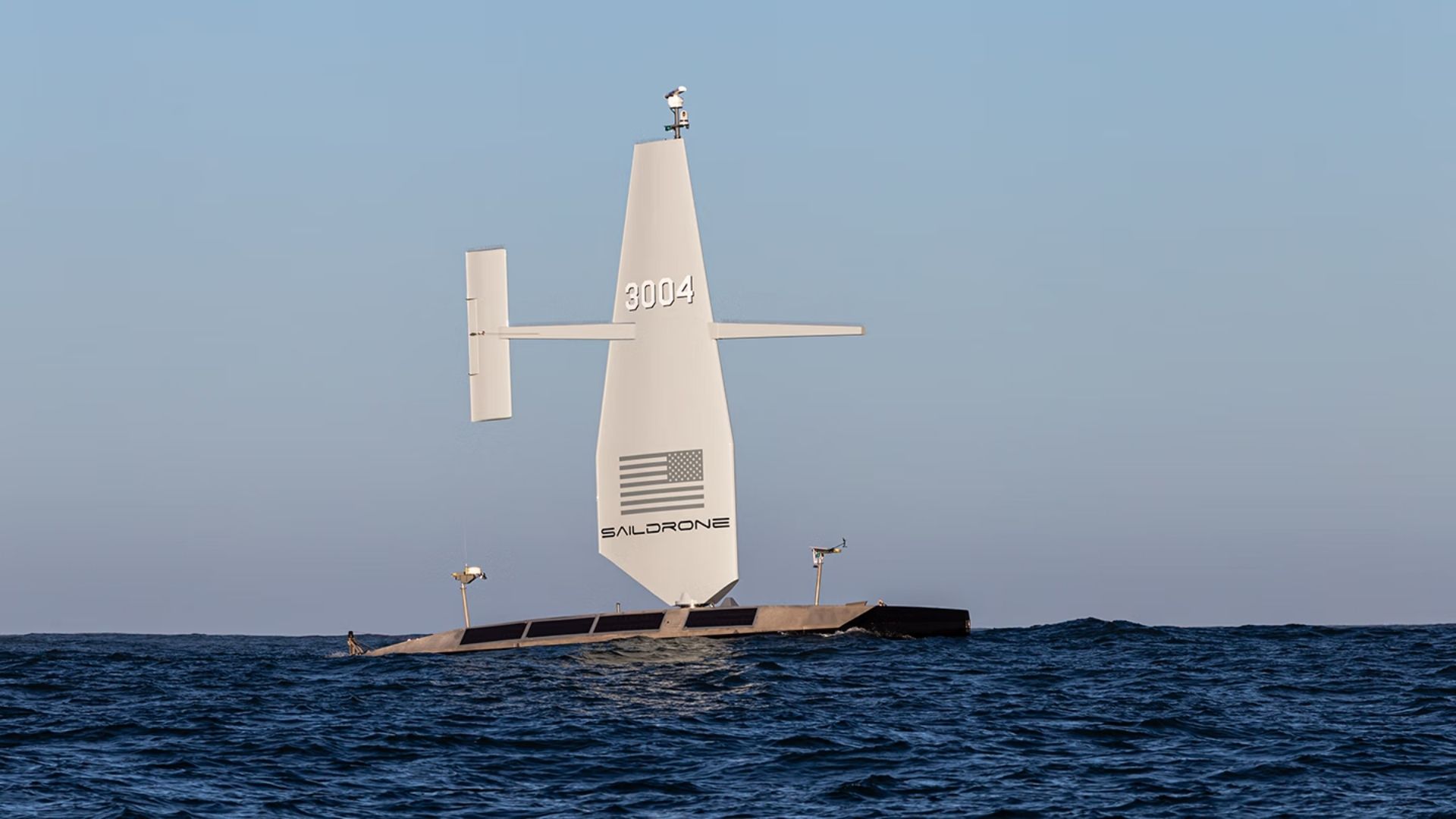
US Navy Awards $10 Million to Saildrone for Atlantic Seabed Mapping with USVs
The US Navy has awarded a $10 million contract to Saildrone to utilize autonomous vessels for mapping the Atlantic Ocean floor. This initiative, assigned by the Naval Oceanographic Office, is set to commence in 2026 and will continue through most of 2027, enhancing military knowledge of critical underwater terrain. This project is significant as it aims to improve safe navigation and support submarine missions, anti-submarine warfare, and critical infrastructure protection. Currently, only 28.7 percent of the world's oceans have been mapped to modern standards, leaving substantial knowledge gaps that can pose operational risks for naval operations. Looking ahead, the deployment of Saildrone's Surveyor unmanned surface vessels will not only provide high-resolution bathymetric data but also measure ocean currents, aiding search-and-recovery operations. No further timeline was disclosed at the time of publication.
Military
Royal Navy Tests Robotic Boat for Autonomous Drone Launching in Maritime Surveillance
The Royal Navy is conducting trials of a robotic boat designed to autonomously launch and recover drones at sea, enhancing uncrewed maritime surveillance capabilities. This initiative, in collaboration with ACUA Ocean and Teledyne FLIR Defense, aims to improve persistent aerial reconnaissance while minimizing risks to personnel. The system integrates an uncrewed surface vessel (USV) with a tethered uncrewed aerial system (T-UAS), allowing for extended surveillance operations. This development is significant as it represents a new approach to maritime surveillance, combining aerial and surface capabilities into a single autonomous system. The SkyCarrier and SkyRanger R70 drones, utilized during the trials, are equipped with advanced AI and imaging technologies, enabling them to perform demanding surveillance missions. The ability to maintain a stable tether connection allows for longer operational durations and continuous power supply, which is crucial for effective surveillance in challenging sea conditions. Looking ahead, the Royal Navy's exploration of this technology could lead to enhanced capabilities in anti-submarine warfare, mine countermeasures, and the protection of critical maritime infrastructure. No further timeline was disclosed at the time of publication.
AI and Robotics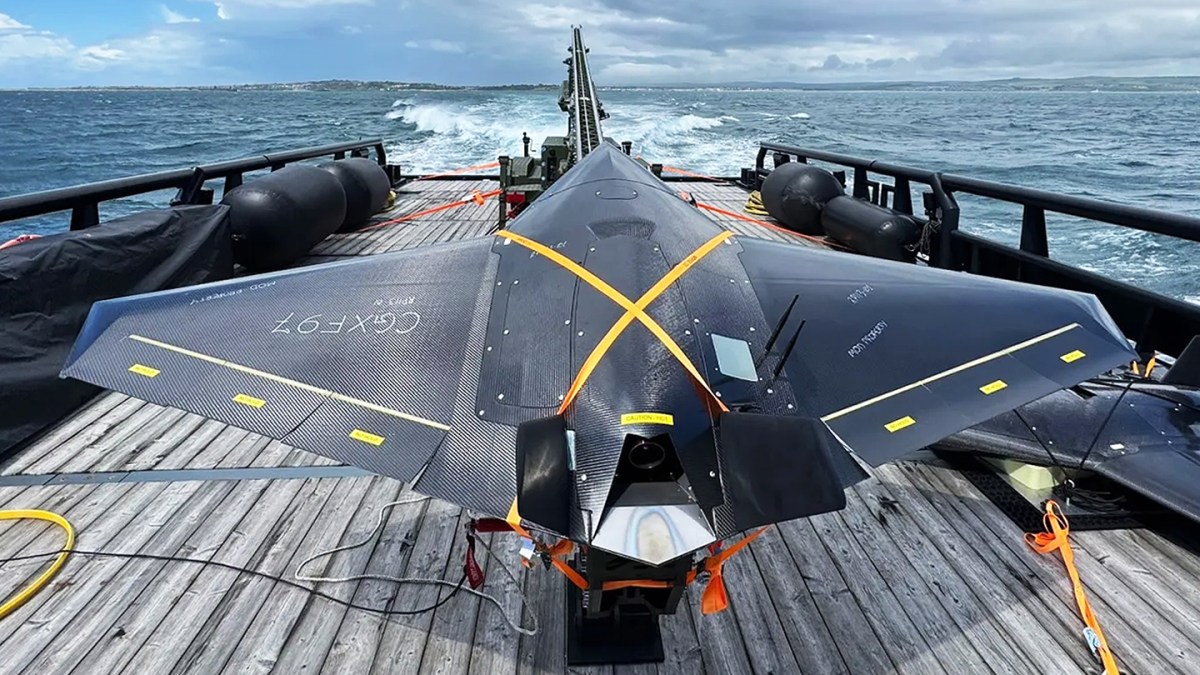
Royal Navy’s Sea Launch Of Combat-Proven Nyan Kamikaze Drone Points To Fleet’s ‘Hybrid’ Future
The Royal Navy has showcased a new shipboard strike capability with the demonstration of the combat-proven Nyan Kamikaze drone, highlighting its commitment to integrating advanced drone technology across its fleet. This event signals a significant step towards a hybrid future for naval operations, as the Royal Navy seeks to enhance its combat effectiveness and operational flexibility. The demonstration took place recently, underscoring the urgency of modernizing naval capabilities in response to evolving threats. By incorporating drones into its strategic framework, the Royal Navy aims to improve its maritime defense and maintain a competitive edge in modern warfare.
News & Features Carriers Drones Navies Queen Elizabeth Class Royal Navy
Royal Navy deploys Defender mine-hunting robot for Strait of Hormuz operations
The Royal Navy is set to deploy the Video Ray Defender, an advanced autonomous underwater robot, as part of its ongoing efforts to enhance maritime security. This deployment is scheduled for later this month, with operations taking place in various strategic locations to bolster surveillance and reconnaissance capabilities. The initiative aims to address increasing concerns over underwater threats and improve response times in maritime operations. By utilizing cutting-edge technology, the Royal Navy intends to streamline underwater missions, allowing for more efficient data collection and analysis. The introduction of the Video Ray Defender marks a significant step in the Royal Navy's modernization efforts, reflecting a commitment to incorporating innovative solutions in national defense strategies.
US Navy gets 26-foot drone submarine with 1,243 mile-range from Australia
Australian company C2 Robotics has successfully delivered the Speartooth, a large uncrewed submarine designed for various underwater applications. This significant achievement was announced recently, showcasing advancements in autonomous marine technology. The Speartooth is intended for use in research, surveillance, and environmental monitoring, reflecting a growing demand for innovative solutions in underwater exploration. The submarine's development aims to enhance operational efficiency and safety by reducing the need for human presence in potentially hazardous underwater environments. C2 Robotics has implemented cutting-edge technology to ensure the Speartooth can navigate complex underwater terrains autonomously, marking a notable step forward in the field of uncrewed maritime vehicles.

UK Royal Navy Awards Teledyne Contract for Autonomous Underwater Vehicles and Floats
Teledyne Marine, a division of Technologies Incorporated, has secured a contract with the UK Ministry of Defence to enhance the Royal Navy's oceanographic and environmental data collection capabilities. This partnership supports the Royal Navy's Future Maritime Data Gathering initiative, aimed at improving persistent oceanographic data collection. The contract underscores the UK's commitment to advancing its maritime research and operational effectiveness.
uk royal navy contract award teledyne autonomous underwater vehicles (auv) floats
Prototype Warfare Would Make the Royal Navy a More Adaptable Force, says RUSI
A recent report highlights the potential for the Royal Navy and the broader UK military to enhance their roles in the testing and procurement of new military technologies. This initiative aims to address the challenges posed by the fast-paced evolution of military capabilities. By adopting a more proactive approach, the UK military can ensure that it remains competitive and effective in modern warfare. The findings emphasize the importance of adapting to technological advancements to maintain national security and operational readiness.
royal navy the royal united services institute (rusi) subsea craft (ssc)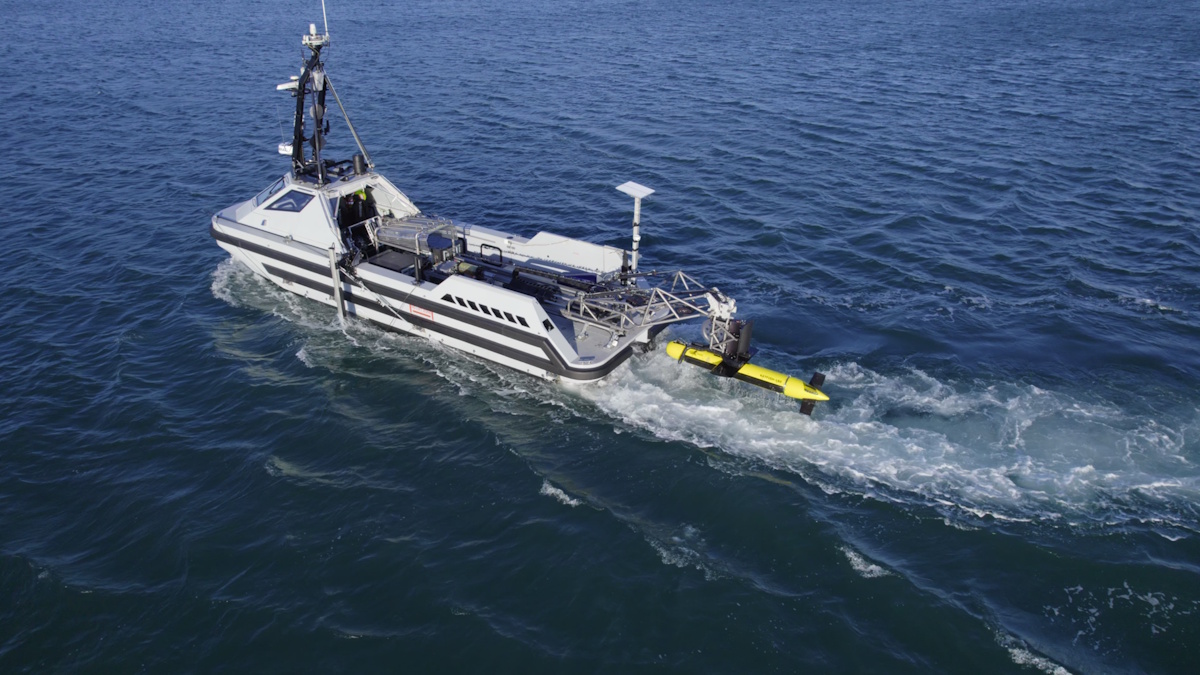
Kraken Robotics and TKMS ATLAS UK Demonstrate KATFISH USV Launch and Recovery System on an in-service UK Royal Navy ARCIMS USV
Kraken Robotics has successfully demonstrated its KATFISH Unmanned Surface Vessel Launch and Recovery System (USV-LARS) aboard TKMS ATLAS UK's 11-meter ARCIMS Unmanned Surface Vehicle (USV). This demonstration highlights a significant advancement in maritime security technology, as the integrated systems deliver a comprehensive autonomous survey solution tailored for mine countermeasure operations and the inspection of critical underwater infrastructure. Notably, the collaboration between ARCIMS and KATFISH USV-LARS marks the introduction of the industry's first air-deployable, 300-meter depth-rated autonomous towed Synthetic Aperture Sonar (SAS) survey system. This innovation aims to enhance operational efficiency and safety in maritime missions.
kraken robotics tkms atlas uk katfish usv launch and recovery system uk royal navy arcims usv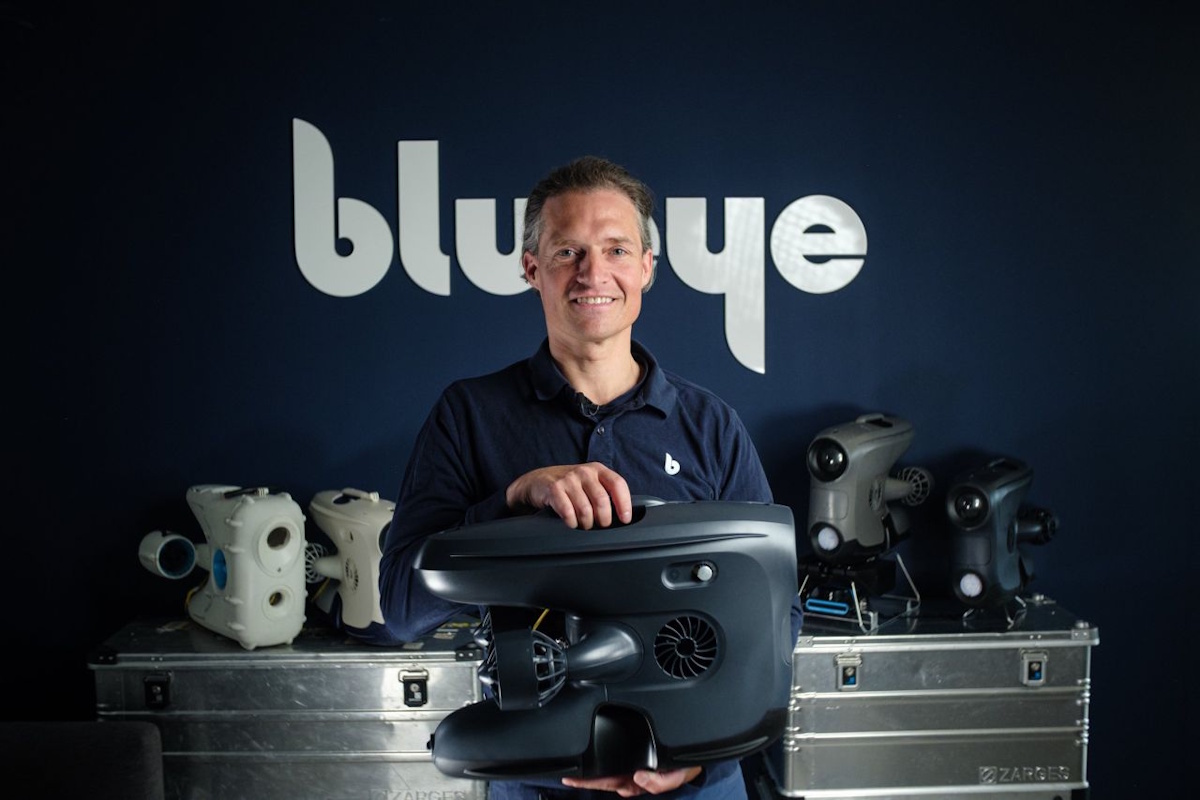
Blueye Robotics to Supply Netherlands Royal Navy ROVs for Mine Countermeasure Operations
Blueye Robotics, in collaboration with local partner RVI Tools, has won a significant international contract to provide underwater remotely operated vehicles (ROVs) to the Netherlands Royal Navy. This contract follows a competitive tender process that included various international bidders, highlighting the advanced capabilities of the ROV systems designed specifically for military engineers and mine countermeasure (MCM) teams. The delivery of these sophisticated ROVs is expected to enhance the operational efficiency and safety of naval operations.
blueye robotics netherlands royal navy rov mine countermeasure (mcm)
Royal Navy Launches Autonomous Vehicles from Submarine in Pioneering Trial
The Royal Navy is currently conducting innovative trials to showcase the launch and recovery of uncrewed underwater vehicles from submarines. These vehicles, which are launched via torpedo tubes, aim to enhance the operational capabilities of the UK’s nuclear-powered attack submarines. The trials are designed to support a range of missions, including underwater reconnaissance, communications, and seabed warfare. By integrating these advanced technologies, the Royal Navy seeks to bolster its strategic advantages in maritime operations.
royal navy trials demo launch and recovery uncrewed underwater vehicles (uuv) submarines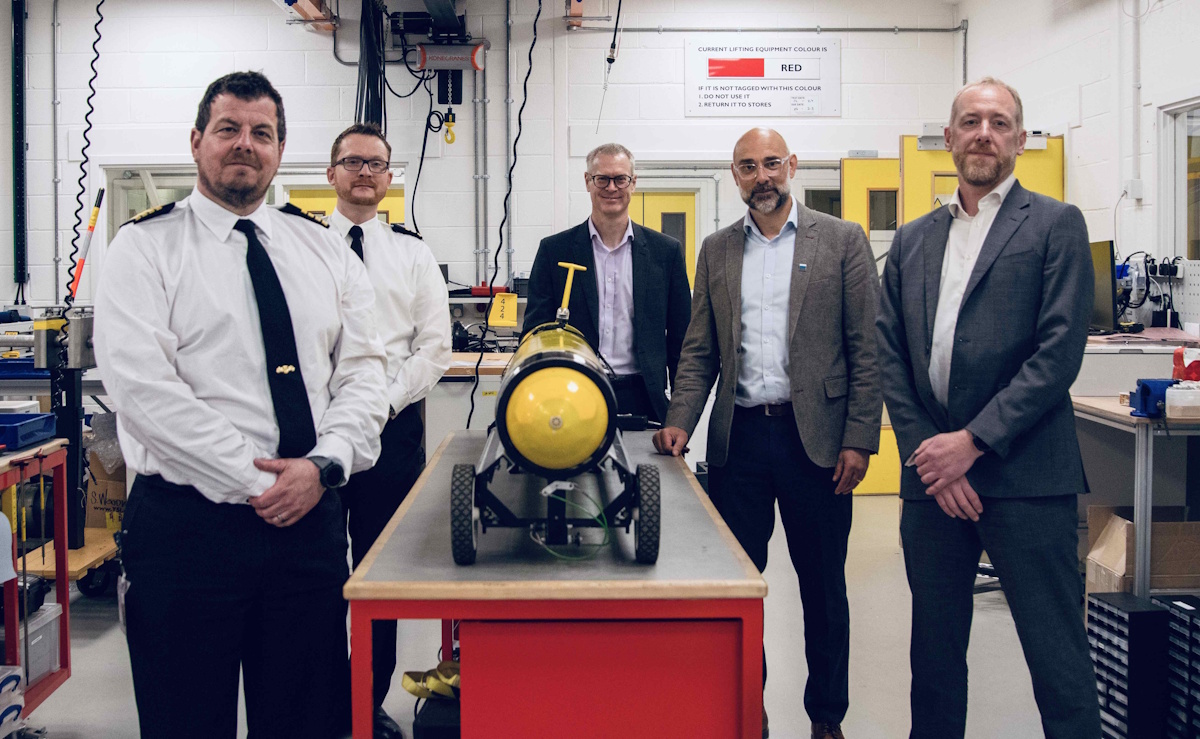
NOC and Royal Navy Renew MOU on Autonomous Maritime Capabilities
The National Oceanography Centre (NOC) in the UK has reaffirmed its commitment to marine science and technology by renewing a memorandum of understanding with the Royal Navy. This renewed agreement, which underscores a collaborative relationship that has spanned several years, aims to enhance research and innovation in oceanographic studies. The partnership is expected to facilitate the sharing of expertise and resources, ultimately contributing to advancements in understanding marine environments. The renewal of the MOU was announced recently, highlighting the ongoing dedication of both organizations to address challenges related to the oceans and maritime operations.
national oceanography centre (noc) royal navy mou autonomous maritime capabilities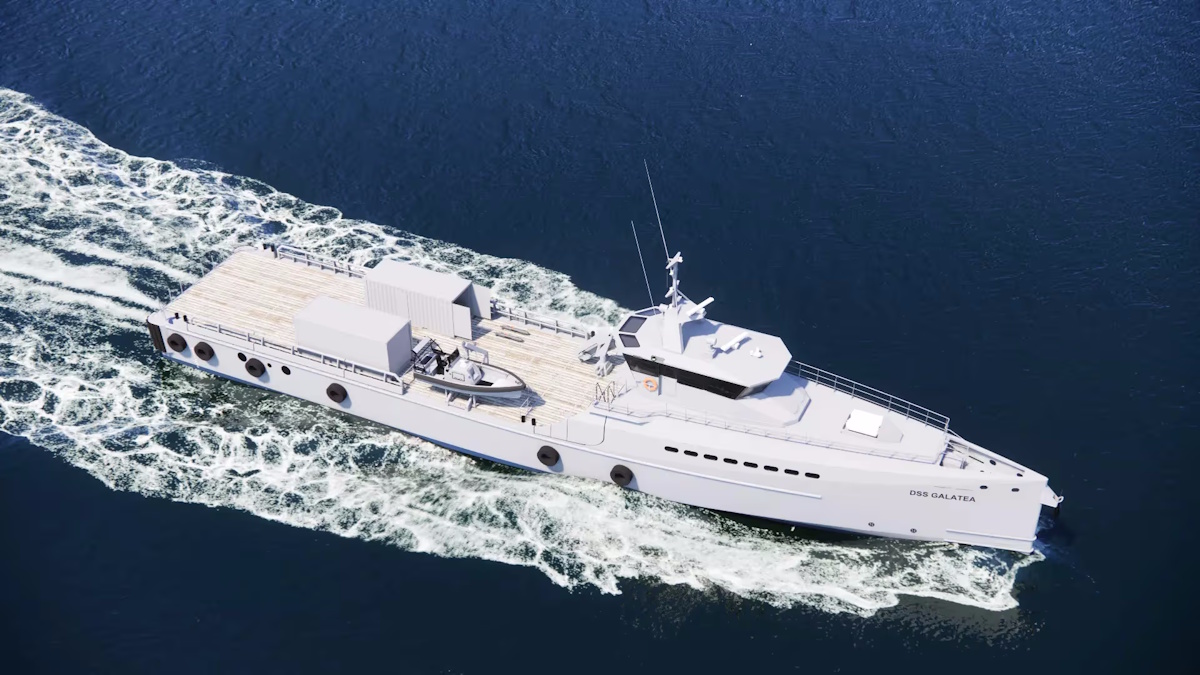
Fugro and Damen Partner to Support the Royal Netherlands Navy with Marine Security and Surveillance Vessel
Fugro and Damen have formed a partnership to supply the Royal Netherlands Navy (RNLN) with a state-of-the-art surveillance vessel and an operational crew. This collaboration, contracted by the Dutch Ministry of Defence, aims to bolster the nation's marine security and surveillance capabilities. The RNLN plans to deploy the vessel within the North Sea exclusive economic zone (EEZ) to conduct comprehensive security operations, monitoring both surface and underwater activities. Equipped with advanced technology, including uncrewed vehicles, the vessel will facilitate the RNLN's efforts to oversee vessel movements and inspect vital underwater infrastructure, such as cables and pipelines.
fugro damen royal netherlands navy marine security and surveillance vessel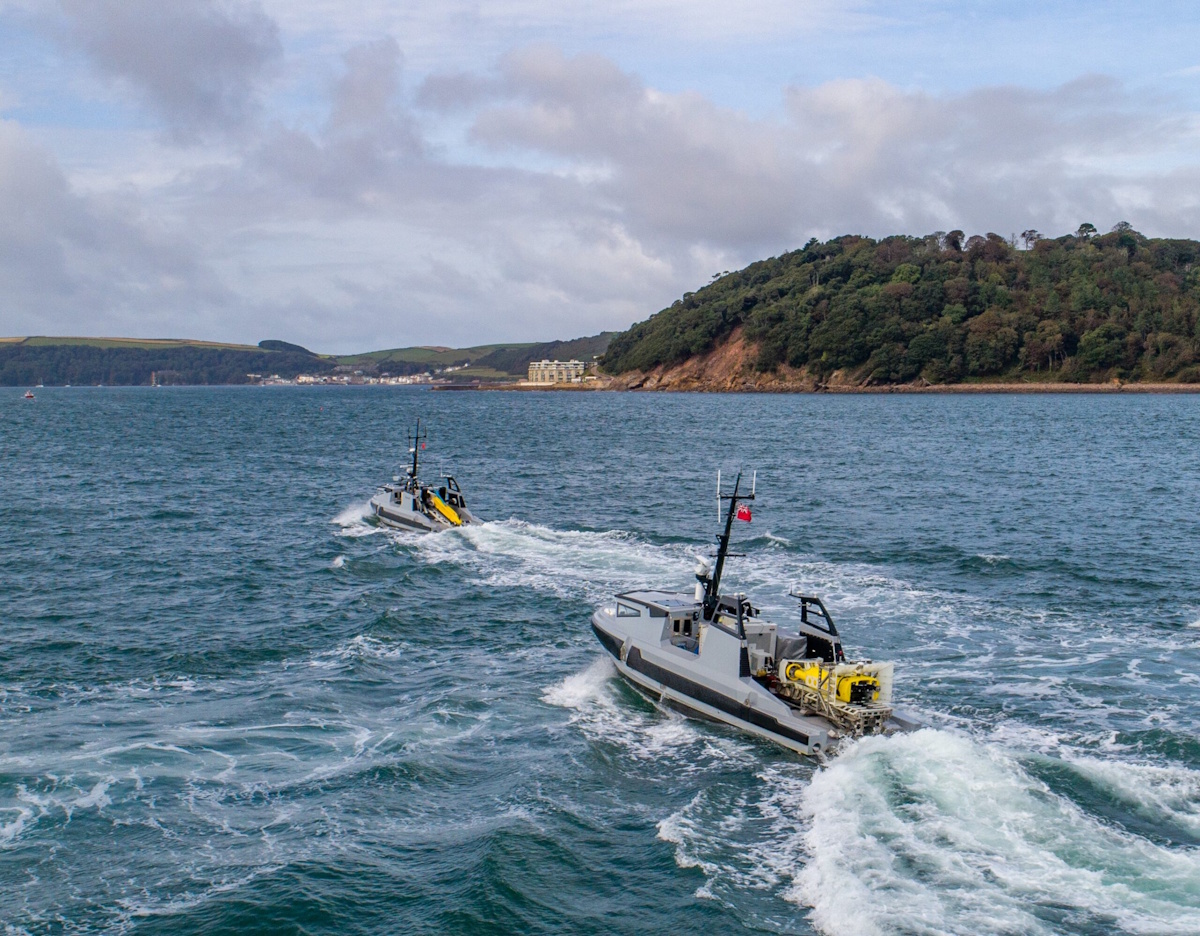
First Autonomous Mine Hunting System Delivered to UK Royal Navy
The Royal Navy has received its first advanced Maritime Mine Counter Measure (MMCM) system, marking a significant enhancement in British defense capabilities. This delivery is part of a broader initiative aimed at improving the safety of sailors and strengthening the UK's maritime security. The introduction of this cutting-edge technology comes as part of ongoing efforts to modernize naval operations and address emerging threats in maritime environments. The system is expected to play a crucial role in countering underwater mines, thereby ensuring safer navigation for naval vessels.
usv autonomous mine hunting system delivery uk royal navyRobotics needs a service framework.
RSF defines a common language for robot service capability, lifecycle operations, certification pathways, and service-provider networks.
Join the RobotToday community on LinkedIn
Daily robotics news, in-depth analysis, conference highlights, and discussions with professionals worldwide.







