

Industry Briefing
A single destination for timely, editor-curated robotics news from around the world.

Ukraine Advances Robotic Warfare by Converting Soviet BRDM-2 Vehicles into UGVs
Ukraine is transforming Soviet-era BRDM-2 armored reconnaissance vehicles into remotely controlled uncrewed ground vehicles (UGVs) to enhance combat capabilities. This initiative, led by the Central Innovation Activities Directorate of the Ukrainian Armed Forces, aims to keep troops safe while increasing the effectiveness of military operations along contested front lines. The modernization includes equipping the BRDM-2 with advanced features such as a powerful diesel engine, automatic transmission, and remote control capabilities extending up to 1,000 km. These enhancements will allow the vehicles to engage in ground combat, logistics, and casualty evacuation, thereby preserving the lives of service members while providing critical support in frontline operations. As the conflict evolves, the integration of artificial intelligence in combat UGVs is crucial for operational effectiveness. The Ukrainian military is leveraging its existing stock of BRDM-2s, which will be fitted with day/night cameras and robust satellite links for remote operation. No further timeline was disclosed at the time of publication.
News & Features Around The Globe Europe Ukraine
Faraday Future's Chris Chen Discusses Robotics as an Extension of Intelligent Vehicles
Faraday Future, primarily recognized as an electric vehicle manufacturer, is expanding its technological applications to include robotics. The company emphasizes that various technologies initially developed for intelligent electric vehicles, such as artificial intelligence, computer vision, and sensor fusion, are highly relevant to robotic systems. This shift is significant as it highlights the versatility of Faraday Future's technology base, suggesting that advancements in electric vehicle technology can drive innovation in robotics. By leveraging their expertise in localization, connectivity, and simulation, the company aims to enhance the capabilities of robots, potentially transforming multiple industries. Looking ahead, it will be important to monitor how Faraday Future integrates these technologies into robotic applications and the impact this may have on both the automotive and robotics sectors. No further timeline was disclosed at the time of publication.
Artificial Intelligence Automotive Features Robotics AIxCrypto artificial intelligence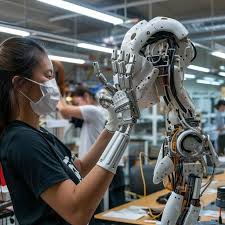
ARX Robotics Demonstrates GEREON Uncrewed Ground Vehicles in US Army Trials
ARX Robotics UK has successfully showcased the capabilities of its GEREON uncrewed ground vehicles (UGVs) during Project Convergence-Capstone 6 (PC-C6). This event marks the largest experiment in the US Army's initiative to enhance land warfare capabilities. The successful demonstration is significant as it highlights the operational potential of GEREON UGVs in modern military applications. This aligns with the US Army's ongoing efforts to integrate advanced technologies into their land warfare strategies. Looking ahead, further developments in the integration of autonomous systems into military operations are expected. No further timeline was disclosed at the time of publication.
News
EcoPro Co. Targets Humanoid Robotics for Growth Beyond Electric Vehicles
EcoPro Co. is set to engage in the South Korean battery-materials sector's initiative to support the humanoid robotics industry. The company is betting on the increasing demand for lightweight and powerful batteries, which is expected to create a new growth market beyond the traditional electric vehicle sector. This strategic move is significant as it highlights the evolving landscape of battery applications, where the need for advanced battery technology is expanding into new domains like humanoid robotics. The shift could lead to innovative developments in both battery design and robotics, potentially transforming how these technologies are integrated. Looking ahead, industry stakeholders will be keen to observe how EcoPro Co. and other battery manufacturers adapt their technologies to meet the specific needs of the humanoid robotics market. No further timeline was disclosed at the time of publication.

U.S. Army Integrates FireAnt UGVs with Bradley Vehicles During Pegasus Charge 3 Experiment
The U.S. Army is testing the integration of small unmanned ground vehicles (UGVs) into armored formations by carrying them on M2A4 Bradley infantry fighting vehicles. Footage from Swarmbotics AI, released on August 25, 2026, shows a Bradley transporting at least five FireAnt UGVs during the Pegasus Charge 3 experiment with the 1st Cavalry Division. This initiative is significant as it explores how existing armored vehicles can deploy multiple robotic systems alongside traditional crewed roles. The FireAnt, developed by Swarmbotics AI, is designed for various missions, including intelligence and reconnaissance. The Army's approach raises important questions about the integration of robotic systems into combat formations, emphasizing the need for innovation in military doctrine. Looking ahead, the use of Bradleys to carry UGVs could enhance operational flexibility, allowing commanders to deploy unmanned systems for reconnaissance and other missions in high-risk areas. No further timeline was disclosed at the time of publication.
Military
Advanced Battery Technology Enhances Performance for Autonomous Vehicles and Robotics
Recent advancements in battery technology are enabling intelligent machines to operate continuously, enhancing performance and efficiency. This technology is specifically designed for applications in autonomous vehicles, robotics, satellites, and drones, allowing for longer life and improved operational capabilities under high-demand conditions. The significance of these developments lies in their potential to transform various industries by supporting the growing demand for reliable and efficient power sources. As intelligent machines become more prevalent, the ability to sustain high-performance operations is crucial for sectors such as transportation, logistics, and aerospace. Looking ahead, stakeholders should monitor the integration of these advanced battery systems into existing platforms and the emergence of new applications. No further timeline was disclosed at the time of publication.
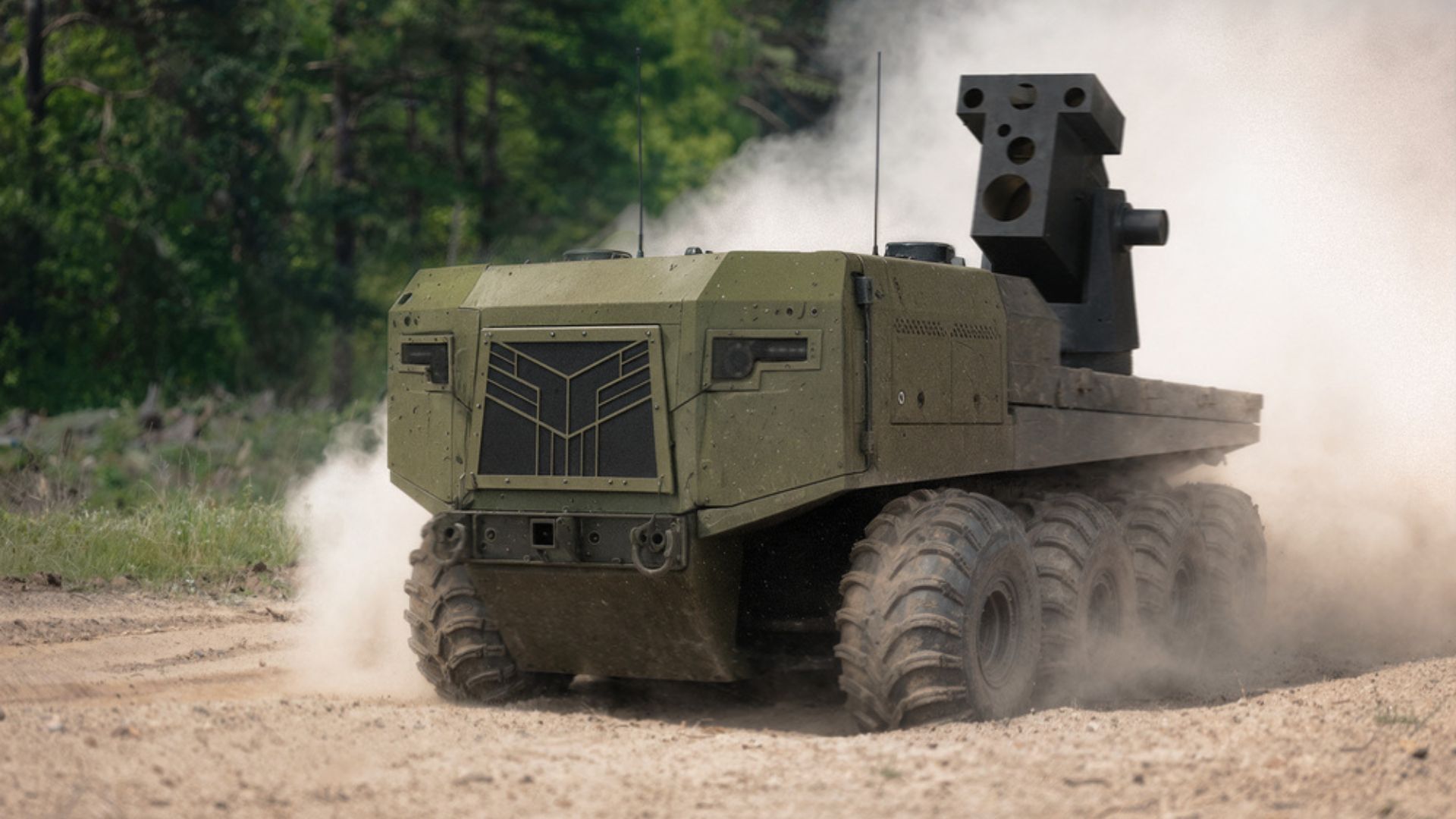
US robotic combat vehicles add directed-energy weapons to defeat multi-drone threats
Aurelius Systems has partnered with American Rheinmetall to integrate a directed-energy counter-drone system onto robotic...
Military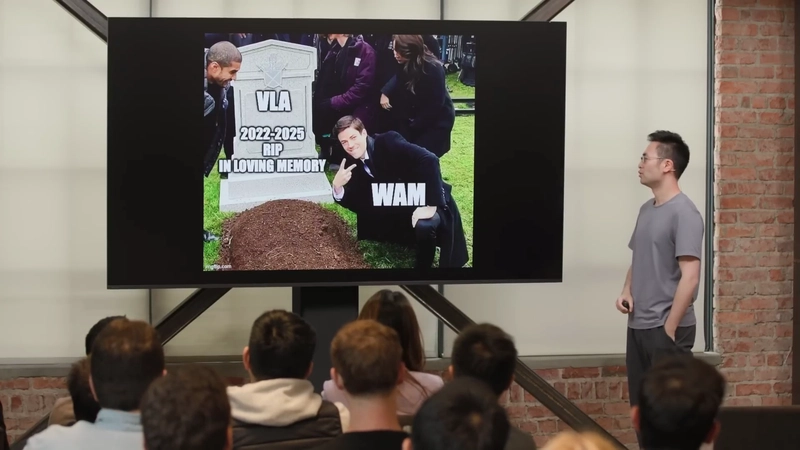
The Divergence of VLA in Autonomous Vehicles and Robotics: Insights from Xiaopeng and Jim Fan
A recent article examines the divergent trajectories of VLA (Vision-Language Agents) in the realms of autonomous driving and robotics, underscoring the distinct operational requirements inherent to each field. The analysis delves into the complexities of incorporating world models into VLA systems, revealing significant challenges that could impact the future development of artificial intelligence in these areas. The discussion emphasizes the necessity for specialized strategies that cater to the unique demands of autonomous driving and robotics, suggesting that a one-size-fits-all approach may not be viable for advancing AI technologies effectively.
Autonomous Driving Robotics AI World Models Machine Learning
NVIDIA Enables the Next Era Of Physical AI Research With Agent Skills For Autonomous Vehicles, Robotics And Vision AI
At the Computer Vision and Pattern Recognition (CVPR) conference, NVIDIA is showcasing innovative physical AI agent skills aimed at accelerating the development of autonomous vehicles, robotics, and vision AI systems. This unveiling comes as researchers and developers face significant challenges in advancing physical AI, particularly in creating more capable and efficient systems. By introducing these new skills, NVIDIA seeks to enhance the capabilities of AI agents, ultimately facilitating faster progress in the field. The event highlights NVIDIA's commitment to driving advancements in AI technology, which is crucial for the future of autonomous systems.
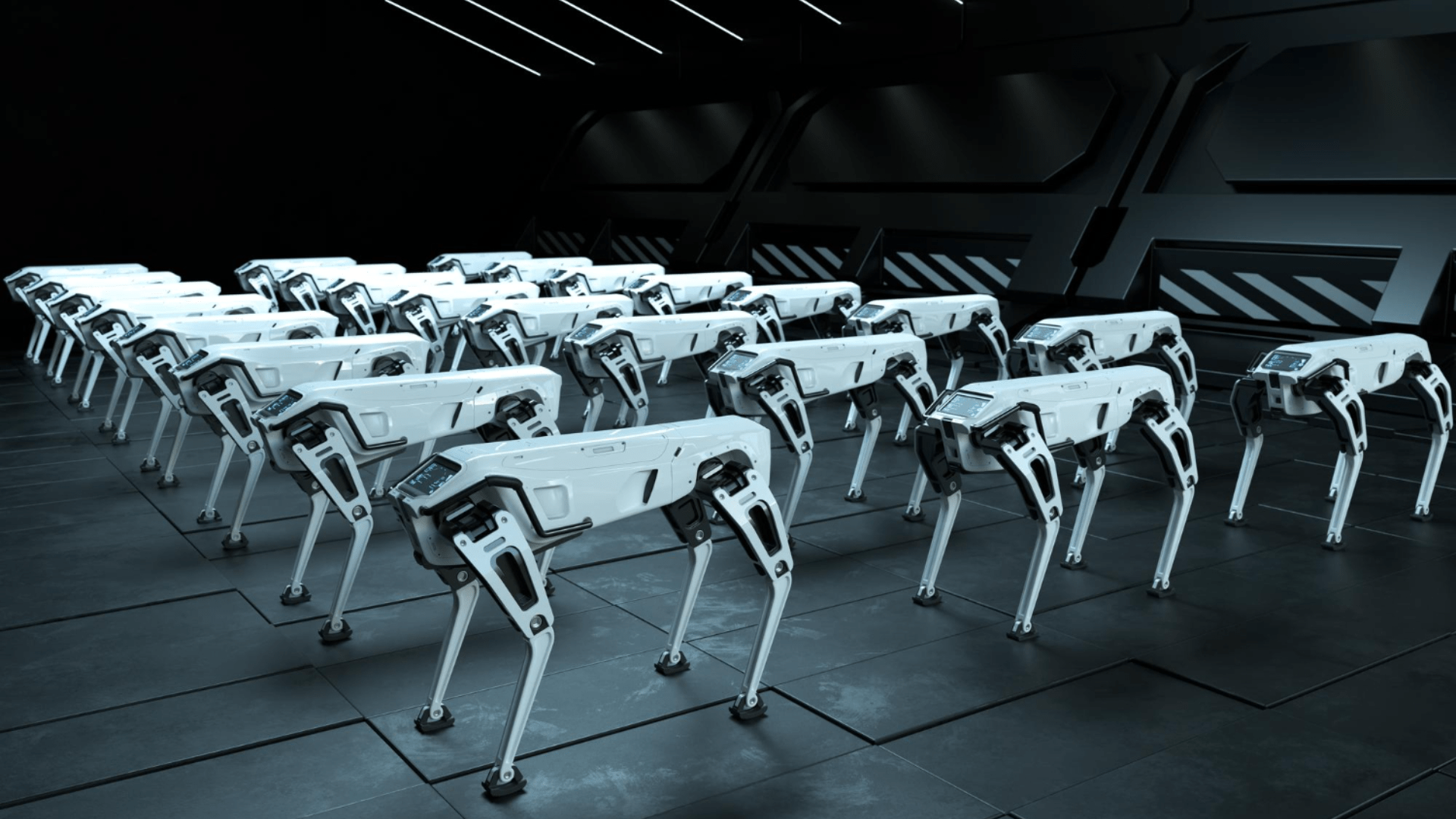
China showcases submarine-launched anti-mine vehicles, robotic combat dogs at defense expo
A new generation of autonomous underwater drones has been developed to detect and neutralize naval mines, marking a significant advancement in maritime security technology. This innovation was unveiled at a recent defense technology conference held in Washington, D.C., where experts gathered to discuss the future of naval warfare. The drones are designed to enhance safety for naval operations by providing a reliable solution to the persistent threat of underwater mines, which pose risks to both military and commercial vessels. The motivation behind this technological breakthrough stems from the increasing need for efficient and effective mine countermeasures in response to evolving maritime threats. By employing advanced sensors and artificial intelligence, these drones can autonomously navigate and identify mines, significantly reducing the risk to human divers and traditional mine-clearing vessels. The development process involved collaboration between defense contractors and military research organizations, leveraging cutting-edge technology to improve operational capabilities. As naval forces worldwide seek to modernize their fleets, this innovation is expected to play a crucial role in enhancing maritime security and ensuring safe passage in contested waters.

Ouster Releases Family of ‘Native Color Lidar’ Sensors for Robotics, Autonomous Vehicles
Ouster has launched a groundbreaking series of digital lidar sensors, the Rev8 family, which the company claims to be the world's first native color lidar platform. This innovative technology is designed for applications in robotics, autonomous vehicles, and industrial AI systems. The announcement was made recently, showcasing the sensors' capabilities powered by Ouster's advanced L4 Silicon architecture, which enhances their range and performance. This development marks a significant advancement in lidar technology, aiming to meet the growing demand for high-quality sensing solutions in various industries.
AI AI Use Cases Robotics autonomous driving industrial AI LiDAR
Liquid Robotics and Hydronet Sign MOU to Advance Undersea Mesh Networking for Maritime and Underwater Autonomous Vehicles
Liquid Robotics, a subsidiary of Boeing, has partnered with Massachusetts-based deep tech start-up Hydronet to enhance and commercialize underwater mesh networking technologies. This collaboration aims to improve connectivity for maritime and underwater autonomous vehicles. The two companies have formalized their commitment through a Memorandum of Understanding (MOU), signaling a strategic move to leverage their respective expertise in advancing this innovative technology. The partnership is expected to facilitate more efficient communication and data sharing among autonomous systems operating in underwater environments, ultimately enhancing operational capabilities in various maritime applications.
liquid robotics hydronet mou undersea mesh networking underwater autonomous vehicles auv
Hydromea Unveils D-FIN™: A Cutting-Edge ESC Motor Controller for Robotic Vehicles
Hydromea, a leader in underwater robotics and wireless communication, has unveiled its latest innovation, the D-FIN™ Electronic Speed Controller (ESC) Motor Controller. This advanced device is designed to enhance the performance of brushless permanent magnet DC (BLDC) motors and thrusters, offering exceptional efficiency, compact design, and precision. The launch reflects Hydromea's commitment to advancing underwater technology, catering to the growing demand for high-performance solutions in marine applications. The D-FIN™ ESC is expected to significantly improve operational capabilities for various underwater robotics, paving the way for more effective exploration and research in aquatic environments.
hydromea d-fin™ esc motor controller robotic vehiclesRobotics needs a service framework.
RSF defines a common language for robot service capability, lifecycle operations, certification pathways, and service-provider networks.
Join the RobotToday community on LinkedIn
Daily robotics news, in-depth analysis, conference highlights, and discussions with professionals worldwide.







