

Industry Briefing
A single destination for timely, editor-curated robotics news from around the world.

Fao Robotics and Boyin Hechuang Finalize Order for 2,000 Humanoid Force-Control Arms
Fao Robotics and Boyin Hechuang have signed a significant agreement for the delivery of 2,000 humanoid force-control arms on September 22, 2026. The signing ceremony was attended by key executives, including Fao Robotics Chairman Yao Ting and Boyin Hechuang CEO Ren Jingwei, marking a milestone in their collaboration. This partnership aims to leverage both companies' technological and industrial strengths to enhance product delivery transparency and reliability. Fao Robotics plans to establish a transparent testing laboratory to provide real-time product testing visuals to clients, while Boyin Hechuang will utilize its expertise to expand the global application of industrial embodied intelligence. Looking ahead, Fao Robotics will continue to offer customized humanoid force-control arms starting in 2024, focusing on the practical implementation of embodied intelligence in industrial settings. The ART series of humanoid force-control arms is designed for standardized, scalable development, optimizing production and delivery processes to reduce costs and complexity.
Humanoid Robots Industrial Automation AI Robotics Supply Chain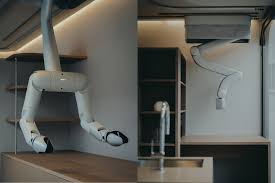
Tokyo's MW Develops Ceiling-Mounted Robotic Arms for Home Automation Instead of Humanoids
Tokyo-based MW is innovating in home automation by integrating robotic arms into residential ceilings, diverging from the trend of humanoid robots. The company aims to debut its MW bot by 2028 and produce 10,000 robotic homes annually by 2035, potentially capturing 5% of Japan's new housing market. This approach addresses the challenges of compact Japanese homes, where traditional bipedal robots struggle with space and safety. MW's ceiling-mounted robotic arms are designed to handle everyday tasks like sorting groceries and folding laundry, as demonstrated in a recent showcase in Tokyo's Toyosu waterfront area. MW's business model is unique, controlling the entire process from land acquisition to AI development. With 3 billion yen in seed funding and plans for international expansion by 2029, the company is focused on high-end real estate, with the success of its technology dependent on reducing costs for broader market adoption. No further timeline was disclosed at the time of publication.
Home Automation Robotic Arms Smart Homes AI Technology
Florida Firm Haddy Utilizes Robotic Arms for 3D Printed TF-179 Drone Boat Production
Haddy, a Florida-based manufacturing company, has successfully produced the TF-179 Drone Boat using large-format robotic 3D printing. This innovative approach highlights the integration of additive manufacturing into maritime and defense sectors, allowing for faster production and more complex designs compared to traditional methods. The significance of this development lies in the evolving landscape of maritime manufacturing, where digital production technologies enable the rapid creation and modification of specialized vessels. Haddy's use of industrial robotic arms not only enhances production efficiency but also shortens development cycles, which is crucial for adapting to the dynamic requirements of unmanned maritime systems. Looking ahead, Haddy's advancements in robotic manufacturing indicate a growing demand for specialized maritime platforms within the US defense sector. As the company continues to refine its capabilities, the focus will likely remain on producing unmanned vessels that meet the changing operational needs of defense applications. No further timeline was disclosed at the time of publication.
Innovation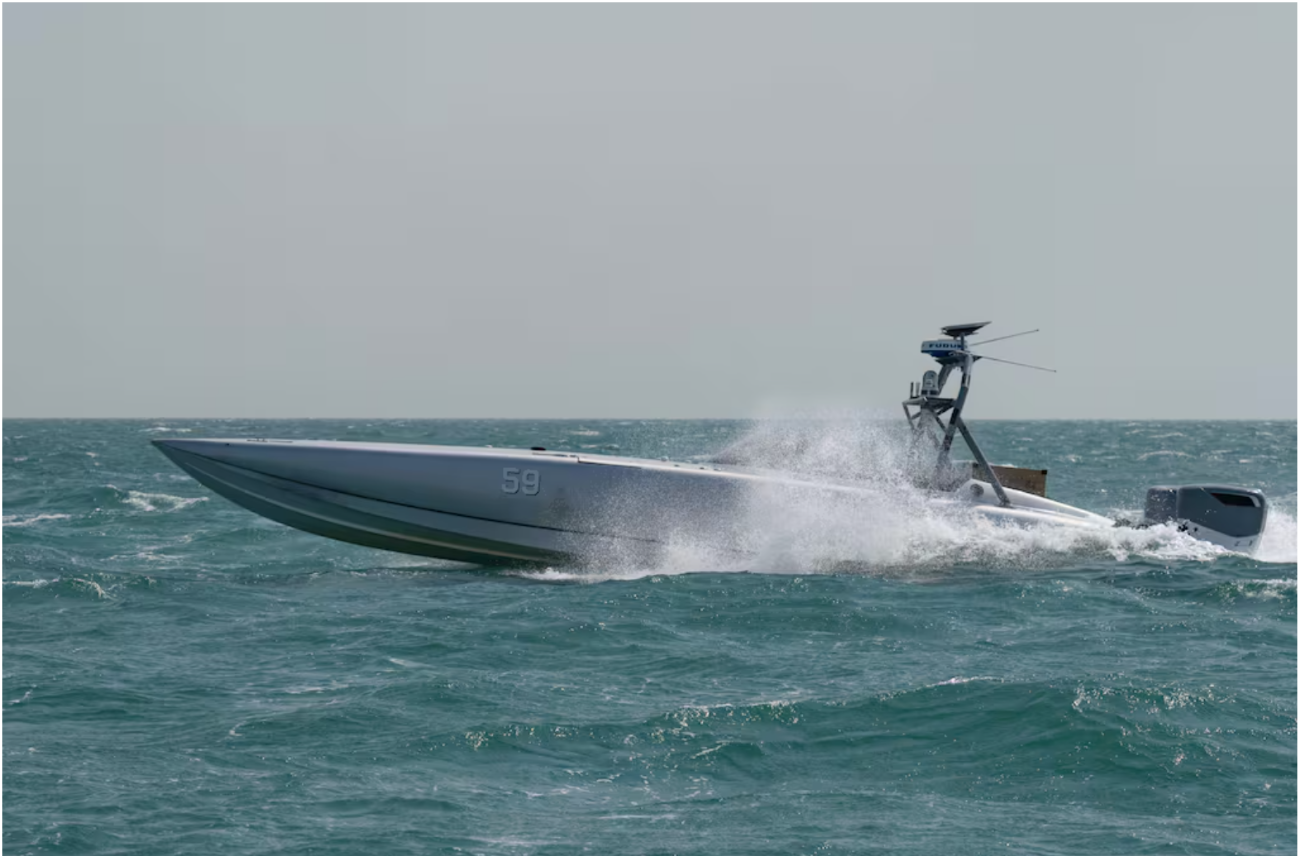
Pentagon Issues Urgent Request for Robotic Boats to Deploy Drone Swarms in 120 Days
The Pentagon has issued an urgent solicitation for the development of robotic boats capable of launching drone swarms within 120 days. This initiative, led by the Defense Innovation Unit (DIU) under the Department of Defense, aims to address the rising costs of modern warfare, where expensive naval vessels are increasingly vulnerable to cheaper unmanned threats. The DIU's project, codenamed SWAP-USV, seeks solutions that can autonomously track and intercept asymmetric maritime threats, such as high-speed smuggling boats and semi-submersibles. The robotic boats must carry at least two small drones with a combined payload capacity of 2 kilograms (approximately 4.4 pounds) for kinetic strikes, emphasizing the need for cost-effective defense mechanisms in contested environments. Looking ahead, the DIU has outlined a two-phase testing approach, with Sprint 1 requiring a fully mission-capable unmanned surface vehicle (USV) ready for testing within 29 days of selection, and a $40 million prize for successful solutions. The urgency of the 120-day timeline reflects the Pentagon's recognition of the need to adapt to evolving maritime threats and cost dynamics in warfare.
Robotic Boats Drone Technology Military Innovation Defense Technology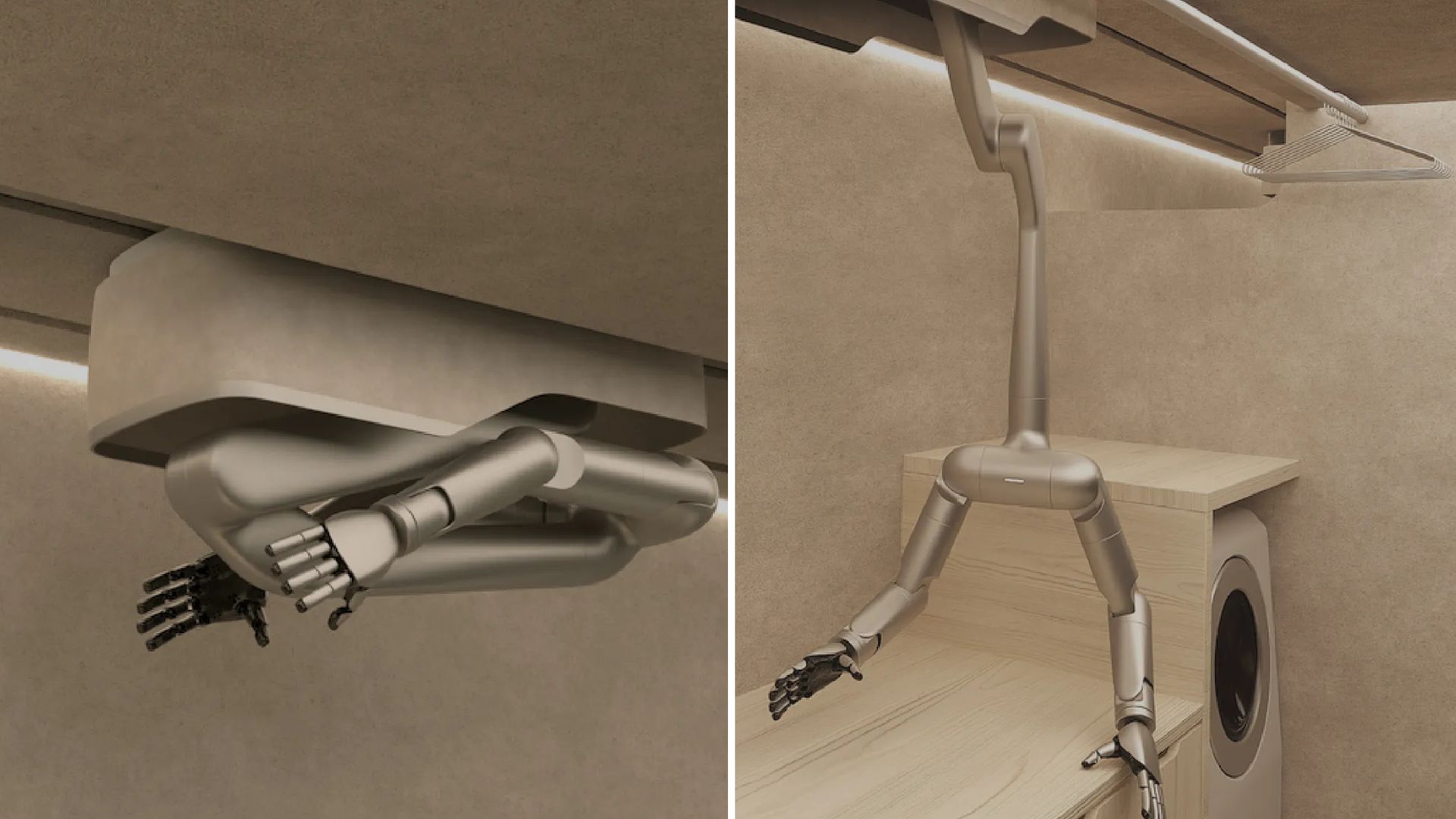
MW Develops Robotic Arm-Equipped Homes to Automate Household Chores by 2028
Tokyo-based startup MW is innovating residential living by creating homes with integrated ceiling-mounted robotic arms designed to automate household chores. This approach offers an alternative to traditional bipedal humanoid robots, focusing on custom architecture, the MW bot, and MW Intelligence software. MW aims to debut these automated homes in Tokyo by 2028, with plans to scale production to 10,000 units annually by 2035. The significance of MW's initiative lies in its potential to transform the Japanese housing market, targeting a five percent share of new home construction. The company has already completed its first generation of the MW bot and received over 1,000 applications for its homes. The design addresses the limitations of bipedal robots in compact living spaces, opting for wall- and ceiling-mounted systems that can perform tasks like grocery handling and laundry folding. Looking ahead, MW's strategy includes selling its first fully functional robot-equipped home by 2028, with a focus on high-end real estate. The startup has secured ¥3 billion in seed funding and is pursuing a ¥10 billion Series A round, positioning itself as a comprehensive provider of automated housing solutions, from land acquisition to robot development.
AI and Robotics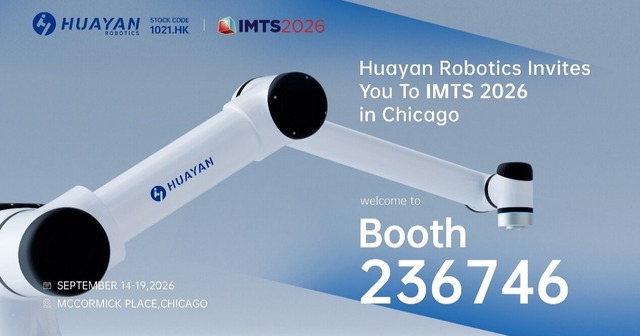
Huayan Robotics to Showcase 7-Axis Humanoid Arms at IMTS 2026 in Chicago
Chinese robotics manufacturer Huayan Robotics will exhibit at the International Manufacturing Technology Show (IMTS 2026) in Chicago from September 14 to 19, 2026. The company plans to showcase its advanced manufacturing capabilities, including welding, palletizing, CNC machine tending, vision inspection, and force control polishing. The IMTS, a historic manufacturing technology exhibition established in 1927, is expected to host over 2,000 exhibitors and attract more than 90,000 visitors in 2026. Huayan Robotics will present its collaborative robots, including the E12-Pro welding robot with a reach of 1.8 meters and a payload capacity of 60 kg, designed for large or irregular welding tasks. Additionally, Huayan Robotics will display its 7-axis humanoid robot arms, the HY 7 and Echo 5, which offer flexibility and obstacle avoidance in confined spaces. The company has over 20 years of experience in technology development and has implemented its collaborative robots across more than 60 process scenes in over 50 countries. No further timeline was disclosed at the time of publication.
SpaceX Launches Innovative Satellite Repair Drone with Robotic Arms to Earth Orbit Today
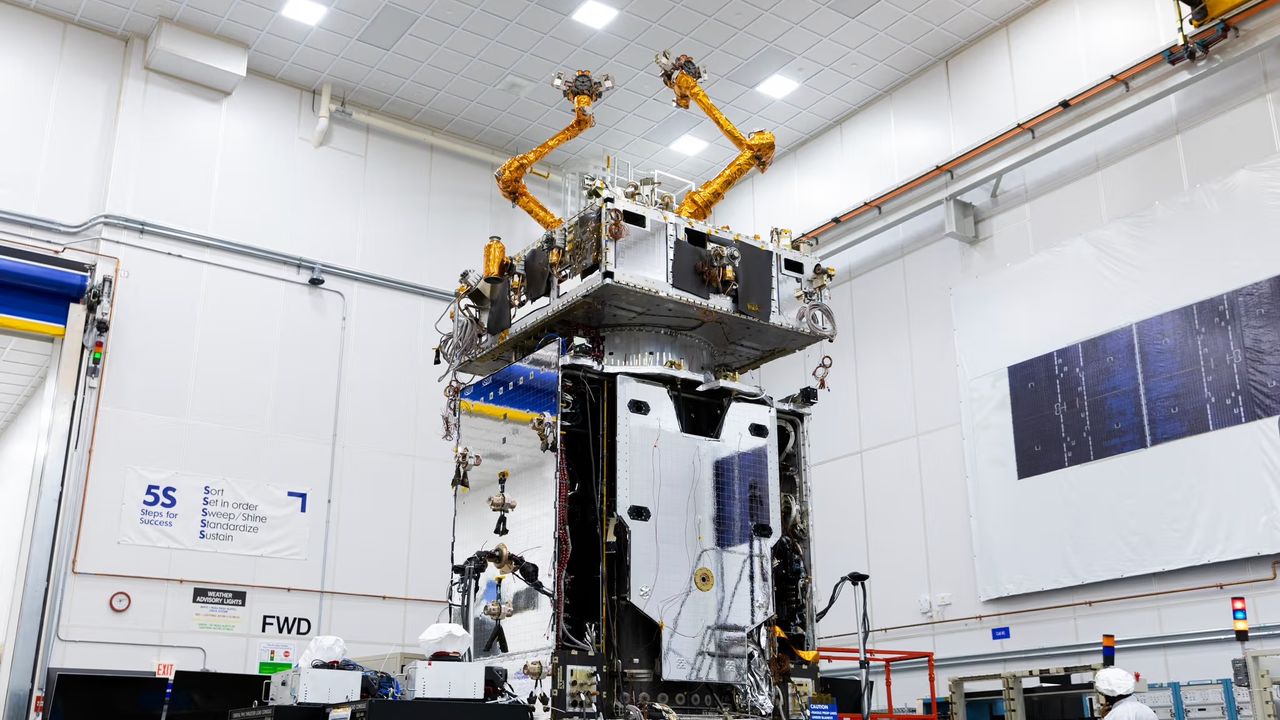
SpaceX is set to launch a groundbreaking satellite-servicing mission today, July 21, using a Falcon 9 rocket from Cape Canaveral Space Force Station. The mission, named MRV-MEV, will deploy a Mission Robotic Vehicle (MRV) and three Mission Extension Pods (MEPs) to geostationary orbit (GEO) at an altitude of 22,236 miles (35,786 kilometers). The MRV, equipped with two robotic arms, will attach the MEPs to client satellites, extending their operational lives. This mission is significant as it marks the first launch of MEPs, which are designed to provide up to eight years of life extension for satellites in GEO. The MRV will not only install MEPs but also has capabilities to relocate, inspect, repair, and upgrade satellites in orbit. This advancement in satellite servicing technology is expected to enhance the resilience of space assets, as noted by Northrop Grumman, the parent company of SpaceLogistics, which operates the spacecraft. Looking ahead, the MRV will remain in GEO after installing the MEPs, awaiting future missions. The successful deployment of this technology could pave the way for more complex satellite servicing operations, building on Northrop Grumman's previous experiences with the Mission Extension Vehicle projects. No further timeline was disclosed at the time of publication.
Launches & Spacecraft Space Exploration
Hippo Harvest Secures $30 Million Series C to Expand Robotic Greenhouse Operations in California
Hippo Harvest has successfully closed a $30 million Series C funding round, led by Cox Farms, the largest greenhouse operator in North America. This funding will facilitate the expansion of Hippo Harvest's operations with a new 30-acre facility in Hollister, California, which is currently undergoing permitting. The company specializes in producing USDA-certified organic greens using robotics and machine learning technologies, aiming to scale its production capabilities significantly. The significance of this funding lies in Hippo Harvest's commitment to enhancing its robotic growing systems, which will increase its growing capacity from one acre to a much larger scale. This expansion is expected to accelerate the commercialization of indoor-grown spinach, tapping into the growing demand for organic produce. The integration of advanced technology in their greenhouses positions Hippo Harvest to meet retail buyers' needs more effectively. Looking ahead, Hippo Harvest is poised to make substantial advancements in the indoor agriculture sector. The timeline for the completion of the new facility and the rollout of the next-generation growing system remains undisclosed, but the company is focused on leveraging this investment to enhance its market presence and operational efficiency in the coming years.

Nearly 10,000 Humanoid Force Control Arms Delivered by Locus Robotics
Locus Robotics has successfully delivered nearly 10,000 humanoid force control arms, marking a significant milestone in the commercialization of humanoid robotics. This achievement highlights the company's ability to provide stable delivery and meet the rigorous standards of top clients, despite not being the first mover in the market. The importance of this development lies in the maturity of the underlying technology and the industrial platform that supports it. As the industry transitions from experimental phases to commercial applications, Locus Robotics has established itself as a reliable partner for over half of the top 20 humanoid robot manufacturers in China, demonstrating the demand for high-quality, well-developed technology. Looking ahead, Locus Robotics aims to leverage its decade-long expertise in force control technology to enhance the performance of humanoid robots. The company is also actively collaborating with over 20 key players in the industry to form the "China Humanoid Intelligence Tier 1 Industry Alliance," which will further accelerate the systematic implementation of embodied intelligence in various applications. No further timeline was disclosed at the time of publication.
Robotics Company Lishen Delivers Nearly 10,000 Humanoid Force Control Arms
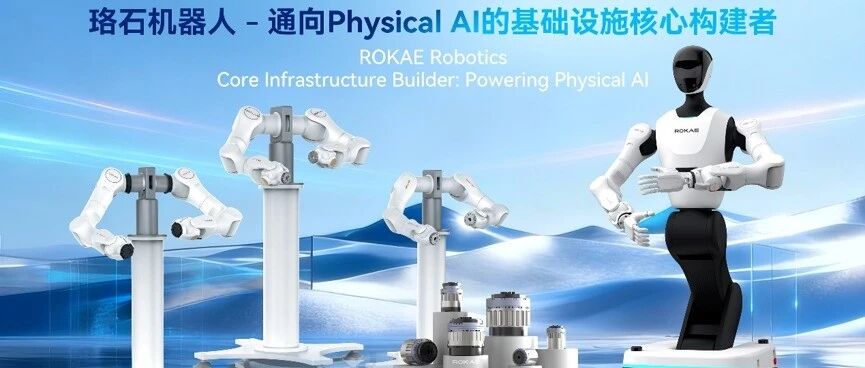
Lishen Robotics has successfully delivered close to 10,000 humanoid force control arms, marking a significant milestone in the commercialization of humanoid robots. This achievement highlights the company's robust industrial and force control technology, which has garnered the trust of over half of the top 20 humanoid robot manufacturers in China. The importance of Lishen's accomplishment lies in its ability to provide stable deliveries and meet rigorous validation from leading clients, despite not being an early entrant in the market. This reflects a broader industry trend where the depth of underlying technology and the maturity of industrial platforms are becoming critical for successful commercialization, rather than merely being the first to market. Looking ahead, Lishen's continued focus on refining its force control technology and expanding its applications across various industries will be crucial. No further timeline was disclosed at the time of publication.
Nearly 10,000 Humanoid Force-Control Arms Delivered by Locus Robotics
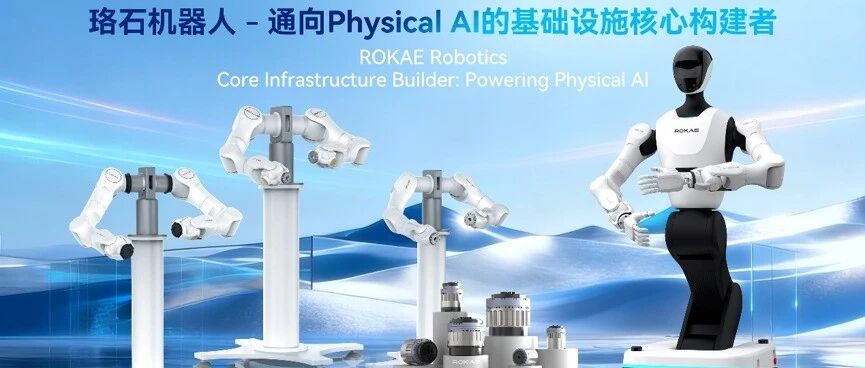
Locus Robotics has successfully delivered nearly 10,000 humanoid force-control arms, marking a significant milestone in the commercialization of humanoid robots. This achievement highlights the company's ability to meet the rigorous demands of leading clients, despite not being the first to enter the market. The importance of this development lies in the maturity of the underlying technology, which directly influences the deployment of humanoid robots. Locus Robotics has established itself as a key player in the industry by focusing on comprehensive technical capabilities and a robust industrial platform, enabling it to deliver high-quality solutions that meet market needs. Looking ahead, Locus Robotics aims to continue leveraging its decade-long expertise in force control technology to enhance the performance of humanoid robots. No further timeline was disclosed at the time of publication, but the ongoing collaboration with top manufacturers suggests a strong future for the company's humanoid force-control solutions.
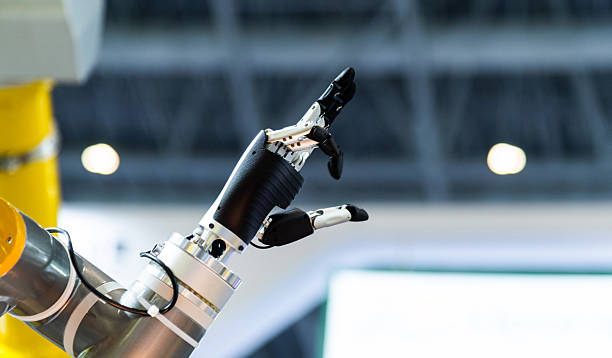
MW Inc. Introduces Homes with Robotic Housekeeping Arms to Compete with Humanoids
Tokyo-based startup MW Inc. has launched homes equipped with robotic housekeeping arms, positioning itself against the growing trend of humanoid robots. This innovative approach aims to enhance domestic living by integrating advanced robotics directly into residential spaces. The introduction of these homes is significant as it reflects a shift in the robotics market, where traditional humanoid robots are being challenged by more specialized robotic solutions. MW Inc.'s offering could appeal to consumers looking for practical automation in their daily lives, potentially influencing future home design and technology integration. Looking ahead, it will be important to monitor the market response to MW Inc.'s homes and whether this model gains traction among consumers. The success of this initiative may pave the way for further innovations in residential robotics and influence the competitive landscape of home automation technologies. No further timeline was disclosed at the time of publication.

U.S. Army Integrates FireAnt UGVs with Bradley Vehicles During Pegasus Charge 3 Experiment
The U.S. Army is testing the integration of small unmanned ground vehicles (UGVs) into armored formations by carrying them on M2A4 Bradley infantry fighting vehicles. Footage from Swarmbotics AI, released on August 25, 2026, shows a Bradley transporting at least five FireAnt UGVs during the Pegasus Charge 3 experiment with the 1st Cavalry Division. This initiative is significant as it explores how existing armored vehicles can deploy multiple robotic systems alongside traditional crewed roles. The FireAnt, developed by Swarmbotics AI, is designed for various missions, including intelligence and reconnaissance. The Army's approach raises important questions about the integration of robotic systems into combat formations, emphasizing the need for innovation in military doctrine. Looking ahead, the use of Bradleys to carry UGVs could enhance operational flexibility, allowing commanders to deploy unmanned systems for reconnaissance and other missions in high-risk areas. No further timeline was disclosed at the time of publication.
Military
Transitive Robotics Expands Remote Teleop to Control Robotic Arms via Internet
Transitive Robotics has extended its Remote Teleop tool to enable remote control of robotic arms over the Internet. The new version 0.20 introduces virtual reality controllers and mouse gesture commands while maintaining existing WebRTC video and stop mechanisms for mobile robots. This advancement allows for remote operation beyond just wheeled bases. This development is significant as it enhances the capabilities of robotic systems, particularly with the integration of small SO-101 arms used within the LeRobot ecosystem. The official technical page indicates that the software can simultaneously control a mobile robot and a manipulator, providing a more versatile solution for remote operations. Looking ahead, the implications of this update include potential applications in remote assistance, demonstration collection for training, manual recovery after failures, and supervision of isolated machines. However, the accuracy and performance of the system under unstable network conditions remain to be evaluated. No further timeline was disclosed at the time of publication.
Robots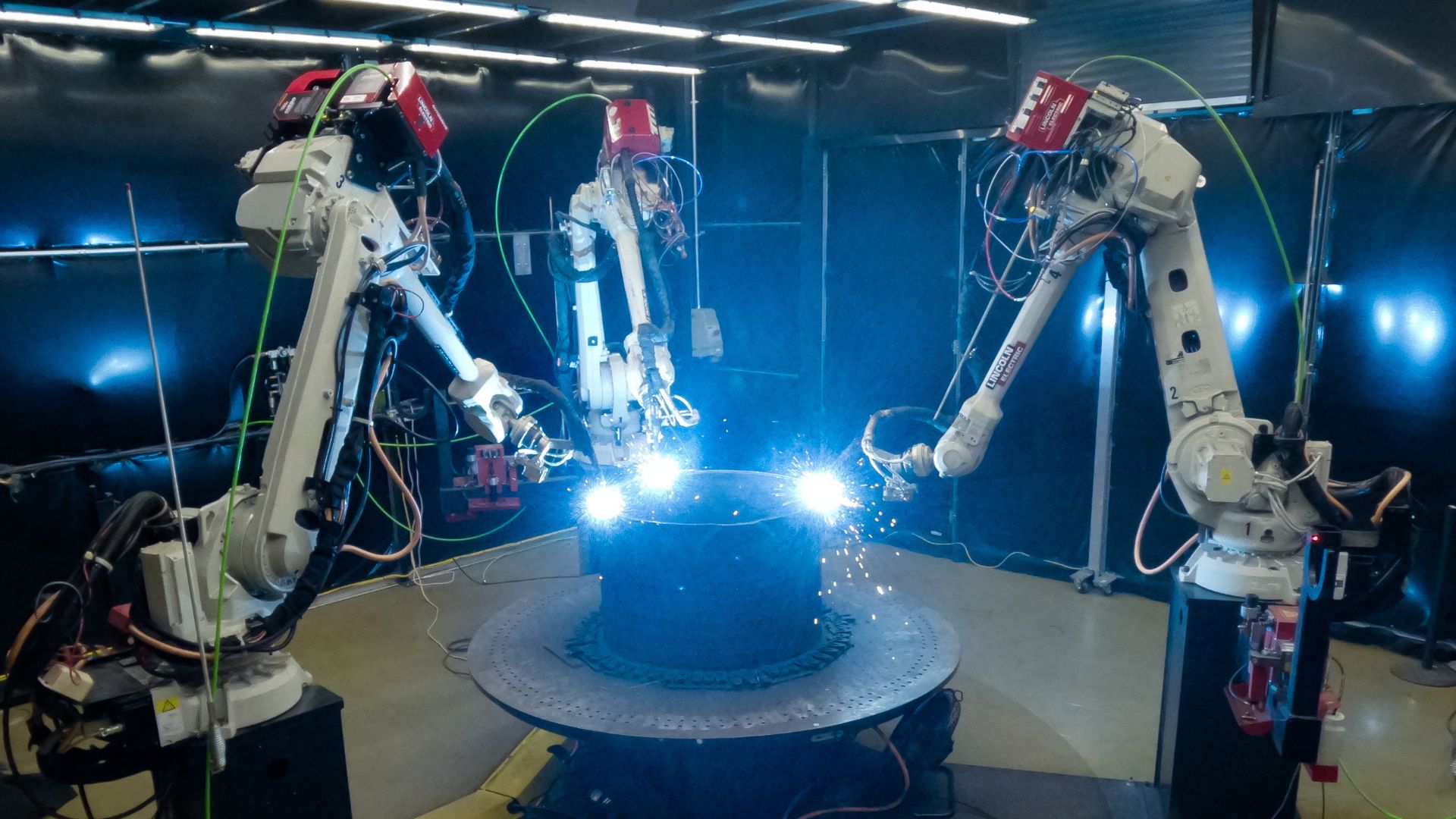
Oak Ridge and Idaho National Labs 3D Print Nuclear Pressure Vessel for US Reactor Expansion
The United States is leveraging large-scale metal 3D printing to overcome manufacturing challenges in its nuclear expansion efforts. Oak Ridge National Laboratory (ORNL) and Idaho National Laboratory (INL) are collaborating to develop wire arc additive manufacturing for industrial pressure vessels, which are essential for withstanding extreme conditions in nuclear applications. This innovative technology addresses the limited domestic forging capacity that could hinder the country's nuclear projects. ORNL recently showcased the process by successfully printing a nuclear-relevant pressure vessel using the MedUSA platform, which coordinates three robotic arms to create complex metal structures. The collaboration aims to ensure that these components meet stringent nuclear requirements while reducing qualification timelines through real-time monitoring and data analysis. Looking ahead, ORNL and INL are focused on integrating large-scale additive manufacturing with digital engineering to produce high-integrity pressure vessels. This approach could not only support the nuclear sector but also have implications for aerospace, defense, and other industries requiring robust components. No further timeline was disclosed at the time of publication.
AI and Robotics Energy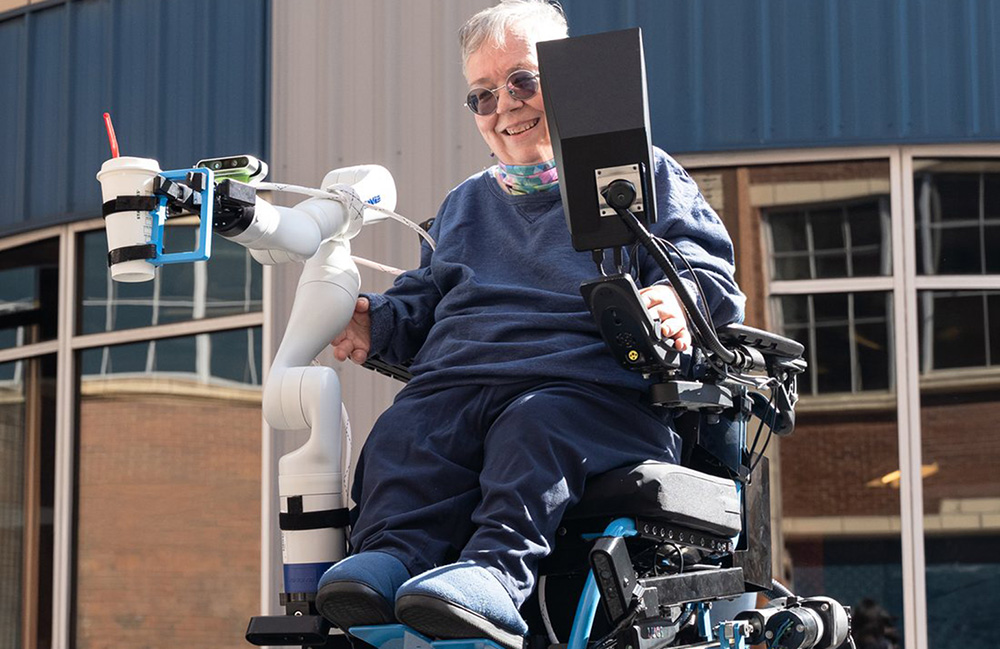
ATDev Updates on Development of Autonomous Wheelchairs with Robotic Arms
Assistive Technology Development Inc. (ATDev) is advancing its efforts to create autonomous wheelchairs integrated with robotic arms, enhancing independence for users. Founder Owen Kent highlighted the lack of technological progress in wheelchair design compared to other devices, emphasizing the need for innovation in assistive technology. The Robotic Assistive Mobility and Manipulation Platform (RAMMP), funded by ARPA-H and led by the University of Pittsburgh, aims to empower individuals with mobility challenges through robotics and AI. The initiative focuses on developing a modern power wheelchair capable of performing tasks such as reaching, lifting, and even teleoperation features for users confined to bed. Kent noted that current wheelchair technology is outdated, and ATDev is committed to rebuilding the electronics and software architecture to foster innovation. The project aims to transform the wheelchair into a versatile support system for daily activities, including eating and drinking. As ATDev continues its work within the RAMMP consortium, the industry will be watching closely for advancements in autonomous wheelchair technology. The integration of a coordinated robotic arm and a stable mobile base represents a significant step forward in assistive mobility solutions. No further timeline was disclosed at the time of publication.
Artificial Intelligence Artificial Intelligence / Cognition Design / Development Food & Drug Administration Healthcare Robotics Human Robot Interaction / Haptics
Breakthrough in Surgical Robotics: First 5G-Enabled Remote Minimally Invasive Surgery
In June 2026, a significant medical technology milestone was achieved as a Chinese medical team, in collaboration with research institutions, successfully performed the world's first ultra-remote minimally invasive surgery using '5G + Embodied AI'. This operation demonstrated ultra-low latency control over thousands of kilometers, providing real-time feedback on tissue tension and vascular resistance to the remote surgeon. This advancement signifies a shift in surgical robotics from traditional remote manipulation tools to systems that incorporate physical AI autonomy and enhanced human-machine integration. The lead surgeon emphasized that the tactile feedback from the control console was crucial for performing the surgery, highlighting the importance of sensory perception in robotic-assisted procedures. Future developments will focus on overcoming the engineering challenges associated with achieving micro-level tactile feedback and stability in robotic systems. No further timeline was disclosed at the time of publication.
Surgical Robotics Embodied AI Minimally Invasive Surgery Tactile Feedback Medical Technology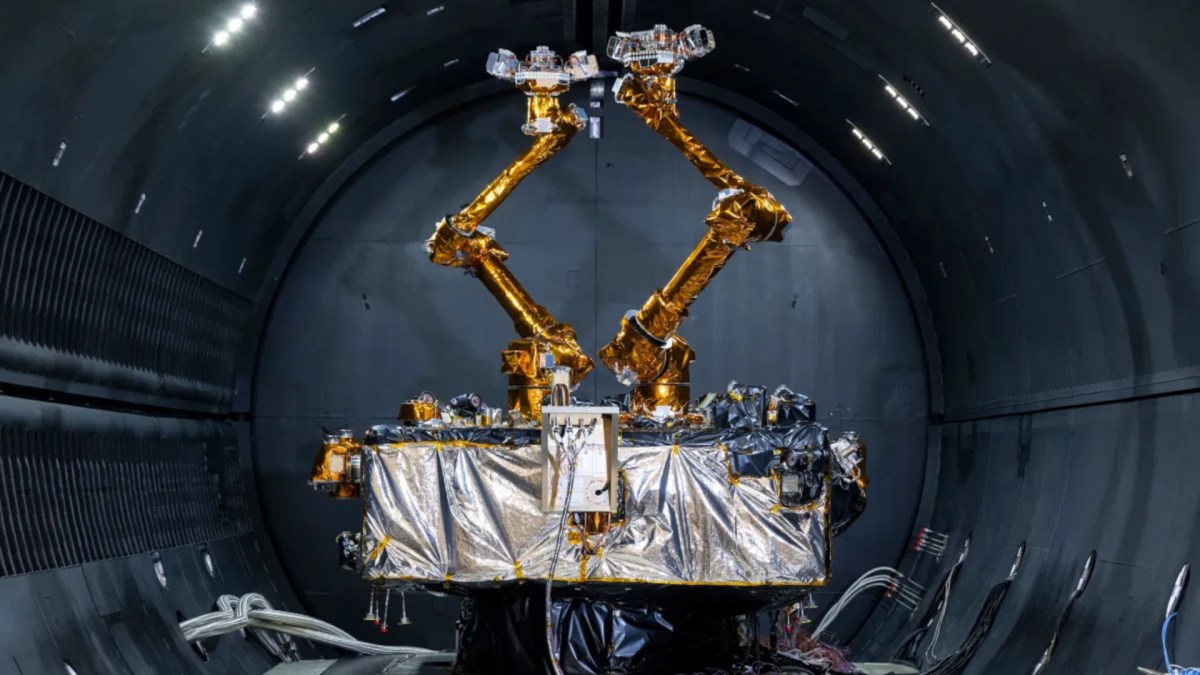
Northrop Grumman's New MRV Spacecraft Launches Today Amid Offensive Capability Questions
Northrop Grumman is set to launch its Mission Robotic Vehicle (MRV) today, equipped with two robotic arms designed for satellite servicing. While the primary purpose of the MRV is to refuel and repair satellites in geosynchronous orbit, discussions have emerged regarding its potential use in offensive operations against enemy satellites. The U.S. Space Force is exploring offensive capabilities to protect its assets, raising questions about the MRV's dual-use potential. The MRV's launch is significant as it represents a step forward in commercial satellite servicing, with the ability to install life extension jetpacks on satellites, potentially prolonging their operational life by up to eight years. Northrop Grumman's CEO, Kathy Warden, emphasized the spacecraft's capabilities during a recent earnings call, indicating that the company is prepared to offer options for technology deployment to clients, including the U.S. government. Looking ahead, the MRV is scheduled to launch aboard a SpaceX Falcon 9 rocket from Cape Canaveral, with a window starting at 5:15 PM ET. The mission will involve rendezvousing with satellites from commercial telecommunications providers Optus and SES, showcasing the MRV's versatility in on-orbit servicing and inspection. No further timeline was disclosed at the time of publication.
Space Anti-Satellite Capabilities News & Features Orbital Systems War In Space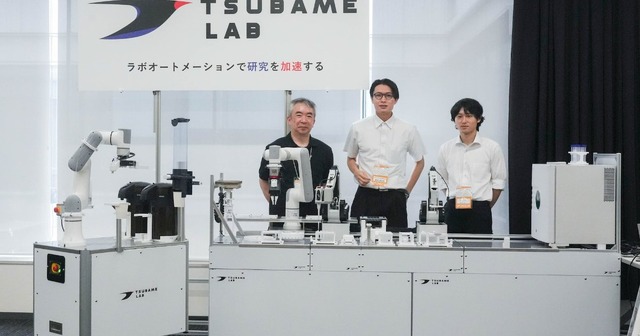
Tsubame Lab Showcases Automation Solutions at LADEC2026 with Robotic Arms and AMRs
Tsubame Lab Inc. participated in the Laboratory Automation Developers Conference 2026 (LADEC2026) held on July 2-3, 2026, at the Miraikan in Japan. The company demonstrated automation solutions for pre-processing tasks using robotic arms and introduced the concept of 'room-level automation' by integrating autonomous mobile robots (AMRs) for sample transportation. This participation is significant as it highlights Tsubame Lab's ongoing efforts to create a 'Cloud Lab' that allows researchers to execute experiments remotely via APIs and MCPs. The conference featured over 40 speakers and approximately 60 sponsoring companies, emphasizing the importance of automating repetitive tasks in research environments, which are still largely performed manually by researchers and staff. Looking ahead, Tsubame Lab plans to expand automation elements for pre-processing tasks, enhance the application range of room-level automation through AMR integration, and continue collaborating with the research automation community. No further timeline was disclosed at the time of publication.

The Rise of Robotic Arms in Tourist Attractions: A Call for Safety and Design Innovation
Robotic arms are increasingly being integrated into tourist attractions, providing exciting experiences for visitors. However, this trend has raised safety concerns regarding the use of industrial robots in public spaces. Experts are calling for the development of specially designed robots that prioritize human interaction and safety. While these advanced technologies have the potential to significantly enhance the tourism experience, it is crucial to address safety issues to ensure public confidence and enjoyment. The ongoing dialogue emphasizes the importance of balancing innovation with the well-being of visitors as the tourism industry continues to evolve.
Robotics Tourism Technology Safety Standards Human-Robot Interaction
Why robotic arms are now being integrated with CNC machines
Leading suppliers in the manufacturing sector are enhancing the flexibility of robotic CNC machine tending through innovative software and integration solutions. This development marks a significant shift in how robotic arms are being utilized alongside CNC machines, allowing for improved efficiency and adaptability in production processes. As industries increasingly seek automation to streamline operations and reduce labor costs, the integration of advanced robotics is becoming a crucial component in modern manufacturing. The ongoing advancements in technology are expected to further transform the landscape of CNC machining, making it more accessible and effective for various applications.
6-Axis Arms / Manipulators Assembly Automation Automotive Cobot Arms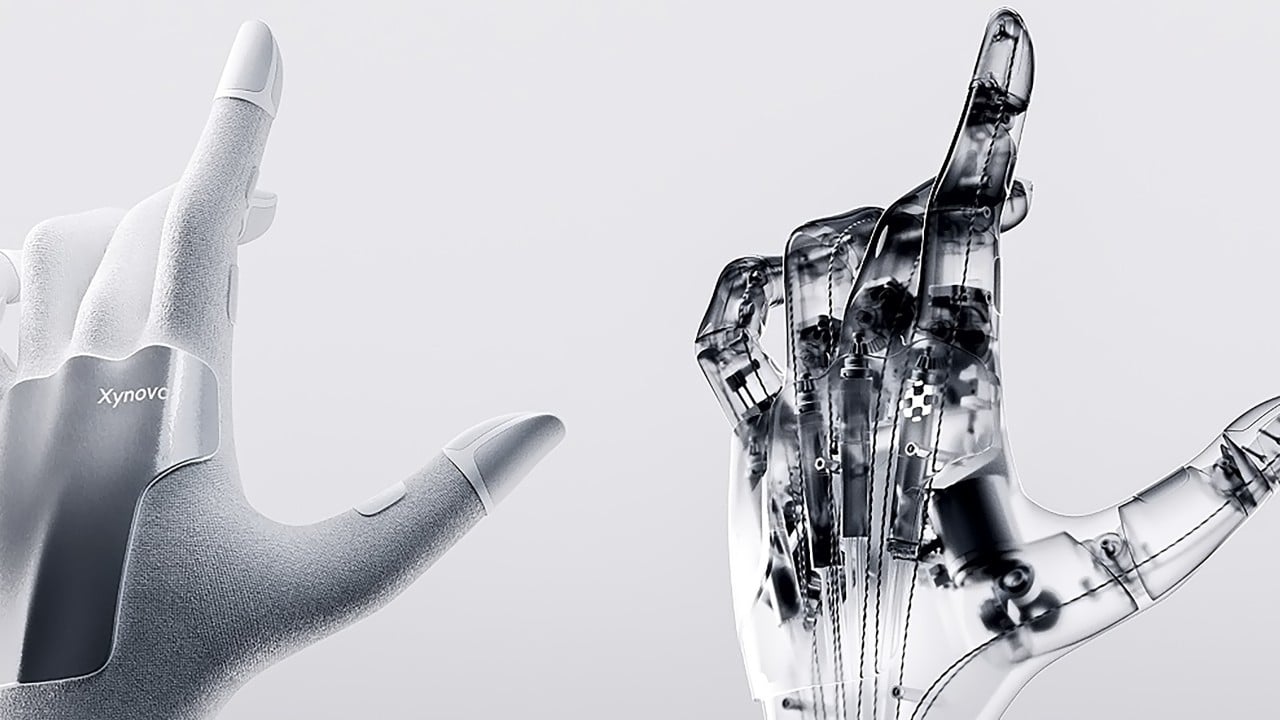
Unicorn born in record time amid ‘arms race’ among China’s robotic hand developers
In a significant move within the global humanoid robotics sector, venture capitalists and major industrial players in China are intensifying their investments in the development of advanced robotic hands, which are considered a critical challenge in the industry. On Friday, Xynova, a start-up based in Hangzhou, announced the successful completion of its Series A funding round. This round attracted notable investments from the venture arms of prominent companies, including smartphone manufacturer Xiaomi and electric vehicle producer Li Auto. The influx of capital is expected to substantially increase the valuations of start-ups in this burgeoning field, reflecting a growing confidence in the potential of dexterous robotic technology to revolutionize various applications.
Best Practices for Calibrating and Maintaining Manufacturing Robotic Arms
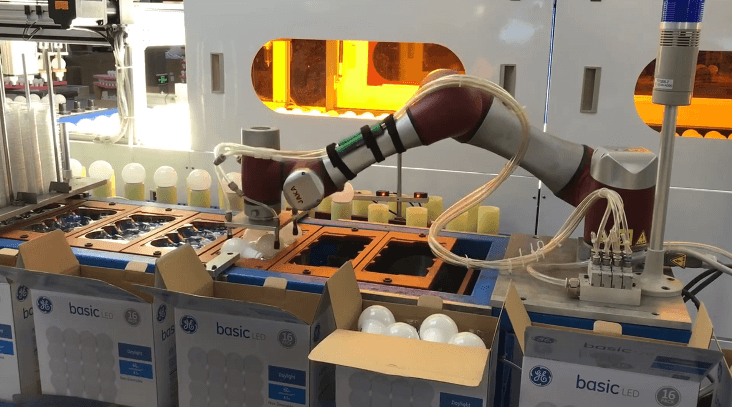
In the evolving landscape of modern manufacturing, robotic arms and collaborative robots have emerged as essential tools, enhancing efficiency and precision while minimizing human error. JAKA, a leading provider of collaborative robots, emphasizes the importance of scientific calibration and regular maintenance to ensure the stable operation of these machines, which directly impacts production quality and safety. To maintain optimal performance, JAKA outlines best practices for calibrating and servicing robotic arms, particularly its JAKA Zu12 model. Regular kinematic calibration is crucial for correcting geometric errors and ensuring accurate motion trajectories, which is vital for collaborative robots that interact closely with humans. The JAKA Zu12’s integrated design facilitates efficient calibration during assembly, maximizing its reach and payload capabilities. Daily and periodic maintenance is also critical in reducing failure rates. Daily tasks include cleaning, checking cable connections, and ensuring joint operation, while periodic maintenance focuses on lubricating joints, inspecting wear on components, and updating software. For collaborative robots like the JAKA Zu12, regular safety checks are essential to ensure safe human-robot interactions. JAKA also advocates for scenario-based maintenance tailored to specific application needs, such as handling and palletizing tasks, to enhance processing precision and operational reliability. By implementing systematic calibration and maintenance strategies, JAKA aims to help enterprises optimize the performance of their robotic arms, ultimately reducing costs and boosting production efficiency in automated manufacturing environments.
How Robotic Arms Improve Worker Ergonomics and Reduce Injury Risk
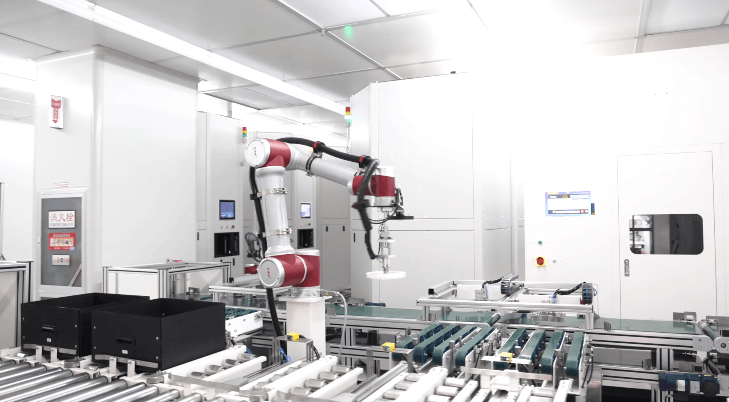
In the realm of modern manufacturing, JAKA, a leading provider of intelligent robotic solutions, is revolutionizing workplace safety and ergonomics through its advanced robotic arms, particularly the JAKA Pro16. These collaborative robots are designed to alleviate the physical strain on workers by taking over repetitive and physically demanding tasks, such as polishing, grinding, and material handling. By doing so, they significantly reduce the risk of musculoskeletal disorders and work-related injuries that often arise from prolonged repetitive motions and heavy lifting. The JAKA Pro16, notable for its high payload capacity and IP68 protection, is engineered to operate efficiently in harsh environments, lifting heavy loads with precision while minimizing the potential for strains and sprains associated with manual labor. Its robust design ensures stable operation, enhancing safety during heavy-duty tasks. Moreover, JAKA's commitment to ergonomic design allows for flexible deployment and easy programming, enabling manufacturers to adapt their workflows to better suit workers' needs. This adaptability not only improves worker comfort but also fosters a safer working environment. As industries increasingly prioritize worker well-being, JAKA's innovative approach illustrates how integrating collaborative robots into manufacturing processes can lead to safer, more efficient workplaces. By investing in such technologies, companies can protect their workforce while promoting sustainable production growth.

N Ways Robotic Arms Are Transforming the Automotive Assembly Line
The automotive manufacturing industry is experiencing a significant transformation driven by the integration of advanced robotic arms, particularly collaborative robots, which enhance production efficiency, precision, and flexibility. JAKA, a leader in intelligent manufacturing, is at the forefront of this shift, implementing its robotic technology to address challenges such as low efficiency, inconsistent quality, and high labor costs in automotive assembly. As consumer demand evolves towards smaller batches and diverse product varieties, JAKA's collaborative robots, exemplified by the JAKA S12, offer high-precision adaptive assembly capabilities. With built-in force sensors and a lightweight design, these robots can be quickly deployed on assembly lines, minimizing downtime and adapting to various workpiece shapes and sizes. In the critical welding phase of automotive assembly, JAKA's robotic arms improve quality and efficiency by optimizing the welding process. Their user-friendly configuration interface and safety features ensure reliable operation, while compatibility with various welding machine brands enhances their versatility. Moreover, JAKA's collaborative robots lower the barriers to automation with zero-cost deployment and straightforward operation, allowing companies to implement these systems without specialized technical staff. This innovation not only reduces training costs but also enables manufacturers to quickly adapt to automation in their assembly lines. As the automotive sector increasingly embraces intelligent and flexible manufacturing, JAKA is committed to continuous innovation, providing high-quality robotic solutions that empower enterprises to enhance production efficiency and sustainability in the evolving market landscape.
The Long-Term Value of Robotic Arms for Manufacturing in Small to Medium Enterprises (SMEs)
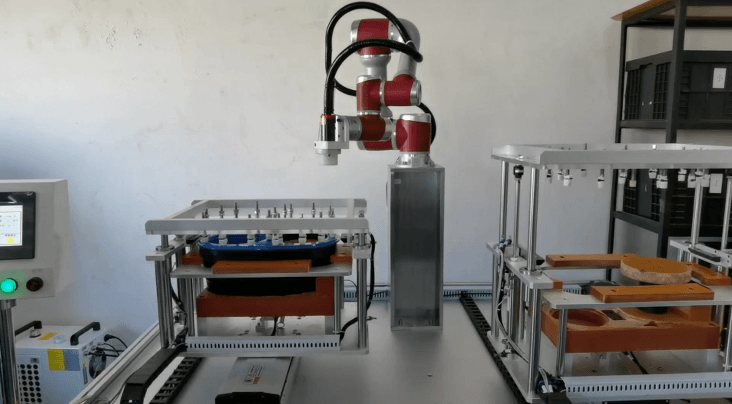
Small and medium enterprises (SMEs) in the manufacturing sector are increasingly turning to collaborative robots to enhance their operational efficiency and product quality, according to JAKA, a leading provider of robotic solutions. This shift comes as SMEs seek to balance cost control with long-term development, particularly in a competitive market. Historically, many SMEs viewed robotic arms as prohibitively expensive and complex. However, advancements in collaborative robot technology have made these tools more accessible. JAKA's A12L intelligent visual perception robot exemplifies this trend, offering simple programming and quick deployment, which eliminates the need for specialized technicians and extensive workshop modifications. This adaptability allows SMEs to significantly reduce labor costs, which are often their largest expense. The JAKA A12L operates continuously without fatigue, minimizing human error and ensuring consistent production quality. Its intelligent vision system enhances machine tending efficiency, enabling SMEs to maintain stable output and lower defect rates. This capability is particularly valuable as SMEs face challenges related to small-batch and diverse production needs, allowing for rapid reconfiguration of production lines. By adopting JAKA's collaborative robots, SMEs can not only achieve immediate cost savings and efficiency gains but also overcome developmental hurdles, positioning themselves for sustainable growth in the evolving manufacturing landscape. JAKA's commitment to providing cost-effective and user-friendly robotic solutions empowers SMEs to optimize their operations and enhance their competitiveness in the market.
From Space to Ground: The Next Frontier for Flexible Robotic Arms
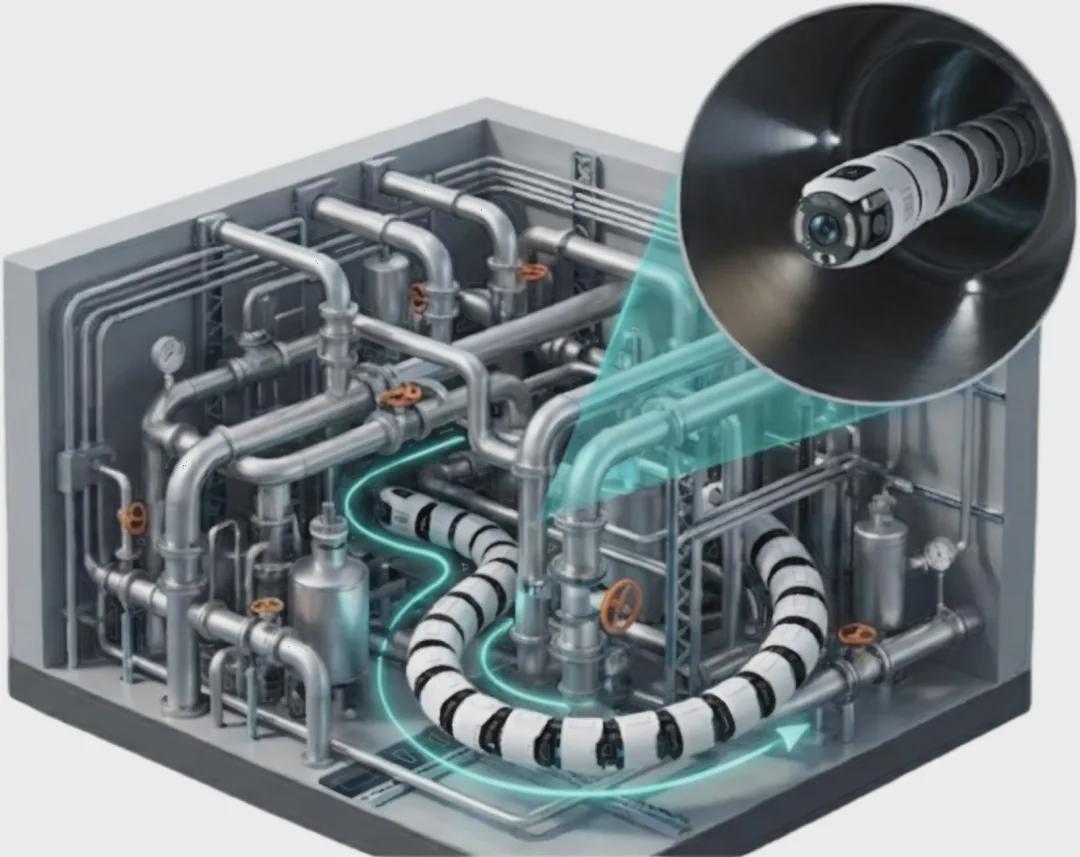
In March 2026, Tsinghua University's Shenzhen International Graduate School successfully launched the 'Yuxing-3' satellite, which features a groundbreaking flexible robotic arm capable of in-orbit fuel refueling. This innovative technology is designed to operate in extreme environments on Earth, addressing industrial challenges that traditional rigid robotic arms struggle to manage. The unique design of the arm enables precise maneuvers in confined spaces, making it particularly suitable for applications in critical sectors such as nuclear power, aerospace, and the chemical industry. The successful demonstration of this technology marks a significant advancement in robotics and could enhance operational efficiency in various high-stakes environments.
Flexible Robotics Space Technology Industrial Automation Robotic Arms Extreme Environment Operations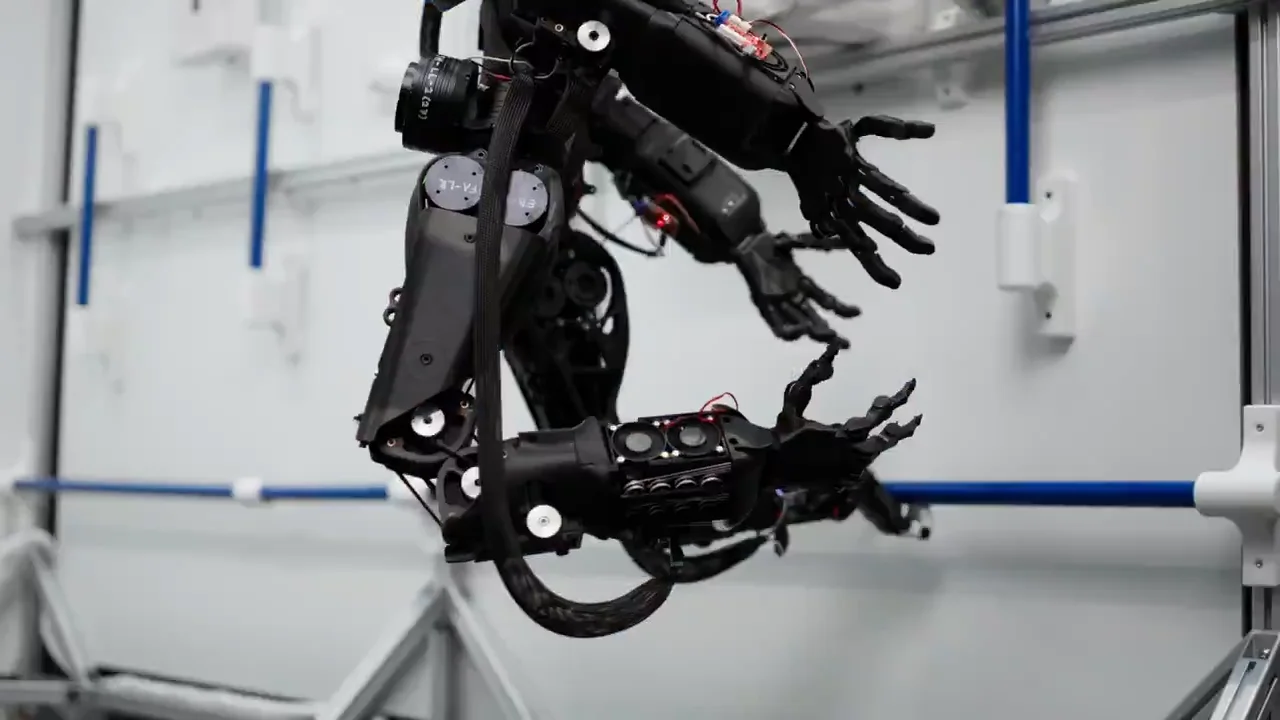
Orbit Robotics Unveils HELIOS: A Four-Armed Space Humanoid for Zero-Gravity Tasks
Orbit Robotics has introduced HELIOS, a groundbreaking four-armed humanoid robot designed for zero-gravity environments. This innovative robot aims to assist astronauts in tasks such as satellite repairs and lunar habitat construction, showcasing a complex system of cable-driven pulleys and joints. The development of HELIOS represents a significant shift in the application of humanoid robotics, as it is not intended to replace human astronauts but to enhance their efficiency in space research. The project, originating from an ETH Focus Project at the Swiss Federal Institute of Technology, integrates controls, perception, electronics, mechanics, and biomechanics. An official presentation of HELIOS is scheduled for May 27 at the ETH Fokus-Rollout. As the space sector increasingly embraces humanoid robotics, it is essential to monitor how projects like HELIOS and initiatives from companies like Tesla and Foundation Robotics shape the future of space exploration.
Germany plans robotic arms to retrieve 126,000 nuclear waste barrels in salt mine site
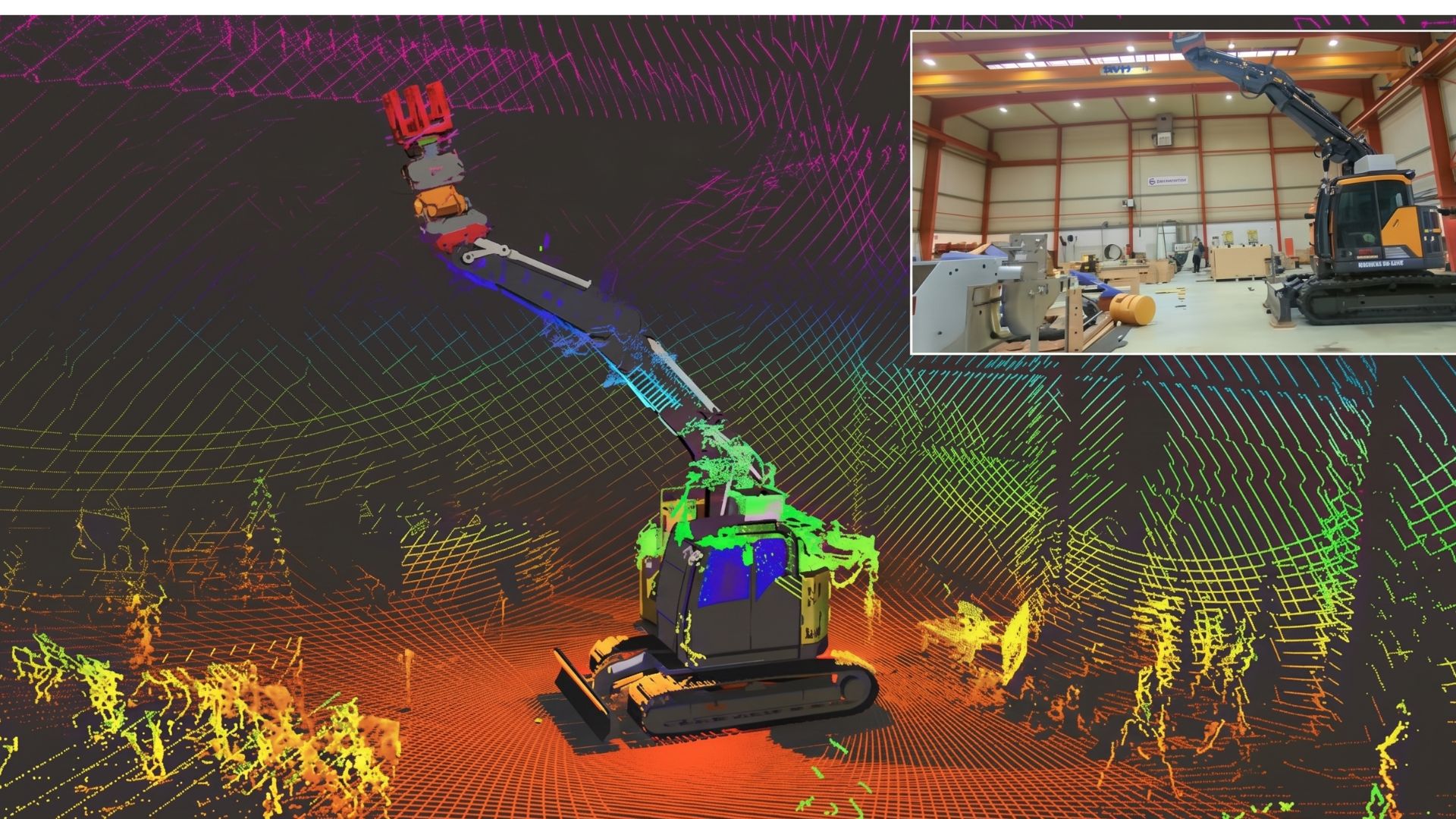
German engineering firm Bilfinger, in collaboration with the Fraunhofer IOSB research institute, is advancing the development of a tele-operated system aimed at enhancing industrial processes. This innovative technology is designed to improve efficiency and safety in various sectors by allowing remote operation of machinery and equipment. The project, which commenced recently, is set to take place at Bilfinger's facilities in Germany, where both organizations will leverage their expertise in engineering and research. The motivation behind this initiative is to address the growing demand for automation and remote management solutions in the wake of the COVID-19 pandemic, which has accelerated the need for safer working environments. By integrating cutting-edge technology and research, Bilfinger and Fraunhofer IOSB aim to create a robust system that can be deployed across multiple industries, ultimately transforming how operations are conducted in challenging environments.

Canadian AI Startup Independent Robotics Wins $2.28M Contract to Bring Conversational AI to Multi-Agent Robot Swarms
A new system called IMPAC has been developed to enhance human interaction with complex robotic systems by allowing operators to communicate using natural, conversational language. This innovation aims to simplify the process of managing multi-robot operations, ensuring that they remain synchronized and aligned with their missions. By translating everyday language commands into actionable plans, IMPAC significantly reduces the cognitive burden on users, effectively acting as a force multiplier for existing teams. The system is designed to operate across various environments and domains, making it a versatile tool for improving efficiency and coordination in robotic operations.
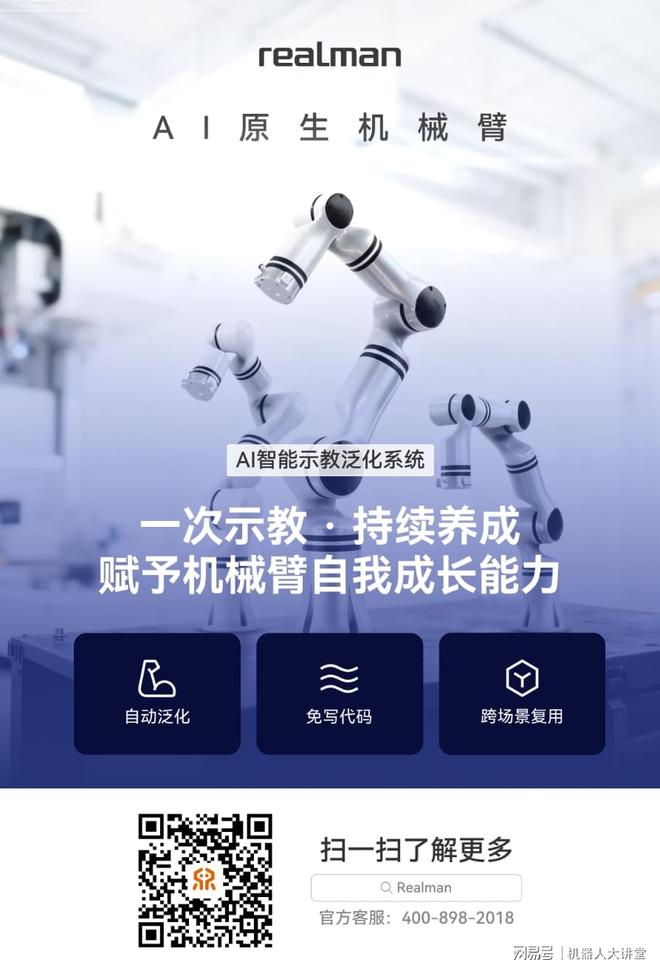
Empowering Robotic Arms with Self-Learning Capabilities: RealMan Launches AI Intelligent Teaching Generalization System
RealMan has introduced its groundbreaking AI Intelligent Teaching Generalization System, which empowers robotic arms to learn independently by observing human demonstrations. This innovative technology, unveiled recently, promises to drastically cut down the time required for task deployment while facilitating ongoing skill enhancement. By transforming robotic arms into versatile production partners, RealMan aims to revolutionize automation in various industries. The system's ability to adapt and evolve through continuous learning positions it as a significant advancement in the field of robotics, potentially reshaping workflows and increasing efficiency in production environments.
Robotic Arms AI Technology Automation Machine Learning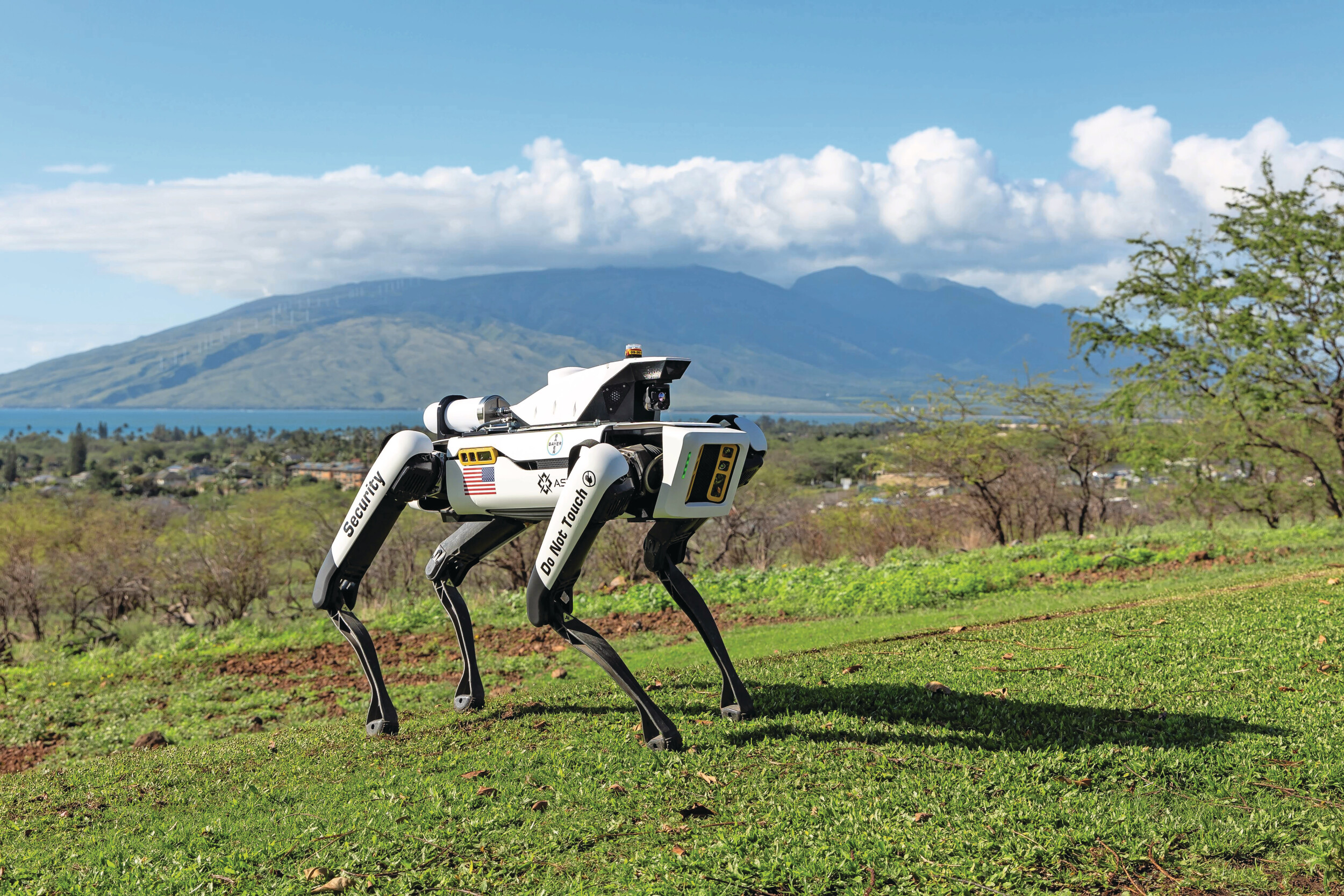
Arable farms switch to robotic dogs to guard valuable corn crops
In Hawaii, high-tech robotic dogs are being deployed to patrol corn farms, offering a cost-effective solution for security and monitoring. These advanced machines are designed to safeguard valuable crops while significantly reducing staffing expenses for farmers. By providing real-time information on potential security breaches, the robotic dogs enhance the overall efficiency of farm operations. This innovative approach not only protects agricultural investments but also represents a growing trend in the use of technology to address labor shortages in the farming sector.
Smart farming ai crop protection drones robotic harvesting security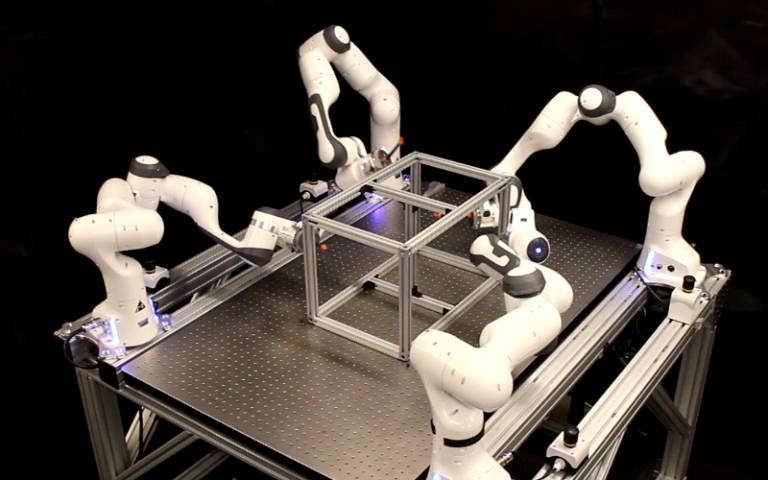
Efficient Inverse Kinematics Solution for Industrial Robotic Arms: NR Iterative Based on IDBO‐BPNN Prediction
In May 2026, the Journal of Field Robotics published a significant study examining advancements in robotic technology, particularly focusing on autonomous navigation systems. The research, conducted by a team of engineers and scientists, highlights innovative algorithms that enhance the ability of robots to navigate complex environments without human intervention. This study was carried out at various testing sites, including urban landscapes and rugged terrains, to assess the robots' performance in real-world scenarios. The motivation behind this research stems from the growing demand for autonomous systems in various industries, such as agriculture, construction, and disaster response. By improving navigation capabilities, the team aims to increase the efficiency and safety of robotic operations in challenging conditions. The findings indicate that these new algorithms can significantly reduce the time and resources required for robots to complete tasks, thereby offering potential cost savings and improved outcomes for businesses. The study's implications are far-reaching, suggesting that enhanced autonomous navigation could lead to broader adoption of robotic technologies across multiple sectors. As industries continue to seek innovative solutions to improve productivity and reduce risks, this research represents a crucial step forward in the integration of robotics into everyday applications.
RESEARCH ARTICLE
What Company Makes Robotic Arms?
As industrial automation increasingly shapes modern manufacturing, companies are seeking robotic arms that can effectively adapt to real production environments. JAKA, a prominent player in the robotics sector, emphasizes the importance of understanding how robotic arms function on the factory floor rather than merely in controlled testing scenarios. The demand for flexible and compact robotic systems is rising, driven by the need for quick deployment and adaptability to changing production requirements across various industries, including electronics and automotive assembly. JAKA distinguishes itself by focusing on collaborative robotic arms that facilitate close interaction with human workers and existing production systems. By developing systems that balance precision, payload, and safety without necessitating extensive infrastructure changes, JAKA enables the integration of robotic arms into compact workspaces and mixed-production lines. Their design philosophy prioritizes standardized interfaces and modularity, allowing seamless compatibility with vision systems and other automation components. The design and support of robotic arms throughout their lifecycle are crucial factors in determining a manufacturer’s reliability. JAKA’s lightweight structures, consistent motion control, and user-friendly programming interfaces reduce deployment time and operational barriers, making their systems suitable for a variety of tasks such as assembly, inspection, packaging, and testing. By emphasizing system compatibility and long-term usability, JAKA positions itself as a trusted supplier, committed to supporting customers through integration and future automation expansions. Ultimately, the effectiveness of robotic arms in real-world applications hinges on their ability to adapt and support sustainable automation strategies.

Li Feifei's Latest CaP-X Framework: Achieving Complex Tasks with Real Robotic Arms and Zero Samples!
A team led by Li Feifei has unveiled the CaP-X framework, a groundbreaking development in robotic control that empowers large models to autonomously generate executable code for robot operation. This innovative system eliminates the need for extensive training data, allowing robots to execute complex tasks with a success rate that rivals that of human experts. The introduction of CaP-X represents a significant leap forward in the field of robotics, potentially transforming how robots are programmed and utilized in various applications.
Robotics AI Machine Learning Automation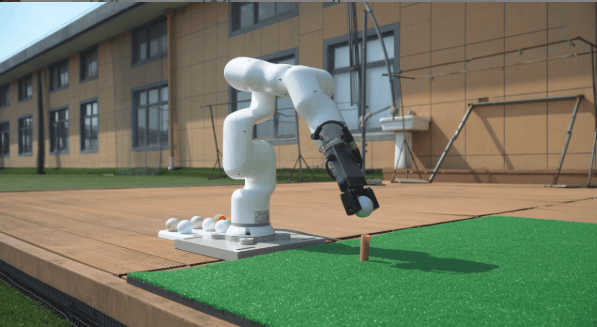
Top 8 Applications of Commercial Robotic Arms in Food and Retail Service
As the food and retail sectors evolve, JAKA is observing a rising interest in the use of commercial robotic arms to enhance operational efficiency without disrupting existing workflows. These robotic solutions, particularly compact mini arms, are designed for environments where space, safety, and cost are critical factors. In beverage shops and cafés, robotic arms are streamlining repetitive tasks like cup handling and liquid dispensing, ensuring consistent portioning during busy hours. Similarly, in fast-casual dining, these arms assist with ingredient placement and tray handling, promoting quality consistency while allowing for safe collaboration with human staff. Retail environments benefit from robotic arms as well, which can sort and restock products during off-peak hours, making them ideal for smaller stores with limited space. In takeaway and retail fulfillment, these arms facilitate packing and sealing operations, fitting seamlessly into compact back-of-house areas. Additionally, vision-assisted inspection applications are on the rise, with robotic arms enhancing the consistency of food quality checks. In retail showrooms, they engage customers through interactive demonstrations, while in back-of-house logistics, they streamline material handling tasks. For chain stores, the ability to standardize operations across multiple locations is a significant advantage, with mini robotic arms simplifying installation and training. JAKA's innovations, such as the MiniCobo, balance lightweight design with commercial usability, allowing businesses to gradually adopt automation while maintaining stable operations.
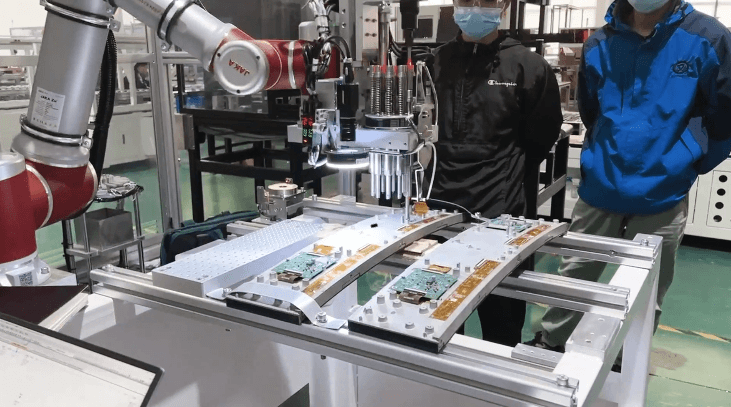
Robotic Arms for High-Precision Screw Driving and Fastening Applications
JAKA, a leader in collaborative robotics, is addressing the increasing demand for precision in modern manufacturing. The company’s robotic arms, equipped with advanced control algorithms and high-resolution sensors, achieve micron-level accuracy essential for industries such as electronics, automotive, and semiconductors. By integrating these systems, manufacturers can minimize human error, enhance production efficiency, and maintain stringent quality standards, particularly in high-stakes environments where minor deviations can lead to significant issues. The JAKA Zu7 Inspection platform exemplifies the flexibility and efficiency of automation, allowing seamless integration with vision systems and measuring instruments for non-destructive testing. This adaptability enables manufacturers to quickly adjust production lines for new product variants without extensive reconfiguration, thereby saving time and resources. Additionally, the robotic solutions alleviate workers from repetitive inspection tasks, enhancing workplace safety and operational efficiency. Safety is a core focus for JAKA, with features such as intelligent collision detection and user-friendly programming interfaces ensuring that operators can safely work alongside the robots. The systems are designed for ease of use, allowing even those without programming experience to manage complex tasks confidently. Through its innovative robotic solutions, JAKA aims to empower manufacturers to meet the demands of high-precision applications while reducing labor costs and improving overall production quality. The company's commitment to developing intelligent and flexible robotic systems positions it as a key player in the future of manufacturing automation.
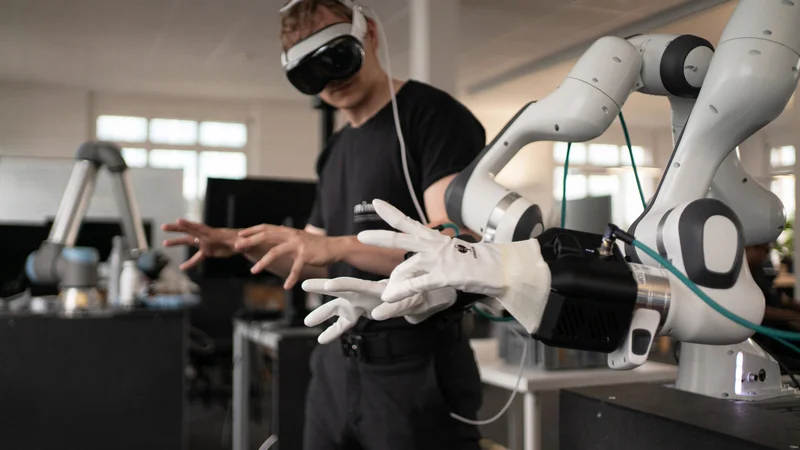
Mimic Robotics Raises $16M to Pair Dexterous AI Hands With Standard Robot Arms
A Zurich-based ETH spin-off is advocating for a practical and swiftly implementable solution to industrial automation, challenging the notion that full-body humanoid robots are the optimal choice for most tasks. Instead, the company emphasizes the development of a robust AI foundation model, which is designed to be trained and operated by human workers. This approach aims to enhance efficiency and effectiveness in various industrial applications, reflecting a shift towards more adaptable and user-friendly technologies in the sector.
Mimic Robotics hand hands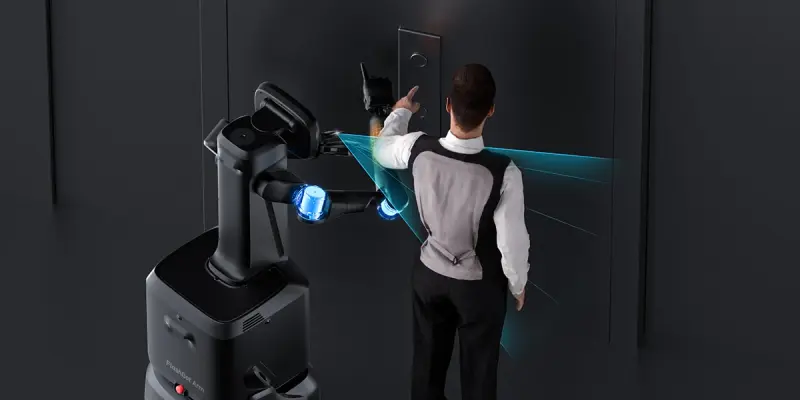
Video: Pudu Robotics Equips Delivery Bot with Dual Arms in New FlashBot Arm
Pudu Robotics has unveiled its latest innovation, the FlashBot Arm, a cutting-edge service robot that features dual seven-degree-of-freedom arms and dexterous hands mounted on a mobile delivery base. This advanced robot is engineered to perform a variety of tasks, including operating elevators and opening doors, thereby enhancing its functionality in diverse service environments. The introduction of the FlashBot Arm signifies a significant step towards integrating autonomous navigation with sophisticated manipulation capabilities, allowing for greater versatility in settings such as hotels, hospitals, and restaurants. By combining these technologies, Pudu Robotics aims to improve efficiency and service delivery in industries increasingly reliant on automation.
pudu robotics flashbot armRobotics needs a service framework.
RSF defines a common language for robot service capability, lifecycle operations, certification pathways, and service-provider networks.
Join the RobotToday community on LinkedIn
Daily robotics news, in-depth analysis, conference highlights, and discussions with professionals worldwide.







