Industry Briefing
A single destination for timely, editor-curated robotics news from around the world.
LimX Dynamics Secures $200 Million to Enhance Humanoid Robot Autonomy
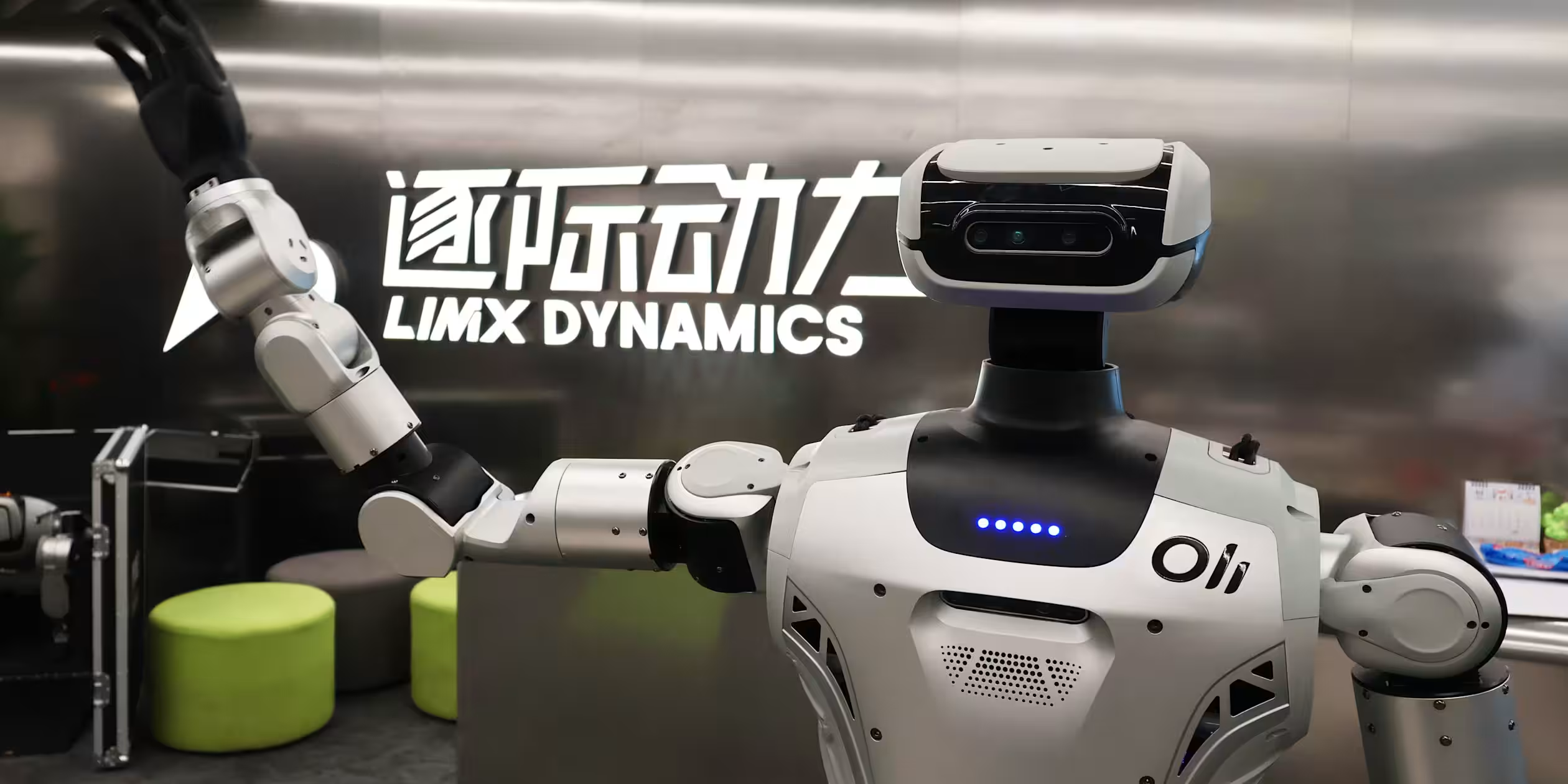
Chinese startup LimX Dynamics announced the successful raising of nearly $200 million, valuing the company at approximately $2.2 billion. This funding aims to advance the development of humanoid robots capable of performing complex tasks autonomously, a critical step for the company based in Shenzhen, China. The significance of this funding round lies in LimX Dynamics' need for real-world data to enhance the autonomy of its robots. As the demand for advanced robotics solutions grows, achieving higher levels of autonomy will position LimX Dynamics competitively within the robotics market. Looking ahead, industry observers will be keen to see how LimX Dynamics utilizes this funding to accelerate its research and development efforts. No further timeline was disclosed at the time of publication.

1X Launches World Model Lab to Advance Humanoid Robot Autonomy
1X, a Norwegian-American company specializing in humanoid robotics, has unveiled its new facility, the 1X World Model Lab, aimed at advancing artificial intelligence. This initiative is designed to develop large-scale foundation models that will enable robots to better understand, predict, and interact with their environments. The lab's focus is on pretraining these models using essential data from the outset, enhancing the robots' capabilities in various applications. The launch reflects 1X's commitment to pushing the boundaries of robotics and AI technology.
AI AI Funding & Investment AI Research & Advances Robotics Uncategorized 1X
Defining Autonomy for Wellness Robots in Senior Care
A recent examination highlights the potential of socially assistive wellness robots in enhancing senior wellness across seven key dimensions. This analysis, aimed at addressing the escalating senior care crisis, underscores the challenges posed by demographic shifts, workforce shortages, and gaps in daily wellness programming that traditional care models face. The study defines wellness robots distinctly from companion and medical devices, emphasizing their unique features and functions. It introduces a framework for measuring the autonomy of these robots using the Care Robot Autonomy Scale (CRAS), a six-level scale inspired by the SAE J3016 driving standard, which assesses four critical care dimensions. Furthermore, the research outlines a roadmap for achieving full autonomy in wellness robots, detailing necessary technical capabilities, clinical evidence, and a phased approach leading into the early 2030s. This comprehensive analysis aims to inform stakeholders about the transformative role of wellness robots in senior care and the urgent need for innovative solutions in the face of growing demands. A free whitepaper summarizing these findings is available for download.
Type-whitepaper Wellness-robots Autonomous-robots Robotics
AI Agent Autonomy's Impact on Robotics Safety and Control Mechanisms
Robotic systems are increasingly capable of perceiving, choosing, and altering their behavior autonomously, without human intervention. This shift towards autonomy enhances adaptability in various environments such as warehouses and labs, but it also raises significant concerns regarding safety and control. Traditional safety measures, including physical barriers and emergency buttons, may no longer suffice as robots undertake more complex tasks. The implications of this autonomy are profound, as organizations must now assess the quality of decisions made by autonomous systems, the reliability of their software, and the protocols for monitoring their actions. Unlike conventional robots that follow fixed commands, autonomous robots can evaluate multiple scenarios and make decisions based on real-time conditions, which complicates safety protocols. Ensuring that these systems operate safely requires a reevaluation of existing safety standards that focus on speed and force. Looking ahead, it is crucial for operators to have adequate information to respond effectively to unexpected robot behavior. Autonomous robots utilize various sensors to interpret their environment, but factors like dust and poor lighting can affect input quality. Organizations should prioritize the definition and testing of triggers for human intervention to maintain a balance between autonomy and safety. No further timeline was disclosed at the time of publication.
AI agents Infrastructure AI agent autonomy ai agents ai safety automation
Why robotics can’t advance without physical AI
Recent advancements in robotics are shifting focus from enhancing processors and mechanical designs to improving data quality, particularly through realistic training environments. This emerging field, known as Physical AI, emphasizes the creation of 3D assets and simulation environments that incorporate genuine physical properties. By accurately mimicking real-world behaviors, these simulations aim to enhance the training of robotic systems, enabling them to perform more effectively in various applications. As researchers and developers prioritize realistic data over traditional methods, the potential for breakthroughs in robotic capabilities is becoming increasingly evident. This evolution in robotics is expected to redefine how machines interact with their environments, paving the way for more sophisticated and adaptable technologies.
Artificial Intelligence Robotics ai robotics automation news Autonomous robots digital twins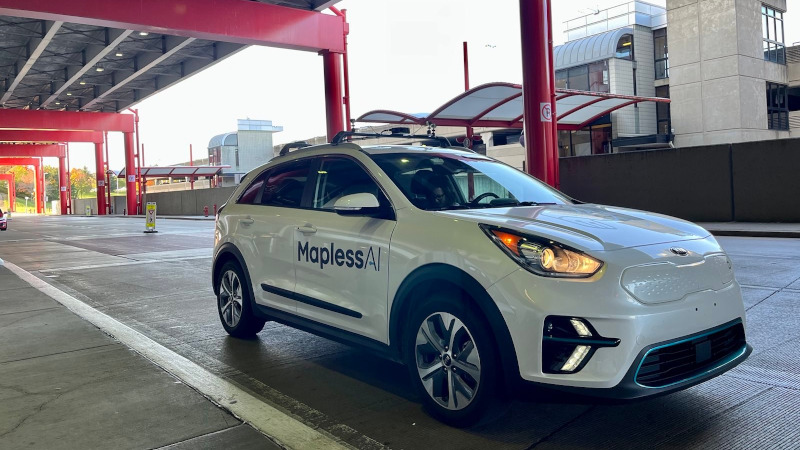
Fort Robotics acquires Mapless AI to expand supervised autonomy and physical AI safety platform
Fort Robotics, a company specializing in trust solutions for physical AI, has acquired Mapless AI, a prominent firm based in Boston and Pittsburgh known for its expertise in vehicle teleoperation and autonomy supervision. This acquisition marks a strategic move for Fort, enhancing its Trust Platform with two essential capabilities: remote human-in-the-loop teleoperation and onboard active safety. By integrating Mapless AI's technologies, Fort aims to broaden its commercial offerings and improve the safety and efficiency of autonomous systems. The deal underscores Fort's commitment to advancing the development of reliable and secure AI-driven solutions in the robotics sector.
Artificial Intelligence Financials & Investments Logistics active safety systems ai robotics automation news
Global Underwater Hub Launches Underwater Robotics and Autonomy Forum ahead of 2026 Annual Conference
The Global Underwater Hub (GUH), a prominent organization dedicated to the advancement of the UK's underwater industries, has introduced a new Underwater Robotics and Autonomy Forum. This initiative aims to foster collaboration and drive innovation within the subsea robotics sector. The forum is expected to serve as a platform for industry stakeholders to share insights, develop new technologies, and enhance operational efficiencies in underwater robotics. By bringing together experts and businesses, GUH seeks to position the UK as a leader in this rapidly evolving field, responding to the growing demand for advanced underwater solutions. The launch of the forum marks a significant step in GUH's ongoing efforts to support the development of the underwater economy and address the challenges faced by the industry.
events global underwater hub (guh) underwater robotics and autonomy forum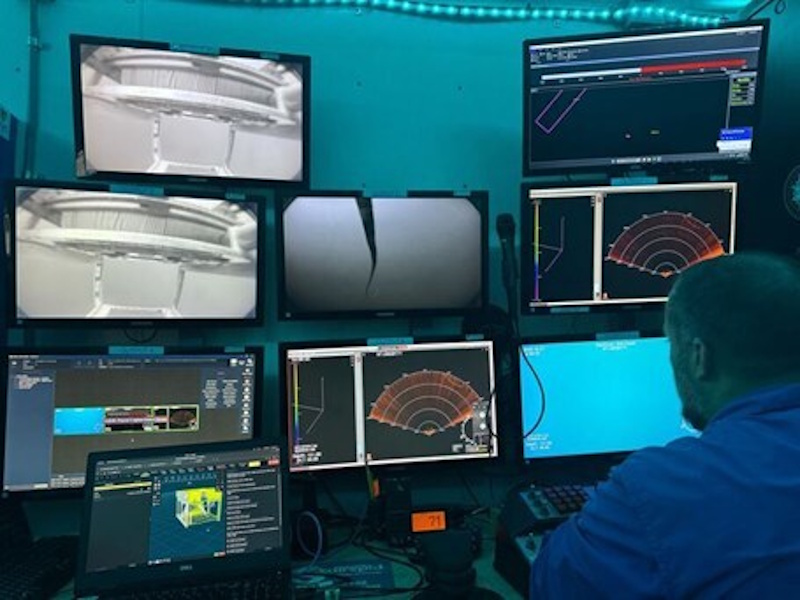
Nauticus Robotics Certifies Nauticus ToolKITT Autonomy Software on Light Work-Class ROVs & Completes First Paid Commercial Operation on a Retrofitted System
Nauticus Robotics, Inc. has successfully certified and deployed its Nauticus ToolKITT™ autonomy software on two light work-class remotely operated vehicles (ROVs) following the acquisition of SeaTrepid International in 2025. This achievement was announced today after the completion of certified pool and open-water testing. The deployment marks a significant milestone for Nauticus, as it represents the company's first paid commercial subsea project utilizing the ToolKITT™ software on a retrofitted ROV platform. This development underscores Nauticus's commitment to advancing its autonomy technology beyond proprietary systems, enhancing its capabilities in the field of autonomous subsea robotics.
nauticus robotics certification nauticus toolkitt autonomy software light work-class rov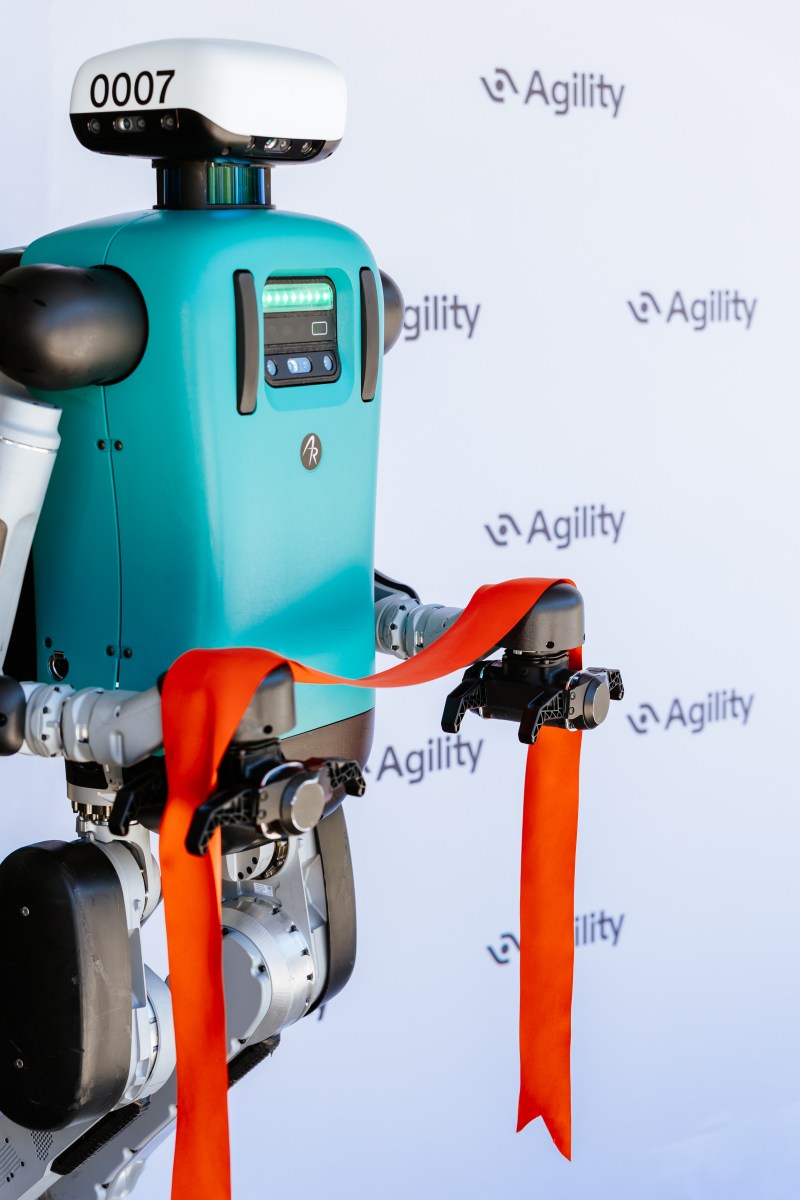
Agility Robotics Opens New Facility in Fremont to Train Humanoid Robot Digit
Agility Robotics is establishing a 60,000-square-foot facility in Fremont, California, to enhance the training of its humanoid robot, Digit. This location is strategically close to Tesla's factory, where production of the Optimus robot is anticipated to begin this year. Agility's CEO, Peggy Johnson, emphasized the importance of being in proximity to Tesla, as it fosters a competitive environment in the humanoid robotics sector. The significance of this development lies in Agility's established presence in the market, with Digit already generating revenue through tasks such as transporting totes and bins for major clients including Amazon and Toyota Motor Manufacturing Canada. The company has secured $300 million in contract orders, showcasing its commercial viability. Agility's approach focuses on practical autonomy, ensuring safety and compliance in operational environments, which sets it apart from newer AI-driven robotic startups. Looking ahead, Agility is in discussions with over 30 potential customers for Digit's deployment, and the new facility will facilitate the robot's skill development in realistic settings. The upcoming version 5 of Digit, expected to be revealed this fall, will feature enhanced capabilities to sense human presence, marking a significant step towards broader operational applications.
AI Robotics agility robotics Optimus Tesla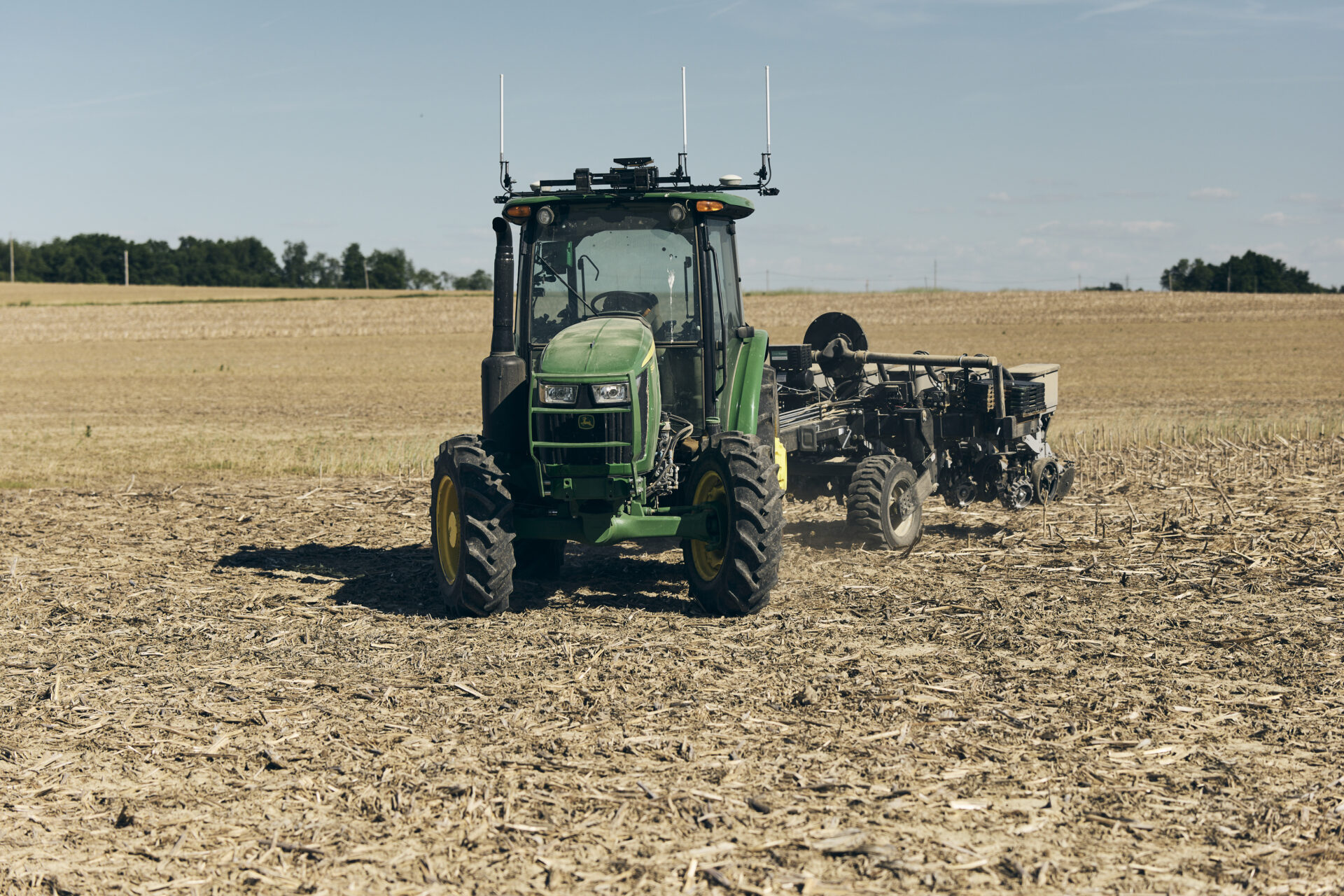
Leaps By Bayer Invests in Sabanto to Enhance Agricultural Autonomy Solutions
Sabanto, known for its autonomy retrofit system for agriculture, has successfully completed an oversubscribed Series B funding round aimed at expanding practical autonomy in farming. Founder and CEO Craig Rupp emphasized that their approach focuses on reducing capital investment by enabling farmers to utilize smaller, lower-cost autonomous tractors instead of investing in larger machinery. The significance of this funding round, led by Leaps by Bayer, lies in its potential to transform agricultural practices by making autonomy more accessible to farmers. By retrofitting existing tractors with advanced technology, Sabanto aims to lower the costs associated with adopting autonomous systems while enhancing productivity through continuous operation. This approach addresses the financial constraints many farmers face, as highlighted by Rupp and Paimun Amini from Leaps By Bayer. Looking ahead, Sabanto's partnership with Verdant Robotics to integrate precision agriculture applications could further streamline farming operations. The company has already established deployments in the United States and Australia, indicating a solid understanding of market needs. No further timeline was disclosed at the time of publication.
Agtech Artificial intelligence Deeptech Investing Precision agriculture Startups & funding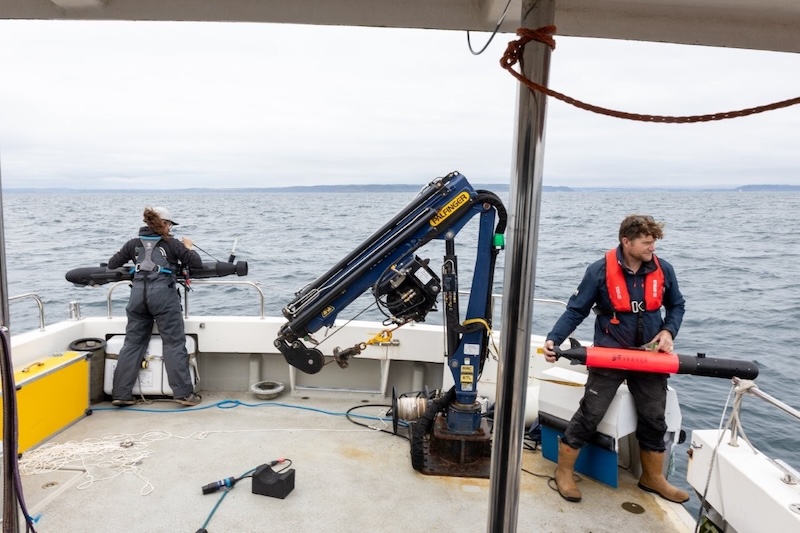
University of Plymouth Launches £1.2 Million Multi-Robot Demonstration at Smart Sound Connect
The University of Plymouth has successfully completed a significant underwater trials demonstration at the Smart Sound Connect Subsurface (SSCS) project, showcasing multi-marine robotic platforms. This event featured collaboration among ACUA Ocean, ecoSUB Robotics, Seaber, and Sonardyne, highlighting the capabilities of the £1.2 million initiative aimed at enhancing marine autonomy and ocean sensing in the UK. The demonstration attracted stakeholders from various sectors, emphasizing the project's role in advancing technology in marine environments. The SSCS project enhances the existing Smart Sound Plymouth testbed by integrating a seabed node array for precise positioning and communication, alongside intelligent sensors. This infrastructure supports advanced testing capabilities for autonomous vehicles, reinforcing Plymouth's status as a leading hub for marine autonomy. The successful demonstration underscores the importance of collaborative efforts in developing ocean observing technologies that can provide actionable intelligence for climate resilience and preparedness. Looking ahead, the SSCS project aims to further develop ocean observing technologies that can transform prototypes into reliable data streams. No further timeline was disclosed at the time of publication, but the ongoing collaboration is expected to drive innovation and strengthen industry partnerships in marine autonomy and sensing technologies.
Marine Research ACUA Ocean automation autonomous underwater vehicles auv
Cellula Robotics to Showcase Long-Range Subsea Autonomy at Oceanology International 2026
Cellula Robotics Ltd. has announced its participation in Oceanology International 2026, scheduled for March 10-12, 2026, at ExCeL London. The company will be located at Stand C601, where it plans to provide valuable insights into long-range subsea autonomy and deployment readiness. The exhibition will focus on the practical aspects of endurance, repeatable workflows, and support models relevant to defense, offshore survey, and environmental applications. This initiative aims to showcase Cellula's expertise and innovations in subsea technology to industry professionals and stakeholders.
cellula robotics showcase long-range subsea autonomy oceanology international 2026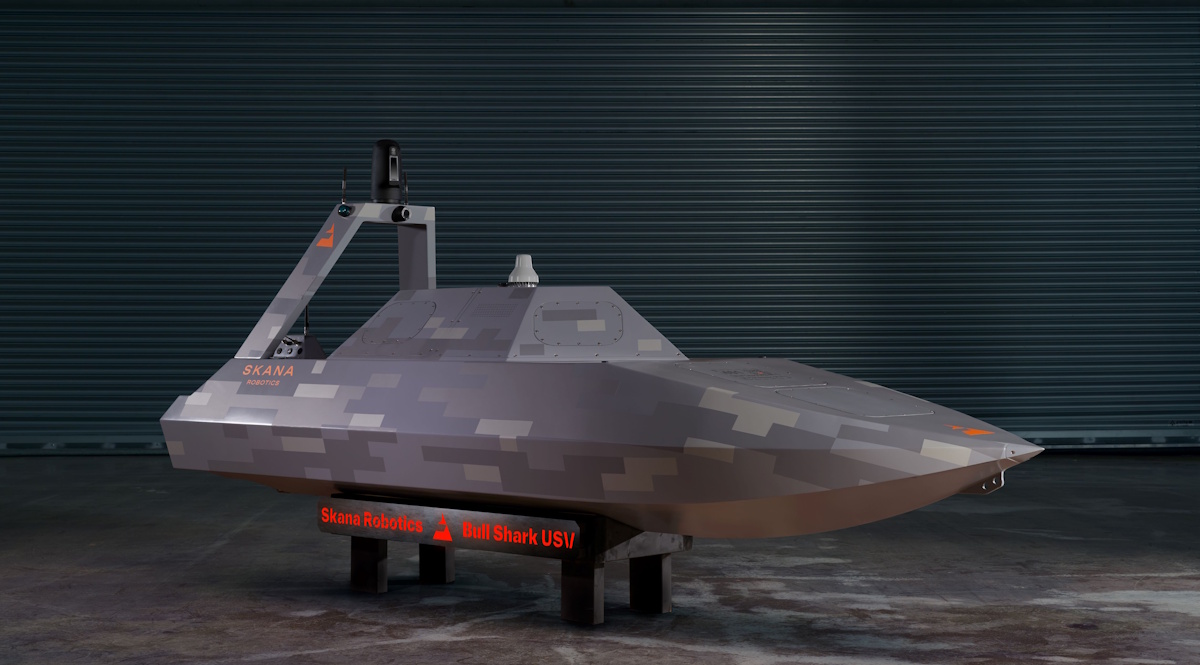
Skana Robotics Unveils Scalable Maritime Autonomy Designed for Operational Resilience
Skana Robotics, a defense technology firm established by veterans of naval special operations alongside robotics specialists, has unveiled its inaugural autonomous maritime systems: the Bull Shark, an Autonomous Surface Vessel, and the Stingray, an Autonomous Underwater Vessel. This launch marks a significant advancement toward software-defined, scalable naval assets that offer operational flexibility and are designed to collaborate with both manned and unmanned systems in distributed maritime operations. With initial orders already in place, Skana Robotics is poised to expand its deployment efforts in collaboration with operational partners across the globe.
skana robotics maritime autonomy auv uuv usv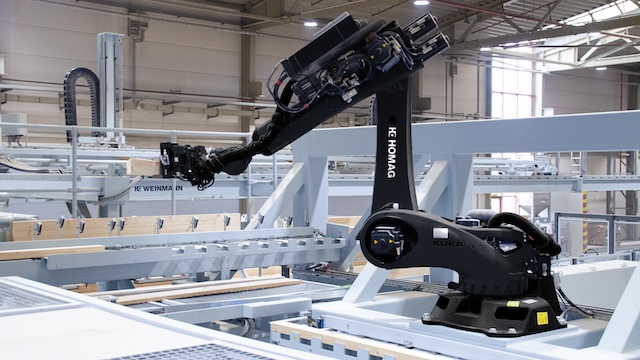
Allocentric Teleoperation Enhances Multirobot Coordination from Variable Perspectives
In the July 2026 issue of Science Robotics, researchers introduced allocentric teleoperation as a novel approach to enhance multirobot coordination. This method allows operators to control multiple robots from various perspectives, improving situational awareness and operational efficiency. The significance of this development lies in its potential to transform how operators interact with robotic systems. By enabling a variable perspective, allocentric teleoperation can facilitate more intuitive control and better decision-making in complex environments, which is crucial for applications in fields such as search and rescue, exploration, and industrial automation. Looking ahead, the implications of allocentric teleoperation could lead to advancements in robotic teamwork and autonomy. Future research may focus on refining this technology and exploring its integration into existing robotic systems. No further timeline was disclosed at the time of publication.
Research Article
XPeng CEO Completes First Fully Driverless Robotaxi Trip, Marking Key Milestone
XPeng, the Guangzhou-based electric vehicle manufacturer, has made significant strides in its robotaxi ambitions. CEO He Xiaopeng recently completed the first full robotaxi trip, showcasing the integration of the company's ride-hailing, dispatch, and pick-up systems. This milestone signifies the beginning of employee testing for XPeng's robotaxi platform, which was unveiled at the 2025 AI Day. The importance of this development lies in XPeng's transition from smart electric vehicles to fully robotic vehicles. He Xiaopeng emphasized that this service is crucial for advancing physical AI, which is designed for real-world applications. The robotaxi, based on the XPeng GX model, is China's first mass-produced vehicle engineered for Level 4 autonomy, capable of driving itself in most conditions without human intervention. Looking ahead, XPeng secured a road-testing permit in Guangzhou and established a dedicated robotaxi business unit. Pilot operations are set for the second half of 2026, with aspirations for fully autonomous operations without an on-site safety officer by early 2027. No further timeline was disclosed at the time of publication.

Impossible Metals Announces New Advanced Marine Robotics Hub in Pittsburgh for Mineral Robotics Development
Impossible Metals has unveiled plans to establish an Advanced Marine Robotics Hub in Pittsburgh, aimed at developing dual-use autonomy for ocean science and naval systems. This initiative is part of a broader effort to create a China-free critical-mineral supply chain, leveraging the region's expertise in robotics. The new hub will not only foster innovation in mineral robotics technology but also generate over a dozen high-paying engineering and science jobs in Pennsylvania. This move underscores the importance of local talent in advancing the United States' capabilities in marine robotics and autonomy. Looking ahead, stakeholders should monitor the hub's progress and its potential impact on the critical-mineral supply chain. No further timeline was disclosed at the time of publication.

SoftServe Introduces Virtual Gyms for Enhanced Robotics Training and Deployment
SoftServe has highlighted the importance of 'virtual gyms' for robotics teams, emphasizing their role in preparing robots for dynamic environments. These high-fidelity simulation environments allow robots to train, fail, and recover safely before real-world deployment, addressing the challenges posed by unpredictable operational conditions. The global robotics market is projected to grow at a 19.6% CAGR from 2026 to 2036, underscoring the need for effective training solutions like virtual gyms to enhance robotic autonomy and performance. The shift from programmed automation to physical AI necessitates that robots adapt to constantly changing environments, which traditional training methods struggle to accommodate. Virtual gyms integrate technologies such as digital twins, reinforcement learning, and sensor modeling to provide a comprehensive training platform. This approach mitigates the risks and costs associated with real-world trials, enabling teams to generate valuable training data in a controlled setting, thus improving deployment success rates. Looking ahead, the adoption of virtual gyms is expected to become a standard practice in robotics development, as they offer a solution to the simulation-to-reality gap. No further timeline was disclosed at the time of publication, but the increasing complexity of robotic tasks suggests that the demand for such training environments will continue to rise as the industry evolves.
Artificial Intelligence Artificial Intelligence / Cognition Autonomous Mobile Robots (AMRs) Development Tools / SDKs / Libraries Industrial Robots Logistics
NOVARC LAUNCHES NovAI AUTONOMY AS PART OF NovAI SUITE AND EXPANDS INTEGRATION TO YASKAWA AND ABB ROBOTS
Novarc Technologies, an industrial AI company focused on welding automation, unveiled its latest innovations at the Automate 2026 trade show in Chicago, running from June 22-25. The company introduced NovAI™ Autonomy, a cutting-edge solution that integrates machine vision and real-time adaptability into robotic welding processes, alongside NovHub™, its Enterprise Welding Intelligence platform. These technologies are designed to enhance the capabilities of ABB and Yaskawa robots, addressing critical challenges in the fabrication industry, such as a shortage of skilled welders and the need for greater automation flexibility. CEO Soroush Karimzadeh emphasized that NovAI aims to retrofit existing robotic cells, improving quality and efficiency by adapting to variations in parts and reducing manual rework. Demonstrations at the event showcased how NovAI Autonomy can automatically adjust welding parameters in response to misalignments and gaps, promising increased return on investment for manufacturers. The partnership with Yaskawa, formalized through a Memorandum of Understanding, aims to accelerate the deployment of vision-enabled welding cells, further enhancing productivity in heavy fabrication sectors. As demands for precision and efficiency grow, Novarc's advancements position it as a leader in AI-powered welding solutions, enabling manufacturers to optimize their operations and remain competitive.

Rajant Health (RHI) and Chord Robotics Expand Cowbell Platform to Enable Scalable, Multi-Domain Collaborative Autonomy
Rajant Health (RHI) and Chord Robotics have announced an expanded partnership to enhance their Cowbell platform, introducing advanced "Flying Cowbell" capabilities aimed at enabling scalable, multi-domain collaborative autonomy. This collaboration, revealed on May 22, 2026, integrates RHI's Kinetic Mesh® networking with Chord Robotics' TEMPO™ software, facilitating real-time control of mixed fleets operating across air, land, and sea. The "Flying Cowbell" system transforms mobile nodes, including unmanned aerial systems (UAS) and unmanned surface vehicles (USVs), into active participants in a distributed compute and autonomy framework. This architecture allows for distributed workload execution, dynamic cluster formation, and transport-agnostic operations, even in connectivity-constrained environments. The partnership aims to address the need for persistent coverage and dynamic mission adaptation in complex scenarios where traditional infrastructure may be lacking. By leveraging Rajant's InstaMesh® networking capabilities alongside TEMPO, operators can manage heterogeneous fleets effectively, ensuring that each vehicle can make independent decisions while collaborating seamlessly. RHI's CEO, Robert J. Schena, emphasized that the initiative represents a shift from static infrastructure to a mobility-native system, while Chord Robotics' CEO, James Cooney, highlighted the potential for scaling autonomous fleets in challenging environments. Together, the companies are poised to redefine collaborative autonomy in unmanned systems, enhancing operational efficiency and adaptability.
AEON humanoid robot to handle factory operations in real-world autonomy push
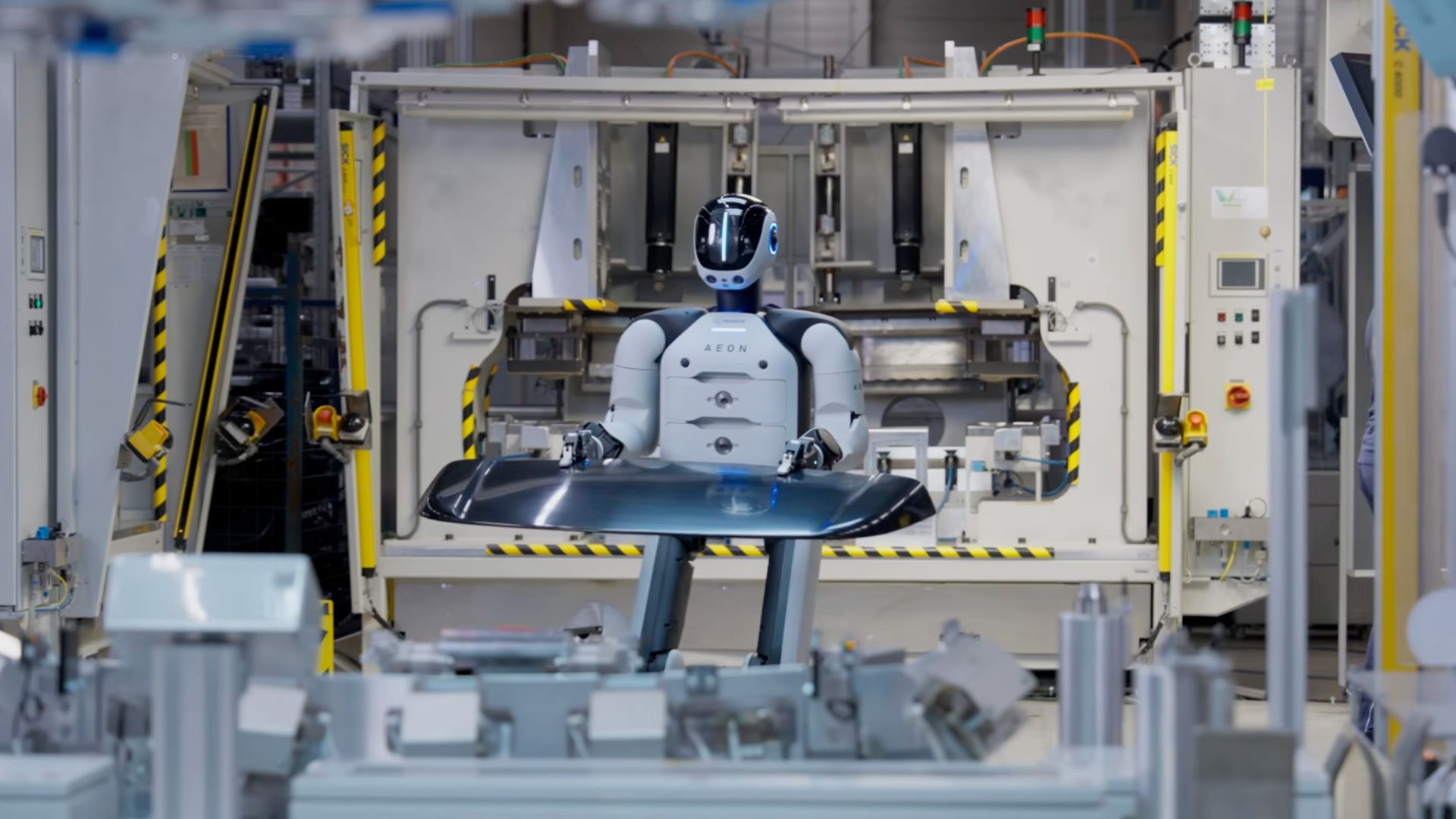
European companies Hexagon Robotics and Fill Maschinenbau have joined forces to advance manufacturing autonomy by developing humanoid robots. This collaboration aims to enhance efficiency and productivity in production processes, responding to the growing demand for automation in the manufacturing sector. The partnership was announced recently, signaling a significant step towards integrating advanced robotics into various industrial applications. By leveraging their respective expertise in robotics and machinery, the two firms intend to create innovative solutions that can adapt to dynamic manufacturing environments, ultimately reducing labor costs and improving operational flexibility. This initiative reflects a broader trend in the industry, where companies are increasingly investing in automation technologies to remain competitive in a rapidly evolving market.
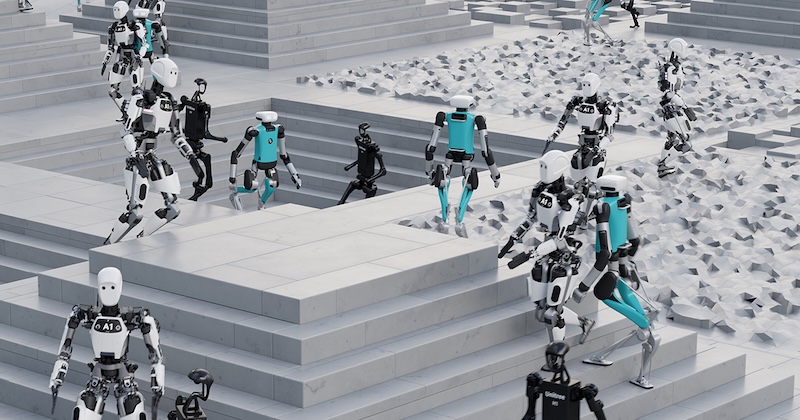
Interview with Columbia professor and co-founder of SceniX Yunzhu Li: ‘Simulation is central’
The robotics industry is currently experiencing a significant influx of investment and media coverage, driven by ambitious projections regarding the future of humanoid machines. Numerous companies have unveiled plans to produce thousands of robots, leveraging recent advancements in artificial intelligence that have heightened expectations for the integration of general-purpose robots into various environments, including factories, warehouses, workplaces, and homes. This surge in interest reflects a growing belief that robots could soon become a standard presence in everyday life. However, amidst the enthusiasm, there are underlying challenges and considerations that the industry must address to realize these ambitious goals.
Artificial Intelligence Features Robotics ai robotics artificial intelligence automation news
Agile Multiskill Locomotion Techniques for Quadrupedal Robots in Natural Environments
A recent study published in Science Robotics explores advanced locomotion techniques for quadrupedal robots designed for outdoor environments. The research focuses on developing agile and perceptive multiskill locomotion capabilities that enable these robots to navigate complex terrains effectively. This advancement is significant as it enhances the operational versatility of quadrupedal robots, making them more suitable for various applications in challenging environments. By improving their ability to adapt to different terrains, these robots can be utilized in fields such as search and rescue, environmental monitoring, and exploration. Looking ahead, the implications of this research could lead to further innovations in robotic mobility and autonomy. No further timeline was disclosed at the time of publication.
Research Article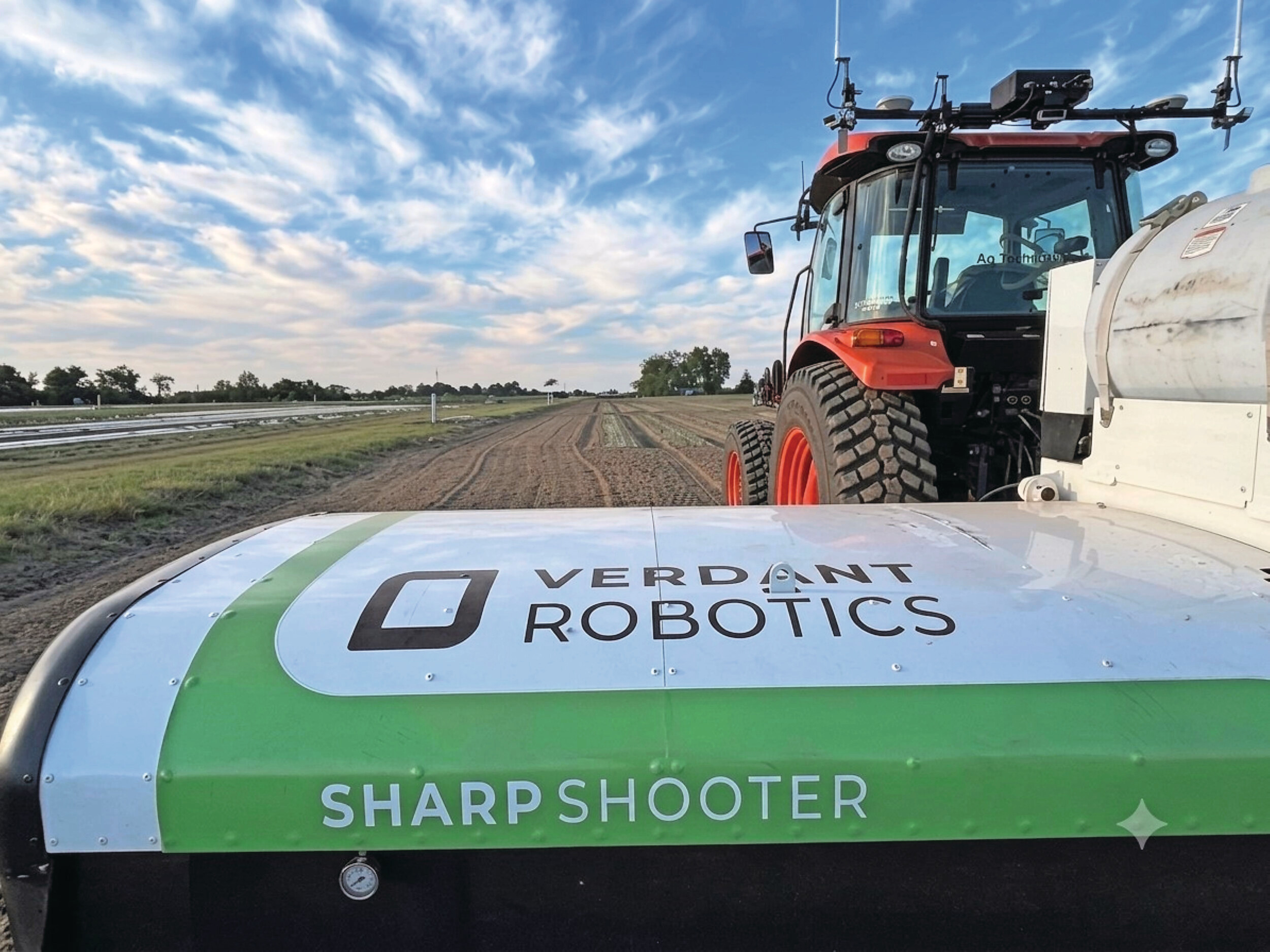
Sabanto and Verdant Robotics integrate autonomy and precision application systems
U.S. companies Sabanto Inc. and Verdant Robotics have announced a groundbreaking integration of their systems, marking a significant advancement in agricultural automation. This collaboration allows producers to automate various fieldwork tasks, including navigation and plant-level input application, without the need for an operator present in the cab. The integration aims to enhance efficiency and productivity in farming operations, responding to the growing demand for innovative agricultural solutions. By leveraging advanced technology, both companies are paving the way for a new era of autonomous farming, which could transform traditional practices and address labor shortages in the industry.
Autonomous/semi-autosteering systems autonomous farm equipment autonomous tractors crop management systems retrofit kits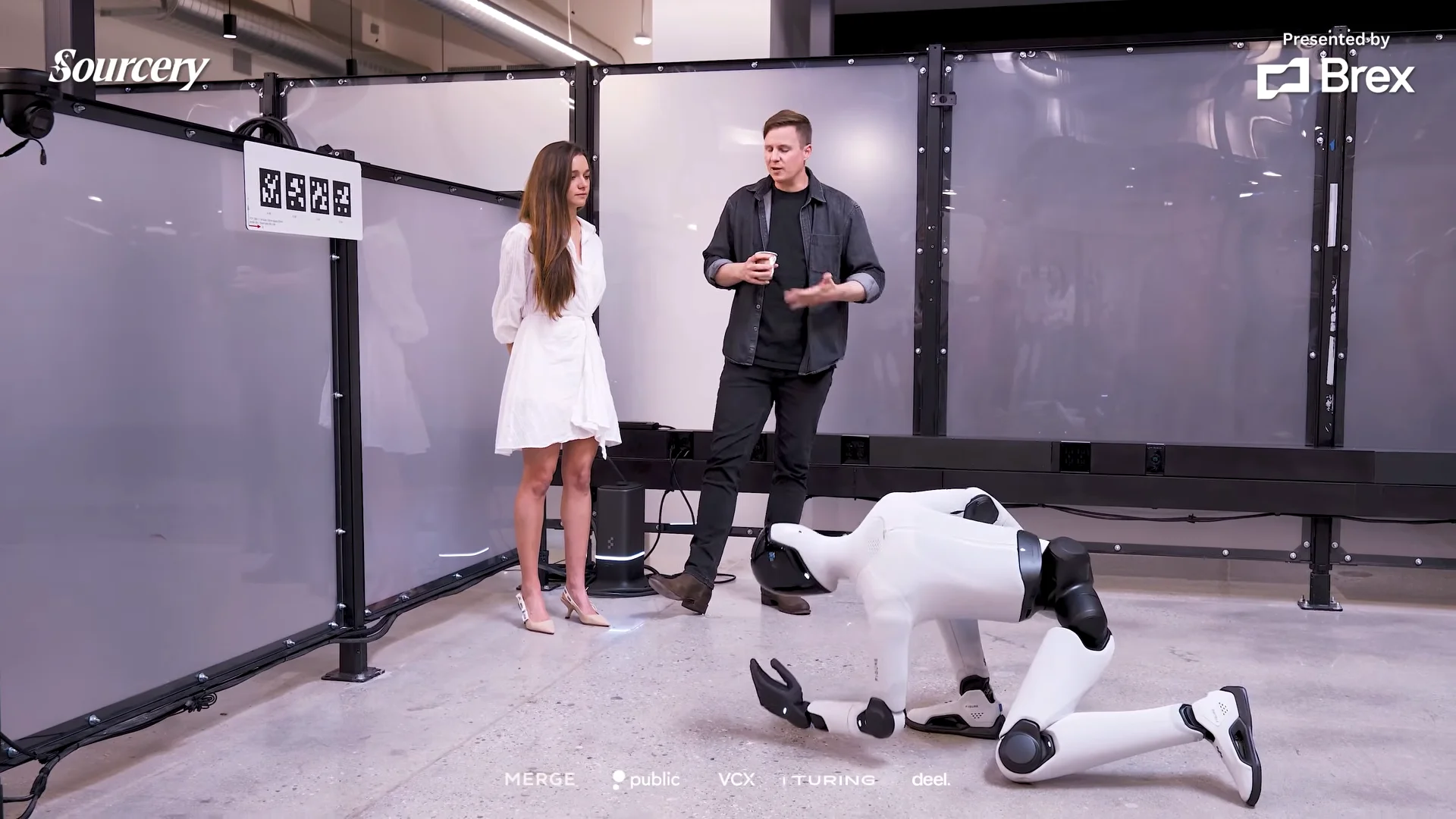
Inside the Campus: Figure’s Plan for 24/7 Autonomy and Leasable Home Robots
During a recent facility tour, CEO Brett Adcock provided insights into Figure's innovative technologies, including the "Never Fall" protocol and wireless inductive charging. The event, which took place in the second half of the tour, highlighted the company's commitment to advancing embodied artificial general intelligence (AGI). Adcock emphasized the significance of these developments in enhancing the safety and efficiency of robotic systems. By integrating cutting-edge charging solutions and safety protocols, Figure aims to pave the way for more reliable and autonomous robotic applications in various industries. This initiative reflects the company's broader vision of revolutionizing the interaction between humans and machines, positioning Figure at the forefront of the AGI landscape.
Brett Adcock US Figure Figure-03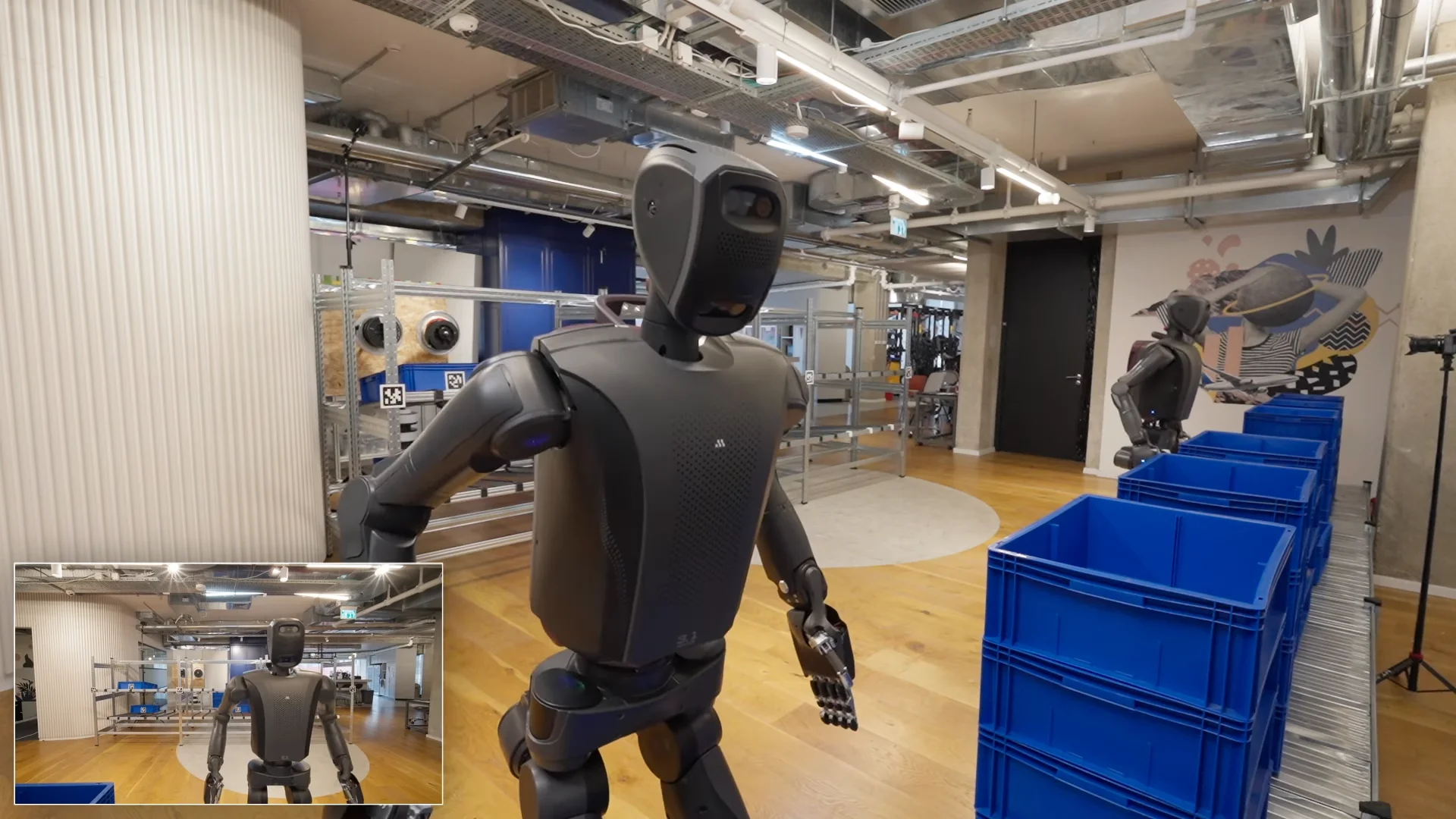
Mentee Robotics Demonstrates Warehouse Autonomy with Dual-Robot ''Uncut'' Demo
An Israeli robotics firm has unveiled unedited footage showcasing two of its V3 MenteeBots engaged in continuous logistics tasks. This release marks a significant step in the company's efforts to advance reliable industrial automation. By demonstrating the capabilities of these robots in real-time operations, the firm aims to highlight the potential for increased efficiency and productivity in various industries. The footage, which was made public recently, underscores the growing trend toward automation in logistics and the role of robotics in transforming traditional workflows.
MenteeBot Mentee Robotics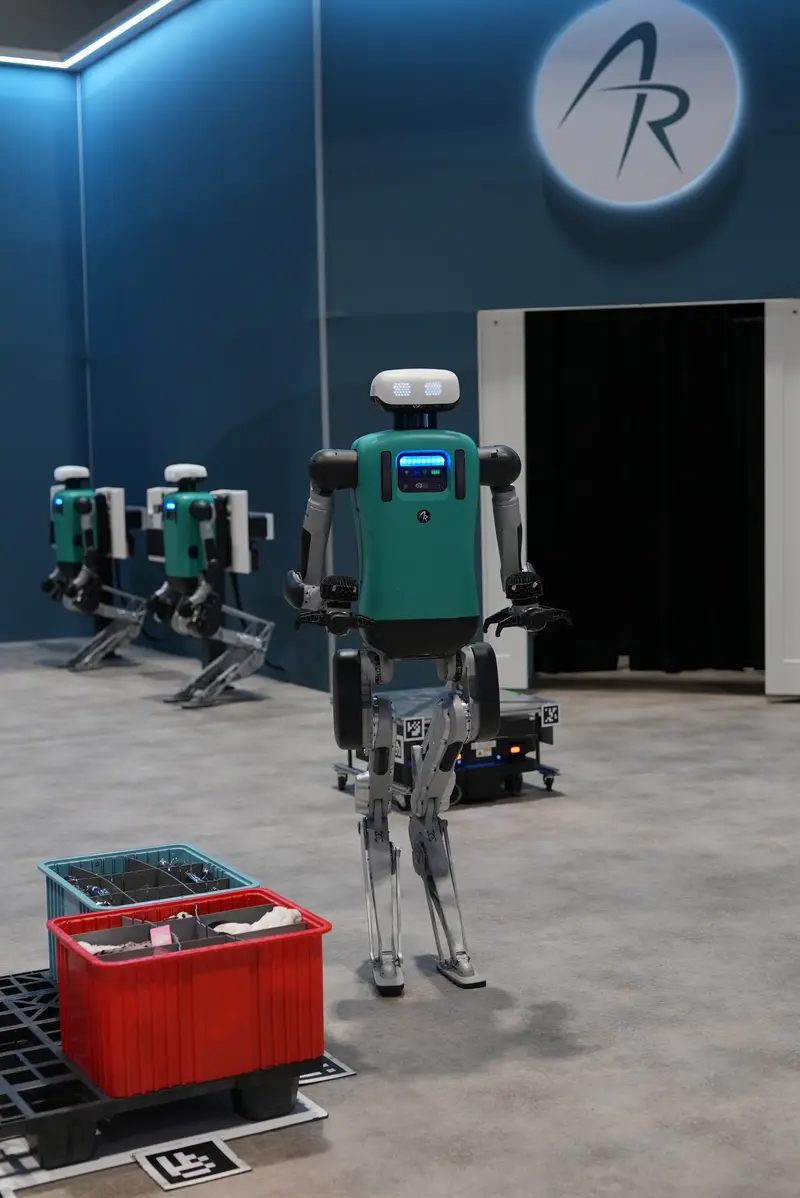
Agility Robotics Upgrades Digit Humanoid with Enhanced Safety, Autonomy, and AMR Integration
Agility Robotics has unveiled significant upgrades to its Digit humanoid robot, enhancing its capabilities for industrial applications. The announcement, made recently, highlights improvements in safety features, including a CAT1 stop and Functional Safety over EtherCAT (FSoE), which are designed to ensure safer interactions in workplace environments. Additionally, the robot's battery life has been extended to four hours, complemented by a new autonomous charging system. The redesign includes advanced limbs and grippers, allowing for more versatile handling of various tasks. Furthermore, Digit is now integrated with Autonomous Mobile Robots (AMRs), facilitating smoother operations in warehouse settings. These enhancements are aimed at accelerating the commercial deployment of Digit in the logistics sector, addressing the growing demand for automation in warehouses.
Digit Agility Robotics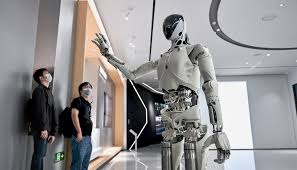
Army’s autonomy office looks beyond drone, robot platforms to ‘packages of capability’
The CPE Mission Autonomy initiative is set to prioritize combat engineering, fires, and logistics, according to the office’s leader. This strategic focus aims to enhance operational efficiency and effectiveness within military operations. By concentrating on these critical areas, the initiative seeks to streamline processes and improve resource allocation. The announcement comes as part of a broader effort to adapt military capabilities to meet evolving challenges. The implementation of this focus will involve collaboration among various military branches and the integration of advanced technologies to support mission objectives.
Land Warfare Army AUVSI/MDEX 2026 Drones
Giving Autonomy to Empty‐Headed Robots: Design and Deployment Challenges
The Journal of Field Robotics has published an early view article highlighting advancements in robotic technology. Researchers from various institutions have collaborated to explore innovative applications of robotics in diverse fields, including agriculture, healthcare, and environmental monitoring. This publication, released in October 2023, underscores the growing importance of robotics in addressing complex challenges faced by society. By leveraging cutting-edge algorithms and machine learning techniques, the study aims to enhance the efficiency and effectiveness of robotic systems. The findings are expected to contribute significantly to the ongoing discourse on the integration of robotics into everyday life, ultimately improving productivity and sustainability across multiple sectors.
RESEARCH ARTICLE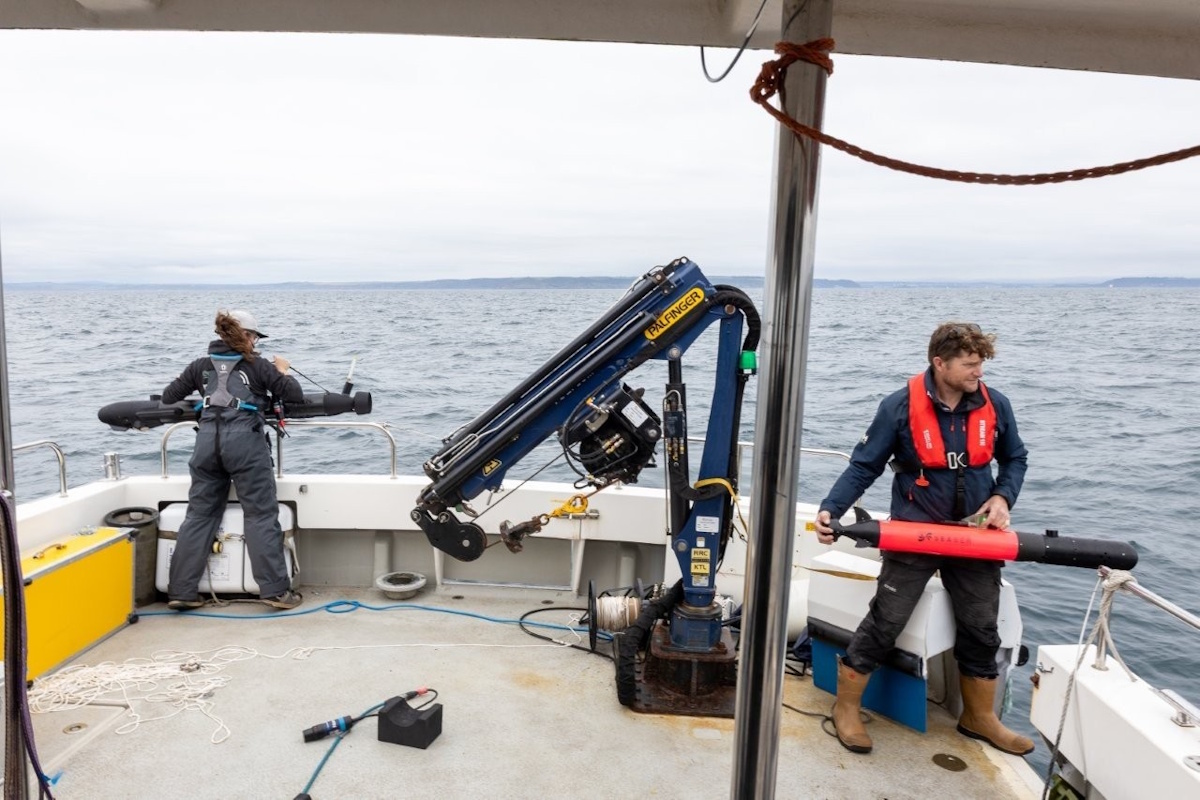
Multi-robot Demo Showcases New Plymouth Subsea Test Range
A newly established underwater trials site in the UK has successfully conducted its inaugural major test, showcasing a live demonstration of a multi-marine surface and subsea robotic platform. This event marks a significant step forward in advancing marine autonomy and enhancing ocean sensing capabilities. The trials aim to foster innovation in marine technology, addressing the growing need for sophisticated underwater exploration and monitoring solutions. By providing a dedicated environment for testing, the site is expected to facilitate the development of cutting-edge robotic systems that can operate effectively in challenging marine conditions. The successful demonstration underscores the potential for these technologies to transform the way oceanic research and operations are conducted, paving the way for future advancements in the field.
multi-robot demo showcase plymouth subsea test range sonardyne smart sound connect subsurface (sscs) project smart sound plymouth
Will Robotics Have a ChatGPT Moment?
In the coming decades, billions of AI-powered robots are expected to collaborate with humans across various sectors, including factories, warehouses, elder care, disaster response, and home assistance. By 2025, investments in robotics reached a record $40.7 billion, highlighting the growing interest in this technology. Despite ambitious claims from robotics companies about humanoid robots entering homes soon, significant challenges remain in bridging the gap between current capabilities and the promises made. Experts in AI and robotics, including a professor from Oregon State University and a former Google X executive, emphasize that while AI is revolutionizing robotics, the complexity of real-world environments poses substantial hurdles. Current demonstrations of humanoid robots, such as those showcased at the 2026 Spring Festival Gala in China, often rely on scripted performances rather than genuine autonomy, revealing the limitations of existing technology. The development of general-purpose robots is hindered by the need for vast amounts of high-quality training data and the challenge of creating hardware that can safely interact with humans. As robotics evolves, the focus will shift to practical applications that address real-world needs, with an emphasis on safety and reliability. The path forward involves a series of incremental advancements rather than a single breakthrough, as AI-driven robots gradually begin to deliver tangible benefits across various industries, potentially transforming the economy and improving daily life.
Robotics Everyday-robots Agility-robotics Artificial-intelligence
Cellula Robotics and Metron Sign 10-Year Agreement to Deliver Next-Generation Undersea Capability for the US Defense Market
Cellula Robotics US Inc. and Metron, Inc. have entered into a decade-long partnership aimed at enhancing the United States defense sector. This collaboration will integrate Cellula's advanced commercial off-the-shelf long-endurance autonomous underwater vehicle platforms with Metron's expertise in adaptive mission autonomy and extensive experience in undersea warfare and maritime operations. The agreement, which underscores a commitment to innovation in defense technology, is expected to bolster the capabilities of the U.S. military in underwater missions, ensuring improved operational efficiency and effectiveness.
cellula robotics metron agreement defense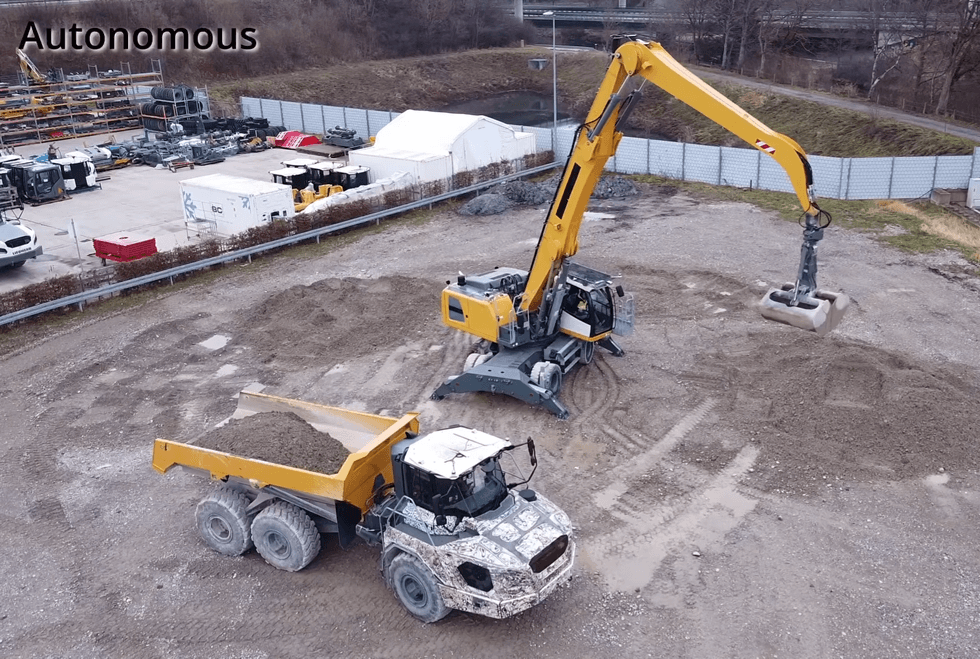
Video Friday: Heavy Robotic Machinery Operates Itself
IEEE Spectrum robotics has released its latest edition of "Video Friday," showcasing a variety of innovative robotics videos and announcing upcoming robotics events. Notable conferences include ICRA 2026 in Vienna from June 1-5, and the Summer School on Multi-Robot Systems in Prague from July 29 to August 4, 2026. Among the featured content is a groundbreaking autonomous material-handling solution developed by ETH Zurich, capable of operating a 40-ton material handler, traditionally a labor-intensive task. Other highlights include the introduction of the world's first production-ready manned mecha by Unitree, and the launch of NIX, an embodied AI exploring dance and movement, which will be made available for free to select partners. NTNU has unveiled the Unified Autonomy Stack, a robust system designed for aerial and ground robots, enhancing their autonomy through advanced perception and navigation capabilities. This system has been validated in challenging environments, showcasing its effectiveness in exploration and object discovery. Robotics expert Rodney Brooks, cofounder of Robust AI, shared insights on the challenges of innovation in robotics and the implications of the current AI surge during a Q&A session ahead of his panel at the Forbes America Innovates event in San Francisco. As the field continues to evolve, the integration of data collection methods remains a significant challenge, with the Koala platform exemplifying innovative approaches to enhance robotic manipulation tasks.
Home-robots Humanoid-robots Video-friday Material-handling-technology Robot-videos Robot-grippers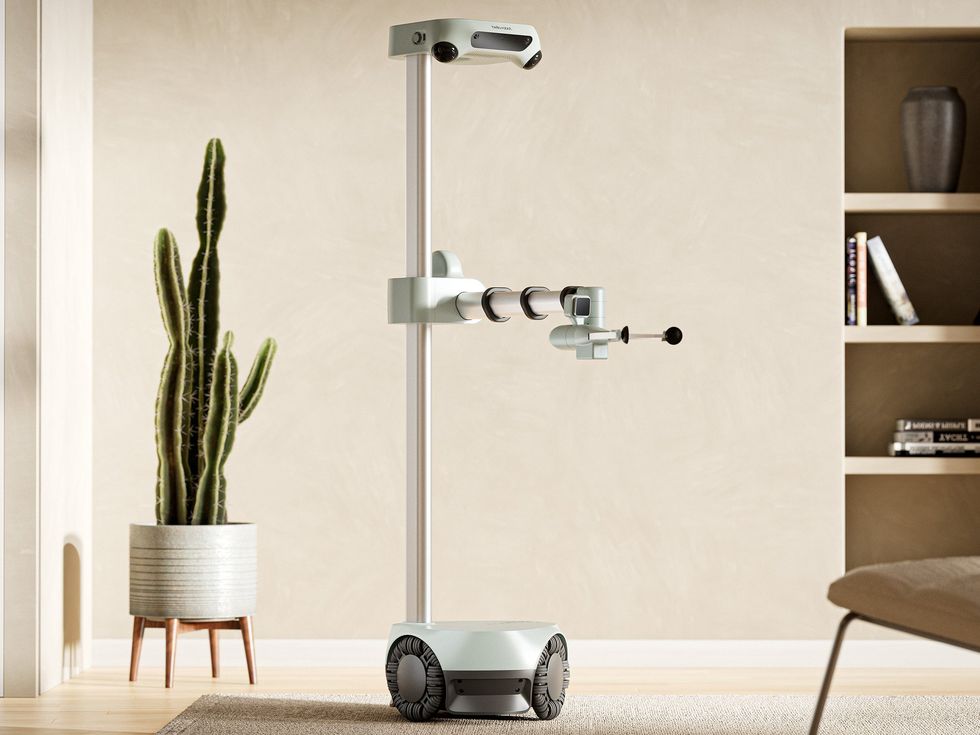
Hello Robot Sets the Standard for Practical, Safe Home Robots
Hello Robot has announced the launch of Stretch 4, a new version of its mobile robot designed for practical household tasks. This announcement comes as the company aims to transition from research-focused robotics to a deployable solution for home use, particularly for individuals with severe mobility impairments. The unveiling took place today, with the robot's design emphasizing mobility and manipulation over humanoid features. Stretch 4 features an advanced omnidirectional base allowing it to move in any direction, enhancing user control. The robot is equipped with a sophisticated sensor suite for improved navigation and autonomy, including cameras and lidar technology. Co-founders Aaron Edsinger and Charlie Kemp highlighted the challenges faced during the design process, aiming to avoid overcomplicating the robot while ensuring it meets real-world needs. The robot is intended for pilot deployments in homes, with the goal of gathering data to refine its capabilities for everyday use. Unlike humanoid robots, which may not effectively serve individuals with disabilities, Stretch 4's wheeled design is seen as more practical and safer for home environments. Priced at $29,950, Stretch 4 is positioned as an affordable option in the mobile manipulation market, with plans for further development leading to a commercially viable assistive robot in the near future.
Hello-robot Home-robots Humanoid-robots Mobile-manipulator Mobility-impaired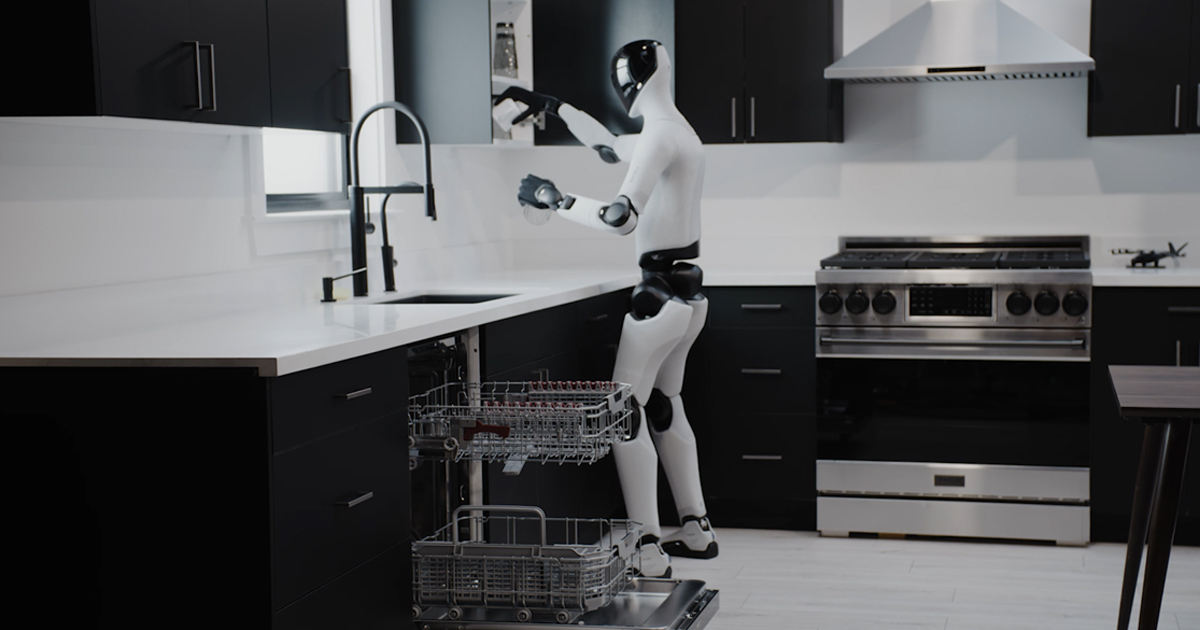
Introducing Helix 02: Full-Body Autonomy
Figure has unveiled its latest humanoid robot, Helix 02, which boasts full-body autonomy and the ability to perform complex tasks independently, such as unloading a dishwasher. This innovative robot employs a unified neural network to enhance both locomotion and manipulation capabilities, marking a significant leap forward in the field of robotics. The introduction of Helix 02 underscores the growing trend towards automation in everyday household tasks, reflecting the increasing demand for advanced robotic solutions in various sectors.
humanoid robots autonomous systems robotics AI machine learning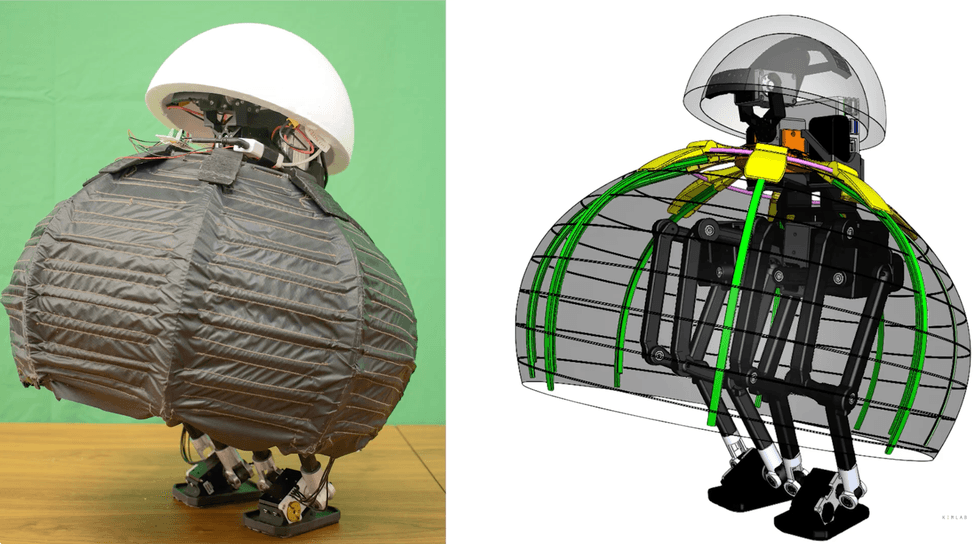
Video Friday: Bipedal Robot Stops Itself From Falling
IEEE Spectrum robotics has released its latest edition of Video Friday, showcasing a variety of innovative robotics videos and announcing upcoming events in the field. Among the highlights is the Robotic Autonomy in Complex Environments with Resiliency (RACER) program, which is nearing completion after extensive collaboration with the U.S. Army and Marine Corps. This program is expected to leave a lasting impact on military operations and stimulate private-sector investment in autonomous technologies. Notable advancements include the introduction of COSA, a cognitive operating system that enhances humanoid robots' capabilities for high-level cognition and motion control. Meanwhile, the 1X World Model has made significant strides in robot learning, allowing its NEO model to perform tasks autonomously based on voice or text prompts, even for unfamiliar objects. In assistive technology, the GuideData Dataset has been launched to improve interactions between guide dog trainers and visually impaired individuals, aiming to enhance mobility and safety. Additionally, Fourier's Care-Bot prototype is gaining attention for its interactive features at CES 2026. In environmental monitoring, ETH Zurich has developed an autonomous quadruped robot for volcanic gas measurements, successfully tested on Mount Etna. Humanoid robots have also made progress in industrial logistics, completing proof-of-concept testing at Siemens's factory in Erlangen. Columbia Engineers have created a robot capable of learning facial lip motions for speech and singing through observational learning, marking a significant milestone in robotics. Lastly, DEEP Robotics showcased its quadruped robots' capabilities in complex firefighting scenarios, while Synapticon introduced its POSITRON platform to enhance safety in humanoid robots for real-world applications.
Robotics Video-friday Bipedal-robots Humanoid-robots Quadruped-robots Industrial-robots
Licence to AUKUS: Aussie Greenroom Robotics Greenlit for Trilateral Tech Missions
Greenroom Robotics, a prominent maritime AI and autonomy firm based in Australia, has received AUKUS Authorised User status from the Australian Government. This designation, part of the AUKUS trilateral export agreement, enables the company to engage in licence-free exports to the United States and the United Kingdom. The move aims to expedite the delivery of advanced technologies among AUKUS nations, enhancing collaboration in maritime innovation.
greenroom robotics aukus
Boxfish Robotics Introduces Reliable and Easy-to-Use Hovering AUV for Marine Research
Boxfish Robotics has unveiled its first generation of fully autonomous tetherless hovering Boxfish AUV (Autonomous Underwater Vehicle), marking a significant advancement in underwater exploration technology. This innovative vehicle, which boasts state-of-the-art autonomy features, aims to redefine standards in the field. The launch took place in October 2023, showcasing the company's commitment to pushing the boundaries of underwater robotics. By eliminating the need for tethering, the Boxfish AUV enhances operational flexibility and efficiency, making it an invaluable tool for researchers and marine explorers. The development of this technology reflects Boxfish Robotics' dedication to advancing marine exploration capabilities and addressing the growing demand for sophisticated underwater vehicles.
boxfish robotics hovering auv marine research
Interview with Christina Gomez-Terry of Plus One Robotics: Why warehouse robotics succeeds or fails at scale
Warehouse automation is evolving as logistics operators increasingly focus on scaling robotic systems. While the effectiveness of robotics in tasks like parcel picking, depalletizing, sorting, and palletizing has been demonstrated through various pilot projects and controlled deployments, the industry now faces the challenge of implementing these technologies on a larger scale. This shift comes as companies seek to enhance efficiency and productivity in their operations, responding to growing demands for faster and more reliable logistics solutions. As the sector moves forward, the emphasis will be on integrating robotics into existing workflows and expanding their capabilities across multiple facilities.
Computing Features Material handling Software automation news depalletizing
Asylon's MARIA System Enhances Aircraft Inspections for U.S. Air Force
Asylon has secured a Phase Three contract with the U.S. Air Force's Warner Robins Air Logistics Complex to deploy its Multi-modal Autonomous Robotics for Inspection of Aircraft (MARIA) system. This initiative aims to streamline aircraft inspections by integrating air and ground robotic platforms, significantly reducing the time for general visual inspections while enhancing consistency in maintenance tasks. The MARIA system combines Asylon's Guardian unmanned aircraft with the DroneDog Q-UGV, utilizing the Range autonomy software and DroneIQ command-and-control system for efficient inspection management. The significance of this deployment lies in its potential to transform aircraft maintenance operations. By automating inspections, the MARIA system not only improves inspection quality but also mitigates the risks associated with labor-intensive tasks. The integration of imagery, LiDAR data, and telemetry into a single platform allows maintenance personnel to make informed decisions quickly, thereby enhancing aircraft readiness without increasing manpower demands. This project marks a pivotal shift in how the Air Force approaches maintenance, leveraging autonomous technologies to optimize operational efficiency. Looking ahead, the success of the MARIA deployment at Warner Robins could lead to broader adoption of these technologies across military maintenance organizations. No further timeline was disclosed at the time of publication, but the ongoing collaboration between Asylon and the Air Force may pave the way for future advancements in defense sustainment operations, particularly in the realm of autonomous inspections and maintenance support.
Military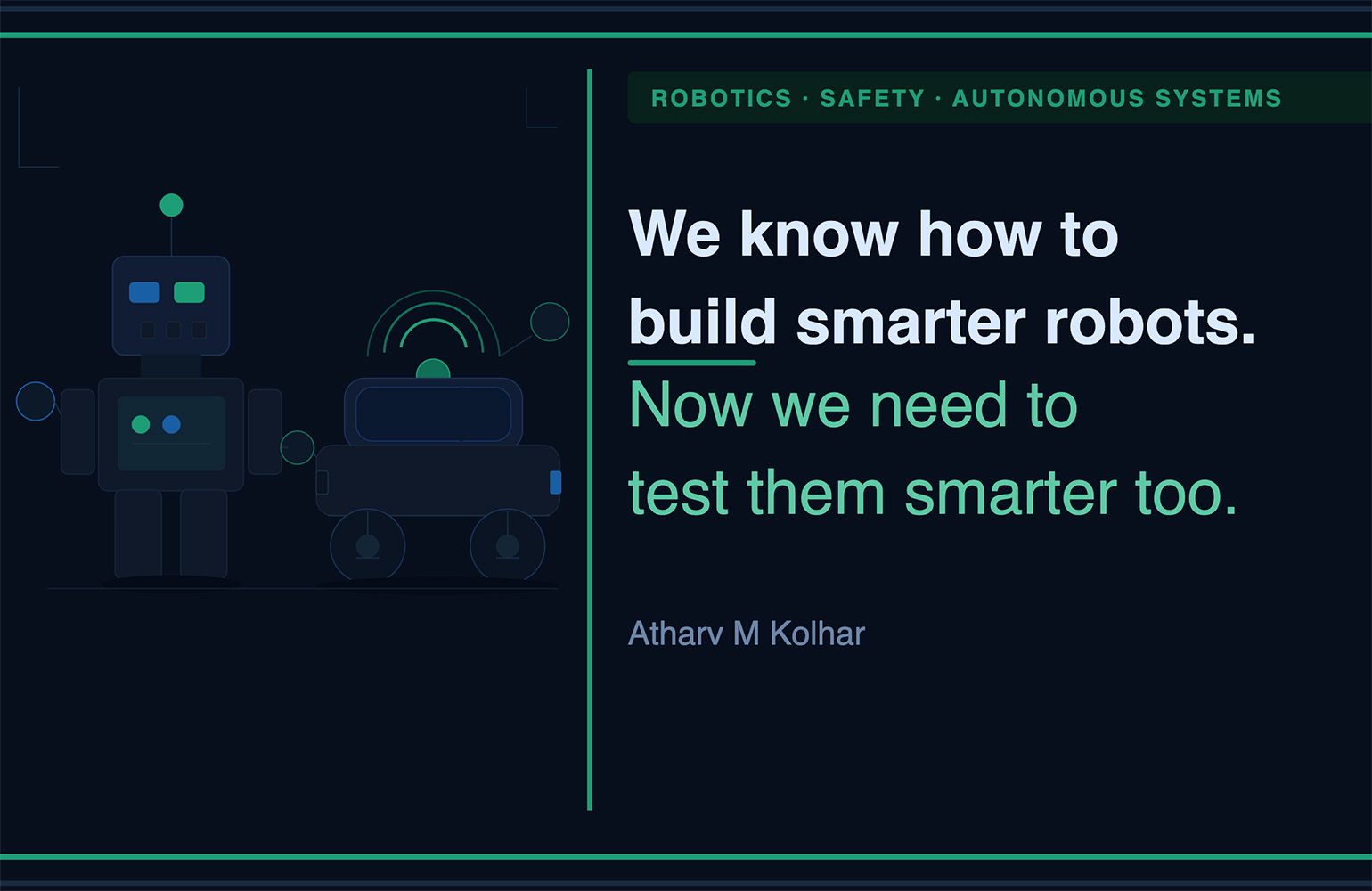
We know how to build smarter robots. Now, we need to learn smarter ways to test them
Atharv Kolhar, a staff test automation engineer at Figure AI, emphasizes the urgent need for the robotics industry to adopt a scalable testing philosophy that evolves in tandem with advancements in autonomy. As the industry continues to innovate and develop smarter robots, Kolhar argues that it is equally important to establish more effective testing methodologies to ensure reliability and performance. His insights highlight a critical aspect of robotics development, suggesting that without a robust testing framework, the potential of autonomous systems may not be fully realized. This call for a shift in testing approaches comes at a time when the demand for advanced robotics solutions is rapidly increasing, underscoring the importance of integrating smarter testing strategies into the development process.
Artificial Intelligence Artificial Intelligence / Cognition Design / Development Humanoids News Robots / Platforms
Atlas moves closer to real-world autonomy, KB says
Hyundai Motor Group is rapidly advancing its humanoid robot initiatives, particularly as Boston Dynamics' Atlas robot approaches the necessary level of autonomy for industrial use. A report published on Monday by KB Securities analyst Kang Sung-jin highlights that recent footage from Boston Dynamics, a subsidiary of Hyundai based in the United States, indicates substantial progress in the development of "general intelligence" for humanoid robots. This capability allows robots to adapt to various tasks and environments, marking a significant step towards their practical application in industries.
All News
NVIDIA Research Advances Robotics From Simulation to the Real World
At the International Conference on Robotics and Automation (ICRA), NVIDIA Research showcased advancements in robotics that signal a significant shift towards achieving reliable embodied autonomy in real-world applications. This transition marks a departure from traditional controlled demonstrations and scripted automation, emphasizing the need for robots to operate effectively in unpredictable environments. The event, held recently, highlighted eight innovative projects that illustrate how robotics can adapt and function autonomously outside of laboratory settings. This evolution is driven by the increasing demand for robots to perform complex tasks in diverse scenarios, enhancing their utility across various industries. By leveraging cutting-edge technology and research, NVIDIA aims to pave the way for a future where robots can seamlessly integrate into everyday life, improving efficiency and productivity.
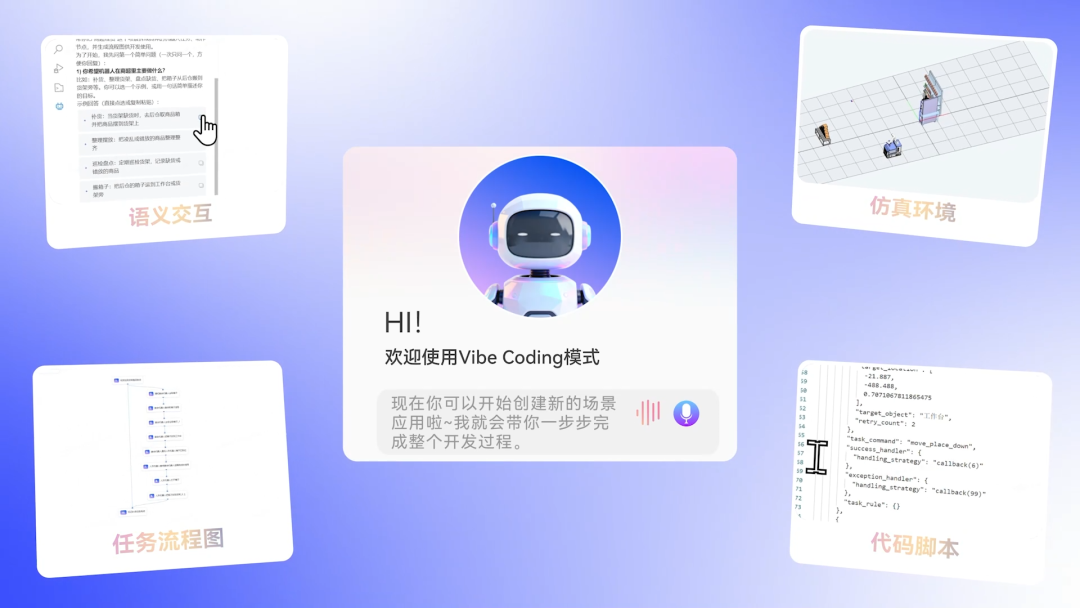
Addressing the Overlooked Infrastructure Gap in the Robotics Industry
Domestic robots continue to depend heavily on foreign software platforms, despite significant advancements in their hardware capabilities. Aifute Qizhi, a key player in the robotics industry, is actively working to address this reliance by integrating essential components such as control systems and data platforms. This initiative aims to develop a more cohesive and efficient environment for robotics development, ultimately enhancing the autonomy and functionality of domestic robots. The company's efforts reflect a broader trend in the industry to reduce dependency on external software and foster innovation within domestic markets.
Robotics Development Software Integration Control Systems AI Automation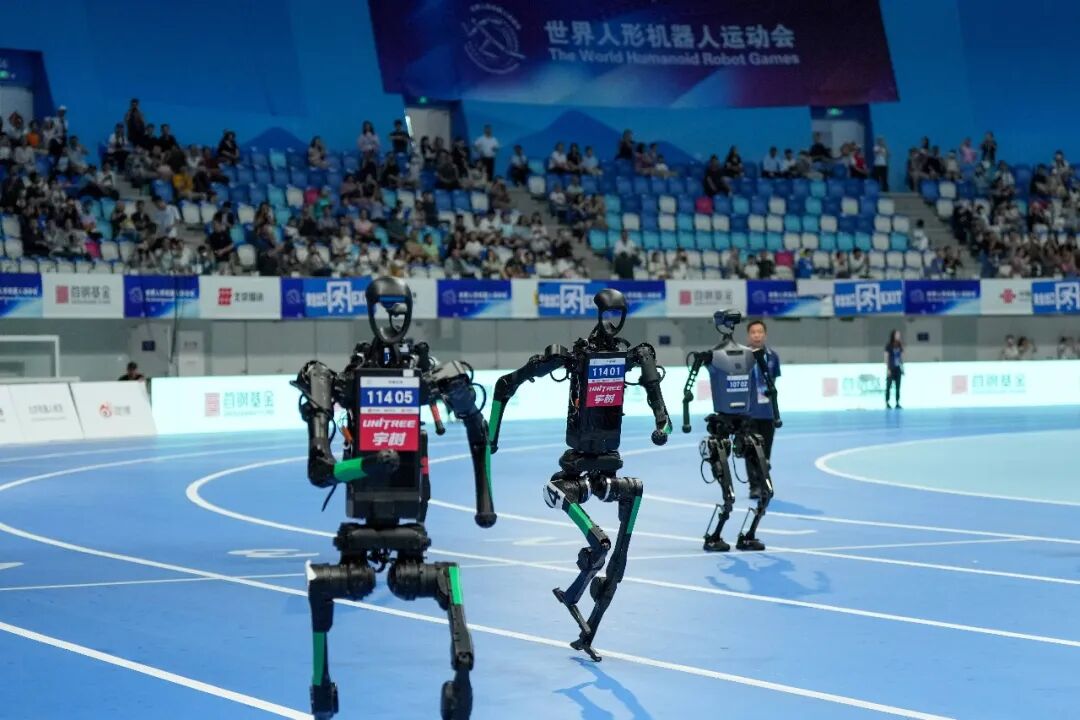
After the Half Marathon, the 'Olympics' of Humanoid Robots is Coming
On April 19, more than 300 humanoid robots participated in a half marathon in Beijing, marking a significant milestone in robotic capabilities. This event served as a precursor to the second World Humanoid Robot Games, scheduled to take place from August 22 to 26. The upcoming games will introduce enhanced competitions that emphasize autonomy, dexterity, and practicality, highlighting the robots' advanced functionalities in real-world applications. The initiative aims to demonstrate the progress in robotics technology and its potential impact on various industries.
Humanoid Robots Robotics Competitions AI Technology Autonomous Systems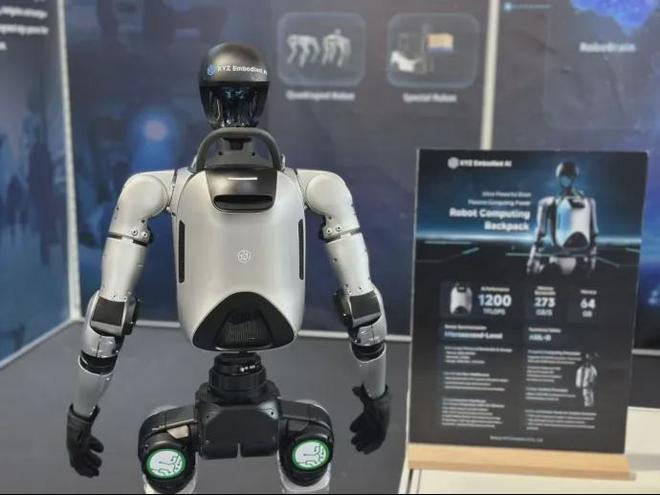
A Lightweight Computing Backpack Under 2.5 kg is Liberating Humanoid Robots from the Cloud
At the 2026 Hannover Industrial Fair, humanoid robots demonstrated advanced capabilities powered by the BotPack B series computing backpack, marking a significant leap in robotics technology. This innovative computing solution allows the robots to operate independently of cloud services, providing high-performance processing directly on board. The development addresses critical challenges in the field, particularly concerning weight and power efficiency, enabling the robots to execute complex tasks seamlessly. The fair showcased how this technology could revolutionize various industries by enhancing the autonomy and functionality of robotic systems.
Humanoid Robots Robotics Technology AI Computing Edge Computing
Agentic AI for Robot Teams
Researchers at the Johns Hopkins Applied Physics Laboratory are making strides in the development of agentic artificial intelligence aimed at enhancing collaborative robotic teams. During a recent presentation, they outlined the significant challenges associated with achieving autonomy, coordination, and adaptability among diverse robotic systems. To address these issues, the team introduced a scalable architecture designed to facilitate agentic behaviors in multi-robot environments. The presentation also featured demonstrations of this innovative approach, showcasing its application in hardware with a varied group of robots. Additionally, the researchers shared valuable insights gained from their ongoing research and development efforts, highlighting key challenges faced and lessons learned throughout the process. This work not only advances the field of robotics but also sets the stage for future developments in agentic AI technology.
Type-webinar Agentic-ai Robotics Llms
From Demo to Deployment, Where Robotics Actually Fails
Recent advancements in robotic vision have highlighted a significant gap in achieving true autonomy in unstructured environments: the need for tactile intelligence. Experts emphasize that while robots can effectively process visual information, the ability to 'feel' pressure and tension is crucial for reliable object handling. This capability is essential for various applications, including agricultural harvesting and medical device operation. As the field progresses, researchers are focusing on integrating tactile sensors and feedback mechanisms to enhance robots' interaction with their surroundings, ultimately aiming to bridge this critical gap in robotic functionality.
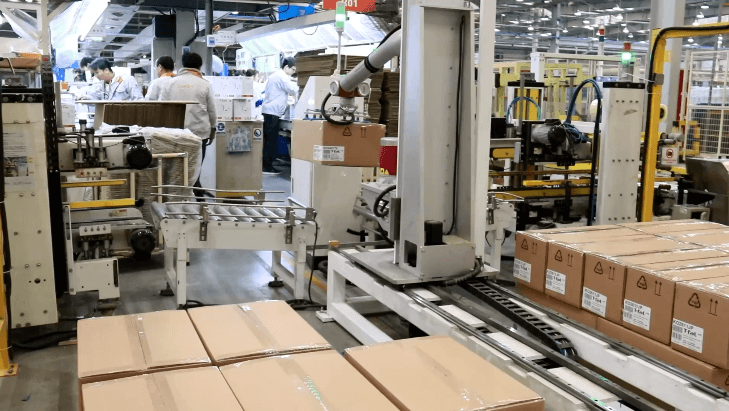
The Future of Cobot Palletizing: Autonomous Mobile Robots and Modular Systems
As the manufacturing and logistics sectors evolve, JAKA is pioneering advancements in cobot palletizing, emphasizing flexibility and autonomy. Customers are increasingly demanding systems that can adapt to varying layouts, product types, and throughput requirements without extensive reconfiguration. The integration of six-axis robot arms is central to this shift, enabling dynamic handling of mixed loads and pallet patterns. A key trend in this field is the combination of autonomous mobile robots with collaborative manipulators. This integration allows for palletizing tasks to occur beyond fixed stations, enabling cobots to move between production lines and adjust to seasonal shifts or temporary capacity needs. The use of modular mechanical interfaces and standardized communication protocols facilitates scalable system development, transforming cobot palletizing into a shared resource that enhances operational efficiency and investment planning. Advanced control capabilities are also crucial for the future of cobot palletizing. Features such as precise path planning, responsive motion control, and adaptable force management enable collaborative robots to handle various packaging formats consistently. For instance, the JAKA Zu7 robot can seamlessly transition between palletizing and secondary tasks like automated screwdriving, adjusting torque settings as needed. Looking forward, JAKA envisions a future where cobot palletizing is characterized by autonomous mobility, modular design, and intelligent control. This approach aims to ensure that palletizing solutions evolve alongside production demands, rather than limiting them. By aligning collaborative robots with mobile platforms and adaptable end-effectors, JAKA is committed to developing systems that integrate into broader automation strategies, supporting reliable operations and sustainable growth in modern automated facilities.
Real‐Time Monocular 2D Occupancy Grid Mapping for Autonomous Navigation of Ground Robots
In May 2026, researchers published a significant study in the Journal of Field Robotics, focusing on advancements in robotic technology. The study, appearing in Volume 43, Issue 3, pages 1844-1860, highlights innovative methodologies for enhancing the efficiency and autonomy of field robots. Conducted by a team of experts in robotics and artificial intelligence, the research aims to address the growing demand for automation in various industries, including agriculture and disaster response. The findings reveal new algorithms that improve navigation and decision-making processes for robots operating in complex environments. This research is particularly relevant as industries increasingly seek to integrate robotic solutions to optimize operations and reduce human risk in hazardous situations. By employing advanced machine learning techniques, the team demonstrated how robots can adapt to dynamic conditions, thereby increasing their effectiveness in real-world applications. The study's implications extend beyond theoretical advancements, as it provides practical frameworks for deploying robots in challenging scenarios. As the field of robotics continues to evolve, this research contributes to the ongoing dialogue about the future of automation and its potential to revolutionize traditional practices across multiple sectors.
RESEARCH ARTICLE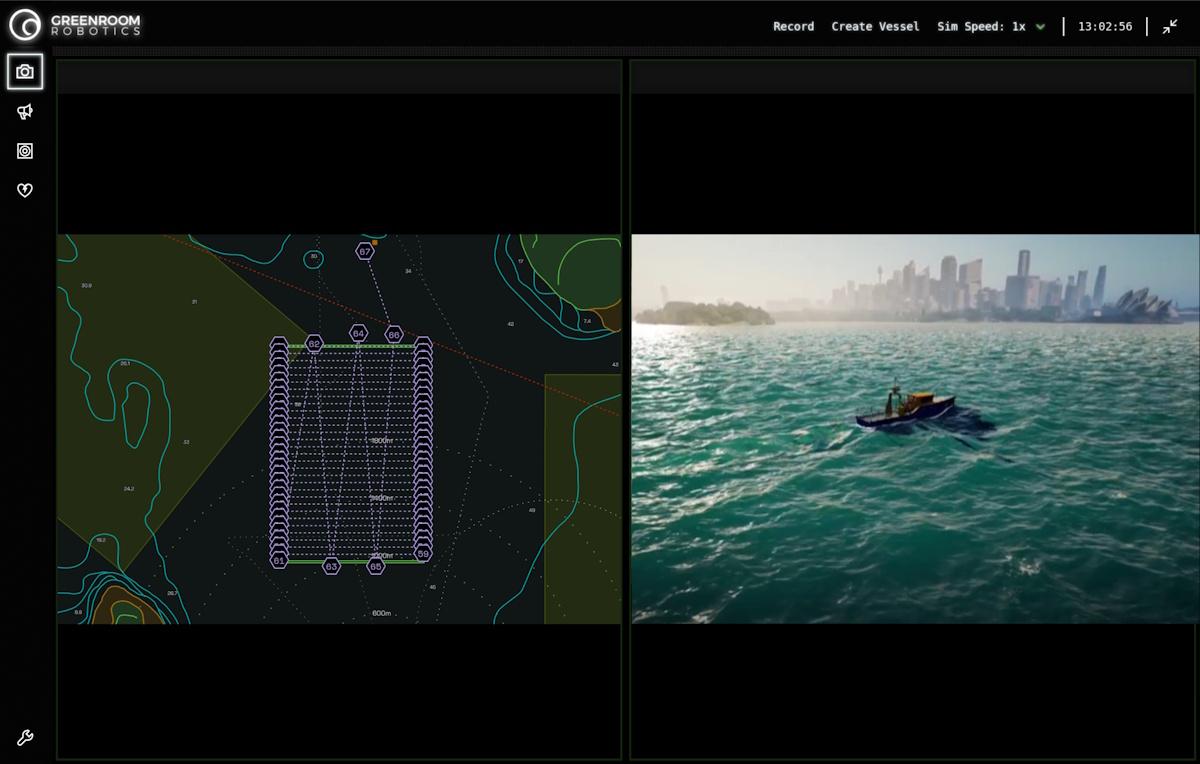
Seabed 2030 and Greenroom Robotics Announce Partnership to Support Global Ocean Mapping
The Nippon Foundation-GEBCO Seabed 2030 Project has formed a partnership with Greenroom Robotics, an Australian company specializing in artificial intelligence and autonomy for maritime operations. This collaboration aims to enhance the safety, efficiency, and environmental sustainability of maritime activities through advanced perception and autonomy software. The announcement highlights the growing importance of innovative technologies in supporting responsible maritime practices as the project continues its mission to map the world's seabed by 2030.
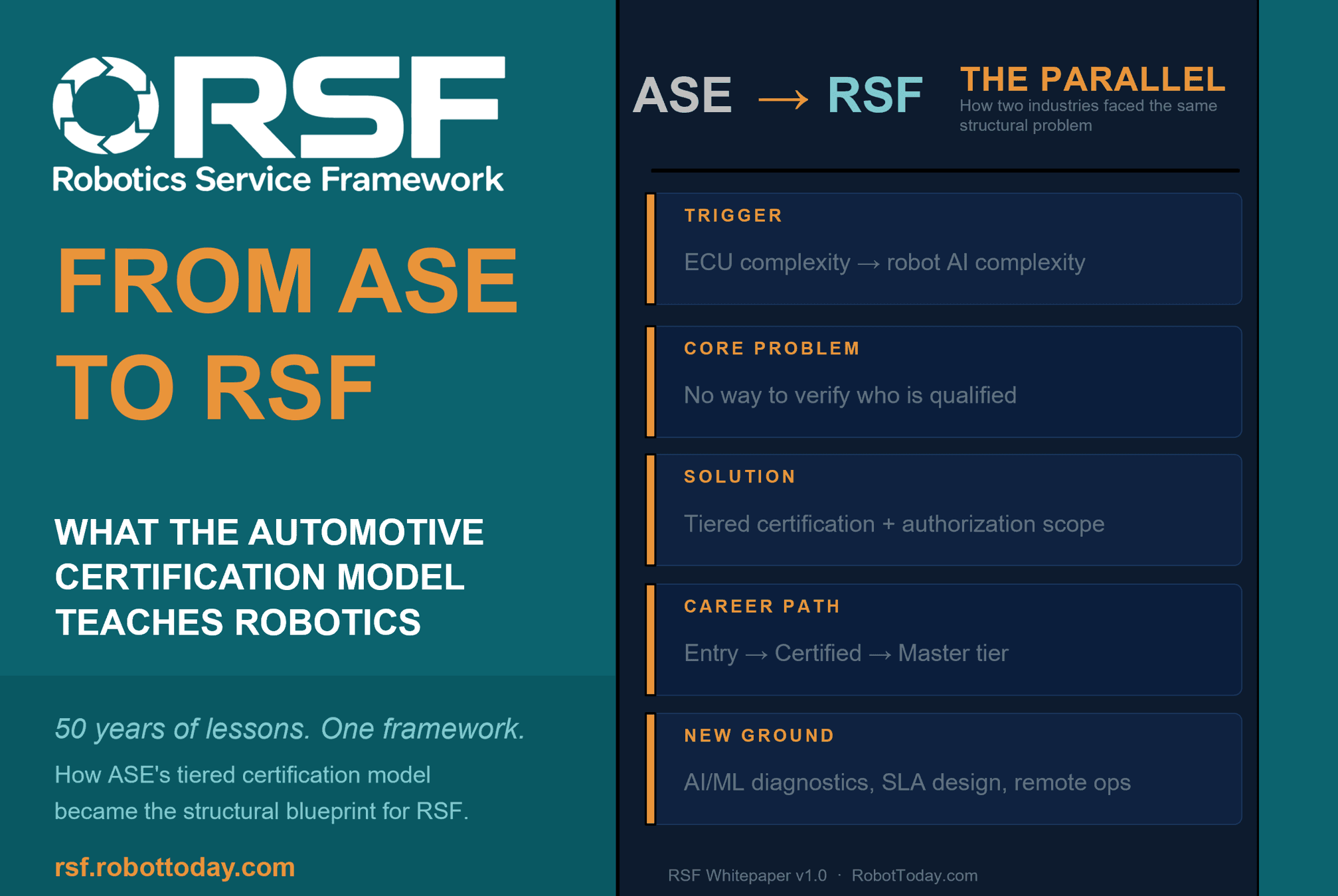
seabed 2030 greenroom robotics partnership global ocean mappingRobotics needs a service framework.
RSF defines a common language for robot service capability, lifecycle operations, certification pathways, and service-provider networks.