

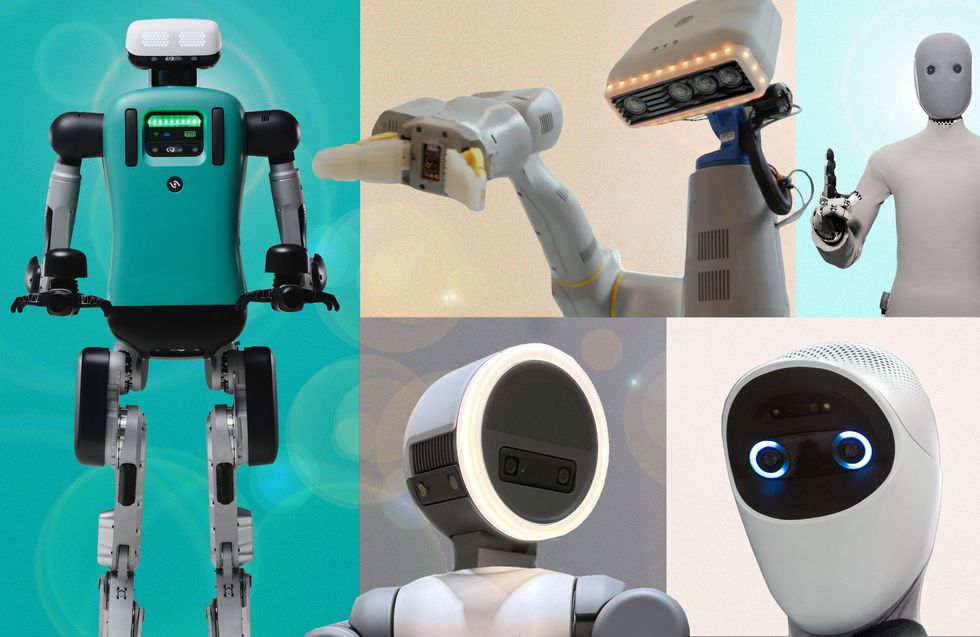
In the coming decades, billions of AI-powered robots are expected to collaborate with humans across various sectors, including factories, warehouses, elder care, disaster response, and home assistance. By 2025, investments in robotics reached a record $40.7 billion, highlighting the growing interest in this technology. Despite ambitious claims from robotics companies about humanoid robots entering homes soon, significant challenges remain in bridging the gap between current capabilities and the promises made.
Experts in AI and robotics, including a professor from Oregon State University and a former Google X executive, emphasize that while AI is revolutionizing robotics, the complexity of real-world environments poses substantial hurdles. Current demonstrations of humanoid robots, such as those showcased at the 2026 Spring Festival Gala in China, often rely on scripted performances rather than genuine autonomy, revealing the limitations of existing technology.
The development of general-purpose robots is hindered by the need for vast amounts of high-quality training data and the challenge of creating hardware that can safely interact with humans. As robotics evolves, the focus will shift to practical applications that address real-world needs, with an emphasis on safety and reliability. The path forward involves a series of incremental advancements rather than a single breakthrough, as AI-driven robots gradually begin to deliver tangible benefits across various industries, potentially transforming the economy and improving daily life.
























Leave a comment