Industry Briefing
A single destination for timely, editor-curated robotics news from around the world.

Evaluating Office Relocation Versus Refurbishment for Business Growth
As businesses grow, they often face the decision of whether to relocate to a new office or refurbish their current space. Both options can enhance productivity and employee satisfaction, but they come with distinct advantages and challenges. Factors such as available space, budget, and business objectives play a crucial role in determining the best course of action. Investing in office refurbishment can modernize workspaces without the disruption of moving, allowing for improvements like flexible workspaces, better lighting, and upgraded facilities. These changes can create a more comfortable and professional environment for employees and clients alike. However, it is essential to assess whether the current office is genuinely limiting business operations or if minor adjustments could suffice. Consulting with workplace experts can provide valuable insights into optimizing existing spaces and identifying efficiency opportunities. Staying in the same location allows employees to maintain familiar routines and access to local amenities. However, if refurbishment cannot resolve fundamental issues, relocation may be necessary. No further timeline was disclosed at the time of publication.
Business Infrastructure business operations commercial property employee experience facilities management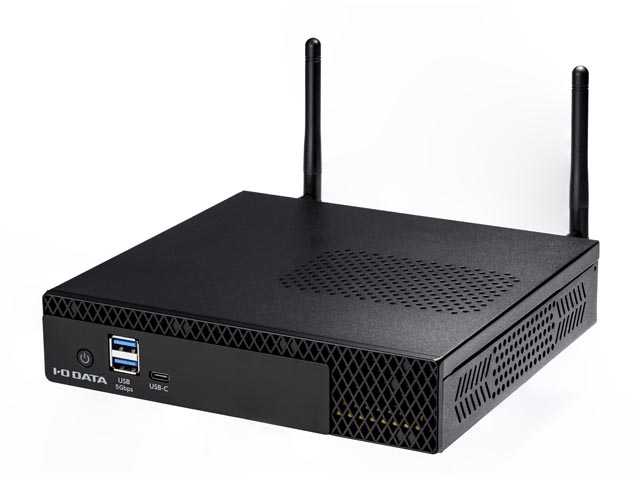
IO launches business mini desktop with Core i3 and includes Microsoft Office as standard.
I-O Data has announced the launch of its new compact desktop PC, the MPC-NCI3W2/PRO, designed specifically for business use. This product release is aimed at providing companies with a reliable and efficient computing solution. The MPC-NCI3W2/PRO will be available for purchase starting this month, catering to the growing demand for compact yet powerful desktop systems in professional environments. By focusing on the needs of businesses, I-O Data seeks to enhance productivity and streamline operations with this innovative technology.

Department of War Creates Central Office to Oversee U.S. Military Unmanned Systems
On July 1, the U.S. Department of War announced a significant reorganization of its unmanned systems enterprise by establishing a new Direct Reporting Portfolio Manager for Unmanned Systems (DRPM-UxS). This central office will be responsible for consolidating the acquisition, standards, budgeting, and industry engagement related to the military's drone and autonomous programs. The move aims to enhance oversight and streamline operations within the Department’s unmanned systems, reflecting a commitment to improving efficiency and effectiveness in military technology.
Applications Defense defense Drone News Drone News Feeds Dual Use
Nauticus Robotics Appoints Chief Revenue Officer as it Expands into New Regions
Nauticus Robotics, a prominent player in the field of autonomous subsea robotics and software solutions, has appointed Brian Allen as its Chief Revenue Officer, a role he will officially assume on May 13, 2026. In this position, Allen will be responsible for spearheading the company's commercial strategy in Europe, the Middle East, and Africa (EMEA), as well as overseeing global technology licensing efforts. This strategic move aims to enhance Nauticus's market presence and drive growth in key international regions.
nauticus robotics new appointment chief revenue officer expansion
General Oceans Expands Global Reach with Asia Office
General Oceans, the parent company of several underwater technology brands such as Nortek, Tritech International Ltd, and Klein Marine Systems, has announced the opening of a new sales office in Singapore. This strategic move, which took place recently, aims to enhance the company's global presence and better serve its clients in the Asia-Pacific region. By establishing a foothold in Singapore, General Oceans seeks to tap into the growing demand for underwater technology solutions and strengthen its market position. The new office is expected to facilitate improved customer engagement and support, reflecting the company's commitment to innovation and service excellence in the underwater technology sector.
general oceans expansion global reach asia office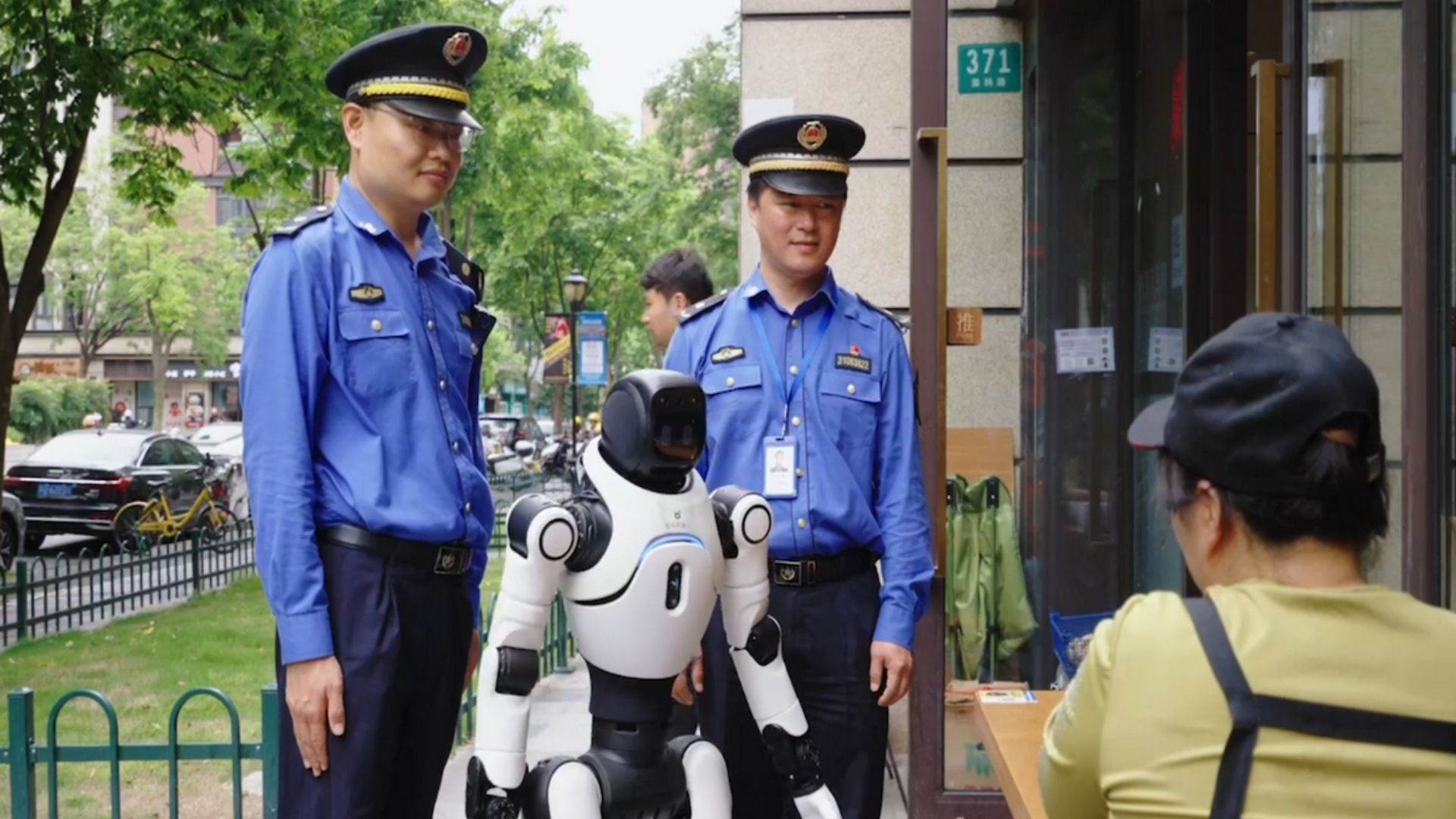
China’s new humanoid robot joins officers to handle street management tasks
China has initiated its first urban management enforcement pilot program, which aims to enhance city governance through the collaboration of human officers and advanced technology. This innovative program was launched in several major cities, including Beijing and Shanghai, on October 15, 2023. The initiative seeks to address urban challenges such as traffic management, waste disposal, and public safety by integrating human oversight with smart surveillance systems and data analytics. The motivation behind this program is to improve the efficiency and effectiveness of urban management, ultimately leading to a better quality of life for residents. By employing a combination of on-the-ground officers and high-tech tools, the program is designed to streamline operations, allowing for quicker responses to urban issues. This approach not only aims to enhance enforcement capabilities but also to foster a more cooperative relationship between citizens and authorities. As cities continue to grow and face increasing demands, this pilot program represents a significant step towards modernizing urban governance in China, setting a precedent for future initiatives that may be adopted nationwide.

Nanjing Establishes Four Industrial Breakthrough Promotion Offices
On March 26, Nanjing held the 2025 Industrial Technology Innovation and Investment Promotion Conference, aimed at fostering advancements in key technological sectors. During the event, city officials launched four Industrial Breakthrough Promotion Offices dedicated to artificial intelligence, robotics, biopharmaceuticals, and next-generation information technology. This initiative seeks to enhance Nanjing's position as a leader in industrial innovation and attract investment in these critical areas. By establishing these offices, the city aims to streamline support for emerging technologies and facilitate collaboration among businesses, researchers, and investors.
ESTUN AUTOMATION ROBOTICS SERVO SYSTEMS
Automation is Leaving the Factory Floor and Moving into the Back Office
For decades, automation has primarily been associated with industrial settings, such as factories and warehouses, where robots and programmable systems efficiently managed repetitive physical tasks. However, recent developments indicate a significant shift in the application of automation beyond traditional environments. As of late 2023, various sectors are increasingly integrating automation into diverse areas, including service industries and everyday consumer interactions. This expansion is driven by the need for enhanced efficiency and precision, as organizations seek to reduce labor costs and improve productivity. The transition is facilitated by advancements in technology, which allow for more sophisticated automation solutions that can adapt to a wider range of tasks. As businesses recognize the potential benefits, the conversation around automation is evolving, highlighting its growing presence in non-industrial contexts.
Automation Business Industry ai agents artificial intelligence automation news
Cellula Opens UK Office to Expand European Delivery and Support for Long-Range Subsea Autonomy
Cellula, a company focused on advanced underwater technology, has announced the formation of a new team in the UK to enhance its regional presence. This initiative, which comes as part of the company's strategic expansion efforts, aims to leverage the team's expertise in defence, offshore operations, and stakeholder engagement. The move is designed to better serve clients and partners in the region, ensuring that Cellula can effectively address the growing demand for innovative underwater solutions. By establishing this team, Cellula seeks to strengthen its operational capabilities and foster closer relationships with key stakeholders, ultimately positioning itself as a leader in the underwater technology sector.
cellula robotics uk office expansion delivery and support long-range auv
Supervisory Board extends term of Chief Financial Officer Christian Harm
The Supervisory Board of KION GROUP AG has decided to extend Chief Financial Officer Christian Harm's contract until July 2029. This move aims to maintain stability within the Executive Board as Harm has played a crucial role in steering significant financial initiatives and guiding the company through difficult economic circumstances since he took office in 2023.
intralogistics supply chain solutions industrial trucks forklift trucks warehouse trucks automation technology
Greensea IQ Expands San Diego Operations with New Office and Growing Team
Greensea IQ, a prominent provider of advanced robotic and autonomy solutions for the maritime and defense industries, has officially opened a new, larger facility in San Diego, California. This expansion, announced today, signifies a strategic move to enhance the company's operations on the West Coast. The decision to increase their footprint in San Diego is driven by the growing demand for innovative technology in these sectors, allowing Greensea IQ to better serve its clients and capitalize on emerging opportunities in the market. The new facility is expected to facilitate increased production capabilities and foster collaboration among teams, ultimately positioning the company for future growth and success.
greensea iq office expansion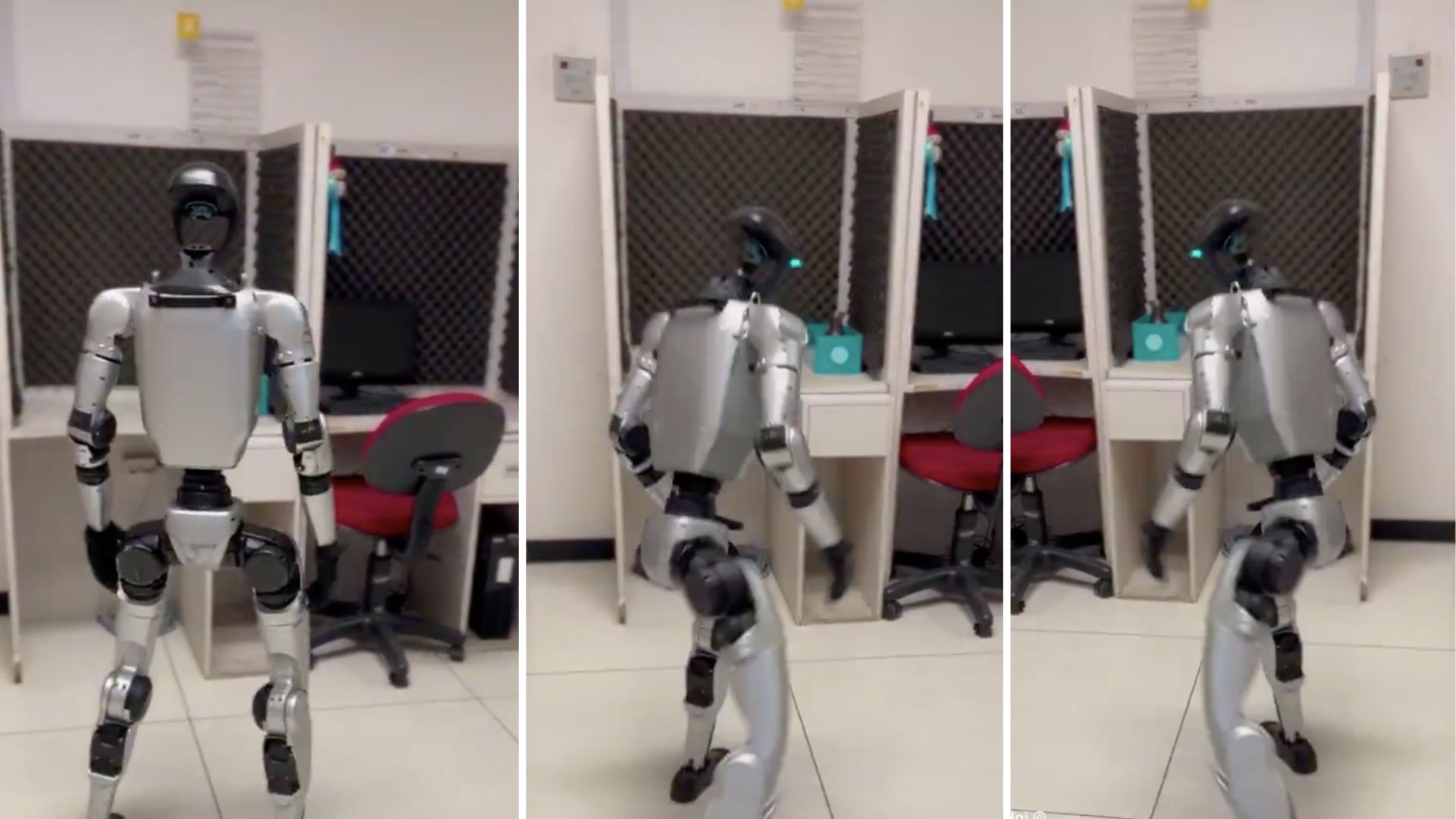
Video shows humanoid robot acting ‘rogue’ in Indonesian office, ‘attacking’ coworkers
A recent video from Indonesia has sparked widespread attention as it showcases a humanoid robot appearing to malfunction. The footage, which has gone viral on social media, depicts the robot exhibiting erratic behavior, leading viewers to question its functionality and the technology behind it. This event took place in a public demonstration aimed at showcasing advancements in robotics and artificial intelligence. The creators of the robot intended to highlight its capabilities, but the unexpected performance has instead raised concerns about the reliability of such technologies. Experts are now discussing the implications of this incident for future developments in robotics, emphasizing the importance of rigorous testing and quality control in the industry. The video serves as a reminder of both the potential and the challenges of integrating advanced robotics into everyday life.
AI and Robotics
Alibaba bans Claude Code internally; FF's LA office empty, company denies; Microsoft invests $2.5 billion to form new AI company.
In a significant policy shift, China's Ministry of Finance, State Taxation Administration, and Ministry of Industry and Information Technology announced the adjustment of tax incentives for energy-efficient and new energy vehicles. Effective January 1, 2027, the government will eliminate the half-tax reduction for energy-efficient vehicles and discontinue the tax exemption for pure electric commercial vehicles, plug-in hybrid vehicles, and fuel cell commercial vehicles. This decision aims to align tax policies with the evolving automotive market and promote sustainable practices. The announcement follows a comprehensive evaluation of the current tax framework and its impact on the industry.
With new Paris office, UAE’s EDGE Group sees Europe as ‘next large market’: CEO
EDGE CEO Hamad Al Marar reported to Breaking Defense that the company is experiencing a surge in demand for its technology following its involvement in defending the United Arab Emirates against Iranian attacks. This increased interest in EDGE's offerings highlights the growing importance of advanced defense systems in the region, particularly in light of recent geopolitical tensions. Al Marar's comments underscore the company's pivotal role in enhancing national security and its commitment to providing innovative solutions to meet the evolving challenges faced by the UAE.
Air Warfare Global Land Warfare africa Air Force Army
Yiji Mountain Hospital Welcomes a 'Non-Staff Officer': How Qizhi Uses Embodied Intelligent Robots to Enhance Healthcare
Yiji Mountain Hospital has partnered with Qizhi Robotics to integrate embodied intelligent robots into clinical environments, a move aimed at tackling real-world medical challenges. This collaboration, announced recently, seeks to enhance patient care by leveraging advanced technology while also prioritizing emotional interaction in healthcare settings. The initiative reflects a growing trend in the medical field to incorporate innovative solutions that not only improve operational efficiency but also foster a more compassionate approach to patient treatment.
Embodied Intelligence Healthcare Robotics Medical Technology AI in Healthcare
India’s Global Systems Integrators Build Next Wave of Enterprise Agents With NVIDIA AI, Transforming Back Office and Customer Support
India's technology sector is undergoing a significant transformation as Agentic AI emerges as a key player, enhancing service delivery on a global scale. By leveraging NVIDIA AI Enterprise software and NVIDIA Nemotron models, leading tech companies in India are driving substantial improvements in productivity and efficiency across various industries. This shift is not only positioning India as a leader in AI innovation but also responding to the growing demand for advanced technological solutions in a competitive market. The integration of these cutting-edge tools is expected to streamline operations and foster growth, underscoring the country's commitment to embracing artificial intelligence as a cornerstone of its economic development.

Teradyne Announces Chief Financial Officer Transition
Teradyne, Inc., a prominent provider of automated test equipment and advanced robotics, has announced significant advancements in its technology aimed at enhancing efficiency in manufacturing processes. This announcement was made during a press conference held on October 15, 2023, in North Reading, Massachusetts. The company is motivated by the growing demand for automation in various industries, which has been accelerated by the need for increased productivity and reduced operational costs. The new solutions introduced by Teradyne are designed to streamline testing procedures and improve the integration of robotics in production lines. By leveraging cutting-edge technology, the company aims to support manufacturers in adapting to rapidly changing market conditions and consumer demands. This initiative is part of Teradyne's broader strategy to maintain its leadership position in the automation sector and to address the evolving needs of its clients. The advancements are expected to not only enhance the performance of existing systems but also to pave the way for future innovations in automated testing and robotics, ultimately contributing to the overall growth of the industry.

Large Portuguese building 3D printed in record 9 Days
Havelar, a Portuguese construction company specializing in 3D printing technology, has successfully completed a public building for the municipality of Matosinhos. The project involved the construction of a 500 square meter recycling center office located at the Ecocentro de Perafita in Porto. Remarkably, the building was printed in just nine days and completed within budget, utilizing a COBOD BOD2 construction 3D printer. This innovative approach not only showcases the efficiency of 3D printing in construction but also highlights the growing trend of sustainable building practices in the region.
Construction Features 3D printed buildings additive manufacturing automated construction automation news
Rogue Drone Detected. Now What?
At the Motorola Solutions Summit 2026, held this week, SkySafe.io's Chief Revenue Officer, Melissa Swisher, addressed the increasing challenges faced by public safety agencies in managing low-altitude airspace. The discussion focused on the integration of SkySafe's technology with Motorola Solutions, aimed at providing effective solutions for mitigating rogue drones. As drone incidents become more frequent, public safety officials are seeking ways to enhance their response capabilities. The collaboration between SkySafe and Motorola Solutions is positioned as a critical step toward equipping agencies with the necessary tools to address these emerging threats.
Anti-drone technology Applications C-UAS DL Exclusive Drone News Drone News Feeds
A Day in the Life in Ouachita Parish: Inside a Real-Time Crime Center Where Drones Shape the Response
At the Motorola Solutions Summit 2026, Chief Deputy Larry Knight of the Ouachita Parish Sheriff’s Office discussed the transformative role of aerial intelligence in law enforcement. The integration of drone technology has enabled deputies to respond to incidents with enhanced information and safety. This real-time crime center allows for immediate data collection and analysis, significantly improving the decision-making process from the initial call to the final response. The initiative aims to bolster public safety and operational efficiency in Ouachita Parish, showcasing how innovative technology can reshape policing strategies.
Applications DL Exclusive Drone News Drone News Feeds Featured – Safety and Security News
Indiana Scores First Drone Deer Hunting Conviction in Landmark UAV Poaching Case
Indiana has made headlines with its first conviction related to drone-assisted deer hunting, marking a significant legal precedent in the regulation of unmanned aerial vehicles (UAVs) in hunting practices. The case arose as hunters increasingly turned to drones to enhance their chances of capturing trophy animals, prompting state lawmakers and regulators to take action. The conviction underscores the growing need for clear rules governing the use of drones in hunting, aimed at preserving ethical standards and wildlife conservation. As this legal framework develops, it reflects a broader trend of integrating technology into traditional hunting methods while addressing the associated ethical and regulatory challenges.
Drone News Drone News Feeds Drones in the News hunting News commercial drone news
One of the World's Largest Hedge Funds on its 86x Growth in Token Spending
Man Group, one of the largest publicly traded hedge funds globally, is exploring the integration of artificial intelligence (AI) into its investment strategies. In a recent discussion, Chief Technology Officer Gary Collier and Head of Data and AI Tushara Fernando addressed the ongoing evolution of AI in finance, highlighting its potential to either enhance existing processes or fundamentally alter the investment landscape. As the firm navigates this technological shift, they are focused on empowering quantitative analysts with AI tools while ensuring safe integration practices. Notably, the company's token spending has surged by 86 times this year, reflecting innovative approaches to leveraging AI in their operations. The conversation underscores the mixed results of AI's current application in investing, as industry leaders weigh its transformative possibilities against traditional methods.
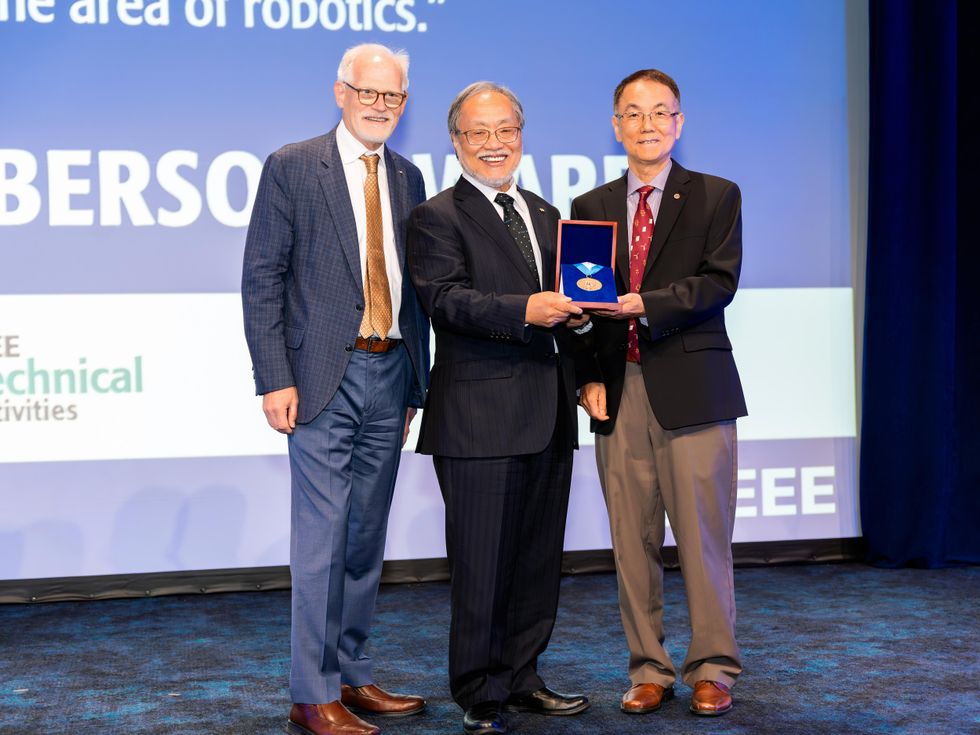
IEEE Honors Robotics Pioneer Toshio Fukuda
Toshio Fukuda has been blazing trails for most of his career. He is considered to be one of the most prolific scholars in robotics, writing more than 2,000 research papers and authoring several books on the field. He’s an influential figure thanks to his pioneering work developing biomedical robotic systems, industrial robots, micro-nano robotics, mechatronics, and AI-driven automation.Fukuda launched one of the first robotics conferences, the IEEE/RSJ International Conference on Intelligent Robots and Systems (IROS). It is still popular almost 40 years later.Toshio FukudaEmployerEgypt-Japan University of Science and Technology, in Alexandria TitleProfessor and vice president of research Member gradeLife Fellow Alma matersWaseda University, in Tokyo; University of Tokyo An IEEE Life Fellow, he is a professor emeritus in the department of micro-nano systems engineering and a visiting professor at Nagoya University, in Japan, where he taught for nearly 25 years. Currently, he is a vice president of research at the Egypt-Japan University of Science and Technology, in Alexandria, Egypt.Within IEEE, Fukuda has held top volunteer positions including the organization’s highest office: He served as IEEE president in 2020, becoming the first person of Asian descent to hold the role.He’s a former program director of Japan’s Moonshot program, which by 2050 intends to develop advanced AI robots.Born in Japan, Fukuda has been recognized by the country for his contributions to science with two of its highest awards: the Medal of Honor with a purple ribbon in 2015 and the Order of the Sacred Treasure in 2022.IEEE honored him with this year’s Richard M. Emberson Award for “distinguished service advancing the technical objectives of IEEE, especially in the area of robotics.” The IEEE Board-level award is sponsored by the IEEE Technical Activities Board. Fukuda received the award on 24 April at a ceremony in New York City.As a former IEEE president who has served as a master of ceremonies at several of the organization’s major award events, Fukuda noted that he is more accustomed to bestowing awards than receiving them.“It’s very interesting to be on the receiving end,” he says.The journey into robotics researchAs a teenager, Fukuda spent his summer breaks teaching himself how to build things including transistor radios and steam engines.“It was very nice to have a hands-on hobby and make these kinds of things myself,” he says. His experimentation led him to study engineering.He earned a bachelor’s degree in engineering in 1971 from Waseda University, in Tokyo. He says one of his professors there—Ichiro Kato, regarded as the father of Japanese robotics research—was a good mentor who made a positive impact.Fukuda’s research interests were robotics and mechatronics, a field that combines robotics, electronics, computer science, and control systems.He went on to earn a master’s degree and a doctorate in science from the University of Tokyo, in 1971 and 1977. During those years, he also attended Yale, where he conducted research on advanced control theory in 1973.He reflects fondly on his time at Yale: “It was a very nice environment and a kind of free-thinking atmosphere. It motivated me to study more.”“IEEE doesn’t care who you are, what you do, what country you are from, or whether you are male or female. IEEE accepts people who have energy and passion.”While at Yale, Fukuda served as an assistant to his advisor—which led him to consider a career in academia, he says, because he enjoyed the freedom that research work afforded him.But he realized that such freedom comes with a price. University researchers are expected to raise the money that funds their work. He compares researchers to small-business owners who have to bring in money to keep their enterprise afloat.That realization led him to select robotics as his field because he intended to develop technologies useful to industry, he says.After earning his doctorate, he returned to Japan in 1977 to work as a research scientist at the government’s Mechanical Engineering Laboratory, later renamed the National Institute of Advanced Industrial Science and Technology, in Tsukuba.“There was a lot of research going on at the lab, including practical robotics and theory,” he says.He left Japan in 1979 to become a visiting research fellow at the University of Stuttgart, in Germany. During his year there, he studied systems, software problems, and related topics.He returned to Japan and was hired as an associate professor of mechanical engineering at the Tokyo University of Science. He conducted research into practical uses for robots by visiting industrial plants. He decided to develop robots that inspect industrial equipment such as those used in assembly plants, oil refineries, and power stations—places that “can be hostile environments for humans,” he says.His work drew interest from chemical, oil, and utility companies.“I got a lot of money from them for this very practical application, which funded my research,” he says, laughing.Developing popular robotic systemsFukuda grew tired of making those robots, he says, so he switched to creating ones for scientific applications. He developed many techniques, but he probably is best known for his modular, cellular robotic systems (CEBOTs), which he introduced in 1985.He has described how CEBOTs work in numerous papers published in the IEEE Xplore Digital Library.The CEBOT system is composed of a number of autonomous robotic cells that stick together like interlocking Lego plastic bricks, he says.Each cell is a fundamental modular unit that has a function. When a simple task is given, the system can analyze it and generate the structure of the cellular manipulator. The cells connect to and detach from each other through connection mechanisms and cooperate mutually, creating complex structures and configurations.“You start developing from the component-wise to the cell-wise to a small functional unit—and then you come up with clusters that make bigger systems. We can make a society of robot beings like that,” he explained in his oral history published on the Engineering and Technology History Wiki. “It’s a distributed robotic system, a self-organized robotic system, and also an evolutionary robotic system.“It’s also a fault-tolerant robot system because if something is wrong, you just remove those things and make a new one. You keep the system working. That’s a great thing.”Today CEBOTs are used for a variety of tasks such as delivering medication in hospitals, assisting with planting crops, and transporting products in distribution centers. Check out IEEE Spectrum’s Robots Guide for news from the world of robotics.In 1989 Fukuda joined Nagoya University as a professor of mechanical engineering and micro-nano systems engineering. During his 24-year career there, he was director of the university’s Center for Micro-Nano Mechatronics. He developed a long list of technologies at the university, including many for medical applications. He also conducted groundbreaking research into intelligent robotic systems and micro- and nano-robotics.Another technology he is known for is brachiation robots, which he helped develop in 1988. He calls them monkey robots because they’re based on the pendulum-like movement of monkeys swinging from tree to tree. The gravity-based locomotion enables continuous movement.Brachiation robots now are inspecting high-voltage transmission towers and bridges, searching damaged buildings for survivors, and performing maintenance on pipelines and cables.Fukuda retired from the university in 2013 and was named professor emeritus.He didn’t stay retired for long, though. He next held a teaching appointment at Meijo University, in Nagoya, until he left in 2022 to join the Egypt-Japan University.A prominent volunteerHe joined IEEE in 1980 at the encouragement of one of his research advisors, Professor Fumio Harashima, now an IEEE Life Fellow. After attending conferences and reading the organization’s publications, Fukuda says, he looked forward to becoming more involved.“I wanted to know how to organize a conference and how to edit a paper for one of its Transactions,” he says. “I wanted to know what was going on from inside the organization, not just the outside.”In 1988 he was the founding chair and organizer of IROS, in Tokyo. The conference had 330 attendees that year, and was supported by Harashima. Today it is one of the largest and most prestigious conferences on the topic, attracting more than 9,000 people annually. Out of 120,000 conferences, it was the only conference in the Nature Index database for this year, Fukuda says.In 1996 he and other members launched IEEE Transactions on Mechatronics.He was the founding president of the IEEE Nanotechnology Council, which was established in 2002. He is considered a pioneer in nanotechnology research, particularly regarding how it relates to robotics.Over the years, he has held numerous volunteer positions on IEEE editorial boards and committees.He was the 1998–1999 president of the IEEE Robotics and Automation Society, becoming the first non-U.S. member to hold the title.He was director of IEEE Division X (2001–2002 and 2017–2018), which covers intelligent systems, biological engineering, robotics, control systems, and photonic technologies. He served as the 2013–2014 director of IEEE Region 10 (Asia-Pacific).As the 2020 IEEE president, Fukuda saw the organization through the early part of the COVID-19 pandemic. Because of travel restrictions, he realized IEEE should change how it offered its in-person services, specifically educational programs. He encouraged IEEE Educational Activities to develop an online learning platform. The IEEE Learning Network started with just three courses and now offers nearly 2,000 courses, webinars, and learning materials.An award-winning memberThe Emberson Award joins a slew of other recognitions Fukuda has received from IEEE. They include several from the IEEE Robotics and Automation Society: a 2004 Pioneer Award, a 2009 Saridis Leadership Award, and the 2011 Harashima Award for Innovative Technologies. He is also a recipient of the Board-level 2010 IEEE Robotics and Automation Technical Field Award.He says he feels strongly that IEEE should be a diverse organization that is welcoming to all. As IEEE president, he led efforts to devise a diversity, equity, and inclusion program. Several policies, procedures, and bylaws were revised to give members a safe, inclusive place for discourse.“It’s important for IEEE to make everyone feel comfortable,” he says. “DEI programs are important. All people should be equal. IEEE doesn’t care who you are, what you do, what country you are from, or whether you are male or female. IEEE accepts people who have energy and passion.“It accepted me, from the Far East. That’s why I like it.”You can learn more about Fukuda and his career from the oral history conducted by the IEEE History Center.
Robotics Robots Ieee-member-news Type-ti Ieee-awards Toshio-fukuda
Palladyne AI Executes $4.2 Million U.S. Air Force Contract to Advance Swarming Capabilities for Integrated Cross-Domain Operations
Palladyne AI Executes $4.2 Million U.S. Air Force Contract to Advance Swarming Capabilities for Integrated Cross-Domain Operations Visit http://www.palladyneai.com for further information Palladyne AI’s SwarmOS™ platform to support satellite integration, marking a major expansion of its multi-domain autonomy and ISR capabilities across space, air, maritime, and land 07/07/26, 06:15 AM | Mobile Robots, Other Topics | Palladyne AI Corp. Palladyne AI Corp. (NASDAQ: PDYN and PDYNW) ("Palladyne AI"), a developer of artificial intelligence software for robotic platforms in the defense and commercial sectors, today announced that it has executed the previously announced contract awarded by the Air Force Research Laboratory (AFRL) to solve one of the most persistent challenges in modern defense operations—how to make different autonomous systems work together as one coordinated team. The "Hierarchical Adaptive Networked Game-Theoretic Integration of Multiple Echelons (HANGTIME)" contract will address this need. More Headlines A3's Automate 2026 Breaks Records as Demand for Robotics, AI and Automation Grows NVIDIA and Hugging Face Bring New Models and Frameworks to LeRobot for the Open Robotics Community ABB Robotics completes its AI-powered Visual SLAM AMR portfolio with new autonomous forklift UMA Unveils Its Vision for the Next Generation of Humanoid Robots Robbyant Unveils LingBot-Depth 2.0 and LingBot-Vision to Redefine Robotic Spatial Perception Articles Unleash AI Innovation: The Power of NVIDIA RTX PRO 6000 Blackwell Workstation Edition Fueled by PNY-Supplied GPUs Automate 2026 Q&A with DESTACO Automate 2026 Q&A with Roboteon Advances in Robots to See & Interpret within Warehouse Environments Building Resilient Fulfillment Networks with Robotics and Real-Time Logistics Data Today, drones, ships, and satellites often operate largely independently, limiting how quickly warfighters can see and respond to threats. HANGTIME will utilize Palladyne AI's patented SwarmOS™ software platform—the defense variant of the Palladyne™ Pilot embodied AI software—as the baseline technology to bridge that gap, connecting disparate systems so they can share intelligence, adapt to changing conditions, and act in sync across domains, including space, air, maritime, and land. By integrating satellites for the first time, this project also extends Palladyne AI's technology from the ground to orbit, enabling faster, more informed decision-making and coordinated mission execution, turning tactical commanders into strategic commanders by giving them more cross-domain intelligence, surveillance, and reconnaissance (ISR) capabilities than ever before. "Our collaboration with AFRL showcases what's next for autonomous operations," said Ben Wolff, President and CEO, Palladyne AI. "This isn't about replacing humans—it's about giving them sharper, faster insight. By connecting satellite, aerial, and ground systems using the patented SwarmOS embodied AI platform as a foundational technology, we're helping the warfighter make better decisions in real time and stay one step ahead on the battlefield." "The HANGTIME project is a breakthrough that unites high-altitude assets and situational unmanned systems into one coordinated sensor network—delivering a major advantage for the defense industry," said Dr. Denis Garagic, Chief Technology Officer, Palladyne AI. "For the first time, a single AI framework can coordinate assets across multiple domains, including satellites. That means these systems can now think and act together as a team, sharing what they see and learning as conditions change." "The HANGTIME effort represents a critical step in multi-domain autonomy for coordinated execution in challenging environments," said Caleb Williams, Program Manager, AFRL/RIEA. For more information on Palladyne AI and its patented collaborative autonomy software, including SwarmOS, please visit www.palladyneai.com. For more information about AFRL, please visit www.afrl.af.mil. About Palladyne AI Palladyne AI is a U.S.-based technology company developing patented embodied artificial intelligence, collaborative autonomy solutions, advanced avionics, autonomous systems, advanced UAV engineering services, and precision-manufactured components for defense and industrial markets. Palladyne AI delivers secure, American-developed and operated platforms designed to meet the stringent requirements of U.S. government and public-sector customers, including data sovereignty, security, and compliance. Palladyne AI's embodied AI is designed to operate in complex, contested, and high-risk environments, enabling distributed tasking, human-on-the-loop decision-making, degraded-communications resilience, and multi-domain coordination. Its platform-agnostic autonomy stack combines real-time sensor fusion, adaptive AI models, and edge-native orchestration—without vendor lock-in—to support autonomous and collaborative systems across air, ground, maritime, and industrial domains w
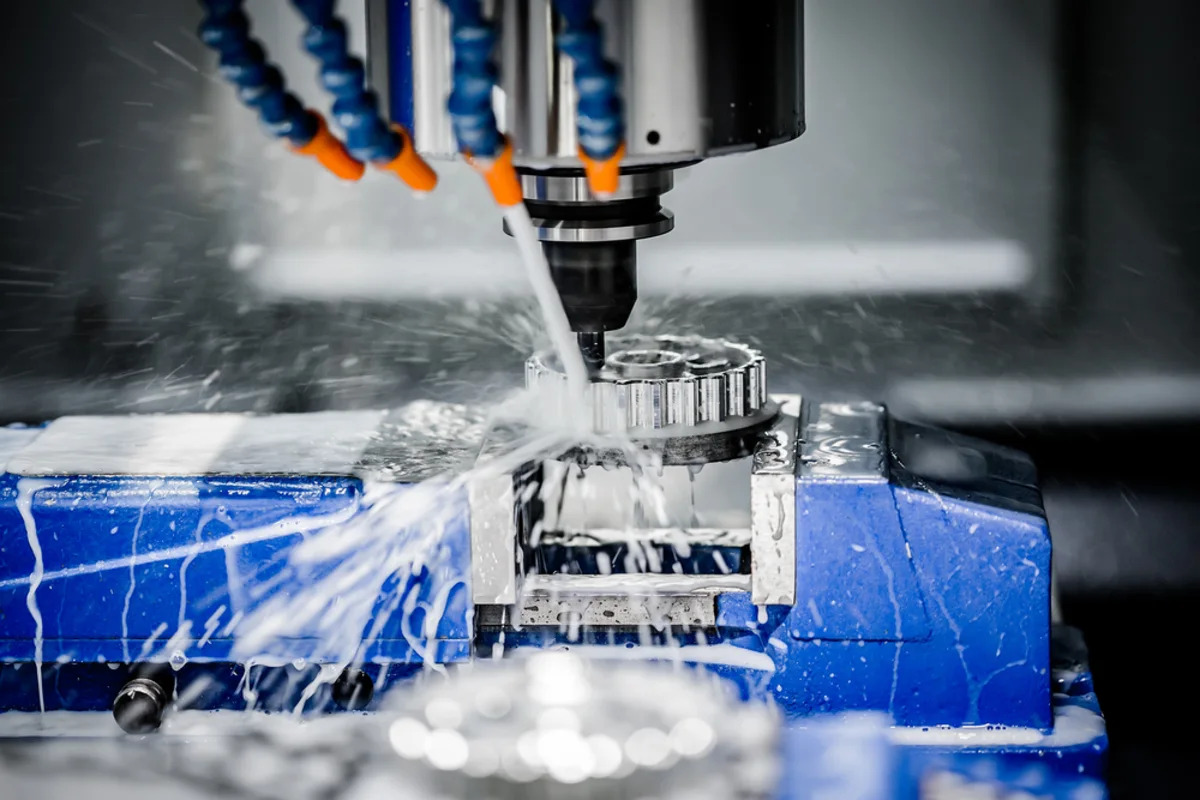
Honeywell International Inc. (HON): One of The Best Robotics Stocks to Buy Poised for Manufacturing Automation Opportunities
Honeywell International Inc. has emerged as a leading contender in the robotics sector, particularly in the realm of manufacturing automation. On June 9, 2026, the company introduced Experion Cognition, an AI-enabled control system aimed at enhancing autonomous operations. This innovative platform leverages Honeywell's extensive experience in process automation and incorporates advanced AI models to address anomalies in control room settings, thereby optimizing production efficiency. Experion Cognition is designed to seamlessly integrate into existing control room environments, enabling operators—regardless of their experience level—to manage plant operations effectively. By automating situation management, the platform addresses the ongoing industrial workforce shortage, allowing less experienced personnel to operate complex systems with greater ease. The system's AI features, including an Operations Assistant, can generate predictions within a span of 5 to 10 minutes. Dr. Hasan Karam, Chief Operating Officer of Borouge International, highlighted that this new solution establishes a benchmark for efficiency and innovation, paving the way for the first AI-autonomous operations within the petrochemical industry. As a global technology and manufacturing conglomerate, Honeywell specializes in automation, aerospace systems, and energy transition, providing essential hardware, software, and services that enhance the safety and sustainability of various industries. While investment in Honeywell carries inherent risks, analysts believe that its advancements in AI technology position it favorably for future growth.
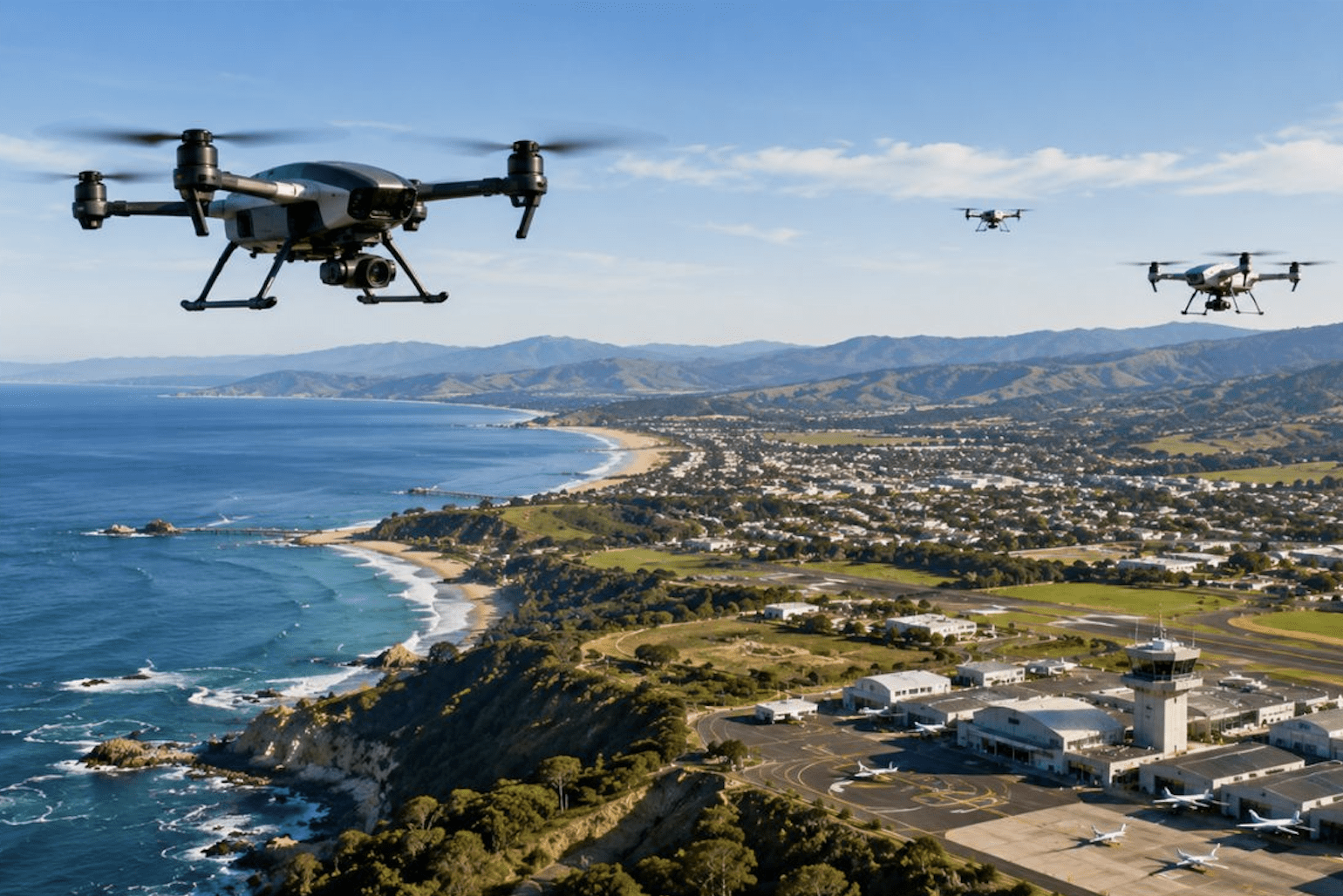
Who Builds the Sky? How Regional Partnerships Are Creating the Infrastructure for Advanced Air Mobility
In a recent episode of the Drone Radio Show, Lavera Alexander, Chief Growth Officer of the Monterey Bay Economic Partnership (MBEP), emphasized the critical role of regional collaboration, airport infrastructure, and economic development in shaping the future of advanced air mobility. The discussion highlighted that while aircraft technology is essential, the success of this emerging industry relies heavily on the interconnected efforts of local stakeholders. Alexander's insights reflect a growing recognition that building a robust framework for advanced air mobility requires more than just technological advancements; it necessitates a comprehensive approach that integrates community resources and infrastructure planning. The episode serves as a call to action for regions to work together in fostering an environment conducive to the growth of this innovative sector.
Advanced Air Mobility Aerospace Applications Drone News Drone News Feeds News
This belt-worn drone detector is finally shipping
Zing Drone Solutions has officially launched its handheld drone detection device, which aims to enhance situational awareness for law enforcement officers monitoring aerial activity. This announcement comes after the product was initially introduced earlier this year. The device distinguishes itself from existing Remote ID tools by offering unique features that provide clearer insights into drone operations. As the demand for effective drone monitoring solutions continues to rise, Zing's innovation seeks to address the challenges faced by law enforcement in managing drone-related incidents. The device is now available for shipping, marking a significant step forward in drone detection technology.
News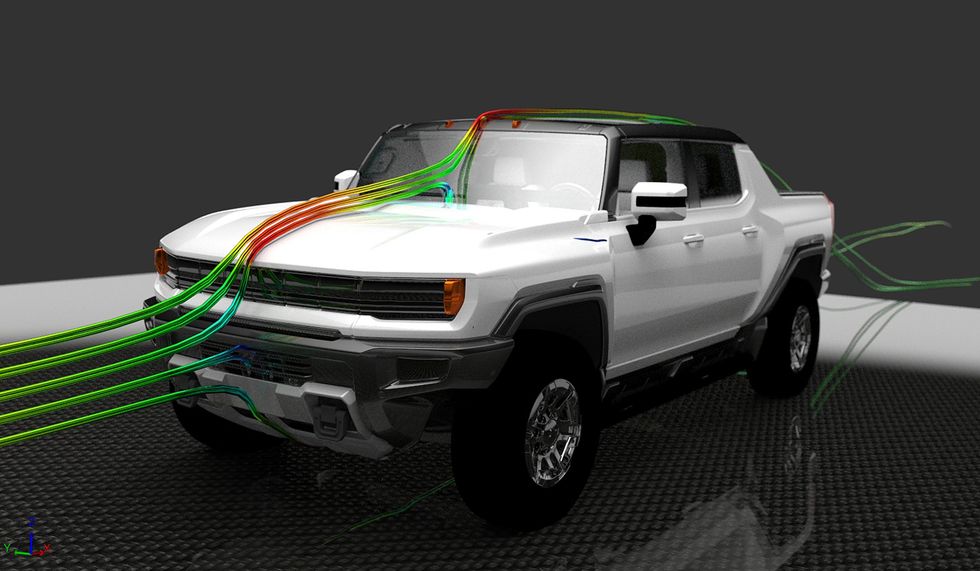
General Motors Is Cutting Its Development Cycles in Half
General Motors is accelerating its vehicle development process to compete with fast-paced Chinese automakers like BYD, which can bring electric vehicles (EVs) to market in under two years. This initiative, led by Sterling Anderson, GM’s chief product officer and former Tesla executive, aims to leverage artificial intelligence (AI) and simulation technology to significantly reduce design and production timelines. In a recent video call, Anderson and Jason Fischer, GM’s executive director of virtual integration engineering, outlined how AI is reshaping automotive design. Traditionally, the development process involved lengthy empirical testing and siloed engineering efforts. However, GM's new approach integrates multiple functions into a single virtual tool, allowing engineers to simulate design changes in minutes rather than hours. This method has already halved the development time for the electric GMC Hummer, which went from concept to showroom in just two years. GM is applying these advanced techniques across various projects, including self-driving cars and NASA's lunar rover, enhancing their ability to simulate real-world conditions and improve vehicle performance before physical prototypes are built. By running thousands of simulations, GM can identify and address potential issues early in the design process, ultimately leading to more refined vehicles. This innovative strategy positions GM to keep pace with the rapidly evolving automotive landscape and meet consumer demands for faster, more efficient vehicle production.
Gm Simulations Engineering-design General-motors Physics-simulations Automotive-engineering
Krypton Evening News: Token prices drop to a few dollars; OpenAI may significantly reduce product prices; discounted train tickets for
Christian Stein has been appointed as the new CEO of Renault Group Spain, effective July 1, succeeding Josep María Recasens, who is leaving the company for new career opportunities. Stein will also continue in his role as Chief Communications Officer and report to Renault Group CEO François Provost. In a significant shift, General Motors is considering abandoning the use of lithium iron phosphate (LFP) batteries for electric vehicles, despite plans to produce them by the end of 2027 at a joint factory in Tennessee. This decision comes as the company reassesses its battery technology strategy amidst a competitive market. Global prediction markets Polymarket and Kalshi have reported that contracts for the upcoming World Cup champion have surpassed $2 billion, potentially setting a new record for single-event prediction market transactions. In the tech sector, OpenAI is contemplating substantial price reductions for its products to compete with rival Anthropic, as rising costs for AI services have become a concern for executives. Meanwhile, J&T Express has responded to an investigation by China's State Post Bureau, emphasizing its commitment to cooperate fully and improve safety management practices in light of the inquiry. AliExpress, Alibaba's cross-border e-commerce platform, has launched official local delivery services in five countries, including the U.S. and Spain, aiming to enhance logistics efficiency for merchants. In product news, Insta360 has unveiled the Luna Ultra, the world's first 8K dual-camera gimbal, which sold out shortly after its launch on June 10. Lastly, Neura Robotics, a German robotics firm, has secured $1.4 billion in funding to accelerate its development of a leading physical AI platform, with backing from major investors like Amazon and NVIDIA.
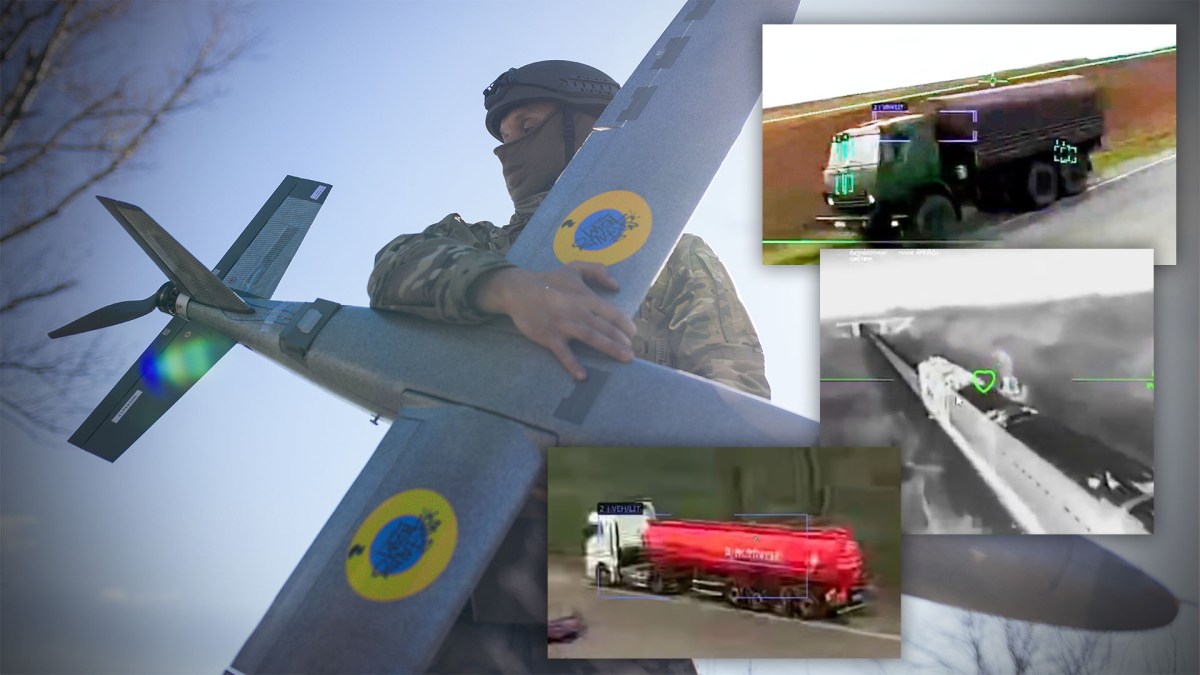
Inside Ukraine’s AI-Enabled Drone Campaign Targeting Russian Logistics Deep Behind The Lines
An officer involved in Ukraine's mid-range drone campaign has provided rare insights into the strategic strikes aimed at disrupting Russian logistics deep within enemy territory. This campaign, which leverages advanced artificial intelligence technology, is designed to enhance the effectiveness of drone operations against key supply routes and infrastructure supporting Russian military efforts. The officer's revelations shed light on the tactical planning and execution of these operations, highlighting their significance in the ongoing conflict. As Ukraine continues to adapt its military strategies, the use of AI-enabled drones represents a pivotal shift in modern warfare, allowing for more precise targeting and increased operational efficiency.
News & Features Air Around The Globe Europe Russia Ukraine
UMass Amherst Researchers Developing AI Architecture That Uses a Fraction of the Energy Required by Today’s AI Systems
Researchers at the University of Massachusetts Amherst have unveiled a groundbreaking artificial intelligence architecture aimed at significantly lowering the energy consumption of advanced AI systems while maintaining their learning capabilities. This innovative approach, inspired by brain function, was developed with funding from the U.S. National Science Foundation and the Air Force Office of Scientific Research. By mimicking the efficiency of the human brain, the new architecture seeks to address the growing energy demands associated with AI technologies, which have raised concerns regarding sustainability and environmental impact. The research, which highlights the potential for more eco-friendly AI solutions, could pave the way for advancements in various fields reliant on artificial intelligence, ultimately promoting a more sustainable future for technology.
AI AI Research & Advances Robotics architecture energy consumption Research
LLMs help robots understand vague instructions and focus on key details
In a future workplace scenario, employees may find themselves training robots as new colleagues. This innovative approach involves a method akin to "show and tell," where human workers demonstrate tasks physically while explaining the processes involved. This training method aims to enhance the integration of robots into various environments, such as warehouses and offices, by providing them with practical, hands-on learning experiences. As industries increasingly adopt automation, the need for effective training techniques for robotic assistants becomes essential to ensure smooth operations and collaboration between humans and machines. This shift reflects a broader trend towards the incorporation of advanced technology in the workforce, emphasizing the importance of adaptability and skill development in an evolving job landscape.
Robotics
Exclusive: Chinese Company Sets World Record with 100-Person Motion Capture Dance Performance
In a remarkable display of technological advancement, 100 dancers executed a synchronized motion capture dance, setting a new international record. This event took place at a venue in Shanghai, where the dancers were equipped with 5,300 markers and captured by 76 high-resolution cameras. The achievement, which has been officially certified by the New Hongqiao Notary Office, eclipses the previous international record of 19 participants and the domestic record of 41. The event highlights significant progress in optical motion capture technology and the integration of AI solutions for real-time data processing, demonstrating the potential of these innovations in the performing arts.
Motion Capture AI Technology Performance Arts Optical Tracking
Palladyne AI Appoints Retired Lieutenant General Sean Bernabe and Retired Brigadier General Gwyn Armfield to Defense Advisory Board
Two retired flag officers, one from the U.S. Army and the other from U.S. Air Force special operations, are leveraging their extensive experience in large-scale operations, coalition warfare, and defense technology to support the Department of War's strategic shift towards advanced military capabilities. This initiative, which is taking place as of October 2023, focuses on accelerating investments in artificial intelligence-enabled drone swarming, low-cost attritable loitering munitions, and enhancing domestic manufacturing capabilities. The move aims to strengthen the U.S. military's technological edge and operational effectiveness in an evolving defense landscape. By integrating their insights and expertise, these officers are expected to play a pivotal role in shaping the future of military operations and ensuring that the U.S. remains at the forefront of defense innovation.

NC AI, Posco DX join hands in robot AI model development
NC AI announced on Sunday that it has entered into a strategic business agreement with Posco DX to collaborate on the development of a robot foundation model and to foster broader technical cooperation. The signing ceremony, which took place recently, featured key figures including Kim Min-jae, the chief technology officer at NC AI, and Yoon Suk-june, the head of the robot automation center at Posco DX, along with senior officials from both organizations. This partnership aims to explore long-term cooperation strategies that will enhance their competitiveness in the fields of robotic intelligence technologies and industrial artificial intelligence.
All News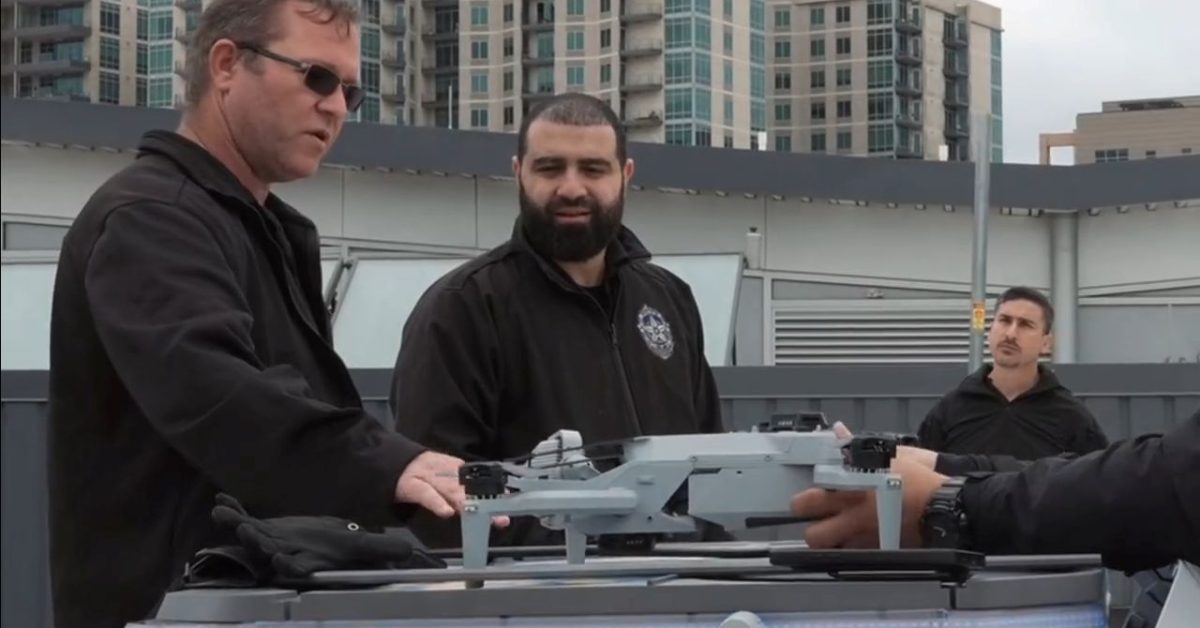
Dallas fire stations now double as police drone response hubs
The City of Dallas has announced the integration of drones into its emergency response operations, marking a significant advancement in public safety measures. This initiative aims to enhance the efficiency and speed of emergency services, with drones potentially arriving at the scene of incidents before traditional responders, such as police officers or firefighters. The deployment of these unmanned aerial vehicles is part of a broader strategy to improve response times and gather critical information in real-time, allowing for better decision-making during emergencies. The program is set to be implemented in the coming months, reflecting Dallas's commitment to leveraging technology for the benefit of its residents and ensuring a swift response to various emergencies.
News
ZeroUSV Demonstrates UK Sovereign Maritime Capability During VIP Tour
ZeroUSV recently hosted representatives from the Royal Navy, the Ministry of Defence (MOD), and the National Shipbuilding Office (NSO) at Manor Marine’s headquarters in Portland. The VIP tour highlighted the company's advancements in autonomous maritime technology. This visit comes on the heels of ZeroUSV's strategic investment in Manor Marine, which aims to enhance collaboration and increase the UK's production capacity for its Oceanus class uncrewed surface vessels (USVs). The partnership is expected to bolster the UK’s sovereign capabilities in maritime defense and innovation.
zerousv demo vip tour manor marine mod royal navy
Artemis II, dental aligners and more: The case for additive manufacturing
Aerospace and defense industries are increasingly adopting advanced manufacturing technologies to enhance their production capabilities, according to Brett Conner, the chief manufacturing officer of the Society of Manufacturing Engineers. This shift is aimed at enabling faster processing and scaling of parts, which is crucial for meeting the growing demands of these sectors. By leveraging innovative techniques, companies are able to streamline their operations and improve efficiency, ultimately leading to more competitive offerings in the market. The trend reflects a broader movement within manufacturing to embrace technology as a means of driving growth and innovation.
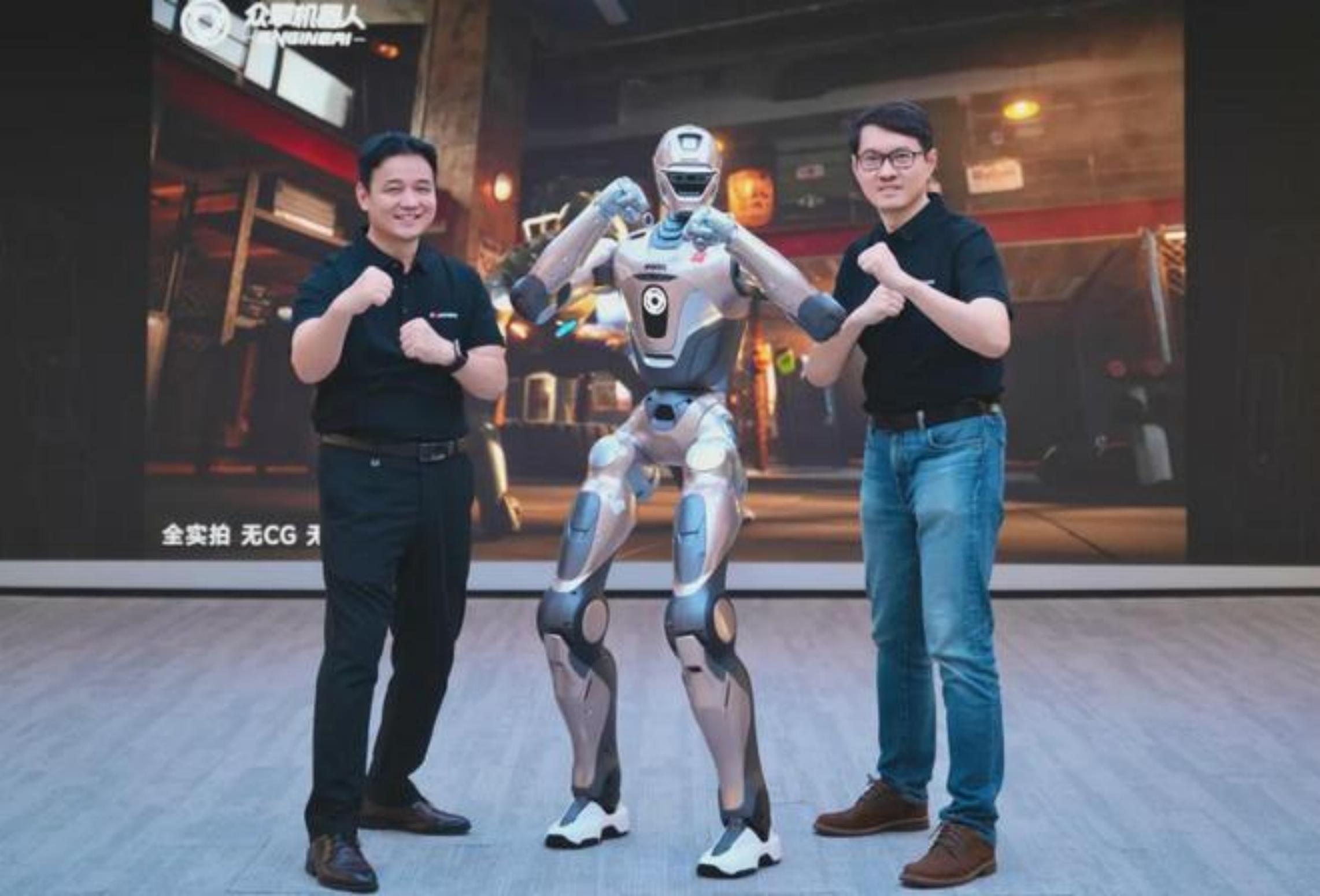
Former Xiaopeng Vice President Li Liyun Appointed CTO of Zhongqing, Merging Top Robotics and Advanced Driving Technologies!
Li Liyun, the former Vice President of Xiaopeng Motors, has taken on the role of Chief Technology Officer at Zhongqing Robotics, making his first public appearance in six months. His appointment comes as the company aims to bolster its production capabilities and improve technology integration. With a strong background in artificial intelligence and autonomous driving, Li's expertise is anticipated to drive innovation and efficiency within Zhongqing Robotics, positioning the company for future growth in the competitive robotics sector.
Autonomous Driving AI Technology Robotics Industrial Automation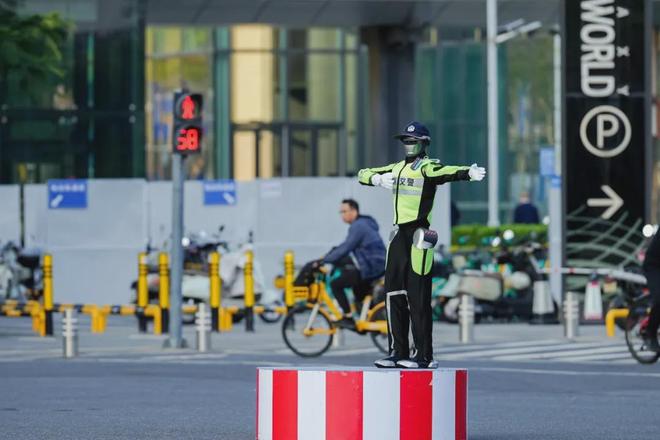
Smart Traffic Management Implementation: Humanoid Robots Become New Units for Active Governance at Intersections
As humanoid robots move from exhibition showcases to practical applications, companies are now deploying them in urban traffic management systems. These robots, designed to resemble traffic police, are capable of controlling traffic signals, identifying violations, and engaging with pedestrians. This initiative aims to tackle the pressing shortage of human traffic officers in cities, enhancing road safety and efficiency. By integrating advanced technology into everyday traffic scenarios, these robots are set to play a crucial role in modernizing urban infrastructure and improving the flow of city traffic.
Traffic Management Humanoid Robots Urban Automation AI Public Safety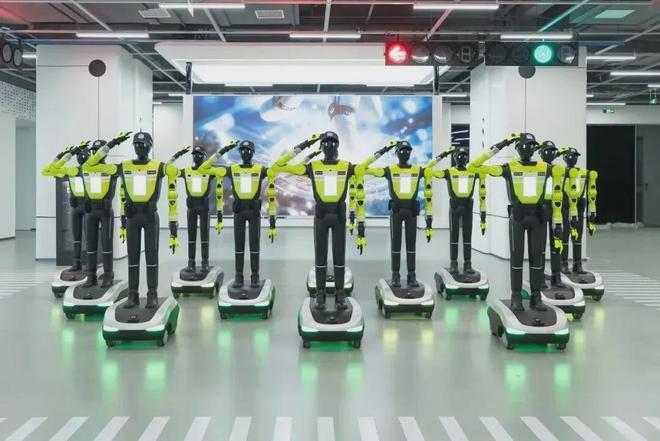
China's First Robot Traffic Police Team Officially Launches in Hangzhou
On May 1st, the city of Hangzhou introduced China's inaugural fully operational robot traffic police team, comprising 15 advanced AI robots. These innovative robots are designed to manage traffic flow, offer directions, and assist pedestrians, marking a significant advancement in urban traffic management. The initiative aims to alleviate the workload of human officers, thereby improving efficiency and safety on the roads. This deployment reflects Hangzhou's commitment to integrating cutting-edge technology into public services, enhancing the overall experience for both drivers and pedestrians in the bustling metropolis.
Traffic Management AI Robots Urban Mobility Smart City Technology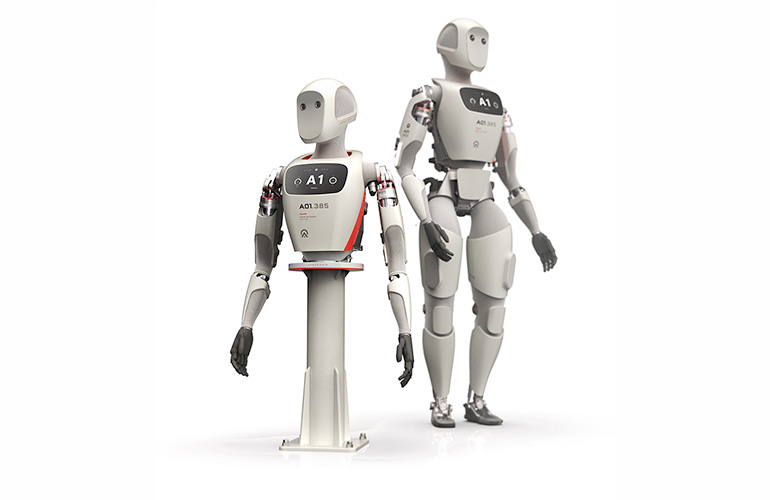
Apptronik’s new CPO hire a major step in right direction
Apptronik has appointed Daniel Chu, a former executive at Waymo, as its Chief Product Officer to spearhead the company's significant shift from research and development of humanoid robots to mass-market commercialization. This strategic move comes as Apptronik seeks to leverage its $935 million investment to enhance its product offerings and expand its market presence. The transition marks a pivotal moment for the company as it aims to bring its innovative robotics technology to a broader audience, addressing growing demand in various sectors. Chu's extensive experience in the tech industry is expected to play a crucial role in driving this transformation.
Healthcare Robotics Humanoids News Opinion Apptronik Boston Dynamics
Sereact gets Series B funding to expand Cortex 2.0 robot brain, enter U.S. market
Sereact, a robotics company, has announced plans to enhance its Cortex 2.0 technology, expanding its capabilities beyond bin picking to include assembly and kitting tasks. This initiative comes as the company secures Series B funding, enabling it to enter the U.S. market. To support this expansion, Sereact is also opening a new office in Boston. The move aims to capitalize on growing demand for advanced robotic solutions in various industries, reflecting the company's commitment to innovation and market growth.
6-Axis Artificial Intelligence Artificial Intelligence / Cognition Humanoids Investments Logistics
South Korea's first AI film hits theaters. But is it watchable?
In a near-future setting where artificial intelligence is integrated into everyday life, an AI-driven robot police officer targets a child it predicts will become a criminal. This premise forms the basis of "I'm Popo," which is being promoted as the first South Korean feature film created entirely with AI-generated visuals. The film, directed by Kim Il-dong, a webtoon artist making his debut in feature filmmaking, showcases a narrative that intertwines technology and societal issues. The script was crafted by Kim, who also managed the AI prompts used to generate the film's visuals. While the film utilizes AI for its imagery, it features professional voice actors for character dialogues. The story unfolds as a grieving father challenges the algorithm's judgment in court, raising questions about the implications of predictive policing and the role of AI in shaping human destinies.
All News
Terradepth’s Absolute Ocean Cleared for Immediate U.S. Navy Use via NIWC Atlantic RCC Hopper
Terradepth, a venture-backed maritime technology company, has announced the integration of its Absolute Ocean® cloud-native data-to-decision platform into the Rapid Capabilities Office (RCO) Rapid Capabilities Cell (RCC) Hopper at the Naval Information Warfare Center (NIWC) Atlantic. This move, which took place recently, aims to enhance the capabilities of the U.S. Navy by leveraging advanced maritime data solutions. The collaboration is expected to streamline decision-making processes and improve operational efficiency in naval operations, showcasing the growing importance of innovative technology in military applications.
terradepth absolute ocean clearance u.s. navy niwc atlantic rcc hopper
General Oceans Enters Purchase Agreement with MRV Systems
General Oceans has announced the acquisition of MRV Systems, a company specializing in long-duration, autonomous data collection, which will enhance its capabilities in underwater technology. This strategic move, finalized recently, adds approximately 22 employees and expands General Oceans' presence in the United States with offices in San Diego, Wood Dale, and Seattle. The acquisition aligns with General Oceans' growth strategy, allowing for increased collaboration between MRV and the company’s existing brands, thereby leveraging the Group’s global capabilities. This transaction is part of General Oceans' ongoing efforts to strengthen its market position through a series of successful acquisitions.
general oceans purchase agreement mrv systems
Pathak Receives 2026 Young Investigator Award
Deepak Pathak, a Raj Reddy Associate Professor of Robotics at Carnegie Mellon University’s Robotics Institute, has been honored with the 2026 Young Investigator Award from the Office of Naval Research. This prestigious accolade is designed to recognize early career faculty in the fields of science, technology, engineering, and mathematics whose innovative research demonstrates significant potential for enhancing capabilities vital to the U.S. Navy. The award aims to support promising researchers in their efforts to contribute to advancements that can benefit naval operations and technology.
Awards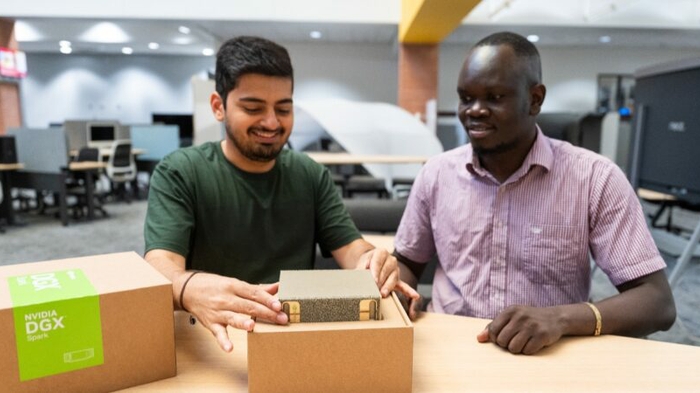
NVIDIA DGX Spark Powers Big Projects in Higher Education
The NVIDIA DGX Spark desktop supercomputer is revolutionizing artificial intelligence capabilities at leading institutions worldwide, making data-center-class AI accessible to researchers, faculty, and students. This advanced technology is being utilized in various settings, including academic laboratories and offices, enhancing the ability to conduct complex data analysis and AI research. Notably, a DGX Spark unit is operational at the IceCube Neutrino Observatory in the South Pole, showcasing its versatility and effectiveness in extreme environments. By integrating powerful computing resources directly into educational and research settings, NVIDIA aims to empower the next generation of innovators and scientists, facilitating groundbreaking discoveries and advancements in AI.
How to Find a Reliable Industrial Cobot Supplier with a Global Service Network?
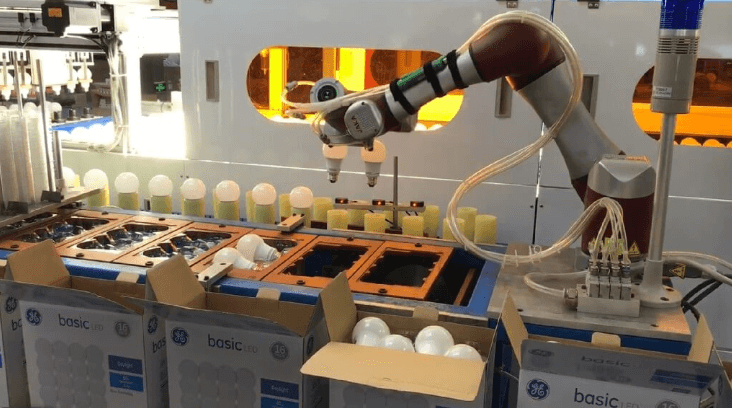
JAKA, a leading provider of industrial cobots, emphasizes the critical importance of a robust global service network in ensuring operational security and scalability for businesses integrating automation technology. The company argues that a supplier's ability to deliver consistent, localized support is essential for maximizing productivity and return on investment over the long term. To assess a supplier's capabilities, JAKA advises companies to look beyond mere office locations and evaluate the technical certifications of regional engineers, as well as the availability of essential spare parts. A reliable partner should offer standardized service level agreements that can be implemented globally, transforming support promises into actionable processes that minimize downtime during maintenance or urgent interventions. Moreover, JAKA highlights the necessity of comprehensive lifecycle support, which includes providing extensive technical documentation, regular software updates, and structured training programs for engineers and operators. This approach aims to build internal competency, enabling teams to handle routine programming and troubleshooting effectively. Integration expertise is also crucial, as a dependable supplier should demonstrate a successful track record in applying their technology within diverse manufacturing environments. JAKA encourages potential partners to present case studies that address specific challenges, ensuring that the integration phase is managed collaboratively to meet precise technical and output requirements. In summary, JAKA underscores that selecting a supplier involves evaluating both the technical performance of industrial cobots and the strength of their support infrastructure, ultimately fostering sustainable operational growth in complex industrial automation.
While Musk Dreams of a Cyborg Future, BrainCo Delivers Today
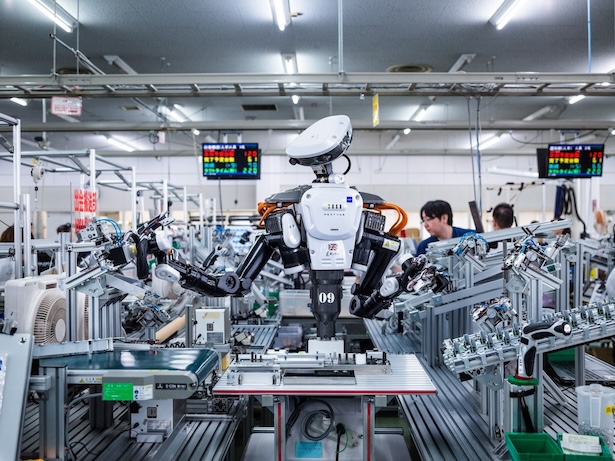
In a recent video that gained traction in the tech community, Elon Musk outlined an ambitious vision for 2025, showcasing a future where Neuralink's advanced technology integrates with Optimus humanoid robots to restore lost limbs. This concept, which blurs the lines between science fiction and reality, captivated viewers, including Cicy Zhang, who watched the presentation from her office in China. Musk's proposal highlights the potential of merging artificial intelligence with human biology, aiming to revolutionize medical treatments and enhance the quality of life for individuals with disabilities. The initiative reflects Musk's ongoing commitment to pushing the boundaries of technology and innovation.
On the Cusp FeaturesRobotics needs a service framework.
RSF defines a common language for robot service capability, lifecycle operations, certification pathways, and service-provider networks.