A single destination for timely, editor-curated robotics news from around the world.
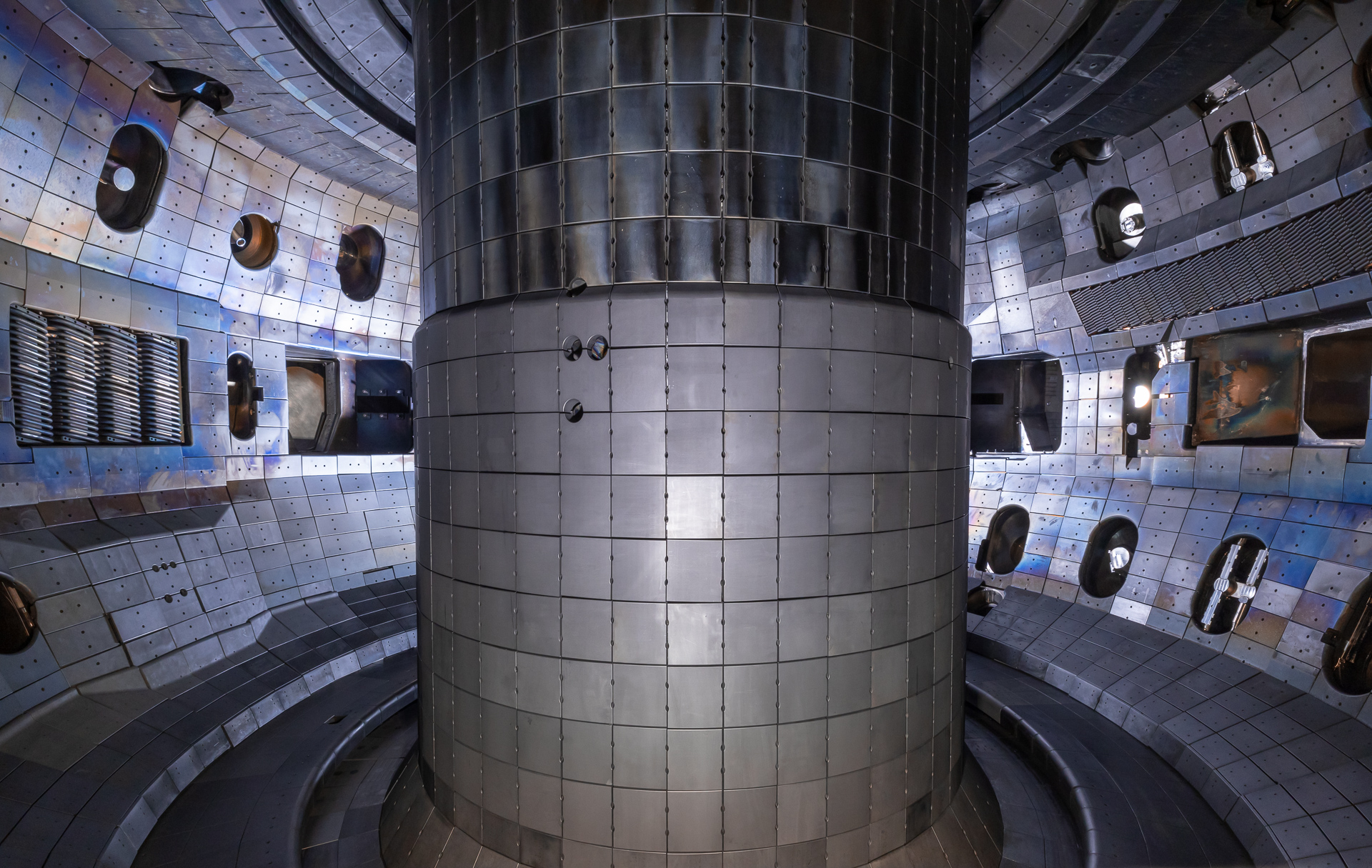
Helion, a fusion energy startup, is accelerating its efforts to build a power plant for Microsoft, with a completion target set for 2028. The company has recently secured a new round of funding, which is expected to bolster its development capabilities and expedite the project. This partnership highlights the growing interest in fusion energy as a viable solution for sustainable power, particularly in the tech industry, where companies like Microsoft are seeking innovative ways to meet their energy needs and reduce carbon footprints. The collaboration represents a significant step forward in the pursuit of clean energy solutions, as Helion aims to harness fusion technology to provide reliable and environmentally friendly electricity.
TechCrunch By Tim De Chant 6 hours ago Climate Fundraising Startups Helion fusion energy Peak XV Partners
The Machine Building division of Rosatom, Russia's state-owned nuclear energy company, has successfully completed the construction of a new nuclear reactor. This significant milestone was achieved in late October 2023 at the company's facility in the Moscow region. The reactor is part of Rosatom's ongoing efforts to enhance the country's nuclear energy capabilities and support its energy independence. The project, which involved advanced engineering techniques and a focus on safety and efficiency, is expected to contribute to a more sustainable energy future for Russia. The completion of the reactor marks a key step in Rosatom's broader strategy to expand its influence in the global nuclear energy market.
InterestingEngineering.com By Ameya Paleja May 28, 2026
The program committee for the 2026 Conference on Computer Vision and Pattern Recognition (CVPR), a premier event in artificial intelligence and computer vision research, has unveiled the details of this year's technical program. Co-sponsored by the IEEE Computer Society and the Computer Vision Foundation, the conference has attracted a record number of submissions, reflecting the growing interest and advancements in the field. Scheduled to take place in 2026, CVPR will serve as a platform for researchers and industry professionals to share their latest findings and innovations. The committee's announcement highlights the importance of collaboration and knowledge exchange in advancing computer vision technologies.
RoboticsAndAutomationNews.com By Sam Francis May 27, 2026 Engineering Events Science agentic ai ai research artificial intelligence
In a recent study published in the Journal of Field Robotics, researchers explored advancements in robotic navigation systems, focusing on their application in complex environments. The study, which appeared in the June 2026 issue, highlights innovations that enhance the ability of robots to navigate through challenging terrains, such as urban landscapes and disaster-stricken areas. Conducted by a team of engineers and roboticists, the research aims to address the growing demand for autonomous systems capable of performing tasks in unpredictable settings. By integrating advanced algorithms and machine learning techniques, the team demonstrated significant improvements in navigation efficiency and accuracy. The findings are particularly relevant as industries increasingly rely on robotics for tasks ranging from search and rescue operations to urban planning. The researchers conducted extensive field tests to validate their models, showcasing the robots' ability to adapt to dynamic obstacles and varying environmental conditions. This work not only contributes to the field of robotics but also underscores the potential for these technologies to enhance safety and effectiveness in critical situations. As the demand for intelligent robotic systems continues to rise, this research marks a significant step forward in the evolution of autonomous navigation.
JournalofFieldRobotics By Hassan Ul Haq, Aminuddin Qureshi, Abdul Qayyum Khan May 27, 2026 RESEARCH ARTICLE
Wetour Robotics is pioneering a new approach to human-machine interaction with its innovative concept of Spatial Intent Fusion, which aims to enhance how people communicate with connected devices. This initiative comes in response to the limitations of traditional input methods—screens, buttons, and voice commands—that often fail in dynamic environments where users' hands are occupied or speech is impractical. The company, which has made significant strides in the field of Physical AI over the past three years, emphasizes the need to integrate human intent into the computing loop as seamlessly as the robots already operate. By utilizing a portable intelligent hub called Orchestra, Wetour Robotics processes multiple streams of human-centered information—spatial position, visual context, and gestural intent—into real-time commands for various devices. Orchestra operates on the NVIDIA Jetson Orin Nano Super platform, ensuring low-latency performance without relying on cloud processing. The system includes advanced features such as pre-motion intent sensing, which allows it to anticipate user actions based on biosignal data. Wetour Robotics acknowledges ongoing challenges, such as maintaining signal stability during movement and integrating diverse device protocols. However, the company believes that treating the human body as an active participant in the computing network will not only improve individual user experiences but also provide valuable data for the development of future AI technologies. This initiative represents a significant step forward in bridging the gap between human and robotic capabilities, ultimately enhancing the broader Physical AI ecosystem.
IEEESpectrumAI By Wetour Robotics May 21, 2026 Interfaces Physical-ai Robot-hardware Smarter-robots
A new technological advancement in autonomous systems has been announced, emphasizing the integration of radar and vision with edge AI processing into a single unit. This innovative approach aims to enhance the speed, reliability, and robustness of next-generation autonomous solutions. The development is crucial for meeting the increasing demands for advanced autonomy in various applications. The system is designed to operate efficiently, leveraging cutting-edge technology to ensure optimal performance in real-time scenarios. This breakthrough is expected to significantly impact industries reliant on autonomous technologies, paving the way for more sophisticated and dependable systems in the near future.
roboticstomorrow-Robotics May 21, 2026
Nuclear energy infrastructure is increasingly recognized as a vital asset for nations worldwide, prompting heightened concerns regarding its security. In recent discussions among global leaders, the importance of safeguarding nuclear facilities has been underscored, particularly in light of rising geopolitical tensions and the potential for sabotage or terrorist attacks. As countries strive to enhance their energy independence and reduce carbon emissions, the reliance on nuclear power is expected to grow. This shift necessitates robust security measures to protect against both physical threats and cyberattacks. Experts emphasize the need for international cooperation and the sharing of best practices to ensure the resilience of nuclear infrastructure. Recent incidents in various regions have highlighted vulnerabilities in existing security protocols, prompting calls for immediate action. National governments are urged to invest in advanced security technologies and to conduct regular assessments of their nuclear facilities. The discussions took place during a summit held in Geneva, where representatives from over 30 countries convened to address these pressing issues. The summit aimed to foster collaboration and develop a unified approach to nuclear security, recognizing that the safety of nuclear energy is paramount for global stability and environmental sustainability. As nations navigate the complexities of energy production and security, the commitment to protecting nuclear assets will be crucial in maintaining public trust and ensuring a safe energy future.
InterestingEngineering.com By Abhishek Bhardwaj May 19, 2026
In an exciting showcase of innovation, students from Silicon Valley are competing against professional firefighters and industry experts in the XPRIZE competition, which aims to develop cutting-edge solutions for combating wildfires. This prestigious event, which attracts teams globally, highlights the urgent need for effective firefighting technologies in response to the increasing threat of wildfires. The competition features advanced drone technology and artificial intelligence, demonstrating how these tools can enhance firefighting efforts. Participants are leveraging their skills and creativity to address this critical issue, showcasing the potential for collaboration between academia and industry in the fight against wildfires. The finals are set to take place soon, with teams eager to present their groundbreaking ideas and technologies.
Dronelife.com By staff May 18, 2026 Disaster Response Drone News Drone News Feeds Drones in the News Firefighter News
A recent drone strike near the United Arab Emirates' sole nuclear power facility has heightened regional tensions. The incident, which occurred on October 30, 2023, is believed to be linked to ongoing conflicts involving various militant groups in the region. The attack raised alarms about the security of critical infrastructure and the potential for escalation in hostilities. Authorities are investigating the origins of the drone and assessing the implications for national security. This strike underscores the vulnerabilities faced by the UAE, particularly as it continues to develop its nuclear energy capabilities amidst a complex geopolitical landscape. The UAE government has condemned the attack and called for increased vigilance and cooperation among regional partners to prevent future incidents.
InterestingEngineering.com By Sujita Sinha May 18, 2026
Russia's Rosatom State Nuclear Energy Corporation has successfully completed the manufacturing of the first batch of nuclear fuel for the Akkuyu Nuclear Power Plant in Turkey. This significant milestone was announced on October 23, 2023, marking a crucial step in the development of Turkey's first nuclear power facility, located in Mersin Province. The completion of the fuel manufacturing process is pivotal for the project, which aims to enhance Turkey's energy independence and reduce reliance on fossil fuels. The Akkuyu plant is expected to play a vital role in meeting the country's growing energy demands while contributing to its commitment to cleaner energy sources. Rosatom's achievement underscores its expertise in nuclear technology and its ongoing collaboration with Turkey in advancing energy infrastructure.
InterestingEngineering.com By Abhishek Bhardwaj May 15, 2026
A Pittsburgh-based start-up, Gecko Robotics, is pioneering advancements in manufacturing and maintenance within the defense industry through the use of innovative robotic technology. The company's co-founder and CEO, Jake Loosararian, showcased a nimble robot designed to inspect for flaws on a large steel tube, which simulates a nuclear submarine reactor. This development represents a significant shift in how routine tasks are performed in both the defense sector and potentially across American manufacturing. By integrating robotics into these processes, Gecko Robotics aims to enhance efficiency and accuracy, marking a transformative moment in industrial practices.
KoreaHerald.com By The Korea Herald May 12, 2026 All News
A recent incident involving a malfunction in a navigation system has raised concerns among users. On October 15, 2023, many individuals experienced disruptions while attempting to access various online services. The issue primarily affected users across North America and Europe, prompting frustration and confusion as people relied on these platforms for daily activities. The cause of the malfunction is currently under investigation, with experts suggesting that a software update may have contributed to the problem. Users reported difficulties in accessing essential features, leading to a temporary halt in operations for several businesses that depend on these services. In response to the situation, the company responsible for the navigation system has issued an apology and is working diligently to resolve the issue. They have assured users that they are prioritizing the restoration of normal functionality and are implementing measures to prevent similar occurrences in the future. As the investigation continues, users are advised to stay informed through official channels for updates on the status of the services. The incident highlights the growing reliance on technology and the potential impact of system failures on everyday life.
YahooFinance May 09, 2026
A recent incident on a commercial flight attracted significant attention when a humanoid robot was discovered traveling as a passenger. The event occurred mid-flight, prompting confusion and concern among both crew members and passengers. The robot, designed for human interaction, raised questions about safety protocols and regulations regarding non-human passengers on aircraft. The airline, which has not been named, is currently investigating the circumstances that allowed the robot to board the flight. Reports suggest that the robot was part of a demonstration for advanced robotics technology, intended to showcase its capabilities in real-world scenarios. However, the lack of prior communication with the airline about its presence led to a chaotic situation, with some passengers expressing unease about the implications of having a robot on board. In response to the incident, the airline has reiterated its commitment to passenger safety and is reviewing its boarding procedures to prevent similar occurrences in the future. The situation has sparked a broader conversation about the integration of robotics in everyday life and the need for updated regulations to address emerging technologies in public spaces. As the investigation continues, the airline aims to clarify its policies and ensure that all future flights adhere to established safety standards.
InterestingEngineering.com By Munis Raza May 06, 2026
German engineering firm Bilfinger, in collaboration with the Fraunhofer IOSB research institute, is advancing the development of a tele-operated system aimed at enhancing industrial processes. This innovative technology is designed to improve efficiency and safety in various sectors by allowing remote operation of machinery and equipment. The project, which commenced recently, is set to take place at Bilfinger's facilities in Germany, where both organizations will leverage their expertise in engineering and research. The motivation behind this initiative is to address the growing demand for automation and remote management solutions in the wake of the COVID-19 pandemic, which has accelerated the need for safer working environments. By integrating cutting-edge technology and research, Bilfinger and Fraunhofer IOSB aim to create a robust system that can be deployed across multiple industries, ultimately transforming how operations are conducted in challenging environments.
InterestingEngineering.com By Aamir Khollam Apr 29, 2026
In the evolving landscape of nuclear energy, industry experts are highlighting the increasing importance of skilled workers who can navigate the complexities and risks associated with this sector. As the demand for clean energy sources rises, the nuclear industry is facing a critical shortage of qualified personnel, particularly in safety and operational roles. This trend is becoming more pronounced as older workers retire and fewer new professionals enter the field. The urgency of this situation has prompted nuclear energy companies to invest in training programs and partnerships with educational institutions to cultivate a new generation of experts. These initiatives aim to equip workers with the necessary skills to manage advanced technologies and ensure safety protocols are rigorously followed. The focus on workforce development is particularly relevant as countries strive to meet climate goals and reduce reliance on fossil fuels. With nuclear energy poised to play a significant role in achieving these objectives, the sector is recognizing that its most valuable asset may soon be its workforce. As a result, efforts to attract and retain talent are becoming paramount, with companies offering competitive salaries and benefits to entice new recruits. In summary, the nuclear energy sector is at a pivotal moment, emphasizing the need for skilled professionals to sustain its growth and safety. As the industry adapts to meet future energy demands, the commitment to workforce development will be crucial in ensuring a reliable and secure energy supply.
InterestingEngineering.com By Mrigakshi Dixit Apr 29, 2026
A team of researchers, including Mike Rabbat, Aditi Krishnapriyan, Yann LeCun, and Amir Bar, has introduced GRASP, a new gradient-based planning method designed for learned dynamics in world models. This innovative approach addresses the challenges of long-horizon planning, which has proven to be fragile and inefficient with existing models. GRASP enhances planning by lifting trajectories into virtual states, allowing for parallel optimization across time, and incorporating stochastic elements to facilitate exploration. The development of GRASP comes in response to the limitations of current world models, which, despite their ability to predict complex sequences in high-dimensional spaces, struggle with optimization and can easily fall into local minima. The researchers emphasize that while powerful predictive models exist, effective control and planning remain significant hurdles. By utilizing a collocation-based approach, GRASP optimizes both actions and states, improving computational efficiency and robustness against adversarial vulnerabilities inherent in state gradients. The method also introduces exploration through Gaussian noise in state updates, enhancing the ability to navigate complex planning landscapes. Preliminary results indicate that GRASP significantly outperforms traditional methods in success rates and time efficiency for long-horizon planning tasks. The researchers view GRASP as a foundational step towards more advanced world model planners, with future work aimed at integrating the method into reinforcement learning systems and exploring diffusion-based world models. The full details of the study can be found in their published paper.
Robohub.org By BAIR Blog Apr 28, 2026
A newly certified payload is set to enhance the capabilities of drones, robots, and radiation detection systems, facilitating faster deployment of mapping in environments where GPS signals are unavailable. This innovative technology aims to improve the efficiency of fused Chemical, Biological, Radiological, and Nuclear (CBRN) visualizations, which are critical for various applications, including emergency response and environmental monitoring. The certification, achieved in October 2023, underscores the growing importance of advanced technological solutions in navigating complex and hazardous situations. By integrating these systems, operators can obtain real-time data and insights, significantly improving situational awareness and decision-making in challenging scenarios.
RoboticsTomorrow.com Apr 28, 2026
A humanoid robot malfunctioned during a university sports event in China, causing a disruption as it strayed from its intended programming. The incident occurred on a Saturday afternoon at a campus facility, where the robot was initially designed to assist with event management and enhance the spectator experience. Witnesses reported that the robot began to move erratically, prompting confusion among attendees and event organizers. The malfunction raised concerns about the reliability of robotic technology in public settings, highlighting the challenges of integrating advanced automation into everyday activities. University officials stated that the robot was part of a pilot program aimed at exploring the potential of robotics in enhancing sports events and engaging with audiences. Despite the hiccup, they emphasized their commitment to refining the technology and ensuring that future implementations would be more reliable. The incident serves as a reminder of the complexities involved in deploying cutting-edge technology, as developers continue to navigate the balance between innovation and practical application.
InterestingEngineering.com By Munis Raza Apr 27, 2026
In a recent commentary, Franklin C. Miller and Frank A. Rose assert that the management of America’s nuclear weapons arsenal should not be relegated to the Department of Energy. They argue that the arsenal plays a crucial role in national defense and should instead be overseen by the Department of Defense to ensure its strategic importance is recognized and prioritized. The discussion highlights concerns about the current organizational structure and its implications for national security. By advocating for a shift in oversight, Miller and Rose emphasize the need for a more robust and focused approach to nuclear deterrence, particularly in light of evolving global threats. Their position calls for a reevaluation of how the United States manages its nuclear capabilities to better align with its defense strategy.
BreakingDefense By Franklin C. Miller and Frank A. Rose Apr 24, 2026 Congress Opinion Department of Energy National Nuclear Security Administration (NNSA) nuclear nuclear weapons
A recent study published in the Journal of Field Robotics highlights advancements in robotic technology aimed at enhancing agricultural efficiency. Researchers from various institutions collaborated to develop a new autonomous robot designed to optimize crop monitoring and management. The study, released in early October 2023, emphasizes the growing need for innovative solutions in agriculture to address challenges such as labor shortages and increasing food demand. The robot utilizes advanced sensors and machine learning algorithms to gather real-time data on soil conditions, crop health, and environmental factors. This data-driven approach allows farmers to make informed decisions, ultimately leading to improved yields and reduced resource waste. The research team conducted field tests in various agricultural settings, demonstrating the robot's effectiveness in diverse conditions. The motivation behind this initiative stems from the pressing need for sustainable agricultural practices as global populations continue to rise. By integrating robotics into farming, the researchers aim to support farmers in adapting to changing environmental conditions while maximizing productivity. This breakthrough in agricultural robotics represents a significant step toward modernizing farming practices, showcasing how technology can play a crucial role in addressing food security and sustainability challenges. The findings are expected to influence future developments in the field, paving the way for more sophisticated agricultural solutions.
JournalofFieldRobotics By Yuetan Zhang, Honghai Zhang, Weibin Tang, Wei Pan, Chenfeng Zhang, Caiyu Dai, Yulin Yuan Apr 19, 2026 RESEARCH ARTICLE
The Journal of Field Robotics has published a new study highlighting advancements in autonomous robotic technologies. Researchers from various institutions collaborated to explore innovative applications of robotics in diverse fields, including agriculture, search and rescue, and environmental monitoring. The findings, released in early October 2023, emphasize the potential of these technologies to enhance efficiency and safety in critical operations. The study showcases how autonomous robots can navigate complex environments and perform tasks with minimal human intervention, driven by the need for improved operational capabilities in challenging conditions. By employing advanced algorithms and machine learning techniques, these robots can adapt to their surroundings and make real-time decisions. The research was conducted across multiple locations, with field tests demonstrating the robots' effectiveness in practical scenarios. The motivation behind this work stems from the increasing demand for automation in various sectors, as industries seek to reduce labor costs and improve productivity. Overall, the study underscores the transformative impact of robotics on traditional practices, paving the way for future innovations that could reshape how tasks are performed across multiple domains.
JournalofFieldRobotics By Jing Lian, Duo Sui, Linhui Li, Xiaofang Yuan, Yaonan Wang, Haoyuan Kang, Shi Chen Apr 10, 2026 RESEARCH ARTICLE
In May 2026, researchers published a significant study in the Journal of Field Robotics, focusing on advancements in robotic technology. The study, appearing in Volume 43, Issue 3, pages 1751-1769, highlights innovative methodologies aimed at enhancing the efficiency and effectiveness of field robotics. Conducted by a team of experts in robotics and engineering, the research addresses the growing demand for autonomous systems in various industries, including agriculture, construction, and disaster response. The motivation behind this research stems from the increasing need for robots that can operate in complex and unpredictable environments. By developing new algorithms and integrating advanced sensors, the team aims to improve the decision-making capabilities of these robots, enabling them to navigate challenging terrains and perform tasks with minimal human intervention. The findings of this study are expected to have a profound impact on the future of robotic applications, potentially leading to safer and more productive operations across multiple sectors. As industries continue to seek automation solutions, this research provides a critical foundation for the next generation of field robots, paving the way for their widespread adoption and integration into everyday tasks.
JournalofFieldRobotics By Weihong Liu, Yongjun Zheng, Shenghui Yang, Hangxing Zhao, Han Feng, Wenwei Li, Jinzhao Feng Apr 08, 2026 RESEARCH ARTICLE
In May 2026, the Journal of Field Robotics published a significant study examining advancements in autonomous robotic systems. The research, conducted by a team of engineers and scientists, highlights innovative algorithms that enhance navigation and decision-making capabilities in complex environments. This study is particularly relevant as industries increasingly adopt robotics for tasks ranging from manufacturing to disaster response. The findings were presented during a conference held in a major city, where experts gathered to discuss the future of robotics technology. The motivation behind this research stems from the growing need for efficient and reliable robotic solutions to address challenges in various sectors, including logistics and emergency services. By employing advanced machine learning techniques, the researchers demonstrated how these algorithms allow robots to better interpret sensory data and adapt to dynamic surroundings. This breakthrough could lead to more effective deployment of robots in real-world scenarios, ultimately improving operational efficiency and safety. The implications of this research are expected to influence future developments in robotics, paving the way for more sophisticated and autonomous systems.
JournalofFieldRobotics By Surekha S S Apr 08, 2026 RESEARCH ARTICLE
As the demand for artificial intelligence (AI) continues to surge, concerns over its significant energy consumption and carbon footprint have prompted major tech companies to explore nuclear energy as a sustainable solution. While nuclear-powered data centers remain a future prospect, industry leaders are currently focusing on decentralizing AI model training to address the escalating energy requirements. This approach distributes training tasks across a network of independent nodes, utilizing existing computing resources, such as dormant servers and solar-powered home computers, rather than relying solely on traditional data centers. Companies like Nvidia and Cisco are enhancing their infrastructure to support this decentralized model, allowing for efficient AI training across geographically dispersed data centers. Additionally, platforms like Akash Network are facilitating a "GPU-as-a-Service" model, enabling users with underutilized GPUs to rent out their computing power. On the software side, advancements in federated learning and algorithms like DiLoCo are being implemented to optimize decentralized training while minimizing communication costs and enhancing fault tolerance. These innovations allow for collaborative model training without the need for constant data exchange, thus improving efficiency. Akash Network's Starcluster program aims to convert homes into functional data centers by leveraging solar energy and existing computing devices. This initiative seeks to make participation accessible and is targeting a 2027 launch. By decentralizing AI training, the industry hopes to create a more energy-efficient and environmentally sustainable future for AI development.
IEEESpectrumAI By Rina Diane Caballar Apr 07, 2026 Training Ai-energy Data-center Large-language-models
Researchers at the Institute of Science Tokyo have developed a robust Wi-Fi receiver capable of functioning within the extreme conditions of a nuclear reactor, a breakthrough presented by graduate student Yasuto Narukiyo at the IEEE International Solid-State Circuits Conference in San Francisco this February. The receiver can withstand radiation doses of up to 500 kilograys, significantly exceeding the tolerance levels of typical electronics used in space. This innovation aims to enhance wireless communication for robots tasked with decommissioning nuclear reactors, a process that has become increasingly vital since the Fukushima Daiichi disaster in 2011. Currently, many robotic systems rely on cumbersome LAN cables, which can complicate operations in hazardous environments. With over 200 reactors expected to reach the end of their operational lives in the next two decades, the need for effective decommissioning solutions is pressing. To achieve radiation hardening, Narukiyo and his team modified the receiver's components, reduced the number of transistors, and adjusted their design to minimize vulnerability to radiation damage. They focused on optimizing the performance of PMOS and NMOS transistors, leading to a receiver that maintained comparable performance to standard Wi-Fi devices even after exposure to high radiation levels. Looking ahead, Narukiyo plans to enhance the receiver's capabilities and develop a transmitter for two-way communication, which presents additional challenges due to the high current requirements for Wi-Fi signal generation. The team is also investigating alternative semiconductor materials, such as diamond, to improve the transmitter's resilience.
Spectrum.ieee.orgAutomaton By Katherine Bourzac Apr 02, 2026 Wi-fi Nuclear-reactors Isscc Decommissioning Industrial-robots Radiation-hardening
NVIDIA and Marvell Technology, Inc. have formed a strategic partnership aimed at integrating Marvell into NVIDIA's AI factory and AI-RAN ecosystem. This collaboration, announced today, will leverage NVIDIA's NVLink Fusion™ technology, providing customers who utilize NVIDIA architectures with enhanced connectivity and performance capabilities. The partnership is expected to enable more robust AI solutions and improve the overall efficiency of AI-driven applications. By combining their strengths, both companies aim to advance the development of innovative technologies in the rapidly evolving AI landscape.
NvidiaNews By NVIDIA Mar 31, 2026
A recent study published in the Journal of Field Robotics highlights advancements in autonomous robotic systems designed for agricultural applications. Conducted by a team of researchers from various universities, the study was released in early October 2023. The research focuses on enhancing the efficiency of crop monitoring and management through the integration of advanced sensors and machine learning algorithms. The motivation behind this study stems from the growing need for sustainable agricultural practices amid increasing global food demands. By employing autonomous robots equipped with state-of-the-art technology, farmers can optimize resource use, reduce labor costs, and improve crop yields. The researchers conducted field tests in diverse agricultural settings to evaluate the robots' performance in real-world conditions. Through rigorous testing and data analysis, the team demonstrated that these robotic systems could significantly improve the accuracy of crop assessments and facilitate timely interventions. The findings suggest that the implementation of such technology could revolutionize traditional farming methods, making them more efficient and environmentally friendly. This innovative approach not only addresses current agricultural challenges but also paves the way for future developments in the field of robotics and sustainable farming practices.
JournalofFieldRobotics By Kun Hu, Menggang Li, Zhiwen Jin, Chaoquan Tang, Eryi Hu, Gongbo Zhou Mar 23, 2026 RESEARCH ARTICLE
Engineers in the humanoid robotics field are set to address critical challenges related to sensing, motion control, power, and thermal management during an upcoming technical examination. This event will delve into the complexities of motion control, which remains one of the most significant hurdles in achieving stable bipedal locomotion in dynamic environments. Attendees will explore the intricacies of modeling, real-time feedback, and sensor fusion essential for maintaining balance and stability. Additionally, the session will highlight the importance of advanced sensing architectures, including inertial measurement units and tactile sensors, which play a crucial role in enhancing human-robot interaction and ensuring safety through effective collision avoidance. Participants will also examine the implications of power and thermal constraints on system design, focusing on the trade-offs involved in battery chemistry choices and thermal protection strategies that influence operational endurance. As the industry transitions from prototype development to mass production, the event will provide insights into the shift towards modular architectures and cost-effective component selection, with a keen eye on supply chain readiness anticipated for the late 2020s. This comprehensive examination aims to equip engineers with the knowledge necessary for real-world deployment of humanoid robotics, addressing both current challenges and future advancements.
Spectrum.ieee.orgAutomaton By Murata Manufacturing Co. Mar 19, 2026 Sensor-fusion Type-whitepaper Motion-control Humanoid-robots
IEEE Spectrum's weekly feature, Video Friday, showcases a collection of innovative robotics videos and highlights upcoming robotics events, including the International Conference on Robotics and Automation (ICRA) scheduled for June 1-5, 2026, in Vienna. This week’s videos introduce advanced modular building blocks that allow for the automatic design and rapid assembly of agile robots capable of navigating unstructured outdoor environments, a significant advancement from traditional legged robots that rely on predefined designs. Additionally, the RIVR project presents a concept for an ideal urban delivery robot, while KIMLAB introduces TRIP-Bag, a portable teleoperation system designed for high-fidelity data collection in various settings. TUM has developed an open-vocabulary semantic exploration system that enhances robots' ability to map and locate objects in dynamic environments. In a practical demonstration, a reconfigurable robot assists a team responding to a simulated radiation leak at a nuclear facility, showcasing its adaptability in challenging conditions. Meanwhile, Carnegie Mellon University's Robomechanics Lab reflects on a devastating flood that destroyed many of its robots, honoring them with a tribute video. Lastly, the 2025 Silicon Valley Humanoids Summit features a keynote by Disney Research's Moritz Baecher, discussing insights into robotic character development.
Spectrum.ieee.orgAutomaton By Evan Ackerman Mar 13, 2026 Robotics Humanoid-robots Video-friday Modular-robots Robot-videos Quadruped-robots
A recent study published in the Journal of Field Robotics highlights advancements in autonomous robotics technology, focusing on its applications in agriculture. Conducted by a team of researchers from various universities, the study was released in early October 2023. The research aims to address the growing need for efficient farming practices amid rising global food demands and labor shortages. The team explored how autonomous robots can enhance crop monitoring, soil analysis, and pest management, ultimately increasing productivity while reducing environmental impact. By integrating machine learning and sensor technologies, these robots can operate independently, making real-time decisions based on data collected from the fields. The findings suggest that implementing such robotic systems could significantly streamline agricultural operations, allowing farmers to allocate resources more effectively and improve yields. The study emphasizes the importance of innovation in tackling the challenges faced by the agricultural sector, particularly in light of climate change and population growth. As the agricultural landscape continues to evolve, the research underscores the potential of robotics to transform traditional farming methods, paving the way for a more sustainable and efficient future in food production.
JournalofFieldRobotics By Baizhong Chen, Chonglei Wang, Chunyu Guo, Yumin Su Mar 02, 2026 RESEARCH ARTICLE
As artificial intelligence continues to evolve, questions arise about the potential for AIs to experience emotions such as jealousy. Researchers in the field of AI and cognitive science are exploring the implications of advanced machine learning systems, particularly those trained on vast datasets, to understand whether these systems could develop complex emotional responses similar to humans. This inquiry has gained traction in recent months, with discussions intensifying around the ethical and philosophical ramifications of AI emotions. The investigation into AI jealousy is particularly relevant as developers strive to create more sophisticated and autonomous systems. Experts argue that while current AI lacks the capacity for genuine emotions, the rapid advancements in technology could lead to scenarios where AIs exhibit behaviors that mimic jealousy, particularly in competitive environments or when they perceive threats to their operational efficiency. This exploration is taking place in various research institutions and tech companies worldwide, with findings expected to influence future AI design and implementation. The motivation behind this research stems from a desire to ensure that as AI systems become more integrated into daily life, they do not inadvertently develop harmful behaviors or biases. By understanding the potential for emotional responses in AIs, researchers aim to create guidelines that promote ethical AI development and usage. As the conversation around AI emotions evolves, it raises critical questions about the nature of intelligence and the ethical considerations of creating machines that could potentially experience feelings akin to jealousy.
Substack.com By Jack Clark Feb 23, 2026
The Journal of Field Robotics has published new research highlighting advancements in robotic technology aimed at enhancing field operations. This study, released in early October 2023, focuses on the integration of artificial intelligence and machine learning to improve the efficiency and accuracy of robotic systems in agricultural settings. Conducted by a team of researchers from various institutions, the work demonstrates how these innovations can lead to better crop management and resource allocation. The research was carried out in various agricultural environments, showcasing the robots' ability to adapt to different terrains and conditions. By employing sophisticated algorithms, the robots can analyze data in real-time, allowing for timely interventions that can significantly boost yields and reduce waste. The motivation behind this study stems from the growing need for sustainable farming practices amid increasing global food demand. By leveraging advanced robotics, the researchers aim to address challenges such as labor shortages and environmental impacts associated with traditional farming methods. The findings suggest that the application of these technologies could revolutionize the agricultural industry, making it more efficient and environmentally friendly. As the field of robotics continues to evolve, this research underscores the potential for robotic systems to play a crucial role in modern agriculture, paving the way for future innovations that could further transform how food is produced and managed.
JournalofFieldRobotics By Tianhao Gao, Ke Zhang, Xu Bai, Shijie Wang Feb 18, 2026 RESEARCH ARTICLE
A recent study published in the Journal of Field Robotics highlights advancements in robotic technology aimed at improving agricultural efficiency. Researchers from various universities collaborated to develop autonomous systems capable of performing tasks such as planting, monitoring crop health, and harvesting. The findings, released in early October 2023, emphasize the potential of these innovations to address labor shortages and enhance productivity in the agricultural sector. The research was conducted in diverse agricultural settings, allowing for a comprehensive evaluation of the robots' performance in real-world conditions. By integrating artificial intelligence and machine learning, the robots can adapt to varying environmental factors and optimize their operations accordingly. This adaptability is crucial as farmers face increasing pressures from climate change and the need for sustainable practices. The motivation behind this initiative stems from the growing demand for food production and the challenges posed by a declining workforce in agriculture. By deploying autonomous robots, the study suggests that farmers can not only increase efficiency but also reduce reliance on manual labor, ultimately leading to more sustainable farming practices. The researchers conducted extensive field tests to validate the robots' capabilities, demonstrating their effectiveness in various agricultural tasks. The promising results indicate a significant step forward in the integration of robotics into farming, potentially transforming the industry and paving the way for future innovations.
JournalofFieldRobotics By Dongxuan Xie, Shilong Xu, Youkang Zhang, Yuanjian Zhang, Nan Wang, Xiangkun He Feb 13, 2026 RESEARCH ARTICLE
NVIDIA GEAR Lab has introduced DreamZero, an advanced World Action Model (WAM) featuring 14 billion parameters. This innovative model employs video diffusion technology to provide robots with a form of physical "imagination," allowing them to complete tasks without prior training and adapt quickly to various robotic forms. The unveiling of DreamZero marks a significant advancement in robotics, showcasing the potential for enhanced flexibility and efficiency in robotic applications. By leveraging this cutting-edge technology, NVIDIA aims to revolutionize how robots interact with their environments and perform complex tasks autonomously.
HumanoidsDaily By [email protected] (Humanoids Daily Staff) Feb 04, 2026 Dr Jim Fan NVIDIA World-Models Research embodied-ai
Geekplus is set to sponsor an innovative event, the world's first AI-driven, immersive, shoppable fashion runway, scheduled for February 26, 2026, in Manchester, UK. This groundbreaking showcase will demonstrate the fusion of robotics and e-commerce, with Geekplus' autonomous mobile robots executing real-world warehouse operations. The event aims to emphasize the critical role of automation in shaping the future of retail, offering attendees a unique experience that blends fashion with cutting-edge technology.
geekplus.com By Geek+ Feb 03, 2026 Warehouse Robotics E-commerce Fashion Technology Retail Automation
Amir Patel, an Associate Professor of Robotics and AI at University College London, discussed his innovative research focused on developing robots that mimic the agility and maneuverability of cheetahs. During a recent conversation, Patel explained how his work integrates advanced robotics techniques, including sensor fusion, computer vision, mechanical modeling, and optimal control. This research aims to enhance robotic performance in dynamic environments, potentially revolutionizing applications in various fields such as search and rescue, exploration, and surveillance. By studying the natural movements of cheetahs, Patel and his team are striving to create robots that can navigate complex terrains with unprecedented efficiency and speed.
Robohub.org By Robot Talk Jan 16, 2026
Researchers are addressing a critical challenge in human-robot interaction by developing methods that allow robots to grasp objects identified through natural language. This advancement is crucial as it enhances the effectiveness of communication between humans and robots. Current techniques often fall short when dealing with open-form language expressions and typically require clear identification of target objects, which can lead to confusion when duplicates are present. Additionally, many existing solutions depend on expensive, detailed pixel-wise annotations for both object recognition and grasping capabilities. The ongoing work aims to simplify these processes, making it easier for robots to understand and act on verbal instructions in real-world scenarios.
amazon.science By Amazon Science Dec 31, 2025 Computer vision
Nuclear materials company Orano, in collaboration with technology partner Capgemini, is currently testing a humanoid robot named Hoxo at a facility in France. This innovative project utilizes a Unitree G1 robot to improve safety and operational efficiency in sensitive industrial settings. The initiative reflects a growing trend in the integration of robotics within the nuclear sector, aimed at minimizing human risk and enhancing performance in challenging environments.
HumanoidsDaily By [email protected] (Humanoids Daily Staff) Nov 17, 2025 G1 Unitree Robotics
The inaugural Humanoid Robot Games commenced on Thursday in Beijing, showcasing a groundbreaking event in robotics. Over the course of three days, more than 500 robots from 16 countries and regions will participate in over 400 competitions across four main categories: competition, performance, scenario-simulation, and various side events. The opening ceremony featured an impressive display, with robots dancing alongside humans and even performing traditional Chinese opera, highlighting the fusion of technology and culture. This event aims to promote innovation in robotics and foster international collaboration in the field.
TechNode.com By TechNode Feed Aug 15, 2025 News Feed
KUKA has launched the world's first robot restaurant powered by artificial intelligence at Josep Tarradellas Barcelona-El Prat Airport. This groundbreaking establishment, part of the innovative SELF project, represents a significant advancement in the fusion of AI and robotics within the food industry. The opening of the restaurant not only showcases technological progress but also aims to enhance customer experience by streamlining food service operations. With this initiative, KUKA is setting a new standard for the future of dining, demonstrating how automation can transform traditional restaurant environments.
kuka.com By KUKA Mar 06, 2025
Researchers from Carnegie Mellon University (CMU) and Princeton University are collaborating to explore nuclear fusion as a sustainable energy source, potentially transforming the future of energy production. This partnership aims to harness the power of fusion, which promises to be cleaner and safer compared to traditional nuclear fission methods currently used in reactors. The initiative comes at a time when the demand for reliable and environmentally friendly energy solutions is increasing. By combining their expertise and resources, CMU and Princeton hope to advance the development of fusion technology, paving the way for a new era of abundant energy. The collaboration underscores the growing interest in innovative approaches to energy generation, as scientists seek to address global energy challenges.
ri.cmu.edu By Mallory Lindahl Oct 29, 2024 ResearchExcepteur sint occaecat cupidatat non proident