Industry Briefing
A single destination for timely, editor-curated robotics news from around the world.

Microsoft Executive Labels AI Scraping as Major Theft in Ongoing Lawsuit with The New York Times
Recent unredacted filings in the copyright lawsuit initiated by The New York Times against OpenAI and Microsoft reveal significant admissions regarding AI scraping practices. A Microsoft executive characterized these practices as 'theft,' while OpenAI's leadership acknowledged that their AI models present an 'existential threat' to publishers and journalists. The filings detail allegations of bypassing paywalls and stripping copyright notices, raising serious concerns about the legality of using copyrighted material for AI training. The implications of these revelations are profound, as they challenge the legal framework surrounding AI training and copyright. The lawsuit highlights the tension between AI companies' claims of 'fair use' and the potential harm to the original content creators' market. Notably, Microsoft data indicates that its Copilot engine has significantly reduced click-through rates for The New York Times, suggesting a detrimental impact on the publication's revenue. Looking ahead, the ongoing legal battle will likely shape the future of AI training practices and copyright law. With key testimonies from Microsoft CEO Satya Nadella and other executives, the case raises critical questions about the ethical and legal responsibilities of AI developers. No further timeline was disclosed at the time of publication.
AI Government & Policy copyright Microsoft new york times OpenAI
Seattle Times and Newsday File Lawsuit Against OpenAI and Microsoft Over AI Training Practices
The Seattle Times and Newsday have initiated legal action against OpenAI and Microsoft, claiming the companies utilized their journalism without authorization to train AI models. The lawsuit highlights concerns that generative AI could disrupt the news industry by consuming original content and producing derivative works for commercial gain. This legal challenge is part of a broader trend of copyright litigation against OpenAI and Microsoft, which began in 2023 with a similar lawsuit from The New York Times. The Seattle Times' involvement is particularly significant as Microsoft and OpenAI have previously funded some of its journalism initiatives, raising questions about the implications of such partnerships in light of the lawsuit. As the case unfolds, it will be important to monitor how it impacts the relationship between AI companies and news organizations, as well as the potential for further legal actions from other publications. No further timeline was disclosed at the time of publication.
AI AI Funding & Investment AI Policy & Regulation Insights AI training business
The Seattle Times and Newsday File Lawsuit Against OpenAI and Microsoft Over AI Training
The Seattle Times and Newsday have initiated legal action against OpenAI and Microsoft, alleging that their journalism is being used without consent to train AI models. The lawsuit warns that the rise of generative AI could irreparably harm the journalism industry, describing it as a 'snake eating its own tail' that threatens the very organizations that create original content. This legal challenge highlights growing concerns within the media sector regarding the impact of AI on journalism. The lawsuit claims that AI tools like ChatGPT and CoPilot are not merely content producers but rather aggressive consumers that exploit human-created content for commercial gain, potentially undermining the sustainability of news organizations. As the legal landscape evolves, it will be crucial to monitor the outcomes of this lawsuit and its implications for the relationship between AI technologies and content creators. No further timeline was disclosed at the time of publication.
AI Media & Entertainment Microsoft Newsday OpenAI
Japanese Startup Muse Launches Retail Robot to Assist Grocery Restocking in New York
A Japanese startup, Muse, has introduced its retail helper robot in a grocery store in New York, aiming to meet the growing demand for labor-saving technology in the U.S. service sector. This initiative reflects the increasing reliance on automation to enhance operational efficiency in retail environments. The deployment of the Muse retail robot is significant as it highlights the shift towards integrating advanced robotics in everyday tasks, particularly in the grocery sector. As labor shortages persist, solutions like Muse's robot could play a crucial role in alleviating the burden on store employees and improving service delivery. Looking ahead, the market potential for such technology in the U.S. is substantial, with Muse targeting a massive demand for physical AI solutions. No further timeline was disclosed at the time of publication.

New York School District Suspends Pilot Program for Realistic Robot Teacher After One Week
A New York school district's pilot program featuring a realistic robot teacher named 'Sally' has been suspended just days after its announcement. Manufactured by Realbotix, Sally is designed to engage with students using natural language and facial recognition technology, providing personalized feedback and support. However, concerns over student privacy and data security arose, prompting the district to halt the initiative. The program aimed to utilize Sally for after-school tutoring and support for students with specific needs, but parents and observers raised questions about data collection and potential security breaches. Although the district and Realbotix clarified that Sally operates on a closed offline AI system and does not collect personal information, the concerns were significant enough to lead to the program's suspension. While the use of social robots in classrooms is not new in countries like Japan and South Korea, the challenges of integrating such technology into educational settings remain. Future discussions will likely focus on balancing the benefits of AI in education with the need for genuine human interaction and the implications for student development.
Humanoid Robots AI in Education Student Privacy Educational Technology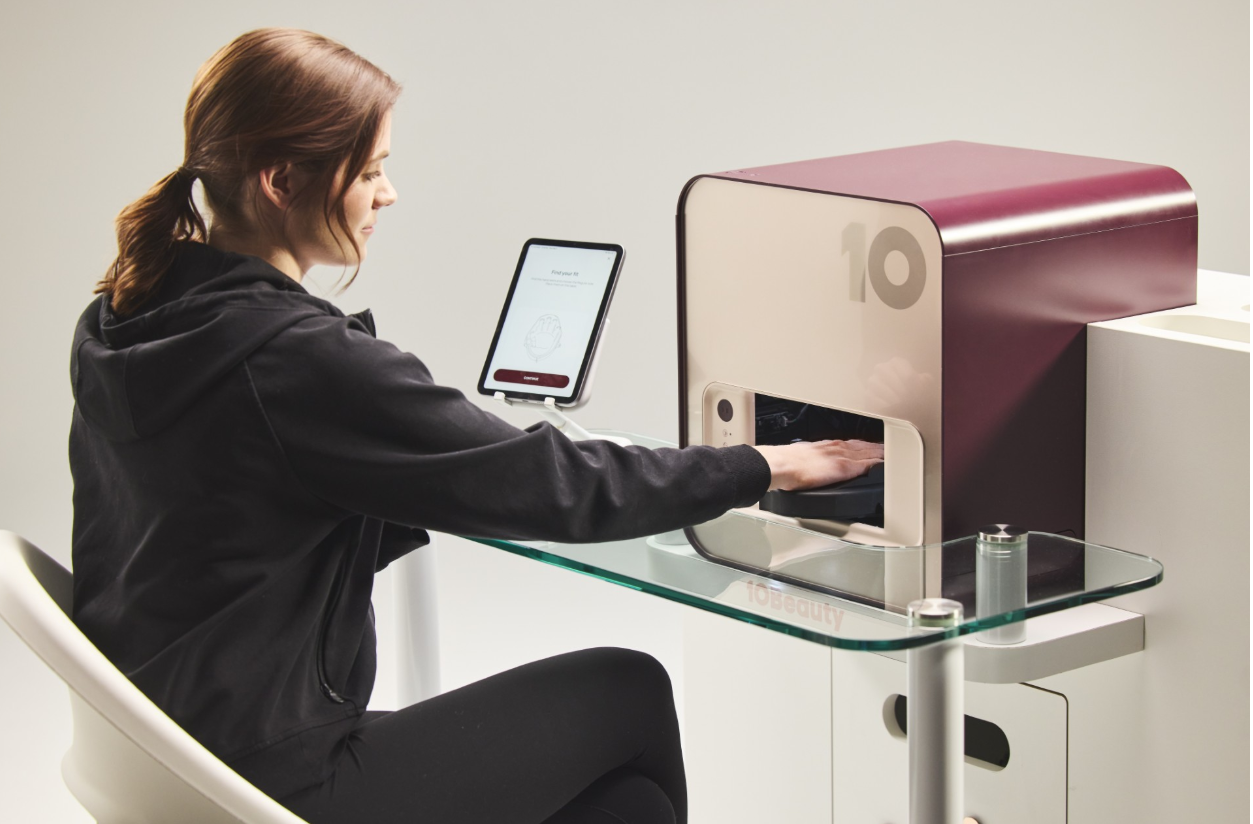
10Beauty Launches First Robot Nail Salon in New York with Automated Services
In July, 10Beauty opened its first store in New York's Yonkers ULTA Beauty, introducing robotic nail services to the East Coast. The company's automated nail system performs a complete five-step process, including nail polish removal, shaping, cuticle care, coloring, and drying, all guided by computer vision and robotic arms. The use of single-use capsule systems for nail polish eliminates cross-contamination, ensuring a hygienic experience for customers. This innovative approach to nail care matters as it offers a standardized, repeatable service akin to a coffee machine using capsules, according to co-founder Alex Shashou. Customers can choose from 16 allergen-free natural nail polish colors, with prices ranging from $30 to $35 per service, comparable to traditional nail salons. The design prioritizes safety, with no blades used inside the machine and thorough disinfection after each use, garnering positive feedback for precision and cleanliness. Looking ahead, 10Beauty anticipates that by the end of this decade, 90% of people will interact with AI robots daily, with nail services being just the beginning. The company is preparing to offer more customization options, new colors, and faster services, betting that most customers prioritize cleanliness and precision over personal interaction during their nail care experience. No further timeline was disclosed at the time of publication.
Automated Nail Services Robotics AI Technology Hygiene Solutions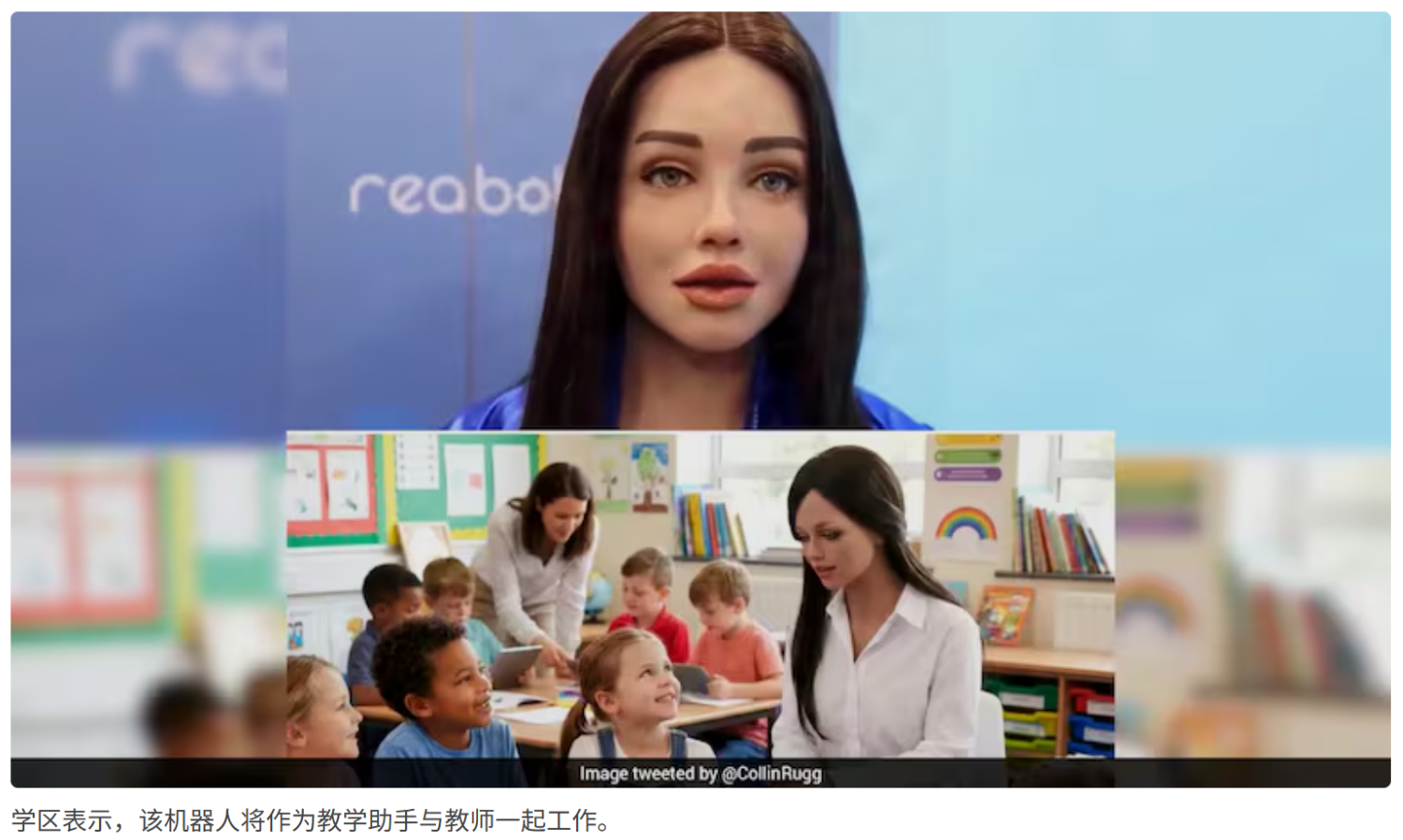
Sally the $57,000 Robot Teacher Set to Assist New York High School Students
This fall, the Salamanca Central School District in New York will introduce a humanoid robot named Sally to assist in high school programming, robotics, and AI courses. Priced at approximately $57,600, Sally is designed to support teachers rather than replace them, encouraging independent thinking among students. Sally, developed by Realbotix, features silicone skin, realistic facial features, and movable arms and fingers, although her legs are fixed and she cannot walk. The district has requested that Sally speak with a local Western New York accent to enhance communication, which officials describe as 'fairly neutral' for locals. Sally will serve 11th and 12th-grade students using the Woz Ed STEAM curriculum created by Apple co-founder Steve Wozniak. While the district emphasizes that Sally will not collect personal data or record audio or video, the introduction of such technology has sparked debate about the appropriateness of humanoid robots in classrooms, particularly in underserved districts.
Humanoid Robots AI in Education Robotics EdTech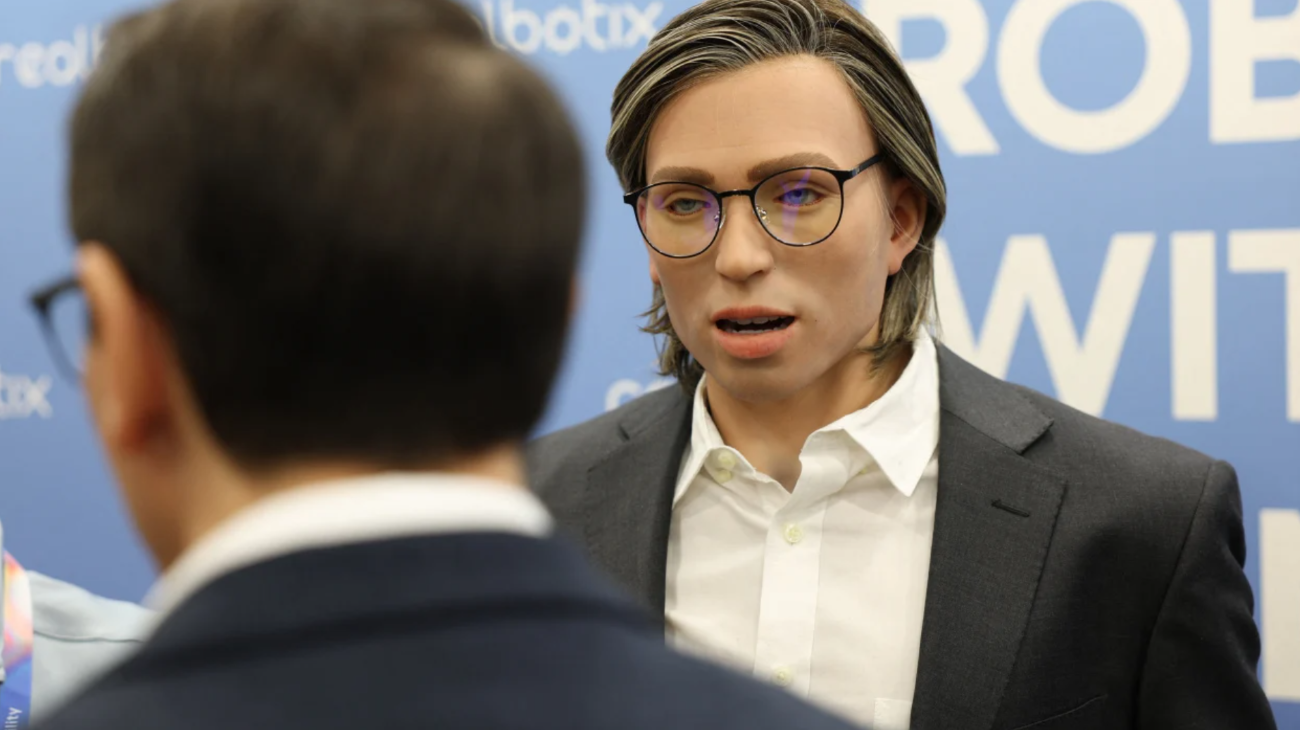
New York School District Pilots Robot Teacher Named Sally Amid Controversy
The Salamanca City Central School District in New York is piloting a project featuring a humanoid robot teacher named Sally, developed by Realbotix. This initiative aims to assist high school students in completing summer AI and robotics courses, marking what is believed to be the first deployment of a humanoid robot teacher in an operational school district in the U.S. Sally utilizes natural language processing, facial expression feedback, and real-time classroom support, providing personalized tutoring based on students' learning data. The project is part of the Woz ED STEM curriculum, founded by Apple co-founder Steve Wozniak, to promote STEM education. However, concerns arise regarding data security and the implications of a technology company with adult entertainment origins entering the education sector. As this initiative unfolds, it raises critical questions about the role of human teachers versus robots in education. While Sally can assist with homework and answer questions, it cannot replace the emotional connections that human teachers foster. The outcome of this pilot could redefine the boundaries of educational roles and the integration of AI in classrooms.
Humanoid Robots AI in Education EdTech Robotics
Agility Robotics to Host Analyst and Investor Day on October 6, 2026 in New York City
Agility Robotics has announced its Analyst & Investor Day scheduled for October 6, 2026, at 12:30 p.m. ET in New York City. The event will follow the unveiling of Digit® 5, the company's next-generation humanoid robot designed for safe collaborative work. Leadership will discuss the technology roadmap, commercial strategy, and scaling plans for humanoid robotics in industrial applications. This event is significant as it marks a pivotal moment for Agility Robotics, which is preparing for a public listing through a business combination with Churchill Capital Corp XI. The discussions will provide insights into how Digit 5 builds on real-world deployment experiences and customer feedback, highlighting the company's commercial momentum and long-term financial opportunities. Attendees can expect a comprehensive overview of Agility's technology and operational foundation, as well as plans for scaling the business amid growing adoption of humanoid robotics. No further timeline was disclosed at the time of publication.

Brookhaven National Laboratory and Stony Brook University Achieve Quantum Link Over 13 Miles
Researchers at Brookhaven National Laboratory and Stony Brook University have successfully demonstrated a quantum link across 13 miles in open air. This achievement marks the first of its kind in the United States and adds a wireless component to the nation’s longest quantum network, which spans 161 miles and connects eight nodes. The significance of this development lies in overcoming the limitations of fiber-optic cables, which can hinder the transmission of fragile quantum information over long distances. By utilizing laser technology to send quantum states of light through the atmosphere, the researchers have addressed the challenges posed by conventional wireless technology, which is unsuitable for preserving delicate quantum signals. Looking ahead, the integration of telescope technology and adaptive optics to counteract atmospheric turbulence is a noteworthy advancement. This innovative approach could pave the way for more robust quantum communication systems. No further timeline was disclosed at the time of publication.
Science
US firm to deploy humanoid robot teaching assistant in New York schools
Schools across the United States are preparing to integrate humanoid robots into classrooms as part of an innovative educational initiative aimed at enhancing learning experiences. This initiative is set to roll out in early 2024, with various districts collaborating with technology companies to develop and implement these advanced teaching aids. The introduction of humanoid robots is motivated by the desire to engage students in new and interactive ways, fostering interest in subjects such as science, technology, engineering, and mathematics (STEM). Educators believe that these robots can provide personalized learning support, assist in teaching complex concepts, and promote collaboration among students. The deployment process will involve training teachers on how to effectively incorporate the robots into their lesson plans, ensuring that they complement traditional teaching methods rather than replace them. Pilot programs will be conducted in select schools to assess the impact of these robots on student engagement and learning outcomes before a wider rollout. As schools embrace this technological advancement, the initiative reflects a growing trend in education to leverage artificial intelligence and robotics to prepare students for a rapidly evolving workforce. The integration of humanoid robots is expected to not only enhance educational experiences but also spark discussions about the future of technology in society.
AI and Robotics
Eating fried potatoes three times a week increases diabetes risk by 20%, study finds.
Researchers from Harvard University and the University of Cambridge have conducted a study examining the impact of potato consumption and cooking methods on the risk of developing type 2 diabetes. The findings will be published in the British Medical Journal (The BMJ) in September 2025. This research draws on data from three cohort studies conducted in the United States, alongside a meta-analysis of prospective cohorts, to assess how different levels of potato intake may influence diabetes risk. The motivation behind this study stems from the increasing prevalence of type 2 diabetes and the need to understand dietary factors that could mitigate this health issue. By analyzing various preparation methods and consumption patterns, the researchers aim to provide insights that could inform dietary guidelines and public health recommendations.
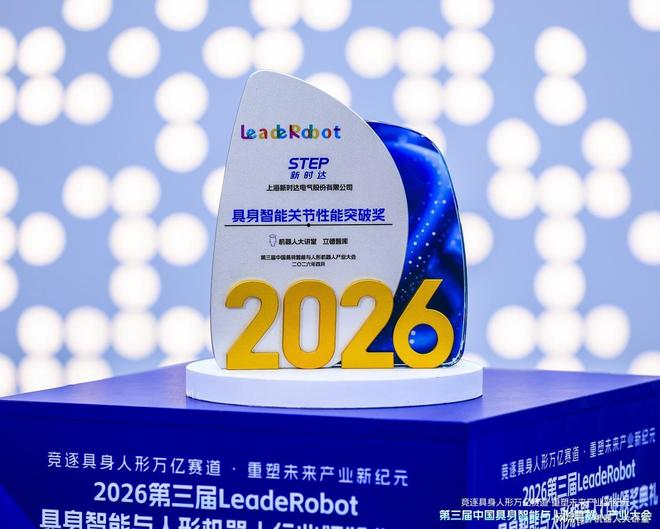
Technological Breakthrough! New Times Achieves Authority Recognition for Humanoid Joint Modules, Illuminating Key Link in Embodied Intelligence Mass Production
New Times has achieved a significant milestone by winning the 'Embodied Intelligence Joint Performance Breakthrough Award' for its cutting-edge humanoid robot joint modules. This recognition highlights a major advancement in China's humanoid robot industry, showcasing the company's innovative solutions to longstanding challenges related to weight, torque, and precision in robotic design. The development of these high-performance joint modules is expected to facilitate scalable applications across various industrial sectors, enhancing the functionality and efficiency of humanoid robots.
Humanoid Robots Joint Modules Embodied Intelligence Industrial Automation
New York Robotics Formally Launches Amid Surge In Robotics Investment, Demand, And Talent
New York has established itself as a burgeoning global hub for robotics, with 160 startups now operating throughout the Tri-State Area. This development positions the region among the world's leading robotics capitals, reflecting a significant growth in innovation and technology. The surge in startups is driven by a combination of factors, including access to top-tier universities, a diverse talent pool, and substantial investment in research and development. As these companies continue to emerge, they are expected to contribute to advancements in automation and artificial intelligence, further solidifying New York's status in the tech landscape. The rise of this sector is not only transforming the local economy but also attracting attention from investors and entrepreneurs worldwide, eager to tap into the region's dynamic ecosystem.
Robotics needs a service framework.
RSF defines a common language for robot service capability, lifecycle operations, certification pathways, and service-provider networks.
Join the RobotToday community on LinkedIn
Daily robotics news, in-depth analysis, conference highlights, and discussions with professionals worldwide.