Industry Briefing
A single destination for timely, editor-curated robotics news from around the world.

ConlangCrafter Turns AI to Imagining Languages
Researchers from the University of California, Berkeley, Carnegie Mellon University, and Tel Aviv University have developed an AI model named ConlangCrafter, capable of generating new languages. The findings, published on June 27 in the Proceedings of the Association of Computer Linguists, highlight ConlangCrafter's ability to create diverse and rule-abiding languages, surpassing traditional human efforts in language construction. Led by linguist Gašper Beguš, the team designed ConlangCrafter to apply various linguistic rules, including phonology and morphosyntax, while incorporating a random number generator to ensure each language is unique. The model can even simulate unconventional communication systems, such as a hypothetical language for cephalopods that utilizes colors and gestures. The researchers evaluated the generated languages for diversity and consistency, finding that ConlangCrafter produced languages that were twice as diverse and 70% more consistent than those created by general-purpose language models. This advancement could aid natural language processing researchers in understanding how language structure impacts model performance. While ConlangCrafter is currently available for free online, it has limitations in more complex linguistic areas like semantics and contextual usage. Beguš envisions future research exploring the Sapir-Whorf hypothesis, which posits that language influences thought and perception, potentially leading to simulations of societies with distinct languages.
Llms Artificial-intelligence Languages
New York School District Pilots Robot Teacher Named Sally Amid Controversy
The Salamanca City Central School District in New York is piloting a project featuring a humanoid robot teacher named Sally, developed by Realbotix. This initiative aims to assist high school students in completing summer AI and robotics courses, marking what is believed to be the first deployment of a humanoid robot teacher in an operational school district in the U.S. Sally utilizes natural language processing, facial expression feedback, and real-time classroom support, providing personalized tutoring based on students' learning data. The project is part of the Woz ED STEM curriculum, founded by Apple co-founder Steve Wozniak, to promote STEM education. However, concerns arise regarding data security and the implications of a technology company with adult entertainment origins entering the education sector. As this initiative unfolds, it raises critical questions about the role of human teachers versus robots in education. While Sally can assist with homework and answer questions, it cannot replace the emotional connections that human teachers foster. The outcome of this pilot could redefine the boundaries of educational roles and the integration of AI in classrooms.
Humanoid Robots AI in Education EdTech Robotics
Google’s DiffusionGemma delivers 4x faster text generation using parallel decoding
Google has introduced DiffusionGemma, an innovative experimental AI model designed to generate text through a diffusion-based approach. This announcement was made recently as part of the company's ongoing efforts to advance artificial intelligence technologies. The model aims to enhance the capabilities of AI in natural language processing by leveraging diffusion techniques, which have shown promise in generating high-quality text outputs. Google’s initiative reflects its commitment to pushing the boundaries of AI research and development, seeking to improve user interactions with technology. The unveiling of DiffusionGemma marks a significant step in the evolution of AI, showcasing how advanced methodologies can be applied to create more sophisticated and contextually aware text generation systems.
AI and Robotics
Import AI 438: Silent sirens, flashing for us all
A recent report reveals that advancements in language model technology have significantly transformed various industries, including education, healthcare, and customer service. These developments have been particularly notable since October 2023, when the latest iterations of language models began to demonstrate enhanced capabilities in understanding and generating human-like text. Experts in artificial intelligence and machine learning have attributed this progress to ongoing research and investment in natural language processing. The growing demand for more efficient communication tools has driven companies to adopt these technologies, leading to increased productivity and improved user experiences. As organizations integrate these advanced language models into their operations, they are finding innovative ways to streamline processes, enhance customer interactions, and facilitate learning. The impact of these technologies is being felt across various sectors, prompting discussions about ethical considerations and the future of human-computer interaction. In summary, the evolution of language models is reshaping how industries operate, with significant implications for efficiency and communication, driven by technological advancements and market demand.
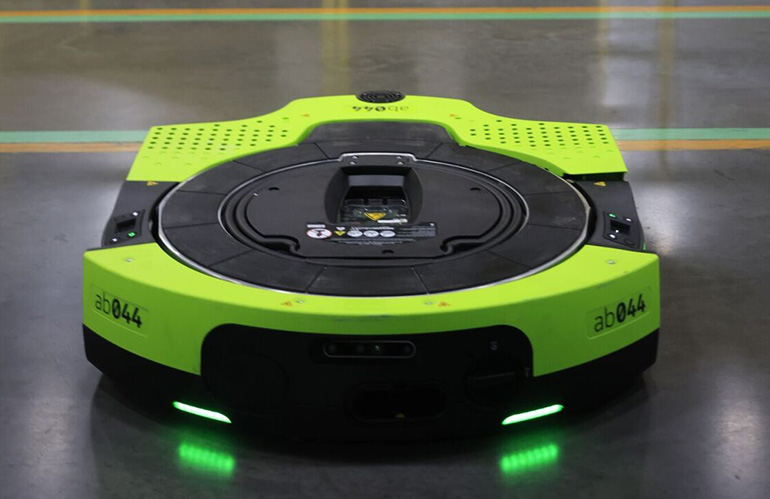
Proteus gets natural-language ability as Amazon expands European robot deployments
Amazon has announced its plans to deploy the mobile robot Proteus, along with two other robots, STARK and Vulcan, across Europe. This initiative aims to enhance operational efficiency within its facilities. Notably, Proteus will feature natural-language processing capabilities, allowing it to operate without the need for special commands. The deployment is part of Amazon's broader strategy to integrate advanced robotics into its logistics and fulfillment processes, reflecting the company's commitment to innovation in automation. The timeline for this rollout has not been specified, but it underscores Amazon's ongoing investment in technology to streamline operations and improve productivity in its European market.
6-Axis Arms / Manipulators Artificial Intelligence / Cognition Autonomous Mobile Robots (AMRs) Collaborative Robots Human Robot Interaction / Haptics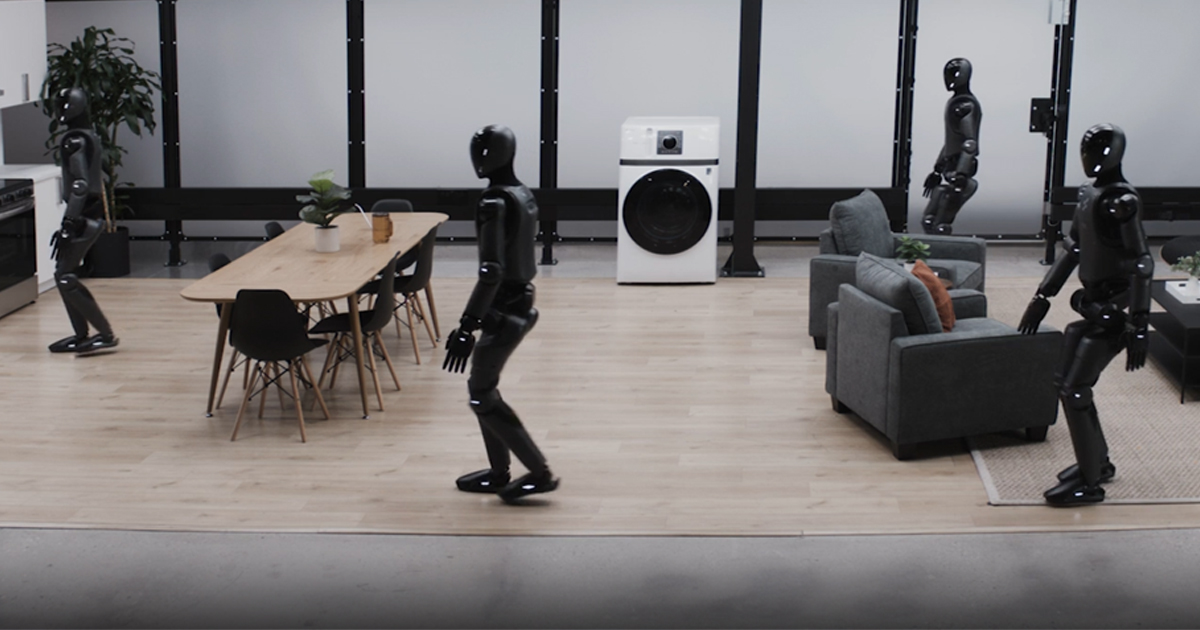
Project Go-Big: Internet-Scale Humanoid Pretraining and Direct Human-to-Robot Transfer
Figure has unveiled Project Go-Big, an innovative initiative aimed at developing the largest humanoid pretraining dataset in collaboration with Brookfield. This ambitious project is designed to enhance the capabilities of robots, allowing them to learn navigation and manipulation tasks directly from human-generated video content. By achieving zero-shot transfer of skills, Project Go-Big is set to significantly advance the field of humanoid robotics. The announcement comes as the demand for more sophisticated robotic systems continues to grow, highlighting the importance of effective training methods in the evolution of robotics technology.
humanoid robotics machine learning artificial intelligence natural language processing data collection
Combining the robot operating system with LLMs for natural-language control
In recent decades, robotics researchers have made significant advancements in the development of autonomous robots capable of performing a variety of real-world tasks. These innovations aim to enable robots to operate effectively in diverse environments, including public spaces, homes, and offices. A critical aspect of this progress is the robots' ability to understand and interpret instructions from human users, allowing them to adapt their actions in response to specific needs and situations. This evolution in robotics is driven by the growing demand for intelligent automation solutions that enhance efficiency and user interaction in everyday life.
Robotics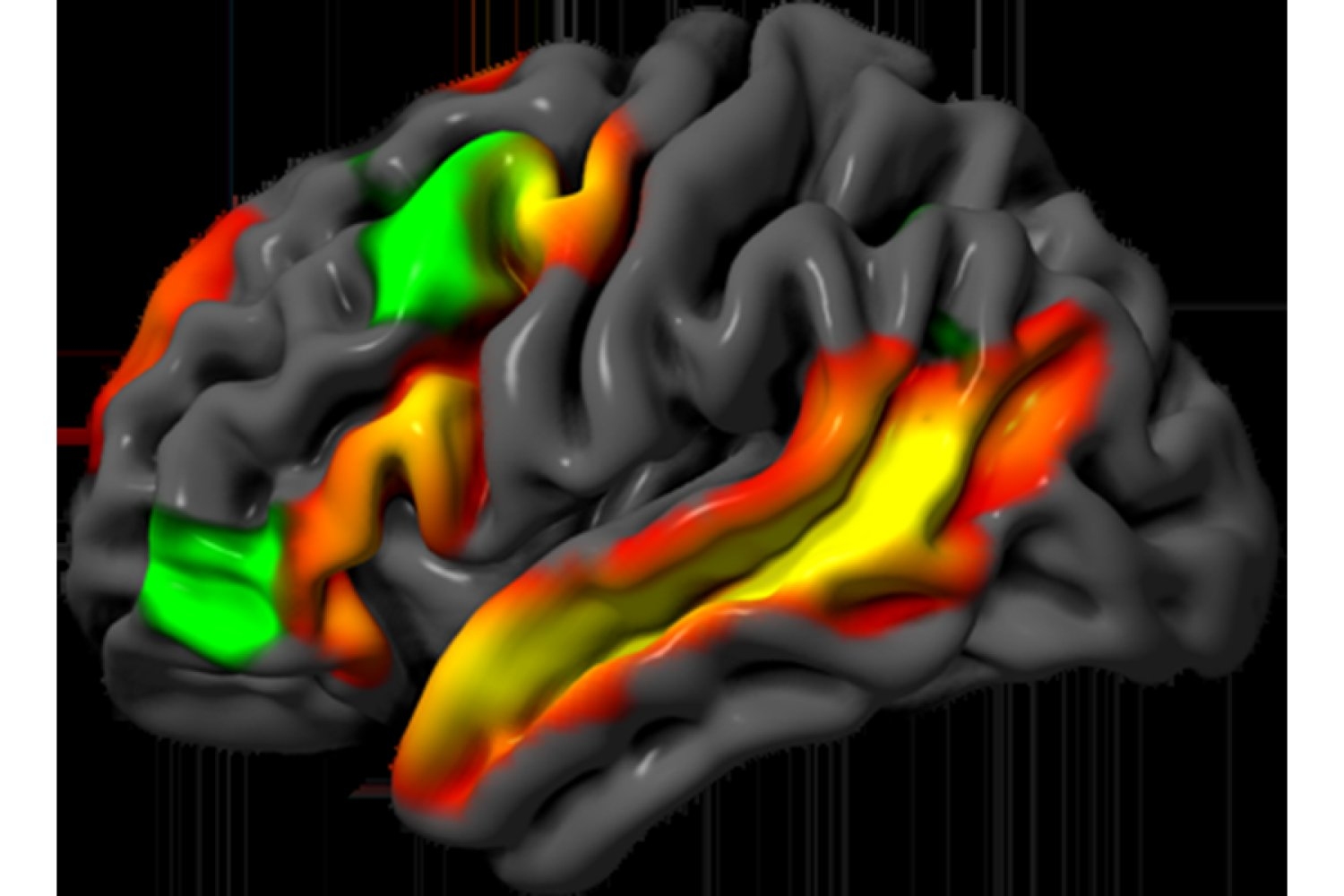
Separating logic and language
A recent study conducted by neuroscientists has revealed that logical reasoning operates independently of the brain's language-processing regions. This groundbreaking research, published in October 2023, challenges the long-held belief that language is essential for reasoning tasks. The findings were derived from brain imaging techniques that monitored participants as they engaged in various logical reasoning exercises. The study, which took place at a leading research institution, suggests that the cognitive processes underlying logical reasoning may rely on distinct neural pathways separate from those involved in language comprehension and production. This discovery could have significant implications for understanding how humans think and solve problems, potentially influencing educational approaches and cognitive therapy practices.
Research Neuroscience Language Learning Brain and cognitive sciences School of Science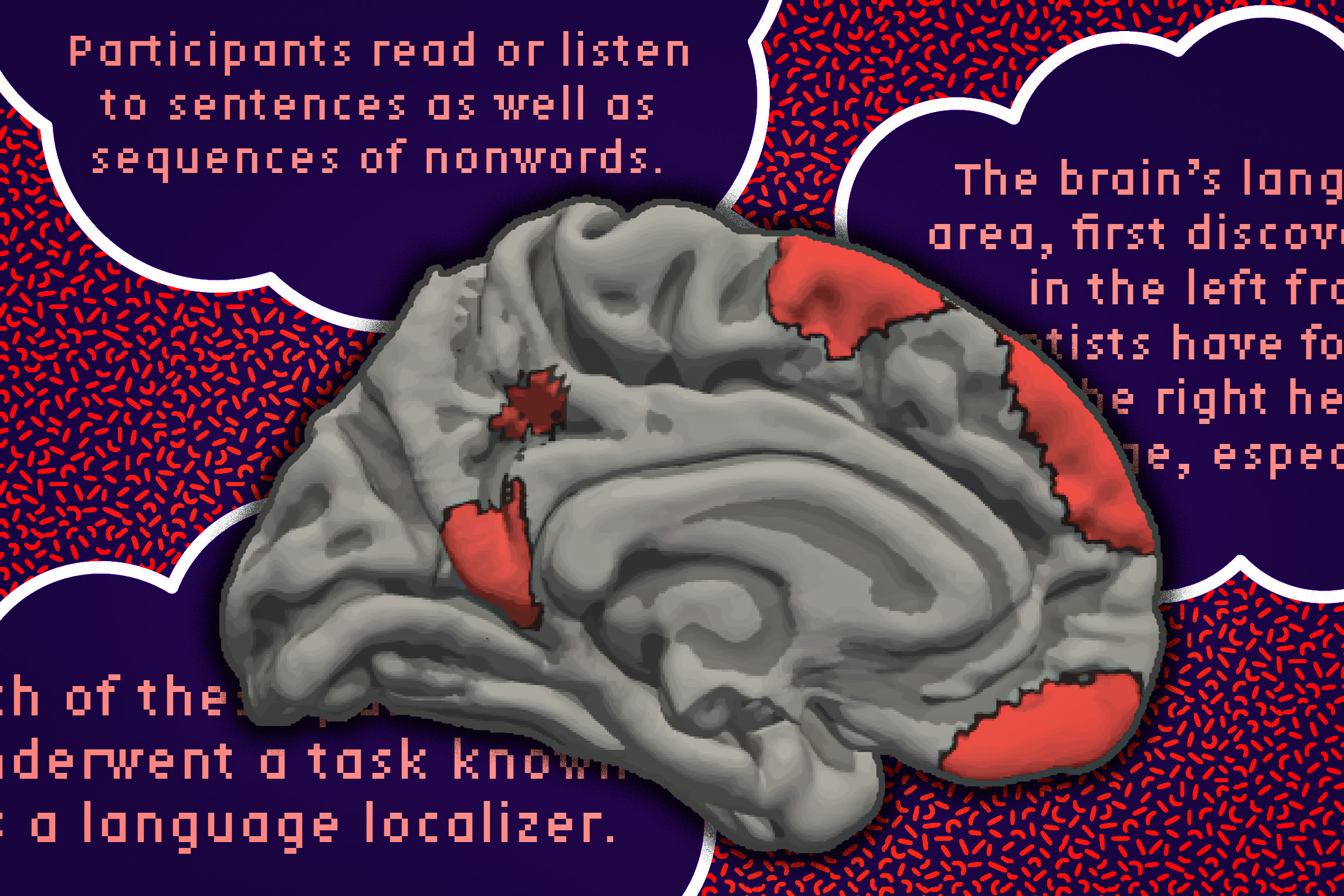
The brain’s language network is more extensive than previously thought
A recent study has uncovered that regions of the brain traditionally not associated with language processing play a significant role in language comprehension. Conducted by a team of researchers, the study highlights the complexity of language understanding and suggests that various brain areas contribute to this cognitive function. The findings, published in October 2023, challenge existing notions about the localization of language processing, emphasizing the brain's interconnectedness. This research could have implications for understanding language disorders and developing new therapeutic approaches. By employing advanced imaging techniques, the researchers were able to identify these previously overlooked brain regions, shedding light on the intricate mechanisms underlying language comprehension.
Research Brain and cognitive sciences Neuroscience Learning McGovern Institute School of Science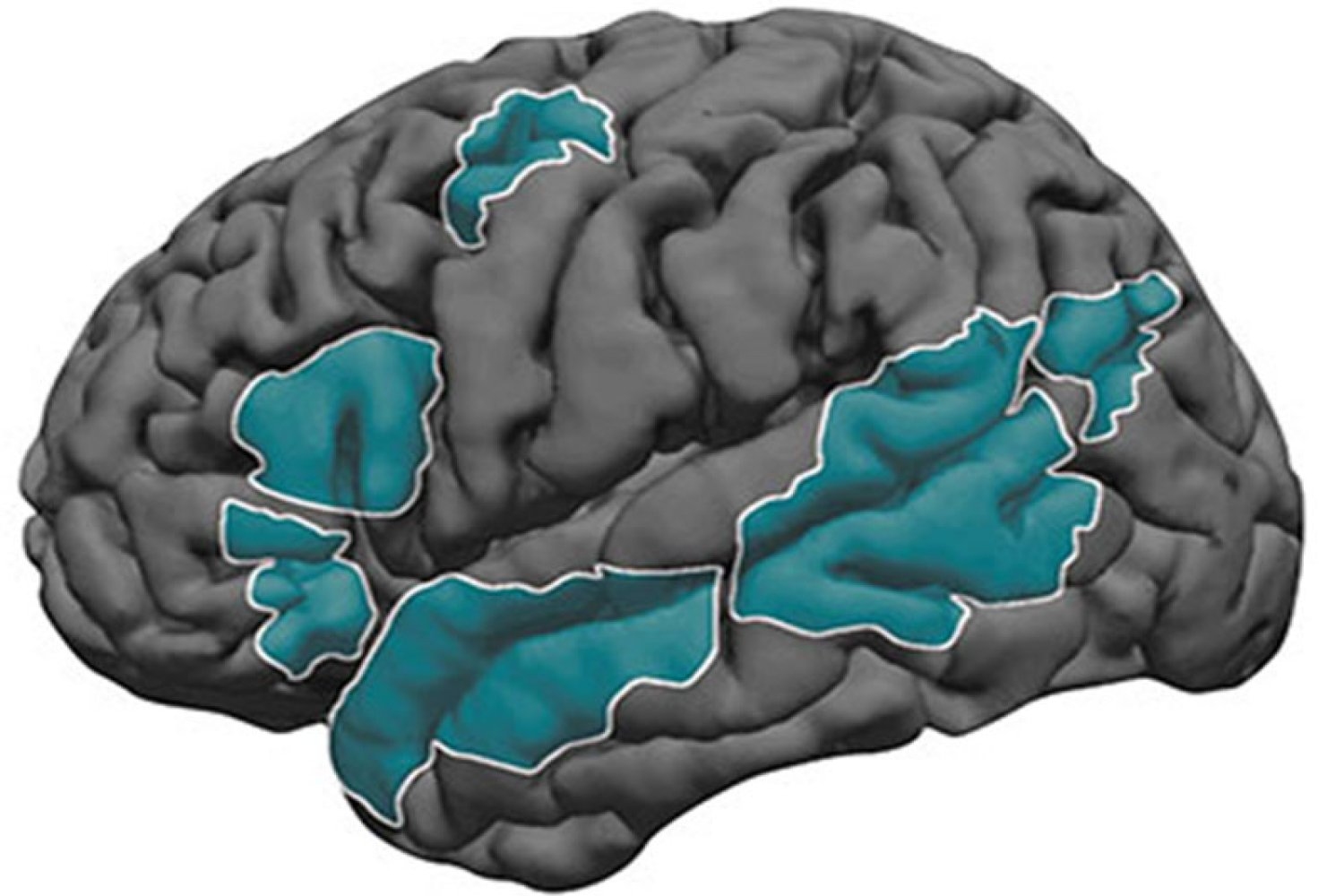
Language development in the brain
Recent research has revealed that the brain's language network continues to develop throughout adolescence, although significant language processing capabilities are established by the age of four. This study highlights the critical role of the left hemisphere in managing language functions early in childhood. Conducted by a team of neuroscientists, the findings underscore the importance of early language exposure and its impact on cognitive development. The research, which utilized advanced imaging techniques to observe brain activity, was published in October 2023, contributing valuable insights into how language skills evolve from early childhood through the teenage years. Understanding this progression can inform educational strategies and interventions aimed at supporting language acquisition in young learners.
Research Language Learning Brain and cognitive sciences Neuroscience McGovern Institute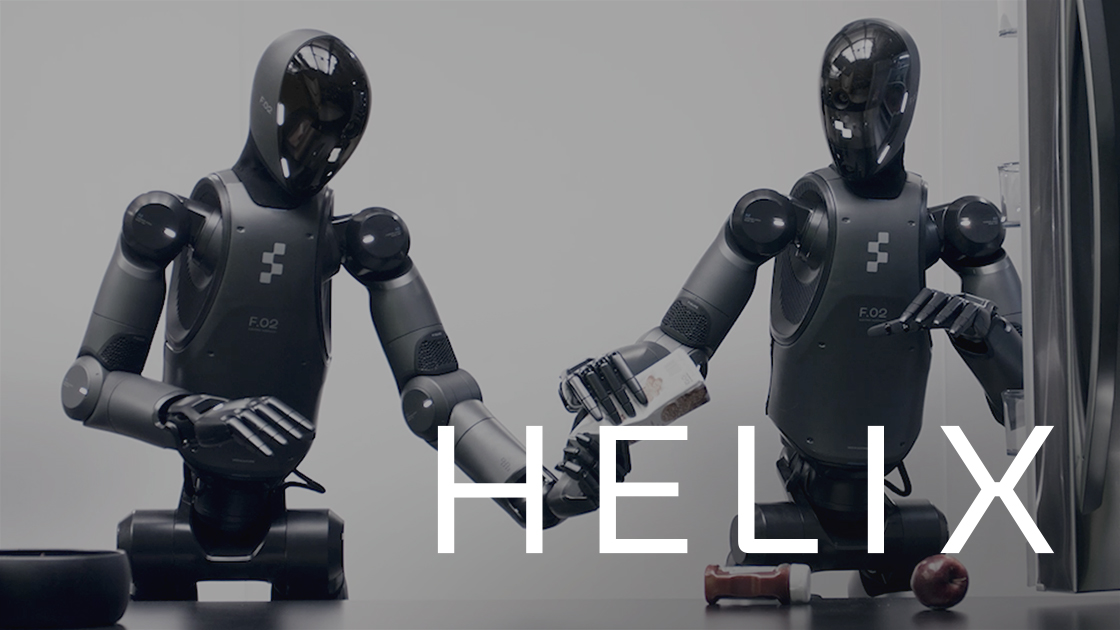
Helix: A Vision-Language-Action Model for Generalist Humanoid Control
Helix, an innovative Vision-Language-Action model, has been developed to enhance humanoid robotics by providing full upper-body control and facilitating collaboration among multiple robots. This cutting-edge technology enables robots to execute tasks involving new objects through natural language prompts, significantly improving their versatility and usability. Notably, Helix operates efficiently on low-power GPUs, positioning it for commercial applications. With its capabilities, Helix is set to revolutionize the field of robotics, making advanced robotic interactions more accessible and practical for various industries.
robotics AI machine learning humanoid robots automation
Research Group to Host CMU Vision-Language-Autonomy Challenge
Carnegie Mellon University's Robotics Institute is set to host the CMU Vision-Language-Autonomy Challenge, an event designed to unite researchers focused on the integration of computer vision, natural language understanding, and autonomous navigation. Scheduled for the near future, this challenge aims to advance the fields of computer vision and artificial intelligence by fostering collaboration and innovation in real-world applications. The initiative builds on the institute's success in developing an award-winning navigation autonomy system, highlighting its commitment to pushing the boundaries of AI research.
Uncategorized
SpaceX's Starmind Plans 1 Million AI Satellites Amid Collision Risks
SpaceX has announced its ambitious Starmind project, which aims to deploy 1 million AI satellites in orbits between 500 and 2,000 km. This initiative, confirmed by Elon Musk on June 23, 2026, follows a merger with xAI, valuing the combined entity at $1.25 trillion. The satellites will function as orbital data centers, processing AI workloads powered by solar arrays and linked by optical lasers. The significance of Starmind lies in its potential to add 100 gigawatts of AI compute capacity annually, contingent on the successful operation of the Starship launch system. However, the project raises concerns regarding space debris, as the current orbital environment is already congested, with a 20% increase in collision risk reported since 2024. The European Space Agency has highlighted that the density of debris in low Earth orbit is now comparable to that of active satellites, complicating the operational landscape for new entrants like Starmind. Looking ahead, the first operational orbital AI deployments are targeted for 2028, with test launches expected in early 2027. However, the project faces scrutiny regarding its impact on space debris, as even a 1% failure rate could significantly increase the number of uncontrollable objects in orbit, exacerbating existing risks. No further timeline was disclosed at the time of publication.

Amazon and Carnegie Mellon University launch strategic AI Innovation Hub
A new collaboration has been announced between leading technology firms aimed at advancing research in generative artificial intelligence, robotics, natural-language processing, and cloud computing. This initiative, which is set to begin in early 2024, will take place across multiple research facilities located in Silicon Valley and other tech hubs. The partnership seeks to drive innovation in both foundational and emerging technologies, responding to the growing demand for advanced solutions in various sectors. By pooling resources and expertise, the companies involved aim to accelerate development and implementation of cutting-edge technologies that can transform industries and enhance user experiences.
Conversational AI
Small-AI Models Gain Traction Around the World
One morning in 2019, Adebayo Alonge was in a Cape Town hotel room, preparing to demonstrate his startup’s AI answer to a serious problem in African health care: counterfeit medication, which kills thousands of people across the continent every year.The RxScanner is a handheld spectrometer that scans a pill with infrared light, then sends the item’s molecular profile to an AI model equipped with a pharmaceutical database. In seconds, the AI identifies the medication from its molecular profile—or reports that it’s phony.Pharmacies were using the system in more than a dozen countries, including Ghana, Kenya, Myanmar, and Alonge’s native Nigeria. But that morning in South Africa, it didn’t work. “I was shocked,” Alonge says.The spectrometer connected to the AI model—but the data center was 14,000 kilometers away and bandwidth was limited. “Our server was in the United States, and just to get the result of a single scan was taking me over 5 minutes.”So Alonge immediately asked his engineers to shrink the AI model down to a smaller, low-power, unconnected version that could run entirely on his Android phone. They produced it 2 hours later, and that saved the demo.More importantly, the work birthed a new version of his device, which can authenticate a pill in places without broadband, computers, or even reliable electricity. It also turned Alonge into an advocate for this kind of “small AI.”Small AI for Global Health Care AccessSmall AI is a far cry from wealthy nations’ colossal large language models (LLMs), hyperscale data centers, multibillion-dollar investments, and debates about AI consciousness. But for millions of people around the world, the only AI that matters, and often the only kind available, is small. (According to a World Bank Report issued in November, only 0.7 percent of internet users in the world’s poorest countries have used ChatGPT, compared to a quarter of all internet users in the most developed nations.)“Most people are discussing AI from the LLM/generative side. But that needs a lot of computing power, electricity, massive data, and skilled people to manage it,” Ajay Banga, president of the World Bank, said last January at the World Economic Forum, in Davos. “Outside the developed world, other than maybe India and China, very few countries have that combination.”By contrast, small AI can deliver useful, even life-saving services to people in areas that have none of those things, Banga said. In India, where the government’s AI plans call for more development of small AI, many such systems are working for farmers.For example, a drone-based system developed by Bala Murugan and colleagues at the Vellore Institute of Technology, in India, takes photos of cashew plants and quickly identifies those with splotches that indicate disease. All the processing takes place on the drone itself, so there’s no need for a computer on-site, nor for a connection to a central server.Using small language models trained for a specific problem, and sometimes running on cheap, low-power devices, other small-AI implementations have been developed to identify ant infestations in a Uruguayan vineyard, detect the presence of malaria-carrying mosquitoes in a number of nations, and run electrocardiograms from an Arduino device in parts of Brazil that lack access to more complex equipment.“This is the most important area in AI nowadays,” says Marcelo José Rovai, a professor at the Institute of Engineering and Information Systems at the Federal University of Itajubá, in Brazil, who was involved in all three projects. “It’s growing very fast.”Low-Power, Small-AI Models on Devices Small AI models can run on a variety of low-power devices, including [from left to right] an Arduino Nano 33 BLE Sense, a Seeed Wio Terminal, and an Arduino Portenta.Moez AltayebFor Alonge, Rovai, and other advocates, small AI is not just “a promising trend,” as that November World Bank report calls it. It may be, in the long term, the form of AI that will touch the most lives and remain sustainable after some of the giant models become too costly for most users.“I think the future of AI is not like one giant model, at a center. I think it’s millions of small, precise models deployed at the edge, each one solving like a specific problem, a specific context,” Alonge says. This is partly because much of humanity—including people in parts of rich countries as well as the developing world—lives without access to cutting-edge frontier models. But, he says, it’s also because those models are not sustainable.“If someone is not subsidizing it, most people will not be able to afford those models. So those of us who are said to be small-AI developers are the ones who will have to build for the majority of the world,” Alonge says.There is no strict definition of “small AI,” but people often use the term for language models with at most a few billion parameters. (Compare that to cutting-edge models, which can include more than a trillion.) That’s small enough to run directly on a phone or a Raspberry Pi. That’s what allows these applications to run on devices without a connection to a data center and use only a few watts of power, often supplied by a battery or a solar panel.Despite their small footprint, these models aren’t fundamentally different technology from that of gigantic AI models, Rovai says. Many instances of small language models were created the same way the phone-based version of Alonge’s pharmaceuticals scanner was—by “pruning” large models, or removing the parameters that weren’t involved in the task. The result is a system that’s less capable generally but still very good at the specific job it was pruned for, Rovai says. A lighter version of RxAll’s RxScanner spectrometer sends its results to an AI model run locally on a phone to check that a drug’s molecular signature is genuine.RxAllOther small models are created by “distillation.” They are trained to mimic a large model, until their performance approaches that of their “teacher,” Rovai says. In other cases, a larger model’s precision is reduced, for example, so that a model run on 32-bit architecture can run on 8-bit designs. In situations where the machine learning application is being used to classify data or predict patterns (like an ant infestation), it’s trained from the beginning on a small device, not derived from a larger model at all. Running all these small, specialized systems is becoming easier, Rovai says, for two reasons.The first reason is that hardware is getting better and more capable while using less power, he says. This means more and more phones can run small AI—especially those equipped with neural processing units, which are specialized chips that handle AI tasks like facial recognition and changing the brightness, shadows, or contrast in a photo.In 2025, slightly more than a third of all smartphones shipped worldwide were capable of running generative AI, and that figure will reach 45 percent by the end of this year, according to the technology research firm Counterpoint. By the end of next year, slightly more than half of all smartphones will be able to run a small AI model.The second reason Rovai cites is the shrinking footprint of language models. Both Google DeepMind’s Gemma 4 (released in April) and Alibaba’s Qwen 3.5 are “fantastic” for small AI, Rovai says. Both models are “open weight,” meaning users can adjust the connections between parameters to suit their needs. This makes it easy, for example, “to take a lot of data from, say, the milk industry and retrain the model specifically on that,” Rovai says.Rovai illustrated these reasons on a Zoom call, using one of his most recent experiments. Holding up a device, he says, “This is the new Arduino UNO Q—a US $50 device with a Qualcomm chipset. I’m running a language model here, which collects data from sensors and analyzes that data to detect tiny pools of water where mosquitoes might be breeding. It takes 3 watts to run it.”Support for Small-AI DevelopmentConvinced that millions of people are already benefiting from these kinds of applications, the World Bank now actively promotes small AI with grants, mentorship programs, financing, technical advice, and models of government policies that are friendly for small-AI development. For example, in Rwanda, the World Bank is backing a government program to help low-income households get devices that can run AI.All that said, no one claims that large language models are going away entirely. To create a generative AI that can run on a phone or other small device requires the architectural insights, data processing, and results of a larger model, Rovai says. “We need the big models to create these smaller models.” And for all that small AI can benefit people without access to big AI, the technology can’t solve the larger problems of development and digital inequality, Alonge says. Implementing small AI won’t allow nations to escape the challenge of creating an ecosystem to support AI: reliable power, a supply chain that works, and an educational system that develops the talents needed to create AI tools.Though his drug-scanning system can run for days on a phone with no connection, “you still want to be able to enable periodic syncing for updates with new signatures for the medications and analytics,” Alonge says. “And even when you are using batteries, reliable power is important. That phone battery is not going to last forever.”In many parts of the world, the future of small AI isn’t assured, he says. “It works, and many places will eventually need to use it. The question is whether or not the political actors are wise enough to invest in infrastructure to support it long term.”
Small-language-models Artificial-intelligence Llms
LLMs help robots understand vague instructions and focus on key details
Researchers at MIT have developed an innovative approach to enhance the efficiency of robots in performing chores in various environments, including homes and factories. This new method employs a dual-language model system: the first model is designed to interpret and clarify user instructions, while the second model focuses on filtering out irrelevant information that may hinder task execution. This advancement aims to improve the interaction between humans and robots, making it easier for machines to understand and carry out complex tasks effectively. The initiative reflects MIT's commitment to advancing robotics technology and its potential applications in everyday life.
School of Engineering MIT Schwarzman College of Computing Aeronautical and astronautical engineering Electrical engineering and computer science (EECS) Computer Science and Artificial Intelligence Laboratory (CSAIL) Computer science and technology
RSS2026: Development of Consensus and China's Role in Embodied Intelligence
The Robotics: Science and Systems (RSS) conference is set to commence in St. Louis this June, marking a significant event in the robotics academic community. Since its inception in 2006, RSS has been known for its selective approach, accepting only about 60 papers annually, and is regarded as a leading indicator in the field of robotics. The 2026 conference will introduce a new focus on embodied intelligence alongside traditional motion planning and operational algorithms. Embodied intelligence has rapidly transitioned from a laboratory concept to an industrial hotspot over the past two years. The integration of large language models with visual models has led to the development of the Vision-Language-Action (VLA) framework, enabling robots to comprehend natural language commands and execute multi-step tasks. This technological pathway has sparked extensive academic debate regarding the reliability of end-to-end Transformer-based strategies in real-world applications versus potential overfitting in datasets. The positioning of embodied intelligence at RSS2026 will be symbolically significant for China. In recent years, international conferences have often viewed Chinese teams as representatives of engineering implementation rather than contributors of original theory. An increase in Chinese academic contributions at RSS this year could indicate a subtle shift in the international academic community's perception of the landscape of embodied intelligence research, highlighting the importance of high-quality theoretical innovation.
Embodied Intelligence Robotics Research Vision-Language-Action AI Robotics Algorithms
Understanding Technological Singularity and Its Impact on Robotics and AI
For decades, technological singularity was more a concept of science fiction than engineering reality. Today, it is a topic of discussion among AI laboratories, industrial giants, investment funds, and robotics companies worldwide. The rapid advancement of generative AI, autonomous robots, foundation models, and AI agents raises a fundamental question: what will happen when machines can enhance their own intelligence faster than humans? The origins of the technological singularity date back to 1965 when British mathematician I.J. Good proposed that an 'ultra-intelligent machine' could trigger an intelligence explosion. In the 1990s, mathematician Vernor Vinge expanded on this idea, suggesting that once a certain level of AI is reached, technological evolution would become unpredictable for humans. Ray Kurzweil later popularized the concept, predicting that artificial general intelligence (AGI) could emerge in the coming decades, leading to continuous self-improvement of systems. Currently, the landscape is shifting rapidly, with large language models, vision-language-action models, and autonomous agents enabling robots to understand natural language instructions, interpret their environment, and learn new tasks without specific programming. Companies like NVIDIA, Google DeepMind, and Tesla are investing billions in developing this new generation of intelligent robots.
À la une IA Industrie Robotique agents autonomes agents IA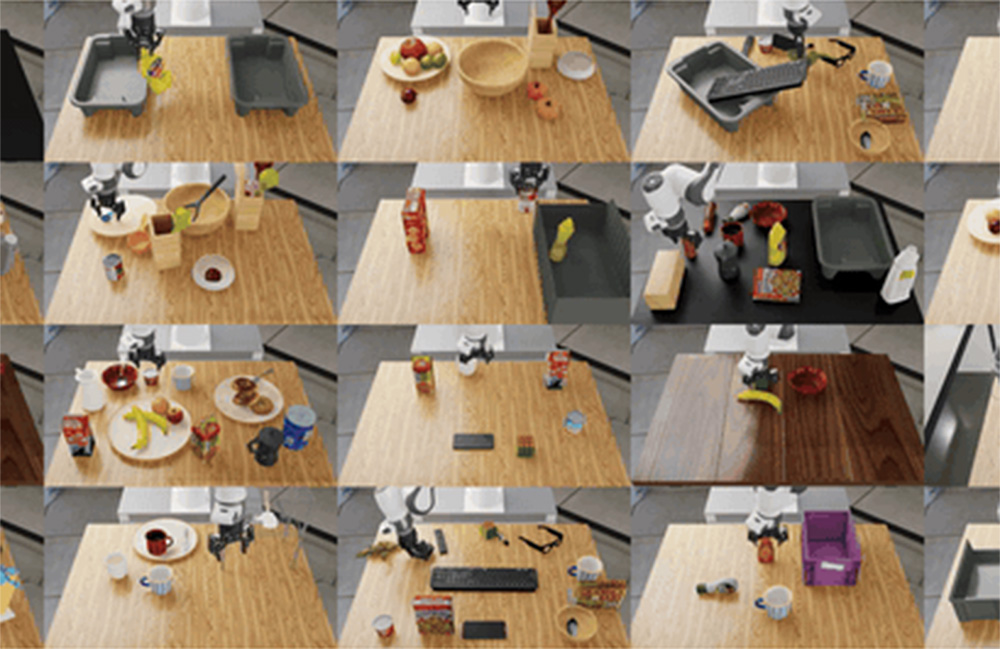
NVIDIA Discusses Evaluating General-Purpose Robot Policies for Real-World Applications
NVIDIA has highlighted the challenges in evaluating general-purpose robot policies as their capabilities advance. The company emphasizes that while current robotics models can follow natural language instructions to manipulate various objects, rigorous evaluation remains a significant hurdle due to the limitations of existing benchmarks. Real-world testing is costly and slow, necessitating effective simulation methods for large-scale evaluations. The importance of this evaluation process lies in the need for robots to generalize their skills beyond memorized setups. NVIDIA points out that many benchmarks suffer from visual and task-domain overlap, which can lead to misleading performance metrics. As models achieve high scores on static task sets, it becomes increasingly difficult to differentiate their true capabilities, raising concerns about the meaningfulness of reported results. Looking ahead, NVIDIA's focus on improving simulation environments and task generation methods is crucial for advancing robotic evaluation. The company aims to address the diagnostic gaps in current benchmarks, which often fail to provide insights into the reasons behind a robot's performance. No further timeline was disclosed at the time of publication.
Artificial Intelligence Artificial Intelligence / Cognition Design / Development Motion Control News Software / Simulation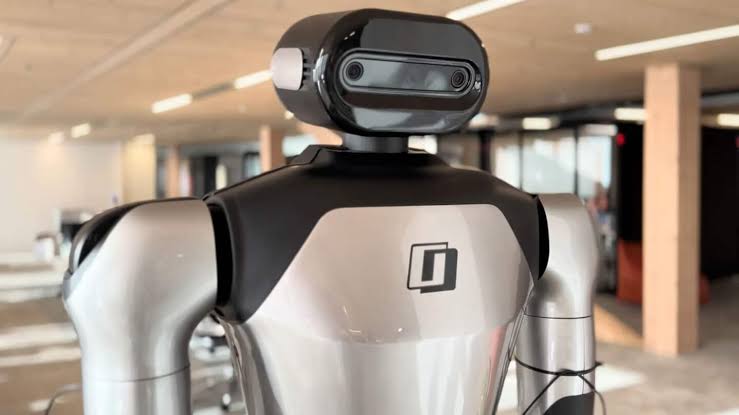
Mistral AI Introduces Robostral Navigate for Autonomous Robotic Navigation
Mistral AI has launched Robostral Navigate, the first AI model specifically designed for robotic navigation. This marks a significant shift for the French company, which has previously focused on large language models, as it ventures into Physical AI. The goal is to enable robots to understand natural language instructions, interpret their surroundings using a standard RGB camera, and plan routes without relying on complex sensor infrastructures. The introduction of Robostral Navigate is important as it simplifies the navigation process, traditionally reliant on multiple technologies like LiDAR and depth cameras, which are costly and complex to integrate. By utilizing only RGB images and natural language commands, Mistral AI's approach could significantly reduce costs for robot manufacturers. An RGB camera is much cheaper than industrial LiDAR sensors, making this technology more accessible. Robostral Navigate operates on a model with 8 billion parameters, balancing computational power and operational efficiency. This size allows for faster execution on embedded platforms with limited resources, crucial for timely navigation decisions. Mistral AI trained the model on nearly 400,000 trajectories across over 6,000 simulated environments, showcasing its potential for real-world applications. No further timeline was disclosed at the time of publication.
À la une IA Industrie Robotique AMR benchmark R2R-CE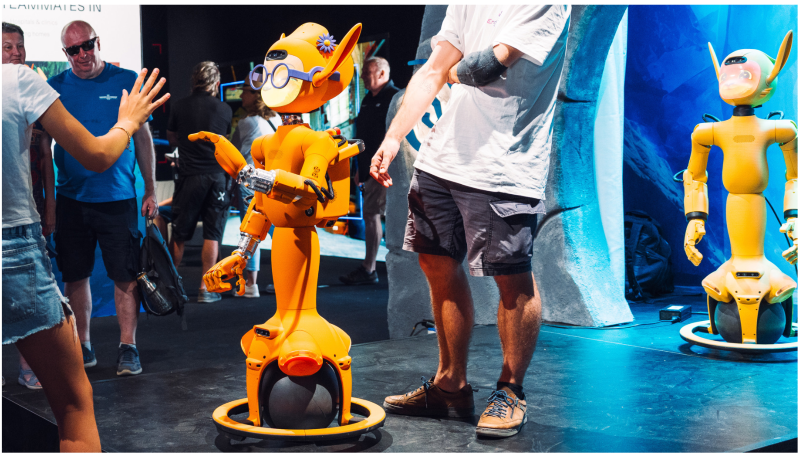
At Goodwood, Robots Explore Their Role in Enhancing Human Experience
At the Goodwood Cricket Ground, a fox-eared robot on roller skates greeted visitors without imitating humans or threatening to replace them, showcasing its unique identity. This event, part of the FOS Future Lab's Intelligent Systems Zone, featured three exhibitors presenting diverse answers to the question of what intelligent machines should do for humanity. One Sheffield startup, led by Raspberry Pi co-founder Liz Upton, demonstrated a method for programming robots using simple English. A robotic arm responded to natural language commands, with COO Eleanor Tang-Smith emphasizing the goal of making robots perform tasks that humans find tedious. Meanwhile, a large screen displayed a real-time reconstruction of Goodwood's famous Taylor Garage, merging digital and physical worlds seamlessly. The fox-eared robotic dogs, designed in Paris, avoided the 'uncanny valley' by engaging with humans through expressive features. They are already in use in hospitals and airports for tasks like transporting and assisting, allowing humans to focus on more urgent matters. The event highlighted three approaches to human-robot interaction, emphasizing the importance of language, vision, and gestures in redefining the interface between humans and machines.
Robotics AI Spatial Computing Human-Robot Interaction
Large Tabular Models Excel Where LLMs Fail
A new generative AI model, known as NEXUS, has emerged from the startup Fundamental, which recently secured $275 million in funding. Launched on February 5, 2026, NEXUS is designed to analyze structured data, a task that traditional large language models (LLMs) like ChatGPT and Claude struggle with. While LLMs excel in generating human-like text and images, they falter when faced with complex tabular data, which is crucial for businesses across various sectors, including finance and healthcare. Fundamental's CEO, Jeremy Fraenkel, explained that LLMs are not suited for structured data due to their reliance on sequential input, making them less effective for tasks requiring deterministic predictions, such as fraud detection. In contrast, NEXUS utilizes a large tabular model (LTM) that directly models the structure of tabular data, allowing for more accurate reasoning and predictions. The development of NEXUS involved training on billions of tables, using a mix of proprietary and public datasets while ensuring customer data confidentiality. This innovative model has already been integrated into Amazon Web Services' SageMaker platform, enhancing its accessibility for businesses handling sensitive data. As the demand for effective data analysis solutions grows, other companies, including Feedzai and Google, are also developing similar technologies. Experts predict that the future of data processing will increasingly rely on automated systems, combining the strengths of LLMs and LTMs to improve efficiency and accuracy in data analysis.
Data-analytics Llms Foundation-models Databases
Mistral AI Launches First Robot Navigation Model: Single Camera with 8 Billion Parameters
Mistral AI has introduced its inaugural robot model, Robostral Navigate, designed for autonomous navigation in complex environments. This new robot employs a single RGB camera and responds to natural language commands, achieving a notable success rate of 76.6%. By eliminating the reliance on lidar and depth sensors, Mistral AI presents a cost-effective solution tailored for commercial applications, particularly in warehousing and logistics. The efficiency of Robostral Navigate is further bolstered by advanced training techniques and algorithms, marking a significant step forward in robotics technology.
Robot Navigation AI Technology Computer Vision Autonomous Robots
Meta Launches Muse Image: AI Image Model Integrated with Instagram and WhatsApp
Meta has introduced its latest AI image generation model, Muse Image, enabling users to create high-quality visuals using natural language prompts. This innovative tool is integrated with popular platforms Instagram and WhatsApp, allowing users to generate images based on public Instagram photos as references. However, the automatic inclusion of users' public photos without prior notification has sparked privacy concerns among users. Muse Image is available for free, though a subscription is required for more extensive use. Additionally, Meta is currently developing a video generation model to complement this new offering.
AI Image Generation Social Media Integration Privacy Concerns Digital Content Creation
Acti puts AI agents directly into your smartphone keyboard
Acti, a startup focused on innovative technology, is launching a new keyboard designed for iOS and Android devices that aims to integrate AI assistants into everyday smartphone use. This keyboard allows users to operate across various applications and create personalized AI-powered shortcuts through natural language commands. By enhancing user interaction with their devices, Acti seeks to revolutionize how individuals engage with technology, making AI assistance more accessible and intuitive. The product is set to be available soon, reflecting the growing trend of incorporating artificial intelligence into everyday tools to streamline tasks and improve efficiency.
AI Apps Startups TC acti agentic app
ByteDance's Doubao Crosses Production-Grade Threshold with 180 Trillion Daily Tokens
On June 23, ByteDance unveiled its latest flagship large language model, Doubao-Seed-2.1 Pro, which significantly enhances its capabilities by increasing daily token calls to unprecedented levels. This launch marks a strategic move by the tech giant to strengthen its position in the competitive AI landscape. The Doubao 2.1 Pro aims to provide more efficient and sophisticated language processing, catering to a growing demand for advanced AI solutions across various industries. By leveraging cutting-edge technology and extensive data training, ByteDance seeks to meet the evolving needs of users and businesses alike, further establishing its influence in the AI sector.
AI
BABA Stock: The Physical AI Race Heats Up as Alibaba Releases New AI Models for Robots
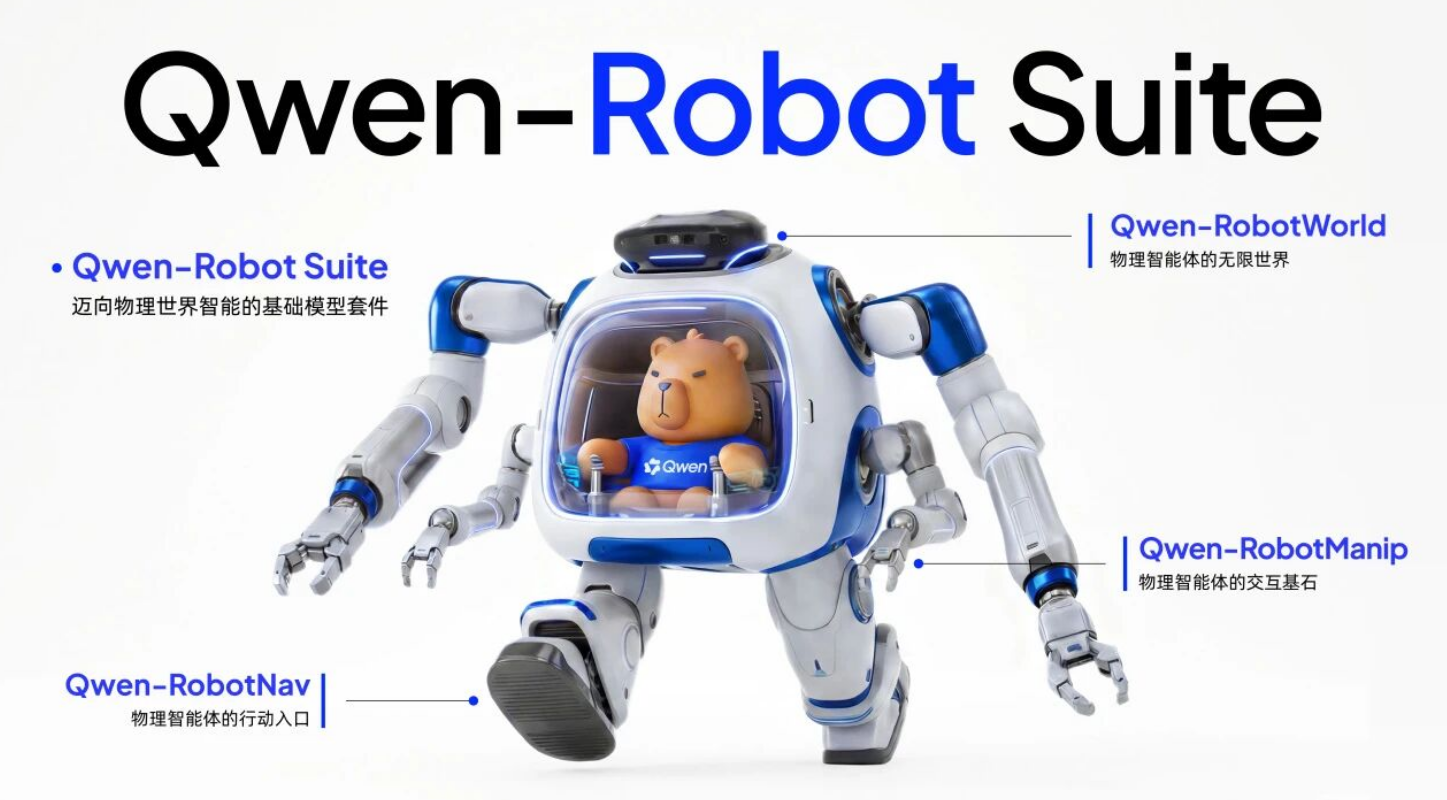
Alibaba Group Holding Limited has intensified its efforts in the rapidly evolving artificial intelligence (AI) sector by launching the Qwen Robot Suite, a new collection of AI models designed for robotic applications. Announced on June 21, 2026, the suite aims to enhance robots' capabilities in understanding their environments, navigating complex spaces, and executing tasks based on natural language commands. Developed by Alibaba’s Tongyi Lab, these models are currently being tested with select customers of Alibaba Cloud, marking the company's strategic move into the burgeoning Physical AI market. This initiative comes as Alibaba seeks to establish itself as a significant player in the multi-trillion-dollar robotics industry amid increasing competition. Despite facing challenges in its stock performance, with shares down 44.8% from a 52-week high, Alibaba reported a 3% year-over-year revenue growth for the fiscal fourth quarter, driven by a 38% surge in Cloud Intelligence revenue. However, the company also experienced a sharp decline in profitability, with non-GAAP net income plummeting to $12 million from nearly $30 billion in the previous year. As Alibaba continues to invest heavily in AI infrastructure and cloud capabilities, the launch of the Qwen Robot Suite reflects its commitment to innovation in the face of market pressures and evolving consumer demands.
Alibaba unveils Qwen-Robot series with three foundation models for embodied AI
On Tuesday, the Qwen team unveiled a new robotics suite that includes three foundational models: Qwen-RobotNav, Qwen-RobotManip, and Qwen-RobotWorld. These models are designed to integrate language processing with various physical actions, enhancing the capabilities of mobile robotics. Qwen-RobotNav, in particular, advances vision-language integration by employing controllable observation encoding and tool-based interfaces. This innovative model consolidates four essential tasks into a single framework, which includes instruction following and goal-directed navigation. The release aims to improve the interaction between language and robotics, paving the way for more sophisticated and versatile robotic applications.
News Feed
Lovable Surpasses $500M Annualized Revenue as AI Vibe-Coding Platform Targets Enterprise SaaS
Lovable, a European AI development startup founded in late 2023, has achieved a significant milestone by surpassing a $500 million annualized revenue run rate, an increase from $400 million reported in February. This rapid growth highlights the company's innovative platform, which enables non-technical users to create software using natural language prompts. As Lovable approaches its third anniversary, its success reflects the increasing demand for user-friendly AI solutions in the tech industry.
Uncategorized
No-Code Solutions Empower Robotics: Peking University Incubator Secures Millions in Funding
Qian Space, a startup specializing in embodied intelligence, has successfully secured millions in seed funding to advance its development of a no-code platform designed for creating robot motions. This groundbreaking technology enables users to generate intricate robotic movements through natural language or video input, thereby reducing the barriers for non-professionals and broadening the market for humanoid robots. The funding will facilitate the expansion of this innovative platform, which aims to democratize access to robotic technology and enhance user engagement in robotics.
Embodied Intelligence Robot Motion Software No-Code Development Humanoid Robots
Robots learn to anticipate chaos, but still fail to read a decidedly human signal
Researchers at Cornell University are exploring the integration of artificial intelligence into robotics to enhance social intelligence, enabling robots to interpret facial expressions, anticipate human needs, and interact effectively within societal contexts. In a recent study, the team evaluated vision language models (VLMs)—AI systems capable of processing and generating both visual and linguistic data. The research focused on assessing these models' ability to predict outcomes in tense scenarios depicted in short videos, such as a toddler precariously carrying an overflowing mug of coffee. This investigation aims to advance the development of robots that can better understand and respond to human emotions and behaviors, ultimately improving their functionality in everyday environments.
Robotics
Amazon’s Proteus warehouse robot now plans tasks directly from worker text prompts
Amazon has introduced an upgraded version of its autonomous Proteus robot, designed to enhance warehouse operations by interpreting plain-language commands. This announcement was made during a recent tech showcase, highlighting the company's commitment to advancing automation in its logistics processes. The new Proteus robot aims to streamline tasks such as inventory management and product transportation within Amazon's fulfillment centers, ultimately improving efficiency and reducing operational costs. The development comes as part of Amazon's broader strategy to leverage cutting-edge technology to meet the increasing demand for faster delivery services. By enabling the robot to understand natural language, Amazon hopes to simplify interactions between human workers and machines, making it easier for staff to deploy and manage robotic assistance in their daily tasks. The Proteus robot's enhanced capabilities are expected to play a crucial role in optimizing warehouse workflows, allowing for quicker response times and improved accuracy in handling inventory. As Amazon continues to invest in automation, this latest innovation reflects the company's ongoing efforts to stay at the forefront of the e-commerce industry and address the challenges posed by rising consumer expectations.
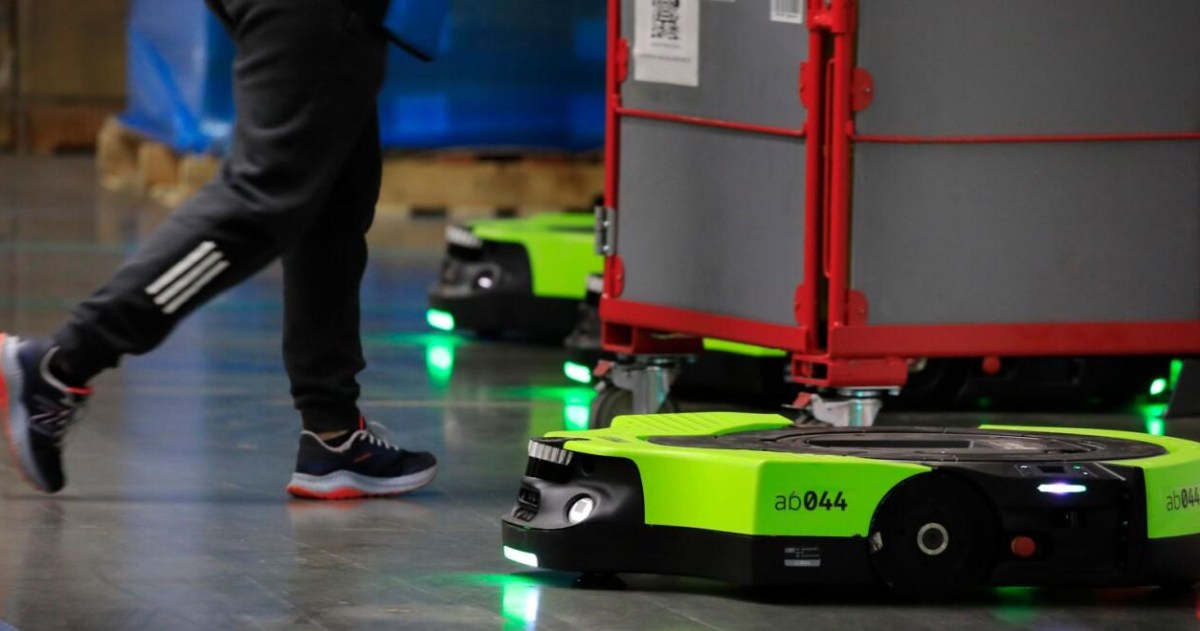
Amazon develops a warehouse robot workers can speak to
Amazon has unveiled an upgraded version of its fully autonomous warehouse robot, Proteus, which now features the ability to interact using natural language rather than code. This enhancement is part of the company's broader strategy to increase automation within its operations, as it seeks to replace human workers with robotic solutions. The AI-powered capabilities of Proteus allow human employees to assign tasks more intuitively, streamlining warehouse processes. This development highlights Amazon's ongoing commitment to leveraging advanced technology to improve efficiency in its logistics and fulfillment centers.
AI Amazon News Robot Tech
New Server Hopes to Break Through AI’s “Memory Wall”
Majestic Labs, an AI hardware startup, is addressing the memory limitations of large language models (LLMs) with its upcoming server, Prometheus, set to launch in 2027. This innovative server will feature up to 128 terabytes of memory, significantly surpassing the capabilities of Nvidia’s current offerings. Co-founder Sha Rabii emphasizes that this substantial memory increase will enhance performance and efficiency, particularly as models grow larger. Prometheus employs a unique DRAM-centric architecture, utilizing LPDDR6 memory and a proprietary memory interface with miniature copper cables that allow for greater memory placement flexibility. This design aims to overcome the “memory wall” that hampers LLM performance, providing a memory bandwidth of up to 25.6 terabytes per second. To complement its memory capabilities, Prometheus will incorporate the Ignite AI processing unit, which combines ARM application cores with RISC-V vector and tensor cores on a single chip. This integration allows for seamless handling of LLM inference tasks without the need for processor handoffs. Majestic Labs is also focused on ensuring compatibility with existing AI frameworks like PyTorch and OpenAI’s Triton, allowing customers to run their models without modifications. The server, designed in compliance with the Open Compute Project, will be modular, enabling future memory upgrades. Despite the advanced technology, Majestic Labs aims to offer competitive pricing by leveraging DRAM instead of more expensive high-bandwidth memory. Rabii claims that this approach could reduce customer capital expenditures and power consumption significantly, potentially by 10 to 50 times, depending on the workload.
Memory Server Ai-accelerators Performance
China’s new LLM-powered ‘AI brain’ automates satellite surveillance
Chinese aerospace researchers have unveiled an innovative system that utilizes Large Language Models (LLMs) to enhance various aspects of aerospace engineering. This development was announced during a recent conference focused on advancements in aerospace technology, held in Beijing. The researchers aim to improve design processes, streamline communication, and facilitate problem-solving in the aerospace sector through the application of artificial intelligence. The motivation behind this initiative stems from the increasing complexity of aerospace projects, which demand efficient and effective solutions. By integrating LLMs, the researchers hope to harness the power of AI to analyze vast amounts of data and generate insights that can lead to more innovative designs and improved operational efficiency. The system operates by processing extensive datasets related to aerospace engineering, enabling it to assist engineers in generating design concepts, optimizing workflows, and predicting potential challenges. This approach not only aims to reduce the time and resources required for development but also seeks to foster collaboration among engineers by providing a common platform for communication. As the aerospace industry continues to evolve, the introduction of such advanced technologies is expected to play a crucial role in shaping the future of aerospace engineering, making it more adaptive and responsive to the challenges ahead.
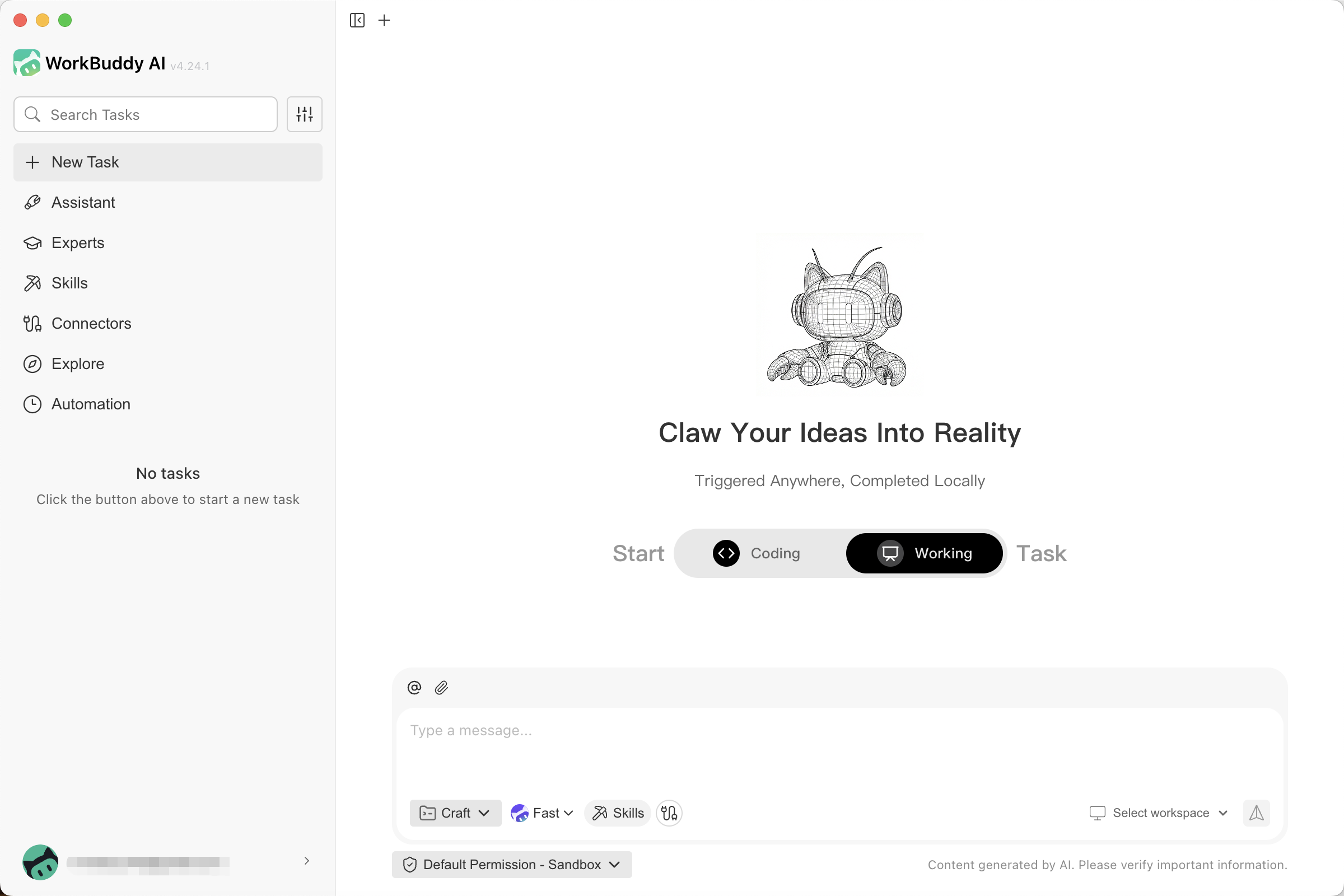
Tencent launches WorkBuddy productivity AI agent for global users
Tencent Cloud has introduced WorkBuddy, a new AI productivity agent designed for users worldwide, following its initial launch in China. The platform aims to enhance office workflows by utilizing natural language prompts to decompose tasks, integrate with external tools, and produce deliverables for various work and study environments. WorkBuddy also facilitates remote task execution, making it a versatile tool for both professionals and students. This launch reflects Tencent Cloud's commitment to improving efficiency and collaboration in an increasingly digital workspace.
News Feed
What Does OpenClaw Mean for Robotics?
OpenClaw, a groundbreaking language interaction tool, is poised to transform human-robot interaction by allowing users to program robots using natural language. This innovative approach marks a significant shift from traditional code-driven development to intent-driven programming, making robotics more accessible to non-experts. By simplifying the customization of robot behaviors, OpenClaw aims to democratize the field of robotics, enabling a broader range of individuals to engage with and utilize robotic technology effectively. This development is expected to foster greater creativity and innovation in the robotics sector, as users can easily express their intentions without needing extensive coding knowledge.
Human-Robot Interaction Natural Language Processing AI Development Robotics Innovation
Startup Wants to Run AI Inference From Space
The rapid growth of large language models is driving a global surge in energy demand for data centers, prompting operators to seek alternative power sources. Among them is Orbital Inc., a Los Angeles-based startup that recently emerged from stealth mode to announce plans for space-based data centers. Backed by venture capital firm Andreessen Horowitz, Orbital aims to utilize solar energy from a constellation of small satellites in low Earth orbit to power AI inference workloads, such as chatbots. Orbital's founder and CEO, Euwyn Poon, emphasizes the limitations of terrestrial energy sources, stating, “There simply isn’t enough capacity here [on Earth], and the only way is up.” The company envisions a network of up to 10,000 satellites, each equipped with GPU server racks powered by solar panels. The first test of this concept is scheduled for 2027, with a prototype satellite launch aboard a SpaceX Falcon 9 rocket. While Orbital's approach aims to reduce launch costs and improve efficiency, it faces significant engineering challenges, including radiation effects on GPUs, thermal management in space, and maintenance difficulties. Experts like Dr. Amit Verma from Texas A&M University caution that the operational feasibility of such systems will depend on the specific applications they support. Despite these hurdles, Orbital plans to finalize its satellite designs by 2026 and establish a manufacturing facility by 2028, with the goal of tapping into major AI firms as customers. Poon remains optimistic about overcoming technical challenges, asserting that their engineering efforts will pave the way for the future of space-based data processing.
Data-center Space Ai Inferencing
Autonomous Gliders Track Whales Using Acoustic Signals
Researchers have developed a PAM-controlled glider system designed to track sperm whales, enhancing the ability to monitor these marine mammals over extended periods. This innovative system employs real-time acoustic processing, allowing for effective data collection and analysis. The study, which showcases the technology's capabilities, aims to improve understanding of sperm whale behavior and distribution in their natural habitats. By utilizing this advanced monitoring technique, scientists hope to contribute valuable insights into the conservation efforts for these endangered species. The research underscores the importance of integrating technology in marine biology to address challenges in wildlife monitoring and protection.
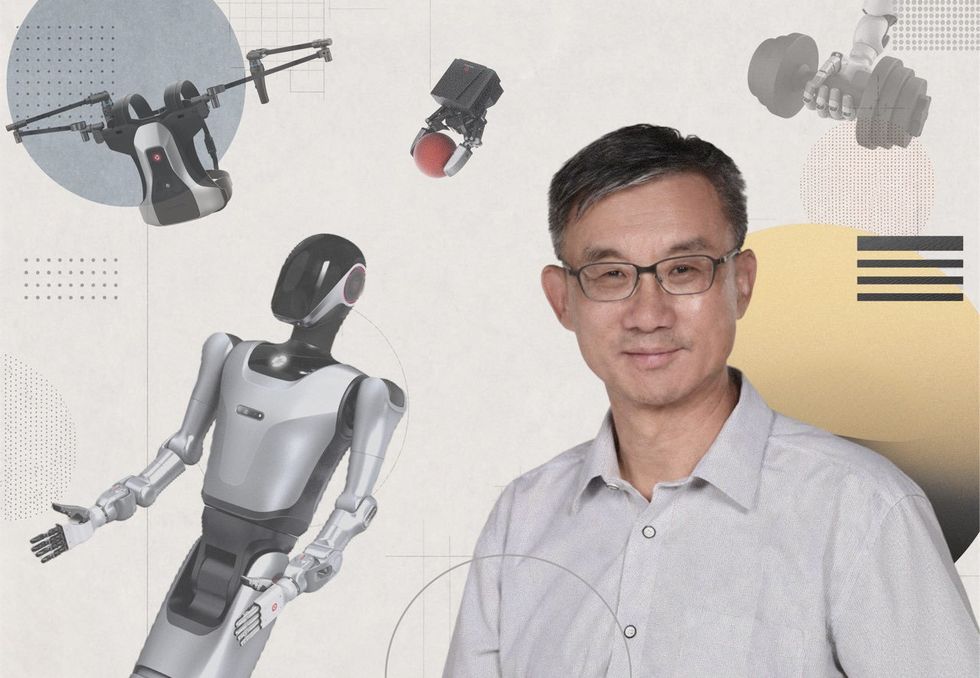
DAIMON Robotics Wants to Give Robot Hands a Sense of Touch
In April 2023, DAIMON Robotics, a Hong Kong-based company, launched Daimon-Infinity, touted as the world's largest omni-modal robotic dataset for physical AI. This extensive dataset, which includes high-resolution tactile sensing data from over 80 real-world scenarios and 2,000 human skills, aims to enhance robot manipulation capabilities across various tasks, from household chores to industrial assembly lines. The initiative is backed by collaborations with prominent partners, including Google DeepMind, Northwestern University, and the National University of Singapore. Prof. Michael Yu Wang, co-founder and chief scientist of DAIMON, emphasized the importance of tactile feedback in improving robotic dexterity, advocating for a shift from the traditional Vision-Language-Action (VLA) model to a more integrated Vision-Tactile-Language-Action (VTLA) framework. This transition is crucial for enabling robots to perform complex manipulation tasks effectively, especially in environments where visual data alone is insufficient. Recognizing a significant data gap in the robotics industry, DAIMON has committed to open-sourcing 10,000 hours of its dataset to support broader research and development efforts. The company aims to accelerate the deployment of embodied AI by providing high-quality tactile data, which is essential for training robots to interact with their surroundings more naturally and effectively. As the robotics landscape evolves, DAIMON's innovative approach positions it as a key player in advancing the capabilities of humanoid robots in real-world applications.
Type-sponsored Factory-robots Tactile-sensing Ai-models Embodied-intelligence
Canadian AI Startup Independent Robotics Wins $2.28M Contract to Bring Conversational AI to Multi-Agent Robot Swarms
A new system called IMPAC has been developed to enhance human interaction with complex robotic systems by allowing operators to communicate using natural, conversational language. This innovation aims to simplify the process of managing multi-robot operations, ensuring that they remain synchronized and aligned with their missions. By translating everyday language commands into actionable plans, IMPAC significantly reduces the cognitive burden on users, effectively acting as a force multiplier for existing teams. The system is designed to operate across various environments and domains, making it a versatile tool for improving efficiency and coordination in robotic operations.
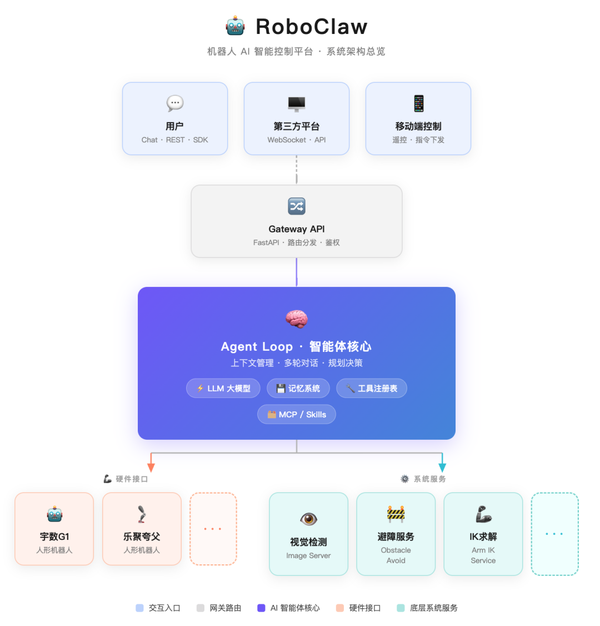
Major Release: ZhiYuan Research Institute Unveils RoboClaw Embodied Intelligence Operating System
The ZhiYuan Research Institute, in partnership with Xuanji Intelligent and Mianbi Intelligent, has unveiled the RoboClaw operating system, a groundbreaking development aimed at enhancing embodied intelligence in robotics. Launched recently, this innovative system allows robots to autonomously perform tasks by engaging in natural language interactions, effectively bridging the gap between artificial intelligence comprehension and practical execution in the physical world. The initiative reflects a significant advancement in robotics technology, aiming to improve the efficiency and versatility of robots in various applications.
Embodied Intelligence Robotics AI Automation Natural Language Processing
ZhiYuan Research Institute Launches RoboClaw Embodied Intelligence Operating System for Plug-and-Play Robots
The RoboClaw operating system, a collaborative effort by ZhiYuan Research Institute, Xuanji Intelligent, and Mianbi Intelligent, has been unveiled as a groundbreaking solution for robotic automation. This innovative system allows robots to perform tasks autonomously through natural language commands, removing the necessity for coding or specialized operational skills. By facilitating seamless communication between artificial intelligence and physical task execution, RoboClaw aims to enhance the efficiency and accessibility of robotic technology. This development represents a significant step forward in making advanced robotics more user-friendly and versatile, potentially transforming various industries that rely on automation.
Embodied Intelligence Robotics AI Automation SaaS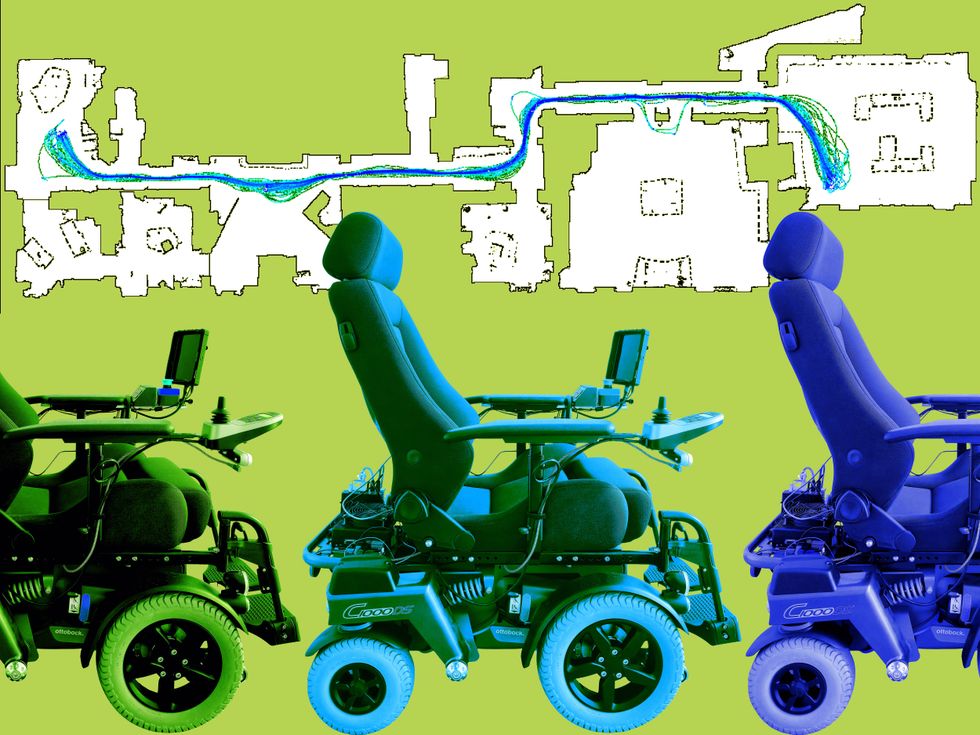
AI Aims for Autonomous Wheelchair Navigation
Researchers from the German Research Center for Artificial Intelligence (DFKI) in Bremen, led by Christian Mandel and Serge Autexier, are exploring the potential of AI-powered smart wheelchairs to navigate complex environments more effectively than traditional systems. Their findings were presented earlier this month at the CSUN Assistive Technology Conference in Anaheim, California. The team developed prototype electric wheelchairs equipped with advanced sensors, including lidar and 3D cameras, to detect and avoid obstacles in real-time. The smart wheelchairs operate in both semiautonomous and fully autonomous modes. In semiautonomous mode, users control the wheelchair via a joystick, while in autonomous mode, they can issue commands using natural language, such as asking the wheelchair to navigate to a specific location. The research is part of a larger initiative called REXASI-PRO, aimed at enhancing mobility for individuals with severe disabilities. Despite the advancements, challenges remain, particularly regarding cost, reliability, and the need for tailored solutions that accommodate diverse user needs. Pooja Viswanathan, CEO of Braze Mobility, emphasized the importance of making these technologies accessible to everyday consumers. The researchers anticipate that smart wheelchairs could be available in the mainstream market within the next decade, with a focus on creating partnerships between users and technology rather than replacing human control. The ongoing work aims to ensure that smart wheelchairs are safe, reliable, and capable of adapting to the complexities of real-world environments.
Wheelchairs Taenzer-fellowship Navigation Artificial-intelligence
The human brain may work more like AI than anyone expected
Researchers have unveiled that the human brain processes spoken language similarly to advanced AI language models, such as those based on GPT technology. This revelation came during a study where scientists monitored brain activity while participants listened to an extended podcast. The findings indicate that comprehension occurs in a gradual, layered manner, mirroring the step-by-step processing utilized by AI systems. This research not only enhances our understanding of human cognition but also provides insights into the parallels between biological and artificial intelligence, shedding light on the intricate workings of language comprehension.

Attribute-based object grounding and robot grasp detection with spatial reasoning
Researchers are addressing a critical challenge in human-robot interaction by developing methods that allow robots to grasp objects identified through natural language. This advancement is crucial as it enhances the effectiveness of communication between humans and robots. Current techniques often fall short when dealing with open-form language expressions and typically require clear identification of target objects, which can lead to confusion when duplicates are present. Additionally, many existing solutions depend on expensive, detailed pixel-wise annotations for both object recognition and grasping capabilities. The ongoing work aims to simplify these processes, making it easier for robots to understand and act on verbal instructions in real-world scenarios.
Computer vision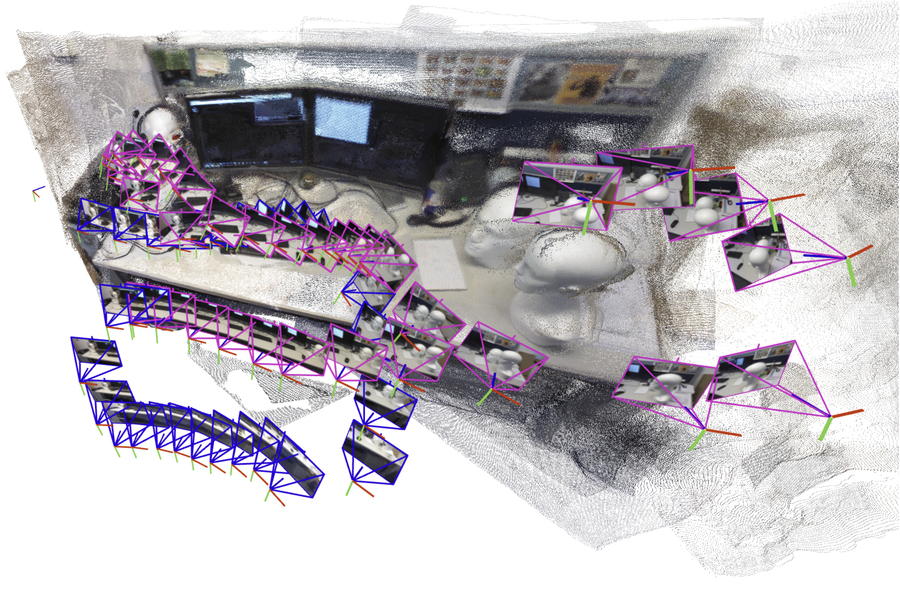
Teaching robots to map large environments
Researchers at MIT have unveiled an innovative approach designed to enhance the navigation capabilities of search-and-rescue robots in unpredictable environments. This new method enables these robots to swiftly create precise maps of their surroundings, significantly improving their effectiveness in emergency situations. The development comes at a crucial time as natural disasters and other crises increasingly demand advanced technological solutions for efficient rescue operations. By leveraging cutting-edge algorithms and real-time data processing, the robots can adapt to changing conditions, ensuring they can locate and assist individuals in need more effectively. This breakthrough not only promises to enhance the robots' operational efficiency but also aims to save lives in critical scenarios.
Axon: Ambitious Open-Source Humanoid AI Robot Project Hits GitHub
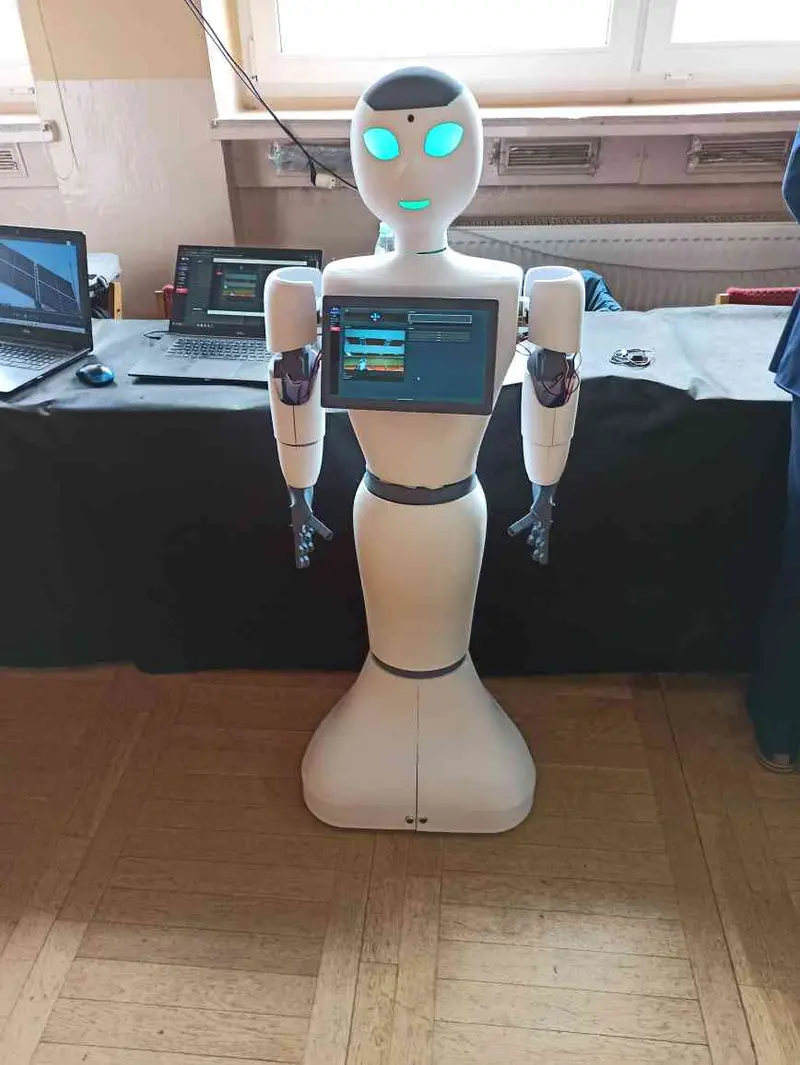
Two teenage developers have launched an innovative open-source humanoid robot project named Axon on GitHub. This ambitious initiative showcases a working prototype equipped with advanced features such as AI voice control, integration with large language models, and the ability to move its arms and head, as well as drive. Despite its impressive capabilities, the project demands a high level of technical expertise and refinement. The robot operates using a Raspberry Pi, multiple ESP32 microcontrollers, and a dedicated server for AI processing, highlighting the complexity involved in its development.
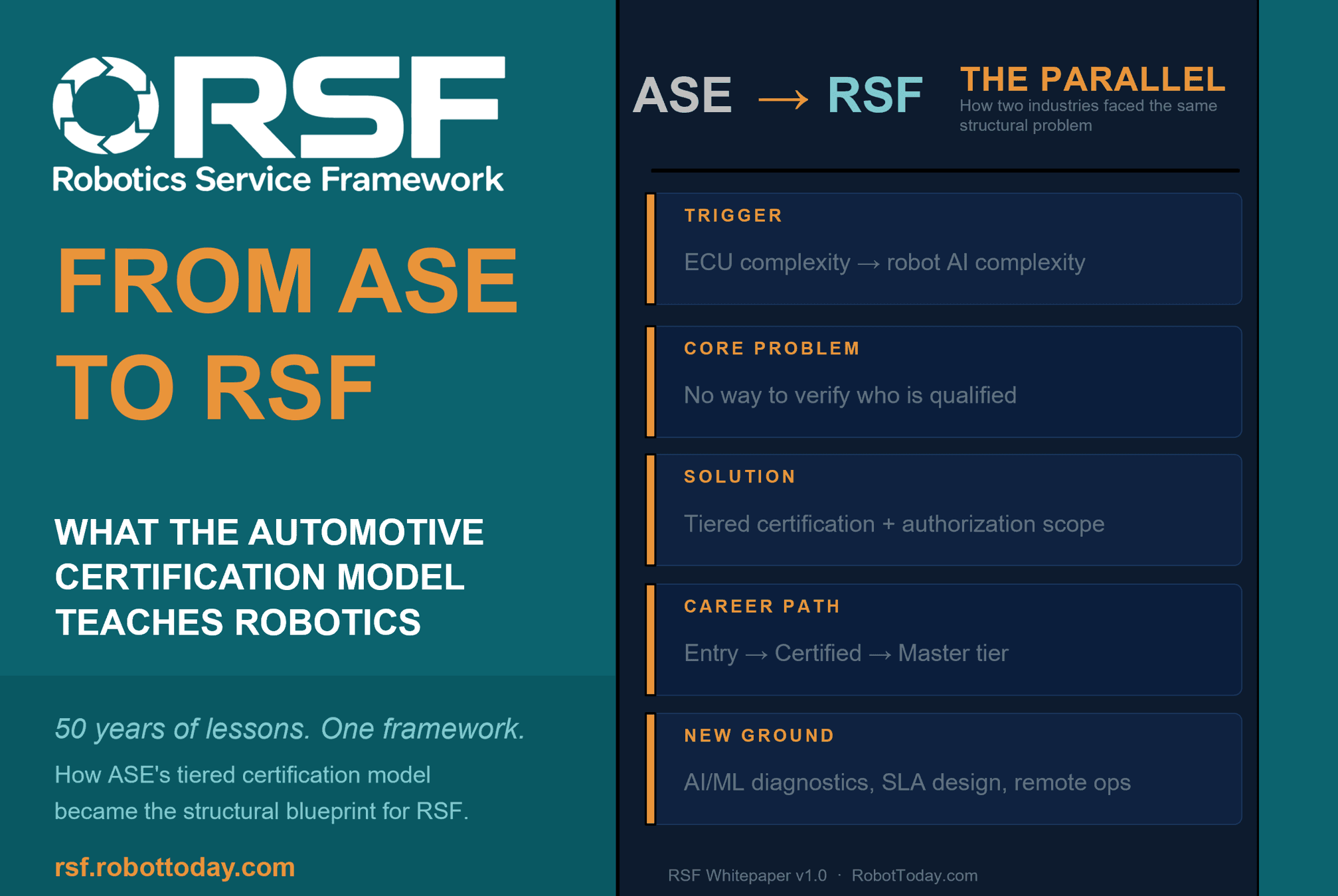
Robotics needs a service framework.
RSF defines a common language for robot service capability, lifecycle operations, certification pathways, and service-provider networks.