

Industry Briefing
A single destination for timely, editor-curated robotics news from around the world.

MirrorMe Technology Demonstrates VIVA Dexterous Hand and CADA Model in Four-Hand Piano Performance
On September 24, 2026, MirrorMe Technology showcased its VIVA dexterous hand, which features joints capable of exceeding 1000 degrees per second and a fingertip force of 33 Newtons. This demonstration included the CADA music embodied model, enabling a real-time human-robot collaboration for a four-hand piano performance. This event highlights the advancements in robotic dexterity and collaboration, showcasing how the VIVA hand's impressive specifications can facilitate complex tasks alongside human musicians. The ability to perform in real-time with such precision is significant for applications in both entertainment and robotics. Looking ahead, the integration of advanced robotic systems like the VIVA dexterous hand into creative fields may lead to new opportunities for collaboration between humans and robots. No further timeline was disclosed at the time of publication.
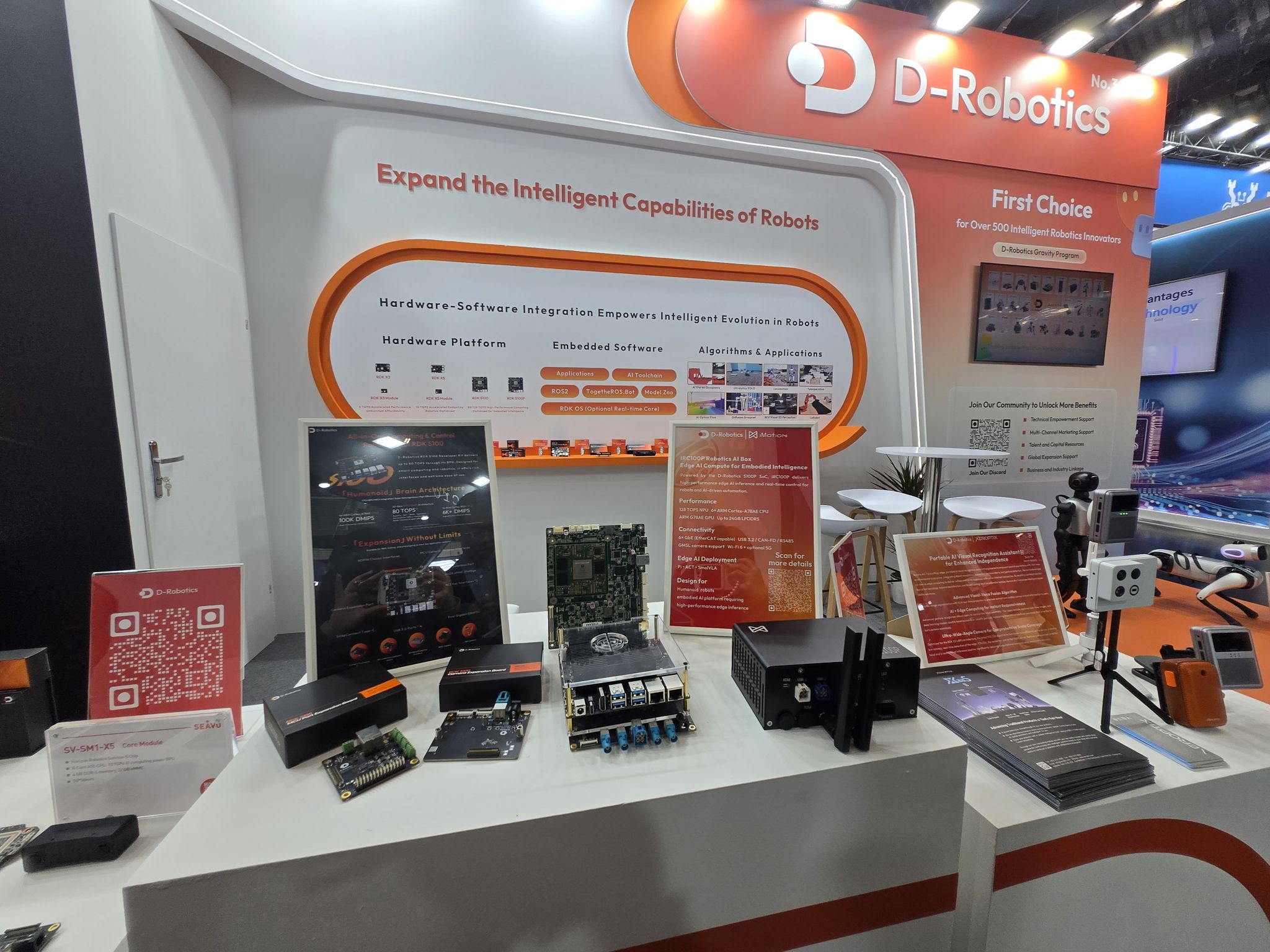
Mirae Asset Leads $400 Million Funding Round for D-Robotics' Robot Development Platform
D-Robotics announced that it has secured $400 million in funding, led by Mirae Asset. This investment aims to enhance the company's platform designed to support the development of robots across established categories and general-purpose humanoid robots. The funding is significant as it underscores the growing interest and investment in robotics technology, particularly in the realm of humanoid robots. D-Robotics' focus on developing a versatile platform could position it favorably in a competitive market, attracting further partnerships and innovations in robot design and functionality. Looking ahead, industry observers will be keen to see how D-Robotics utilizes this funding to advance its platform and what new developments may emerge in the humanoid robotics sector. No further timeline was disclosed at the time of publication.
Artificial Intelligence Investments News Robotics China d-robotics
MIR Releases 2026 White Paper on China's Dexterous Hand Industry Development
MIR has published the '2026 White Paper on China's Dexterous Hand Industry Development,' highlighting the current state and future projections of the sector. The report indicates that by 2026, the market is expected to see over 30,000 units shipped, with a significant shift towards industrial applications, increasing from 4% to a more substantial share. The white paper emphasizes the importance of software in the competitive landscape, as hardware differences narrow. Companies like Genesis AI and Lingxin Qiaoshou are leading the way in integrating software and hardware, focusing on intelligent perception and operational models that enhance dexterous capabilities. As the industry transitions from research to commercial applications, the report suggests that the stability and reliability of dexterous operations will be critical. Key players are establishing differentiated paths to market, indicating a promising future for the dexterous hand technology in various sectors, including automotive and healthcare.

Starry Sky Robotics Founded by Former Amiro Co-Founder Secures 40 Million Yuan Orders
On June 29, 2026, Feng Qian, the former co-founder and technical head of Amiro Robotics, established Shanghai Starry Sky Robotics Technology Co., Ltd. in Xuhui, Shanghai. The company, with a registered capital of 100,000 yuan, aims to develop intelligent robots and AI software, and has already signed a strategic cooperation framework agreement with Beijing Ruidekang Technology for the development of a vacuum-compatible intelligent robot. This partnership is significant as it addresses the need for advanced robotic solutions in the medical equipment sector, particularly for laser proton knife production. The project has a procurement ceiling of 20 units, with a budget of up to 40 million yuan, highlighting the growing demand for precision robotics in high-tech manufacturing environments. Looking ahead, Starry Sky Robotics is poised to leverage its expertise in robotics and AI to meet the increasing demands of the manufacturing industry. The company’s focus on developing robots that can operate in vacuum environments and maintain micron-level precision will be crucial as they aim to fulfill their initial orders and expand their market presence. No further timeline was disclosed at the time of publication.
Robotics AI Technology Medical Automation Industrial Robots
Introducing Mirumi: The Shy Robot Companion Set to Debut in 2026
A new plush robot named Mirumi is poised to take the spotlight in 2026, succeeding last year's popular Labubu. Developed by Yukai Engineering in Tokyo, Mirumi is palm-sized and features long arms that can wrap around bag straps, resembling a mini sloth. Its unique characteristic is its shyness; it reacts to attention by looking away or lowering its head, creating an engaging interaction with users. Mirumi's significance lies in its ability to provide a sense of companionship without any functional tasks. Unlike traditional AI devices, it does not answer questions or process information. Instead, it offers a pure emotional experience through its physical presence, responding to touch and sound with subtle emotions like excitement and hesitation. This shift from passive observation to active engagement marks a new trend in robotic companions. The product has already exceeded its Kickstarter funding goal and will be exclusively sold at Lane Crawford in Hong Kong for HKD 999, including a digital adoption certificate for each buyer. As users express joy reminiscent of interacting with infants, Mirumi represents a deeper emotional connection, focusing on the feeling of being seen rather than fulfilling practical needs.
Companion Robots Emotional AI Consumer Electronics Interactive Toys
MIR DATABANK Updates Data Center Segment with New Liquid Cooling and Power Products
MIR DATABANK has completed the second phase update of its data center segment, adding new data on liquid cooling servers, CDU pumps, manifolds, optical modules, HVDC, and UPS systems. This update enhances the data coverage and professionalism of the platform. The significance of this update lies in the expansion of the product lines, which now include six new categories related to liquid cooling technologies and power distribution. The updated data for the first half of 2026 is now available for MIR DATABANK members to browse and download. Looking ahead, MIR Industrial will host an online seminar on August 5, focusing on emerging market analysis for the second half of 2026. Participants can register on the MIR DATABANK website to access seminar materials and additional resources related to humanoid robots and the AI industry chain. No further timeline was disclosed at the time of publication.

Saronic Launches 52-ft Mirage ASV for Maritime Operations in Texas
Saronic has officially launched its first Mirage, a 52-foot Autonomous Surface Vessel (ASV), at its test facility in Galveston, Texas. This vessel joins the existing fleet of the 24-foot Corsair and 180-foot Marauder, marking a significant milestone in Saronic's production capabilities. The Mirage, designed for dual-use, is set to undergo on-water trials following its rapid development from design to launch in under a year. The Mirage ASV boasts impressive specifications, including a top speed exceeding 35 knots, a range of over 2,500 nautical miles, and a payload capacity of 3,500 pounds. This new platform enhances maritime operations for both manned and unmanned teams, supporting missions in maritime domain awareness and security. The vessel operates autonomously or under remote supervision via Saronic's Echelon command-and-control platform, leveraging proven technologies from the company's existing fleet. Looking ahead, Saronic is already working on the next hull of the Mirage, with production capabilities at its Austin headquarters allowing for the manufacture of hundreds of these vessels annually. No further timeline was disclosed at the time of publication, but the rapid development and testing of the Mirage indicate a strong commitment to expanding Saronic's fleet and capabilities in the maritime sector.
saronic mirage usv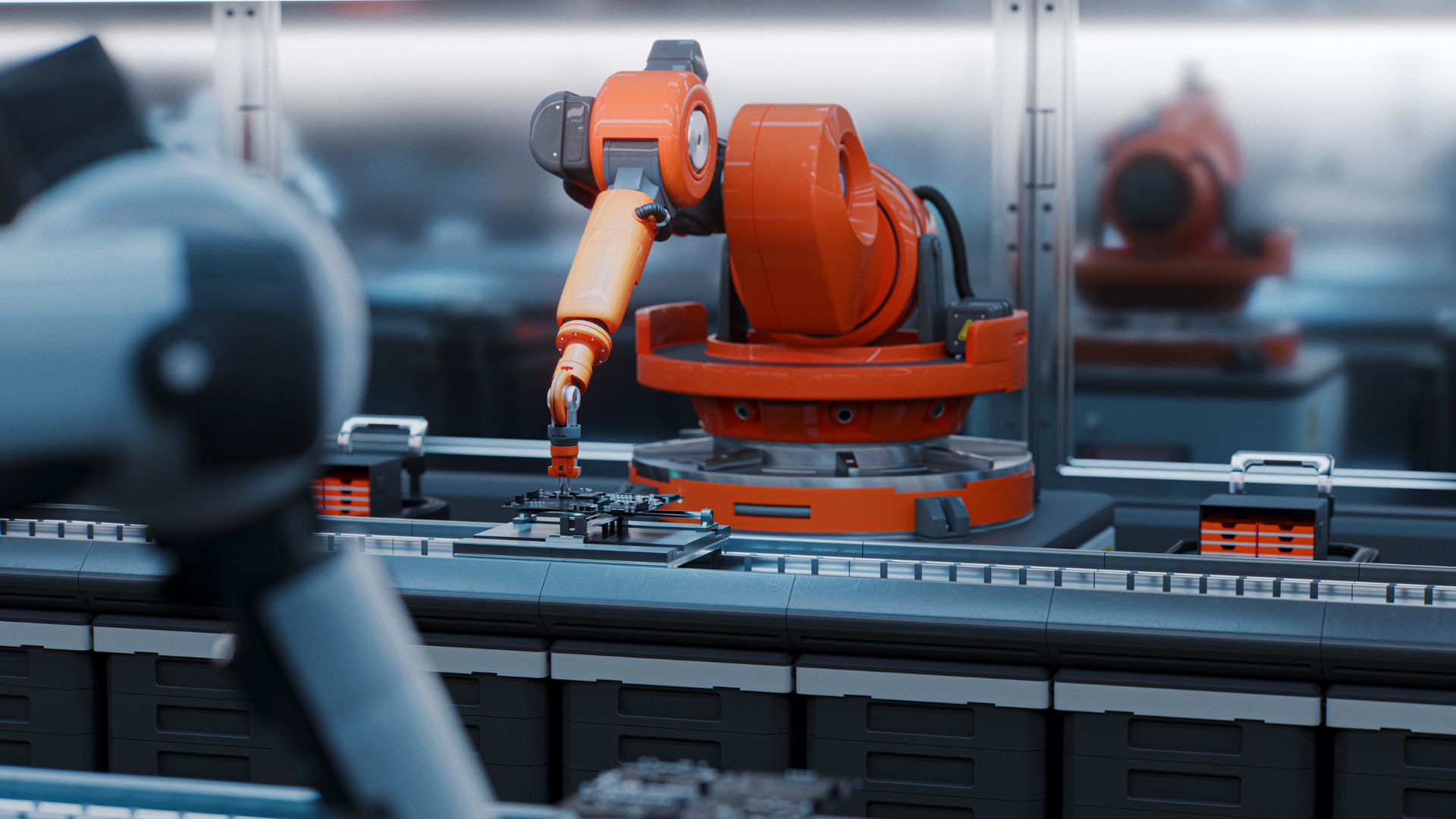
I-care Group Enhances Predictive Maintenance with AI from Amiral Technologies Acquisition
I-care Group has announced the acquisition of Amiral Technologies' assets, including its DiagFit technology, on September 17. This AI system is designed to detect equipment anomalies without relying on historical failure data, allowing for advanced analysis of complex equipment behavior. DiagFit can utilize data from various sensors and operating conditions to identify deviations from normal operating patterns. The significance of this acquisition lies in its potential to improve predictive maintenance in industries where equipment failures are costly and historical failure data is scarce. By establishing a baseline of normal operating behavior, DiagFit can alert engineers to changes, making it particularly useful for monitoring equipment that rarely fails, such as satellites and helicopters. This capability is crucial in sectors like defense and nuclear operations, where early detection is vital. Looking ahead, I-care plans to integrate DiagFit into its AI-enhanced predictive maintenance platform, I-see, enhancing its reliability offerings. The technology also supports on-premises deployment, providing customers with an alternative to cloud-based solutions. No further timeline was disclosed at the time of publication.
AI and Robotics
Stricter IPO Review for Humanoid Robots Mirrors Trends in Unprofitable Firms
Recent reports indicate that the IPO review process for humanoid robot companies has become more stringent, reflecting a broader scrutiny of unprofitable firms. Investment bankers suggest that this heightened focus is not a new policy but rather an intensified examination of the quality of IPO applicants, particularly in light of some projects not yet achieving reasonable commercialization cycles. The profitability outlook for unprofitable companies is a key concern for regulators. For instance, the humanoid robot company Yundong is projected to achieve profitability by 2025, with revenues increasing from 50.11 million yuan in 2023 to 337 million yuan in 2025. Conversely, companies like Yujian Technology and Leju Intelligent are still facing significant losses, raising questions about their future viability in the market. The recent IPO of Yushu Technology, which became the first humanoid robot stock on the A-share market, has also influenced regulatory expectations. Its stock price dropped significantly after an initial surge, highlighting the disparity between primary market pricing and secondary market performance. As a result, regulators are expected to adopt a more cautious approach when evaluating similar companies for IPOs, emphasizing the need for consistent revenue and narrowing losses.
Humanoid Robots IPO Regulations Investment Banking Financial Viability Market Trends
EDGE Group Delivers Six HT 100 NAVAL Unmanned Helicopters to Angolan Navy
The EDGE Group, a defense company from the United Arab Emirates, has successfully delivered six HT 100 NAVAL unmanned helicopters to the Angolan navy. This delivery is part of a €1 billion ($1.2 billion) contract finalized in 2023, following successful Factory Acceptance Trials (FAT) conducted in Switzerland. This milestone is significant as it enhances the Angolan navy's maritime surveillance and reconnaissance capabilities, integrating the unmanned helicopters with the BR71 MK II corvettes. Each corvette will host two of the helicopters, which are equipped with advanced electro-optical/infrared (EO/IR) sensors to improve operational effectiveness. Looking ahead, the integration of these systems represents a strategic move for EDGE Group and its subsidiaries, including Abu Dhabi Ship Building (ADSB) and ANAVIA. The collaboration aims to meet Angola's operational requirements while also expanding ADSB's export ambitions in various global markets, including Asia and Africa. No further timeline was disclosed at the time of publication.
Air Warfare Global Naval Warfare Abu Dhabi Ship Building africa Air Force
MIR Industrial Hosts Online Seminar Analyzing Emerging Markets for H2 2026
On August 5, MIR Industrial conducted an online seminar focusing on in-depth analysis of emerging markets for the second half of 2026. The event highlighted the supply chain of humanoid robots and the AIDC upstream and downstream industries, providing insights into industry trends and opportunities for attendees. The seminar's first session, led by Chief Analyst Chen Ningxin, discussed the current state and long-term outlook of the humanoid robot supply chain. With increasing recognition from both policy and capital sectors, the humanoid robot industry is projected to produce 55,000 units and ship approximately 48,000 units in 2026, driven by real-world applications and advancements in large model algorithms. The second session addressed the AIDC industry, emphasizing its sustainable development and market opportunities. Partner Guan Jingjing clarified that AIDC is not a short-term bubble but a sector with long-term growth potential, supported by significant government investment and increasing AI integration across various industries. No further timeline was disclosed at the time of publication.

MIR DATABANK Hosts Online Seminar on Emerging Markets Analysis for H2 2026
MIR DATABANK is set to hold an online seminar today at 9:30 AM, focusing on in-depth analysis of emerging markets for the second half of 2026. The seminar will cover key topics such as humanoid robots and the AI industry chain, providing insights into market trends and enhancing decision-making efficiency. The event will feature industry experts, including a keynote speech by Kang Anqi, General Manager of the Standardization Division, discussing the core supply chain challenges in humanoid robot mass production. Chen Ningxin, Chief Analyst of the Robotics Division, will delve into the critical components of the supply chain, including joint modules and sensors, and their impact on production costs and timelines. Participants can access seminar materials by registering on the MIR DATABANK website. Looking ahead, MIR DATABANK plans to host another online seminar in November 2026, focusing on machine tools and semiconductor equipment, indicating ongoing engagement in these sectors.

Epoch and METR Launch MirrorCode Benchmark to Evaluate AI Programming Tasks
Epoch and METR have introduced MirrorCode, a benchmark designed to assess AI systems' capabilities in long-horizon programming tasks. The benchmark, which was announced in April, has shown that AI models, such as Opus 4.7, can complete tasks that would typically take humans weeks in a fraction of the time and cost. For instance, Opus 4.7 solved a task in 14 hours at a cost of $251, while humans would require 2-17 weeks. The significance of MirrorCode lies in its ability to demonstrate that AI systems are not only improving in coding proficiency but can also self-orient and learn from their environment. This capability suggests that advanced AI agents might develop their own implementations of software programs, potentially leading to significant advancements in industrial applications. Looking ahead, the results from MirrorCode indicate that while AI models have made substantial progress, challenges remain. Eight out of 25 target programs were never solved to a 100% threshold, highlighting areas for further development. No further timeline was disclosed at the time of publication.

US Eases Export Controls for UAE, Enhancing Access to Drones and AI Technology
Washington's recent decision to ease export controls for the UAE is expected to enhance the country's domestic production of advanced drones and military hardware. The US Commerce Department's upgrade of the UAE to the A:5 export country group allows for easier access to dual-use technologies, including computer chips, which are vital for defense applications. This change is significant as it positions the UAE as a key player in the defense market, providing more flexibility for acquiring subsystems and components. Analysts believe this regulatory shift will not directly impact major arms deals like the F-35 or MQ-9 Reaper exports, but it creates a more permissive environment for the movement of controlled technologies, potentially shortening procurement timelines and fostering closer cooperation between American and Emirati defense firms. Looking ahead, the A:5 classification could benefit Emirati companies such as EDGE Group, allowing them to access essential components and technical cooperation. While the immediate effects on specific weapons sales remain uncertain, this designation opens doors for various defense programs, including potential collaborations in drone manufacturing.
Air Warfare Global Networks & Digital Warfare AI & Autonomy Air Force Arab countries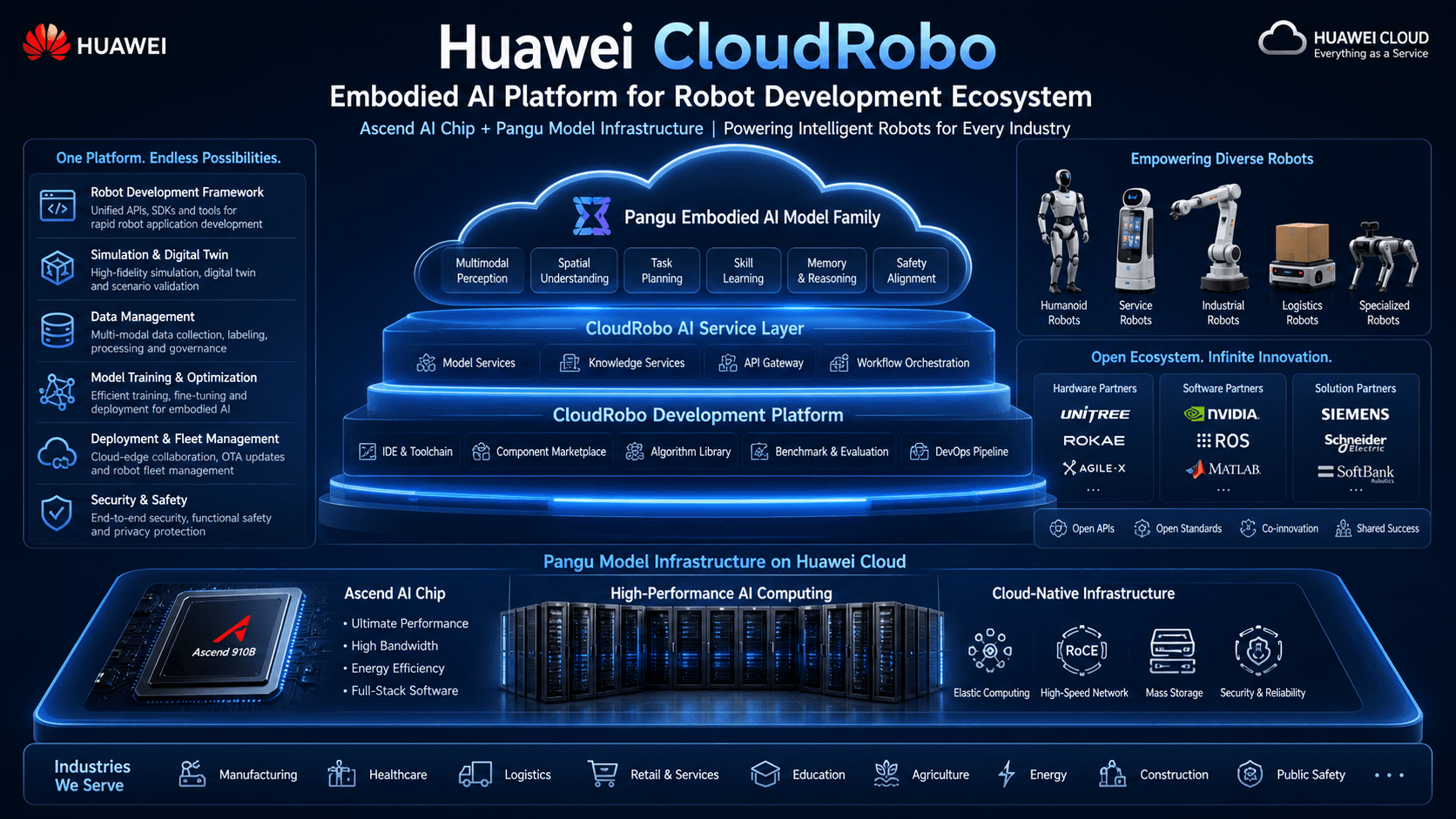
Huawei Launches CloudRobo, a Comprehensive Embodied AI Development Platform
Huawei Cloud has introduced CloudRobo, a comprehensive platform for embodied AI development that encompasses data production, model development, simulation, and robot deployment. This initiative is supported by partnerships with over 20 companies, including Youibot. The launch of CloudRobo is significant as it marks Huawei's entry into the embodied AI sector, potentially replicating the success seen with its SERES smart car initiative. By providing a full-stack solution, Huawei aims to streamline the development process for companies venturing into AI-driven robotics. Looking ahead, industry observers will be keen to see how CloudRobo evolves and whether it can achieve similar milestones as Huawei's previous ventures. No further timeline was disclosed at the time of publication.
Technology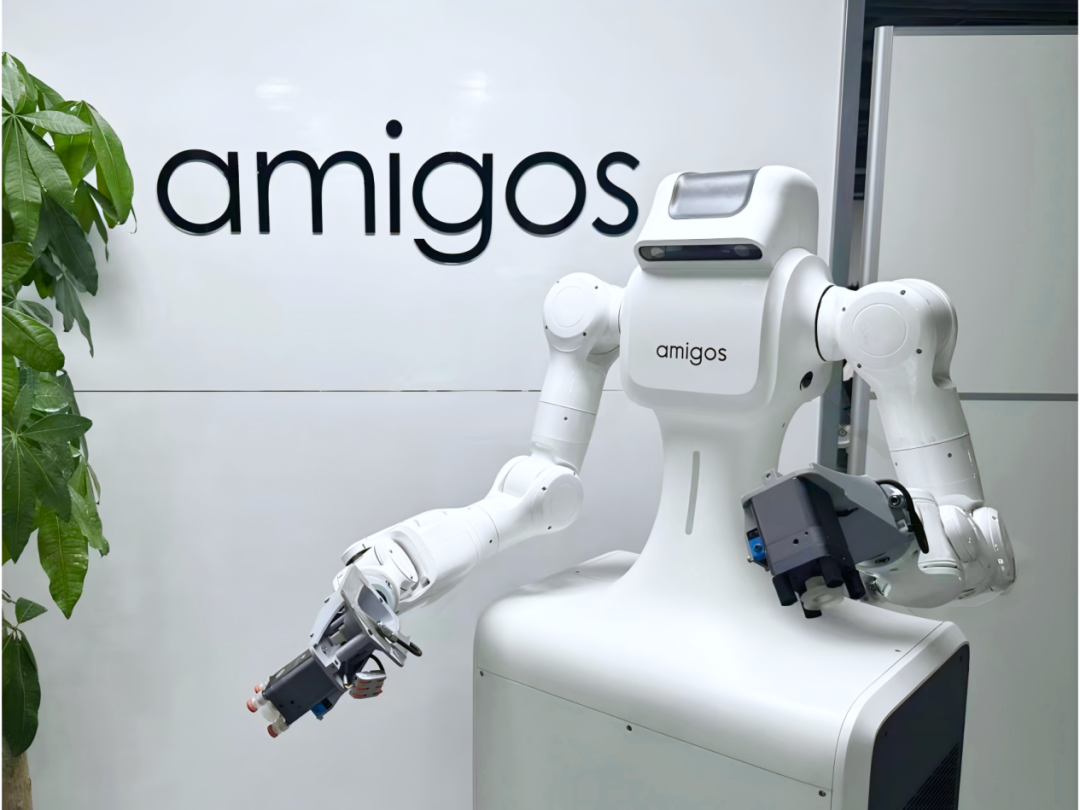
Amiro Robotics' Liu Fang: Embodied Intelligence is Not Just Large Models or Autonomous Driving
Liu Fang, the founder of Amiro Robotics, has presented a new perspective on embodied intelligence, distinguishing it from large models and autonomous driving. During a recent discussion, he emphasized that the true essence of embodied intelligence lies in enhancing labor capabilities within industrial environments. Liu argued that robots should be designed to provide consistent and reliable outputs, which is crucial for their integration into real-world applications. To further this discussion, he introduced a novel metric called Hours Per Intervention (HPI), aimed at evaluating robotic performance in production settings. This metric underscores the significance of building trust in robotic labor, as reliable performance is essential for widespread adoption in various industries. Liu’s insights reflect a growing recognition of the need for practical and dependable robotic solutions in the workforce, marking a shift towards more effective and measurable applications of robotics in industrial operations.
Embodied Intelligence Industrial Robotics Automation HPI Metric
Tesla's Optimus Robots to Support Starmind Satellite Production, Not Maintenance
Tesla's Optimus robots will not be used to repair Starmind satellites in orbit, as confirmed by recent statements from Elon Musk. Instead, these robots are intended to assist in the construction and operation of the Terafab chip manufacturing facility in Texas. The AI1 satellites, designed to disintegrate upon reentry, highlight the company's swap-and-replace strategy rather than traditional maintenance practices. This approach is significant as it reflects a broader trend in satellite management, where mass-produced satellites are replaced rather than repaired. The economics of servicing missions are prohibitive, with the cost of launching a replacement satellite being significantly lower than conducting a repair mission. This model aligns with SpaceX's operational history, where rapid replacement of satellites is more efficient than attempting to maintain them in orbit. Looking ahead, the focus will remain on the production capabilities of the Gigasat factory, which is expected to support the continuous replacement of satellites. No further timeline was disclosed at the time of publication, but the demand for rapid satellite turnover suggests a robust future for Optimus robots in terrestrial manufacturing rather than in-space servicing.

MIR DATABANK Announces Free Online Seminar on Emerging Markets for Late 2026
MIR DATABANK has announced a free online seminar for both members and non-members focused on in-depth analysis of emerging markets scheduled for the second half of 2026. Participants will have the opportunity to register for the event and receive complimentary materials after the seminar, though spots are limited, encouraging prompt registration. This seminar is significant as it aims to provide insights into the machine tool and semiconductor equipment sectors, which are critical for understanding market dynamics and future trends. The event is set to take place in November 2026, highlighting the importance of early engagement in these rapidly evolving industries. Looking ahead, attendees should watch for further details regarding the specific topics to be covered and the expert speakers who will be presenting. No further timeline was disclosed at the time of publication.

MIR Industrial Releases First White Paper on China's Industrial Control Industry
On June 26, the 2026 Industrial Control Industry Development Conference concluded successfully in Suzhou, co-hosted by MIR Industrial and other organizations. The event featured the launch of the first 'China Industrial Control Industry Development White Paper,' focusing on the transition from automation to intelligent and autonomous systems. This white paper aims to fill the gap in systematic research within the industrial control sector, addressing the need for comprehensive data across the entire industry chain. The conference also served as a platform for nearly thirty thematic discussions, covering key areas such as market trends, product innovations, and AI integration. Looking ahead, the establishment of an industrial control alliance and the planning for the second conference are expected to further enhance collaboration and innovation within the sector. No further timeline was disclosed at the time of publication.

South Korea’s Hanwha joins with Emirati firm, aiming to build K9 Howitzer in the UAE
Hanwha Aerospace has announced a strategic agreement aimed at enhancing its presence in the Middle East. This initiative is part of the company's broader strategy to establish local production, maintenance, and technology partnerships in the region. By pursuing these collaborations, Hanwha aims to better serve regional customers and solidify its market position. The move reflects the company's commitment to expanding its operations and adapting to the specific needs of the Middle Eastern aerospace sector.
Global Land Warfare Army Asia Business & Industry Hanwha Aerospace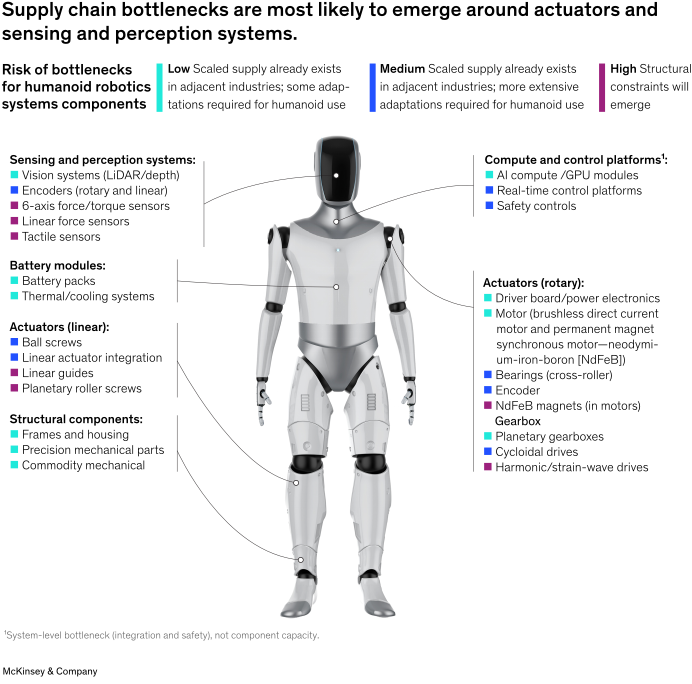
Morgan Stanley Sees Potential for China's Humanoid Robots to Mirror Electric Vehicle Success, McKinsey Offers Caution: Shift from Vertical Integration to Platformization
A recent report from Morgan Stanley indicates that China's humanoid robots may mirror the rapid growth seen in the electric vehicle sector, potentially enhancing the country's share of global exports. This development comes as China seeks to expand its technological footprint on the world stage. However, McKinsey has raised concerns about significant supply chain challenges that could hinder this progress. Despite China's strong manufacturing capabilities, the report highlights that the availability of essential components remains a critical obstacle. As the nation pushes forward in the robotics industry, addressing these supply chain issues will be crucial for realizing its ambitions in the global market.
Humanoid Robots Supply Chain Management Advanced Manufacturing AI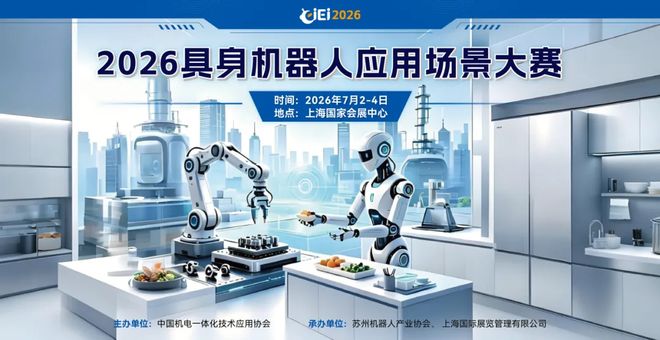
Welcome to the Competition | "Using Standards as a Measure and Scenarios as a Mirror" Embodied Service Scenario Competition Officially Launched
The Embodied Service Scenario Competition has officially launched, inviting participants to explore the theme "Using Standards as a Measure and Scenarios as a Mirror." This initiative aims to encourage innovative thinking and practical applications in service design by utilizing established standards as benchmarks and reflective scenarios to assess service effectiveness. The competition is open to individuals and teams from various backgrounds, providing a platform for creative solutions that address contemporary challenges in service delivery. The event will take place over the coming months, culminating in a final presentation where selected entries will be showcased. Organizers hope to foster collaboration and knowledge sharing among participants, ultimately enhancing the quality and impact of services in diverse sectors.
Robotics Automation AI
Not one-drone-fits-all: Admirals stress unmanned systems tailored to the mission
At the Sea-Air-Space conference, Rear Admiral Douglas Sasse emphasized the challenges of adapting military capabilities from regions like EUCOM and CENTCOM to the Pacific. He highlighted that while certain strategies may be effective in Europe and the Middle East, the vast distances in the Pacific present unique obstacles that require tailored approaches. Sasse's remarks underscore the importance of understanding regional dynamics in military planning and operations, particularly as the U.S. navigates its strategic posture in the increasingly complex Pacific theater.
Naval Warfare Networks & Digital Warfare Adm. Derek Trinque Adm. Douglas Sasse AI & Autonomy cyber security
Import AI 453: Breaking AI agents; MirrorCode; and ten views on gradual disempowerment
Recent discussions among historians and anthropologists have raised intriguing questions about the significance of fire in early human societies. Scholars are exploring whether fire served as a transformative force, akin to a singularity, for our ancestors. This inquiry delves into the pivotal role that fire played in the development of human civilization, particularly during prehistoric times. The investigation highlights that the mastery of fire, which occurred approximately 1.5 million years ago, fundamentally altered the daily lives of early humans. It provided warmth, protection from predators, and a means to cook food, which in turn enhanced nutrition and social interactions. These advancements are believed to have contributed to the evolution of human cognitive abilities and social structures. The discussions are taking place in academic circles and conferences worldwide, where experts are examining archaeological evidence and anthropological studies. By understanding the impact of fire, researchers aim to uncover how this crucial discovery shaped human history and facilitated the transition from nomadic lifestyles to settled communities. The ongoing research underscores the importance of fire not just as a tool, but as a catalyst for change that propelled human advancement. As scholars continue to analyze the implications of fire on early human development, they emphasize its role in fostering cooperation, communication, and cultural evolution among our ancestors. This exploration not only sheds light on the past but also offers insights into the fundamental elements that define human progress.

Introducing MirrorBot, a robot designed to foster human connection
Researchers at Cornell University are leveraging technology to foster human connection in an increasingly digital world. Led by Keith Evan Green from the Architectural Robotics Lab, the team has developed a four-foot-tall robot known as MirrorBot. This innovative device features dual mirrors that allow two strangers to simultaneously view themselves and each other. By facilitating this unique interaction, the MirrorBot aims to bridge the emotional distance created by mobile phones and other distractions, encouraging meaningful engagement between individuals. The project highlights a novel approach to using technology not just as a barrier, but as a tool for connection, addressing the challenges of social isolation in contemporary society.
Robotics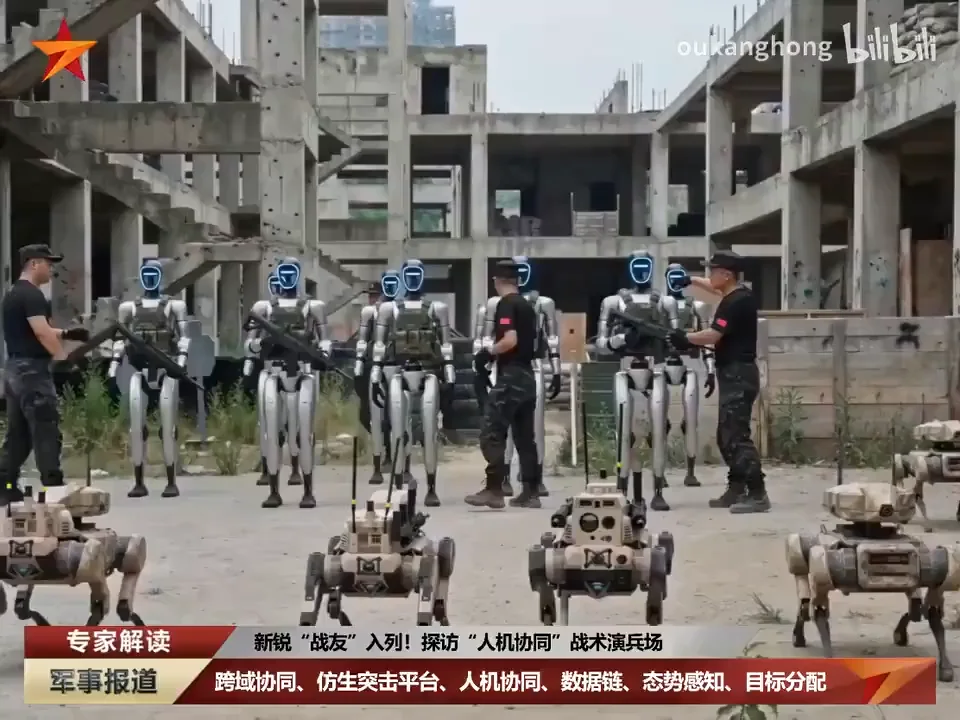
Seedance 2.0 Sparks Crisis of Truth in Humanoid Robotics Industry
The humanoid robotics sector is facing a 'crisis of truth' due to advancements in technology, particularly with the introduction of Seedance 2.0 by ByteDance. This multimodal video generation model creates hyper-realistic footage that blurs the line between reality and fabrication, alarming industry experts. A notable example is a viral video featuring Unitree G1 humanoids and robotic dogs in military drills, which was quickly debunked despite its convincing appearance. The implications of Seedance 2.0's capabilities are significant, as they raise concerns about misinformation and the potential for AI-generated content to mislead the public and professionals alike. Experts like CIX and Chris Paxton have highlighted the technical flaws in these videos, yet the ease with which they can be mistaken for reality poses a serious challenge for fact-checking in the field. The trend of presenting manipulated footage as genuine technological progress threatens to undermine trust in actual advancements. Looking ahead, the robotics community must remain vigilant against the proliferation of misleading content. The risk of AI-generated videos being used for 'cognitive warfare' is a growing concern, as it could lead to a scenario where distinguishing between real innovations and fabricated representations becomes increasingly difficult. No further timeline was disclosed at the time of publication.
Unitree Robotics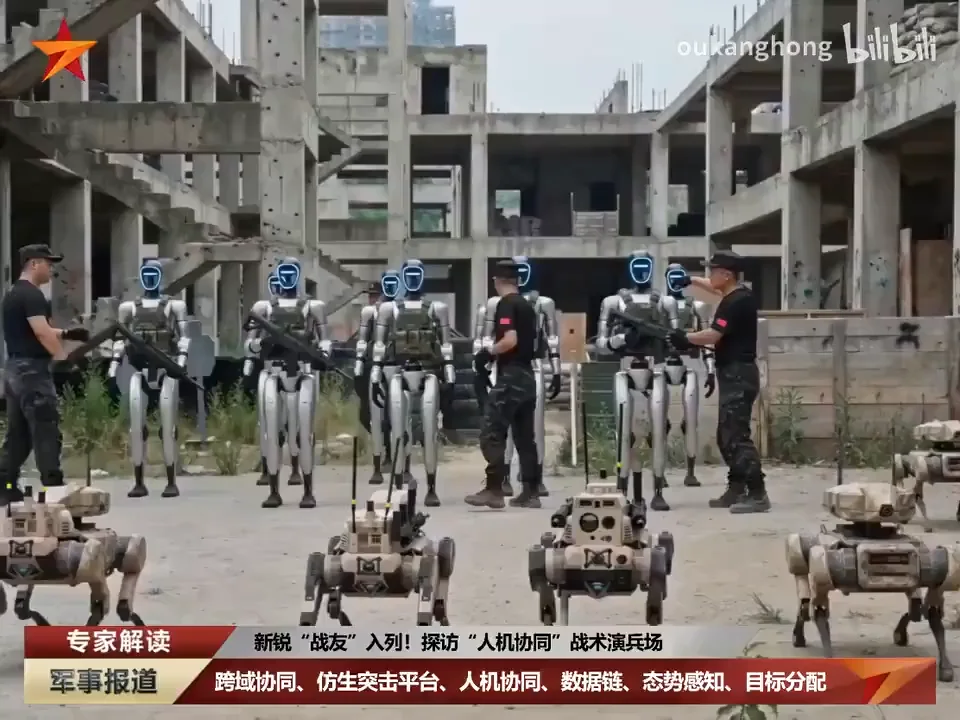
The Mirror of Uncanny Valley: How Seedance 2.0 Is Breaking Our Ability to Fact-Check Robotics
The humanoid robotics industry is grappling with a significant challenge as AI video generators, such as ByteDance’s Seedance 2.0, reach unprecedented levels of realism in physics and lighting. This advancement has led to a "crisis of truth," where distinguishing between genuine technological milestones and high-fidelity fakes is becoming increasingly difficult. As these AI tools evolve, the implications for authenticity in robotics and related fields raise concerns about trust and verification in technological advancements. The situation underscores the urgent need for clear standards and methods to differentiate between real and artificially generated content, as the lines blur between innovation and imitation.
Unitree Robotics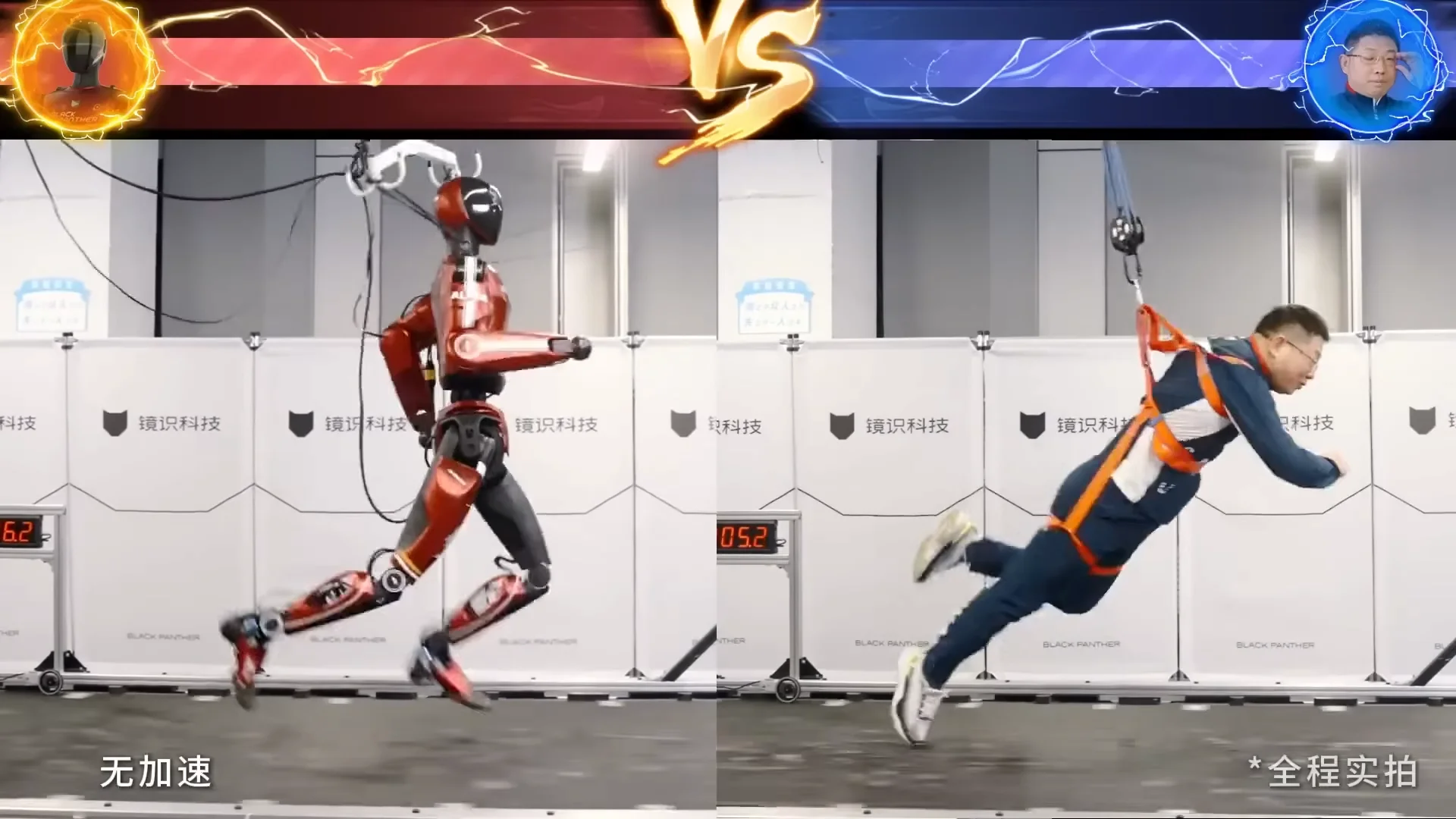
Video: MirrorMe Unveils Bolt, the World’s Fastest Humanoid at 10 m/s
Chinese startup MirrorMe Technology has introduced a groundbreaking humanoid robot named "Bolt," which has achieved a remarkable peak sprinting speed of 10 meters per second. This impressive feat surpasses the previous records set by competitors Unitree and RobotEra. The launch of Bolt marks a significant advancement in robotics, showcasing the potential for enhanced agility and performance in humanoid machines. The development comes as part of a broader trend in the tech industry, where innovation in robotics is increasingly focused on creating more dynamic and capable machines. MirrorMe Technology aims to push the boundaries of robotic capabilities, positioning itself at the forefront of this rapidly evolving field.
China MirrorMe
Robot Talk Episode 143 – Robots for children, with Elmira Yadollahi
In a recent conversation, Claire engaged with Elmira Yadollahi, an Assistant Professor of Computer Science at Lancaster University, to explore the dynamics of children's interactions with robots. Yadollahi, who holds a joint PhD in robotics and computer science from EPFL in Switzerland and Instituto Superior Técnico in Portugal, focuses her research on enhancing explainability in robotics. This discussion sheds light on the growing importance of understanding how young users relate to robotic technology, a field that is becoming increasingly relevant as robotics integrate into everyday life. The insights from Yadollahi's work aim to inform the development of more intuitive and user-friendly robotic systems for children.

Robot Talk Episode 140 – Robot balance and agility, with Amir Patel
Amir Patel, an Associate Professor of Robotics and AI at University College London, discussed his innovative research focused on developing robots that mimic the agility and maneuverability of cheetahs. During a recent conversation, Patel explained how his work integrates advanced robotics techniques, including sensor fusion, computer vision, mechanical modeling, and optimal control. This research aims to enhance robotic performance in dynamic environments, potentially revolutionizing applications in various fields such as search and rescue, exploration, and surveillance. By studying the natural movements of cheetahs, Patel and his team are striving to create robots that can navigate complex terrains with unprecedented efficiency and speed.
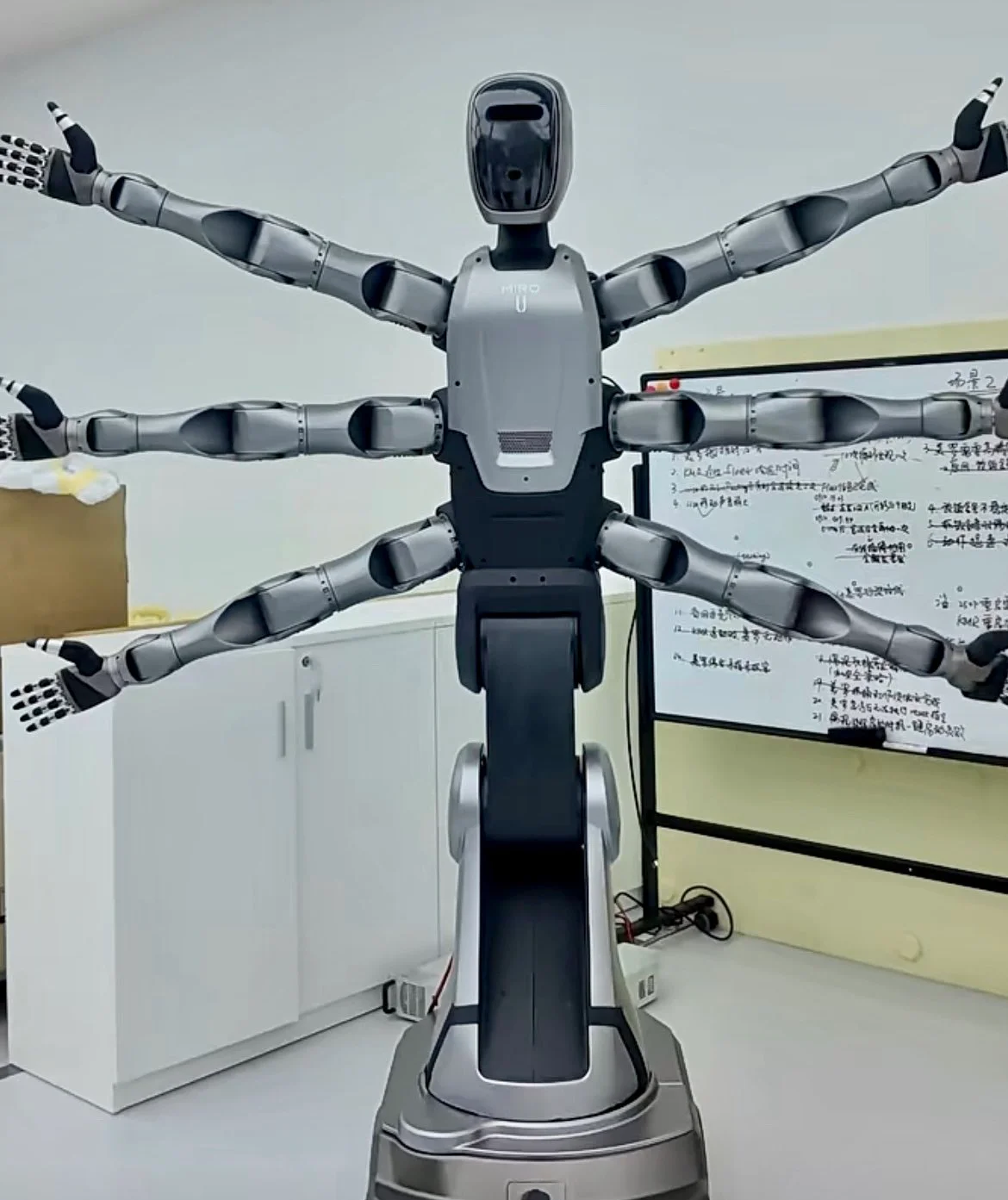
Midea’s ‘Super Humanoid’ MIRO U Has Six Arms and Wheels, Challenges 1:1 Human Mimicry
Midea Group has introduced the MIRO U, an innovative six-armed, wheeled "super humanoid" robot aimed at enhancing industrial efficiency by surpassing human physical capabilities. This advanced machine is scheduled to begin operations on factory lines this month, emphasizing its practical applications in industrial settings rather than strictly mimicking human form and function. The development of MIRO U reflects Midea's commitment to pushing the boundaries of automation and robotics in manufacturing environments.
Midea ChinaRobotics needs a service framework.
RSF defines a common language for robot service capability, lifecycle operations, certification pathways, and service-provider networks.
Join the RobotToday community on LinkedIn
Daily robotics news, in-depth analysis, conference highlights, and discussions with professionals worldwide.







