

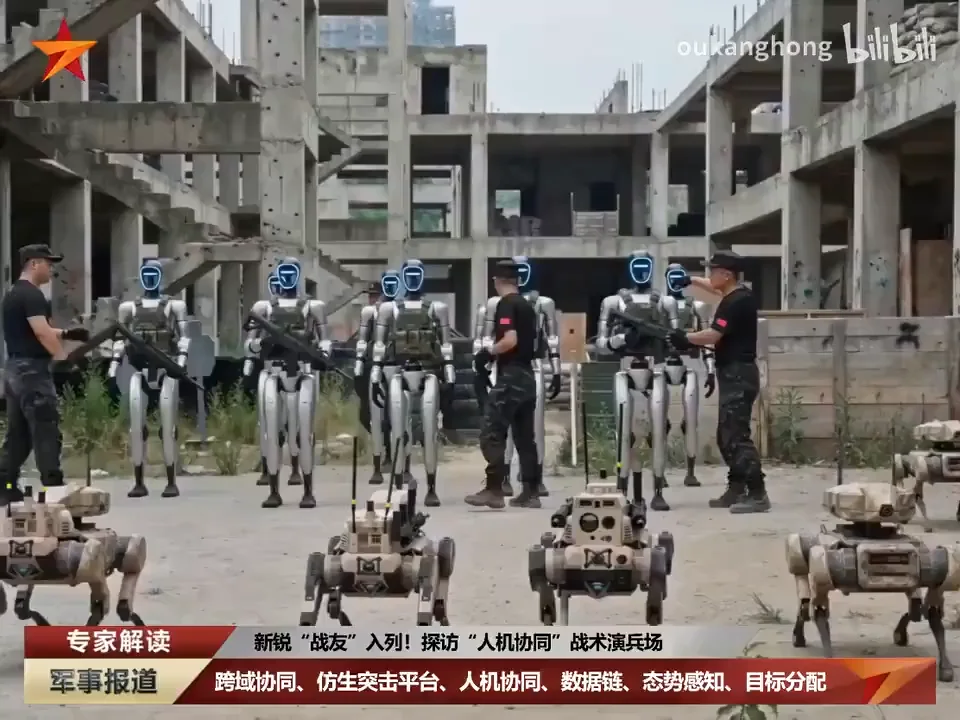
The humanoid robotics sector is facing a 'crisis of truth' due to advancements in technology, particularly with the introduction of Seedance 2.0 by ByteDance. This multimodal video generation model creates hyper-realistic footage that blurs the line between reality and fabrication, alarming industry experts. A notable example is a viral video featuring Unitree G1 humanoids and robotic dogs in military drills, which was quickly debunked despite its convincing appearance.
The implications of Seedance 2.0's capabilities are significant, as they raise concerns about misinformation and the potential for AI-generated content to mislead the public and professionals alike. Experts like CIX and Chris Paxton have highlighted the technical flaws in these videos, yet the ease with which they can be mistaken for reality poses a serious challenge for fact-checking in the field. The trend of presenting manipulated footage as genuine technological progress threatens to undermine trust in actual advancements.
Looking ahead, the robotics community must remain vigilant against the proliferation of misleading content. The risk of AI-generated videos being used for 'cognitive warfare' is a growing concern, as it could lead to a scenario where distinguishing between real innovations and fabricated representations becomes increasingly difficult. No further timeline was disclosed at the time of publication.
Editor's Note
The rise of hyper-realistic AI-generated content, such as that produced by Seedance 2.0, poses significant challenges for the robotics industry. As advancements in humanoid robotics continue, the potential for misinformation could impact public perception and investment decisions. Stakeholders must prioritize transparency and education to combat the spread of misleading representations.





























Leave a comment