Top News

Industry Briefing

A single destination for timely, editor-curated robotics news from around the world.
AI, Robotics and Automated Mining: The Future of Excavators and Mining Machinery Parts

AI, Robotics and Automated Mining: The Future of Excavators and Mining Machinery Parts

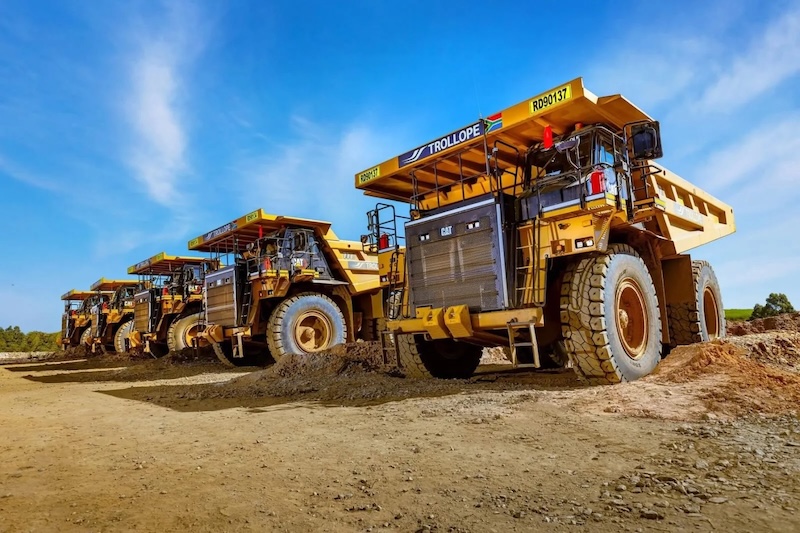
The global mining industry is undergoing a significant transformation as it increasingly integrates artificial intelligence, robotics, and full automation into its operations. This shift has led to the widespread adoption of intelligent excavators and driverless mining trucks, which are now considered standard equipment in modern mining practices. These advancements are not only improving operational safety but also significantly boosting production efficiency. As mining machinery evolves, there is a corresponding rise in the standards and demands for high-quality professional mining machinery parts, reflecting the industry's commitment to enhancing performance and reliability in the face of technological change.

Engineering Mining ai in mining automation news autonomous haul trucks autonomous mining equipment
Arnold Machinery Company Partners With Prime Robotics to Deliver Warehouse Automation Consulting Solutions Across Colorado

Arnold Machinery Company Partners With Prime Robotics to Deliver Warehouse Automation Consulting Solutions Across Colorado

Arnold Machinery Company has formed an exclusive distribution partnership with Prime Robotics, aimed at enhancing warehouse automation in Colorado. This collaboration will introduce advanced autonomous mobile robot technology to local businesses, positioning Arnold Machinery as a leading consultant in the state's warehouse automation and robotics sector. The partnership is expected to significantly improve operational efficiency for companies looking to modernize their logistics and warehousing processes.

Robot Talk Episode 160 – Robotic blacksmiths, with Edward Mehr

Robot Talk Episode 160 – Robotic blacksmiths, with Edward Mehr

Claire recently spoke with Edward Mehr, Co-Founder and CEO of Machina Labs, regarding the company's innovative RoboCraftsman technology. This advanced system is designed to shape complex metal components specifically for the aerospace, defense, and automotive sectors. With a background in advanced manufacturing, robotics, and artificial intelligence, Mehr is at the forefront of integrating AI-driven robotics into flexible manufacturing processes. The conversation highlighted how RoboCraftsman is revolutionizing the production of intricate metal parts, addressing the growing demand for precision and efficiency in these critical industries.

Robot hand uses touch and vision to harvest ripe fruit with near-100% accuracy

Robot hand uses touch and vision to harvest ripe fruit with near-100% accuracy

A team of researchers has created an innovative soft robotic gripper designed to assess the ripeness of fruit and facilitate harvesting. This development, which emerged from ongoing advancements in agricultural technology, aims to address the challenges faced by farmers in determining the optimal time for fruit picking. The gripper, equipped with advanced sensors, can gently handle delicate produce without causing damage, ensuring that only ripe fruits are collected. The project, which began in early 2023, took place at a leading agricultural research facility. The motivation behind this invention stems from the increasing demand for efficient and sustainable farming practices, as well as the need to reduce labor costs and improve the quality of harvested fruits. By automating the inspection and harvesting process, the researchers hope to enhance productivity and minimize waste in the agricultural sector. The robotic gripper operates through a combination of tactile sensing and machine learning algorithms, allowing it to analyze the texture and firmness of the fruit in real-time. This technology not only promises to streamline the harvesting process but also aims to improve the overall quality of produce reaching consumers. As the agricultural industry continues to evolve, innovations like this soft robotic gripper represent a significant step forward in the quest for smarter, more efficient farming solutions.

AI and Robotics
Can Pepper the robot be a good playmate?

Can Pepper the robot be a good playmate?

Researchers at the Norwegian University of Science and Technology (NTNU) recently conducted a controlled laboratory experiment to explore the dynamics of playing physical games with a humanoid robot named Pepper. The study aimed to understand how interactions with a robot that mimics human behavior and appearance influence gameplay experiences. By engaging participants in various physical games against Pepper, the researchers sought to assess both the emotional and cognitive responses elicited by the robot's presence. This investigation is part of a broader effort to enhance human-robot interaction, particularly in social and recreational contexts. The findings could have implications for the development of more effective robots in various fields, including education and therapy, by fostering a better understanding of how humans relate to robotic counterparts.

Consumer & Gadgets
New Boson SX8 Brings High-Resolution Thermal Imaging to NDAA-Compliant Drone Payloads

New Boson SX8 Brings High-Resolution Thermal Imaging to NDAA-Compliant Drone Payloads

Teledyne FLIR OEM has unveiled the Boson SX8, a cutting-edge longwave infrared (LWIR) thermal camera module aimed at defense, industrial, and uncrewed systems applications. Announced recently, the Boson SX8 stands out as the first NDAA-compliant, volume-production uncooled thermal camera module, merging high SXGA resolution with a compact design. This innovation is expected to enhance the capabilities of drone payloads, providing high-resolution thermal imaging for various applications. The development reflects a commitment to U.S. manufacturing and addresses the growing demand for advanced thermal imaging solutions in critical sectors.

Applications Defense defense Drone News Drone News Feeds drone parts
The Next Drone Supply Chain Challenge: Rare Earth Magnets

The Next Drone Supply Chain Challenge: Rare Earth Magnets

A new bipartisan bill has been introduced in Congress to bolster the United States' domestic supply chain for rare earth magnets, which are essential components in drone motors. The legislation, spearheaded by Chairman John Moolenaar (R-MI) and Ranking Member Ro Khanna (D-CA), addresses the growing concern over America's reliance on China for these critical materials. The initiative comes amid increasing recognition of the challenges faced by the drone industry, particularly regarding the sourcing of permanent magnets necessary for electric motor functionality. By enhancing domestic production capabilities, the bill aims to ensure a more secure and reliable supply chain for the burgeoning drone sector.

Drone Manufacturing Drone News Drone News Feeds drone parts drone technology Feature 1
Struggling German auto supplier Bosch pivots to robots

Struggling German auto supplier Bosch pivots to robots

Bosch, the German industrial powerhouse, announced on Wednesday its intention to intensify its focus on humanoid robotics as it faces mounting challenges in its traditional auto parts sector. This strategic shift comes in response to the evolving market dynamics and the need to diversify its business portfolio. By investing in advanced robotics, Bosch aims to innovate and remain competitive in a rapidly changing technological landscape. The company's commitment to this new direction underscores its recognition of the growing importance of robotics in various industries, as it seeks to leverage its expertise in engineering and automation to meet future demands.

Robotics
CMES Robotics USA, FANUC, and PAC Machinery to Showcase Integrated Robotic Bagging Solution at Automate 2026

CMES Robotics USA, FANUC, and PAC Machinery to Showcase Integrated Robotic Bagging Solution at Automate 2026

At the ongoing event in Chicago, FANUC has unveiled a fully operational pick-to-pack automation system, showcasing its latest advancements in robotics and automation technology. This system is designed to streamline the logistics and warehousing processes, enhancing efficiency and accuracy in order fulfillment. The live demonstration highlights FANUC's commitment to innovation in the automation sector, responding to the growing demand for more efficient supply chain solutions. Attendees can observe firsthand how the system integrates advanced robotics with intelligent software, illustrating the potential for significant improvements in productivity for businesses. This initiative reflects a broader trend in the industry, where companies are increasingly adopting automation to meet rising consumer expectations and optimize operational costs.

Güdel enhances robotic grinding capabilities with integrated vertical and horizontal movement.

Güdel enhances robotic grinding capabilities with integrated vertical and horizontal movement.

The automation of grinding and surface finishing for large fabricated parts is gaining attention as a solution to the challenges posed by traditional methods, which are often characterized as dull, dirty, and dangerous. However, the implementation of robotic systems in this area presents significant hurdles, including the need for multiple robots and intricate part repositioning. These factors contribute to increased costs and longer cycle times, while also introducing new variations into the manufacturing process. As industries seek to enhance efficiency and safety, the push for automation in grinding applications continues to evolve, highlighting the need for innovative solutions to streamline operations and reduce overhead.

Engineering Events Automate 2026 automation news factory automation fanuc
Festo launches GripperAI software to simplify flexible robot handling

Festo launches GripperAI software to simplify flexible robot handling

Festo has launched GripperAI, an innovative AI-driven software designed to enhance robotic handling capabilities. This solution allows robots to manage a variety of mixed, unfamiliar, and randomly positioned products without requiring extensive programming or specialized vision systems. The introduction of GripperAI aims to provide manufacturers with increased flexibility in their automated handling processes. By automatically determining the best gripping point for each item, the software streamlines operations and improves efficiency in manufacturing environments. This advancement reflects Festo's commitment to integrating cutting-edge technology into automation solutions, catering to the evolving needs of the industry.

Components Industrial robots News AI software automation news cobots
New UgCS 6.0 flight planning software solves a major headache for drone surveyors

New UgCS 6.0 flight planning software solves a major headache for drone surveyors

SPH Engineering has announced the launch of UgCS 6.0, a significant update to its enterprise drone flight planning platform, aimed at addressing a longstanding challenge faced by drone survey teams operating in extensive mining, oil pipeline, and remote geological sites. The update provides a solution for efficiently dividing large survey areas into manageable flight sections, thereby preventing alignment issues that can compromise data quality. This innovation is expected to enhance the operational efficiency and accuracy of drone surveys, which are crucial for various industries reliant on precise geographical data. The introduction of UgCS 6.0 marks a notable advancement in drone technology, responding to the needs of professionals in the field.

News
The Future of VFFS Technology in High-Speed Packaging Operations

The Future of VFFS Technology in High-Speed Packaging Operations

The packaging industry is experiencing significant changes as manufacturers respond to increasing consumer demands and shorter production timelines. This transformation is marked by a growing reliance on smarter, faster, and more efficient packaging solutions. Central to this evolution is Vertical Form Fill Seal (VFFS) technology, which has emerged as a crucial tool in contemporary packaging facilities. As companies across various sectors adopt this innovative system, they aim to enhance productivity and meet the dynamic needs of the market. The shift towards VFFS technology reflects a broader trend in the industry, where efficiency and adaptability are becoming paramount in the face of evolving consumer expectations.

Engineering Technology artificial intelligence automation news industrial automation industry 4.0
Eating fried potatoes three times a week increases diabetes risk by 20%, study finds.

Eating fried potatoes three times a week increases diabetes risk by 20%, study finds.

Researchers from Harvard University and the University of Cambridge have conducted a study examining the impact of potato consumption and cooking methods on the risk of developing type 2 diabetes. The findings will be published in the British Medical Journal (The BMJ) in September 2025. This research draws on data from three cohort studies conducted in the United States, alongside a meta-analysis of prospective cohorts, to assess how different levels of potato intake may influence diabetes risk. The motivation behind this study stems from the increasing prevalence of type 2 diabetes and the need to understand dietary factors that could mitigate this health issue. By analyzing various preparation methods and consumption patterns, the researchers aim to provide insights that could inform dietary guidelines and public health recommendations.

New Manchester Hub Unlocks Potential

New Manchester Hub Unlocks Potential

Autodoc SE, a prominent online retailer specializing in automotive spare parts and accessories, has launched its first warehouse in the UK, located in Manchester. This facility, which spans 7,200 square meters, was opened in late May in collaboration with Radial, a logistics service provider that is now part of the newly established third-party logistics leader, Paxon. With this new addition, Autodoc expands its operational footprint to five distribution centers across Europe, enhancing its capacity to meet growing demand in the automotive sector. The strategic move aims to improve logistics efficiency and customer service in the UK market.

eFulfilment Warehouse Property Warehousing Autodoc automotive Manchester hub
Jumping spider’s layered retina drives design of low-power 3D camera for AR and robotics

Jumping spider’s layered retina drives design of low-power 3D camera for AR and robotics

A team of engineers has conducted an in-depth study of the vision capabilities of jumping spiders, leveraging this unique biological model to inspire innovative technological advancements. This research, which took place over several months, aims to enhance the design of visual systems in robotics and artificial intelligence. By examining the spiders' exceptional ability to perceive depth and motion, the engineers have developed new algorithms that could significantly improve the performance of machines in complex environments. The findings were presented at a recent conference focused on biomimicry and robotics, highlighting the potential for nature-inspired solutions to address modern technological challenges. This interdisciplinary approach not only showcases the intricate relationship between biology and engineering but also opens new avenues for creating smarter, more adaptive robotic systems.

The art(s) of laser weeding demystified: laser expert Matthias Lautenschläger explains

The art(s) of laser weeding demystified: laser expert Matthias Lautenschläger explains

Farmers, growers, and contractors worldwide are increasingly turning their attention to laser weeding, a cutting-edge agricultural technique gaining traction in the industry. This innovative method utilizes high-intensity lasers to target and eliminate weeds without harming crops, offering a sustainable alternative to traditional herbicides. As the agricultural sector grapples with rising temperatures and the challenges posed by climate change, the urgency for effective and environmentally friendly solutions has never been greater. Laser weeding not only reduces the reliance on chemical treatments but also minimizes soil disturbance, promoting healthier ecosystems. The growing interest in this technology is evident as more agricultural professionals seek training and information on its implementation. Demonstrations and workshops are being organized globally, showcasing the efficiency and precision of laser weeding systems. As farmers look for ways to enhance productivity while adhering to sustainable practices, laser weeding stands out as a promising solution that addresses both economic and environmental concerns. With the agricultural landscape evolving rapidly, this method could redefine weed management strategies in the years to come.

Smart farming laser weeding machinery precision agriculture weed control
CSC Financial: Construction Machinery Exceeds Expectations in May, Unitree IPO Clears Review, Boosting Humanoid Robot Sector

CSC Financial: Construction Machinery Exceeds Expectations in May, Unitree IPO Clears Review, Boosting Humanoid Robot Sector

CSC Financial has published an in-depth research report analyzing five key industrial sectors, highlighting significant trends in the humanoid robot industry and the construction market. The report emphasizes the rapid growth of the humanoid robot sector, particularly following Unitree's recent initial public offering, which has sparked increased interest and investment in this technology. Additionally, the construction sector is showing resilience, with performance surpassing previous expectations, driven by ongoing infrastructure projects and a rebound in demand. This comprehensive analysis aims to provide insights for investors and stakeholders looking to navigate these evolving markets effectively.

Technology
Why Factory Automation Now Depends on Software-Savvy Workers

Why Factory Automation Now Depends on Software-Savvy Workers

As automation increasingly integrates into production environments, the demand for workers skilled in managing technology is rising. Traditionally, factory automation was characterized by robotic arms performing repetitive tasks behind safety barriers. However, the evolving landscape now requires employees to navigate complex dashboards, respond to alerts, and make data-driven decisions. This shift reflects a broader trend in which the role of human workers is transforming from manual labor to technological oversight, necessitating a new set of skills to effectively collaborate with advanced machinery. The growing reliance on automation is reshaping the workforce, prompting a need for training and adaptation to ensure that employees can thrive in a more automated future.

Automation Factories Robotics automation news automation workforce cobots
Europe’s most important industrial lubrication conference celebrates its 10th anniversary in Bilbao

Europe’s most important industrial lubrication conference celebrates its 10th anniversary in Bilbao

The Euskalduna Convention Centre in Bilbao is set to host the 10th anniversary of LUBMAT, Europe’s premier conference on industrial lubricants, this Wednesday and Thursday. The event will bring together 200 professionals from Europe, Asia, and America, highlighting its significance as a leading international biennial gathering focused on lubricants, tribology, and production equipment monitoring. This milestone edition aims to foster collaboration and knowledge sharing among industry experts, reflecting the growing importance of innovation and sustainability in the lubricants sector.

Events advanced lubricants advanced manufacturing aerospace engineering AI in maintenance asset management
Why Good Automation Projects Start Slower Than Bad Ones

Why Good Automation Projects Start Slower Than Bad Ones

A recent analysis highlights the risks associated with automation, particularly the overconfidence that can arise before a robot is even developed. Experts suggest that successful companies in the automation sector tend to focus less on the impressive demonstrations of technology and more on critically examining the underlying processes involved in automation. This approach, emphasized in discussions leading up to October 2023, serves as a cautionary tale for businesses looking to integrate automated solutions. By prioritizing a thorough understanding of the automation process, companies can mitigate potential pitfalls and enhance their chances of success in an increasingly automated landscape.

Volvo and Boliden complete dam construction milestone with autonomous transport

Volvo and Boliden complete dam construction milestone with autonomous transport

Volvo Autonomous Solutions and Boliden have successfully concluded an autonomous transport project at Boliden’s Garpenberg site in Sweden. This initiative represents a significant milestone in their collaboration, following a memorandum of understanding signed earlier in 2023. The project aims to enhance efficiency in mineral transport operations and is expected to pave the way for future joint ventures between the two companies. The successful implementation of autonomous transport technology at Garpenberg underscores the growing trend towards automation in the mining industry, driven by the need for improved safety and productivity.

Autonomous Vehicles News automation news autonomous haulage autonomous logistics autonomous mining
Why Precision Swiss Machining is Critical to the Future of Robotics and Automation

Why Precision Swiss Machining is Critical to the Future of Robotics and Automation

The industrial production landscape is undergoing a significant transformation due to the rapid advancements in robotics, factory automation, and intelligent manufacturing systems. This shift is characterized by an increasing reliance on highly precise mechanical systems that can operate continuously with minimal deviation. As automation technologies evolve and become more interconnected, modern manufacturing environments are integrating collaborative robots, automated assembly systems, and sensor-driven equipment. These innovations are not only enhancing efficiency but also improving the accuracy and reliability of production processes. The ongoing evolution in this sector reflects a broader trend towards smarter, more automated manufacturing practices that aim to meet the growing demands of global markets.

Automation Engineering Factories automated manufacturing automation hardware automation news
Automate 2026 Q&A with Precision Drive Systems (PDS)

Automate 2026 Q&A with Precision Drive Systems (PDS)

A specialized engineering team is set to enhance robotics process outcomes by leveraging advanced techniques in vibration analysis and on-board spindle monitoring. This initiative, aimed at optimizing operational efficiency, will take place in various industrial settings where robotics are utilized. The team's sales engineers, equipped with extensive knowledge and strategic approaches, will provide tailored solutions to ensure maximum uptime for machinery. This proactive measure is driven by the need to improve productivity and reduce downtime in manufacturing processes. By implementing these innovative strategies, the engineering team seeks to address common challenges faced by industries reliant on robotics, ultimately fostering a more efficient and reliable operational environment.

FUJI unveils integrated parts storage, supply, and implementation at "JISSO PROTEC 2026" with AMR collaboration.

FUJI unveils integrated parts storage, supply, and implementation at "JISSO PROTEC 2026" with AMR collaboration.

FUJI Corporation has developed a new unit called the "Auto Kitting Station," aimed at automating the kitting process in the surface mount technology (SMT) assembly line, which has traditionally relied heavily on manual labor. This innovation addresses the need for increased efficiency in loading tape reels into feeders, a critical step in the production of electronic components. The introduction of the Auto Kitting Station marks a significant advancement in the automation of SMT processes, reflecting FUJI's commitment to enhancing productivity and reducing human error in manufacturing.

Mouser's Rise of the Robots Program Explores Humanoid Design Considerations

Mouser's Rise of the Robots Program Explores Humanoid Design Considerations

A recent series highlights the evolution of robots from basic machinery to essential instruments across various sectors, including caregiving, industrial automation, and education. This transformation has been particularly significant in challenging environments, where advanced robotic technology is increasingly utilized. The series illustrates how these innovations are not only enhancing efficiency but also improving the quality of life for individuals in need of care and support. By showcasing real-world applications and advancements in robotics, the series underscores the growing reliance on these technologies to address complex tasks and challenges faced in diverse fields.

A Piece of Automation History in Steel Construction

A Piece of Automation History in Steel Construction

Liebherr Group has taken a significant step in automation by fully automating the production of complex component assemblies at its facility in Telfs, Austria. This milestone marks the first time the construction machinery manufacturer has implemented such advanced automation in its production processes. The autonomous manufacturing cell, developed and built by Yaskawa, utilizes three Motoman industrial robots to handle all manipulation and assembly tasks, culminating in the efficient output of finished components. This innovation reflects Liebherr's ongoing commitment to pushing the boundaries of automation in their manufacturing operations.

Allgemein Anwendungen & Lösungen Lösungen
Is The U.S. Flying MQ-1 Predator Drones Again?

Is The U.S. Flying MQ-1 Predator Drones Again?

Recent developments regarding the loss of an MQ-1 Predator drone to Iran have sparked discussions about the implications of reintroducing these unmanned aerial vehicles into active service. Analysts are examining the potential risks and benefits associated with deploying the Predator in current military operations, particularly in light of its previous encounters and vulnerabilities. The incident has raised questions about the effectiveness of the drone in modern warfare and the strategic considerations that come into play when utilizing such technology. As the U.S. military contemplates the future of the MQ-1, the debate underscores the complexities of aerial surveillance and combat in volatile regions.

Air Around The Globe Iran Middle East News & Features Q-1
Safety Beyond the Pavement: Lighting and Traction for Dangerous Terrains

Safety Beyond the Pavement: Lighting and Traction for Dangerous Terrains

As daylight faded on the track, conditions deteriorated significantly by 5 PM, transforming from packed dirt to loose shale. This unexpected change left participants with only thirty meters of visibility ahead, making it difficult to react to potential hazards. The situation highlights the challenges faced by those involved, as many are unprepared for such abrupt shifts in terrain. The incident underscores the importance of readiness and adaptability in unpredictable environments.

Engineering Environment Health adas systems agricultural machinery all-terrain vehicles
Robot Solution for Sheet Metal Finishing

Robot Solution for Sheet Metal Finishing

Teqram's robotic solutions, EasyDebur and EasyGrinder, have been implemented for the automated post-processing of sheet metal parts at Salzgitter Mannesmann Stahlhandel. This integration aims to enhance efficiency and precision in the manufacturing process, reflecting the growing trend of automation in the steel industry. The deployment of these advanced technologies is part of a broader effort to streamline operations and improve product quality in metal processing.

Allgemein Automation Metallbearbeitung & Schweißen
Performance Evaluation of Different Laser SLAM Algorithms for Unmanned Mining Vehicles

Performance Evaluation of Different Laser SLAM Algorithms for Unmanned Mining Vehicles

A recent study published in the Journal of Field Robotics highlights advancements in robotic technology aimed at improving agricultural efficiency. Researchers from a leading university conducted experiments to develop autonomous robots capable of performing tasks such as planting, weeding, and harvesting crops. The study, which took place over the summer of 2023, was conducted on various farms in California, showcasing the robots' adaptability to different agricultural environments. The motivation behind this research stems from the increasing demand for sustainable farming practices and the need to address labor shortages in the agricultural sector. By integrating advanced sensors and artificial intelligence, the robots are designed to optimize crop yields while minimizing resource use. The research team employed a series of field trials to test the robots' performance, collecting data on their effectiveness and efficiency compared to traditional farming methods. Preliminary results indicate that these autonomous systems can significantly reduce labor costs and increase productivity, offering a promising solution for modern agriculture. As the agricultural industry faces challenges such as climate change and population growth, this innovative approach could play a crucial role in ensuring food security and sustainability in the coming years. The findings from this study are expected to pave the way for further developments in agricultural robotics, potentially transforming the way food is produced globally.

SURVEY ARTICLE
Quiz: How to Avoid VFD Cable Costs

Quiz: How to Avoid VFD Cable Costs

In a recent industry discussion, experts emphasized the importance of preventing bearing damage and ensuring proper termination of variable frequency drive (VFD) cables. This guidance comes in response to increasing concerns about equipment reliability and operational efficiency in manufacturing settings. The discussion took place during a technical seminar held in October 2023, where engineers and technicians gathered to share best practices and innovative solutions. The seminar highlighted that improper cable termination can lead to significant operational failures, including bearing wear and electrical interference, which can ultimately disrupt production processes. To mitigate these risks, specialists recommended implementing rigorous installation protocols and regular maintenance checks. They outlined a series of steps that include using high-quality materials, adhering to manufacturer specifications, and conducting thorough inspections of cable connections. By following these guidelines, companies can enhance the longevity of their equipment and reduce the likelihood of costly downtimes. The insights shared during the seminar are crucial for organizations looking to optimize their machinery's performance and ensure a smooth operation in an increasingly competitive market.

Factory / Plant Maintenance
Mobileye Is A Better And Cheaper Physical AI Play Than Ouster

Mobileye Is A Better And Cheaper Physical AI Play Than Ouster

Investment analyst Ricardo Fernandez has rated Mobileye (MBLY) as a "buy," citing its advanced technology and diverse applications in artificial intelligence as key factors. He believes that the company's mobility-focused sensors and extensive 25-year experience position it well for future demand, particularly as the adoption of autonomous vehicles (AV) and AI accelerates. Fernandez anticipates significant growth for Mobileye starting in 2028, when its Chauffeur and Drive systems are expected to be deployed in robotaxis, potentially leading to a favorable re-evaluation of its market value. In contrast, he views Ouster (OUST) as overvalued, noting its lack of positive margins until at least 2028 and limited growth potential unless there is a substantial increase in software penetration. Fernandez, who has over 35 years of experience in investment analysis, aims to provide a fundamental perspective on companies and funds through his contributions to Seeking Alpha. He emphasizes the importance of financial forecasts in determining valuations and investment ratings, while also clarifying that he currently holds no positions in the companies discussed.

MBLY OUST Ricardo Fernandez
How the US, allies and adversaries see the future of drone wingmen

How the US, allies and adversaries see the future of drone wingmen

The third installment of a video series examining manned-unmanned teaming highlights the evolution of this concept within the US defense industry and its adoption by military forces worldwide. The video explores the advancements in technology and strategic thinking that have shaped the integration of manned and unmanned systems, emphasizing the collaborative potential these partnerships offer in modern warfare. Released in October 2023, the series aims to inform military professionals and policymakers about the ongoing developments and implications of this innovative approach to defense operations. By showcasing various case studies and expert insights, the video underscores the necessity of adapting to new technologies to enhance operational effectiveness and maintain a competitive edge in global military engagements.

Air Warfare Naval Warfare Pentagon Air Force Asia collaborative combat aircraft
Handle with care: Soft robot gripper picks ripe fruit without bruising

Handle with care: Soft robot gripper picks ripe fruit without bruising

Researchers at Cornell University have developed an innovative soft robot gripper equipped with stretchable fiber-optic sensors capable of determining the ripeness of strawberries through tactile feedback. This advancement, led by Anand Mishra and his team, highlights the importance of touch in assessing fruit ripeness, complementing traditional methods that rely on sight and smell. The project aims to enhance agricultural practices by providing a more reliable means of evaluating fruit quality, potentially benefiting farmers and consumers alike. By integrating advanced sensor technology into a flexible robotic design, the researchers have created a tool that could revolutionize the way fruits are harvested and assessed in the future.

Beckhoff Products Meet Growing CRA and Machinery Regulations

Beckhoff Products Meet Growing CRA and Machinery Regulations

A technology company is enhancing its cybersecurity capabilities to comply with European Union regulations. This initiative comes as part of a broader effort to ensure that its products meet stringent data protection standards mandated by the EU. By integrating advanced security features into its technologies, the company aims to safeguard user data and maintain consumer trust in an increasingly digital landscape. The move reflects a proactive approach to addressing the growing concerns surrounding data privacy and security, particularly in light of recent high-profile data breaches. As the company prepares for potential regulatory changes, it is positioning itself to not only meet current requirements but also to adapt to future challenges in the cybersecurity realm.

Factory / Communication
Future-Proofing Parts Distribution

Future-Proofing Parts Distribution

A recent report highlights the advantages of scalable robotics and adaptive fulfillment strategies in enhancing operational efficiency. As businesses face unpredictable demand, these technologies enable quicker responses, maximize storage capacity, and improve throughput. The findings emphasize the importance of engaging the workforce and avoiding costly automation errors. By integrating these advanced systems, companies can better navigate market fluctuations and streamline their processes, ultimately leading to improved productivity and cost-effectiveness. This approach is increasingly relevant in today's fast-paced business environment, where agility and adaptability are crucial for success.

Greenpeace robot stages deepest-ever seabed protest

Greenpeace robot stages deepest-ever seabed protest

In a groundbreaking initiative, Greenpeace has launched an underwater robot to conduct a scientific survey of vulnerable deep-sea ecosystems along the Arctic Mid-Ocean Ridge. This event marks the deepest banner protest ever executed from the seabed, occurring at a depth of 2,300 meters. The robot displayed a powerful message urging global leaders to heed scientific advice, stating, “LISTEN TO THE SCIENCE!” The campaign aims to raise awareness about the urgent need for action to protect these unexplored marine environments. Dr. Sandra Schöttner, a key figure in the initiative, emphasized the importance of scientific research in informing policy decisions regarding environmental conservation. This innovative protest not only highlights the threats facing deep-sea ecosystems but also seeks to galvanize international attention and action on climate change and marine protection.

Environment News Arctic Ocean automation news autonomous underwater vehicles climate change
AI-powered robotic cell for flexible parts extraction

AI-powered robotic cell for flexible parts extraction

Blumenbecker has unveiled a new robotic cell, B.AI, designed to leverage artificial intelligence for fully automated parts retrieval in production and logistics. This innovative technology aims to enhance efficiency and flexibility in manufacturing processes, addressing the growing demand for automation in various industries. The introduction of B.AI marks a significant advancement in the integration of AI within robotic systems, promising to streamline operations and reduce manual labor. The launch reflects Blumenbecker's commitment to advancing automation solutions that meet the evolving needs of the market.

Allgemein Bin Picking Künstliche Intelligenz & maschinelles Lernen Lösungen
Simple edge analytics for machines and equipment

Simple edge analytics for machines and equipment

Coligo is assisting companies in their transition to digitalization within the operational technology (OT) sector. The platform aims to simplify the implementation of edge analytics for machinery and equipment, enhancing operational efficiency and data-driven decision-making. This initiative is particularly relevant as industries increasingly seek to modernize their processes and leverage technology for improved performance. By providing accessible tools and support, Coligo is positioning itself as a key player in facilitating this digital transformation.

Allgemein Automation
A minimally invasive robotic spinal surgical system for anterior lumbar nerve decompression

A minimally invasive robotic spinal surgical system for anterior lumbar nerve decompression

In May 2026, a groundbreaking study published in Science Robotics highlights the advancements in robotic technology aimed at enhancing human-robot collaboration. Researchers from leading universities and tech companies gathered to explore innovative methods for integrating robots into various industries, including manufacturing and healthcare. The study reveals that the increasing complexity of tasks in these sectors necessitates a more sophisticated approach to robotics, emphasizing the need for machines that can adapt to dynamic environments and work alongside human counterparts effectively. The research team conducted extensive experiments to develop algorithms that enable robots to learn from their interactions with humans, improving their efficiency and safety. This initiative is driven by the growing demand for automation and the potential for robots to alleviate labor shortages while increasing productivity. By focusing on collaborative robots, or cobots, the researchers aim to create systems that not only perform tasks but also understand and respond to human cues, fostering a more intuitive working relationship. The findings are expected to pave the way for the next generation of robotic systems that can seamlessly integrate into the workforce, ultimately transforming how industries operate and enhancing overall productivity. As the field of robotics continues to evolve, this research marks a significant step towards realizing the full potential of human-robot collaboration.

Research Article
Innovative Soft Material‐Assisted Robot Grasping Devices: From Design Concept to Fabrication and Application Scenarios

Innovative Soft Material‐Assisted Robot Grasping Devices: From Design Concept to Fabrication and Application Scenarios

In June 2026, the Journal of Field Robotics published a comprehensive study examining the advancements in robotic technologies and their applications in various fields. The research highlights significant developments in autonomous navigation, sensor integration, and machine learning, showcasing how these innovations are transforming industries such as agriculture, healthcare, and logistics. The study, conducted by a team of leading researchers in robotics, aims to address the growing need for efficient and reliable robotic systems in response to increasing demands for automation and precision in operations. By analyzing recent case studies and experimental results, the authors provide insights into the effectiveness of these technologies in real-world scenarios. The findings suggest that as robotic systems become more sophisticated, they can enhance productivity and safety while reducing operational costs. The research emphasizes the importance of continued investment in robotics research and development to keep pace with technological advancements and meet future challenges. This publication serves as a critical resource for industry professionals, policymakers, and academics interested in the future of robotics and its potential to reshape various sectors.

SURVEY ARTICLE
Deep Learning‐Driven Steering Angle Prediction and Scene Understanding via Harmonic Carpet Weaver Optimization

Deep Learning‐Driven Steering Angle Prediction and Scene Understanding via Harmonic Carpet Weaver Optimization

In June 2026, the Journal of Field Robotics published a comprehensive study examining advancements in robotic technologies and their applications in various fields. This research highlights the contributions of leading experts in robotics, who analyzed the latest innovations and their potential to enhance efficiency and safety in sectors such as agriculture, manufacturing, and disaster response. The study emphasizes the growing importance of integrating artificial intelligence and machine learning into robotic systems to improve their adaptability and functionality. Researchers conducted extensive field tests to evaluate the performance of these robots in real-world scenarios, demonstrating their effectiveness in tasks ranging from precision farming to search and rescue operations. The motivation behind this research stems from the increasing demand for automation and the need for more reliable and intelligent robotic solutions to address complex challenges faced by industries today. By providing empirical data and insights, the study aims to inform policymakers, industry leaders, and researchers about the transformative potential of robotics. As the field continues to evolve, the findings presented in this publication are expected to influence future developments and investments in robotic technologies, ultimately shaping the landscape of automation in the coming years.

RESEARCH ARTICLE
Ground robots in Latvia and the history of manned-unmanned teaming

Ground robots in Latvia and the history of manned-unmanned teaming

This week on The Break Out, NATO troops are conducting drone testing in Eastern Europe, showcasing the alliance's commitment to enhancing its military capabilities. The event highlights the growing significance of unmanned systems in modern warfare, as the program aims to evaluate the effectiveness and reliability of various drone technologies. The testing comes at a critical time, given the evolving security landscape in the region. By examining the historical development of unmanned systems alongside current advancements, the initiative seeks to improve operational strategies and strengthen defense readiness among member nations. The program underscores NATO's proactive approach to adapting to new threats and ensuring collaborative defense efforts.

Global Break Out Video Drones Europe FPV ground robotics
Cobots for Electronics Assembly: 5 Best Options You Can't Miss

Cobots for Electronics Assembly: 5 Best Options You Can't Miss

In the rapidly evolving electronics assembly sector, JAKA Robotics is leading the charge in enhancing operational efficiency through its innovative collaborative robots, or cobots. These advanced machines are designed to work alongside human operators, significantly boosting productivity and precision in manufacturing processes. The JAKA ZU series exemplifies high-quality standards and versatility, enabling seamless integration into existing workflows for tasks such as small component handling. Meanwhile, the JAKA S series features intelligent force control, allowing for careful handling of delicate electronic parts, thereby ensuring safety and effectiveness in assembly operations. For challenging environments, the JAKA Pro series offers robust performance with its IP68 protection rating, making it suitable for settings exposed to dust and liquids. The JAKA AL series stands out by integrating intelligent vision systems, facilitating complex operations like precise component placement and inspection, which enhances quality control. Lastly, the JAKA A series provides a flexible solution for various industrial applications, allowing quick reconfiguration to meet changing production demands. By incorporating these cobots, companies can significantly improve their assembly processes, driving growth and maintaining a competitive edge in the electronics industry. JAKA Robotics’ commitment to innovation is redefining the future of work in manufacturing, unlocking new potential for operational excellence.

Test drive with new Agromec E600 based on Fendt 620

Test drive with new Agromec E600 based on Fendt 620

Agromec has unveiled its latest agricultural innovation, the Agromec E600, which serves as the successor to the 700 Vario Electric introduced five years ago. This new model is built on the foundation of the Fendt Vario 620, showcasing advancements in electric farming technology. Future Farming had the opportunity to conduct a brief test drive of the E600, examining its features and capabilities, particularly focusing on its battery system. The gross guide price for the Agromec E600 is set at €515,000, reflecting the company's commitment to enhancing efficiency and sustainability in modern agriculture.

Tech in focus battery charging stations electric tractors fendt
US Drone Makers Are Building a Different Kind of Factory

US Drone Makers Are Building a Different Kind of Factory

At the AUVSI’s XPONENTIAL 2026 conference held in Detroit, industry leaders discussed a transformative shift in U.S. drone manufacturing. Unlike the mass-production model prevalent in China, American manufacturers are exploring new approaches that emphasize flexibility, scalability, and resilience in supply chains. This change is driven by the need to adapt to evolving market demands and technological advancements. Experts highlighted that the future of drone production may involve smaller, more versatile facilities capable of producing customized products rather than large factories focused on uniform output. This innovative strategy aims to enhance the competitiveness of U.S. drone makers in a rapidly changing global landscape.

DL Exclusive Drone Manufacturing Drone News Drone News Feeds drone parts Feature 1
Artemis II, dental aligners and more: The case for additive manufacturing

Artemis II, dental aligners and more: The case for additive manufacturing

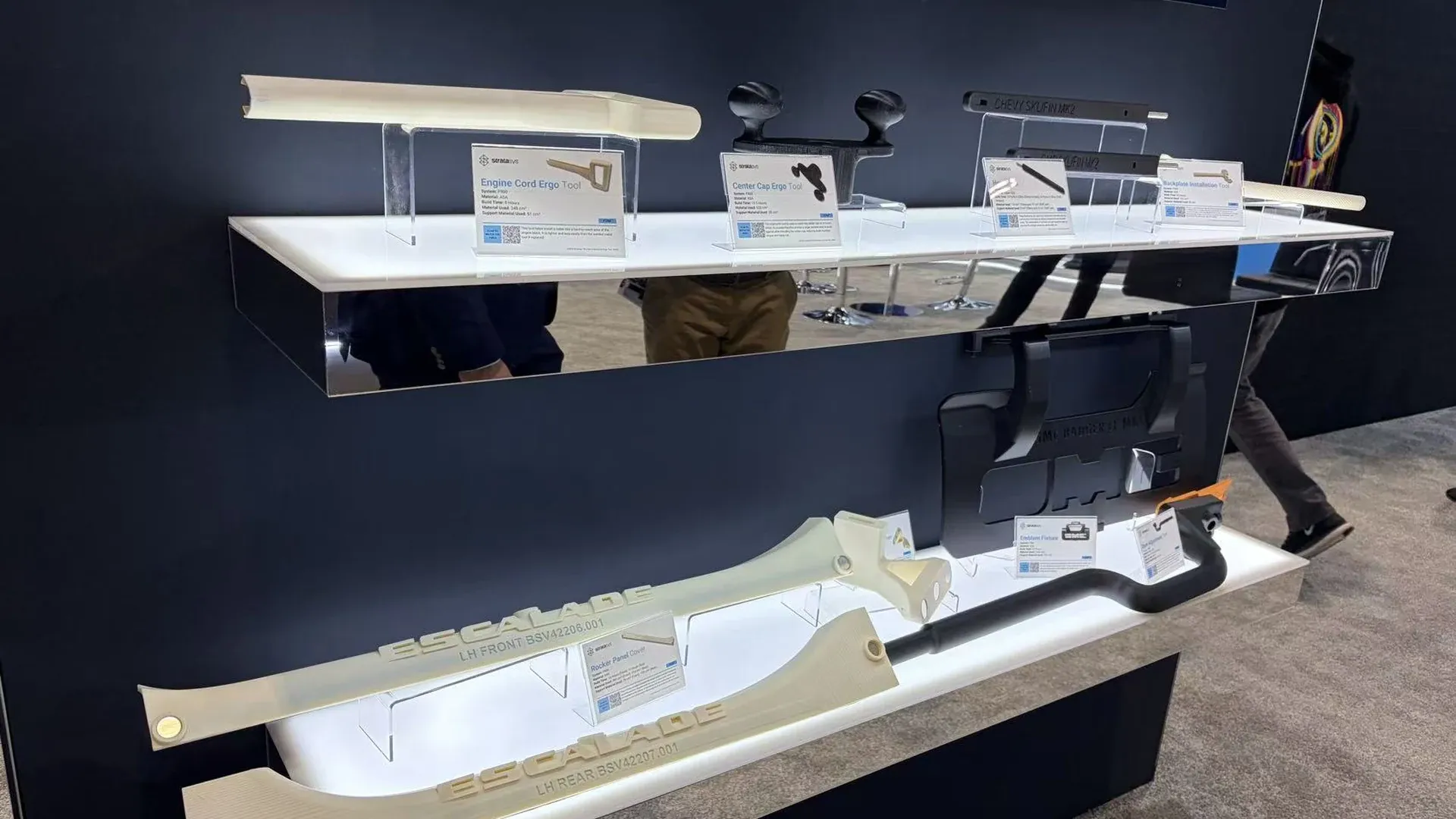
Aerospace and defense industries are increasingly adopting advanced manufacturing technologies to enhance their production capabilities, according to Brett Conner, the chief manufacturing officer of the Society of Manufacturing Engineers. This shift is aimed at enabling faster processing and scaling of parts, which is crucial for meeting the growing demands of these sectors. By leveraging innovative techniques, companies are able to streamline their operations and improve efficiency, ultimately leading to more competitive offerings in the market. The trend reflects a broader movement within manufacturing to embrace technology as a means of driving growth and innovation.

How to Use Industrial Cobots Effectively to Maximize Production Throughput?

How to Use Industrial Cobots Effectively to Maximize Production Throughput?

In a bid to enhance production efficiency, JAKA has introduced the JAKA Pro series, an advanced industrial cobot designed to optimize throughput in demanding manufacturing environments. This innovative robot, capable of operating continuously in harsh conditions, aims to eliminate production bottlenecks by automating time-sensitive tasks that typically slow down human workers. The JAKA Pro12, the flagship model, boasts IP68 protection, making it resistant to dust, oil, and water, ensuring consistent performance even in extreme environments. With a payload capacity of 12kg and a reach of 1327mm, it can handle heavy industrial parts and perform secondary operations simultaneously, such as deburring or pre-sorting, while primary machines are in operation. By aligning the robot's speed with the overall production line tempo, manufacturers can maintain a steady workflow and prevent local bottlenecks. The cobot's ability to function around the clock supports "lights-out" manufacturing, allowing for continuous production without the need for human oversight during breaks or overnight shifts. With features like sub-millimeter precision and rapid deployment capabilities through a user-friendly app, the JAKA Pro series is positioned as a transformative solution for high-volume production lines, promising to double or triple daily output without increasing workforce size. JAKA emphasizes that their robots embody intelligence, becoming integral to the operational heartbeat of modern manufacturing facilities.

The Ultimate Guide to Understanding Polishing Robots

The Ultimate Guide to Understanding Polishing Robots

In the high-precision manufacturing sector, the introduction of robotic polishing technology is transforming the finishing stage, which is critical for ensuring quality and consistency. JAKA, a leader in collaborative robotics, has developed the JAKA S series, particularly the JAKA S12, designed to automate the challenging polishing process. Unlike standard industrial robots, the JAKA S12 operates under "force control," allowing it to adapt pressure in real-time to the surface of various workpieces, from delicate smartphone casings to heavy automotive parts. This innovative approach not only enhances uniformity across production runs, eliminating batch variance, but also improves workplace safety by reducing employee exposure to hazardous dust and noise. By delegating polishing tasks to robots, human workers can transition to supervisory roles, overseeing quality and workflow. The JAKA S12 features a 12kg payload and a 1327 mm reach, making it suitable for large-scale finishing tasks. Its IP65 rating ensures durability in dusty environments, while integrated sensors provide real-time pressure monitoring, ensuring precision in every polish. The system can be seamlessly integrated into existing production lines without the need for extensive redesign, allowing manufacturers to enhance productivity and reduce scrap rates, ultimately leading to a rapid return on investment.