Industry Briefing
A single destination for timely, editor-curated robotics news from around the world.
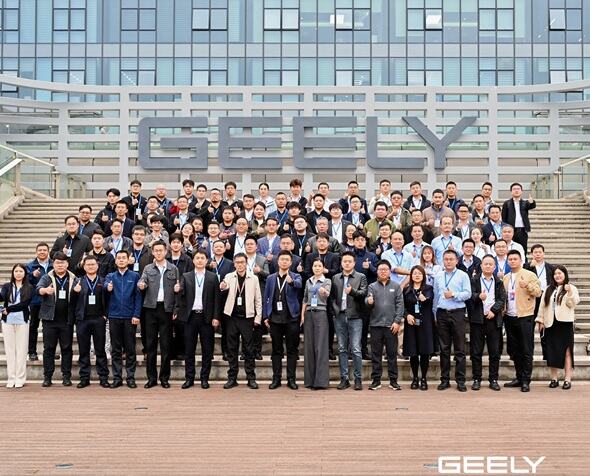
ROKAE Showcases Flexible Cobot Solutions at Geely Auto’s Advanced Manufacturing Technology Expo
ROKAE Robotics showcased its innovative wheeled dual-arm embodied-intelligence robot and a range of flexible collaborative robot solutions at Geely Auto’s inaugural Forward-Looking and Lean Manufacturing Technology Exhibition. The event, aimed at enhancing automotive production, provided attendees with valuable insights into advanced technologies, applications, and industrial upgrades. This debut marks a significant step for ROKAE Robotics in the automotive sector, highlighting the growing importance of automation in manufacturing processes. The exhibition served as a platform for industry leaders to explore cutting-edge solutions that could transform production efficiency and effectiveness.

Taiwan Excellence Pavilion Brings Edge AI, Robotics and Smart Manufacturing Technology to Automate 2026
Twenty-three Taiwanese companies recently presented their innovative industrial technologies aimed at enhancing real-time automation and connectivity within U.S. manufacturing. This showcase took place as part of a broader initiative to strengthen collaboration between Taiwan and the United States in the manufacturing sector. The event highlighted advancements in automation tools and connected systems designed to improve efficiency and productivity in manufacturing processes. By demonstrating these technologies, the Taiwanese firms aim to address the growing demand for smarter manufacturing solutions in the U.S. market, driven by the need for increased competitiveness and operational efficiency. The presentation underscored the importance of international partnerships in fostering technological advancements and meeting the evolving needs of the manufacturing industry.
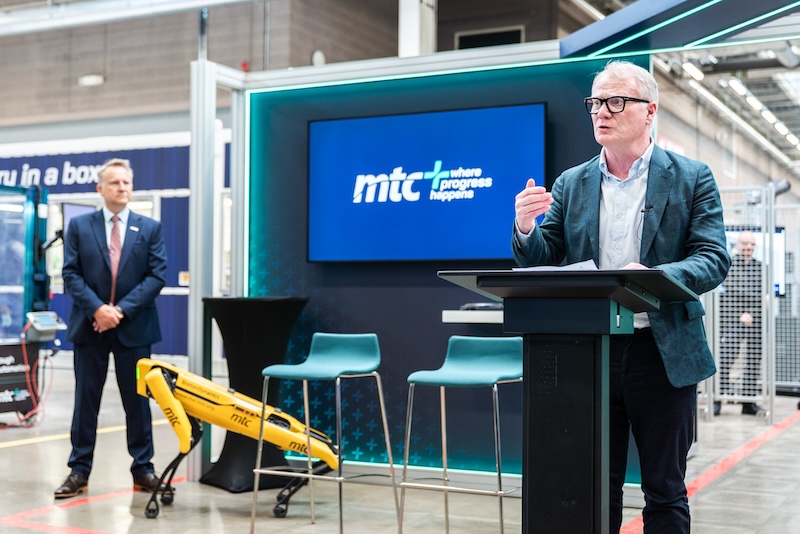
MTC launches new Robot Experience Centre to accelerate UK automation adoption
The Manufacturing Technology Centre (MTC) in the UK has inaugurated a new Robot Experience Centre (REC) at its Ansty Park facility in Coventry. This innovative, vendor-neutral center aims to support UK manufacturers in accelerating the integration of robotics and automation technologies into their operations. By providing a space for manufacturers to explore, test, and validate various robotics solutions, the REC facilitates informed investment decisions. The initiative responds to the growing need for advanced manufacturing solutions, enabling businesses to enhance efficiency and competitiveness in an increasingly automated industry landscape.
News Technology automation news automation training cobots collaborative robots
Powering the next era of AI in manufacturing: Why it’s time to upgrade to the NVIDIA RTX PRO 4500 Blackwell Workstation Edition
NVIDIA has unveiled its latest advancements in manufacturing technology, showcasing how artificial intelligence and digital twins can significantly accelerate innovation in the industry. This announcement was made during a recent event held in October 2023, where industry leaders gathered to explore cutting-edge solutions. The integration of AI and digital twin technology aims to enhance efficiency and streamline processes within manufacturing operations. By leveraging NVIDIA's Blackwell architecture, companies can expect improved data processing capabilities that facilitate real-time decision-making and predictive analytics. This transformation is poised to not only boost productivity but also drive competitive advantage in an increasingly fast-paced market.
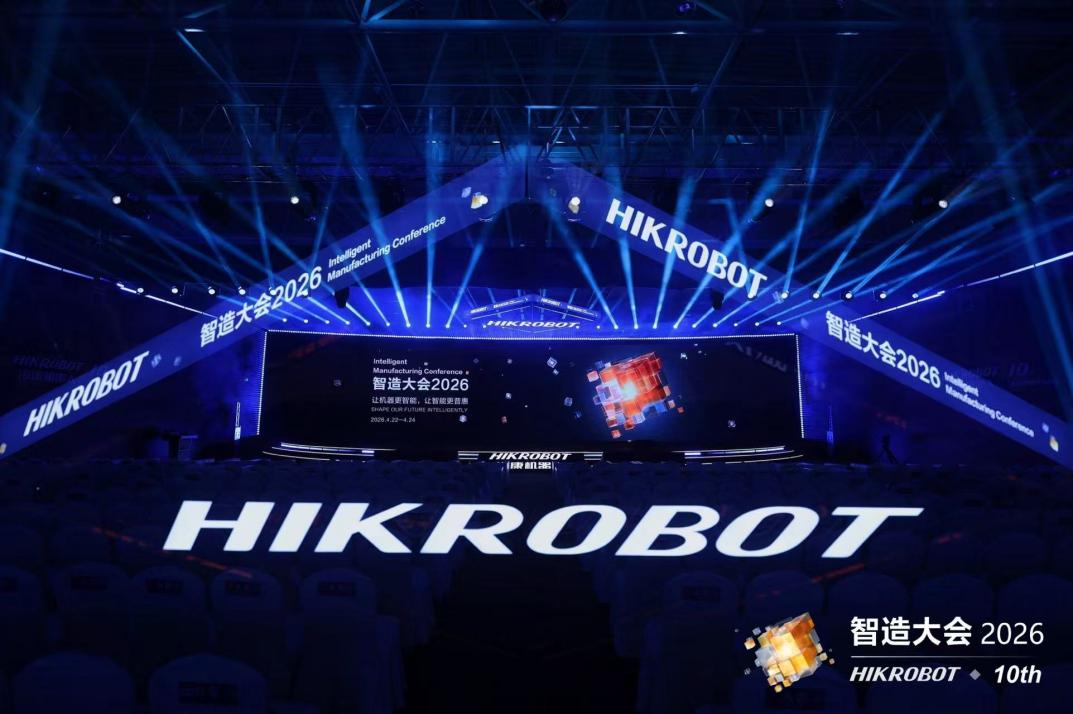
Embodied Intelligence in Manufacturing: Hikvision Robotics' Strategic Approach
Hikvision Robotics unveiled its innovative concept of 'Embodied Intelligence' during a recent event attended by over 800 global partners. This initiative focuses on the integration of artificial intelligence in smart manufacturing, with the goal of providing scalable solutions that significantly improve flexibility and efficiency in industrial applications. The introduction of this approach marks a pivotal moment in the evolution of manufacturing technology, as companies seek to adapt to rapidly changing market demands and enhance their operational capabilities.
Smart Manufacturing AI Integration Industrial Robotics Machine Vision
Robot Talk Episode 145 – Robotics and automation in manufacturing, with Agata Suwala
Claire recently engaged in a discussion with Agata Suwala, a Technology Manager at the Manufacturing Technology Centre, focusing on the integration of robotics to enhance sustainability in manufacturing systems. Suwala, who has over ten years of experience in research and development, is at the forefront of innovation in automation and robotics. The conversation highlighted the importance of adopting advanced manufacturing technologies to reduce environmental impact and improve efficiency. By leveraging robotics, manufacturers can streamline processes, minimize waste, and create more sustainable production methods. This dialogue underscores the growing trend in the industry to prioritize sustainability through technological advancements, reflecting a broader commitment to environmental responsibility in manufacturing practices.
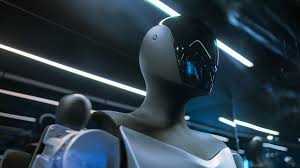
Estun Robotics: “Invisible Craftsmen” for Cell Phone Glass Cover Manufacturing
As smartphone users engage with dramas, short videos, and AI virtual idols, many may not realize the intricate manufacturing processes that contribute to the devices they rely on. A recent report highlights the precision engineering involved in creating a curved glass screen, which measures less than one millimeter in thickness. This delicate component undergoes more than 20 meticulous production steps to ensure its quality and functionality. The advancements in manufacturing technology not only enhance user experience but also reflect the growing demand for high-performance mobile devices in today's digital landscape. As the industry continues to evolve, the importance of such precision manufacturing processes becomes increasingly evident, underscoring the complexity behind seemingly simple smartphone features.
ESTUN AUTOMATION ROBOTICS SERVO SYSTEMS
Productive Robotics Equips Manufacturers With Zero Programming End-To-End Automation At IMTS
Productive Robotics, based in Santa Barbara, California, is set to showcase its innovative end-to-end automation solutions at the International Manufacturing Technology Show (IMTS) 2026, taking place on July 1. The company will exhibit at two booths, highlighting its 7-axis OB7 collaborative robots, which require no programming and offer a plug-and-play setup. This technology aims to address acute labor shortages, rising costs, and global competition faced by manufacturers. In Booth #339186, the focus will be on automating metal removal processes, while Booth #237138 will emphasize abrasive machining, sawing, and gear production. Zac Bogart, president of Productive Robotics, emphasized the importance of CNC machining for U.S. manufacturers, particularly in defense, aerospace, and automotive sectors, as well as for reshoring efforts to stabilize supply chains. The demonstrations will include automated vision inspection systems, MIG welding, and laser welding applications, showcasing the versatility of the company's robots. With their unique 7-axis design, these collaborative robots offer enhanced dexterity, allowing them to perform a wide range of tasks without the need for workspace redesign. The user-friendly interface enables operators with no robotics experience to quickly teach the robots tasks, significantly boosting productivity and safety in various manufacturing environments. For more information, visit Productive Robotics' website.
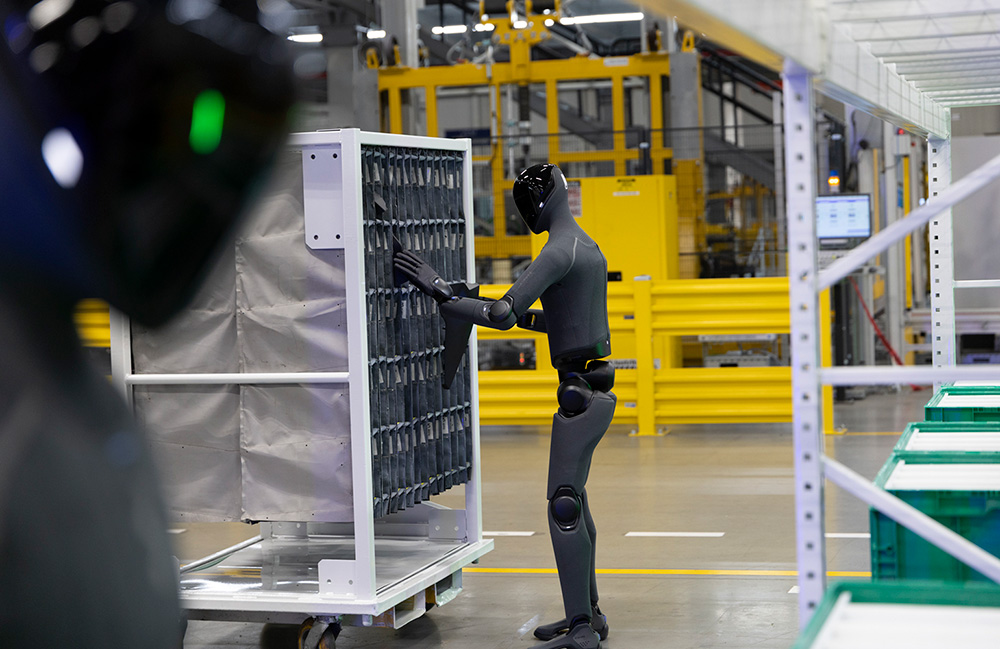
BMW Group deploys Figure 03 humanoid after tests with previous version
In a significant advancement for automotive manufacturing, BMW Group has successfully utilized the Figure 02 robot to aid in the production of over 30,000 X3 vehicles over an 11-month period at its South Carolina facility. This deployment highlights the company's commitment to integrating advanced robotics into its production processes, enhancing efficiency and output. Following extensive testing of the Figure 02, BMW is now set to introduce the next iteration, the Figure 03 humanoid robot, further indicating the company's focus on innovation in manufacturing technology. The initiative not only aims to streamline operations but also reflects a broader trend in the automotive industry towards automation and robotics to meet increasing demand.
Artificial Intelligence Artificial Intelligence / Cognition Assembly Automotive Design / Development Humanoids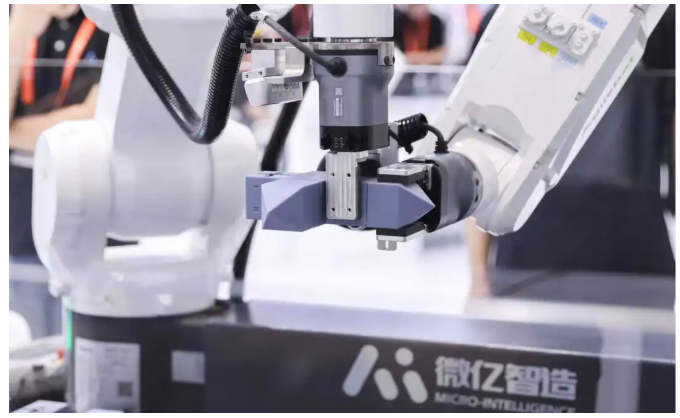
The Leading Player in Industrial Embodied Intelligent Robots: How to Tap into a New $1.3 Trillion Blue Ocean?
Weiyi Intelligent Manufacturing, based in Changzhou, Jiangsu, has made significant strides in the field of digital transformation within the manufacturing sector by developing embodied intelligent robots (EIIR). These advanced robots are designed to autonomously adapt and perform tasks, effectively integrating artificial intelligence with robotics. This innovation aims to enhance production efficiency and flexibility across various industries, marking a notable advancement in manufacturing technology. As the demand for smarter manufacturing solutions grows, Weiyi's EIIR technology positions the company at the forefront of this evolving landscape, showcasing the potential for AI-driven automation to revolutionize traditional production processes.
Industrial Robots AI Integration Manufacturing Automation Smart Manufacturing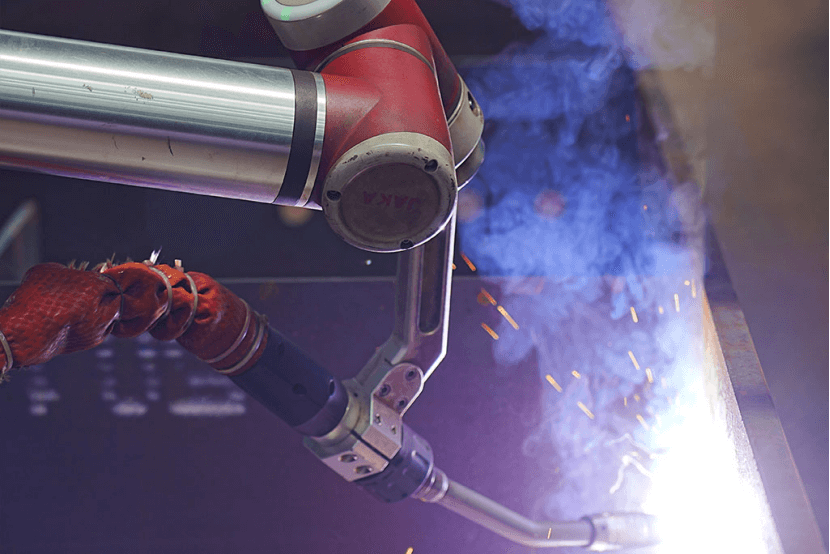
The Ultimate Guide to Understanding 6 Axis Robot Arms (Definition, Types, Uses)
JAKA, a leader in industrial automation, is advancing manufacturing technology with its innovative 6-axis robot arms, designed to mimic the dexterity of human arms. These jointed arm robots feature six independent axes of motion, allowing for intricate maneuvers essential for complex tasks. The robots are engineered to optimize movement synergy, resulting in smooth and repeatable actions that enhance efficiency on the production floor. Available in various configurations, JAKA's 6-axis robots cater to different operational needs, including payload capacity and reach. Lighter models are ideal for precise assembly and sensitive handling, while heavier versions are suited for tasks like palletizing. This versatility makes them applicable across multiple industries, from welding and electronics assembly to material removal processes such as polishing and grinding. The deployment of these robotic arms offers significant benefits, including improved product quality, reduced waste, and enhanced process consistency. JAKA emphasizes the importance of integrating these advanced tools into production lines, addressing complex automation challenges and positioning businesses for success in an evolving industrial landscape.

5North and KUKA build state-of-the-art, fully automated production facility for 2D panels in Adelaide
5North, an Australian company renowned for its innovative construction solutions, has partnered with KUKA, a global leader in intelligent automation, to develop a cutting-edge, fully automated production facility for 2D panels. This collaboration marks a significant advancement in manufacturing technology and is set to take place at a new site in Adelaide. The initiative aims to enhance production efficiency and streamline operations in the construction industry, reflecting both companies' commitment to integrating automation into modern manufacturing processes. The facility is expected to leverage KUKA's expertise in automation and 5North's construction innovation to redefine standards in panel production.
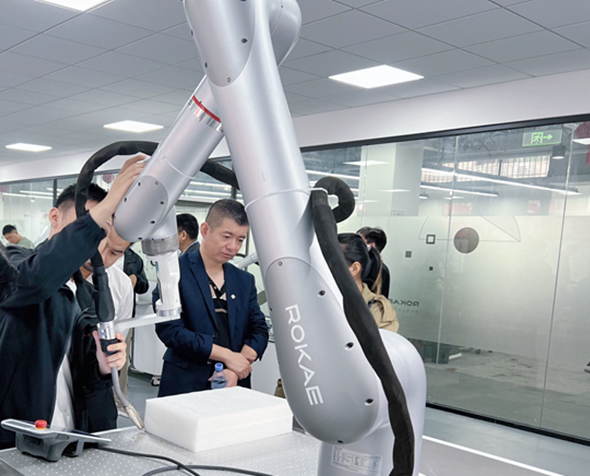
Guangdong Welding Industry Association Visits ROKAE Robotics to Explore the Future of Intelligent Welding
A delegation from the Guangdong Welding Industry Association, featuring representatives from more than 50 prominent member enterprises, recently visited the Shenzhen branch of ROKAE Robotics. This visit, which took place to facilitate an in-depth exchange and exploration, focused on promoting the integration of welding robotics within the broader manufacturing sector. The initiative aims to identify viable pathways for technological innovation and to invigorate the intelligent transformation of Guangdong’s welding industry. By fostering collaboration and sharing insights, the delegation seeks to enhance the region's competitiveness in the evolving landscape of manufacturing technology.
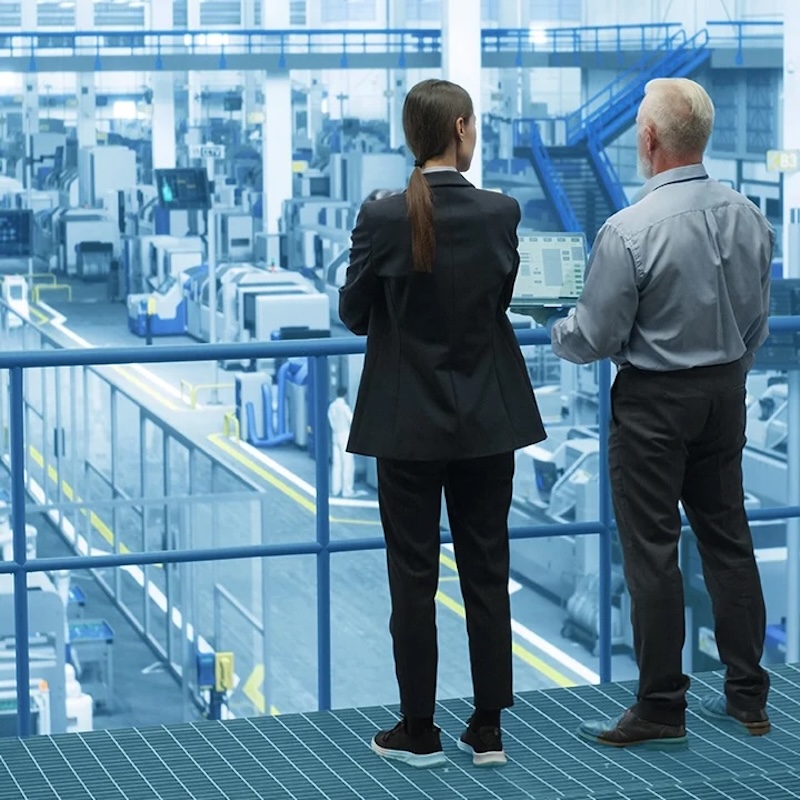
Panasonic Connect's Scott Zerkle Discusses AI's Role in Smart Manufacturing Transformation
Panasonic Connect is at the forefront of transforming manufacturing systems as electronics become smaller and more complex. The company offers smart manufacturing solutions that integrate surface-mount technology (SMT), robotics, AI analytics, and connected factory platforms. Through its Gemba Process Innovation strategy, Panasonic Connect aims to enhance productivity and operational resilience in factories. The increasing complexity of electronics, particularly in vehicles and industrial systems, is reshaping production line design and operations. Scott Zerkle, associate director of technical operations at Panasonic Connect North America, emphasizes that AI's primary value lies in supporting factory workers through predictive maintenance and defect detection, rather than replacing them. He highlights the need for manufacturers to connect data across various production elements to foster continuous improvement. Looking ahead, Zerkle predicts that the next significant advancement in smart manufacturing will involve integrating AI tools with data from machines and materials. This integration will enable factories to learn from their production history, ultimately enhancing efficiency and adaptability in high-mix production environments. No further timeline was disclosed at the time of publication.
Communications Computing Digital Automation Features Manufacturing ai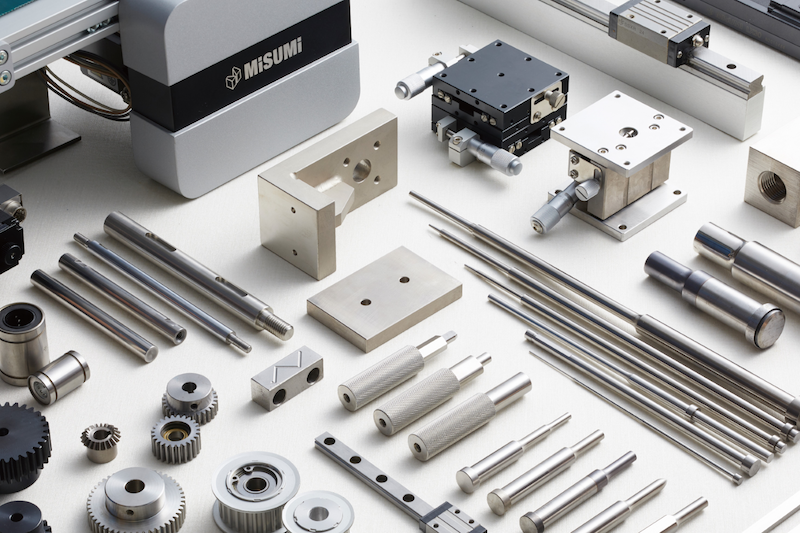
Misumi launches Misumi Americas as part of $1 billion global manufacturing investment
Japanese industrial components supplier Misumi Group has officially launched Misumi Americas, marking a significant step in its expansion strategy. The company has unveiled a $1 billion (¥150 billion) global investment program designed to enhance its digital manufacturing and supply chain capabilities. This initiative integrates Misumi’s existing industrial components business with an AI-powered manufacturing platform acquired from Fictiv, thereby broadening the company's operational scope. The investment aims to strengthen Misumi's position in the competitive manufacturing landscape by leveraging advanced technology to streamline processes and improve efficiency.
Components News additive manufacturing aerospace manufacturing ai manufacturing automation news
Japan promotes Osaka as a gateway for robotics and technology investment
Japan is intensifying its campaign to draw foreign technology firms and investors to Osaka, aiming to establish the city as a viable entry point to the Japanese market and a center for innovation in key industries, including robotics, artificial intelligence, semiconductors, and advanced manufacturing. This initiative, spearheaded by the Japan External Trade Organization (JETRO), seeks to leverage Osaka's strategic location and existing infrastructure to foster a vibrant tech ecosystem. By promoting the city as an attractive destination for international businesses, Japan hopes to enhance its competitive edge in the global technology landscape. The push comes as part of broader economic strategies to stimulate growth and diversify the country's industrial base, particularly in response to increasing global competition in technology sectors.
Business Economy Features advanced manufacturing ai startups artificial intelligence
RFID and Barcode Technology for Smarter Operations
Recent advancements in RFID and barcode technology are transforming business operations by enabling real-time asset and inventory tracking. These technologies enhance accuracy and speed in daily workflows, with barcodes facilitating quick scanning and RFID providing automated visibility on a larger scale. As a result, companies across various sectors—including manufacturing, healthcare, retail, and logistics—are experiencing reduced downtime and improved decision-making capabilities. This shift towards smarter operations is particularly evident in busy warehouses, where the integration of these technologies streamlines processes and enhances overall efficiency. The growing reliance on RFID and barcode systems underscores their critical role in optimizing business performance and adapting to the demands of modern supply chains.
Communications Internet Technology asset management asset tracking automation news
As Drone Demand Grows, Protolabs Scales On-Demand Manufacturing
Protolabs, a digital manufacturing company listed on the NYSE, is enhancing its rapid manufacturing capabilities to support drone manufacturers in accelerating their transition from prototype to production. This initiative comes in response to the increasing demand for commercial and defense drones, which has put pressure on manufacturers to shorten development cycles while ensuring high quality. By expanding its CNC machining and 3D printing services, Protolabs aims to meet the evolving needs of the drone industry, facilitating faster production processes and helping companies keep pace with market growth.
Applications Drone Manufacturing Drone News Drone News Feeds News 3D Printing
Inside modern supplement manufacturing: How automated filling lines are raising the quality bar
Recent advancements in automation are transforming the supplement manufacturing industry, particularly through the implementation of cutting-edge filling lines that enhance both quality and efficiency. These innovative systems not only incorporate advanced technologies but also necessitate the establishment of new protocols and expectations for quality assurance. As manufacturers adopt these automated solutions, they are experiencing significant breakthroughs and adopting best practices that elevate production standards. The article delves into how these automated filling lines are setting a new benchmark in the industry, emphasizing the critical controls that are essential for maintaining high-quality output.
Health Manufacturing automated filling lines automated inspection automation news checkweighers
Interview with MTC’s Mike Wilson: ‘Automation is not optional if the UK wants to rebuild manufacturing’
During the 1980s, the UK underwent a significant economic transformation, often associated with the policies of then-Prime Minister Margaret Thatcher. This period marked a decisive shift from a manufacturing-based economy to one increasingly dominated by services, finance, retail, and consumer spending. As the country embraced these changes, the manufacturing sector diminished in importance, reflecting broader trends seen in other Western economies, particularly the United States. This evolution was driven by a combination of government policies aimed at deregulation and privatization, which sought to stimulate economic growth and enhance competitiveness in a rapidly changing global market. The lasting impact of this transition continues to shape the UK’s economic landscape today.
Economy Features Manufacturing Technology automation news British manufacturing
How HGHY Pulp Molding Production Lines Are Reshaping Sustainable Manufacturing
As global manufacturers increasingly prioritize sustainable production, HGHY's pulp molding equipment and automation systems are emerging as essential elements in eco-friendly manufacturing. This shift is driven by stricter environmental regulations, escalating labor costs, and a growing demand for recyclable products. In response, more manufacturers are adopting fully automated molded fiber production lines, positioning HGHY at the forefront of this transformation. The company's innovative solutions are helping businesses meet both regulatory requirements and consumer expectations for sustainability, thereby enhancing operational efficiency and reducing environmental impact.
Environment Manufacturing Technology automated production lines automation news circular economy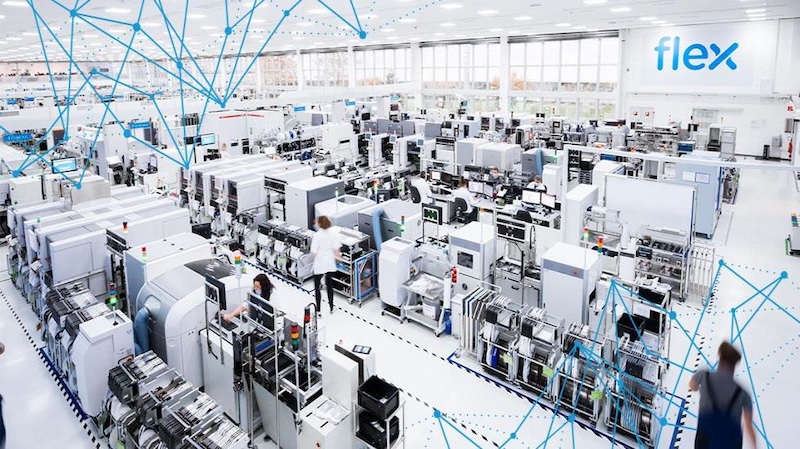
Scaling automation in contract manufacturing: Interview with Rodrigo DallOglio of Flex
Manufacturers are increasingly turning to automation to enhance productivity, quality, and resilience amid rising product complexity. This shift is evident as technologies like collaborative robots, autonomous mobile robots (AMRs), and advanced physical AI are transitioning from experimental stages to widespread implementation in large-scale production settings. The move towards automation is driven by the need to streamline operations and meet the demands of modern manufacturing. As companies adapt to these technological advancements, they are finding new ways to optimize their processes and improve overall efficiency in the factory environment.
Features Manufacturing amrs automation news autonomous mobile robots cobots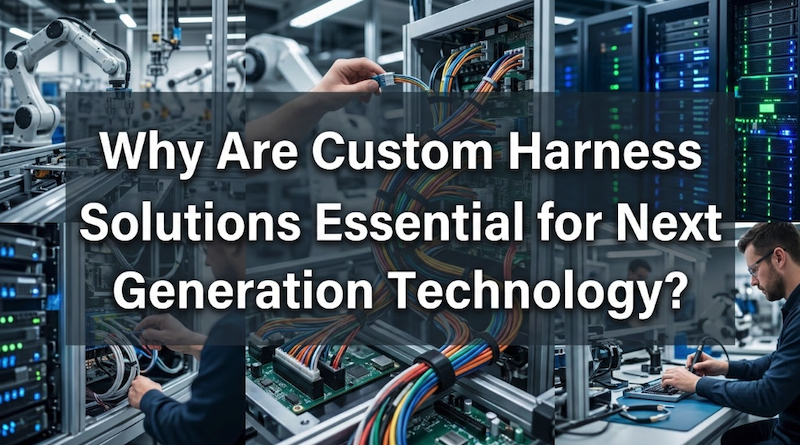
Why Are Custom Harness Solutions Essential for Next Generation Technology?
In the realm of hardware development, a recurring issue has emerged where wiring is often considered an afterthought. Engineers invest significant time and resources into creating advanced electric powertrains and high-density sensor arrays, ensuring that the mechanical and software components are meticulously designed. However, a common oversight occurs when the physical connections fail to fit within the designated space, leading to potential setbacks in the project timeline. This problem is particularly pronounced when relying on off-the-shelf components that may not be compatible with innovative designs. As the industry continues to evolve, addressing these wiring challenges is crucial for the successful integration of new technologies.
Engineering Technology aerospace Cable assembly Cable management Custom harness solutions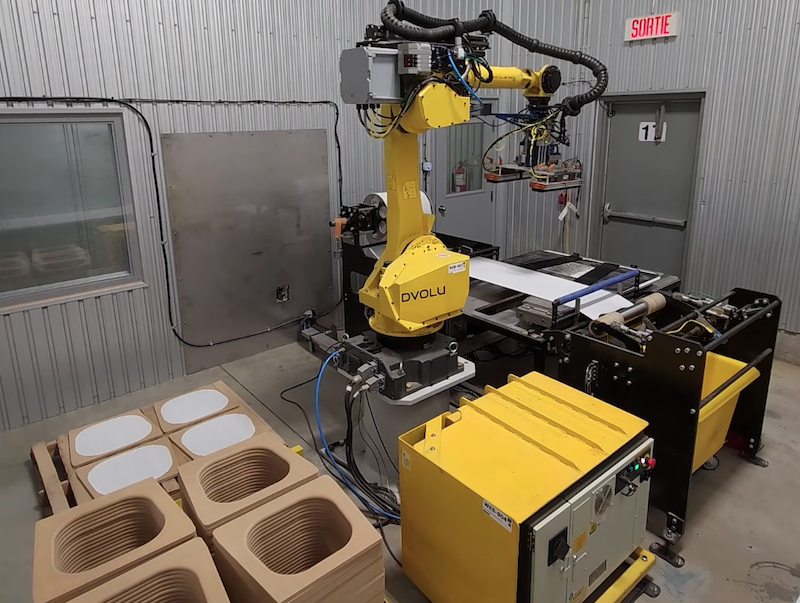
Fanuc-powered robotic cell automates one of furniture manufacturing’s toughest jobs
A Canadian furniture manufacturer has successfully implemented automation in its upholstery process by utilizing a robotic work cell centered around a Fanuc M-710iC industrial robot. This innovative system, developed by Fanuc Authorized System Integrator Dvolu, streamlines tasks that have traditionally demanded skilled labor, such as fabric stretching, stapling, trimming, and palletizing chair seats. The automation aims to enhance efficiency and reduce reliance on manual labor, addressing challenges in workforce availability and productivity. By integrating advanced robotics into their operations, the manufacturer is poised to improve production speed and consistency, marking a significant shift in the furniture industry’s approach to upholstery.
Industrial robots News advanced manufacturing ai vision systems automated trimming automation news
SpaceX's Starmind Project: Supplier Strategy and Chip Manufacturing Plans for 2026
SpaceX's Starmind project, aimed at deploying up to 1 million AI satellites, was filed with the FCC on January 30, 2026. The initiative is designed to minimize reliance on external suppliers, with CEO Elon Musk stating that current chip production capabilities only meet 2% of the projected needs. The first satellite, AI1, is set for prototype launches in early 2027, featuring a 70-meter wingspan and a modular payload system that allows for interchangeable chips from various suppliers. The significance of Starmind lies in its ambitious supply chain strategy, which seeks to transition from external hardware suppliers to a fully integrated Musk-owned facility by 2028. The Gigasat manufacturing site in Bastrop, Texas, is expected to be operational by the end of 2027, with plans for high-volume production of the D3 chip, specifically designed for space applications. This approach aims to consolidate chip manufacturing processes under the Terafab joint venture, which has an estimated initial investment of $55 billion. Looking ahead, the next milestone for Starmind is the launch of AI1 prototypes in early 2027, while the full-scale chip production at Terafab is projected to ramp up significantly thereafter. However, analysts express skepticism regarding the feasibility of achieving Musk's ambitious compute goals, which may require substantial investment and time to establish the necessary manufacturing capabilities.

JTEKT to showcase automation and digital integration solutions for manufacturing at "ROBOT TECHNOLOGY JAPAN 2026."
JTEKT Corporation will participate in the upcoming "ROBOT TECHNOLOGY JAPAN 2026," scheduled to take place from June 11 to June 13, 2026, at the Aichi Sky Expo. The event is organized by News Digest Co., Ltd. This exhibition aims to showcase advancements in robotics technology and foster collaboration within the industry. JTEKT's involvement highlights its commitment to innovation and leadership in the robotics sector.

Starmind's Satellite Technology Achieves 880 Billion Liters in Annual Water Savings
Starmind has announced that its satellite technology can save approximately 880 billion liters of cooling water annually at full scale. This figure is equivalent to the annual household water use of around 6.5 million Americans. The technology operates by utilizing a closed-loop liquid cooling system that eliminates the need for water during its operational life, contrasting sharply with traditional ground data centers that consume vast amounts of water for cooling. The significance of this achievement lies in the growing water consumption crisis faced by data centers, particularly as AI expansion drives demand. In 2025, U.S. data centers consumed nearly one trillion liters of water, highlighting the urgent need for sustainable solutions. Starmind's approach not only addresses direct water usage but also avoids indirect water consumption associated with electricity generation, marking a substantial shift in how computing can be conducted in a resource-efficient manner. Looking ahead, Starmind's deployment strategy includes a projected buildout of 100 GW of orbital compute per year, which could displace an additional 735 billion liters of ground water demand annually. The first tranche of 10,000 satellites is already operational, offsetting approximately 8.8 billion liters of water per year. No further timeline was disclosed at the time of publication.

Why Reliable Backup Power is Becoming Essential for Modern Robotics Systems
Modern robotics systems are revolutionizing various industries by enhancing efficiency, accuracy, and productivity. Organizations across sectors, including manufacturing and logistics, are increasingly relying on automated systems to ensure seamless operations around the clock. As businesses seek reliable backup power solutions for their robotics infrastructure, Nite & Day Power emerges as a key resource, offering specialized information on uninterruptible power systems. This shift towards automation and the need for dependable power sources highlight the growing importance of technology in maintaining operational continuity in today's fast-paced industrial environment.
Energy Robotics Technology automation news backup power industrial automation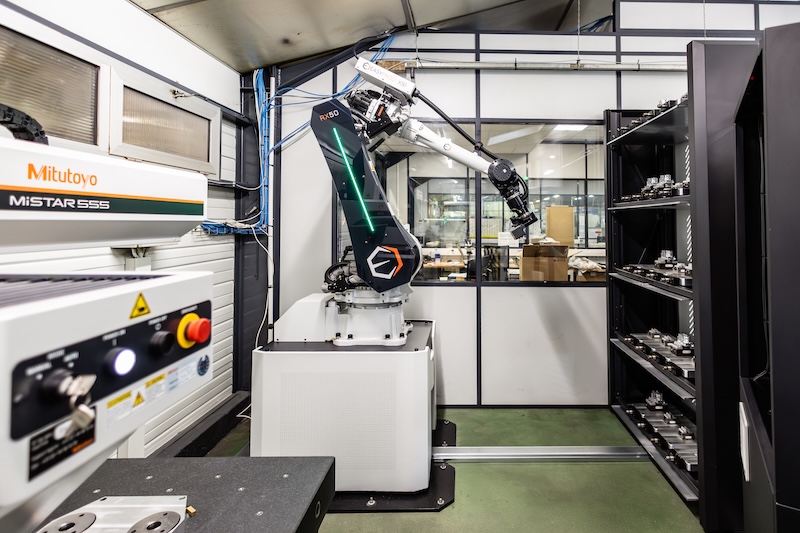
Méca-Précis utilizes robotic measurement cell to eliminate inspection bottlenecks
French precision engineering firm Méca-Précis has implemented an automated part inspection system to enhance efficiency in its operations. The new robotic measurement cell integrates a coordinate measuring machine (CMM) from Mitutoyo with automation technology developed by Engineering Data. This advancement comes in response to growing production volumes, which had turned traditional inspection processes into a bottleneck, particularly for clients in the aerospace and space sectors that demand high precision and reliability. The automation aims to streamline the inspection workflow, ensuring that quality control keeps pace with increased manufacturing demands.
Engineering Robotics advanced manufacturing aerospace components aerospace manufacturing automated inspection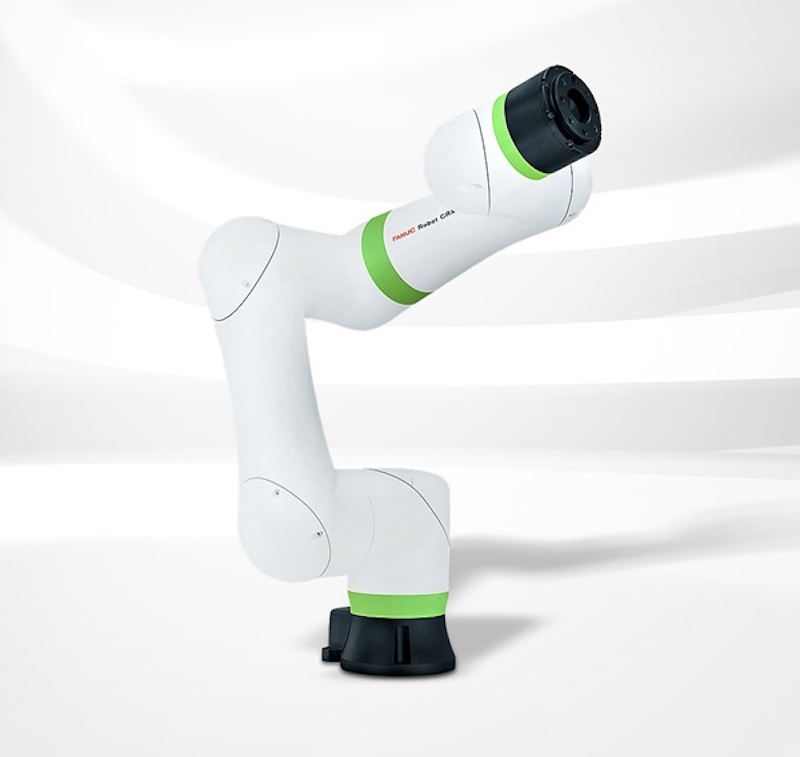
Fanuc launches 11 kg ‘lightest’ collaborative welding robot
Fanuc has introduced its CRX-3iA collaborative robot in Europe, marking the launch of the lightest and smallest model in its CRX lineup. Weighing only 11 kg, this new robot is designed to be compact, portable, and user-friendly, making it particularly suitable for welding applications. The launch responds to an increasing demand in industries such as shipbuilding and steel manufacturing, where precision and efficiency are critical. The CRX-3iA aims to enhance productivity and streamline operations in these sectors, showcasing Fanuc's commitment to innovation in automation technology.
Industrial robots News agv integration automation news cobot collaborative automation
Human-Robot Collaboration: How Modern Workplaces Can Be Designed for Safety, Productivity, and Employee Wellbeing
The industrial robotics market, valued at $85 billion, is transforming production floors by eliminating physical barriers between humans and machines. This shift allows for a collaborative environment where workers and robotics operate side by side. As millions of industrial robots are deployed globally, effective management of this transition is crucial. It necessitates a comprehensive understanding of spatial geometry, workforce psychology, and adherence to functional safety standards to ensure a seamless integration of technology into the workplace. This evolution in manufacturing aims to enhance efficiency and productivity while prioritizing safety and worker well-being.
Engineering Robotics automation news automation strategy cobots collaborative automation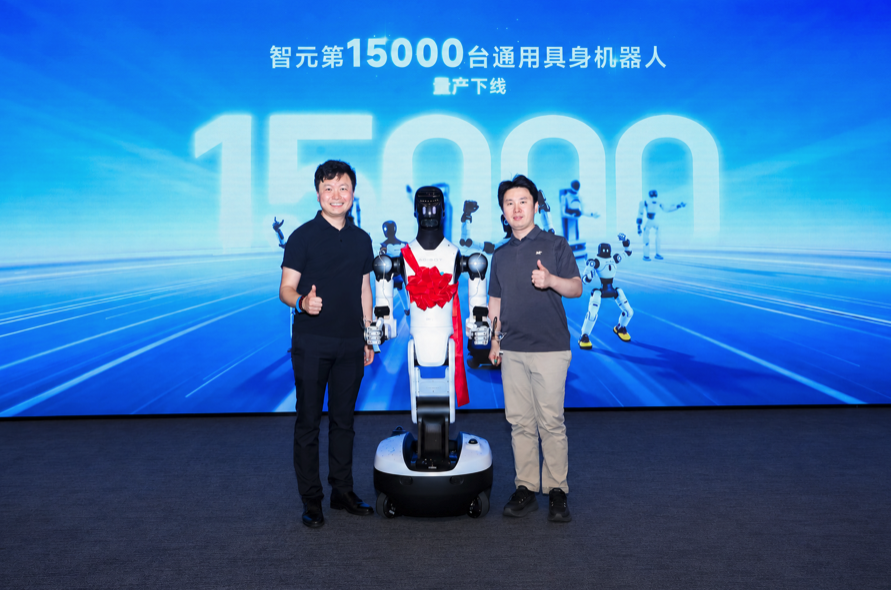
Agibot reaches new milestone as its 15,000th humanoid robot rolls off production line
Agibot, a prominent player in the field of embodied AI and robotics, has celebrated a significant achievement with the production of its 15,000th robot, the Agibot G2. This latest model, designed specifically for industrial applications and real-world operational tasks, underscores the company's commitment to advancing robotics technology. The milestone follows the successful rollouts of the 5,000th and 10,000th robots, highlighting Agibot's rapid growth and innovation in the sector. The announcement was made recently, showcasing the company's ongoing efforts to enhance productivity and efficiency in various industries through advanced robotic solutions.
Humanoids News agibot Agibot G2 ai robotics automation
The Hidden Lifecycle Challenge Behind Industrial Automation Growth
The rapid advancement of automation is reshaping infrastructure demands across factories and shipping centers. As industries strive to enhance production efficiency, reduce errors, and minimize waste, the integration of smarter technologies has become essential. This shift is characterized by the increasing reliance on robots, artificial intelligence, and self-operating machines, which require sophisticated systems to function effectively. The ongoing evolution in manufacturing and logistics is not only transforming operational processes but also necessitating significant upgrades in infrastructure to support these advanced technologies. As companies adapt to these changes, the focus remains on optimizing the movement of goods and ensuring seamless operations in an increasingly automated environment.
Automation Industry automation infrastructure automation news circular economy data security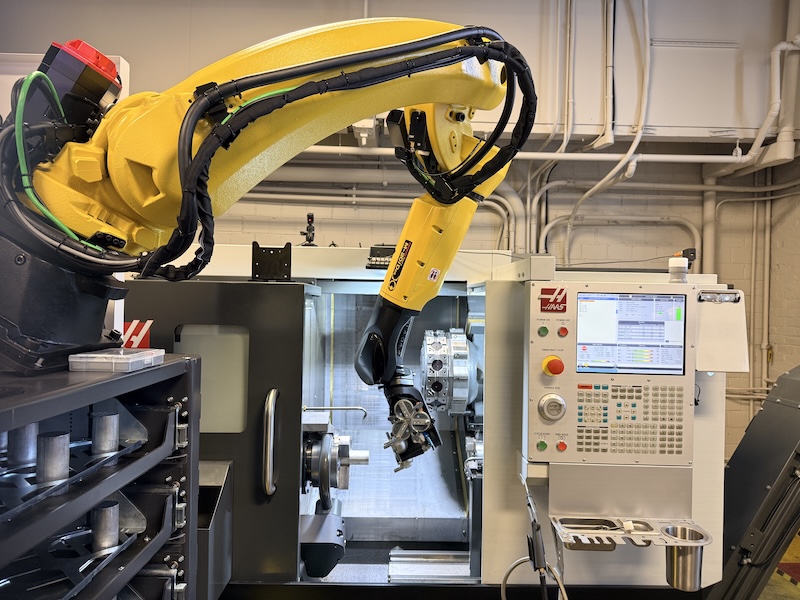
AWR standardizes CNC machine tending with OnRobot electric grippers to speed changeovers
In the evolving landscape of high-mix, low-volume manufacturing, companies are increasingly recognizing the need for flexibility in production to maintain profitability. Automation Within Reach (AWR), previously known as Gosiger Automation, is addressing this challenge by introducing advanced automation solutions that enhance the adaptability of machine shops. Traditionally reliant on pneumatic systems, many manufacturers have struggled with the limitations of these older technologies, which lack the intelligence necessary for modern operations. AWR's innovative approach aims to equip manufacturers with the tools needed to seamlessly transition between various part sizes, thereby improving efficiency and competitiveness in a rapidly changing market. This shift towards smarter automation is crucial for manufacturers seeking to thrive in an environment where agility is key to success.
Components Engineering Features Industrial robots 3FG25 gripper automated machining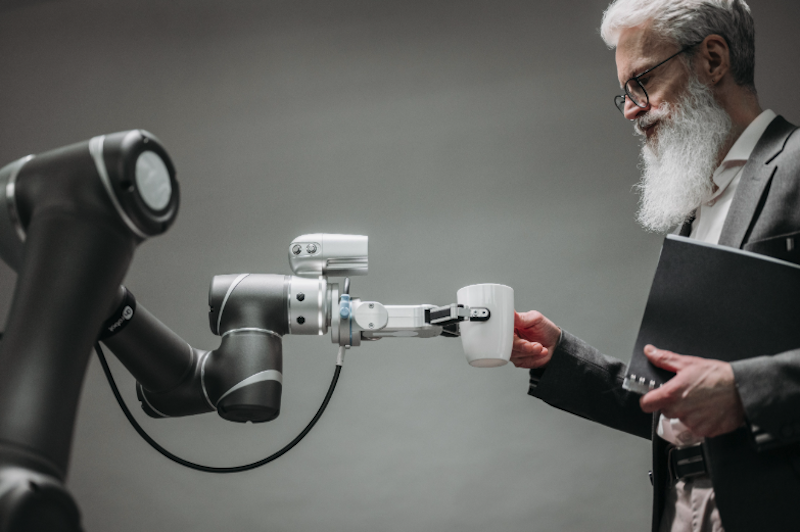
Why Factory Automation Now Depends on Software-Savvy Workers
As automation increasingly integrates into production environments, the demand for workers skilled in managing technology is rising. Traditionally, factory automation was characterized by robotic arms performing repetitive tasks behind safety barriers. However, the evolving landscape now requires employees to navigate complex dashboards, respond to alerts, and make data-driven decisions. This shift reflects a broader trend in which the role of human workers is transforming from manual labor to technological oversight, necessitating a new set of skills to effectively collaborate with advanced machinery. The growing reliance on automation is reshaping the workforce, prompting a need for training and adaptation to ensure that employees can thrive in a more automated future.
Automation Factories Robotics automation news automation workforce cobots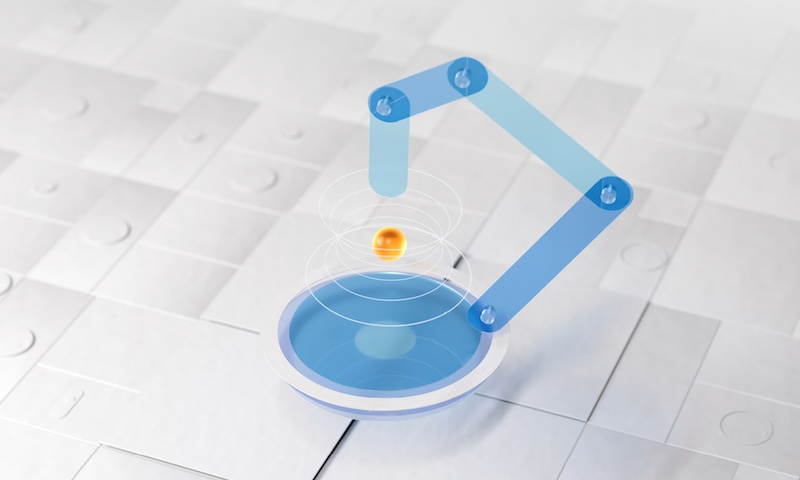
Interview with GFT Technologies’ Brandon Speweik: Moving AI from detection to action on the factory floor
Manufacturers are increasingly shifting their focus from the theoretical applications of artificial intelligence to practical solutions that address real-world challenges. While discussions around AI have primarily centered on software tools such as dashboards, analytics, and predictive models, industry leaders are now seeking ways for AI to not only identify problems but also actively contribute to solving them. This evolution in perspective reflects a growing recognition of AI's potential to enhance operational efficiency and drive innovation within the manufacturing sector. As companies explore these advancements, the emphasis is on integrating AI technologies that can deliver tangible results and improve decision-making processes on the shop floor.
Components Features Manufacturing ai robotics artificial intelligence automation news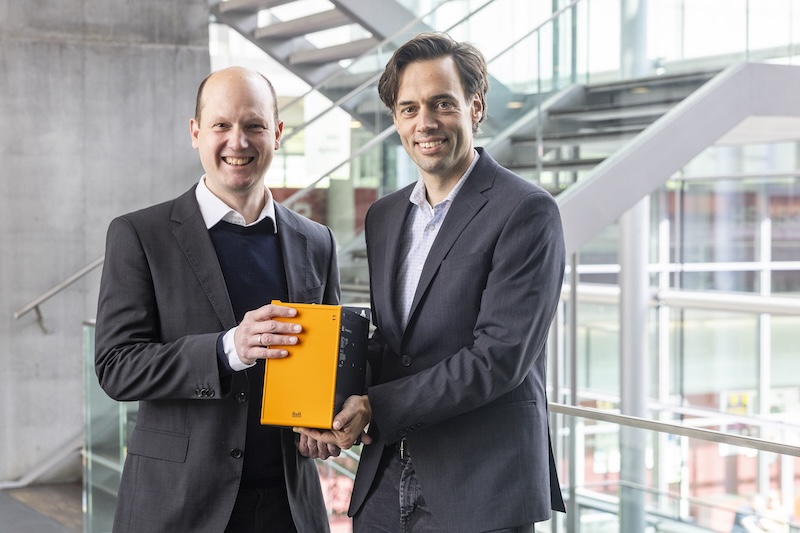
ABB and Salzburg researchers patent AI system to cut energy use in industrial robots
Salzburg University of Applied Sciences has partnered with ABB’s Machine Automation Division, B&R, to enhance energy efficiency in industrial automation through the application of artificial intelligence. This collaboration is centered at the Josef Ressel Center for Intelligent and Secure Industrial Automation (JRZ ISIA), where the two entities aim to translate cutting-edge research into viable solutions for industrial drive systems. By leveraging AI technologies, the initiative seeks to optimize energy consumption and improve operational efficiency in manufacturing processes, addressing the growing demand for sustainable industrial practices.
Industrial robots News abb ai in manufacturing AI optimization automation news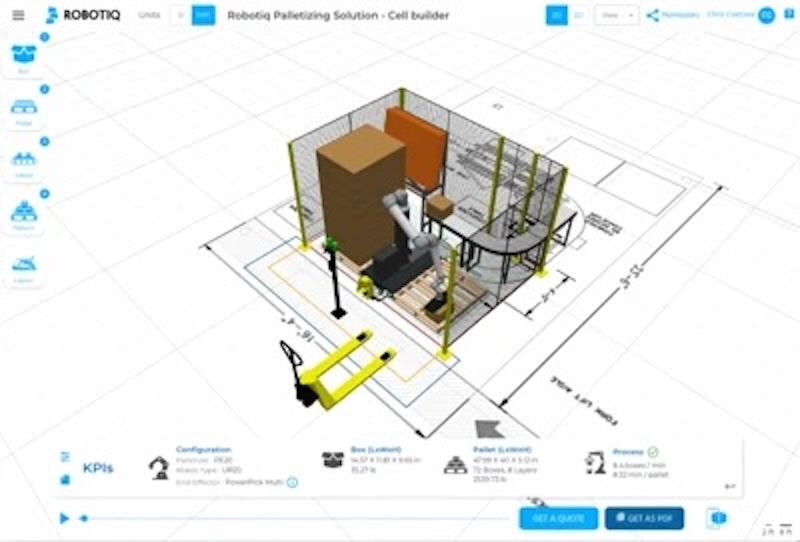
Robotiq launches AI platform to automate robotic workcell integration
Robotiq has launched IQ, an innovative AI-enabled platform aimed at streamlining the integration of robotic Workcells. This new technology is designed to accelerate the transition from traditional, manual integration processes that rely heavily on expert input to a more automated and efficient system. By capturing unstructured data from automation projects and coordinating engineering workflows, IQ facilitates the creation of validated Workcell designs that reflect actual customer needs and historical data. This advancement addresses the growing demand for scalable solutions in the robotics industry, making it easier for partners to implement effective automation strategies.
Industrial robots News Robotics AI in robotics AI-powered engineering automation integration
Why Reliable Backup Power is Becoming Essential for Modern Robotics Systems
Modern robotics systems are revolutionizing various industries by enhancing efficiency, accuracy, and productivity. Organizations across manufacturing and logistics sectors are increasingly relying on automated systems to ensure continuous operations. In this context, businesses seeking reliable backup power solutions for their robotics infrastructure can access essential resources from Nite & Day Power, a company that specializes in uninterruptible power systems. This development underscores the growing importance of robust power solutions in supporting the seamless functioning of automated technologies.
Energy Robotics automation infrastructure automation news autonomous systems backup power
Why Precision Swiss Machining is Critical to the Future of Robotics and Automation
The industrial production landscape is undergoing a significant transformation due to the rapid advancements in robotics, factory automation, and intelligent manufacturing systems. This shift is characterized by an increasing reliance on highly precise mechanical systems that can operate continuously with minimal deviation. As automation technologies evolve and become more interconnected, modern manufacturing environments are integrating collaborative robots, automated assembly systems, and sensor-driven equipment. These innovations are not only enhancing efficiency but also improving the accuracy and reliability of production processes. The ongoing evolution in this sector reflects a broader trend towards smarter, more automated manufacturing practices that aim to meet the growing demands of global markets.
Automation Engineering Factories automated manufacturing automation hardware automation news
Enhancing Industrial Automation: Why Compact Mini PCs Are Quietly Becoming the Default Choice for Robotic Controllers
In recent years, the evolution of control cabinets in modern factories has significantly transformed, with a notable increase in the complexity of components housed within them. Engineers are now tasked with integrating advanced technologies such as vision systems, sensors, controllers, and networking equipment into increasingly confined spaces. This shift has prompted the adoption of compact industrial computers, which are designed to efficiently manage the growing demands of industrial automation. As manufacturers seek to optimize their operations and streamline processes, these compact solutions are becoming essential for maintaining productivity and enhancing system capabilities. The trend reflects a broader movement towards more sophisticated and space-efficient technologies in the manufacturing sector, driven by the need for innovation and efficiency in an ever-competitive landscape.
Automation Computing Factories Industry automation hardware automation news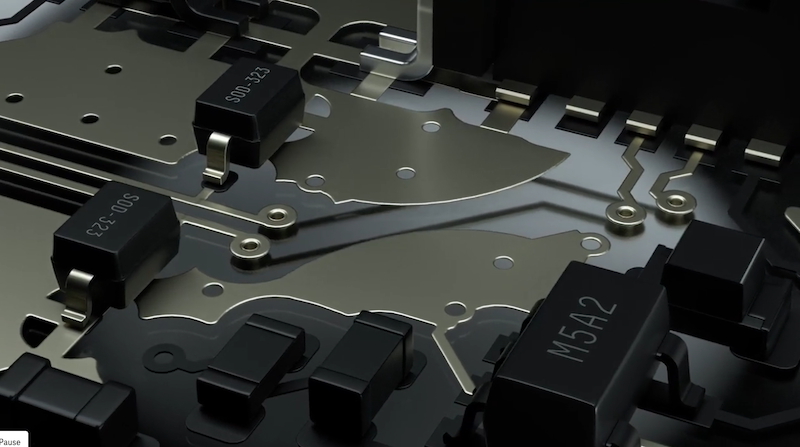
Itera raises $12 million for fluid circuit board that rewires itself in under a minute
Deep tech startup Itera has unveiled its groundbreaking prototype of the world's first fluid circuit board, a technology that enables engineers to rewire and retest physical electronic circuits in under a minute. This significant advancement aims to streamline the design and testing processes in electronics, potentially transforming how engineers approach circuit development. The announcement was made as Itera emerged from stealth mode, highlighting its innovative capabilities. To support its launch and further development, the company secured $12 million in seed funding from notable investors including Upfront Ventures, Costanoa Ventures, and Colle Capital. This funding will facilitate Itera's efforts to bring its revolutionary technology to market, marking a pivotal moment in the evolution of electronic circuit design.
Electronics News automation news deep tech startups electronic design automation electronics design
Why Optical Metrology is Replacing Tactile Measurement for Complex Component Validation Source
Manufacturers are experiencing a significant transformation in the validation of complex components as optical metrology increasingly complements and, in some cases, surpasses traditional tactile measurement methods. This shift is driven by practical advantages, including the elimination of surface deformation risks associated with contact measurements, significantly enhanced measurement speeds, and the ability to capture a greater volume of usable surface data. As industries seek more efficient and accurate validation processes, optical metrology is becoming an essential tool in manufacturing, marking a pivotal change in how quality assurance is approached.
Components Engineering 3d scanning additive manufacturing advanced manufacturing aerospace manufacturing
The Rise of Force Sensing Technology in China's Robotics Industry
Recent trends in the robotics industry indicate a shift from mere mobility to operational intelligence, particularly in humanoid robots. Companies are now focusing on practical applications such as tool handling and assembly, highlighting the importance of force sensing technology. As robots engage in physical tasks, understanding the force exerted becomes crucial for effective operation. This transition underscores the growing significance of six-dimensional force sensors, which are evolving from optional components in industrial robots to essential infrastructure for next-generation intelligent robots. The recent funding rounds exceeding 100 million yuan reflect a broader interest from both traditional investors and state-owned enterprises, signaling a pivotal moment in the industry's development. Looking ahead, the demand for comprehensive sensing, control, and manufacturing infrastructure will likely increase as the humanoid robotics sector matures. The complexity of enabling robots to perform sustained tasks, such as assembly and material handling, will challenge developers to innovate beyond flashy capabilities and focus on the intricate details that drive commercialization.
Humanoid Robots Force Sensing Technology Industrial Automation Robotics Innovation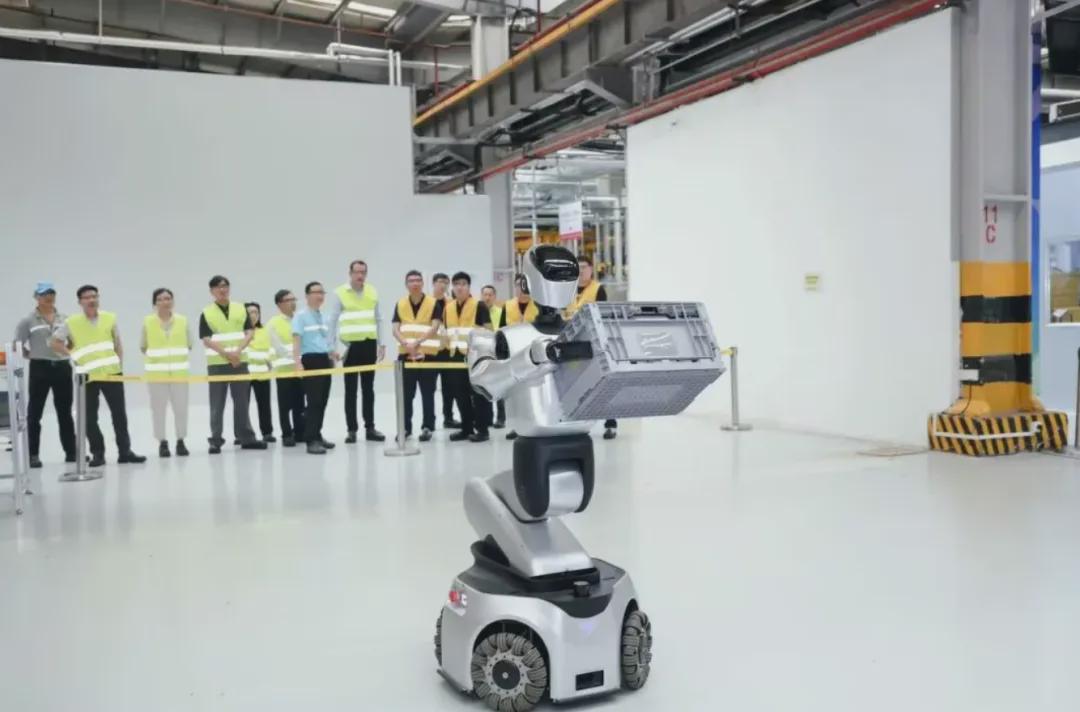
Schaeffler and Hutchinson Forge Partnerships with Robotics Firm Lajuj to Enhance Manufacturing Capabilities
In recent months, French industrial giant Hutchinson has entered into a strategic partnership with Lajuj Robotics, following Schaeffler's similar collaboration. This trend among leading global manufacturers highlights a shift towards embodied intelligence in manufacturing. Despite the proliferation of humanoid prototypes, few have successfully integrated into standard factory operations, making Lajuj's partnerships significant milestones. The importance of these collaborations extends beyond mere agreements; they signify a recognition of humanoid robots as integral to future manufacturing systems. As companies like Schaeffler and Hutchinson align with Lajuj, they are not just validating its technology but also indicating a broader acceptance of humanoid robots in industrial applications. This shift reflects a re-evaluation of production capabilities, moving from traditional automation to more flexible solutions. Looking ahead, the manufacturing sector faces challenges that require adaptability rather than just automation. While traditional robots excel in stable environments, they struggle with the dynamic nature of modern production lines. The ability of humanoid robots to respond to changing conditions will be crucial as manufacturers seek to enhance flexibility and efficiency in their operations. No further timeline was disclosed at the time of publication.
Humanoid Robots Manufacturing Automation Embodied Intelligence Industrial Robotics
Fujitsu Leads Initiative to Integrate Nvidia Technology in Japanese Robotics and AI
Fujitsu, a prominent Japanese communications company, is spearheading an initiative to integrate Nvidia's technology into artificial intelligence applications. This collaboration aims to merge Japan's advanced manufacturing capabilities in robotics with cutting-edge AI solutions. The significance of this initiative lies in its potential to enhance the efficiency and effectiveness of robotics in various sectors. By leveraging Nvidia's technology, Fujitsu seeks to position Japan at the forefront of the global AI and robotics landscape, showcasing the country's strengths in innovation and manufacturing. Looking ahead, industry stakeholders will be keen to observe the developments stemming from this collaboration. No further timeline was disclosed at the time of publication, but the integration of Nvidia's technology could lead to significant advancements in physical AI applications within Japan's robotics sector.
Robotics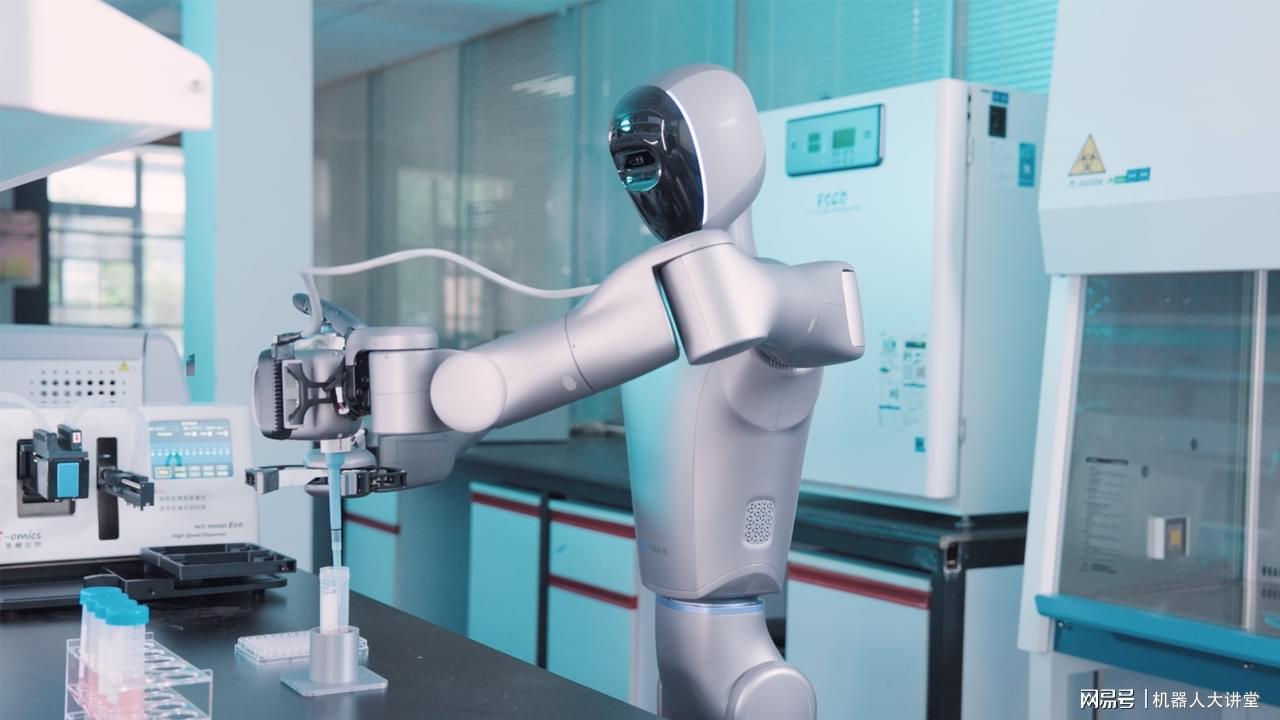
Yuanluo Technology Unveils First Autonomous Laboratory Utilizing Object-Centric Physics Model
Yuanluo Technology has successfully launched the world's first autonomous laboratory on a national research platform, marking a significant advancement in embodied intelligence. The laboratory's robotic system can autonomously perform over 40 operations, including nucleic acid extraction and cytotoxicity testing, with a precision of less than one millimeter. This achievement demonstrates the robot's capability to execute complex, multi-step tasks continuously for over three hours, addressing challenges in throughput and consistency in biochemical research. This development is crucial as it signifies a shift from demonstration to practical application of embodied intelligence in the biochemical and material science sectors. The Object-centric Physics Native Model (OPN), developed by Yuanluo, enables the robot to understand and adapt to the dynamic conditions of a real laboratory environment. By integrating visual, tactile, and force feedback, the robot can make real-time adjustments, ensuring stable execution of intricate experimental workflows across multiple devices. Looking ahead, the successful implementation of this autonomous laboratory sets the stage for further advancements in research and development processes across various industries, including public health and advanced manufacturing. The next milestones will involve expanding the capabilities of the OPN model and integrating it into more complex industrial systems. No further timeline was disclosed at the time of publication.
Autonomous Laboratories Embodied Intelligence Biochemical Research Robotics AI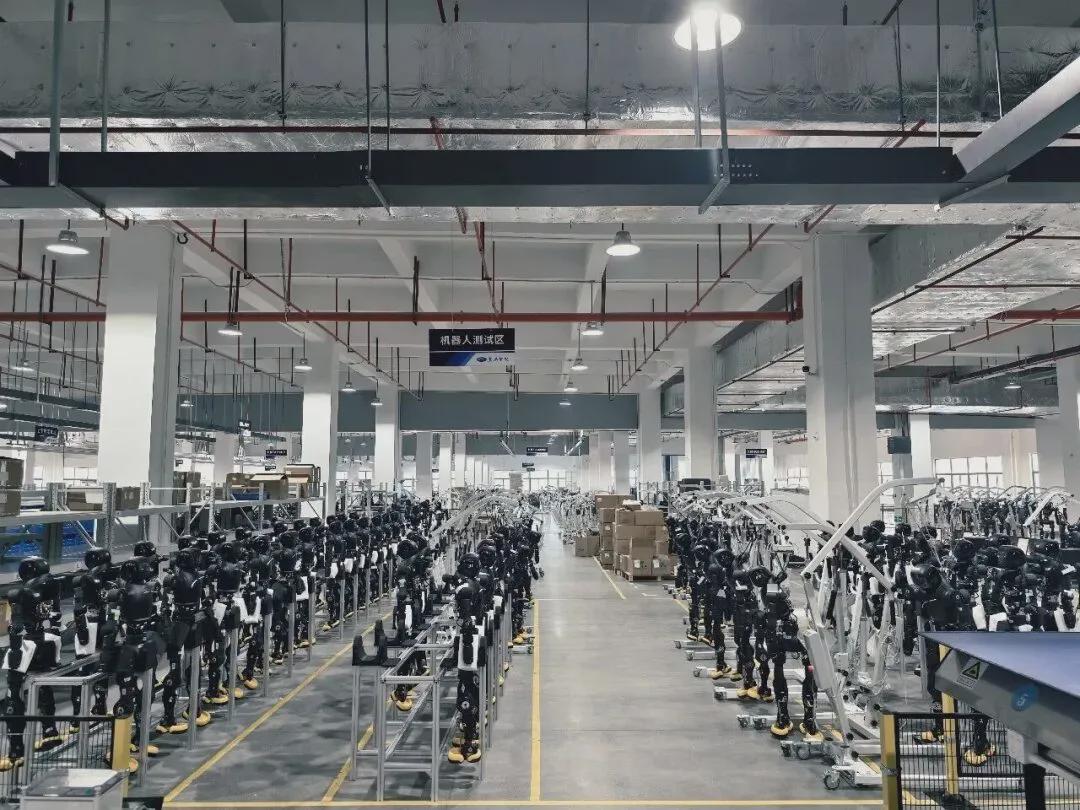
Lansi Technology's Robotics Production: Precision Manufacturing Meets Embodied Intelligence
Lansi Technology, a company recognized for its mobile glass products, is expanding its operations into the robotics sector by utilizing its advanced manufacturing capabilities. Recently, the firm has commenced mass production of robotic components, marking a significant milestone in revenue generation. This strategic move aims to strengthen its foothold in the competitive robotics industry, supported by new partnerships that enhance its operational capacity and market presence. The initiative reflects Lansi's commitment to innovation and automation, positioning the company for future growth in this emerging field.
Robotics Manufacturing Automation Industrial Robots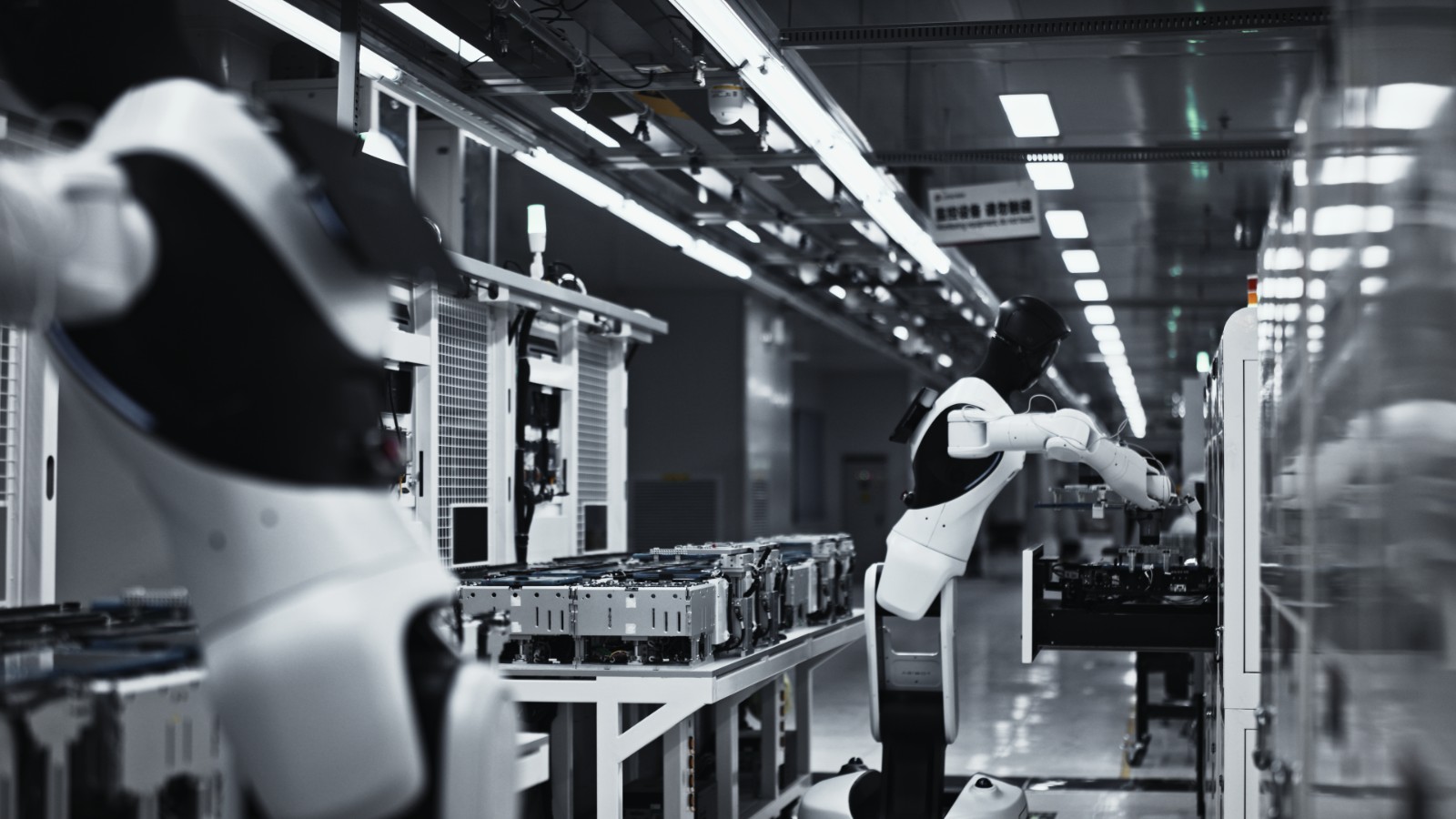
AGIBOT and Longcheer Technology Achieve World’s First Embodied AI Deployment in Consumer Electronics Precision Manufacturing Mass
AGIBOT and Longcheer Technology have successfully deployed the world’s first embodied AI system in a consumer electronics precision manufacturing setting, integrating AGIBOT G2 robots into Longcheer’s production lines. This milestone, achieved recently, signifies a transformative advancement from experimental AI to practical and scalable solutions in the manufacturing sector. The integration aims to enhance flexibility and efficiency within production workflows, showcasing the potential of AI technology to revolutionize traditional manufacturing processes.
Embodied AI Consumer Electronics Manufacturing Robotics Automation
Europe’s most important industrial lubrication conference celebrates its 10th anniversary in Bilbao
The Euskalduna Convention Centre in Bilbao is set to host the 10th anniversary of LUBMAT, Europe’s premier conference on industrial lubricants, this Wednesday and Thursday. The event will bring together 200 professionals from Europe, Asia, and America, highlighting its significance as a leading international biennial gathering focused on lubricants, tribology, and production equipment monitoring. This milestone edition aims to foster collaboration and knowledge sharing among industry experts, reflecting the growing importance of innovation and sustainability in the lubricants sector.
Events advanced lubricants advanced manufacturing aerospace engineering AI in maintenance asset managementRobotics needs a service framework.
RSF defines a common language for robot service capability, lifecycle operations, certification pathways, and service-provider networks.