Industry Briefing
A single destination for timely, editor-curated robotics news from around the world.
Data-Driven Quality Control Enhances Manufacturing by Preventing Costly Defects
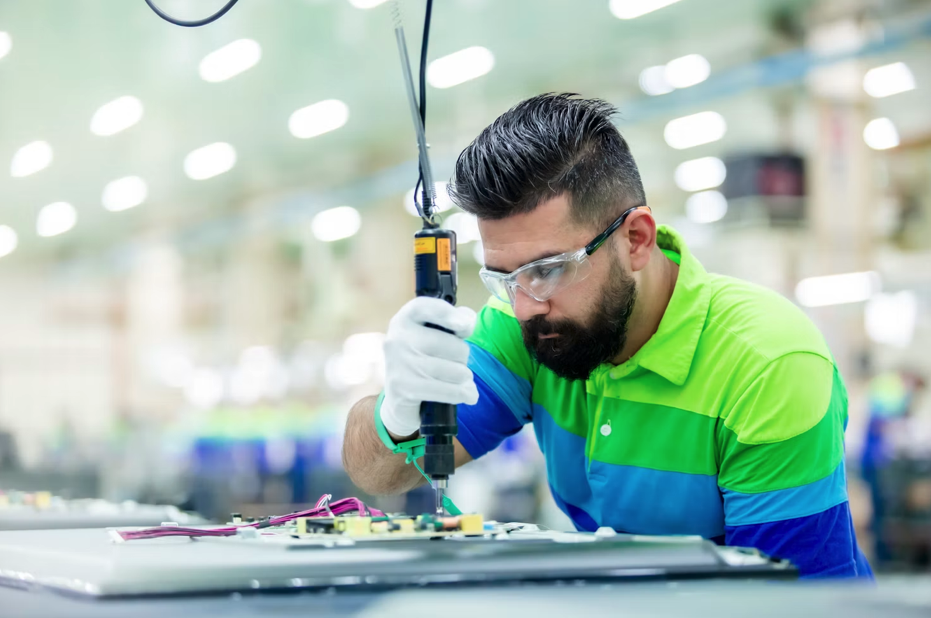
Data-driven quality control is transforming modern manufacturing by identifying variations in processes before defects occur. This proactive approach allows teams to monitor conditions that lead to nonconforming parts, reducing scrap, rework, and delivery pressures while maintaining quality costs. The significance of this method lies in its ability to shift from reactive to proactive quality control. By focusing on process changes rather than merely sorting defective products, manufacturers can prevent issues before they escalate, ultimately protecting production capacity and minimizing hidden costs associated with defects. Looking ahead, the integration of statistical process control (SPC) will be crucial for operators and engineers. By training teams to read control charts and understand process capability, manufacturers can ensure stable processes that meet specifications, thus avoiding the costly errors of mismanaging process variations.
Computing Digital Automation Manufacturing Software continuous improvement data-driven quality control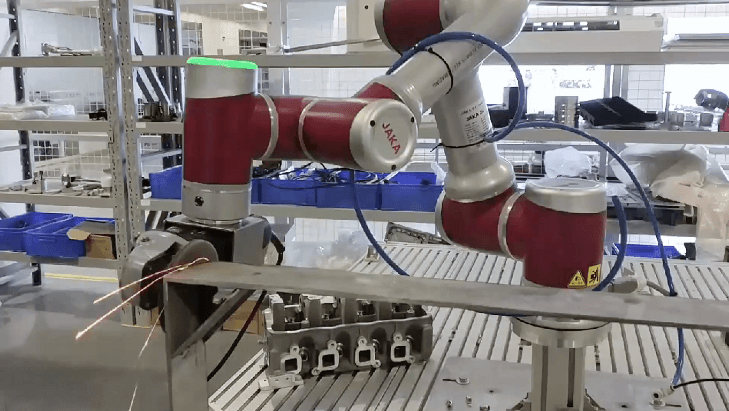
Collaborative Robots in Manufacturing Case Study: Achieving Near-Zero Defects in Finishing
A manufacturing company has successfully integrated collaborative robots, specifically the JAKA S12, into its production workflow to enhance finishing processes. This implementation, which began recently, aims to reduce errors and improve quality in polishing operations, a critical area where uniformity is essential. The JAKA S12 features advanced capabilities such as zero installation and configuration, along with a built-in force sensor that allows for real-time adjustments in pressure and trajectory during polishing tasks. By automating these processes, the company has achieved near-zero defect rates, even amidst complex production demands and varying product designs. This technology not only optimizes workflow but also fosters effective human-robot collaboration, enabling operators to program intricate movements through user-friendly interfaces. As a result, workers can focus on high-value tasks while minimizing physical strain and errors associated with repetitive polishing. The company’s experience highlights the significant benefits of integrating robotics into manufacturing, demonstrating that such innovations can enhance precision and consistency in finishing applications. By maintaining high-quality standards and adapting quickly to production changes, the company underscores the potential of collaborative automation to transform modern manufacturing environments without compromising workforce involvement.
Robotics needs a service framework.
RSF defines a common language for robot service capability, lifecycle operations, certification pathways, and service-provider networks.
Join the RobotToday community on LinkedIn
Daily robotics news, in-depth analysis, conference highlights, and discussions with professionals worldwide.