Industry Briefing
A single destination for timely, editor-curated robotics news from around the world.

Nabuurs Reduces Cleaning Labor by 60-70% with Autonomous Tennant T16AMR Scrubber
Nabuurs Supply Chain Solutions has successfully reduced its cleaning labor requirements by an estimated 60 to 70% through the deployment of an autonomous Tennant T16AMR floor scrubber at its 60,000m² logistics facility in Oosterhout. This initiative, which began in July 2025, followed a thorough trial and ROI analysis aimed at maintaining cleaning standards while minimizing the labor needed for conventional scrubber operations. The introduction of the T16AMR has allowed Nabuurs to achieve consistent cleaning results without the need for a dedicated operator, as the machine autonomously cleans an average of 1,774m² per day. This significant reduction in labor has improved operational efficiency and enabled the company to maintain high cleaning standards across its busy logistics environment. Looking ahead, Nabuurs is considering the potential for rolling out autonomous cleaning solutions to additional sites in the Netherlands, building on the success of the T16AMR at Oosterhout. The collaboration with Tennant continues to evolve, focusing on further enhancing operational efficiency and standardizing cleaning processes across the logistics network.
AMR and AGV Automation Systems and Shuttles IT in Logistics Warehouse Property Warehousing autonomous cleaning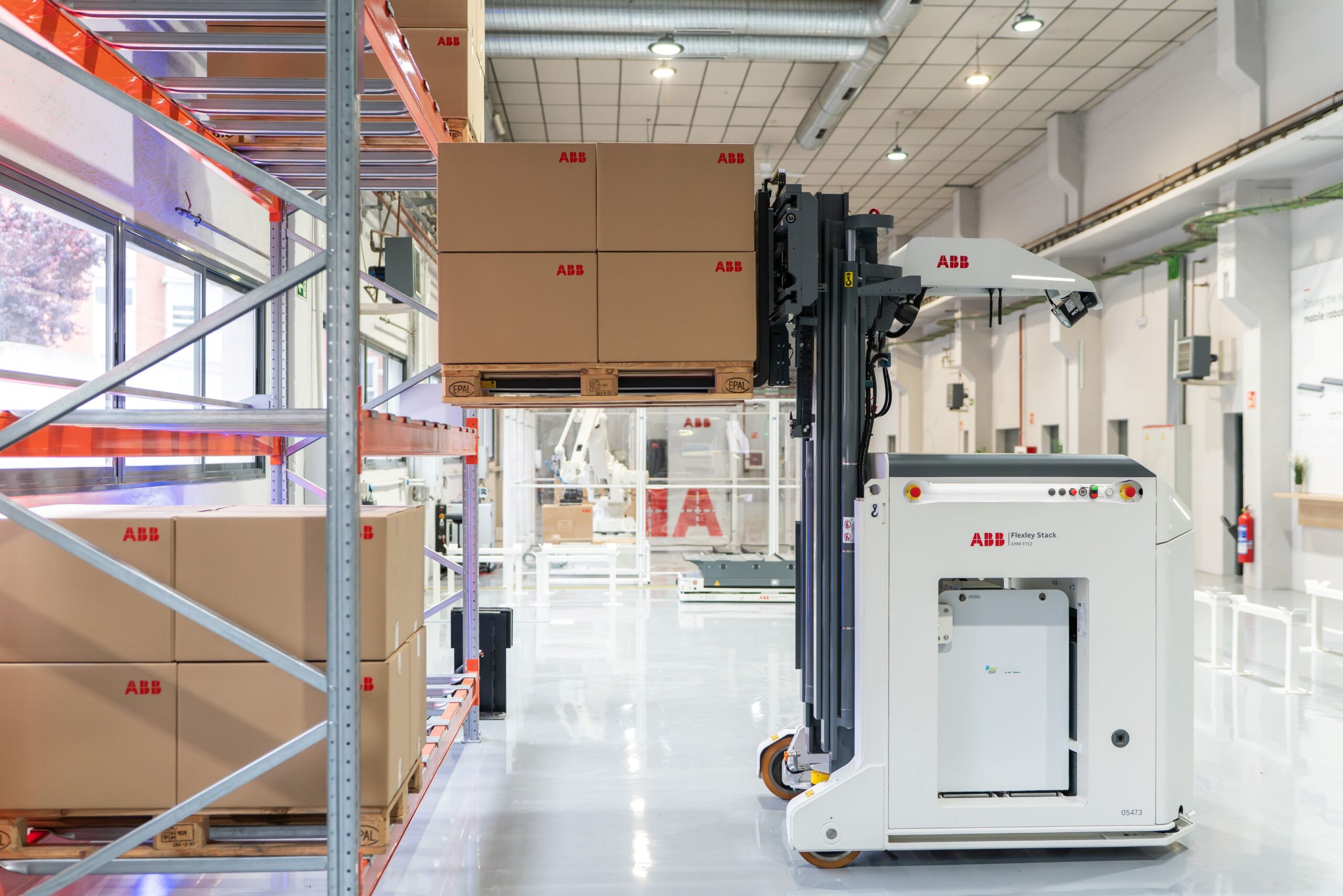
Automation to improve efficiency and fix labour shortages
As warehouses and distribution centres increasingly turn to automation to improve efficiency and address labour shortages, autonomous mobile robots (AMRs) are playing a growing role in material handling and intralogistics. Reflecting this trend, ABB Robotics has expanded its AMR portfolio with the launch of the Flexley® Stack F712, an autonomous forklift designed to support warehouse […] The post Automation to improve efficiency and fix labour shortages appeared first on Logistics Business.
AMR and AGV Materials Handling ABB AMR automation efficiency
Where’s your Labour Resource Management on the Warehouse Maturity Curve?
Rising labour costs and ongoing skills shortages are significantly impacting the logistics sector, placing immense pressure on warehouse management teams to optimize operations with limited resources. In response to these challenges, Aptean hosted a webinar aimed at addressing the critical aspect of resource management within warehouses. The session focused on evaluating operational maturity and highlighted the importance of effective resource management strategies. This initiative comes at a time when the logistics industry is grappling with the need to enhance efficiency amidst a tightening labour market.
IT in Logistics Jobs and Training TMS and Telematics Warehousing WMS & SCM Software Aptean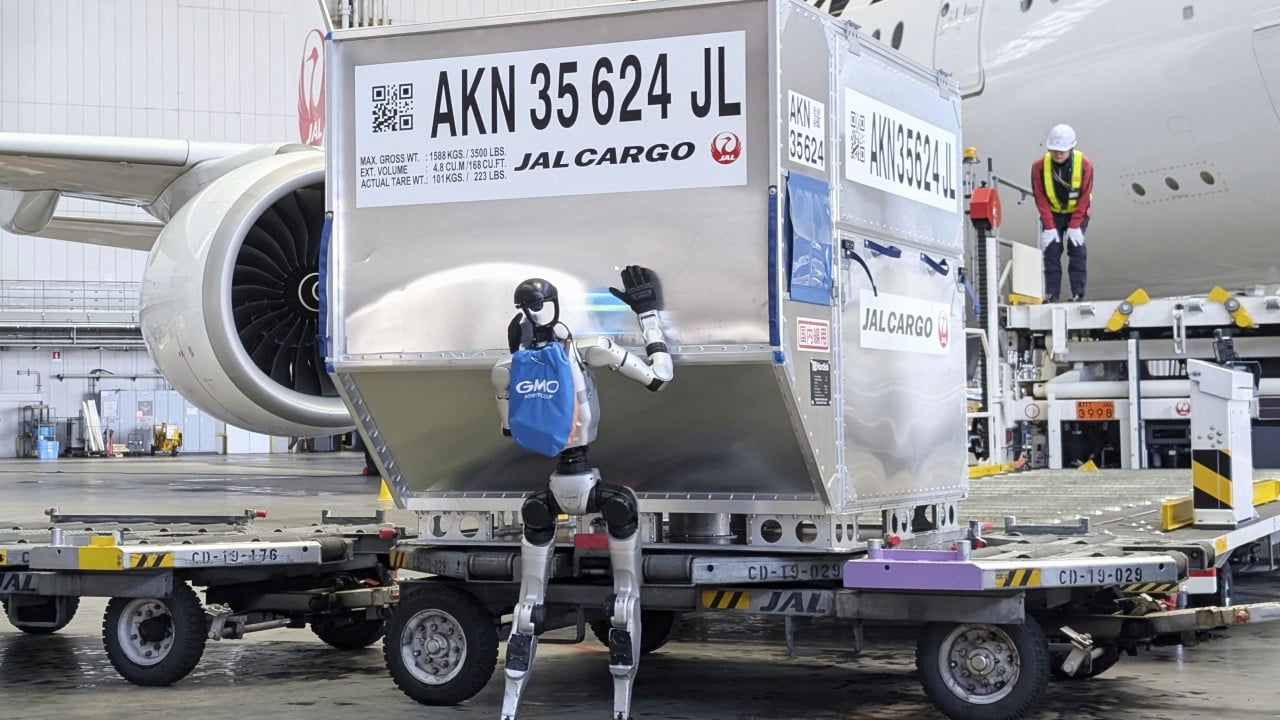
Baggage bots: Chinese humanoid robots roll into Japan’s airports amid labour shortage
China-made humanoid robots are making significant inroads in Japan, as Japan Airlines has announced a two-year trial for their deployment in ground-handling operations at Tokyo’s Haneda Airport. This initiative, which began last week, is part of a collaboration with GMO AI & Robotics and aims to address the acute labor shortages currently faced by the airline industry in Japan. The trial will see robots from Chinese manufacturers Unitree and UBTech being utilized for tasks such as baggage and cargo handling, reflecting a broader trend of increasing reliance on robotics technology to enhance operational efficiency.

China outlines new labour protection plan for nation’s 200 million gig workers
In response to an economic slowdown that has driven millions to seek informal employment through online platforms, China has announced a comprehensive plan to enhance protections for gig workers. The 12-point initiative, released by the State Council and the Communist Party's Central Committee, aims to establish stronger labor safeguards for this growing segment of the workforce. Key provisions include ensuring timely and fair wage payments, as well as addressing various other labor rights issues. This move reflects the government's recognition of the increasing reliance on delivery and ride-hailing services, as more individuals turn to the gig economy for financial stability. The plan underscores China's commitment to improving working conditions for these "new employment groups" amid changing economic dynamics.
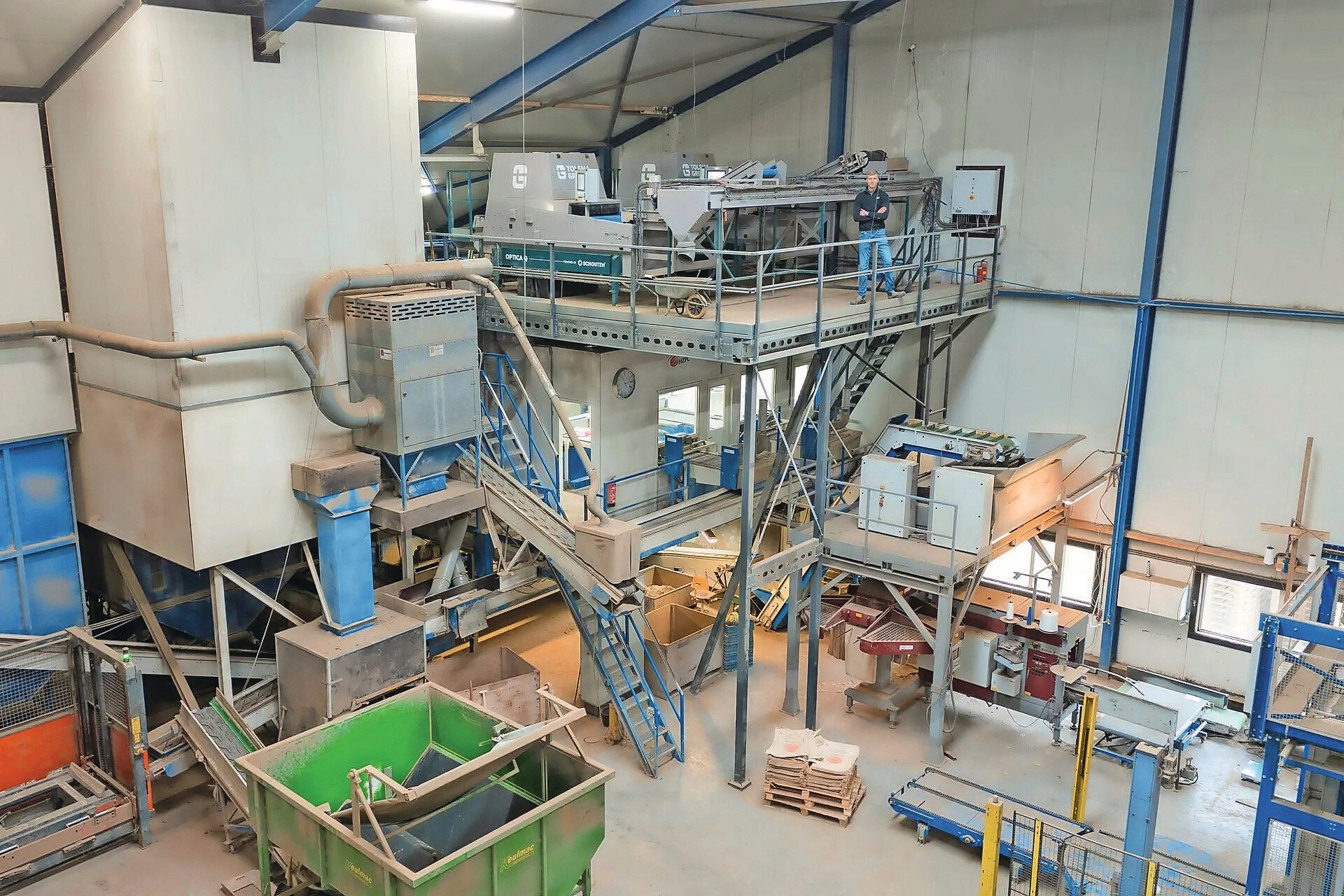
Seed potato grower cuts labour with optical sorting
Jensma Agro, a Dutch seed potato grower, has expanded its use of camera-based sorting technology by installing two optical quality sorters in its storage facility. This innovative move aims to automate the grading process and reduce labor requirements. The implementation reflects a growing trend in the agricultural sector, where the adoption of robots equipped with camera recognition is increasingly moving beyond field operations to storage and processing environments. The shift is attributed to the simpler conditions and higher throughput found in these facilities, which offer a clear and short return on investment.
Smart farming field robots optical sorters
Labour shortages continue to drive demand for field robots
Manufacturers are anticipating continued growth in the global field robot market through 2026, even amid economic challenges facing the agricultural machinery sector. This optimism is largely driven by a persistent shortage of labor, which has heightened the demand for autonomous machines. Additionally, the push for sustainability and the need for more precise crop management are further propelling interest in these technologies. As farmers seek innovative solutions to address these pressing issues, the field robot market is poised to expand significantly in the coming years.
Field robots field robotsRobotics needs a service framework.
RSF defines a common language for robot service capability, lifecycle operations, certification pathways, and service-provider networks.
Join the RobotToday community on LinkedIn
Daily robotics news, in-depth analysis, conference highlights, and discussions with professionals worldwide.