Industry Briefing
A single destination for timely, editor-curated robotics news from around the world.
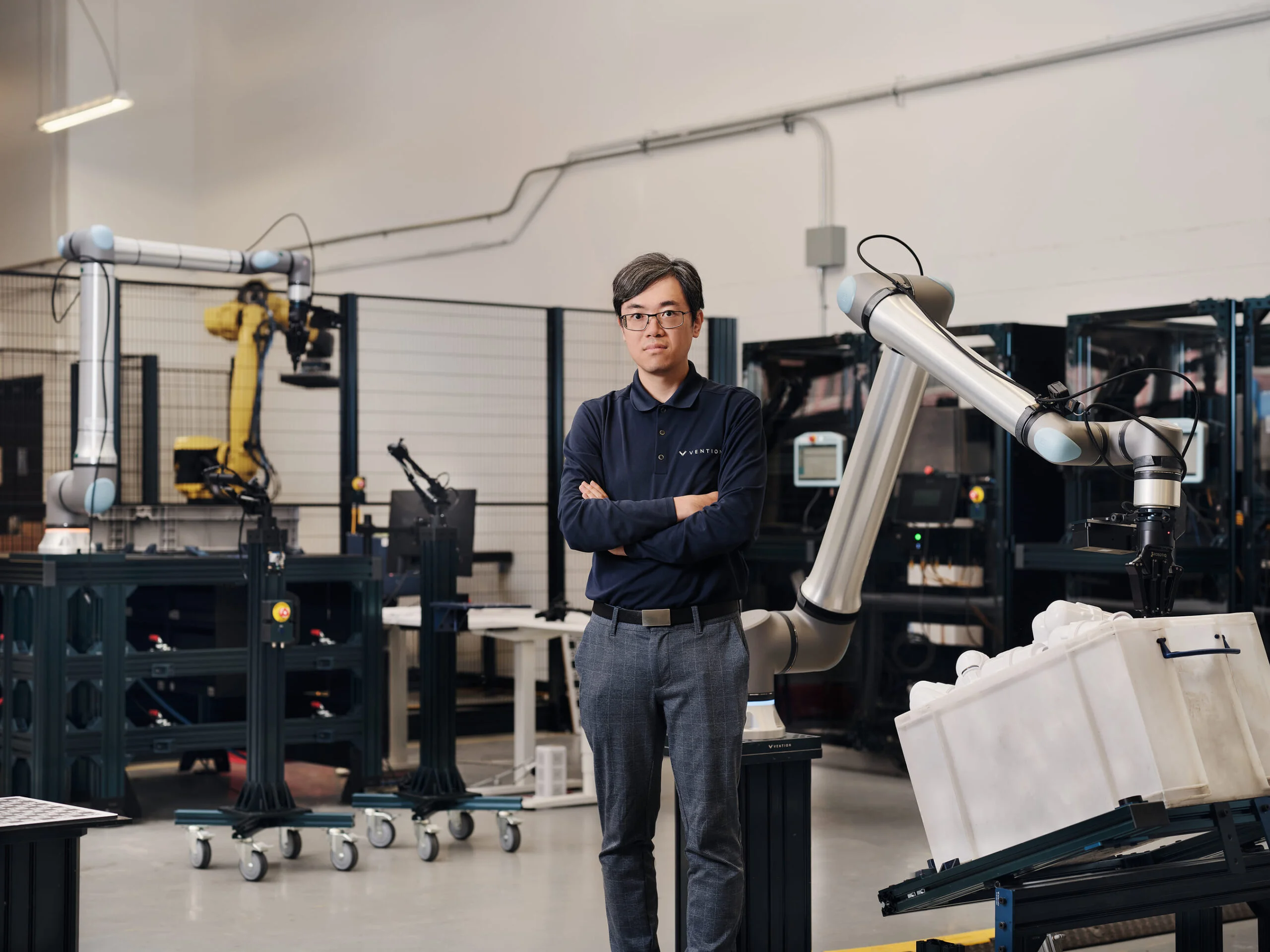
Vention Launches Montreal AI Lab to Enhance Industrial Robotics Capabilities
Vention has inaugurated a physical AI research lab in Montreal aimed at advancing robotic manipulation for manufacturing applications. The lab, directed by Jimmy Li and advised by Joelle Pineau, will leverage industrial data and customer insights to develop scalable robotic systems. With a focus on real-world production challenges, the lab aims to create technologies that enhance reliability and reduce costs in automation. This initiative is significant as Vention's physical AI segment has seen a remarkable 400% revenue increase over the past year, indicating a growing demand for advanced automation solutions. The lab's unique approach integrates academic research with practical production feedback, allowing for rapid development and testing of new robotic systems. This model positions Vention to address complex manufacturing tasks that have traditionally been difficult to automate. Looking ahead, Vention's Montreal lab is expected to expand its team and generate new intellectual property. The company plans to release a public software development kit for its GRIIP manipulation pipeline, which breaks down robotic tasks into manageable stages. No further timeline was disclosed at the time of publication.
AI AI Funding & Investment Robotics Canada.Montreal computer vision industrial robotics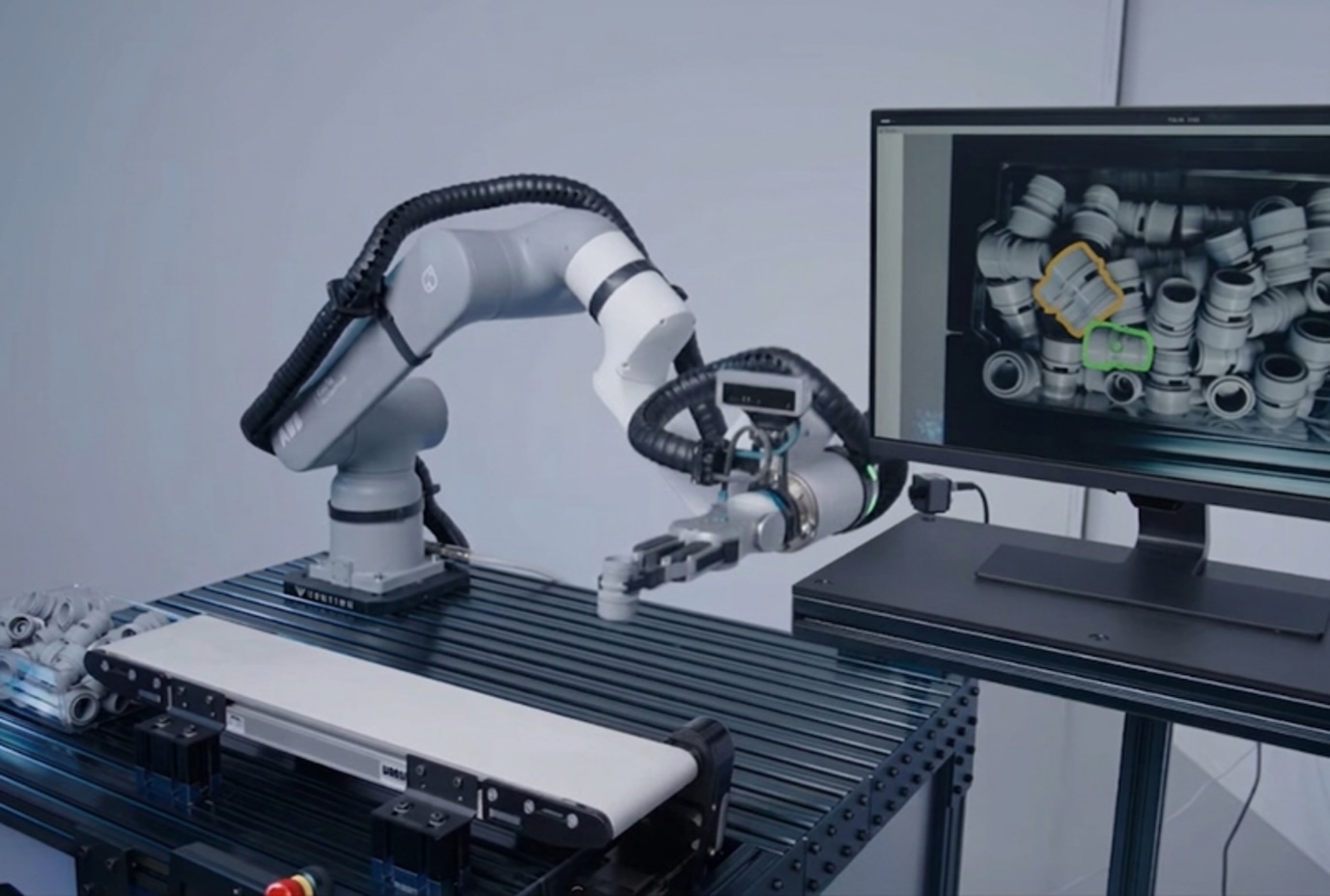
Vention Launches Physical AI Lab in Montreal to Advance Robotic Manipulation
Vention, a digital-first industrial automation platform, has inaugurated its physical AI lab in Montreal. This facility is spearheaded by Dr. Jimmy Li, Vention’s director of physical AI, with guidance from Dr. Joelle Pineau, chief AI officer at Cohere. The lab is dedicated to advancing robotic manipulation technologies tailored for manufacturing sectors such as industrial goods, electronics, and automotive production. The establishment of this lab is significant as it aims to enhance the capabilities of robotic systems in various manufacturing processes. By focusing on robotic manipulation, Vention seeks to improve efficiency and precision in production lines, which is crucial for industries that rely heavily on automation. The collaboration with experts in AI further underscores the lab's commitment to integrating cutting-edge technology into practical applications. Looking ahead, the lab's research initiatives are expected to yield innovative solutions that could transform manufacturing practices. Stakeholders will be keen to observe the developments from this facility, particularly in how it influences the adoption of robotics in industrial settings. No further timeline was disclosed at the time of publication.
Artificial Intelligence Digital Automation artificial intelligence canada computer vision griip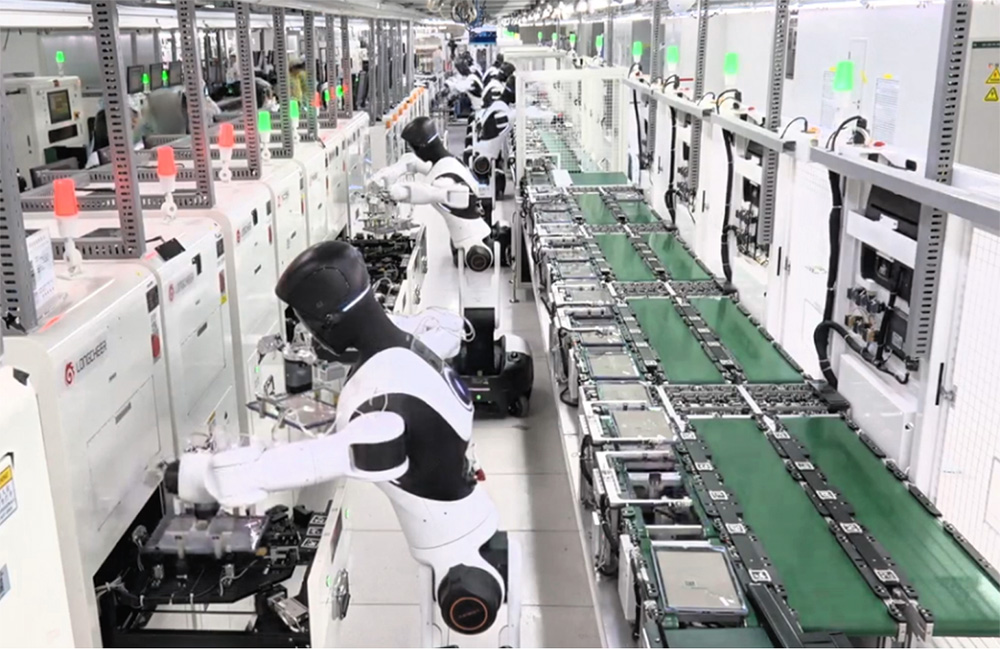
AGIBOT to Discuss Scaling Humanoids from Lab to Real-World at RoboBusiness 2026
AGIBOT will present at RoboBusiness 2026, focusing on the transition of humanoid robots from laboratory settings to real-world applications. Yinghao Song, AGIBOT's North America head, will share insights on overcoming deployment challenges in complex environments during his talk on October 20 at 1:15 p.m. PT. The significance of this presentation lies in addressing the systemic deployment of hardware necessary for executing advanced robotics in various sectors, including automotive and logistics. Song will highlight the importance of bridging the software-hardware gap through modular software stacks and open SDKs, which facilitate the deployment of humanoids and dexterous robotic hands. Attendees can expect to learn about identifying valuable robotics use cases and strategies for scaling in the evolving landscape of embodied AI. No further timeline was disclosed at the time of publication.
Events Humanoids News Robots / Platforms AgiBot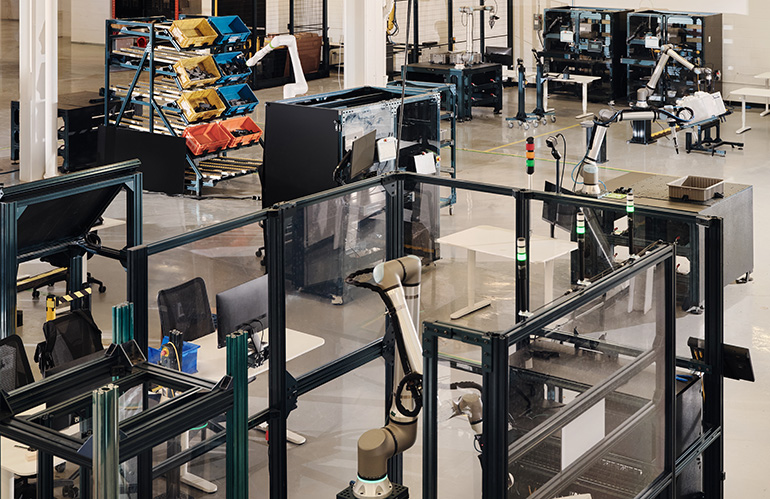
Vention Launches New Physical AI Lab in Montreal to Enhance Manufacturing Robotics
Vention Inc. has inaugurated its Physical AI Lab in Montreal, focusing on robotic manipulation in manufacturing. This facility aims to generate high-quality data essential for training AI models that control next-generation robots. According to CEO Etienne Lacroix, the lab leverages Vention's extensive experience with hundreds of robot cells to enhance the capabilities of physical AI. The establishment of the lab is significant as it addresses the growing demand for reliable and economical automation solutions in manufacturing. Vention's technology stack, which includes hardware, software, and physical AI, has already been deployed in over 28,000 machines globally, including in 90 of the Fortune 500 companies. The lab's unique approach combines academic research with real-world production challenges, allowing for rapid advancements in AI capabilities. Looking ahead, Vention aims to validate new AI capabilities against the practical requirements of production lines, with a focus on complex manufacturing tasks. No further timeline was disclosed at the time of publication. The integration of industry feedback into the research process is expected to accelerate the development of effective automation solutions.
Arms / Manipulators Artificial Intelligence Artificial Intelligence / Cognition Assembly Automotive Cameras / Imaging / Vision
Vention Launches Leading Physical AI Lab in Montreal for Industrial Robotics Advancement
Vention has inaugurated Canada's premier Physical AI and industrial robotics lab in Montreal, aimed at enhancing robotic manipulation through the integration of advanced AI research into scalable manufacturing solutions. This initiative is significant as it focuses on applied manufacturing use cases, industrial data collection, and the development of post-training foundation models for robotics, leveraging existing intellectual property while generating new innovations. Looking ahead, stakeholders should monitor the lab's progress in bridging AI research with practical manufacturing applications. No further timeline was disclosed at the time of publication.

Scalabot Unveils HERON-World Model with Enhanced Multiplayer Mode for Robotics
Scalabot has introduced the HERON-World Model, a new action-conditioned world model aimed at enhancing robotic understanding and future prediction capabilities. This model utilizes a three-tier data pyramid, incorporating real robot teleoperation data, simulation data, and first-person human operation videos to improve the robot's interaction with the environment. The significance of this development lies in its ability to extend the boundaries of world models from physical to social reasoning. By employing a diverse range of data sources, HERON-World Model aims to create a robust learning loop that allows robots to adapt and respond to dynamic environments, thereby advancing embodied intelligence from single-task capabilities to more general, transferable skills. Looking ahead, Scalabot's focus on integrating real-world data with simulation and human interaction videos will be crucial for the ongoing evolution of robotics. The HERON-World Model's current evaluation score stands at 75.80, indicating its potential impact on the industry. No further timeline was disclosed at the time of publication.
World Models Robotics AI Machine Learning Data Strategy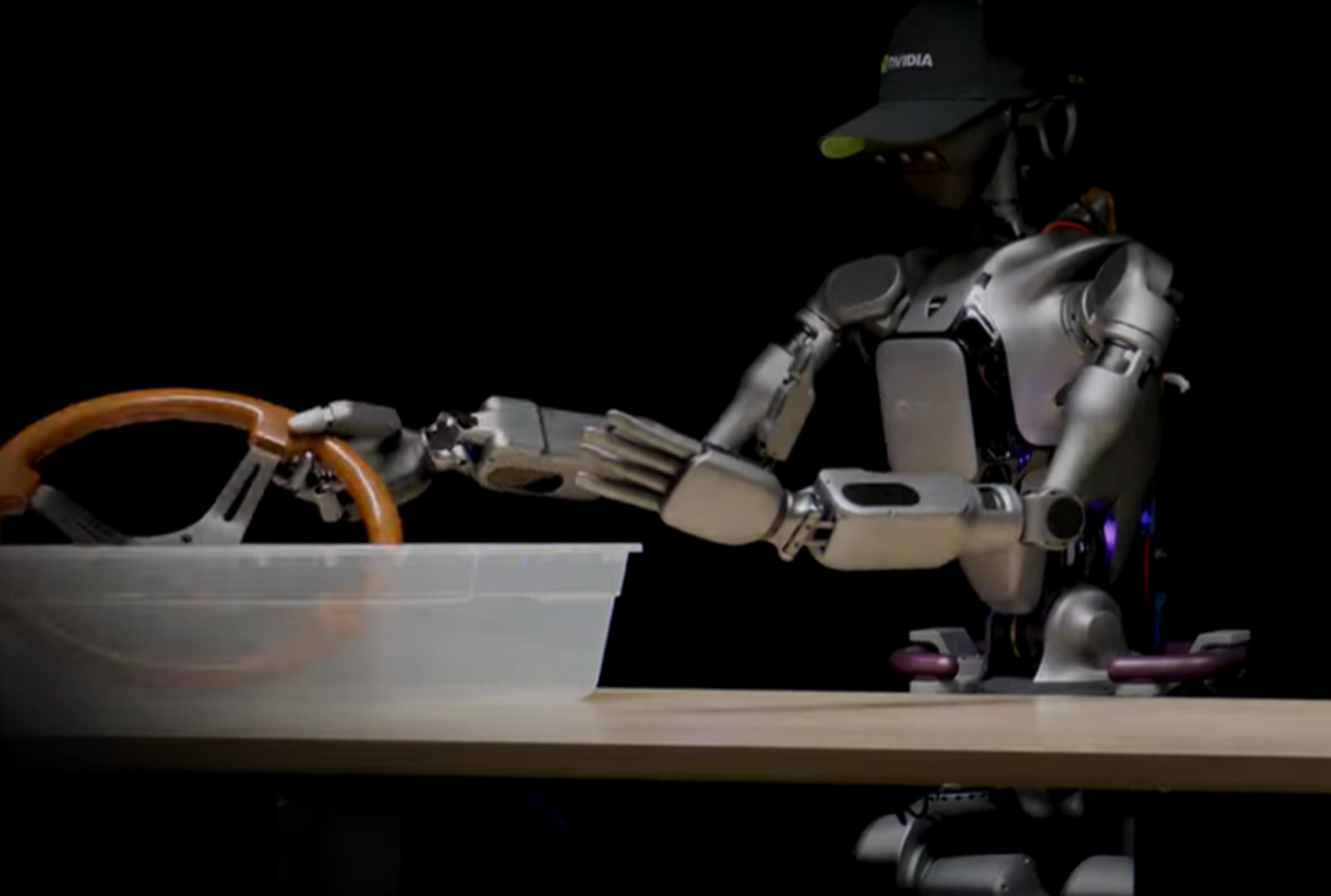
Quadruped Robots Highlighted at IFA: China's Solution to Global Labor Shortages
At the 2026 IFA in Berlin, quadruped robots emerged as a significant focus, with Shenzhen's Xuanji Power winning the Best in IFA Next & Emerging Technologies award for its Hypertron-T01 heavy-duty quadruped robot. Unlike previous exhibitions showcasing dancing robots, Xuanji Power presented a product already operational in the field, capable of handling dynamic loads up to 80 kg across challenging terrains. The importance of this development lies in addressing labor shortages in specialized industries, as highlighted by Xuanji Power's emphasis on the robot's ability to perform reliably in real-world scenarios. The Hypertron series has been successfully deployed in substations, demonstrating its capability for long-term, unmanned operations. The company aims to transition quadruped robots from demonstration to practical applications, focusing on stable performance in real environments. Looking ahead, Xuanji Power announced the opening of its core SDK interfaces to facilitate rapid development of localized solutions by European integrators and developers. This move underscores the shift of quadruped robots from mere exhibition pieces to essential tools capable of operating in hazardous environments, marking a significant step towards industrialization in response to global labor challenges.
Quadruped Robots Industrial Automation Robotics Technology AI Solutions
World Labs Launches Atlas World Model for 3D Environment Simulation
World Labs has unveiled Atlas, a new world model aimed at generating, reconstructing, and simulating 3D environments. This model supports Real-to-Sim workflows, allowing robots to navigate and manipulate spaces reconstructed from images or videos. Atlas can create RGB and depth data that robots would encounter, enhancing their operational capabilities. The introduction of Atlas is significant as it enables developers to recreate interactions with various objects and simulate different training scenarios. By using a limited number of real-world recordings, Atlas can generate complex environments, which is crucial for advancing robotic applications. This multimodal model combines text, images, video, and 3D information, providing a comprehensive tool for robotics and beyond. Looking ahead, Atlas is entering early access with select partners and will also enhance future versions of World Labs' Marble world-generation product. The capabilities of Atlas in producing explicit 3D outputs and supporting diverse applications will be key areas to monitor as the technology evolves.
AI AI Use Cases Robotics Atlas real-to-sim World Labs
Japanese Humanoid Robots Expand Applications Beyond Manufacturing to Tree Cutting and Lab Work
Japan is exploring diverse applications for its humanoid robots, moving beyond traditional manufacturing roles. Domestic developers are focusing on leveraging the precision and durability of these robots, which have been enhanced through factory production lines, to compete with Chinese counterparts. This shift in application is significant as it showcases Japan's innovation in robotics, particularly in sectors like tree cutting and laboratory work. By diversifying the use of humanoid robots, Japan aims to maintain its competitive edge in the global robotics market. Looking ahead, it will be important to monitor how these humanoid robots perform in new environments and tasks. No further timeline was disclosed at the time of publication.

FAA and EASA Collaborate to Address BVLOS Drone Operations Challenges
The FAA and EASA are navigating different regulatory paths for advanced drone operations, particularly for beyond visual line of sight (BVLOS) flights. While Europe has implemented the U-space framework to facilitate complex drone operations, the U.S. has focused on initiatives like the Integration Pilot Program and the BEYOND program to test BVLOS capabilities. Both regions face similar challenges in scaling these operations despite their differing regulatory approaches. The significance of this collaboration lies in the shared goal of enhancing safety and operational efficiency in drone traffic management. The FAA's move towards Part 108 aims to create a more standardized regulatory environment for BVLOS operations, while EASA's Specific Operations Risk Assessment (SORA) methodology emphasizes risk evaluation tailored to specific flight scenarios. This alignment in safety objectives highlights the potential for harmonization between U.S. and European drone regulations. Looking ahead, the ongoing discussions between U.S. and European regulators, such as those at the Commercial UAV Expo, will be crucial in shaping the future of BVLOS operations. As both regions work towards routine BVLOS flights, stakeholders should monitor developments in regulatory frameworks and risk assessment methodologies that could impact the drone industry on a global scale.
BVLOS Drone News Drone News Feeds Europe Drone Industry European Union FAA
MagicLab Showcases Comprehensive Industrial Solutions at IFA 2026 for European Market
From September 4 to 8, 2026, MagicLab will present its full-stack industrial solutions at IFA 2026, focusing on flexible handling and logistics sorting for the European enterprise market. The company aims to demonstrate its global competitiveness as an end-to-end provider of industrial-grade embodied intelligence solutions. Attendees will have the opportunity to observe the collaborative scheduling of MagicBot D1 and HyperBot, as well as experience the zero-sample generalization and anti-interference capabilities of the Magic-VLA K02 model. Three new robotic products will be showcased, including the flagship MagicBot X1, which features significant upgrades in joint modules and materials, enhancing durability and lightweight design. As European manufacturing faces challenges from an aging workforce and labor shortages, MagicLab's focus on flexible handling and logistics sorting addresses the urgent need for automation upgrades. No further timeline was disclosed at the time of publication.
Industrial Robotics AI Solutions Logistics Automation Flexible Handling Robot Collaboration
Boeing, U.S. Steel, and Deere Engage in Labor Union Contract Negotiations
Boeing, U.S. Steel, Cleveland-Cliffs, and Deere are currently involved in labor union negotiations to address workers' demands and avert potential strikes. Boeing's Society of Professional Engineering Employees in Aerospace plans to resume discussions on September 8 after workers rejected a four-year contract offer and authorized a strike across five states. The negotiations are critical as they involve over 17,000 Boeing aerospace engineers and technical workers, who are advocating for significant wage increases, annual cost-of-living adjustments, and enhanced 401(k) contributions. The rejection of Boeing's previous offers underscores the urgency for both parties to rebuild trust and address employee priorities before the contracts expire on October 6. Additionally, the United Steelworkers union has extended labor contracts with Cleveland-Cliffs and U.S. Steel by 30 days, allowing ongoing negotiations for wages and job security. This extension is vital for tens of thousands of steel workers, emphasizing the union's commitment to securing strong agreements that support family-sustaining jobs in the steel industry.

SynapX Introduces Brain, Hand, and Data Solutions for Embodied Labor
At the World Robot Conference, SynapX launched its new product lines focused on brain, hand, and data technologies, moving away from traditional humanoid robots. This strategic shift emphasizes the importance of combining general intelligence with dexterous manipulation to redefine embodied labor in robotics. The introduction of these products signifies a pivotal moment for SynapX as it seeks to establish itself in the evolving landscape of robotics. By prioritizing the integration of cognitive capabilities and advanced dexterity, SynapX aims to meet the growing demand for more sophisticated robotic solutions that can perform complex tasks in various environments. Looking ahead, industry observers will be keen to see how SynapX's approach influences the market and whether its focus on brain and hand technologies will lead to successful applications in real-world scenarios. No further timeline was disclosed at the time of publication.

Chinese Robotics Companies Address Japan's Labor Shortage Challenges
Chinese robot manufacturers are increasingly stepping into Japan's labor market, which is facing significant shortages. These companies are transitioning their focus from humanoid robots to applications in warehouses and restaurants, aiming to provide solutions that meet the demands of various sectors. This shift is crucial as Japan's aging population and declining workforce create pressing needs for automation and robotics. By leveraging their expertise, Chinese firms are not only addressing immediate labor gaps but also enhancing operational efficiency in industries that are struggling to find sufficient human resources. Looking ahead, it will be important to monitor how these Chinese robotics companies adapt their technologies to fit the unique requirements of the Japanese market. No further timeline was disclosed at the time of publication.

Chinese Robot Manufacturers Address Japan's Labor Shortage Challenges
Chinese robot manufacturers are increasingly stepping into Japan's labor market, which is currently facing significant shortages. These companies are transitioning their focus from humanoid robots to applications in warehouses and restaurants, aiming to provide solutions that meet the demands of various sectors. This shift is crucial as Japan's aging population and declining workforce create pressing needs for automation and robotics. By leveraging their expertise, Chinese firms are not only addressing immediate labor gaps but also enhancing operational efficiency in industries that are vital to Japan's economy. Looking ahead, it will be important to monitor how these Chinese robot makers adapt their technologies to the unique requirements of the Japanese market. No further timeline was disclosed at the time of publication.

Starbucks Workers United Launches National Boycott Amid Labor Dispute Over AI Integration
In August 2026, Starbucks Workers United, representing over 12,000 baristas across more than 550 stores, initiated a national boycott due to failed negotiations over key contract terms such as wage increases and staffing. The union accused Starbucks of irrational behavior and prioritizing ineffective AI investments over resolving labor disputes. The union's stance highlights the perceived misallocation of resources towards AI technologies, which they argue distract from pressing labor issues. Starbucks, however, maintains that it offers competitive pay and is committed to productive negotiations. AI has already been implemented in some locations, with drive-thrus utilizing AI robots for order taking and baristas equipped with virtual assistants. Despite the rise of robotic coffee-making companies, the union emphasizes the irreplaceable value of baristas in fostering human connections and managing complex interactions. While some argue that automation poses a long-term threat to barista jobs, data shows that over 97% of Starbucks beverages will still be made by hand in 2025, indicating that the role of baristas remains vital and far from obsolete.
Labor Relations Automation Technology Coffee Industry AI Integration
Renesas Launches Robotics Lab in Beijing for AI Development and Collaboration
Renesas has inaugurated a new robotics lab in Beijing aimed at enabling customers to demonstrate and validate next-generation robotic systems. This facility is part of Renesas' broader initiative to enhance its physical AI capabilities. The establishment of this lab is significant as it allows for collaborative development between Renesas and its clients, fostering innovation in robotic technologies. By providing a space for hands-on experimentation, Renesas aims to accelerate the deployment of advanced robotics solutions in various applications. Looking ahead, stakeholders should monitor how this lab influences the development of robotic systems and the potential partnerships that may arise. No further timeline was disclosed at the time of publication.
Artificial Intelligence News Robotics China Physical AI Renesas Electronics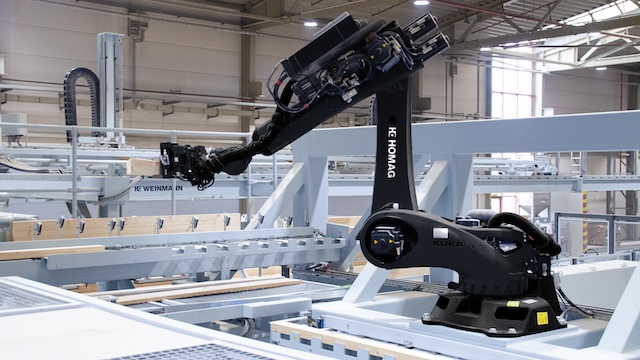
Anthropic Introduces Software Standard for Claude to Enhance Collaboration with Robots and Lab Tools
Anthropic PBC has unveiled a new software standard designed to improve the interaction between AI assistants, such as Claude, and various robotic and scientific lab tools. This development aims to streamline operations in both manufacturing and scientific environments, enhancing the efficiency of AI in these sectors. The introduction of this software standard is significant as it represents a step forward in integrating AI technologies with physical systems. By enabling Claude to better collaborate with robots and lab equipment, Anthropic is addressing a critical need for improved automation and precision in scientific and manufacturing processes. Looking ahead, industry stakeholders will be keen to observe how this new standard impacts the deployment of AI in robotics and lab settings. No further timeline was disclosed at the time of publication.

Firestorm Labs Demonstrates Onboard UAV Manufacturing for U.S. Navy at Sea
Firestorm Labs, based in San Diego, showcased its ability to manufacture UAV parts using 3D printing technology aboard the USS Essex during a two-week voyage to the Rim of the Pacific 2026 military exercise. The company produced over 1,000 drone components, which were assembled into Squall UAVs for target practice exercises. This demonstration is significant as it addresses the U.S. Navy's concerns regarding traditional logistics for drone manufacturing and repair, particularly in contested environments. Firestorm's CEO, Dan Magy, emphasized the importance of their solution in overcoming logistical challenges faced by the Navy, especially in areas like the Strait of Hormuz. Looking ahead, Firestorm Labs aims to enhance its mobile additive-manufacturing equipment for deployment on smaller ships. The company has already sold several xCell units to various military branches and government agencies, indicating a growing interest in this technology across multiple sectors, including oil and gas.
Applications Defense defense Drone Manufacturing Drone News Drone News Feeds
Renesas Opens Physical AI & Robotics Lab in Beijing to Boost Robotics Development
Renesas Electronics Corporation has officially launched its Physical AI & Robotics Lab in Beijing, China. This new facility is designed to support customers in demonstrating, validating, and co-developing next-generation robotic systems. The establishment of this lab is significant as it will serve as a central hub for executing Renesas' physical AI strategy, facilitating the transition from proof-of-concept to large-scale deployment of advanced robotics solutions. Looking ahead, the lab is expected to play a crucial role in advancing robotics innovation and physical AI applications. No further timeline was disclosed at the time of publication.
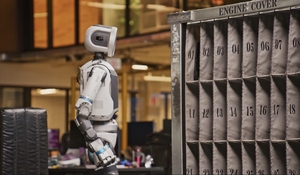
Hyundai's Atlas Robot Deployment Sparks Labor Concerns in Korea, Not in the US
Hyundai Motor Group plans to deploy Atlas humanoid robots at its Georgia plant in 2028, highlighting a significant labor debate between Korea and the US. In Korea, union workers are advocating for job protections amid rising automation concerns, while no organized resistance has emerged in Hyundai's nonunion US factories. The Korean union has raised issues regarding the impact of physical artificial intelligence and robotics during labor negotiations, seeking transparency and safeguards against job losses. Although the union has not outright rejected the technology, a tentative agreement acknowledges the necessity of AI and robotics for Hyundai's competitiveness, emphasizing shared information and joint management of the transition. In contrast, the US lacks a comparable collective response, attributed to the weak presence of organized labor in the South and Hyundai's expanding workforce. Experts question whether the current calm will persist as humanoid robots transition from demonstrations to actual factory operations. No further timeline was disclosed at the time of publication.
All News
Quantum-Systems Inc. Launches Engineering Office in Huntsville, Alabama
Quantum-Systems Inc. has inaugurated a 3,200-square-foot engineering and R&D office in Huntsville, Alabama, on August 24, 2026. This strategic location in Upland Park, adjacent to Cummings Research Park, aims to enhance collaboration with U.S. defense customers and partners, positioning the company closer to key stakeholders in the defense sector. The establishment of this office is significant as it aligns with Quantum-Systems' mission to develop unmanned systems for tactical intelligence, surveillance, reconnaissance, and target acquisition. Huntsville, known as 'Rocket City' for its aerospace heritage, is home to various Army program offices and defense technology firms, making it an ideal hub for innovation in defense and aerospace. Looking ahead, the Huntsville office will support engineering growth and customer collaboration while advancing the development of next-generation unmanned intelligence capabilities. No further timeline was disclosed at the time of publication.
Business and Finance Drone News Drone News Feeds News Aerospace Innovation Alabama drone company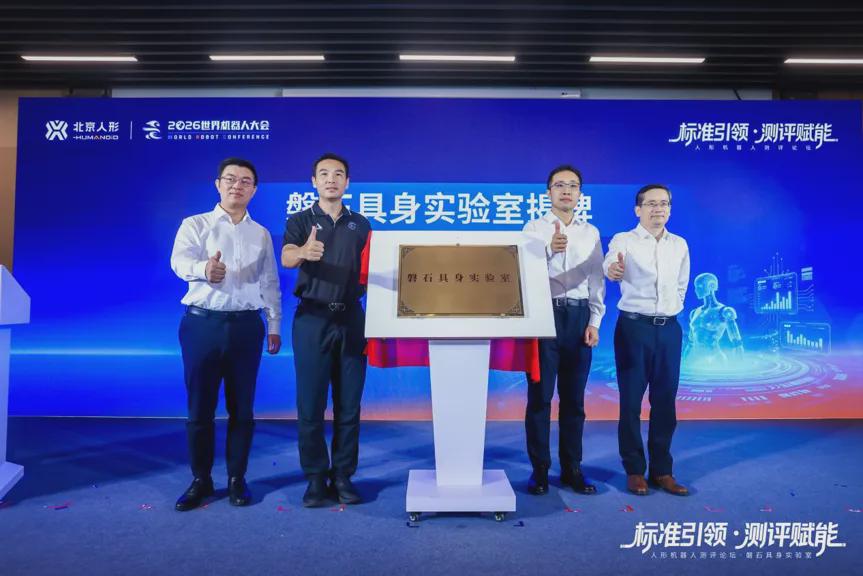
Panshi Embodied Lab Launches at WRC 2026 to Set Standards for Humanoid Robots
The Panshi Embodied Lab was officially launched at the World Robot Conference 2026, marking a significant step in the development of humanoid robots in China. The lab aims to provide a public service platform for testing and evaluating humanoid robots, addressing challenges such as weak core technologies and insufficient high-value applications. This initiative is crucial as the humanoid robot industry is projected to produce over 100,000 units by 2026, up from 20,000 in 2025. However, many products remain in the research and testing phases, highlighting the need for robust standards and evaluation processes to ensure quality and safety in the industry. Looking ahead, the lab will focus on developing testing capabilities for components and whole robots, as well as creating a collaborative testing environment. The first phase of testing has already been completed, and further developments are expected, including the establishment of specialized testing labs and ongoing standard verification work.
Humanoid Robots Robot Testing Standards Industrial Automation AI Robotics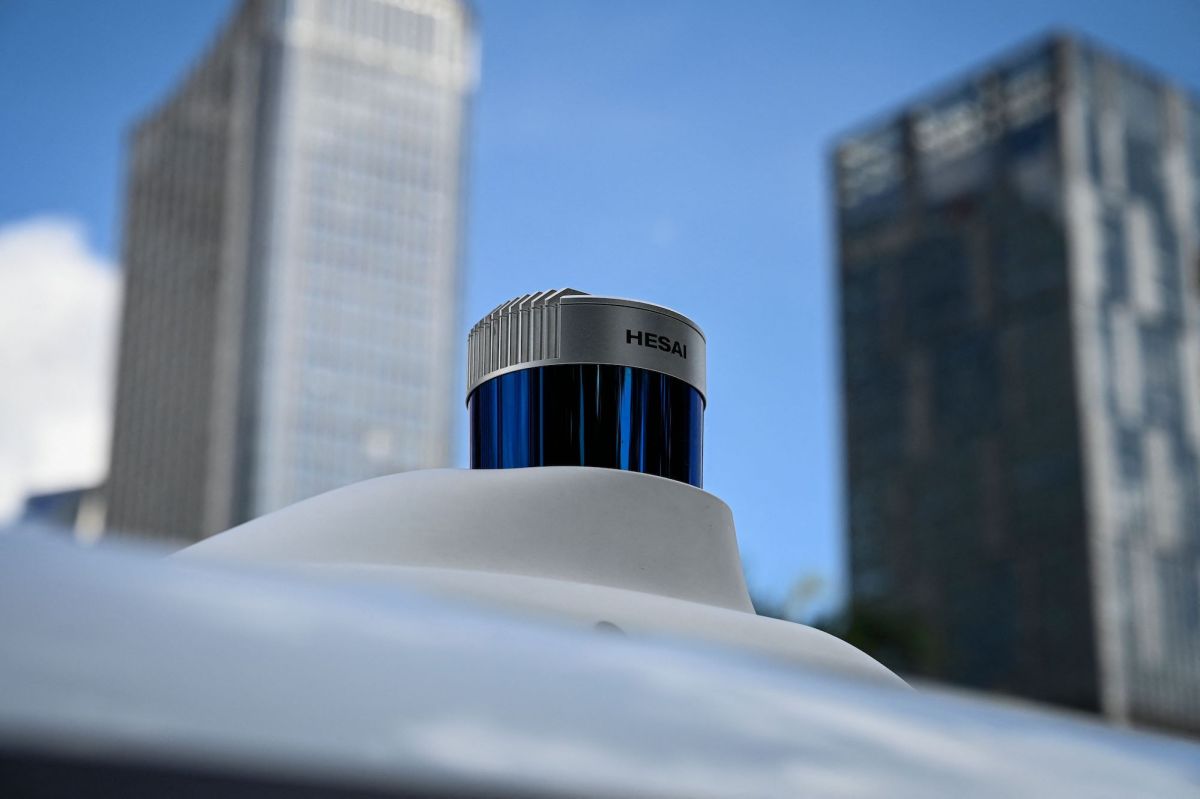
Idaho National Laboratory Investigates Security Risks of Chinese Lidar Sensors
The Idaho National Laboratory is examining potential security risks associated with Chinese lidar sensors that may be used in U.S. vehicles. This investigation is reportedly funded by companies in the electric and autonomous vehicle sectors, although specific contributors remain undisclosed. The review comes amid increasing legislative pressure to restrict the use of Chinese lidar technology due to concerns over espionage and national security. The significance of this investigation lies in the growing apprehension among U.S. lawmakers regarding the implications of Chinese lidar technology on American infrastructure and security. Senator Tammy Baldwin has expressed concerns about the potential for military or industrial espionage, emphasizing the need for protective measures against technologies that could compromise national interests. The scrutiny of Chinese lidar is part of a broader legislative effort to safeguard American communities. Looking ahead, the outcome of the Idaho National Laboratory's review could influence future regulations on lidar technology in the U.S. The investigation is occurring as lawmakers are drafting bills aimed at banning Chinese lidar sensors, reflecting a heightened focus on supply chain risks and the strategic importance of lidar technology as identified by industry experts. No further timeline was disclosed at the time of publication.
Government & Policy Transportation autonomous vehicles avs Exclusive Ford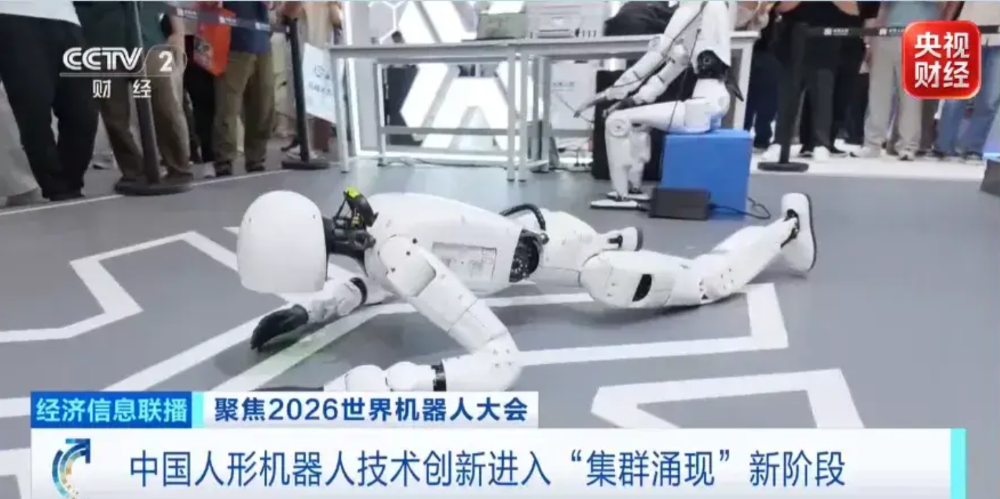
Humanoid Robot Industry Shifts from Solo Operations to Fleet Collaboration
On August 20, the 2026 World Robot Conference revealed that China's humanoid robot shipments exceeded 40,000 units in the first half of the year, capturing 97% of the global market share. The industry is transitioning from small-scale trials to regular deployment and large-scale applications. The conference showcased over 300 companies and more than 3,000 exhibits, with 300 new products launched. A significant trend noted was the shift from 'solo operations' to 'fleet collaboration.' Feiba Technology introduced a mobile logistics base capable of supporting various robotic platforms, including humanoid robots and drones, set to enter mass production by the end of this year. Additionally, the OneHub multi-robot collaboration system from Siasun aims to unify different robotic types under a single operational framework. The advancements in technology and collaboration strategies indicate a pivotal shift in the humanoid robot industry, moving towards collective efficiency rather than individual capabilities. No further timeline was disclosed at the time of publication.
Humanoid Robots Robot Collaboration Robotics Technology Logistics Robotics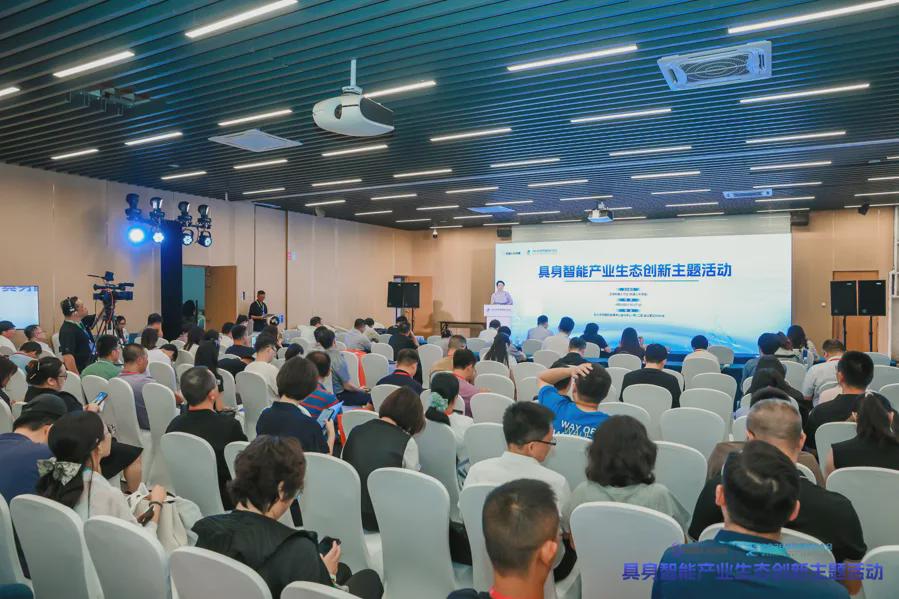
Highlights from the 2026 World Robot Conference on Embodied Intelligence Collaboration
The 2026 World Robot Conference (WRC) held a thematic event on embodied intelligence on August 20 at the Beijing Yichuang International Conference Center. Organized by the Lide Robot Platform, the event brought together experts, entrepreneurs, and investors to discuss various topics including model evaluation, humanoid robot paradigms, and safety boundaries in the industry. This conference is significant as it addresses the urgent need for a unified evaluation standard in embodied intelligence, highlighted by the introduction of the ET Benchmark, a systematic evaluation standard developed by leading Chinese universities. The event also showcased the successful international expansion of Shanghai Sotai Wujie Technology Co., which signed a contract with a major European supermarket chain, demonstrating the practical application of embodied intelligence in real-world scenarios. Looking ahead, the focus will be on overcoming data bottlenecks and enhancing the safety of embodied robots. Companies like Suzhou Tangyuan Technology and Lingdi Technology are working on innovative solutions to improve data collection and simulation capabilities. No further timeline was disclosed at the time of publication.
Embodied Intelligence Humanoid Robots Data Solutions Cloud Computing Industry Collaboration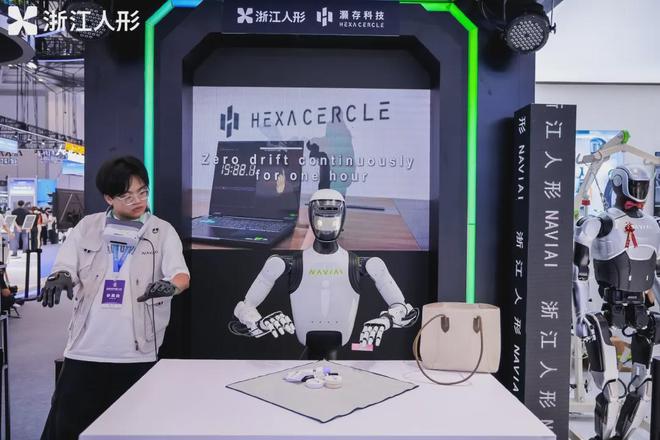
Haocun Technology and Zhejiang Humanoid Robotics Collaborate to Enhance Practical Applications
From August 19 to 23, the World Robot Conference (WRC) was held at the Beiren Yichuang International Exhibition Center, showcasing cutting-edge technologies in humanoid robotics and industrial intelligence. During the event, Zhejiang Humanoid Robotics Innovation Center's humanoid robot NAVIAI demonstrated its capabilities by synchronizing its arm movements with an operator wearing motion data gloves, achieving precise gestures without pre-programmed instructions. This collaboration between Haocun Technology and Zhejiang Humanoid Robotics marks a significant step in addressing the challenges faced by the humanoid robotics industry, which is transitioning from prototype development to practical applications. The partnership aims to overcome bottlenecks in skill transfer, training time, and operational reliability, which have hindered the deployment of humanoid robots in real-world scenarios. Looking ahead, the integration of Haocun Technology's motion perception and data collection capabilities with Zhejiang Humanoid's hardware platform is expected to accelerate the adoption of embodied intelligence technologies. No further timeline was disclosed at the time of publication.
Humanoid Robots Motion Capture Technology Industrial Automation Robotics Collaboration
Multi-Robot Collaboration Demonstrated by Daheng Technology at 2026 World Robot Conference
At the 2026 World Robot Conference, Daheng Technology showcased a multi-robot collaboration platform, where a quadruped robot autonomously inspected an area and alerted a cleaning robot to respond to an unidentified object. This demonstration highlighted Daheng's transition from single capabilities to a systematic approach in robotic solutions over the past year. The significance of this advancement lies in the industry's shift from merely activating robots to integrating them into diverse sectors for scalable applications. Daheng's multi-robot collaboration not only identifies issues but also facilitates coordinated responses, emphasizing the need for robots to possess enhanced sensory capabilities to navigate complex environments. Daheng Technology introduced its BlackEye Vision intelligent fusion terminal, which supports multi-modal perception and integrates various sensors for real-time data processing. This innovation allows robots to detect anomalies such as temperature fluctuations and gas leaks, providing critical information for AI-driven decision-making. No further timeline was disclosed at the time of publication.
Multi-Robot Collaboration AI Integration Industrial Robotics Automation Technology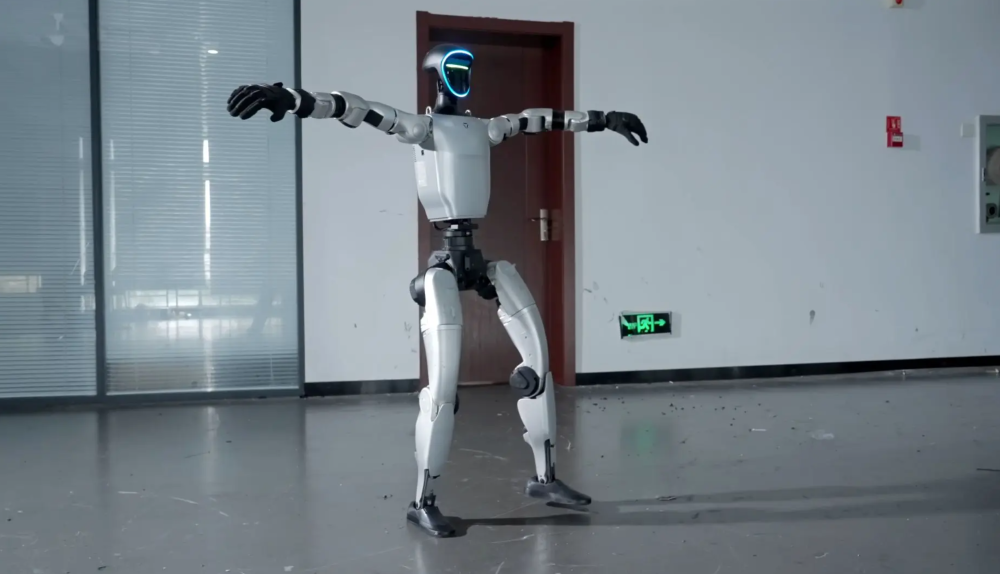
Celanese and VIGOR Collaborate to Reduce Robot Joint Weight by Over 30%
On August 14, Celanese, a U.S. specialty materials company, and VIGOR, a Hong Kong precision plastic gear manufacturer, signed a strategic cooperation agreement in Shanghai. Their goal is to address the challenge of heavy metal joints in humanoid robots by replacing them with high-performance engineering plastics, achieving a weight reduction of over 30%. This collaboration aims to enhance the endurance, speed, and load capacity of robots as they transition from laboratories to commercial applications. The partnership is crucial as heavy metal joints have been a bottleneck in robot performance, limiting endurance and response times. The materials used in joints must balance strength, rigidity, heat resistance, precision, and lightweight characteristics, especially under demanding operational conditions. Celanese will provide customized engineering plastics and technical support, while VIGOR will leverage its 40 years of experience in precision plastic gear and drive system manufacturing. This collaboration represents a significant step toward the large-scale deployment of humanoid robots, with plans to extend lightweight plastic joint solutions to industrial, commercial, and professional service robots. As humanoid robots achieve a 30% reduction in joint weight, they will be able to run faster, lift heavier loads, and operate longer, marking a pivotal advancement in the integration of AI in physical applications.
Humanoid Robots Engineering Plastics Robotics Technology Material Science
Trossen Robotics Collaborates with Stereolabs to Enhance Physical AI Data Collection
Trossen Robotics has announced a partnership with Stereolabs to integrate high-fidelity stereo vision into its Physical AI platforms. The collaboration features the Stereolabs ZED X Mini scene camera and dual ZED X Nano wrist cameras, providing synchronized, training-grade visual data for robot-learning teams. This integration is significant as it enhances Trossen's offerings in the Physical AI sector, allowing for improved data collection and analysis. The inclusion of advanced stereo cameras is expected to elevate the capabilities of Trossen's hardware suite, which includes the Trossen Workbench and Rivet platforms designed for bimanual manipulation. Looking ahead, the collaboration aims to streamline the development of robot learning applications by providing robust visual data. No further timeline was disclosed at the time of publication.
Systemic AI Enhances Scalable Industrial Automation in Manufacturing Plants
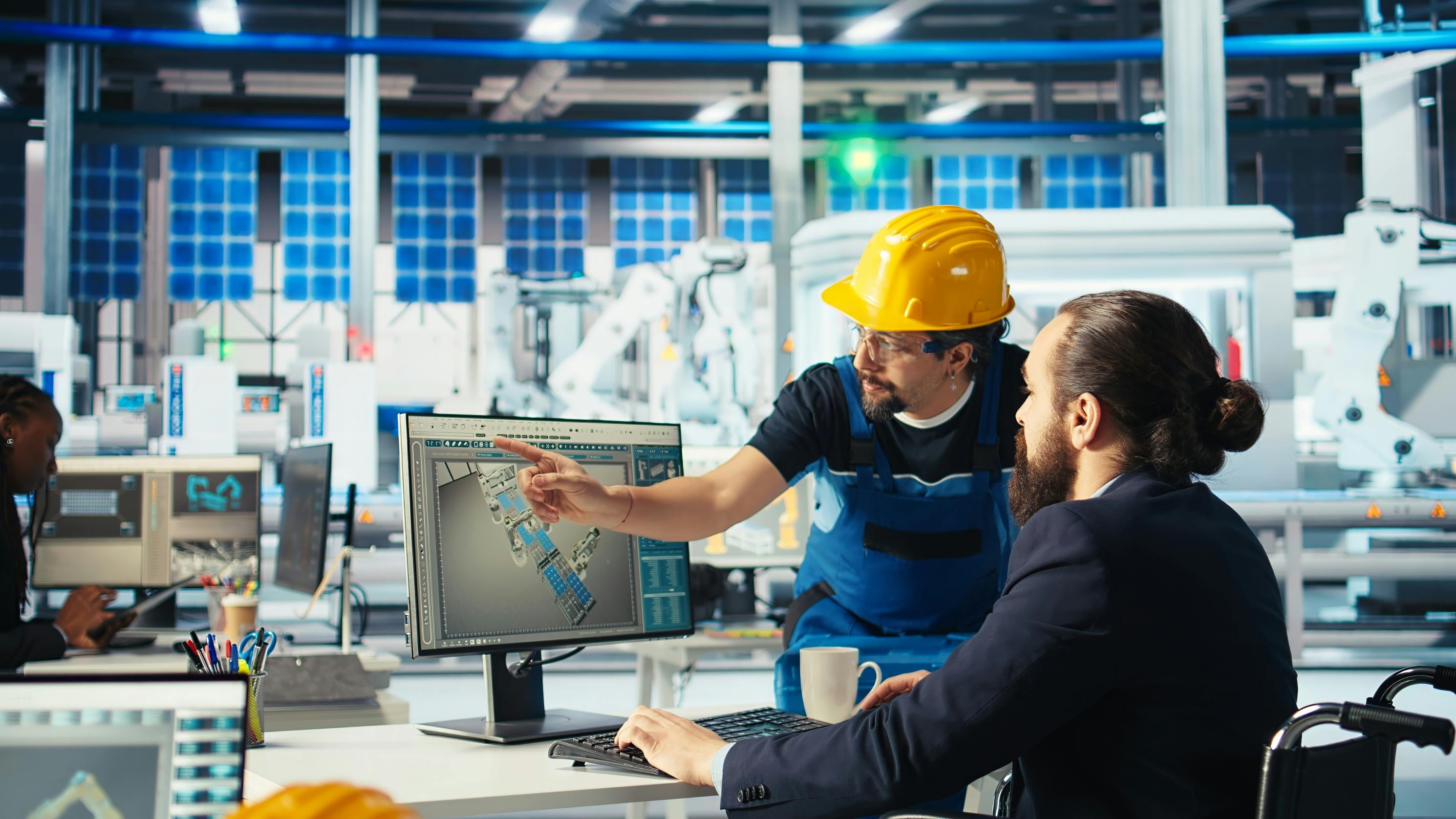
Manufacturers are increasingly frustrated with AI's limited scalability, as pilots often fail to replicate success across different sites. Accenture's research indicates that leading firms are adopting 'systemic AI,' which integrates intelligence directly into production systems, linking decision-making with physical execution across various operational levels. This approach contrasts with previous Industry 4.0 initiatives that focused on isolated automation. The significance of systemic AI lies in its ability to optimize the entire production lifecycle, from design to execution, thereby preventing errors before they occur. By applying AI early in asset and product development, manufacturers can secure cost and performance efficiencies prior to capital investment. Reports indicate that companies utilizing systemic AI experience substantial efficiency improvements, including a US aerospace manufacturer that eliminated traceability errors during the engineering-to-manufacturing transition. Looking ahead, manufacturers are encouraged to integrate their systems and data to facilitate real-time decision-making across all functions. This involves overcoming the challenges of connecting enterprise, operational, and engineering systems. A shared semantic layer can enhance AI's reasoning capabilities across these systems, allowing for more consistent actions and improved outcomes in manufacturing processes.
Factory / Digital Transformation
Dai Weijin Discusses Collaborative Efficiency as Key to Robot Chip Development
Dai Weijin, Chief Strategy Officer of Chipone Technology, highlighted the critical issue of collaborative efficiency in robot chip development. While the industry focuses on TOPS performance metrics, he emphasized that the real challenge lies in ensuring system efficiency aligns with computational power. He pointed out that while automotive chips may have excess computational capacity, robots require low-latency perception capabilities that are currently insufficient. Dai noted that reusing automotive chips was a necessary early choice for the industry, but the fundamental logic differs between automotive and robotics. Robots demand precise interactions in complex environments, which cannot be achieved by simply repurposing automotive technology. He explained that robot chips typically utilize a layered computing architecture, where the 'brain' handles decision-making and planning, while the 'small brain' manages perception and real-time control. Looking ahead, Dai believes that industrial applications, particularly in logistics and material handling, will lead the way in adopting these technologies. Chipone's strategy focuses on scalable architecture and providing clients with the most suitable configurations to quickly develop their products, emphasizing that collaborative efficiency is the true competitive advantage in the market.
Robot Chips Collaborative Efficiency Layered Computing Industrial Automation
Protolabs Transforms CAD Files into Parts in Less Than 24 Hours
Marc Kermisch, the Chief Technology and AI Officer at Protolabs, leads the company's global technology organization from Maple Plain, Minnesota. He oversees software product development, the evolution of the digital manufacturing platform, and the implementation of enterprise-wide artificial intelligence strategies. Kermisch's focus includes enhancing automated quoting and AI-driven design for manufacturability. This initiative is significant as it positions Protolabs at the forefront of digital transformation in manufacturing. By integrating advanced technologies such as CNC machining, injection molding, 3D printing, and sheet metal services, Protolabs can deliver rapid prototyping and production solutions. Kermisch's extensive experience in automation and cloud solutions further strengthens the company's capabilities in traditional manufacturing environments. Looking ahead, Protolabs aims to continue advancing its automated processes and AI strategies to improve efficiency and reduce lead times. No further timeline was disclosed at the time of publication.
Artificial Intelligence Design / Development Development Tools / SDKs / Libraries News Opinion Podcast
AI and Self-Driving Labs to Transform Semiconductor Materials Discovery Process
The semiconductor industry is facing significant challenges as it approaches physical limits in material performance, particularly as linewidths shrink below 2 nanometers. Traditional methods of discovering new semiconductor materials are outdated, often taking 10 to 20 years to bring a new material from the lab to market. This slow pace is due to the linear approach of hypothesis formation, synthesis, and characterization, which does not keep up with the complex requirements of modern materials. The need for new materials is critical for advancing device and chip architectures, especially as conventional materials like copper are becoming inadequate. Innovations such as hafnium oxide (HfO2) have previously enabled breakthroughs, but the current methods for material discovery have not evolved. Robotics and automation present a solution to these bottlenecks, offering the potential to accelerate the discovery process significantly. As the industry continues to evolve, companies that embrace automation in materials discovery will likely gain a competitive edge. The reluctance of some firms to adopt these technologies could result in them falling behind as first movers capitalize on the efficiencies and innovations that AI and self-driving labs can provide. No further timeline was disclosed at the time of publication.
Autonomous Vehicles Computing Materials advanced materials ai artificial intelligence
Former Alibaba Executive Lin Junyang Launches Pragmatik Labs for Next-Gen Agents
On August 12, 2026, Lin Junyang, former head of Alibaba's Tongyi Qianwen technology, announced the launch of Pragmatik Labs on the X platform. He defined the company's focus as developing 'next-generation agents that bridge the digital and physical worlds.' The startup, valued at approximately 13.5 billion RMB (around $2 billion), secured initial funding from Gao Rong Capital and Sequoia China, with participation from Tencent and the Shanghai Future Industry Fund. Lin Junyang's previous role at Alibaba involved leading the Qwen series of models, which evolved from pure language models to multimodal iterations. His work contributed to Qwen becoming one of the most downloaded open-source model families on Hugging Face. This experience has informed Pragmatik's direction, emphasizing the importance of integrating agents with their environments, tools, and feedback mechanisms to enhance their performance in real-world applications. Looking ahead, Pragmatik Labs aims to address the challenges of long-horizon tasks in embodied intelligence, an area where current systems struggle. Lin's insights from his time at Qwen will be crucial as the company develops agents capable of adapting and solving complex tasks in dynamic environments. No further timeline was disclosed at the time of publication.
Embodied Intelligence Digital Agents Physical Agents AI Technology
Honor Unveils the First-Ever Robot Phone, Available for Pre-Order Soon
Honor has officially launched the world's first Robot Phone, priced from 9,999 yuan, with pre-orders reaching 400,000 units. The device features a miniaturized four-degree-of-freedom titanium alloy gimbal system, which is 65% smaller than mainstream options, allowing for advanced functionalities like automatic focus tracking during video calls. This innovative product not only redefines the smartphone category but also serves as a technology validation platform for Honor in the robotics field. The gimbal's engineering capabilities can be applied to robotic joint design, while its environmental perception and automatic focus tracking lay the groundwork for robotic vision systems. Looking ahead, Honor plans to integrate the successful technologies from the Robot Phone into its flagship Magic9 series, set to debut in September. The significant pre-order numbers indicate a strong market interest in mobile devices that can actively engage with users, marking a shift from traditional digital intelligence to embodied intelligence.
Robot Phones Smartphone Technology Robotics AI Gimbal Systems
Pragmatik Labs Launched by Former Qianwen Tech Head with $2.2 Million Funding
On August 12, Lin Junyang officially announced the launch of Pragmatik Labs via the X platform, revealing a funding round led by Gaorong Capital and Sequoia China. The angel round, completed on June 16, raised approximately $220 million, valuing the company at around $2 billion. Pragmatik Labs aims to develop foundational capabilities for next-generation agents that bridge the digital and physical worlds, focusing on 'world models and embodied intelligence.' The company has not yet released commercial products or generated market revenue, but its valuation reflects a shift in the AI investment landscape in China. Looking ahead, Pragmatik Labs will focus on two main business segments: digital agents for knowledge work and physical agents capable of interacting with real environments. No further timeline was disclosed at the time of publication.
AI Intelligent Agents Startup Funding Technology Innovation
AlgaeBarn Develops $1,000 Automated Cap Labeling Cell Using Robotics and Machine Vision
AlgaeBarn, a Colorado-based producer of live aquaculture products, has implemented a $1,000 automated cap labeling cell that integrates robotics, machine vision, and controls. This innovation has significantly improved quality, uptime, and productivity by eliminating the manual process of applying thousands of labels by hand, which previously required employees to gather for lengthy 'sticker parties.' The automation system, designed by AlgaeBarn's Robotics & Automation Engineer Akash Chinthamanipeta, labels 450 caps per hour while inspecting each label's placement. The system was built in-house using SOLIDWORKS, allowing for customization and control over the labeling process, which is crucial for maintaining production efficiency. Looking ahead, AlgaeBarn's approach to automation could serve as a model for other companies facing similar manual labeling challenges. The successful implementation of this system demonstrates the potential for cost-effective automation solutions in the aquaculture industry. No further timeline was disclosed at the time of publication.
Factory / Design
Avatar Robotics Secures $6.5 Million Seed Funding to Tackle Labor Shortages
Avatar Robotics has successfully raised $6.5 million in a seed financing round led by AlleyCorp, following a pre-seed investment from defy.vc. The funding will be utilized to deploy semi-humanoid robots in logistics, manufacturing, and warehousing sectors, addressing ongoing labor shortages in the U.S. workforce. This investment is significant as it supports Avatar Robotics' strategy of employing a human-in-the-loop approach, which combines remote teleoperation with machine-learning autonomy. This method not only enhances operational efficiency but also generates valuable datasets for future robotic model training, crucial for advancing automation in industries facing high turnover rates. Looking ahead, Avatar Robotics plans to scale its robot fleets and expand customer deployments, particularly with a multi-billion-dollar warehouse operator. No further timeline was disclosed at the time of publication.
Arms / Manipulators Artificial Intelligence / Cognition Assembly Humanoids Investments Logistics
Icarus Robotics Co-Founder Jamie Palmer Discusses Robotic Labor Force for Space
Icarus Robotics, founded in 2024, is developing a robotic labor force for space, integrating embodied artificial intelligence with human-in-the-loop control. The aim is to automate routine tasks in orbit, enhancing astronauts' efficiency by allowing them to focus on scientific research rather than repetitive jobs like cargo handling and equipment inspection. This initiative is significant as it addresses the growing need for labor in commercial space stations and lunar infrastructure, where intelligent robotic workers could play a crucial role. By automating essential tasks, Icarus Robotics not only improves operational efficiency but also supports the broader commercial space economy, including future missions to the Moon and Mars. Looking ahead, Icarus Robotics plans to test its technology aboard the International Space Station, with co-founder Jamie Palmer emphasizing the importance of real-world testing over simulation. The company is focused on overcoming technical challenges to achieve fully autonomous operations in space, which will be vital for the future of space exploration and commercial endeavors.
Features Space artificial intelligence astronaut assistance Autonomous robots autonomous systems
Epson to Unveil Its Inaugural Collaborative Robot, the AX6, at Industrial Expo
Epson is set to launch its first collaborative robot, the AX6, aimed at improving precision automation. This innovative robot is designed to adapt to complex applications, fulfilling the rigorous requirements of laboratory automation and clean production environments. The introduction of the AX6 is significant as it represents Epson's entry into the collaborative robotics market, which is increasingly vital for enhancing operational efficiency in various sectors. The robot's ability to seamlessly integrate into demanding applications highlights its potential impact on automation practices. Attendees at the Industrial Expo, taking place from October 12 to 16, will have the opportunity to witness the AX6's capabilities in action. This event will be a key moment for Epson as it showcases its commitment to advancing automation technology.
Collaborative Robots Precision Automation Laboratory Automation Clean Production
Florida University Launches Robotics Program to Tackle Construction Labor Shortage
The University of Florida has initiated a program to teach students how to use robotics in construction, addressing the state's significant housing shortage of over 121,000 units. On August 5, the university opened a new Autodesk Design and Manufacturing Lab, funded by a $1 million donation from Autodesk, aimed at revolutionizing the construction industry through industrialized building methods. This initiative is crucial as the construction sector faces a looming labor crisis due to a wave of retirements among skilled workers. The lab features advanced technologies, including a COBOD BOD3 large 3D concrete printer and collaborative robots (cobots), which enhance safety and efficiency while compensating for the labor shortage. The program also includes the first bachelor's degree in Industrialized Building Engineering in the U.S., set to welcome its inaugural class this fall. As more students engage with these technologies, the concept of robots constructing buildings is transitioning from theory to practice. The lab's focus on enabling robots to interpret architectural designs and automate assembly processes is a significant step toward addressing the challenges posed by a declining workforce in the construction industry. No further timeline was disclosed at the time of publication.
Robotics Construction Technology 3D Printing Industrial Automation
Lumos Nexcore System Advances Scalable Production of Robot Skills for Industry Applications
Lumos Robotics has introduced the Lumos Ego Vue dual-camera first-person skill experience interface and the Lumos data pipeline for automated skill production. These innovations address the challenge of enabling robots to continuously learn from real-world experiences and convert human operational knowledge into reusable skills, essential for scaling industry applications. The significance of these developments lies in their ability to enhance embodied intelligence by creating a comprehensive infrastructure that connects real-world experiences with skill understanding and model training. This integration is crucial for robots to operate effectively in complex industrial environments, where understanding task logic and physical interactions is vital. Looking ahead, the Lumos Ego Vue system aims to facilitate the transition from single-task training to sustainable learning and scalable applications in various sectors, including manufacturing and logistics. No further timeline was disclosed at the time of publication.
Robot Skill Production Embodied Intelligence Automation Technology Data Processing Industrial Robotics
University of Florida Launches Robotics Lab for Industrialized Construction Initiatives
The University of Florida (UF) has inaugurated a new robotics lab focused on industrialized construction, supported by a $1 million donation from Autodesk. This initiative aims to tackle Florida's housing shortage and the anticipated retirement wave in the construction workforce. The lab will enhance the university's Industrialized Construction Engineering (ICon) degree program, which is set to welcome its first cohort this fall. This lab is significant as it addresses critical issues in the construction industry, including worker safety and operational efficiency. By utilizing advanced manufacturing principles, the program emphasizes a shift from traditional construction methods to more precise, technology-driven processes. The integration of digital workflows, including BIM and AI, alongside hands-on experience with a COBOD BOD3 3D concrete printer, positions UF at the forefront of modern construction education. Looking ahead, the lab will provide essential resources for students and researchers to explore automated construction methods. The collaboration with Autodesk will facilitate the use of cutting-edge computational tools, enhancing the educational experience. No further timeline was disclosed at the time of publication.
Academia / Research Construction News autodesk STEM
MIT Lincoln Laboratory: A Legacy of National Security Innovation Over 75 Years
On July 26, 1951, the U.S. Air Force, Army, and Navy established Project Lincoln, leading to the creation of MIT Lincoln Laboratory, which has been pivotal in developing the nation's air defense system, SAGE. Seventy-five years later, the laboratory continues to innovate in national security technology, collaborating with government, industry, and academia. The significance of Lincoln Laboratory's contributions is profound, as it has not only protected military personnel and the U.S. homeland but also advanced societal safety. Innovations in radar and optical systems have provided critical space situational awareness, while military satellite communications have evolved from mere concepts to essential tools for global connectivity in military operations. Looking ahead, Lincoln Laboratory is poised to continue its legacy of innovation, with ongoing projects aimed at enhancing missile defense, aviation safety, and the development of technologies for drones and advanced air mobility systems. No further timeline was disclosed at the time of publication.
History of science Technology and society Invention Government Collaboration Radar
Autodesk and University of Florida Launch Advanced Robotics Lab for Industrialized Construction
Autodesk has made a $1 million donation to establish the Autodesk Design and Make Laboratory at the University of Florida. This initiative aims to equip students with the necessary skills for careers in industrialized construction, addressing a significant workforce gap as 41% of the current workforce is expected to retire by 2031. The establishment of this lab is crucial as Florida faces a shortage of over 121,000 homes and rental units. By preparing students for the industrialized construction sector, the lab will contribute to alleviating both housing and labor shortages in the region, fostering a new generation of skilled professionals. Looking ahead, the focus will be on how effectively the lab can bridge the skills gap in the construction industry and support local workforce development. No further timeline was disclosed at the time of publication.

Diguwa Robotics and GigaDevice Introduce Comprehensive Control System for Six-Axis Collaborative Robot
On August 5, 2026, Diguwa Robotics and GigaDevice jointly launched a full-stack control system for six-axis collaborative robots, built on the Sunrise S600 and GD32H77R technologies. This initiative marks a significant milestone in their strategic partnership, providing a standardized solution for various applications including precision industrial assembly and flexible automation. The collaboration addresses critical challenges in the robotics industry, such as hardware-software fragmentation and reliance on imported core components. By integrating high-performance computing with real-time motion control, the system enhances operational efficiency and precision, making it suitable for high-dynamic industrial tasks. Looking ahead, the partnership aims to streamline the development process by offering a unified hardware interface and software architecture, significantly reducing the time from prototype validation to mass production. No further timeline was disclosed at the time of publication.
Collaborative Robots Industrial Automation AI Robotics Motion Control
Regal Rexnord Enhances FANUC CRX with New Collaborative Robotics Solution
Regal Rexnord has introduced a new collaborative robotics solution that integrates its motion control brands with FANUC's CRX series. This solution utilizes Thomson linear motion technology, Boston Gear gearheads, Huco couplings, and Kollmorgen motors and software, allowing for the deployment of the Thomson Movotrak™ Cobot Transfer Unit (CTU). This development is significant as it provides FANUC CRX users with a seamless, out-of-the-box external axis solution, enhancing operational efficiency and flexibility in collaborative robotic applications. The integration of these advanced motion control technologies is expected to streamline workflows and improve productivity in various industrial settings. Looking ahead, the adoption of this collaborative robotics solution may influence the competitive landscape in the robotics sector, particularly in applications requiring enhanced motion control capabilities. No further timeline was disclosed at the time of publication.

Yusen Logistics Collaborates with Destro to Implement AI-Driven Human-Robot Collaboration in Transload Operations
Yusen Logistics (Americas) Inc. has formed a strategic partnership with Destro AI to deploy an AI-powered human-robot collaboration platform aimed at enhancing transload operations. This initiative is part of Yusen's commitment to investing in intelligent warehouse technologies that boost operational efficiency and execution consistency. The collaboration with Destro is significant as it represents a step forward in integrating advanced AI solutions within logistics operations. By leveraging Destro's Physical AI platform, Yusen aims to streamline processes and provide increased value to its customers, reflecting a broader trend in the logistics industry towards automation and technological innovation. Looking ahead, the focus will be on the effectiveness of this deployment and its impact on Yusen's operational metrics. No further timeline was disclosed at the time of publication.

Carnegie Mellon University to Develop AI Tools for Connected Autonomous Laboratories
Researchers at Carnegie Mellon University are set to create AI-driven tools that will facilitate collaboration among autonomous laboratories, forming a unified research ecosystem. This initiative has been chosen for funding by the U.S. Department of Energy under the Genesis Mission. The development of these AI-based tools is significant as it aims to enhance scientific advancement by enabling seamless interaction and data sharing between autonomous labs. This connected approach is expected to accelerate research processes and foster innovation in various scientific fields. Looking ahead, stakeholders will be keen to observe the progress of this project and its impact on the efficiency of research collaboration. No further timeline was disclosed at the time of publication.
Announcements ResearchRobotics needs a service framework.
RSF defines a common language for robot service capability, lifecycle operations, certification pathways, and service-provider networks.
Join the RobotToday community on LinkedIn
Daily robotics news, in-depth analysis, conference highlights, and discussions with professionals worldwide.