Industry Briefing
A single destination for timely, editor-curated robotics news from around the world.

Nvidia Launches Jetson Orin Nano 2 for Robotics and Edge AI Applications
Nvidia has introduced the Jetson Orin Nano 2, a new robotics computer designed for entry-level edge AI applications. This innovative computer aims to empower millions of developers globally to create robots, drones for delivery and inspection, and vision AI systems tailored for advanced physical AI tasks. The significance of the Jetson Orin Nano 2 lies in its enhanced performance and energy efficiency. It offers double the inference performance of its predecessor while consuming 40% less power, making it an attractive option for developers seeking compact and efficient robotics solutions. With over 3 million developers utilizing the Nvidia robotics stack, early adopters like Cognex, Doosan Bobcat, and Matic are already exploring its capabilities. Looking ahead, Nvidia's Jetson Orin Nano 2 is set to redefine entry-level edge AI by providing frontier-class generative AI performance to a broader audience. As AI models become more efficient, the potential for autonomous edge devices to perform real-time tasks will expand significantly. No further timeline was disclosed at the time of publication.
Computing News Robotics ai computing Autonomous robots drones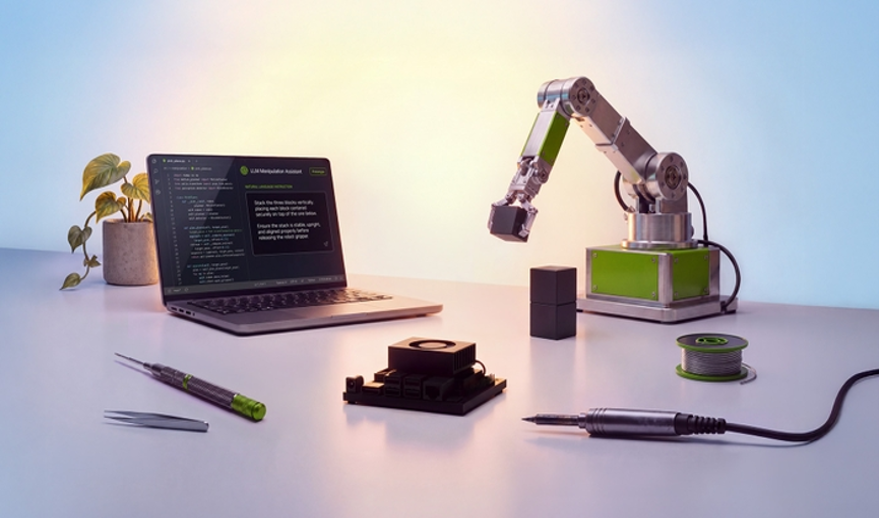
NVIDIA Unveils Jetson Orin Nano 2, Transforming Entry-Level Edge AI Solutions
NVIDIA has launched the Jetson Orin Nano™ 2, a new robotic computer aimed at redefining entry-level edge AI, making cutting-edge generative AI performance accessible to millions of developers. As AI models become smaller and more efficient, edge devices are evolving into autonomous systems capable of understanding context, parsing language and images, and responding in real-time. This development is significant as it enables developers to apply advanced AI capabilities to robotics, delivery drones, and visual AI systems. NVIDIA's Vice President of Robotics and Edge AI, Deepu Talla, emphasized that the accuracy of mid-sized cutting-edge models has reached levels previously seen only in larger models, making real-time intelligence on edge devices feasible. The Jetson Orin Nano 2 offers the necessary performance and energy efficiency for real-time inference at the edge. Looking ahead, companies like Cognex, Doosan Bobcat, and Matic are already exploring the potential of the Jetson Orin Nano 2. With 78 TOPS of AI computing power and improved performance metrics, the device is set to enhance applications in home robotics, visual AI systems, and drone delivery. No further timeline was disclosed at the time of publication.
Edge AI Robotics AI Performance Drone Technology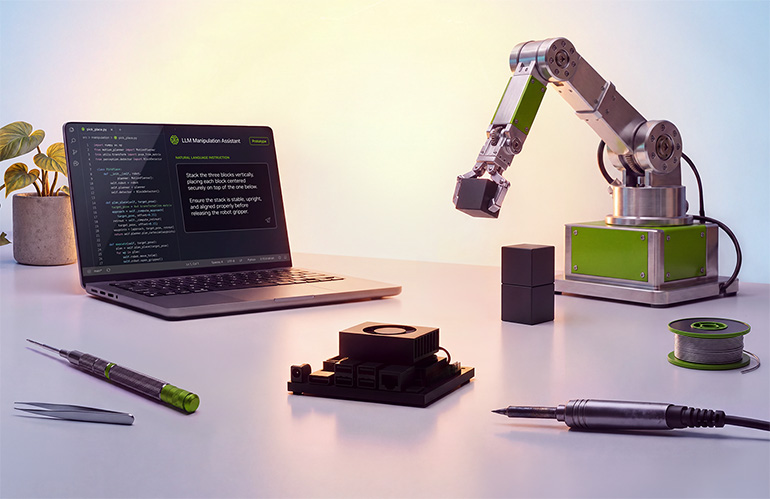
NVIDIA Launches Jetson Orin Nano 2, Enhancing Edge AI for Robotics with Improved Performance
NVIDIA Corp has unveiled the Jetson Orin Nano 2, an entry-level computer designed for edge AI applications. This new system offers doubled inference performance compared to its predecessor while consuming 40% less power in 15-watt mode. With 78 trillion operations per second of AI compute and 8GB of memory, it is tailored for real-time reasoning in smart drones, robots, and vision AI systems. The introduction of the Jetson Orin Nano 2 is significant as it allows developers to leverage advanced AI models that were previously limited to larger systems. According to Deepu Talla, NVIDIA's vice president of robotics and edge AI, the new model brings frontier-level accuracy to entry-level products, enhancing the capabilities of physical AI applications. This development is expected to accelerate the integration of AI into various autonomous devices. Looking ahead, NVIDIA's Jetson Orin Nano 2 is positioned as a key component in the company's comprehensive robotics strategy, which includes simulation and training solutions. The existing software stack is compatible with the new model, enabling developers to utilize large language models and vision language models optimized for edge inference. No further timeline was disclosed at the time of publication.
Artificial Intelligence Artificial Intelligence / Cognition Development Tools / SDKs / Libraries Microprocessors / SoC Microprocessors / SoCs News
Aetina Enhances Edge AI with Support for NVIDIA Jetson Orin Nano 2 Platform
Aetina Corporation has announced its support for the NVIDIA Jetson Orin Nano 2, enhancing its edge AI capabilities. This new platform allows for higher-performance generative AI and multimodal inference, which are crucial for compact Physical AI systems. The introduction of the Jetson Orin Nano 2 marks a significant advancement in entry-level edge AI robotics computers. It enables developers to create sophisticated applications such as delivery and inspection drones, robots, and vision AI systems that can perceive their environment and respond in real time. Looking ahead, the integration of the Jetson Orin Nano 2 into Aetina's offerings is expected to drive innovation in the edge AI sector. No further timeline was disclosed at the time of publication.

NVIDIA Unveils Jetson Orin Nano 2 Robotics Computer for Entry-Level Edge AI
NVIDIA has introduced the Jetson Orin Nano™ 2, a robotics computer designed to enhance entry-level edge AI capabilities. This new device offers frontier-class generative AI performance, enabling developers to create autonomous systems that can understand context and act in real time. With its compact and energy-efficient design, the Jetson Orin Nano 2 is poised to revolutionize robotics applications across various sectors. The significance of the Jetson Orin Nano 2 lies in its impressive specifications, including 78 trillion operations per second of AI compute and 8GB of memory. It delivers double the inference performance of its predecessor while consuming 40% less power. This advancement allows developers to implement real-time reasoning in edge devices, making it a crucial tool for industries utilizing robotics, drones, and vision AI systems. Looking ahead, NVIDIA's Jetson Orin Nano 2 is expected to be adopted by numerous developers and companies, including Cognex, Doosan Bobcat, and Matic. These partnerships will facilitate the development of innovative edge AI applications, such as home robots and delivery drones, enhancing their performance and efficiency. No further timeline was disclosed at the time of publication.
The Boring Company Achieves $23 Billion Valuation Amid New Funding Round in 2026
The Boring Company (TBC) has reached a valuation of approximately $23 billion following a recent funding round, significantly up from its 2022 valuation of $5.68 billion. This increase is attributed to TBC's operational progress and heightened interest in Musk-affiliated ventures after SpaceX's IPO. The funding round involved Middle Eastern investors, who were required to assist in recruiting employees or connecting with government officials as part of the investment conditions. This unique structure positions investors as business development partners, raising potential governance concerns regarding the introduction of officials to TBC contracts. Looking ahead, TBC's valuation reflects both its operational advancements and the speculative nature of private market investments in Musk's ventures. With ongoing projects in Nashville and Dubai, the company aims to replicate its Vegas Loop model in other cities, although its revenue streams remain limited at this stage. No further timeline was disclosed at the time of publication.

Global Nanorobotics Market Expected to Reach $31.44 Billion by 2034
The global nanorobotics market is projected to grow to $31.44 billion by 2034, driven by advancements in targeted drug delivery and regenerative medicine, as reported by Polaris Market Research. The market is estimated at around $9 billion in 2025, with a compound annual growth rate of 14.9 percent anticipated through 2034. Drug delivery remains the largest application, with significant research focused on nanoscale systems that target specific cells while minimizing effects on healthy tissue. Recent research highlights the potential of nanorobotics, including a DNA-based nanorobot from Sweden’s Karolinska Institute that reduced tumor growth by 70 percent in preclinical models. Additionally, autonomous therapeutic nanorobots from the Institute for Bioengineering of Catalonia demonstrated up to 90 percent reduction in bladder tumors, while a modular nanorobot from the University of Basel decreased cancer cell viability to 16 percent. The fastest-growing category is cell-repair nanorobots, with regenerative medicine applications expected to drive demand further. North America currently holds about 41 percent of the market, bolstered by research funding and healthcare infrastructure, while Asia Pacific is set for the fastest growth at nearly 19 percent annually. This growth is attributed to increased investments in biotechnology and precision medicine across China, Japan, South Korea, and India. Collaborative research initiatives in Europe, like the EU-backed i-NANOSWARMS project, are also contributing to the sector's expansion.
News Research biotechnology cancer treatment cell repair drug delivery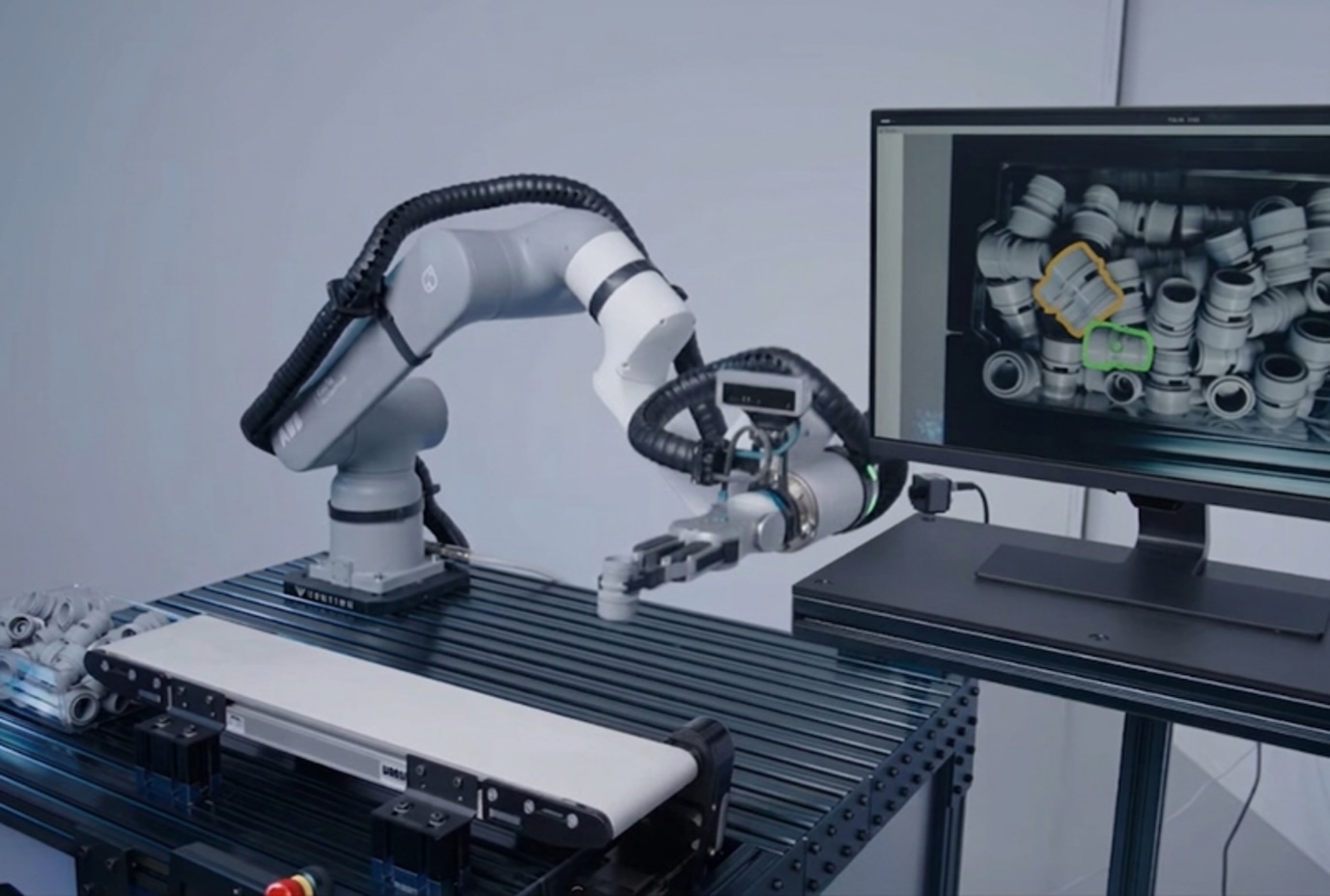
The Boring Company's Supply Chain Dynamics and Challenges in 2026
The Boring Company has developed its own tunnel boring machines, specifically the Prufrock line, and operates its tunnels using vehicles from other manufacturers. However, as of 2026, the primary constraint on expanding its 68-mile network is not the technology or machinery, but rather the permitting process. The company has successfully engineered a fast, reusable electric TBM, yet the bureaucratic hurdles have slowed progress. This unique supply chain structure contrasts sharply with traditional tunneling operations, where custom machines are typically the most significant procurement item. The Boring Company's approach allows for reusing machines across multiple projects, which streamlines operations and reduces costs. Despite ambitious targets, such as boring one mile per week, independent analysts caution that these figures have not been consistently demonstrated across various geological conditions. As of March 2026, the Prufrock-2 machine achieved a record of 2.28 miles in a single drive, but only 3.5 miles of the total 11 miles bored are operational due to delays in station readiness and regulatory approvals. The reliance on precast concrete segments for tunnel construction presents ongoing logistical challenges that could impact future progress.
Aetina Expands Nvidia Jetson Support with T3000 and T2000 AI Modules
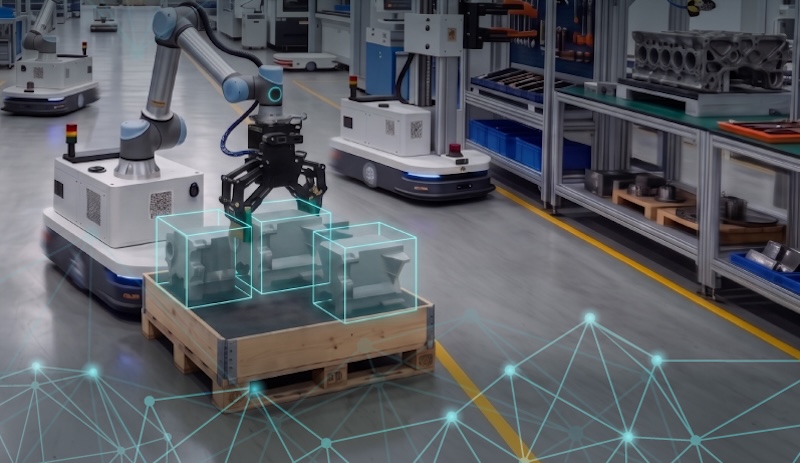
Aetina, a specialist in edge AI computing, is set to enhance its offerings by adding support for the newly unveiled Nvidia Jetson T3000 and T2000 modules. These modules are designed for robotics and industrial edge AI applications, and Aetina plans to integrate them into its DeviceEdge AIE-KT and AIE-PT systems, providing scalable and efficient AI computing solutions. This expansion is significant as it allows Aetina to leverage Nvidia's advanced AI capabilities, including the ability to run generative AI models with low latency, which is crucial for applications like humanoid robots. The Nvidia Jetson T3000 module boasts up to 865 FP4 TFLOPS, while the T2000 offers up to 400 FP4 TFLOPS, catering to a range of robotics applications from visual AI agents to autonomous mobile robots. Looking ahead, Aetina is among the first partners to support these new modules, with Nvidia expecting them to be available in the first quarter of 2027. The company plans to provide further details on system specifications and developer support as the launch date approaches, making it a key player in the evolving landscape of AI-driven robotics solutions.
Computing Industry Aetina automation Autonomous robots DeviceEdge AIE-KT
Exploring Counter-Drone Technologies and Innovations at AFA Day 2
On the second day of the AFA trade show, various technologies were showcased, including counter-drone lasers and cutaway engine blocks. These innovations highlight the growing focus on addressing drone threats in military applications. The significance of these technologies lies in their potential to enhance security measures against unauthorized drone activities. As drone usage increases, the development of effective countermeasures becomes crucial for defense strategies. Looking ahead, industry professionals will be keen to observe advancements in counter-drone systems and their integration into existing military frameworks. No further timeline was disclosed at the time of publication.
Air Warfare Aerovironment AFA Multimedia 2026 Air Force Anduril Brawlr
Exploring Geospatial Innovations at INTERGEO 2026 in Munich
INTERGEO 2026 is set to take place from September 15 to 17 at Messe München, showcasing advancements in mapping, lidar, photogrammetry, AI, and digital twin technologies. This event will gather the global geospatial community for three days of exhibits and discussions, emphasizing the integration of drones into professional mapping workflows. The significance of INTERGEO lies in its focus on the broader geospatial ecosystem, which includes surveying, GIS, remote sensing, and data analysis. Drones are increasingly being utilized for data collection, but the true value is derived from processing and integrating this data with other geospatial systems. Companies like Flyability and Ouster will demonstrate how lidar technology can enhance mapping in challenging environments, while SimActive will showcase its Correlator3D software for efficient data processing. As the event approaches, attendees should look for insights into how drone mapping is evolving and the importance of data processing in creating valuable geospatial products. The conference will feature sessions in both German and English, covering a wide array of geospatial topics relevant to professionals in the field.
Drone News Drone News Feeds News Blue Marble Geographics Digital Twins drone mapping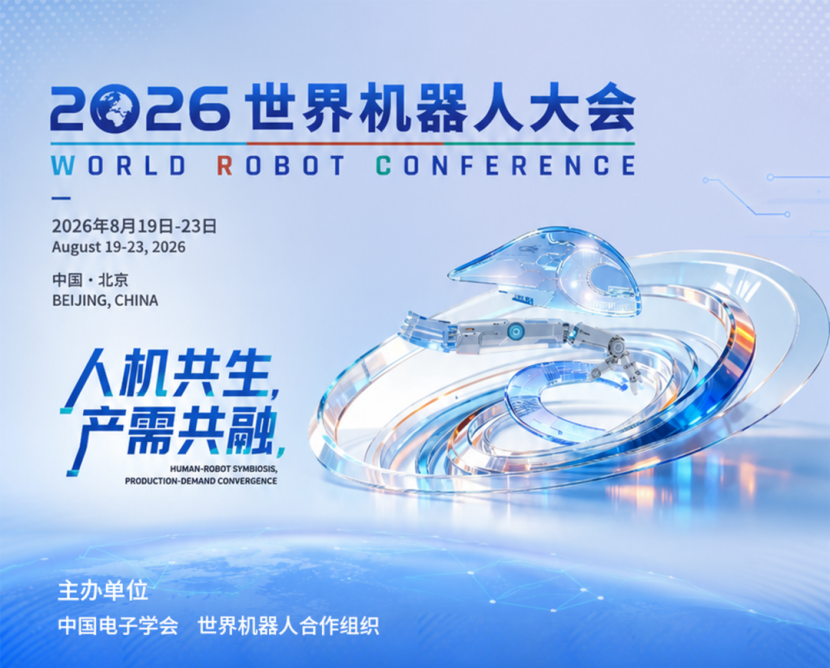
2026 World Robot Conference Competition Schedule Highlights Global Robotics Innovations
The 2026 World Robot Conference will feature competitions focused on technological innovation, industrial applications, and scientific outreach, attracting participants of all ages from over 20 countries. This event aims to cultivate innovative talent in the robotics industry, showcasing significant research outcomes in key areas such as human-robot interaction and embodied intelligence. The competition will include various technical challenges, including a collaborative search and rescue event utilizing aerial and ground robots. Teams will demonstrate their capabilities in reconnaissance, information sharing, and autonomous operations, emphasizing cross-platform collaboration and dynamic decision-making skills. With over 2000 participants from more than 150 universities and research institutions, the conference will also host a youth robotics design competition aimed at fostering teamwork and innovation among students. The event is expected to play a crucial role in addressing challenges in the robotics sector and promoting the development of brain-computer interface technologies.
Robotics Competition AI Technology Brain-Computer Interface Youth Robotics Industrial Applications
Solapur Police Utilize ideaForge Q6 V2 Drones for Pandharpur Wari Pilgrimage Monitoring
ideaForge Technology Limited has deployed eight Q6 V2 drones equipped with megaphones for crowd monitoring and public address during the ongoing Pandharpur Wari pilgrimage. This marks the second consecutive year that ideaForge has supported this significant event, which spans a 250-kilometer route and attracts over 3 million warkaris. The deployment, announced on July 24, 2026, is crucial for managing the large-scale pilgrimage, which involves millions of devotees walking to seek the darshan of Lord Vitthal. The drones provide continuous aerial oversight, enabling real-time announcements and directions to ensure the safety and smooth flow of the crowd. As the pilgrimage progresses, the integration of AI-based video analytics by Bluesky Amida Pvt. Ltd. enhances the monitoring capabilities. The ongoing collaboration between ideaForge and local police underscores the importance of technology in managing large civil operations, with the drones ensuring that nothing goes unseen along the 250-kilometer route.
India Drone Industry India Drone News Indian Drone Technology Police Public Safety aerial surveillance
Exploring the Complexities of RaaS Beyond Subscription Models at RoboBusiness 2026
The Robots as a Service (RaaS) model is gaining attention in commercial robotics due to its potential to transform capital investments into manageable operating expenses. This shift not only enhances accessibility for customers but also provides providers with predictable revenue and stronger customer relationships. However, establishing a successful RaaS business involves more than just offering robots on a subscription basis; it requires strategic decisions regarding pricing, deployment, service coverage, and customer success metrics. The upcoming session titled 'The RaaS Playbook: Pricing, Service, and Scale' at RoboBusiness 2026 will delve into the intricacies of making RaaS effective in practice. Moderated by Mike Oitzman, the panel will feature industry leaders including Rick Faulk from Locus Robotics, Bill Booth from RoboWorx, and Alex Linde from Aescape. Attendees can expect to gain insights into structuring contracts, setting service-level expectations, and understanding the implications of RaaS on customer relationships post-deployment. As the commercial robotics sector seeks scalable adoption strategies, RaaS presents both opportunities and challenges. This session is crucial for robotics founders, executives, and investors aiming to navigate the complexities of RaaS and differentiate between sustainable service models and mere pitches. No further timeline was disclosed at the time of publication.
Business Resources Events News Startups Aescape Locus Robotics
Exploring Real-World Applications of Physical AI at RoboBusiness 2026
At RoboBusiness 2026, scheduled for October 20-21 in Santa Clara, California, industry leaders will explore the practical applications of physical AI in robotics. The keynote panel, titled 'Beyond the Demo: AI in Production Robots,' will feature experts from Amazon Robotics, Teradyne Robotics, and Cobot discussing the integration of AI in real customer environments. This event is significant as it highlights the growing importance of physical AI, which has attracted tens of millions in funding. The discussions will cover various aspects of AI implementation, including perception, autonomy, fleet optimization, and maintenance, showcasing how these technologies can deliver measurable business value in sectors like manufacturing and logistics. Attendees can expect to gain insights into cutting-edge research and industry trends, as well as networking opportunities with other professionals. The event promises to be a pivotal moment for commercial robotics developers, with no further timeline disclosed at the time of publication.
Artificial Intelligence Artificial Intelligence / Cognition Design / Development Events News Amazon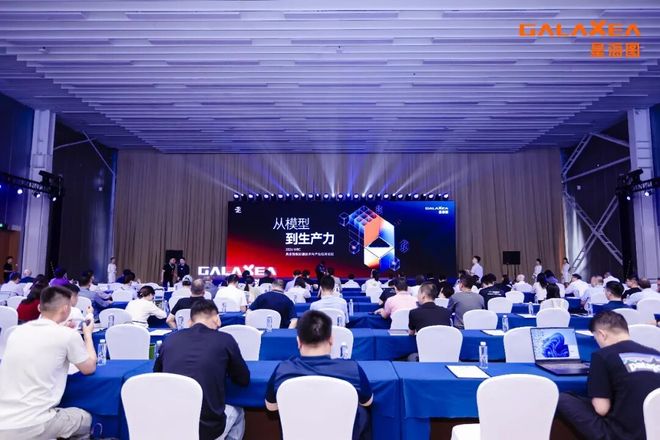
StarSeaTech Advances Embodied Intelligence at World Robotics Conference 2026
During the 2026 World Robotics Conference, StarSeaTech hosted a forum titled 'From Models to Productivity' at the Beiren Yichuang Exhibition Center. The event gathered experts from academia, developers, and corporate executives to discuss innovations in embodied intelligence models, machine evolution, commercialization, and technological boundaries, showcasing the latest thoughts on technology iteration and industrial application. StarSeaTech's Chief Scientist Zhao Xing highlighted the evolution of embodied intelligence technology through instinctive, operational, and evolutionary intelligence levels. The industry is transitioning from isolated technological breakthroughs to systemic competition involving models, data, entities, infrastructure, and applications. StarSeaTech has established a comprehensive productivity flywheel for embodied intelligence, focusing on real machine data, model iteration, and physical task execution supported by infrastructure for continuous optimization. Key announcements included the upgrade of the G0.5 foundational model, the introduction of the Fast-WAM world model pre-training plan, and the launch of the G-Fleet distributed reinforcement learning system. These developments aim to enhance model capabilities, speed up inference times, and support continuous learning in real robot clusters. No further timeline was disclosed at the time of publication.
Embodied Intelligence Robotics AI Technology Model Innovation Industrial Automation
SpaceX IPO Provides Indirect Investment Opportunity in Starmind Project
Starmind does not have a standalone stock or ticker; investors can gain exposure through SpaceX (ticker: SPCX), which began trading on Nasdaq after its IPO on June 12, 2026. Starmind is integrated within SpaceX, contributing to the company's AI and space initiatives, and its performance directly influences SPCX shares. The significance of Starmind lies in its role as a division of SpaceX, which encompasses other projects like Starlink and Starship. As of early July 2026, SPCX shares are trading between $149 and $150, significantly lower than their 52-week high of $225.64. The project’s milestones, such as AI1 prototype updates, can impact SpaceX's stock performance, making it essential for investors to monitor these developments closely. Looking ahead, the early 2027 launch of AI1 prototype satellites is a critical milestone that could provide verifiable data affecting Starmind's valuation and, consequently, SPCX stock. No further timeline was disclosed at the time of publication, but the upcoming events will be pivotal for investors tracking the relationship between Starmind and SpaceX's stock performance.

Exploring Robotics at the 2026 Zhangjiang Intelligent Supply Chain Conference
The 2026 Zhangjiang EAI Conference is set to highlight the practical applications of robotics across various industries, with a focus on tasks such as delivery, inspection, and collaboration. Scheduled to take place in Zhangjiang, the event will feature demonstrations of robots executing real-world functions, including water delivery and navigation through complex environments. By showcasing these capabilities, the conference aims to illustrate the significant role of embodied intelligence in enhancing supply chain efficiency. The initiative seeks to bridge the gap between advanced technology and its practical uses, underscoring the growing importance of robotics in everyday operations.
Robotics Supply Chain Automation Embodied Intelligence Industrial Applications
Stanford’s new iISM microscope images living cells at 120-nanometer resolution
Researchers at Stanford University have developed an innovative microscope that can image nanostructures within living cells, marking a significant advancement in cellular imaging technology. This breakthrough was announced in October 2023 and aims to enhance our understanding of cellular processes at the nanoscale. By enabling scientists to observe these structures in real-time, the new microscope offers insights into cellular functions and interactions that were previously difficult to study. The motivation behind this development is to provide a more detailed view of cellular mechanisms, which could lead to advancements in medical research and treatments. The microscope employs advanced imaging techniques that allow for high-resolution visualization of nanostructures, paving the way for new discoveries in biology and medicine.
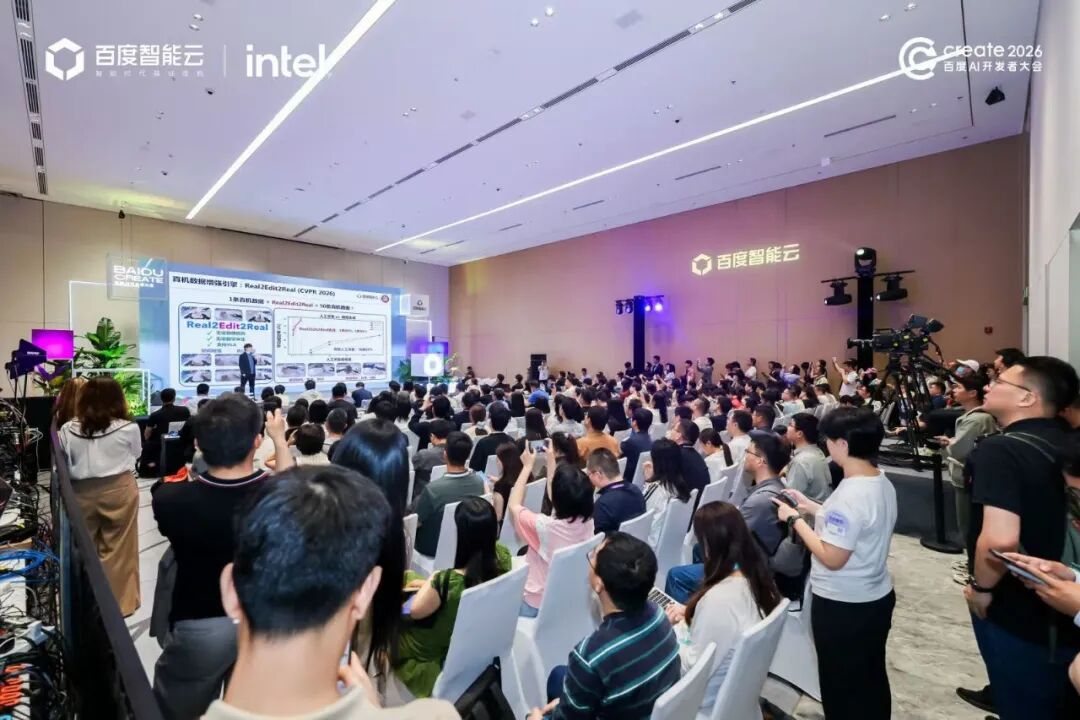
Successful Launch of Baidu Create 2026 Embodied Intelligence Forum: Exploring New Paths for Technology Implementation in Industry and Academia
Experts from prestigious universities and leading companies convened at the Baidu AI Developer Conference's Create 2026 forum in Beijing to explore the concept of embodied intelligence. The event, held recently, focused on critical discussions surrounding model systems, data frameworks, and practical applications within various industries. The forum aimed to facilitate the integration of artificial intelligence technology from the digital realm into the physical world, highlighting the importance of collaboration between academia and industry in advancing AI capabilities.
Embodied Intelligence AI Technology Robotics Industry Applications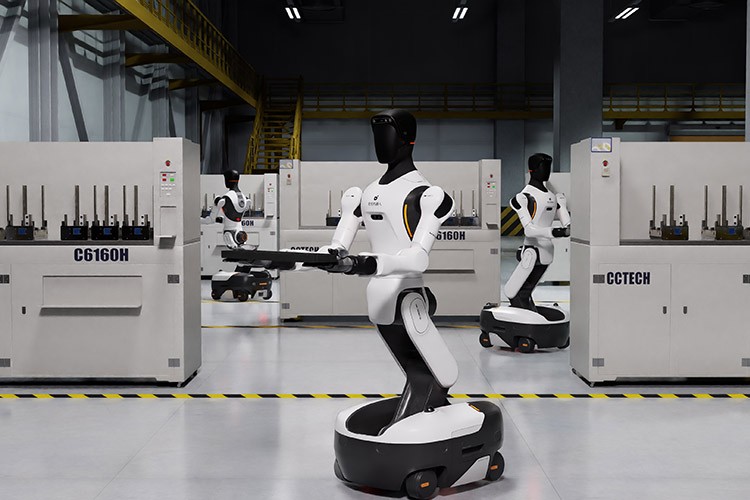
Comprehensive Performance Upgrade: AGIBOT G2 will Fully Integrate NVIDIA Jetson Thor
AGIBOT has unveiled its next-generation robot, the AGIBOT G2, which will feature NVIDIA's Jetson Thor as its core domain controller. This integration represents a significant leap in robotic performance, boasting a 7.5 times increase in AI computing power along with improved real-time processing and task generalization capabilities. The upgrade is designed to position the AGIBOT G2 as a standard in embodied intelligence, responding to the rising demand for intelligent robots across various sectors, including industrial automation and smart logistics.
Robotics Artificial Intelligence Technology Automation Embedded SystemsRobotics needs a service framework.
RSF defines a common language for robot service capability, lifecycle operations, certification pathways, and service-provider networks.
Join the RobotToday community on LinkedIn
Daily robotics news, in-depth analysis, conference highlights, and discussions with professionals worldwide.