Industry Briefing
A single destination for timely, editor-curated robotics news from around the world.

Yokogawa's OpreX Open Automation SI Kit Achieves OPC UA Certification for Interoperability
Yokogawa Electric Corporation has announced that its OpreX Open Automation SI Kit has received certification for compliance with the OPC Unified Architecture profile of the Open Process Automation Standard. This marks a significant milestone as it is the first certification of its kind in the process industry. The certification, granted by the OPC Foundation, validates that release 1.02.10 of the OpreX Open Automation SI Kit meets the OPC UA client/server communication profile defined in the O-PAS standard. This achievement ensures that systems utilizing the Open Automation SI Kit can facilitate standard communication and data exchange, promoting interoperability between components from Yokogawa and other vendors. Looking ahead, Yokogawa's involvement in the Open Process Automation Forum (OPAF) positions it well for future developments in open process automation. The company has engaged in various demonstration projects with major oil companies, highlighting its commitment to advancing flexible and scalable process control architectures. No further timeline was disclosed at the time of publication.
Factory / Communication
Interoperability of AI-Enabled Equipment in Agriculture and Rugged Industries
In industrial sectors such as agriculture, the need for interoperability among AI-enabled equipment is crucial. Commercial farms typically operate a mixed fleet, featuring tractors from various brands and implements from different manufacturers, with machines that can differ in age by decades. This diversity in equipment highlights the challenges faced by farmers and operators in ensuring seamless communication and functionality across different systems. The ability to integrate various AI technologies can significantly enhance operational efficiency and productivity in these rugged industries. Looking ahead, the focus will likely remain on developing standards and solutions that facilitate interoperability among diverse equipment. No further timeline was disclosed at the time of publication.
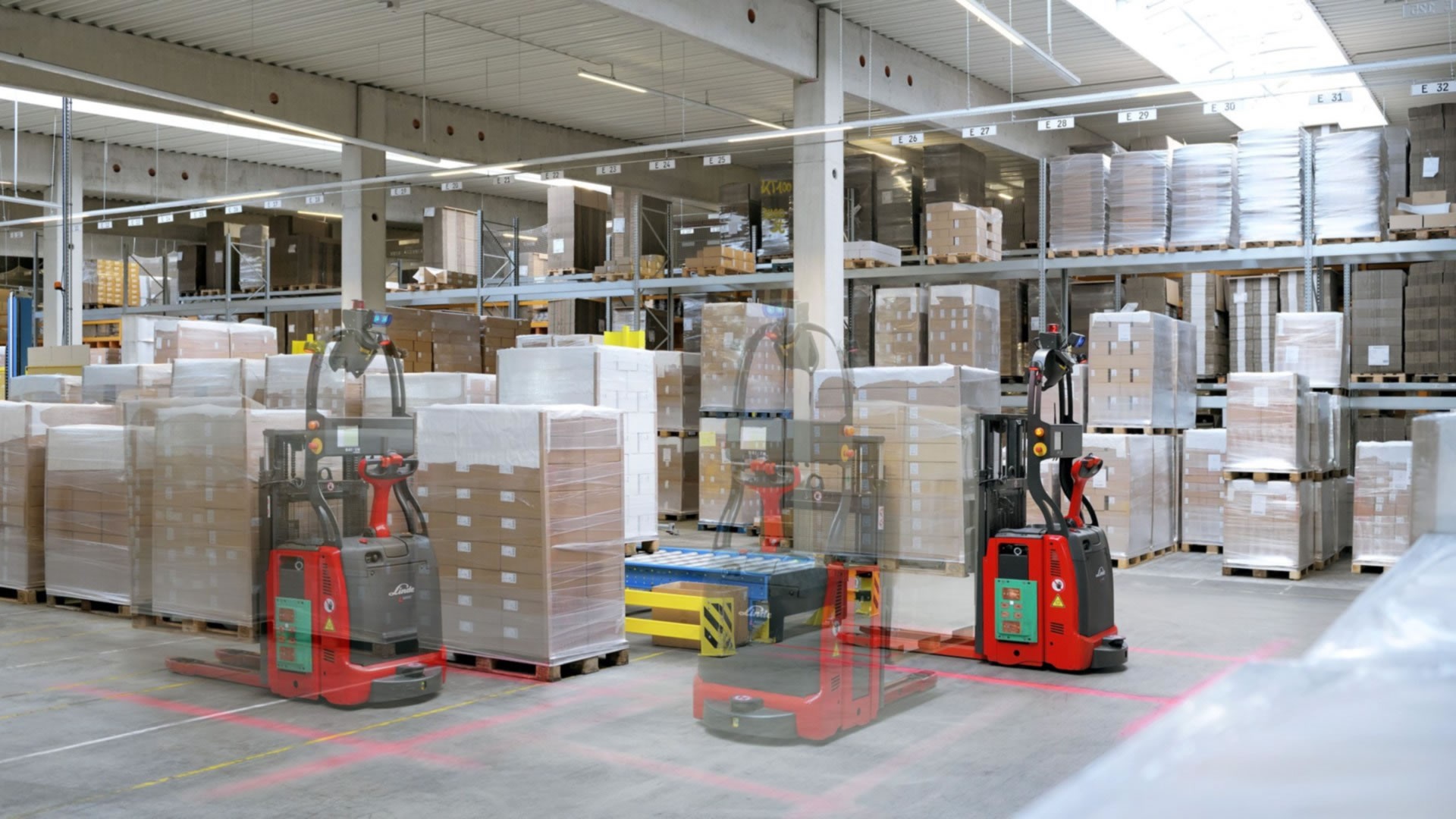
New Integration Expands Mixed-Fleet AGV Interoperability
As the trend of automation in warehouses and manufacturing facilities accelerates, operators are prioritizing the coordination of autonomous vehicles through unified control systems. This growing demand for Mixed-Fleet AGV Interoperability is driven by companies looking to integrate automated guided vehicles (AGVs), autonomous mobile robots (AMRs), and manually operated equipment into their operations. The push for seamless integration aims to enhance efficiency and streamline processes, reflecting the industry's shift towards more sophisticated automation solutions.
AMR and AGV IT in Logistics Materials Handling AGV fleet integrationRobotics needs a service framework.
RSF defines a common language for robot service capability, lifecycle operations, certification pathways, and service-provider networks.
Join the RobotToday community on LinkedIn
Daily robotics news, in-depth analysis, conference highlights, and discussions with professionals worldwide.