Industry Briefing
A single destination for timely, editor-curated robotics news from around the world.
NVIDIA Announces Industrial AI Collaboration with Japan's Leading Manufacturers
On July 16, NVIDIA CEO Jensen Huang announced a significant partnership in Tokyo with major Japanese manufacturers such as Fanuc, Yaskawa Electric, and Kawasaki Heavy Industries. This collaboration aims to advance the deployment of physical AI in Japan, marking a pivotal moment in the industrial AI landscape. The launch of the Cosmos 3 Edge model, designed for edge devices, is a key component of this initiative, with over 20 Japanese industrial giants planning to join the Cosmos alliance. The Cosmos 3 Edge model, based on NVIDIA's Nemotron with 4 billion parameters, is tailored for the NVIDIA Jetson edge computing platform. Developers can adapt the model to specific robots, vehicles, or sensors in about a day, enabling real-time environmental perception and decision-making without cloud connectivity. Additionally, the NVIDIA Metropolis library enhances the speed of building video intelligence systems by at least six times, further facilitating the integration of AI in various industrial applications. As Japan transitions from a manufacturing powerhouse to a leader in physical AI, NVIDIA is positioning itself as the foundational computing infrastructure for this industrial revolution. The involvement of companies like Fanuc, Kawasaki, and Yaskawa signifies a shift from technology demonstrations to practical applications on factory assembly lines, showcasing the tangible impact of physical AI in the industry.
Industrial AI Robotics Edge Computing Automation Manufacturing Technology
Into the Omniverse: How Industrial AI and Digital Twins Accelerate Design, Engineering and Manufacturing Across Industries
Companies across various industries are increasingly leveraging industrial AI, digital twins, AI physics, and accelerated AI infrastructure to enhance their design, simulation, and optimization processes. This technological shift allows organizations to refine products, processes, and facilities in a virtual environment before actual construction begins. By adopting these advanced tools, businesses aim to improve efficiency, reduce costs, and accelerate time-to-market for new innovations. The integration of these technologies is seen as a crucial step in staying competitive in a rapidly evolving market, enabling firms to make data-driven decisions and optimize their operations effectively.
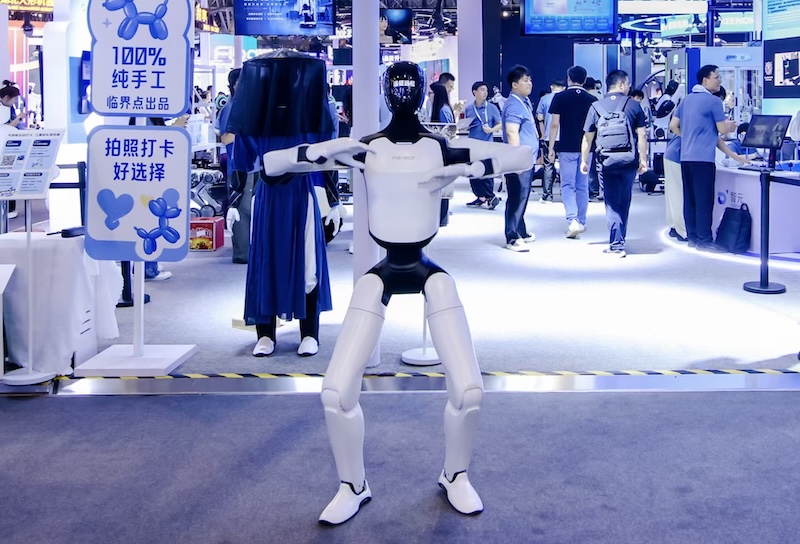
AGIBOT Launches Four New Robots at WAIC 2026, Expanding Industrial AI Portfolio
AGIBOT introduced four new robotic products at the World Artificial Intelligence Conference (WAIC) 2026 in Shanghai, enhancing its humanoid robots and industrial automation systems. The new offerings include the AGIBOT A3 Ultra humanoid robot, X2 EDU education platform, G2 Max industrial robot, and OmniHand 3 Ultra-M dexterous robotic hand, alongside the deployment of over 30 robots for visitor assistance at the event. This expansion is significant as it underscores AGIBOT's commitment to advancing embodied AI technology, moving beyond mere demonstrations to reliable integration in real-world applications. The A3 Ultra, G2 Max, and OmniHand 3 Ultra-M are designed to tackle critical challenges in humanoid platforms, industrial tasks, and dexterous manipulation, reflecting the company's focus on delivering practical value at scale. Looking ahead, AGIBOT's strategy aims to transition embodied AI from laboratory settings to consistent commercial and industrial workflows. No further timeline was disclosed at the time of publication.
Events Humanoids News A3 Ultra agibot artificial intelligence
Swiss Kemaro Pre-Closes $5M in Series B Round to Fund Expansion of Autonomous Industrial AI-Native Cleaning Robots
Swiss industrial robotics company Kemaro has successfully secured $5 million in an initial pre-closing of its Series B funding round, which aims to raise a total of $20 million. The pre-closing was spearheaded by Spicehaus Partner AG. The funds will be utilized to enhance sales operations, facilitate international expansion, and support the development of new products. Founded in [year], Kemaro is positioning itself for significant growth in the robotics sector.
AI AI Funding & Investment Robotics funding KEMARO robots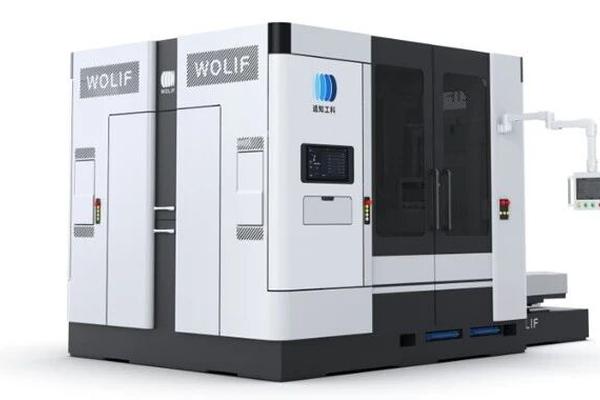
Zhuizhi Engineering Technology Secures Seed Funding for Industrial AI Development
Zhuizhi Engineering Technology Co., Ltd. has successfully completed a seed funding round, raising several million yuan from investors including L2F Light Source Entrepreneur Fund, Shangrong Capital, and Yicun Capital. The funding will primarily support core product development, team building, and market expansion. Founded in February 2024, Zhuizhi focuses on industrial intelligent agents, aiming to enhance automation and intelligence in complex manufacturing processes. The company, which is affiliated with Shanghai Jiao Tong University and the Shanghai Artificial Intelligence Research Institute, seeks to address challenges such as flexible production and skilled labor shortages in the manufacturing sector. The company has introduced the WOLIF Industrial Agentic Robot, which utilizes a proprietary industrial brain for real-time closed-loop control, distinguishing itself from traditional automation methods. Zhuizhi has already secured its first commercial contract with a publicly listed company and received significant orders in the aerospace manufacturing sector, indicating a promising trajectory for its innovative AI solutions.

RJ Scaringe Unveils Mind Robotics: A $500M Bet on 'Captured Distribution' for Industrial AI
RJ Scaringe, the founder of Rivian, has officially launched Mind Robotics, a new startup that seeks to merge traditional automation with human-like dexterity in industrial applications. The venture is supported by prominent investors Accel and Andreessen Horowitz (a16z). This initiative aims to address the growing demand for more adaptable and efficient robotic solutions in various industries. By leveraging advanced technology, Mind Robotics intends to enhance automation capabilities, making them more versatile and capable of performing complex tasks that require a level of finesse typically associated with human workers. The announcement marks a significant step in Scaringe's ongoing commitment to innovation in the robotics sector.
RJ Scaringe Mind Robotics Rivian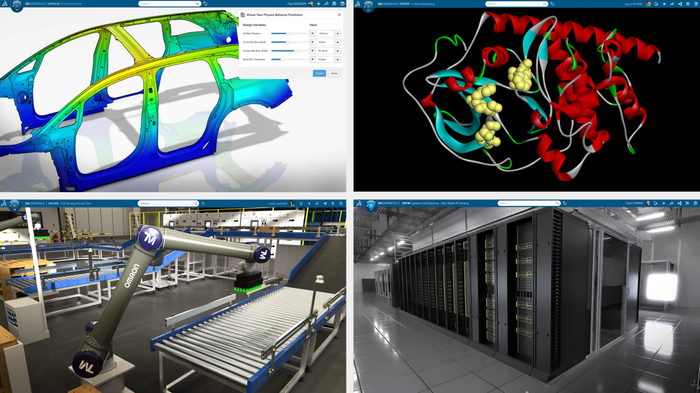
Dassault Systèmes and NVIDIA Partner to Build Industrial AI Platform Powering Virtual Twins
Dassault Systèmes and NVIDIA have entered into a long-term strategic partnership aimed at creating a unified industrial architecture for mission-critical artificial intelligence applications across various industries. This collaboration, announced recently, seeks to leverage both companies' expertise to enhance the integration and deployment of AI technologies in industrial settings. By combining Dassault Systèmes' advanced simulation and modeling capabilities with NVIDIA's powerful computing platforms, the partnership aims to drive innovation and efficiency in sectors that rely heavily on AI. The initiative reflects a growing trend among technology firms to collaborate in order to address the increasing demand for sophisticated AI solutions that can operate reliably in critical environments.
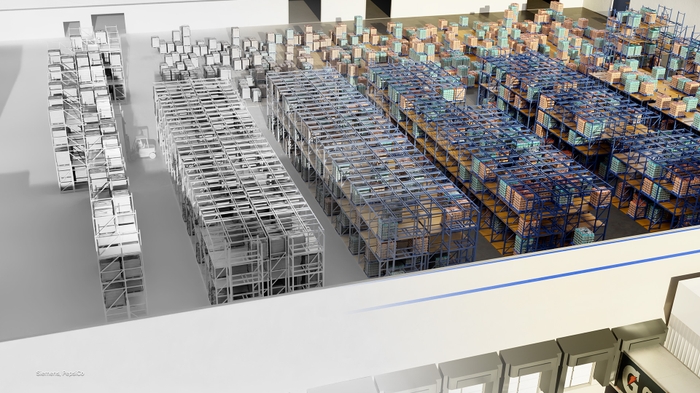
Siemens and NVIDIA Expand Partnership to Build the Industrial AI Operating System
Siemens and NVIDIA have announced a major expansion of their strategic partnership aimed at integrating artificial intelligence into practical applications. The announcement was made today, highlighting the companies' commitment to advancing AI technology for real-world use. This collaboration seeks to leverage NVIDIA's cutting-edge AI capabilities alongside Siemens' expertise in industrial automation and digitalization. By combining their strengths, the two companies aim to enhance productivity and innovation across various sectors, ultimately driving digital transformation in industries worldwide. This initiative reflects a growing trend among technology leaders to harness AI's potential to improve operational efficiency and create smarter solutions for complex challenges.
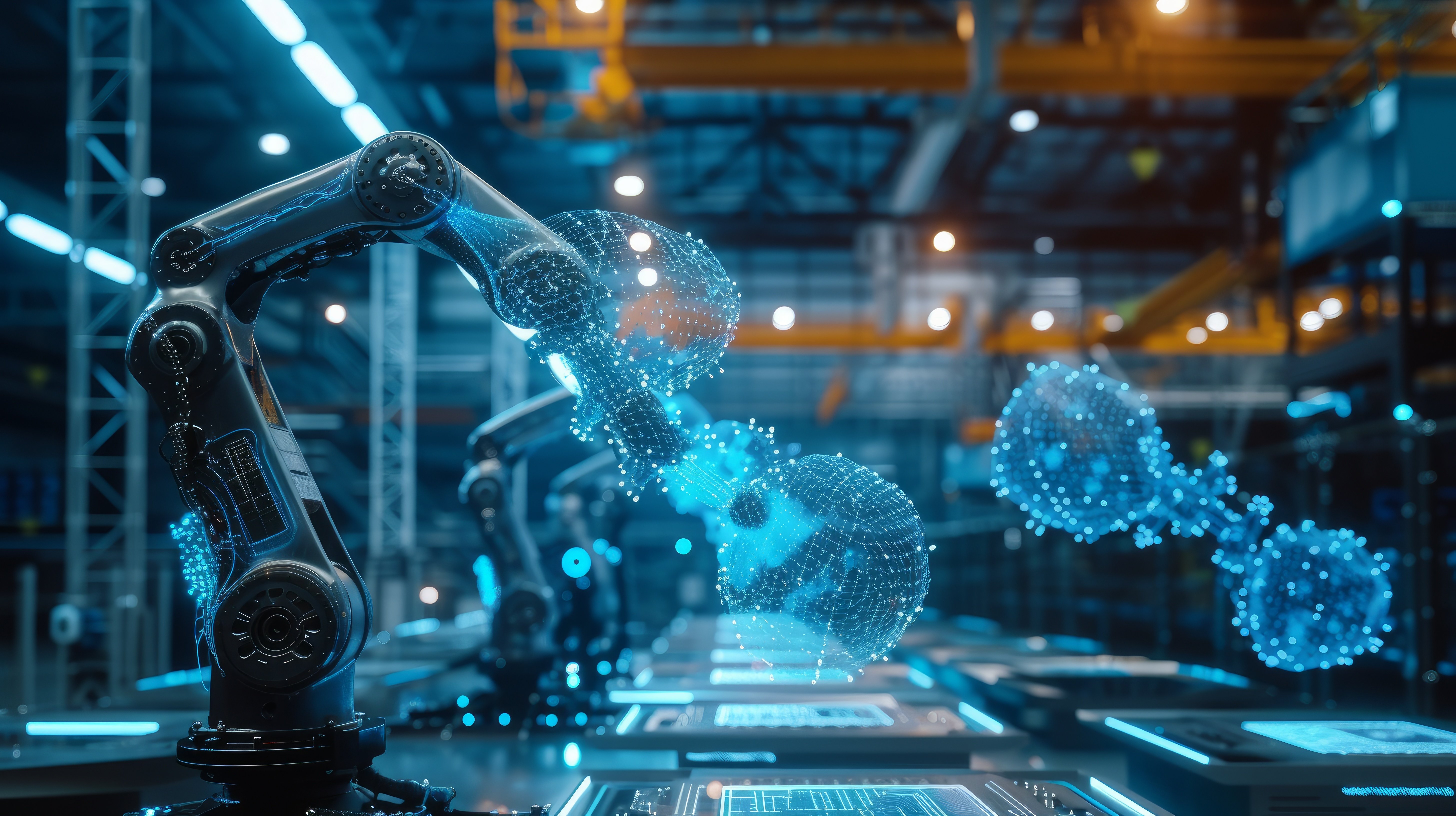
Device Insight and MakinaRocks combine their expertise for Industrial AI solutions
Munich-based IoT and Data Analytics firm Device Insight, part of the KUKA Group since 2019, has announced a strategic partnership with South Korean AI startup MakinaRocks. This collaboration, unveiled on January 22, 2025, aims to enhance the integration of AI-driven solutions within production environments. By combining their expertise, the two companies seek to set new standards in industrial digitalization, ultimately facilitating a more efficient and innovative approach to manufacturing processes.
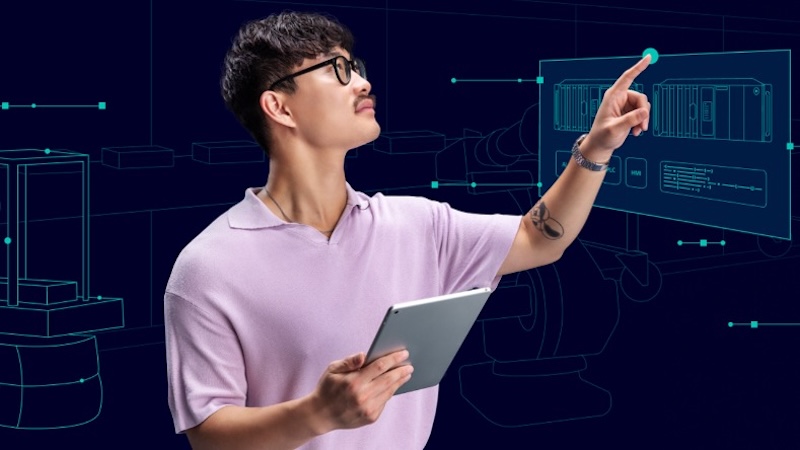
Siemens collaborates with Databricks and FFT to enhance production data with AI insights.
Siemens has unveiled a new edge-to-cloud integration in collaboration with Databricks, a leading Data and AI company, and its long-time automation partner, FFT Produktionssysteme. This innovative partnership aims to streamline the connection of production data directly to enterprise AI, eliminating the need for complex IoT middleware. By facilitating this direct integration, Siemens and its partners intend to empower industrial customers to transform their production data into actionable insights, thereby enhancing the scalability of industrial AI solutions on a global scale. This initiative underscores the growing importance of data-driven decision-making in the manufacturing sector, enabling companies to leverage advanced analytics for improved operational efficiency and competitiveness.
Artificial Intelligence Automation Industry News artificial intelligence cloud computing
AI and Robotics Leaders to Headline Automate 2026
The Association for Advancing Automation (A3) has announced the keynote lineup for Automate 2026, set to take place from June 22 to June 25 at McCormick Place in Chicago. This premier event, North America’s largest automation gathering, will focus on the transformative impact of artificial intelligence on industrial automation, addressing workforce shortages, enhancing productivity, and maintaining competitiveness across various sectors. Industry leaders, including executives from Siemens Digital Industries and Standard Bots, will lead discussions on the integration of AI into automation systems and the evolving capabilities of robotics in manufacturing and logistics. The program features a notable leadership conversation with former Chicago Bears linebacker Brian Urlacher and radio announcer Jeff Joniak, exploring the parallels between sports leadership and organizational performance. Anticipating over 50,000 attendees, Automate 2026 will showcase more than 1,000 exhibitors and feature over 200 expert speakers across 140 conference sessions, covering critical trends such as industrial AI and workforce transformation. The event aims to surpass the previous record set in 2024, which attracted nearly 43,000 registrants and generated a significant economic impact for the city. For further details and registration, interested participants can visit automateshow.com.
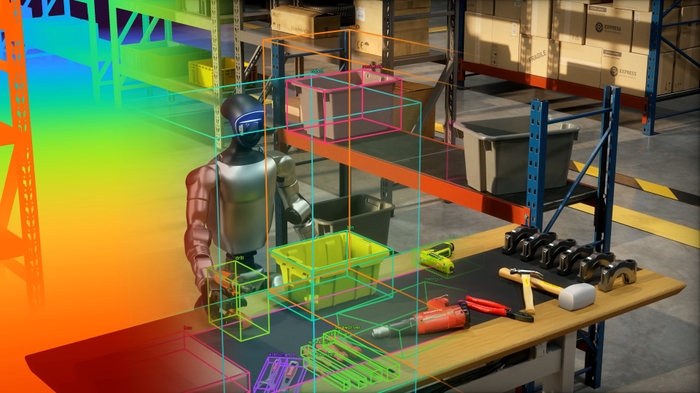
NVIDIA Expands Agent Toolkit with Omniverse Libraries for Enhanced Simulation Capabilities
NVIDIA has announced the integration of NVIDIA Omniverse libraries into the NVIDIA Agent Toolkit, enhancing AI agents' capabilities to prepare 3D content for simulation. This development is crucial as robots and autonomous systems require thorough testing in simulated environments before real-world deployment. The addition of Omniverse libraries allows AI agents to build workflows, inspect scenes, and prepare assets, significantly accelerating the transition from 3D content to simulation-ready environments. Jensen Huang, NVIDIA's CEO, emphasized that the future of physical AI will be rooted in simulation, highlighting the importance of this toolkit in the development of robotics and industrial AI. Software makers like SideFX and PTC are already leveraging these libraries to enhance their applications, integrating features such as sensor simulation and asset validation. As more developers adopt these tools, the focus will be on how they can streamline workflows and improve the efficiency of creating simulation-ready content. No further timeline was disclosed at the time of publication.
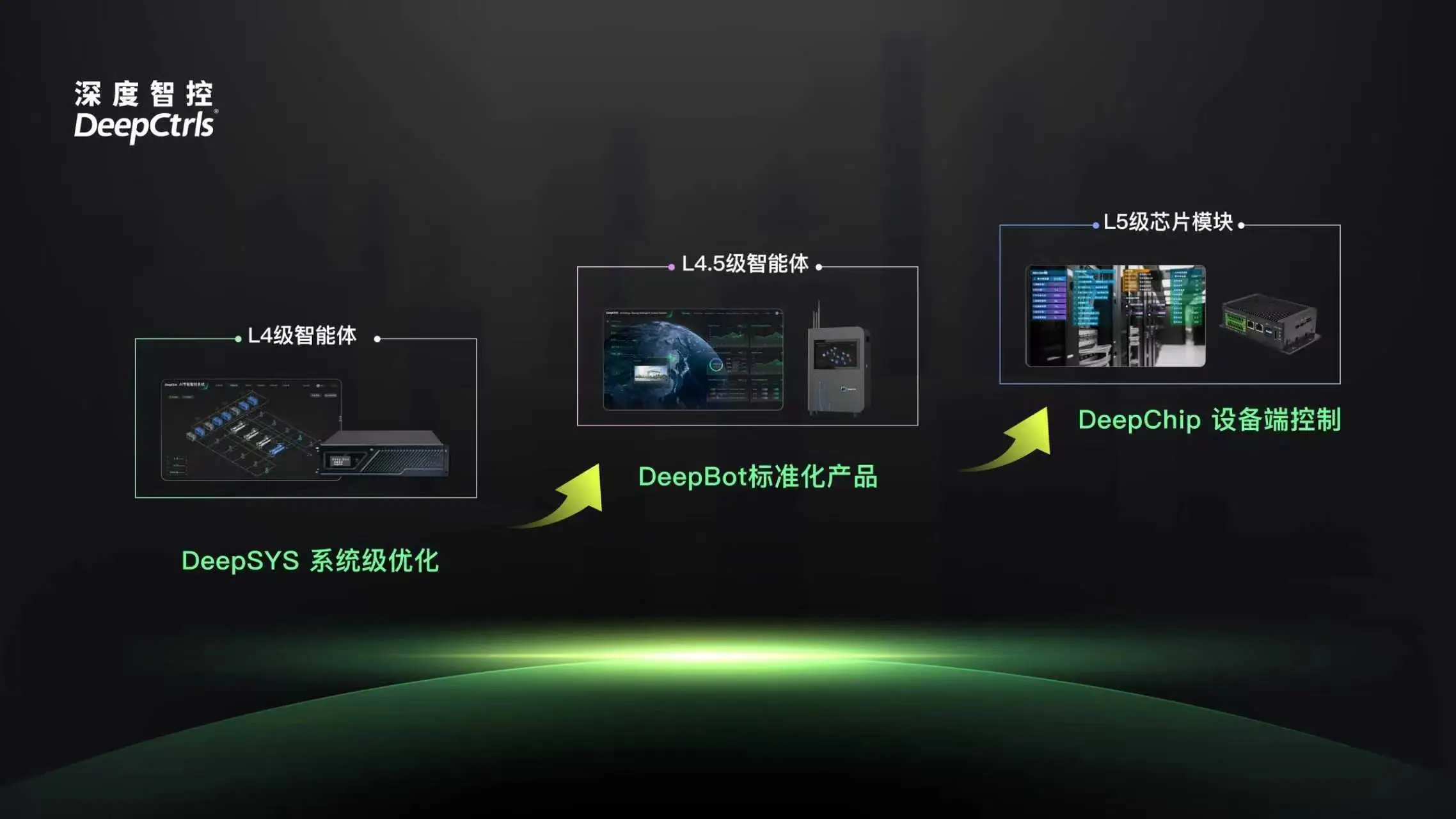
DeepCtrls Secures Hundreds of Millions in Funding to Revolutionize Global Energy Infrastructure with Physical AI
DeepCtrls, a Chinese physical AI company, has successfully secured hundreds of millions in Series B funding, with JinkoSolar leading the investment round alongside other contributors. This significant financial boost will be directed towards enhancing the company’s proprietary PhyAI engine and expanding its DeepBot product into international markets. DeepCtrls is committed to integrating physical mechanisms with artificial intelligence, aiming to revolutionize energy infrastructure and enhance industrial AI applications. The company has already established a strong client base, including major players such as TSMC and Tencent, and is poised for substantial revenue growth as it continues to innovate in the sector.
Physical AI Energy Infrastructure Industrial AI Automation Global Expansion
Qingyan Precision Secures Funding to Drive Physical AI Infrastructure Development
Qingyan Precision, a spin-off from Tsinghua University, has successfully secured hundreds of millions in its latest funding round to bolster its advancements in physical artificial intelligence. The company is dedicated to revolutionizing automotive testing by developing a comprehensive engineering system that gathers and analyzes real-world data. With more than 2,000 data collection nodes already in operation, Qingyan Precision is positioning itself as a significant contributor to the industrial AI sector. This funding will enable the firm to enhance data-driven decision-making processes within the manufacturing industry, further establishing its role in the evolving landscape of technology and engineering.
Physical AI Industrial Automation Data Infrastructure Engineering Systems
NOVARC LAUNCHES NovAI AUTONOMY AS PART OF NovAI SUITE AND EXPANDS INTEGRATION TO YASKAWA AND ABB ROBOTS
Novarc Technologies, an industrial AI company focused on welding automation, unveiled its latest innovations at the Automate 2026 trade show in Chicago, running from June 22-25. The company introduced NovAI™ Autonomy, a cutting-edge solution that integrates machine vision and real-time adaptability into robotic welding processes, alongside NovHub™, its Enterprise Welding Intelligence platform. These technologies are designed to enhance the capabilities of ABB and Yaskawa robots, addressing critical challenges in the fabrication industry, such as a shortage of skilled welders and the need for greater automation flexibility. CEO Soroush Karimzadeh emphasized that NovAI aims to retrofit existing robotic cells, improving quality and efficiency by adapting to variations in parts and reducing manual rework. Demonstrations at the event showcased how NovAI Autonomy can automatically adjust welding parameters in response to misalignments and gaps, promising increased return on investment for manufacturers. The partnership with Yaskawa, formalized through a Memorandum of Understanding, aims to accelerate the deployment of vision-enabled welding cells, further enhancing productivity in heavy fabrication sectors. As demands for precision and efficiency grow, Novarc's advancements position it as a leader in AI-powered welding solutions, enabling manufacturers to optimize their operations and remain competitive.

Eco Wave Power Turns Waves Into Watts With NVIDIA AI Infrastructure and Digital Twins
The future of artificial intelligence (AI) is poised to be shaped not just by computational power but significantly by energy resources. As AI technologies evolve, particularly in areas such as agentic AI, industrial AI, edge computing, and robotics, the demand for sustainable energy solutions will become increasingly critical. This shift highlights the importance of integrating energy efficiency into the development of AI systems, ensuring that as these technologies scale and become more prevalent, they do so in an environmentally responsible manner. The emphasis on energy will drive innovation and investment in renewable resources, ultimately influencing the trajectory of AI advancements.

Xiaoyubot Raises New Round, Backed by Xiaomi, Didi, BAIC
Xiaoyubot, a prominent player in China's industrial embodied AI sector, has successfully raised a substantial multi-hundred-million yuan funding round. This investment round saw participation from five major industrial investors, including Xiaomi, Didi, BAIC, Fosun, and CCDC. Notably, Lei Wanqiang has continued his support by investing for the fourth consecutive time. This influx of capital is expected to bolster Xiaoyubot's growth and innovation in the rapidly evolving AI landscape, reflecting the increasing interest and confidence in the potential of industrial AI technologies.
Robotics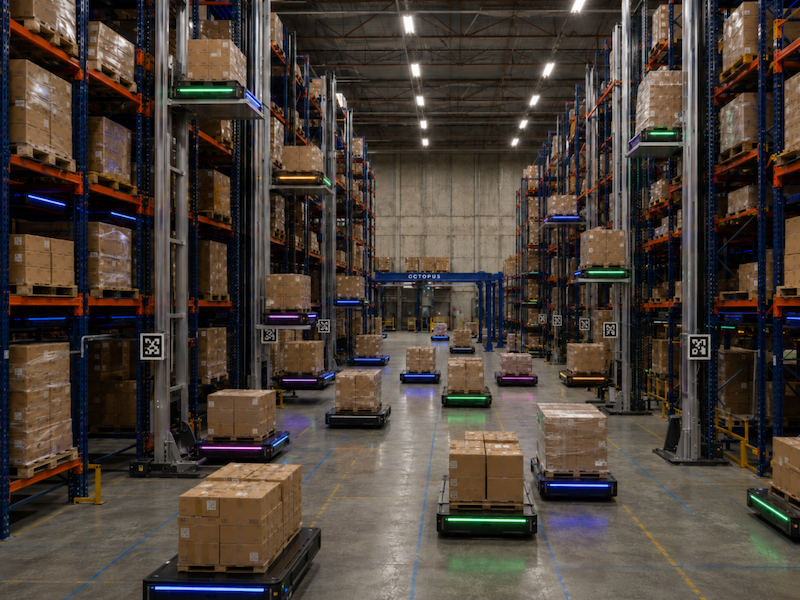
Real-Time Supply Chains Transform Industrial Real Estate and Inventory Management
Recent advancements in predictive analytics, robotics, and data-driven logistics are reshaping industrial real estate by reducing reliance on large inventories. Traditionally, warehouses were designed to manage uncertainty through storage, but the shift towards real-time coordination is changing this paradigm. As supply chains become more connected and visibility improves, the need for extensive inventory diminishes, leading to a redesign of facilities focused on efficient operations. This transformation is significant as it alters the fundamental structure of industrial real estate, moving away from storage-heavy models to those optimized for continuous movement. Just as the introduction of standardized shipping containers revolutionized logistics, the new design principles for automation and throughput will set long-lasting standards for future infrastructure. The choice of facilities that prioritize flow over storage will influence the development of buildings, vehicles, and logistics networks for years to come. Looking ahead, the role of intermediate facilities is evolving from inventory storage to dynamic transfer points, facilitating the movement of goods between transportation modes. As data accessibility increases and transportation systems become more coordinated, the industry must adapt to these changes. No further timeline was disclosed at the time of publication.
Features Logistics Supply chain automation autonomous logistics digital twins
Top 7 AI Agent Platforms for Industrial Manufacturing in 2026
The manufacturing sector is undergoing a significant digital transformation, marked by substantial investments in Internet of Things (IoT) sensors, Manufacturing Execution Systems (MES), industrial analytics, and predictive maintenance solutions over the past decade. This shift has provided manufacturers with unparalleled operational visibility, enabling real-time monitoring of equipment, production lines, quality metrics, and material flows. Despite these advancements, production managers continue to face challenges in optimizing processes and improving efficiency. The integration of these technologies aims to enhance productivity and streamline operations, ultimately driving the industry towards a more data-driven future.
AI agents Manufacturing ai agents autonomous manufacturing digital manufacturing ERP integration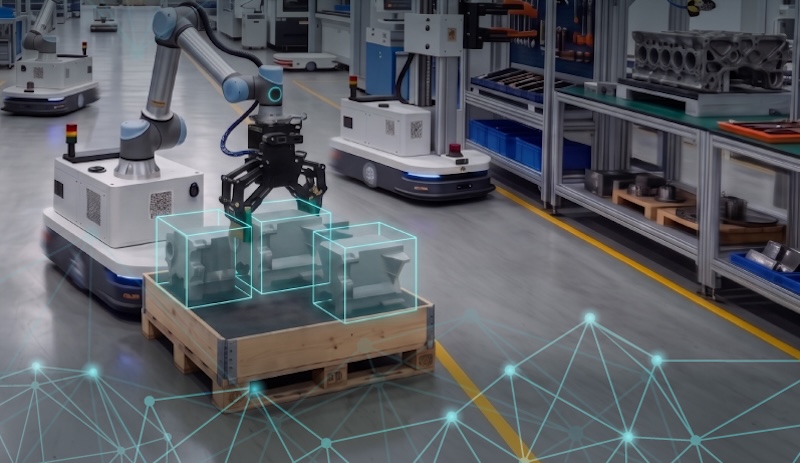
Aetina Expands Nvidia Jetson Support with T3000 and T2000 AI Modules
Aetina, a specialist in edge AI computing, is set to enhance its offerings by adding support for the newly unveiled Nvidia Jetson T3000 and T2000 modules. These modules are designed for robotics and industrial edge AI applications, and Aetina plans to integrate them into its DeviceEdge AIE-KT and AIE-PT systems, providing scalable and efficient AI computing solutions. This expansion is significant as it allows Aetina to leverage Nvidia's advanced AI capabilities, including the ability to run generative AI models with low latency, which is crucial for applications like humanoid robots. The Nvidia Jetson T3000 module boasts up to 865 FP4 TFLOPS, while the T2000 offers up to 400 FP4 TFLOPS, catering to a range of robotics applications from visual AI agents to autonomous mobile robots. Looking ahead, Aetina is among the first partners to support these new modules, with Nvidia expecting them to be available in the first quarter of 2027. The company plans to provide further details on system specifications and developer support as the launch date approaches, making it a key player in the evolving landscape of AI-driven robotics solutions.
Computing Industry Aetina automation Autonomous robots DeviceEdge AIE-KT
ABB and Salzburg researchers patent AI system to cut energy use in industrial robots
Salzburg University of Applied Sciences has partnered with ABB’s Machine Automation Division, B&R, to enhance energy efficiency in industrial automation through the application of artificial intelligence. This collaboration is centered at the Josef Ressel Center for Intelligent and Secure Industrial Automation (JRZ ISIA), where the two entities aim to translate cutting-edge research into viable solutions for industrial drive systems. By leveraging AI technologies, the initiative seeks to optimize energy consumption and improve operational efficiency in manufacturing processes, addressing the growing demand for sustainable industrial practices.
Industrial robots News abb ai in manufacturing AI optimization automation news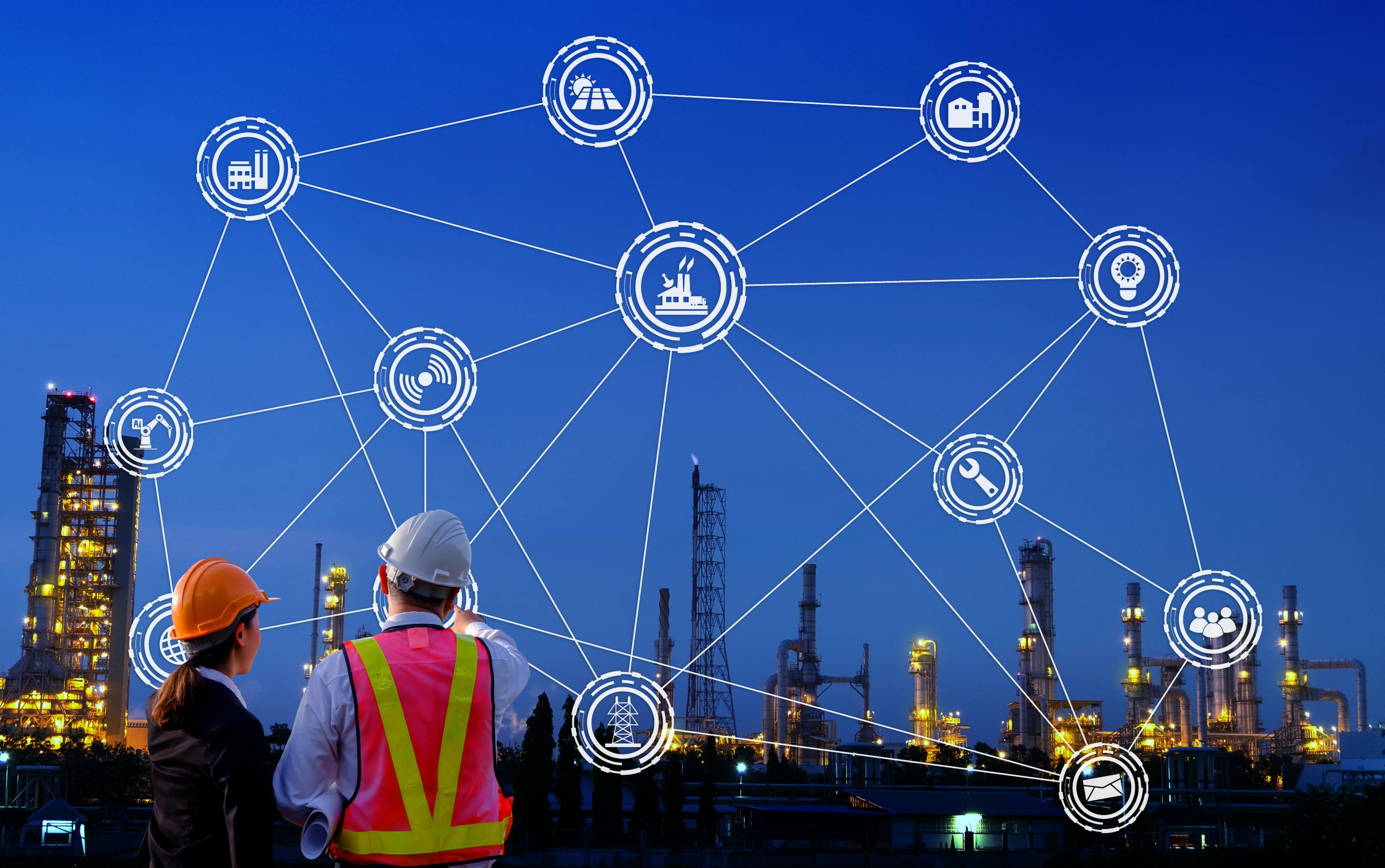
Preparing for Artificial Intelligence: The Real Question Is Facility Readiness
A recent analysis highlights the critical factors for successful industrial AI implementation, emphasizing the importance of data quality, a comprehensive understanding of processes, and robust cybersecurity measures. Experts in the field assert that organizations aiming to leverage artificial intelligence in their operations must prioritize these foundational elements to ensure effective integration and performance. The insights were shared during a conference held in October 2023, where industry leaders gathered to discuss advancements and challenges in AI technology. By focusing on these key areas, businesses can enhance their operational efficiency and safeguard their systems against potential cyber threats, ultimately driving innovation and competitiveness in the industrial sector.
Factory / IIoT
Ouster Releases Family of ‘Native Color Lidar’ Sensors for Robotics, Autonomous Vehicles
Ouster has launched a groundbreaking series of digital lidar sensors, the Rev8 family, which the company claims to be the world's first native color lidar platform. This innovative technology is designed for applications in robotics, autonomous vehicles, and industrial AI systems. The announcement was made recently, showcasing the sensors' capabilities powered by Ouster's advanced L4 Silicon architecture, which enhances their range and performance. This development marks a significant advancement in lidar technology, aiming to meet the growing demand for high-quality sensing solutions in various industries.
AI AI Use Cases Robotics autonomous driving industrial AI LiDAR
Everything Will Be Represented in a Virtual Twin, NVIDIA CEO Jensen Huang Says at 3DEXPERIENCE World
NVIDIA's founder and CEO, Jensen Huang, has joined forces with Dassault Systèmes CEO, Pascal Daloz, to establish a partnership aimed at developing a shared industrial AI architecture. This collaboration, announced recently, seeks to integrate virtual twins with physics-based AI, a move that promises to transform the fields of design and engineering. The initiative is positioned to redefine how industries approach innovation and efficiency, leveraging advanced technologies to enhance product development and operational processes. By combining their expertise, both companies aim to push the boundaries of what is possible in industrial applications, ultimately driving progress in various sectors.

Manufacturers Must Prioritize Industrial Data Governance Before AI and Analytics
Manufacturers are generating unprecedented amounts of data through automation systems, capturing everything from process values to production metrics. However, many plants face challenges in quickly answering fundamental operational questions, such as equipment status during issues or alarm sequences. The root cause often lies in a lack of structured, contextualized data governance rather than insufficient data itself. As manufacturers increasingly invest in analytics and AI, the importance of a solid data foundation becomes critical. Structured data not only aids in generating meaningful reports but also enhances AI insights. Poorly designed automation systems can lead to disorganized data, resulting in confusion and inefficiencies that erode trust among operators and complicate reporting for engineers and maintenance teams. To address these challenges, manufacturers must focus on establishing effective data governance from the outset of automation system design. Collecting more data does not inherently create value; instead, organizing data around relevant categories is essential for it to be actionable. No further timeline was disclosed at the time of publication.
Factory / Analytics
Intrinsic’s vision for physical AI: Building the software-defined factory
For decades, the industrial automation sector has adhered to a consistent model, where production lines have accelerated, robots have gained enhanced capabilities, and software has evolved, yet the fundamental approach has remained unchanged. Automation systems have traditionally been designed for specific tasks, resulting in high costs and lengthy processes for achieving flexibility. However, this conventional model is now facing significant challenges as manufacturers strive to adapt to rapidly changing market demands and consumer preferences. The push for more versatile and efficient automation solutions is prompting a reevaluation of existing practices, signaling a potential shift in the industry towards more adaptable and cost-effective systems. As companies seek to enhance their competitiveness, the evolution of automation technology is becoming increasingly critical in meeting the dynamic needs of the manufacturing landscape.
Artificial Intelligence Factories News ai robotics Automate 2026 electronics assembly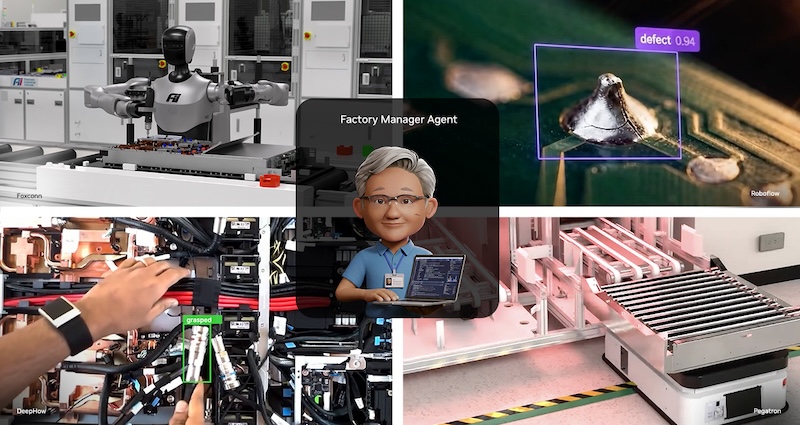
Nvidia launches AI factory manager blueprint for autonomous manufacturing
Nvidia has introduced a groundbreaking software blueprint aimed at revolutionizing factory operations through a centralized AI system. The Nvidia Factory Operations Blueprint (FOX), announced at GTC Taipei during Computex, serves as a reference design for manufacturers seeking to develop an autonomous factory manager agent. This innovative system is designed to monitor, coordinate, and optimize factory processes in real time, enhancing efficiency and productivity. By leveraging advanced AI capabilities, Nvidia aims to empower manufacturers to streamline their operations and adapt to the rapidly evolving industrial landscape.
Artificial Intelligence Factories News Technology AI factory manager automation news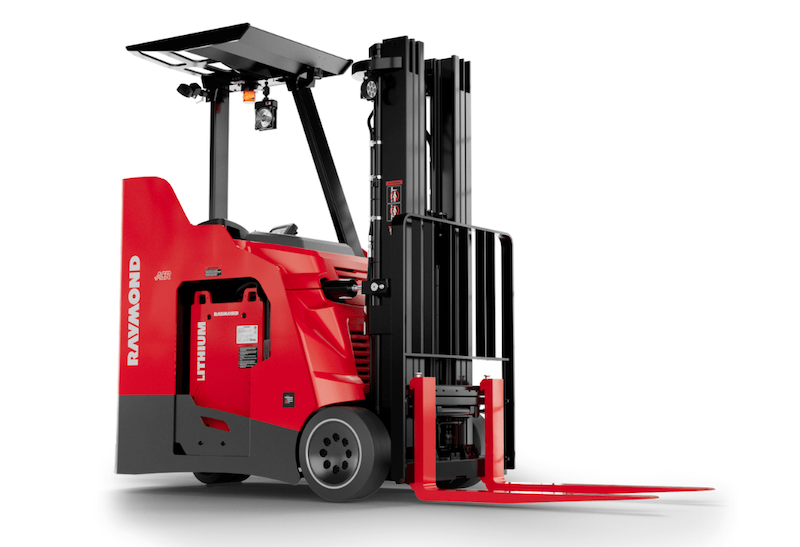
Raymond partners with Third Wave Automation to expand physical AI across lift truck fleets
Third Wave Automation has partnered with The Raymond Corporation, a subsidiary of Toyota Material Handling North America, to enhance AI-enabled physical automation capabilities in select automated Raymond lift trucks. This collaboration, which builds on years of joint development and operational insights since 2021, is supported by investments from Toyota Ventures. The initiative aims to improve efficiency and productivity in material handling operations, reflecting the growing trend towards automation in the industry. The integration of advanced AI technology into Raymond's lift trucks is expected to streamline processes and optimize performance in various operational settings.
Artificial Intelligence Material handling News AI-powered forklifts automation news autonomous forklifts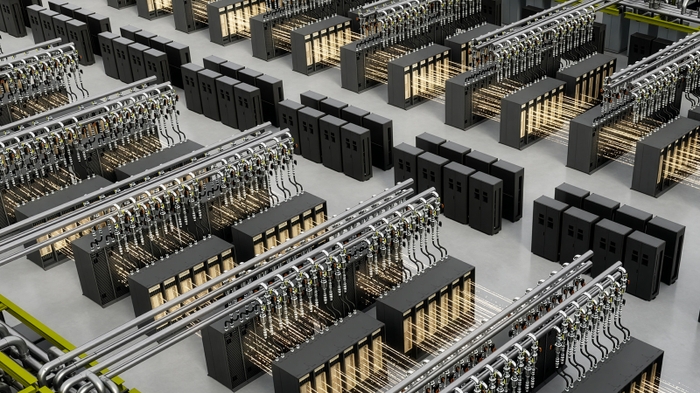
NVIDIA and Noetra Corp. Launch Japan's First National AI Infrastructure for Physical AI
NVIDIA has partnered with Noetra Corp. to establish the NVIDIA Vera Rubin AI factory, featuring 13,750 NVIDIA Vera CPUs and 27,500 NVIDIA Rubin GPUs. This initiative, supported by Japan’s AI and industrial leaders, represents the world’s first national AI infrastructure dedicated to physical AI, enhancing the country’s capabilities across various sectors including manufacturing and healthcare. The establishment of this AI factory is significant as it aims to strengthen Japan's AI ecosystem and support the FRONTia Project, which focuses on developing multimodal foundation models for AI robotics and physical AI. The collaboration is expected to leverage Japan's manufacturing expertise and real-world industrial data to create reliable AI models that can address global social challenges. Looking ahead, the AI factory is designed to support the training of trillion-parameter-scale AI models, positioning Japan to capture over 30% of the global AI robotics market by 2040. As the factory expands, it will provide organizations with access to advanced AI environments, paving the way for innovations in intelligent manufacturing and robotics.
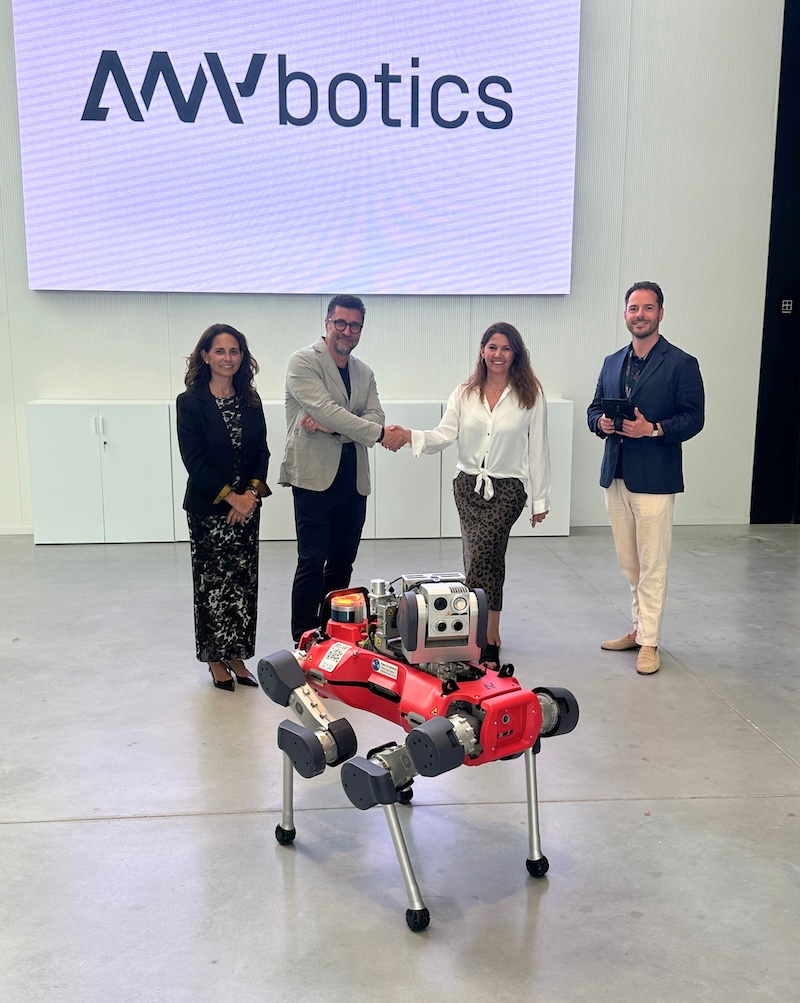
ANYbotics expands global presence with new engineering and AI hub in Barcelona
ANYbotics, a leader in AI-driven robotic inspection solutions, has inaugurated a new office in Barcelona, Spain, situated at the DFactory Barcelona campus. This marks the company’s third global location, joining its existing offices in Zurich and San Francisco. The expansion comes in response to the growing demand for ANYbotics' autonomous inspection technologies, particularly in asset-intensive and process-driven sectors. The new engineering and AI hub is expected to enhance the company’s capabilities and support its strategic growth in the region.
Infrastructure News ai robotics anybotics automation news autonomous inspection robots
Interview with GFT Technologies’ Brandon Speweik: Moving AI from detection to action on the factory floor
Manufacturers are increasingly shifting their focus from the theoretical applications of artificial intelligence to practical solutions that address real-world challenges. While discussions around AI have primarily centered on software tools such as dashboards, analytics, and predictive models, industry leaders are now seeking ways for AI to not only identify problems but also actively contribute to solving them. This evolution in perspective reflects a growing recognition of AI's potential to enhance operational efficiency and drive innovation within the manufacturing sector. As companies explore these advancements, the emphasis is on integrating AI technologies that can deliver tangible results and improve decision-making processes on the shop floor.
Components Features Manufacturing ai robotics artificial intelligence automation news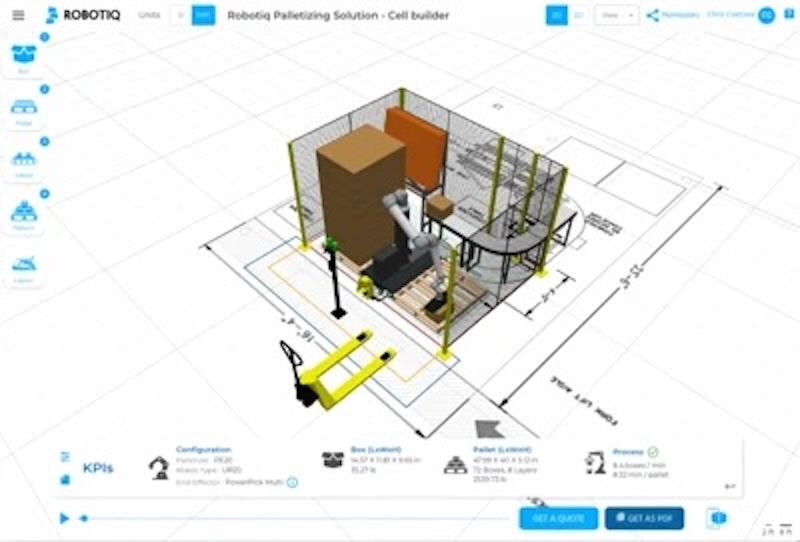
Robotiq launches AI platform to automate robotic workcell integration
Robotiq has launched IQ, an innovative AI-enabled platform aimed at streamlining the integration of robotic Workcells. This new technology is designed to accelerate the transition from traditional, manual integration processes that rely heavily on expert input to a more automated and efficient system. By capturing unstructured data from automation projects and coordinating engineering workflows, IQ facilitates the creation of validated Workcell designs that reflect actual customer needs and historical data. This advancement addresses the growing demand for scalable solutions in the robotics industry, making it easier for partners to implement effective automation strategies.
Industrial robots News Robotics AI in robotics AI-powered engineering automation integration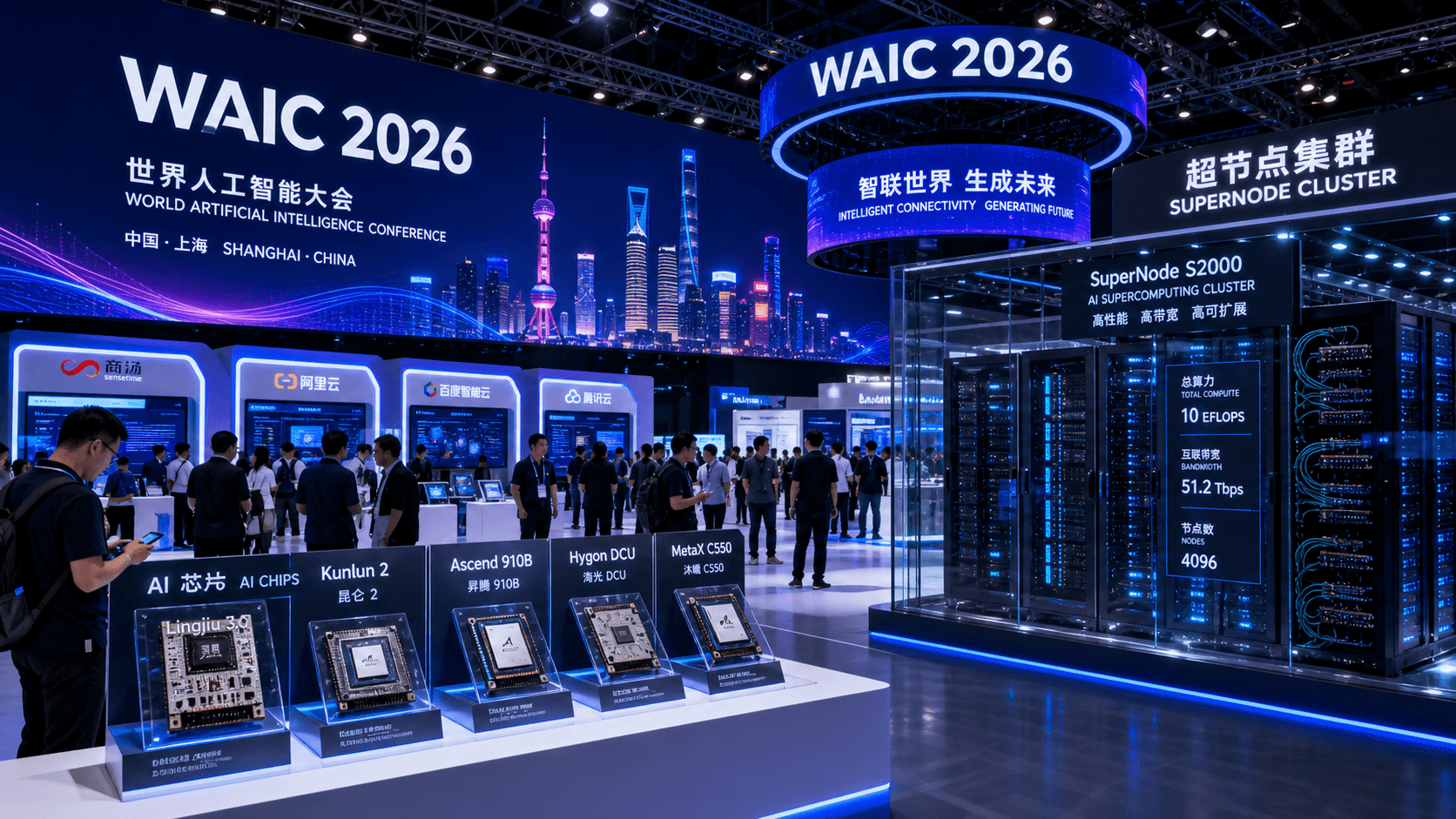
WAIC 2026 Highlights: Over 100 Chip Companies Showcase AI Innovations in Shanghai
The WAIC 2026 event commenced with the participation of over 100 chip companies, showcasing advancements in AI technology. This gathering highlights the growing importance of AI in industrial applications, as various sectors increasingly adopt these innovations. The presence of supernode clusters and humanoid robots at WAIC 2026 signifies a pivotal moment for the integration of AI into everyday operations. With 64 consumer AI products on display, the event underscores the rapid evolution of AI technologies and their potential impact on industries. As the event unfolds, industry professionals will be keen to observe how these developments will shape the future of AI in industrial settings. No further timeline was disclosed at the time of publication.
News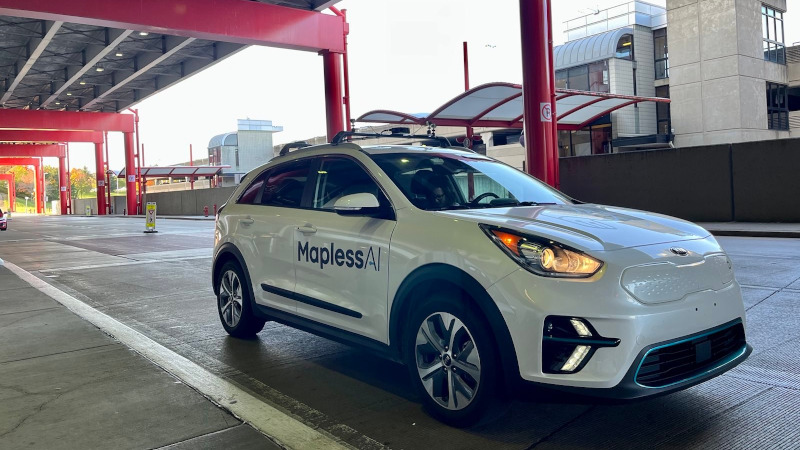
Fort Robotics acquires Mapless AI to expand supervised autonomy and physical AI safety platform
Fort Robotics, a company specializing in trust solutions for physical AI, has acquired Mapless AI, a prominent firm based in Boston and Pittsburgh known for its expertise in vehicle teleoperation and autonomy supervision. This acquisition marks a strategic move for Fort, enhancing its Trust Platform with two essential capabilities: remote human-in-the-loop teleoperation and onboard active safety. By integrating Mapless AI's technologies, Fort aims to broaden its commercial offerings and improve the safety and efficiency of autonomous systems. The deal underscores Fort's commitment to advancing the development of reliable and secure AI-driven solutions in the robotics sector.
Artificial Intelligence Financials & Investments Logistics active safety systems ai robotics automation news
Panasonic Connect's Scott Zerkle Discusses AI's Role in Smart Manufacturing Transformation
Panasonic Connect is at the forefront of transforming manufacturing systems as electronics become smaller and more complex. The company offers smart manufacturing solutions that integrate surface-mount technology (SMT), robotics, AI analytics, and connected factory platforms. Through its Gemba Process Innovation strategy, Panasonic Connect aims to enhance productivity and operational resilience in factories. The increasing complexity of electronics, particularly in vehicles and industrial systems, is reshaping production line design and operations. Scott Zerkle, associate director of technical operations at Panasonic Connect North America, emphasizes that AI's primary value lies in supporting factory workers through predictive maintenance and defect detection, rather than replacing them. He highlights the need for manufacturers to connect data across various production elements to foster continuous improvement. Looking ahead, Zerkle predicts that the next significant advancement in smart manufacturing will involve integrating AI tools with data from machines and materials. This integration will enable factories to learn from their production history, ultimately enhancing efficiency and adaptability in high-mix production environments. No further timeline was disclosed at the time of publication.
Communications Computing Digital Automation Features Manufacturing ai
AI Agents Revolutionize Service Layer Automation Beyond Traditional Factory Settings
Industrial automation has significantly changed physical production, yet the service layer remains largely manual. Maintenance requests still require human coordination, consuming valuable operational time. AI agents are now emerging to automate this service layer, handling unstructured requests and integrating with various systems to streamline operations. This shift is crucial as it allows organizations to redirect skilled labor from administrative tasks to more strategic work. By automating the intake, triage, and coordination processes, AI agents enhance efficiency and reduce the burden on human operators. The ability to manage requests end-to-end marks a significant advancement in operational capabilities. Looking ahead, the continued development of AI agents in the service layer will be essential for organizations aiming to improve productivity and responsiveness. As these technologies evolve, they promise to further integrate with existing systems and transform how service operations are managed. No further timeline was disclosed at the time of publication.
Automation Computing ai agents artificial intelligence automation chatbots
How AI APIs are strengthening phishing detection and email security across industrial enterprises
Phishing attacks have evolved beyond traditional IT concerns, posing significant threats to manufacturers, robotics integrators, and logistics operators. A single deceptive email can disrupt production lines, misdirect supplier payments, or jeopardize access to automated warehouse systems. This shift highlights the urgent need for enhanced cybersecurity measures to protect industrial operations from increasingly sophisticated threats. As the attack surface broadens, companies must adapt their defenses to safeguard against these emerging risks in the industrial sector.
Artificial Intelligence Business AI APIs AI phishing detection automation news business email compromise
Building a Resilient Supply Chain: Regional Security Leaders Focus on Industrial Readiness
The Northeast National Security Conference recently convened to address the pressing need for the United States to bolster its defense industrial base, particularly in the context of the drone industry. As the government seeks to enhance domestic drone manufacturing and minimize dependence on foreign suppliers, the focus has shifted to securing access to critical technologies. This initiative aims to strengthen supply chain security, which has emerged as a significant concern for manufacturers navigating the complexities of sourcing and production. The discussions highlighted the challenges and strategies necessary for building a resilient supply chain that meets national security demands.
Applications Defense defense DL Exclusive Drone News Drone News Feeds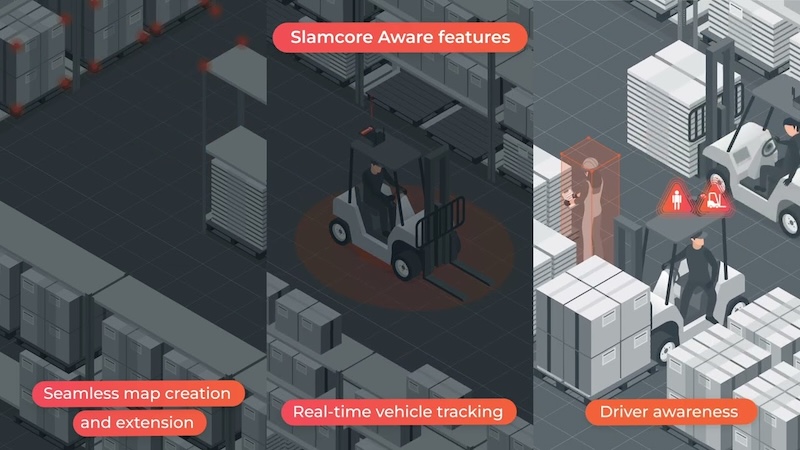
Slamcore secures $14 million funding from investors including Rockwell Automation
Slamcore, a company specializing in spatial intelligence software, has successfully secured $14 million in a recent funding round, attracting notable investors such as ROKStar Ventures, a subsidiary of Rockwell Automation, a leader in industrial automation and digital transformation. This latest investment elevates Slamcore's total funding to $40 million, with previous support from prominent backers including Toyota Ventures and Interwoven Ventures. The funding aims to enhance Slamcore's development of innovative technologies that improve spatial awareness and automation capabilities across various industries.
Financials & Investments News Software ai funding AI software amrs
Robbyant Launches Upgraded LingBot-VLA 2.0 AI Model for Advanced Robotics
Robbyant, a company specializing in embodied AI under Ant Group, has unveiled the upgraded LingBot-VLA 2.0 model. This next-generation vision-language-action model enhances morphological generalization, degrees of freedom support, and deployment efficiency, addressing a critical gap in the embodied AI industry. The significance of LingBot-VLA 2.0 lies in its extensive pre-training on 60,000 hours of real-world data, which includes interactions from 20 different robot morphologies. This upgrade allows for improved whole-body control and dual-arm manipulation, achieving leading scores on benchmarks, thus demonstrating its effectiveness in industrial-scale deployment. Looking ahead, the introduction of a version optimized for efficient post-training and a threefold increase in inference efficiency positions LingBot-VLA 2.0 as a strong contender for real-time commercial applications. No further timeline was disclosed at the time of publication.
Computing Robot simulation artificial intelligence dual-arm robots embodied ai humanoid robots
Shanghai Advances BCI Development: The Race for Commercialization Has Started
Shanghai is emerging as a key player in the global brain-computer interface (BCI) competition. The Shanghai Municipal Commission of Economy and Information Technology recently released the 'Three-Year Action Plan for the Industrialization of Brain-Computer Interfaces (2026-2028)', which aims to establish a leading national industrial chain ecosystem in the non-invasive BCI sector by 2028. The plan includes nurturing at least 50 related enterprises and achieving large-scale applications of core products in medical rehabilitation and cognitive training. This initiative is not just a theoretical blueprint. A team led by Academician Zhou Liangfu from Huashan Hospital's Neurosurgery Department, in collaboration with the Institute of Microsystem Research at the Chinese Academy of Sciences, has developed an implanted BCI product that has completed its first clinical trial with volunteers for motor function rehabilitation in paraplegic patients. Shanghai is adopting a parallel strategy with multiple technological routes, supporting invasive, semi-invasive, and non-invasive teams with dedicated funding, with non-invasive approaches progressing more rapidly. The Pudong New Area has designated a 'Brain Science Industrial Base' where the first batch of companies can benefit from various supports, including R&D expense deductions and expedited clinical trial processes. Shanghai's goal is clear: to become the city with the lowest operational costs and minimal policy friction for BCI enterprises. As the global BCI landscape evolves, Shanghai's focus on industrialization aims to establish a commercial loop in hospitals while ensuring safety and regulatory compliance, leveraging China's vast market potential in stroke rehabilitation, youth attention training, and early Alzheimer's screening.
Brain-Computer Interfaces Healthcare Technology Neurorehabilitation Cognitive Training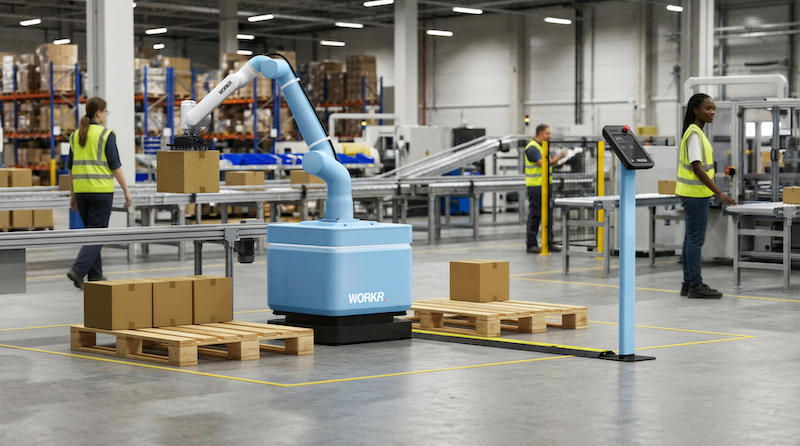
Interview with Workr Robotics CEO Ken Macken: ‘Paying for automation by the hour’
Industrial robotics is undergoing a significant transformation, driven by advancements in artificial intelligence, large language models, and embodied AI. This evolution has generated renewed interest in the development of robots capable of understanding, reasoning, and interacting with their physical environments. Notable partnerships, including collaborations between Google DeepMind and Boston Dynamics, have intensified discussions surrounding the potential for more sophisticated general-purpose robots. As these technologies continue to evolve, the industry anticipates a future where robots can perform a wider array of tasks, enhancing their utility across various sectors. The ongoing innovations suggest a promising trajectory for the integration of robotics into everyday life, potentially reshaping industries and improving operational efficiencies.
Features Industrial robots Robotics Software automation news automation roi
Sensory Robotics says ‘the end of robotic cages starts now’
Sensory Robotics, a corporate partner of the University of Cincinnati's 1819 Innovation Hub, has announced a significant advancement in industrial safety technology. The company has unveiled its flagship product, the SR-1 system, which is engineered to be seamlessly integrated with existing industrial robots. This innovative solution aims to enhance safety standards by enabling robots to transition into collaborative robots, or cobots, thereby setting a new benchmark in the industry. The announcement highlights Sensory Robotics' commitment to improving workplace safety and efficiency through cutting-edge technology.
Design Features Infrastructure Robotics 3D vision systems automation news
From Robot Components to Industrial Screws: The Strategic Moves of Zhejiang Rongtai in Thailand
Zhejiang Rongtai has announced a significant shift in its production strategy, transitioning from manufacturing robot components to focusing on industrial screws and fire-resistant materials. This decision, made to improve operational efficiency and comply with regulatory standards, also includes plans to establish a major manufacturing base in Thailand. The move reflects the company's commitment to adapting to market demands and enhancing its competitive edge in the industry.
Industrial Automation Robot Components Overseas Manufacturing Supply Chain Management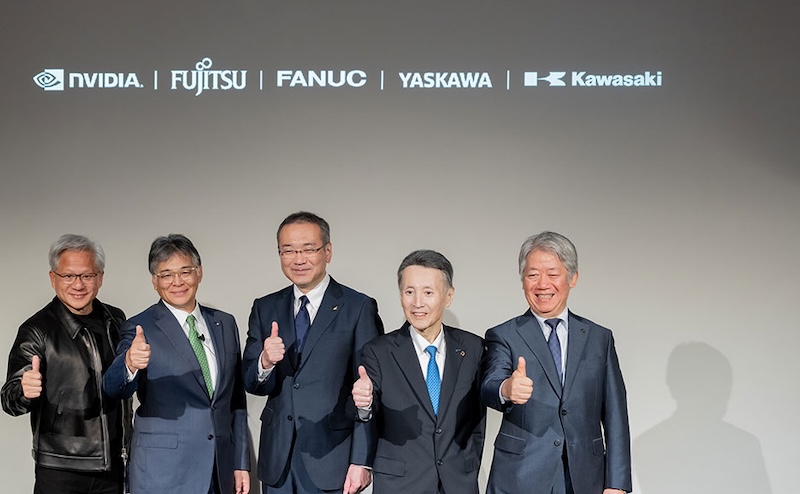
Fujitsu Collaborates with Fanuc, Yaskawa, and Kawasaki to Enhance Physical AI with Nvidia
Fujitsu has initiated a partnership with Japanese robotics firms Fanuc, Yaskawa Electric, and Kawasaki Heavy Industries to advance the development and deployment of physical AI in sectors such as manufacturing, logistics, and healthcare. This collaboration will leverage Nvidia's physical AI technologies to create a collaborative control platform that connects digital systems with robots and physical equipment. The initiative aims to accelerate the adoption of physical AI, addressing challenges like labor shortages and an aging workforce while enhancing global competitiveness. The platform will optimize production planning in manufacturing, automate material handling in logistics, and improve healthcare operations by automating the transport of medical supplies and assisting with patient interactions. Fujitsu plans to develop an open collaborative control platform that integrates AI, robotics, and data analysis technologies, ensuring interoperability and addressing cybersecurity concerns. No further timeline was disclosed at the time of publication.
Artificial Intelligence Industry News ai factory automation fanuc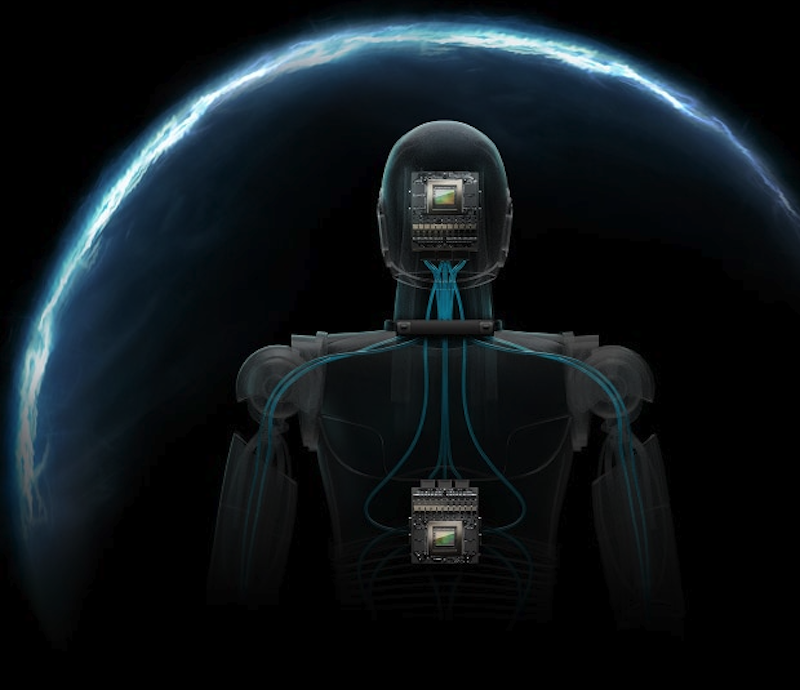
FORT Robotics Enhances AI Safety with Nvidia Halos at Automate Conference
FORT Robotics has joined the Nvidia Halos for Robotics ecosystem to enhance safety for autonomous robots. The company will showcase its agentic safety application, developed using the Nvidia Halos Outside-In Safety Blueprint, at the Automate conference in Chicago. This innovative solution utilizes external infrastructure sensors and visual AI agents to provide real-time, safety-certifiable functional safety, significantly improving operational efficiency in dynamic environments. The collaboration is significant as it addresses the limitations of traditional inside-out functional safety systems, which rely solely on onboard sensors. By integrating Nvidia's IGX Thor and Holoscan Sensor Bridge, FORT's solution allows robots to operate safely alongside human workers in high-efficiency modes. This adaptability is crucial for modern warehouses and factories, where environments are constantly changing, and safety frameworks must evolve to protect workers effectively. Looking ahead, FORT's integration with Nvidia Halos is expected to provide substantial value to customers in warehousing, manufacturing, and other automated sectors. The Outside-In Safety framework aims to prevent safety incidents in mixed human-robot environments, optimizing processes like inventory replenishment and product assembly. No further timeline was disclosed at the time of publication.
Artificial Intelligence Industry ai automation Autonomous robots fort robotics
How Equipment Asset Management Practices Must Evolve for Industry 4.0 to Deliver on its Promise
Industry 4.0 is poised to revolutionize manufacturing and supply chain management through the integration of connected sensors and intelligent systems. This technological advancement enables machines to predict failures, production lines to self-optimize based on real-time demand, and supply chains to adapt autonomously without human oversight. Despite the substantial investments and credible case studies showcasing its potential, many companies are hesitant to fully embrace these innovations. The reluctance stems from concerns over implementation challenges, workforce adaptation, and the need for a cultural shift within organizations. As the industry continues to evolve, understanding and addressing these barriers will be crucial for harnessing the full benefits of Industry 4.0.
Engineering Industry ai in manufacturing asset reliability automation news condition monitoring
RFID and Barcode Technology for Smarter Operations
Recent advancements in RFID and barcode technology are transforming business operations by enabling real-time asset and inventory tracking. These technologies enhance accuracy and speed in daily workflows, with barcodes facilitating quick scanning and RFID providing automated visibility on a larger scale. As a result, companies across various sectors—including manufacturing, healthcare, retail, and logistics—are experiencing reduced downtime and improved decision-making capabilities. This shift towards smarter operations is particularly evident in busy warehouses, where the integration of these technologies streamlines processes and enhances overall efficiency. The growing reliance on RFID and barcode systems underscores their critical role in optimizing business performance and adapting to the demands of modern supply chains.
Communications Internet Technology asset management asset tracking automation news
AGIBOT Launches Four New Embodied AI Products at WAIC 2026
AGIBOT unveiled four new embodied AI products at the World Artificial Intelligence Conference (WAIC) 2026, expanding its portfolio with humanoid platforms, industrial robots, and dexterous manipulation systems. The new offerings include the AGIBOT A3 Ultra, G2 Max, and OmniHand 3 Ultra-M, designed to address the challenges of reliable manufacturing and integration in real-world environments. The significance of these launches lies in AGIBOT's commitment to moving beyond mere demonstrations of robotic capabilities. Co-founder Peng Zhihui emphasized the importance of consistent performance in operational settings, highlighting the company's focus on delivering practical value at scale. AGIBOT's recent production milestone of 15,000 robots underscores its rapid growth and ambition in the robotics sector. Looking ahead, AGIBOT aims to further develop its “Three Intelligences in One” architecture, which integrates locomotion, interaction, and manipulation. The company is also set to showcase its products and capabilities at its exhibition space in Shanghai, with a focus on commercial, service, and educational applications. No further timeline was disclosed at the time of publication.
Arms / Manipulators Artificial Intelligence Artificial Intelligence / Cognition Autonomous Mobile Robots (AMRs) Cameras / Imaging / Vision China
Real Work Robots Make Impact at WAIC 2026 with 50,000 Hours of Operation
The World Artificial Intelligence Conference (WAIC) 2026 opened on July 17 in Shanghai, showcasing leading tech companies and innovations. Realman Intelligent, a company focused on deploying practical robots, highlighted its RealBOT-S2 and RealBOT-L2 models, which demonstrated real-world tasks like opening refrigerator doors and making tea. The robots attracted significant attention from government officials and industry leaders. Realman Intelligent's commitment to practical robotics is underscored by its average fault-free operation time of 50,000 hours, achieving CRL3 certification. This reliability enables continuous operation, addressing labor shortages and reducing costs associated with workforce turnover. The company aims to integrate robots into various industries, emphasizing the importance of real-world deployment for effective learning and operation. Looking ahead, Realman Intelligent plans to expand its ecosystem by combining reliable hardware, real machine data, and remote operation networks. Their collaboration with partners like Zhongke Huiyuan showcases the capabilities of their industrial inspection robots, which operate 24/7 and enhance production efficiency. No further timeline was disclosed at the time of publication.
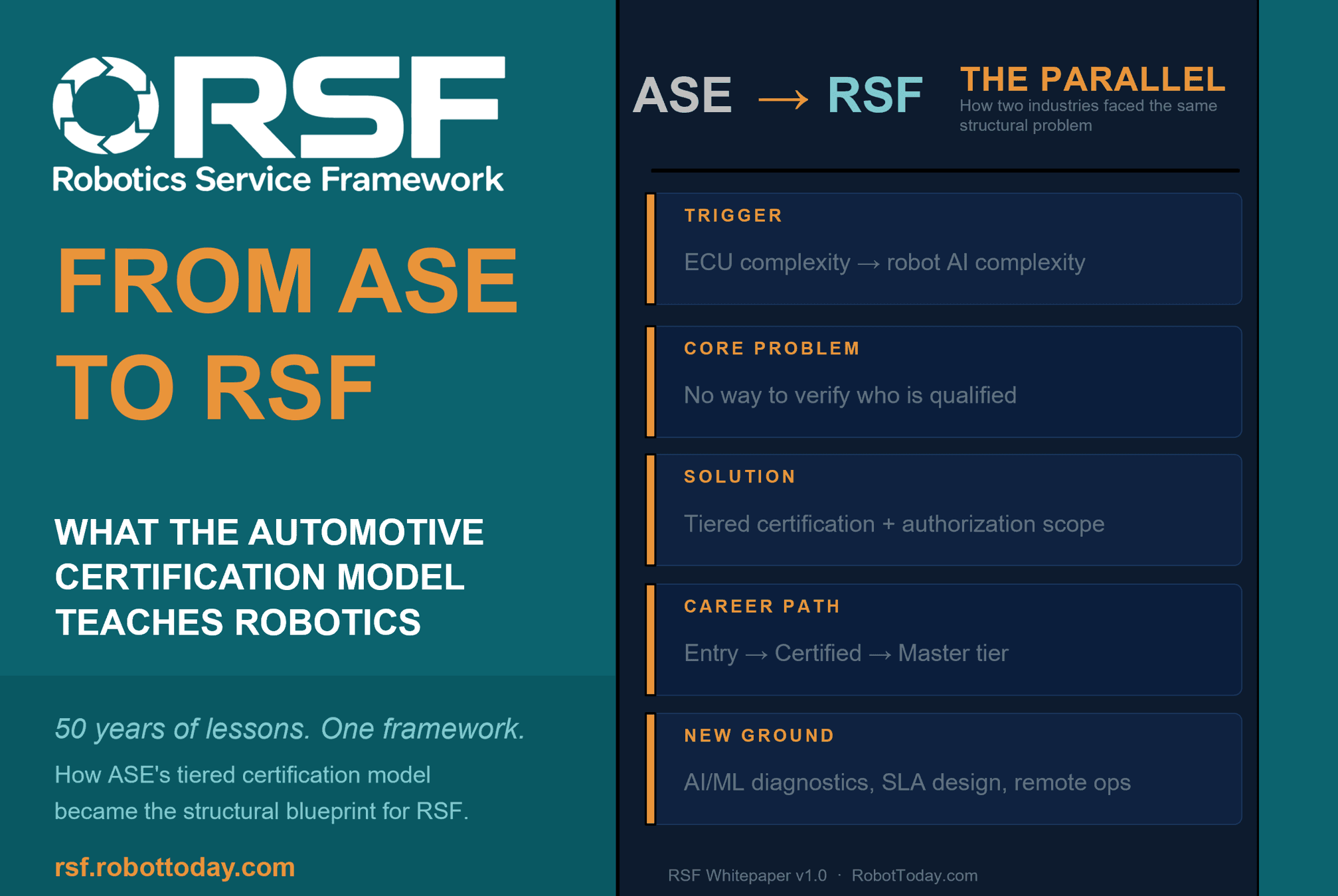
Industrial Robots Automation Technology AI Robotics Remote Operation Manufacturing SolutionsRobotics needs a service framework.
RSF defines a common language for robot service capability, lifecycle operations, certification pathways, and service-provider networks.