Industry Briefing
A single destination for timely, editor-curated robotics news from around the world.

Learn how to successfully design hospital logistics robots at the Robotics Summit
Experts from Rovex Technologies, SKA Robotics, and ST Engineering Aethon are set to engage in discussions about the design considerations for hospital robotics at the upcoming Robotics Summit. This event, aimed at enhancing the efficiency and effectiveness of logistics robots in healthcare settings, will take place soon, though the exact date has not been specified. The focus will be on addressing the unique challenges and requirements of designing robots that can operate seamlessly within hospital environments. By sharing their insights and experiences, these industry leaders aim to foster innovation and improve the integration of robotic solutions in medical facilities, ultimately enhancing patient care and operational efficiency.
Autonomous Mobile Robots (AMRs) Events Healthcare Robotics Markets / Industries Mobility / Navigation News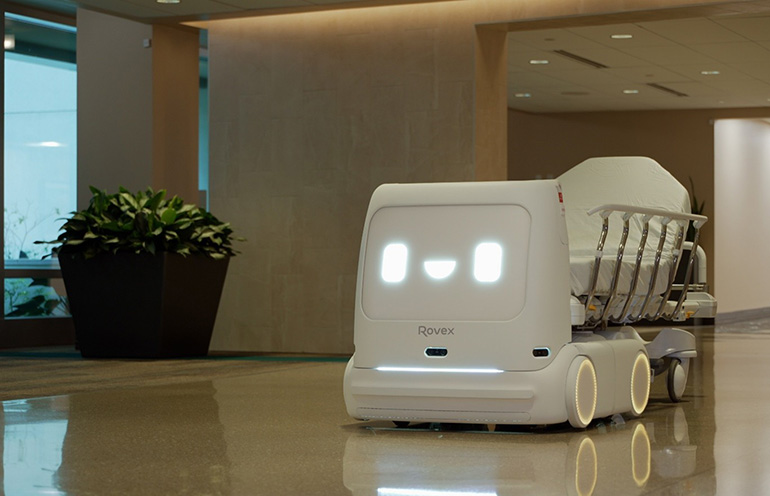
Rovex and BayCare partner to explore in-hospital transport robots
Rovex has partnered with BayCare to launch a pilot program at Morton Plant Hospital aimed at assessing the effectiveness of robotics in enhancing patient transport workflows and assisting hospital staff. This initiative seeks to explore how robotic technology can streamline operations within the hospital setting, ultimately improving efficiency and patient care. The pilot will provide valuable insights into the integration of robots in healthcare environments, marking a significant step forward in the use of automation in hospitals.
Autonomous Mobile Robots (AMRs) Healthcare Robotics Mobility / Navigation News BayCare hospital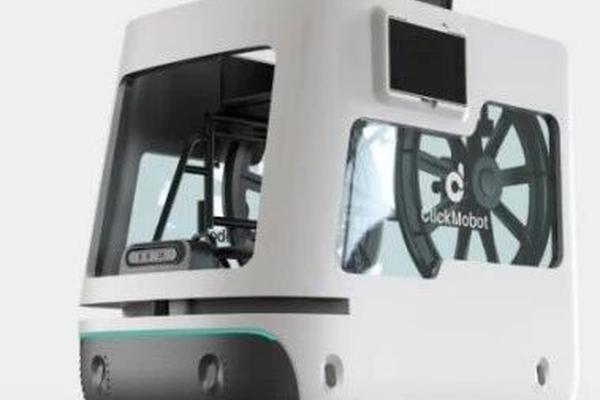
Tsinghua and CAS teams collaborate with West China Hospital to develop a home care transport robot.
Shenzhen-based Kolidian Technology Co., Ltd. has recently secured strategic financing led by Lihe Kechuang, with participation from the Jiangsu Zhongke Intelligent Science and Technology Application Research Institute. This funding will primarily support product development, team expansion, and commercialization efforts. Kolidian focuses on AI and robotics in the eldercare sector, offering products designed for home companionship and rehabilitation. The company has developed a proactive companionship robot for home use and a rehabilitation transport robot in collaboration with Sichuan University’s West China Hospital. Both products have completed prototype development and are moving towards small-scale production and commercialization. As China's population ages, the silver economy is emerging as a significant market, with projections suggesting it could exceed 30 trillion yuan by 2035. The national strategy to actively address aging demographics is driving growth in the eldercare robotics sector. The GR-150 rehabilitation transport robot, designed for medical and eldercare institutions, utilizes advanced navigation and sensor fusion technology to assist patients with mobility. Kolidian's second-generation home companionship robot integrates health monitoring, emotional support, cognitive assistance, and safety features. It can interact with users, detect falls, and provide alerts, while also offering multimedia capabilities. The company aims to finalize product design by the third quarter of 2026 and begin small-scale production by the fourth quarter, with plans for revenue generation by 2027. The founding team, led by Wang Yuheng, combines expertise from prestigious institutions, positioning the company to capitalize on the growing demand for intelligent eldercare solutions. Investors view Kolidian as a promising player in the intersection of the silver economy and embodied intelligence.
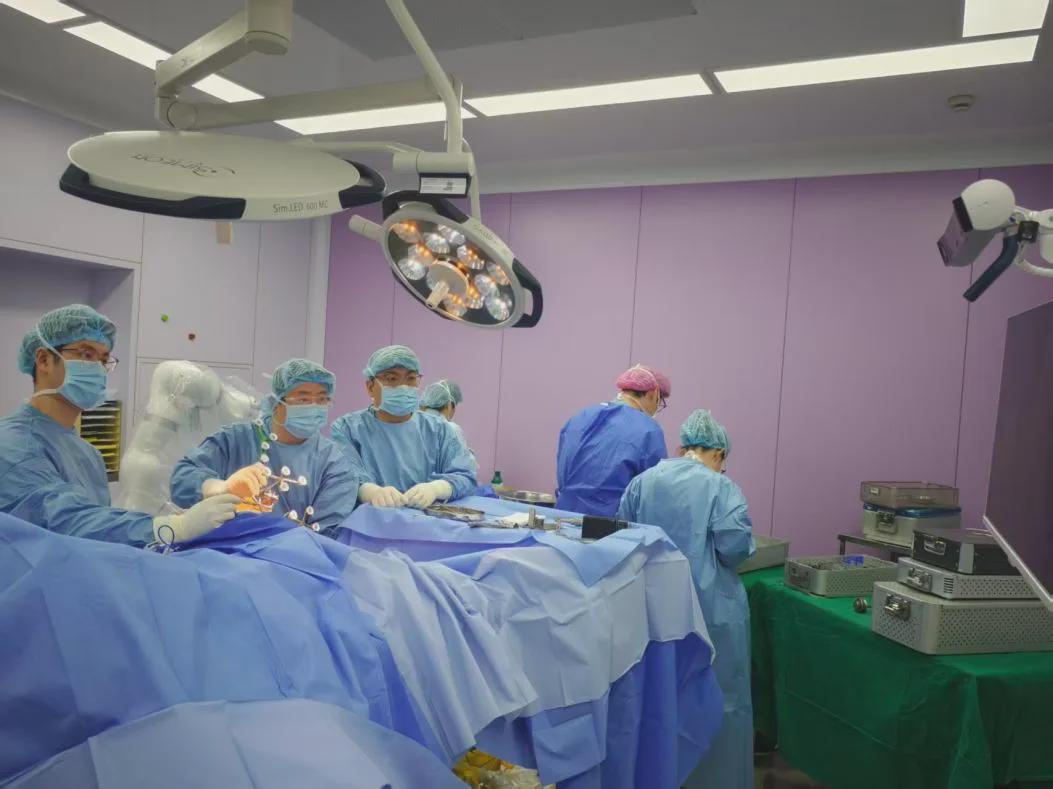
Ruijin Hospital's Surgical Robot Surpasses 500 Joint Replacement Surgeries
Ruijin Hospital in Shanghai has achieved a significant milestone by performing over 500 joint replacement surgeries with the domestic surgical robot, Kuanlu®. This accomplishment highlights the robot's advanced capabilities in handling complex surgical cases, leading to improved precision and faster recovery times for patients. The hospital plans to leverage this expertise to promote standardized surgical practices across the country, aiming to enhance the overall quality of joint replacement surgeries in China.
Surgical Robots Joint Replacement Orthopedic Surgery Healthcare Technology
Milan hospital deploys 4-ft-tall humanoid robot to assist wards and relay patient data
In a significant effort to alleviate healthcare workloads and enhance ward efficiency, a new initiative has been launched by healthcare authorities. This program, introduced in October 2023, aims to streamline operations within hospitals across the region. By implementing advanced technologies and innovative management strategies, the initiative seeks to reduce the burden on medical staff and improve patient care. The decision to launch this program stems from ongoing concerns about staff burnout and the need for more effective resource allocation in healthcare facilities. As part of the rollout, hospitals will receive support in adopting these new practices, which are expected to lead to better patient outcomes and a more sustainable work environment for healthcare professionals.
AI and Robotics
Advanced Robot-Assisted Knee Replacement Surgery at PLA General Hospital
The orthopedic team at PLA General Hospital has achieved a significant milestone by successfully conducting a complex total knee replacement surgery utilizing the KINOVA® robotic system. The procedure was performed on a 74-year-old man suffering from severe knee deformities. Following the surgery, the patient demonstrated remarkable improvement, benefiting from the precise alignment and positioning of the prosthesis. This outcome underscores the effectiveness of robotic assistance in enhancing the precision and success of complex orthopedic surgeries.
Robotic Surgery Orthopedic Surgery Knee Replacement Medical Technology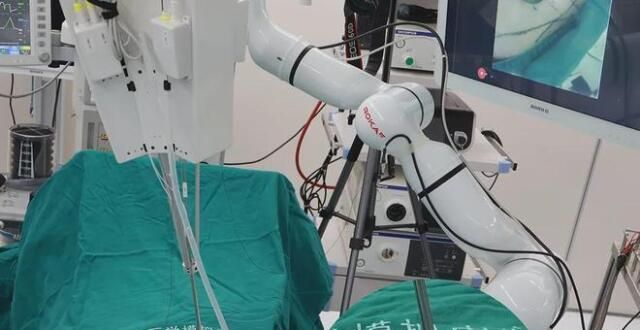
West China Hospital Develops MicroSpine: A 2mm Robotic Arm System for Minimally Invasive Spinal Surgery
Researchers at Sichuan University West China Hospital have developed a groundbreaking MicroSpine surgical robot, which utilizes three 2mm robotic arms housed within an 8mm sheath. This innovative technology has successfully demonstrated 100% accuracy in achieving posterior spinal target access during preclinical testing. The advancement aims to enhance precision in spinal surgeries, potentially improving patient outcomes and reducing recovery times. The development of this robotic system marks a significant step forward in minimally invasive surgical techniques, showcasing the hospital's commitment to advancing medical technology and improving surgical practices.
Technology
Surgical Robots Begin Leasing in Hospitals: What's Next?
Beijing hospitals are increasingly opting to lease surgical robots rather than purchasing them outright, a strategic move aimed at improving access to cutting-edge medical technology. This shift allows healthcare facilities to assess the robots' performance in real clinical environments before making significant financial commitments. Additionally, leasing arrangements come with ongoing support and training from suppliers, ensuring that medical staff are well-equipped to utilize the advanced equipment effectively. This innovative approach reflects a growing trend within the healthcare sector to enhance operational efficiency and patient care through the adoption of new technologies.
Surgical Robots Healthcare Innovation Medical Equipment Leasing Clinical Services
BayCare Expands Autonomous Hospital Delivery with New Relay Robots at Winter Haven Hospitals
In response to the ongoing healthcare labor shortage, a new initiative has been launched to expand the use of robotic technology in hospitals. This expanded fleet of robots is designed to automate non-clinical logistics, allowing healthcare professionals to focus more on direct patient care. By streamlining tasks such as inventory management and supply delivery, the robots aim to enhance efficiency within medical facilities. This initiative is particularly timely as healthcare systems face increasing pressure to optimize resources and improve patient outcomes. The deployment of these robots is expected to significantly reduce the burden on nursing staff, ultimately prioritizing nurse-to-patient interaction and enhancing the overall quality of care.

Yiji Mountain Hospital Welcomes a 'Non-Staff Officer': How Qizhi Uses Embodied Intelligent Robots to Enhance Healthcare
Yiji Mountain Hospital has partnered with Qizhi Robotics to integrate embodied intelligent robots into clinical environments, a move aimed at tackling real-world medical challenges. This collaboration, announced recently, seeks to enhance patient care by leveraging advanced technology while also prioritizing emotional interaction in healthcare settings. The initiative reflects a growing trend in the medical field to incorporate innovative solutions that not only improve operational efficiency but also foster a more compassionate approach to patient treatment.
Embodied Intelligence Healthcare Robotics Medical Technology AI in Healthcare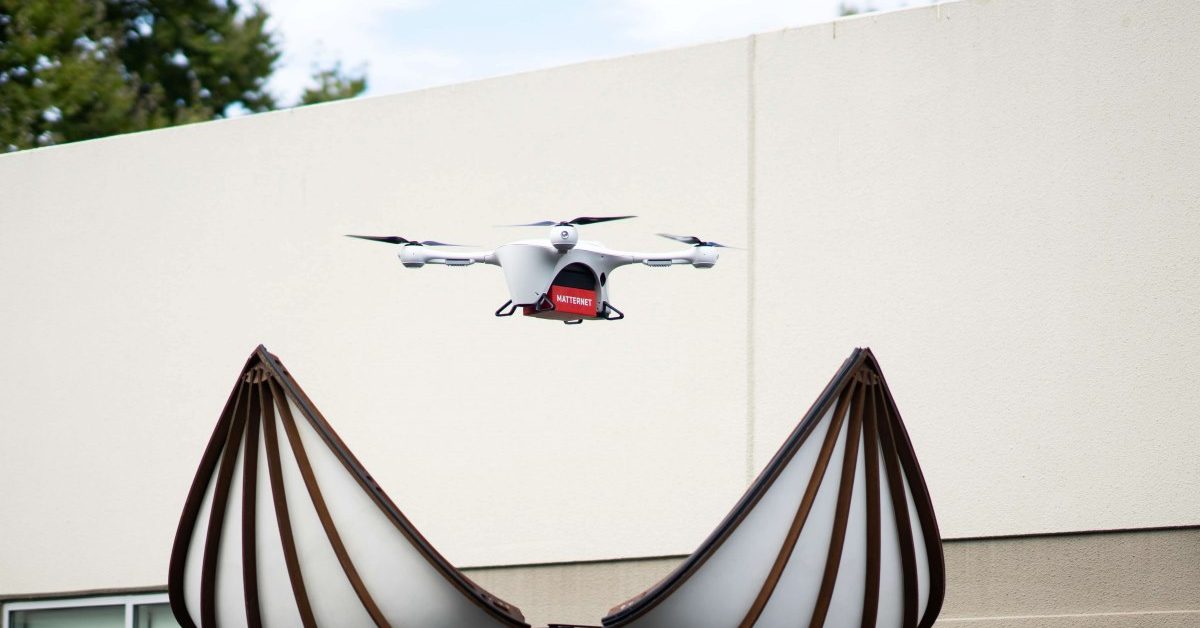
Central London hospitals linked by Matternet delivery drones
In London, the introduction of drones is revolutionizing the transportation of urgent lab samples, medications, and diagnostic materials between hospitals. This innovative solution addresses the critical challenge of timely deliveries in the city’s congested traffic. By utilizing drones, healthcare providers can ensure that essential medical supplies reach their destinations quickly and efficiently, ultimately improving patient care and outcomes. The initiative reflects a growing trend in leveraging technology to enhance logistics in the healthcare sector, particularly in urban environments where traditional delivery methods face significant delays.
News
GMEX Robotics Advances Autonomous Hospital Logistics Platform to Enhance Safety, Efficiency and Operational Workflow
GMEX Robotics Corporation has announced a significant upgrade to its Hospital Logistics Robot, aimed at enhancing safety and efficiency in healthcare settings. This development, revealed on April 21, 2026, addresses ergonomic challenges faced by medical staff and patients, who often struggle with existing robots that require bending to retrieve items. The new design improves durability and usability, allowing for optimized delivery height and safer interactions in high-traffic hospital environments. The autonomous, battery-powered robot is equipped with advanced technologies, including artificial intelligence, multi-dimensional sensing, and real-time obstacle detection, facilitating seamless transport and handling of medical materials. To ensure security and accountability, the platform incorporates multi-layered verification protocols such as facial recognition and barcode scanning, restricting access to authorized personnel only. CEO Sam Lu emphasized the pressing need for intelligent automation solutions in healthcare, stating that the advancements in hospital logistics robotics are designed to alleviate operational strain and enhance clinical staff's focus on patient care. This upgrade is part of GMEX Robotics' broader strategy to expand its presence in the healthcare sector, supported by ongoing research and development efforts aimed at improving performance and usability across its technology stack.
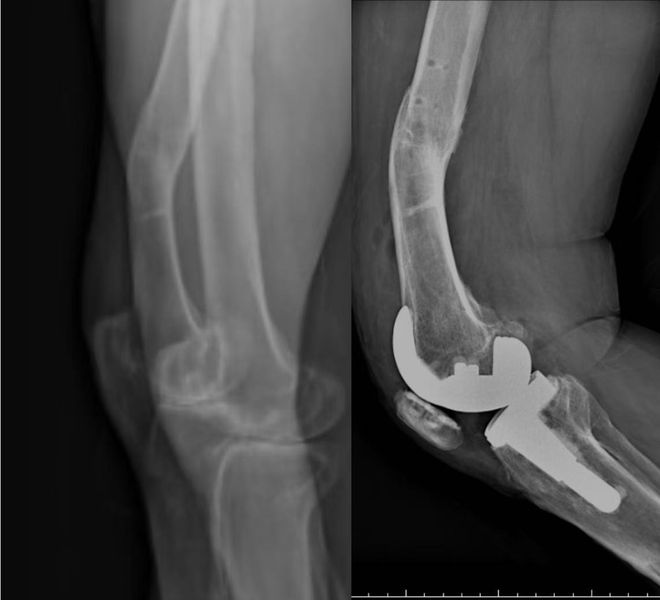
Robotic Assistance for Knee Replacement Surgery at PLA General Hospital
A team at PLA General Hospital, directed by Zhang Zhuo, has successfully completed a total knee replacement surgery on a 62-year-old patient suffering from complex joint deformities and old fractures. The procedure, which took place recently, utilized the advanced Kobot® orthopedic surgical robot, marking a significant advancement in surgical technology. This innovative approach not only restored proper limb alignment but also led to a notable improvement in the patient's knee function, enhancing their overall quality of life. The successful operation underscores the hospital's commitment to integrating cutting-edge technology in orthopedic care.
Orthopedic Robotics Knee Replacement Surgical Technology Medical Robotics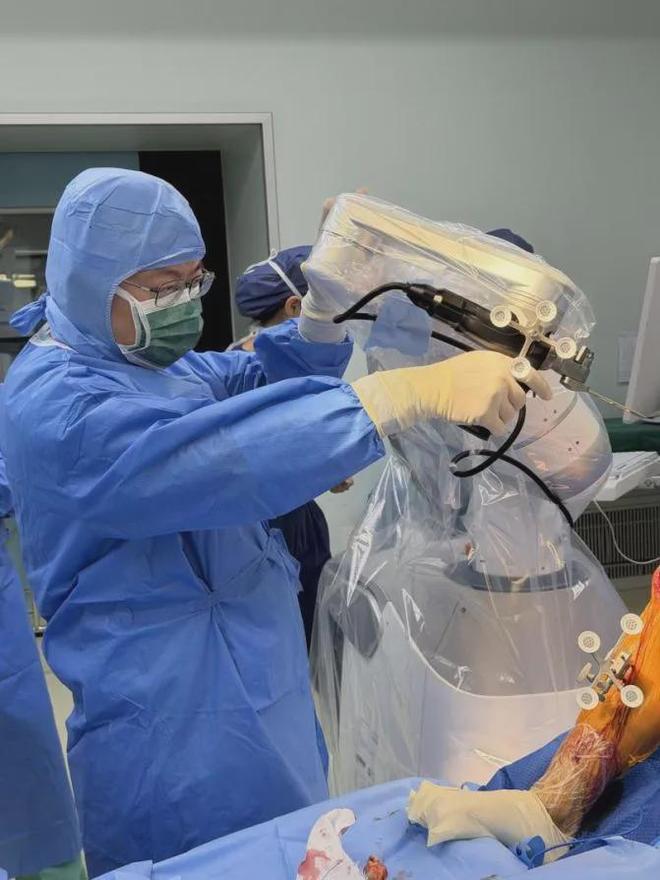
First HX Robotic Arm-Assisted Joint Replacement Surgery at PLA General Hospital's Fourth Medical Center
The orthopedic team at PLA General Hospital's Fourth Medical Center has achieved a significant milestone by successfully conducting its first total knee replacement surgery using the HX robotic arm. The procedure was performed on a 61-year-old female patient, marking a notable advancement in the application of domestic orthopedic surgical robots in clinical practice. This innovative technology aims to enhance surgical precision and promote quicker recovery times for patients undergoing knee replacement procedures.
Orthopedic Robotics Surgical Innovation Medical Technology Robotic Surgery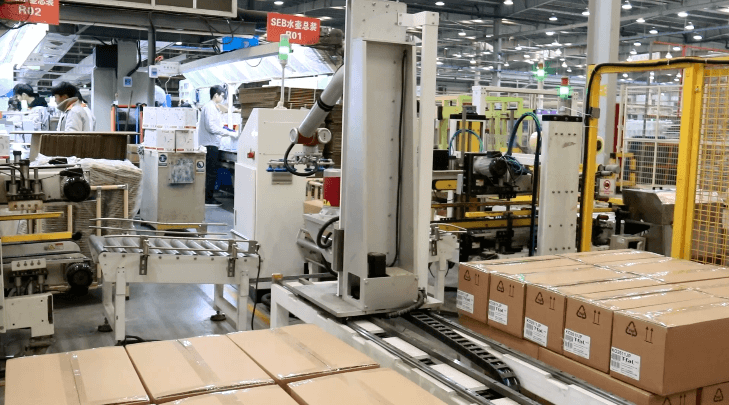
How to Measure the Long-Term Value of Cobot Robots in Service and Hospitality
In a bid to enhance efficiency and employee well-being in the service and hospitality sectors, a company is integrating cobot robots into its operations. These robots assist with repetitive and physically demanding tasks, allowing staff to prioritize guest interactions and improve service quality. The JAKA Zu20 Palletizing robot, for instance, automates processes like palletizing and inventory replenishment, significantly boosting production efficiency while creating a safer working environment. The implementation of these industrial robot arms involves systematic evaluation of key performance metrics, such as cycle times and energy consumption, over extended periods. This data helps the company assess the reduction in manual labor demands and project long-term cost savings and operational improvements. Moreover, the adaptability of cobot robots to fluctuating service demands is a crucial factor in their effectiveness. Their compact design allows for quick redeployment in high-traffic hospitality spaces, ensuring minimal disruption to workflows. This flexibility not only enhances operational efficiency but also strengthens the return on investment. By combining quantitative metrics with qualitative observations, the company aims to measure the long-term value of its robotic systems. The JAKA Zu20 exemplifies how advanced automation can reduce labor costs and support employee satisfaction, ultimately ensuring that service operations remain competitive and responsive to evolving customer needs.
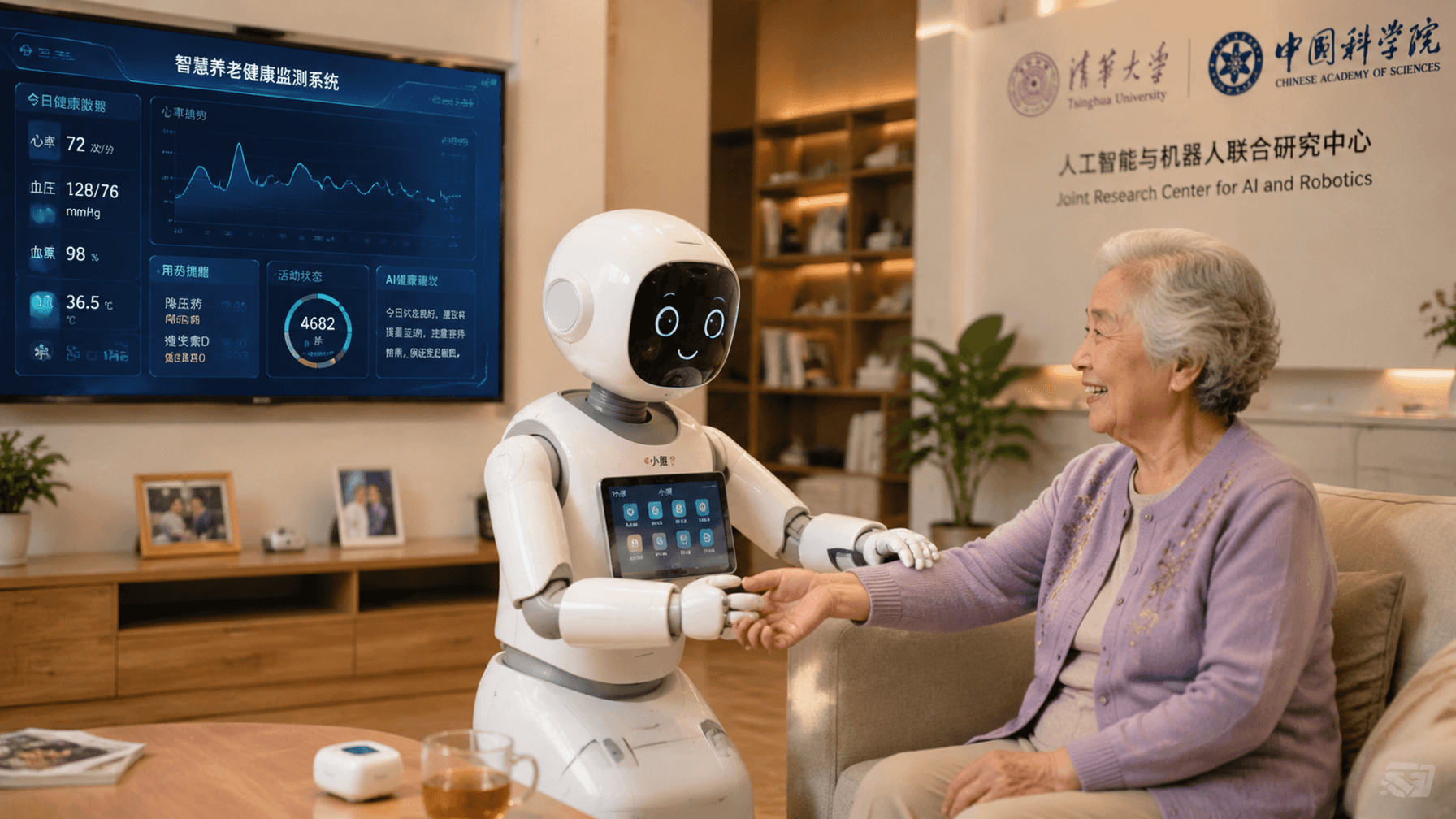
Kelidian Technology Develops Elderly Care Transfer Robots with Tsinghua, CAS, and West China Hospital
Shenzhen-based startup Kelidian Technology has successfully secured strategic financing aimed at advancing its development of AI-powered robots designed for elderly companionship and rehabilitation transfer. This funding will bolster the company’s efforts to enhance home care solutions, addressing the growing demand for innovative support systems for the aging population. The financing round, finalized recently, underscores the increasing interest and investment in technology that facilitates independent living for seniors. Kelidian Technology plans to utilize the funds to further refine its robotic technologies, ensuring they meet the specific needs of elderly users and their caregivers.
Startups
People want robots in warehouses and factories, not hospitals or schools, Hexagon study finds
A recent study by Hexagon, part of its global Robot Generation research, reveals a growing acceptance of robots in the workplace among both adults and children. The findings indicate that while there is a willingness to integrate robots into various tasks, respondents are establishing clear guidelines regarding their use. Adults showed a preference for robots to perform physical and repetitive tasks, suggesting a desire for efficiency and productivity in the workplace. The study highlights a significant shift in attitudes towards automation, reflecting a balance between embracing technological advancements and maintaining human oversight in job roles. As industries increasingly look to incorporate robotic solutions, understanding these preferences will be crucial for successful implementation.
Artificial Intelligence Culture Robotics ai automation news factory automation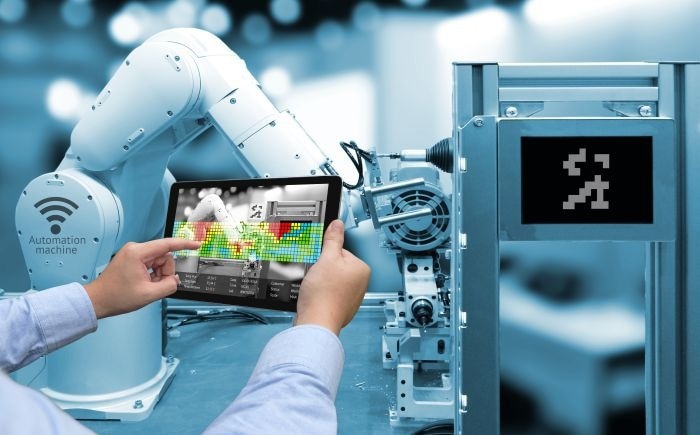
People Want Robots in Warehouses and Factories, not Hospitals or Schools, Hexagon Study Finds
A recent study conducted by Hexagon has revealed that both adults and children are increasingly receptive to the integration of robots in the workplace. The findings indicate a growing acceptance of robotic assistance, yet respondents emphasized the importance of establishing clear guidelines regarding the roles and environments in which these machines should operate. The study highlights a nuanced perspective on automation, reflecting a desire for collaboration between humans and robots while ensuring that ethical and practical boundaries are respected. This research, part of Hexagon's global Robot Generation initiative, underscores the evolving attitudes towards technology in professional settings as of October 2023.

People want robots in warehouses and factories, not hospitals or schools, Hexagon study finds
A recent global study by Hexagon reveals significant attitudes toward robots among adults, highlighting a clear preference for their use in specific tasks. While 68% of respondents favor robots for heavy lifting, only 12% are comfortable with robots taking on caregiving roles. The study, which surveyed adults worldwide, indicates that acceptance of robotic assistance is conditional; for instance, 52% of participants support robots for monitoring hazards, and half would welcome them for cleaning shared spaces or information retrieval. However, a substantial 86% emphasize the necessity of establishing clear guidelines regarding the capabilities and limitations of robots. Interestingly, the research also points to a generational shift in attitudes, with children showing a greater openness to robotic integration in various settings. They are 50% more likely than adults to view robots as "full colleagues" in the workplace, suggesting a growing acceptance of technology in everyday life. This evolving perspective on robotics underscores the importance of addressing concerns and establishing frameworks to facilitate their integration into society.

Chinese Orthopedic Surgery Robot Successfully Operates in Brazilian Hospital
The Kuntuo® orthopedic surgery robot, developed in China, has made its debut in Brazil by assisting a local physician in performing a knee replacement surgery. This significant achievement showcases the robot's ability to adapt to local prosthetic systems and underscores the critical role of advanced technology in enhancing medical practices worldwide. The successful operation marks a pivotal step in the international deployment of innovative healthcare solutions, emphasizing the integration of cutting-edge technology within established medical frameworks.
Surgical Robots Orthopedic Surgery Medical Technology Healthcare Innovation
SWLP Expands Drone Delivery Network for Pathology Samples in Southwest London
South West London Pathology (SWLP) is broadening its drone delivery program after a successful pilot that transported thousands of pathology samples. This initiative, developed with Apian and Wing, is now integral to SWLP's logistics strategy, potentially serving hospitals and primary care sites across southwest London. The significance of this expansion lies in its ability to enhance medical logistics, particularly for time-sensitive deliveries. Drones have proven to be up to 85% faster than traditional ground transport, allowing clinicians to receive test results sooner, which is crucial for patient care. SWLP serves around 1.8 million people and processes approximately 51 million samples annually, making efficient logistics essential. Looking ahead, SWLP plans to extend drone operations to additional hospitals and primary care facilities, further integrating this technology into healthcare logistics. No further timeline was disclosed at the time of publication.
Applications Delivery Drone News Drone News Feeds News Apian
Addressing the Human Bottleneck in Healthcare Automation: Aligning Physicians with Patient Demand
Hospitals are increasingly adopting automation to enhance care delivery by integrating software for administrative tasks, utilizing robots for logistics, and deploying AI for documentation and scheduling. These advancements aim to reduce waiting times and streamline workflows, allowing clinical teams to focus more on patient care. However, despite these technological improvements, healthcare automation faces a significant limitation: the availability of physicians. Even with optimized back-office operations and improved information flow, the system can falter if the right doctors are not present in necessary specialties and locations, leading to delays in patient care. As automation becomes a standard part of hospital operations, the challenge of matching physician availability with patient demand intensifies. The reliance on robotic process automation (RPA) to alleviate administrative burdens highlights the need for a balanced approach that addresses both technological and human resource constraints in healthcare delivery. No further timeline was disclosed at the time of publication.
Automation Health artificial intelligence automation digital health healthcare automation
BayCare Partners with Zipline for Drone Delivery Network in Tampa Bay by 2027
BayCare, the largest not-for-profit academic health-care system in West-Central Florida, has announced a partnership with Zipline to establish a drone delivery network. This system is expected to be operational by late 2027, initially focusing on high-volume hospital and laboratory locations in the St. Petersburg/Clearwater area. The network will facilitate the delivery of medical supplies and equipment between BayCare facilities, with plans to expand to patient homes in the future. The collaboration aims to enhance the speed and efficiency of transporting critical health-care items, addressing the needs of BayCare's extensive network of 16 hospitals and numerous other facilities. Zipline's drones are designed to operate autonomously, making precise deliveries even in adverse weather conditions. This initiative is expected to reduce delivery-related emissions and traffic congestion while providing a reliable service for time-sensitive items. Looking ahead, the project will begin with select BayCare facilities in Pinellas County, where the concentration of patient activity is highest. Future expansions across the entire Tampa Bay area are planned, although no further timeline was disclosed at the time of publication. The partnership leverages Zipline's FAA Part 135 air carrier certification, enabling BVLOS flights for commercial deliveries.
Applications Delivery Drone News Drone News Feeds News autonomous delivery
Richtech Robotics Introduces 24/7 Livestream with AI Robot ADAM for Global Interaction
Richtech Robotics, based in Nevada, has launched a 24/7 interactive livestream featuring its AI humanoid robot, ADAM. This initiative allows global audiences to engage with ADAM in real-time, asking questions and observing the robot's responses. The platform utilizes Nvidia Jetson Thor for onboard computing and the Nvidia Isaac open robotics platform, showcasing the capabilities of embodied AI. This livestream initiative is significant as it represents a shift in human-robot interaction, moving beyond traditional pre-recorded content to a dynamic, user-controlled experience. Richtech Robotics aims to demonstrate how AI-powered robots can effectively communicate in real-world settings, enhancing user engagement and showcasing their broader portfolio of automation solutions across various industries, including hospitality and manufacturing. Looking ahead, Richtech Robotics is positioned to lead advancements in intelligent automation and robotics. The company plans to continue evolving the interaction between humans and robots, with no further timeline disclosed for additional features or expansions of the ADAM livestream platform at the time of publication.
Humanoids adam AI-powered robots artificial intelligence automation conversational ai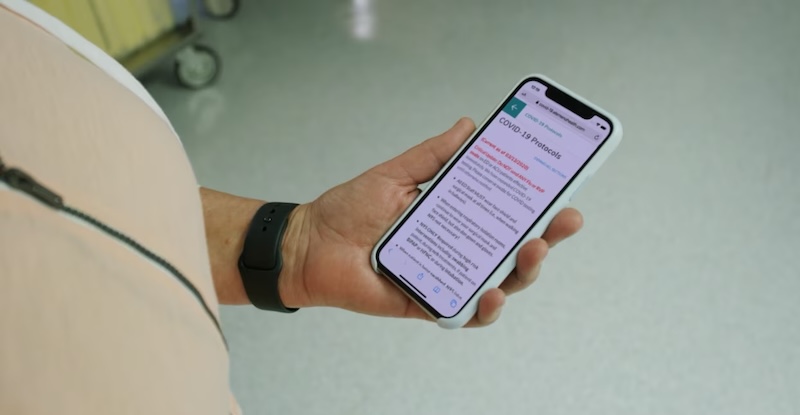
Elemeno Health agrees strategic partnership with Swisslog Healthcare to drive efficiency in healthcare automation
Elemeno Health has formed a strategic partnership with Swisslog Healthcare to enhance automation solutions in hospitals throughout North America. This collaboration aims to integrate Elemeno's just-in-time microlearning platform with Swisslog's robotics and pharmacy automation systems, facilitating streamlined training for frontline staff. By enabling customer self-service capabilities, the partnership seeks to improve operational efficiency and support healthcare providers in delivering better patient care. The initiative underscores the growing importance of pharmacy automation in modern healthcare settings, as hospitals increasingly rely on advanced technology to optimize their services.
Health Logistics News allegro automated pharmacy systems automation news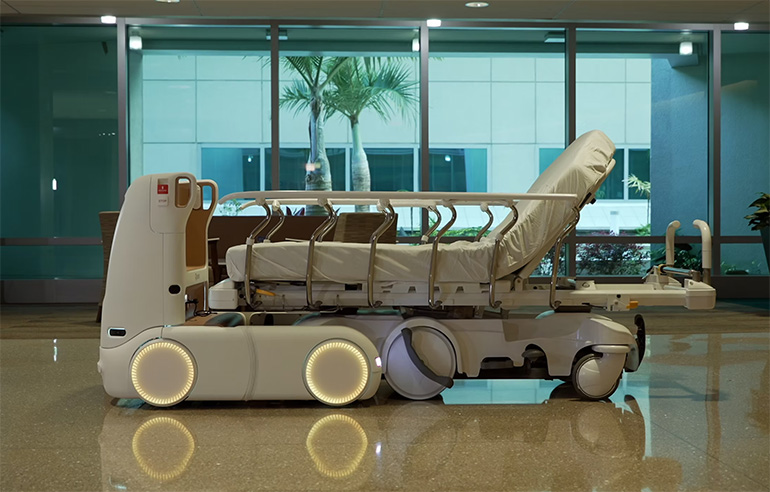
Rovex and Sphaira pioneer autonomous patient transport
In a significant advancement for hospital operations, Rovex and Sphaira are leading the way in automating patient mobility. These innovative companies are exploring distinct approaches to enhance the efficiency and safety of patient transport within healthcare facilities. As hospitals increasingly seek solutions to streamline their processes, the introduction of autonomous systems aims to alleviate the burden on staff and improve patient experiences. The push for automation in this area reflects a growing recognition of the potential benefits technology can bring to healthcare environments.
Autonomous Mobile Robots (AMRs) Healthcare Robotics Mobility / Navigation News Opinion Startups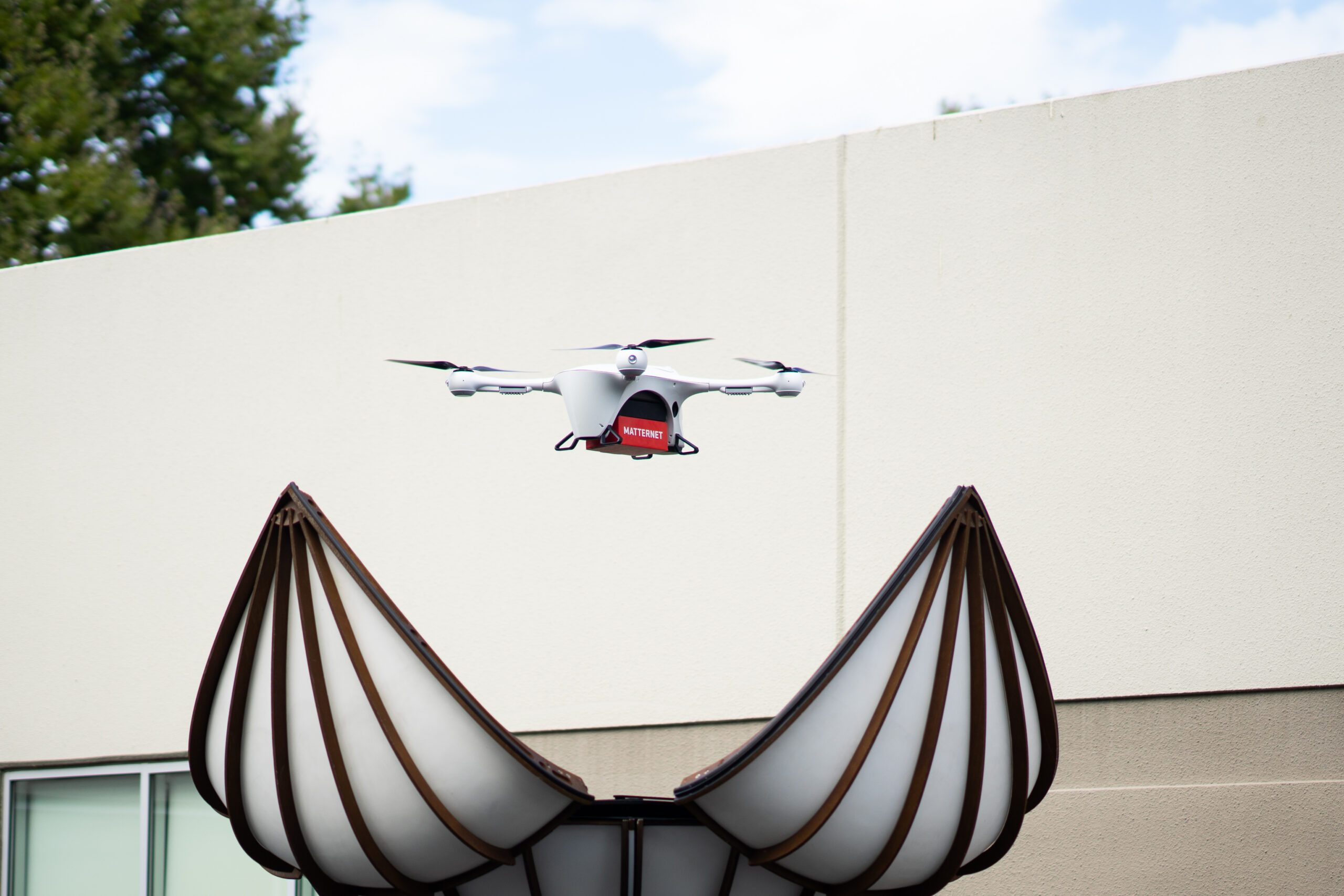
Matternet Launches NHS Drone Deliveries in Central London
Matternet has initiated drone delivery operations for the National Health Service (NHS) in Central London, representing its inaugural deployment in the United Kingdom. This innovative service links two major hospital campuses through bi-directional aerial routes, enabling the rapid transport of critical medical items. The launch aims to enhance the efficiency of medical logistics, ensuring that essential supplies can be delivered within minutes. By utilizing drone technology, Matternet seeks to address the urgent needs of healthcare facilities and improve patient care in the region.
Applications Delivery Drone News Drone News Feeds News Apian drone logistics
Amano Launches RAPiiTT, a New Commercial Robot Vacuum for Enhanced Cleaning Automation
Amano Corporation launched the RAPiiTT commercial robot vacuum on July 16, 2026, aimed at enhancing cleaning efficiency in various facilities such as offices, commercial spaces, hospitals, and airports. This product leverages Amano's extensive experience in cleaning robot deployment since 2014, integrating advanced AI and autonomous navigation technologies developed by Preferred Robotics. The RAPiiTT is designed to automate cleaning tasks across multiple floors, reducing the need for manual labor in transporting equipment between floors. It features LiDAR for obstacle detection, ensuring safe navigation around people and objects. With a cleaning width of 500mm and a noise reduction design, it operates effectively in noise-sensitive environments, making it suitable for offices and commercial facilities. Looking ahead, the RAPiiTT's integration with the AMANO Robot Cloud allows for real-time management of multiple units, streamlining operations for facility managers. No further timeline was disclosed at the time of publication.
Shanghai Advances BCI Development: The Race for Commercialization Has Started
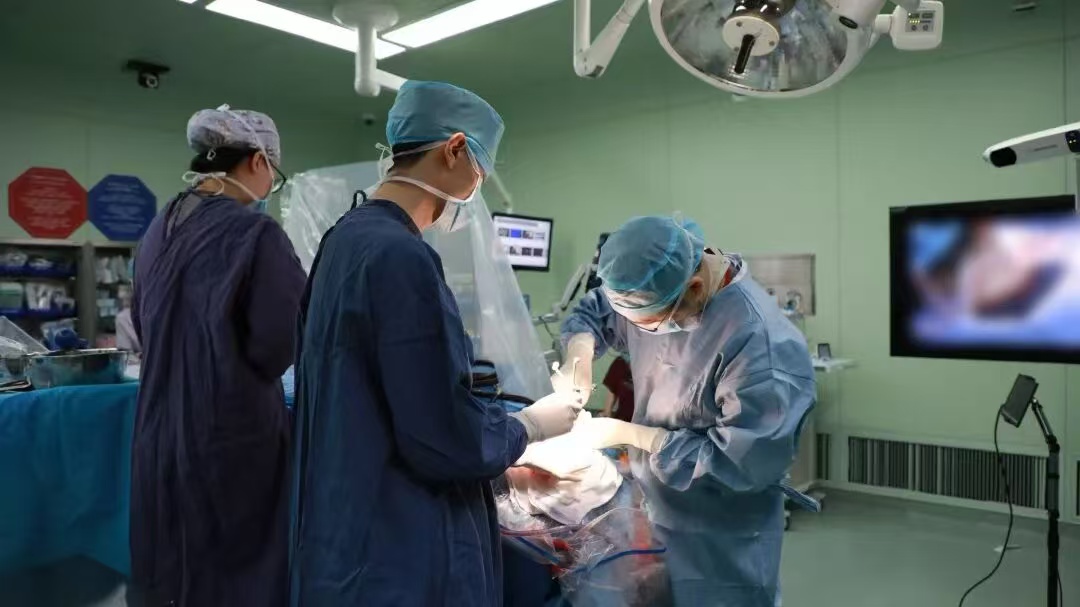
Shanghai is emerging as a key player in the global brain-computer interface (BCI) competition. The Shanghai Municipal Commission of Economy and Information Technology recently released the 'Three-Year Action Plan for the Industrialization of Brain-Computer Interfaces (2026-2028)', which aims to establish a leading national industrial chain ecosystem in the non-invasive BCI sector by 2028. The plan includes nurturing at least 50 related enterprises and achieving large-scale applications of core products in medical rehabilitation and cognitive training. This initiative is not just a theoretical blueprint. A team led by Academician Zhou Liangfu from Huashan Hospital's Neurosurgery Department, in collaboration with the Institute of Microsystem Research at the Chinese Academy of Sciences, has developed an implanted BCI product that has completed its first clinical trial with volunteers for motor function rehabilitation in paraplegic patients. Shanghai is adopting a parallel strategy with multiple technological routes, supporting invasive, semi-invasive, and non-invasive teams with dedicated funding, with non-invasive approaches progressing more rapidly. The Pudong New Area has designated a 'Brain Science Industrial Base' where the first batch of companies can benefit from various supports, including R&D expense deductions and expedited clinical trial processes. Shanghai's goal is clear: to become the city with the lowest operational costs and minimal policy friction for BCI enterprises. As the global BCI landscape evolves, Shanghai's focus on industrialization aims to establish a commercial loop in hospitals while ensuring safety and regulatory compliance, leveraging China's vast market potential in stroke rehabilitation, youth attention training, and early Alzheimer's screening.
Brain-Computer Interfaces Healthcare Technology Neurorehabilitation Cognitive Training
NHS Expands Drone Deliveries for Medical Samples Across London
The UK's National Health Service (NHS) is integrating drones into its logistics for healthcare, following a successful pilot that significantly reduced delivery times for urgent medical samples. This initiative could benefit approximately 1.8 million residents in southwest London, while also cutting costs, lowering emissions, and enhancing patient care. Since February, drones have been transporting blood and diagnostic samples from Nelson Health Centre in Raynes Park to the South West London Pathology (SWLP) laboratory at St George’s Hospital in Tooting, completing the journey in just over three minutes. This is a substantial improvement over the 20-minute road travel time, especially during peak congestion or extreme weather conditions. The SWLP processes around 51 million diagnostic samples annually, and faster deliveries allow for quicker testing and treatment decisions. With plans to extend drone services to additional hospitals and clinics, the NHS aims to make this technology a standard part of its operations. The initiative, operated by British startup Apian in collaboration with Wing, has already shown cost savings of up to 23% compared to traditional delivery methods, while also significantly reducing carbon emissions. No further timeline was disclosed at the time of publication.
News
WTWH Media Transforms and Rebrands as Arrowfly to Enhance B2B Engagement
WTWH Media, the parent company of The Robot Report, has officially rebranded as Arrowfly. This change reflects its evolution from a specialized trade publisher to a comprehensive B2B media, events, and marketing entity. Arrowfly aims to connect hard-to-reach professional decision-makers with trusted journalism and industry intelligence across three key sectors: Engineering, Healthcare and Life Sciences, and Food, Retail, and Hospitality. The rebranding is significant as it positions Arrowfly to better serve professionals through its extensive portfolio, which includes over 40 vertical media brands and more than 45 industry events. The company emphasizes that while its name and visual identity have changed, its commitment to editorial independence and community engagement remains steadfast. This transformation is designed to strengthen the connections within its professional networks and enhance the overall experience for its audience. Looking ahead, Arrowfly is poised for growth and expansion, with a focus on maintaining the trust it has built over the years. The leadership, including CEO Matt Logan, highlights the importance of editorial authority and community reliance in driving decision-making. No further timeline was disclosed at the time of publication.
Business Resources News Press Release Arrowfly WTWH WTWH Media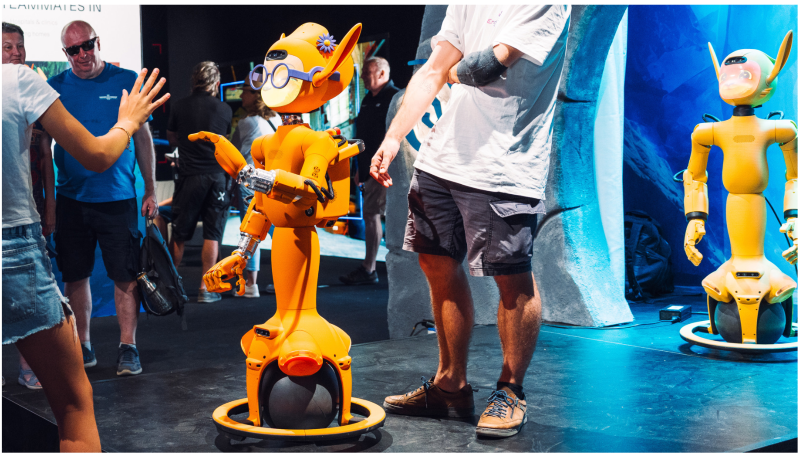
At Goodwood, Robots Explore Their Role in Enhancing Human Experience
At the Goodwood Cricket Ground, a fox-eared robot on roller skates greeted visitors without imitating humans or threatening to replace them, showcasing its unique identity. This event, part of the FOS Future Lab's Intelligent Systems Zone, featured three exhibitors presenting diverse answers to the question of what intelligent machines should do for humanity. One Sheffield startup, led by Raspberry Pi co-founder Liz Upton, demonstrated a method for programming robots using simple English. A robotic arm responded to natural language commands, with COO Eleanor Tang-Smith emphasizing the goal of making robots perform tasks that humans find tedious. Meanwhile, a large screen displayed a real-time reconstruction of Goodwood's famous Taylor Garage, merging digital and physical worlds seamlessly. The fox-eared robotic dogs, designed in Paris, avoided the 'uncanny valley' by engaging with humans through expressive features. They are already in use in hospitals and airports for tasks like transporting and assisting, allowing humans to focus on more urgent matters. The event highlighted three approaches to human-robot interaction, emphasizing the importance of language, vision, and gestures in redefining the interface between humans and machines.
Robotics AI Spatial Computing Human-Robot Interaction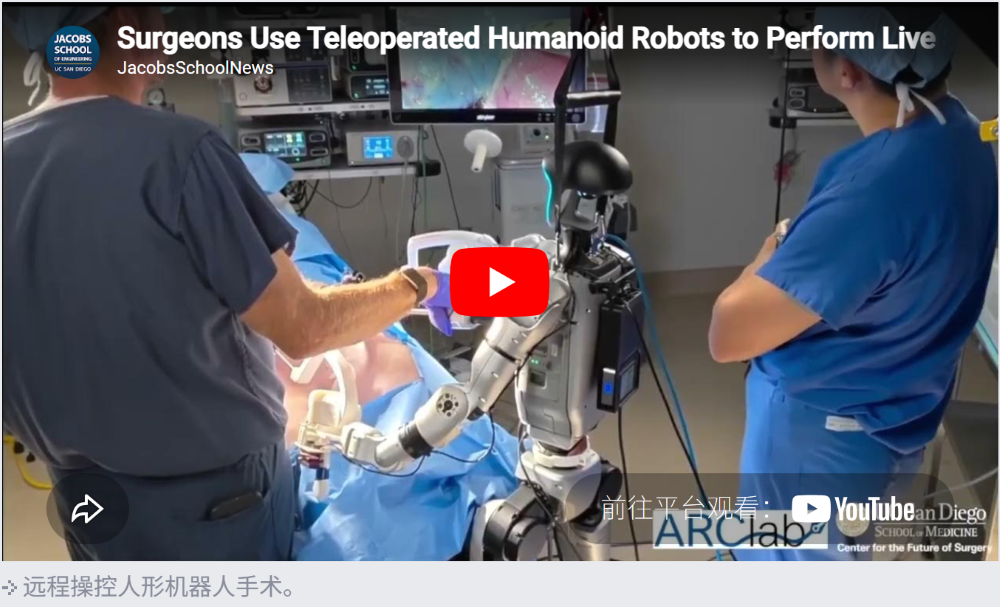
Humanoid Robot H1 Completes First Live Gallbladder Surgery Under Surgeon Control
In July 2026, a humanoid robot successfully performed the world's first live gallbladder surgery on a pig under the control of a surgeon. This groundbreaking procedure, documented by Nature and featured on the front page of the New York Post, has sparked significant discussions in the tech community about the implications of humanoid robots in surgical settings, particularly regarding remote control and AI capabilities. The significance of this achievement lies in its potential to disrupt the surgical robotics market, which has been dominated by the Da Vinci surgical system for nearly two decades. The Da Vinci system, known for its high costs exceeding $2 million, relies on specialized robotic arms and instruments. In contrast, the humanoid robot's design allows it to utilize standard surgical tools, which could lead to reduced costs and increased accessibility for hospitals. Looking ahead, the successful completion of this surgery marks a pivotal moment for humanoid robots in healthcare. While regulatory hurdles and clinical validation processes remain, the experiment demonstrates that humanoid robots can perform complex surgical tasks. The next challenge will be determining when the costs associated with these robots can be lowered enough for broader adoption by hospitals beyond top-tier institutions. No further timeline was disclosed at the time of publication.
Humanoid Robots Surgical Robotics AI in Healthcare Remote Surgery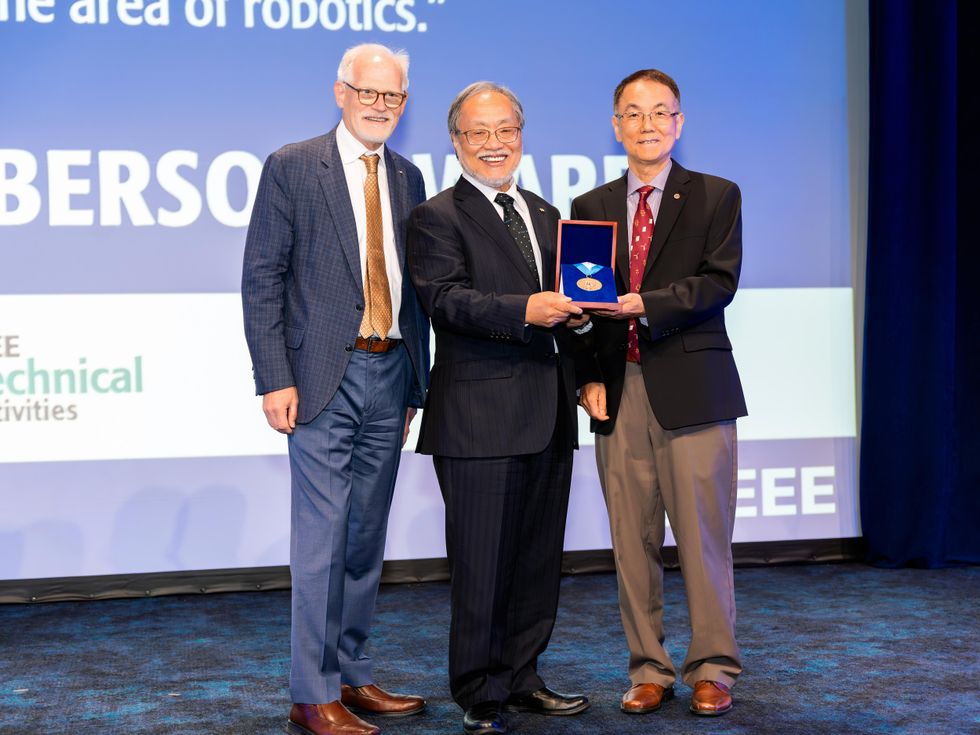
IEEE Honors Robotics Pioneer Toshio Fukuda
Toshio Fukuda has been blazing trails for most of his career. He is considered to be one of the most prolific scholars in robotics, writing more than 2,000 research papers and authoring several books on the field. He’s an influential figure thanks to his pioneering work developing biomedical robotic systems, industrial robots, micro-nano robotics, mechatronics, and AI-driven automation.Fukuda launched one of the first robotics conferences, the IEEE/RSJ International Conference on Intelligent Robots and Systems (IROS). It is still popular almost 40 years later.Toshio FukudaEmployerEgypt-Japan University of Science and Technology, in Alexandria TitleProfessor and vice president of research Member gradeLife Fellow Alma matersWaseda University, in Tokyo; University of Tokyo An IEEE Life Fellow, he is a professor emeritus in the department of micro-nano systems engineering and a visiting professor at Nagoya University, in Japan, where he taught for nearly 25 years. Currently, he is a vice president of research at the Egypt-Japan University of Science and Technology, in Alexandria, Egypt.Within IEEE, Fukuda has held top volunteer positions including the organization’s highest office: He served as IEEE president in 2020, becoming the first person of Asian descent to hold the role.He’s a former program director of Japan’s Moonshot program, which by 2050 intends to develop advanced AI robots.Born in Japan, Fukuda has been recognized by the country for his contributions to science with two of its highest awards: the Medal of Honor with a purple ribbon in 2015 and the Order of the Sacred Treasure in 2022.IEEE honored him with this year’s Richard M. Emberson Award for “distinguished service advancing the technical objectives of IEEE, especially in the area of robotics.” The IEEE Board-level award is sponsored by the IEEE Technical Activities Board. Fukuda received the award on 24 April at a ceremony in New York City.As a former IEEE president who has served as a master of ceremonies at several of the organization’s major award events, Fukuda noted that he is more accustomed to bestowing awards than receiving them.“It’s very interesting to be on the receiving end,” he says.The journey into robotics researchAs a teenager, Fukuda spent his summer breaks teaching himself how to build things including transistor radios and steam engines.“It was very nice to have a hands-on hobby and make these kinds of things myself,” he says. His experimentation led him to study engineering.He earned a bachelor’s degree in engineering in 1971 from Waseda University, in Tokyo. He says one of his professors there—Ichiro Kato, regarded as the father of Japanese robotics research—was a good mentor who made a positive impact.Fukuda’s research interests were robotics and mechatronics, a field that combines robotics, electronics, computer science, and control systems.He went on to earn a master’s degree and a doctorate in science from the University of Tokyo, in 1971 and 1977. During those years, he also attended Yale, where he conducted research on advanced control theory in 1973.He reflects fondly on his time at Yale: “It was a very nice environment and a kind of free-thinking atmosphere. It motivated me to study more.”“IEEE doesn’t care who you are, what you do, what country you are from, or whether you are male or female. IEEE accepts people who have energy and passion.”While at Yale, Fukuda served as an assistant to his advisor—which led him to consider a career in academia, he says, because he enjoyed the freedom that research work afforded him.But he realized that such freedom comes with a price. University researchers are expected to raise the money that funds their work. He compares researchers to small-business owners who have to bring in money to keep their enterprise afloat.That realization led him to select robotics as his field because he intended to develop technologies useful to industry, he says.After earning his doctorate, he returned to Japan in 1977 to work as a research scientist at the government’s Mechanical Engineering Laboratory, later renamed the National Institute of Advanced Industrial Science and Technology, in Tsukuba.“There was a lot of research going on at the lab, including practical robotics and theory,” he says.He left Japan in 1979 to become a visiting research fellow at the University of Stuttgart, in Germany. During his year there, he studied systems, software problems, and related topics.He returned to Japan and was hired as an associate professor of mechanical engineering at the Tokyo University of Science. He conducted research into practical uses for robots by visiting industrial plants. He decided to develop robots that inspect industrial equipment such as those used in assembly plants, oil refineries, and power stations—places that “can be hostile environments for humans,” he says.His work drew interest from chemical, oil, and utility companies.“I got a lot of money from them for this very practical application, which funded my research,” he says, laughing.Developing popular robotic systemsFukuda grew tired of making those robots, he says, so he switched to creating ones for scientific applications. He developed many techniques, but he probably is best known for his modular, cellular robotic systems (CEBOTs), which he introduced in 1985.He has described how CEBOTs work in numerous papers published in the IEEE Xplore Digital Library.The CEBOT system is composed of a number of autonomous robotic cells that stick together like interlocking Lego plastic bricks, he says.Each cell is a fundamental modular unit that has a function. When a simple task is given, the system can analyze it and generate the structure of the cellular manipulator. The cells connect to and detach from each other through connection mechanisms and cooperate mutually, creating complex structures and configurations.“You start developing from the component-wise to the cell-wise to a small functional unit—and then you come up with clusters that make bigger systems. We can make a society of robot beings like that,” he explained in his oral history published on the Engineering and Technology History Wiki. “It’s a distributed robotic system, a self-organized robotic system, and also an evolutionary robotic system.“It’s also a fault-tolerant robot system because if something is wrong, you just remove those things and make a new one. You keep the system working. That’s a great thing.”Today CEBOTs are used for a variety of tasks such as delivering medication in hospitals, assisting with planting crops, and transporting products in distribution centers. Check out IEEE Spectrum’s Robots Guide for news from the world of robotics.In 1989 Fukuda joined Nagoya University as a professor of mechanical engineering and micro-nano systems engineering. During his 24-year career there, he was director of the university’s Center for Micro-Nano Mechatronics. He developed a long list of technologies at the university, including many for medical applications. He also conducted groundbreaking research into intelligent robotic systems and micro- and nano-robotics.Another technology he is known for is brachiation robots, which he helped develop in 1988. He calls them monkey robots because they’re based on the pendulum-like movement of monkeys swinging from tree to tree. The gravity-based locomotion enables continuous movement.Brachiation robots now are inspecting high-voltage transmission towers and bridges, searching damaged buildings for survivors, and performing maintenance on pipelines and cables.Fukuda retired from the university in 2013 and was named professor emeritus.He didn’t stay retired for long, though. He next held a teaching appointment at Meijo University, in Nagoya, until he left in 2022 to join the Egypt-Japan University.A prominent volunteerHe joined IEEE in 1980 at the encouragement of one of his research advisors, Professor Fumio Harashima, now an IEEE Life Fellow. After attending conferences and reading the organization’s publications, Fukuda says, he looked forward to becoming more involved.“I wanted to know how to organize a conference and how to edit a paper for one of its Transactions,” he says. “I wanted to know what was going on from inside the organization, not just the outside.”In 1988 he was the founding chair and organizer of IROS, in Tokyo. The conference had 330 attendees that year, and was supported by Harashima. Today it is one of the largest and most prestigious conferences on the topic, attracting more than 9,000 people annually. Out of 120,000 conferences, it was the only conference in the Nature Index database for this year, Fukuda says.In 1996 he and other members launched IEEE Transactions on Mechatronics.He was the founding president of the IEEE Nanotechnology Council, which was established in 2002. He is considered a pioneer in nanotechnology research, particularly regarding how it relates to robotics.Over the years, he has held numerous volunteer positions on IEEE editorial boards and committees.He was the 1998–1999 president of the IEEE Robotics and Automation Society, becoming the first non-U.S. member to hold the title.He was director of IEEE Division X (2001–2002 and 2017–2018), which covers intelligent systems, biological engineering, robotics, control systems, and photonic technologies. He served as the 2013–2014 director of IEEE Region 10 (Asia-Pacific).As the 2020 IEEE president, Fukuda saw the organization through the early part of the COVID-19 pandemic. Because of travel restrictions, he realized IEEE should change how it offered its in-person services, specifically educational programs. He encouraged IEEE Educational Activities to develop an online learning platform. The IEEE Learning Network started with just three courses and now offers nearly 2,000 courses, webinars, and learning materials.An award-winning memberThe Emberson Award joins a slew of other recognitions Fukuda has received from IEEE. They include several from the IEEE Robotics and Automation Society: a 2004 Pioneer Award, a 2009 Saridis Leadership Award, and the 2011 Harashima Award for Innovative Technologies. He is also a recipient of the Board-level 2010 IEEE Robotics and Automation Technical Field Award.He says he feels strongly that IEEE should be a diverse organization that is welcoming to all. As IEEE president, he led efforts to devise a diversity, equity, and inclusion program. Several policies, procedures, and bylaws were revised to give members a safe, inclusive place for discourse.“It’s important for IEEE to make everyone feel comfortable,” he says. “DEI programs are important. All people should be equal. IEEE doesn’t care who you are, what you do, what country you are from, or whether you are male or female. IEEE accepts people who have energy and passion.“It accepted me, from the Far East. That’s why I like it.”You can learn more about Fukuda and his career from the oral history conducted by the IEEE History Center.
Robotics Robots Ieee-member-news Type-ti Ieee-awards Toshio-fukuda
How assistive robots can boost an inclusive workforce
In a growing trend within the hospitality industry, businesses are increasingly utilizing robots in restaurants and hotels, while also fostering inclusivity by employing individuals with disabilities to operate these machines. These telepresence robots, often referred to as avatar robots, feature the operator's face displayed on a screen, ensuring a human connection in service delivery. This innovative approach not only enhances customer experience but also provides meaningful job opportunities for those with mobility challenges. By integrating technology with a commitment to inclusivity, these establishments are redefining service roles and promoting accessibility in the workforce.

Pudu Robotics Brings Physical AI into Everyday Life at Davos Tech Summit's Robot City
Pudu Robotics is showcasing the practical applications of commercial service robots in various sectors, including retail, hospitality, and public spaces. The company has deployed its robots to enhance operational efficiency and customer service in these environments. By integrating advanced technology, Pudu Robotics aims to address the growing demand for automation and improve the overall experience for both businesses and consumers. This initiative highlights the increasing role of robotics in everyday operations, demonstrating their potential to create significant value in real-world scenarios.

Queue raises funding to build fully autonomous pharmacy
Queue is advancing its initiative to enhance prescription access by developing fully automated pharmacies. This effort aims to serve hospitals, retail locations, and underserved communities, addressing the growing demand for efficient pharmaceutical services. Recently, the company secured funding to support the construction of these autonomous pharmacies, which are designed to streamline the dispensing process and improve patient care. By leveraging automation, Queue intends to reduce wait times and increase the availability of medications, particularly in areas where access to traditional pharmacy services is limited. The project represents a significant step towards modernizing healthcare delivery and ensuring that essential prescriptions are readily available to those in need.
Healthcare Robotics Investments News AlleyCorp pharmaceutical Queue
Video: World’s first hotel run entirely by robots set to open in China by 2027
China is set to unveil the world’s first hotel operated entirely by robots, a groundbreaking initiative that aims to revolutionize the hospitality industry. This innovative hotel, located in a major urban center, is scheduled to open its doors in early 2024. The project is driven by advancements in artificial intelligence and automation, reflecting a growing trend towards integrating technology into everyday services. The hotel will feature a range of robotic staff, including receptionists, concierges, and room service providers, all designed to enhance guest experiences while reducing operational costs. By employing robots, the hotel seeks to address labor shortages in the hospitality sector and provide a unique, futuristic experience for visitors. This initiative not only showcases China's commitment to technological innovation but also positions the country at the forefront of the global hospitality market. As the demand for efficient and contactless services increases, the fully automated hotel could serve as a model for future developments in the industry, potentially influencing hotel operations worldwide.
AI and Robotics
DNA origami snaps into place
In a groundbreaking study published in the June 2026 issue of Science Robotics, researchers from leading universities have unveiled a new robotic system designed to assist in complex surgical procedures. This innovative technology aims to enhance precision and reduce recovery times for patients undergoing surgery. The research team, comprised of engineers and medical professionals, conducted extensive trials over the past year, demonstrating the robot's capabilities in various surgical environments. Their findings indicate that the robotic system can significantly improve outcomes in surgeries that require high levels of dexterity and accuracy. The motivation behind this development stems from the increasing demand for minimally invasive surgical techniques, which are known to offer patients quicker recovery and less postoperative pain. By integrating advanced robotics with surgical practices, the team hopes to address these needs and set a new standard in surgical care. The trials were conducted in multiple hospitals across the United States, where the robotic system was tested in real-time surgical scenarios. Feedback from surgeons and patients has been overwhelmingly positive, highlighting the robot's potential to revolutionize surgical procedures. As the medical community continues to explore the integration of robotics in healthcare, this study marks a significant step forward, paving the way for future innovations that could transform patient care and surgical practices worldwide.
Focus
Is your robot vacuum cleaner spying on you?
In a groundbreaking study published in the June 2026 issue of Science Robotics, researchers have unveiled a new robotic system designed to enhance surgical precision and efficiency. This innovative technology, developed by a team of engineers and medical professionals, aims to reduce the risks associated with complex surgical procedures. The research team conducted extensive trials over a two-year period, testing the robotic system in various surgical environments. Their findings indicate that the robot can perform intricate tasks with a level of accuracy surpassing that of human surgeons, potentially leading to improved patient outcomes. The motivation behind this development stems from the increasing demand for safer and more effective surgical methods, particularly in high-stakes operations. By integrating advanced robotics with surgical practices, the team hopes to address common challenges such as human error and fatigue during lengthy procedures. The trials took place in multiple hospitals across the United States, where the robotic system was utilized in real-time surgeries. Observations showed a significant decrease in operation times and recovery periods for patients, highlighting the potential of robotics to revolutionize the field of surgery. As the medical community continues to explore the implications of this technology, the research team is optimistic about future applications, including training programs for surgeons and expanded use in various medical specialties. This advancement marks a significant step forward in the intersection of robotics and healthcare, promising to enhance the capabilities of surgical teams worldwide.
Focus
Learning flight navigation like a honey bee
In June 2026, a groundbreaking study published in Science Robotics highlights significant advancements in robotic technology aimed at enhancing human-robot collaboration. Researchers from leading universities and tech companies have developed a new generation of robots equipped with advanced artificial intelligence, enabling them to perform complex tasks alongside human workers more efficiently. This initiative is driven by the increasing demand for automation in various industries, particularly in manufacturing and healthcare, where precision and reliability are paramount. The study outlines how these robots can adapt to dynamic environments, learn from human interactions, and improve their performance over time, thereby reducing the risk of workplace accidents and increasing productivity. The research team conducted extensive field tests in factories and hospitals to evaluate the robots' capabilities in real-world scenarios. The results demonstrated a marked improvement in task execution speed and accuracy when robots and humans worked in tandem, showcasing the potential for these technologies to transform traditional workflows. As industries continue to evolve, the implications of this research could lead to a new era of collaboration between humans and machines, addressing labor shortages and enhancing operational efficiency. The findings underscore the importance of ongoing innovation in robotics, paving the way for future developments that could redefine the nature of work across various sectors.
Editors' Choice
Robot.com Launches R-noid, a Humanoid Built For the Work That Burns People Out. No Legs, All Lift to the Bottom Line.
Robot.com has officially launched R-noid™, a humanoid robot designed to alleviate labor shortages in repetitive and hard-to-fill jobs across various industries. Announced on June 22, 2026, in San Francisco, this innovative solution aims to address chronic staffing issues in sectors such as quick-service restaurants, logistics, healthcare, and hospitality, where turnover rates are alarmingly high. R-noid operates under a Robot-as-a-Service (RaaS) model, allowing for deployment from initial site visits to full autonomous operation within eight to twelve weeks. The robot can perform 19 different tasks, including roles such as restaurant assistant, packer, and picker, and will be showcased at Automate 2026 in Chicago from June 22-25. The motivation behind R-noid's development stems from the pressing need to enhance customer experience by filling critical staffing gaps that often disrupt service. CEO Felipe Chavez Cortes emphasized that the goal is to free human workers from monotonous tasks, enabling them to focus on more meaningful aspects of their jobs. R-noid's design features advanced mobility and dexterity, equipped with dual 7-degree-of-freedom arms and a holonomic base for maneuverability in tight spaces. Collaborating with various partners, including NVIDIA Robotics and Yukai Engineering, the robot incorporates an expressive interaction system to foster trust and engagement with users. This launch marks a significant step in Robot.com's mission to integrate humanoid solutions into its existing fleet, enhancing operational efficiency across multiple sectors.
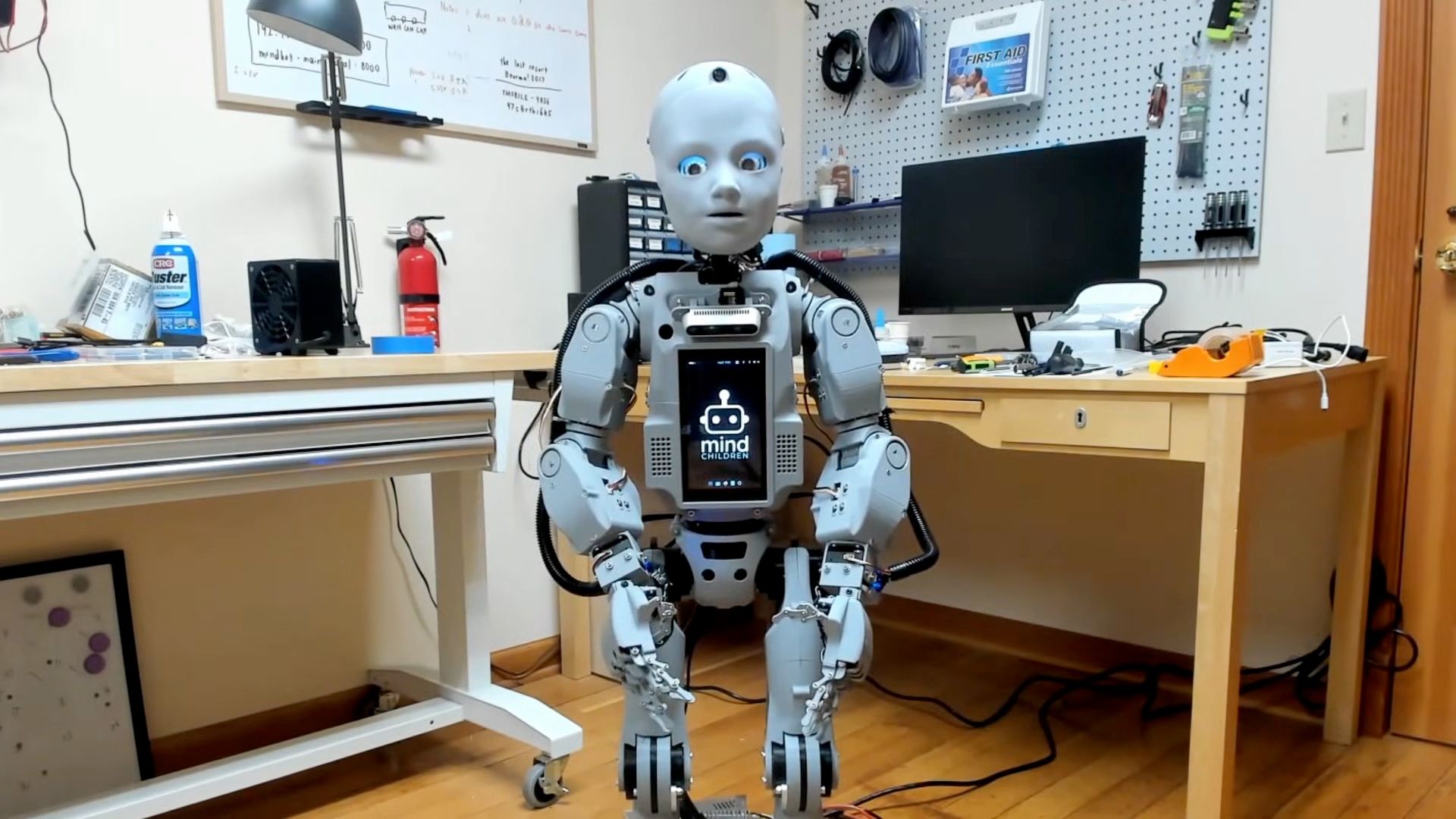
Video: Child-friendly Codey robot showcases embodied AGI future in education, healthcare
A Seattle-based robotics company has unveiled a three-foot-tall humanoid robot intended for public use, showcasing its potential to assist in various environments. The robot, which features advanced interaction capabilities, aims to enhance customer service and provide support in settings such as retail and hospitality. This development comes as part of a broader trend in the robotics industry, where companies are increasingly focusing on creating machines that can engage with people in everyday situations. The prototype was revealed during a technology expo held in Seattle last week, attracting attention from industry experts and potential investors. The creators believe that this humanoid robot could revolutionize the way businesses interact with customers, addressing labor shortages and improving efficiency. By integrating artificial intelligence and user-friendly interfaces, the robot is designed to learn from its interactions, adapting to the needs of its environment.
AI and Robotics
Sequoia and Alibaba-backed embodied AI company secures hundreds of millions in new funding.
Noematrix, a company specializing in embodied intelligence, has recently secured hundreds of millions in funding, led by Wuxi Data Group, with participation from Shanghai Jiao Tong University's AI Future Fund, Shanghai Chuangzhi Technology Co., and Yicun Capital. This marks the latest financing round for Noematrix, which has attracted investments from several notable firms, including Prosperity7 Ventures and Alibaba, since its establishment in November 2023. The company focuses on the autonomous development of foundational models and systems for embodied intelligence, having launched its core product, Noematrix Brain. This product is part of a comprehensive hardware and software ecosystem that spans data collection, model training, deployment, and application in embodied robotics. The industry narrative surrounding embodied intelligence is shifting from merely executing tasks to ensuring robots can operate stably in real-world environments. Noematrix aims to enhance model robustness by integrating real-world and simulated data into its training processes, utilizing its proprietary data collection devices to gather diverse datasets from various environments. Noematrix's robots have already begun commercial deployment in pharmacies, addressing longstanding labor challenges in the sector by automating order fulfillment. The company has partnered with several leading pharmacy chains, achieving significant order volumes. Following this funding round, Noematrix plans to accelerate the development of its general-purpose embodied intelligence models, targeting applications in retail and hospitality sectors.

Advanced Humanoid Forum 2027 to be held in Germany
Germany is pushing to expedite the transition of humanoid robots from laboratory settings to industrial applications. As these robots gain increasing attention in media and announcements from major tech companies, a pressing question arises regarding their large-scale deployment in factories, warehouses, hospitals, and construction sites. This initiative was highlighted at the Advanced Humanoid Forum 2027, which took place in Germany, where industry leaders discussed the future integration of these advanced machines into various sectors. The motivation behind this acceleration is to enhance efficiency and productivity across industries, addressing the growing demand for automation.
À la une IA Industrie Robotique Santé Advanced Humanoid Forum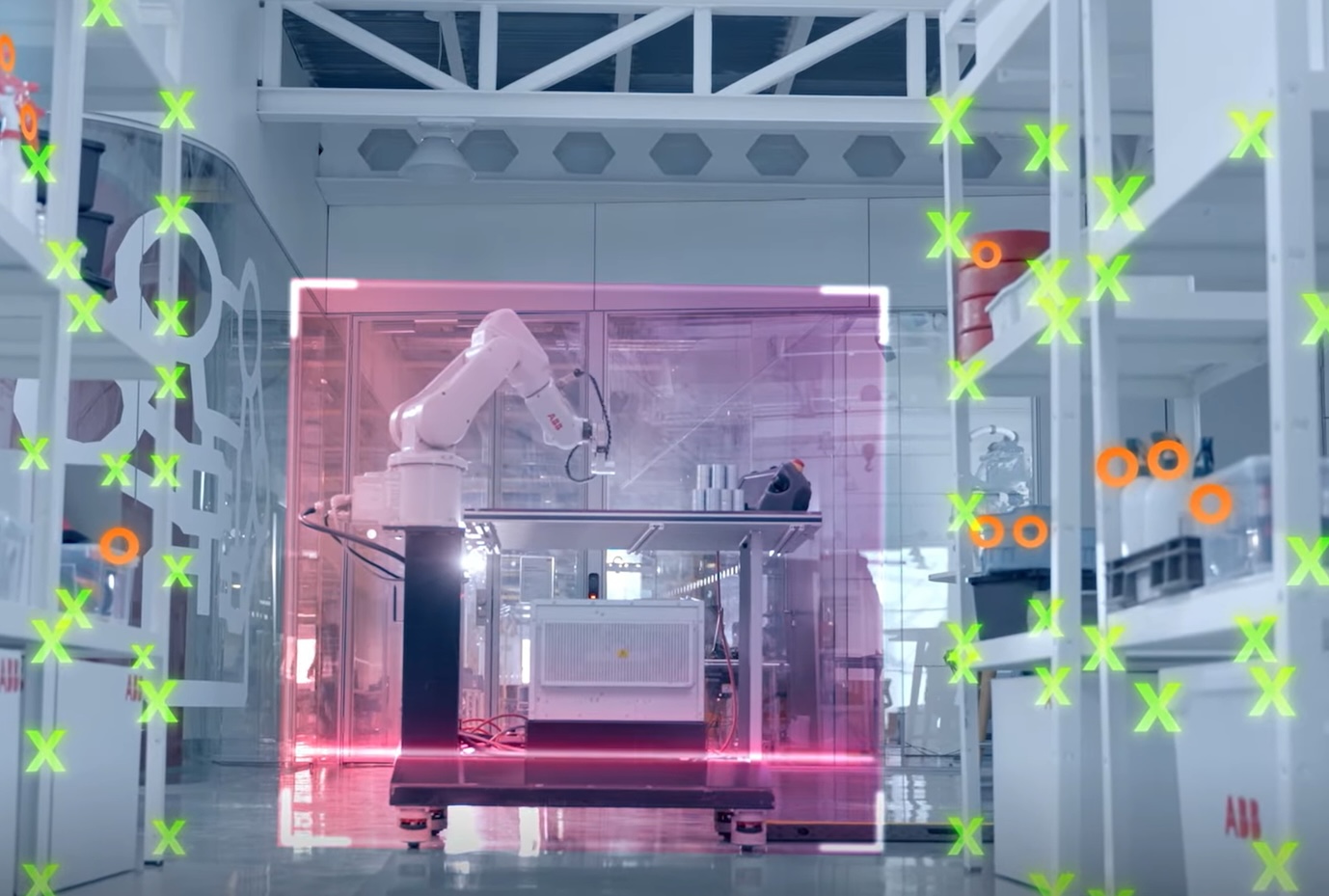
Stop chasing identical outcomes in HRI replication: Learn from the differences
In a groundbreaking study published in the June 2026 issue of Science Robotics, researchers from leading universities have unveiled a new robotic system designed to assist in complex surgical procedures. This innovative technology aims to enhance precision and reduce recovery times for patients undergoing surgery. The research team, comprised of experts in robotics and medicine, conducted extensive trials to evaluate the system's effectiveness. Their findings indicate that the robotic assistant can significantly improve surgical outcomes by minimizing human error and providing surgeons with advanced tools for intricate tasks. The development of this robotic system comes in response to the growing demand for more efficient and safer surgical methods, driven by an increase in minimally invasive procedures. By integrating artificial intelligence and machine learning, the robot is capable of adapting to various surgical environments and techniques, thereby expanding its applicability across different medical specialties. The trials took place in several hospitals, where the robotic system was tested alongside traditional surgical methods. Results showed a marked improvement in patient recovery rates and overall satisfaction with the surgical experience. As the healthcare industry continues to evolve, this robotic innovation represents a significant step forward in the integration of technology into medical practice, promising to transform the future of surgery and patient care.
Focus
Therapist-exoskeleton-patient interaction for gait therapy
In a groundbreaking study published in the June 2026 issue of Science Robotics, researchers have unveiled a new robotic system designed to enhance surgical precision. This innovative technology, developed by a team of engineers and medical professionals, aims to improve patient outcomes in complex surgical procedures. The study highlights the system's ability to integrate advanced imaging techniques with real-time data analysis, allowing surgeons to navigate intricate anatomical structures with unprecedented accuracy. Conducted at a leading medical research facility, the trials demonstrated a significant reduction in operation time and postoperative complications compared to traditional methods. The motivation behind this development stems from the increasing demand for minimally invasive surgical options, which promise quicker recovery times and less trauma for patients. By leveraging cutting-edge robotics and artificial intelligence, the team has created a tool that not only assists surgeons but also enhances their decision-making capabilities during operations. As the medical community continues to embrace technological advancements, this robotic system represents a significant step forward in the field of surgery, potentially transforming how procedures are performed in the future. The researchers are optimistic that further refinements and clinical trials will lead to widespread adoption in hospitals worldwide, ultimately benefiting countless patients.
Research Article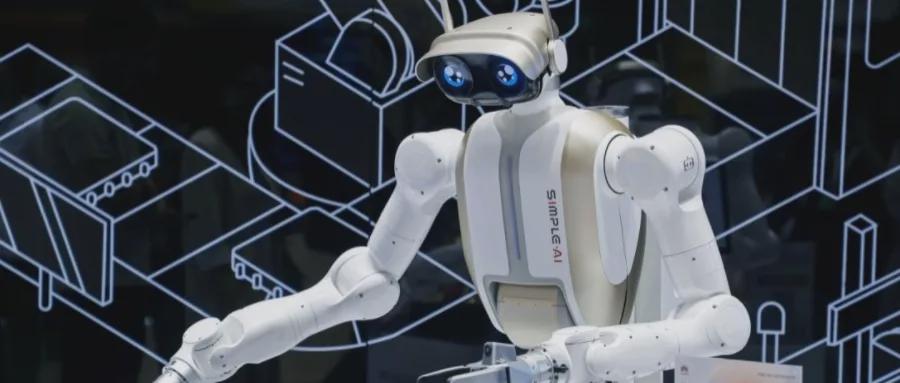
Didi's Investment in Robots Now Operational in Hotels
Simple AI, a company focused on developing general-purpose embodied intelligence robots, has successfully secured substantial funding with Didi as the lead investor. The company’s robot, known as Simbot, is currently operational in hotel environments, where it is effectively navigating complex real-world situations and adapting to diverse service requirements. This transition from demonstration to practical deployment highlights the growing potential for robots to enhance everyday service operations in the hospitality industry.
Embodied Intelligence Service Robots Hotel Automation AI Technology
Precise aggressive aerial maneuvers with sensorimotor policies
In a groundbreaking study published in the June 2026 issue of Science Robotics, researchers from leading universities have unveiled a new robotic system designed to assist in complex surgical procedures. This innovative technology aims to enhance precision and reduce recovery times for patients undergoing surgery. The research team, comprised of experts in robotics and medicine, conducted extensive trials over the past two years to refine the system's capabilities. The trials were held at various hospitals, allowing for real-world testing and feedback from surgical teams. The motivation behind this development stems from the increasing demand for minimally invasive surgical options, which can lead to better patient outcomes. By integrating advanced robotics with surgical techniques, the team hopes to address challenges faced by surgeons, such as limited visibility and dexterity during operations. The robotic system employs state-of-the-art sensors and AI algorithms to assist surgeons in real-time, providing them with enhanced control and accuracy. Initial results from the trials indicate a significant reduction in surgery time and improved patient recovery rates, suggesting that this technology could revolutionize surgical practices. As the medical community anticipates further advancements, the researchers are optimistic about the potential for widespread adoption of this robotic system in operating rooms around the world, paving the way for a new era in surgical care.
Research Article
Sichuan University Develops Innovative MicroSpine Robot for Minimally Invasive Spinal Surgery
A research team at West China Hospital, part of Sichuan University, has unveiled MicroSpine, an innovative robotic system tailored for minimally invasive spinal surgery. This cutting-edge technology, equipped with three 2mm robotic arms, is engineered to navigate the narrow confines of the spinal column, allowing for more effective nerve decompression compared to conventional surgical techniques. The development of MicroSpine seeks to minimize surgical trauma and enhance recovery outcomes for patients suffering from degenerative spinal conditions.
Minimally Invasive Surgery Robotic Surgery Spinal Surgery Medical TechnologyRobotics needs a service framework.
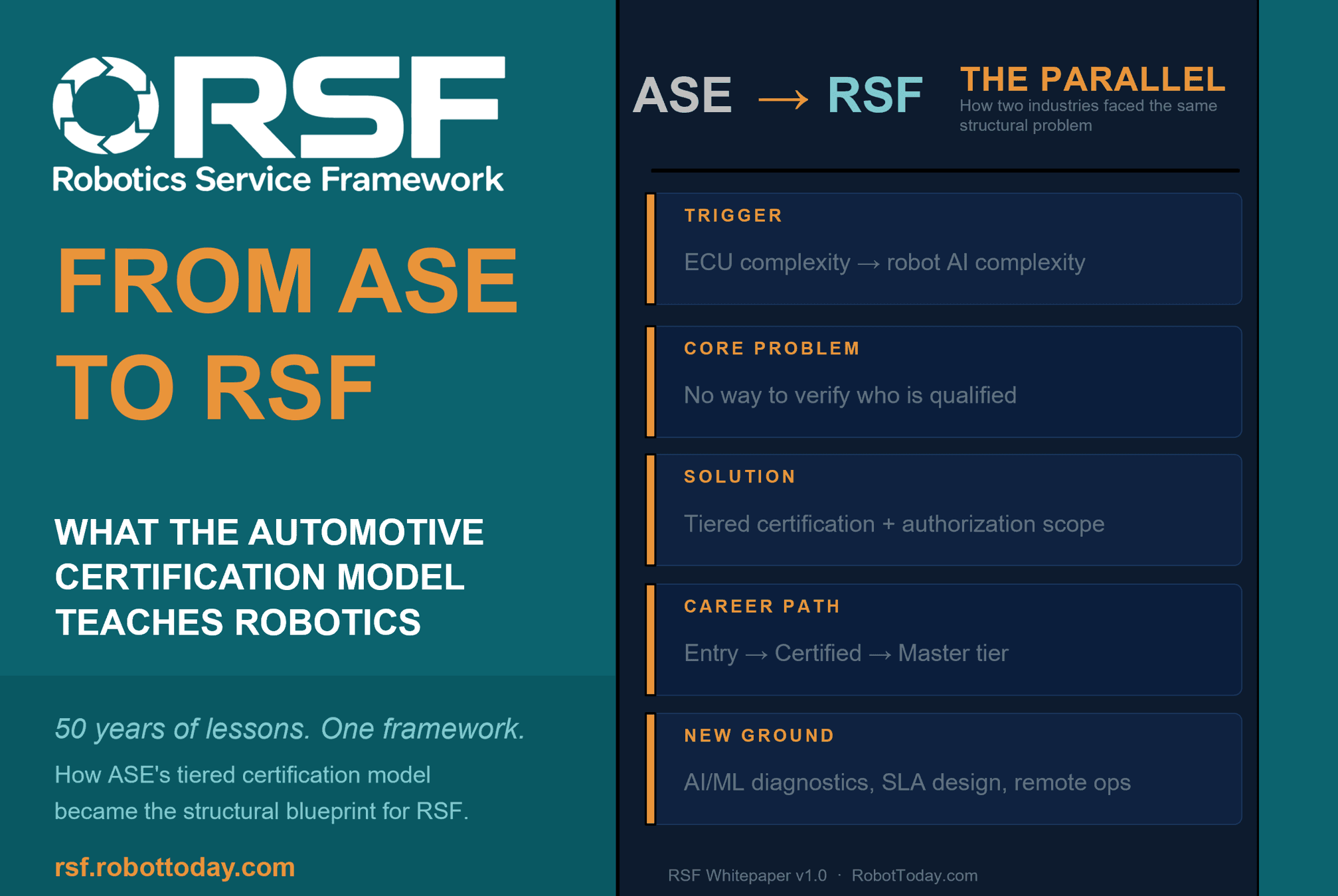
RSF defines a common language for robot service capability, lifecycle operations, certification pathways, and service-provider networks.