A single destination for timely, editor-curated robotics news from around the world.
A recent study published in the Journal of Field Robotics highlights advancements in robotic technology aimed at improving agricultural efficiency. Researchers from various universities collaborated to develop autonomous systems capable of performing tasks such as planting, monitoring crop health, and harvesting. The findings, released in early October 2023, emphasize the potential of these innovations to address labor shortages and enhance productivity in the agricultural sector. The research was conducted in diverse agricultural settings, allowing for a comprehensive evaluation of the robots' performance in real-world conditions. By integrating artificial intelligence and machine learning, the robots can adapt to varying environmental factors and optimize their operations accordingly. This adaptability is crucial as farmers face increasing pressures from climate change and the need for sustainable practices. The motivation behind this initiative stems from the growing demand for food production and the challenges posed by a declining workforce in agriculture. By deploying autonomous robots, the study suggests that farmers can not only increase efficiency but also reduce reliance on manual labor, ultimately leading to more sustainable farming practices. The researchers conducted extensive field tests to validate the robots' capabilities, demonstrating their effectiveness in various agricultural tasks. The promising results indicate a significant step forward in the integration of robotics into farming, potentially transforming the industry and paving the way for future innovations.
JournalofFieldRobotics By Dongxuan Xie, Shilong Xu, Youkang Zhang, Yuanjian Zhang, Nan Wang, Xiangkun He Feb 13, 2026 RESEARCH ARTICLE
Aptiv, an industrial technology company, has announced that Robust.AI, a developer of AI-driven warehouse automation, has selected Aptiv’s intelligent perception solutions, including AI and Machine Learning based sensor fusion powered by the Aptiv Pulse sensor for its Gen 3 Carter collaborative mobile robot. This selection builds on the companies’ existing collaboration to combine Aptiv’s proven […]
RoboticsAndAutomationNews.com By Sam Francis Jul 07, 2026 Computing News Sensors AI perception amrs aptiv
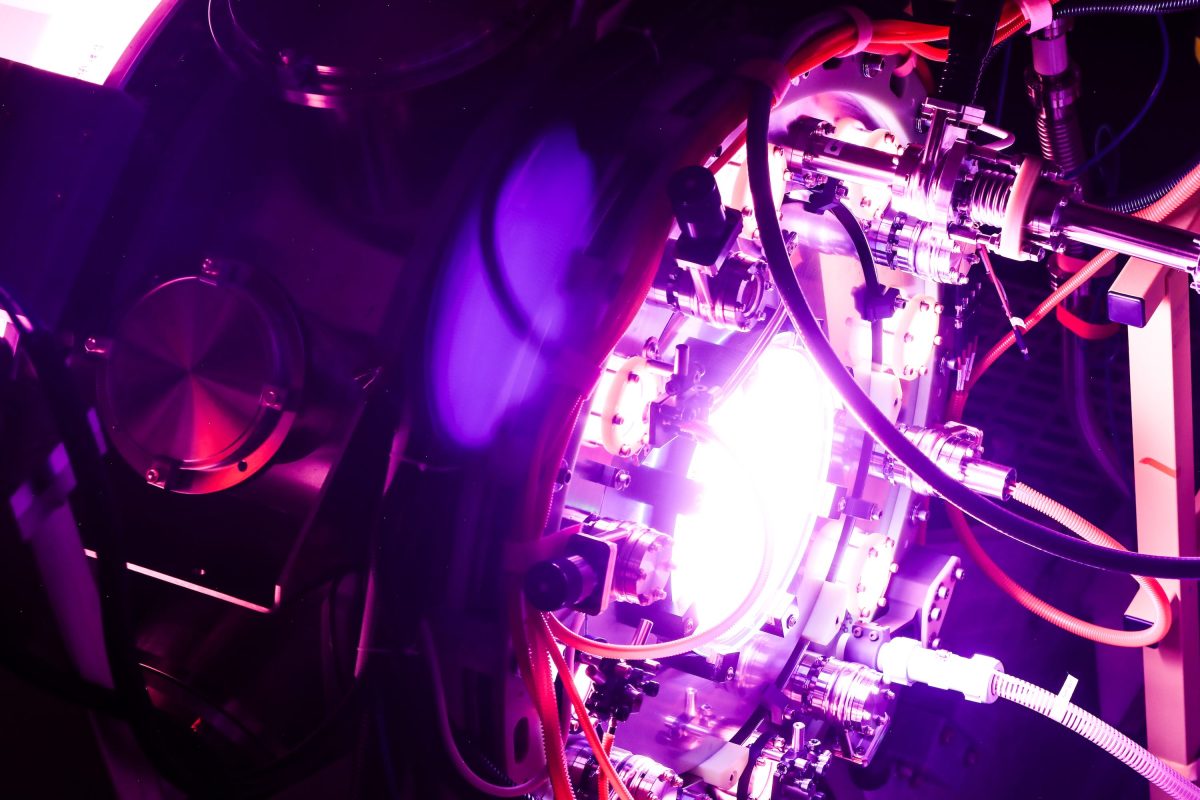
Helion, a fusion energy startup, is accelerating its efforts to build a power plant for Microsoft, with a completion target set for 2028. The company has recently secured a new round of funding, which is expected to bolster its development capabilities and expedite the project. This partnership highlights the growing interest in fusion energy as a viable solution for sustainable power, particularly in the tech industry, where companies like Microsoft are seeking innovative ways to meet their energy needs and reduce carbon footprints. The collaboration represents a significant step forward in the pursuit of clean energy solutions, as Helion aims to harness fusion technology to provide reliable and environmentally friendly electricity.
TechCrunch By Tim De Chant Jun 04, 2026 Climate Fundraising Startups Helion fusion energy Peak XV Partners
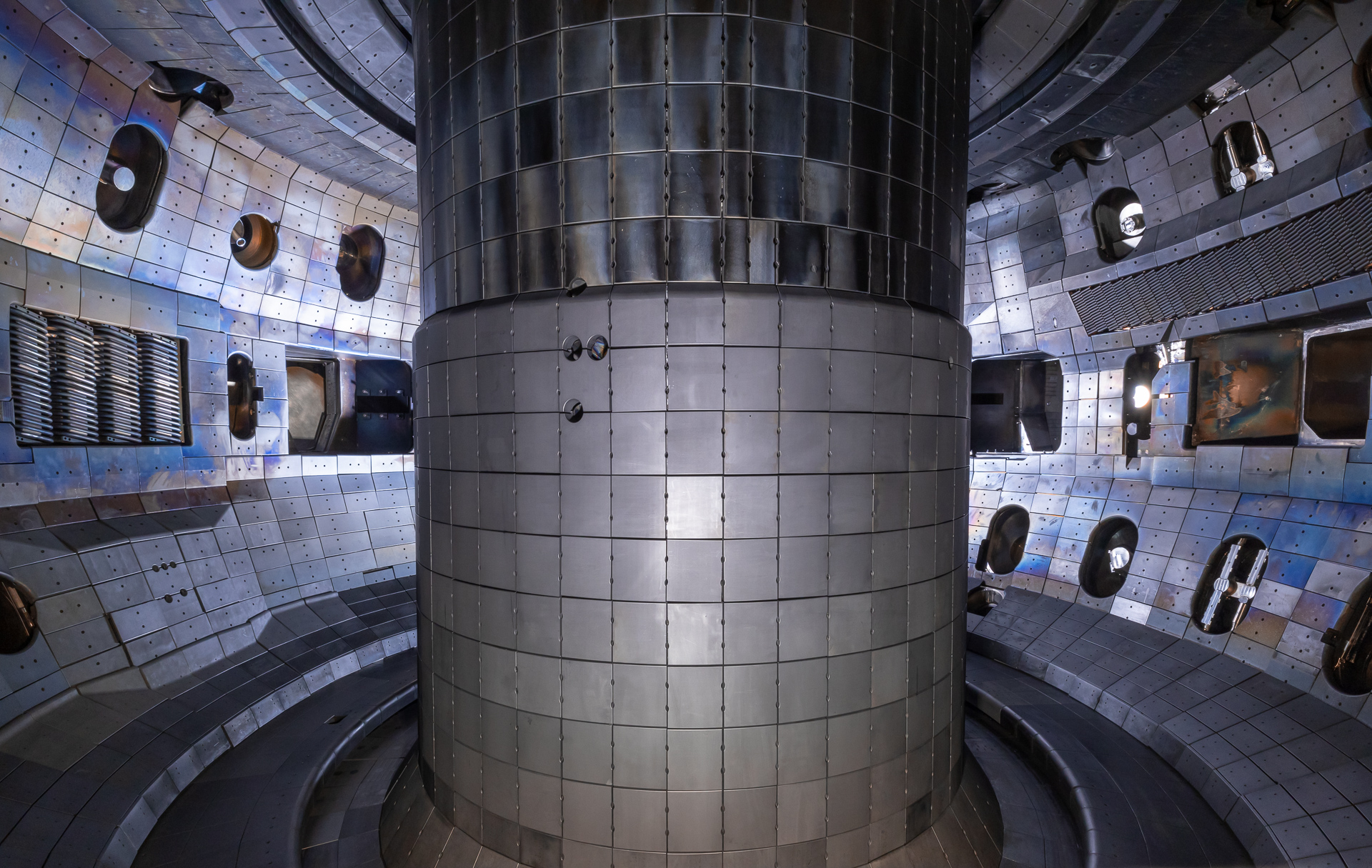
Researchers from Carnegie Mellon University (CMU) and Princeton University are collaborating to explore nuclear fusion as a sustainable energy source, potentially transforming the future of energy production. This partnership aims to harness the power of fusion, which promises to be cleaner and safer compared to traditional nuclear fission methods currently used in reactors. The initiative comes at a time when the demand for reliable and environmentally friendly energy solutions is increasing. By combining their expertise and resources, CMU and Princeton hope to advance the development of fusion technology, paving the way for a new era of abundant energy. The collaboration underscores the growing interest in innovative approaches to energy generation, as scientists seek to address global energy challenges.
ri.cmu.edu By Mallory Lindahl Oct 29, 2024 Research
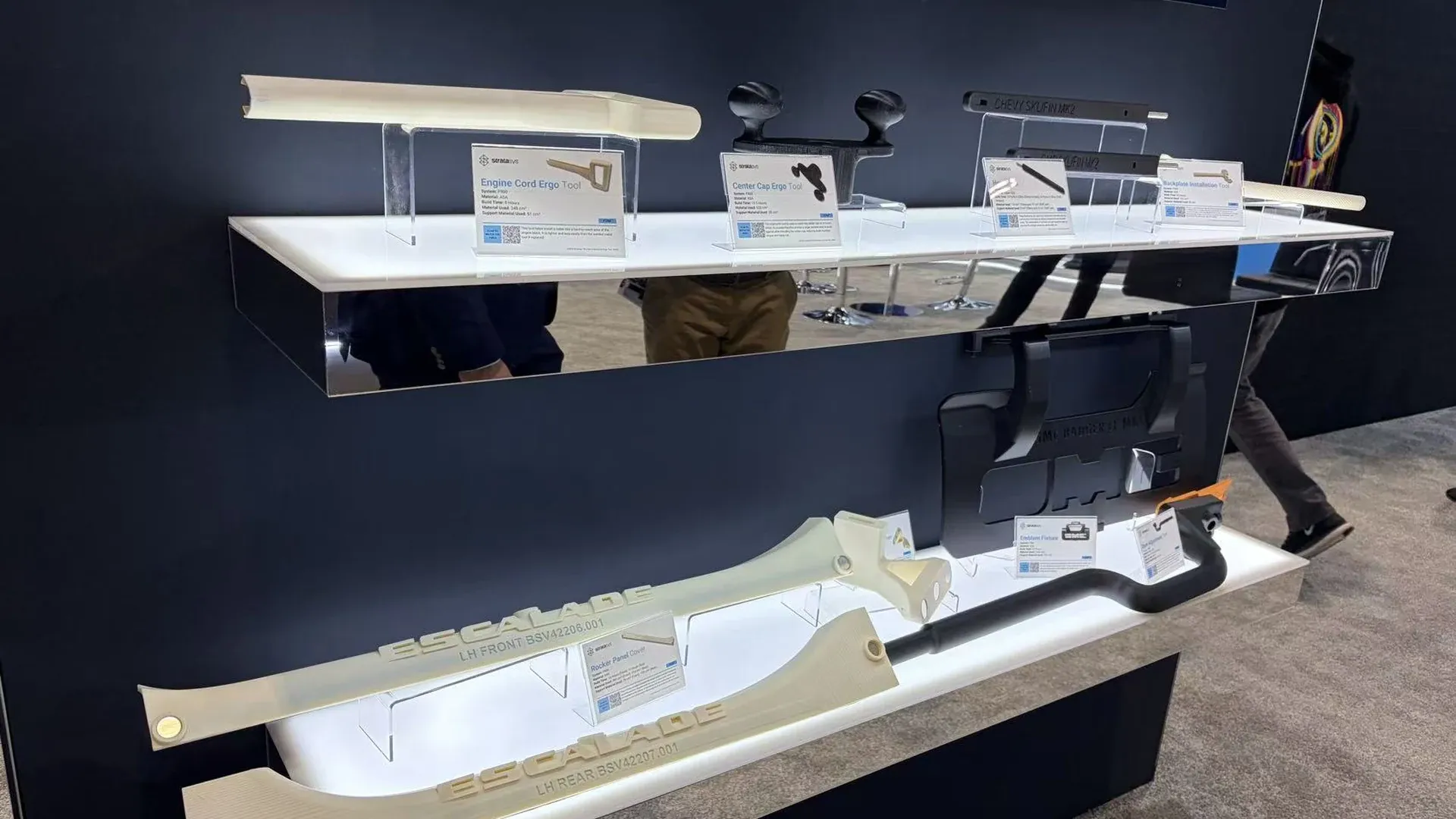
America's next major exascale supercomputer, named Discovery, is set to tackle its inaugural scientific challenges. This advanced computing system, which represents a significant leap in processing power, is designed to handle complex simulations and data analysis that were previously unattainable. Scheduled to begin operations in the coming months, Discovery will be located at Oak Ridge National Laboratory in Tennessee. The motivation behind developing such a powerful supercomputer stems from the need for enhanced computational capabilities to address pressing scientific questions and accelerate research across various fields, including climate modeling, drug discovery, and materials science. By leveraging its unprecedented speed and efficiency, researchers aim to gain deeper insights and make breakthroughs that could have far-reaching implications for both science and society. The operationalization of Discovery involves collaboration among leading scientists and engineers who will utilize its capabilities to run extensive simulations and analyze large datasets. This initiative not only underscores America's commitment to maintaining leadership in high-performance computing but also highlights the growing importance of advanced technology in solving some of the world's most complex challenges.
InterestingEngineering.com By Atharva Gosavi Jun 22, 2026 AI and Robotics
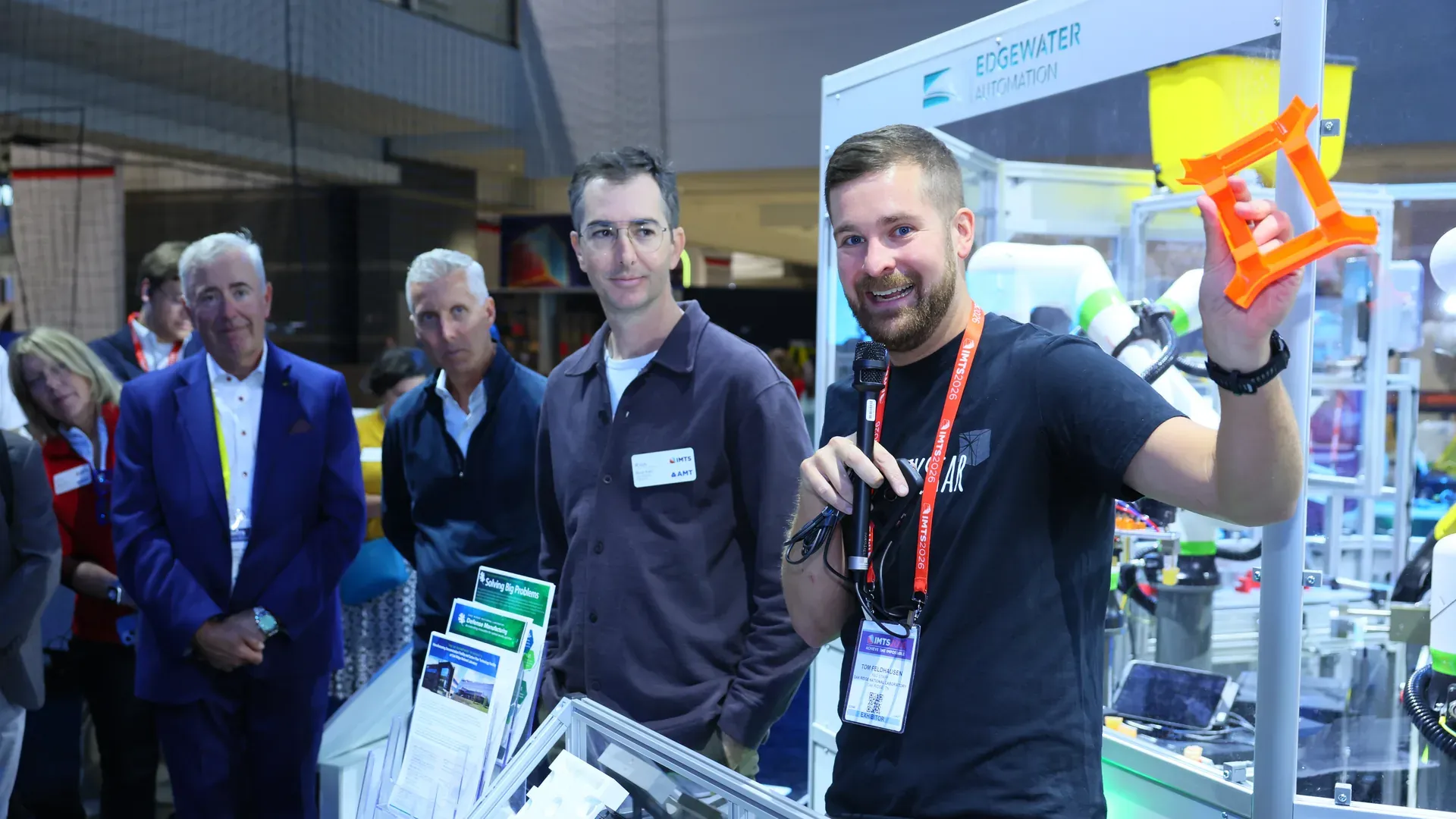
Mouser Electronics has unveiled the latest installment of its technology series, "Empowering Innovation Together" (EIT), titled "Rise of the Robots." This new episode explores the advancements in robotics and their impact on various industries. The release aims to highlight the growing significance of robotics in enhancing efficiency and productivity across sectors. By showcasing innovative technologies and expert insights, Mouser seeks to inform and inspire its audience about the future of automation. The series continues to serve as a platform for discussing cutting-edge developments in technology, reinforcing Mouser's commitment to fostering innovation in the electronics industry.
RobotStart.info Jun 15, 2026
Geekplus is set to sponsor an innovative event, the world's first AI-driven, immersive, shoppable fashion runway, scheduled for February 26, 2026, in Manchester, UK. This groundbreaking showcase will demonstrate the fusion of robotics and e-commerce, with Geekplus' autonomous mobile robots executing real-world warehouse operations. The event aims to emphasize the critical role of automation in shaping the future of retail, offering attendees a unique experience that blends fashion with cutting-edge technology.
geekplus.com By Geek+ Feb 03, 2026 Warehouse Robotics E-commerce Fashion Technology Retail Automation
Engineers in the humanoid robotics field are set to address critical challenges related to sensing, motion control, power, and thermal management during an upcoming technical examination. This event will delve into the complexities of motion control, which remains one of the most significant hurdles in achieving stable bipedal locomotion in dynamic environments. Attendees will explore the intricacies of modeling, real-time feedback, and sensor fusion essential for maintaining balance and stability. Additionally, the session will highlight the importance of advanced sensing architectures, including inertial measurement units and tactile sensors, which play a crucial role in enhancing human-robot interaction and ensuring safety through effective collision avoidance. Participants will also examine the implications of power and thermal constraints on system design, focusing on the trade-offs involved in battery chemistry choices and thermal protection strategies that influence operational endurance. As the industry transitions from prototype development to mass production, the event will provide insights into the shift towards modular architectures and cost-effective component selection, with a keen eye on supply chain readiness anticipated for the late 2020s. This comprehensive examination aims to equip engineers with the knowledge necessary for real-world deployment of humanoid robotics, addressing both current challenges and future advancements.
Spectrum.ieee.orgAutomaton By Murata Manufacturing Co. Mar 19, 2026 Sensor-fusion Type-whitepaper Motion-control Humanoid-robots
At the 2026 World Artificial Intelligence Conference, Tianshan Technology showcased its groundbreaking dynamic haptic perception chip, the Green Gem E10A, along with the TS-ECHO haptic sensing glove and the TS-V visual-tactile fusion light module testing workstation. This marks a shift in focus from robotic movement capabilities to enhancing robots' tactile precision and stability. The significance of these innovations lies in the growing necessity for robots to possess tactile perception, which is becoming a critical industrial metric. The Green Gem E10A chip offers low-latency, low-power signal processing, enabling large-scale sensor deployment. The TS-ECHO glove establishes standards for haptic data collection, while the testing workstation validates technical solutions in real-world scenarios, creating a feedback loop for continuous system improvement. Looking ahead, the integration of extensive sensor networks across humanoid robots is essential for full-body tactile coverage. The Green Gem E10A chip's innovative design reduces latency and power consumption, enhancing safety and performance. As the industry moves towards a more tactile-aware robotic future, the ability to understand physical interactions through haptic data will be crucial for advancing robotic capabilities.
leaderobot.com By Leaderobot 6 hours ago Haptic Technology Robotics Sensor Solutions AI Industrial Automation
Over the past year, the robotics industry has engaged in a competitive race focused on enhancing the computational power, parameters, and algorithms of robotic 'brains.' While advancements in reasoning capabilities are evident, robots still struggle with basic tasks such as grasping objects or performing precise manipulations. This discrepancy raises questions about the effectiveness of current sensory technologies. The core issue lies in the limitations of robotic perception, which relies heavily on either pure vision or multi-sensor fusion approaches. Multi-sensor fusion, favored by many embodied intelligence manufacturers, combines various sensors to improve robustness and accuracy. However, this method introduces challenges related to data synchronization and processing overhead, hindering the scalability of embodied intelligence. Conversely, pure vision systems, exemplified by Tesla's approach, depend on 2D RGB cameras to reconstruct 3D environments. This method lacks depth information and can falter in challenging visual conditions. Both approaches suffer from the loss of information during data transmission and processing, resulting in robots receiving 'second-hand data' rather than real-time, unified information from the physical world. No further timeline was disclosed at the time of publication.
leaderobot.com By Leaderobot Jul 16, 2026 Robotic Vision Embodied Intelligence Sensor Technology AI Automation
Palladyne AI Executes $4.2 Million U.S. Air Force Contract to Advance Swarming Capabilities for Integrated Cross-Domain Operations Visit http://www.palladyneai.com for further information Palladyne AI’s SwarmOS™ platform to support satellite integration, marking a major expansion of its multi-domain autonomy and ISR capabilities across space, air, maritime, and land 07/07/26, 06:15 AM | Mobile Robots, Other Topics | Palladyne AI Corp. Palladyne AI Corp. (NASDAQ: PDYN and PDYNW) ("Palladyne AI"), a developer of artificial intelligence software for robotic platforms in the defense and commercial sectors, today announced that it has executed the previously announced contract awarded by the Air Force Research Laboratory (AFRL) to solve one of the most persistent challenges in modern defense operations—how to make different autonomous systems work together as one coordinated team. The "Hierarchical Adaptive Networked Game-Theoretic Integration of Multiple Echelons (HANGTIME)" contract will address this need. More Headlines A3's Automate 2026 Breaks Records as Demand for Robotics, AI and Automation Grows NVIDIA and Hugging Face Bring New Models and Frameworks to LeRobot for the Open Robotics Community ABB Robotics completes its AI-powered Visual SLAM AMR portfolio with new autonomous forklift UMA Unveils Its Vision for the Next Generation of Humanoid Robots Robbyant Unveils LingBot-Depth 2.0 and LingBot-Vision to Redefine Robotic Spatial Perception Articles Unleash AI Innovation: The Power of NVIDIA RTX PRO 6000 Blackwell Workstation Edition Fueled by PNY-Supplied GPUs Automate 2026 Q&A with DESTACO Automate 2026 Q&A with Roboteon Advances in Robots to See & Interpret within Warehouse Environments Building Resilient Fulfillment Networks with Robotics and Real-Time Logistics Data Today, drones, ships, and satellites often operate largely independently, limiting how quickly warfighters can see and respond to threats. HANGTIME will utilize Palladyne AI's patented SwarmOS™ software platform—the defense variant of the Palladyne™ Pilot embodied AI software—as the baseline technology to bridge that gap, connecting disparate systems so they can share intelligence, adapt to changing conditions, and act in sync across domains, including space, air, maritime, and land. By integrating satellites for the first time, this project also extends Palladyne AI's technology from the ground to orbit, enabling faster, more informed decision-making and coordinated mission execution, turning tactical commanders into strategic commanders by giving them more cross-domain intelligence, surveillance, and reconnaissance (ISR) capabilities than ever before. "Our collaboration with AFRL showcases what's next for autonomous operations," said Ben Wolff, President and CEO, Palladyne AI. "This isn't about replacing humans—it's about giving them sharper, faster insight. By connecting satellite, aerial, and ground systems using the patented SwarmOS embodied AI platform as a foundational technology, we're helping the warfighter make better decisions in real time and stay one step ahead on the battlefield." "The HANGTIME project is a breakthrough that unites high-altitude assets and situational unmanned systems into one coordinated sensor network—delivering a major advantage for the defense industry," said Dr. Denis Garagic, Chief Technology Officer, Palladyne AI. "For the first time, a single AI framework can coordinate assets across multiple domains, including satellites. That means these systems can now think and act together as a team, sharing what they see and learning as conditions change." "The HANGTIME effort represents a critical step in multi-domain autonomy for coordinated execution in challenging environments," said Caleb Williams, Program Manager, AFRL/RIEA. For more information on Palladyne AI and its patented collaborative autonomy software, including SwarmOS, please visit www.palladyneai.com. For more information about AFRL, please visit www.afrl.af.mil. About Palladyne AI Palladyne AI is a U.S.-based technology company developing patented embodied artificial intelligence, collaborative autonomy solutions, advanced avionics, autonomous systems, advanced UAV engineering services, and precision-manufactured components for defense and industrial markets. Palladyne AI delivers secure, American-developed and operated platforms designed to meet the stringent requirements of U.S. government and public-sector customers, including data sovereignty, security, and compliance. Palladyne AI's embodied AI is designed to operate in complex, contested, and high-risk environments, enabling distributed tasking, human-on-the-loop decision-making, degraded-communications resilience, and multi-domain coordination. Its platform-agnostic autonomy stack combines real-time sensor fusion, adaptive AI models, and edge-native orchestration—without vendor lock-in—to support autonomous and collaborative systems across air, ground, maritime, and industrial domains w
RoboticsTomorrow.com Jul 07, 2026
Robust.AI has selected Aptiv's PULSE sensor for its third-generation Carter mobile robot, enhancing the robot's ability to navigate safely around people. This collaboration leverages Aptiv's advanced sensor fusion technology, which integrates radar and vision systems powered by artificial intelligence. The integration aims to improve the operational safety and efficiency of the Carter robot in various environments. This development marks a significant step forward in the robotics industry, as it addresses the growing need for autonomous systems to operate safely in human-populated spaces.
RoboticsBusinessReview.com By The Robot Report Staff Jun 25, 2026 Autonomous Mobile Robots (AMRs) Collaborative Robots Logistics Manufacturing Mobility / Navigation News
A team of researchers, including Mike Rabbat, Aditi Krishnapriyan, Yann LeCun, and Amir Bar, has introduced GRASP, a new gradient-based planning method designed for learned dynamics in world models. This innovative approach addresses the challenges of long-horizon planning, which has proven to be fragile and inefficient with existing models. GRASP enhances planning by lifting trajectories into virtual states, allowing for parallel optimization across time, and incorporating stochastic elements to facilitate exploration. The development of GRASP comes in response to the limitations of current world models, which, despite their ability to predict complex sequences in high-dimensional spaces, struggle with optimization and can easily fall into local minima. The researchers emphasize that while powerful predictive models exist, effective control and planning remain significant hurdles. By utilizing a collocation-based approach, GRASP optimizes both actions and states, improving computational efficiency and robustness against adversarial vulnerabilities inherent in state gradients. The method also introduces exploration through Gaussian noise in state updates, enhancing the ability to navigate complex planning landscapes. Preliminary results indicate that GRASP significantly outperforms traditional methods in success rates and time efficiency for long-horizon planning tasks. The researchers view GRASP as a foundational step towards more advanced world model planners, with future work aimed at integrating the method into reinforcement learning systems and exploring diffusion-based world models. The full details of the study can be found in their published paper.
Robohub.org By BAIR Blog Apr 28, 2026
KUKA has launched the world's first robot restaurant powered by artificial intelligence at Josep Tarradellas Barcelona-El Prat Airport. This groundbreaking establishment, part of the innovative SELF project, represents a significant advancement in the fusion of AI and robotics within the food industry. The opening of the restaurant not only showcases technological progress but also aims to enhance customer experience by streamlining food service operations. With this initiative, KUKA is setting a new standard for the future of dining, demonstrating how automation can transform traditional restaurant environments.
kuka.com By KUKA Mar 06, 2025RSF defines a common language for robot service capability, lifecycle operations, certification pathways, and service-provider networks.