Industry Briefing
A single destination for timely, editor-curated robotics news from around the world.
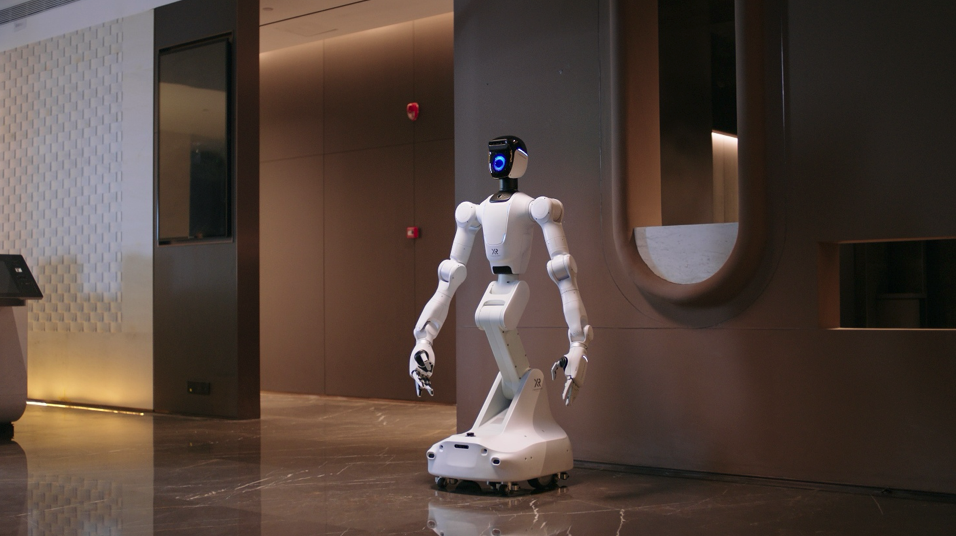
X Square Robot builds a full-stack approach to embodied AI and general-purpose robotics
The robotics industry is undergoing a transformation due to the swift advancement of embodied artificial intelligence, prompting companies to innovate machines that can tackle diverse real-world tasks instead of being limited to single functions. Notably, Shenzhen-based X Square Robot has emerged as a key player in this competitive landscape, successfully completing four consecutive financing rounds. This funding achievement underscores the growing interest and investment in versatile robotic technologies, as firms strive to enhance their capabilities and meet the increasing demand for intelligent automation solutions.
Business Features Robotics artificial intelligence Artixon china robotics
Microsoft unveils next-generation platform "Project Solara," transitioning from GUI to AI agents.
At the Microsoft Build 2026 conference held in June, the tech giant unveiled "Project Solara," a groundbreaking platform designed to prioritize AI agents over traditional graphical user interfaces and mobile applications. This innovative system facilitates collaboration between cloud-based AI agents and edge devices, enabling a seamless user interface that transcends hardware limitations. The announcement included an overview of two conceptual models, illustrating a new vision for computing in the age of artificial intelligence. As Microsoft explores this "AI agent-first" approach, it raises questions about the future of user interaction and the potential transformations in technology.

Tsinghua-backed startup secures hundreds of millions in seed funding, aims to avoid "world model" label.
In a significant development within the field of artificial intelligence, Li Yiming, an assistant professor at Tsinghua University and former researcher at NVIDIA, has introduced a comprehensive framework for Physical AI. This initiative aims to enhance the capabilities of robots across various applications by integrating data collection, model training, and physical engine development into a cohesive system. The framework, named Physical AI Infra, includes two key components: a data pipeline designed to scale data collection from hundreds of thousands to millions of hours, and a physical engine that creates a closed-loop system for robots to learn and execute tasks in real-world environments. This approach addresses the challenges posed by the current hype surrounding "world models," which have become a focal point in AI discussions but often lack a clear definition and practical application. Li's team has already garnered significant investment, raising hundreds of millions in seed funding from prominent investors, including Sequoia China and Hillhouse Capital. The team, primarily composed of Tsinghua graduates with an average age of 23, is focused on developing a full-stack solution that encompasses all aspects of Physical AI, making it distinct in a market where such integrated approaches are rare. Looking ahead, Li aims to launch a scalable world model solution by the end of 2026, with plans for broader deployment by 2028. His vision is to create a universal Physical AI infrastructure that can be adapted for various physical tasks, ultimately transforming how robots interact with the world.

Autonomous vehicle hype is back, and Humble Robotics is bringing it to freight
The autonomous vehicle industry is experiencing a resurgence reminiscent of the 2016 hype cycle, with renewed interest and investment. Travis Kalanick, the co-founder of Uber, is re-entering the scene by establishing a robotics company, signaling a shift in focus within the sector. As competition intensifies, companies are engaged in fierce talent wars, vying for skilled professionals to drive innovation. Investment is pouring back into the market, echoing the financial enthusiasm seen in previous years. This revitalization is attracting individuals who have previously navigated the industry's ups and downs, suggesting a blend of experience and fresh ideas may shape the future of autonomous technology.
Startups Transportation autonomous vehicles Equity podcast Eyal Cohen Humble Robotics
Meta Cloud Business; NASA Lunar Lander Contracts | Stock Movers
Shares of several space companies, including FireFly Aerospace, Intuitive Machines, and Voyager Technologies, experienced significant movement following NASA's announcement that it has selected these firms to send robotic landers to the moon. This initiative is part of NASA's broader goal to establish a lunar base by the end of the decade. The agency awarded contracts to Astrobotic Technology Inc., Firefly Aerospace Inc., and Intuitive Machines Inc. for this lunar mission. In the consumer goods sector, General Mills saw its stock rise after reporting fourth-quarter profits that surpassed Wall Street expectations, driven by increased pricing strategies. Meanwhile, Meta Platforms Inc. gained traction on the stock market amid reports that the company is planning to launch a cloud infrastructure business aimed at providing access to AI computing power and models. Additionally, Meta is exploring the possibility of offering access to its "raw" computing capacity, as indicated by sources familiar with the company's plans.
NYS:GIS NMS:SPCX NAS:LUNR NMS:META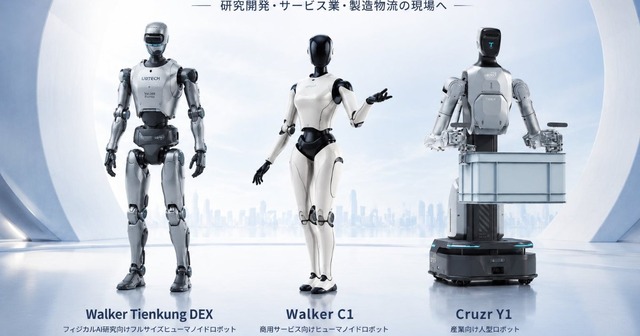
GA Robotics launches three models of UBTECH humanoids for research, commercial, and industrial use in Japan.
GA Robotics, the official distributor of UBTECH humanoid robots in Japan, announced the launch of three new models set to be available domestically starting June 30, 2026. The models include the "Walker Tienkung DEX" designed for research and development, the "Walker C1" tailored for commercial services, and the "Cruzr Y1" intended for industrial applications. This initiative aims to enhance technological innovation and support various sectors in Japan by providing advanced robotic solutions.

Meta, like SpaceX, looks to turn excess AI compute into cash
Meta is embarking on a new venture to establish a cloud infrastructure business that will offer access to artificial intelligence computing power and models. This strategic initiative aims to compete directly with major players in the cloud services market, including Amazon Web Services, Google Cloud, and Microsoft Azure. The development comes as Meta seeks to diversify its offerings and capitalize on the growing demand for AI capabilities in various industries. By leveraging its expertise in AI technology, Meta plans to provide businesses with robust tools and resources, potentially transforming the landscape of cloud computing. The timeline for this initiative remains unclear, but it reflects Meta's commitment to innovation and its ambition to carve out a significant presence in the competitive cloud market.
AI Meta SpaceX
Anthropic's Claude model officially launched on Microsoft Foundry.
On June 29, Anthropic announced the official availability of its Claude model on Microsoft Foundry, specifically within the Azure AI Foundry platform. This development allows enterprise users to deploy and utilize the Claude model directly in the Azure environment, leveraging existing Azure authentication, billing, and governance systems. Currently, the platform supports Claude Opus 4.8 and Claude Haiku 4.5, which include features such as prompt caching and extended thinking capabilities. These functionalities are designed for applications in programming, intelligent agents, and complex reasoning scenarios. Anthropic also noted that users can choose to run their inference either on Azure or in an Anthropic-hosted environment. Looking ahead, both companies plan to gradually align their features and models for enhanced compatibility.

UBTECH unveils consumer humanoid robot U1, says orders secure 11,000 ahead of first deliveries
UBTECH, a Chinese robotics company, has launched its first full-sized consumer humanoid robot, the U1 Series, during an event in Shenzhen on Tuesday. This introduction represents a significant step for the company as it seeks to expand into the growing home robotics market, driven by increasing consumer demand for AI-powered companions. The U1 Series is part of UBTECH's new consumer brand, UWorld, and the company showcased over 50 different robot models during the event, highlighting its commitment to innovation in the field of robotics.
News Feed
The Signal Beneath the Intelligence
As the technology industry engages in discussions surrounding models, parameters, and computer architectures, a critical development is emerging at the signal level that could significantly impact autonomous systems. These systems, regardless of the complexity of their software, rely on their ability to accurately sense, respond to, and interact with the real world. This foundational aspect is essential for the advancement and effectiveness of autonomous technologies. The ongoing debates and innovations are taking place against the backdrop of rapid advancements in artificial intelligence and machine learning, highlighting the importance of robust sensory capabilities in ensuring that these systems operate effectively in diverse environments. As the industry continues to evolve, the focus on enhancing signal processing will play a pivotal role in shaping the future of autonomous systems.

Trump drops restrictions on Anthropic’s Mythos and Fable models
The Trump administration's inconsistent strategy regarding artificial intelligence (AI) policy has created uncertainty for companies within the industry concerning the regulations that will dictate future model releases. As businesses navigate this unclear landscape, they are left grappling with the implications of potential guidelines and standards that may emerge. This lack of clarity has raised concerns about the ability of companies to innovate and compete effectively in a rapidly evolving technological environment. The situation underscores the need for a more cohesive and predictable framework for AI governance, which many stakeholders believe is essential for fostering growth and ensuring responsible development in the sector.
AI Government & Policy Anthropic fable Mythos Trump Administration
Tesla Optimus vs Unitree G1, 1X NEO & Digit: 2026 Comparison
In a comprehensive comparison of advanced robotics, Tesla's Optimus is pitted against Unitree's G1, 1X NEO, and Agility's Digit, showcasing their specifications, pricing, and availability as of 2026. This analysis highlights the key features and functionalities of each model, providing potential buyers with essential information to make informed decisions. The comparison comes at a time when interest in robotic technology is surging, driven by advancements in automation and artificial intelligence. As consumers and businesses alike seek to integrate robotics into their operations, understanding the differences between these models is crucial. The evaluation not only outlines the technical capabilities of each robot but also addresses their market readiness, allowing interested parties to assess which options are currently available for purchase.
Tesla Optimus Weight & Dimensions: Full Spec Sheet (2026)
Tesla has unveiled its latest version of the Optimus robot, which weighs 57 kg (125 lbs) and stands 173 cm tall. This new iteration showcases significant advancements over previous models, with a detailed specification sheet comparing Gen 1, Gen 2, and Gen 3 versions, including payload capabilities. The announcement comes as part of Tesla's ongoing efforts to enhance automation and robotics, aiming to integrate these technologies into various sectors. The Optimus robot is expected to play a crucial role in improving efficiency and productivity in workplaces. The release of this updated model reflects Tesla's commitment to innovation in robotics, with the company continuously pushing the boundaries of what is possible in the field.
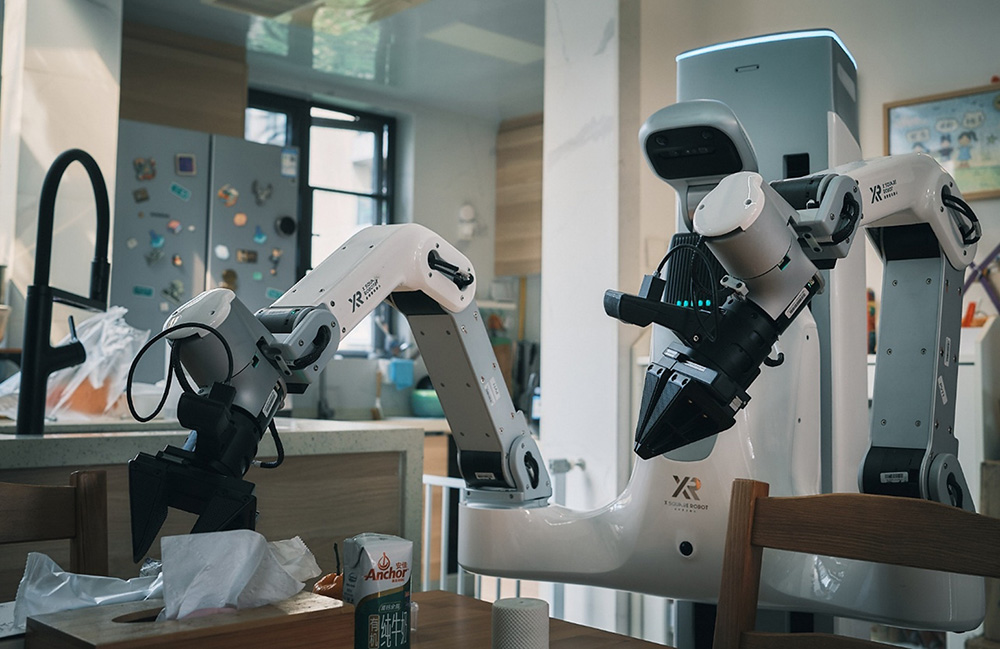
X Square Robot brings its valuation to $2.8B with four consecutive funding rounds
X Square Robots has successfully raised its valuation to $2.8 billion following a series of four consecutive funding rounds. The company specializes in integrating foundation models with robotics hardware, supported by a robust data pipeline system and practical deployments in real-world scenarios. This significant financial backing underscores the growing interest and investment in advanced robotics technologies, highlighting the company's potential to innovate and expand within the industry.
Artificial Intelligence Artificial Intelligence / Cognition China Design / Development Financial Investments
Advantech Ecosystem Gathers at the Edge As Physical AI Gains Momentum
Despite a positive outlook for the technology sector, challenges persist in achieving model accuracy and maintaining a consistent database architecture. Industry experts have noted that these issues could hinder advancements and implementation of new technologies. As companies continue to innovate and invest in tech solutions, the need for reliable data and precise models becomes increasingly critical. The ongoing struggle to resolve these technical obstacles highlights the importance of addressing foundational elements in technology development to ensure future success.
Factory / Control
Emily Bender Sets the Record Straight on “Stochastic Parrots”
In March 2021, a notable paper titled “On the Dangers of Stochastic Parrots: Can Language Models Be Too Big?” was published by a team of four linguists and computer scientists, including Timnit Gebru and Margaret Mitchell, shortly after their controversial dismissal from Google. The paper critiques large language models, suggesting they generate text through statistical predictions rather than genuine understanding, coining the term "stochastic parrot" to illustrate this concept. As the analogy gained traction beyond academia, it sparked debates and inspired projects, including a shoulder-mounted robot named the Stochastic Parrot. On the five-year anniversary of the paper, lead author Emily M. Bender, a professor at the University of Washington, addressed common misconceptions surrounding the term in a recent blog post and an interview with IEEE Spectrum. Bender emphasized that the phrase specifically refers to large language models and not to all forms of artificial intelligence, which she believes oversimplifies the technology and complicates discussions about its implications. She highlighted the importance of clear terminology in understanding and regulating technology, noting that many discussions conflate different AI applications, such as chatbots and protein folding algorithms. Bender also acknowledged that the paper overlooked significant issues, such as exploitative labor practices in data collection, which she now believes should have been included. The ongoing discourse around language models continues to evolve, reflecting the complexities of artificial intelligence and its societal impact.
Emily-bender Large-language-models Llms Ai-ethics
Chinese AI company offers a new solution for physical AI in the uncertain trillion-dollar market.
In 2026, the field of physical AI is set to emerge as a transformative force, following a consensus reached by industry leaders at the CES in Las Vegas, where NVIDIA's CEO Jensen Huang heralded the arrival of "physical AI's ChatGPT moment." Over the past two years, significant advancements have been made in five key areas: brain models, imagination engines, training environments, ontology, and commercial ecosystems, laying the groundwork for real-world applications. In the first half of 2026, global investment in physical AI surged, with over $6.4 billion raised in just the first quarter, including notable funding rounds from AMI Labs and World Labs. The industry is witnessing a clear technological divergence, with three primary paths emerging: Visual Language Models (VLM), Visual Language Action (VLA), and world models. The anticipated future architecture for physical AI is expected to integrate VLA's decision-making capabilities with world models' predictive simulations. Despite the rapid growth, the competitive landscape remains uncertain, with various companies pursuing different strategies, including those focusing solely on VLA or world models, and others exploring hybrid approaches. The ultimate goal is to develop AI that can effectively navigate and understand the complexities of the physical world, moving beyond mere reactive capabilities to proactive, autonomous decision-making. As the physical AI market is projected to expand significantly, reaching an estimated $3.26 trillion by 2040, the industry faces the challenge of ensuring that technology translates into tangible business value. Companies like Om AI are pioneering innovative models that prioritize continuous perception and spatial understanding, aiming to redefine how AI interacts with its environment. The ongoing evolution of physical AI emphasizes the importance of real-world applications and the need for AI systems that can adapt and respond to dynamic physical spaces.

Apollo 2 robots are actively gathering real-world data from various Robot Park locations and customer sites as part of a collaboration with Google DeepMind. This initiative aims to enhance the development of artificial intelligence models for future humanoid systems. The data collection process is ongoing and is expected to contribute significantly to advancements in AI technology, reflecting the growing partnership between robotics and artificial intelligence sectors.
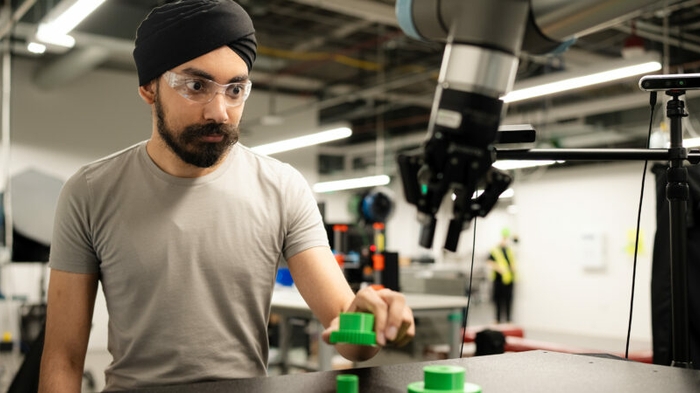
How Jaiveer Singh Is Helping Robots — and Developers — Move Faster
Jaiveer Singh, an expert in robotics, emphasizes the importance of foundational elements in robotics, such as the internal components of machines and the software that allows developers to access a robot's cameras. Rather than focusing on the flashy aspects of robots, he advocates for a deeper understanding of the engineering and infrastructure necessary for their development. This approach highlights the critical role that well-designed systems play in enabling robots to function effectively in various applications. Singh's perspective aims to shift the conversation towards the essential technical groundwork that supports the advancement of robotic technology.

China's UBTech launches lifelike humanoid robots for consumers
UBTech Robotics, a Chinese manufacturer, unveiled its new series of lifelike humanoid robots on July 1, 2026, in Shenzhen. The launch features two entry-level models designed to resemble humans more closely than the company's previous industrial robots. This strategic move aims to tap into the growing consumer demand for companionship and counseling services. By expanding its offerings to more consumer-oriented applications, UBTech is positioning itself to meet the evolving needs of the market, where realistic humanoid robots are increasingly sought after for personal use.

NVIDIA BioNeMo Agent Toolkit Brings Accelerated AI to Life Sciences Researchers in Claude Science
NVIDIA is at the forefront of a transformative shift in the life sciences sector, leveraging over a decade of expertise in developing a comprehensive GPU-accelerated computing stack. This stack includes hardware, frameworks, libraries, models, microservices, and specialized tools designed to enhance computational capabilities in biological research and healthcare. The company's advancements are aimed at addressing the growing demand for sophisticated data analysis and processing in life sciences, which has increasingly relied on computational power to drive innovation and discovery. As of October 2023, NVIDIA's initiatives are set to revolutionize how researchers and healthcare professionals utilize technology, ultimately improving outcomes in various applications from drug discovery to personalized medicine.
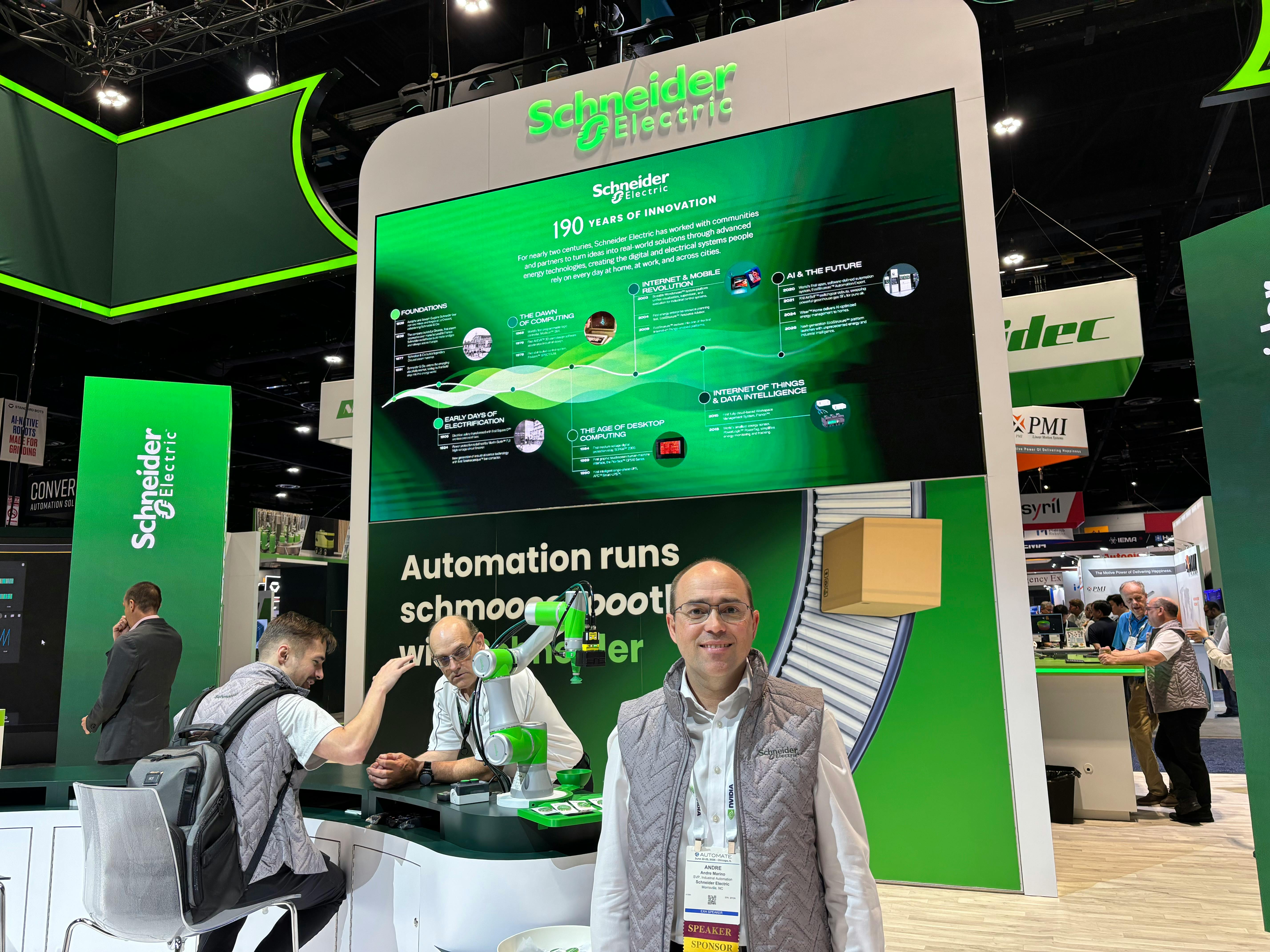
Large World Models & Software-Defined Automation: A Schneider Exec's Look at the Future
In a recent industry discussion, experts highlighted a significant challenge facing businesses: the issue of vendor lock-in. This problem, which restricts companies to a single supplier, limits their flexibility and innovation potential. The conversation took place during a technology conference held in San Francisco on October 15, 2023, where industry leaders gathered to address current trends and obstacles in the market. Participants emphasized that reliance on a single vendor can hinder competition and stifle creativity, as companies may feel compelled to continue using a service or product that does not fully meet their evolving needs. The motivation behind this concern stems from a desire for greater adaptability and the ability to leverage multiple solutions to enhance operational efficiency. To combat vendor lock-in, experts suggested strategies such as adopting open standards and promoting interoperability among different systems. By encouraging a more collaborative environment, businesses can mitigate risks associated with being tied to one provider and foster a more dynamic marketplace. The discussions underscored the importance of addressing these challenges to ensure that companies can thrive in an increasingly competitive landscape.
Factory / Control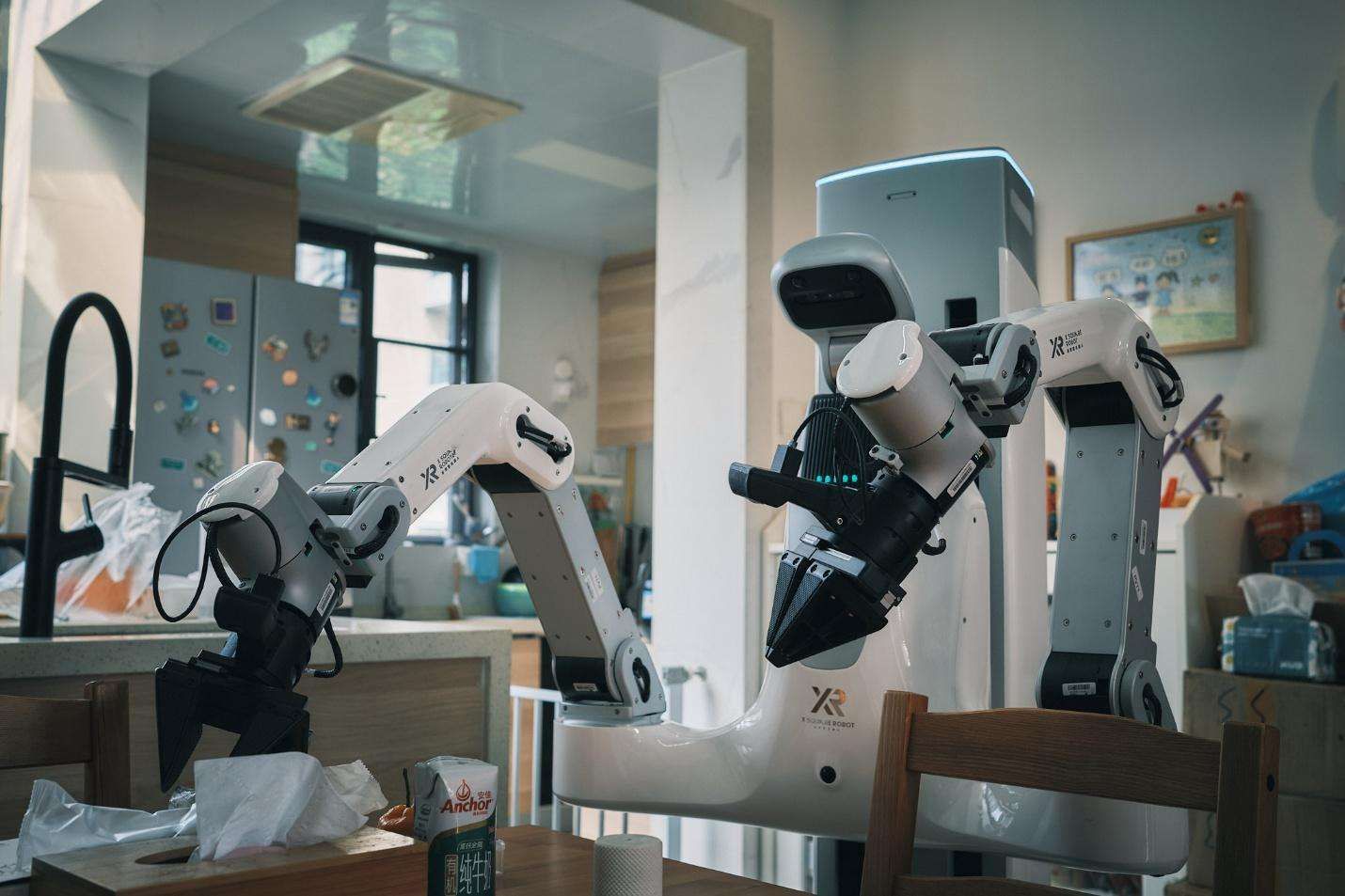
X Square Robot Closes Four Consecutive Rounds, Hits $2.8B Valuation as It Powers Physical-AI Foundation Models
X Square Robot has successfully completed four consecutive funding rounds, culminating in a Series C that has propelled its valuation to $2.8 billion. This achievement marks the company as the sole embodied AI firm in China to receive backing from all four of the country's major internet giants. The funding rounds reflect a growing interest and investment in artificial intelligence technologies, particularly in the realm of embodied AI, which integrates physical presence with intelligent systems. The significant financial support from these leading tech companies underscores the potential they see in X Square Robot's innovative approach and technology.
Startups
The Lab Mistake That Might Revolutionize Computing
Researchers have made a significant breakthrough in artificial intelligence technology by discovering a new way to create electronic components that mimic the behavior of biological neurons and synapses. This development, which occurred in a laboratory in 2024, could drastically reduce the energy consumption associated with AI applications. Currently, AI systems rely on powerful GPUs housed in data centers, consuming up to 1,000 watts each, which is comparable to household appliances. In contrast, the human brain operates at a fraction of that energy efficiency. The team, led by researchers Mario Lanza and Sebastian Pazos, stumbled upon this innovation while experimenting with metal-oxide-semiconductor field-effect transistors (MOSFETs). They found that by manipulating the bulk terminal of a MOSFET, they could replicate neuron-like behavior, producing sharp current spikes similar to those of biological neurons. This discovery not only allows for the creation of artificial neurons but also enables the development of artificial synapses, leading to a new type of neurosynaptic random-access memory (NSRAM). The implications of this technology are vast, as it could lead to brain-inspired microchips that are more energy-efficient than current GPUs, particularly for smaller-scale AI tasks. The researchers are now focused on refining their models and conducting further simulations to optimize performance. If successful, this innovation could pave the way for a new generation of AI systems that are both powerful and environmentally sustainable.
Neuromorphic-computing Cmos Mosfet Synapse
HKU Professor Li Hongyang secures hundreds of millions in seed funding for his startup on embodied AI.
Archon Robotics, a Shanghai-based company specializing in whole-body humanoid models, has successfully secured hundreds of millions in seed funding from prominent investors, including ZhenFund, Gao Rong Capital, IDG Capital, and others. The financing round, which took place recently, aims to enhance the development of humanoid models, collect multimodal motion data, expand the talent team, and establish research centers and industry partnerships, with the goal of launching an open-source humanoid model by the end of this year. Founded in April 2026, Archon Robotics focuses on creating whole-body intelligence for humanoid robots, enabling them to perform complex tasks that require full-body coordination. The company's founder, Dr. Hongyang Li, is an assistant professor at the University of Hong Kong and has received accolades for his work in autonomous driving. Co-founder and CEO Dr. Tianyu Li, along with the core team, brings expertise from top institutions and has a strong background in robotics and AI. The humanoid robotics sector is at a pivotal moment, with significant investments occurring but lacking a unified technical consensus. Current limitations in training data restrict robots to simple tasks, as they often lack the necessary information for complex human-like interactions. Archon Robotics aims to address these gaps by redefining data collection methods to better capture human coordination and movement dynamics. The company plans to release its first humanoid model in late 2026, emphasizing the need for robots to operate effectively in dynamic home environments. By focusing on comprehensive data collection and understanding physical interactions, Archon Robotics seeks to advance the capabilities of humanoid robots beyond current limitations.

Baidu's CFO on How It Became a Full-Stack AI Player | Odd Lots
Baidu, once recognized as China's leader in search, has transformed into a comprehensive player in the artificial intelligence sector. The company now develops its own chips, utilizes proprietary AI models such as Ernie, and operates its own cloud system, while also integrating AI technology into its self-driving car initiative, Apollo Go. In a recent discussion, Baidu's CFO, Henry He, elaborated on the company's ambitious AI strategies, addressing topics such as optimizing token expenditure, the safety and alignment considerations among Chinese tech firms, and the competitive landscape of global robotaxi services. He also reflected on the evolving role of Baidu's core search business within this broader technological framework. This evolution highlights Baidu's commitment to advancing its AI capabilities and adapting to the rapidly changing tech environment since its inception in the late 1990s.
NMS:GOOGL NMS:BIDU
X Square Robot Secures Four Consecutive Financing Rounds, Surpasses US$2.8 Billion Valuation in Push for Physical AI Foundation Models
A new funding initiative has been launched to advance the development of embodied AI foundation models, enhance commercial deployments, and establish integrated robotics infrastructure. This initiative marks a significant collaboration as it is the only embodied AI company supported by all four major Chinese internet technology leaders. The funding aims to accelerate innovation in the field of artificial intelligence and robotics, reflecting a growing interest in integrating AI into practical applications. The initiative is expected to facilitate the creation of advanced AI systems that can interact with the physical world, thereby transforming various industries.

The Hidden Perception Decisions That Shape a Robot’s Cost, Size, and Time to Market
Recent advancements in robotics highlight the critical importance of sensor specifications, which serve as a foundational element for enhancing a robot's operational capabilities. Key factors such as depth accuracy, range, field of view, and frame rate are essential in determining a robot's ability to effectively perceive its environment. These specifications are not merely technical details; they play a pivotal role in the robot's functionality and performance in various applications. As the field of robotics continues to evolve, understanding and optimizing these sensor characteristics will be crucial for developing more sophisticated and capable robotic systems.

Open Models, Closed Environments: Palantir Brings Secure AI to US Agencies With NVIDIA Nemotron
Palantir Technologies unveiled its latest intelligent engine today, emphasizing the significance of open source innovation in the development of artificial intelligence for U.S. government agencies. This new engine leverages NVIDIA's Nemotron open models, highlighting a commitment to utilizing open source software, which has been a foundational element in the evolution of technology. The introduction of this engine aims to enhance the capabilities of government operations by providing advanced AI solutions tailored to meet their specific needs. By integrating open source resources, Palantir seeks to foster collaboration and drive innovation within the AI sector, ultimately benefiting public sector initiatives.

Firefly Aerospace Operates NVIDIA Jetson in Lunar Orbit for the First Time
Palantir Technologies has unveiled a new intelligent engine designed to enhance secure artificial intelligence capabilities for U.S. government agencies. This announcement was made today, highlighting the significance of open-source innovation in the American AI landscape. The new engine leverages NVIDIA's Nemotron open models, aiming to meet the specific needs of federal entities. By integrating these advanced technologies, Palantir seeks to bolster the security and effectiveness of AI applications within closed environments, ensuring that sensitive data remains protected while still benefiting from the flexibility and adaptability of open-source frameworks. This initiative underscores Palantir's commitment to providing robust AI solutions tailored for government use, addressing the growing demand for secure and efficient technological tools in public service.

Claude Meets Blackwell Ultra: Anthropic’s Models Now Run on NVIDIA GB300 in Azure
Anthropic has announced the general availability of its Claude models, which are now hosted on Microsoft Azure and powered by NVIDIA's GB300 Blackwell Ultra GPUs. This development provides enterprises utilizing Azure with an advanced tool to create autonomous and specialized AI solutions. The integration of these models aims to enhance the capabilities of businesses in various domains, enabling them to leverage cutting-edge technology for improved operational efficiency and innovation. The launch reflects a growing trend in the AI sector, where companies are increasingly seeking robust platforms to support their AI initiatives.

ConlangCrafter Turns AI to Imagining Languages
Researchers from the University of California, Berkeley, Carnegie Mellon University, and Tel Aviv University have developed an AI model named ConlangCrafter, capable of generating new languages. The findings, published on June 27 in the Proceedings of the Association of Computer Linguists, highlight ConlangCrafter's ability to create diverse and rule-abiding languages, surpassing traditional human efforts in language construction. Led by linguist Gašper Beguš, the team designed ConlangCrafter to apply various linguistic rules, including phonology and morphosyntax, while incorporating a random number generator to ensure each language is unique. The model can even simulate unconventional communication systems, such as a hypothetical language for cephalopods that utilizes colors and gestures. The researchers evaluated the generated languages for diversity and consistency, finding that ConlangCrafter produced languages that were twice as diverse and 70% more consistent than those created by general-purpose language models. This advancement could aid natural language processing researchers in understanding how language structure impacts model performance. While ConlangCrafter is currently available for free online, it has limitations in more complex linguistic areas like semantics and contextual usage. Beguš envisions future research exploring the Sapir-Whorf hypothesis, which posits that language influences thought and perception, potentially leading to simulations of societies with distinct languages.
Llms Artificial-intelligence Languages
What lessons is Ideal learning to catch up with FSD V14?
The competitive landscape of the intelligent driving industry has undergone significant changes in recent years, shifting from hardware specifications to advanced model development. Companies are increasingly recognizing that merely having larger models is insufficient for achieving generational advantages; instead, the integration of models, data, computing power, and chips into a continuous iterative loop is becoming crucial. This realization has prompted many automakers to invest in in-house research and development. Tesla has established a comprehensive ecosystem that spans data collection, training infrastructure, and self-developed chips, while Chinese companies like Li Auto, Xpeng, and NIO are also deepening their technological foundations. Li Auto has introduced its self-developed Mach M100 chip in its L8 and L9 models, which it views as a significant advancement in AI technology. In a recent discussion with Li Auto's autonomous driving and chip leaders, they emphasized that the industry should focus on the practical problems these investments aim to solve rather than merely the existence of in-house development. They outlined their strategies to achieve performance comparable to Tesla's Full Self-Driving (FSD) system, highlighting the importance of safety, efficiency, and comfort in user experience. As the industry moves towards higher levels of autonomy, the integration of vision and language models is seen as essential for developing systems that can handle complex, unforeseen scenarios. The executives noted that achieving higher levels of autonomy (L3 and L4) requires models that can reason and think like humans, underscoring the growing significance of language in AI systems. Overall, the conversation revealed the industry's focus on enhancing AI capabilities through innovative chip design and data utilization, aiming for a future where autonomous driving technology can meet the challenges of real-world driving conditions.
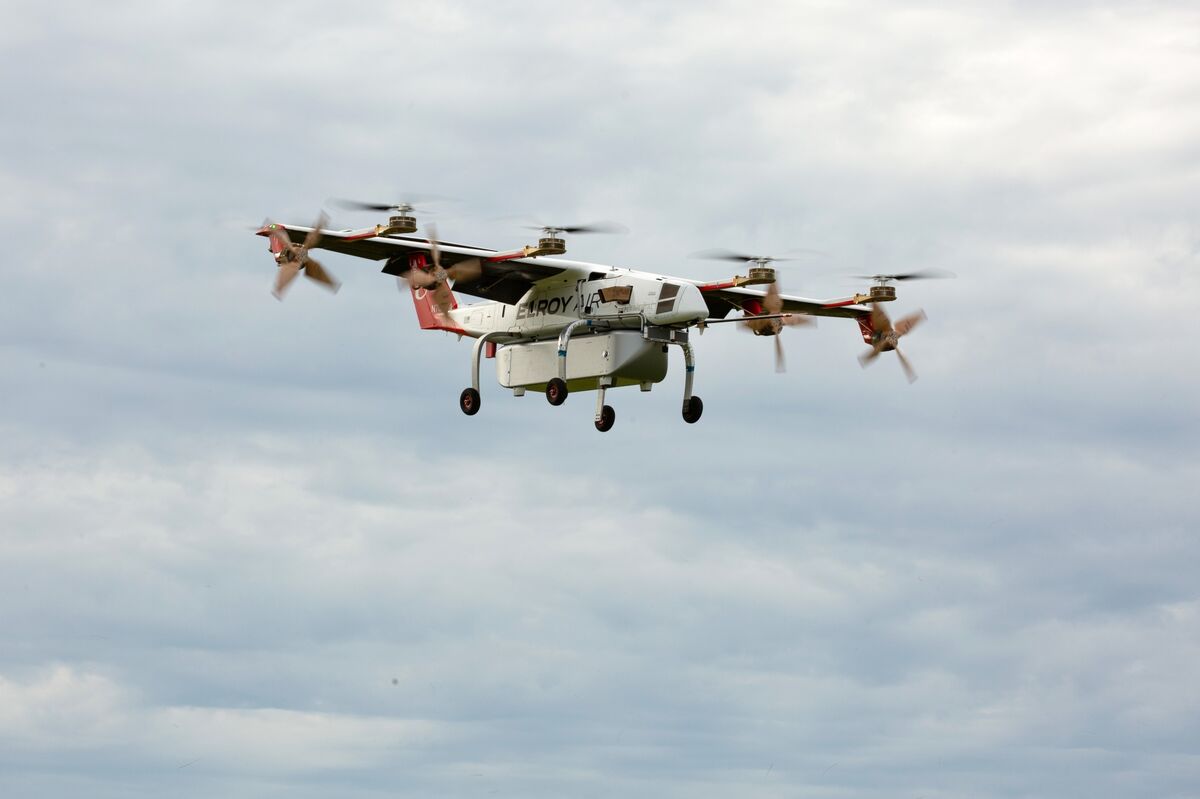
Drone Startup Elroy Air Is Said to Near $800 Million SPAC Deal
Elroy Air Inc., a startup focused on revolutionizing cargo delivery with drone technology, is reportedly in advanced negotiations to go public. The company plans to merge with a special purpose acquisition company (SPAC), which would establish a new entity valued at approximately $1 billion. This strategic move aims to accelerate Elroy Air's growth and expand its innovative delivery solutions, positioning it as a significant player in the logistics industry. The merger discussions come as the demand for efficient and sustainable delivery methods continues to rise, highlighting the potential of drone technology to transform traditional transportation models.

Liquid AI's smallest model yet LFM2.5-230M beats models 4X its size at data extraction, can run 'anywhere'
Liquid AI, a company founded by former MIT computer scientists, has unveiled its latest AI language model, LFM2.5-230M, which is designed for efficient data extraction and local deployment on devices such as smartphones and laptops. Released today, this 230-million-parameter model is noted for its ability to run on various hardware platforms, outperforming larger models like Alibaba's Qwen3.5 and Google's Gemma 3 in specific benchmarks. Targeting developers and engineers, LFM2.5-230M operates under a dual-use commercial license, allowing free access for individuals and companies with annual revenues below $10 million, while larger enterprises must secure a paid agreement. The model distinguishes itself by utilizing the LFM2 architecture, enabling high inference speeds with a minimal memory footprint, making it suitable for edge computing. Liquid AI's launch reflects a broader industry shift towards architectural efficiency rather than sheer parameter counts, as major AI firms focus on models with hundreds of billions of parameters. The LFM2.5-230M is specifically tailored for lightweight data extraction tasks, allowing businesses to automate processes without relying on costly cloud services. In practical applications, the model has been successfully deployed in a humanoid robot, demonstrating its capability to process complex commands efficiently. Available immediately on platforms like Hugging Face, LFM2.5-230M aims to revolutionize how enterprises manage data extraction, moving away from traditional, rigid systems to more adaptable AI-driven solutions.
Technology
Great Robots, Failed Companies: The Business Foundations Automation Startups Skip
Building a successful automation company involves challenges that extend beyond technical capabilities, according to industry experts. While teams may excel at designing functional robots or reliable automated systems, the real hurdles often lie in establishing the necessary business infrastructure to support these technologies. This aspect of development is frequently overlooked, yet it is crucial for turning innovative ideas into viable commercial ventures. As the automation sector continues to grow, addressing these foundational business issues will be essential for companies aiming to thrive in a competitive market.
Automation Business Technology automation industry automation news automation startup
General Intuition’s $2.3B bet that video games can train AI agents for the real world
General Intuition has successfully secured $320 million in funding to enhance its artificial intelligence capabilities, leveraging extensive data derived from millions of hours of gameplay and betting action. This significant investment aims to advance the development of AI that mimics human intuition more closely. The funding round, which took place recently, underscores the growing interest in AI technologies that can interpret complex patterns and make decisions similar to human behavior. By utilizing this vast dataset, General Intuition seeks to refine its algorithms and improve the performance of its AI systems, positioning itself at the forefront of innovation in the gaming and betting industries.
AI Fundraising Robotics Startups AI training data general intuition
From Fortnite to robots: General Intuition raises $2.3B on bet that video games can train AI agents for the real world
General Intuition has successfully secured $320 million in funding to enhance its artificial intelligence capabilities, which are designed to mimic human intuition by leveraging extensive data from millions of hours of gameplay and betting actions. This significant investment aims to propel the development of AI systems that can better understand and predict human behavior in gaming contexts. The funding round, which reflects growing interest in AI applications within the gaming and betting industries, will enable General Intuition to expand its research and development efforts. The company plans to utilize this capital to refine its algorithms and improve the accuracy of its AI models, ultimately striving to create technology that resonates more closely with human decision-making processes.
Startups AI Robotics Fundraising Khosla Ventures AI training data
RoboScience launches Visics, a versatile embodied model for cross-ontology, cross-object, and cross-task applications.
On June 24, RoboScience, a company specializing in embodied intelligence, unveiled its self-developed Visics large model, introducing the innovative VLOA (Vision-Language-Object-Action) architecture. This announcement marks a significant advancement in the field, demonstrating the model's applications in real-world scenarios such as furniture assembly, dexterous grasping, and dynamic assembly lines. The current landscape of embodied intelligence lacks a universally accepted foundational representation unit, which hampers data collection, model learning, and the transfer of knowledge to new contexts. Traditionally, models have focused on replicating specific robotic movements tied to particular tasks, limiting their adaptability to new robots, objects, or environments. Founder and CEO Tian Ye highlighted three major challenges in robotic operations: poor generalization, difficulty in precise manipulation, and cumulative errors in long-range tasks. To address these issues, RoboScience has developed a new foundational representation unit from the ground up. The Visics model employs a dual-engine architecture, consisting of an embodied world model and a universal operation model, each operating independently. The embodied world model utilizes vast amounts of internet video data to learn the physical dynamics of objects, while the operation model translates object trajectories into actionable commands for robots. This layered design enhances the model's generalization capabilities across various robotic platforms and tasks. RoboScience's innovative approach also includes a high-precision simulation engine, RoboMirage, which, combined with automated video data annotation, significantly reduces data acquisition costs. The company aims to build a comprehensive dataset of over 1 terabyte of high-quality manipulation trajectories by 2026. Since its inception, RoboScience has garnered support from multiple investors and established research and production centers in major Chinese cities. The company plans to collaborate with various sectors, including retail and logistics, to standardize robotic products for industrial and commercial applications by the end of this year.
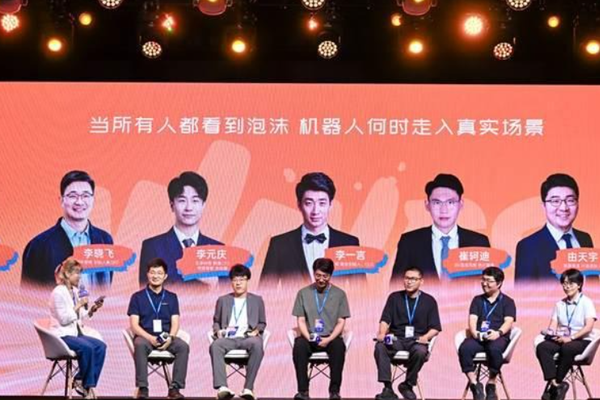
Roundtable: When Will Robots Enter Real Scenarios Amid Widespread Bubble Awareness?
In 2026, the investment landscape in China is witnessing a significant shift as artificial intelligence (AI) transitions from a conceptual technology to a driving force in various industries. The WAVES 2026 conference, hosted by 36Kr and AnYun, took place in Guangzhou's Panyu district, bringing together top investors, industry leaders, and emerging entrepreneurs to explore the evolving landscape of AI, hard technology, and healthcare through 14 in-depth roundtable discussions and numerous independent speeches. Prominent figures in the field, including CEOs and CTOs from leading tech companies, gathered to discuss the potential of embodied intelligence—a rapidly growing sector attracting substantial investment. The discussions highlighted the challenges and opportunities within this domain, particularly regarding the commercialization of robotics and AI technologies. Participants shared insights on the current state of the market, with some companies already generating revenue through innovative applications of AI in various sectors. However, concerns about market bubbles and the sustainability of investments were also raised, emphasizing the need for a deeper understanding of the underlying business models and real-world applications. As the conference concluded, the consensus among attendees was that while the industry is still in its infancy, the potential for growth and innovation remains vast, driven by a new generation of entrepreneurs eager to redefine the future of technology in China.
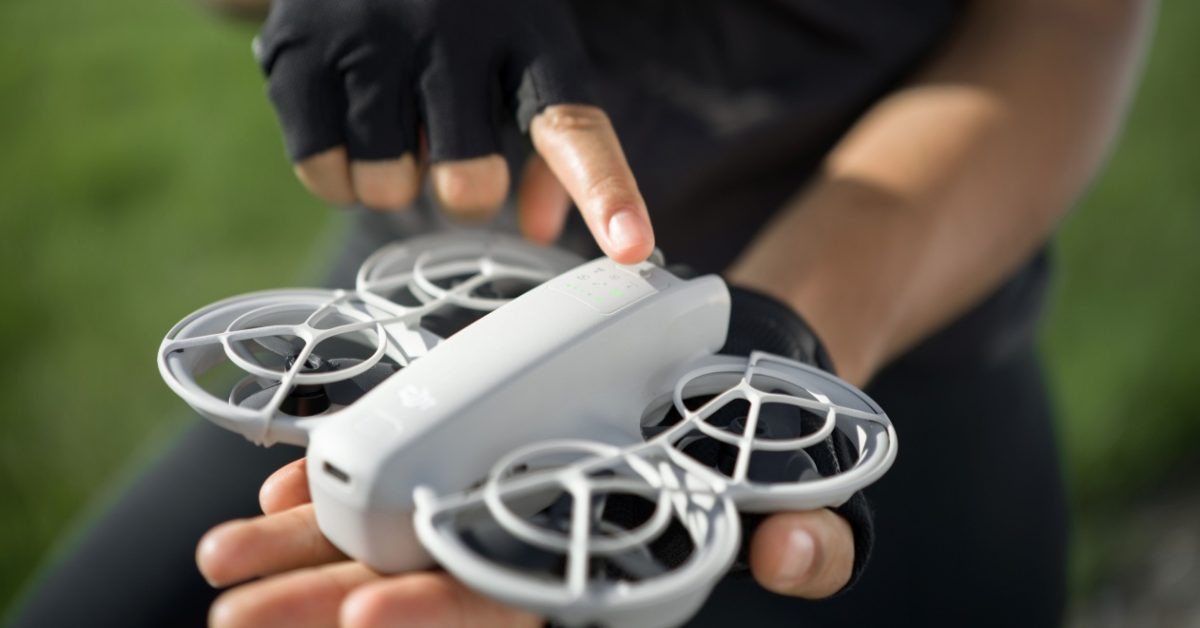
Only $139? Yes, this is the cheapest DJI drone ever
The DJI Neo drone continues to earn its place on "best beginner drone" lists due to its user-friendly design, which addresses the common challenges faced by novice drone pilots. Unlike other models that boast superior cameras, extended flight times, or advanced obstacle avoidance features, the Neo focuses on simplifying the entry process for new users. In a recent development, the cost of the DJI Neo has been significantly reduced, making it an even more accessible option for those looking to explore the world of drone flying. This price drop is expected to encourage more individuals to take up the hobby, as it lowers the financial barrier to entry for aspiring drone enthusiasts.
News
Jalapeño, OpenAI’s first custom chip, targets gigawatt-scale data center deployment
OpenAI has introduced its inaugural custom AI accelerator, named Jalapeño, signaling a significant advancement in the company's technological capabilities. This announcement was made recently as OpenAI aims to enhance its AI models' performance and efficiency. The development of Jalapeño is part of OpenAI's broader strategy to optimize its infrastructure and support the growing demand for more powerful artificial intelligence solutions. By designing a specialized accelerator, OpenAI seeks to improve processing speeds and reduce energy consumption, ultimately allowing for more complex computations and faster training times for AI models. This initiative underscores OpenAI's commitment to innovation and its efforts to maintain a competitive edge in the rapidly evolving field of artificial intelligence.
AI and Robotics
Roundtable Discussion: Hey? AI! This Month, This Year, and Next Five Years of AI | 36Kr WAVES 2026 New Wave
In 2026, the investment landscape in China is witnessing a significant transformation as artificial intelligence (AI) evolves from a mere technical concept to a driving force in various industries. The WAVES 2026 conference, organized by 36Kr and AnYun, took place in Guangzhou's Panyu district, gathering top investors, industry leaders, and emerging entrepreneurs to explore the implications of AI and hard technology on the future of innovation. Over two days, the event featured 14 in-depth roundtable discussions and numerous independent presentations, focusing on key sectors such as AI, hard technology, international expansion, and healthcare. During the conference, industry experts discussed the rapid pace of AI development, highlighting how companies are now experiencing frequent valuation updates and financing rounds. Investors shared insights on the changing dynamics of funding, with many companies securing multiple rounds of financing within months, a stark contrast to previous trends. The conversation also touched on the implications of regulatory challenges, particularly concerning AI models and their accessibility. Participants emphasized the importance of stability and reliability in AI applications, as well as the need for a deep understanding of specific industries to successfully implement AI solutions. The discussions underscored a growing interest in physical AI applications, with expectations for commercialization in sectors like pharmaceuticals and materials science within the next few years. As the AI landscape continues to evolve, investors are increasingly focused on identifying unique opportunities and fostering innovative solutions that address real-world challenges.
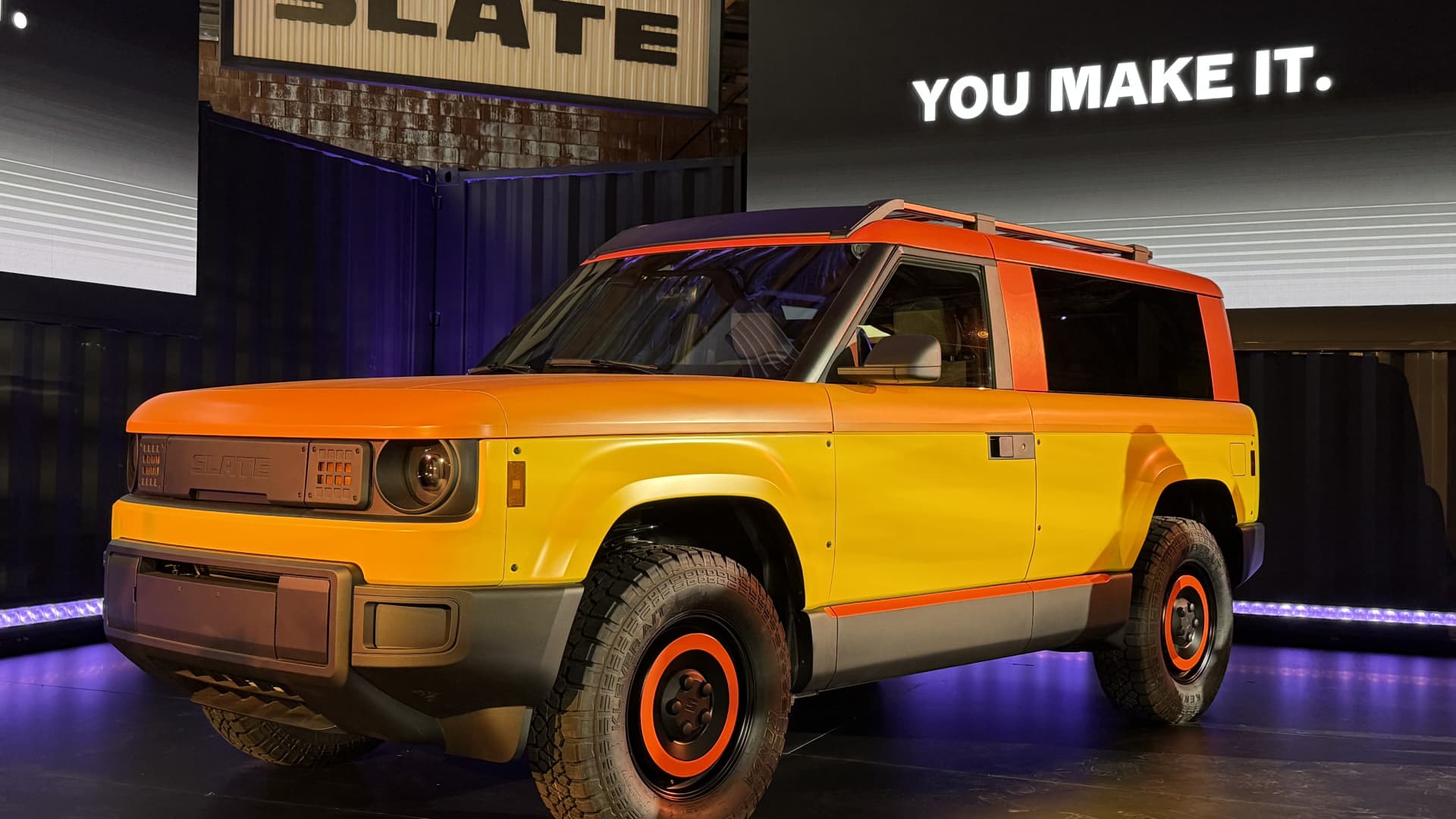
Slate Auto says each $24,950 electric pickup truck will be profitable as it aims to be cash-flow positive next year
Slate Auto, an electric vehicle startup, has announced that all of its upcoming vehicle models will achieve gross margin positivity, according to CEO Peter Faricy in a recent interview with CNBC. This strategic decision underscores the company's commitment to financial sustainability and profitability as it navigates the competitive EV market. By ensuring that each vehicle produced contributes positively to the company's gross margins, Slate Auto aims to strengthen its position in the industry and attract potential investors. Faricy's comments reflect a broader trend among EV manufacturers to focus on profitability amidst rising production costs and market challenges.
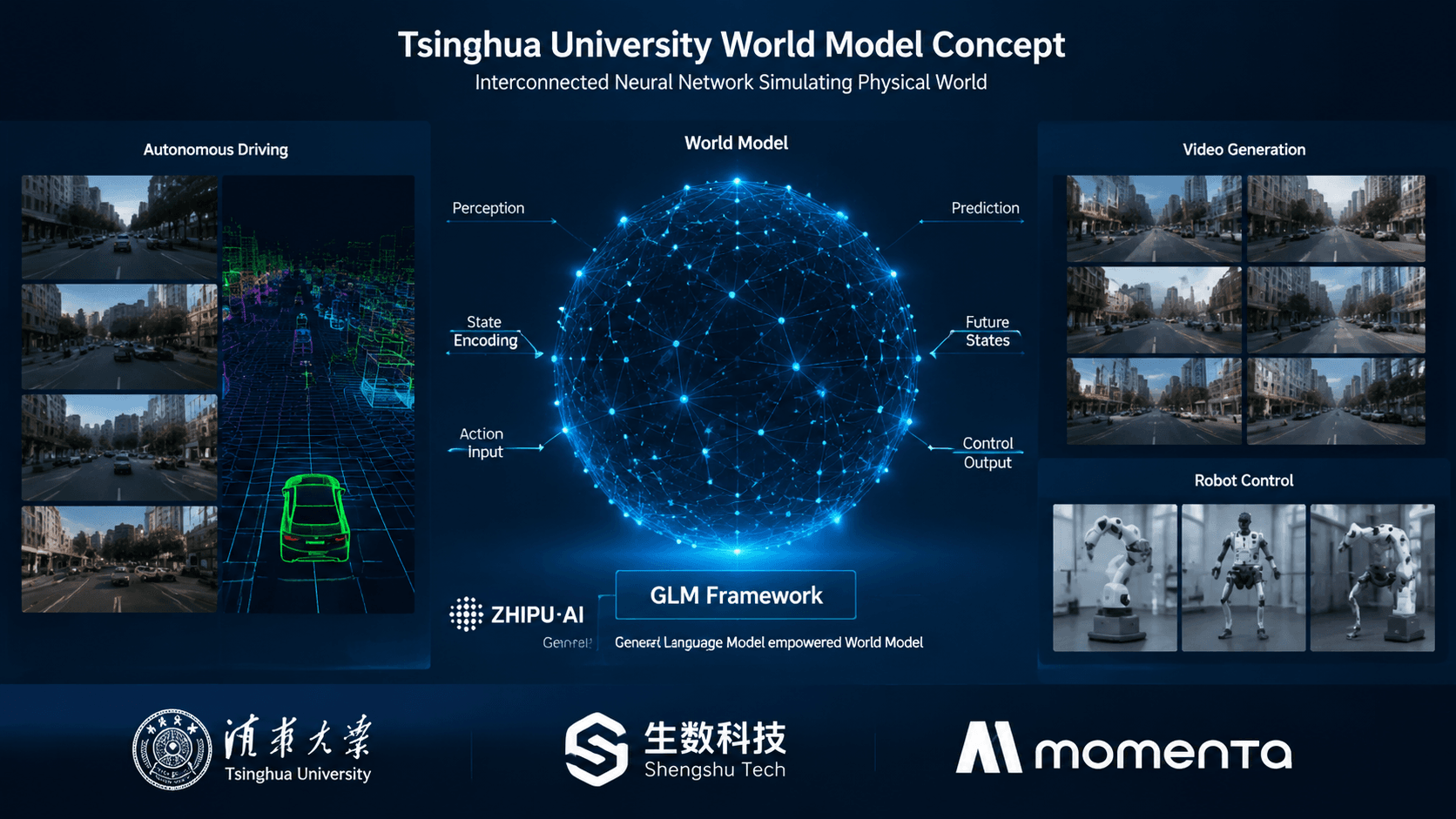
Tsinghua Ecosystem Sets Its Sights on World Models as the Next AI Frontier
Tsinghua University-affiliated companies, including Zhipu AI, Shengshu Tech, and Momenta, are advancing their research and development efforts in world models, focusing on applications in video processing, robotics, and autonomous driving. These initiatives are part of a broader push to enhance artificial intelligence capabilities and improve the efficiency and effectiveness of automated systems. The companies aim to leverage cutting-edge technology to address real-world challenges and contribute to the rapidly evolving landscape of AI. With a commitment to innovation, these firms are positioning themselves at the forefront of the AI revolution, seeking to establish a competitive edge in the global market.
AI
How Storm Season Disrupts Trailer Availability Across Freight Networks
Recent shifts in weather patterns are causing severe weather events to occur in regions that have traditionally been less affected, leading to increased unpredictability in storm behavior. This change is attributed to climate change, which is altering atmospheric conditions and contributing to more extreme weather phenomena. As a result, areas that were once considered safe from such events are now facing challenges that require new preparedness strategies. Meteorologists are emphasizing the need for updated forecasting models to better predict these unpredictable storms and mitigate their impacts on communities.

Agility Robotics to Go Public Through Merger with Churchill Capital Corp XI
On June 24, 2026, a significant breakthrough in renewable energy technology was announced by a team of researchers at the National Renewable Energy Laboratory in Golden, Colorado. The team unveiled a new solar panel design that boasts a 50% increase in efficiency compared to existing models. This advancement comes in response to the growing demand for sustainable energy solutions amid escalating climate change concerns and the need for reduced carbon emissions. The innovative solar panels utilize a novel material that enhances light absorption and conversion, allowing for greater energy output even in low-light conditions. Researchers conducted extensive testing over the past two years to refine the technology, ensuring it is both cost-effective and scalable for widespread use. This development is expected to play a crucial role in accelerating the transition to clean energy sources, potentially reducing reliance on fossil fuels and contributing to global efforts to combat climate change. The team plans to collaborate with manufacturers to bring the new panels to market within the next year, aiming to make renewable energy more accessible to consumers and businesses alike.

At $269, DJI Mini 3 drone costs less than many action cameras
Many potential drone buyers often hesitate due to concerns over cost and quality, with the ideal models appearing too expensive while cheaper options seem unreliable. This internal struggle typically delays their decision to purchase, despite a strong desire to capture memorable moments during trips and family vacations. However, DJI has addressed these concerns with significant discounts on their drones during this year's Prime Day event, making high-quality options more accessible. By offering competitive pricing, DJI aims to encourage consumers to finally invest in the technology they have long desired, potentially transforming their experiences and enabling them to document cherished memories.
News
This might be Prime Day’s smartest DJI drone deal
Many first-time drone buyers often find themselves in one of two categories: those who opt for inexpensive models that they soon outgrow, and those who invest heavily in high-end drones, only to fly them with a constant fear of crashing. Addressing this gap in the market, DJI has introduced a new drone that appears to cater specifically to those who are seeking a balanced option. This model is designed to provide an accessible yet capable flying experience, allowing users to enjoy the thrill of drone flying without the anxiety associated with more expensive models. By targeting this middle ground, DJI aims to attract novice pilots who want a reliable and user-friendly drone that can grow with their skills.
News
Peking University team develops new generation data acquisition device using EMG wristband, backed by Gong Hongjia, Lu Qi, and overseas
The SnowOrigin team, composed of researchers from Peking University, has secured investments from notable figures including Gong Hongjia and Lu Qi, as well as overseas institutions. This innovative team focuses on surface electromyography (sEMG) technology to develop a new generation of human control data collection solutions, utilizing wearable devices like neural wristbands and panoramic headsets, along with their proprietary Neural Math Hybrid (NMH) AI decoding model. As the fields of embodied intelligence and Physical AI rapidly evolve, there is an increasing demand for high-quality human control data. Current mainstream data collection methods, such as first-person video and motion capture, often fail to capture critical information about the intent and nuances of human actions. SnowOrigin's wearable devices aim to bridge this gap by integrating muscle and neural signal decoding technologies to create structured data that includes posture, force, and micro-control, thereby supporting the training of robots and world models. Founder Qin Xu emphasized that unlike traditional lab-based motion capture systems, their wearable solutions are cost-effective, lightweight, and suitable for long-term use without disrupting daily activities. The team is advancing two commercialization pathways: enhancing human-robot interaction for AI devices and building a foundational data infrastructure for Physical AI applications. With a strong academic background and a commitment to innovation, SnowOrigin is positioned to lead in the emerging market for embodied data collection, having already made significant strides in real-time decoding of sEMG signals into actionable insights. As the demand for comprehensive interaction data grows, the team is poised to capitalize on this shift in paradigm.
Robotics needs a service framework.
RSF defines a common language for robot service capability, lifecycle operations, certification pathways, and service-provider networks.