Industry Briefing
A single destination for timely, editor-curated robotics news from around the world.

Traffic Congestion in Europe Costs Fleets Over €2.6 Million Annually
Traffic congestion in Europe is increasingly impacting urban freight operators, leading to higher fuel costs, reduced productivity, and increased emissions. A recent study by Geotab revealed that over 1.58 million litres of fuel were wasted due to vehicles idling in traffic during 2025, resulting in an estimated €2.6 million in wasted fuel. This figure reflects the average European fuel prices for that year. The findings highlight the financial and environmental implications of prolonged idling in urban areas, particularly in cities like London, which faces unique challenges due to its stop-start traffic patterns. London recorded the highest fuel consumption among the cities analyzed, with a significant percentage of fuel burned while stationary. In contrast, cities like Berlin and Amsterdam demonstrated better fuel efficiency despite congestion. As fuel prices continue to rise, with diesel exceeding €2 per litre in early 2026, the cost of idling could escalate to approximately €3.6 million. Fleet operators must adopt more efficient vehicle and route management strategies to mitigate these costs and reduce emissions. No further timeline was disclosed at the time of publication.
Couriers and Express Road Transport and Haulage Transport and Distribution congestion costs efficiency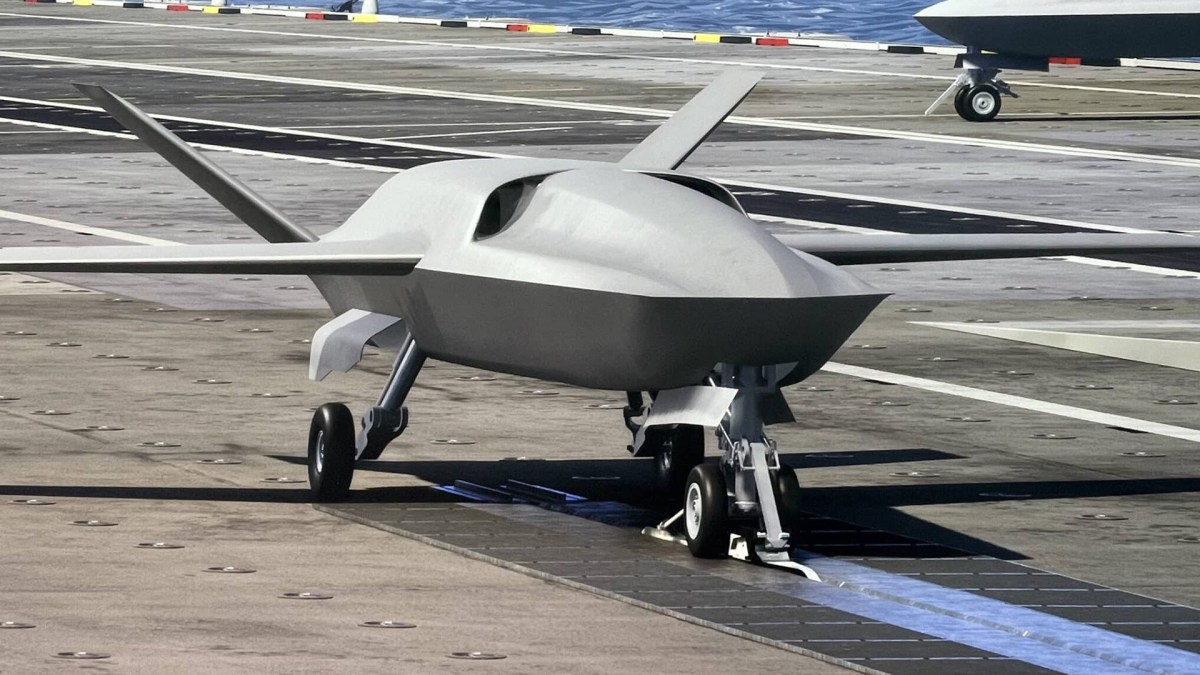
U.S. Navy Seeks 1,000 Nautical Mile Range for Future Carrier-Based Drones
The U.S. Navy is planning to develop carrier-based uncrewed aircraft capable of striking enemy targets at least 1,000 nautical miles away without mid-air refueling. This initiative is part of a broader request for information (RFI) issued by Naval Air Systems Command (NAVAIR) regarding the Air Wing of the Future (AWOTF) family of systems. This capability is crucial as adversary anti-access/area denial strategies evolve, necessitating that carrier air wings operate from greater distances. The Navy's focus on uncrewed systems aims to enhance combat effectiveness over existing platforms while ensuring compatibility with Nimitz and Ford class carriers. Future developments will likely include vertical takeoff and landing drones for use on destroyers, as well as integration with existing U.S. Navy Unmanned Carrier Aviation control systems. No further timeline was disclosed at the time of publication.
Air Carriers Collaborative Combat Aircraft Drones Navies News & Features
Starmind's Satellite Technology Achieves 880 Billion Liters in Annual Water Savings
Starmind has announced that its satellite technology can save approximately 880 billion liters of cooling water annually at full scale. This figure is equivalent to the annual household water use of around 6.5 million Americans. The technology operates by utilizing a closed-loop liquid cooling system that eliminates the need for water during its operational life, contrasting sharply with traditional ground data centers that consume vast amounts of water for cooling. The significance of this achievement lies in the growing water consumption crisis faced by data centers, particularly as AI expansion drives demand. In 2025, U.S. data centers consumed nearly one trillion liters of water, highlighting the urgent need for sustainable solutions. Starmind's approach not only addresses direct water usage but also avoids indirect water consumption associated with electricity generation, marking a substantial shift in how computing can be conducted in a resource-efficient manner. Looking ahead, Starmind's deployment strategy includes a projected buildout of 100 GW of orbital compute per year, which could displace an additional 735 billion liters of ground water demand annually. The first tranche of 10,000 satellites is already operational, offsetting approximately 8.8 billion liters of water per year. No further timeline was disclosed at the time of publication.

Smart drones, safe skies: Student's system tests and coordinates drone fleets
Autonomous drones have the potential to revolutionize various industries by delivering packages, inspecting infrastructure, monitoring emergencies such as wildfires, and eventually transporting passengers. However, as of now, the airspace is not equipped with the necessary testing and coordination infrastructure to ensure the safe operation of drones in proximity to people, buildings, aircraft, and one another. This lack of infrastructure poses significant challenges to the widespread adoption of drone technology, hindering its ability to demonstrate safety and reliability in urban environments. As stakeholders in the aviation and technology sectors push for advancements, the need for a comprehensive framework to facilitate safe drone operations remains critical.
Robotics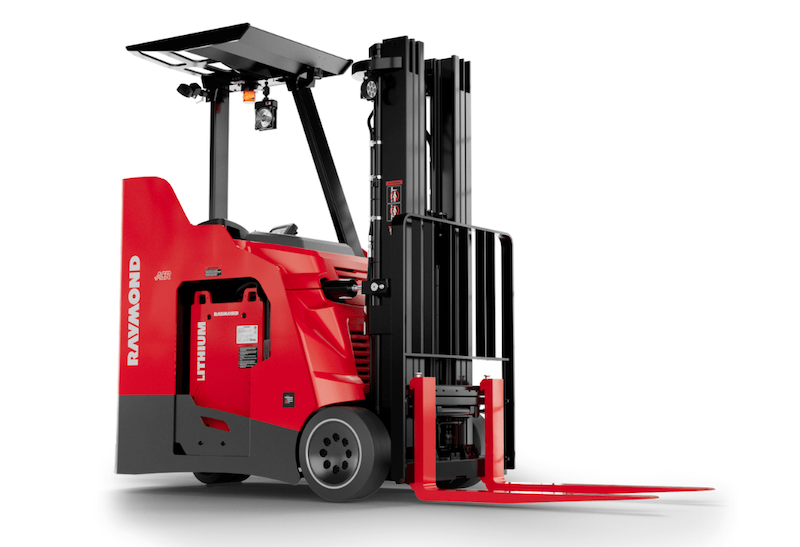
Raymond partners with Third Wave Automation to expand physical AI across lift truck fleets
Third Wave Automation has partnered with The Raymond Corporation, a subsidiary of Toyota Material Handling North America, to enhance AI-enabled physical automation capabilities in select automated Raymond lift trucks. This collaboration, which builds on years of joint development and operational insights since 2021, is supported by investments from Toyota Ventures. The initiative aims to improve efficiency and productivity in material handling operations, reflecting the growing trend towards automation in the industry. The integration of advanced AI technology into Raymond's lift trucks is expected to streamline processes and optimize performance in various operational settings.
Artificial Intelligence Material handling News AI-powered forklifts automation news autonomous forklifts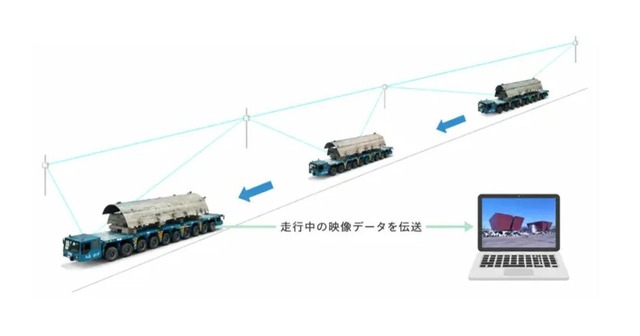
AiTrax tests mesh Wi-Fi for stable communication in AGVs and drone fleets at shipyard.
AiTrax Inc. has successfully achieved real-time video transmission via Wi-Fi access points mounted on large component transport vehicles. This milestone was reached during operations at the Imari facility of Namura Shipbuilding in Saga Prefecture. The demonstration took place from March 16 to March 18, 2026, showcasing the company's innovative technology aimed at enhancing logistics and operational efficiency in industrial settings. The successful implementation of this technology is expected to streamline processes and improve communication within manufacturing environments.
Eight tech giants deploy autonomous fleets across Singapore’s large-scale public test bed
Singapore is actively establishing itself as a global center for "physical AI," focusing on the development and deployment of robots and autonomous systems. This initiative is part of the country's broader strategy to enhance its technological landscape and drive economic growth. The government has been investing in research and development, fostering partnerships between academia and industry, and creating supportive regulatory frameworks to attract both local and international companies in the AI sector. The push for physical AI comes in response to the increasing demand for automation in various industries, including manufacturing, logistics, and healthcare. By 2025, Singapore aims to have a significant number of AI-driven solutions integrated into its economy, enhancing productivity and efficiency. The city-state's strategic location and advanced infrastructure further bolster its appeal as a destination for AI innovation. As part of this initiative, Singapore is hosting conferences and workshops to showcase advancements in robotics and autonomous technologies, encouraging collaboration among tech firms, researchers, and policymakers. This concerted effort not only aims to position Singapore as a leader in the AI field but also to address challenges such as labor shortages and the need for increased operational efficiency across sectors.
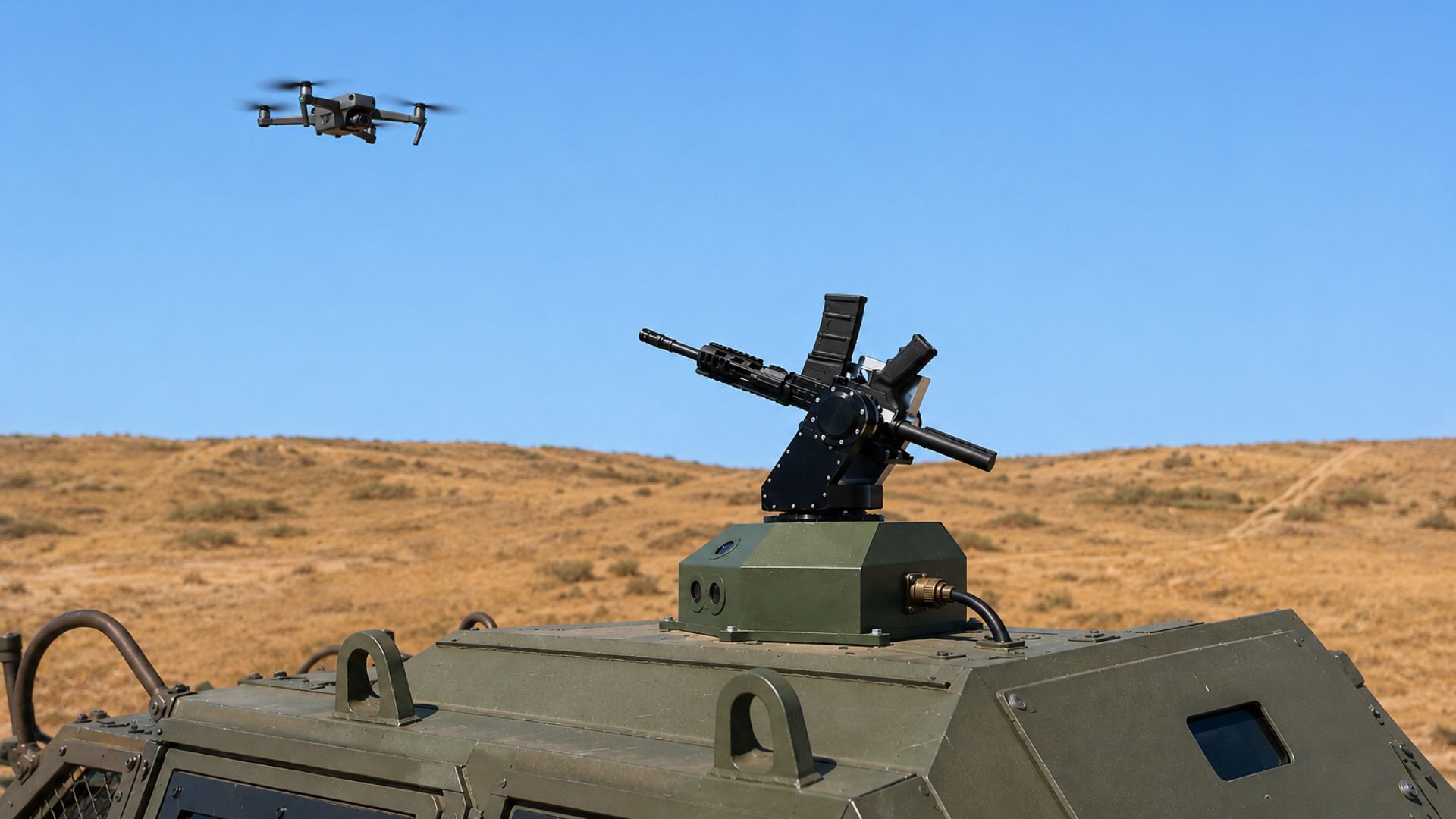
Axon Vision Launches ForceField Counter-Drone System to Combat FPV Drone Threats
Israeli defense technology firm Axon Vision has unveiled ForceField, a counter-drone system designed to neutralize first-person view (FPV) drones, including those controlled via fiber optics. The system's development followed successful live-fire evaluations, demonstrating its capability to detect and engage FPV drone threats in real time, thereby enhancing protection for military forces against evolving battlefield risks. The significance of ForceField lies in its ability to address the growing challenge posed by FPV drones, which are increasingly utilized for precision strikes at low costs. Traditional electronic warfare measures often fail against fiber-optic-controlled drones, making ForceField's passive sensor technology crucial. By employing Edge AI software, the system allows operators to assess threats without relying on external networks, streamlining the engagement process and reducing the need for extensive modifications to existing military platforms. Looking ahead, Axon Vision is actively engaging with military customers and partners to evaluate ForceField's capabilities. The system's modular design offers flexibility for integration with current weapon systems, potentially simplifying deployment across various military fleets. No further timeline was disclosed at the time of publication.
Military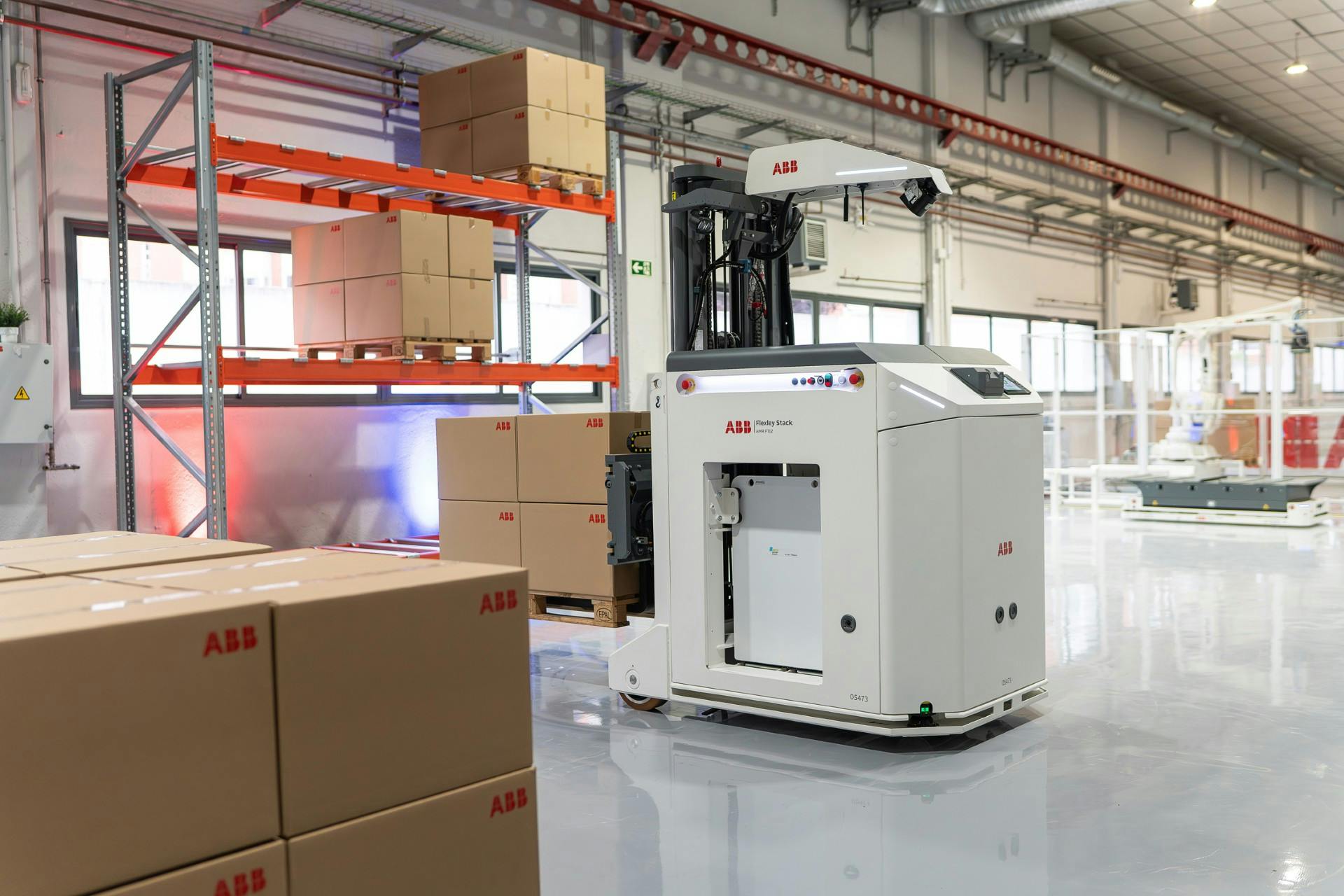
ABB Robotics Introduces Flexley Stack F712 Platform for AI-Driven Autonomous Forklifts
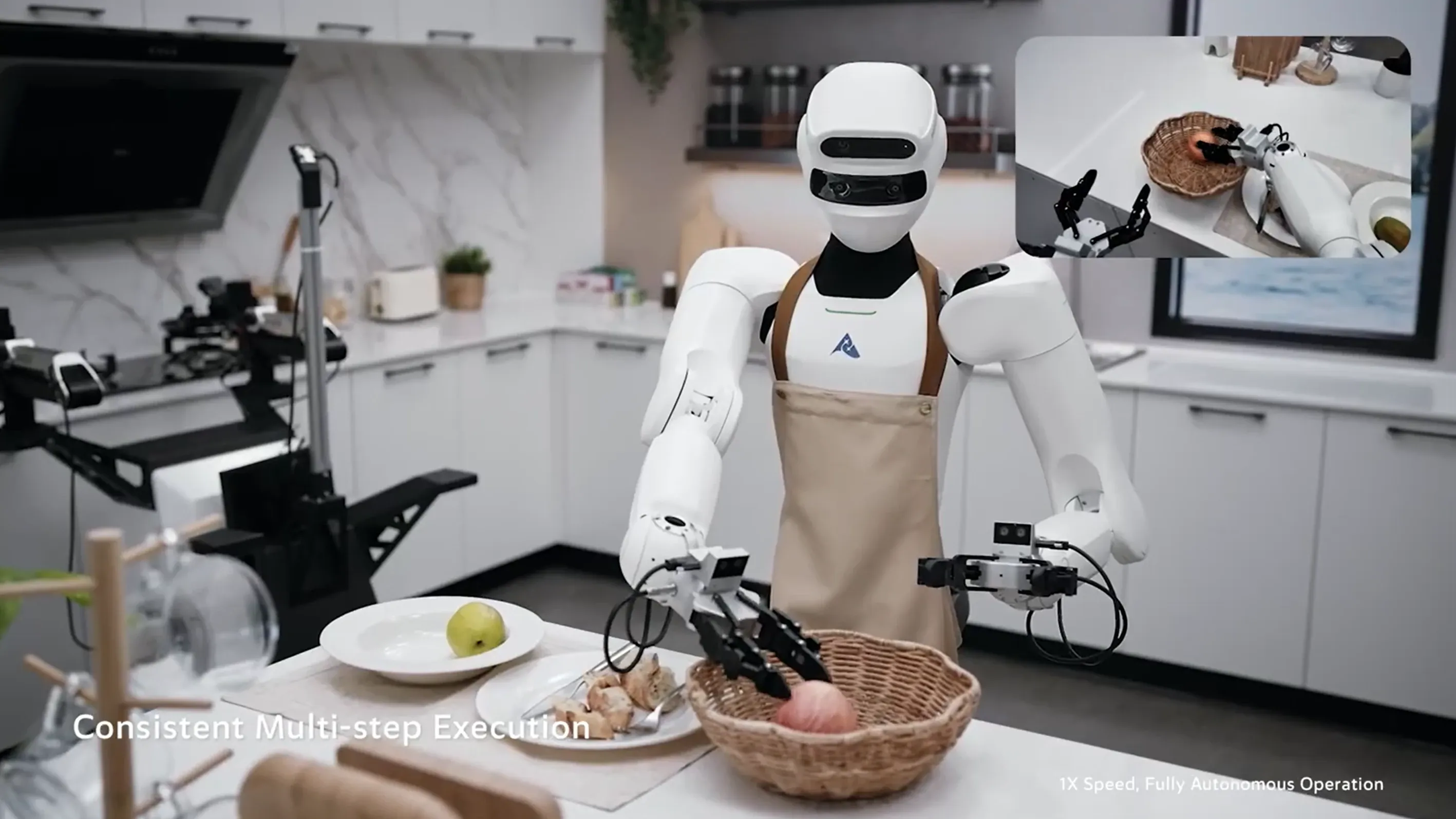
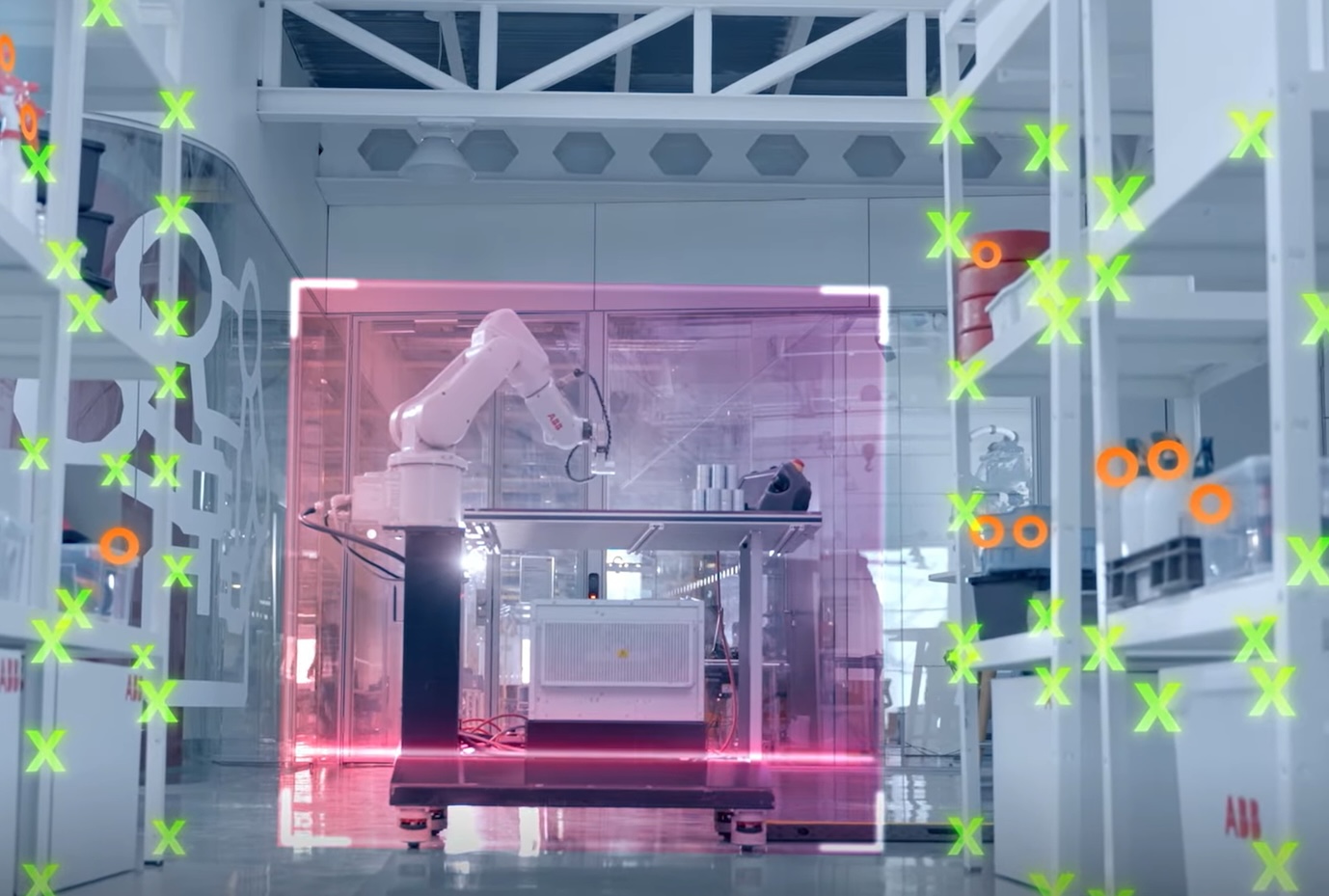
ABB Robotics has launched the Flexley Stack F712 platform, enhancing its AMR portfolio with AI-powered visual technology for autonomous forklifts. This innovation facilitates pallet transport and high-density storage, creating a cohesive ecosystem among ABB’s Visual SLAM AMR types, aimed at improving efficiency in material handling and warehouse operations across various industries, including automotive manufacturing. The introduction of the F712 is significant as it addresses the growing demand for faster and more flexible goods movement in intralogistics, particularly under constraints of limited labor availability. Marc Segura, president of ABB Robotics, emphasized the need for businesses to adapt to increased processing demands while leveraging advanced vision, mobility, and intelligence in their operations. Looking ahead, the Flexley Stack F712 can manage diverse load types and sizes, allowing customers to implement mixed fleets of Visual SLAM-powered vehicles on a unified navigation and fleet management platform. No further timeline was disclosed at the time of publication.
Factory / Analytics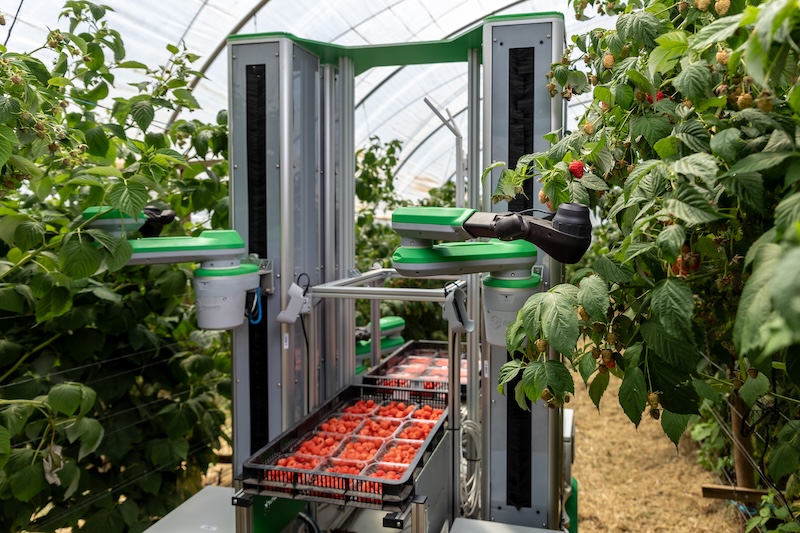
Fieldwork Robotics Receives £2.5 Million Investment for Berry Harvesting Automation
Fieldwork Robotics has secured a £2.5 million investment from SEED Innovations to enhance its selective and modular berry harvesting robots. This funding is part of a Seed+ fundraising initiative announced in April 2026, aimed at addressing labor shortages and rising costs in berry production. The investment will facilitate the transition from technology validation to commercial trials, with production robots already deployed in a two-year program in Norfolk and Stafford. The significance of this investment lies in its potential to alleviate pressing challenges faced by berry growers, including labor shortages and increased harvesting costs. By utilizing autonomous harvesting robots, Fieldwork aims to boost productivity and reduce reliance on seasonal labor, thereby minimizing food waste and stabilizing consumer prices. Jim Mellon, chairman of SEED Innovations, emphasizes the opportunity for robotics and AI to tackle real-world agricultural issues, aligning with Fieldwork's mission to enhance farm efficiency. Looking ahead, Fieldwork Robotics anticipates operating multi-robot fleets on farms by 2027, contingent on the success of ongoing trials. Additionally, the company plans to expand its operations internationally, with trials set to take place in Australia as part of its global growth strategy. No further timeline was disclosed at the time of publication.
Agriculture Financials & Investments agri robotics agricultural robotics agriculture automation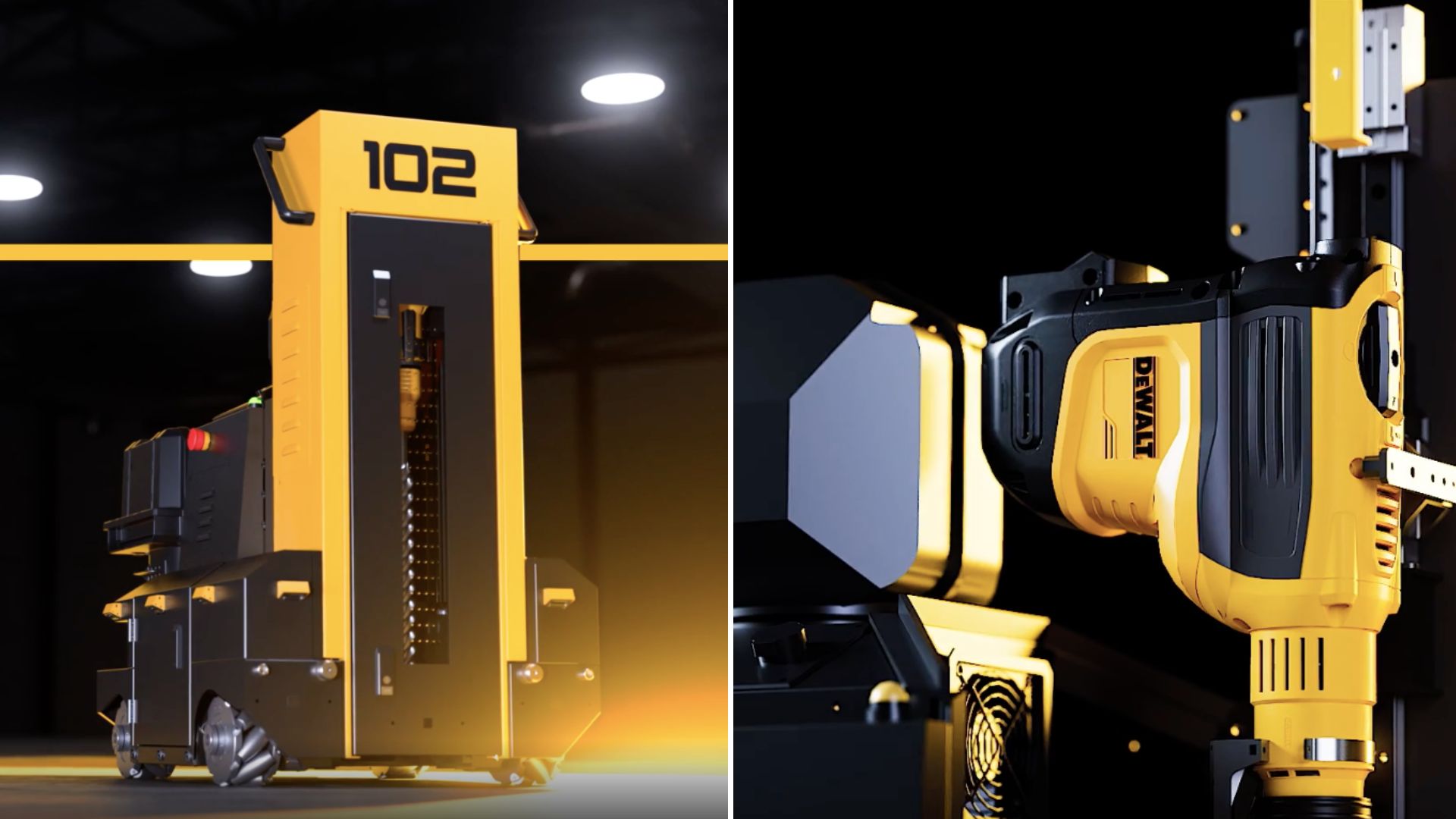
Dewalt Launches DALE Downward-Drilling Robot for Data Center Construction
Dewalt, in collaboration with August Robotics, has launched DALE, the world's first fleet-capable downward-drilling robot, at the World of Concrete event. This innovative robot is designed to enhance efficiency in data center construction, achieving drilling speeds up to ten times faster than traditional methods. During a year-long pilot, DALE drilled over 230,000 holes with 99.97% accuracy, significantly reducing project timelines by 190 weeks across 26 phases. The introduction of DALE is significant for the construction industry, particularly in the rapidly growing data center sector. Dewalt's robot not only accelerates drilling processes but also integrates advanced features such as fast-swap batteries, remote monitoring, and automatic dust extraction. These capabilities allow for enhanced safety and precision, making it a valuable asset for construction teams facing tight deadlines and labor challenges. Looking ahead, DALE is now available for commercial orders, marking a pivotal moment for construction automation. The robot's ability to operate in fleets and drill through rebar positions it as a versatile tool for various construction applications. No further timeline was disclosed at the time of publication regarding additional features or expansions in its deployment.
AI and Robotics
ABB Robotics completes its AI-powered Visual SLAM AMR portfolio with new autonomous forklift
ABB Robotics completes its AI-powered Visual SLAM AMR portfolio with new autonomous forklift Visit http://go.abb/robotics for further information -The new Flexley Stack F712 extends ABB Robotics’ AI-powered Visual SLAM technology to autonomous forklifts, enabling pallet transport and high-density storage. -Customers can now deploy mixed fleets of Visual SLAM-powered tugs, movers and forklifts on a common navigation, fleet management and software platform. -Powered by ABB Robotics' AMR Studio, the portfolio enables up to 20% faster commissioning while ensuring seamless interoperability and safe, reliable operation. 07/07/26, 07:10 AM | Industrial Robotics, Mobile Robots | ABB Inc. ABB Robotics is expanding its Autonomous Mobile Robotics (AMR) portfolio with the launch of the Flexley® Stack F712, creating a complete interoperable ecosystem across all major Visual SLAM AMR types. Combining autonomous forklifts, tugs and movers on one platform, ABB Robotics enables customers to automate a broader range of material-handling and intralogistics processes. Offering market-leading accuracy, the F712 is designed for demanding material handling, end-of-line storage and warehouse operations across industries including automotive manufacturing, helping increase efficiency, flexibility and scalability. More Headlines A3's Automate 2026 Breaks Records as Demand for Robotics, AI and Automation Grows NVIDIA and Hugging Face Bring New Models and Frameworks to LeRobot for the Open Robotics Community Palladyne AI Executes $4.2 Million U.S. Air Force Contract to Advance Swarming Capabilities for Integrated Cross-Domain Operations UMA Unveils Its Vision for the Next Generation of Humanoid Robots Robbyant Unveils LingBot-Depth 2.0 and LingBot-Vision to Redefine Robotic Spatial Perception Articles Unleash AI Innovation: The Power of NVIDIA RTX PRO 6000 Blackwell Workstation Edition Fueled by PNY-Supplied GPUs Automate 2026 Q&A with DESTACO Automate 2026 Q&A with Roboteon Advances in Robots to See & Interpret within Warehouse Environments Building Resilient Fulfillment Networks with Robotics and Real-Time Logistics Data "Across intralogistics operations, businesses are being asked to process greater volumes in less time, while working with increasingly limited resources," said Marc Segura, President, ABB Robotics. "They are under pressure to move goods faster and with greater flexibility, while labour availability is becoming a critical constraint. As part of our journey to more autonomous and versatile robotics (AVRTM), we have combined advanced vision, mobility and intelligence in the Flexley Stack F712 forklift AMR, completing our scalable, AI-powered AMR portfolio." F712 is versatile, capable of handling multiple load types and sizes - including open and closed pallets, containers or racks- up to 2,000 kg and reaching heights of 8.5 meters. The Flexley Stack AMR F712 joins the Flexley Tug and Flexley Mover in ABB Robotics' growing Visual SLAM AMR portfolio. Applications include intralogistics tasks such as warehouse storage and retrieval, as well as line supply, end-of-line handling, body- and press-shop and drive-in and light buffer in the automotive and industries sector. Unlike conventional AMR forklifts on the market, F712 uses Visual SLAM to map and navigate its environment, eliminating the need for pre-installed infrastructure like markers or reflectors. The AI-enabled Visual SLAM supports the autonomous decisions required to operate in complex, dynamic warehouse operations with a market-leading positional accuracy of ±10 mm. Together with AMR Studio®, this shortens commissioning times by up to 20 percent and creates a versatile and reliable system that can adapt instantly when a warehouse or production floor layout changes. Certified to the latest ISO and ANSI safety standards, Flexley Stack F712 can safely operate at class-leading speeds of up to 1.7 m/s while loaded. F712 is fully integrated with AMR Studio and is VDA5050 compatible, enabling seamless integration with ABB Robotics' Visual SLAM AMRs and existing systems within a unified project. This makes it easy to manage complex projects and integrate different types of mobile robots. The no-code, drag-and-drop software suite supports rapid setup, fleet coordination, traffic management and real-time visualization, allowing ABB Robotics' tugs, movers and forklifts to operate together in the same layout for scalable turnkey automation projects. ABB Robotics as one of the world's leading robotics companies, is the only company with a comprehensive and integrated AI-powered portfolio covering robots, cobots and Autonomous Mobile Robots (AMRs), designed and orchestrated by our value-creating software. We help companies of all sizes and sectors - from automotive to electronics and logistics - to outperform by becoming more resilient, flexible and efficient. ABB Robotics is at the forefront of developing and commercializing a new generation of Autonomous Versatile Robotics
CNRS Deploys Ten SEAEXPLORER Autonomous Gliders for Mediterranean Ecosystem Research
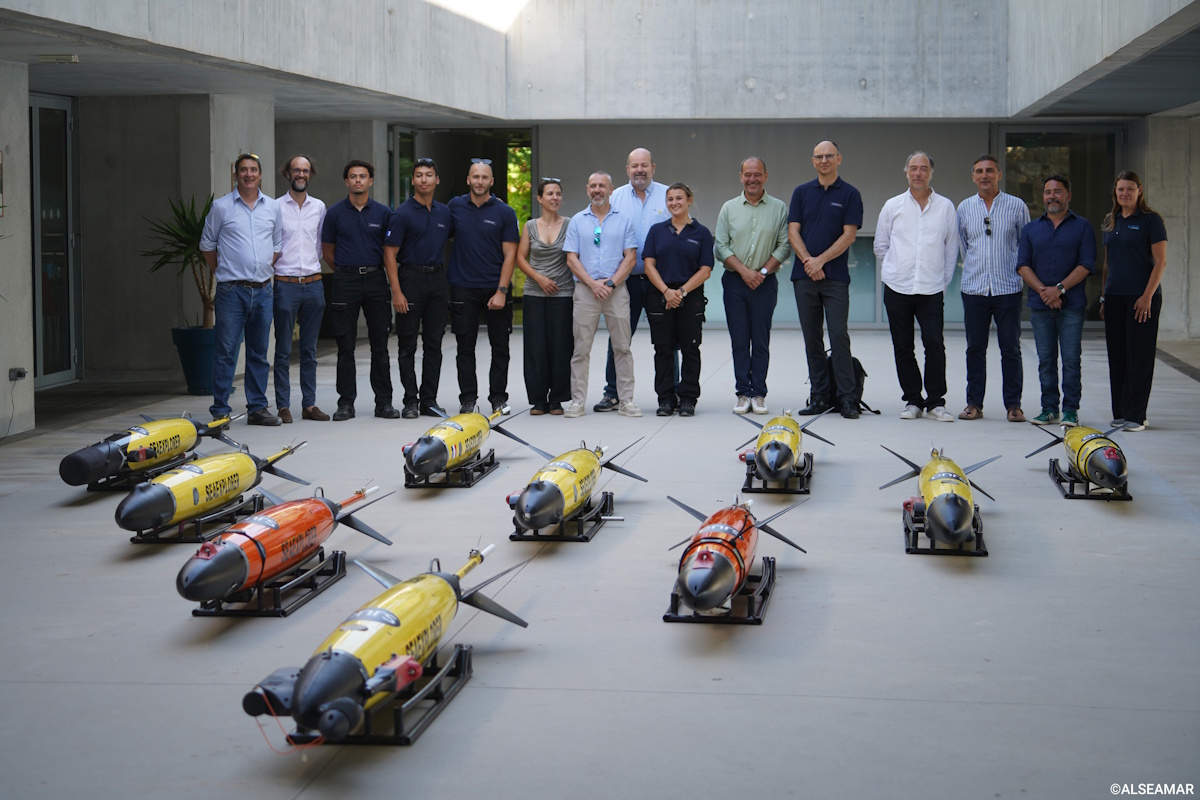
In mid-June 2026, the CNRS deployed ten SEAEXPLORER autonomous underwater gliders in the Ligurian Sea as part of Mission 6 under France's 2030 funding plan. This initiative aims to create a comprehensive environmental data atlas for the northwestern Mediterranean, focusing on the impacts of human activities on marine ecosystems. The gliders will operate for one month, diving to depths of 1,000 meters and equipped with sensors to monitor underwater noise and ocean currents. The deployment is significant as it represents a strategic effort by the French government to enhance industrial competitiveness and develop next-generation technologies for deep-sea exploration. By utilizing coordinated fleets of autonomous gliders and advanced sensing technologies, researchers aim to better understand the dynamics of marine ecosystems and the effects of climate change, maritime traffic, and ocean acidification. This innovative approach will facilitate the study of plankton distribution and biodiversity through methods such as environmental DNA monitoring. Looking ahead, the next phases of Mission 6 will involve additional deployments in the Gulf of Lion in 2028 to test new sensors, followed by operations in French Polynesia between 2028 and 2029. These efforts will further expand the capabilities of autonomous underwater vehicles in marine research, with no further timeline disclosed at the time of publication.
autonomous gliders cnrs exploration mediterranean marine ecosystems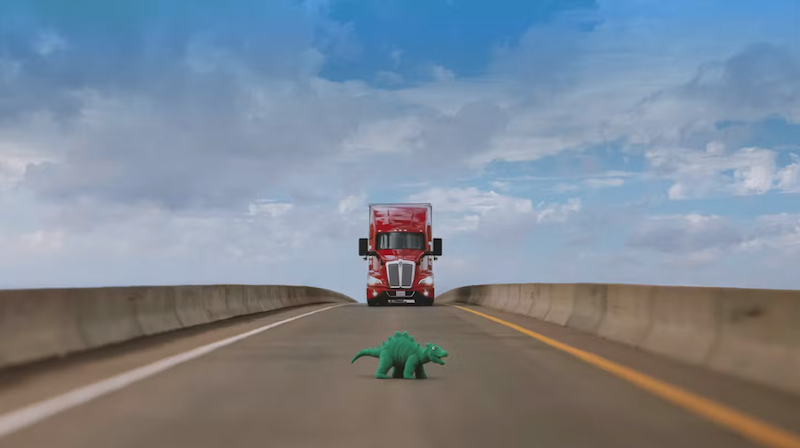
How Kodiak uses AI and probabilistic risk assessment to measure autonomous trucking safety
Recent advancements in artificial intelligence are significantly accelerating the development of autonomous driving technology, allowing engineers to innovate at an unprecedented pace. However, the critical challenge remains ensuring that these advancements are paired with robust safety measures. Industry experts emphasize that achieving depth and rigor in safety protocols does not necessarily depend on having the largest budgets or the most extensive vehicle fleets. Instead, the focus is shifting towards extracting precise insights from data to enhance safety standards. As the industry moves forward, the integration of rigorous safety assessments with cutting-edge technology will be essential for the successful deployment of autonomous vehicles on public roads.
Autonomous Vehicles Computing Features Software ai safety automation news
Mobileye To Establish Robotaxi Business
Mobileye, a prominent player in autonomous driving technology, is set to launch its own robotaxi service in the United States by 2027. This move marks a significant shift for the company, which has primarily operated as a supplier of self-driving technology. The new venture will integrate Mobileye's proprietary Drive self-driving system with advanced mobility software and fleet management tools, allowing the company to directly manage autonomous ride-hailing fleets. This expansion into the ride-hailing market reflects Mobileye's ambition to enhance urban mobility and capitalize on the growing demand for autonomous transportation solutions.
AI Robotics autonomous driving Mobileye Moovit Robotaxi
Europe unifies autonomous vehicle laws, speeds up robotaxi expansion
Autonomous taxi services have experienced significant growth in major metropolitan areas across the United States, revolutionizing urban transportation. As of October 2023, companies specializing in self-driving technology have expanded their fleets and operational zones, responding to increasing demand for efficient and cost-effective travel options. The rise of these services is driven by advancements in artificial intelligence and robotics, enabling safer and more reliable rides without human drivers. Cities such as San Francisco, Los Angeles, and New York have become key testing grounds, where regulatory frameworks are evolving to accommodate this innovative mode of transport. The integration of autonomous taxis into public transit systems aims to alleviate traffic congestion and reduce carbon emissions, aligning with broader environmental goals. As these services continue to develop, stakeholders are closely monitoring their impact on urban mobility and the potential challenges they may pose to existing transportation infrastructures.
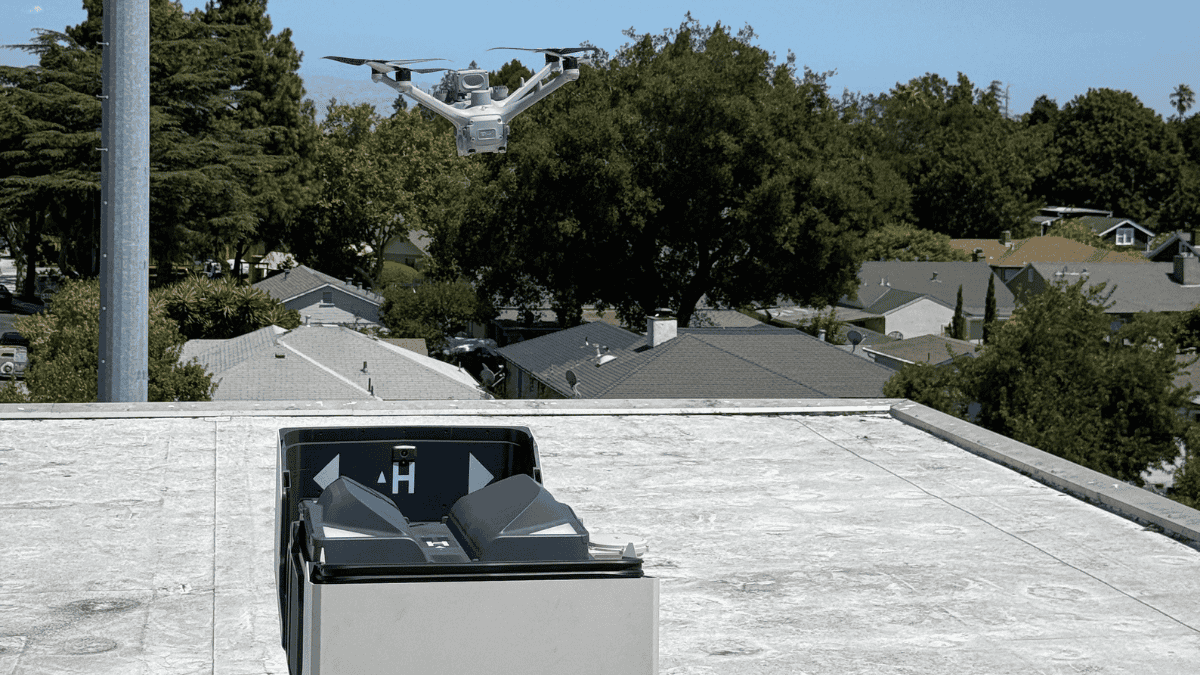
As Drone as First Responder Programs Scale, Data Management Becomes Mission Critical
A California fire district is facing significant challenges as it expands its public safety drone program, particularly in transforming flight data into actionable intelligence. As agencies increasingly incorporate drones into their operations, the focus has shifted from merely launching aircraft to effectively managing larger fleets and handling increased volumes of data. This evolution necessitates more sophisticated operational strategies to ensure that the drones can be utilized effectively in emergency situations. The growing complexity of these programs underscores the critical importance of data management in enhancing public safety efforts.
Applications Drone News Drone News Feeds Drones in the News Featured – Safety and Security News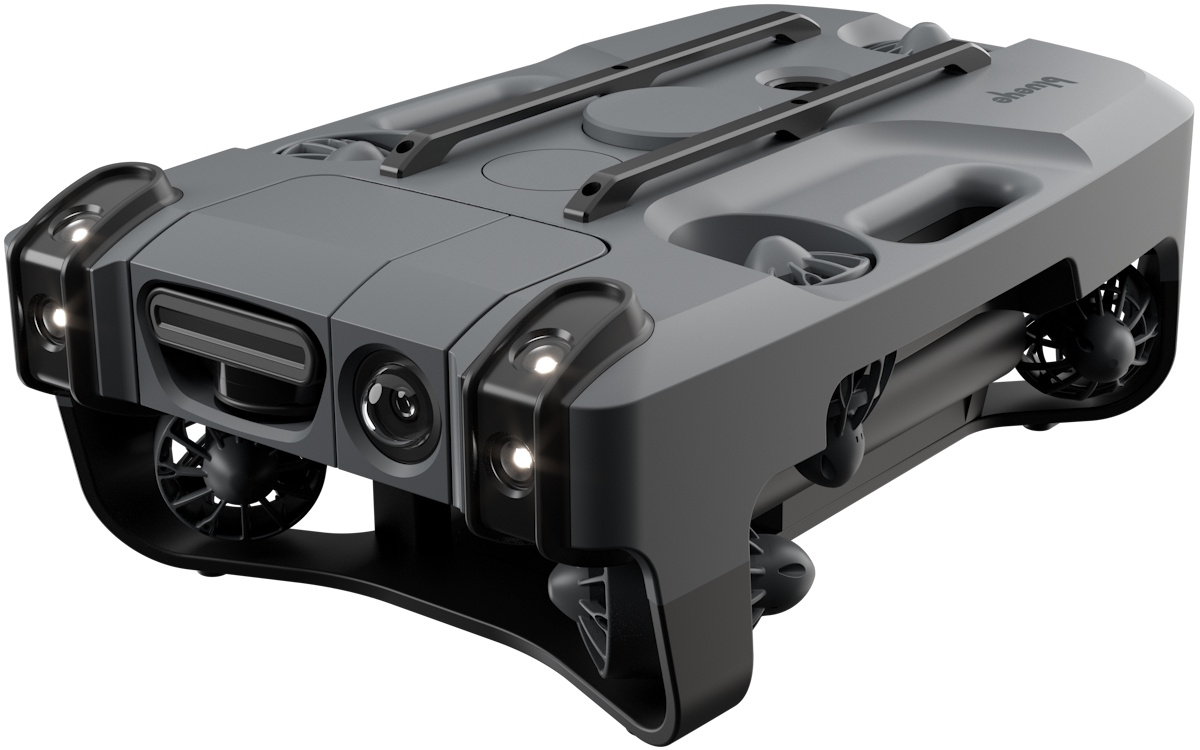
Blueye Robotics launches the Blueye X7, X3 Ultra, and Blueye Cloud
Blueye Robotics has announced the launch of its next-generation underwater drone lineup, marking a significant advancement in underwater operations. The new flagship remotely operated vehicle (ROV), the Blueye X7, is set to enhance exploration capabilities, while the upgraded Blueye X3 Ultra features improved 4K HDR imaging and onboard artificial intelligence for more efficient data collection. Additionally, the company introduced Blueye Cloud, a new platform designed to streamline the connection between fleets, data, and teams, facilitating better collaboration and operational efficiency. This launch comes nearly a decade after Blueye began supporting underwater operations globally, reflecting the company's commitment to innovation and technological advancement in the field. The new products aim to meet the growing demand for sophisticated underwater exploration tools and improve the overall effectiveness of marine operations.
blueye robotics blueye x7 blueye x3 blueye ultra blueye cloud
Rajant Health (RHI) and Chord Robotics Expand Cowbell Platform to Enable Scalable, Multi-Domain Collaborative Autonomy
Rajant Health (RHI) and Chord Robotics have announced an expanded partnership to enhance their Cowbell platform, introducing advanced "Flying Cowbell" capabilities aimed at enabling scalable, multi-domain collaborative autonomy. This collaboration, revealed on May 22, 2026, integrates RHI's Kinetic Mesh® networking with Chord Robotics' TEMPO™ software, facilitating real-time control of mixed fleets operating across air, land, and sea. The "Flying Cowbell" system transforms mobile nodes, including unmanned aerial systems (UAS) and unmanned surface vehicles (USVs), into active participants in a distributed compute and autonomy framework. This architecture allows for distributed workload execution, dynamic cluster formation, and transport-agnostic operations, even in connectivity-constrained environments. The partnership aims to address the need for persistent coverage and dynamic mission adaptation in complex scenarios where traditional infrastructure may be lacking. By leveraging Rajant's InstaMesh® networking capabilities alongside TEMPO, operators can manage heterogeneous fleets effectively, ensuring that each vehicle can make independent decisions while collaborating seamlessly. RHI's CEO, Robert J. Schena, emphasized that the initiative represents a shift from static infrastructure to a mobility-native system, while Chord Robotics' CEO, James Cooney, highlighted the potential for scaling autonomous fleets in challenging environments. Together, the companies are poised to redefine collaborative autonomy in unmanned systems, enhancing operational efficiency and adaptability.

USVs could be ‘alternate options’ for missions for stretched manned fleet: Navy official
Unmanned Surface Vessels (USVs) are increasingly being recognized as versatile components of naval operations, particularly in scenarios where deploying a large combatant ship may be prohibitively expensive or tactically excessive. This shift in naval strategy reflects a growing trend among military forces to utilize USVs for a variety of missions, including surveillance, reconnaissance, and logistical support. As nations seek to enhance their maritime capabilities while managing costs, the adoption of these modular systems is expected to rise. The integration of USVs into naval fleets allows for more flexible and efficient responses to maritime challenges, enabling forces to maintain operational readiness without the financial burden of traditional vessels. This evolution in naval warfare underscores the importance of innovation in military technology and strategy, as armed forces adapt to modern threats and operational demands.
Naval Warfare Arleigh Burke AUVSI/MDEX 2026 Drones Navy USV
Interview de Lucas GOUMARRE , CEO Korben For People
Service robotics is undergoing a significant transformation, evolving from a mere automation tool to a strategic infrastructure across various sectors, including cleaning, logistics, and retail. This shift is driven by the increasing need for effective software management of robotic fleets, which is becoming a crucial factor in optimizing operations. Lucas Goumarre, CEO of Korben For People, discusses these developments and their implications for the future of service robotics. The insights were shared in an interview featured in Robot Magazine.
À la une Actualités Interview Robotique automatisation nettoyage cybersécurité robotique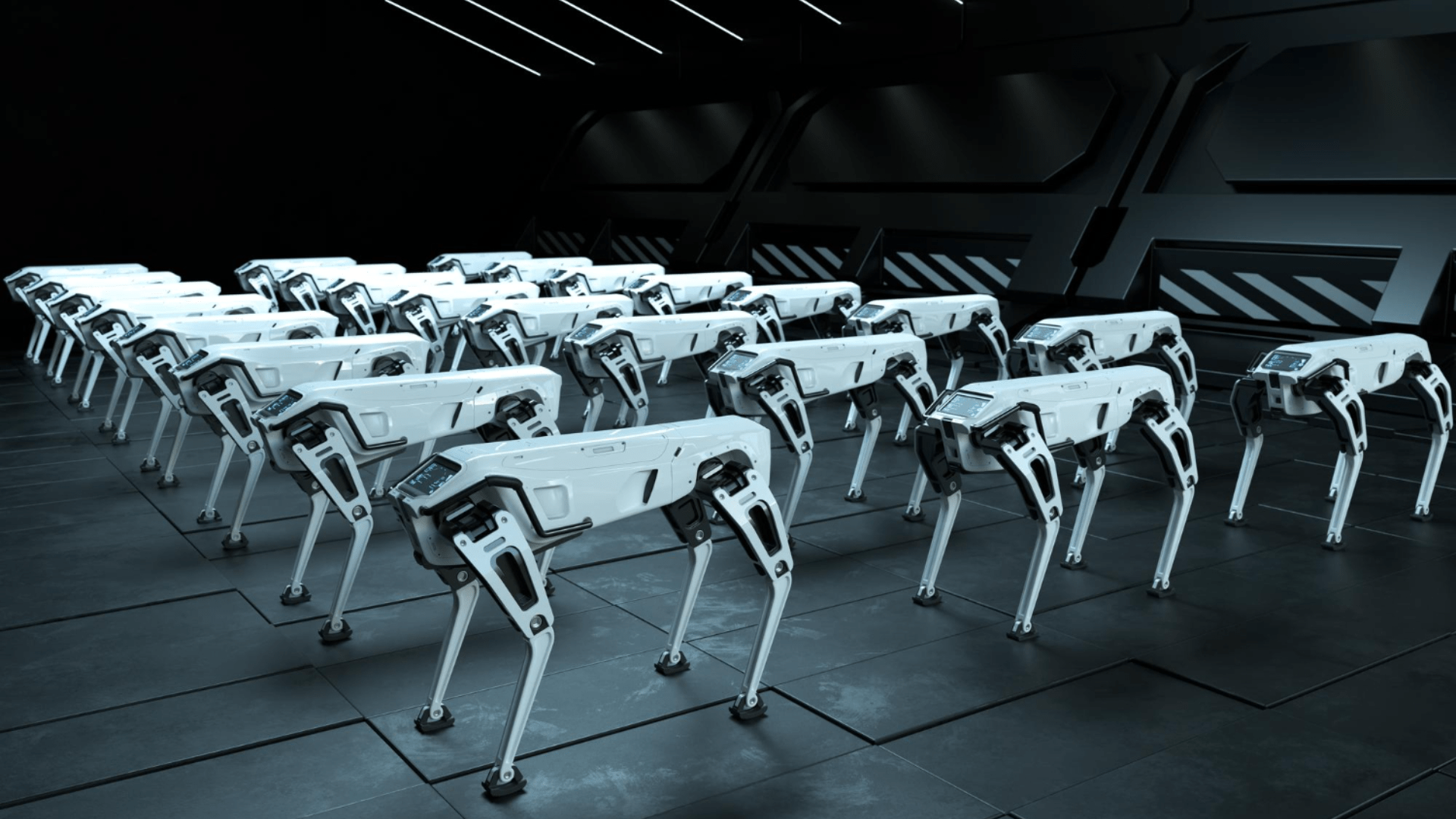
China showcases submarine-launched anti-mine vehicles, robotic combat dogs at defense expo
A new generation of autonomous underwater drones has been developed to detect and neutralize naval mines, marking a significant advancement in maritime security technology. This innovation was unveiled at a recent defense technology conference held in Washington, D.C., where experts gathered to discuss the future of naval warfare. The drones are designed to enhance safety for naval operations by providing a reliable solution to the persistent threat of underwater mines, which pose risks to both military and commercial vessels. The motivation behind this technological breakthrough stems from the increasing need for efficient and effective mine countermeasures in response to evolving maritime threats. By employing advanced sensors and artificial intelligence, these drones can autonomously navigate and identify mines, significantly reducing the risk to human divers and traditional mine-clearing vessels. The development process involved collaboration between defense contractors and military research organizations, leveraging cutting-edge technology to improve operational capabilities. As naval forces worldwide seek to modernize their fleets, this innovation is expected to play a crucial role in enhancing maritime security and ensuring safe passage in contested waters.
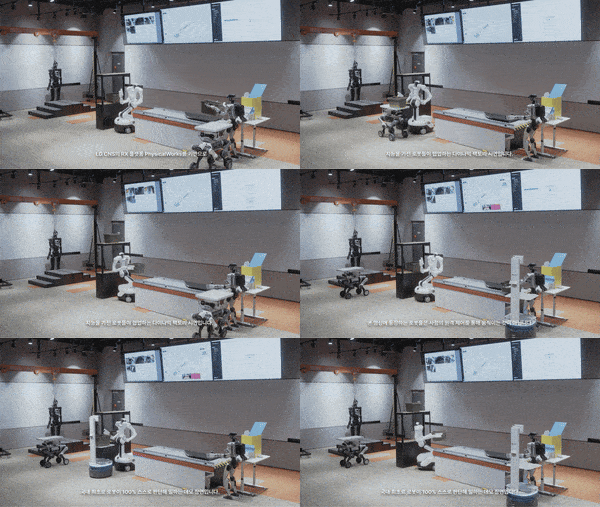
LG CNS enters physical AI race to coordinate rival robots
LG CNS, the IT services division of LG Group and a leading systems integrator in South Korea, has introduced a groundbreaking software platform designed to manage fleets of robots from various manufacturers under a unified control system. This launch took place on Thursday and addresses a longstanding challenge in the robotics industry that typically required extensive custom engineering for coordination. The new platform, named PhysicalWorks, consists of two key components: one module focuses on training robots utilizing simulation and video data, while the other facilitates real-time task assignment and reassignment across diverse robot fleets. This innovative solution aims to streamline operations and enhance efficiency in environments where multiple robotic systems operate concurrently.
All News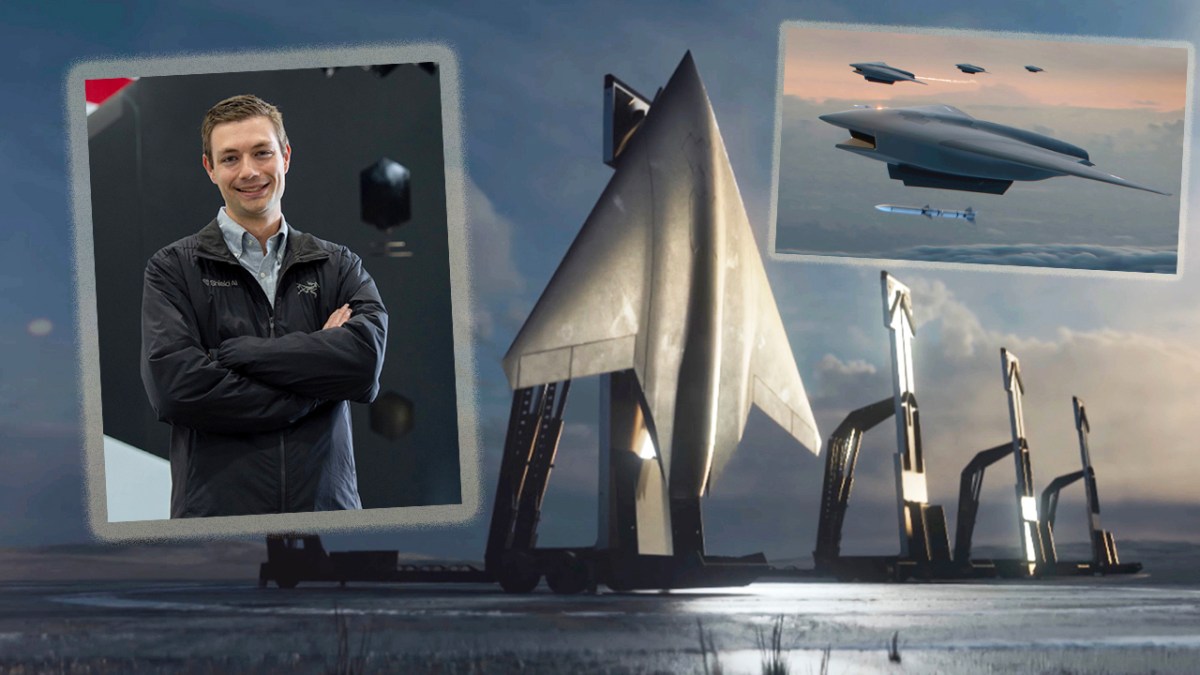
Could The X-BAT Stealth Fighter Drone Change The Air Combat Game?
In an exclusive interview, Armor Harris, the chief designer of the X-BAT stealth fighter drone, discussed the advanced features of the aircraft, including its GE engine, thrust-vectoring controls, and the innovative Hivemind AI 'pilot.' The conversation highlighted the potential impact of the X-BAT on future air combat strategies. Harris outlined the upcoming flight-test plans aimed at demonstrating the drone's capabilities and effectiveness in various combat scenarios. The development of the X-BAT reflects a growing trend in military aviation towards integrating cutting-edge technology to enhance operational efficiency and combat readiness. As defense forces seek to modernize their fleets, the X-BAT could represent a significant shift in aerial warfare tactics.
Air Unmanned
SkyfireAI Raises $11M in Seed Funding to Develop Autonomous Drone Fleet Platform for First Responders and Defense
SkyfireAI, a U.S. startup specializing in drone autonomy, has successfully secured $11 million in seed funding to advance its innovative software solutions. The funding round, primarily led by Mucker Capital, also saw contributions from notable investors including AI Fund, SaaS Ventures, and Halogen. This financial boost aims to enhance the company's capabilities in developing technology that enables organizations to efficiently manage fleets of drones without the need for a proportional increase in pilots or operational staff. The investment comes at a time when the demand for drone coordination and automation is rapidly growing, reflecting a broader trend towards increased efficiency in various sectors.
AI AI Funding & Investment Robotics autonomous drones Mucker Capital Seed Funding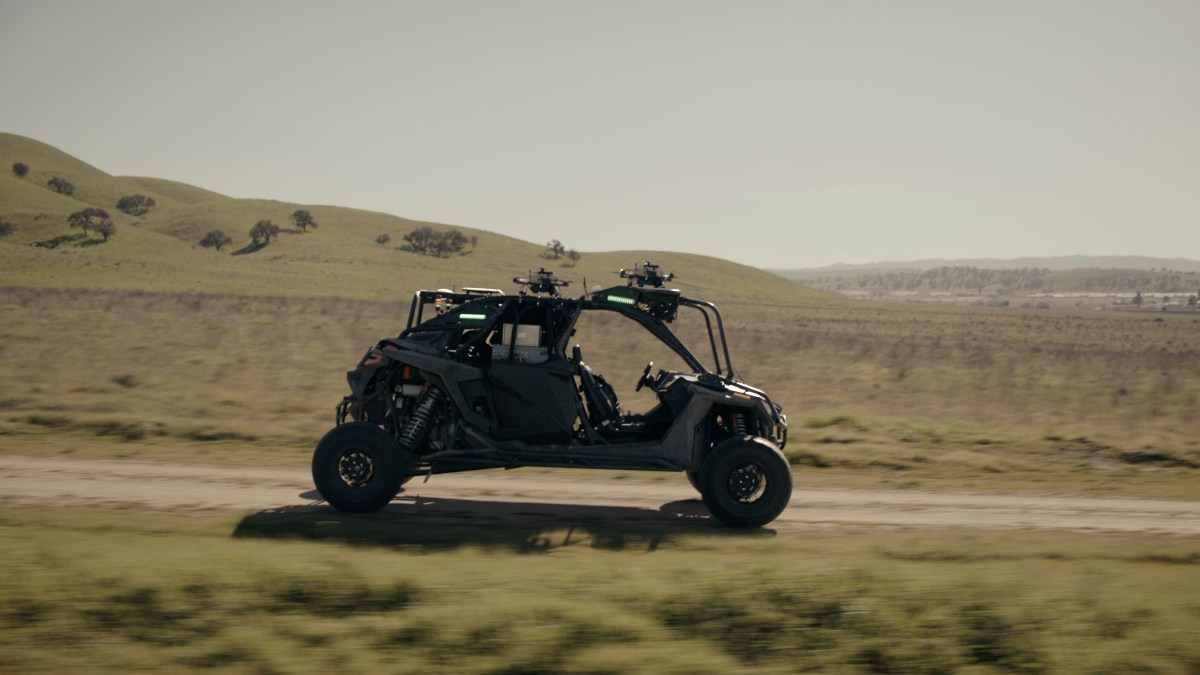
Coby Adcock’s Scout AI raises $100 million to train its models for war. We visited its bootcamp
Scout AI is currently developing advanced AI agents designed to empower individual soldiers with the ability to manage fleets of autonomous vehicles. This innovative training initiative is taking place at Scout AI's dedicated training ground, where the focus is on enhancing military capabilities through cutting-edge technology. The project aims to improve operational efficiency and decision-making on the battlefield by integrating AI systems that can seamlessly coordinate multiple vehicles. As of October 2023, the training program is leveraging extensive data to refine these AI agents, ensuring they are equipped to handle complex scenarios in real-time. This initiative reflects a broader trend in military modernization, emphasizing the importance of automation and artificial intelligence in future combat operations.
AI Robotics Exclusive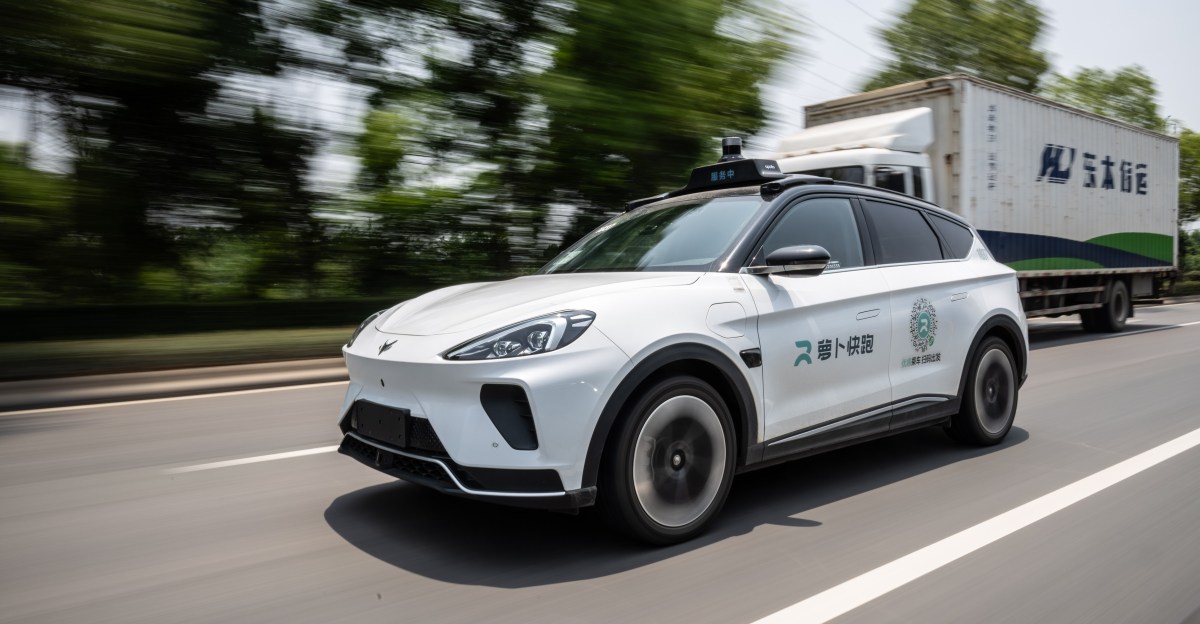
China freezes new robotaxi licenses after Baidu chaos
China has announced a suspension on new licenses for autonomous vehicles, as reported by Bloomberg, following a significant incident involving Baidu's robotaxis. Last month, dozens of these driverless vehicles experienced a malfunction in Wuhan, causing major disruptions in traffic. This decision aims to enhance safety and regulatory oversight in the rapidly evolving autonomous vehicle sector. As a result, companies will be unable to expand their fleets with new driverless cars until further notice, reflecting the government's cautious approach to managing the technology's integration into public spaces.
AI Autonomous Cars News Transportation
Chinese robotaxi firms accelerate global roll-outs as cost edge drives expansion
Chinese robotaxi companies, including Pony AI and WeRide, are rapidly expanding their commercial fleets globally, driven by the advantages of the country's advanced new energy vehicle (NEV) supply chain and enhanced operational efficiency. Executives from these firms highlighted that the robust NEV supply chain has significantly lowered the costs associated with Pony AI's latest seventh-generation robotaxi, bringing the total price—including the vehicle, battery, and autonomous driving technology—down to under 230,000 yuan (approximately US$33,700). This cost reduction positions these companies favorably in the competitive global market, enabling them to accelerate their international rollouts.
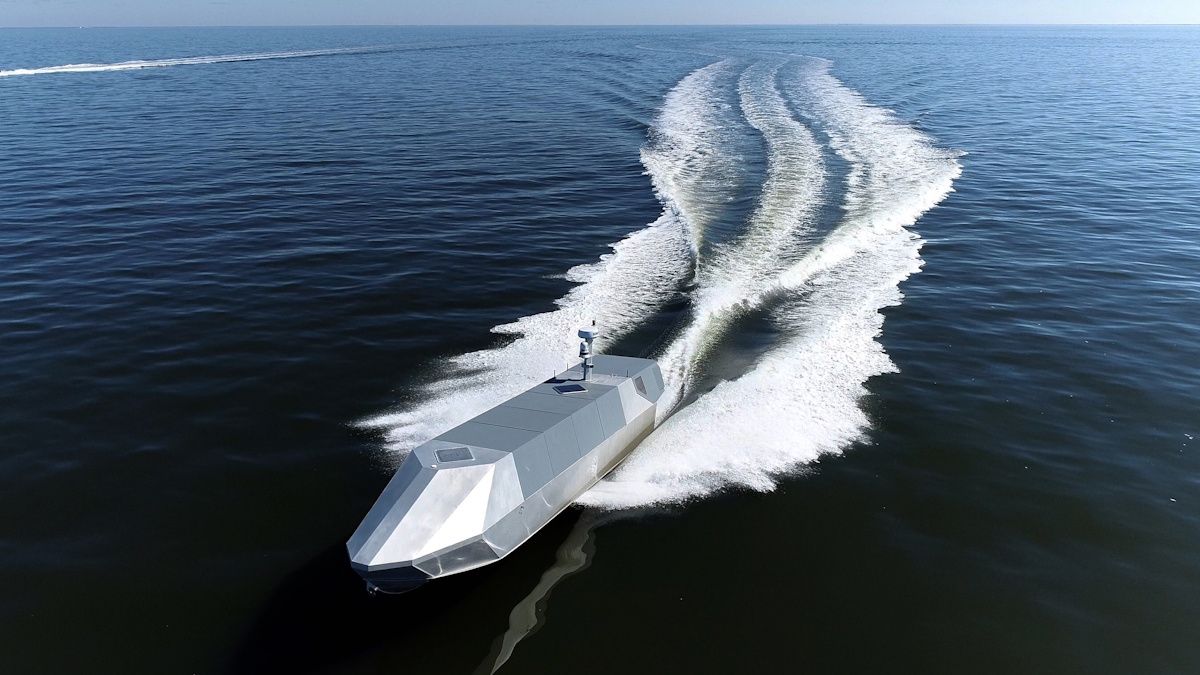
Leidos and Havoc Integrate Capabilities to Advance Maritime and Air Autonomy
Leidos and Havoc have announced a strategic partnership aimed at enhancing unmanned systems through the integration of collaborative autonomy technology. This innovative collaboration will empower a single operator to effectively command and coordinate fleets of unmanned platforms over extensive and contested areas. The initiative is set to revolutionize operational capabilities in various sectors, including defense and logistics, by streamlining control and improving efficiency in complex environments. The partnership reflects a growing trend towards advanced automation in military and civilian applications, responding to the increasing demand for sophisticated unmanned solutions in modern operations.
leidos havoc maritime and air autonomy
Kinematic intelligence lets three different robots learn the same task safely
In modern manufacturing settings, the process of upgrading a fleet of robots frequently requires a complete overhaul, involving both hardware replacement and extensive reprogramming of tasks. This challenge arises because even robots designed for similar functions can have varying joint configurations and movement constraints, rendering programmed tasks incompatible across different models. The inability to transfer skills directly between robots not only complicates upgrades but also raises sustainability and cost-efficiency concerns. Experts emphasize that developing systems that allow for seamless skill transfer could significantly enhance the operational efficiency of robotic fleets, ultimately benefiting manufacturers by reducing downtime and minimizing the need for extensive retraining.
Robotics
Do you trust me? A framework for making networks of robots and vehicles safer
In an era where technology is increasingly interwoven into daily life, the importance of trust and coordination among interconnected systems has come to the forefront. This principle is evident in various domains, from the natural world, where birds fly in formation, to educational settings, where students collaborate on projects. The rise of networks of connected machines, such as self-driving rideshare fleets and smart power grids, underscores the necessity for these systems to operate seamlessly. As these technologies continue to evolve, ensuring that each component can rely on the others is crucial for their effective functioning and overall success. This growing reliance on interconnected systems highlights the need for robust communication and trust mechanisms to facilitate their development and integration into society.
Robotics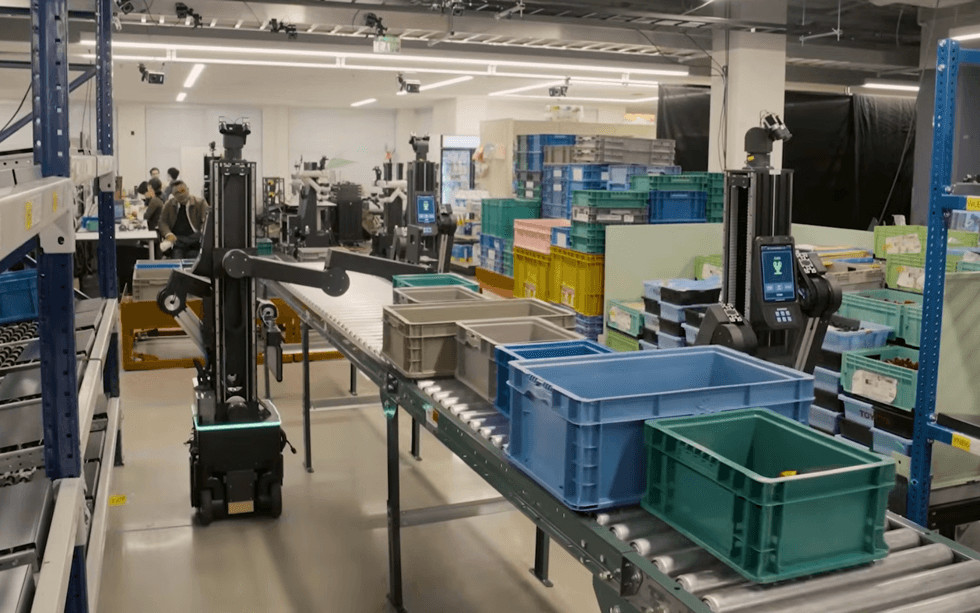
Video Friday: Autonomous Robots Learn By Doing in This Factory
In a recent edition of Video Friday, IEEE Spectrum robotics showcased a variety of innovative robotics projects and developments. Notably, scientists at the Toyota Research Institute are collaborating with Toyota Manufacturing to implement autonomous robots on factory floors, enhancing production efficiency. Zipline shared insights into their drone delivery system, detailing the challenges faced and lessons learned in its development. Humanoid introduced KinetIQ, an AI framework designed for the orchestration of humanoid robot fleets, which integrates task allocation and execution through advanced cognitive layers. Meanwhile, researchers at VISTEC unveiled a decentralized adaptive resilient neural control system (DARCON) that enables legged robots to autonomously adapt to limb loss, ensuring mission success despite mechanical failures. NASA's Jet Propulsion Lab presented an animation of the Perseverance rover's drive along the Jezero Crater, captured on December 10, 2025, showcasing the rover's navigation capabilities. Additionally, Unitree's humanoid robot G1 made its mark on the snowfields of Altay, demonstrating its adaptability in extreme conditions. The Norwegian University of Science & Technology introduced a hierarchical 3D scene graph to enhance autonomous agents' understanding of their environments. Other highlights included the HoLoArm quadrotor, which features compliant arms for improved stability, and SkyDreamer, a pioneering vision-based autonomous-drone racing policy. The event also featured demonstrations of dexterous object manipulation by the AI Worker robot and advancements in swarm robotics for architectural applications.
Video-friday Autonomous-robots Humanoid-robots Industrial-robots Robot-ai Perseverance-rover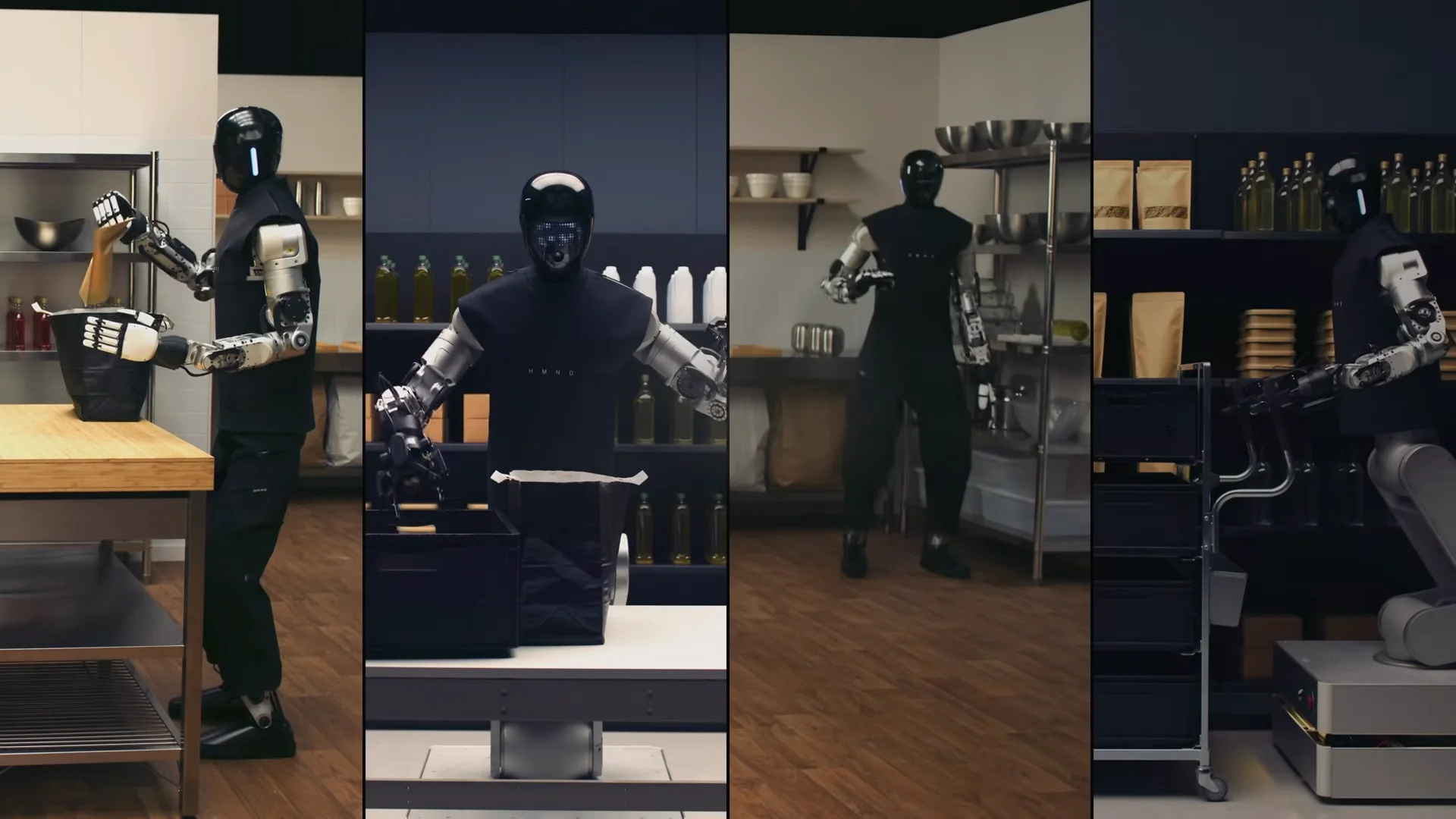
From Fleet to Joint: Inside Humanoid’s KinetIQ "Physical AI" Framework
Humanoid has introduced KinetIQ, an advanced AI architecture aimed at managing robot fleets across various sectors, including retail, industrial, and home environments. This innovative system employs a cross-timescale approach, allowing for seamless coordination and operation of multiple robots simultaneously. The unveiling of KinetIQ marks a significant step forward in robotic technology, enhancing efficiency and adaptability in diverse applications. The announcement was made in October 2023, showcasing Humanoid's commitment to advancing automation and artificial intelligence in everyday settings.
Europe HMND-01 embodied-ai Humanoid
KMP 250P: secure, flexible, compatible
KUKA has announced the expansion of its Autonomous Mobile Robot (AMR) portfolio with the introduction of the KMP 250P mobile platform. This innovative platform is designed to transport goods and components weighing up to 250 kilograms and can be enhanced with an optional lifting unit. The KMP 250P adheres to stringent protection standards, offering versions suitable for cleanroom and electrostatic discharge (ESD) environments. Additionally, the platform features a new “sleep mode” module, which simplifies automation processes, particularly when managing large fleets of robots. This development aims to enhance operational efficiency and flexibility in various industrial settings.
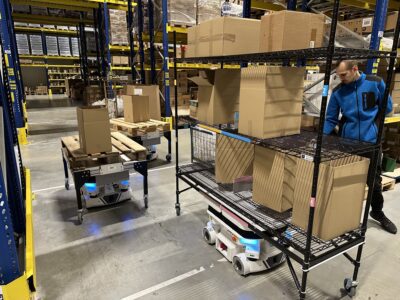
Locus Robotics Achieves CE Certification for High-Payload Vector Robot, Enabling New Possibilities in Flexible Warehouse Automation
Locus Robotics has unveiled its latest innovation, the Locus Vector, which enhances the capabilities of its existing Locus Origin fleets. This new addition, powered by the advanced LocusONE™ platform, aims to optimize warehouse operations by improving efficiency and productivity in logistics. The announcement was made in October 2023, highlighting the company's commitment to advancing automation in supply chain management. By integrating Locus Vector with current systems, Locus Robotics seeks to address the growing demand for streamlined processes in the ever-evolving e-commerce landscape. The deployment of this technology is expected to transform how warehouses operate, ultimately leading to faster order fulfillment and reduced operational costs.

Logistics Industry Investments Indicate Strong Future Confidence
The logistics industry is showcasing a robust investment trend, with companies announcing new warehouse developments and technology projects across Europe. This reflects a strong confidence in future demand and the importance of efficient supply chains for business success. Investment in automation is crucial, but companies are prioritizing solutions that integrate with existing operations and provide clear returns on investment. This pragmatic approach highlights the maturity of the logistics market, as businesses also focus on resilience alongside efficiency to handle disruptions. As the year progresses, the industry is expected to continue its steady evolution, with new facilities, partnerships, and improved transport networks. These developments may not always make headlines but are essential for strengthening supply chains and enhancing overall capabilities in logistics.
AI AMR and AGV Automation Systems and Shuttles Couriers and Express IT in Logistics Materials Handling
AirData UAV and LeoSight Bring Live Drone Data for DFR Programs
LeoSight has announced a new integration with AirData UAV that enables real-time streaming of flight data, telemetry, and operational insights directly into its command software, LeoCommand. This integration aims to enhance collaboration between dispatchers and field teams by providing shared visibility across drone and DFR (Drone First Response) operations. The partnership leverages AirData's status as one of the most widely used platforms in commercial drone operations, allowing public safety agencies to improve their operational efficiency. The integration is expected to streamline communication and data sharing, ultimately enhancing response capabilities in critical situations.
Disaster Response drone fleets Drone News Drone News Feeds emergency response Fire and PoliceRobotics needs a service framework.
RSF defines a common language for robot service capability, lifecycle operations, certification pathways, and service-provider networks.