Industry Briefing
A single destination for timely, editor-curated robotics news from around the world.

5 Common Truck Tire Problems and How to Fix Them
Truck owners are being urged to pay close attention to changes in ride quality, as neglecting these signs can significantly reduce tire lifespan and compromise safety on the highway. Experts warn that failing to address common tire issues can lead to sudden blowouts, posing a serious risk to drivers and others on the road. With the increasing reliance on trucks for transportation and logistics, understanding how to identify and resolve tire problems is crucial for maintaining optimal vehicle performance. Owners are encouraged to regularly inspect their tires and seek professional assistance when necessary to ensure their rigs operate safely and efficiently under pressure.
Engineering automation news commercial vehicles fleet maintenance fleet operations fleet safety
Mach Industries wins DIU contract for maritime, long-range strike drone
The U.S. Navy is pursuing the development of an unmanned aerial system capable of launching from smaller vessels that lack extensive flight decks. This initiative aims to enhance the Navy's long-range strike capabilities, allowing for more versatile and efficient operations at sea. The move comes as part of the Navy's broader strategy to modernize its fleet and adapt to evolving maritime threats. By leveraging unmanned technology, the Navy seeks to extend its operational reach while minimizing risk to personnel and resources. The project is currently in the planning stages, with further details expected to emerge as the Navy refines its requirements and explores potential partnerships with defense contractors.
Air Warfare Naval Warfare Air Force destroyer Drones Navy
Self-driving tech supplier Mobileye targets U.S. robotaxi launch in 2027
Mobileye Global, a leading supplier of self-driving technology, announced on Tuesday its plans to launch a robotaxi service. This initiative marks a significant step in the company's efforts to expand its presence in the autonomous vehicle market. The service is expected to operate in urban areas, providing a new transportation option for city dwellers. Mobileye aims to enhance mobility and reduce traffic congestion through this innovative service, leveraging its advanced technology to ensure safety and efficiency. The launch of the robotaxi service reflects the growing demand for autonomous transportation solutions and the company's commitment to leading the industry in self-driving capabilities.
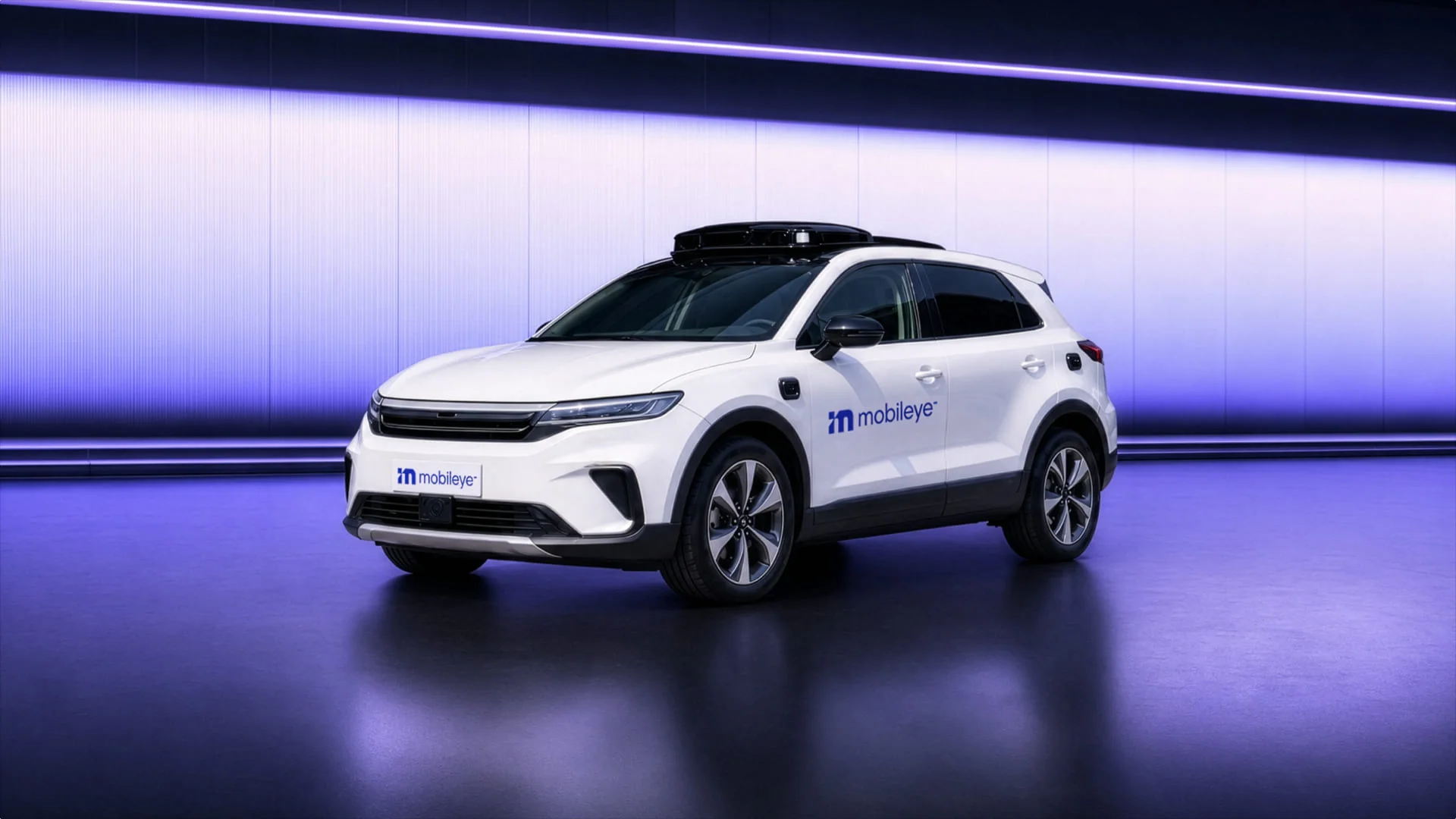
Mobileye To Establish Robotaxi Business
Mobileye, a prominent player in autonomous driving technology, is set to launch its own robotaxi service in the United States by 2027. This move marks a significant shift for the company, which has primarily operated as a supplier of self-driving technology. The new venture will integrate Mobileye's proprietary Drive self-driving system with advanced mobility software and fleet management tools, allowing the company to directly manage autonomous ride-hailing fleets. This expansion into the ride-hailing market reflects Mobileye's ambition to enhance urban mobility and capitalize on the growing demand for autonomous transportation solutions.
AI Robotics autonomous driving Mobileye Moovit Robotaxi
Mobileye to launch robotaxi business in US next year
Mobileye Global announced on June 16, 2026, that it will launch its own robotaxi service in the United States next year, marking a significant move into direct competition with its existing customers in the self-driving technology market. The Jerusalem-based company plans to deploy approximately 100 autonomous vehicles in a major U.S. city by 2027, with ambitions to expand its fleet to around 17,000 vehicles over the next five years. This initiative comes as investment in driverless technology intensifies, prompting companies to seek greater control over deployment and revenue, which is reshaping partnerships within the autonomous vehicle sector. Despite this new venture, Mobileye reassured its clients that it remains committed to its core business of providing advanced driver-assistance systems. Notably, last year, Lyft, a U.S. ride-hailing platform, announced plans to deploy fully autonomous robotaxis in Dallas by 2026, utilizing Mobileye's technology. Following the announcement, Mobileye's shares rose over 5% in premarket trading.
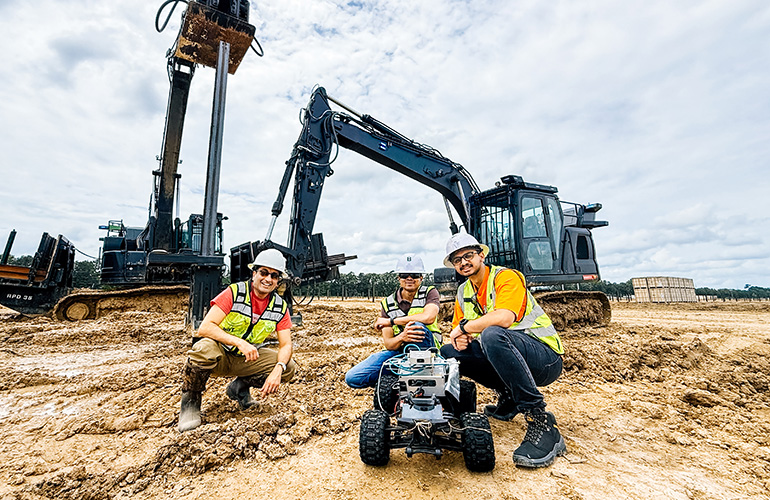
Built Robotics, Penn xLAB to develop physical AI for construction
xLAB and Built Robotics have announced a partnership aimed at enhancing construction site safety through advanced artificial intelligence. This collaboration focuses on capturing additional data to refine AI models that can better predict and mitigate risks in construction environments. The initiative comes at a time when the construction industry is increasingly prioritizing safety measures, driven by the need to reduce accidents and improve operational efficiency. By leveraging innovative technology, the two organizations aim to create a more secure working environment for construction workers. The development of this physical AI is expected to take place over the coming months, with both companies committed to integrating their expertise to achieve significant advancements in the field.
Academia / Research Artificial Intelligence Autonomous Mobile Robots (AMRs) Construction Mining News
European manufacturers unveil new main battle tank variants at Eurosatory
On Monday, KNDS unveiled its latest innovation, the CaPINT MBT, during a presentation aimed at modernizing France's armored vehicle capabilities. This new main battle tank is designed to serve as a replacement for the aging Leclerc fleet, which is anticipated to be phased out by 2037. The introduction of the CaPINT MBT comes in response to the need for advanced military technology that can meet contemporary defense challenges and enhance France's operational readiness. The event marks a significant step in the ongoing evolution of military equipment, as KNDS seeks to address the future demands of armored warfare.
Global Land Warfare Army Europe EUROSATORY 2026 france
Eurosatory 2026: DefSecIntel unveils DroneHive interceptor trailer
DefSecIntel has unveiled DroneHive, an innovative automated multi-cell interceptor trailer designed to enhance aerial defense capabilities. This new system operates in conjunction with the company's advanced EIRSHIELD C2 platform, which is equipped with a variety of sensors for comprehensive situational awareness. The launch took place recently, marking a significant advancement in drone interception technology. The introduction of DroneHive aims to address the growing concerns surrounding unauthorized drone activities and potential threats to security. By automating the interception process, DefSecIntel seeks to improve response times and operational efficiency in protecting sensitive areas. The integration of the EIRSHIELD C2 platform allows for real-time data analysis and decision-making, further bolstering the effectiveness of the interceptor system. This development reflects a broader trend in the defense industry towards leveraging automation and advanced technology to counter evolving aerial threats. As drone usage continues to rise, solutions like DroneHive are becoming increasingly vital for ensuring safety and security in various environments.
News
ABB Robotics and PSYONIC Use Human-Generated Data to Advance Robotic Dexterity
ABB Robotics has partnered with California-based bionics company PSYONIC to enhance robotic dexterity and grasping capabilities by utilizing human-generated data from prosthetic use. Announced on June 16, 2026, this collaboration aims to address the significant challenge of replicating human-like dexterity in industrial robotics, which is essential for the development of Autonomous Versatile Robotics (AVR™). By integrating the PSYONIC Ability Hand with ABB's GoFa™ collaborative robot, the two companies will explore how real-world manipulation data can train robots to perform delicate tasks that are typically difficult to automate. This initiative is expected to reduce engineering time by up to 30% and improve productivity, flexibility, and workplace safety across various industries, including automotive, aerospace, packaging, logistics, and life sciences. Marc Segura, President of ABB Robotics, emphasized the importance of bridging the gap between human and robotic dexterity to enable robots to learn and interact with their environments more intuitively. Dr. Aadeel Akhtar, Founder and CEO of PSYONIC, highlighted that the collaboration will leverage high-fidelity data on movement and grip force to enhance robotic performance in complex tasks. The GoFa™ robot will provide the precision necessary for industrial applications, ensuring consistent execution of intricate movements, which is crucial for handling fragile or irregular objects. This partnership represents a significant step towards advancing physical AI in robotics, allowing for more effective collaboration between humans and machines.
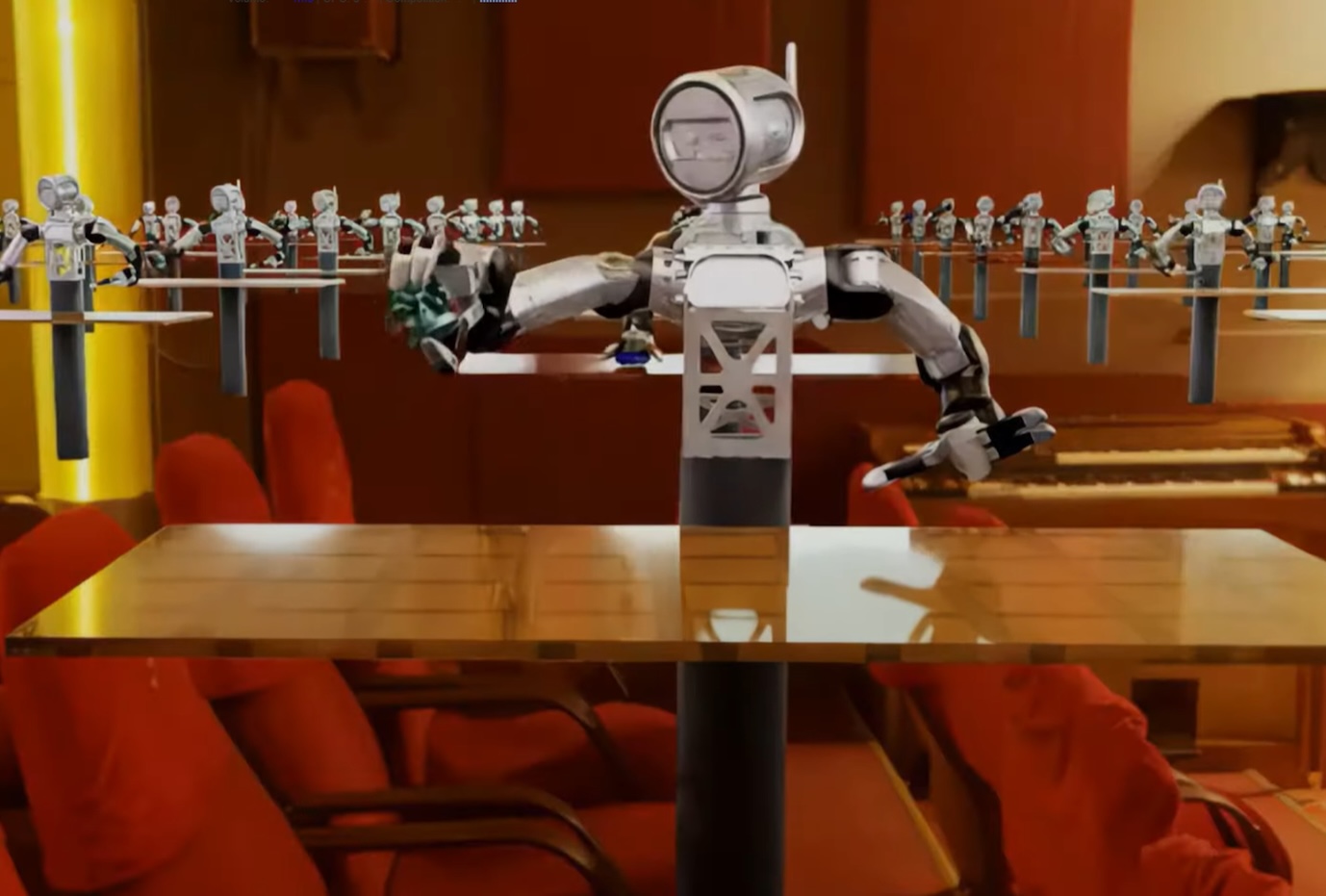
Deep Learning Based Dirt Detection and Cleanliness Evaluation in Autonomous Indian Domestic Concrete Water Tank Cleaning Robot
A recent study published in the Journal of Field Robotics highlights advancements in autonomous robotic navigation. Researchers from a leading robotics institute conducted experiments to enhance the efficiency of robots in complex environments. The study, released in early October 2023, focuses on the integration of advanced algorithms that allow robots to better interpret their surroundings and make real-time decisions. The research was carried out in various challenging terrains, including urban settings and natural landscapes, to test the robots' adaptability. The motivation behind this work stems from the growing demand for autonomous systems in sectors such as agriculture, search and rescue, and urban planning. By improving navigation capabilities, the researchers aim to facilitate the deployment of robots in scenarios where human intervention is limited or dangerous. Through a series of simulations and field tests, the team demonstrated that the new algorithms significantly reduced the time taken for robots to complete tasks while increasing their accuracy in obstacle avoidance. This breakthrough could lead to more reliable and efficient robotic systems, paving the way for wider applications in everyday life. The findings underscore the potential of robotics to transform various industries by enhancing operational efficiency and safety.
RESEARCH ARTICLE
New sub-450-gram mini drone system sustains autonomous surveillance despite GPS jamming
As military forces seek innovative solutions to enhance soldier safety and situational awareness, recent advancements in technology are being explored. These developments aim to provide troops with better protection while ensuring they remain alert to their surroundings. The initiative comes in response to the increasing challenges faced by soldiers operating in high-stress environments, where the balance between safety and awareness is crucial. By integrating cutting-edge wearable devices and advanced communication systems, armies are working to create a more effective and responsive combat experience. This effort is particularly relevant in light of ongoing conflicts and the evolving nature of warfare, which demands that soldiers be both protected and informed. The implementation of these technologies is expected to improve operational efficiency and reduce risks on the battlefield, ultimately enhancing the overall effectiveness of military missions.
Military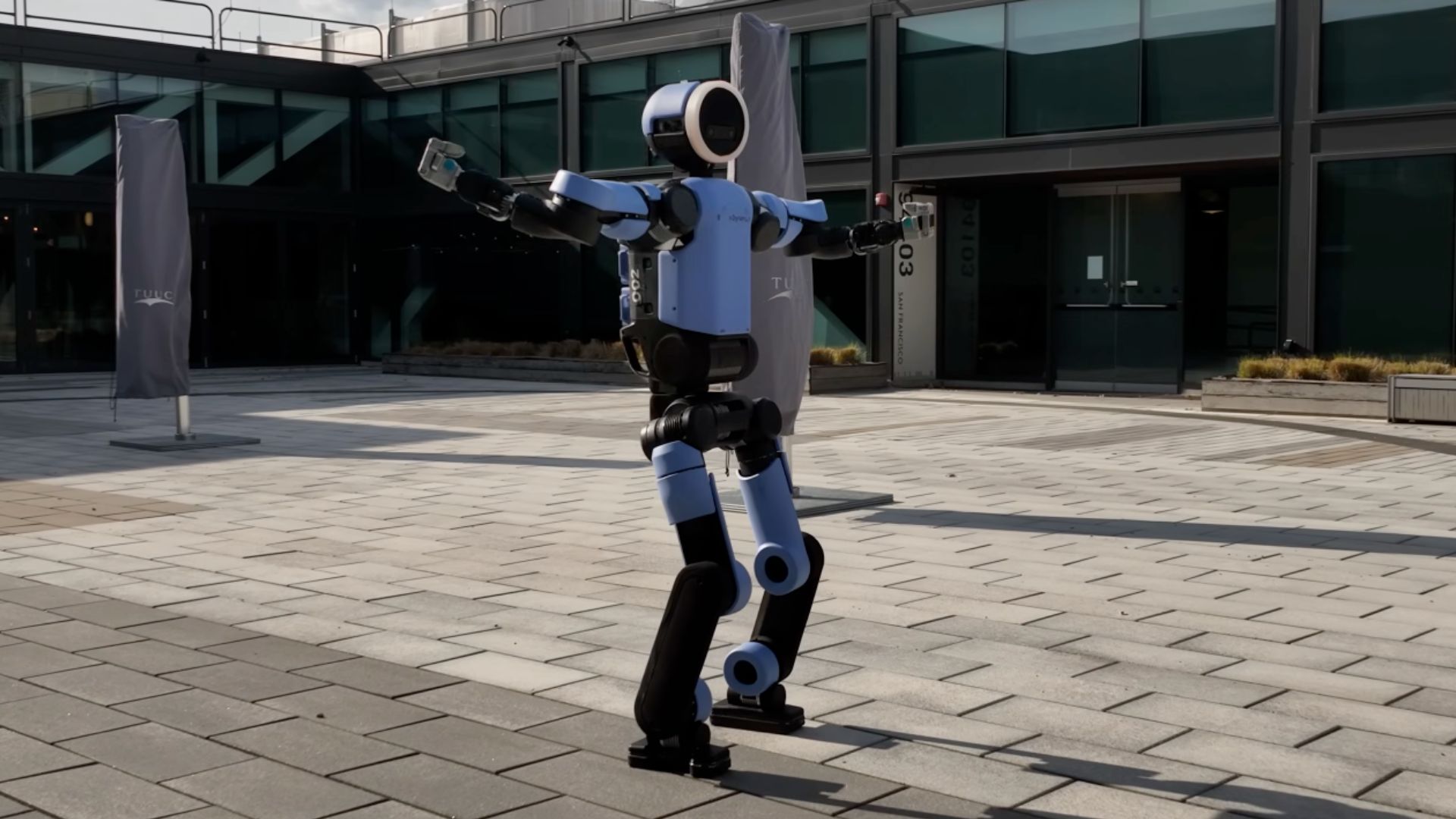
Boston Dynamics Atlas shows signs of general intelligence for factory work, reports say
Recent reports indicate that Boston Dynamics' humanoid robot, Atlas, is nearing the level of autonomy required for practical use in industrial settings. This advancement comes as the company continues to refine Atlas's capabilities, enhancing its ability to navigate complex environments and perform tasks with minimal human intervention. The development is seen as a significant step forward in robotics, potentially transforming various industries by increasing efficiency and safety. Boston Dynamics aims to address the growing demand for automation in sectors such as manufacturing and logistics, where robots can assist in repetitive or hazardous tasks. As the technology progresses, the company is exploring partnerships and pilot programs to facilitate the integration of Atlas into real-world applications.
AI and Robotics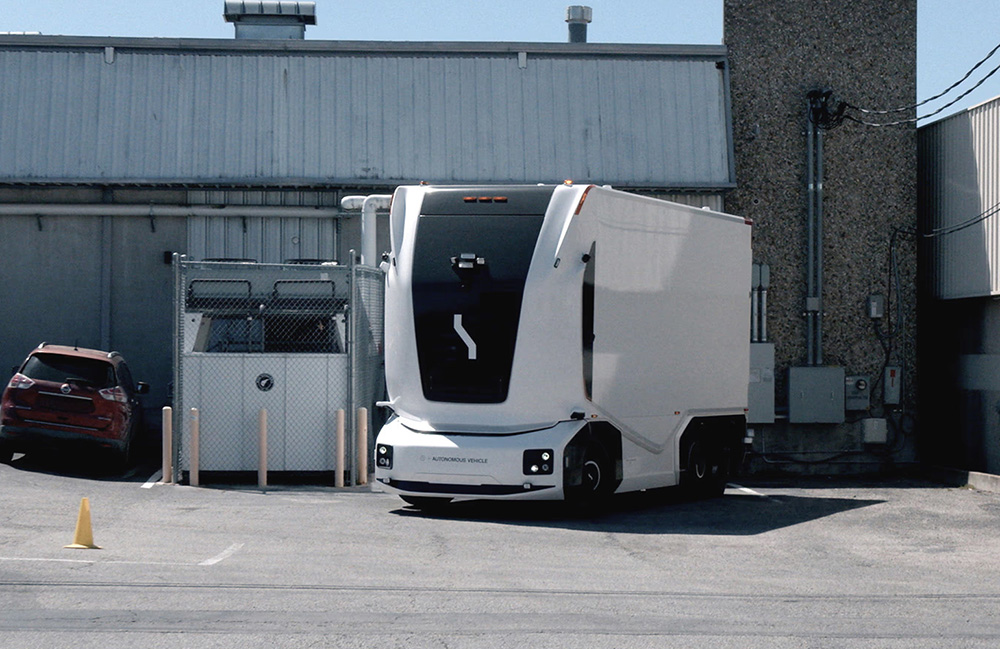
Autonomous freight developer Einride goes public via SPAC
Einride, a Stockholm-based developer of autonomous freight solutions, has announced its plans to go public through a Special Purpose Acquisition Company (SPAC). The company operates a fleet of heavy-duty electric trucks that service Global Fortune 500 companies across the United States and Europe. This strategic move aims to enhance its growth and expand its operations in the rapidly evolving electric and autonomous transportation sectors. By leveraging the SPAC route, Einride seeks to access capital markets more efficiently, positioning itself for future advancements in sustainable logistics.
Artificial Intelligence Artificial Intelligence / Cognition Design / Development Financial Logistics Mergers & Acquisitions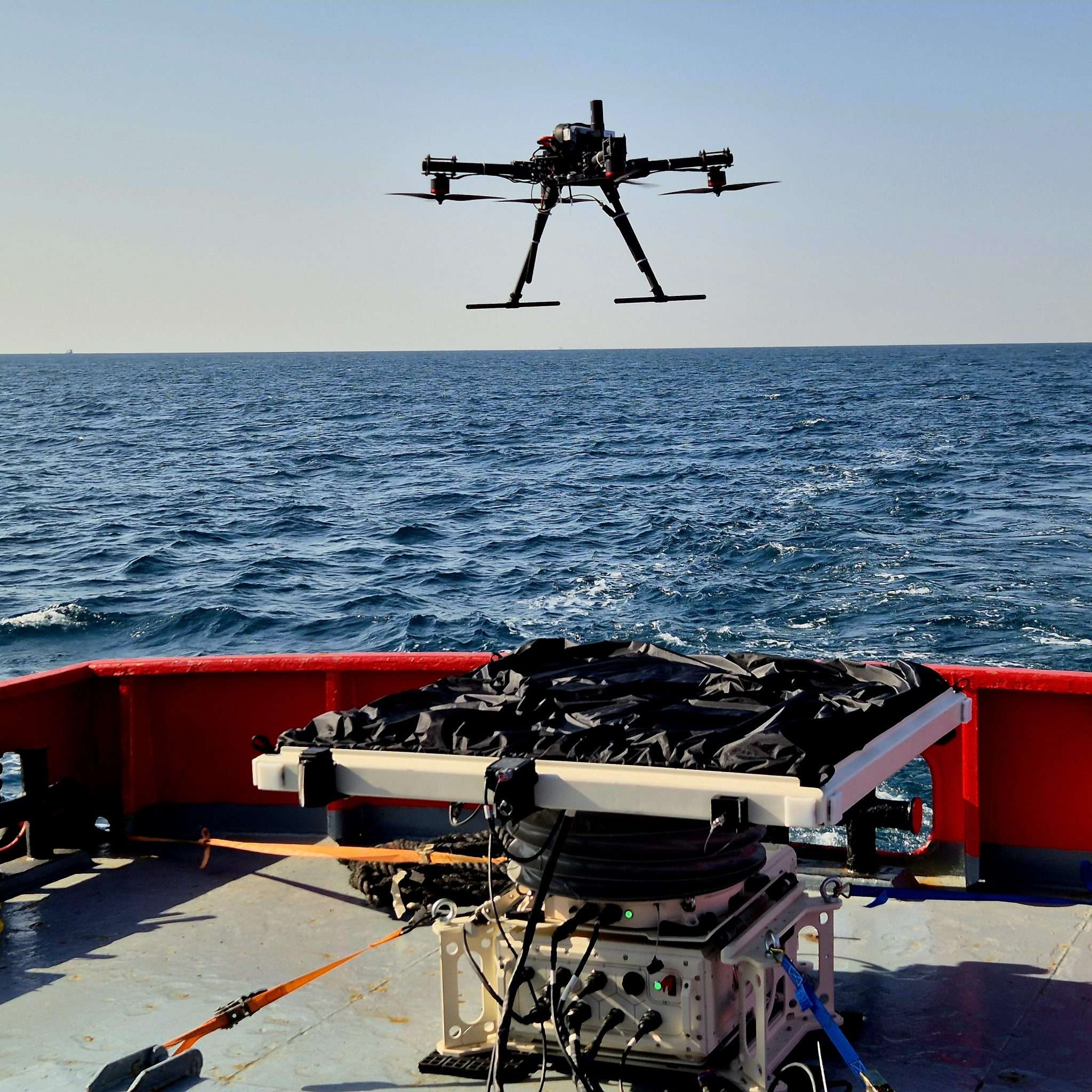
WaiV Robotics Brings Autonomous Drone Recovery at Sea to U.S. Offshore Operators
WaiV Robotics, a London-based maritime autonomous infrastructure developer, has officially launched its services in the U.S. market this week. The company aims to address the increasing challenges faced by offshore energy operators in inspection, maintenance, and emergency response as assets are positioned further from shore. By introducing its innovative autonomous drone launch and recovery technology, WaiV Robotics seeks to enhance operational efficiency for offshore operators across the country. The platform is designed to streamline processes and improve safety in the demanding offshore environment.
Applications Drone News Drone News Feeds Drones in the News News ocean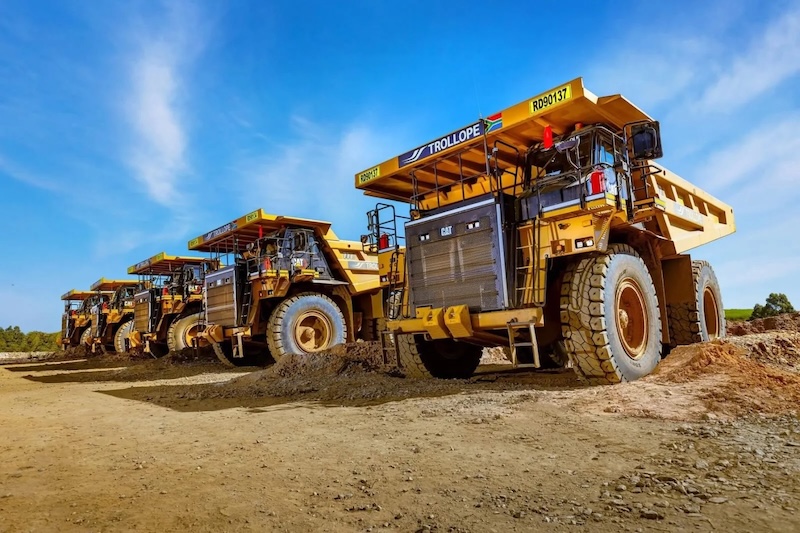
AI, Robotics and Automated Mining: The Future of Excavators and Mining Machinery Parts
The global mining industry is undergoing a significant transformation as it increasingly integrates artificial intelligence, robotics, and full automation into its operations. This shift has led to the widespread adoption of intelligent excavators and driverless mining trucks, which are now considered standard equipment in modern mining practices. These advancements are not only improving operational safety but also significantly boosting production efficiency. As mining machinery evolves, there is a corresponding rise in the standards and demands for high-quality professional mining machinery parts, reflecting the industry's commitment to enhancing performance and reliability in the face of technological change.
Engineering Mining ai in mining automation news autonomous haul trucks autonomous mining equipment
The Week Ahead in AI: Anthropic’s Models Suspended, Meta’s AI Model Monetizing Question, Deepfake Challenges, Plus Upcoming Earnings & Events
Anthropic, a prominent AI company, announced that it has received a directive from the U.S. government requiring the suspension of access to its AI models, Fable 5 and Mythos 5. This development comes as part of ongoing regulatory scrutiny surrounding artificial intelligence technologies. The suspension is set to take effect during the week of June 14-20, 2023, raising concerns about the implications for AI research and development. The government's decision aims to address potential risks associated with these advanced AI systems, reflecting a growing emphasis on safety and ethical considerations in the rapidly evolving tech landscape. As the situation unfolds, industry experts and stakeholders are closely monitoring the impact of this directive on both Anthropic and the broader AI sector.
AI Exclusives Robotics Accenture AI Summit Anthropic
Flexiv to Unveil Next-Generation Adaptive Robots at Automate 2026
Enlight and MICO have made their international debut, showcasing advanced whole-body touch sensitivity and physical AI technology aimed at revolutionizing industrial automation. This significant event took place recently, highlighting the growing trend of integrating sophisticated AI solutions into manufacturing processes. The introduction of these technologies is driven by the need for increased efficiency and precision in industrial operations. By utilizing whole-body touch sensitivity, Enlight and MICO enable machines to interact more intuitively with their environments, enhancing productivity and safety. This innovative approach is expected to transform how industries operate, paving the way for smarter and more responsive automation systems.

Pemba humanoid robot eyes Mount Everest summit after historic 20,312-ft climb
A Unitree G1 humanoid robot is set to embark on a groundbreaking expedition to Mount Everest, showcasing advancements in robotics and exploration technology. The expedition is scheduled for later this year, aiming to push the boundaries of what robots can achieve in extreme environments. This initiative is driven by the desire to gather data and insights that could enhance future mountain climbing safety and efficiency, particularly in harsh conditions where human climbers face significant risks. The robot will be equipped with advanced sensors and navigation systems to navigate the treacherous terrain of the world's highest peak. By utilizing the Unitree G1, researchers hope to demonstrate the potential of robotic assistance in high-altitude exploration, paving the way for future missions that could involve both human and robotic collaboration in challenging environments.
AI and Robotics
Zhi Ping Fang launches NeuroVLA, a brain-like embodied intelligence system.
Recently, Zhi Ping Fang unveiled NeuroVLA, an innovative brain-inspired embodied intelligence system, marking a significant advancement in robotics. This system features a unique three-tier architecture that mimics the human brain, comprising the cortex for semantic understanding and task planning, the cerebellum for high-frequency motion coordination and dynamic correction, and the spinal cord for rapid motion execution and safety reflexes. Experimental results indicate that NeuroVLA can reduce robotic motion jitter by over 75% and achieve reflex responses within 20 milliseconds following a collision, all while significantly lowering system power consumption. This breakthrough aims to enhance the efficiency and safety of robotic operations, positioning NeuroVLA at the forefront of intelligent robotics technology.
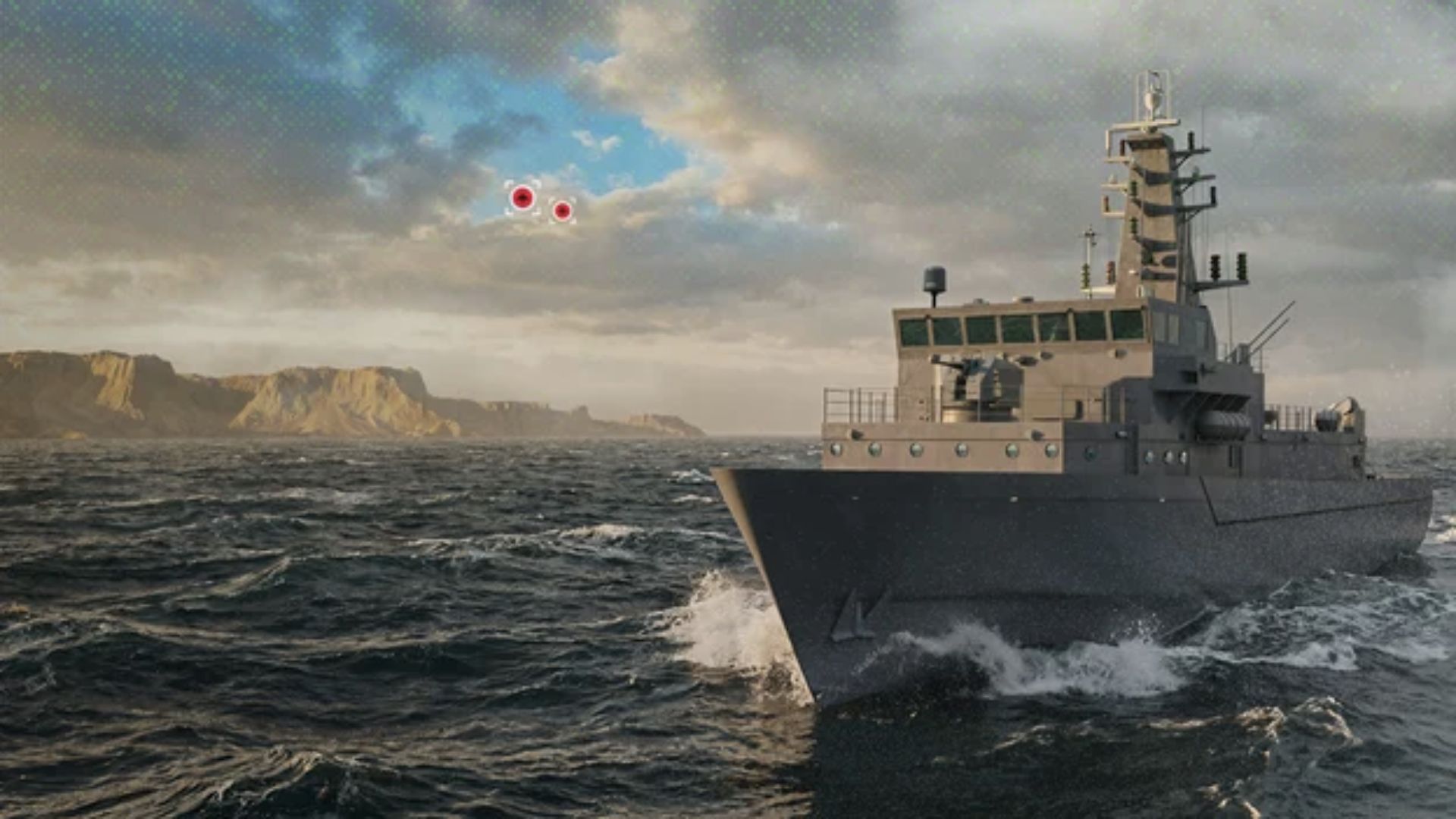
New radar system can detect high-speed drones nearby ports, vessels in extreme environment
A cutting-edge radar system has been developed to enhance the detection of drones operating near ports, vessels, harbors, and other critical maritime areas. This innovative technology aims to bolster maritime security by providing real-time surveillance and threat assessment capabilities. The radar is designed to identify and track drones, which have increasingly become a concern for safety and security in busy maritime environments. The system's deployment is expected to take place in the coming months, with trials set to occur at various strategic locations along coastlines. By integrating advanced detection algorithms and high-resolution imaging, the radar will enable authorities to respond swiftly to potential threats, ensuring the safety of maritime operations and protecting vital infrastructure. This initiative reflects a growing recognition of the need for enhanced security measures in response to the rising prevalence of drone activity in sensitive areas.
Innovation Military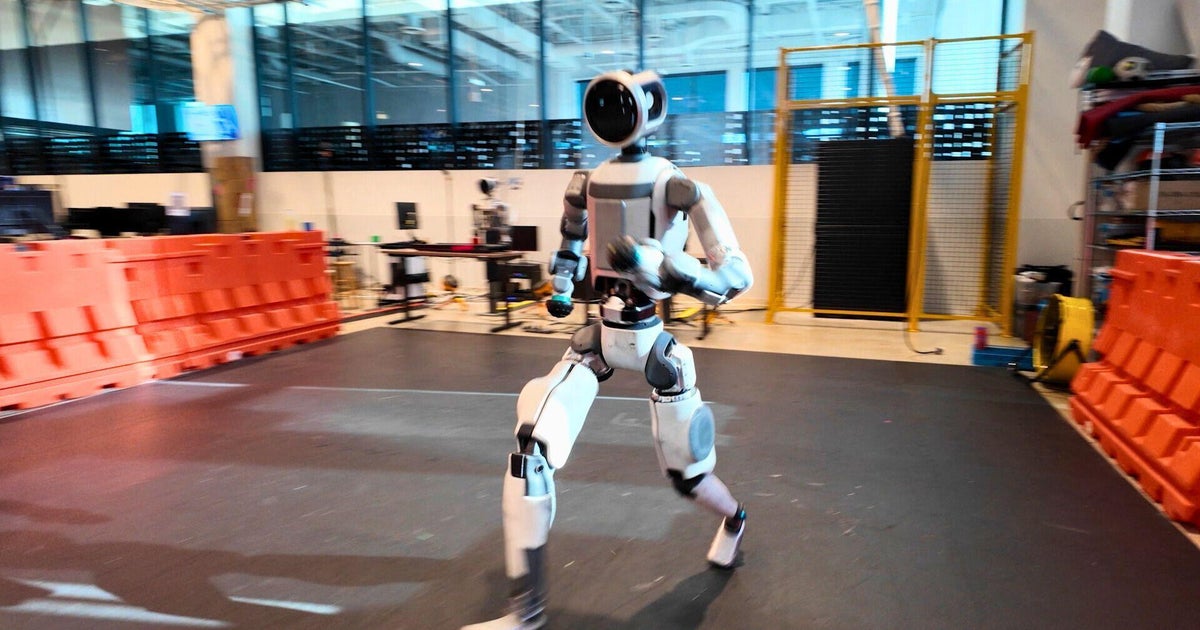
6/14/2026: Here Come the Humanoids; The Empty Rooms; Lamine Yamal
Recent advancements in AI-powered humanoid robots have garnered attention as experts showcase their capabilities and potential applications. Meanwhile, a poignant exploration of the aftermath of school shootings reveals the haunting remnants of classrooms left behind, highlighting the urgent need for discussions on school safety and mental health support. Additionally, a feature interview with rising soccer star Lamine Yamal aired on "60 Minutes," providing insights into his journey and aspirations in the sport. These stories collectively underscore the intersection of technology, societal challenges, and personal narratives shaping contemporary discourse.

Four-legged detection robots for safe firefighting operations
Researchers at TU Graz have developed an advanced detection robot capable of identifying hazardous substances, designed to assist fire services during high-risk operations. This innovative technology serves as a remote-controlled advance guard, enhancing safety and efficiency in emergency situations. A recent study highlights the potential integration of this high-tech tool into fire service teams, demonstrating its effectiveness in supporting personnel on the ground. By employing the robot, fire services can better manage dangerous environments, ultimately aiming to protect both responders and the public.
Robotics
Anthropic blocks international users as US labels top models a national security risk
Anthropic, a leading artificial intelligence company, has announced the suspension of access to its most advanced AI model due to unforeseen technical issues. The decision, made on October 10, 2023, comes as the company aims to address concerns regarding the model's performance and reliability. This move reflects Anthropic's commitment to ensuring the safety and effectiveness of its technology before it is made widely available. The suspension affects users and developers who rely on the AI for various applications, highlighting the challenges faced by AI companies in balancing innovation with responsible deployment. Anthropic is currently working on resolving the issues and has not provided a timeline for when access will be restored.
AI and Robotics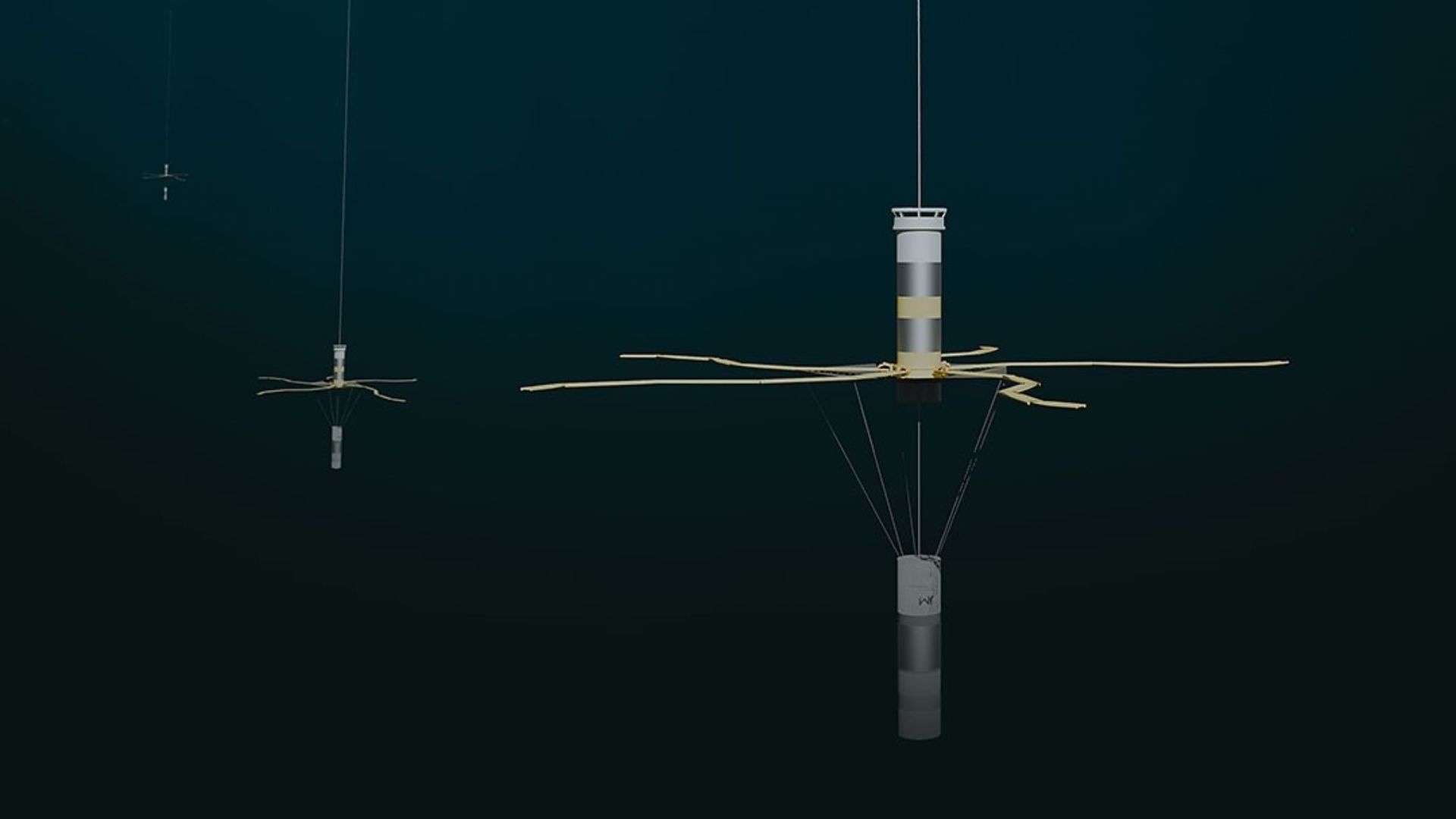
UK trials compact G-size sonobuoy built for autonomous drones hunting submarines
Ultra Maritime has successfully conducted the inaugural in-water deployment trial of its advanced Multistatic Active Receive system. This significant milestone took place recently, marking a key step in the development of the technology designed to enhance maritime surveillance and detection capabilities. The trial was held in a controlled marine environment, allowing the team to assess the system's performance and reliability in real-world conditions. The motivation behind this initiative is to improve the effectiveness of maritime operations, particularly in detecting underwater threats and monitoring marine activities. By utilizing innovative technology and methodologies, Ultra Maritime aims to set a new standard in maritime security solutions. The successful trial demonstrates the potential of the Multistatic Active Receive system to revolutionize the industry and address growing concerns over maritime safety and security.
Military
Robotics Summit panel explores the state of humanoid robot design
At the Robotics Summit & Expo, industry experts gathered to discuss advancements in humanoid robotics, focusing on the potential to reach a price point of $20,000 for these technologies in the near future. The panel highlighted current design innovations and the challenges that remain in making humanoid robots more accessible. This event, held today, served as a platform for sharing insights on the future of robotics and its implications for various sectors. The discussions underscored the growing interest in humanoid robots and the ongoing efforts to enhance their affordability and functionality.
Actuators / Motors / Servos Arms / Manipulators Artificial Intelligence Cameras / Imaging / Vision Design / Development Events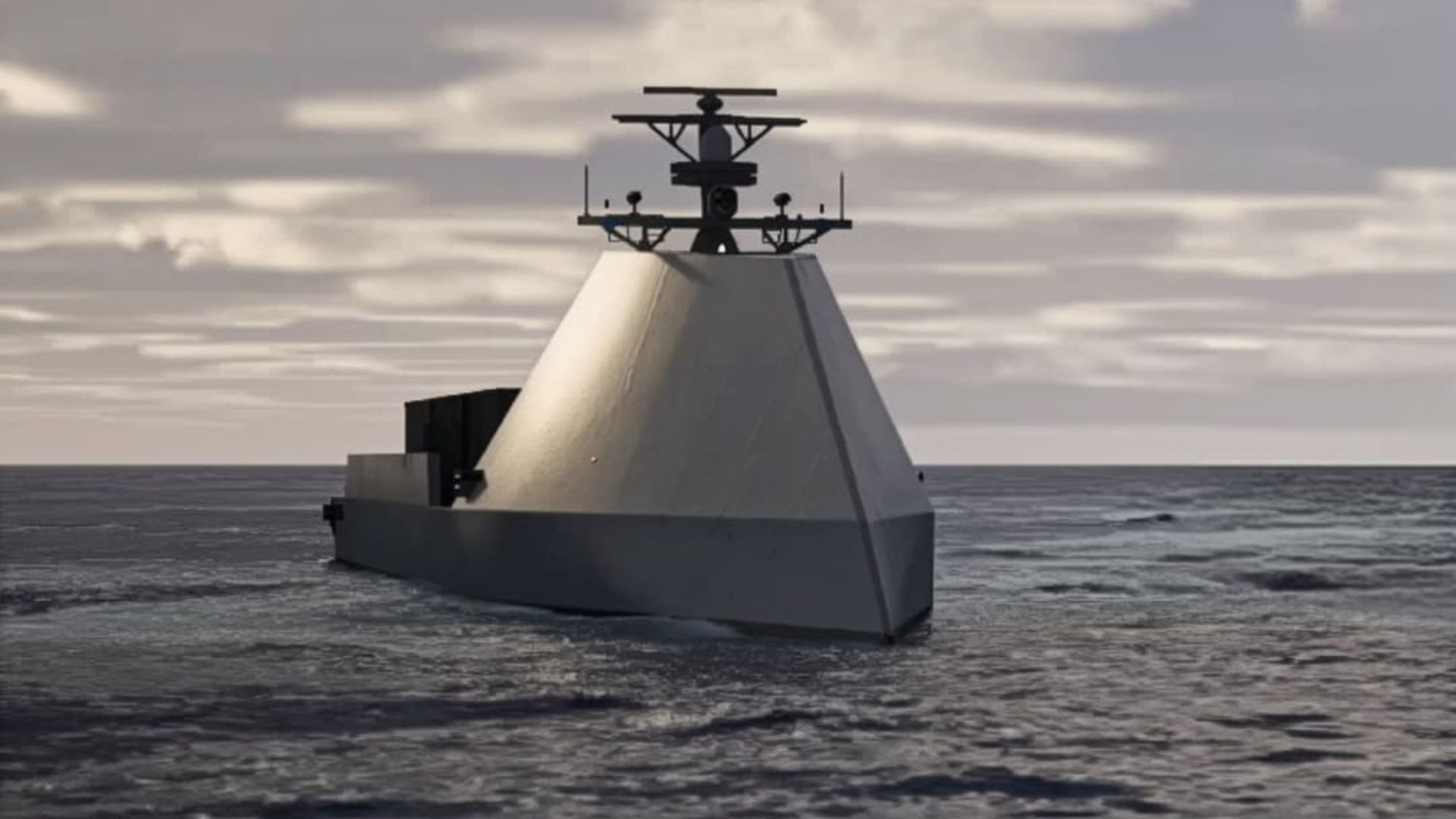
US Navy drone ship gets its own production line to speed up fleet deliveries
Bayou Metals, a key manufacturing partner of defense shipbuilder Huntington Ingalls Industries (HII), has announced the establishment of a new facility aimed at enhancing its production capabilities. This development, which took place in early October 2023, is located in the Gulf Coast region, a strategic area for defense manufacturing. The decision to expand comes in response to increasing demand for advanced materials and components necessary for military vessels. By investing in this new facility, Bayou Metals aims to streamline its operations and improve efficiency, ultimately supporting HII's commitment to delivering high-quality defense products. The facility is expected to create numerous jobs and contribute to the local economy, while also reinforcing the supply chain for the defense sector.
Military
Seattle Stadium “No-Drone Zone” During FIFA Matches
Federal officials have issued a warning to drone operators to refrain from flying their devices near Lumen Field, which will temporarily be referred to as Seattle Stadium, as it prepares to host six matches for the FIFA World Cup 2026 over the coming weeks. The advisory aims to ensure the safety and security of the event, emphasizing the importance of maintaining a clear airspace during this high-profile international tournament. Authorities are particularly concerned about recreational drone use, which could pose risks to both players and spectators. The no-drone zone is part of broader efforts to manage air traffic and protect the integrity of the matches.
Drone News Drone News Feeds News Public Safety safety and security World Cup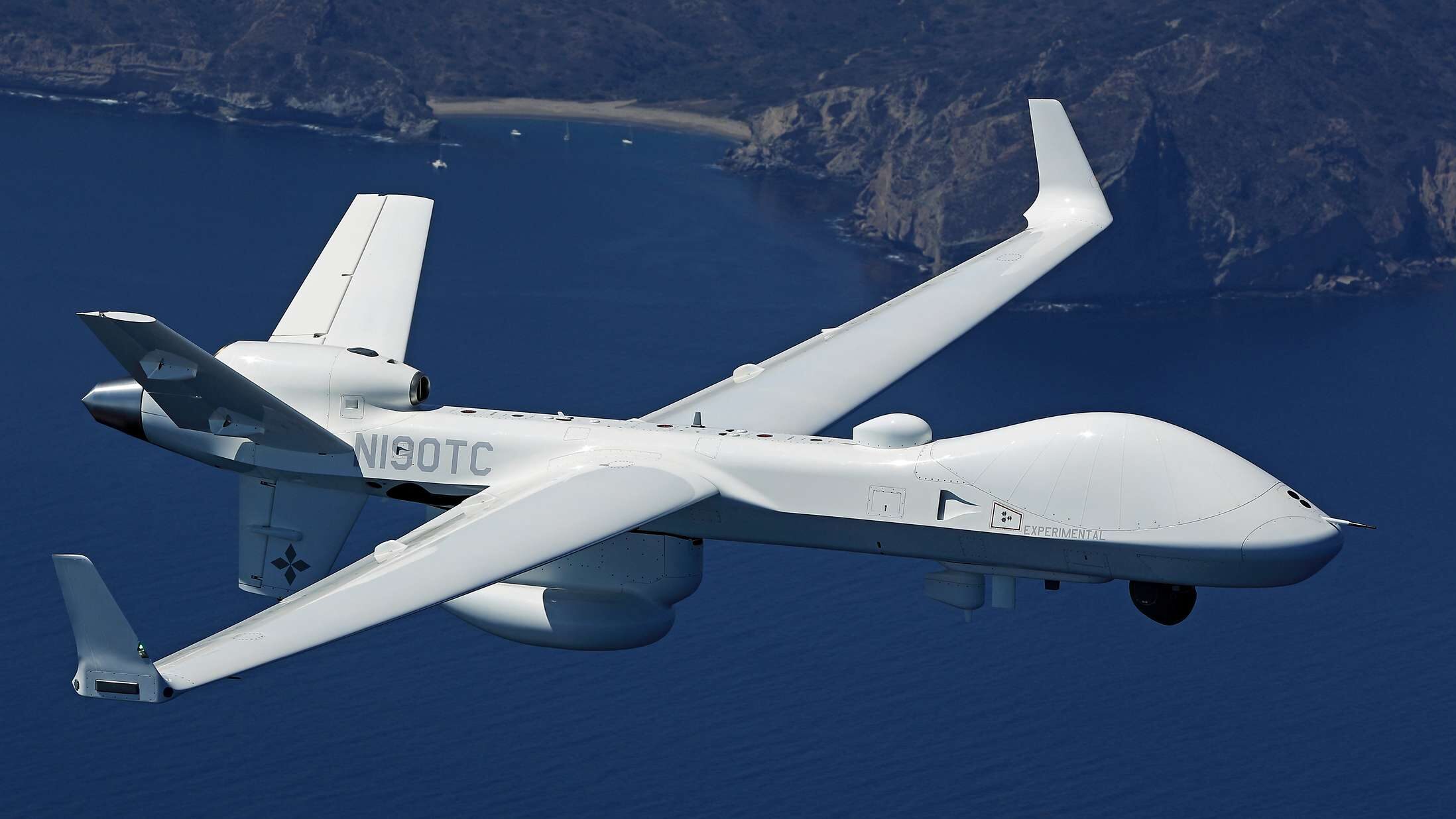
‘The threat is there’: Germany to pair P-8s with MQ-9 drones to keep an eye on Russian subs
The German Naval Aviation Command is set to introduce the MQ-9B, marking the first unmanned system in its operational fleet. Capt. Broder Nielsen, the command's head, emphasized the importance of a gradual integration process, stating that personnel will work closely with the aircraft as they adapt to its capabilities. This initiative reflects Germany's commitment to enhancing its naval aviation capabilities with advanced technology. The timeline for the full operational rollout remains under development, but the focus on a step-by-step approach aims to ensure effective training and operational readiness for the crew.
Global Naval Warfare Boeing Europe General Atomics Aeronautical Systems Germany
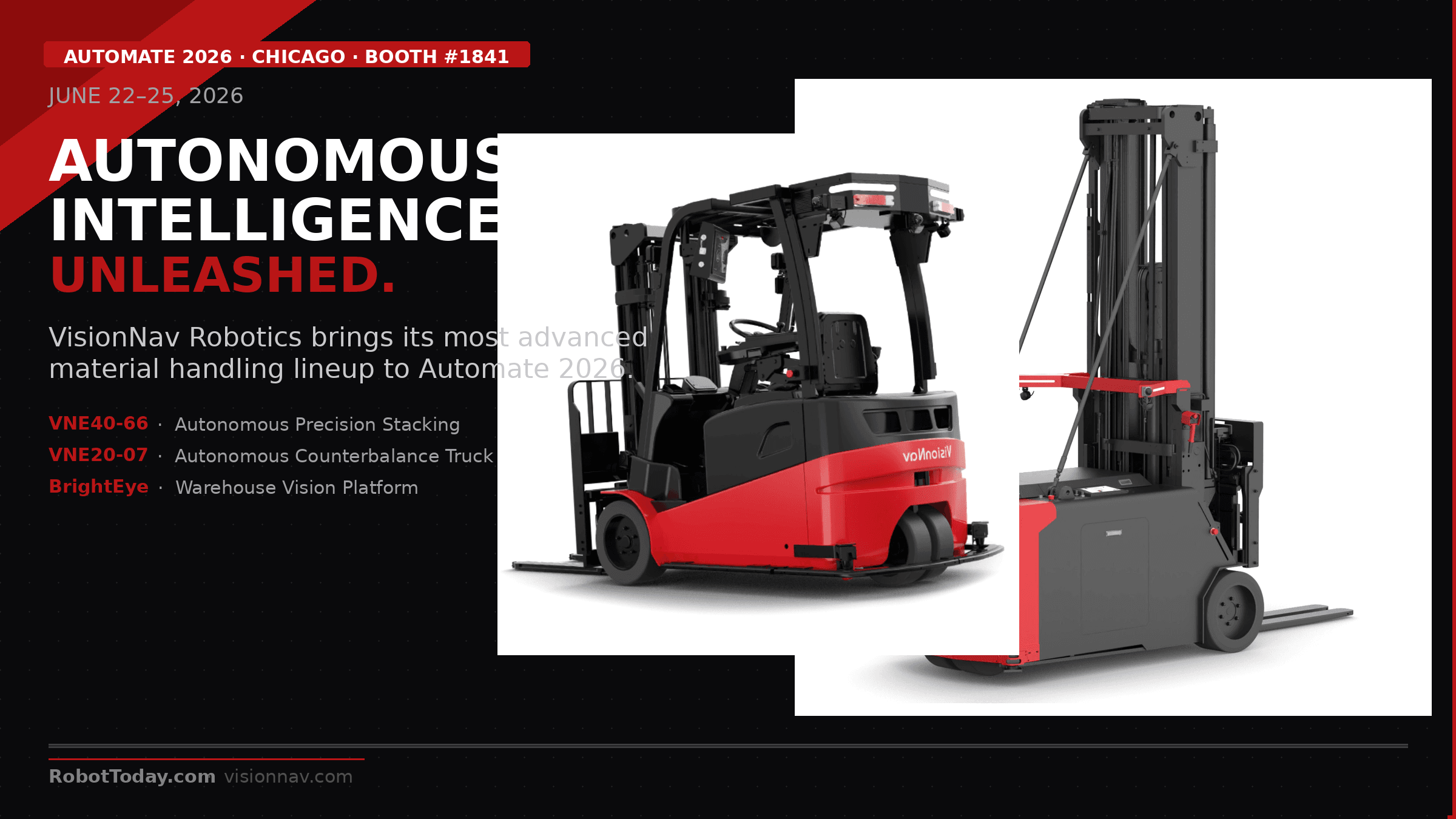
At Automate, VisionNav Robotics to Showcase Autonomous Material Handling Solutions and Intelligent Vision Technologies
A leading logistics technology company is set to showcase its latest innovations in warehouse automation at an upcoming industry trade show. The event, scheduled for next month in Chicago, will feature the company's autonomous precision stacking solution, designed to enhance efficiency in material handling. Additionally, attendees will have the opportunity to explore the capabilities of a new counterbalance truck, which aims to improve safety and productivity in warehouse operations. The company will also present its advanced warehouse visibility platform, which provides real-time data analytics to optimize inventory management and streamline operations. This initiative reflects the company's commitment to addressing the growing demand for automation and efficiency in the logistics sector, driven by the need for businesses to adapt to rapidly changing market conditions and consumer expectations. By integrating cutting-edge technology into their offerings, the company aims to empower warehouses to operate more effectively and reduce operational costs.

Leonardo in ‘advanced’ talks to expand Italian Army’s AW249 combat helicopter fleet
The Italian Army is exploring advanced applications for its AH-249 helicopter, with plans to utilize the aircraft for high-speed, low-level flights to penetrate deep into enemy territory. Marco Marinoni, the head of the AH-249 acquisition program, highlighted this strategic capability as a key feature of the platform. This development reflects the Army's commitment to enhancing its operational effectiveness in modern warfare scenarios. The initiative aims to bolster Italy's defense capabilities and ensure readiness in increasingly complex combat environments.
Air Warfare Global Aerovironment Air Force AW-249 Drones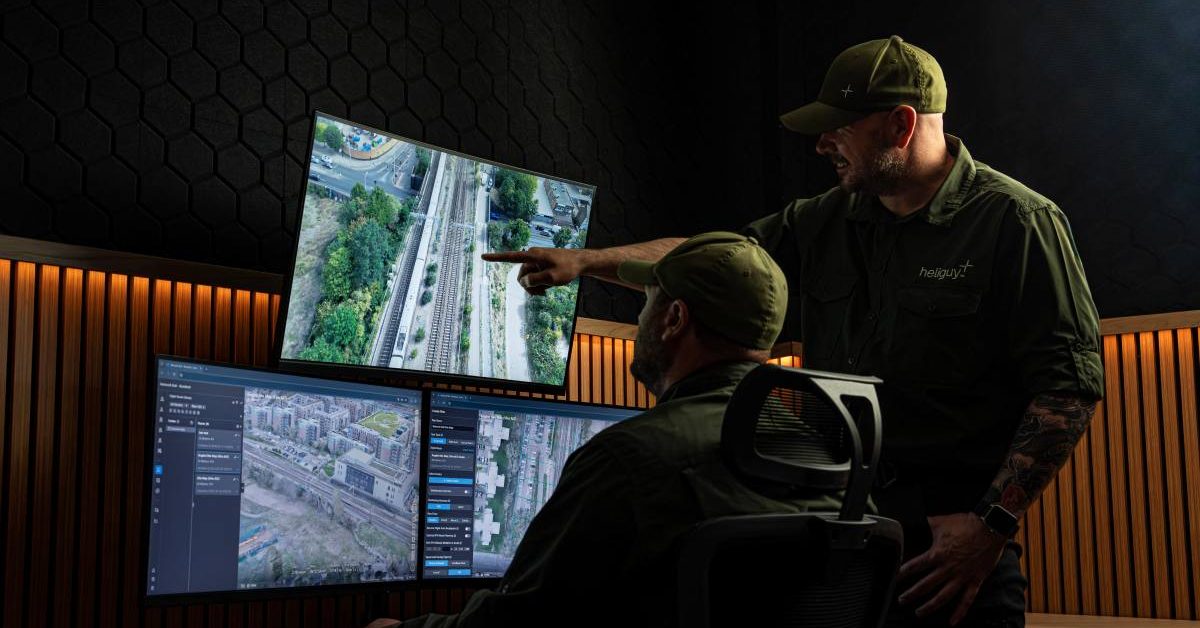
Automated DJI drones are now watching UK railways remotely
Heliguy, a UK-based drone solutions provider, has achieved a pivotal milestone by obtaining a Beyond Visual Line of Sight (BVLOS) authorization from the UK Civil Aviation Authority (CAA). This approval enables Heliguy to perform remote drone operations for Network Rail, a major player in rail infrastructure. The authorization marks a significant advancement in the use of drone technology for railway inspections, potentially eliminating the need for pilots to be physically present trackside. This innovative approach aims to enhance efficiency and safety in monitoring rail infrastructure, reflecting the growing trend of integrating advanced technology in transportation sectors.
News
Krypton Evening News: Token prices drop to a few dollars; OpenAI may significantly reduce product prices; discounted train tickets for
Christian Stein has been appointed as the new CEO of Renault Group Spain, effective July 1, succeeding Josep María Recasens, who is leaving the company for new career opportunities. Stein will also continue in his role as Chief Communications Officer and report to Renault Group CEO François Provost. In a significant shift, General Motors is considering abandoning the use of lithium iron phosphate (LFP) batteries for electric vehicles, despite plans to produce them by the end of 2027 at a joint factory in Tennessee. This decision comes as the company reassesses its battery technology strategy amidst a competitive market. Global prediction markets Polymarket and Kalshi have reported that contracts for the upcoming World Cup champion have surpassed $2 billion, potentially setting a new record for single-event prediction market transactions. In the tech sector, OpenAI is contemplating substantial price reductions for its products to compete with rival Anthropic, as rising costs for AI services have become a concern for executives. Meanwhile, J&T Express has responded to an investigation by China's State Post Bureau, emphasizing its commitment to cooperate fully and improve safety management practices in light of the inquiry. AliExpress, Alibaba's cross-border e-commerce platform, has launched official local delivery services in five countries, including the U.S. and Spain, aiming to enhance logistics efficiency for merchants. In product news, Insta360 has unveiled the Luna Ultra, the world's first 8K dual-camera gimbal, which sold out shortly after its launch on June 10. Lastly, Neura Robotics, a German robotics firm, has secured $1.4 billion in funding to accelerate its development of a leading physical AI platform, with backing from major investors like Amazon and NVIDIA.

China’s robotic snakes slither across power lines to spot faults before failure
China has introduced robotic snakes to enhance the inspection of power lines, aiming to ensure a stable electricity supply across the nation. This innovative technology was rolled out recently as part of a broader initiative to improve infrastructure maintenance and reduce the risks associated with manual inspections. The deployment of these robotic devices is particularly significant given the increasing demand for reliable energy sources in the country. By utilizing advanced robotics, the initiative seeks to minimize human error and enhance safety for workers who traditionally perform these inspections. The robotic snakes are designed to navigate complex environments, allowing for thorough examinations of power lines that may be difficult for humans to access. This move reflects China's commitment to leveraging technology in its energy sector, ultimately contributing to a more resilient and efficient power grid.
AI and Robotics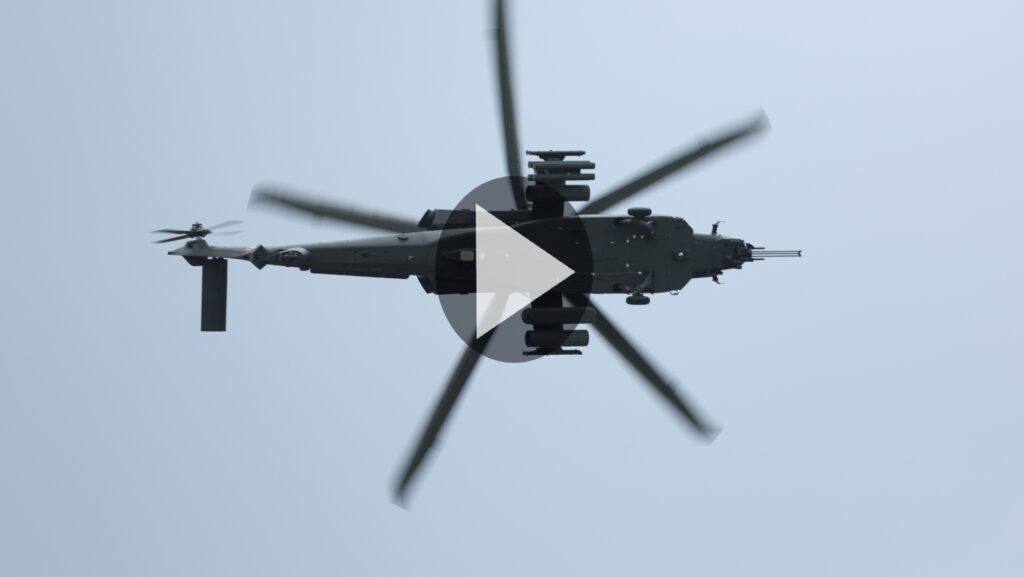
Talking Italian attack helos and skyrocketing air defense demand at the Berlin Air Show
On the second day of the German aerospace expo, Tim Martin and Elisabeth Gosselin-Malo from Breaking Defense reported on the latest developments and innovations showcased at the event. Taking place in Germany, the expo serves as a significant platform for industry leaders and stakeholders to gather and discuss advancements in aerospace technology. The event aims to foster collaboration and drive progress in the sector, highlighting the importance of innovation in addressing current and future challenges. Attendees are engaging in discussions and demonstrations that showcase cutting-edge technologies and solutions, reflecting the industry's commitment to enhancing safety, efficiency, and sustainability in aerospace operations.
Air Warfare Global Air Force CCA Europe Future Combat Air System FCAS SCAF
Four-legged robot dog spots hazardous toxins before firefighters enter danger zones
A groundbreaking four-legged robot dog, engineered to identify toxic substances, is poised to serve as a first responder in hazardous situations. Developed by a team of researchers and engineers, this innovative technology aims to enhance safety protocols in environments where chemical exposure poses significant risks. The robot's deployment is anticipated to occur in the coming months, with trials set to take place in various industrial settings and disaster response scenarios. The motivation behind this advancement stems from the increasing need for effective monitoring and rapid response to chemical spills and leaks, which can have dire consequences for both human health and the environment. By utilizing advanced sensors and artificial intelligence, the robot dog can navigate challenging terrains and provide real-time data on toxic substance levels, allowing human responders to make informed decisions. As the project progresses, the team is focused on refining the robot's capabilities and ensuring its reliability in real-world applications. This initiative represents a significant step forward in the integration of robotics into emergency response, potentially revolutionizing how hazardous situations are managed and mitigating risks associated with toxic exposures.
AI and Robotics
Seeing through a robot's eyes: Augmented reality helps humans predict machine behavior
As robots expand their presence beyond factories into various sectors such as healthcare, logistics, and public areas, the need for clear communication regarding their actions has become crucial. This shift is occurring in response to the growing integration of robotic technology in everyday environments, prompting concerns about safety and efficiency. Experts emphasize that understanding robot behavior is essential for fostering trust and collaboration between humans and machines. To address this challenge, researchers and developers are exploring innovative ways to enhance the transparency of robotic functions, ensuring that individuals can anticipate and comprehend the robots' movements and tasks. This initiative aims to facilitate smoother interactions and improve overall operational effectiveness in diverse settings.
Robotics
Scientists discover a strange property in rice and turn it into a smart material
Researchers have made a groundbreaking discovery regarding the behavior of rice, revealing that it weakens under rapid compression while maintaining strength under slow pressure. This unique property has led to the development of a novel material that can dynamically adjust its stiffness in response to different types of force. The findings, which were published recently, highlight the potential for creating safer soft robots and protective gear that can instantly react to impacts. This innovative approach could significantly enhance the safety and functionality of various applications, from robotics to personal protective equipment, by allowing these materials to adapt to sudden collisions while remaining resilient during gentle movements.

New imaging system sees through murky waters
A groundbreaking technology known as “Sonar-MASt3R” has been developed to enhance underwater mapping capabilities by integrating sonar and visual data. This innovative system is capable of producing real-time 3D maps, significantly improving navigation and exploration in challenging environments, including cloudy water conditions. The technology was unveiled in October 2023, showcasing its potential to revolutionize marine research and underwater operations. By combining different data sources, Sonar-MASt3R addresses the limitations of traditional mapping methods, offering clearer and more accurate representations of underwater landscapes. This advancement is expected to benefit various sectors, including environmental monitoring, maritime safety, and underwater archaeology, by providing researchers and professionals with reliable tools for better decision-making in aquatic environments.
Research Robotics Computer vision Imaging Sensors Oceanography and ocean engineering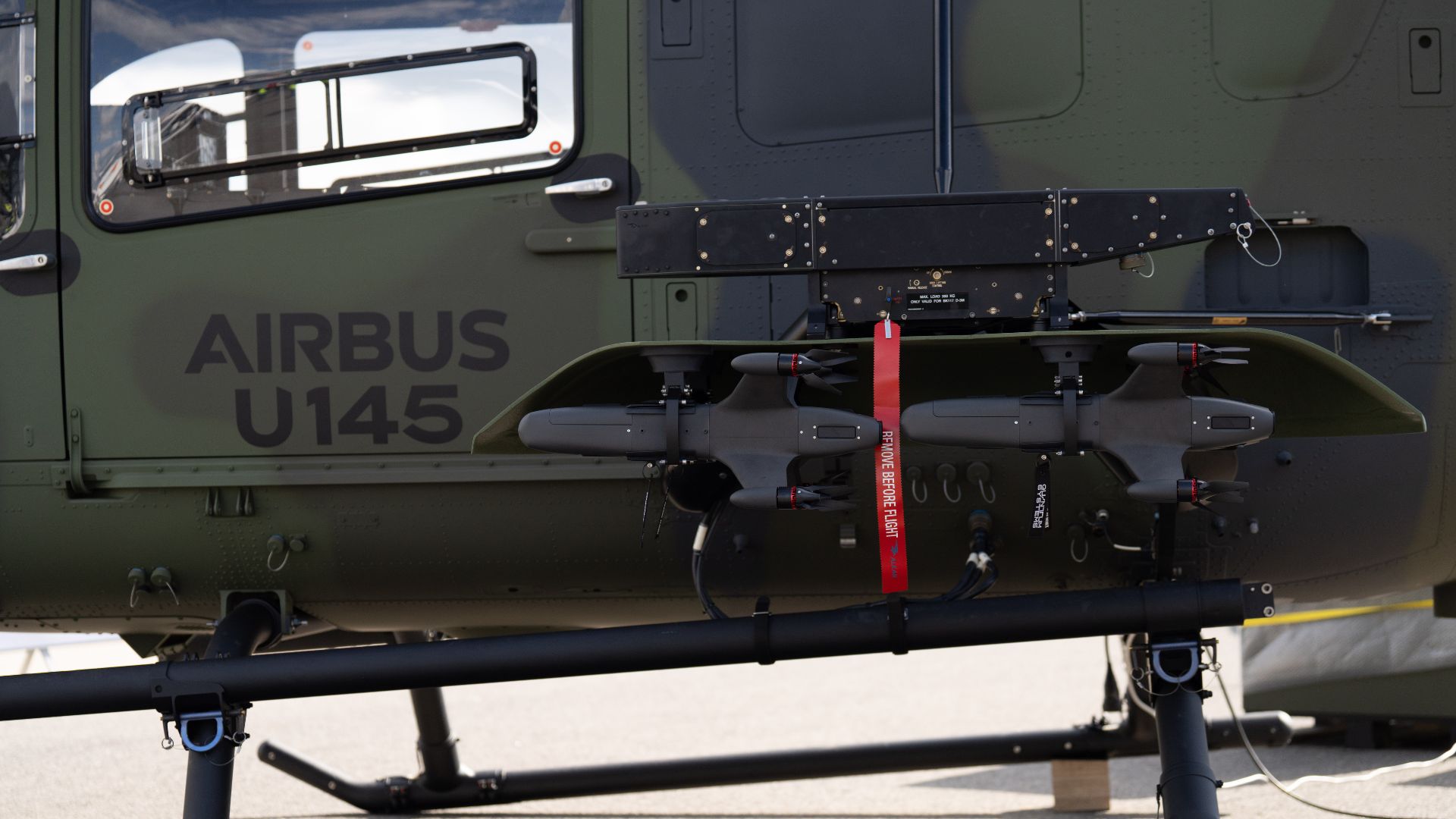
Airbus modifies H145M helicopter to deploy interceptors against tactical drone swarms
Airbus Helicopters, in collaboration with German defense officials, is responding to the increasing threats posed by small attack drones to military helicopters. This initiative comes amid heightened concerns regarding the vulnerability of aerial vehicles in modern combat scenarios. The partnership aims to enhance the defensive capabilities of helicopters, ensuring they can effectively counteract the risks associated with drone warfare. By integrating advanced technologies and innovative strategies, the companies seek to bolster the safety and operational effectiveness of military aviation. This development is particularly timely given the evolving landscape of aerial threats, which has prompted defense sectors worldwide to reassess their strategies and equipment. The collaboration highlights a proactive approach to addressing emerging challenges in military operations.
Military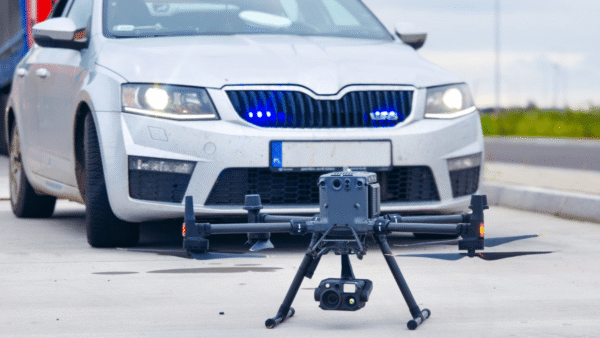
AirData UAV and LeoSight Bring Live Drone Data for DFR Programs
LeoSight has announced a new integration with AirData UAV that enables real-time streaming of flight data, telemetry, and operational insights directly into its command software, LeoCommand. This integration aims to enhance collaboration between dispatchers and field teams by providing shared visibility across drone and DFR (Drone First Response) operations. The partnership leverages AirData's status as one of the most widely used platforms in commercial drone operations, allowing public safety agencies to improve their operational efficiency. The integration is expected to streamline communication and data sharing, ultimately enhancing response capabilities in critical situations.
Disaster Response drone fleets Drone News Drone News Feeds emergency response Fire and Police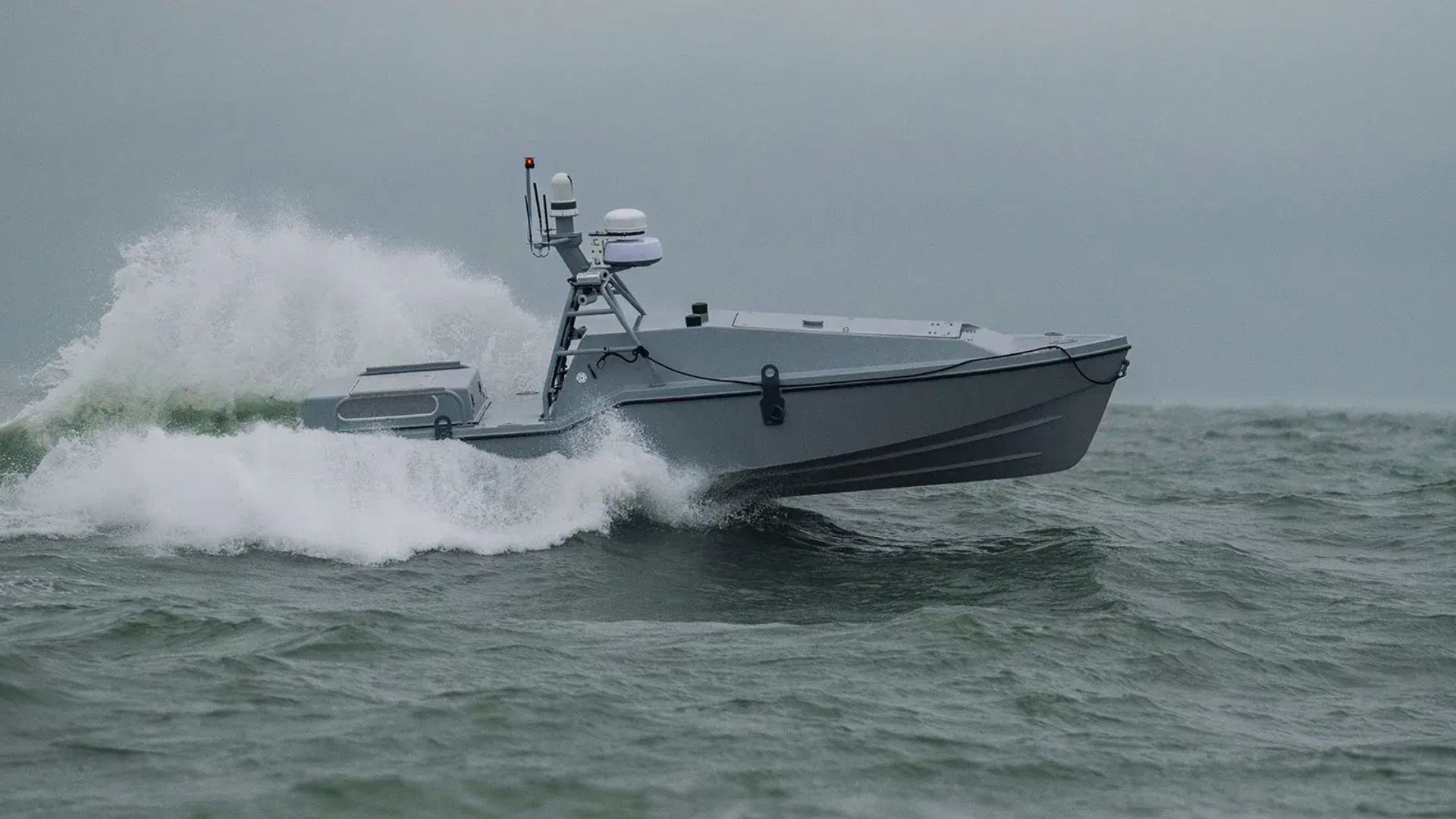
First-ever drone boat rescue: US Navy vessel pulls out two downed pilots from sea
A U.S. Navy unmanned surface vessel successfully conducted a rescue operation for two Army pilots whose AH-64 Apache helicopter had crashed. The incident occurred on a training mission off the coast of California on Tuesday. The unmanned vessel, equipped with advanced technology, was able to locate the pilots quickly and facilitate their safe retrieval from the water. This operation highlights the increasing role of unmanned systems in military rescue missions, showcasing their effectiveness in enhancing operational capabilities and ensuring the safety of personnel in distress. The successful rescue underscores the collaborative efforts between the Navy and Army in conducting joint operations and responding to emergencies in challenging environments.
Military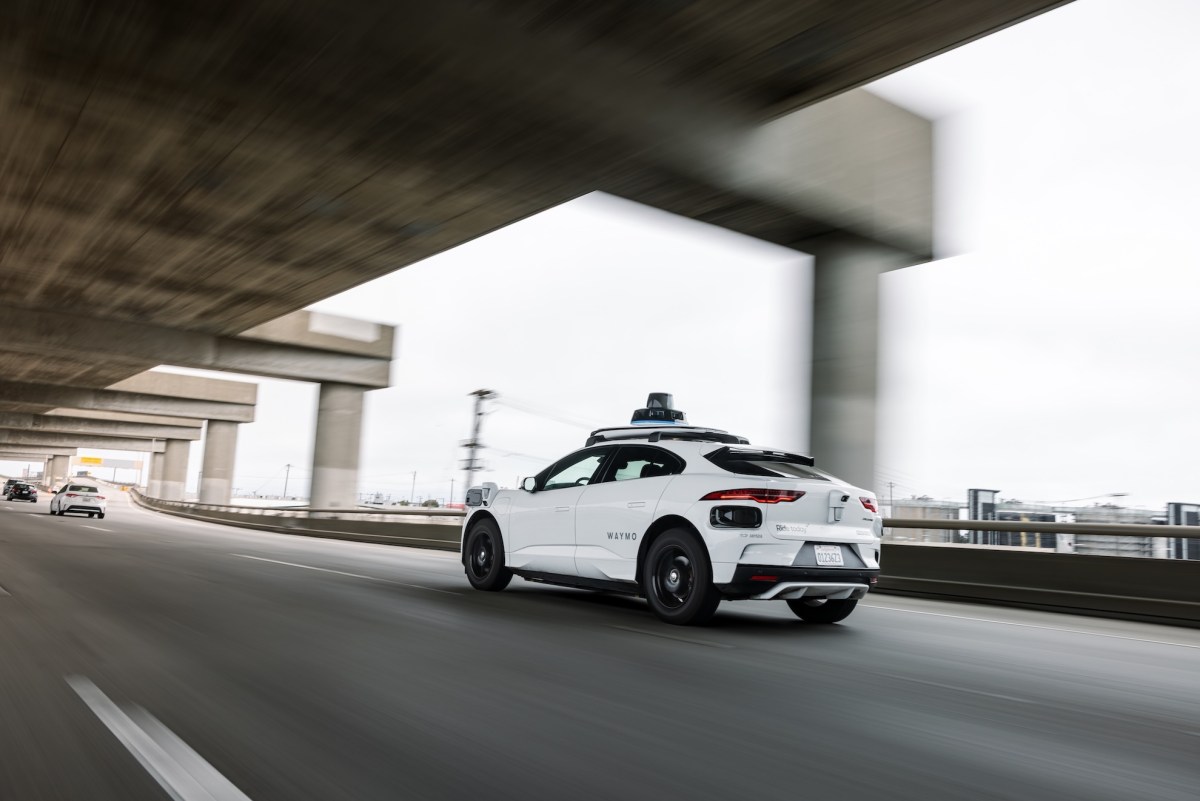
Waymo says it built a better benchmark for comparing robotaxis to humans
Waymo has developed an advanced computer model aimed at enhancing its understanding of human behavior during crash scenarios involving its robotaxis. This initiative, which comes as part of the company's ongoing efforts to improve safety and reliability, utilizes extensive data analysis to simulate various accident situations. By accurately predicting how individuals might react in these critical moments, Waymo seeks to refine its autonomous driving technology and ensure better decision-making capabilities for its vehicles. The model is expected to play a crucial role in the company's safety protocols and regulatory compliance as it continues to expand its robotaxi services.
TC Transportation
From ball to rover: Transformable palm-sized rover SORA-Q for autonomous lunar exploration
In June 2026, a groundbreaking study published in Science Robotics highlights advancements in robotic technology, showcasing innovative designs and applications that could revolutionize various industries. Researchers from leading institutions collaborated to develop these robots, which are engineered to enhance efficiency and safety in sectors such as manufacturing, healthcare, and logistics. The study emphasizes the integration of artificial intelligence and machine learning, enabling robots to adapt to complex environments and perform tasks with greater precision. This research is particularly timely as industries seek to recover and innovate following disruptions caused by global events in previous years. The findings were presented at an international robotics conference held in Tokyo, where experts gathered to discuss the future of automation and its implications for the workforce. The motivation behind this research stems from the increasing demand for automation solutions that can address labor shortages and improve productivity. By employing advanced algorithms and sensor technologies, the robots demonstrated their ability to collaborate with human workers, paving the way for safer and more efficient workplace environments. This study not only marks a significant milestone in robotic development but also sets the stage for further exploration into the ethical and economic impacts of widespread robotic integration in society.
Research Article
Automate 2026 Q&A with Roboteon
At Automate Booth #19019, attendees will witness a demonstration of advanced robotics technology featuring three Autonomous Mobile Robots (AMRs) and one collaborative order picking robot (Cobot) from four distinct vendors. This showcase highlights the seamless interoperability of these systems, which operate together as a unified fleet. The event aims to illustrate the potential of collaborative robotics in enhancing operational efficiency and productivity in various industries. By presenting this integrated approach, the exhibitors seek to emphasize the importance of interoperability in modern automation solutions. The demonstration is set to take place during the Automate event, which runs through October 2023, attracting industry professionals eager to explore the future of robotics and automation.

Sensory Robotics Launches UL-Certified 3D Virtual Robot Safety System
Cincinnati-based safety startup has introduced its innovative SR-1 system, designed for seamless collaboration between humans and robots, at the Automate 2026 event in Chicago. This debut highlights the company's commitment to enhancing workplace safety and efficiency through advanced technology. The SR-1 aims to eliminate traditional fencing barriers, allowing for more fluid interaction between human workers and robotic systems. By showcasing this cutting-edge solution at a prominent industry event, the startup seeks to address growing concerns about safety in automated environments and promote the integration of robotics in various sectors. The introduction of the SR-1 reflects the ongoing evolution of automation and the importance of ensuring safe human-robot collaboration in the future of work.
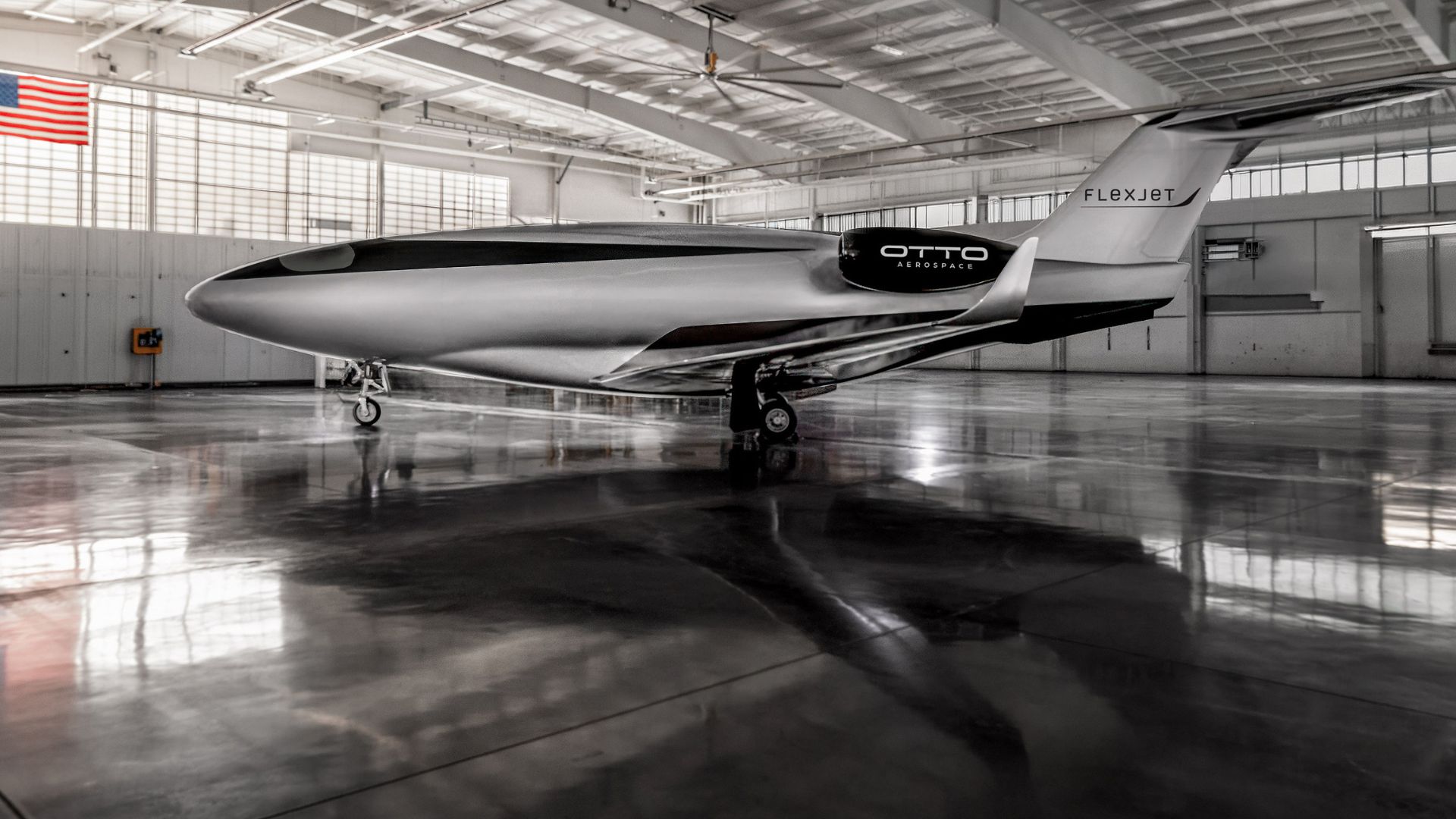
Windowless Phantom 3500 jet advances toward service with 90% lower emissions goal
Otto Aerospace has successfully navigated a significant regulatory milestone in its development of the innovative Phantom 3500 aircraft. This achievement comes as the company aims to revolutionize the aviation industry with its unique design and advanced technology. The approval was granted recently, marking a crucial step forward in the aircraft's production timeline. Located in the United States, Otto Aerospace is focused on enhancing the efficiency and sustainability of air travel. The regulatory clearance is a testament to the rigorous safety and performance standards the company has adhered to throughout the development process. With this progress, Otto Aerospace is poised to advance its plans for the Phantom 3500, which promises to offer a new level of performance in the aviation market.

For Robotaxis, Safety Must Be Built In, Not Bolted On
In a significant advancement for urban transportation, the robotaxi industry has begun operating in numerous cities, offering a glimpse into the future of autonomous travel. As residents step outside, they are greeted by driverless vehicles arriving at their curbside, signaled by mobile apps notifying them that their ride has arrived. This innovative service marks a transition from experimental prototypes to practical applications, reflecting the growing confidence in autonomous vehicle technology. The rollout of these robotaxi services aims to provide convenient, efficient, and potentially safer transportation options, addressing the increasing demand for mobility solutions in densely populated areas. As cities embrace this technology, the integration of autonomous vehicles into everyday life is poised to reshape urban mobility and redefine the concept of personal transportation.
NVIDIA and LG Group build AI factory to train robots and power future mobility
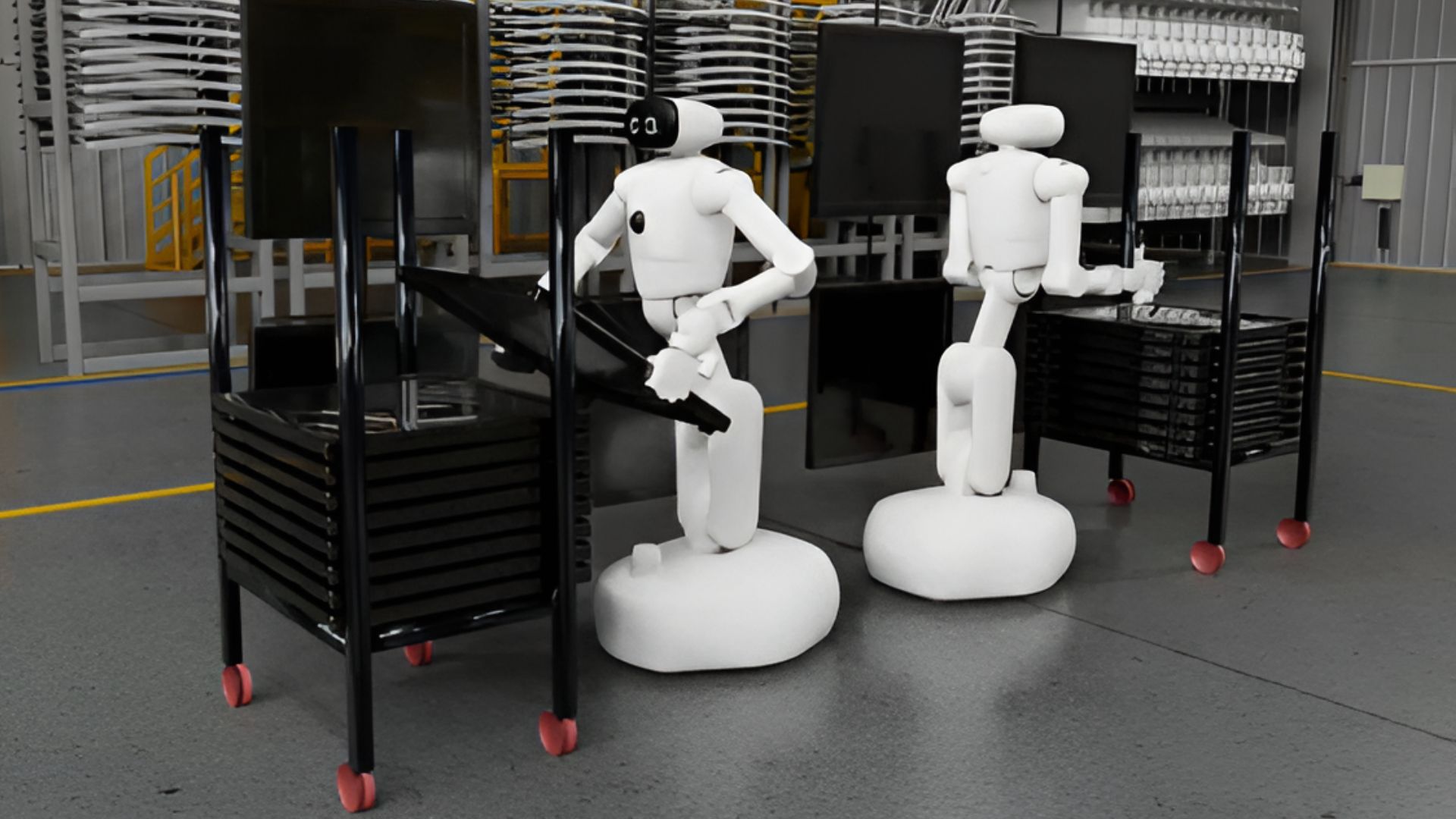
Researchers and engineers are advancing the next frontier of artificial intelligence, focusing on the development of machines capable of movement, visual perception, and autonomous decision-making. This initiative, which has gained momentum in recent months, aims to enhance the functionality and adaptability of AI systems across various sectors, including healthcare, transportation, and robotics. The push for these advancements is driven by the increasing demand for intelligent systems that can operate in dynamic environments and perform complex tasks without human intervention. By integrating advanced sensors and machine learning algorithms, developers are working to create AI that not only processes information but also interacts with the physical world in real-time. This evolution in AI technology is taking place in research laboratories and tech hubs around the globe, with significant contributions from universities, private companies, and government agencies. As these entities collaborate, they are exploring innovative applications that could revolutionize industries and improve everyday life. The ongoing research is expected to culminate in prototypes and pilot programs by early 2024, showcasing the potential of these intelligent machines. As the field progresses, ethical considerations and safety measures are also being prioritized to ensure responsible deployment and integration into society. The ultimate goal is to create AI systems that enhance human capabilities and contribute positively to various aspects of life.
Naval carrier set to deploy with a drone, while Marines say goodbye to the Harrier
This week, the U.S. Navy is enhancing its fleet capabilities as a Seahawk drone is scheduled to join the aircraft carrier USS Theodore Roosevelt. This integration reflects ongoing efforts to modernize naval operations and improve surveillance and reconnaissance missions. Additionally, the aviation community bids farewell to a legendary aircraft, which is making its final flight, marking the end of an era in military aviation history. The events highlight the Navy's commitment to advancing technology while honoring its storied past.
Air Warfare Naval Warfare Air Force Break Out Video harrier HarrierJumpJet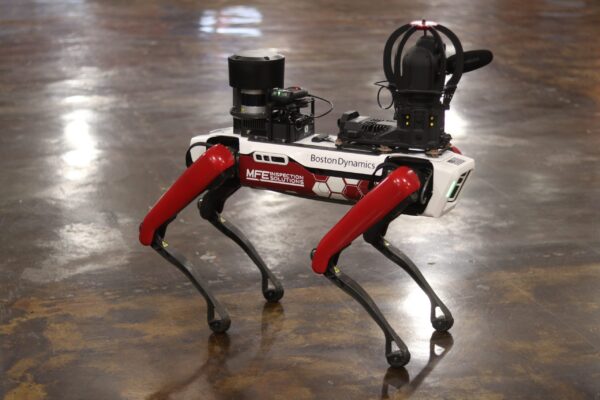
MFE Launches Robotic Gas Detection for Boston Dynamics’ Spot
MFE Inspection Solutions has unveiled a new robotic gas detection solution that integrates Blackline Safety’s cloud-connected portable gas detector with Boston Dynamics’ Spot quadruped robot. This innovative integration allows for enhanced atmospheric awareness by streaming connected gas data from the Spot to Blackline Live, effectively combining MFE’s existing drone-based gas detection capabilities with advanced robotic technology. The launch, announced by the Houston-based company, aims to improve safety and efficiency in gas detection processes across various industries.
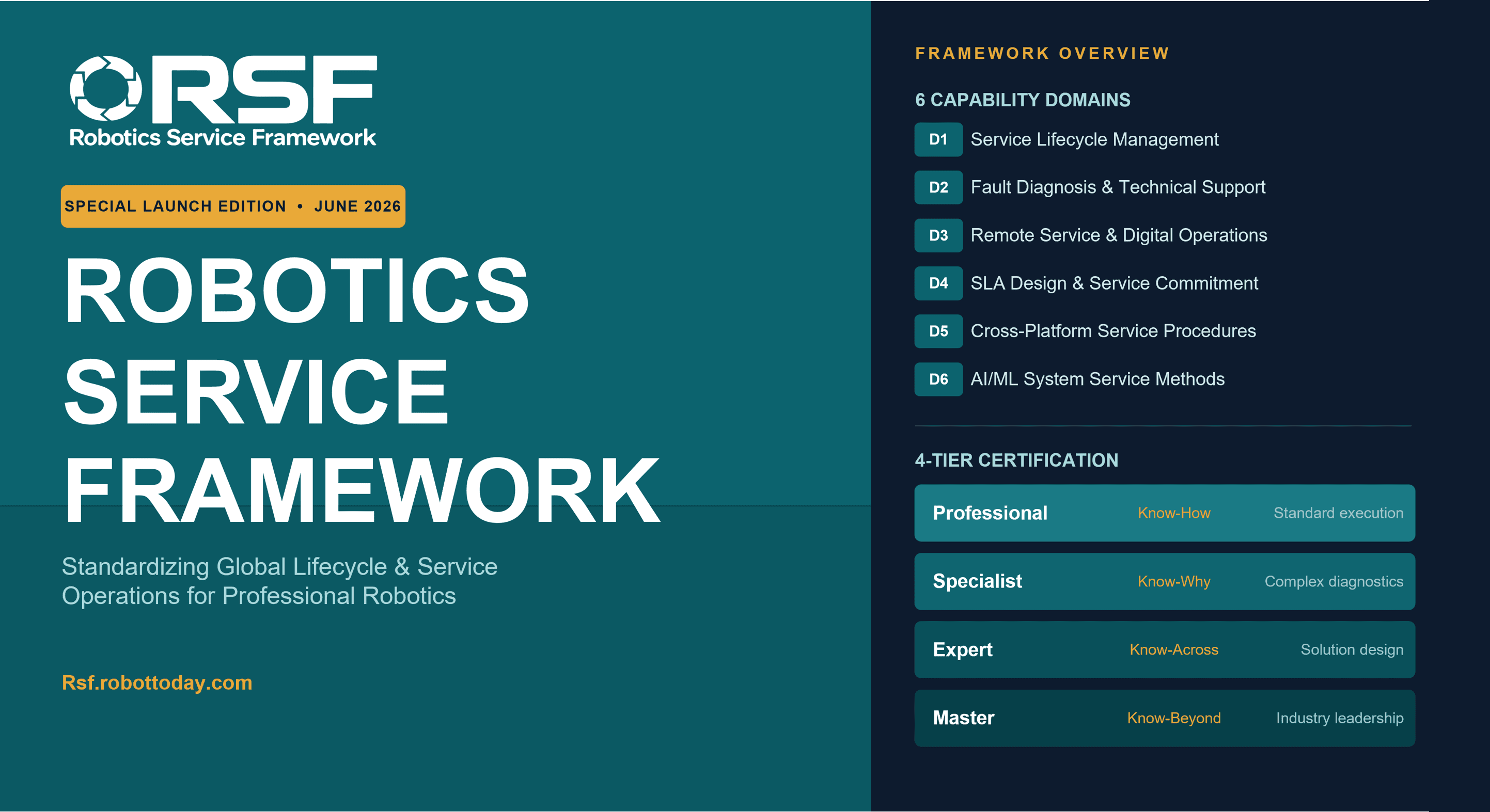
Drone News Drone News Feeds infrastructure Inspection News robotsRobotics needs a service framework.
RSF defines a common language for robot service capability, lifecycle operations, certification pathways, and service-provider networks.