Industry Briefing
A single destination for timely, editor-curated robotics news from around the world.
Burro introduces Grande 44 with proven outdoor autonomy built for heavy industry
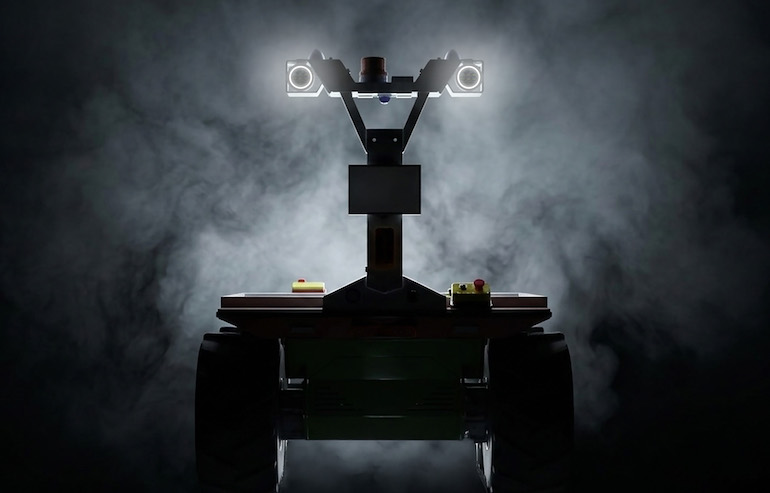
Burro has unveiled its latest innovation, the Burro Grande 44, a robust autonomous vehicle designed specifically for heavy industry applications. This new model boasts over 1 million hours of real-world operational experience in industrial towing, site logistics, and facilities management. By integrating proven outdoor autonomy, the Burro Grande 44 aims to enhance efficiency and productivity in demanding environments. The introduction of this advanced vehicle marks a significant step forward in the automation of industrial processes, reflecting Burro's commitment to providing reliable and effective solutions for the challenges faced by heavy industry.
Agriculture Artificial Intelligence Autonomous Mobile Robots (AMRs) Construction Logistics Manufacturing
KEENON Robotics Showcased Autonomous Cleaning Innovation at Interclean Amsterdam 2026
In response to ongoing labor shortages and increasing operational complexities facing the facilities management (FM) industry, KEENON has unveiled a new professional cleaning fleet designed to enhance autonomy, scalability, and efficiency. This innovative fleet aims to address the growing expectations for consistency in cleaning services. The launch reflects KEENON's commitment to providing solutions that meet the evolving needs of the industry, particularly as businesses seek to optimize their operations amidst these challenges. The introduction of this advanced cleaning technology is expected to streamline processes and improve service delivery, ultimately benefiting both service providers and their clients.

Evaluating Office Relocation Versus Refurbishment for Business Growth
As businesses grow, they often face the decision of whether to relocate to a new office or refurbish their current space. Both options can enhance productivity and employee satisfaction, but they come with distinct advantages and challenges. Factors such as available space, budget, and business objectives play a crucial role in determining the best course of action. Investing in office refurbishment can modernize workspaces without the disruption of moving, allowing for improvements like flexible workspaces, better lighting, and upgraded facilities. These changes can create a more comfortable and professional environment for employees and clients alike. However, it is essential to assess whether the current office is genuinely limiting business operations or if minor adjustments could suffice. Consulting with workplace experts can provide valuable insights into optimizing existing spaces and identifying efficiency opportunities. Staying in the same location allows employees to maintain familiar routines and access to local amenities. However, if refurbishment cannot resolve fundamental issues, relocation may be necessary. No further timeline was disclosed at the time of publication.
Business Infrastructure business operations commercial property employee experience facilities management
Starmind's Orbital Compute vs. Terrestrial Data Centers: Analyzing Resource Advantages
Starmind's orbital compute technology presents a significant advantage over traditional ground-based data centers by eliminating constraints related to land, water, and grid permitting. While terrestrial data centers are currently cheaper and faster to construct, with U.S. data center spending reaching $85.3 billion in 2026, Starmind's approach focuses on addressing the growing resource limitations faced by hyperscale facilities. The significance of Starmind's technology lies in its ability to sidestep the increasing challenges of land and water usage. For instance, a 100 MW data center can consume approximately 530,000 gallons of water daily for cooling, while Starmind's AI1 utilizes deployable liquid radiators that require no water. This structural advantage could resonate with investors as the demand for AI computing continues to escalate, potentially leading to annual water withdrawals of up to 1.7 trillion gallons by 2027. Looking ahead, Starmind's next milestones include the launch of AI1 prototypes scheduled for early 2027. However, the technology's claims regarding cooling efficiency and operational reliability remain unverified until real flight data is available. As the industry evolves, the competition between orbital and terrestrial solutions will become increasingly relevant, particularly in the context of resource management and sustainability.

Mission-Critical Automation: Ensuring Uninterrupted Operations Through Robust Power Management
Effective power management in facilities necessitates meticulous planning and the integration of various technologies and techniques for optimal oversight. This comprehensive approach involves assessing energy consumption patterns, implementing advanced monitoring systems, and utilizing energy-efficient solutions to enhance overall energy use. By employing strategies such as real-time data analytics and automated control systems, facilities can significantly reduce energy waste and improve operational efficiency. The focus on seamless power management is driven by the need to lower operational costs and minimize environmental impact, making it a critical consideration for businesses aiming to achieve sustainability goals. As organizations increasingly prioritize energy efficiency, the adoption of these innovative practices is expected to grow, leading to more sustainable and economically viable operations.

Tesla's Optimus Robots to Support Starmind Satellite Production, Not Maintenance
Tesla's Optimus robots will not be used to repair Starmind satellites in orbit, as confirmed by recent statements from Elon Musk. Instead, these robots are intended to assist in the construction and operation of the Terafab chip manufacturing facility in Texas. The AI1 satellites, designed to disintegrate upon reentry, highlight the company's swap-and-replace strategy rather than traditional maintenance practices. This approach is significant as it reflects a broader trend in satellite management, where mass-produced satellites are replaced rather than repaired. The economics of servicing missions are prohibitive, with the cost of launching a replacement satellite being significantly lower than conducting a repair mission. This model aligns with SpaceX's operational history, where rapid replacement of satellites is more efficient than attempting to maintain them in orbit. Looking ahead, the focus will remain on the production capabilities of the Gigasat factory, which is expected to support the continuous replacement of satellites. No further timeline was disclosed at the time of publication, but the demand for rapid satellite turnover suggests a robust future for Optimus robots in terrestrial manufacturing rather than in-space servicing.

How Cold Chain Operators Are Turning Energy Flexibility Into a Competitive Advantage
Cold storage facilities, known for their high energy consumption, face increasing challenges as the cost of electricity becomes more dependent on consumption timing rather than just the volume used. This shift in energy pricing creates a difficult situation for operators who have traditionally viewed electricity costs as fixed. As refrigeration systems must run continuously to maintain product integrity, the significant energy load required raises concerns about operational expenses and sustainability. The industry is now compelled to adapt to these changing dynamics, prompting a reevaluation of energy management strategies to mitigate costs and enhance efficiency.
Business Logistics automation news cold chain cold chain logistics cold storage
New tech keeps power grids stable as data centers put more strain on electricity
Researchers at Sandia National Laboratories have unveiled a groundbreaking software platform designed to enhance the management of distributed energy resources. This innovative tool aims to optimize the integration of renewable energy sources into existing power grids, addressing the growing demand for sustainable energy solutions. The announcement was made on October 10, 2023, during a technology showcase at the laboratory's facilities in Albuquerque, New Mexico. The motivation behind this development stems from the increasing need for efficient energy management systems that can accommodate the variable nature of renewable energy sources, such as solar and wind. By utilizing advanced algorithms and real-time data analytics, the platform enables utilities and energy providers to better predict energy supply and demand, ultimately leading to a more reliable and resilient power infrastructure. The software operates by aggregating data from various energy sources and employing machine learning techniques to enhance decision-making processes. This allows for improved coordination among energy producers, consumers, and grid operators, facilitating a smoother transition to a more sustainable energy landscape. As the world moves towards cleaner energy solutions, this platform represents a significant step forward in harnessing the potential of distributed energy resources.
AI and Robotics
AI’s Volatile Power Use Quietly Tests Grid Limits
The rapid growth of artificial intelligence infrastructure is reshaping electricity demand dynamics, posing new challenges for grid operators. As data centers are projected to consume 3 to 4 percent of global electricity by the end of the decade, their energy consumption patterns are becoming increasingly unpredictable. Unlike traditional industrial loads, AI workloads can fluctuate dramatically within milliseconds, driven by synchronized computational tasks and varying user demands. This unpredictability complicates grid management, as it creates abrupt demand spikes that can stress local infrastructure, particularly in regions like Northern Virginia, known as "Data Center Alley," where data centers are concentrated. Utilities, including Dominion Energy, are adjusting their forecasts to account for this rapid growth, but existing regulatory frameworks often fail to address the complexities introduced by high-density compute clusters. These facilities not only require significant power but also generate unique challenges related to thermal management and power quality. As a result, grid operators are exploring new demand response mechanisms and flexible scheduling to mitigate the impact of these fluctuating loads. The Electric Reliability Council of Texas (ERCOT) has acknowledged the implications of large flexible loads for grid stability and planning. As AI infrastructure continues to expand, it is crucial for regulatory and operational frameworks to adapt, focusing not just on total energy consumption but also on the volatility and geographic concentration of demand. Understanding these new consumption patterns will be essential for maintaining grid resilience in the face of evolving energy needs.
Data-centers Artificial-intelligence Electrical-grid Demand-response
Milan hospital deploys 4-ft-tall humanoid robot to assist wards and relay patient data
In a significant effort to alleviate healthcare workloads and enhance ward efficiency, a new initiative has been launched by healthcare authorities. This program, introduced in October 2023, aims to streamline operations within hospitals across the region. By implementing advanced technologies and innovative management strategies, the initiative seeks to reduce the burden on medical staff and improve patient care. The decision to launch this program stems from ongoing concerns about staff burnout and the need for more effective resource allocation in healthcare facilities. As part of the rollout, hospitals will receive support in adopting these new practices, which are expected to lead to better patient outcomes and a more sustainable work environment for healthcare professionals.
AI and Robotics
Samsung-backed 7 DOF robot is learning to work inside a giant e-commerce warehouse
A mobile robot created by Rainbow Robotics, a company under Samsung's control, has commenced testing operations within Coupang's facilities. This initiative, which began recently, aims to enhance the efficiency of logistics and delivery processes in the rapidly growing e-commerce sector. The collaboration between Rainbow Robotics and Coupang reflects a broader trend of integrating advanced robotics into supply chain management, driven by the increasing demand for faster and more reliable delivery services. The testing phase will assess the robot's capabilities in navigating the complex environments of Coupang's warehouses, potentially paving the way for wider adoption of robotic solutions in the industry.
AI and Robotics
BayCare Expands Autonomous Hospital Delivery with New Relay Robots at Winter Haven Hospitals
In response to the ongoing healthcare labor shortage, a new initiative has been launched to expand the use of robotic technology in hospitals. This expanded fleet of robots is designed to automate non-clinical logistics, allowing healthcare professionals to focus more on direct patient care. By streamlining tasks such as inventory management and supply delivery, the robots aim to enhance efficiency within medical facilities. This initiative is particularly timely as healthcare systems face increasing pressure to optimize resources and improve patient outcomes. The deployment of these robots is expected to significantly reduce the burden on nursing staff, ultimately prioritizing nurse-to-patient interaction and enhancing the overall quality of care.
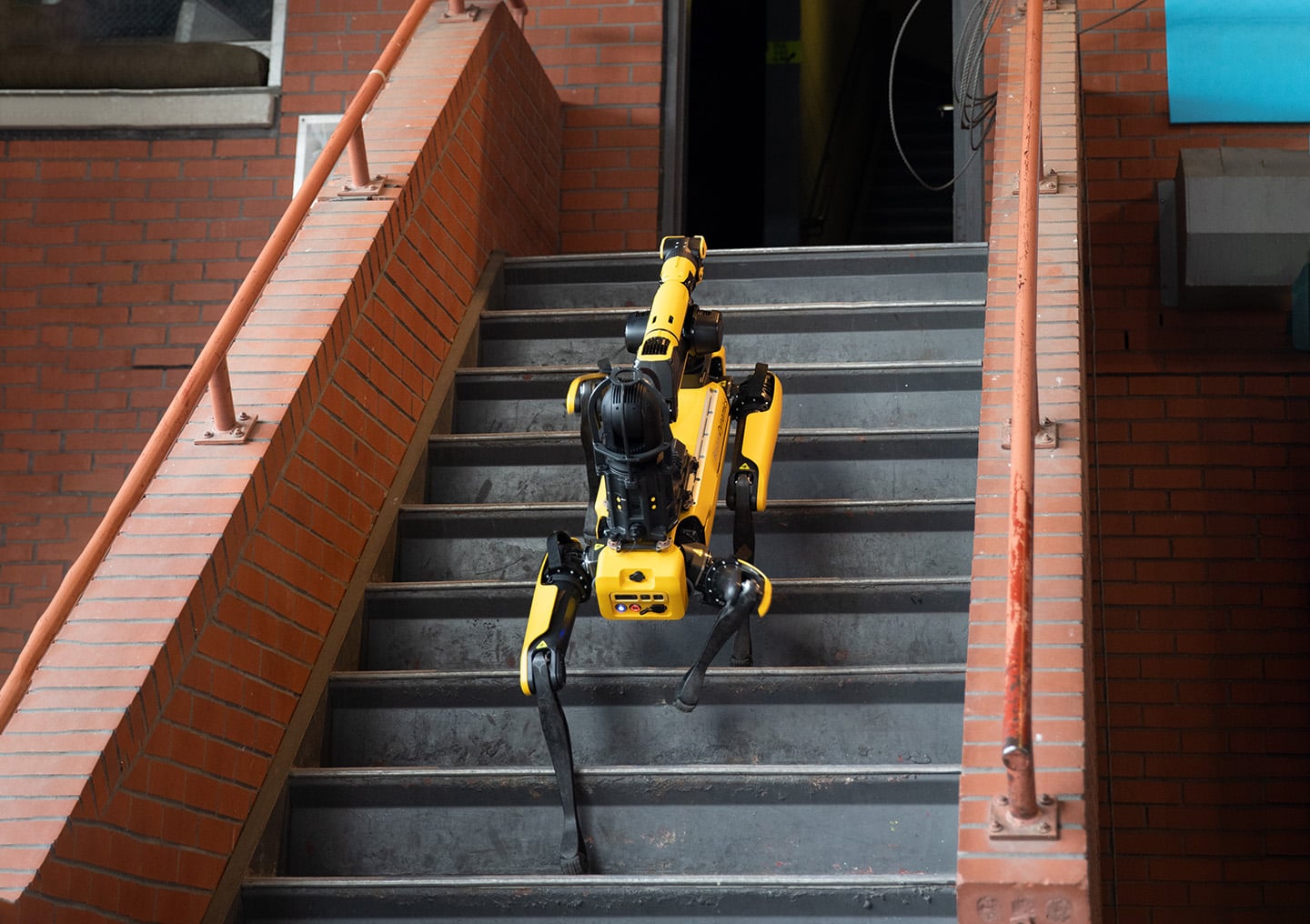
Giving First Responders an Advantage with Autowalk | Boston Dynamics
Public safety agencies are increasingly utilizing Spot, an advanced robotic technology, to enhance their emergency response strategies. By mapping out facilities prior to potential crises, these agencies aim to provide responding teams with critical information and a strategic advantage during emergencies. This proactive approach allows for better preparedness and more efficient management of incidents, ultimately improving safety outcomes. The implementation of Spot's mapping capabilities is expected to streamline operations and facilitate quicker decision-making when emergencies arise.

Humanoid Secures Landmark Deal with Schaeffler to Deploy Thousands of Humanoid Robots
Humanoid, a London-based AI and robotics startup, has secured a significant phased deployment agreement with Schaeffler, a leading motion technology company, to integrate humanoid robots into its manufacturing operations. The rollout is set to commence in late 2026, with the initial deployment occurring at two Schaeffler sites in Germany. This landmark agreement aims to deploy thousands of humanoid robots across Schaeffler’s global facilities by 2032, following successful proof-of-concept trials. The first phase will take place from December 2026 to June 2027, focusing on box handling in Herzogenaurach and conducting capability demonstrations in Schweinfurt. The collaboration emphasizes economic viability, with Humanoid assisting Schaeffler in seamlessly integrating robotic systems into existing production environments while adhering to safety and IT standards. The partnership operates under a Robot-as-a-Service (RaaS) model, where Humanoid will provide not only the robotic systems but also ongoing support, maintenance, and performance management. Additionally, Humanoid has entered a five-year supply agreement with Schaeffler, designating them as the preferred supplier for actuators, which will cover over 50% of Humanoid's actuator needs through 2031. Artem Sokolov, Humanoid's founder and CEO, highlighted the importance of this collaboration in advancing humanoid robotics within global manufacturing. Dr. Jochen Schroeder, COO of Schaeffler AG, emphasized the partnership's role in scaling advanced robotics technology in real-world manufacturing settings. Following the initial deployment, both companies plan to assess performance and expand the use of humanoid robots for various tasks, including assembly and packaging.

Overheating at Amazon data center triggers massive trading outage across global markets
An Amazon Web Services (AWS) data center experienced a significant outage due to internal temperatures exceeding operational limits. The incident occurred recently, prompting immediate concerns about the reliability of cloud services provided by AWS. The data center, crucial for hosting various online services and applications, is located in a region heavily reliant on cloud infrastructure. The rise in temperatures was attributed to a combination of equipment failure and inadequate cooling systems, leading to a temporary shutdown of operations. AWS technicians swiftly responded to the situation, implementing emergency protocols to stabilize the environment and restore functionality. This incident raises questions about the robustness of AWS's infrastructure and its ability to handle extreme conditions, highlighting the importance of maintaining optimal operational standards in data management. As businesses increasingly depend on cloud services, ensuring the reliability and resilience of such facilities remains a top priority for AWS and its clients.

US Army Corps of Engineers Awards Fugro Five‑year Contract for Critical Infrastructure Mapping
Fugro has been awarded a five-year indefinite-delivery, indefinite-quantity (IDIQ) contract by the US Army Corps of Engineers (USACE) to deliver surveying and mapping services. This contract, which supports both civil works and military infrastructure programs, will be effective immediately and will cover projects across the United States and internationally. The initiative aims to enhance USACE’s management of essential waterways, flood-risk systems, and military facilities. By providing timely and high-quality geospatial data, Fugro will play a crucial role in informing infrastructure planning, risk management, and operational readiness in various complex and demanding environments.
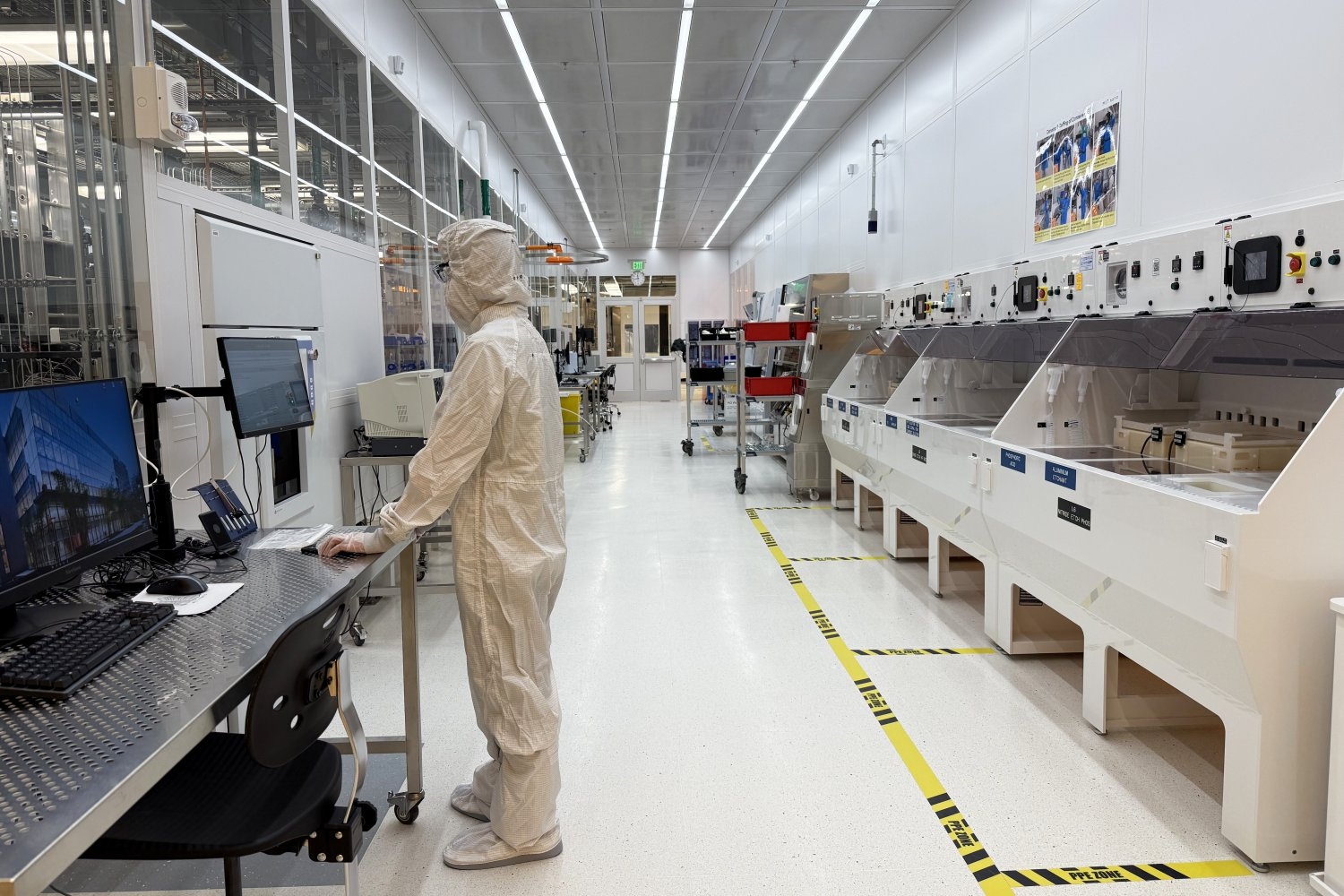
Powering 160,000 hours of discovery at MIT.nano
The NanoFab Equipment Management and Operations (NEMO) system has been introduced to enhance the management of shared facilities, focusing on tool training, reservations, and lab communications. This innovative platform aims to streamline operations for users, ensuring efficient access to equipment and resources. The system is designed to support collaborative research environments by providing a centralized hub for managing various aspects of facility usage. With the implementation of NEMO, users can expect improved coordination and communication within the lab, ultimately fostering a more productive research atmosphere. The rollout of this system is expected to significantly benefit researchers and technicians alike, facilitating a smoother workflow and better resource allocation.
Facilities Research Open source Collaboration Software Nanoscience and nanotechnology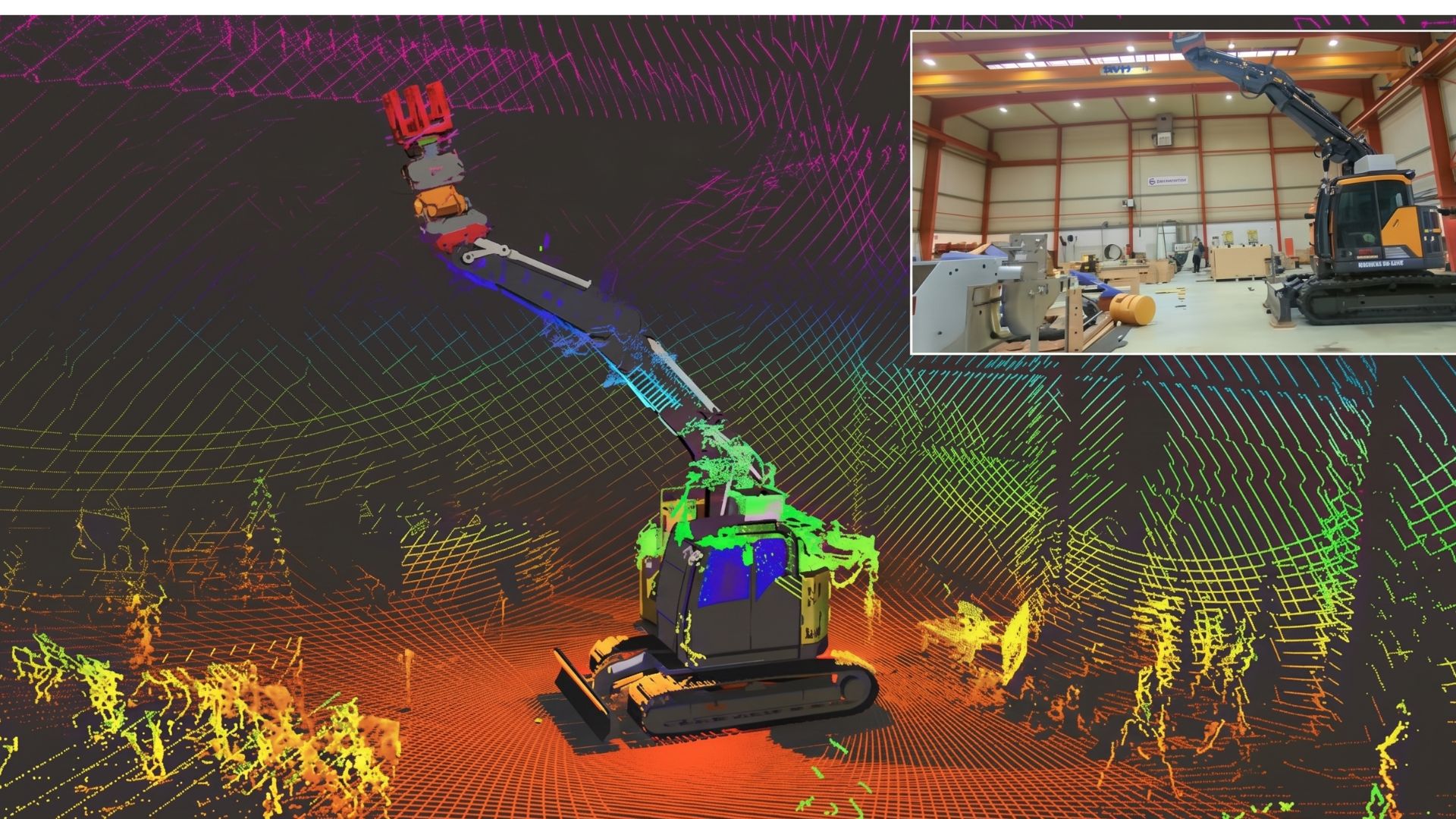
Germany plans robotic arms to retrieve 126,000 nuclear waste barrels in salt mine site
German engineering firm Bilfinger, in collaboration with the Fraunhofer IOSB research institute, is advancing the development of a tele-operated system aimed at enhancing industrial processes. This innovative technology is designed to improve efficiency and safety in various sectors by allowing remote operation of machinery and equipment. The project, which commenced recently, is set to take place at Bilfinger's facilities in Germany, where both organizations will leverage their expertise in engineering and research. The motivation behind this initiative is to address the growing demand for automation and remote management solutions in the wake of the COVID-19 pandemic, which has accelerated the need for safer working environments. By integrating cutting-edge technology and research, Bilfinger and Fraunhofer IOSB aim to create a robust system that can be deployed across multiple industries, ultimately transforming how operations are conducted in challenging environments.

Rethinking AI TCO: Why Cost per Token Is the Only Metric That Matters
Traditional data centers have undergone a significant transformation, evolving from mere storage and processing facilities into advanced AI token factories. This shift has been driven by the increasing reliance on AI inference as the primary workload, marking a new era in data management. As of October 2023, these centers are now focused on generating intelligence rather than just handling data. This evolution reflects the growing demand for sophisticated AI capabilities, highlighting the critical role that modern data centers play in supporting the advancements in generative and agentic AI technologies. The transition is reshaping how businesses and organizations utilize data, emphasizing the importance of intelligence generation in today's digital landscape.
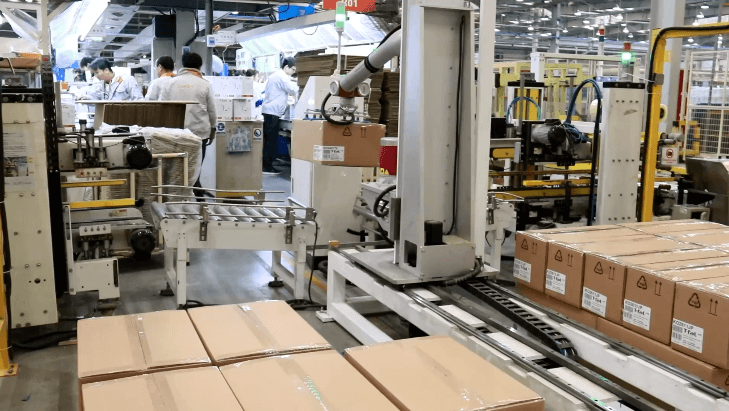
The Future of Cobot Palletizing: Autonomous Mobile Robots and Modular Systems
As the manufacturing and logistics sectors evolve, JAKA is pioneering advancements in cobot palletizing, emphasizing flexibility and autonomy. Customers are increasingly demanding systems that can adapt to varying layouts, product types, and throughput requirements without extensive reconfiguration. The integration of six-axis robot arms is central to this shift, enabling dynamic handling of mixed loads and pallet patterns. A key trend in this field is the combination of autonomous mobile robots with collaborative manipulators. This integration allows for palletizing tasks to occur beyond fixed stations, enabling cobots to move between production lines and adjust to seasonal shifts or temporary capacity needs. The use of modular mechanical interfaces and standardized communication protocols facilitates scalable system development, transforming cobot palletizing into a shared resource that enhances operational efficiency and investment planning. Advanced control capabilities are also crucial for the future of cobot palletizing. Features such as precise path planning, responsive motion control, and adaptable force management enable collaborative robots to handle various packaging formats consistently. For instance, the JAKA Zu7 robot can seamlessly transition between palletizing and secondary tasks like automated screwdriving, adjusting torque settings as needed. Looking forward, JAKA envisions a future where cobot palletizing is characterized by autonomous mobility, modular design, and intelligent control. This approach aims to ensure that palletizing solutions evolve alongside production demands, rather than limiting them. By aligning collaborative robots with mobile platforms and adaptable end-effectors, JAKA is committed to developing systems that integrate into broader automation strategies, supporting reliable operations and sustainable growth in modern automated facilities.

Making Automation Real for Existing Warehouses
Cartesian Kinetics is revolutionizing warehouse operations by integrating digital twin software and advanced motion control technology to automate existing facilities. This innovative approach aims to enhance efficiency and productivity within the logistics sector. The company’s solutions are designed to optimize workflows, reduce operational costs, and improve overall performance in warehouses. By leveraging real-time data and simulations, Cartesian Kinetics enables businesses to visualize and streamline their processes, ultimately transforming traditional warehouses into automated powerhouses. This initiative reflects a growing trend in the industry, as companies seek to adapt to the increasing demands of e-commerce and supply chain management.
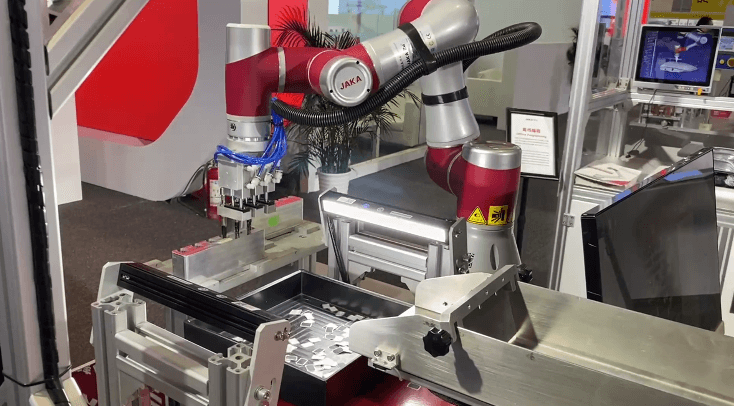
Implementing a Sorting Robot for Quality Inspection in Recycling Processes
Recycling facilities face ongoing challenges in maintaining material purity due to the variability of recyclables, which complicates manual sorting processes. To address this issue, JAKA is proposing the implementation of automated sorting robots designed to integrate seamlessly into existing workflows. These collaborative robots, or cobots, are equipped with advanced vision-guided systems that can identify and separate diverse materials based on visual or spectroscopic signals. The robots are engineered to operate effectively in the dynamic environments of recycling plants, where safety is paramount. JAKA's cobots feature multiple safety mechanisms, including force sensing and collision detection, allowing them to work alongside human operators without the need for extensive safety barriers. Their compact design enables installation in tight spaces, making them suitable for retrofitting in current facilities. Successful deployment of these sorting robots relies on a well-coordinated system that includes high-resolution cameras or near-infrared sensors for accurate material identification, as well as adaptive grippers or vacuum cups for handling various materials. JAKA emphasizes intuitive programming, allowing technicians to quickly adjust the robots for different material streams, thus minimizing downtime. By incorporating JAKA's sorting robots into recycling quality inspection processes, facilities can significantly enhance material purity and throughput. This strategic move not only improves operational consistency but also supports the essential work of modern recycling, ensuring a more efficient and effective waste management system.

Kinisi Robotics Deploys Wheeled Humanoid for Glass Sorting
A startup based in New York City and Bristol has launched its first practical application of technology by deploying its wheeled KR1 robot to sort glass bottles at a facility in the UK. This marks a significant milestone for the company as it transitions from laboratory development to real-world operations. The initiative aims to enhance recycling efficiency and address the growing need for sustainable waste management solutions. By utilizing advanced robotics, the startup seeks to streamline the sorting process, reduce human labor, and improve overall productivity in recycling facilities. The KR1 robot's deployment is part of a broader effort to innovate within the recycling industry and contribute to environmental sustainability.
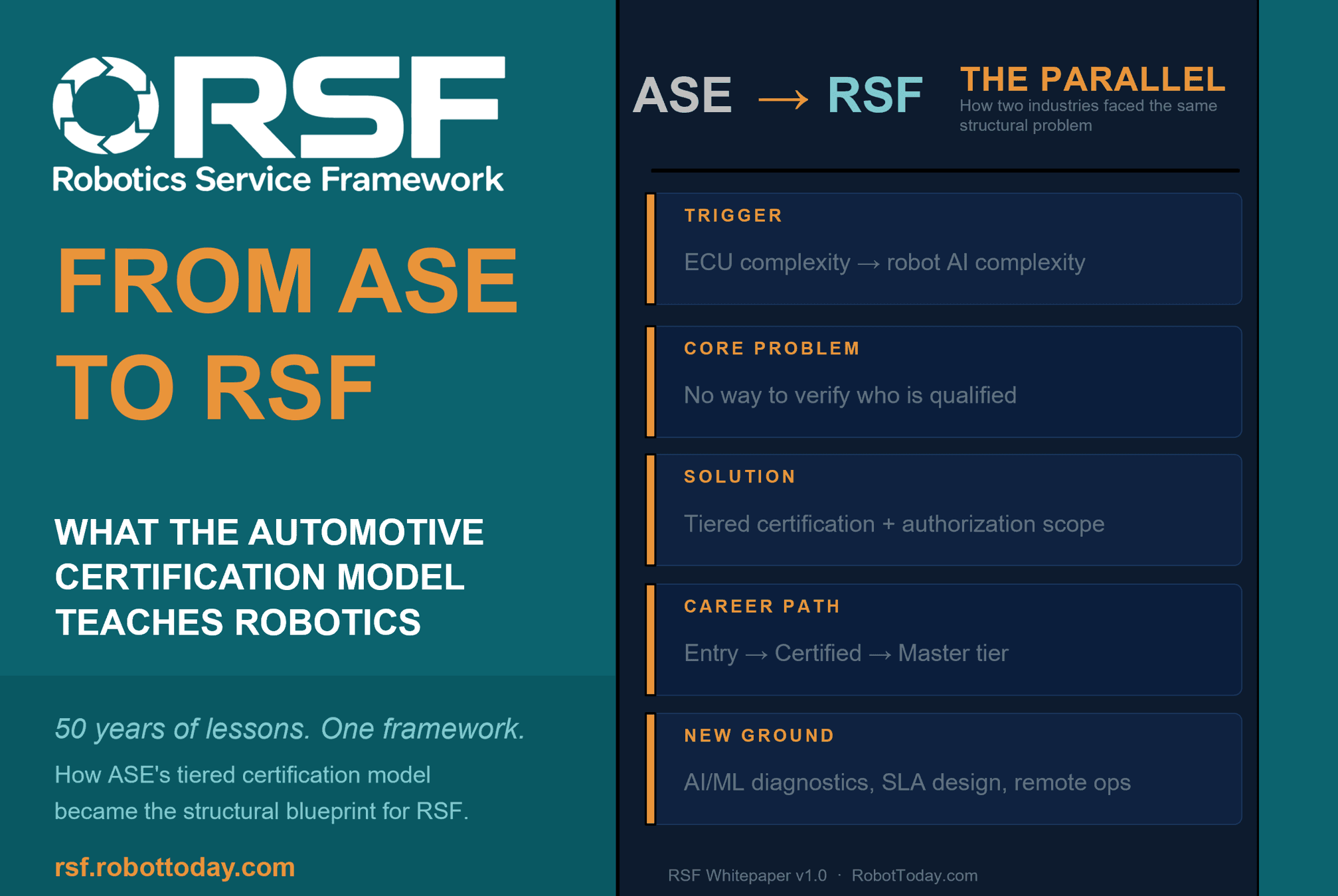
KinisiRobotics needs a service framework.
RSF defines a common language for robot service capability, lifecycle operations, certification pathways, and service-provider networks.