

Industry Briefing
A single destination for timely, editor-curated robotics news from around the world.
Trinidad and Tobago's First Local Expedition Reveals Deep Sea Ecosystems and New Species
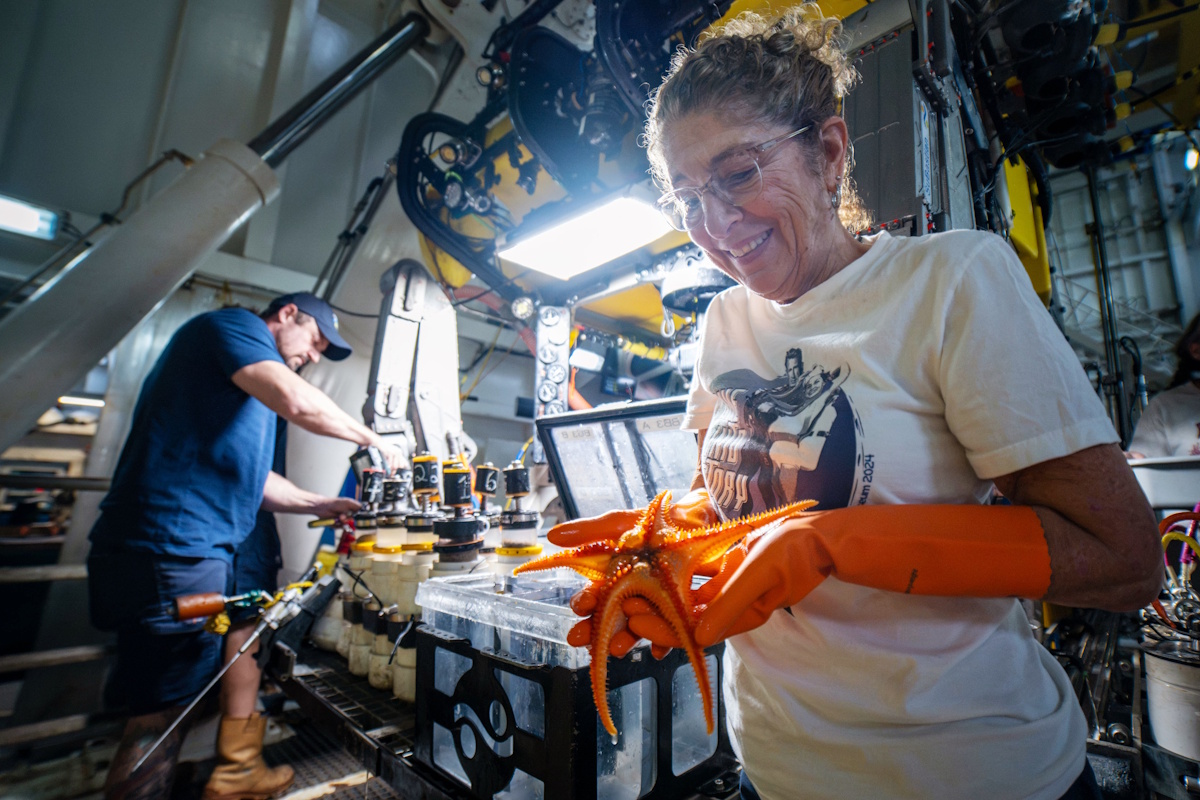
Marine scientists from Trinidad and Tobago conducted the first comprehensive deep-sea survey of the islands' waters aboard the Schmidt Ocean Institute's R/V Falkor (too) in July 2026. The month-long expedition resulted in the discovery of over 25 active cold seeps and 20 suspected new species, mapping approximately 13% of the marine territory. This expedition is significant as it showcases the capabilities of Caribbean scientists to explore and document their own marine ecosystems. The findings, including over 700 specimens collected, will enhance the deep-sea collection at the Zoology Museum at the University of the West Indies, St. Augustine, increasing it twelve-fold. The discoveries underscore the importance of understanding and preserving these ecosystems, which are vital for marine biodiversity. Looking ahead, the data collected will aid in marine governance and spatial planning in Trinidad and Tobago, potentially leading to the establishment of marine protected areas. The expedition also tested a novel cryoprotectant for preserving living animal tissues, contributing to future research on ecosystem changes. No further timeline was disclosed at the time of publication.
caribbean expedition deep sea schmidt ocean institute (soi) r/v falkor (too)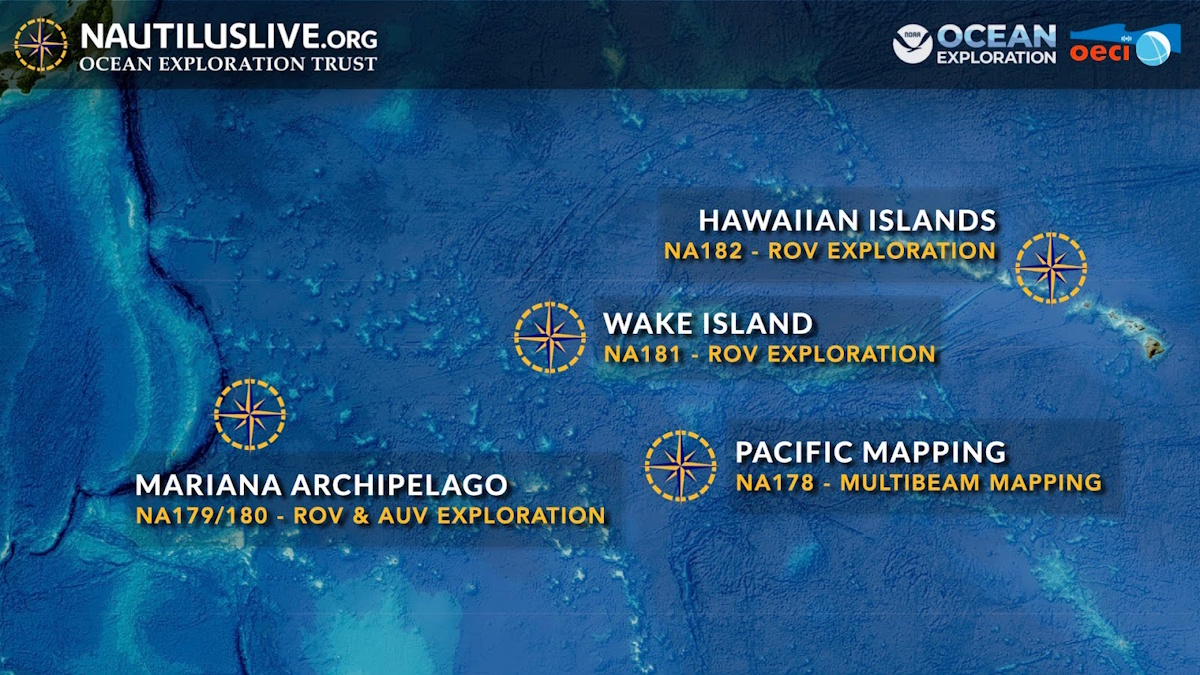
Ocean Exploration Trust Initiates 31-Day Expedition to Survey Remote Pacific Waters
The Ocean Exploration Trust (OET) has launched a 31-day expedition aboard the Exploration Vessel (E/V) Nautilus to explore the remote Pacific waters surrounding Wake Island. Funded by NOAA Ocean Exploration, this mission aims to gather critical baseline data on biodiversity, geology, and maritime heritage sites, particularly those linked to the World War II Battle of Wake. This expedition is significant as it targets one of the most poorly surveyed areas under US jurisdiction, covering approximately 407,241 square kilometers of seafloor. Co-lead scientist Steve Auscavitch emphasizes the diverse mission objectives and the importance of collecting rigorous scientific data to characterize the seafloor environment and its biological and geological resources. The team will utilize remotely operated vehicles (ROVs) to explore deep-sea habitats up to 6,000 meters deep, capturing high-resolution imagery and environmental data. This data will be publicly archived, ensuring long-term access for future research and resource management efforts. No further timeline was disclosed at the time of publication.
ocean exploration trust (oet) exploration vessel (e/v) nautilus noaa ocean exploration na181 expedition world war ii battle of wake
August 21, 1914: Total Solar Eclipse Expedition Interrupted by World War I
On August 21, 1914, a total solar eclipse cast shadows across Europe and Asia. Erwin Finlay-Freundlich, a German astronomer and associate of Albert Einstein, led an expedition to the Crimean Peninsula to observe the eclipse and validate Einstein's general relativity theory. This theory suggested that light from distant stars would bend near the sun due to space curvature, observable only during a total solar eclipse. The expedition was thwarted by the outbreak of World War I, just 20 days prior to the eclipse. Following Germany's declaration of war on Russia, Freundlich and his team were captured by Russian forces, and their scientific equipment was seized. Despite this setback, the theory was later confirmed during a solar eclipse on May 29, 1919, demonstrating the resilience of scientific inquiry amid geopolitical turmoil. Looking ahead, the legacy of this expedition highlights the ongoing efforts to validate Einstein's theory through various methods. Modern-day eclipse chasers, unlike Freundlich's team, can now easily travel to witness total solar eclipses, such as the upcoming one in 2026, drawing enthusiasts from around the globe to locations like Spain and Iceland.
Solar Eclipses Stargazing Eclipses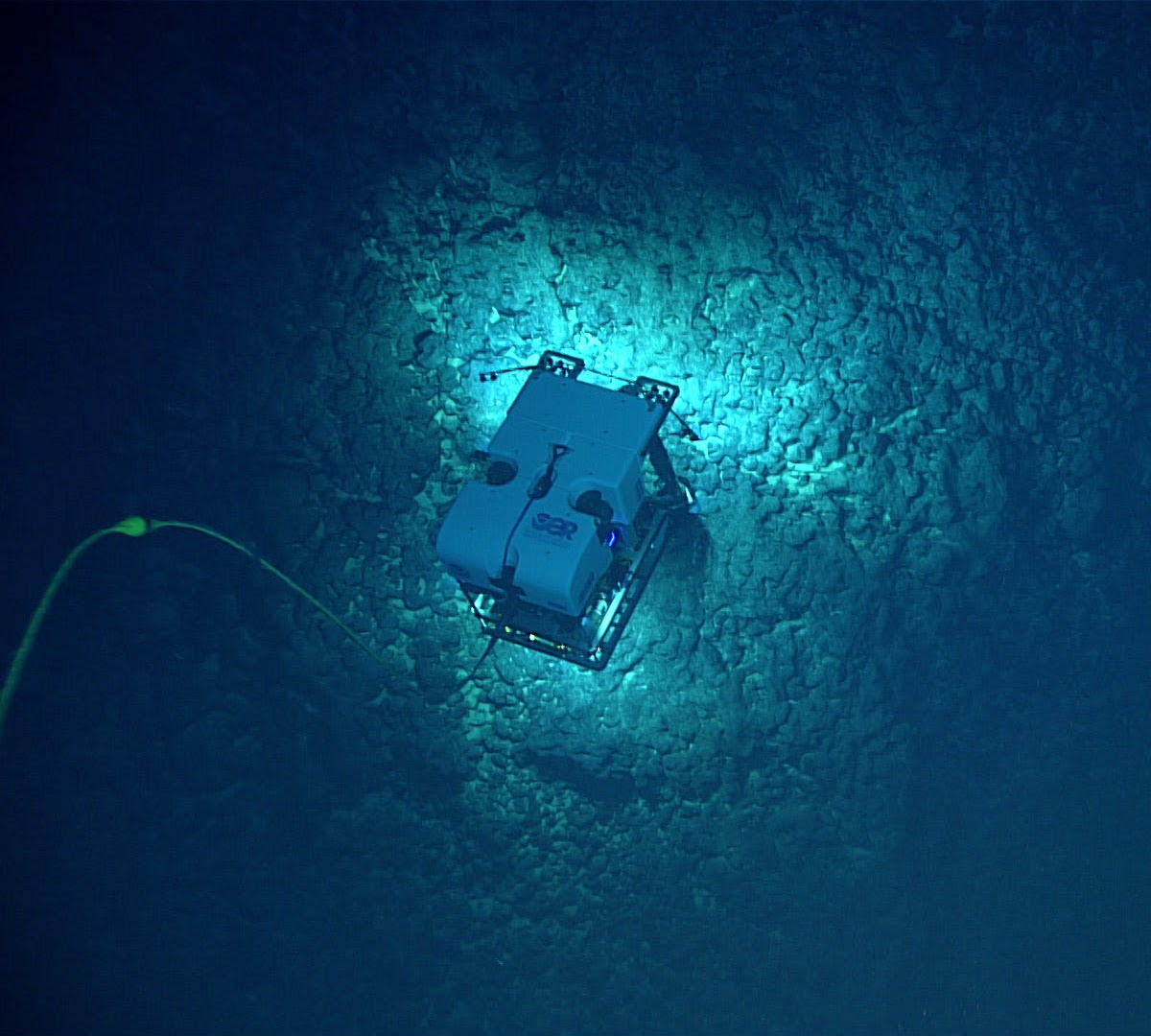
NOAA and Partners to Conduct Expeditions for Deep-Sea Mapping in American Samoa
NOAA Ocean Exploration, alongside its partners, is set to conduct two significant expeditions in the waters surrounding American Samoa during the summer and fall of 2026. These expeditions aim to map and characterize the deep seafloor in a region prioritized for offshore critical mineral exploration, generating publicly available data to enhance understanding of mineral potential and support decision-making. The importance of these expeditions lies in their potential to uncover unknown marine habitats and mineral resources vital for national prosperity and security. NOAA's Principal Deputy Assistant Secretary Erik Noble emphasized the commitment to providing scientific research that supports commerce, while Captain William Mowitt highlighted the need for authoritative science to guide responsible marine resource management. The first expedition will occur from August to September 2026, followed by a second from late September to October 2026, utilizing advanced mapping technology and observational sensors aboard the NOAA Ship Okeanos Explorer. Real-time ROV operations will be streamed online, allowing public engagement and transparency in the exploration process. No further timeline was disclosed at the time of publication.
noaa exploration mapping deep water rov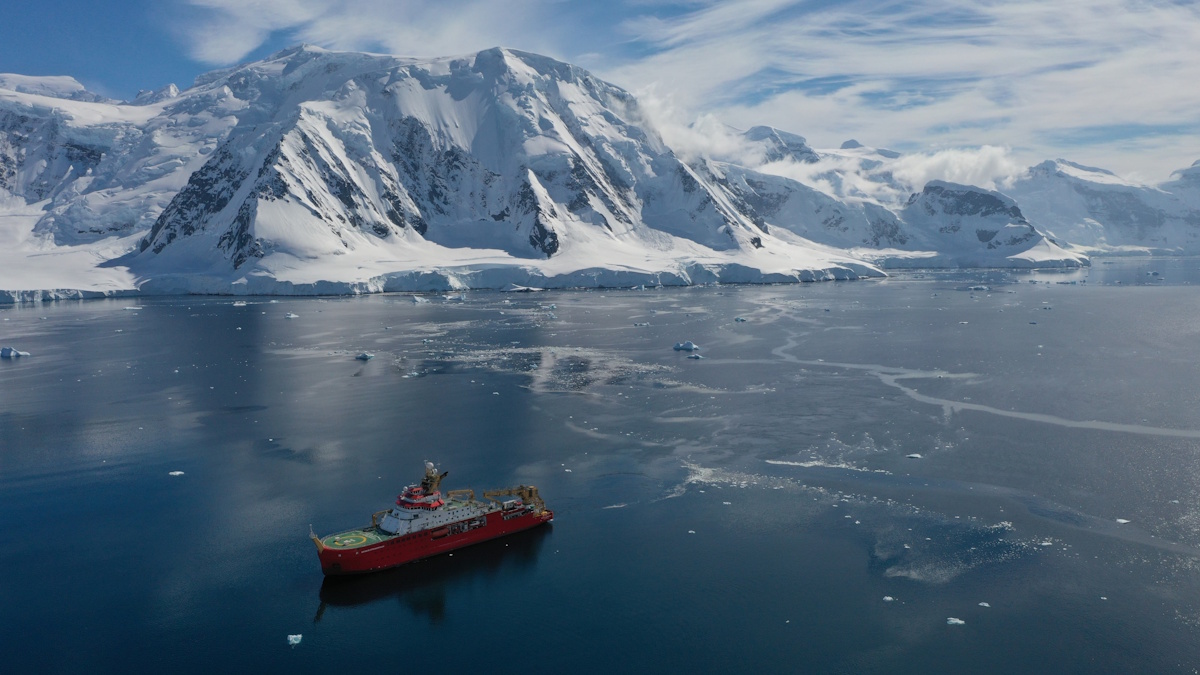
International Research Team Embarks on Greenland Expedition to Study Melting Glaciers
An international team of researchers is set to begin a six-week expedition in Greenland on July 16, 2026, to investigate the rapid melting of fjord glaciers and its implications for the Atlantic Ocean. The study aims to assess how this melting contributes to potential climate tipping points, particularly affecting ocean currents. The research is part of a five-year project called GIANT, led by the British Antarctic Survey (BAS) and funded by the Advanced Research + Invention Agency (ARIA). The team will utilize advanced technologies, including drones, marine robots, and sensors, to gather data that will enhance predictions regarding the future of Greenland's glaciers and their environmental impact. As the expedition unfolds, attention will be focused on the effects of Greenland's melting ice on the North Atlantic Subpolar Gyre and the Atlantic Meridional Overturning Circulation (AMOC). Dr. Kelly Hogan from BAS emphasizes the significance of modern tools in exploring glacier-ocean interactions, highlighting the urgency of understanding these changes as they may occur within decades.
rrs sir david attenborough glaciers melting fjord glaciers climate change giant (greenland ice sheet to atlantic tipping points british antarctic survey (bas)
E/V Nautilus Embarks on Two Expeditions to Explore Mariana Deep-Sea Regions
The Ocean Exploration Trust's Exploration Vessel (E/V) Nautilus has set sail for two expeditions to explore the deep sea around the Mariana Islands. These expeditions, taking place from June to August 2026, will utilize the vessel's remotely operated vehicle (ROV) and telepresence systems, alongside Woods Hole Oceanographic Institution's autonomous underwater vehicle (AUV) Sentry, to investigate previously unsurveyed areas. These missions are significant as they aim to enhance understanding of abyssal plain habitats and ancient seamounts east of the Mariana Trench, a region known for its tectonic activity and unique geological features. The expeditions are supported by NOAA Ocean Exploration and the Bureau of Ocean Energy Management, highlighting the collaborative effort to advance oceanographic research and fill knowledge gaps in this critical area. Looking ahead, the E/V Nautilus will focus on characterizing deep ocean habitats and biodiversity, as well as geological formations, including marine critical minerals. The outcomes of these expeditions are expected to contribute to both US and international scientific priorities, addressing the need for comprehensive data on the largely unexplored deep-sea environments around the Mariana Islands.
e/v nautilus marianas deep-sea exploration ocean exploration trust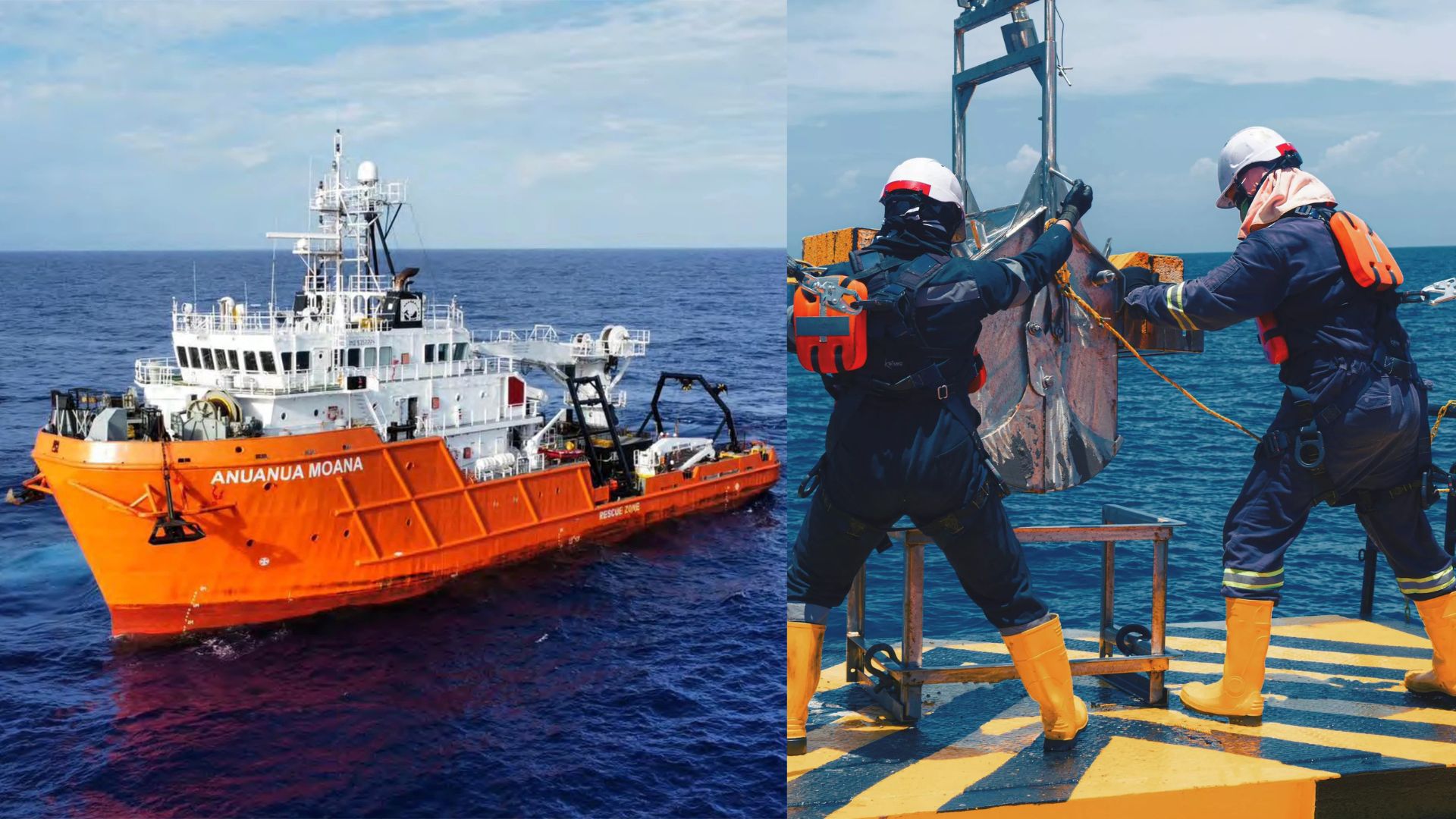
Major American deep-sea expedition delivers 4,059 samples across 53 survey sites
American Ocean Minerals Corporation (AOMC) has successfully completed a significant deep-sea environmental research initiative aimed at assessing the impact of mineral extraction on marine ecosystems. The project, which took place over the past several months, focused on various locations in the Pacific Ocean known for their rich mineral deposits. This research is part of AOMC's broader commitment to sustainable practices in the mining industry, driven by the increasing demand for critical minerals used in technology and renewable energy solutions. By conducting thorough environmental assessments, AOMC seeks to ensure that its operations do not adversely affect marine life or habitats. The findings from this extensive study will inform future mining practices and regulatory compliance, as the company aims to balance economic development with environmental stewardship. AOMC plans to share the results with stakeholders and the scientific community to foster transparency and collaboration in the pursuit of responsible ocean resource management.
Science
NOC to Co-lead REV Ocean Sargasso Sea Expedition
REV Ocean has announced the launch of its Maiden Voyage Science Program, which will feature ten partner-led missions across the South Atlantic, Caribbean, and Eastern Tropical Pacific. This initiative marks the inaugural operational research season for REV, a new vessel added to the global philanthropic fleet dedicated to ocean research and conservation. The program aims to address critical environmental issues and promote sustainable practices in marine ecosystems. Through collaborative efforts with various partners, REV Ocean seeks to enhance scientific understanding and foster innovative solutions to protect the world's oceans.
national oceanography centre (noc) rev ocean sargasso sea expedition (rose)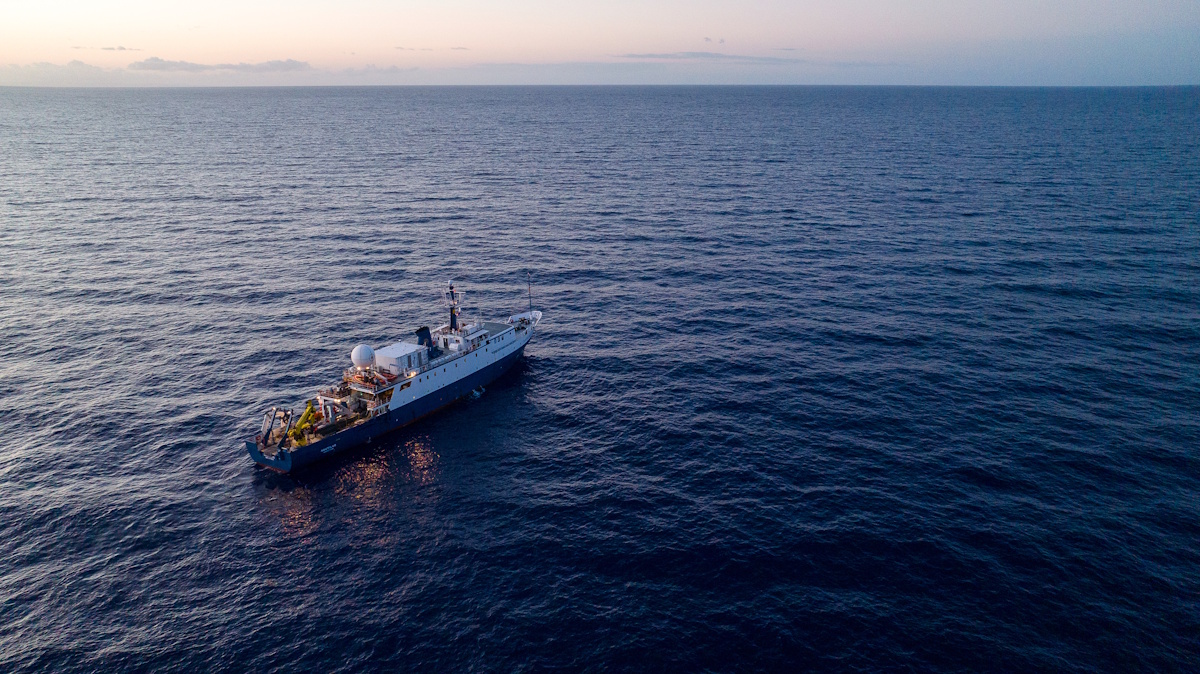
Ocean Exploration Trust Launches Expedition with New Mapping Sonar to Explore Deeper than Ever!
The Ocean Exploration Trust (OET) launched its Exploration Vessel (E/V) Nautilus today for the inaugural expedition of 2026, marking a significant advancement in deep-sea exploration. This expedition, named Pacific Mapping (NA178), features the first operational deployment of the newly installed Kongsberg EM 304 MKII multibeam sonar technology, which enhances the vessel's capability to explore ocean depths more effectively than ever before. The initiative aims to expand our understanding of the Pacific Ocean's underwater landscapes and ecosystems, leveraging cutting-edge technology to gather critical data. The expedition underscores OET's commitment to marine research and exploration, as it seeks to uncover the mysteries of the ocean and contribute to scientific knowledge.
ocean exploration trust’s (oet) e/v nautilus expedition 2026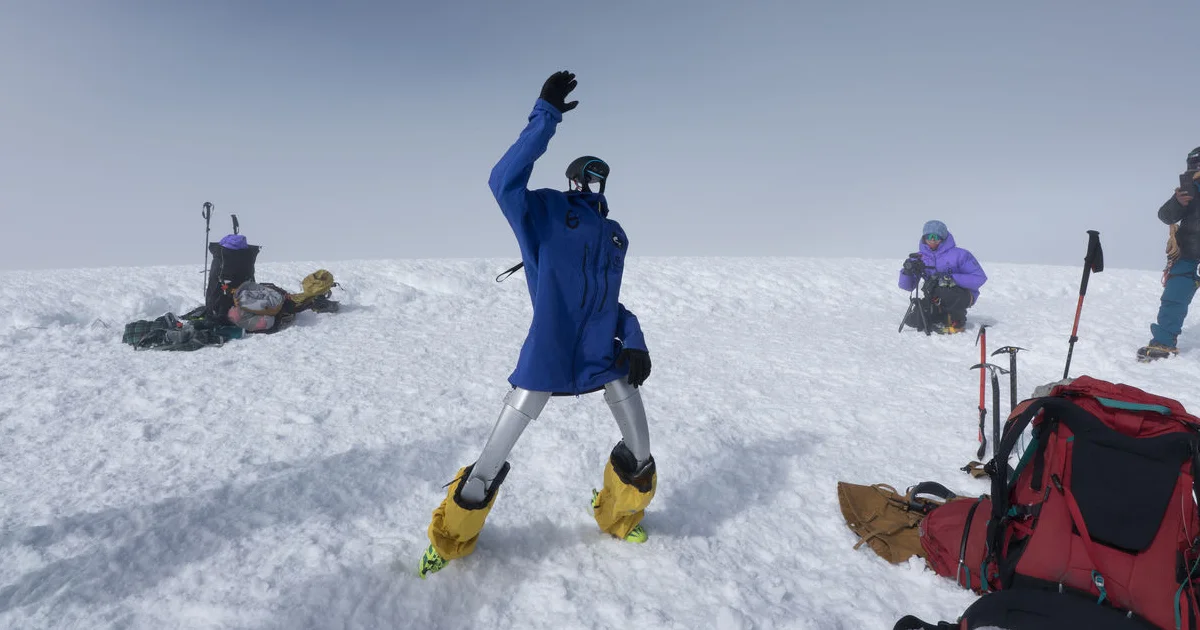
Unitree G1 Humanoid 'Pemba' Successfully Summits Chimborazo in Groundbreaking Expedition
On June 5, 2026, the modified Unitree G1 humanoid robot named 'Pemba' achieved a significant milestone by summiting Chimborazo, a peak in Ecuador that stands at 6,200 meters. This accomplishment marks the first phase of a 'Triple Crown' expedition aimed at testing robotic autonomy in extreme environments. The importance of this expedition lies in its potential to revolutionize conservation efforts. The Pemba project seeks to develop highly mobile robotic platforms that can operate in areas where traditional wheeled or tracked robots fail, addressing the challenges of monitoring remote parks and reserves. Looking ahead, the Pemba team is preparing for its next challenges, including an ascent of Mauna Kea in Hawaii and eventually Mount Everest. However, the timeline for the Everest attempt remains uncertain due to regulatory hurdles in Nepal regarding the use of robotics on the mountain.

Introducing the Expedition A3: A Portable Humanoid Robot for Rental
The Expedition A3 has been officially launched on the Qingtian Rental platform, representing a notable step forward in the development of humanoid robots tailored for rental use and diverse operational scenarios. This innovative robot boasts lightweight deployment capabilities and customizable appearances, positioning it to significantly improve event interactions and operational efficiency across a range of applications. The launch aims to meet the growing demand for versatile robotic solutions in various industries, enhancing user experience and functionality.
Humanoid Robots Robot as a Service Event Technology Rental Solutions
Video: AgiBot Teases "Kung Fu Master" Expedition A3 Humanoid Following Landmark Gala
AgiBot, a Shanghai-based robotics company, has made headlines by introducing the Expedition A3, a full-sized humanoid robot designed to perform complex aerial martial arts maneuvers. This announcement follows the company's recent success in hosting the world’s first robot-led gala, showcasing its innovative capabilities in robotics. The unveiling of the Expedition A3 highlights AgiBot's commitment to pushing the boundaries of technology and entertainment, aiming to integrate advanced robotics into various fields. The event marks a significant milestone in the development of humanoid robots, demonstrating their potential for high-performance tasks.
A3 China AGIBOT
AgiBot’s Expedition A2 Completes 106km Trek, Setting New Bar for Humanoid Endurance
AgiBot, a Shanghai-based robotics company, has achieved a remarkable milestone by completing a continuous 106-kilometer walk from Suzhou to Shanghai using its Expedition A2 humanoid robot. This accomplishment, which has been officially recognized by Guinness World Records, showcases the company’s innovative "hot-swap" battery technology. The successful journey underscores AgiBot's commitment to advancing its technology and enhancing the commercial viability of humanoid robots.
AGIBOT
NOAA-Led Ocean Mapping Expedition in Cook Islands Hailed as a Resounding Success
The Exploration Vessel Nautilus, operated by the Ocean Exploration Trust, has successfully concluded a pioneering three-week mission to map and explore the Exclusive Economic Zone (EEZ) of the Cook Islands. This initiative, which took place recently, was spearheaded by the National Oceanic and Atmospheric Administration (NOAA) through its Ocean Exploration program, with additional support from a grant provided to the Ocean Exploration Cooperative Institute (OECI). The mission represents a significant advancement in the collaboration between the United States and the Cook Islands, aimed at enhancing marine resource management in the region. By employing advanced mapping technologies and conducting in-depth explorations, the project not only contributes to scientific knowledge but also fosters stronger partnerships in sustainable ocean stewardship.
noaa ocean exploration trust
FLANQ Launches Q-RECON: Europe's Newest Expeditionary USV for Maritime Surveillance and Special Forces Operations
FLANQ, a maritime defense solutions provider based in Germany, has unveiled its latest innovation, the Q-RECON, an Uncrewed Surface Vessel (USV) designed specifically for operations in coastal areas. The launch, which took place today, addresses an urgent operational need expressed by a European customer. The Q-RECON is a lightweight, two-meter-long vessel that can be easily transported by two personnel. It is engineered for a range of critical functions, including intelligence gathering, surveillance, reconnaissance, and tactical interdiction, enhancing maritime operational capabilities in the region.
flanq q-recon usv maritime surveillance special forces operations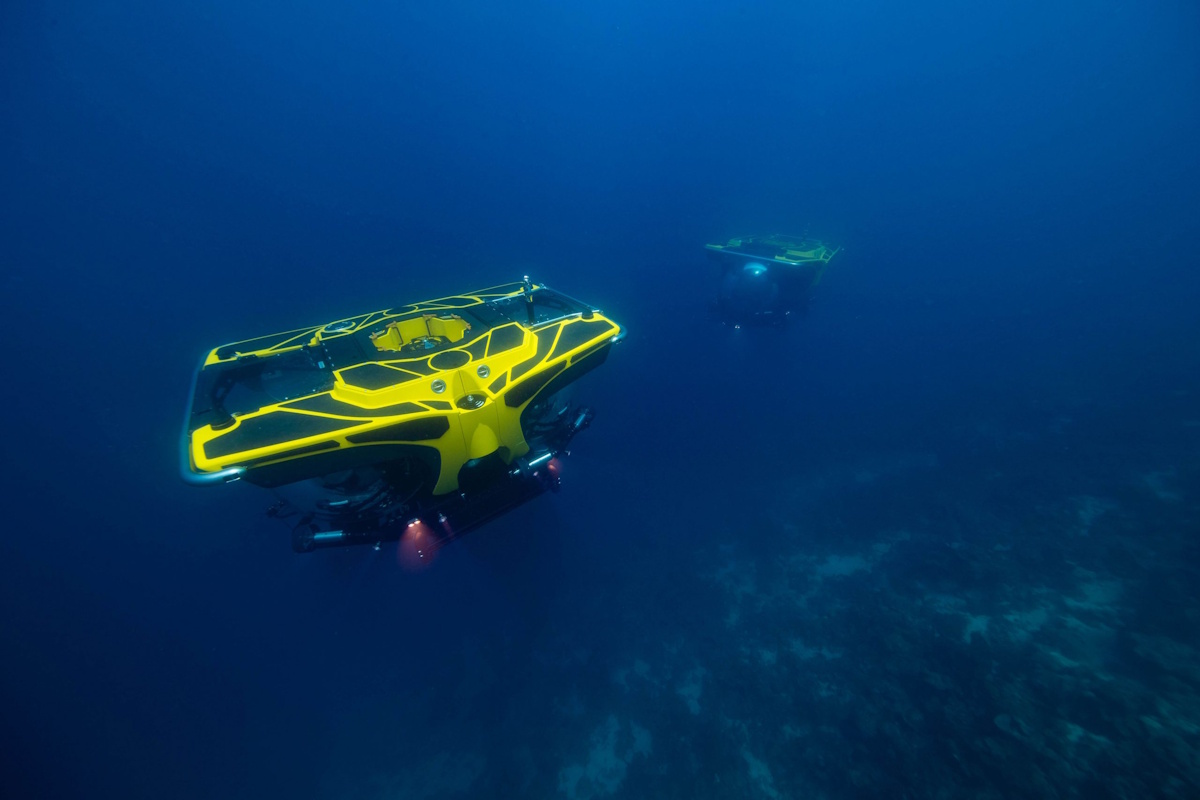
U-Boat Worx Submarines Unlock New Frontiers in Marine Exploration Aboard Expedition Cruise Vessels
A new era of marine exploration and scientific discovery is emerging as Viking and Seabourn expedition vessels incorporate advanced U-Boat Worx Cruise Sub submarines. These state-of-the-art submersibles provide guests with an extraordinary opportunity to explore the depths of the world's oceans while also serving as essential instruments for oceanographic research. This innovative approach is facilitating groundbreaking studies that enhance our understanding of marine ecosystems, highlighting the dual purpose of adventure and scientific inquiry in ocean exploration.
u-boat worx submarines marine exploration expedition cruise vessels
Key to Managing Legacy Munitions in the Baltic Sea - Expedition AL628 Investigates Suspected Sites in German and Danish Waters
The Baltic Sea, long known to be contaminated with remnants of munitions from past conflicts, is the focus of ongoing research aimed at identifying the locations and conditions of these underwater hazards. Three major initiatives at the national, Baltic Sea, and European levels are currently underway to enhance understanding and develop technologies for the safe identification of submerged munitions. The GEOMAR Helmholtz Centre for Ocean Research Kiel is actively participating in these efforts through a series of expeditions. The first of these missions has commenced aboard the research vessel ALKOR, which is testing and refining advanced mapping and analysis techniques. This initial expedition is concentrating on specific areas within German and Danish waters, particularly around the Flensburg Fjord/Lille Belt, west of Bornholm, and the Bay of Lübeck. The goal of these projects is to consolidate existing knowledge and improve safety measures regarding the munitions that pose environmental and navigational risks in the Baltic Sea.

VideoRay, a BlueHalo Company, Awarded $30.7M Contract to Support U.S. Navy’s Maritime Expeditionary Standoff Response Program
VideoRay, a subsidiary of BlueHalo and a leader in underwater robotics, has secured a contract valued at over $30.7 million from the Naval Information Warfare Center (NIWC) Pacific. This five-year agreement focuses on providing systems engineering and support services for the Mission Specialist Defender systems, specifically the Maritime Expeditionary Standoff Response (MESR) remotely operated vehicle (ROV). The contract aims to enhance the U.S. Navy's operational capabilities with these advanced systems, underscoring the importance of innovative technology in maritime defense operations.
videoray bluehalo contract award u.s. navy maritime expeditionary standoff response programRobotics needs a service framework.
RSF defines a common language for robot service capability, lifecycle operations, certification pathways, and service-provider networks.
Join the RobotToday community on LinkedIn
Daily robotics news, in-depth analysis, conference highlights, and discussions with professionals worldwide.







