Industry Briefing
A single destination for timely, editor-curated robotics news from around the world.
UK trials compact G-size sonobuoy built for autonomous drones hunting submarines
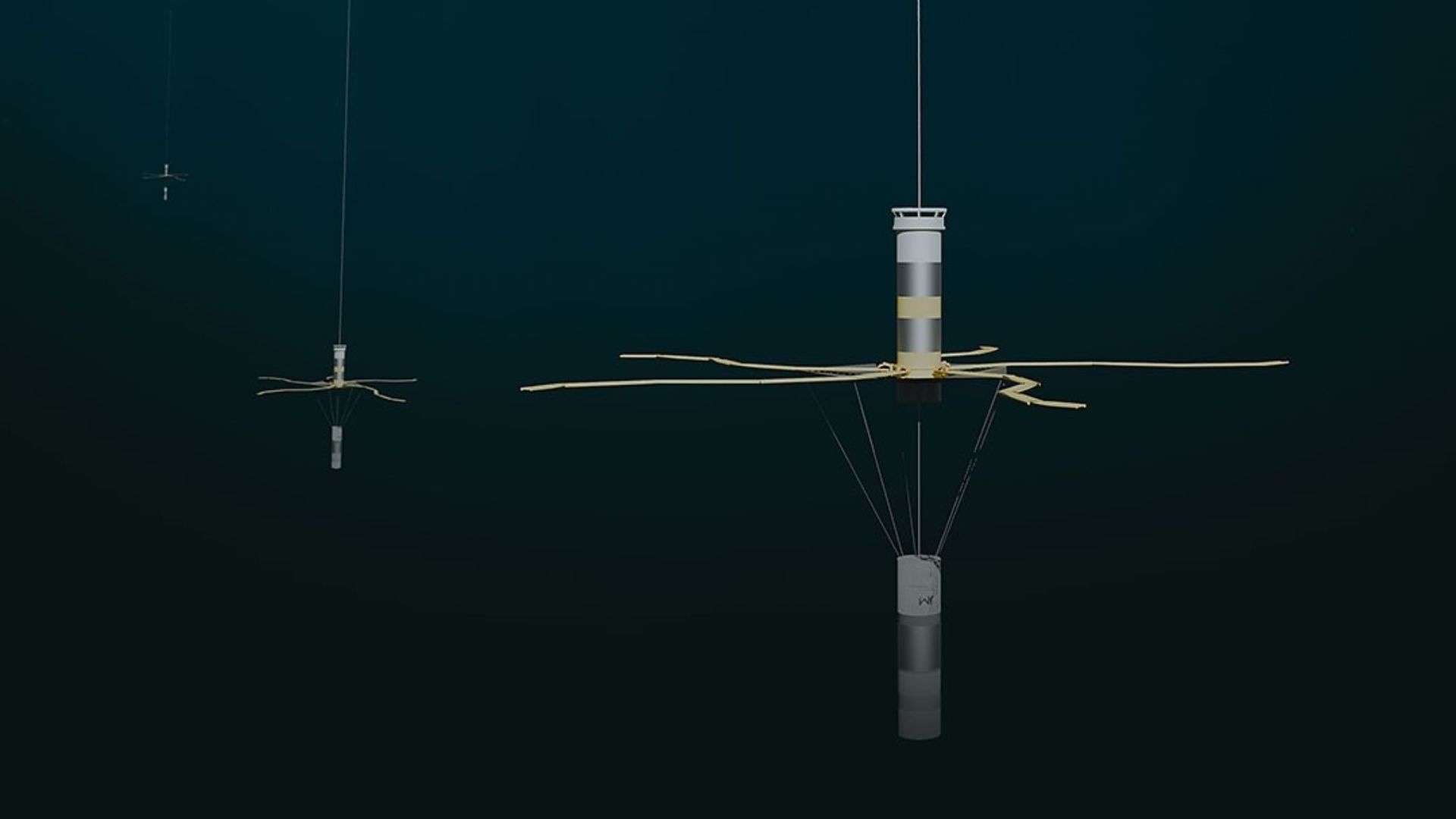
Ultra Maritime has successfully conducted the inaugural in-water deployment trial of its advanced Multistatic Active Receive system. This significant milestone took place recently, marking a key step in the development of the technology designed to enhance maritime surveillance and detection capabilities. The trial was held in a controlled marine environment, allowing the team to assess the system's performance and reliability in real-world conditions. The motivation behind this initiative is to improve the effectiveness of maritime operations, particularly in detecting underwater threats and monitoring marine activities. By utilizing innovative technology and methodologies, Ultra Maritime aims to set a new standard in maritime security solutions. The successful trial demonstrates the potential of the Multistatic Active Receive system to revolutionize the industry and address growing concerns over maritime safety and security.
Military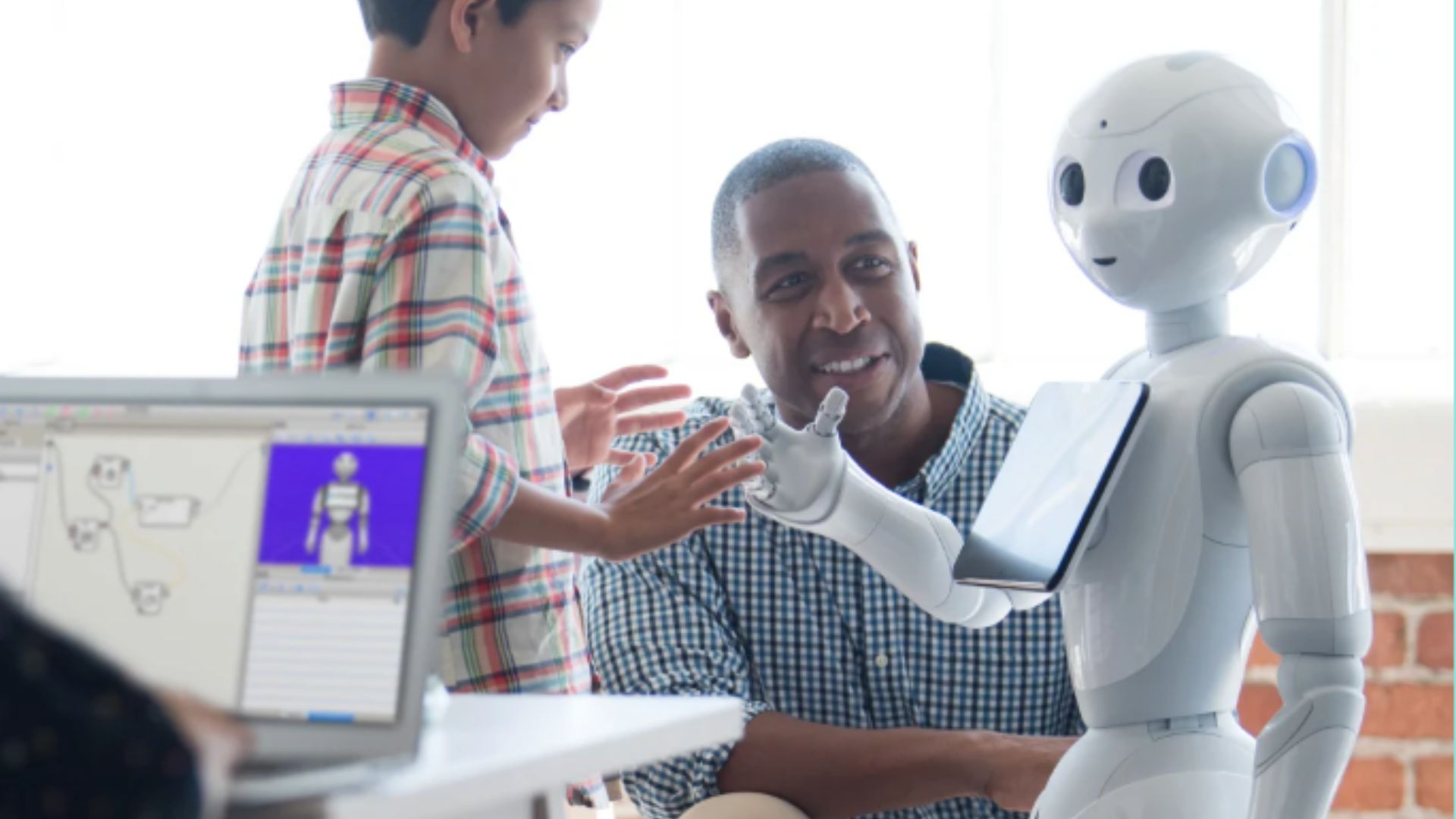
New research shows robot ‘personality’ in games hinges on timing and turn-taking
Recent research indicates that humanoid robots have the potential to serve as effective playmates for humans, particularly in enhancing social interaction and engagement among children. Conducted by a team of robotics experts, the study highlights the robots' ability to adapt to children's preferences and behaviors, fostering a more interactive play environment. The findings were published in a peer-reviewed journal earlier this month, following extensive trials in various settings, including schools and homes. The motivation behind this research stems from the growing interest in integrating technology into childhood development, aiming to address socialization challenges faced by some children. By employing advanced artificial intelligence, these robots can learn and respond to individual needs, making them more appealing companions for play. The study's authors emphasize the importance of ensuring that these interactions are safe and beneficial, advocating for guidelines on the ethical use of robots in children's lives. As the field of robotics continues to evolve, the implications of this research could significantly impact educational practices and child development strategies, offering new avenues for fostering creativity and social skills among young users.
AI and Robotics
US’ new 180-foot drone ship could launch hypersonic missiles, demo set for 2027
Saronic and Castelion, two prominent defense technology firms, have unveiled their intention to merge efforts in developing an autonomous warship. This strategic collaboration aims to enhance maritime security capabilities and address emerging threats in naval warfare. The announcement was made on October 15, 2023, during a defense technology conference held in Athens, Greece. The motivation behind this partnership stems from the increasing demand for advanced naval solutions that can operate independently in complex environments. By pooling their expertise and resources, Saronic and Castelion seek to accelerate the innovation process and deliver cutting-edge technology to military clients worldwide. The proposed autonomous warship is expected to incorporate advanced artificial intelligence and machine learning systems, enabling it to perform a variety of missions, including reconnaissance, surveillance, and combat operations, without direct human intervention. This development reflects a broader trend in the defense industry towards automation and smart technologies, aimed at enhancing operational efficiency and reducing risks to personnel. As the defense sector continues to evolve, the collaboration between Saronic and Castelion positions them at the forefront of the autonomous naval warfare market, potentially reshaping the future of maritime defense strategies.
Military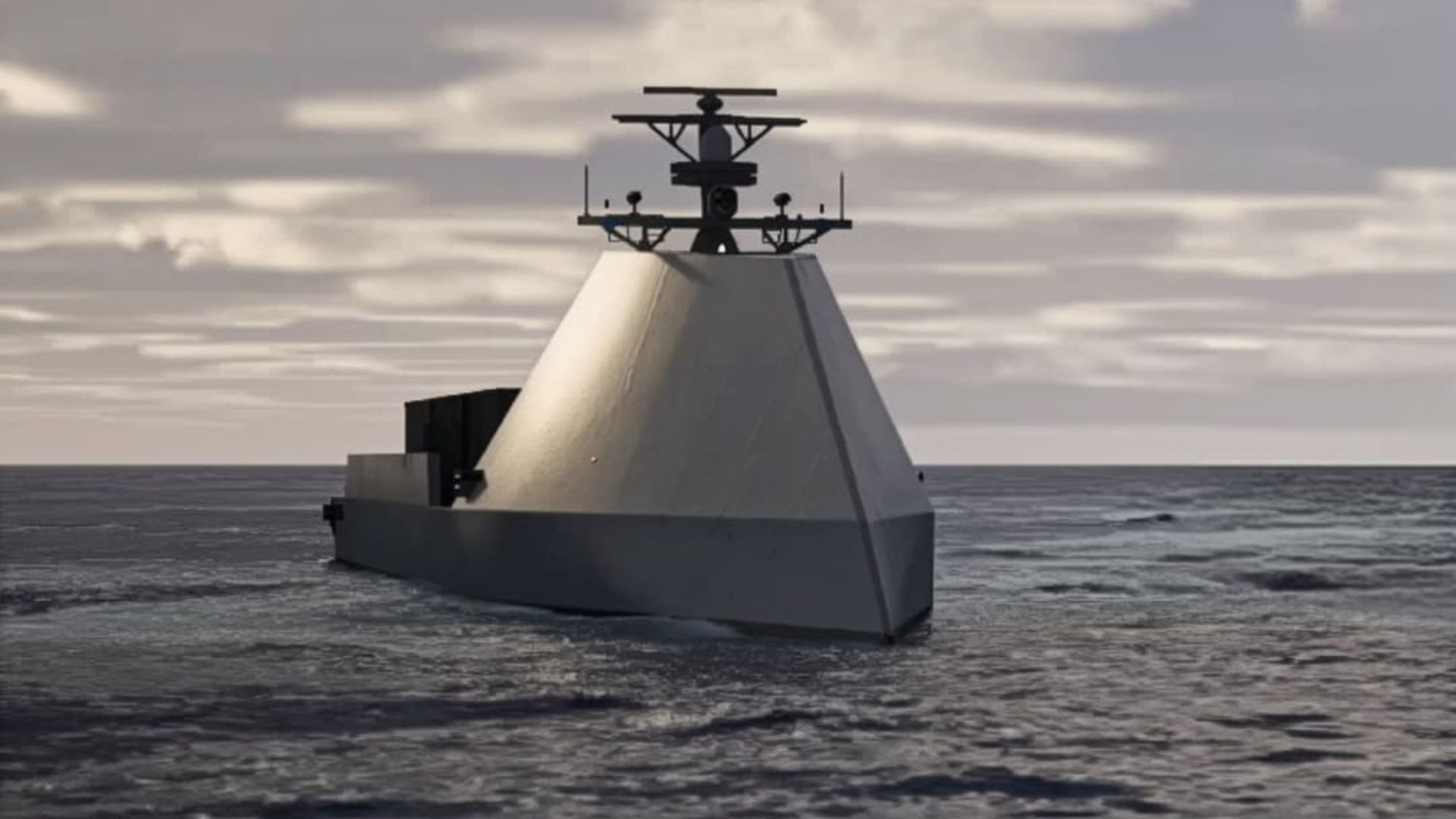
US Navy drone ship gets its own production line to speed up fleet deliveries
Bayou Metals, a key manufacturing partner of defense shipbuilder Huntington Ingalls Industries (HII), has announced the establishment of a new facility aimed at enhancing its production capabilities. This development, which took place in early October 2023, is located in the Gulf Coast region, a strategic area for defense manufacturing. The decision to expand comes in response to increasing demand for advanced materials and components necessary for military vessels. By investing in this new facility, Bayou Metals aims to streamline its operations and improve efficiency, ultimately supporting HII's commitment to delivering high-quality defense products. The facility is expected to create numerous jobs and contribute to the local economy, while also reinforcing the supply chain for the defense sector.
Military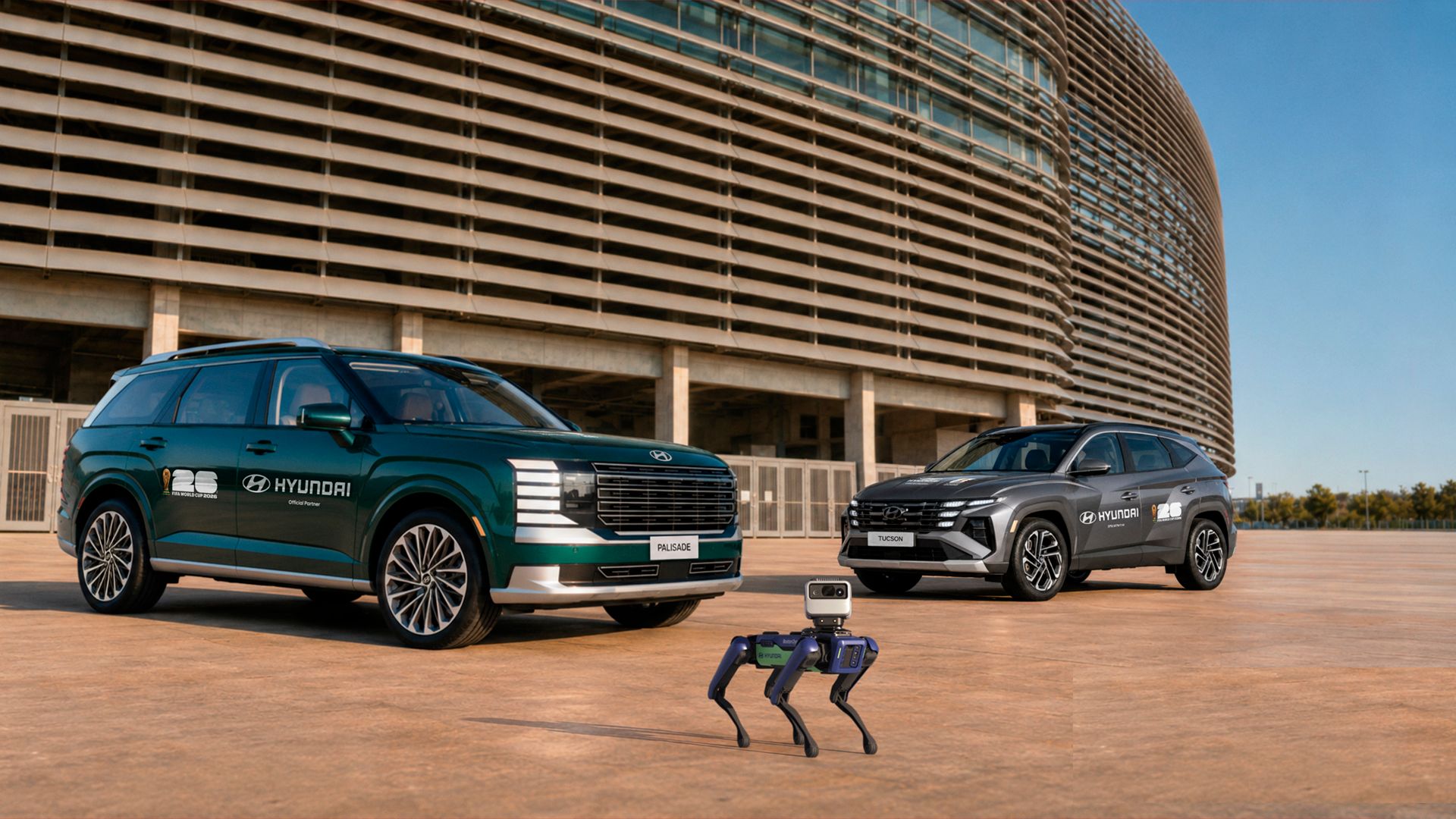
FIFA World Cup 2026 gets Hyundai robot dogs for venue security patrols
As the 2026 FIFA World Cup approaches, Hyundai Motor Company has unveiled its latest marketing campaign aimed at enhancing fan engagement during the tournament. The initiative, which was announced in early October 2023, will leverage innovative technology and interactive experiences to connect soccer enthusiasts across North America. Hyundai's campaign is designed to capitalize on the excitement surrounding the World Cup, which is set to take place in the United States, Canada, and Mexico. The automotive giant aims to strengthen its brand presence and foster a deeper connection with fans by integrating digital platforms and live events into its promotional strategy. Through a series of interactive activations, Hyundai plans to provide fans with unique opportunities to participate in the World Cup experience, including virtual reality experiences and social media engagements. This approach not only highlights Hyundai's commitment to the sport but also aligns with its broader marketing objectives of reaching a diverse audience and enhancing customer loyalty. By embracing the global appeal of soccer, Hyundai seeks to position itself as a key player in the automotive market while celebrating the spirit of the World Cup. The campaign reflects the company's dedication to innovation and community engagement, aiming to create memorable moments for fans during this prestigious sporting event.
AI and Robotics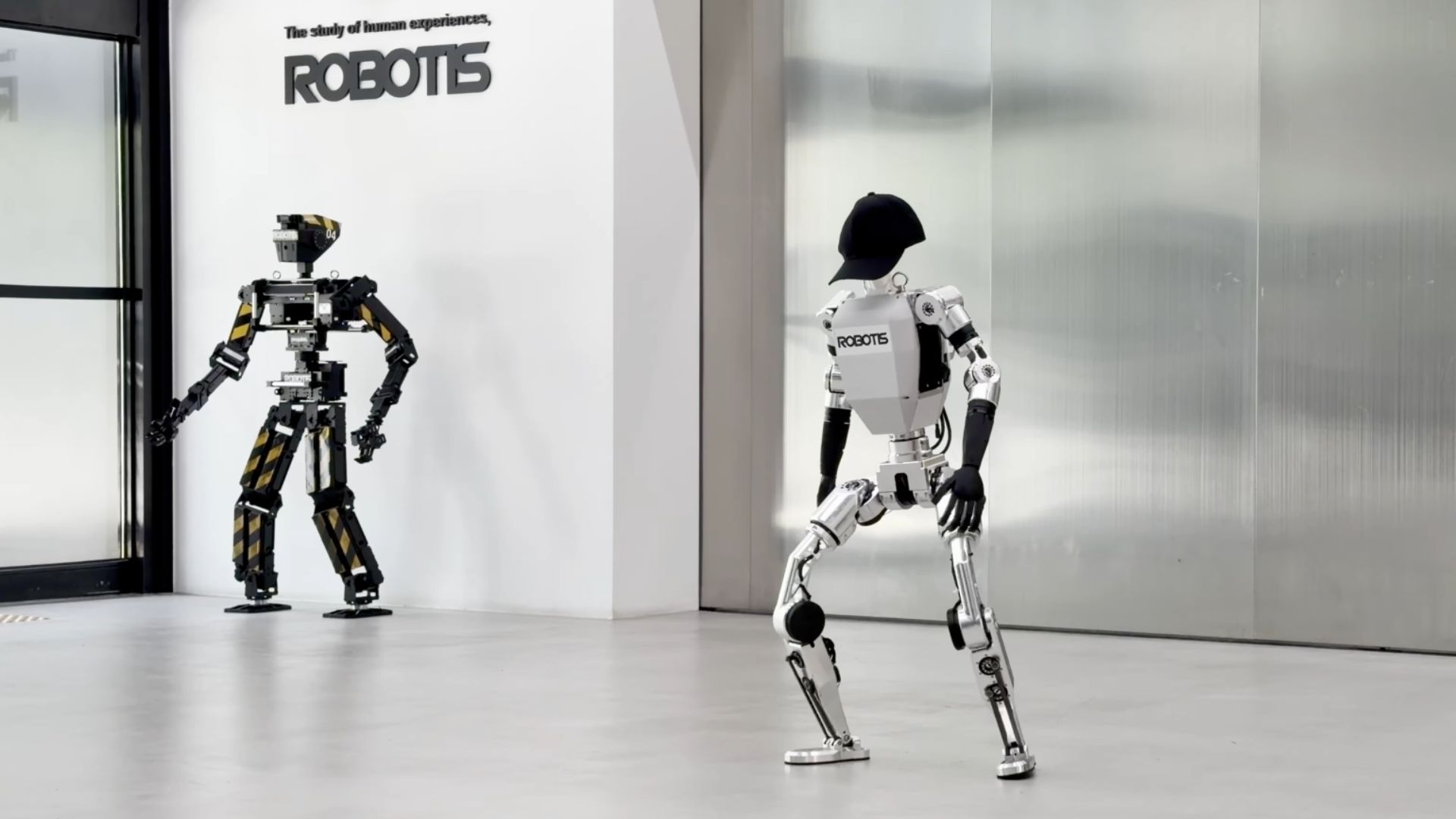
Watch: Korean humanoid robot performs viral K-POP dance, learns by watching videos
A South Korean company has made significant strides in humanoid robotics, recently unveiling a sophisticated humanoid capable of learning complex motions. This development comes amid China's prominent presence in the field of robotics, highlighting the competitive landscape of technological innovation. The demonstration took place at a technology expo in Seoul, where industry leaders gathered to witness advancements in artificial intelligence and robotics. The motivation behind this innovation is to enhance the capabilities of humanoid robots, making them more adaptable and efficient in various tasks. The company achieved this breakthrough by integrating advanced machine learning algorithms, allowing the robot to observe and replicate movements, thereby improving its functionality in real-world applications. This event marks a pivotal moment for South Korea in the global robotics arena, positioning the nation as a key player in the evolution of humanoid technology.
AI and Robotics
Israel’s Elbit Systems, Germany’s Diehl Defence team on SkyStriker pitch for Berlin
Elbit Systems has announced a significant partnership with Diehl to enhance Germany's defense capabilities through local manufacturing and assembly of advanced defense systems. This collaboration aims to bolster the development of sovereign defense capabilities and strengthen the German defense industry. The deal reflects a strategic move to ensure that Germany can independently produce critical defense technologies, thereby enhancing national security. The initiative is expected to create jobs and foster innovation within the local defense sector, marking a pivotal step in Germany's commitment to increasing its defense capabilities.
Air Warfare Air Force Business & Industry Diehl Drones Elbit
Robot hand uses touch and vision to harvest ripe fruit with near-100% accuracy
A team of researchers has created an innovative soft robotic gripper designed to assess the ripeness of fruit and facilitate harvesting. This development, which emerged from ongoing advancements in agricultural technology, aims to address the challenges faced by farmers in determining the optimal time for fruit picking. The gripper, equipped with advanced sensors, can gently handle delicate produce without causing damage, ensuring that only ripe fruits are collected. The project, which began in early 2023, took place at a leading agricultural research facility. The motivation behind this invention stems from the increasing demand for efficient and sustainable farming practices, as well as the need to reduce labor costs and improve the quality of harvested fruits. By automating the inspection and harvesting process, the researchers hope to enhance productivity and minimize waste in the agricultural sector. The robotic gripper operates through a combination of tactile sensing and machine learning algorithms, allowing it to analyze the texture and firmness of the fruit in real-time. This technology not only promises to streamline the harvesting process but also aims to improve the overall quality of produce reaching consumers. As the agricultural industry continues to evolve, innovations like this soft robotic gripper represent a significant step forward in the quest for smarter, more efficient farming solutions.
AI and Robotics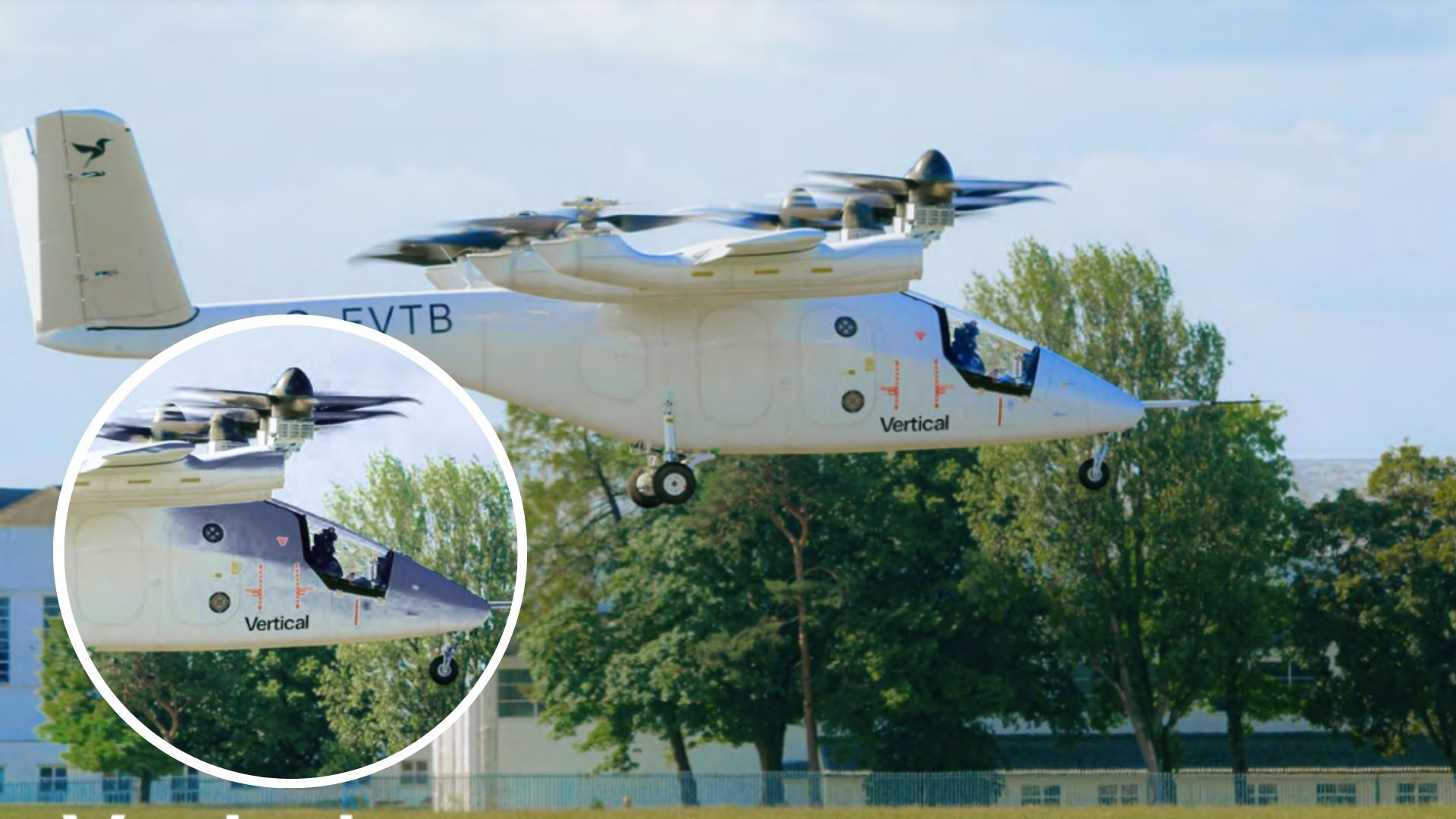
New plane prototype conducts maiden piloted flight, can transform hybrid-electric aircraft future
An aerospace and technology company has successfully completed the maiden piloted flight of its full-scale prototype, marking a significant milestone in its development efforts. The flight took place recently at the company's testing facility, showcasing advancements in aerospace technology and design. This achievement is part of the company's broader mission to innovate and enhance capabilities in the aerospace sector, driven by the growing demand for advanced aircraft solutions. The prototype's successful flight demonstrates the effectiveness of the engineering and design processes employed, paving the way for future developments and potential commercial applications. The company aims to leverage this success to attract investment and partnerships, furthering its goals in the competitive aerospace market.
Transportation
China’s robotic snakes slither across power lines to spot faults before failure
China has introduced robotic snakes to enhance the inspection of power lines, aiming to ensure a stable electricity supply across the nation. This innovative technology was rolled out recently as part of a broader initiative to improve infrastructure maintenance and reduce the risks associated with manual inspections. The deployment of these robotic devices is particularly significant given the increasing demand for reliable energy sources in the country. By utilizing advanced robotics, the initiative seeks to minimize human error and enhance safety for workers who traditionally perform these inspections. The robotic snakes are designed to navigate complex environments, allowing for thorough examinations of power lines that may be difficult for humans to access. This move reflects China's commitment to leveraging technology in its energy sector, ultimately contributing to a more resilient and efficient power grid.
AI and Robotics
Four-legged robot dog spots hazardous toxins before firefighters enter danger zones
A groundbreaking four-legged robot dog, engineered to identify toxic substances, is poised to serve as a first responder in hazardous situations. Developed by a team of researchers and engineers, this innovative technology aims to enhance safety protocols in environments where chemical exposure poses significant risks. The robot's deployment is anticipated to occur in the coming months, with trials set to take place in various industrial settings and disaster response scenarios. The motivation behind this advancement stems from the increasing need for effective monitoring and rapid response to chemical spills and leaks, which can have dire consequences for both human health and the environment. By utilizing advanced sensors and artificial intelligence, the robot dog can navigate challenging terrains and provide real-time data on toxic substance levels, allowing human responders to make informed decisions. As the project progresses, the team is focused on refining the robot's capabilities and ensuring its reliability in real-world applications. This initiative represents a significant step forward in the integration of robotics into emergency response, potentially revolutionizing how hazardous situations are managed and mitigating risks associated with toxic exposures.
AI and Robotics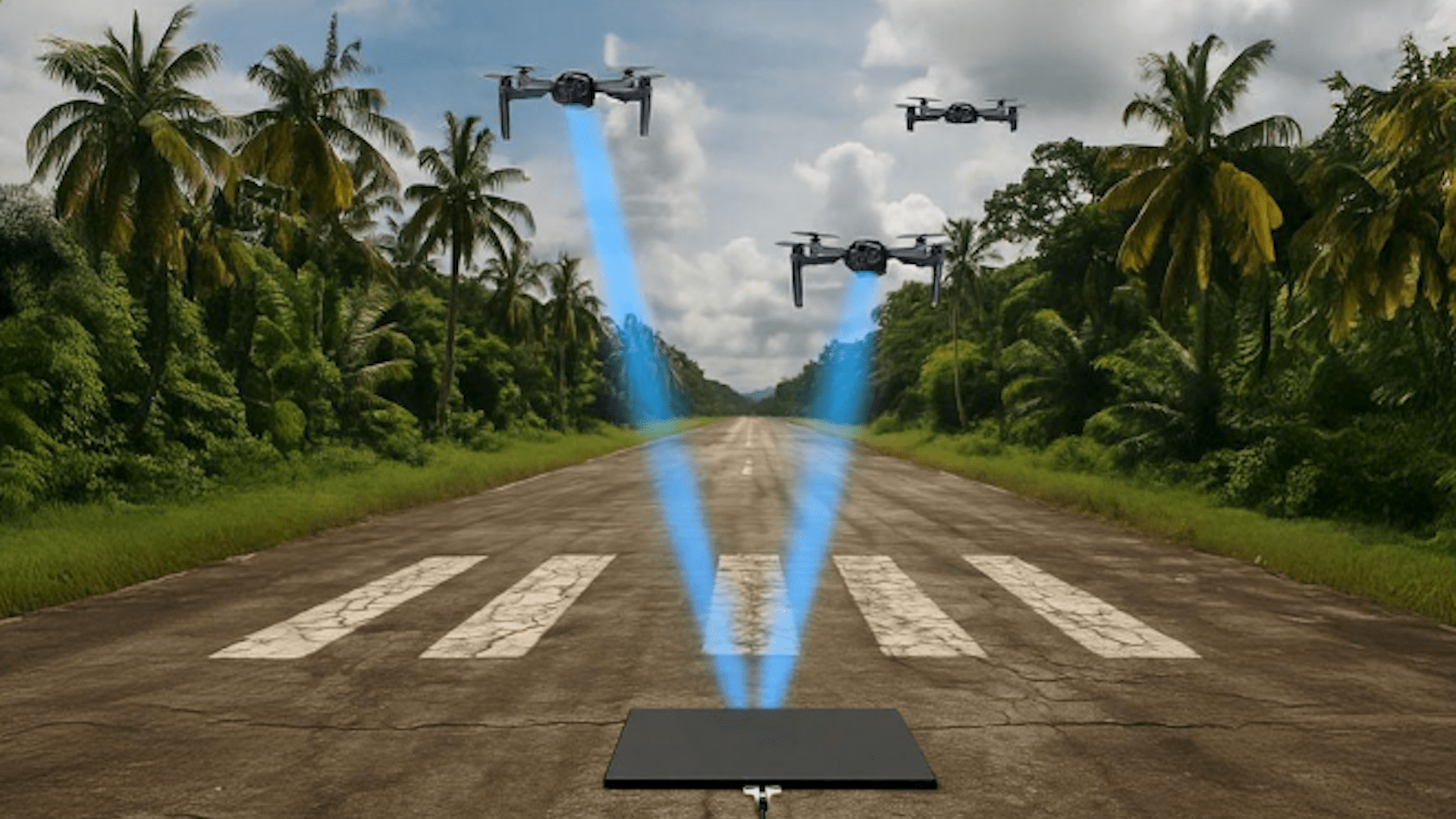
Next-gen wireless drone swarm stays airborne 24/7, never needs to land
US companies Reach Power and Gambit have unveiled that their collaborative initiative, the SWARM project, has secured funding. This financial backing aims to advance the development of innovative technologies in the renewable energy sector. The announcement was made on October 15, 2023, highlighting the growing interest and investment in sustainable energy solutions. The SWARM project is designed to enhance energy efficiency and promote the integration of renewable resources into existing power grids. By leveraging cutting-edge technology and strategic partnerships, Reach Power and Gambit intend to address the increasing demand for clean energy alternatives. This initiative reflects a broader trend in the industry, as companies seek to align with global sustainability goals and reduce carbon footprints.
Innovation
Cobra 600: Germany’s 620mph jet drone interceptor with IRIS-T and 155-mile range
German weapon manufacturer Diehl Defence has unveiled its latest innovation, the Cobra 600, a jet-powered interceptor drone designed to enhance aerial defense capabilities. This advanced drone is engineered to intercept and neutralize threats in real-time, showcasing Diehl Defence's commitment to cutting-edge military technology. The Cobra 600 was officially introduced during a defense exhibition held in Berlin in October 2023, where industry leaders gathered to discuss advancements in military hardware. The motivation behind the development of the Cobra 600 stems from the increasing demand for sophisticated defense systems in response to evolving aerial threats. By integrating jet propulsion technology, Diehl Defence aims to provide armed forces with a faster and more agile solution for intercepting hostile drones and other airborne threats. The drone's design emphasizes not only speed but also precision, allowing for effective engagement in various combat scenarios. The introduction of the Cobra 600 marks a significant step forward in unmanned aerial vehicle technology, reflecting a broader trend in the defense sector towards automation and enhanced operational efficiency. As military forces around the world seek to modernize their arsenals, Diehl Defence positions itself at the forefront of this transformation with its innovative approach to aerial defense.
Military
KLM operates first passenger flight to Germany with synthetic kerosene-blended fuel
A KLM Cityhopper flight successfully landed in Hamburg, Germany, after a short trip originating from Amsterdam. The flight, which is part of KLM's regional service, aims to enhance connectivity between major European cities. This route is particularly significant for business travelers and tourists looking to explore the vibrant culture and economy of Hamburg. The timely arrival of the flight underscores KLM's commitment to providing efficient air travel options within Europe, catering to the growing demand for regional travel.
Transportation
MIT affiliates win 2026 Hertz Foundation Fellowships
A new fellowship program has been launched to support doctoral students in applied sciences, engineering, and mathematics who are dedicated to addressing critical challenges in science and technology. This initiative aims to recognize and empower emerging researchers who are developing innovative solutions to pressing issues. The program is designed to enhance the educational and research opportunities for these students, providing them with the resources necessary to advance their work. By fostering a new generation of scientists and engineers, the fellowship seeks to contribute to the advancement of knowledge and technology, ultimately benefiting society as a whole. The initiative is expected to play a significant role in shaping the future of scientific research and technological development.
Awards, honors and fellowships Students Graduate, postdoctoral Alumni/ae Chemistry Mechanical engineering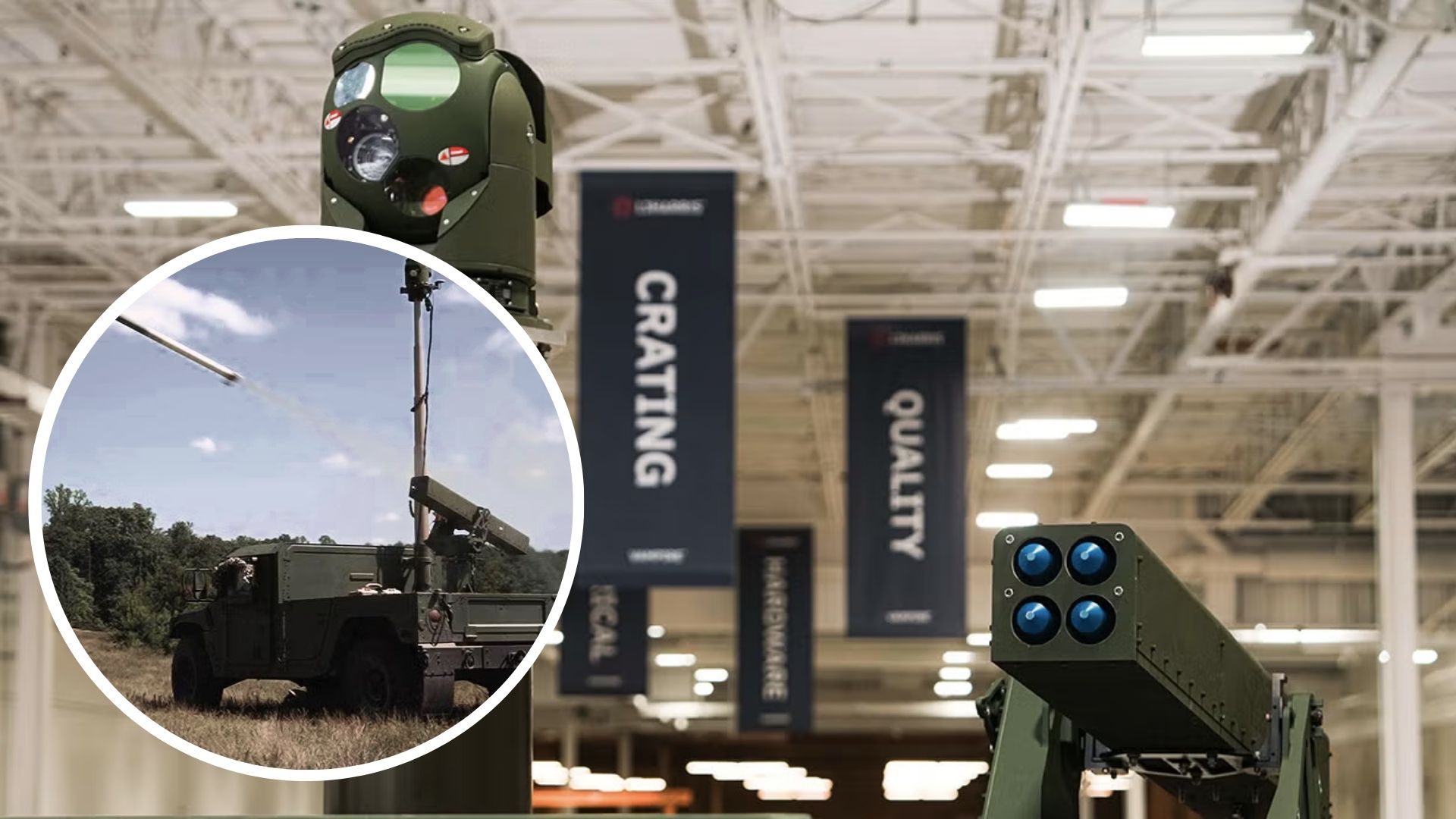
US Army to deploy VAMPIRE drone hunter with proven 350,000 hours of battlefield use
A new counter-drone system is being developed to bolster the defense capabilities of the United States against increasing drone threats. This initiative comes in response to the growing concerns over the use of unmanned aerial vehicles by adversaries, which have been employed in various conflicts and security breaches. The system is expected to be deployed in military bases and critical infrastructure locations across the country, enhancing the protection of both personnel and assets. The U.S. Department of Defense is spearheading this project, collaborating with leading technology firms to integrate advanced detection and neutralization technologies. The system aims to identify and intercept hostile drones before they can cause harm. Testing of the new technology is scheduled to begin in early 2024, with full operational capability anticipated by the end of the year. This proactive measure reflects the U.S. military's commitment to adapting to modern warfare challenges and ensuring national security. As drone technology continues to evolve, the implementation of this counter-drone system is seen as a crucial step in maintaining strategic advantages and safeguarding against potential threats.
Military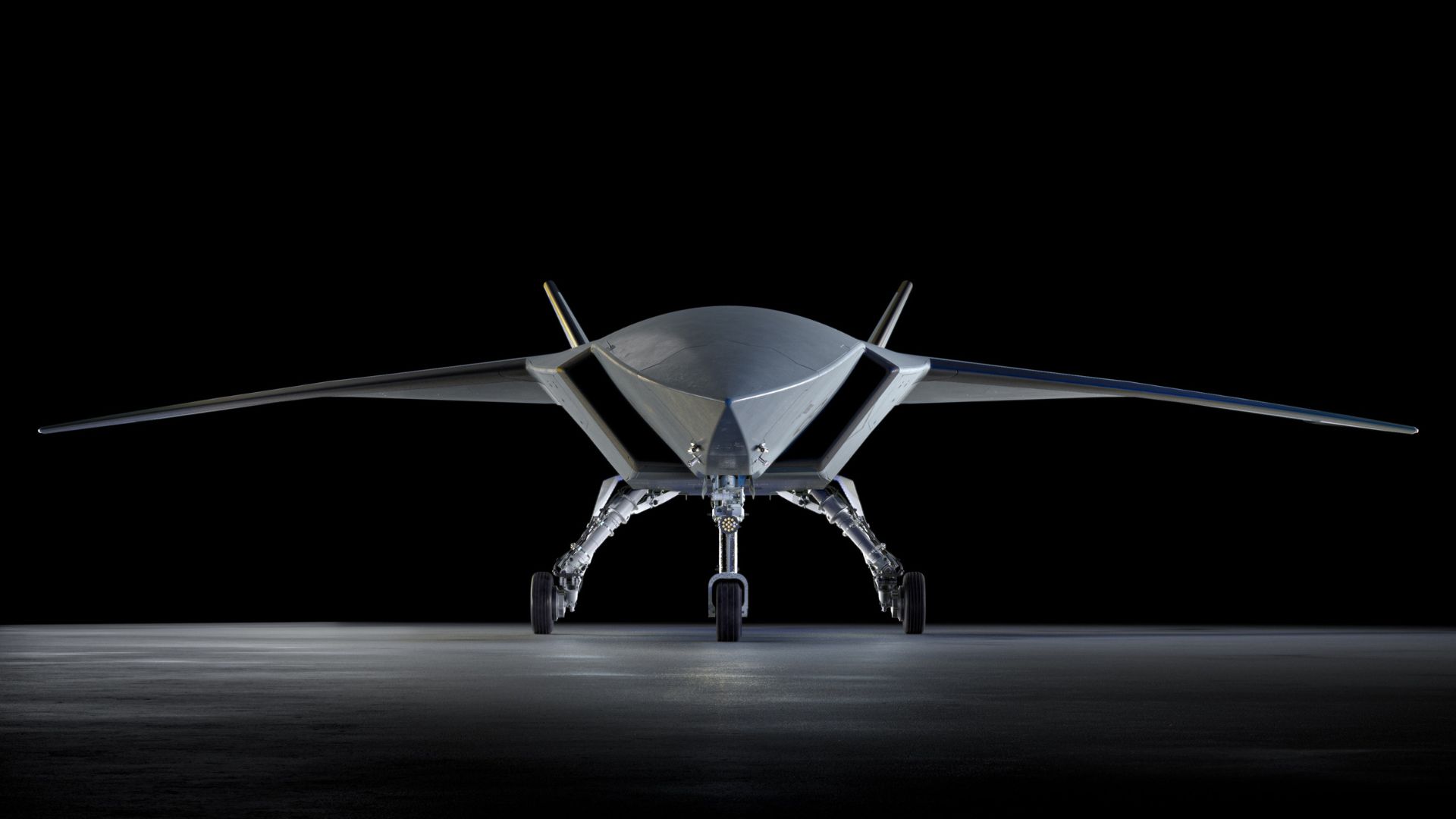
Boeing’s bigger Ghost Bat can carry missiles internally, carry more combat load
Boeing has introduced an upgraded version of its MQ-28 Ghost Bat drone, enhancing its capabilities with extended range and improved technology. The announcement was made during a recent defense expo in Australia, where the company showcased its commitment to advancing unmanned aerial systems. This new iteration aims to meet the growing demands for advanced surveillance and combat support in modern warfare. Boeing's development of the MQ-28 is driven by the need for more versatile and efficient military drones that can operate in complex environments. The enhancements include advanced sensors and artificial intelligence features, which allow for better decision-making and operational efficiency. This latest model is expected to play a crucial role in future defense strategies, particularly in the Indo-Pacific region, where military presence and technological superiority are increasingly prioritized.
Military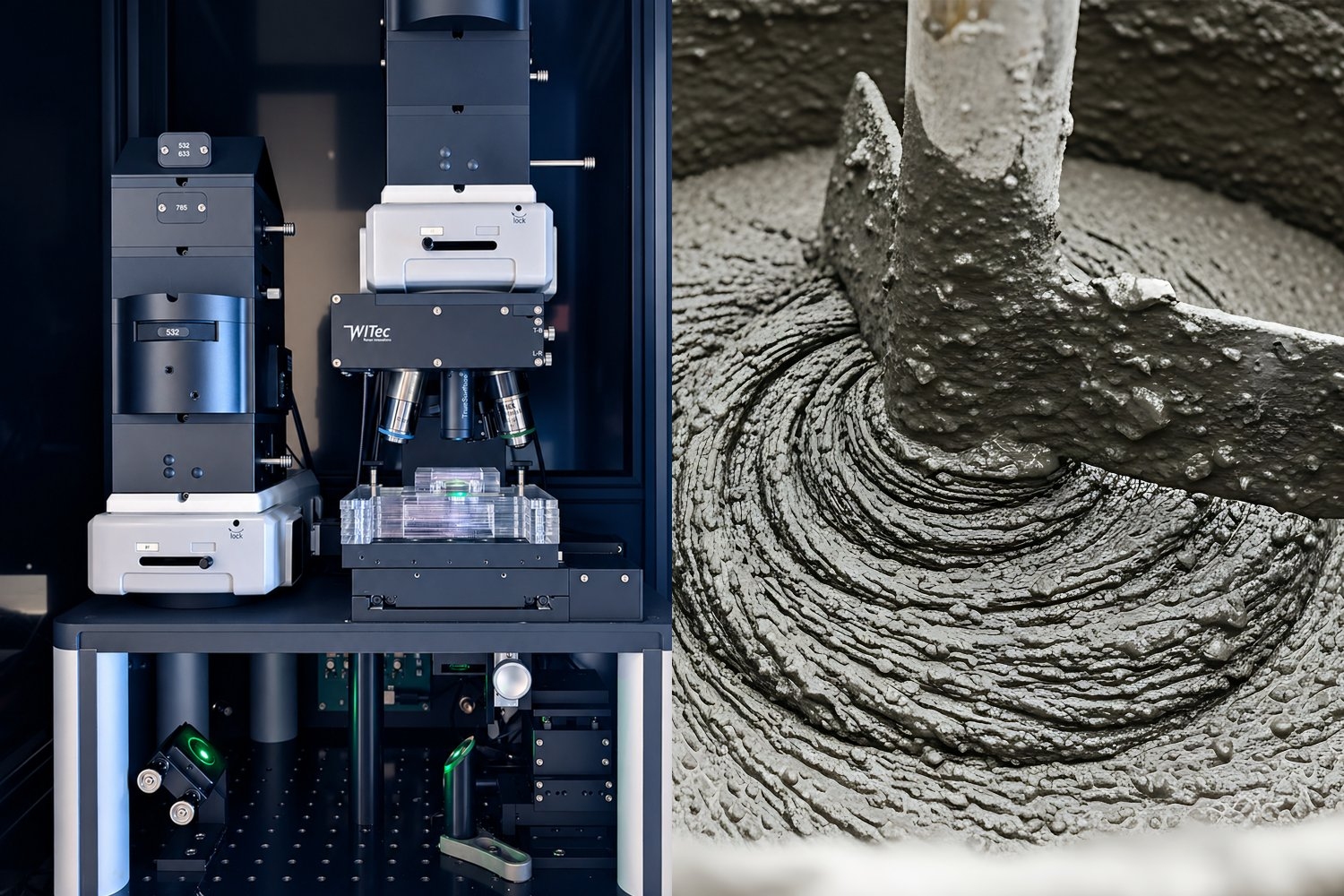
A shot of carbon dioxide rewires how cement sets
Recent research has unveiled the chemical sequence initiated by the injection of carbon dioxide (CO₂) into cement paste, marking a significant advancement in materials science. Conducted by a team of scientists, this study successfully captured a transient intermediate reaction for the first time through the application of real-time Raman spectroscopy. The findings, published in a leading scientific journal, aim to enhance the understanding of cement chemistry and its potential for carbon capture, which is increasingly important in the context of climate change and sustainable construction practices. By elucidating the mechanisms at play during CO₂ injection, the researchers hope to pave the way for more effective strategies in reducing greenhouse gas emissions associated with cement production.
Research Concrete Carbon dioxide Civil and environmental engineering Concrete Sustainability Hub School of Engineering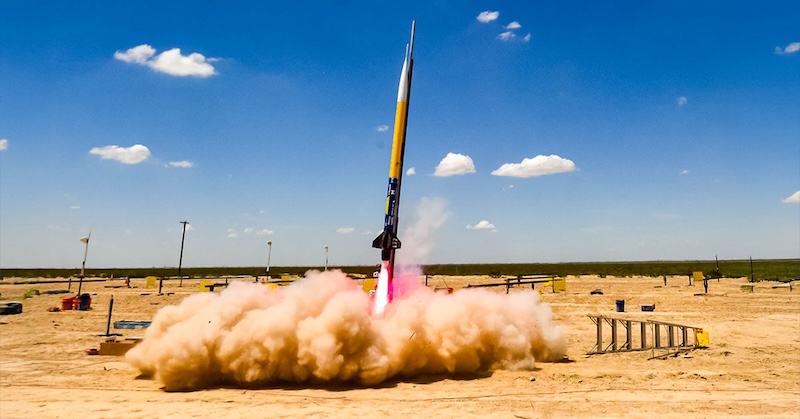
More than 2,000 students to compete in world’s largest rocket engineering competition
ProtoSpace Mfg, a leader in rapid manufacturing for sectors including aerospace and defense, has confirmed its role as the lead sponsor for the upcoming International Rocket Engineering Competition (IREC) 2026. This prestigious event is scheduled to take place from June 15 to June 20 at the Midland International Air & Space Port in Midland, Texas. Organized by the Experimental Sounding Rocket Association (ESRA), IREC is recognized globally as a premier platform for engineering innovation and competition among aspiring rocket engineers. ProtoSpace Mfg's sponsorship underscores its commitment to advancing aerospace technology and supporting educational initiatives in the field.
Engineering News Space aerospace careers aerospace engineering aerospace industry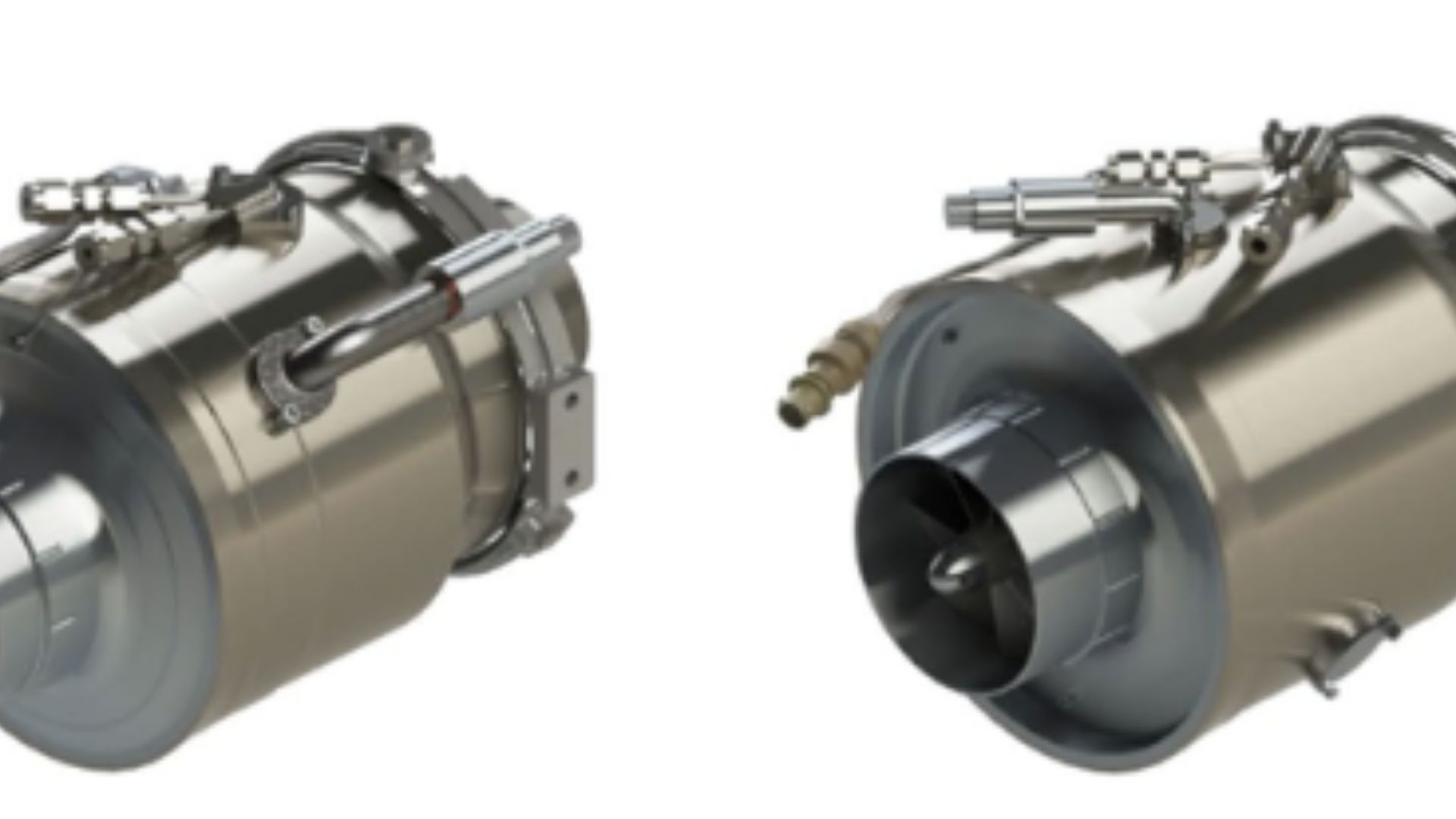
Kratos to upscale engine production to 3000 units for powering one way attack drones
Kratos Defense & Security Solutions is significantly increasing its manufacturing capacity for the Spartan family of unmanned aerial vehicles (UAVs) to meet growing demand. This strategic move comes as the company aims to enhance its production capabilities in response to heightened interest from both military and commercial sectors. The expansion is set to take place at Kratos' facilities in California, with plans to streamline operations and implement advanced technologies to boost efficiency. The decision to ramp up production is driven by the rising need for advanced drone systems, which are increasingly being utilized for surveillance, reconnaissance, and various defense applications. By enhancing its manufacturing capabilities, Kratos seeks to solidify its position as a leader in the UAV market and ensure timely delivery of its products to clients.
News
New imaging system sees through murky waters
A groundbreaking technology known as “Sonar-MASt3R” has been developed to enhance underwater mapping capabilities by integrating sonar and visual data. This innovative system is capable of producing real-time 3D maps, significantly improving navigation and exploration in challenging environments, including cloudy water conditions. The technology was unveiled in October 2023, showcasing its potential to revolutionize marine research and underwater operations. By combining different data sources, Sonar-MASt3R addresses the limitations of traditional mapping methods, offering clearer and more accurate representations of underwater landscapes. This advancement is expected to benefit various sectors, including environmental monitoring, maritime safety, and underwater archaeology, by providing researchers and professionals with reliable tools for better decision-making in aquatic environments.
Research Robotics Computer vision Imaging Sensors Oceanography and ocean engineering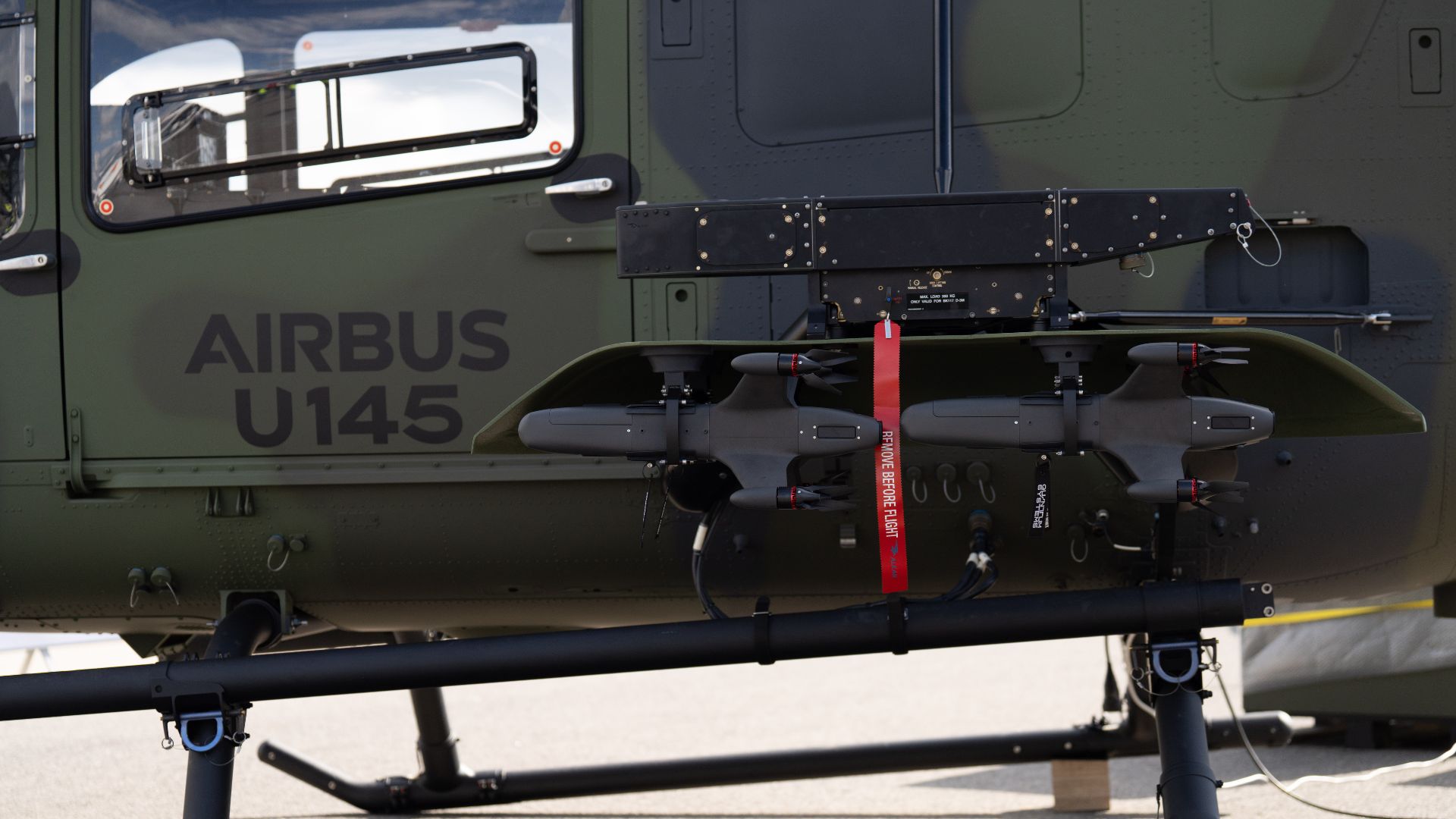
Airbus modifies H145M helicopter to deploy interceptors against tactical drone swarms
Airbus Helicopters, in collaboration with German defense officials, is responding to the increasing threats posed by small attack drones to military helicopters. This initiative comes amid heightened concerns regarding the vulnerability of aerial vehicles in modern combat scenarios. The partnership aims to enhance the defensive capabilities of helicopters, ensuring they can effectively counteract the risks associated with drone warfare. By integrating advanced technologies and innovative strategies, the companies seek to bolster the safety and operational effectiveness of military aviation. This development is particularly timely given the evolving landscape of aerial threats, which has prompted defense sectors worldwide to reassess their strategies and equipment. The collaboration highlights a proactive approach to addressing emerging challenges in military operations.
Military
Google’s DiffusionGemma delivers 4x faster text generation using parallel decoding
Google has introduced DiffusionGemma, an innovative experimental AI model designed to generate text through a diffusion-based approach. This announcement was made recently as part of the company's ongoing efforts to advance artificial intelligence technologies. The model aims to enhance the capabilities of AI in natural language processing by leveraging diffusion techniques, which have shown promise in generating high-quality text outputs. Google’s initiative reflects its commitment to pushing the boundaries of AI research and development, seeking to improve user interactions with technology. The unveiling of DiffusionGemma marks a significant step in the evolution of AI, showcasing how advanced methodologies can be applied to create more sophisticated and contextually aware text generation systems.
AI and Robotics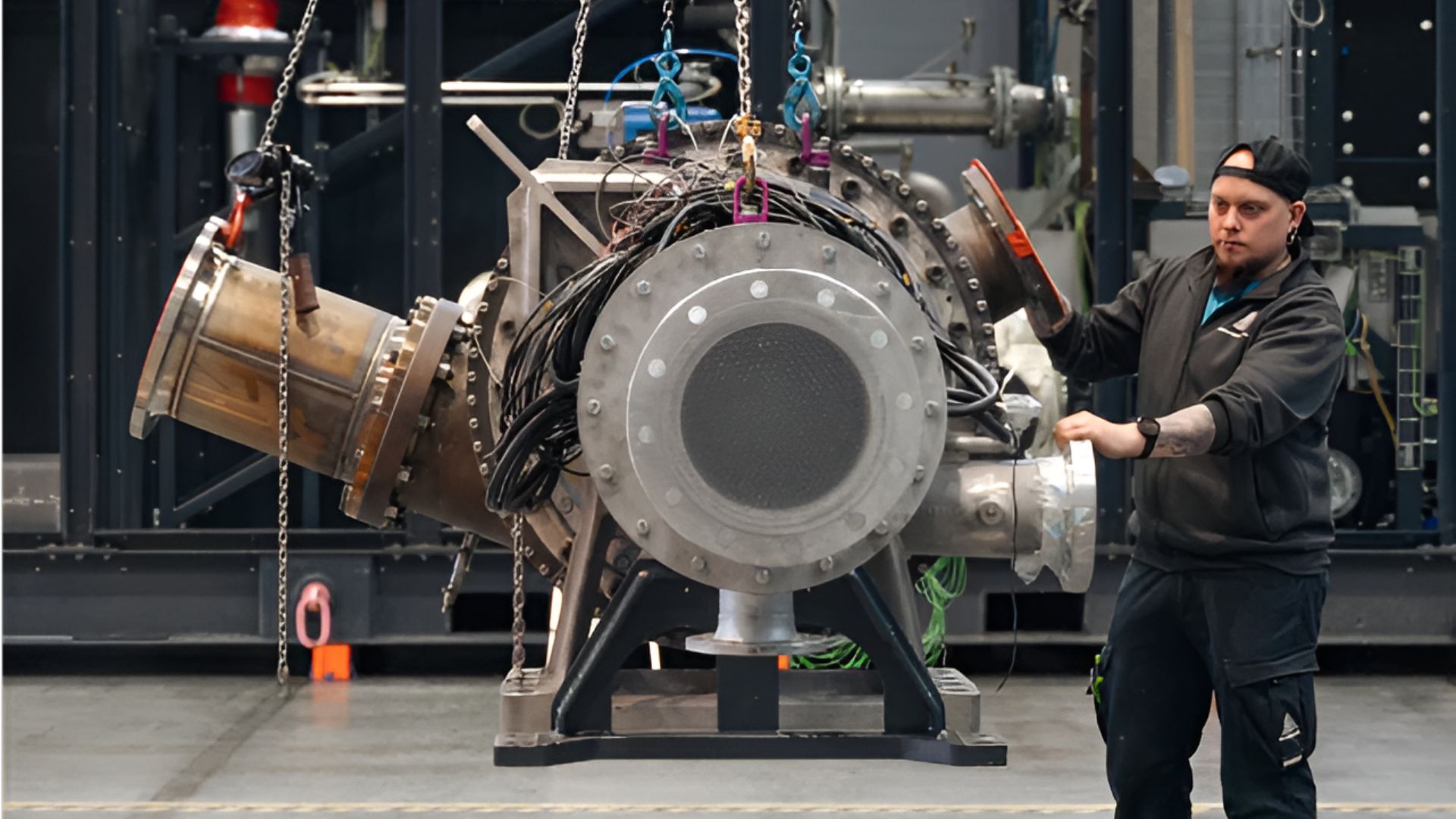
Advanced metal 3D printing minimizes failure points in complex gas turbine designs
Metal additive manufacturing is increasingly being adopted in production-focused energy systems, moving beyond its traditional use in aerospace prototypes. This shift reflects a growing recognition of the technology's potential to enhance efficiency and reduce costs in various sectors. As companies seek innovative solutions to meet rising energy demands, the integration of metal additive manufacturing offers a pathway to streamline production processes and improve the performance of energy systems. This trend is gaining momentum as industry leaders invest in research and development to harness the benefits of this advanced manufacturing technique, which allows for greater design flexibility and material optimization. The transition is expected to reshape the landscape of energy production, paving the way for more sustainable and efficient systems in the future.
Innovation
MIT’s ultrasound wristband could teach humanoid robots human hand skills
Researchers have developed an innovative wearable device aimed at enhancing the dexterity of humanoid robots, potentially allowing them to perform tasks with greater human-like precision. This breakthrough was announced in October 2023, as scientists continue to explore ways to improve robotic functionality and interaction in various settings. The device integrates advanced sensors and actuators, enabling robots to mimic the intricate movements of human hands. The motivation behind this development stems from the increasing demand for robots in industries such as healthcare and manufacturing, where fine motor skills are essential for tasks like surgery or assembly. By equipping robots with this new technology, researchers hope to bridge the gap between human and robotic capabilities, leading to more effective collaboration in the workplace. The project highlights the ongoing advancements in robotics and the potential for these machines to take on more complex roles in society.
AI and Robotics
World’s first: Rider-Bot sets record as first bike robot to perform unassisted front flip
In a groundbreaking development for robotics, researchers at the University of California have unveiled a bicycle-riding robot that has successfully completed the world's first unassisted ride. This remarkable feat took place on October 15, 2023, in a controlled environment at the university's robotics lab. The team aimed to demonstrate advancements in autonomous mobility and artificial intelligence, showcasing the robot's ability to balance, steer, and navigate without human intervention. The robot, equipped with sophisticated sensors and algorithms, mimics human cycling techniques, allowing it to adapt to varying terrains and obstacles. This achievement not only highlights the potential for robotics in everyday applications but also paves the way for future innovations in autonomous transportation. Researchers believe that this technology could eventually lead to safer and more efficient modes of travel, addressing challenges in urban mobility and logistics. The successful demonstration marks a significant milestone in the quest for fully autonomous machines capable of performing complex tasks in real-world environments.
AI and Robotics
Airbus unveils Ravenstorm drone wingman for combat mission alongside other UAVs
European aerospace firm Airbus is set to unveil its latest drone wingman, the U760 Ravenstorm, at the upcoming Paris Air Show. Scheduled for June 19-25, 2023, this event will showcase the innovative capabilities of the U760 Ravenstorm, designed to enhance military operations by providing advanced support and reconnaissance. The introduction of this drone reflects Airbus's commitment to advancing defense technology and addressing the evolving needs of modern warfare. The U760 Ravenstorm is expected to demonstrate its versatility and effectiveness in various combat scenarios, marking a significant step forward in unmanned aerial systems.
Military
First-ever drone boat rescue: US Navy vessel pulls out two downed pilots from sea
A U.S. Navy unmanned surface vessel successfully conducted a rescue operation for two Army pilots whose AH-64 Apache helicopter had crashed. The incident occurred on a training mission off the coast of California on Tuesday. The unmanned vessel, equipped with advanced technology, was able to locate the pilots quickly and facilitate their safe retrieval from the water. This operation highlights the increasing role of unmanned systems in military rescue missions, showcasing their effectiveness in enhancing operational capabilities and ensuring the safety of personnel in distress. The successful rescue underscores the collaborative efforts between the Navy and Army in conducting joint operations and responding to emergencies in challenging environments.
Military
Struggling German auto supplier Bosch pivots to robots
Bosch, the German industrial powerhouse, announced on Wednesday its intention to intensify its focus on humanoid robotics as it faces mounting challenges in its traditional auto parts sector. This strategic shift comes in response to the evolving market dynamics and the need to diversify its business portfolio. By investing in advanced robotics, Bosch aims to innovate and remain competitive in a rapidly changing technological landscape. The company's commitment to this new direction underscores its recognition of the growing importance of robotics in various industries, as it seeks to leverage its expertise in engineering and automation to meet future demands.
Robotics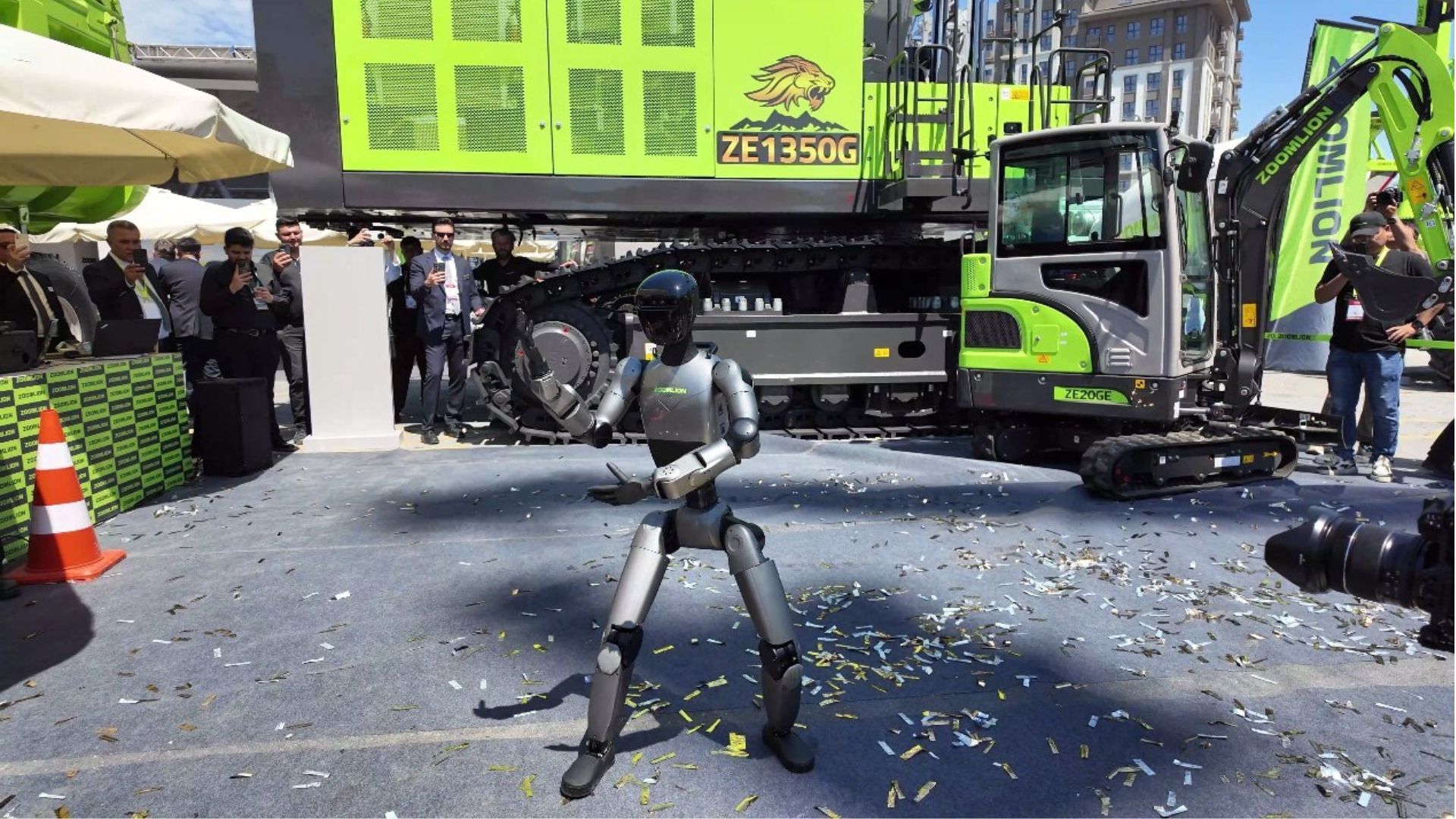
China’s Z01 humanoid robot masters Tai Chi moves with human-like balance and control
A new humanoid robot from China has emerged as a highlight at a prominent technology exhibition held in Shanghai this week. The robot, designed to mimic human movements and interactions, showcases advanced artificial intelligence capabilities that have captivated attendees and industry experts alike. This development reflects China's growing investment in robotics and AI technology, aiming to position itself as a leader in the global tech landscape. Demonstrations of the robot's abilities, including its capacity for conversation and physical tasks, have sparked discussions about the future of automation and human-robot collaboration. The exhibition serves as a platform for innovation, drawing significant attention to the potential applications of such technology in various sectors, including healthcare, education, and entertainment. As interest in robotics continues to rise, this humanoid robot stands as a testament to the rapid advancements being made in the field.
AI and Robotics
Windowless Phantom 3500 jet advances toward service with 90% lower emissions goal
Otto Aerospace has successfully navigated a significant regulatory milestone in its development of the innovative Phantom 3500 aircraft. This achievement comes as the company aims to revolutionize the aviation industry with its unique design and advanced technology. The approval was granted recently, marking a crucial step forward in the aircraft's production timeline. Located in the United States, Otto Aerospace is focused on enhancing the efficiency and sustainability of air travel. The regulatory clearance is a testament to the rigorous safety and performance standards the company has adhered to throughout the development process. With this progress, Otto Aerospace is poised to advance its plans for the Phantom 3500, which promises to offer a new level of performance in the aviation market.

Anthropic unveils Claude Fable 5, opening Mythos-class capabilities to all users
Anthropic has launched its most advanced artificial intelligence system to date, marking a significant milestone in the field of AI development. The unveiling took place recently, showcasing the company's commitment to pushing the boundaries of AI technology. This new system is designed to enhance various applications, reflecting the growing demand for sophisticated AI solutions across industries. The motivation behind this launch stems from the increasing need for more capable and reliable AI systems that can assist in complex tasks and decision-making processes. By leveraging extensive data and advanced algorithms, Anthropic aims to address these challenges and provide users with a powerful tool for innovation and efficiency. The rollout of this AI system is expected to impact sectors such as healthcare, finance, and education, where advanced analytics and automation can drive significant improvements. As the technology continues to evolve, Anthropic is positioning itself as a leader in the competitive AI landscape, striving to create systems that are not only advanced but also ethical and aligned with human values.
AI and Robotics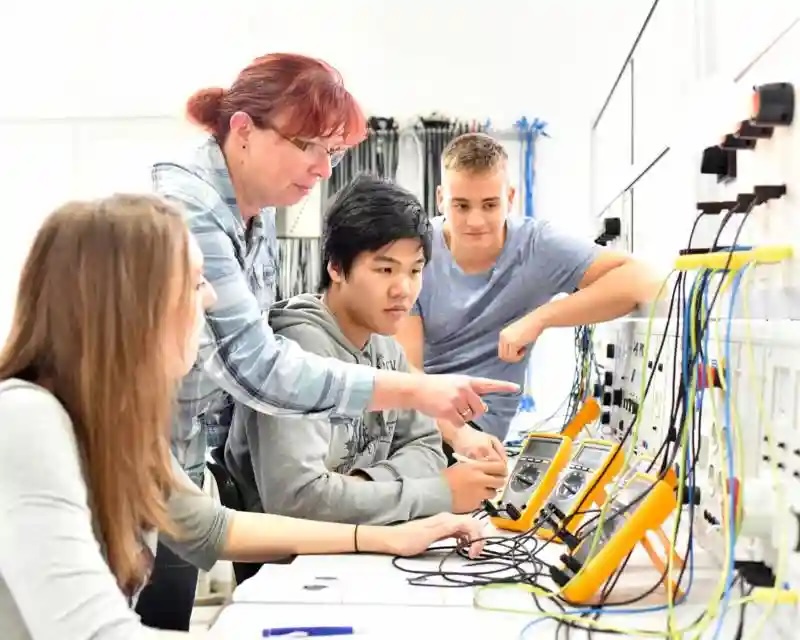
Automation is Hiring Faster Than Schools Can Graduate Engineers
Automation has become a critical component in various industries, including manufacturing, logistics, energy, and research, as companies increasingly implement robots and intelligent systems to enhance efficiency. This shift is occurring at an unprecedented pace, creating a pressing demand for skilled engineers capable of designing, maintaining, and improving these technologies. However, the rapid deployment of automation presents a significant challenge: the supply of qualified professionals is struggling to keep up with the growing need. As organizations strive to integrate advanced automation into their operations, the gap between the availability of skilled workers and the requirements of modern technology continues to widen, complicating efforts to fully realize the potential of automation in the workforce.
Engineering automation careers automation engineers automation news engineering jobs engineering skills shortage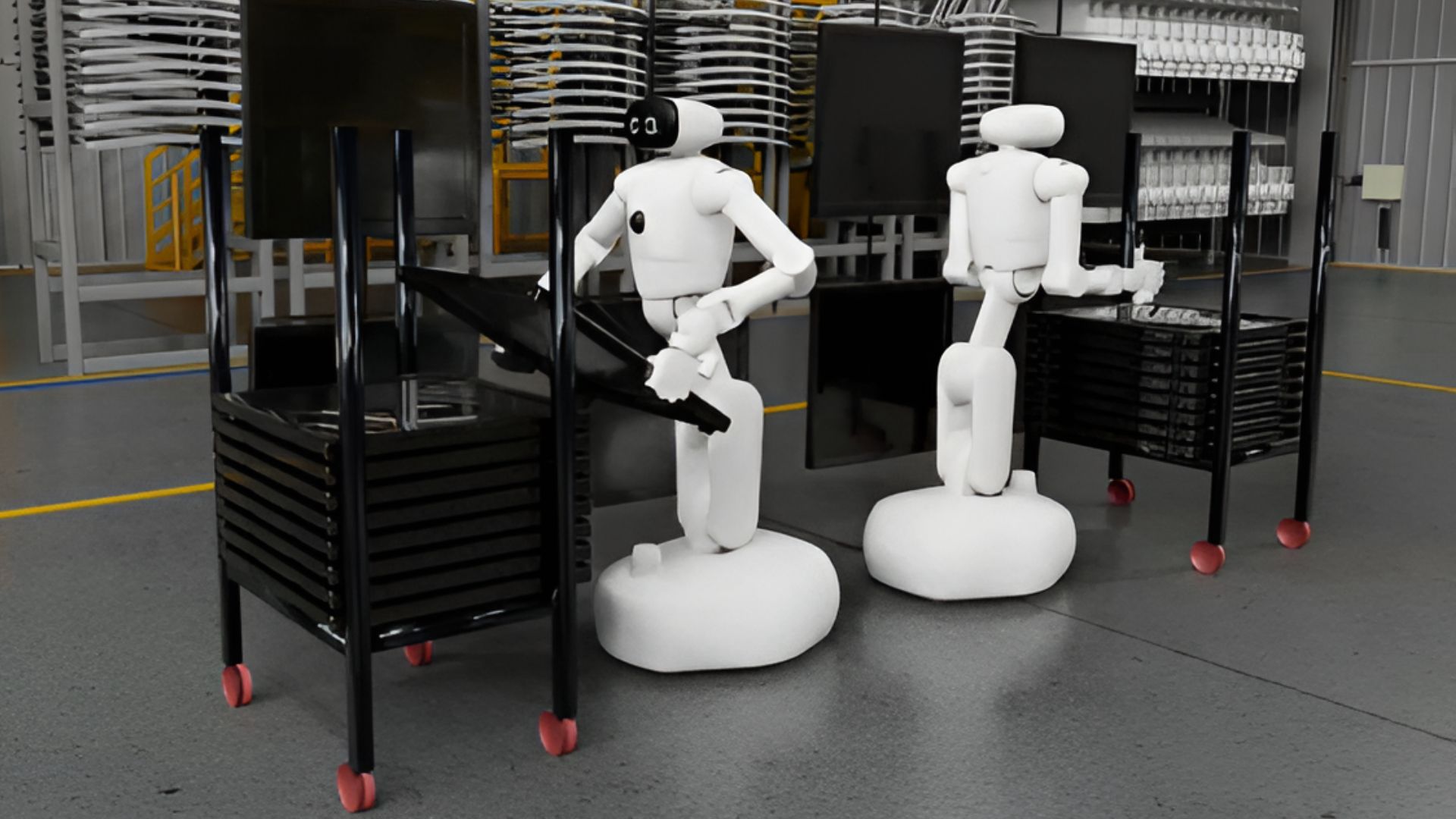
NVIDIA and LG Group build AI factory to train robots and power future mobility
Researchers and engineers are advancing the next frontier of artificial intelligence, focusing on the development of machines capable of movement, visual perception, and autonomous decision-making. This initiative, which has gained momentum in recent months, aims to enhance the functionality and adaptability of AI systems across various sectors, including healthcare, transportation, and robotics. The push for these advancements is driven by the increasing demand for intelligent systems that can operate in dynamic environments and perform complex tasks without human intervention. By integrating advanced sensors and machine learning algorithms, developers are working to create AI that not only processes information but also interacts with the physical world in real-time. This evolution in AI technology is taking place in research laboratories and tech hubs around the globe, with significant contributions from universities, private companies, and government agencies. As these entities collaborate, they are exploring innovative applications that could revolutionize industries and improve everyday life. The ongoing research is expected to culminate in prototypes and pilot programs by early 2024, showcasing the potential of these intelligent machines. As the field progresses, ethical considerations and safety measures are also being prioritized to ensure responsible deployment and integration into society. The ultimate goal is to create AI systems that enhance human capabilities and contribute positively to various aspects of life.

Octopus-inspired robotic arm uses distributed tactile sensors for adaptive grip
Engineers have successfully created a robotic arm inspired by the sensory capabilities of the octopus. This innovative development aims to enhance robotic dexterity and adaptability in various applications, including medical procedures and complex manufacturing tasks. The project, which has been in the works for several years, showcases the potential of biomimicry in advancing technology. Researchers conducted extensive studies on the octopus's unique nervous system and flexible limbs to replicate its remarkable ability to manipulate objects with precision. The robotic arm is designed to mimic these characteristics, allowing for greater flexibility and sensitivity compared to traditional robotic systems. This breakthrough, unveiled at a technology conference earlier this month, represents a significant step forward in robotics, potentially transforming how machines interact with their environment and perform intricate tasks.

OnLogic to Showcase Practical Physical AI and Full-Facility Workload Consolidation at Automate 2026
OnLogic, a leader in industrial computing, is set to showcase its innovative edge solutions at the Automate 2026 show, taking place from June 22-25 at McCormick Place in Chicago, Illinois. Positioned at Booth 867, the company aims to highlight practical applications of Physical AI and advanced workload consolidation, moving beyond the prevalent cloud AI hype. As industries increasingly seek to implement artificial intelligence, many face challenges such as cloud latency and high bandwidth costs. OnLogic's VP of Product Engineering, Sheldon Sun, emphasizes the need for reliable edge computing to enable real-time operations in demanding environments. The company will demonstrate how its robust hardware can effectively bridge the gap between sophisticated software and the realities of modern industrial settings. Attendees can expect live demonstrations, including a forklift near-miss detection system powered by edge computing and an automated quality control inspection using advanced machine vision. OnLogic will also present a range of industrial and edge computing solutions, including the Helix 520 Series and the ultra-compact CL260 fanless computer, designed for various applications within the industrial sector. For more information on OnLogic's offerings and to engage with their team during the event, visitors are encouraged to stop by Booth 867 or visit their website.
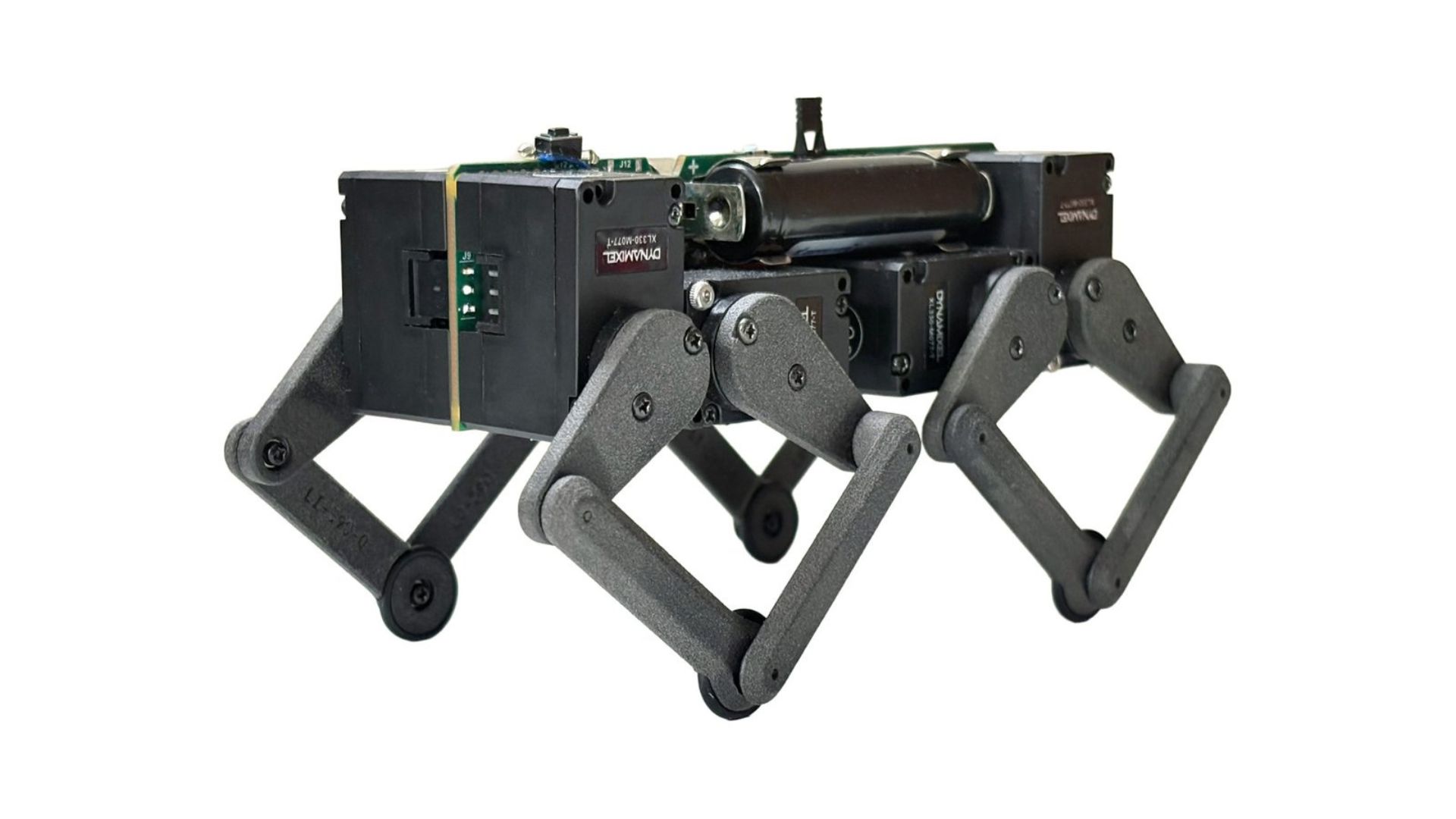
Video: New palm-sized robot with 8 smart actuators can walk, trot, and jump
A new open-source quadruped robot, Q8botOne, has been introduced to the market, designed to offer an affordable and fully assembled robotic platform for enthusiasts and developers. This innovative project was launched recently by a team of engineers and robotics enthusiasts who recognized the growing demand for accessible robotic solutions. The Q8botOne is intended to facilitate learning and experimentation in robotics, making it easier for users to engage with advanced technology without the high costs typically associated with such platforms. The robot is equipped with various features that allow for customization and adaptability, catering to a wide range of applications from education to research. By utilizing open-source software, the developers encourage a collaborative approach, inviting users to contribute to its ongoing improvement and functionality. The initiative aims to democratize access to robotics, fostering innovation and creativity in the field. With its launch, Q8botOne is set to make a significant impact on the robotics community, providing a practical tool for those looking to explore the capabilities of quadruped robots.
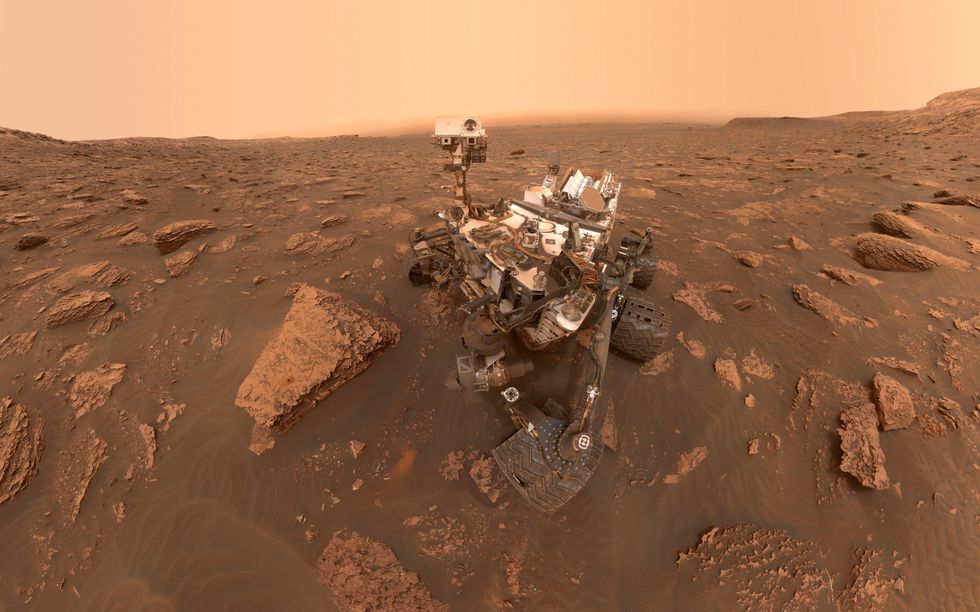
How JPL Keeps the 13-Year-Old Curiosity Rover Doing Science
The Curiosity rover, which has been exploring Mars for 13 years, continues to operate effectively despite the challenges of its hostile environment. Since its successful landing in August 2012 at the Jet Propulsion Laboratory (JPL) in Pasadena, California, Curiosity has traveled nearly 37 kilometers, drilled into 42 rocks, and captured approximately 763,000 images. JPL engineers, including assistant team chief Alexandra Holloway, have implemented ongoing software updates and innovative solutions to keep the rover functional, even as it faces wear and diminishing power. Holloway highlighted the rover's longevity, attributing it to robust engineering and continuous maintenance efforts. While Curiosity and the younger Perseverance rover share similar hardware, Perseverance features additional capabilities for autonomous navigation, reflecting their distinct mission objectives. Curiosity's operational challenges include wheel wear from sharp rocks and power consumption from its nuclear source, which decreases over time. Engineers have developed strategies to optimize power usage, such as reducing computer activation time and parallel processing tasks. Looking ahead, Holloway noted that while Curiosity's arm may eventually fail, the rover still possesses valuable remote sensing instruments that will contribute to future Mars exploration. With its power source expected to remain viable through at least 2035, Curiosity's mission continues to yield significant scientific insights, paving the way for future missions.
Curiosity-rover Mars Jpl
China’s UBTECH plans to send life-like humanoid robot companions in customer’s homes
Chinese robotics company UBTECH has introduced a new consumer-focused brand named UWORLD, alongside the launch of its innovative U1 robot. This announcement was made during a press event held on October 15, 2023, in Beijing, where company executives highlighted their commitment to advancing robotics technology for everyday use. The U1 robot is designed to enhance home automation and personal assistance, reflecting UBTECH's strategy to expand its market presence beyond industrial applications. By targeting consumers, UBTECH aims to meet the growing demand for smart home devices and improve the quality of life through advanced robotics. The U1 robot features user-friendly interfaces and connectivity options, making it accessible for a wide range of users. This launch marks a significant step for UBTECH as it seeks to establish itself as a leader in the consumer robotics sector.

New HySIL lens design makes high-resolution 3D brain and cancer imaging widely accessible
A team from Columbia University has unveiled a groundbreaking microscopy technology that promises to significantly enhance three-dimensional imaging capabilities. This innovative approach, announced in October 2023, aims to improve the visualization of biological structures at unprecedented resolutions. The development is driven by the need for more detailed imaging techniques in various scientific fields, including biology and materials science. By utilizing advanced optical methods, the researchers have created a system that allows for clearer and more accurate representations of complex samples. This advancement could lead to major breakthroughs in understanding cellular processes and developing new materials, ultimately transforming research methodologies across multiple disciplines.
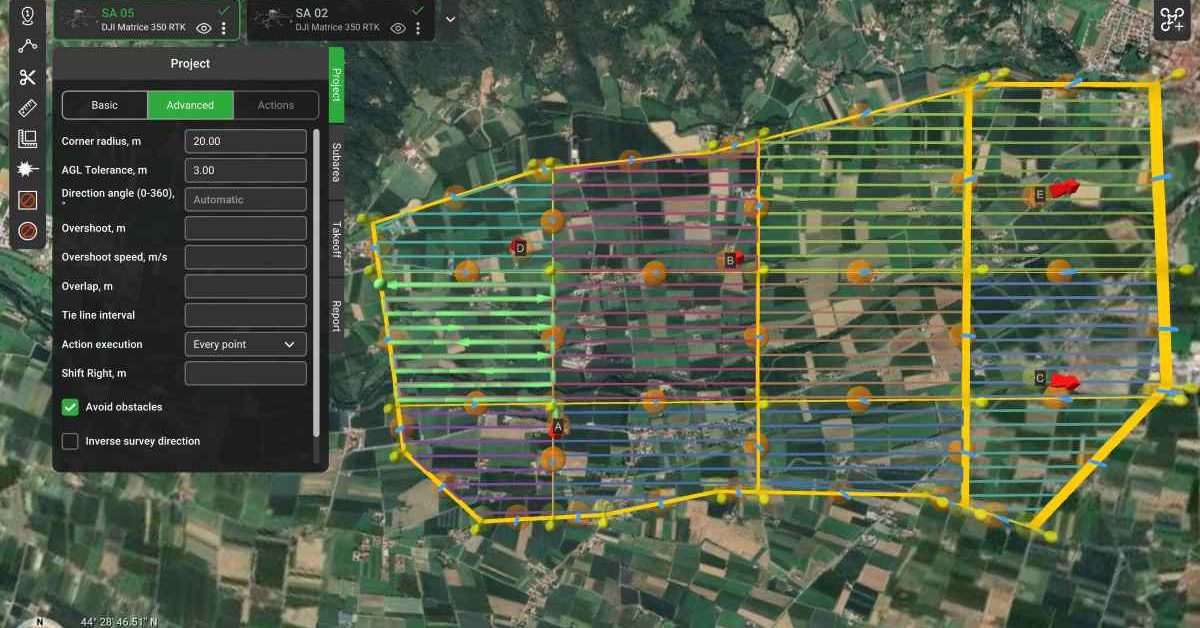
New UgCS 6.0 flight planning software solves a major headache for drone surveyors
SPH Engineering has announced the launch of UgCS 6.0, a significant update to its enterprise drone flight planning platform, aimed at addressing a longstanding challenge faced by drone survey teams operating in extensive mining, oil pipeline, and remote geological sites. The update provides a solution for efficiently dividing large survey areas into manageable flight sections, thereby preventing alignment issues that can compromise data quality. This innovation is expected to enhance the operational efficiency and accuracy of drone surveys, which are crucial for various industries reliant on precise geographical data. The introduction of UgCS 6.0 marks a notable advancement in drone technology, responding to the needs of professionals in the field.
News
US engineers make ‘artificial eyes’ to improve vision in robots, self-driving cars
Researchers at Penn State University have developed an innovative device inspired by the human eye, aimed at enhancing the vision capabilities of self-driving cars. This groundbreaking technology was unveiled recently as part of ongoing efforts to improve the safety and reliability of autonomous vehicles. The device mimics the eye's ability to adapt to varying light conditions, which is crucial for navigating complex environments. The motivation behind this advancement stems from the challenges faced by self-driving cars in low-light situations, where traditional sensors often struggle to provide accurate data. By integrating this eye-inspired technology, the researchers hope to significantly reduce the risk of accidents and improve the overall performance of autonomous systems. This development is part of a broader initiative to advance automotive technology and ensure that self-driving cars can operate effectively in diverse conditions. The research team utilized a combination of advanced materials and optical engineering to create a device that can dynamically adjust its sensitivity, much like the human eye does when transitioning from bright to dim environments. As the automotive industry continues to push towards fully autonomous vehicles, innovations like this are essential for addressing safety concerns and building public trust in self-driving technology. The research findings are expected to contribute to future advancements in vehicle design and functionality, paving the way for safer roads.

Smooth Motor Advances Across Robotics and Intelligent Automation Industries Through 30 Years of Rapid Engineering Response
As product development cycles shorten and system complexity increases, the industry faces growing demands for efficient validation, long-term reliability, and cost control. This trend has emerged as companies strive to meet the evolving expectations of consumers and stakeholders. The pressure to innovate rapidly while ensuring quality and affordability has prompted organizations to adopt new strategies and technologies. By leveraging advanced data analytics and streamlined processes, businesses aim to enhance their product offerings and maintain competitiveness in a fast-paced market. The ongoing shift underscores the necessity for adaptability and efficiency in an environment where both time and resources are limited.
3D-printed devices could streamline the production of drug-delivery microparticles
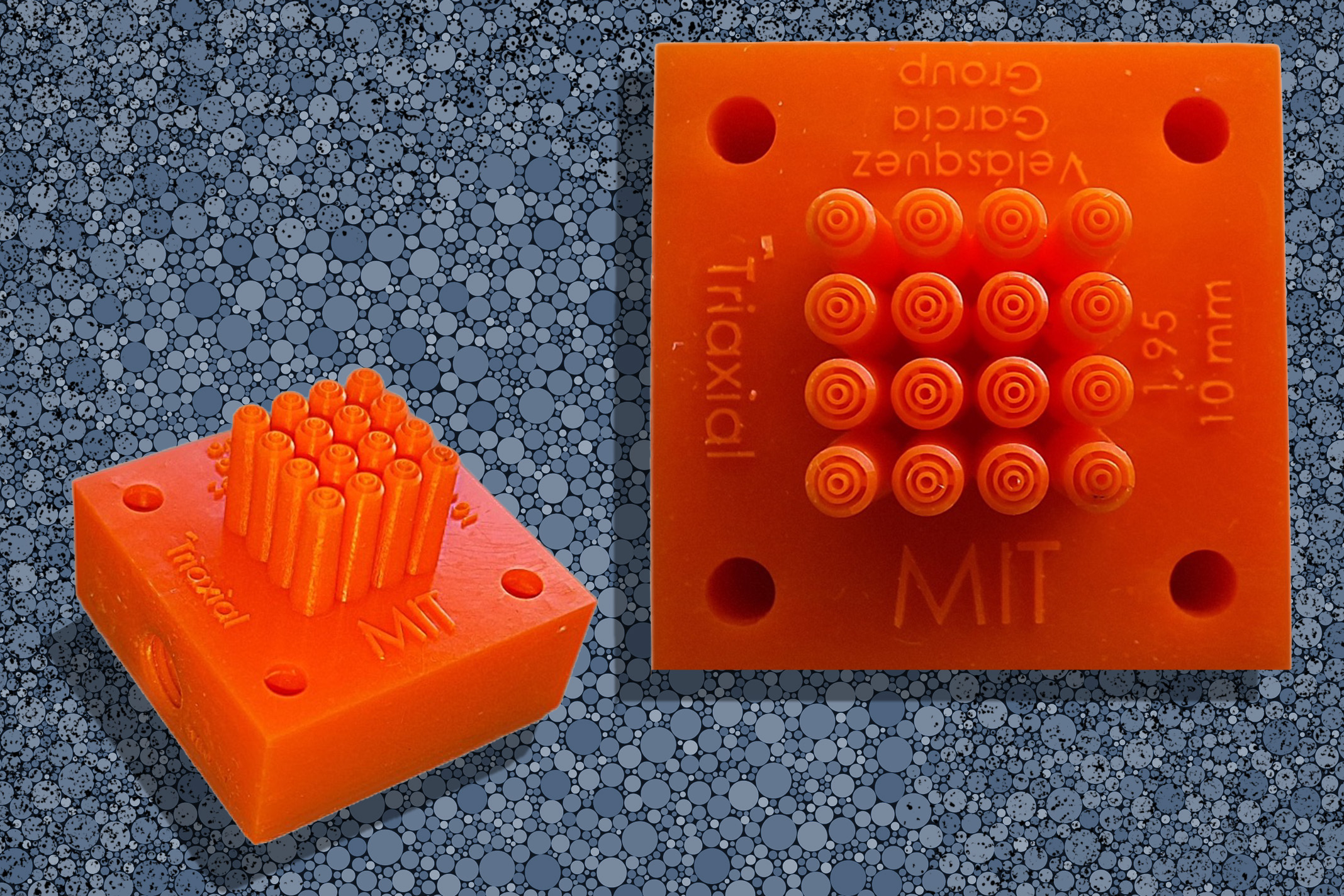
A new development in particle production technology has emerged, utilizing cost-effective devices that can be constructed in just a few hours. These innovative devices employ electrospray emitter technology to efficiently generate three-layered particles on a large scale. This advancement is poised to enhance manufacturing processes across various industries by providing a faster and more economical method of particle creation. The introduction of these devices marks a significant step forward in the field, potentially leading to improved applications in pharmaceuticals, materials science, and other sectors that rely on precise particle engineering.
Research 3-D printing Additive manufacturing Electronics Medical devices Drug delivery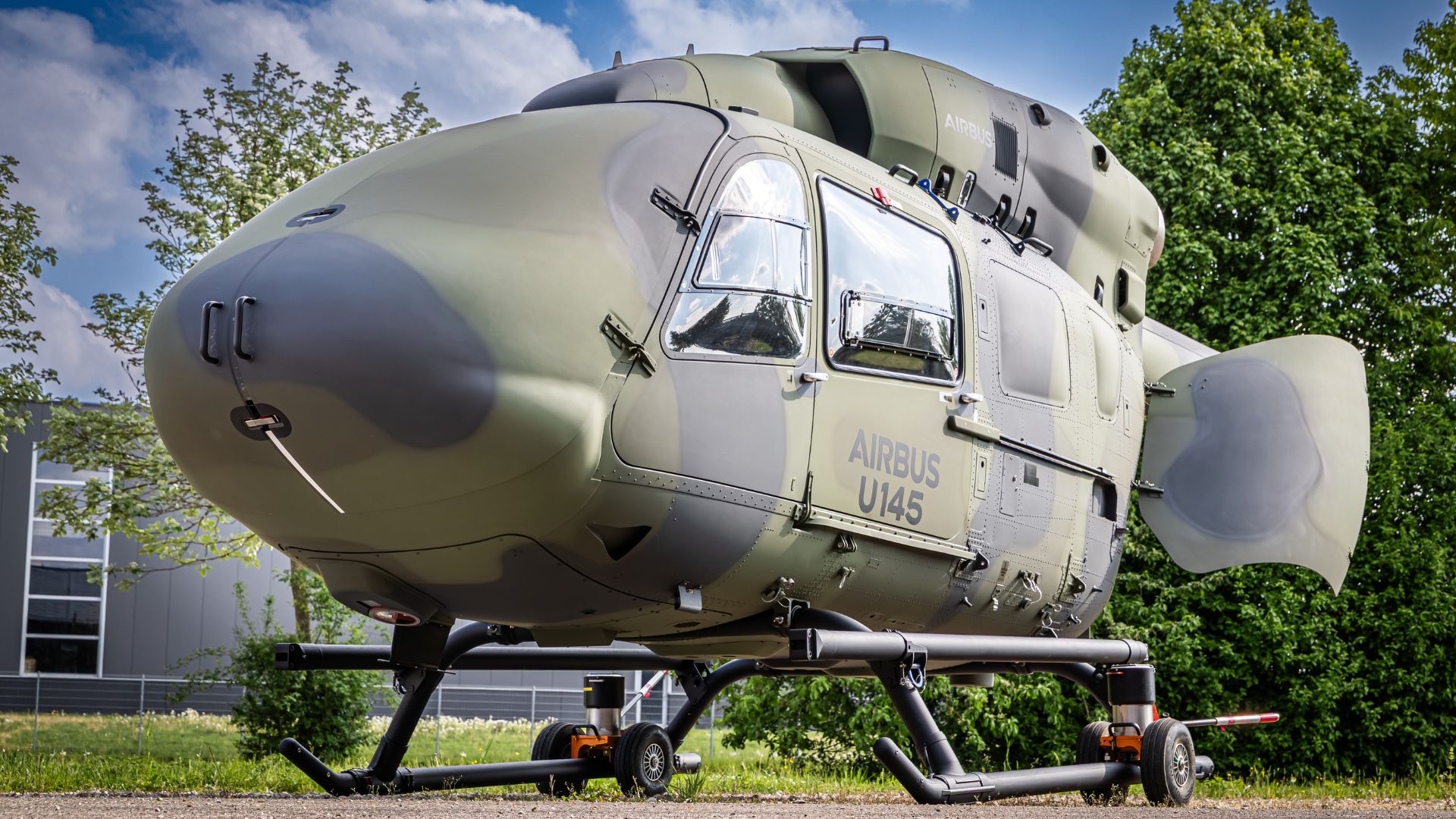
Airbus debuts U145 autonomous helicopter drone with no cockpit for military missions
Airbus Helicopters has unveiled a new autonomous aircraft derived from its widely-used H145 platform, marking a significant advancement in aviation technology. The announcement was made during the International Paris Air Show, which took place from June 19 to June 25, 2023. This innovative aircraft aims to enhance operational efficiency and safety in various sectors, including medical transport, search and rescue, and logistics. The motivation behind this development stems from the growing demand for unmanned aerial vehicles that can perform complex missions with minimal human intervention. By leveraging advanced automation and artificial intelligence, Airbus Helicopters seeks to address challenges in urban air mobility and improve response times in critical situations. The aircraft is designed to operate in diverse environments, showcasing its versatility and potential for integration into existing air traffic systems. Through rigorous testing and collaboration with regulatory bodies, Airbus aims to ensure that the new autonomous H145 meets safety standards and can be deployed effectively in real-world scenarios. This initiative reflects Airbus Helicopters' commitment to innovation and its vision for the future of aviation, where autonomous systems play a crucial role in enhancing air transport capabilities.

Humanoid robot climbs 20,341-foot volcano as team eyes Mount Everest next
A humanoid robot has made history by successfully reaching the summit of Chimborazo, Ecuador's highest volcano. This remarkable achievement took place recently, showcasing advancements in robotics and artificial intelligence. The mission aimed to explore the capabilities of robots in extreme environments, highlighting their potential for future scientific research and exploration. The robot, equipped with advanced sensors and navigation systems, ascended the challenging terrain, demonstrating its ability to operate in harsh conditions. This milestone not only marks a significant technological breakthrough but also opens new avenues for utilizing robotics in remote and inaccessible locations.

Robots move beyond mapped worlds with advanced lidar sensing
A lidar technology company has partnered with a robotics AI developer to enhance the capabilities of autonomous systems. This collaboration, announced recently, aims to integrate advanced lidar sensing with cutting-edge artificial intelligence to improve navigation and object recognition in various applications, including autonomous vehicles and drones. The partnership is expected to leverage the strengths of both companies, combining precise environmental mapping with intelligent decision-making algorithms. This initiative comes in response to the growing demand for more reliable and efficient autonomous solutions in industries such as transportation and logistics. The companies plan to begin testing their integrated systems in the coming months, with the goal of launching a prototype by early next year.

GS E&C, Daedong Robotics team up on AI construction robots
GS Engineering & Construction (GS E&C) announced on Monday that it has entered into a partnership with Daedong Robotics to develop artificial intelligence-powered autonomous robots specifically designed for construction sites. This collaboration, formalized on June 5 at GS E&C's R&D Center in Seoul, aims to enhance safety and productivity in the construction industry, which is increasingly turning to automation. The partnership will involve field trials of Daedong Robotics' existing autonomous robots and the joint development of new models tailored to meet the unique challenges of construction environments. Established in 2024, Daedong Robotics is expanding its focus beyond agricultural applications to address the growing demands of the construction sector.
All News
Chinese firm to deploy 100 humanoid robots to households for daily chores
A Chinese robotics company has initiated the deployment of its humanoid robots in private residences, signaling a significant advancement in domestic automation. This initiative commenced recently as part of the company's broader strategy to integrate advanced robotics into everyday life. The robots are designed to assist with various household tasks, enhancing convenience and efficiency for homeowners. By introducing these humanoid robots into real homes, the company aims to showcase their capabilities and gather user feedback to refine their technology further. This move reflects the growing trend of incorporating artificial intelligence and robotics into personal living spaces, driven by the increasing demand for smart home solutions. The deployment is expected to pave the way for more widespread acceptance and utilization of humanoid robots in domestic settings.

Europe unifies autonomous vehicle laws, speeds up robotaxi expansion
Autonomous taxi services have experienced significant growth in major metropolitan areas across the United States, revolutionizing urban transportation. As of October 2023, companies specializing in self-driving technology have expanded their fleets and operational zones, responding to increasing demand for efficient and cost-effective travel options. The rise of these services is driven by advancements in artificial intelligence and robotics, enabling safer and more reliable rides without human drivers. Cities such as San Francisco, Los Angeles, and New York have become key testing grounds, where regulatory frameworks are evolving to accommodate this innovative mode of transport. The integration of autonomous taxis into public transit systems aims to alleviate traffic congestion and reduce carbon emissions, aligning with broader environmental goals. As these services continue to develop, stakeholders are closely monitoring their impact on urban mobility and the potential challenges they may pose to existing transportation infrastructures.