Search Result for: https://interestingengineering.com/news/kratos-to-upscale-engine-production-loitering-munitions

Would you return a favor? Scientists say it depends on the relationship
A recent study has revealed that individuals tend to anticipate reciprocal generosity primarily in their interactions with friends or peers of similar social standing. Conducted by a team of researchers, the study highlights the social dynamics that influence expectations of generosity, suggesting that people are less likely to expect such behavior from those they perceive as having a lower social status. The findings, published in October 2023, shed light on the underlying motivations for generosity and the importance of social equality in fostering reciprocal relationships. The research involved a series of experiments designed to assess participants' expectations of generosity across various social contexts, ultimately concluding that social status plays a significant role in shaping these expectations. This study could have implications for understanding social interactions and the development of community ties, emphasizing the need for equitable relationships to promote mutual generosity.

New imaging system sees through murky waters
A groundbreaking technology known as “Sonar-MASt3R” has been developed to enhance underwater mapping capabilities by integrating sonar and visual data. This innovative system is capable of producing real-time 3D maps, significantly improving navigation and exploration in challenging environments, including cloudy water conditions. The technology was unveiled in October 2023, showcasing its potential to revolutionize marine research and underwater operations. By combining different data sources, Sonar-MASt3R addresses the limitations of traditional mapping methods, offering clearer and more accurate representations of underwater landscapes. This advancement is expected to benefit various sectors, including environmental monitoring, maritime safety, and underwater archaeology, by providing researchers and professionals with reliable tools for better decision-making in aquatic environments.
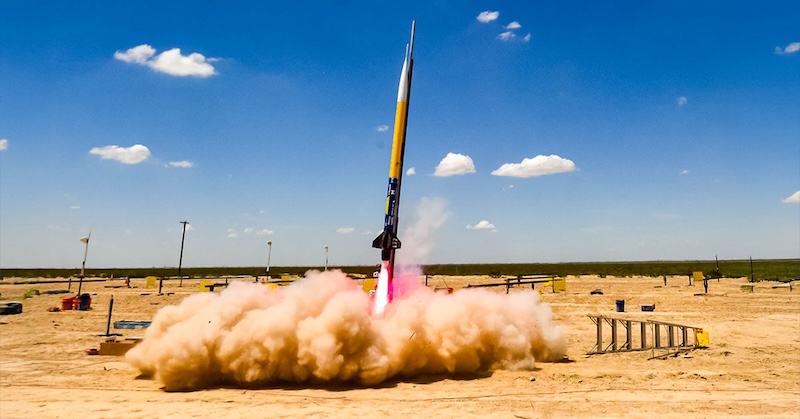
More than 2,000 students to compete in world’s largest rocket engineering competition
ProtoSpace Mfg, a leader in rapid manufacturing for sectors including aerospace and defense, has confirmed its role as the lead sponsor for the upcoming International Rocket Engineering Competition (IREC) 2026. This prestigious event is scheduled to take place from June 15 to June 20 at the Midland International Air & Space Port in Midland, Texas. Organized by the Experimental Sounding Rocket Association (ESRA), IREC is recognized globally as a premier platform for engineering innovation and competition among aspiring rocket engineers. ProtoSpace Mfg's sponsorship underscores its commitment to advancing aerospace technology and supporting educational initiatives in the field.
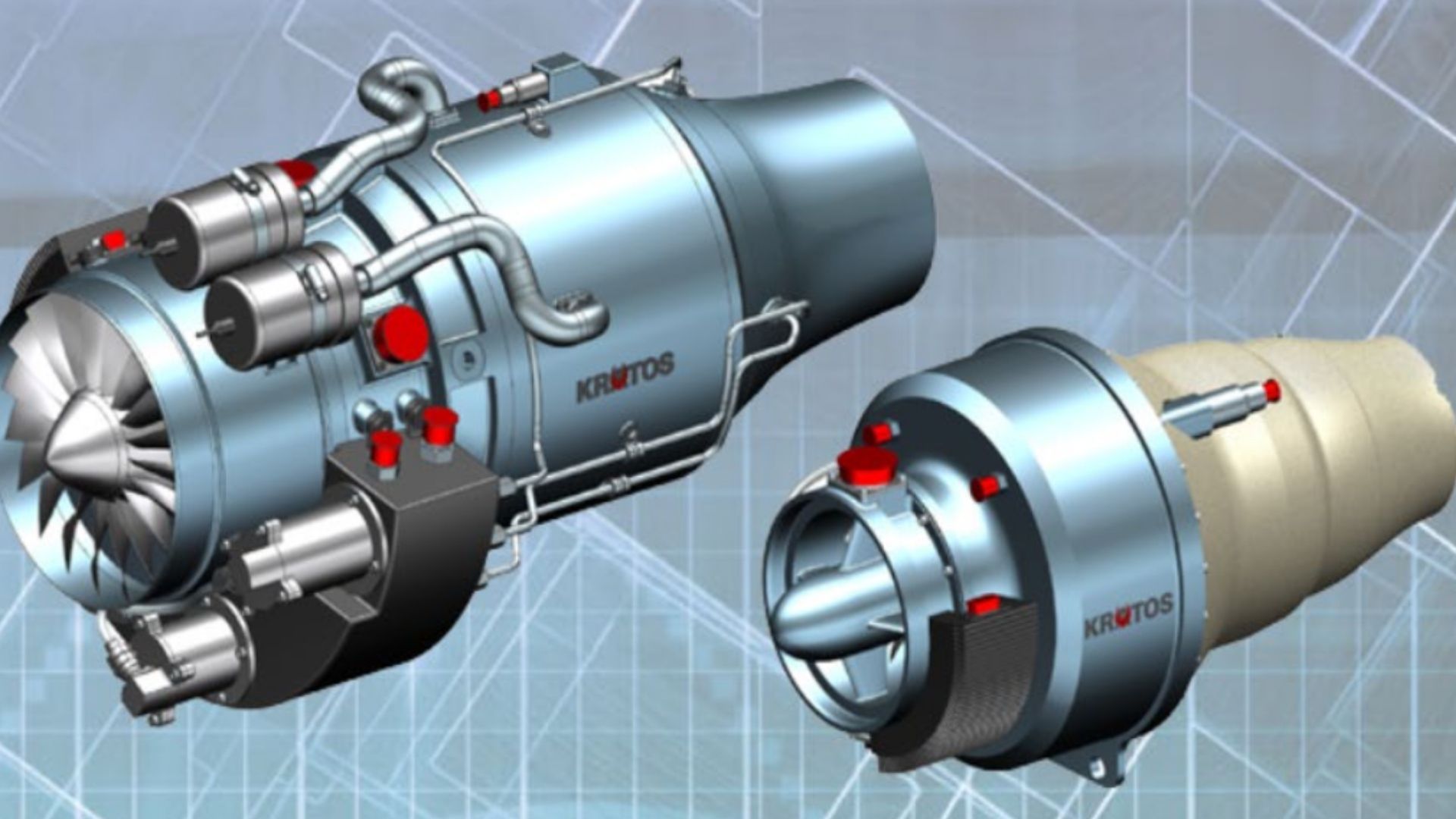
Kratos to upscale engine production to 3000 units for powering one way attack drones
Kratos Defense & Security Solutions is significantly increasing its manufacturing capacity for the Spartan family of unmanned aerial vehicles (UAVs). This expansion comes in response to a growing demand for advanced defense technologies, particularly in the context of heightened geopolitical tensions and the need for enhanced surveillance and reconnaissance capabilities. The company plans to implement new production techniques and invest in additional resources to meet the anticipated surge in orders. This initiative is expected to bolster Kratos' position in the defense sector and support military operations that require cutting-edge UAV systems. The ramp-up in production is set to take place over the coming months at Kratos' facilities, aiming to deliver these critical technologies to clients in a timely manner.
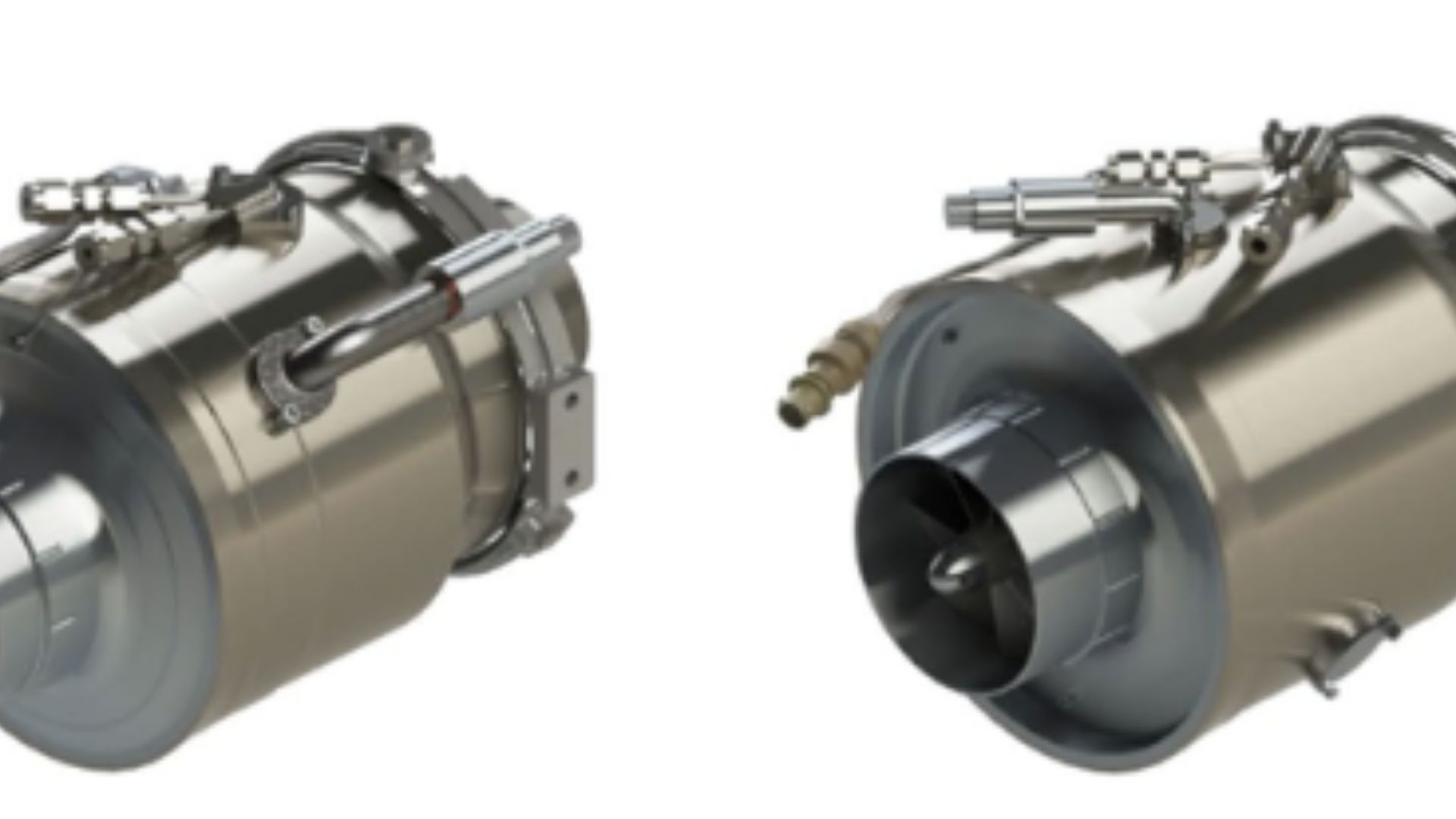
Kratos to upscale engine production to 3000 units for powering one way attack drones
Kratos Defense & Security Solutions is significantly increasing its manufacturing capacity for the Spartan family of unmanned aerial vehicles (UAVs) to meet growing demand. This strategic move comes as the company aims to enhance its production capabilities in response to heightened interest from both military and commercial sectors. The expansion is set to take place at Kratos' facilities in California, with plans to streamline operations and implement advanced technologies to boost efficiency. The decision to ramp up production is driven by the rising need for advanced drone systems, which are increasingly being utilized for surveillance, reconnaissance, and various defense applications. By enhancing its manufacturing capabilities, Kratos seeks to solidify its position as a leader in the UAV market and ensure timely delivery of its products to clients.
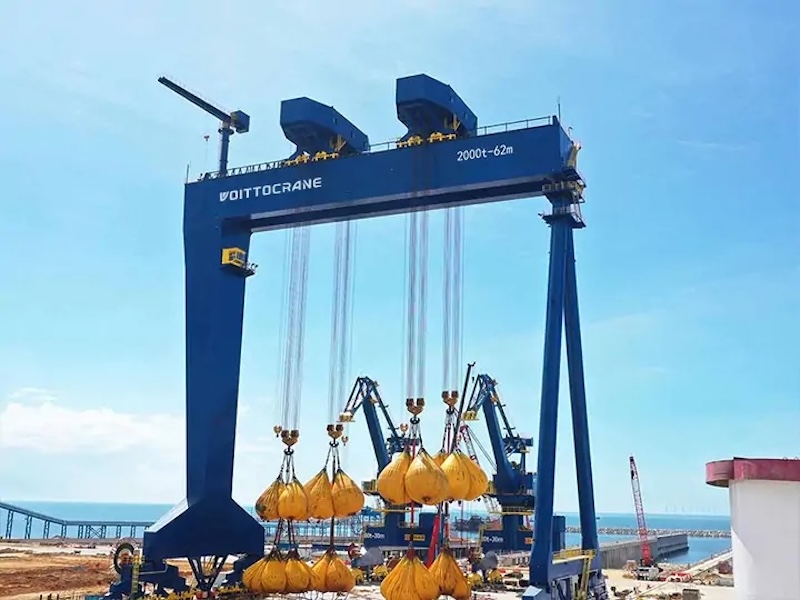
How Automated Container Gantry Cranes Are Reshaping Port Operations in 2026
In 2026, container gantry cranes, essential to global port logistics, are set to undergo significant transformation. This evolution is driven by advancements in automation and artificial intelligence, alongside increasing demands for reduced emissions in the shipping industry. As a result, these towering machines are transitioning from traditional mechanical roles to becoming intelligent, interconnected systems. This shift aims to enhance operational efficiency and sustainability in port operations, fundamentally redefining logistics practices worldwide. The integration of smart technologies is expected to improve the speed and accuracy of cargo handling, ultimately benefiting global trade.
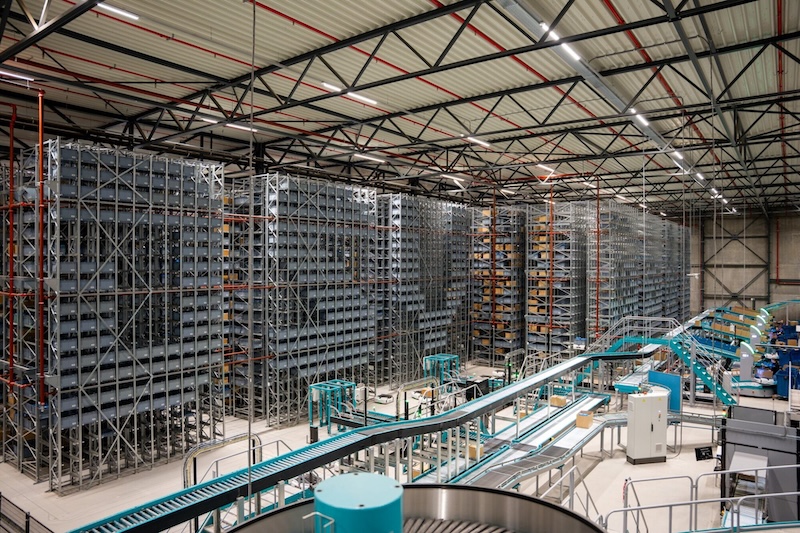
DSV partners with Exotec to modernise Dutch supply chain operations
DSV, a global leader in transport and logistics, has announced a strategic partnership with Exotec, a company renowned for its expertise in warehouse robotics. This collaboration has led to the installation of Exotec's advanced Skypod system at DSV's logistics center in Venlo. The innovative system features around 100 autonomous Skypod robots, designed to enhance fulfillment operations for a range of retail brands. This initiative aims to streamline logistics processes and improve efficiency in handling inventory, reflecting DSV's commitment to leveraging cutting-edge technology in its operations. The partnership underscores the growing trend of automation in the logistics sector, as companies seek to optimize their supply chains and meet increasing consumer demands.
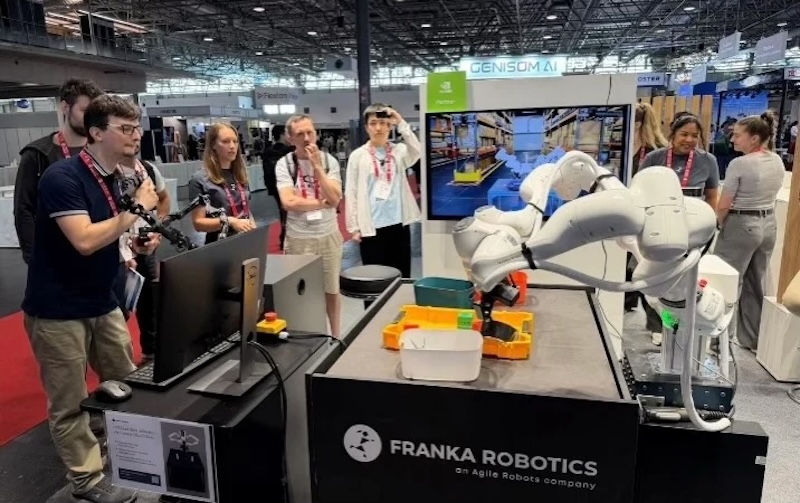
Agile Robots showcases force-control technology, humanoids, and physical AI at Robot Technology Japan event
Agile Robots is making a significant impact at Robot Technology Japan (RTJ) 2026, where the Munich-based company is showcasing its extensive range of industrial robotics, embodied AI, and humanoid technologies. The event, taking place in Nagoya, serves as a platform for Agile Robots to highlight its latest innovations, including advanced force-control systems, collaborative robots, and AI-driven automation solutions. This presentation underscores the company's commitment to expanding its presence in the global automation market, reflecting the growing demand for sophisticated robotic technologies in various industries.

World’s first: Rider-Bot sets record as first bike robot to perform unassisted front flip
In a groundbreaking development for robotics, researchers at the University of California have unveiled a bicycle-riding robot that has successfully completed the world's first unassisted ride. This remarkable feat took place on October 15, 2023, in a controlled environment at the university's robotics lab. The team aimed to demonstrate advancements in autonomous mobility and artificial intelligence, showcasing the robot's ability to balance, steer, and navigate without human intervention. The robot, equipped with sophisticated sensors and algorithms, mimics human cycling techniques, allowing it to adapt to varying terrains and obstacles. This achievement not only highlights the potential for robotics in everyday applications but also paves the way for future innovations in autonomous transportation. Researchers believe that this technology could eventually lead to safer and more efficient modes of travel, addressing challenges in urban mobility and logistics. The successful demonstration marks a significant milestone in the quest for fully autonomous machines capable of performing complex tasks in real-world environments.

Windowless Phantom 3500 jet advances toward service with 90% lower emissions goal
Otto Aerospace has successfully navigated a significant regulatory milestone in its development of the innovative Phantom 3500 aircraft. This achievement comes as the company aims to revolutionize the aviation industry with its unique design and advanced technology. The approval was granted recently, marking a crucial step forward in the aircraft's production timeline. Located in the United States, Otto Aerospace is focused on enhancing the efficiency and sustainability of air travel. The regulatory clearance is a testament to the rigorous safety and performance standards the company has adhered to throughout the development process. With this progress, Otto Aerospace is poised to advance its plans for the Phantom 3500, which promises to offer a new level of performance in the aviation market.
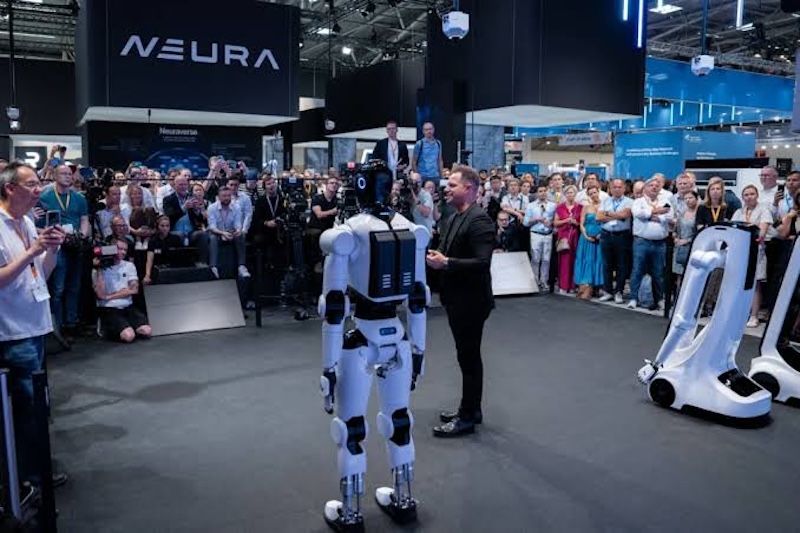
Neura Robotics raises record Series C of $1.4 billion to accelerate physical AI platform
Neura Robotics, a leader in cognitive robotics and the developer of the Neuraverse, has secured a significant Series C financing round totaling up to $1.4 billion. This funding aims to expedite the company's goal of establishing what it describes as the world's foremost physical AI platform. The substantial investment indicates a strong market valuation for Neura Robotics, reflecting investor confidence in its innovative technology and future potential.

NVIDIA Accelerates Google DeepMind’s DiffusionGemma for Local AI
Google DeepMind has unveiled DiffusionGemma, an experimental open model designed for rapid text generation. This innovative model is optimized by NVIDIA to achieve enhanced performance on NVIDIA GeForce RTX GPUs and the NVIDIA RTX PRO platform. The release, which took place today, aims to push the boundaries of text generation technology, providing users with a tool that can produce content at unprecedented speeds. By leveraging advanced GPU capabilities, DiffusionGemma seeks to meet the growing demand for efficient and high-quality text generation solutions in various applications.

Myriam Heiman named director of The Picower Institute for Learning and Memory
Heiman, a prominent researcher specializing in neurodegenerative diseases including Huntington’s and Parkinson’s, has been appointed to lead the institute starting July 1. This leadership transition aims to enhance the institute's focus on groundbreaking research and innovative treatments for these debilitating conditions. Heiman's extensive expertise and commitment to advancing the understanding of neurodegenerative disorders are expected to drive the institute's initiatives forward, fostering collaboration and discovery in the field. The appointment reflects the institute's dedication to addressing the growing challenges posed by these diseases, which affect millions globally.
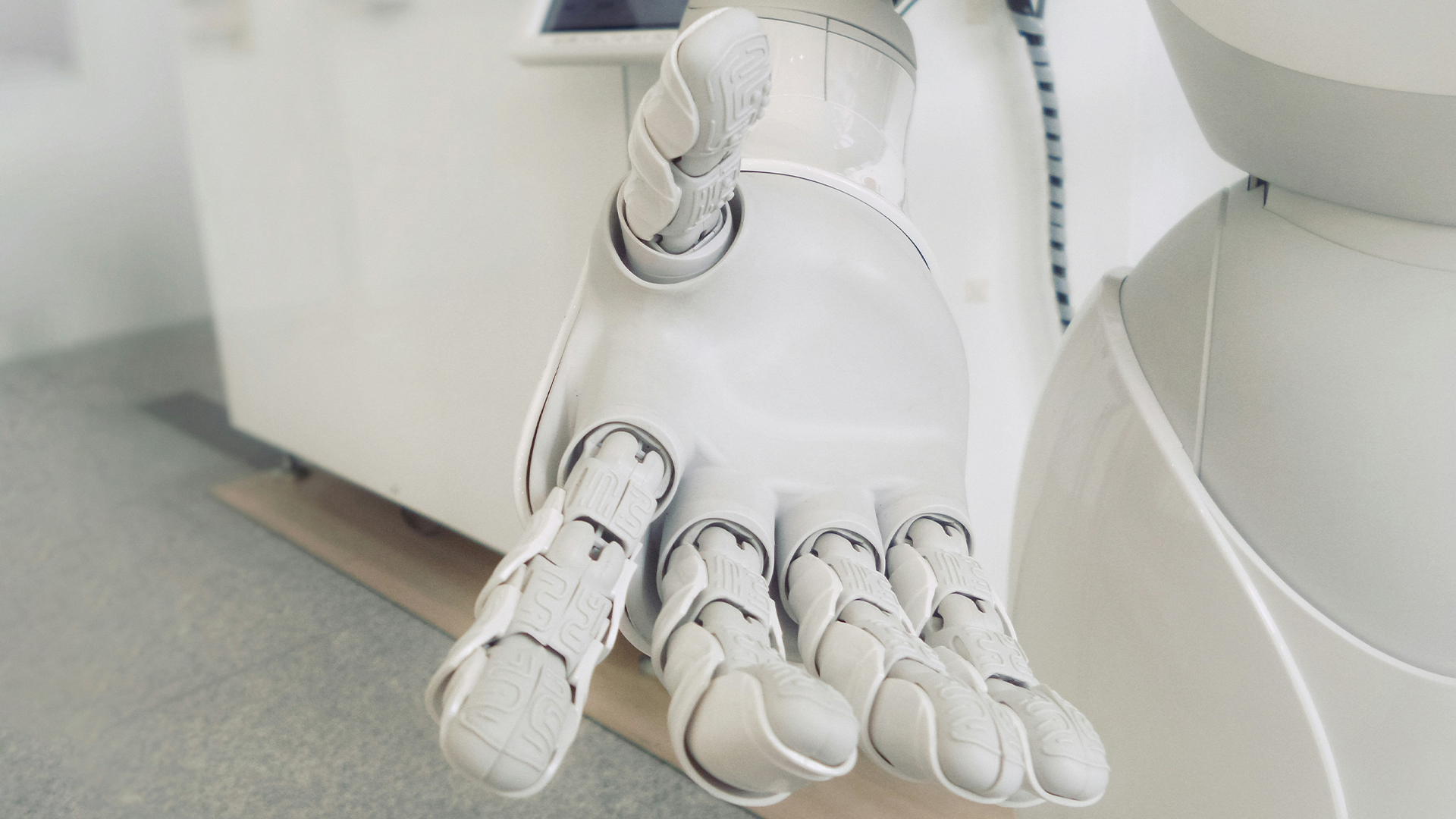
MIT’s ultrasound wristband could teach humanoid robots human hand skills
Researchers have developed an innovative wearable device aimed at enhancing the dexterity of humanoid robots, potentially allowing them to perform tasks with greater human-like precision. This breakthrough was announced in October 2023, as scientists continue to explore ways to improve robotic functionality and interaction in various settings. The device integrates advanced sensors and actuators, enabling robots to mimic the intricate movements of human hands. The motivation behind this development stems from the increasing demand for robots in industries such as healthcare and manufacturing, where fine motor skills are essential for tasks like surgery or assembly. By equipping robots with this new technology, researchers hope to bridge the gap between human and robotic capabilities, leading to more effective collaboration in the workplace. The project highlights the ongoing advancements in robotics and the potential for these machines to take on more complex roles in society.

How AI APIs are strengthening phishing detection and email security across industrial enterprises
Phishing attacks have evolved beyond traditional IT concerns, posing significant threats to manufacturers, robotics integrators, and logistics operators. A single deceptive email can disrupt production lines, misdirect supplier payments, or jeopardize access to automated warehouse systems. This shift highlights the urgent need for enhanced cybersecurity measures to protect industrial operations from increasingly sophisticated threats. As the attack surface broadens, companies must adapt their defenses to safeguard against these emerging risks in the industrial sector.

Google’s DiffusionGemma delivers 4x faster text generation using parallel decoding
Google has introduced DiffusionGemma, an innovative experimental AI model designed to generate text through a diffusion-based approach. This announcement was made recently as part of the company's ongoing efforts to advance artificial intelligence technologies. The model aims to enhance the capabilities of AI in natural language processing by leveraging diffusion techniques, which have shown promise in generating high-quality text outputs. Google’s initiative reflects its commitment to pushing the boundaries of AI research and development, seeking to improve user interactions with technology. The unveiling of DiffusionGemma marks a significant step in the evolution of AI, showcasing how advanced methodologies can be applied to create more sophisticated and contextually aware text generation systems.
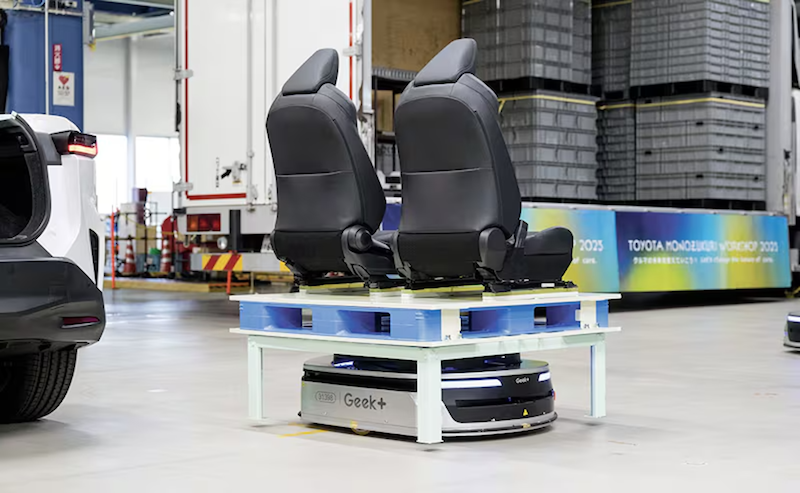
Geekplus intalls more than 400 autonomous mobile robots at multiple Toyota plants
Geekplus has initiated the deployment of moving-type Autonomous Mobile Robots (AMRs) at multiple Toyota Motor Corporation plants across Japan. This strategic move comes in response to labor shortages stemming from the country's declining population and evolving labor market dynamics. Currently, 436 Geekplus AMRs are actively operating within Toyota's manufacturing facilities, with each system managing around 200 units. The integration of these robots aims to enhance operational efficiency and address workforce challenges, reflecting a growing trend in automating production processes within the automotive industry.
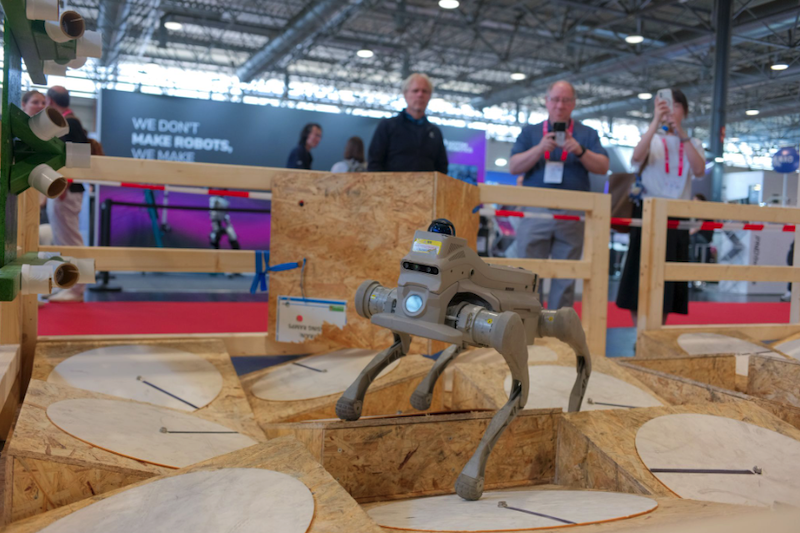
GENISOM AI steps into the global robotics spotlight at ICRA 2026 with real-world-ready robots
GENISOM AI showcased its advancements in embodied artificial intelligence at the International Conference on Robotics and Automation (ICRA) 2026, held from June 2 to June 4. With a track record of producing and delivering over 10,000 robots for various industrial and infrastructure applications worldwide, the company emphasized its commitment to transitioning AI from theoretical research to practical implementation. During the conference, GENISOM AI introduced its latest models, the GENISOM M1 and GENISOM L1, highlighting their capabilities and real-world applications. This debut marks a significant step in the evolution of robotics, illustrating the company's vision of integrating AI into everyday operations.

For Robotaxis, Safety Must Be Built In, Not Bolted On
In a significant advancement for urban transportation, the robotaxi industry has begun operating in numerous cities, offering a glimpse into the future of autonomous travel. As residents step outside, they are greeted by driverless vehicles arriving at their curbside, signaled by mobile apps notifying them that their ride has arrived. This innovative service marks a transition from experimental prototypes to practical applications, reflecting the growing confidence in autonomous vehicle technology. The rollout of these robotaxi services aims to provide convenient, efficient, and potentially safer transportation options, addressing the increasing demand for mobility solutions in densely populated areas. As cities embrace this technology, the integration of autonomous vehicles into everyday life is poised to reshape urban mobility and redefine the concept of personal transportation.
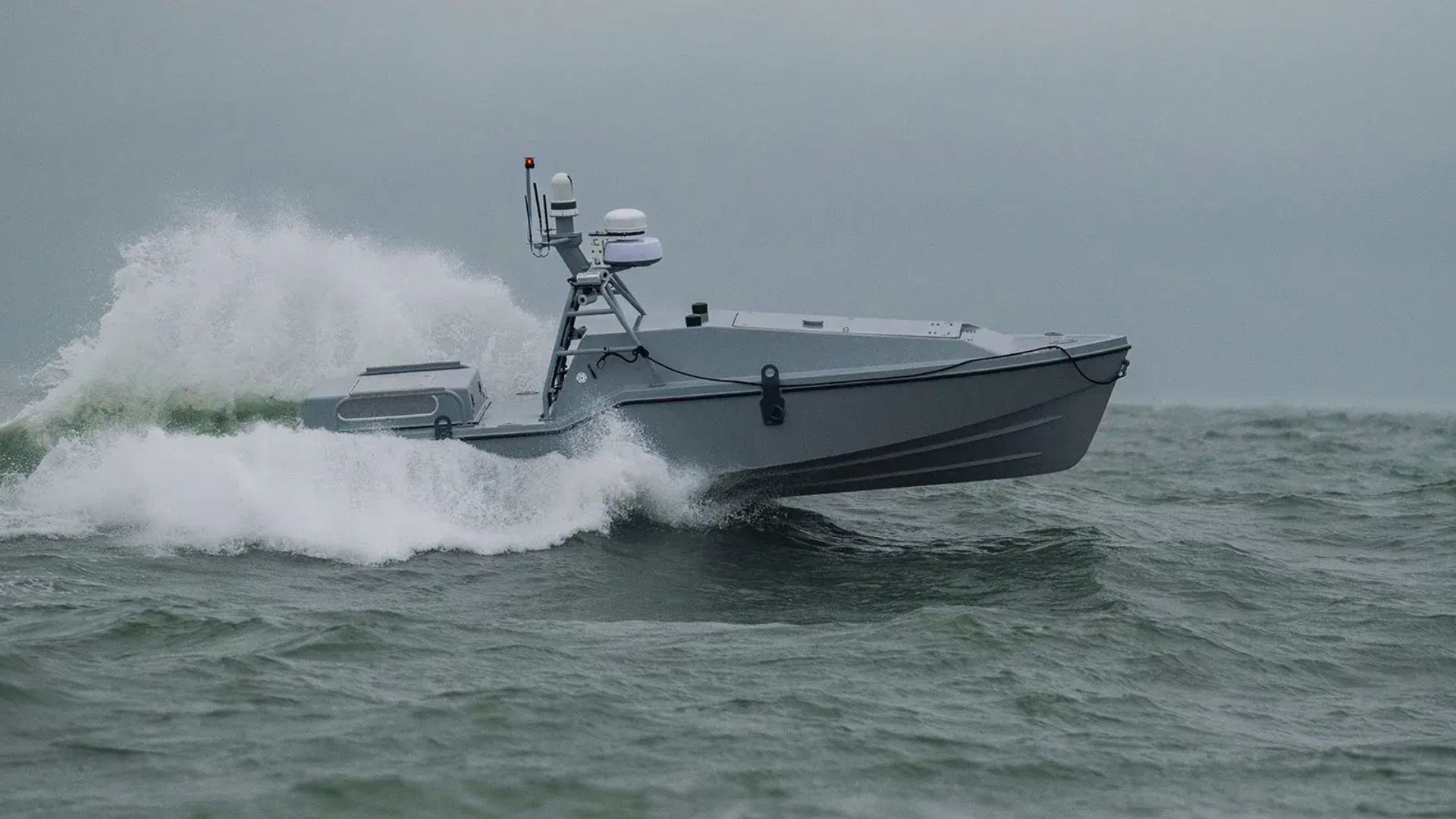
First-ever drone boat rescue: US Navy vessel pulls out two downed pilots from sea
A U.S. Navy unmanned surface vessel successfully conducted a rescue operation for two Army pilots whose AH-64 Apache helicopter had crashed. The incident occurred on a training mission off the coast of California on Tuesday. The unmanned vessel, equipped with advanced technology, was able to locate the pilots quickly and facilitate their safe retrieval from the water. This operation highlights the increasing role of unmanned systems in military rescue missions, showcasing their effectiveness in enhancing operational capabilities and ensuring the safety of personnel in distress. The successful rescue underscores the collaborative efforts between the Navy and Army in conducting joint operations and responding to emergencies in challenging environments.
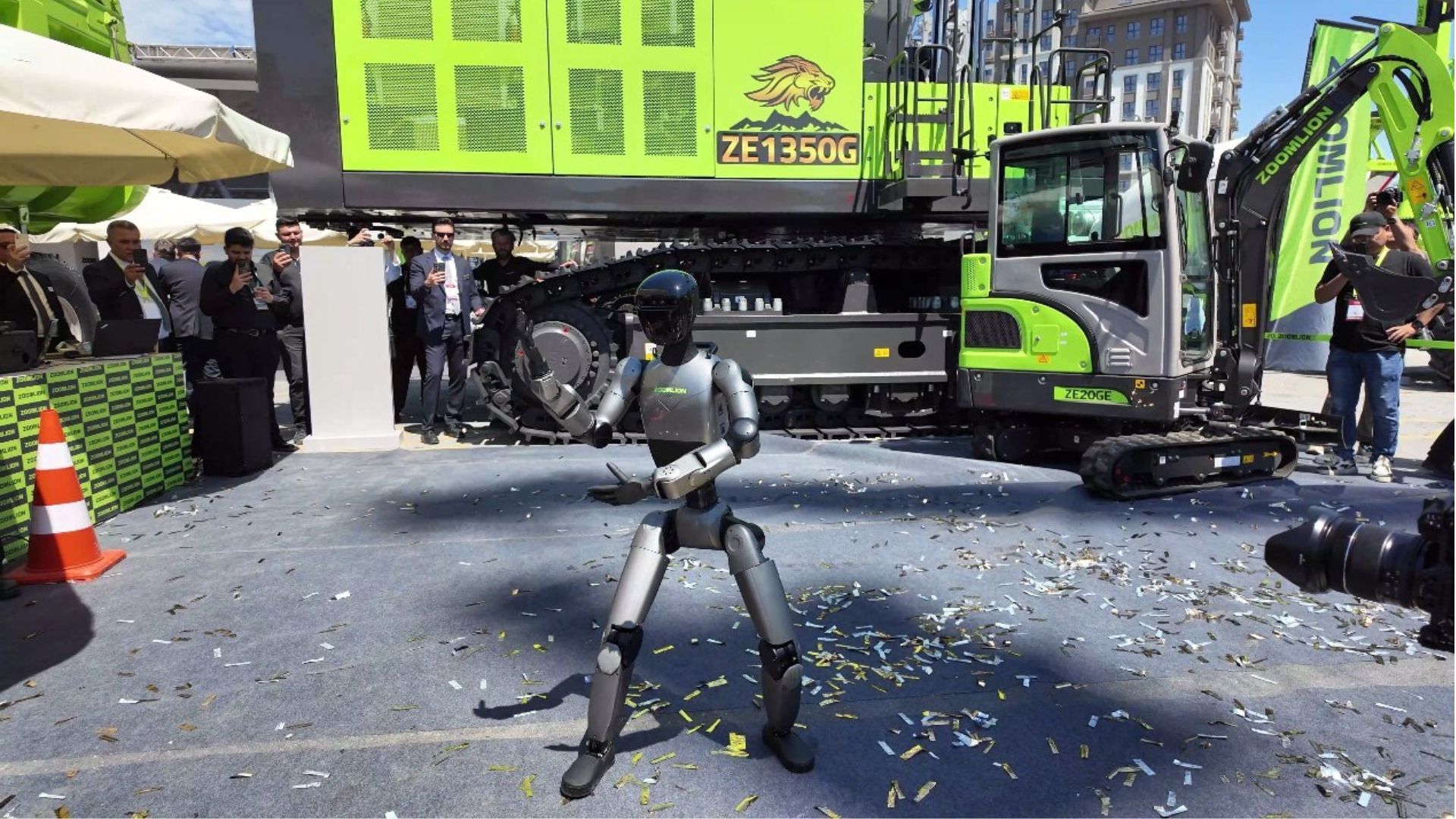
China’s Z01 humanoid robot masters Tai Chi moves with human-like balance and control
A new humanoid robot from China has emerged as a highlight at a prominent technology exhibition held in Shanghai this week. The robot, designed to mimic human movements and interactions, showcases advanced artificial intelligence capabilities that have captivated attendees and industry experts alike. This development reflects China's growing investment in robotics and AI technology, aiming to position itself as a leader in the global tech landscape. Demonstrations of the robot's abilities, including its capacity for conversation and physical tasks, have sparked discussions about the future of automation and human-robot collaboration. The exhibition serves as a platform for innovation, drawing significant attention to the potential applications of such technology in various sectors, including healthcare, education, and entertainment. As interest in robotics continues to rise, this humanoid robot stands as a testament to the rapid advancements being made in the field.

Best Managed Virtual Assistant Services for Startups in 2026
Startup founders often face the challenge of managing their time effectively, as they typically do not require additional meetings but rather dependable assistance with administrative tasks. This includes inbox management, CRM follow-ups, and front-desk coverage, all without the burden of hiring another full-time employee. The insights shared are particularly aimed at operators in the fields of robotics, automation, and industrial technology, who seek scalable solutions that do not contribute to process inefficiencies. The recommendations provided focus on managed assistant services that can meet these needs, allowing startups to streamline operations while maintaining productivity.

Autonomous truck company Einride now listed on Nasdaq
Einride, a technology firm focused on advancing electric and autonomous freight solutions, has officially launched its American depository shares and warrants on the Nasdaq Global Market and Nasdaq Capital Market. Trading commenced today under the ticker symbols “ENRD” for the shares and “ENRDW” for the warrants. This significant milestone marks Einride's entry into the public market, a move aimed at enhancing its visibility and attracting investment to further its mission of promoting cost-efficient freight solutions. The company's leadership is celebrating this achievement as a pivotal step in its growth strategy.
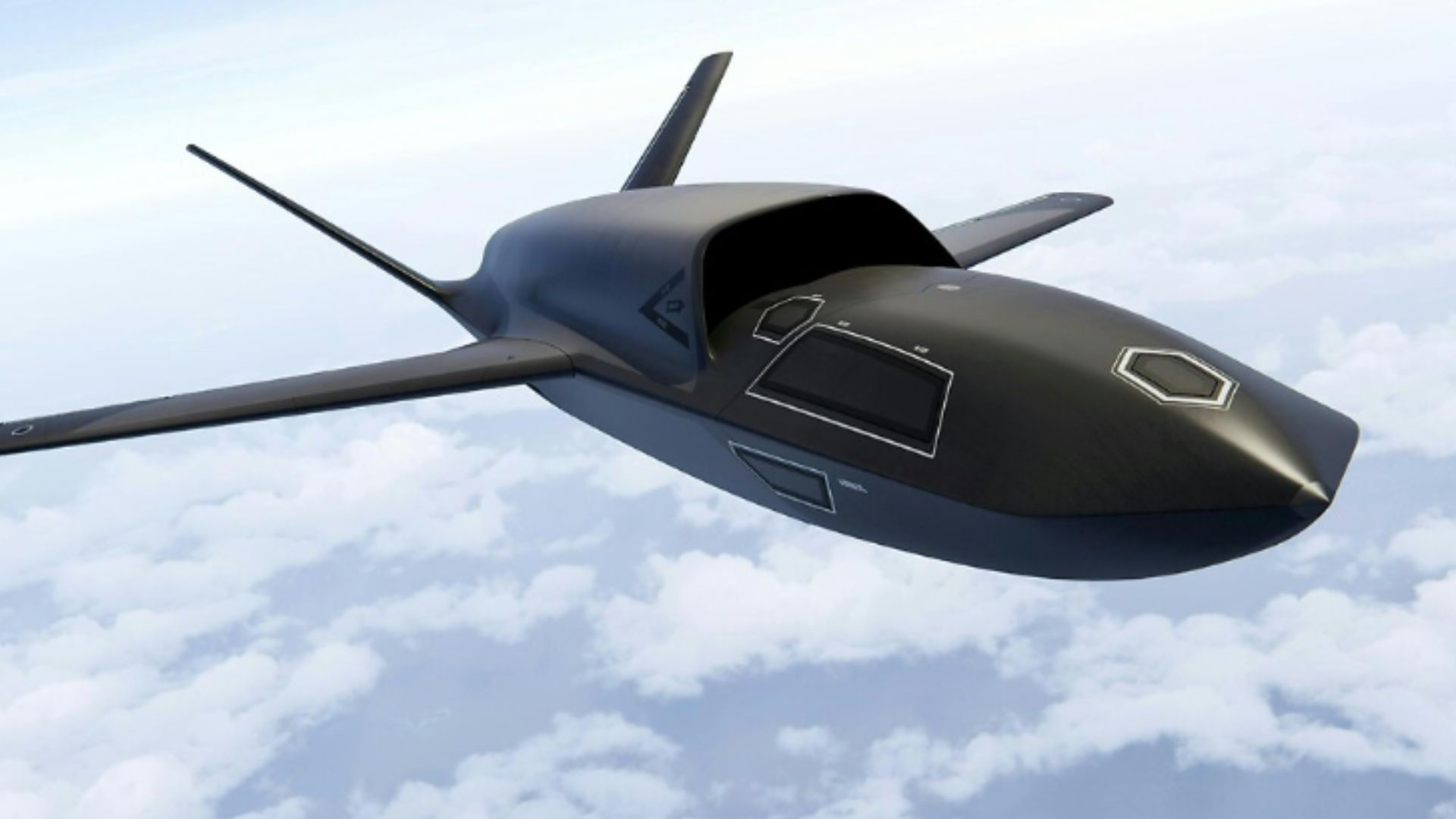
Airbus unveils Ravenstorm drone wingman for combat mission alongside other UAVs
European aerospace firm Airbus is set to unveil its latest drone wingman, the U760 Ravenstorm, at the upcoming Paris Air Show. Scheduled for June 19-25, 2023, this event will showcase the innovative capabilities of the U760 Ravenstorm, designed to enhance military operations by providing advanced support and reconnaissance. The introduction of this drone reflects Airbus's commitment to advancing defense technology and addressing the evolving needs of modern warfare. The U760 Ravenstorm is expected to demonstrate its versatility and effectiveness in various combat scenarios, marking a significant step forward in unmanned aerial systems.
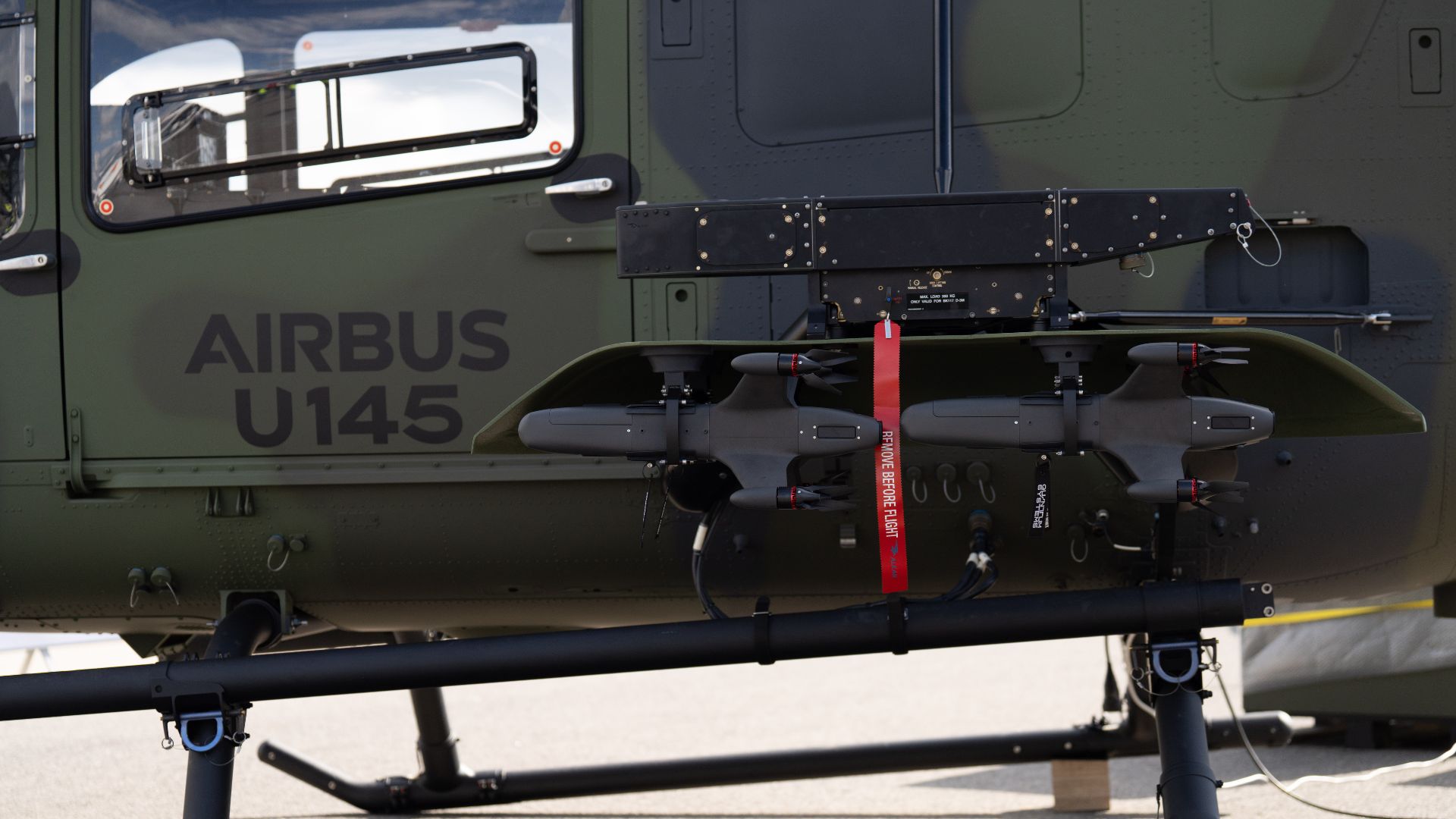
Airbus modifies H145M helicopter to deploy interceptors against tactical drone swarms
Airbus Helicopters, in collaboration with German defense officials, is responding to the increasing threats posed by small attack drones to military helicopters. This initiative comes amid heightened concerns regarding the vulnerability of aerial vehicles in modern combat scenarios. The partnership aims to enhance the defensive capabilities of helicopters, ensuring they can effectively counteract the risks associated with drone warfare. By integrating advanced technologies and innovative strategies, the companies seek to bolster the safety and operational effectiveness of military aviation. This development is particularly timely given the evolving landscape of aerial threats, which has prompted defense sectors worldwide to reassess their strategies and equipment. The collaboration highlights a proactive approach to addressing emerging challenges in military operations.
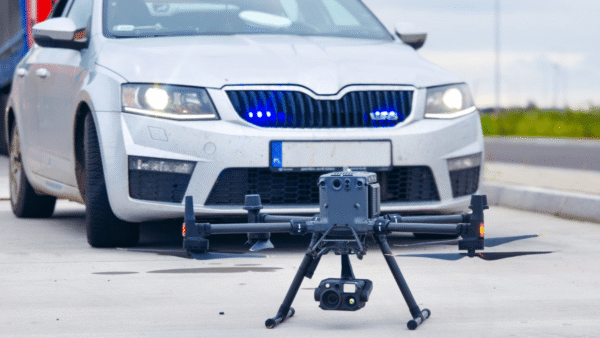
AirData UAV and LeoSight Bring Live Drone Data for DFR Programs
LeoSight has announced a new integration with AirData UAV that enables real-time streaming of flight data, telemetry, and operational insights directly into its command software, LeoCommand. This integration aims to enhance collaboration between dispatchers and field teams by providing shared visibility across drone and DFR (Drone First Response) operations. The partnership leverages AirData's status as one of the most widely used platforms in commercial drone operations, allowing public safety agencies to improve their operational efficiency. The integration is expected to streamline communication and data sharing, ultimately enhancing response capabilities in critical situations.
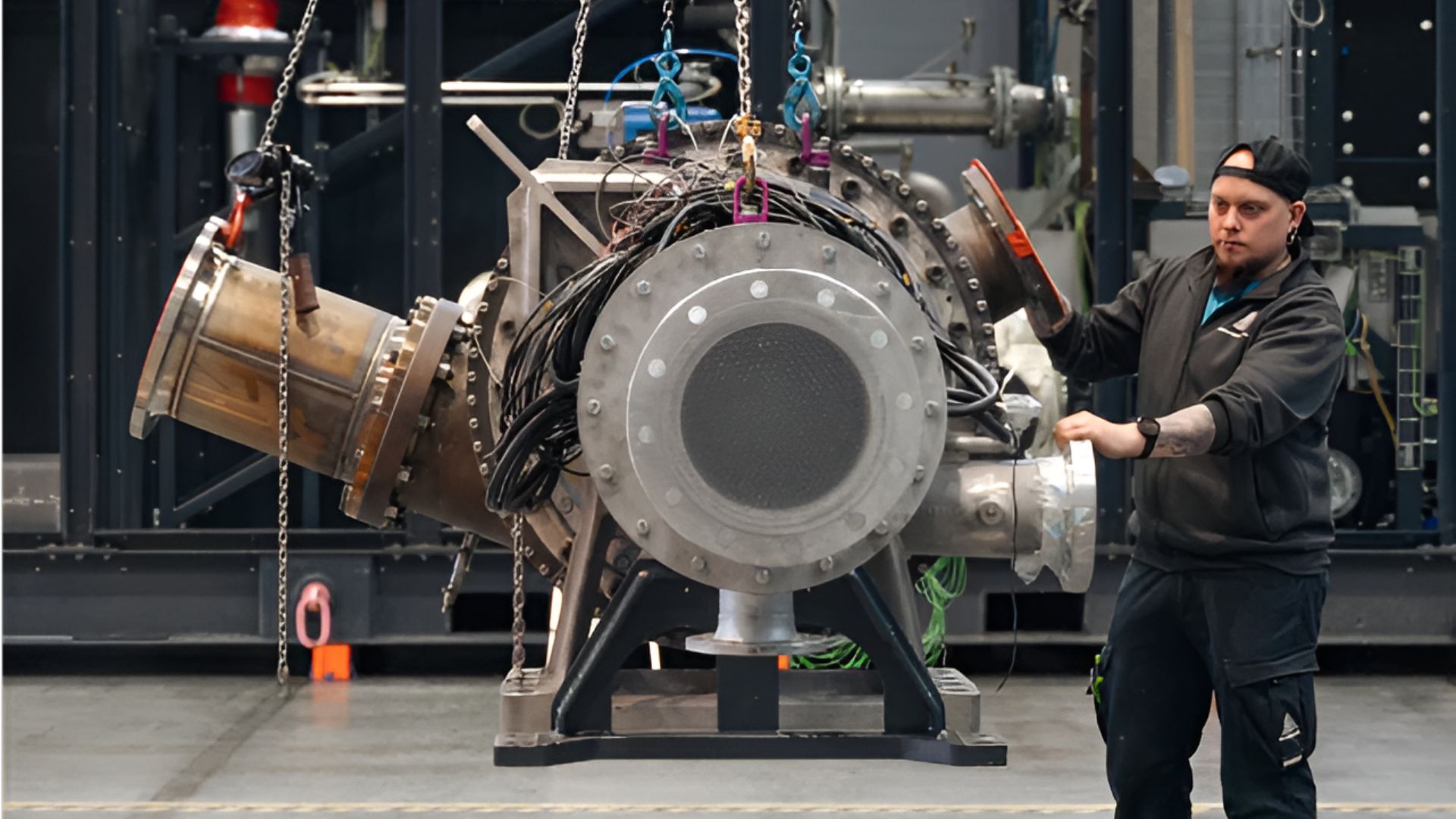
Advanced metal 3D printing minimizes failure points in complex gas turbine designs
Metal additive manufacturing is increasingly being adopted in production-focused energy systems, moving beyond its traditional use in aerospace prototypes. This shift reflects a growing recognition of the technology's potential to enhance efficiency and reduce costs in various sectors. As companies seek innovative solutions to meet rising energy demands, the integration of metal additive manufacturing offers a pathway to streamline production processes and improve the performance of energy systems. This trend is gaining momentum as industry leaders invest in research and development to harness the benefits of this advanced manufacturing technique, which allows for greater design flexibility and material optimization. The transition is expected to reshape the landscape of energy production, paving the way for more sustainable and efficient systems in the future.
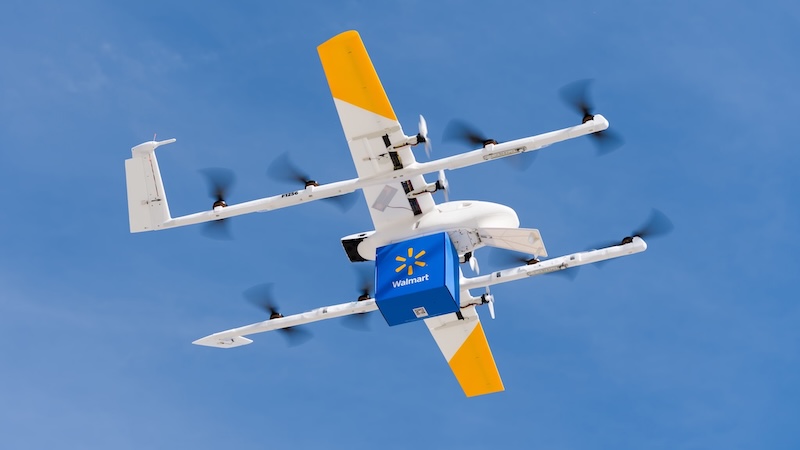
Wing and Walmart expand drone delivery network to seven new US metro areas
Drone delivery company Wing, in partnership with retail giant Walmart, is expanding its residential drone delivery network across the United States, which they claim is the largest of its kind. This initiative will introduce drone delivery services to seven new metropolitan areas, including Memphis, New Orleans, Philadelphia, and Phoenix. The expansion aims to enhance accessibility and convenience for consumers, with a target of reaching 40 million Americans by 2027. The collaboration between Wing and Walmart is part of a broader strategy to leverage drone technology for efficient delivery solutions, responding to the growing demand for rapid and reliable delivery services in urban areas.
Wing and Walmart Add Seven New Drone Delivery Markets
Wing and Walmart have announced the expansion of their drone delivery network to seven new major metropolitan areas, including Memphis, New Orleans, Philadelphia, Phoenix, San Diego, the San Francisco Bay Area, and Salt Lake City. This initiative is part of their ongoing efforts to enhance delivery services across the United States. The addition of these cities marks a significant step in the rollout of the nation’s largest drone delivery network, aimed at improving convenience and efficiency for consumers. The partnership leverages advanced drone technology to facilitate faster deliveries, responding to the growing demand for quick and reliable service in urban areas.
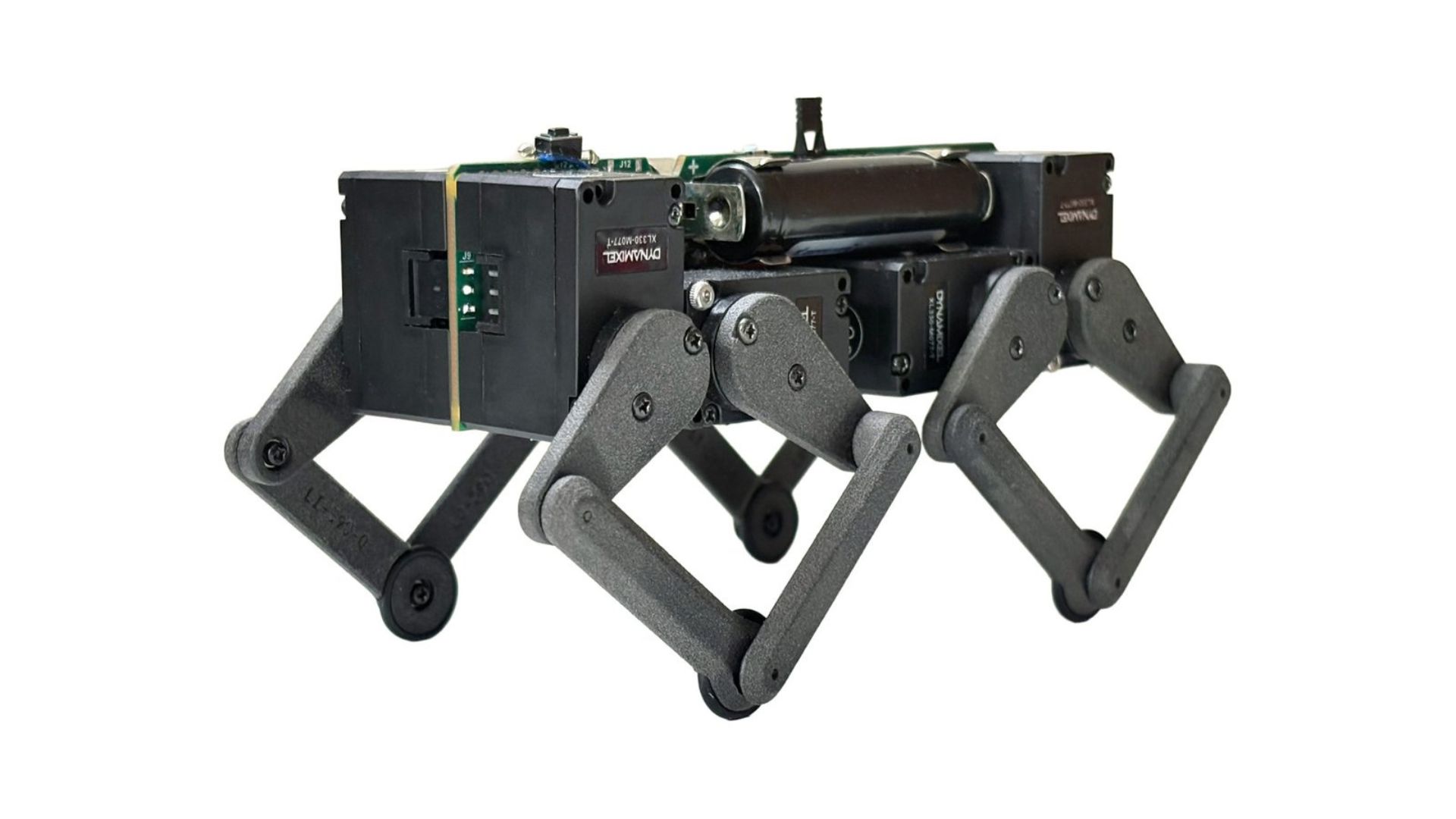
Video: New palm-sized robot with 8 smart actuators can walk, trot, and jump
A new open-source quadruped robot, Q8botOne, has been introduced to the market, designed to offer an affordable and fully assembled robotic platform for enthusiasts and developers. This innovative project was launched recently by a team of engineers and robotics enthusiasts who recognized the growing demand for accessible robotic solutions. The Q8botOne is intended to facilitate learning and experimentation in robotics, making it easier for users to engage with advanced technology without the high costs typically associated with such platforms. The robot is equipped with various features that allow for customization and adaptability, catering to a wide range of applications from education to research. By utilizing open-source software, the developers encourage a collaborative approach, inviting users to contribute to its ongoing improvement and functionality. The initiative aims to democratize access to robotics, fostering innovation and creativity in the field. With its launch, Q8botOne is set to make a significant impact on the robotics community, providing a practical tool for those looking to explore the capabilities of quadruped robots.
US engineers make ‘artificial eyes’ to improve vision in robots, self-driving cars
Researchers at Penn State University have developed an innovative device inspired by the human eye, aimed at enhancing the vision capabilities of self-driving cars. This groundbreaking technology was unveiled recently as part of ongoing efforts to improve the safety and reliability of autonomous vehicles. The device mimics the eye's ability to adapt to varying light conditions, which is crucial for navigating complex environments. The motivation behind this advancement stems from the challenges faced by self-driving cars in low-light situations, where traditional sensors often struggle to provide accurate data. By integrating this eye-inspired technology, the researchers hope to significantly reduce the risk of accidents and improve the overall performance of autonomous systems. This development is part of a broader initiative to advance automotive technology and ensure that self-driving cars can operate effectively in diverse conditions. The research team utilized a combination of advanced materials and optical engineering to create a device that can dynamically adjust its sensitivity, much like the human eye does when transitioning from bright to dim environments. As the automotive industry continues to push towards fully autonomous vehicles, innovations like this are essential for addressing safety concerns and building public trust in self-driving technology. The research findings are expected to contribute to future advancements in vehicle design and functionality, paving the way for safer roads.
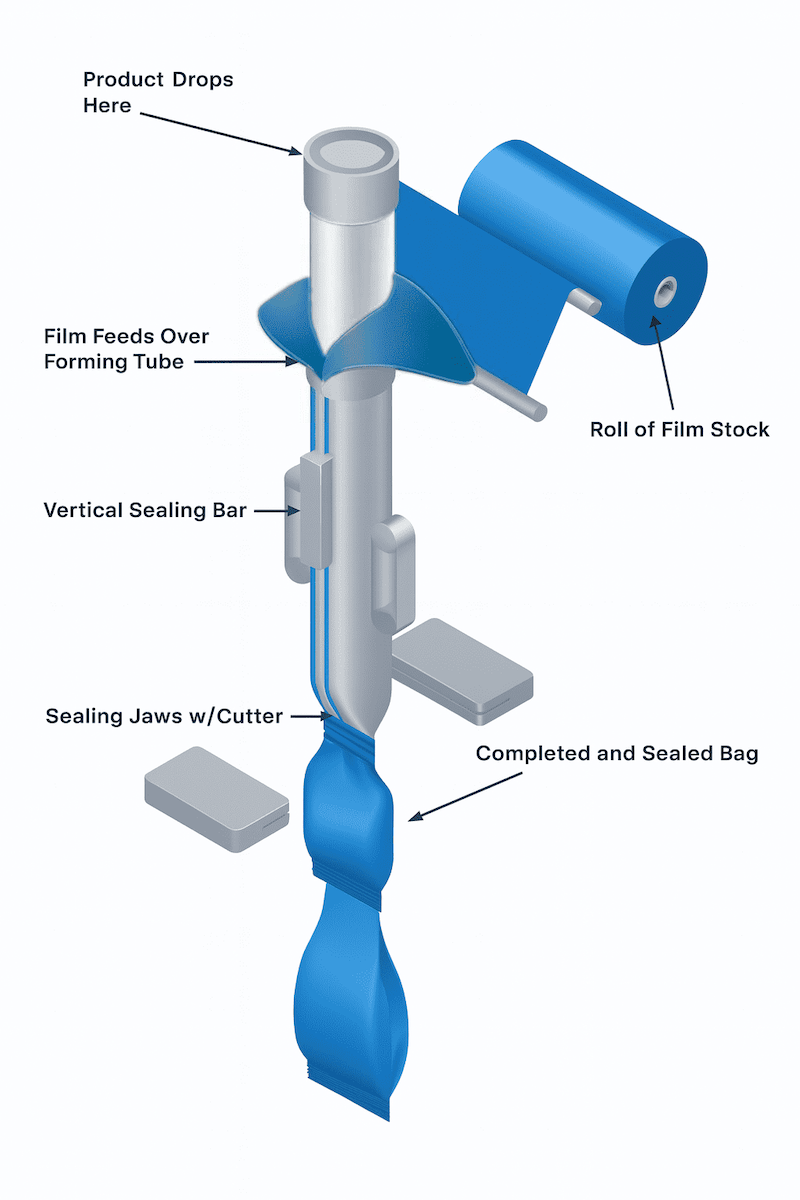
The Future of VFFS Technology in High-Speed Packaging Operations
The packaging industry is experiencing significant changes as manufacturers respond to increasing consumer demands and shorter production timelines. This transformation is marked by a growing reliance on smarter, faster, and more efficient packaging solutions. Central to this evolution is Vertical Form Fill Seal (VFFS) technology, which has emerged as a crucial tool in contemporary packaging facilities. As companies across various sectors adopt this innovative system, they aim to enhance productivity and meet the dynamic needs of the market. The shift towards VFFS technology reflects a broader trend in the industry, where efficiency and adaptability are becoming paramount in the face of evolving consumer expectations.
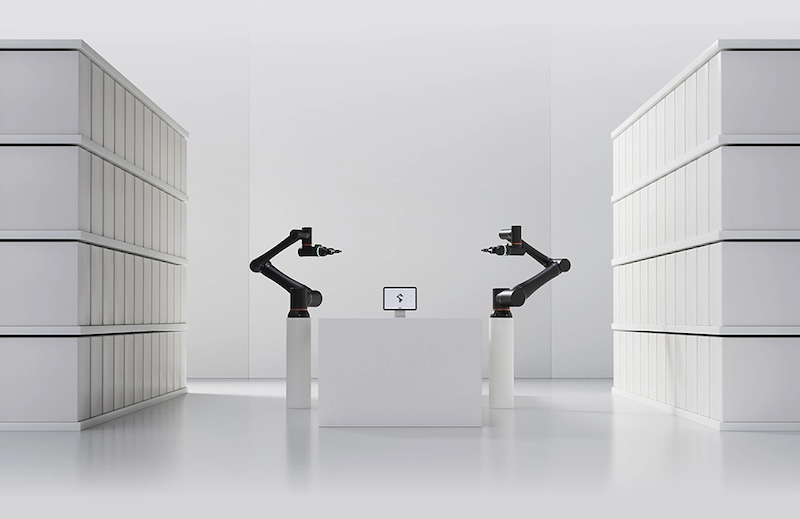
Standard Bots reaches $1 billion valuation after raising $200 million Series C
Standard Bots, recognized as America’s largest manufacturer of AI-native industrial robotics, has successfully secured $200 million in a Series C funding round. The investment, led by existing investors alongside RoboStrategy, elevates the company’s valuation to $1 billion. This significant milestone comes as the U.S. industrial sector accelerates its modernization efforts, highlighting the growing demand for advanced robotics solutions. The new capital will enable Standard Bots to expand its operations and enhance its product offerings, positioning the company to meet the evolving needs of the market.
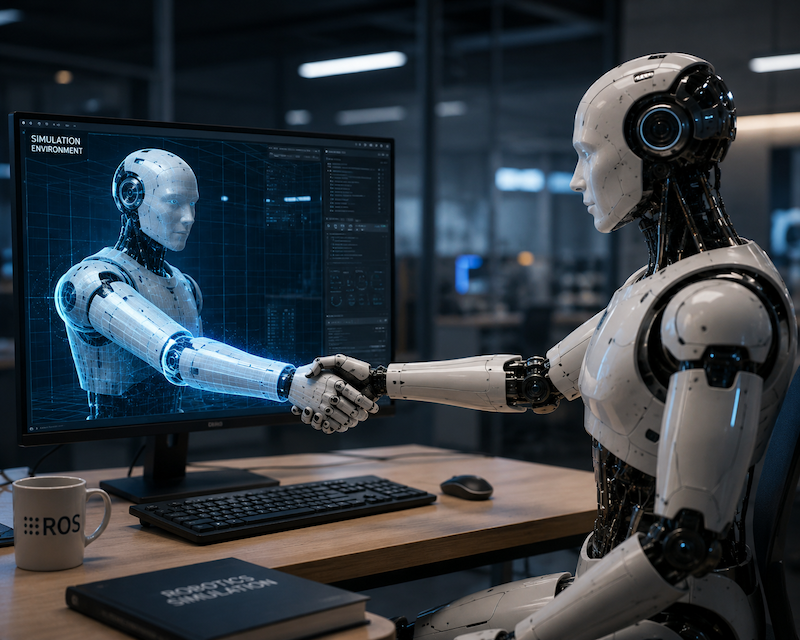
Simulation tools in the ROS ecosystem: Testing and validating robots virtually
In a significant advancement for robotics, researchers are increasingly relying on virtual environments to develop and refine robots before they are deployed in the real world. This trend allows robots, such as those used in warehouses, autonomous vehicles, and humanoid designs, to undergo extensive training and testing in simulated settings. By utilizing these virtual platforms, developers can enhance the robots' navigation and operational skills without the risks and costs associated with real-world trials. This approach not only accelerates the development process but also improves the overall safety and efficiency of robotic systems. As the technology evolves, the reliance on virtual training is expected to grow, paving the way for more sophisticated and capable robots in various industries.
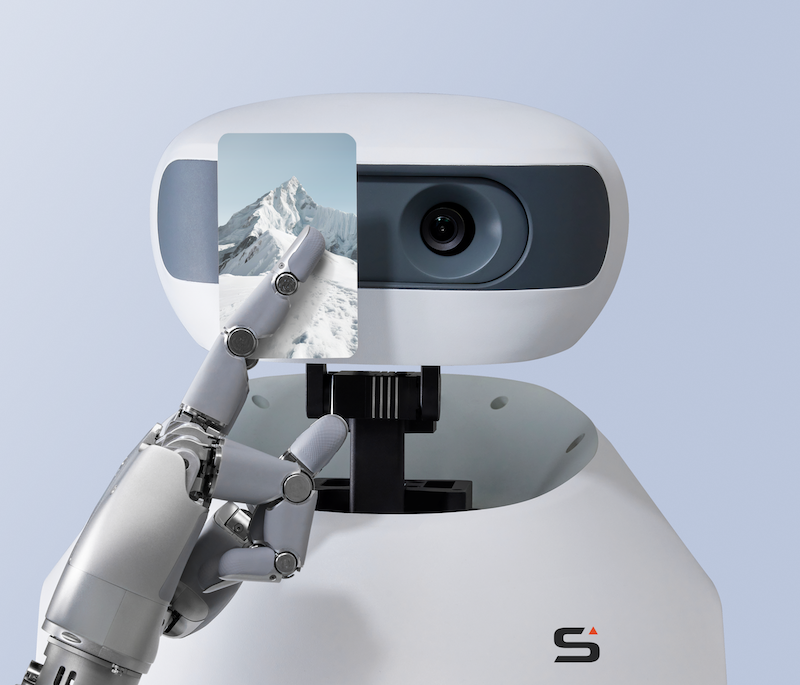
Sharpa brings dexterous robot hands to Nvidia and Unitree humanoid reference design
Sharpa has unveiled the integration of its Wave tactile robot hands into the Unitree H2 Plus humanoid robot reference design, marking a significant advancement in robotics technology. This collaboration makes the Unitree H2 Plus the first dexterous humanoid platform to utilize Sharpa's tactile manipulation technology within Nvidia’s Isaac GR00T development framework. The companies aim to enhance the capabilities of robotics developers and researchers by providing a sophisticated platform that combines advanced tactile feedback with humanoid robotics. This integration is expected to facilitate innovative developments in the field, enabling more nuanced and effective interactions between robots and their environments.

RLWRLD and Nvidia launch DexBench to standardize humanoid robot dexterity
RLWRLD, a company specializing in physical AI, has partnered with Nvidia to establish new industry standards for humanoid robot artificial intelligence. This initiative, announced recently, aims to enhance the capabilities of humanoid robots through three key components. The first is DexBench, a universal benchmark designed to assess dexterity performance in robotic systems. The second component focuses on creating a standardized data framework for training robots in dexterous manipulation. Lastly, the collaboration will ensure deep integration with Nvidia's open-source platforms, Isaac Lab and Isaac Lab-Arena, facilitating advanced development and testing of robotic technologies. This initiative is set to advance the field of robotics by providing essential tools and standards for evaluating and improving robot dexterity and functionality.

Q&A: Riyadh Air CEO Tony Douglas on launching a new airline, expanding its fleet, and the future of air travel
Riyadh Air, the airline launched by Saudi Arabia’s Crown Prince Mohammed bin Salman three years ago, is set to commence operations following the delivery of its first Boeing 787-9 Dreamliners. In an exclusive interview with Al Arabiya English, CEO Tony Douglas outlined the airline's ambitious plans for rapid expansion. The introduction of these aircraft marks a significant milestone for Riyadh Air, which aims to establish itself as a major player in the aviation industry. The airline's launch aligns with Saudi Arabia's broader vision to enhance tourism and diversify its economy.

Octopus-inspired robotic arm uses distributed tactile sensors for adaptive grip
Engineers have successfully created a robotic arm inspired by the sensory capabilities of the octopus. This innovative development aims to enhance robotic dexterity and adaptability in various applications, including medical procedures and complex manufacturing tasks. The project, which has been in the works for several years, showcases the potential of biomimicry in advancing technology. Researchers conducted extensive studies on the octopus's unique nervous system and flexible limbs to replicate its remarkable ability to manipulate objects with precision. The robotic arm is designed to mimic these characteristics, allowing for greater flexibility and sensitivity compared to traditional robotic systems. This breakthrough, unveiled at a technology conference earlier this month, represents a significant step forward in robotics, potentially transforming how machines interact with their environment and perform intricate tasks.

New HySIL lens design makes high-resolution 3D brain and cancer imaging widely accessible
A team from Columbia University has unveiled a groundbreaking microscopy technology that promises to significantly enhance three-dimensional imaging capabilities. This innovative approach, announced in October 2023, aims to improve the visualization of biological structures at unprecedented resolutions. The development is driven by the need for more detailed imaging techniques in various scientific fields, including biology and materials science. By utilizing advanced optical methods, the researchers have created a system that allows for clearer and more accurate representations of complex samples. This advancement could lead to major breakthroughs in understanding cellular processes and developing new materials, ultimately transforming research methodologies across multiple disciplines.
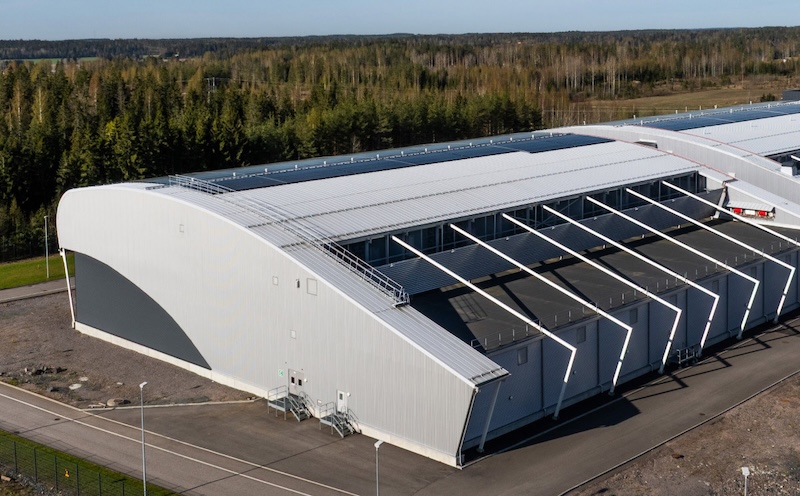
Nebius and Nvidia launch Physical AI Living Lab for European robotics startups
Nebius, a prominent AI cloud company, has launched the Physical AI Living Lab, a six-month initiative aimed at supporting robotics startups across Britain and Europe. This program provides participants with access to Nvidia’s advanced physical AI development tools alongside Nebius’s robust AI cloud infrastructure. The initiative addresses a significant challenge faced by early-stage robotics companies, which often lack the resources to create large-scale simulations, generate synthetic data, and utilize accelerated computing necessary for their development. By offering these essential tools and support, Nebius aims to foster innovation and growth within the robotics sector, ultimately enhancing the capabilities of emerging technologies in the field.
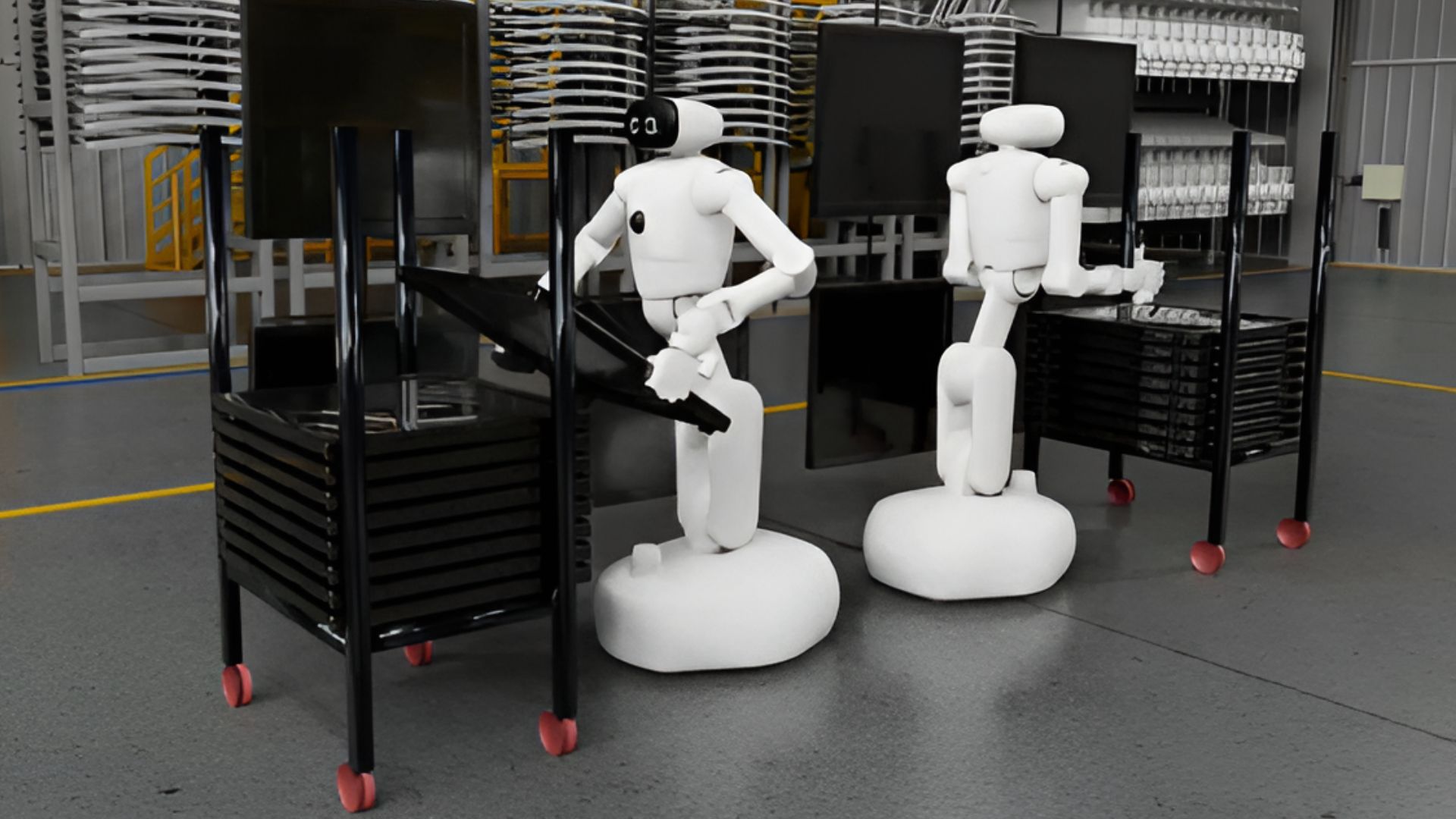
NVIDIA and LG Group build AI factory to train robots and power future mobility
Researchers and engineers are advancing the next frontier of artificial intelligence, focusing on the development of machines capable of movement, visual perception, and autonomous decision-making. This initiative, which has gained momentum in recent months, aims to enhance the functionality and adaptability of AI systems across various sectors, including healthcare, transportation, and robotics. The push for these advancements is driven by the increasing demand for intelligent systems that can operate in dynamic environments and perform complex tasks without human intervention. By integrating advanced sensors and machine learning algorithms, developers are working to create AI that not only processes information but also interacts with the physical world in real-time. This evolution in AI technology is taking place in research laboratories and tech hubs around the globe, with significant contributions from universities, private companies, and government agencies. As these entities collaborate, they are exploring innovative applications that could revolutionize industries and improve everyday life. The ongoing research is expected to culminate in prototypes and pilot programs by early 2024, showcasing the potential of these intelligent machines. As the field progresses, ethical considerations and safety measures are also being prioritized to ensure responsible deployment and integration into society. The ultimate goal is to create AI systems that enhance human capabilities and contribute positively to various aspects of life.

NVIDIA Confidential Computing to Help Expand Apple’s Private Cloud Compute
NVIDIA has announced that its GPUs equipped with Confidential Computing technology are now being utilized for confidential inference in Apple’s Private Cloud Compute (PCC). This development marks a significant expansion of Apple’s cloud capabilities, extending beyond its own data centers to include Google Cloud. The announcement was made during Apple’s annual Worldwide Developers Conference (WWDC), where the company showcased its latest advancements and innovations aimed at enhancing data security and privacy for users. This collaboration with NVIDIA is expected to bolster Apple’s commitment to maintaining user confidentiality while leveraging cloud resources effectively.
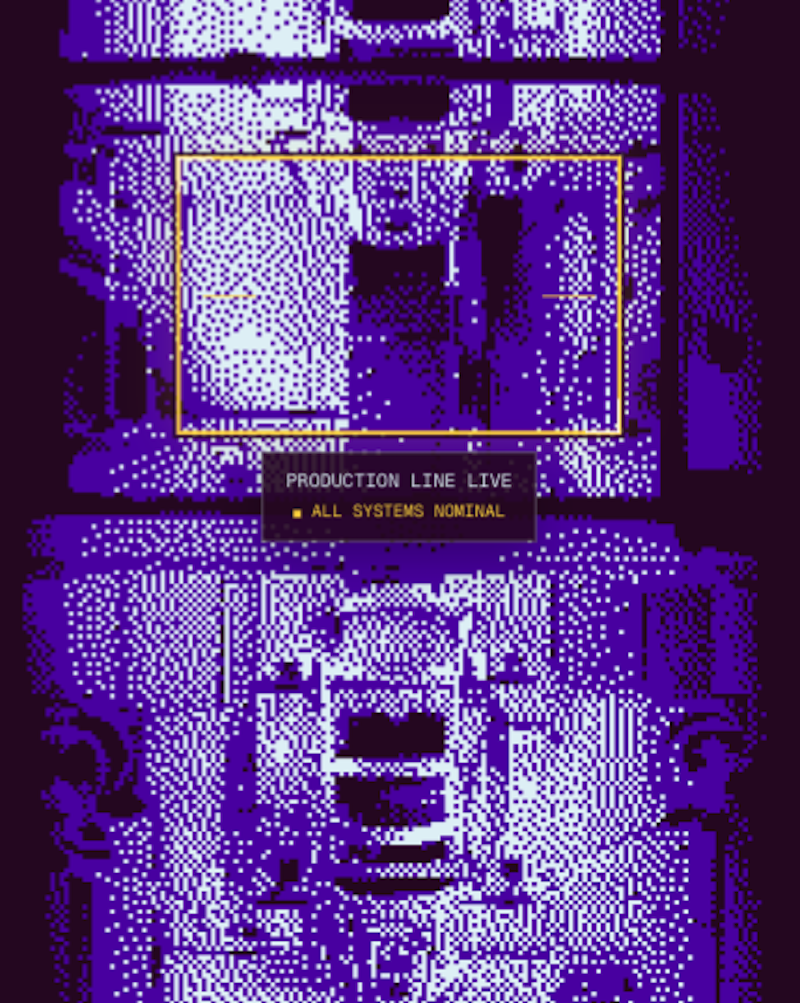
Mesoware raises $1.5 million funding to build AI-powered robots for manufacturing
Mesoware has secured $1.5 million in funding to advance its development of AI-powered robotics solutions aimed at automating manufacturing processes. The pre-seed funding round was spearheaded by Pillar VC. Joe Mattekatt, co-founder and CEO of Mesoware, emphasized the significance of this investment, stating that as hardware costs decrease and AI technology progresses, the primary challenge in robotics lies in integrating these advancements at scale. This funding will enable Mesoware to address that challenge and further its mission in the robotics industry.
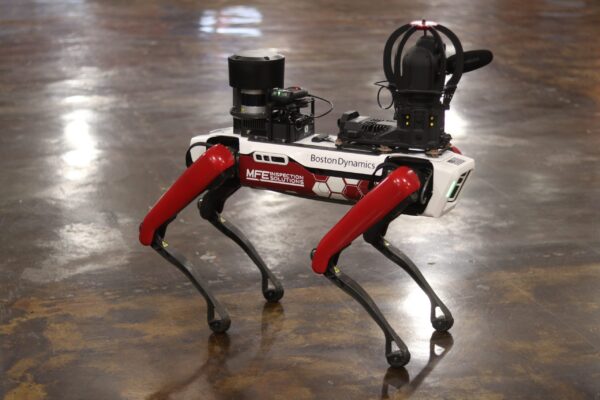
MFE Launches Robotic Gas Detection for Boston Dynamics’ Spot
MFE Inspection Solutions has unveiled a new robotic gas detection solution that integrates Blackline Safety’s cloud-connected portable gas detector with Boston Dynamics’ Spot quadruped robot. This innovative integration allows for enhanced atmospheric awareness by streaming connected gas data from the Spot to Blackline Live, effectively combining MFE’s existing drone-based gas detection capabilities with advanced robotic technology. The launch, announced by the Houston-based company, aims to improve safety and efficiency in gas detection processes across various industries.
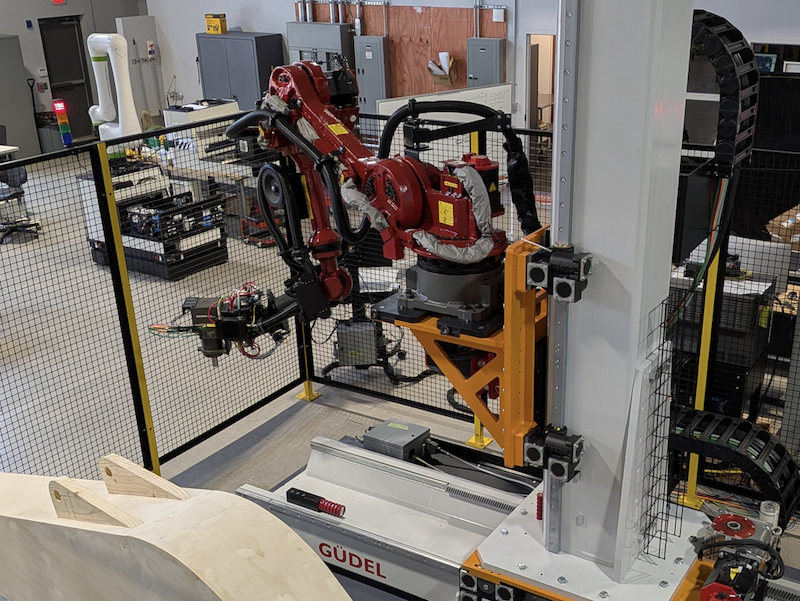
Güdel enhances robotic grinding capabilities with integrated vertical and horizontal movement.
The automation of grinding and surface finishing for large fabricated parts is gaining attention as a solution to the challenges posed by traditional methods, which are often characterized as dull, dirty, and dangerous. However, the implementation of robotic systems in this area presents significant hurdles, including the need for multiple robots and intricate part repositioning. These factors contribute to increased costs and longer cycle times, while also introducing new variations into the manufacturing process. As industries seek to enhance efficiency and safety, the push for automation in grinding applications continues to evolve, highlighting the need for innovative solutions to streamline operations and reduce overhead.
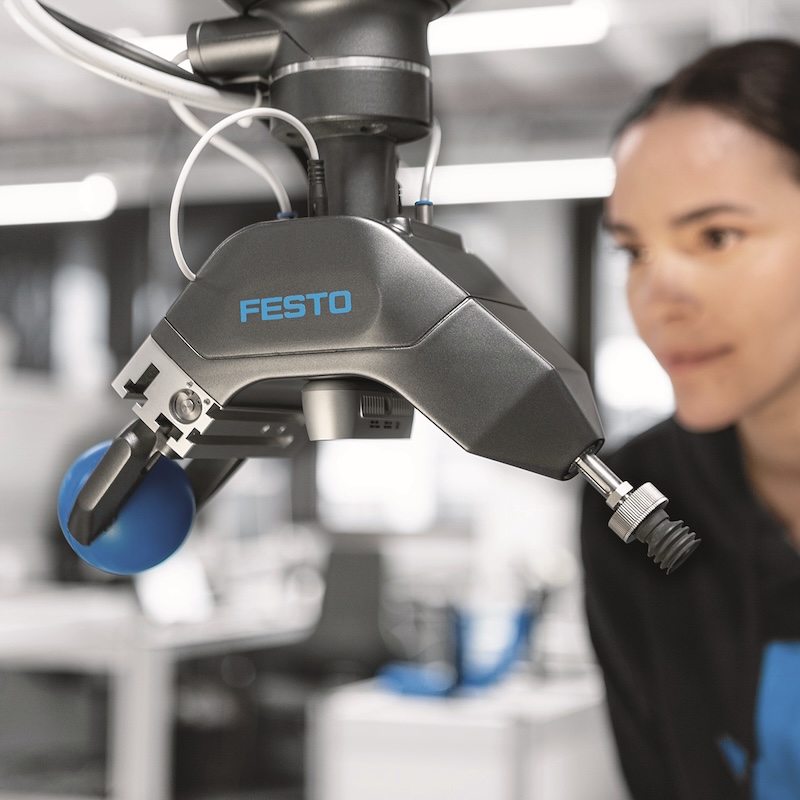
Festo launches GripperAI software to simplify flexible robot handling
Festo has launched GripperAI, an innovative AI-driven software designed to enhance robotic handling capabilities. This solution allows robots to manage a variety of mixed, unfamiliar, and randomly positioned products without requiring extensive programming or specialized vision systems. The introduction of GripperAI aims to provide manufacturers with increased flexibility in their automated handling processes. By automatically determining the best gripping point for each item, the software streamlines operations and improves efficiency in manufacturing environments. This advancement reflects Festo's commitment to integrating cutting-edge technology into automation solutions, catering to the evolving needs of the industry.

China’s UBTECH plans to send life-like humanoid robot companions in customer’s homes
Chinese robotics company UBTECH has introduced a new consumer-focused brand named UWORLD, alongside the launch of its innovative U1 robot. This announcement was made during a press event held on October 15, 2023, in Beijing, where company executives highlighted their commitment to advancing robotics technology for everyday use. The U1 robot is designed to enhance home automation and personal assistance, reflecting UBTECH's strategy to expand its market presence beyond industrial applications. By targeting consumers, UBTECH aims to meet the growing demand for smart home devices and improve the quality of life through advanced robotics. The U1 robot features user-friendly interfaces and connectivity options, making it accessible for a wide range of users. This launch marks a significant step for UBTECH as it seeks to establish itself as a leader in the consumer robotics sector.
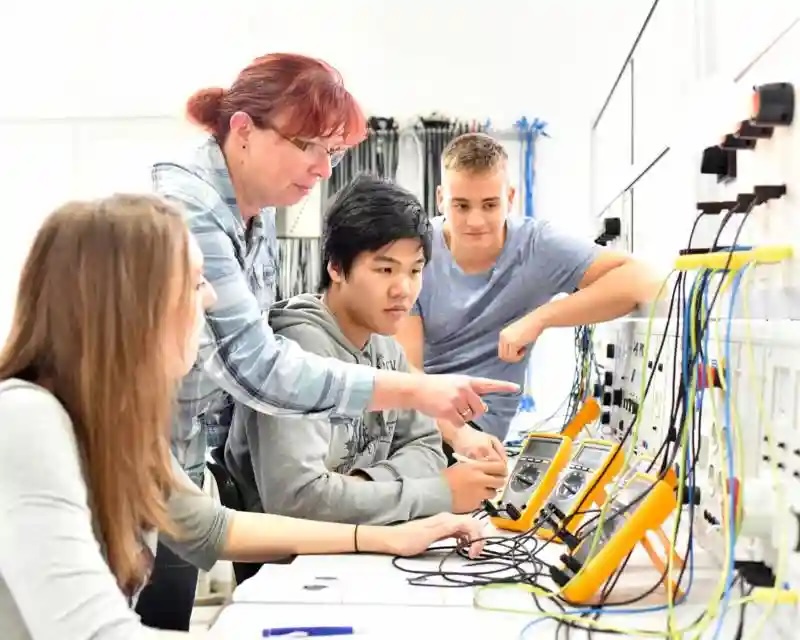
Automation is Hiring Faster Than Schools Can Graduate Engineers
Automation has become a critical component in various industries, including manufacturing, logistics, energy, and research, as companies increasingly implement robots and intelligent systems to enhance efficiency. This shift is occurring at an unprecedented pace, creating a pressing demand for skilled engineers capable of designing, maintaining, and improving these technologies. However, the rapid deployment of automation presents a significant challenge: the supply of qualified professionals is struggling to keep up with the growing need. As organizations strive to integrate advanced automation into their operations, the gap between the availability of skilled workers and the requirements of modern technology continues to widen, complicating efforts to fully realize the potential of automation in the workforce.

Anthropic unveils Claude Fable 5, opening Mythos-class capabilities to all users
Anthropic has launched its most advanced artificial intelligence system to date, marking a significant milestone in the field of AI development. The unveiling took place recently, showcasing the company's commitment to pushing the boundaries of AI technology. This new system is designed to enhance various applications, reflecting the growing demand for sophisticated AI solutions across industries. The motivation behind this launch stems from the increasing need for more capable and reliable AI systems that can assist in complex tasks and decision-making processes. By leveraging extensive data and advanced algorithms, Anthropic aims to address these challenges and provide users with a powerful tool for innovation and efficiency. The rollout of this AI system is expected to impact sectors such as healthcare, finance, and education, where advanced analytics and automation can drive significant improvements. As the technology continues to evolve, Anthropic is positioning itself as a leader in the competitive AI landscape, striving to create systems that are not only advanced but also ethical and aligned with human values.
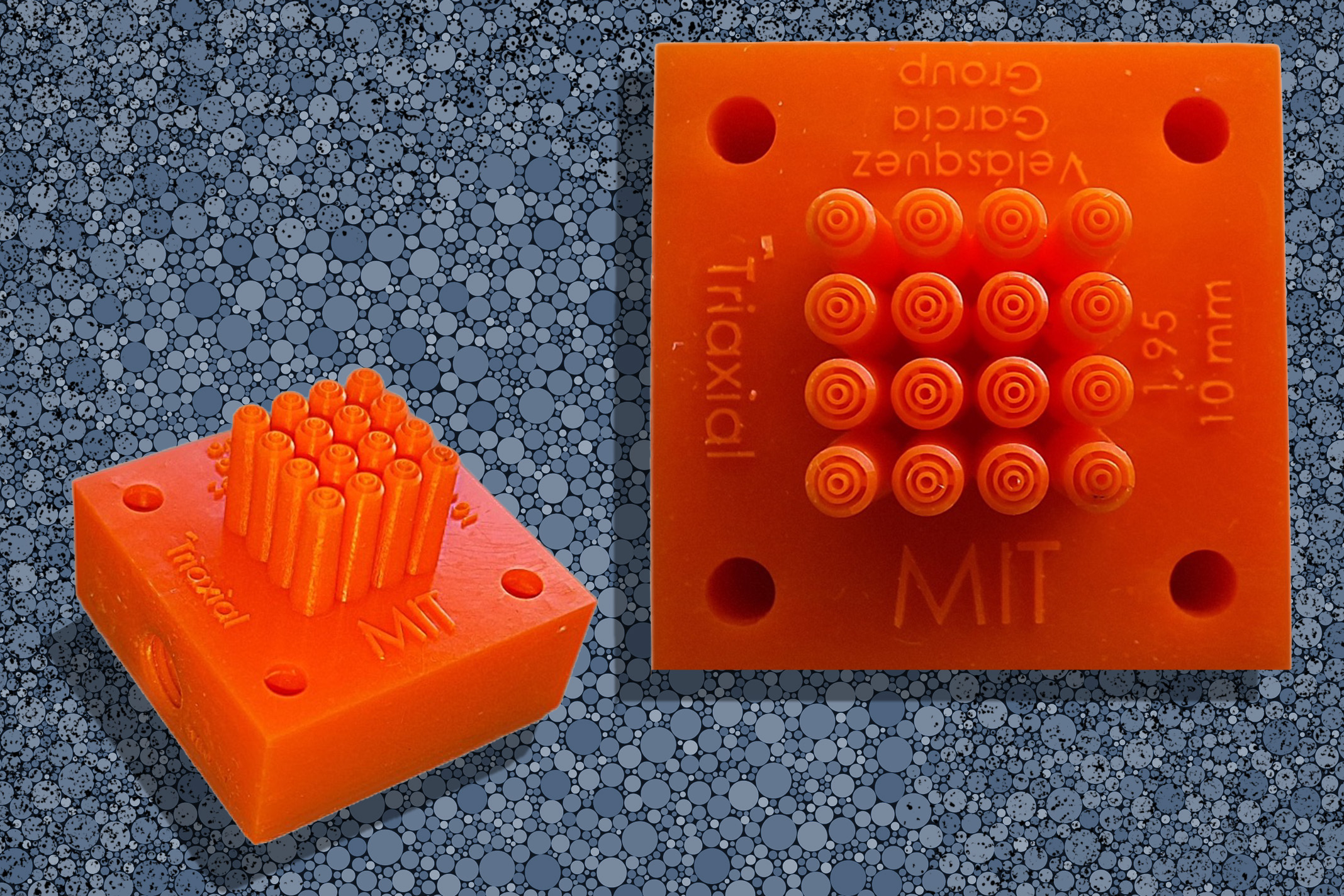
3D-printed devices could streamline the production of drug-delivery microparticles
A new development in particle production technology has emerged, utilizing cost-effective devices that can be constructed in just a few hours. These innovative devices employ electrospray emitter technology to efficiently generate three-layered particles on a large scale. This advancement is poised to enhance manufacturing processes across various industries by providing a faster and more economical method of particle creation. The introduction of these devices marks a significant step forward in the field, potentially leading to improved applications in pharmaceuticals, materials science, and other sectors that rely on precise particle engineering.