

Industry Briefing
A single destination for timely, editor-curated robotics news from around the world.
French Army Chief General Jacques de Montgros Unveils Ambitious Agenda for the Service
General Jacques de Montgros, the French Army Chief of Staff, has outlined his vision for a military that embodies fearlessness, pride, and boldness. This agenda marks a significant shift in the French Army's approach to its operational capabilities and public perception. The ambitions set forth by General de Montgros are crucial as they aim to enhance the Army's effectiveness and readiness in a rapidly changing global security landscape. By fostering a military that is both respected and formidable, the French Army seeks to strengthen its position within NATO and among international allies. Looking ahead, observers will be keen to see how these ambitions translate into actionable strategies and reforms within the French Army. No further timeline was disclosed at the time of publication.
Global Land Warfare AI Army conscripts Drones
Bloomberg This Weekend Discusses USS Abraham Lincoln Conditions with Drone Swarm Insights
Bloomberg This Weekend hosts Joe Mathieu, Carol Massar, and Lisa Mateo provide insights into the latest headlines, including conditions aboard the USS Abraham Lincoln. They are joined by a panel of experts, including Navy Veteran Natalie Oliverio and Axios Business Reporter Nathan Bomey. The discussion highlights the significance of military readiness and the role of technology, such as drone swarms, in modern naval operations. This context is crucial for understanding the evolving landscape of defense and investment strategies. Viewers should keep an eye on future developments regarding military technology and its implications for both national security and economic factors. No further timeline was disclosed at the time of publication.

SpaceX Launches Dual-Arm Robot to Extend Lifespan of Aging Satellites
On July 21, SpaceX launched a dual-arm space robot named MRV from Cape Canaveral, Florida. Its mission is to extend the lifespan of aging satellites by attaching jetpacks to them in geostationary orbit, preventing them from becoming space debris. The first clients for this service are Luxembourg's SES and Australia's Optus, with each satellite's replacement costing up to hundreds of millions of dollars. This initiative is significant as it marks a shift in how satellites are viewed—not as disposable assets but as reusable ones that can be repaired and refueled. Northrop Grumman, the manufacturer of MRV, has experience in satellite servicing, having previously extended the lives of malfunctioning satellites. The MRV's capabilities may evolve to include repairing and repositioning active satellites and even removing defunct ones from busy orbits. Looking ahead, the success of MRV could pave the way for more advanced satellite servicing technologies. Just two weeks prior, another robotic spacecraft, LINK, was launched to rescue NASA's Swift Observatory, which is at risk of re-entering the atmosphere. As robotics play an increasingly vital role in space operations, the economic landscape of space could be fundamentally transformed.
Space Robotics Satellite Services Orbital Maintenance Space Economy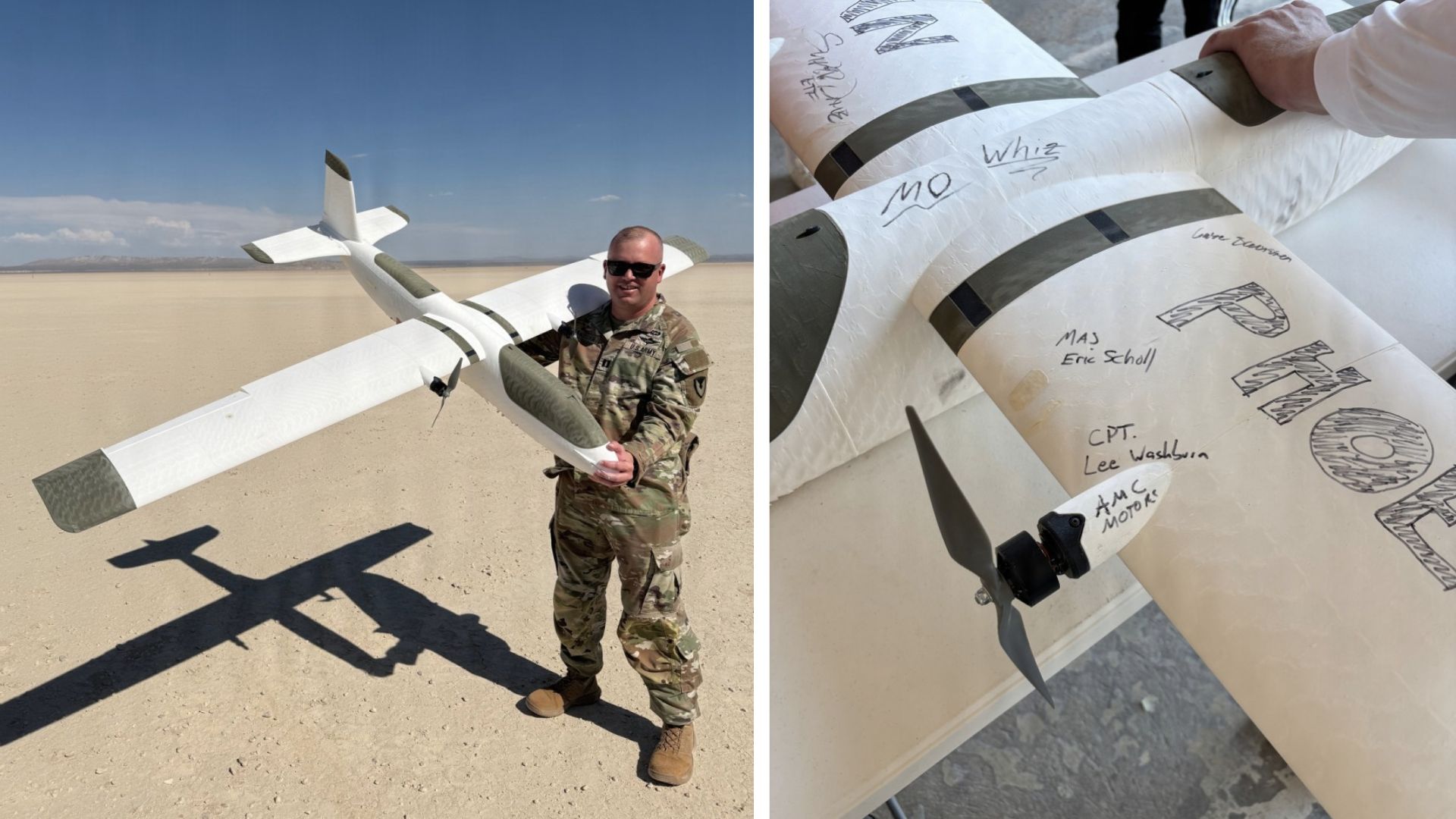
Battery-Powered Drone Sets New Endurance Record with Army-assembled Propulsion System
A battery-powered drone has set a new world endurance record by flying for over eight hours in desert conditions. This achievement was made possible by propulsion components assembled at the Army’s organic industrial base, specifically two brushless direct current motors from Tobyhanna Army Depot. The drone, which flew for 300 miles, surpassed the previous record by 50 minutes during the Game of Drones 26-2 demonstration at Edwards Air Force Base, California. This milestone is significant as it showcases the Army's commitment to innovation in uncrewed systems and highlights the importance of domestic production capabilities. Army Capt. Lee Washburn emphasized the role of the Army in providing material solutions to support drone dominance and refining components for operational use. The rapid on-site manufacturing process involved designing the drone in under 10 minutes and fabricating it within 24 hours using commercial 3D printers. Looking ahead, the Army aims to continue enhancing its organic industrial base to reduce foreign dependencies on critical parts. The success of this event illustrates the potential for collaboration between industry and government to achieve remarkable results in defense technology. No further timeline was disclosed at the time of publication.
Military
AgriFood Signals: Farmland LP Secures $126 Million for New Fund Amid Industry Developments
AgFunderNews highlights significant developments in agtech and foodtech, including Farmland LP's successful fundraising of $126 million for its third fund. This capital will support investments in sustainable agriculture and food production technologies, reflecting a growing interest in the sector. The importance of this funding is underscored by the increasing demand for innovative solutions in agriculture, particularly as the industry faces challenges related to sustainability and efficiency. Farmland LP's new fund aims to capitalize on these trends, positioning itself as a key player in the evolving agtech landscape. Looking ahead, stakeholders should monitor how Farmland LP deploys its new capital and the impact of other recent funding rounds, such as Sharpa's $670 million for robotics at Dairy Queen. No further timeline was disclosed at the time of publication.
Agtech FoodTech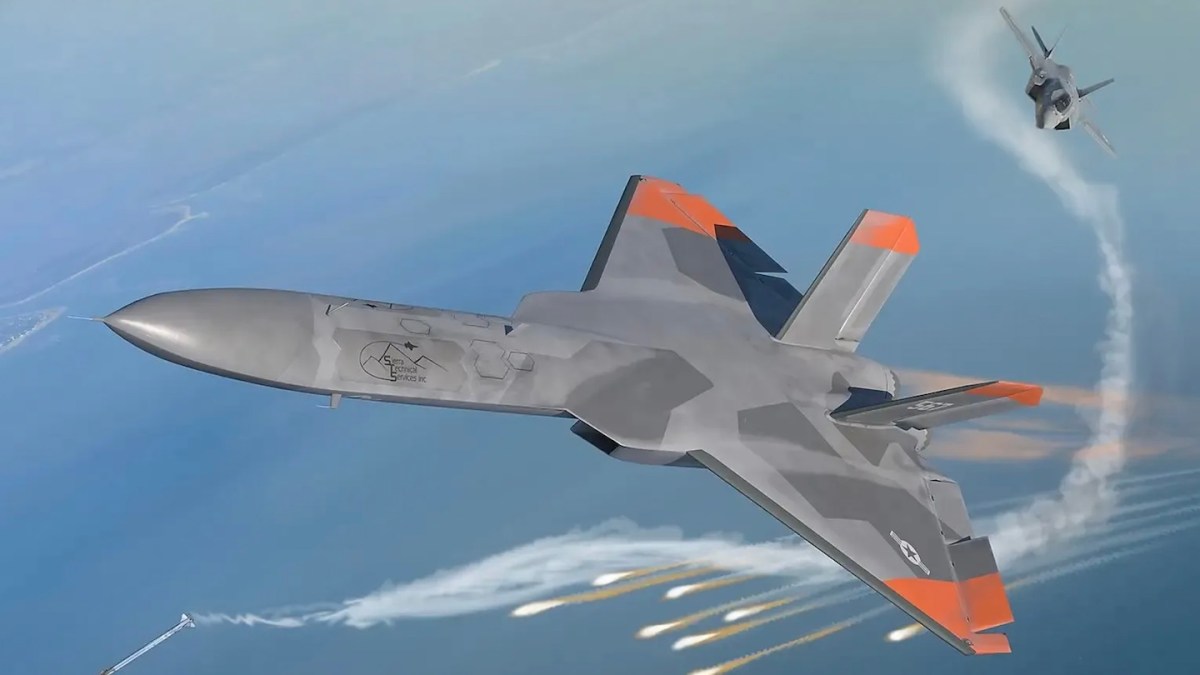
U.S. Air Force Seeks New Family of Expendable Target Drones for Diverse Threat Simulation
The U.S. Air Force is pursuing a new family of aerial targets designed to replicate a wide range of airborne threats, including stealth fighters and UAV swarms. This initiative aims to create realistic yet cost-effective targets that can be routinely used and destroyed during testing, as outlined in a recent Request for Information (RFI). The Air Force's requirements emphasize the need for these targets to be inexpensive and simple to manufacture, allowing them to be treated as expendable. This marks a shift from existing aerial targets like the QF-16, which is based on a converted fighter aircraft. The new targets are expected to leverage commercial technologies and manufacturing methods to enhance scalability and reduce costs. The proposed systems will cater to various threat categories, with specific requirements for advanced fighter aircraft, including supersonic capabilities and advanced radar cross-section profiles. Responses to the RFI are due by September 28, and the Air Force is particularly interested in non-traditional solutions that can offer advantages over legacy systems.
Air Air Forces Drones News & Features U.S. Air Force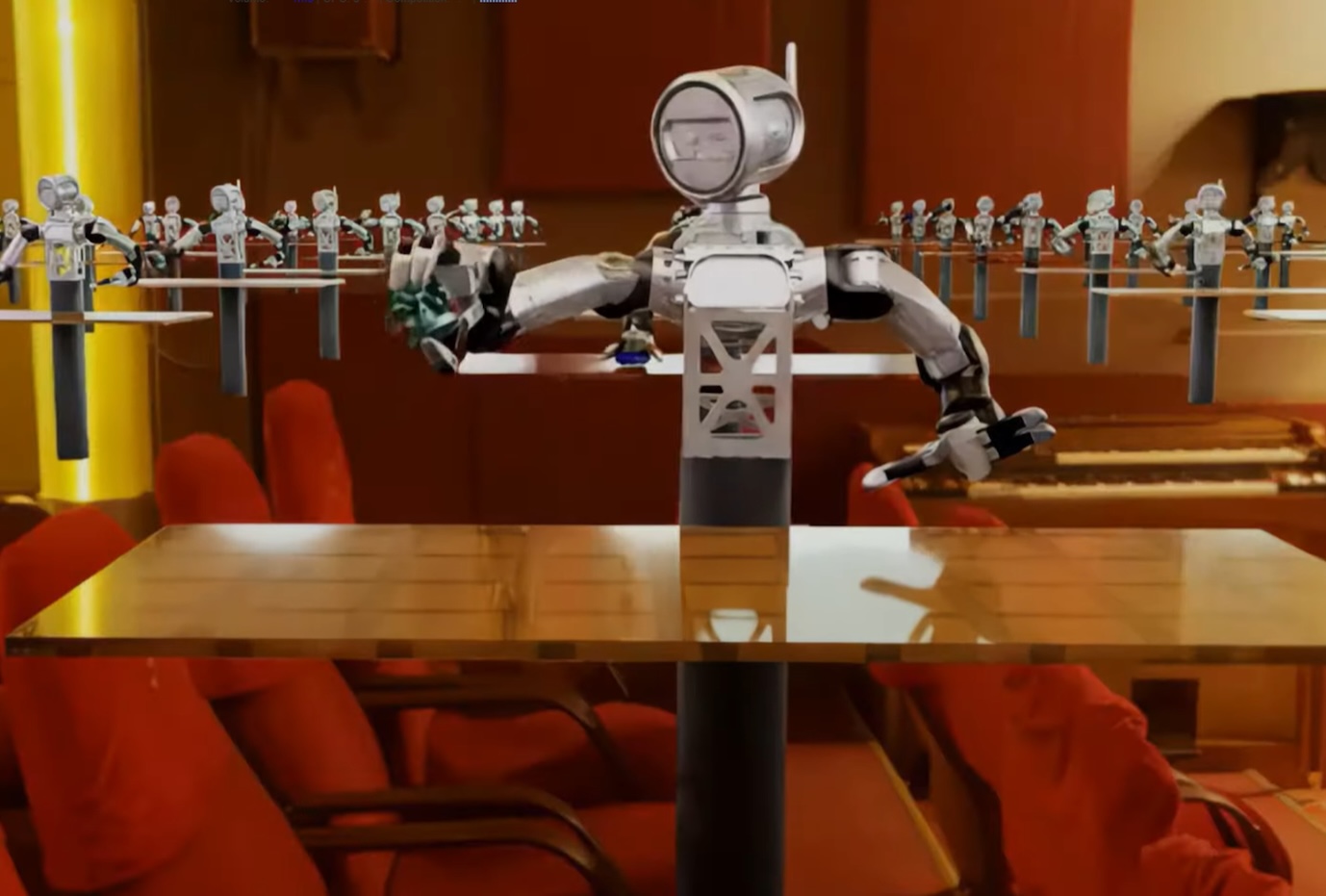
SpaceX's Starmind Faces Feasibility Challenges for 1 Million Satellite Deployment
On January 30, 2026, SpaceX submitted a request to the FCC to launch up to 1 million satellites as part of its Starmind orbital compute constellation. This ambitious plan is unprecedented, as the total number of satellites ever launched globally is in the low tens of thousands. The proposal seeks a waiver from standard deployment milestones, citing reliance on the Starship's full reusability for success. The significance of this request lies in the technical and logistical challenges it presents. Experts warn that low Earth orbit may not support the proposed number of active satellites without risking a debris cascade. SpaceX's own IPO prospectus acknowledges unresolved dependencies related to Starship's launch cadence and reusability, which are critical for the orbital AI compute strategy. Looking ahead, the timeline for achieving the necessary launch cadence and manufacturing capacity remains uncertain. SpaceX's Gigasat facility in Texas aims for volume production by late 2027, but this would require unprecedented output levels. No further timeline was disclosed at the time of publication, leaving the feasibility of the Starmind project in question.

SpaceX's Starmind Targets AI Labs with $6.3 Billion Compute Contracts
SpaceX's Starmind is designed to provide wholesale AI compute services to businesses, particularly AI labs and cloud customers, rather than individual consumers. The service operates similarly to AWS, where users benefit from applications running on Starmind without direct subscriptions. The compute capacity of a single AI1 satellite is comparable to one NVIDIA GB300 rack, emphasizing its enterprise-grade capabilities. The significance of Starmind lies in its positioning as a potential fourth hyperscaler, joining the ranks of AWS, Microsoft Azure, and Google Cloud. The Reflection AI contract, valued at $150 million per month, exemplifies the enterprise-focused model, with total payments potentially reaching $6.3 billion through 2029. This contract highlights the growing demand for AI compute resources, particularly from AI-native startups and labs. Looking ahead, the focus will remain on securing additional enterprise contracts as Starmind expands its offerings. No consumer-facing products or subscriptions have been announced, and the current strategy is to cater to businesses with substantial AI workloads. No further timeline was disclosed at the time of publication.

SpaceX IPO Provides Indirect Investment Opportunity in Starmind Project
Starmind does not have a standalone stock or ticker; investors can gain exposure through SpaceX (ticker: SPCX), which began trading on Nasdaq after its IPO on June 12, 2026. Starmind is integrated within SpaceX, contributing to the company's AI and space initiatives, and its performance directly influences SPCX shares. The significance of Starmind lies in its role as a division of SpaceX, which encompasses other projects like Starlink and Starship. As of early July 2026, SPCX shares are trading between $149 and $150, significantly lower than their 52-week high of $225.64. The project’s milestones, such as AI1 prototype updates, can impact SpaceX's stock performance, making it essential for investors to monitor these developments closely. Looking ahead, the early 2027 launch of AI1 prototype satellites is a critical milestone that could provide verifiable data affecting Starmind's valuation and, consequently, SPCX stock. No further timeline was disclosed at the time of publication, but the upcoming events will be pivotal for investors tracking the relationship between Starmind and SpaceX's stock performance.

SpaceX's $1.75 Trillion Valuation Driven by Starmind's Future Potential
Starmind is a pivotal element in SpaceX's estimated $1.75 trillion IPO valuation, despite currently generating no confirmed revenue. The stock price reflects optimistic projections regarding AI infrastructure growth, which Starmind has yet to substantiate. As of early July 2026, SpaceX's stock has decreased from its 52-week high of $225.64 to around $150, indicating market skepticism about future execution. The significance of Starmind lies in its potential to transform SpaceX's revenue model beyond traditional launch services. Goldman Sachs has shifted its focus from Starlink subscriber growth to the prospects of AI revenue, including orbital computing, as a cornerstone of SpaceX's long-term valuation. This marks a substantial change in how analysts view the company's growth trajectory, necessitating rates exceeding its historical 33% growth. Looking ahead, the credibility of Starmind as a growth narrative will be crucial for maintaining investor confidence. Analysts have noted a considerable divergence in price targets, reflecting uncertainty about the value of the Starmind and xAI initiatives. No further timeline was disclosed at the time of publication regarding specific milestones for these projects.

Tesla's Optimus Robots to Support Starmind Satellite Production, Not Maintenance
Tesla's Optimus robots will not be used to repair Starmind satellites in orbit, as confirmed by recent statements from Elon Musk. Instead, these robots are intended to assist in the construction and operation of the Terafab chip manufacturing facility in Texas. The AI1 satellites, designed to disintegrate upon reentry, highlight the company's swap-and-replace strategy rather than traditional maintenance practices. This approach is significant as it reflects a broader trend in satellite management, where mass-produced satellites are replaced rather than repaired. The economics of servicing missions are prohibitive, with the cost of launching a replacement satellite being significantly lower than conducting a repair mission. This model aligns with SpaceX's operational history, where rapid replacement of satellites is more efficient than attempting to maintain them in orbit. Looking ahead, the focus will remain on the production capabilities of the Gigasat factory, which is expected to support the continuous replacement of satellites. No further timeline was disclosed at the time of publication, but the demand for rapid satellite turnover suggests a robust future for Optimus robots in terrestrial manufacturing rather than in-space servicing.

SpaceX's Starmind Project: Supplier Strategy and Chip Manufacturing Plans for 2026
SpaceX's Starmind project, aimed at deploying up to 1 million AI satellites, was filed with the FCC on January 30, 2026. The initiative is designed to minimize reliance on external suppliers, with CEO Elon Musk stating that current chip production capabilities only meet 2% of the projected needs. The first satellite, AI1, is set for prototype launches in early 2027, featuring a 70-meter wingspan and a modular payload system that allows for interchangeable chips from various suppliers. The significance of Starmind lies in its ambitious supply chain strategy, which seeks to transition from external hardware suppliers to a fully integrated Musk-owned facility by 2028. The Gigasat manufacturing site in Bastrop, Texas, is expected to be operational by the end of 2027, with plans for high-volume production of the D3 chip, specifically designed for space applications. This approach aims to consolidate chip manufacturing processes under the Terafab joint venture, which has an estimated initial investment of $55 billion. Looking ahead, the next milestone for Starmind is the launch of AI1 prototypes in early 2027, while the full-scale chip production at Terafab is projected to ramp up significantly thereafter. However, analysts express skepticism regarding the feasibility of achieving Musk's ambitious compute goals, which may require substantial investment and time to establish the necessary manufacturing capabilities.

SpaceX Unveils AI1 Satellite Specs for Starmind Constellation with Key Thermal Challenges
SpaceX has introduced the AI1 satellite, the inaugural component of its Starmind constellation, which stands 20 meters tall and has a wingspan of 70 meters. This orbital compute node is designed to deliver computing power equivalent to one NVIDIA GB300 server rack, utilizing a unique cooling system with deployable liquid radiators. The satellite's specifications were revealed during a presentation on June 8, 2026, ahead of SpaceX's IPO. The significance of the AI1 satellite lies in its role as a compute platform rather than a traditional satellite, focusing on running AI inference workloads. The satellite's cooling system, which is critical for its operation in the vacuum of space, is designed to reject heat through infrared radiation. However, independent engineers have raised concerns about the feasibility of the thermal and mass claims made by SpaceX, suggesting that the cooling requirements may exceed practical limits. Looking ahead, SpaceX plans to launch two AI1 prototypes in early 2027, with full-scale production expected to commence later that year at its Gigasat facility in Bastrop, Texas. The ongoing debate regarding the satellite's thermal management capabilities will be crucial to monitor as the project progresses, with no further timeline disclosed at the time of publication.
SpaceX Launches Starmind Project for 1 Million AI Satellites by 2028
SpaceX has officially named its orbital AI infrastructure project 'Starmind,' which aims to deploy a constellation of up to 1 million satellites. This initiative, confirmed by Elon Musk on June 22, 2026, will enable AI inference directly in space, utilizing solar energy rather than terrestrial power sources. The first satellite, designated AI1, was unveiled on June 8, 2026, and is designed to operate in sun-synchronous orbits. The significance of Starmind lies in its potential to overcome the limitations faced by ground-based data centers, such as land, power, and water constraints. By running AI computations in orbit, Starmind can provide a more efficient solution to the growing demand for AI computing power. The project leverages the existing Starlink infrastructure for data transmission, distinguishing its function from Starlink's internet relay capabilities. Looking ahead, SpaceX plans to begin hardware deployment with the AI1 satellite, while full-scale production and deployment of the satellite constellation are targeted for 2028. As of now, no Starmind satellites have been launched, and further engineering challenges remain to be addressed, particularly regarding the scalability of the satellite design.

Transitive Robotics Expands Remote Teleop to Control Robotic Arms via Internet
Transitive Robotics has extended its Remote Teleop tool to enable remote control of robotic arms over the Internet. The new version 0.20 introduces virtual reality controllers and mouse gesture commands while maintaining existing WebRTC video and stop mechanisms for mobile robots. This advancement allows for remote operation beyond just wheeled bases. This development is significant as it enhances the capabilities of robotic systems, particularly with the integration of small SO-101 arms used within the LeRobot ecosystem. The official technical page indicates that the software can simultaneously control a mobile robot and a manipulator, providing a more versatile solution for remote operations. Looking ahead, the implications of this update include potential applications in remote assistance, demonstration collection for training, manual recovery after failures, and supervision of isolated machines. However, the accuracy and performance of the system under unstable network conditions remain to be evaluated. No further timeline was disclosed at the time of publication.
Robots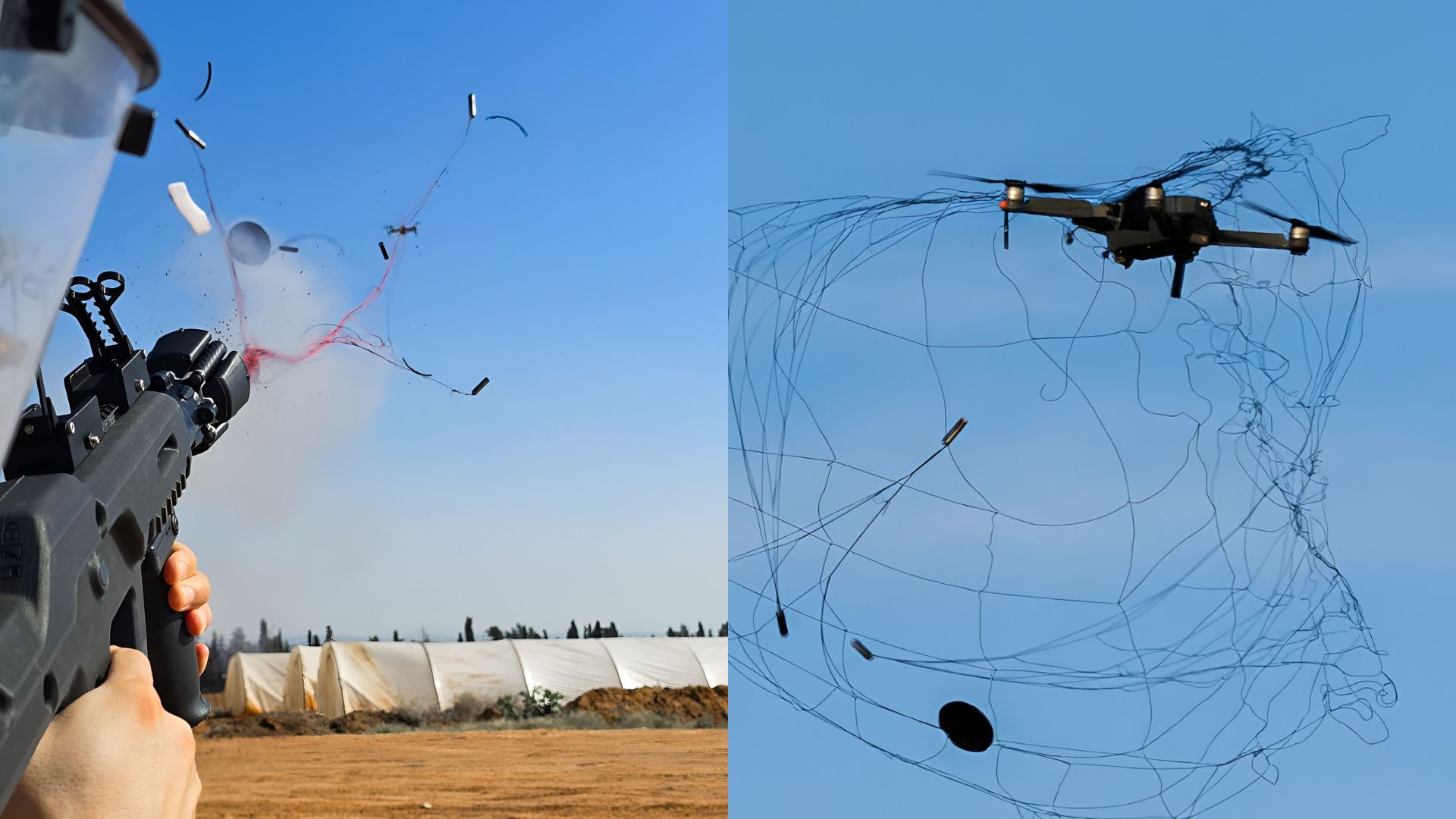
ParaZero Technologies Launches DefendAir for Autonomous Drone Interception in Military Applications
ParaZero Technologies has introduced its DefendAir platform, designed to intercept first-person view (FPV) drones autonomously before they can strike military vehicles. This system utilizes a non-explosive net-based interception method, creating a 360-degree defensive envelope around assets. The platform aims to enhance protection for both moving and stationary high-value military targets without the weight penalties of traditional armor. The rise of low-cost FPV drones has prompted militaries to seek effective countermeasures, as these drones have proven capable of damaging expensive military equipment. ParaZero's DefendAir addresses the limitations of conventional protective measures, such as steel cages, by offering a more agile and responsive solution. The system's ability to detect and neutralize threats rapidly is crucial for modern battlefield scenarios, where speed and precision are paramount. ParaZero is currently collaborating with Tier-1 defense companies to refine the DefendAir technology for operational requirements. While the company has not disclosed specific partners or a timeline for deployment, the focus on active counter-drone systems reflects a broader trend in military strategy, emphasizing the need for innovative solutions to counter evolving aerial threats. No further timeline was disclosed at the time of publication.
Military
Mantis Robotics Extends Potential of Physical AI with New Dual-Arm Fenceless Robot for Industrial and Retail Automation
Mantis Robotics has introduced its latest innovation, the MR-X dual-arm robot, at Automate 2026 in Chicago, showcasing advancements in physical AI for industrial and retail automation. This high-performance robot, capable of lifting up to 70 lbs and operating at speeds of 10.6 m/s, is designed to function without safety fences, allowing for flexible deployment in complex environments. The MR-X is inspired by human biomechanics, enabling it to perform demanding tasks that require both strength and dexterity. Its patented SafetyCore platform provides continuous awareness of its surroundings, allowing the robot to autonomously react to nearby humans without interrupting its operations. This feature eliminates the need for traditional safety infrastructure, enhancing efficiency while maintaining safety standards. Mantis Robotics aims to revolutionize automation with the MR-X, which builds on the success of its predecessor, the MR-1, known for its certified fenceless operation. CEO Gerry Vannuffelen emphasized that the MR-X is not just another humanoid robot, but a first-in-class dual-arm system that surpasses both collaborative robots and humanoids in speed and safety. Visitors to Booth 1261 in the South Hall at Automate 2026 can witness the MR-X's capabilities firsthand, interact with the MR-1, and explore the technology that enables rapid deployment without disruption. Mantis Robotics invites attendees to schedule personalized walkthroughs and learn about priority access for early customers.
Green Harmony's Market Value Surpasses 77 Billion: A New Beginning or an End?
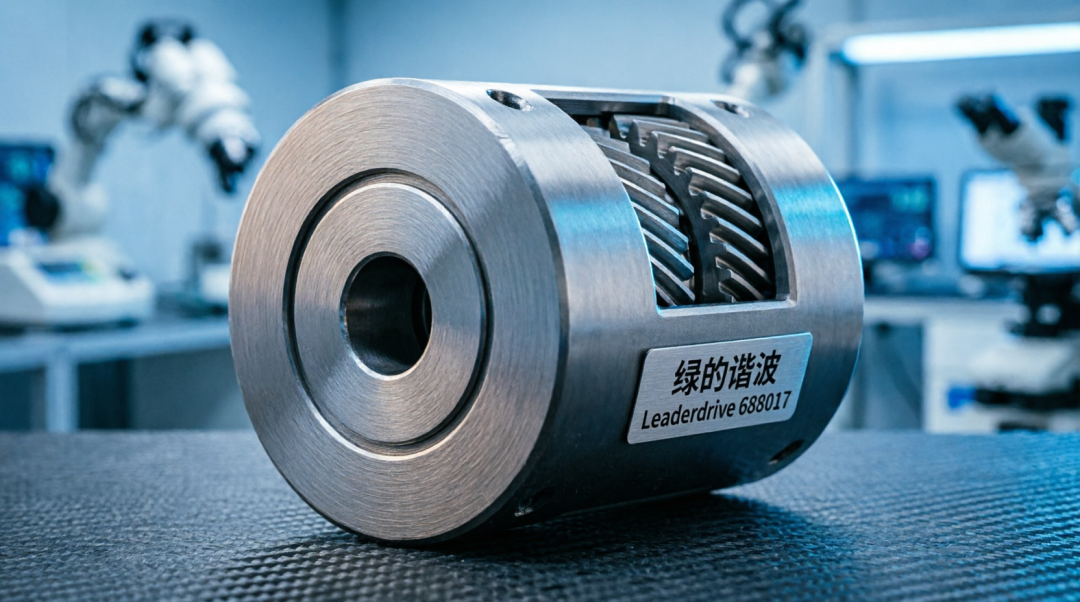
Green Harmony has captured attention in the A-share market as its stock price has surged, elevating its market value to over 77 billion yuan. This remarkable rise is attributed to the company's robust financial performance, fueled by an increasing demand for industrial robots and innovations in embodied intelligent robotics. As a result, Green Harmony is evolving from a technology-centric organization into a profitable enterprise, showcasing significant growth in both revenue and net profit.
Industrial Robotics Market Growth Financial Performance Embodied Intelligence Harmonic Drive Technology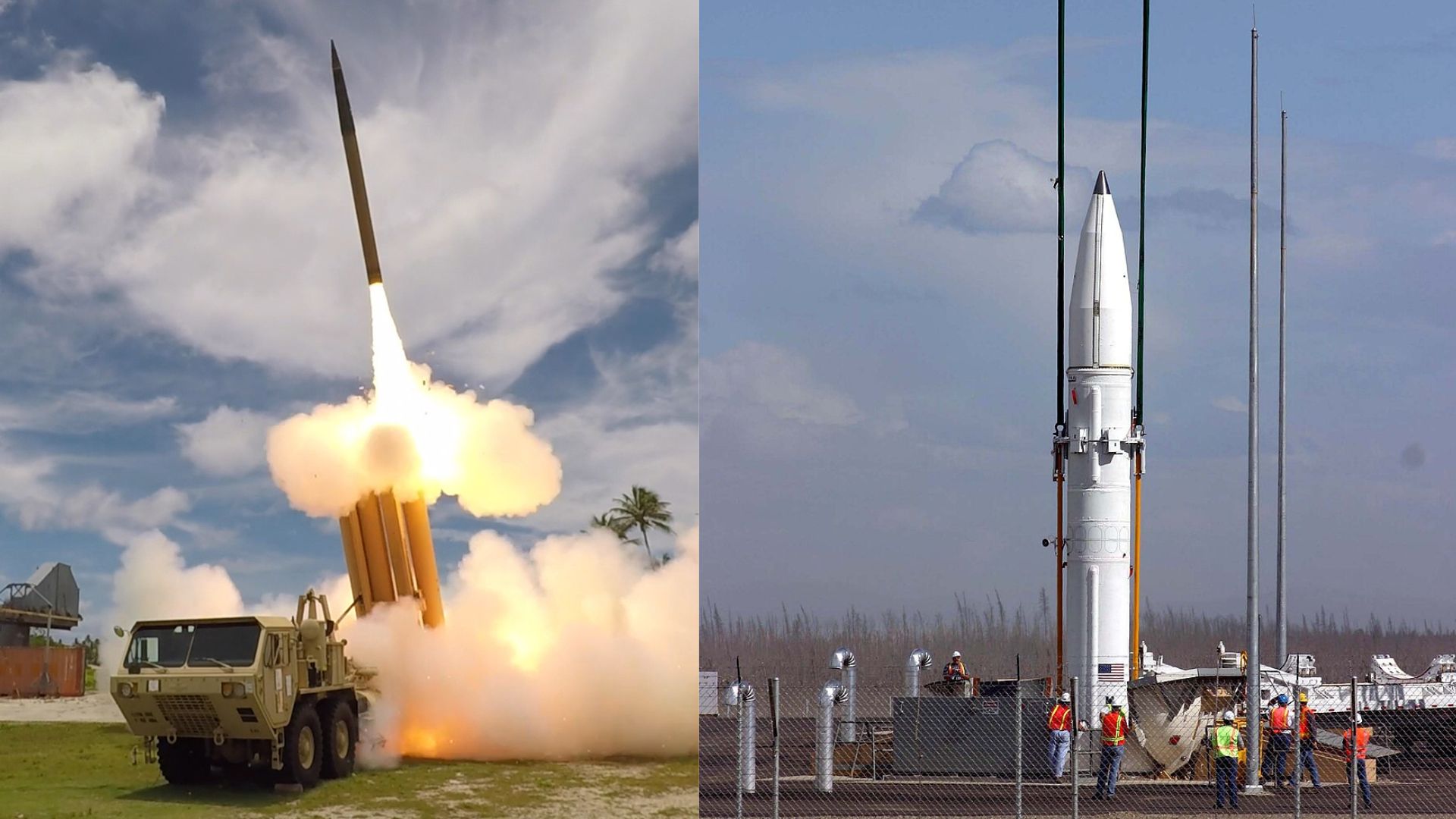
US Army seeks Mach 5 missiles under $1 million to defend against drone raids
The U.S. Army is seeking to develop a new class of low-cost interceptors designed to effectively combat drones and cruise missiles. This initiative comes in response to the increasing threat posed by unmanned aerial vehicles and advanced missile systems in modern warfare. The Army aims to enhance its defensive capabilities while maintaining budgetary constraints, reflecting a strategic shift towards more affordable and efficient solutions for air defense. The project is part of a broader effort to modernize military technology and ensure readiness against evolving threats. The Army is currently exploring various technological approaches and partnerships to expedite the development and deployment of these interceptors, with the goal of integrating them into existing defense frameworks.
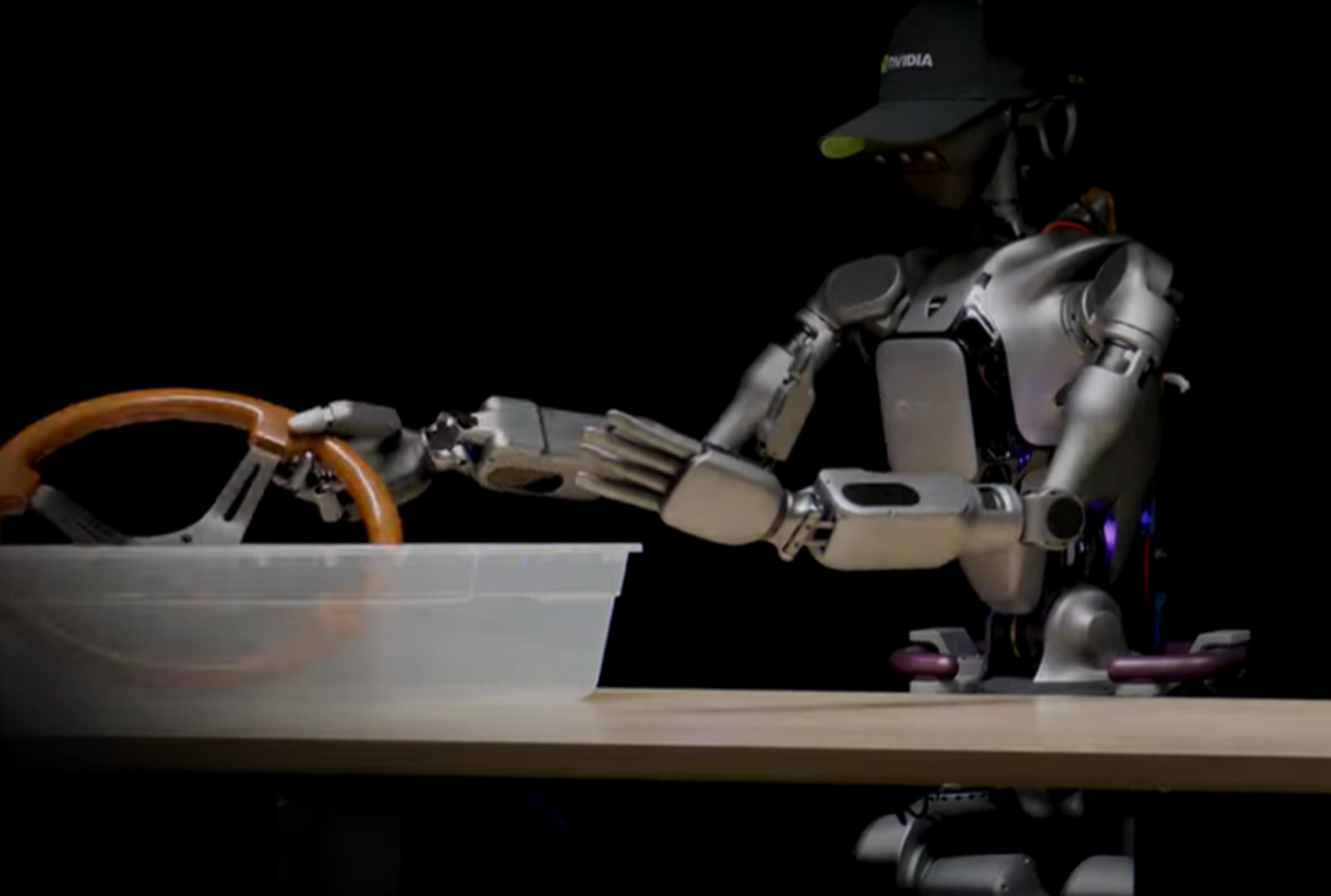
Here’s how the Army plans to spend nearly $1 billion in procuring small counter drone tech
The U.S. government has proposed a budget allocation of $994 million for small counter-unmanned aerial systems (c-UAS) in its fiscal year 2027 budget request. This funding, entirely sourced from discretionary funds, aims to enhance the nation's capabilities in addressing the growing threat posed by small drones. The decision reflects an increasing recognition of the need for advanced technologies to safeguard airspace and protect critical infrastructure. The budget request underscores the government's commitment to investing in innovative solutions to counter aerial threats effectively.
Air Warfare Land Warfare Air Force Army Counter UAS cUAS Defense Budget 2027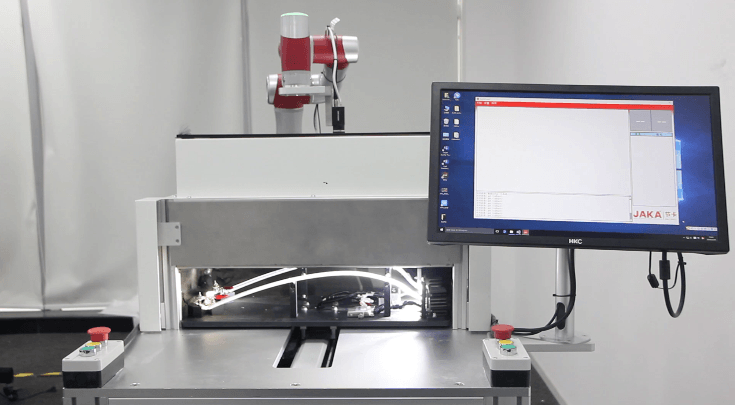
Top 5 Trends of the Industrial Robot Arm Industry in 2026
In 2026, the landscape of industrial automation and robotics is undergoing a transformative shift, moving from rigid machines to intelligent, adaptive systems. This evolution is driven by global manufacturing challenges, including labor shortages and the demand for hyper-personalization. Key advancements in connectivity and artificial intelligence are reshaping productivity and safety on factory floors. A major trend is the emergence of "self-evolving" robots that utilize generative AI to autonomously learn new tasks, minimizing the need for manual programming. Additionally, agentic AI empowers these machines to make informed decisions in complex environments, enhancing their ability to predict equipment failures and optimize operations in real-time. The convergence of Information Technology (IT) and Operational Technology (OT) is facilitating seamless data exchange between digital systems and physical robots. This integration allows for the creation of digital twins, enabling manufacturers to simulate production changes before implementation. Cloud connectivity has become standard, with nearly half of new deployments leveraging IoT technology for predictive maintenance. This capability allows robots to monitor their health and schedule repairs proactively, reducing unplanned downtime and long-term costs. Furthermore, advanced 2D and 3D vision systems are enhancing robots' capabilities, enabling them to perform high-speed quality inspections and adjust their behavior for safety around human workers. The shift towards modular and scalable automation is also notable, as manufacturers adopt flexible robot cells that simplify integration and facilitate quick changeovers. Leading this innovation is JAKA Robotics, whose JAKA A12 model exemplifies the future of flexible automation. With a 12 kg payload and a 1425 mm working radius, the JAKA A12 combines high performance with user-friendly deployment through a wireless software ecosystem, positioning itself as a key player in the evolving industrial landscape.
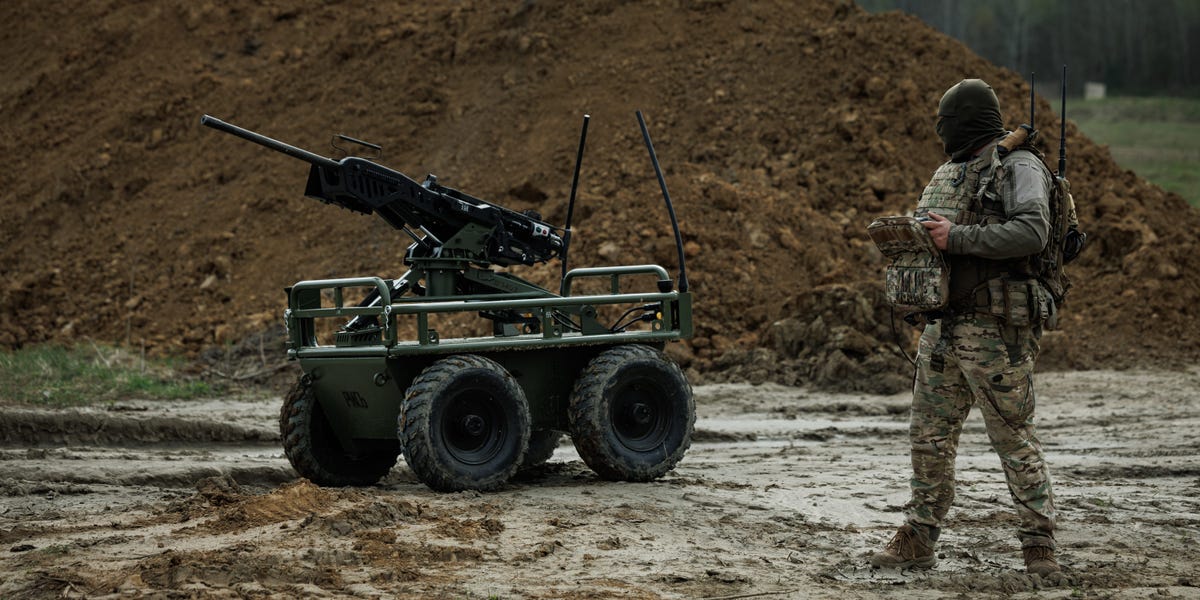
A Ukrainian arms maker was surprised to see Russian soldiers surrender to its war robots
Ukrainian soldiers are utilizing robots developed by DevDroid to safely approach Russian soldiers during surrender scenarios, enhancing their protection from potential attacks. This innovative strategy aims to minimize risks for Ukrainian forces while facilitating the surrender process. The deployment of these robots comes amid ongoing hostilities, as both sides continue to engage in conflict. By employing technology in this manner, Ukrainian troops can maintain a tactical advantage and reduce the likelihood of direct confrontations. The use of robots reflects a growing trend in modern warfare, where automation is increasingly being integrated into military operations to safeguard personnel and streamline procedures.
Military & Defense ukraine ground-robot ugv ground-robots russia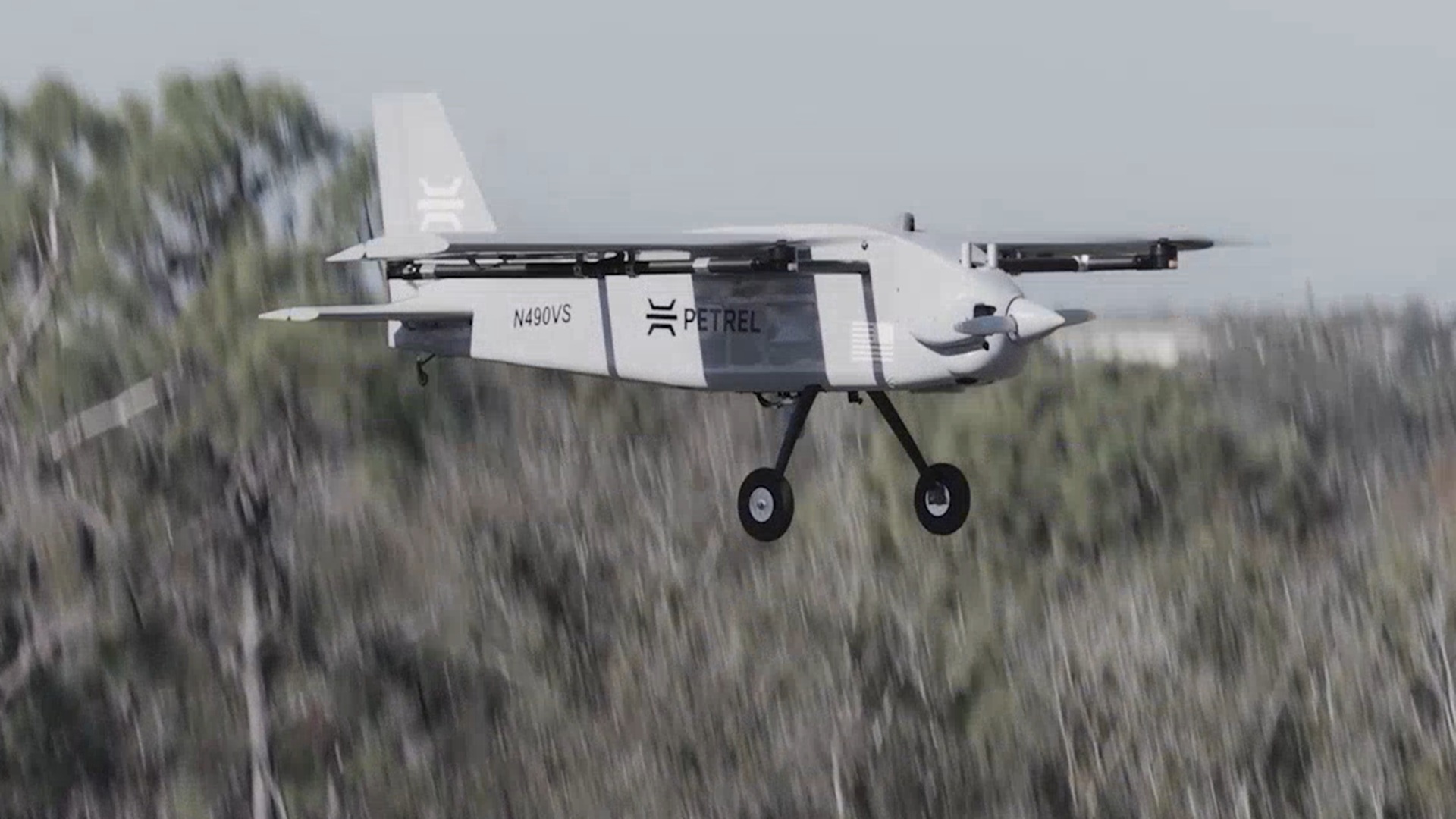
Drone mothership drops armed FPVs mid-air, extends strike reach in US test
A U.S. startup has successfully showcased a drone that can deploy armed first-person view (FPV) drones, marking a significant advancement in drone technology. This demonstration took place recently, highlighting the startup's innovative approach to enhancing aerial capabilities in military and tactical operations. The motivation behind this development lies in the increasing demand for more efficient and effective drone warfare solutions, allowing for greater precision and reduced risk to human operators. The process involves the primary drone carrying and launching multiple smaller drones, which can then engage targets autonomously or under remote control. This breakthrough could potentially reshape the landscape of aerial combat and surveillance, raising important discussions about the implications of such technology in modern warfare.

Canadian AI Startup Independent Robotics Wins $2.28M Contract to Bring Conversational AI to Multi-Agent Robot Swarms
A new system called IMPAC has been developed to enhance human interaction with complex robotic systems by allowing operators to communicate using natural, conversational language. This innovation aims to simplify the process of managing multi-robot operations, ensuring that they remain synchronized and aligned with their missions. By translating everyday language commands into actionable plans, IMPAC significantly reduces the cognitive burden on users, effectively acting as a force multiplier for existing teams. The system is designed to operate across various environments and domains, making it a versatile tool for improving efficiency and coordination in robotic operations.
Three Factors to Evaluate Before You Buy a Robotic Arm for Machine Tending
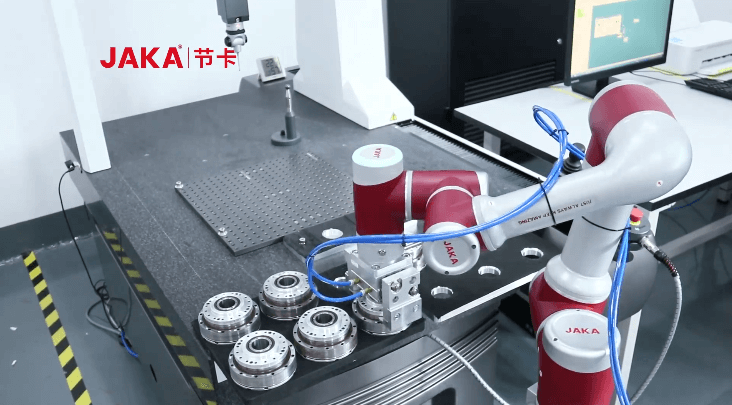
JAKA, a leader in industrial automation, emphasizes the importance of strategic evaluation when purchasing robotic arms for machine tending operations. The company highlights that beyond basic specifications, successful integration into existing production environments is crucial for enhancing efficiency and consistency. In a space-constrained workshop, traditional industrial welding robots can be impractical. JAKA's compact Zu series robotic arms offer a lightweight solution that can be easily mounted on various surfaces, allowing for flexible deployment as production needs change. Durability is another key consideration, as workshop environments often present challenges such as dust and temperature fluctuations. The JAKA Zu30 model, for instance, features an IP65 rating for dust and water resistance, ensuring reliable performance in demanding conditions. A comprehensive total-cost analysis is essential when evaluating robotic arm investments. JAKA stresses the importance of factors like deployment speed and programming ease, which can significantly impact long-term operational costs. Their intuitive design allows for quick setup and minimal reliance on specialized labor, ultimately reducing downtime and enhancing overall productivity. By focusing on compact design, environmental resilience, and user-friendly controls, JAKA aims to make automation accessible and sustainable for a broader range of manufacturing applications, enabling workshops to optimize their operations and free personnel for more valuable tasks.

Supervisory Board extends term of Chief Financial Officer Christian Harm
The Supervisory Board of KION GROUP AG has decided to extend Chief Financial Officer Christian Harm's contract until July 2029. This move aims to maintain stability within the Executive Board as Harm has played a crucial role in steering significant financial initiatives and guiding the company through difficult economic circumstances since he took office in 2023.
intralogistics supply chain solutions industrial trucks forklift trucks warehouse trucks automation technology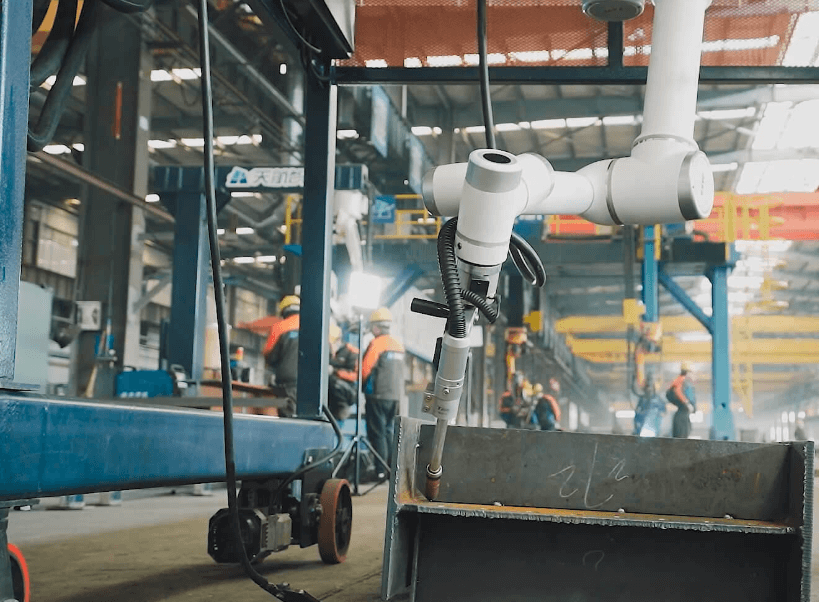
Robotic Welding Arm Trends: Focus on Precision, Compactness, and Ease of Programming
Recent advancements in automated welding technology are addressing key industrial demands for consistent joint quality, space efficiency, and user-friendly operation. JAKA, a leader in robotic solutions, is focusing on the development of a modern robotic welding arm that integrates enhanced precision, compact design, and simplified programming. To ensure reliable weld quality, JAKA emphasizes synchronized control, where the robot's motion is precisely aligned with welding parameters like voltage and current. This integration allows for consistent arc characteristics along the weld seam, which is crucial for structural integrity and compliance with industry standards. The company employs real-time communication protocols and adaptive control algorithms to maintain uniform weld bead geometry. Recognizing space constraints in manufacturing environments, JAKA is also optimizing the kinematics of its robotic arms. The design features slimmer links and a minimized base, enabling the robots to operate effectively in tight spaces without requiring significant changes to existing production layouts. Furthermore, JAKA aims to make robotic welding more accessible by simplifying programming interfaces. The introduction of intuitive features, such as hand-guided teaching and graphical software with pre-configured settings, allows welding technicians to leverage their expertise without extensive coding knowledge. This approach not only reduces deployment time but also empowers skilled welders to efficiently manage automated processes. Overall, JAKA's commitment to combining accuracy, spatial efficiency, and operational accessibility positions its robotic welding arm as a practical solution for the evolving needs of the metal fabrication and manufacturing sectors.

End of Year Warmth | Estun for Children in Difficult Circumstances
On January 16, 2025, the Red Cross Society of Guli Street organized the “Love to All Families” initiative, providing essential supplies to 55 underprivileged children in the area. As winter's chill sets in, the event aimed to bring warmth and support to those in need, highlighting the community's commitment to caring for its most vulnerable members. Estun, a key supporter of the initiative, played a significant role in delivering these supplies, demonstrating a collective effort to foster compassion and assistance during the harsh winter months.
ESTUN AUTOMATION ROBOTICS SERVO SYSTEMSRobotics needs a service framework.
RSF defines a common language for robot service capability, lifecycle operations, certification pathways, and service-provider networks.
Join the RobotToday community on LinkedIn
Daily robotics news, in-depth analysis, conference highlights, and discussions with professionals worldwide.







