

Industry Briefing
A single destination for timely, editor-curated robotics news from around the world.

Mitsubishi Electric Showcases Integrated Manufacturing and Educational Solutions at IMTS 2026
At IMTS 2026, Mitsubishi Electric US, Industrial Automation will showcase the synergy of integrated CNC, robotics, automation, and digital technologies. This demonstration aims to illustrate how these technologies can enhance manufacturing performance, boost flexibility, and establish a robust foundation for future growth. The significance of this demonstration lies in its potential to transform manufacturing processes. By highlighting the integration of various technologies, Mitsubishi Electric emphasizes the importance of adopting advanced solutions to remain competitive in the evolving industrial landscape. Looking ahead, industry stakeholders should monitor the advancements in connected manufacturing solutions presented by Mitsubishi Electric. These innovations could play a crucial role in shaping the future of manufacturing and automation. No further timeline was disclosed at the time of publication.

Juri Sudheimer Discusses MANNOL's Development of Fluids for Electric Vehicles
The rise of electric vehicles (EVs) is transforming the automotive landscape, necessitating new lubricant requirements. Juri Sudheimer, founder of MANNOL, highlights that operating fluids are now essential to the system architecture of EVs, managing friction, heat dissipation, and component protection simultaneously. This shift demands specialized solutions tailored to specific configurations and electrical loads, moving away from the concept of a universal oil. As EVs and hybrids integrate power electronics with traditional mechanical systems, the need for advanced lubricants becomes critical. Sudheimer notes that the evolution of e-transmission fluids presents unique challenges, including fluid degradation that affects electrical properties and increases noise and vibration (NVH). This complexity requires a new testing philosophy focused on electrical stability and material compatibility, alongside traditional anti-wear performance. Looking ahead, the automotive industry must adapt to these evolving lubricant needs as electrification continues to reshape market dynamics. No further timeline was disclosed at the time of publication.
Engineering Industry automotive aftermarket automotive engineering automotive lubricants battery cooling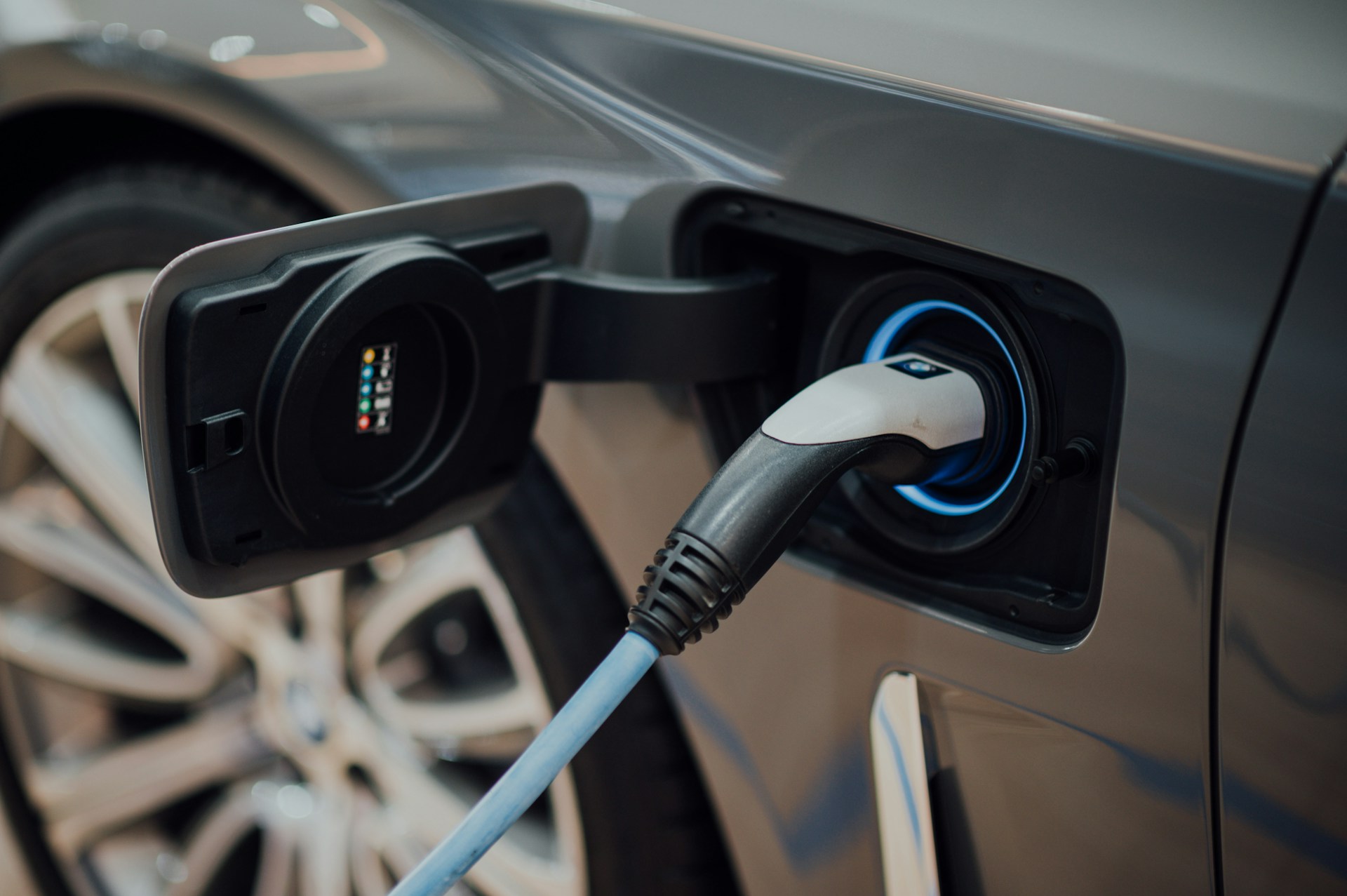
China Reports 68.7% Surge in Electric Vehicle Exports for H1 2026
In the first half of 2026, China's electric vehicle exports surged by 68.7% year-on-year, as reported by customs data on July 14. This remarkable growth reflects a broader increase in various sectors, including electric motorcycles and bicycles, which rose by 31.5%, and electric locomotives, which saw a 45.1% increase. Additionally, lithium batteries and wind turbines experienced growth rates of 37.6% and 35.6%, respectively. The significant rise in electric vehicle exports is crucial for China's position in the global electric vehicle market, showcasing its manufacturing capabilities and technological advancements. The data also highlighted that exports of AI-integrated intelligent bionic robots surpassed 10,000 units, reaching over 90 countries and regions, indicating a growing demand for advanced robotics in international markets. Looking ahead, it will be important to monitor how these export trends evolve and whether they will continue to bolster China's economy. No further timeline was disclosed at the time of publication.
News Feed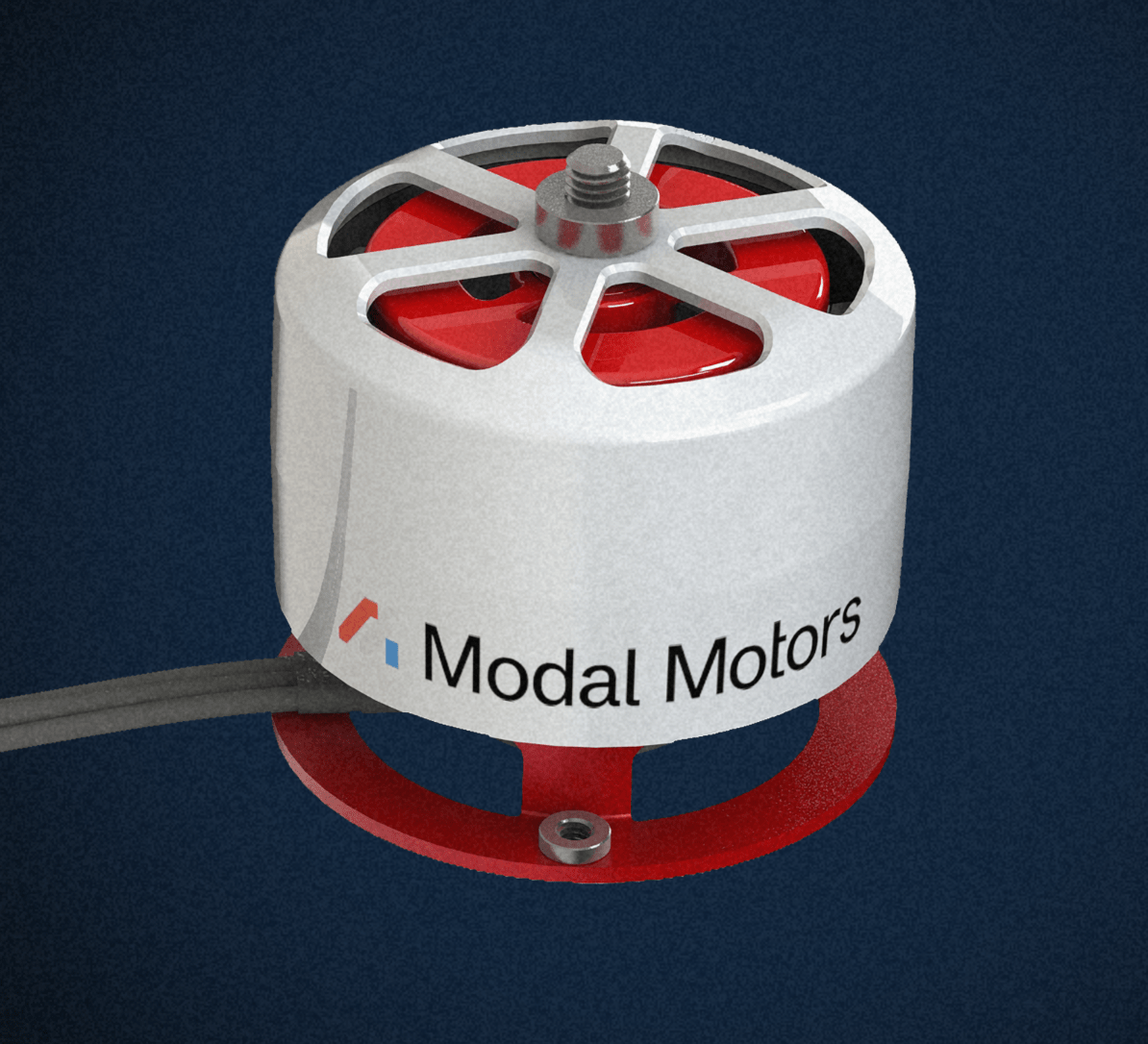
Modal Motors Aims to Eliminate China's Influence in Electric Motor Manufacturing
Modal Motors, founded by Michael Van Steenburg, is focused on manufacturing electric motors in the U.S. without relying on rare-earth magnets. This initiative aims to reduce dependence on China's supply chain, especially after recent restrictions on rare-earth products by China. Van Steenburg emphasizes that while other companies are reshoring, they still depend on rare-earth magnets, which he believes will not be readily available domestically for years. The startup is developing two innovative products ahead of the TechCrunch Disrupt event, including a small electric motor suitable for drones and a unique 'Hybrid Enigma Drive' that fits into compact spaces. Van Steenburg's extensive automotive experience is instrumental in bringing these products to market, reflecting a significant shift in the electric motor landscape. As Modal Motors prepares for its debut, the industry will be watching closely to see if it can successfully establish a domestic supply chain for electric motors that is independent of China. No further timeline was disclosed at the time of publication.
Startups electric motors Startup Battlefield 200 TechCrunch Disrupt
Schneider Electric's Andre Marino Warns Humanoids Distract from Core Manufacturing Challenges
Andre Marino, senior vice president of industrial automation for North America at Schneider Electric, cautions that humanoid robots are diverting attention from essential manufacturing issues. He emphasizes the need for manufacturers to focus on the appropriate robotic forms for specific tasks rather than being captivated by humanoid technology. Marino advocates for a broader transformation in the manufacturing sector, highlighting the importance of small and mid-sized companies in driving innovation and attracting talent. Marino's insights come as humanoids advance through AI breakthroughs, yet he notes that their widespread use in production settings remains years away. He points out that while humanoids may mimic human actions, they are not yet capable of performing many tasks effectively. The focus should shift from the allure of humanoid robots to addressing the actual problems manufacturers face and determining the right solutions for those challenges. Looking ahead, Marino suggests that companies must prepare for the next generation of manufacturing by laying the groundwork for greater autonomy. He believes that the transformation of the industry should not be limited to the top 10% of companies, as a strong base of small and mid-sized manufacturers is crucial for attracting new talent to the field. No further timeline was disclosed at the time of publication.
ADM Expands Electric Heavy Goods Vehicle Fleet to Five Across UK Sites
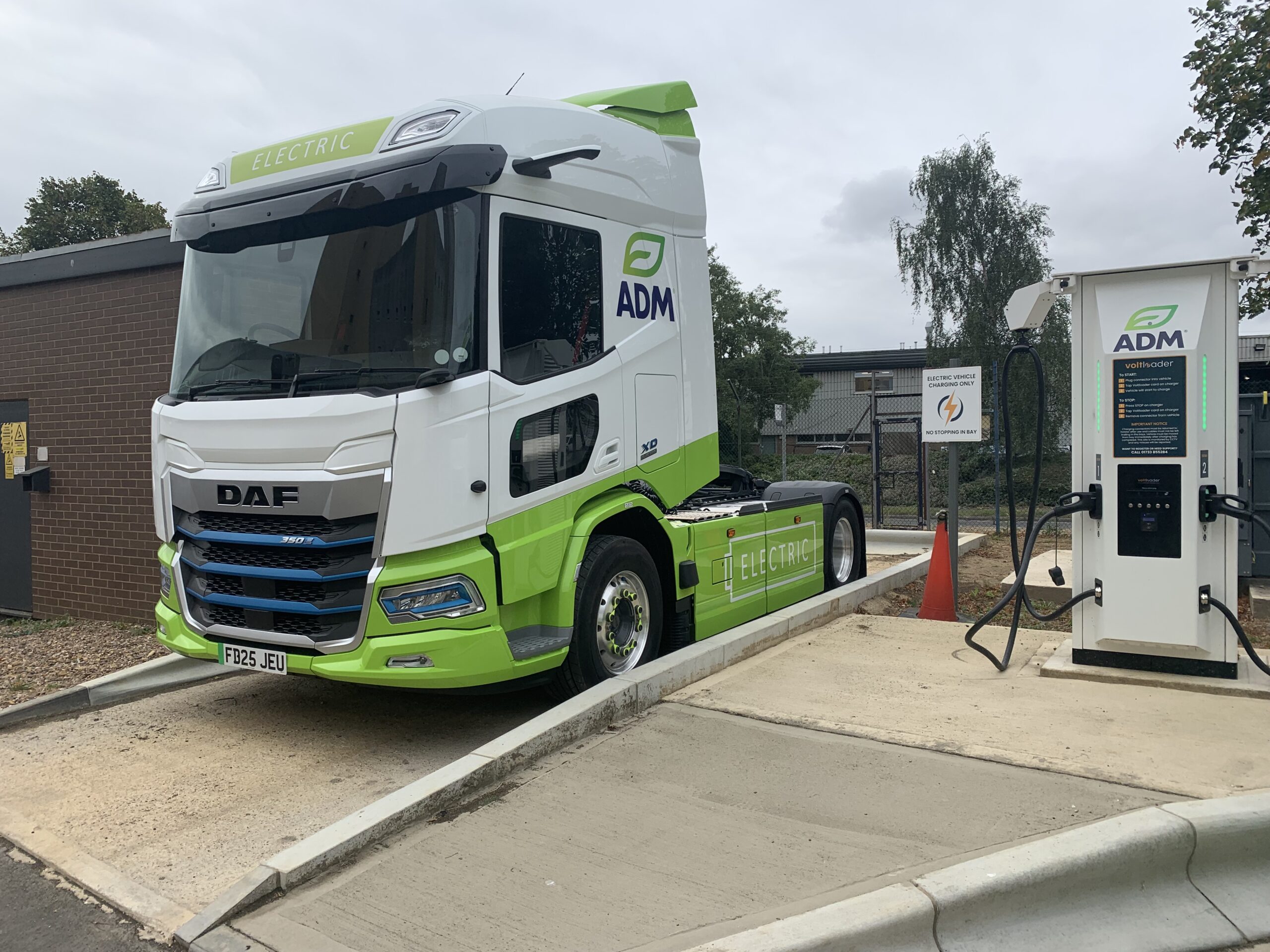
ADM has expanded its electric heavy goods vehicle (HGV) fleet to five vehicles across three sites in the UK, following a successful pilot with Voltloader. This initiative demonstrates the integration of charging infrastructure into multi-shift logistics operations, crucial for handling around 800,000 tonnes of wheat annually. The transition to electric transport is not merely about replacing diesel trucks; it involves a comprehensive approach that includes vehicle technology, route planning, and charging infrastructure. The program is projected to reduce CO2 emissions by approximately 375 tonnes per year, all while ensuring uninterrupted customer deliveries and operational continuity. Looking ahead, ADM and Voltloader are exploring the potential to apply their operational model to inbound agricultural transport and downstream food distribution. The experience gained from this project will help ADM expand its electric transport capabilities while maintaining service levels across its food supply chain. No further timeline was disclosed at the time of publication.
CV, Trucks, Vans and Trailers Electrification and Decarbonisation Road Transport and Haulage Transport and Distribution ADM ADM electric HGV fleet
The Increasing Importance of Automated Guided Vehicles in Modern Manufacturing
Automated Guided Vehicles (AGVs) are becoming essential in manufacturing by enhancing material handling efficiency. They streamline logistics, ensuring timely delivery of components and improving production flow. As manufacturers face challenges like rising production demands and labor shortages, AGVs offer a solution by automating material transport, thus creating safer and more reliable operations. The deployment of AGVs allows manufacturers to maintain high safety standards while reducing costs associated with manual handling. Their predictable movements minimize accidents and product damage, contributing to a smoother operational environment. AGVs also provide consistency in processes, which is crucial for production performance, particularly in facilities where material availability directly impacts output. Looking ahead, manufacturers are increasingly recognizing the need for customized AGV solutions tailored to their specific operational requirements. These tailored systems can address unique challenges such as limited space and strict safety protocols, ensuring that AGVs integrate seamlessly into existing workflows. No further timeline was disclosed at the time of publication.
AMR and AGV Materials Handling AGVs in Advanced Manufacturing CTi Systems
Toyota and Nvidia Enhance Collaboration to Advance AI in Vehicles, Manufacturing, and Urban Infrastructure
Toyota and Nvidia have broadened their partnership to develop physical AI technologies that encompass next-generation vehicles, manufacturing, robotics, and urban infrastructure. This collaboration builds on a previous agreement, focusing on advanced driver-assistance systems using Nvidia's DRIVE AGX platform and DriveOS operating system. The significance of this partnership lies in its potential to revolutionize mobility and manufacturing. Rishi Dhall, Nvidia's vice president of automotive, emphasized that physical AI will enhance the intelligence of various machines, making vehicles more autonomous and urban environments safer and more responsive. Toyota aims to implement Level 2++ functionality in its future vehicles while leveraging Nvidia AI models for efficient software engineering. Additionally, Toyota is integrating AI into its manufacturing processes through factory simulations using Nvidia's Omniverse and Isaac Sim frameworks. The partnership also extends to urban mobility technologies via Woven by Toyota, which is developing models to analyze traffic conditions. No further timeline was disclosed at the time of publication.
Computing News advanced driver assistance systems ai automotive AI digital twins
SpaceX's Starmind Project: Supplier Strategy and Chip Manufacturing Plans for 2026
SpaceX's Starmind project, aimed at deploying up to 1 million AI satellites, was filed with the FCC on January 30, 2026. The initiative is designed to minimize reliance on external suppliers, with CEO Elon Musk stating that current chip production capabilities only meet 2% of the projected needs. The first satellite, AI1, is set for prototype launches in early 2027, featuring a 70-meter wingspan and a modular payload system that allows for interchangeable chips from various suppliers. The significance of Starmind lies in its ambitious supply chain strategy, which seeks to transition from external hardware suppliers to a fully integrated Musk-owned facility by 2028. The Gigasat manufacturing site in Bastrop, Texas, is expected to be operational by the end of 2027, with plans for high-volume production of the D3 chip, specifically designed for space applications. This approach aims to consolidate chip manufacturing processes under the Terafab joint venture, which has an estimated initial investment of $55 billion. Looking ahead, the next milestone for Starmind is the launch of AI1 prototypes in early 2027, while the full-scale chip production at Terafab is projected to ramp up significantly thereafter. However, analysts express skepticism regarding the feasibility of achieving Musk's ambitious compute goals, which may require substantial investment and time to establish the necessary manufacturing capabilities.
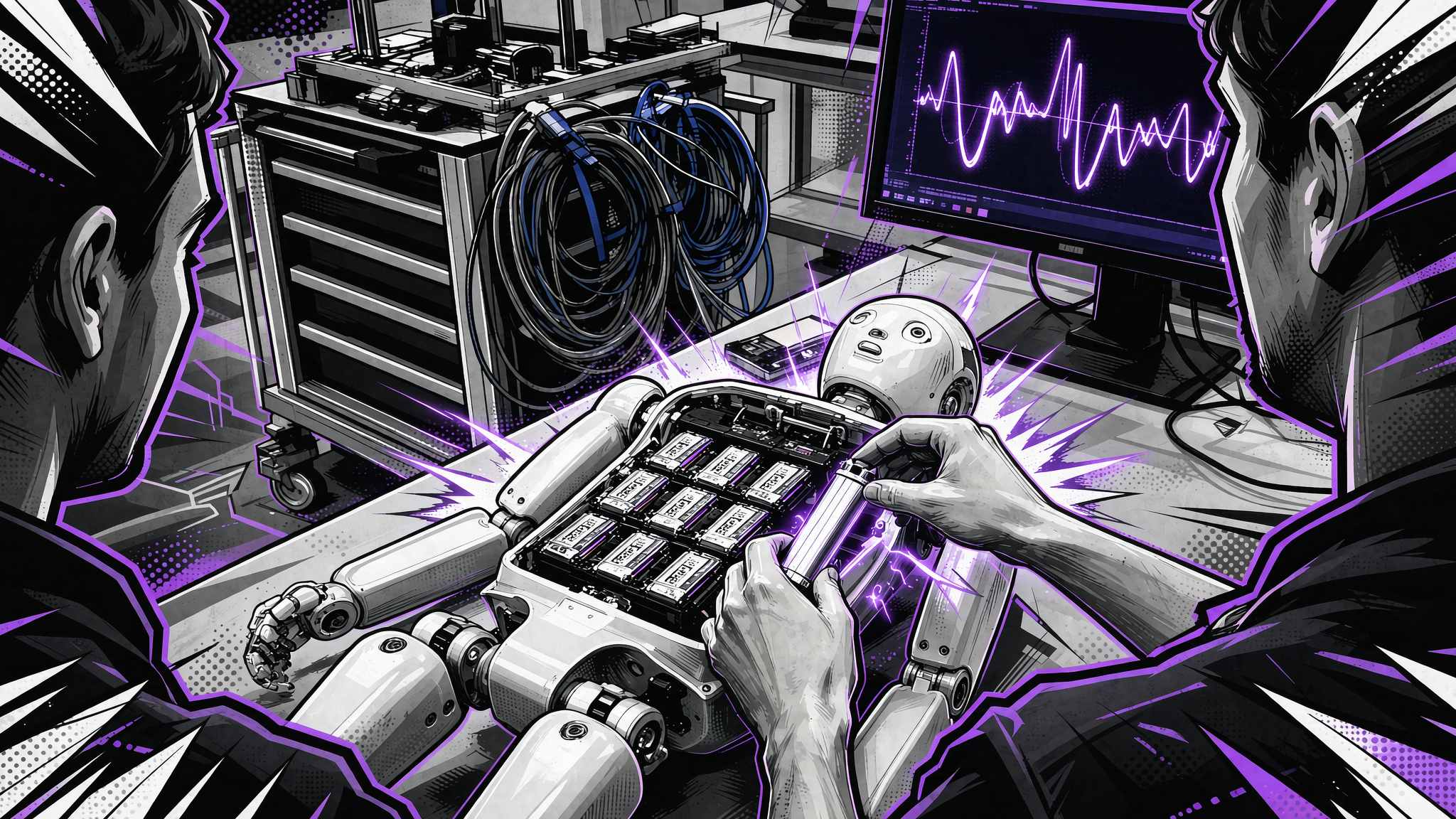
Humanoid Robots May Lead the Way for Solid-State Battery Applications
Recent developments suggest that humanoid robots could be the first large-scale commercial application of solid-state batteries, rather than electric vehicles. This shift highlights the potential for advanced battery technology to enhance robotic capabilities, making them more efficient and versatile in various applications. The significance of this trend lies in the growing demand for improved energy storage solutions in robotics, which can lead to enhanced performance and longer operational times. As companies like Fangqi Technology and Tiangong Robotics explore these innovations, the integration of solid-state batteries could revolutionize the robotics industry, providing a competitive edge in the market. Looking ahead, stakeholders should monitor the advancements in solid-state battery technology and its adoption in humanoid robots. No further timeline was disclosed at the time of publication, but the ongoing research and development in this area could pave the way for new applications and partnerships in the robotics sector.
Robotics Automation AI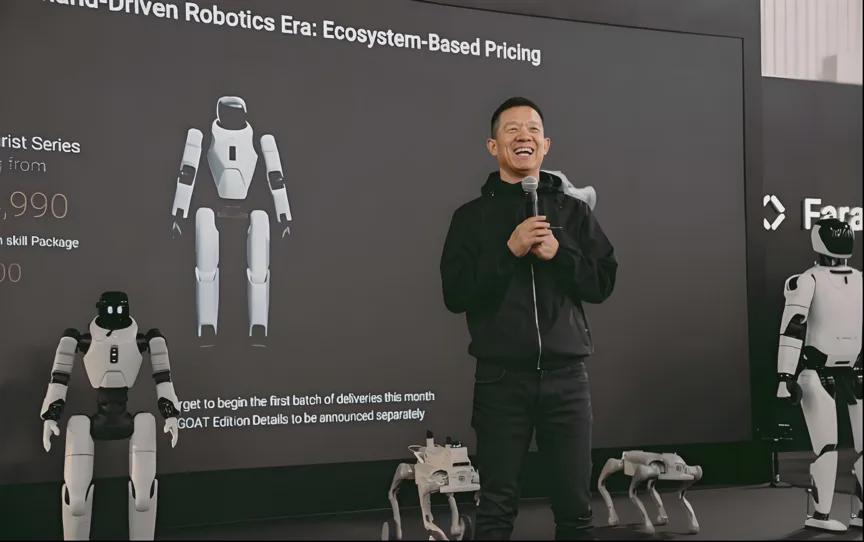
The Diverging Paths of Jia Yueting and Xu Jiayin in the Electric Vehicle Sector
Jia Yueting, the founder of Faraday Future (FF), faces significant challenges as his electric vehicle story struggles to gain traction, with fewer than twenty deliveries reported. Meanwhile, Xu Jiayin, chairman of Evergrande Group, has been sentenced to life imprisonment and fined 8.82 billion yuan for multiple crimes, marking a dramatic downfall. The implications of these events are profound for the electric vehicle industry, as Jia's ambitions hinge on securing funding and support, which have been complicated by Evergrande's legal troubles. The partnership between Jia and Xu, once filled with hope for a transformative future in electric vehicles, has devolved into a bitter dispute over control and trust, highlighting the precarious nature of business relationships in this sector. Looking ahead, the ongoing arbitration between FF and Evergrande will be crucial to watch. While FF has regained financing rights, the constraints imposed by Evergrande's asset preservation efforts may hinder Jia's ability to secure necessary funding. Both leaders continue to pursue their respective visions, but the path forward remains fraught with challenges.
Electric Vehicles Automotive Technology Entrepreneurship Business Strategy
XPeng Expands Turing AI Chip Technology from Electric Vehicles to Humanoid Robots
XPeng is advancing its self-developed Turing AI silicon by integrating it into humanoid robots, moving beyond its initial application in intelligent electric vehicles. This initiative is part of a broader Physical AI stack, showcasing XPeng's commitment to diversifying its technology applications. The significance of this development lies in the potential for enhanced AI capabilities in humanoid robots, leveraging the power of the Turing chips. With configurations cited at approximately three on-device Turing chips, the total processing power reaches around 2,250 TOPS, indicating a robust foundation for complex AI tasks. Looking ahead, industry observers should monitor XPeng's progress in the humanoid robotics sector and the performance of its Turing AI chips in real-world applications. No further timeline was disclosed at the time of publication.
Tesla's China Electric Vehicle Sales Growth Slows to 3.6% in August
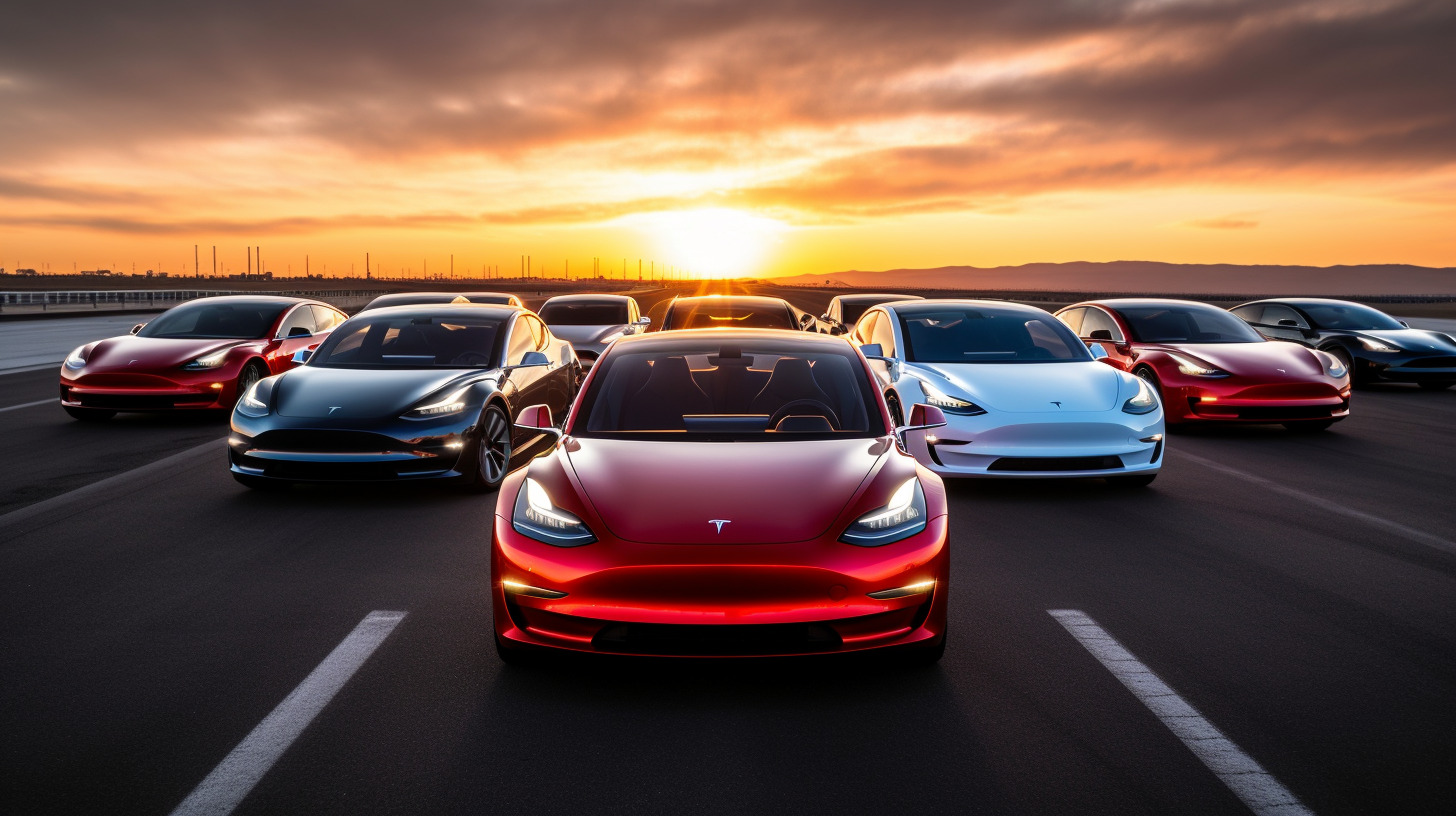
Tesla, Inc. (NASDAQ:TSLA) reported a 3.6% year-over-year increase in China-made electric vehicle sales for August, marking its tenth consecutive month of growth. However, this growth is a significant slowdown from July's 38% increase, with the Shanghai factory shipping 86,166 units, down 7.9% from the previous month. This deceleration is noteworthy as it highlights the increasing competition from domestic Chinese manufacturers offering more affordable and feature-rich electric vehicles. Additionally, Tesla's share of global delivery volume from China has fallen below 30% for the first time since late 2020, indicating a shift in market dynamics. Looking ahead, Tesla's ability to maintain its growth trajectory in China while managing profitability will be crucial. The company faces challenges from declining domestic deliveries and increasing competition, which could impact its overall performance. Investors should monitor Tesla's strategies to regain momentum in the Chinese market and its efforts to protect margins globally.

EcoPro Co. Targets Humanoid Robotics for Growth Beyond Electric Vehicles
EcoPro Co. is set to engage in the South Korean battery-materials sector's initiative to support the humanoid robotics industry. The company is betting on the increasing demand for lightweight and powerful batteries, which is expected to create a new growth market beyond the traditional electric vehicle sector. This strategic move is significant as it highlights the evolving landscape of battery applications, where the need for advanced battery technology is expanding into new domains like humanoid robotics. The shift could lead to innovative developments in both battery design and robotics, potentially transforming how these technologies are integrated. Looking ahead, industry stakeholders will be keen to observe how EcoPro Co. and other battery manufacturers adapt their technologies to meet the specific needs of the humanoid robotics market. No further timeline was disclosed at the time of publication.

Electric Vehicles Lead China's Auto Market: Key Insights from Recent Sales Data
In the latest data from Autohome, Geely's Xingyuan electric hatchback emerged as the top-selling car in China, with nearly 197,500 units sold in the first half of 2025. Tesla's Model Y followed closely, securing second place with over 180,000 sales, showcasing the strong demand for electric vehicles in the market. The significance of these trends is underscored by the fact that new energy vehicles accounted for 65.1% of new passenger car sales in July, a notable increase from 54% the previous year. However, overall passenger car sales dropped by 20.3%, indicating a challenging environment for traditional automakers, with BYD struggling to maintain its position among the top sellers. Looking ahead, the competition between electric vehicle manufacturers is expected to intensify, particularly as Geely and BYD vie for market share. The performance of traditional automakers like Volkswagen, which remains in the top ten with its Lavida model, will also be crucial to watch as the market evolves. No further timeline was disclosed at the time of publication.

Ferrari's First Electric Vehicle, the Luce, Exceeds Sales Expectations Despite Initial Criticism
Ferrari's first electric vehicle, the Luce, faced significant criticism upon its reveal in May, with detractors comparing it unfavorably to models like the Nissan Leaf. Despite an 8% drop in stock following the announcement, the Luce has surpassed sales expectations, achieving its annual target of nearly 500 units within just two months. The initial backlash stemmed from concerns over the Luce's design and performance, with some industry figures predicting it would struggle in the competitive EV market. However, the vehicle's appeal appears to resonate particularly well with the Chinese market, where a significant portion of sales is expected to occur, given the preference for sleek, high-performance electric vehicles. Looking ahead, Ferrari's established customer base, known for its loyalty and willingness to invest in luxury vehicles, suggests that the Luce may continue to perform well. Early reviews indicate that it delivers the driving experience expected from a Ferrari, which could further bolster its sales in the coming months. No further timeline was disclosed at the time of publication.
Climate Transportation electric vehicles Ferrari ferrari luce
Asian Manufacturers Embrace AI to Enhance Electric Vehicles and Humanoid Robots
At the Global Digital Summit 2026, Foxconn's chief strategy officer for electric vehicles, Jun Seki, highlighted the growing importance of artificial intelligence in enhancing the functionality of electric vehicles and humanoid robots. This shift comes as Asian manufacturers seek to compete against rapidly expanding Chinese companies in these sectors. The integration of AI is seen as a crucial strategy for Asian manufacturers to gain a competitive edge in the evolving landscape of autonomous driving and robotics. As the demand for automation increases, companies are looking to leverage AI technologies to innovate and improve their product offerings. Looking ahead, the focus on AI in manufacturing is expected to continue, with significant developments anticipated in the electric vehicle and robotics sectors. No further timeline was disclosed at the time of publication.

Starmind's Satellite Technology Achieves 880 Billion Liters in Annual Water Savings
Starmind has announced that its satellite technology can save approximately 880 billion liters of cooling water annually at full scale. This figure is equivalent to the annual household water use of around 6.5 million Americans. The technology operates by utilizing a closed-loop liquid cooling system that eliminates the need for water during its operational life, contrasting sharply with traditional ground data centers that consume vast amounts of water for cooling. The significance of this achievement lies in the growing water consumption crisis faced by data centers, particularly as AI expansion drives demand. In 2025, U.S. data centers consumed nearly one trillion liters of water, highlighting the urgent need for sustainable solutions. Starmind's approach not only addresses direct water usage but also avoids indirect water consumption associated with electricity generation, marking a substantial shift in how computing can be conducted in a resource-efficient manner. Looking ahead, Starmind's deployment strategy includes a projected buildout of 100 GW of orbital compute per year, which could displace an additional 735 billion liters of ground water demand annually. The first tranche of 10,000 satellites is already operational, offsetting approximately 8.8 billion liters of water per year. No further timeline was disclosed at the time of publication.
SpaceX's Starmind Faces Feasibility Challenges for 1 Million Satellite Deployment
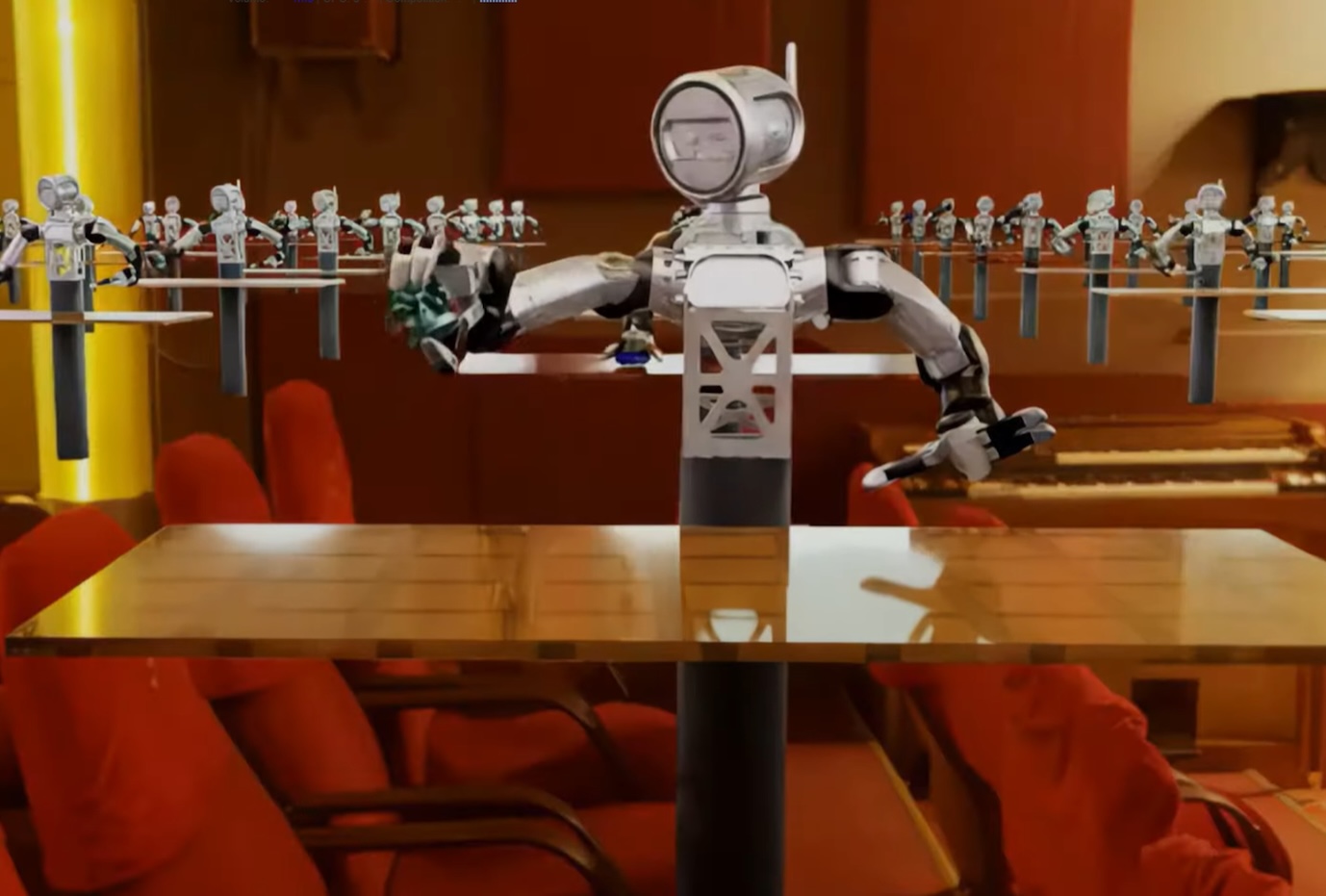
On January 30, 2026, SpaceX submitted a request to the FCC to launch up to 1 million satellites as part of its Starmind orbital compute constellation. This ambitious plan is unprecedented, as the total number of satellites ever launched globally is in the low tens of thousands. The proposal seeks a waiver from standard deployment milestones, citing reliance on the Starship's full reusability for success. The significance of this request lies in the technical and logistical challenges it presents. Experts warn that low Earth orbit may not support the proposed number of active satellites without risking a debris cascade. SpaceX's own IPO prospectus acknowledges unresolved dependencies related to Starship's launch cadence and reusability, which are critical for the orbital AI compute strategy. Looking ahead, the timeline for achieving the necessary launch cadence and manufacturing capacity remains uncertain. SpaceX's Gigasat facility in Texas aims for volume production by late 2027, but this would require unprecedented output levels. No further timeline was disclosed at the time of publication, leaving the feasibility of the Starmind project in question.

Rivian Just Raised Its 2026 Outlook While Tesla Stock Stumbled. Is the Electric Vehicle Underdog Finally a Buy?
Rivian Automotive, the electric vehicle manufacturer, has raised its delivery outlook for 2026 following a strong performance in the second quarter, where it delivered 12,194 vehicles, surpassing its initial estimate of 9,000 to 11,000. This update, announced on July 4, 2026, has led to an 8% increase in Rivian's stock price. In contrast, Tesla's stock fell approximately 7.5% on the same day after its own delivery report. Rivian has now adjusted its full-year delivery target to between 65,000 and 70,000 vehicles, up from 62,000 to 67,000. The company is focused on launching its new lower-priced R2 model, which is crucial for increasing sales volume. The first half of the year saw Rivian deliver a total of 22,559 vehicles, indicating that achieving its revised target will require a significant ramp-up in deliveries during the second half. Despite the positive delivery news, Rivian continues to face challenges with profitability, as its automotive segment reported a gross loss. However, the company has secured funding to support its growth, including a $4.5 billion loan from the Department of Energy and a $1 billion investment from Volkswagen Group. Analysts remain cautious, emphasizing the need for improved automotive gross profit as the R2 model is introduced. The next key update is expected on July 30, when Rivian will release its second-quarter financial results.
Harbinger Announces Unmanned Hybrid-Electric Military Vehicle Platform
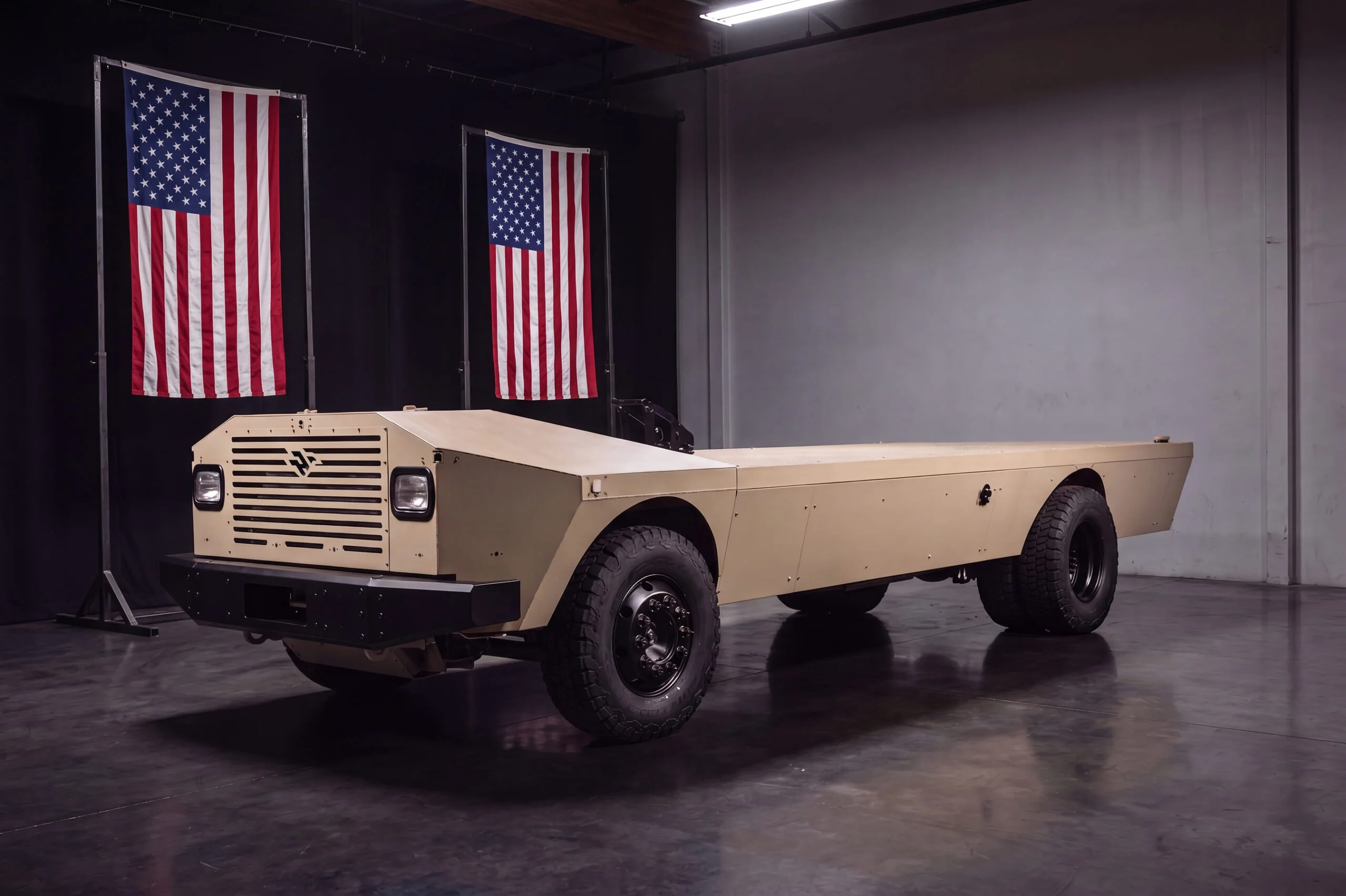
Harbinger has introduced a new unmanned hybrid-electric military vehicle platform, marking a significant advancement in defense technology. This initiative is part of the company's newly established business unit, Harbinger Praesidia, which aims to collaborate with government clients and defense contractors. The launch is further bolstered by a strategic investment from In-Q-Tel (IQT), a nonprofit organization that invests in technologies to enhance U.S. national security and support allied governments. This partnership underscores the growing interest in innovative military solutions and the importance of private sector involvement in national defense efforts.
AI AI Funding & Investment AI Use Cases Robotics Defense Harbinger
China's Dominance in Embodied Intelligence Patents Surpasses Electric Vehicles
China has emerged as a dominant force in the global patent landscape for embodied intelligence, securing more than 53% of all related patents. This sector, characterized by its complexity and the integration of various engineering disciplines, surpasses even that of electric vehicles. The significant increase in patent filings underscores China's dynamic innovation ecosystem and highlights its potential to reshape industrial standards. As the country continues to invest in advanced technologies, its leadership in embodied intelligence positions it at the forefront of future technological developments.
Embodied Intelligence Robotics Patents Artificial Intelligence Technology Innovation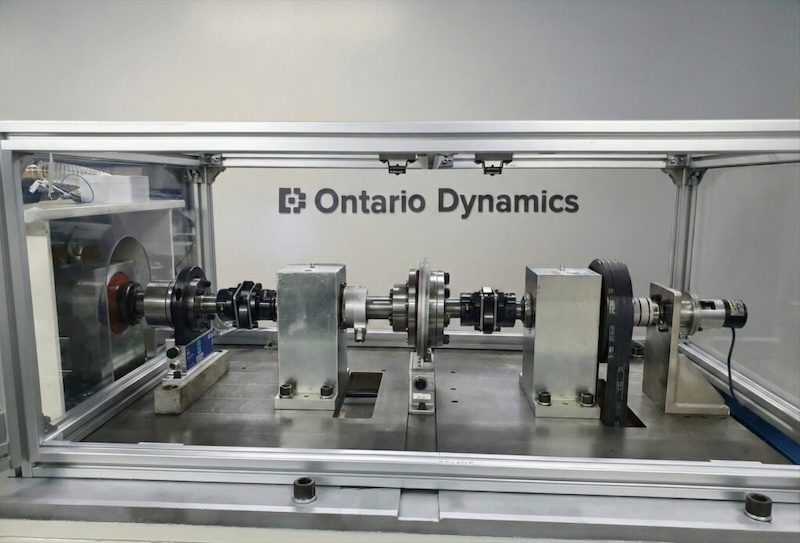
Why Electric Vehicle NVH Testing Demands a Different Approach than ICE Validation
In a recent development within the automotive industry, transmission engineers have encountered unexpected challenges when testing new electric vehicle (EV) drivetrains on test benches originally designed for internal combustion engine (ICE) components. During these tests, while the data appears to be accurate, engineers have noted an unusual high-pitched whine at 3,200 rpm, indicating a harmonic issue not accounted for in initial simulations. This phenomenon raises concerns about the compatibility of existing testing equipment with the unique characteristics of EV drivetrains. The findings highlight the need for updated testing protocols and equipment that can adequately address the distinct sound signatures and performance metrics of electric vehicles. As the industry shifts towards electrification, understanding and resolving these discrepancies will be crucial for ensuring the reliability and efficiency of EV technology.
Engineering Technology automation news automotive automation automotive engineering automotive R&D
Scania Launches Battery-Electric CrewCab for Rescue Vehicles
Scania has introduced its inaugural battery-electric CrewCab, designed specifically for fire, airport, and civil rescue operations. This innovative vehicle was unveiled in October 2023, marking a significant step towards sustainable emergency response solutions. The CrewCab aims to enhance operational efficiency while reducing environmental impact, aligning with the growing demand for greener technologies in the emergency services sector. By integrating advanced electric powertrain technology, Scania is addressing the challenges faced by rescue operations in urban environments, where emissions and noise pollution are critical concerns. The launch reflects Scania's commitment to providing cutting-edge solutions that meet the needs of modern emergency services while promoting sustainability.
Schneider Electric and World Economic Forum Partner to Advance Manufacturing Framework
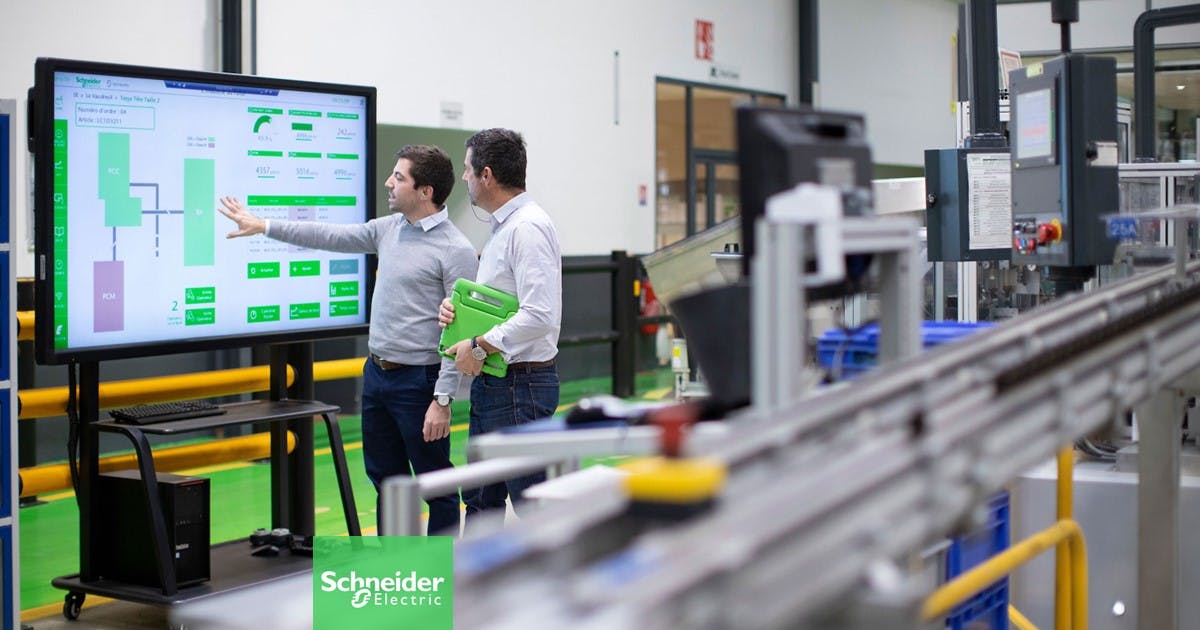
A new partnership has been established to enhance the Lighthouse Operating System Advisory Board, focusing on assisting manufacturers in modernizing their processes. This initiative, announced recently, seeks to leverage innovative strategies and technologies to improve operational efficiency within the manufacturing sector. By collaborating with industry leaders and experts, the advisory board aims to provide valuable insights and guidance that will enable manufacturers to adapt to the evolving market demands. The partnership underscores a commitment to fostering modernization in manufacturing, ultimately driving competitiveness and sustainability in the industry.
Business Intelligence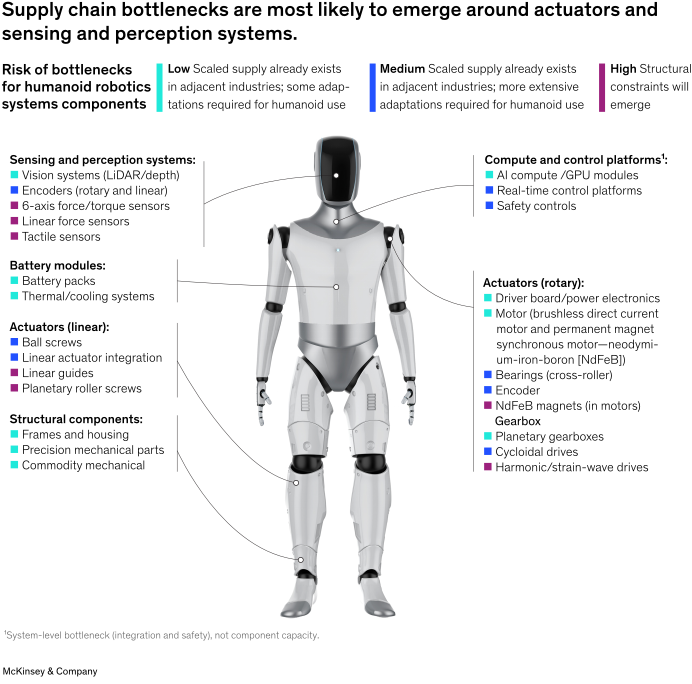
Morgan Stanley Sees Potential for China's Humanoid Robots to Mirror Electric Vehicle Success, McKinsey Offers Caution: Shift from Vertical Integration to Platformization
A recent report from Morgan Stanley indicates that China's humanoid robots may mirror the rapid growth seen in the electric vehicle sector, potentially enhancing the country's share of global exports. This development comes as China seeks to expand its technological footprint on the world stage. However, McKinsey has raised concerns about significant supply chain challenges that could hinder this progress. Despite China's strong manufacturing capabilities, the report highlights that the availability of essential components remains a critical obstacle. As the nation pushes forward in the robotics industry, addressing these supply chain issues will be crucial for realizing its ambitions in the global market.
Humanoid Robots Supply Chain Management Advanced Manufacturing AI
From Forklifts to Laser Guided Vehicles — The Operational Shift in High-Volume Manufacturing
In response to the growing demands of manufacturing systems, which require increased efficiency and precision, the use of Automated Guided Vehicles (LGVs) is becoming more prevalent. Unlike traditional forklifts, which rely heavily on operator skill and can be affected by factors such as fatigue and congestion, LGVs offer a consistent and repeatable solution for material handling. This shift is particularly crucial as production volumes rise and tolerances become tighter, necessitating a more reliable flow of materials within facilities. As industries seek to enhance their operational capabilities, the integration of LGVs is seen as a strategic move to improve productivity and reduce the risks associated with human error.
AI breakthrough could replace rare earth magnets in electric vehicles
Researchers at the University of New Hampshire have harnessed artificial intelligence to accelerate the search for advanced magnetic materials. This initiative involves the creation of an extensive database comprising 67,573 magnetic compounds, which includes 25 newly identified materials that maintain their magnetic properties at elevated temperatures. The team's efforts aim to facilitate the development of more affordable and sustainable technologies, potentially transforming various industries reliant on magnetic materials.
Robotics needs a service framework.
RSF defines a common language for robot service capability, lifecycle operations, certification pathways, and service-provider networks.
Join the RobotToday community on LinkedIn
Daily robotics news, in-depth analysis, conference highlights, and discussions with professionals worldwide.







