Industry Briefing
A single destination for timely, editor-curated robotics news from around the world.
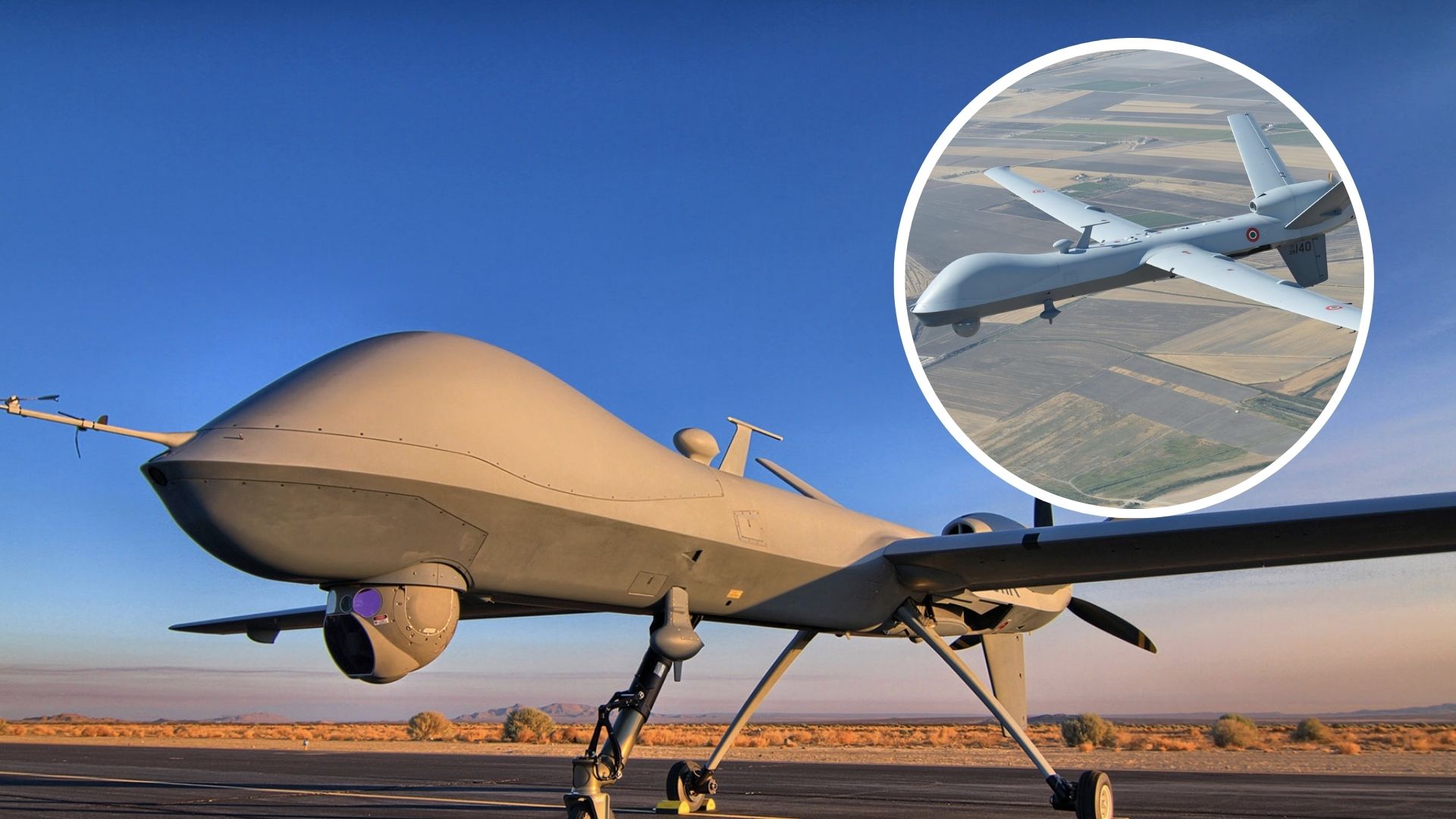
U.S. Department of Defense Launches Massed Modular Aircraft Initiative for Cost-Effective Drones
The U.S. Department of Defense is initiating the Massed Modular Aircraft (MMA) program to develop low-cost combat drones capable of performing missions similar to the MQ-9A Reaper. This initiative reflects a strategic shift towards utilizing affordable, expendable drones in modern warfare, particularly in light of recent conflicts that have exposed the vulnerabilities of high-value aircraft in contested airspace. The Pentagon aims to create a fleet of modular, long-range unmanned aircraft that can be rapidly reconfigured for various missions, significantly reducing operational costs while maintaining effectiveness against advanced enemy defenses. This shift is driven by the need for a more sustainable military approach, as the loss of MQ-9 Reapers during operations against Iran has highlighted the financial burden of relying on expensive platforms. With each MQ-9 costing approximately $30 million, military planners recognize that a strategy focused solely on high-value aircraft is increasingly untenable. The MMA initiative seeks to provide a flexible, risk-tolerant option that can deploy large numbers of drones to overwhelm enemy defenses, thereby ensuring operational capability despite potential losses. Looking ahead, the Pentagon's focus on massed modular aircraft indicates a significant evolution in military tactics. The ability to deploy swarms of low-cost drones could complicate enemy air defenses and enhance reconnaissance and strike capabilities. No further timeline was disclosed at the time of publication, but the emphasis on affordability and modularity suggests a proactive response to the changing dynamics of modern warfare and the need for cost-effective solutions in defense operations.
Military
Sumitomo Corporation and Kyoto City find winning strategy for AI use, resolving the Copilot cost-effectiveness issue.
As the effectiveness of generative AI comes under scrutiny, Sumitomo Corporation has independently verified Microsoft’s projected cost savings associated with the technology. This evaluation highlights the potential benefits of generative AI, particularly through its applications in Kyoto City. By examining these case studies, the analysis aims to uncover successful strategies for investing in generative AI, shedding light on its practical implications and future prospects.

Goodbye to 'Training Fabrication'! Agent-World Uncovers 1,978 Real Scenarios, Enabling Agents to Operate Effectively
Agent-World, a groundbreaking initiative developed through a partnership between ByteDance's Seed team and Renmin University of China, is transforming the landscape of agent training by employing 1,978 real-world scenarios rather than traditional simulated environments. Launched recently, this innovative program aims to improve agents' performance across multiple industries by enabling them to engage with authentic situations, fostering self-diagnosis and ongoing enhancement of their skills. This shift towards real-world applications is designed to better prepare agents for the complexities of their respective fields, ultimately leading to more effective and adaptable professionals.
AI Agent Training Real-World Scenarios Machine Learning Automation
Oceanbotics Introduces the SRV-8C: Compact, Capable & Cost-Effective ROV
Oceanbotics has launched the SRV-8C, the latest addition to its lineup of remotely operated vehicles (ROVs). This new model is designed to be the most compact ROV in the series, offering enhanced portability while maintaining the ease of operation, extreme maneuverability, and intuitive software that the SRV-8 Series is recognized for. The introduction of the SRV-8C aims to meet the growing demand for efficient underwater exploration tools, providing users with a streamlined system that can be easily transported and deployed in various environments. The product is expected to cater to a wide range of applications, from research to industrial inspections, making underwater operations more accessible and effective.
SpaceX Proposes 1 Million AI Satellites to Address Ground Data Center Constraints
On January 30, 2026, SpaceX filed with the FCC to launch up to 1 million AI compute satellites, positioning orbital data centers as a solution to the increasing demand for AI computing power. Ground data centers are facing significant challenges, with energy consumption projected to reach approximately 1,050 TWh in 2026, making them the fifth-largest electricity consumer globally. The demand for new data center capacity is outpacing the growth of power generation infrastructure, leading to a critical bottleneck in the grid system. The significance of this initiative lies in the structural constraints faced by ground data centers, including power delivery limitations, high water consumption, and local opposition to new projects. The Uptime Institute's 2026 outlook identifies power as the primary constraint on data center growth, with capacity clearing prices in the PJM grid skyrocketing to $329.17/MW, driven by data center expansion. Additionally, cooling requirements are becoming increasingly unsustainable, with facilities consuming vast amounts of water, further complicating their operational viability. Looking ahead, SpaceX's orbital AI compute initiative aims to circumvent these challenges by leveraging the advantages of space, such as continuous solar power and minimal local opposition. The first AI prototypes are expected to launch in early 2027, with operational deployments planned for 2028. No further timeline was disclosed at the time of publication.

Effectiveness Assessment of Underwater Area Cruise Based on the ADC Method
The Journal of Field Robotics has recently published an article in its EarlyView section, highlighting advancements in robotic technology. Researchers from various institutions collaborated to explore innovative applications of field robotics, focusing on enhancing efficiency in agricultural practices. The study, released in October 2023, emphasizes the growing importance of robotics in addressing global food security challenges. The research team conducted extensive field tests to evaluate the performance of new robotic systems designed for tasks such as planting, harvesting, and monitoring crops. By integrating artificial intelligence and machine learning, these robots aim to optimize resource use and reduce labor costs in farming operations. The findings indicate that implementing these technologies can significantly improve yield and sustainability. This initiative is driven by the urgent need to increase agricultural productivity in the face of a rising global population and climate change impacts. The researchers advocate for further investment in robotic solutions to support farmers and ensure food supply chains remain resilient. The article serves as a call to action for stakeholders in the agricultural sector to embrace technological advancements that can transform traditional farming methods.
RESEARCH ARTICLE
UN enforces global safety rules for fully autonomous vehicles, effective January 2027
Major automotive markets worldwide have united to establish a unified set of regulations aimed at enhancing safety and environmental standards in the industry. This collaborative effort, announced recently, involves key players from regions including North America, Europe, and Asia, who recognize the need for a cohesive framework to address the challenges posed by climate change and technological advancements in vehicle manufacturing. The initiative was unveiled during an international automotive summit held in Tokyo, where industry leaders and policymakers gathered to discuss the future of transportation. The decision to create a standardized set of rules stems from the increasing complexity of regulations across different markets, which has led to confusion and inefficiencies for manufacturers and consumers alike. By harmonizing these regulations, stakeholders aim to streamline compliance processes, reduce costs, and promote innovation in electric and autonomous vehicles. The new framework is expected to facilitate smoother trade and enhance consumer confidence in vehicle safety and environmental impact. The collaborative approach signifies a shift towards greater cooperation among nations, reflecting a shared commitment to sustainable development and the advancement of the automotive sector. As the industry evolves, this initiative is seen as a crucial step in ensuring that all markets can adapt to future challenges while maintaining high standards for safety and environmental protection.
AI and Robotics Transportation
How to Use Industrial Cobots Effectively to Maximize Production Throughput?
In a bid to enhance production efficiency, JAKA has introduced the JAKA Pro series, an advanced industrial cobot designed to optimize throughput in demanding manufacturing environments. This innovative robot, capable of operating continuously in harsh conditions, aims to eliminate production bottlenecks by automating time-sensitive tasks that typically slow down human workers. The JAKA Pro12, the flagship model, boasts IP68 protection, making it resistant to dust, oil, and water, ensuring consistent performance even in extreme environments. With a payload capacity of 12kg and a reach of 1327mm, it can handle heavy industrial parts and perform secondary operations simultaneously, such as deburring or pre-sorting, while primary machines are in operation. By aligning the robot's speed with the overall production line tempo, manufacturers can maintain a steady workflow and prevent local bottlenecks. The cobot's ability to function around the clock supports "lights-out" manufacturing, allowing for continuous production without the need for human oversight during breaks or overnight shifts. With features like sub-millimeter precision and rapid deployment capabilities through a user-friendly app, the JAKA Pro series is positioned as a transformative solution for high-volume production lines, promising to double or triple daily output without increasing workforce size. JAKA emphasizes that their robots embody intelligence, becoming integral to the operational heartbeat of modern manufacturing facilities.
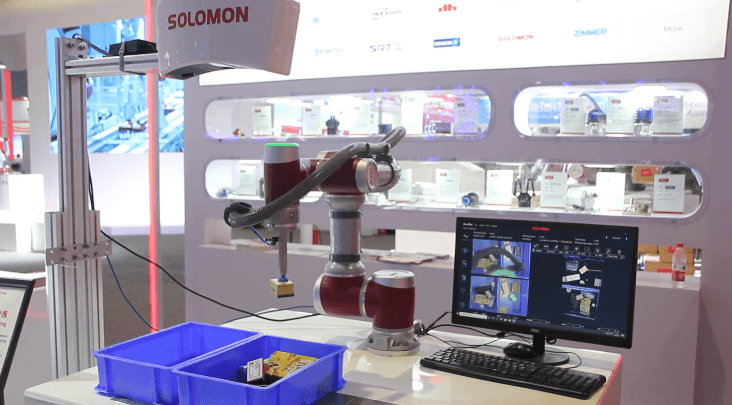
How to Implement 6 Axis Cobot Arms Effectively for Fast Repurposing?
In response to the rapidly changing demands of manufacturing, JAKA is advancing the implementation of 6-axis robot arms designed for fast repurposing in production environments. As product cycles shorten and customization becomes standard, the company emphasizes that efficient redeployment of automation systems is essential for maintaining operational stability. JAKA advocates for a design approach that prioritizes modular layouts and standardized interfaces, enabling manufacturers to quickly move, reprogram, or retool robotic systems with minimal disruption. This strategy is particularly beneficial for small-batch, multi-variety production, where frequent task changes are routine. The company’s Zu3 model exemplifies this philosophy, featuring intuitive setup and adaptive control that reduce reliance on specialized teams. Its lightweight design allows for easy integration into existing production lines, while its adaptive motion capabilities enable the robot to perform various tasks—such as assembly, handling, and inspection—without extensive mechanical adjustments. Moreover, JAKA highlights the importance of human collaboration in achieving sustainable flexibility. By allowing operators to participate in the teaching and adjustment of the robots, the company fosters a more efficient changeover process, ensuring that production can continue smoothly even as product specifications evolve. Ultimately, JAKA’s approach to automation focuses on building a repurposing-oriented strategy that not only meets current production needs but also adapts to future demands, ensuring long-term operational continuity for manufacturers.
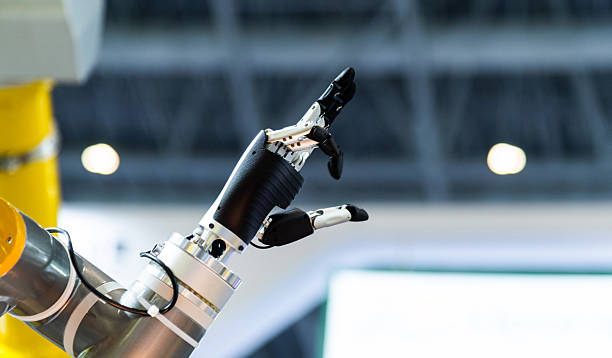
Design, Model Analysis and Experimental Investigation of Modular Soft Pneumatic Gripper Equipped With Multi‐Configurable Functionality and Adjustable Effective Length
A recent study published in the Journal of Field Robotics highlights advancements in robotic technology aimed at enhancing agricultural efficiency. Conducted by a team of researchers from various universities, the study was released in May 2026 and focuses on the integration of autonomous robots in farming practices. The research aims to address the growing need for sustainable agricultural solutions amid increasing global food demand and labor shortages. By utilizing advanced sensors and machine learning algorithms, the robots are designed to perform tasks such as planting, monitoring crop health, and harvesting with minimal human intervention. Field tests conducted in diverse agricultural settings demonstrated the robots' ability to significantly increase productivity while reducing resource consumption. The findings suggest that these innovations could play a crucial role in transforming traditional farming methods and promoting environmentally friendly practices. As the agricultural sector faces mounting challenges, the implementation of such robotic technologies could provide a viable path toward more efficient and sustainable food production systems.
RESEARCH ARTICLE
SensHB.Q: A Cost‐Effective Force‐Sensitive Handlebar to Control Omnidirectional Robots and Wheelchairs
In a recent study published in the Journal of Field Robotics, researchers explored advancements in robotic technologies aimed at enhancing agricultural efficiency. The study, which appears in the May 2026 issue, highlights innovative robotic systems designed to optimize crop management and reduce labor costs. Conducted by a team of engineers and agricultural scientists, the research took place over several months at various test farms across the Midwest. The motivation behind this initiative stems from the increasing demand for sustainable farming practices amid a growing global population. By integrating cutting-edge robotics into agricultural processes, the researchers aim to address labor shortages and improve productivity. The study details the implementation of autonomous robots equipped with advanced sensors and AI algorithms that can monitor crop health, automate planting, and facilitate precision irrigation. Through a series of field trials, the team demonstrated the robots' capabilities in real-world farming conditions, showcasing their potential to revolutionize traditional agricultural methods. The findings suggest that these robotic systems could significantly enhance yield while minimizing environmental impact, paving the way for smarter farming solutions in the future.
RESEARCH ARTICLE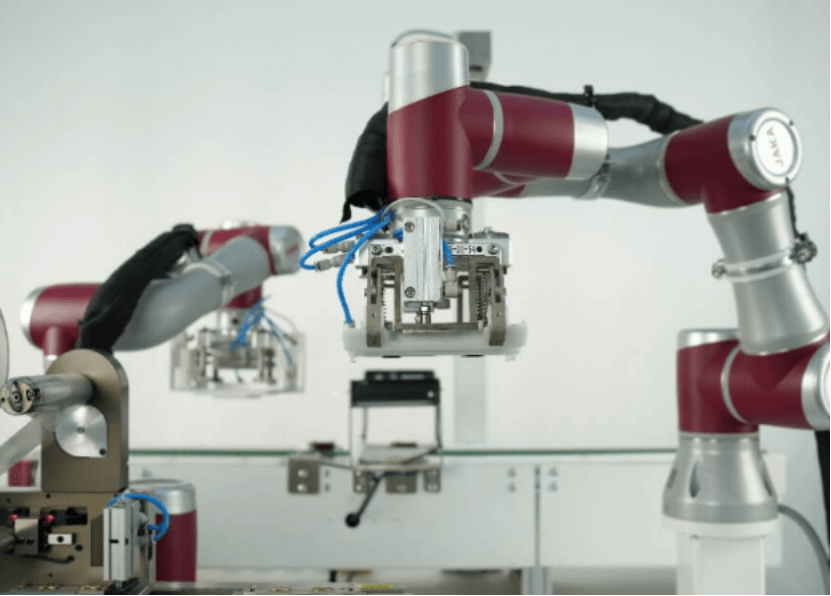
How to Implement 6 Axis Cobot Arms Effectively for Fast Repurposing?
JAKA, a leader in automation technology, is revolutionizing manufacturing flexibility with its advanced six-axis collaborative robot arms. By emphasizing strategic workspace planning, modular tooling, and intuitive programming, the company aims to enhance the adaptability of these robotic systems for various tasks. The initiative focuses on optimizing the physical setup of work cells to facilitate quick changeovers, ensuring that the robot arms can be easily reconfigured for different operations. JAKA advises clients to consider future tasks during the initial installation to create a versatile environment that supports rapid redeployment. Additionally, the implementation of modular end-effector systems allows for swift tool changes, enabling a single robot arm to handle diverse tasks, such as panel handling or assembly, with minimal downtime. This flexibility is further enhanced by user-friendly programming methods, which allow process experts to quickly define new sequences without extensive coding knowledge. By integrating these elements, JAKA transforms its six-axis robot arms into dynamic production assets capable of managing multiple tasks efficiently. This approach not only boosts operational resilience but also enables businesses to respond agilely to changing manufacturing demands, ensuring they remain competitive in a rapidly evolving industry.

Epson Robots to Showcase High-Performance and Cost-Effective Automation Solutions at The Assembly Show 2025
Epson Robots, recognized as the leading SCARA robot manufacturer globally, is set to showcase its advanced SCARA, 6-Axis, and automation solutions at The ASSEMBLY Show 2025. This prominent event, which focuses on assembly and manufacturing technologies, will take place in Los Alamitos, California, on October 14, 2025. The demonstration aims to highlight Epson's commitment to innovation and efficiency in robotics, catering to the growing demand for automation in various industries. Attendees will have the opportunity to witness firsthand the capabilities of Epson's cutting-edge technology, which is designed to enhance productivity and streamline assembly processes.
SCARA Industrial Robots Automation Robotics Manufacturing
Seasats Introduces the Lightfish Security System: A Cost-Effective, Modular ASV for Persistent Maritime Domain Awareness
Seasats, a U.S. company specializing in autonomous maritime systems, has unveiled its latest innovation, the Lightfish Security System. This advanced autonomous surface vehicle (ASV) is engineered to enhance intelligence, surveillance, and reconnaissance (ISR) capabilities across various environments, including coastal areas, harbors, and open oceans. The launch of the Lightfish Security System aims to address the growing demand for persistent maritime monitoring and security solutions. By integrating cutting-edge technology, Seasats seeks to provide a reliable tool for maritime operations, ensuring enhanced safety and operational efficiency in critical areas.
seasats lightfish security system modular asv persistent maritime domain awareness
How Technology Changed the Way of Marketing
As technology continues to advance, it is reshaping the landscape of marketing and consumer behavior. In recent years, there has been a noticeable shift in how products and services are promoted, reflecting a growing preference for digital engagement over traditional methods. This change is driven by the increasing integration of technology into daily life, as consumers increasingly turn to digital platforms for information and shopping. The rise of robotics and innovative marketing strategies has made it easier for businesses to reach their target audiences effectively. This evolution highlights the necessity for companies to adapt to the changing preferences of consumers, leveraging technology to enhance their marketing efforts and improve customer experiences.
Features Promoted advertisement advertisements changed design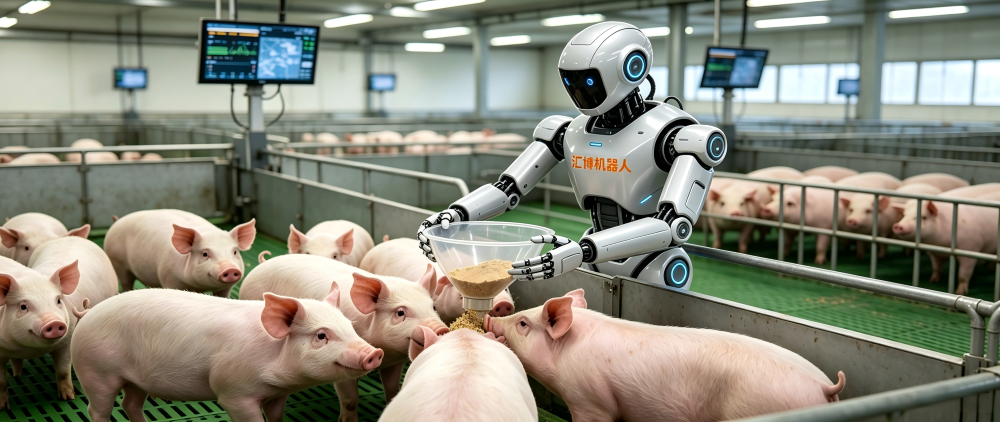
Jinke Smart Agriculture Reduces Robotics Investment from 650 Million to 60 Million Amid Market Challenges
On July 10, Jinke Smart Agriculture's stock surged, prompting speculation about its acquisition of Jiangsu Huibo Robotics. Initially, Jinke planned to invest 650 million yuan to gain control over Huibo, which specializes in humanoid robotics for pig farming. However, by late June, the investment was drastically reduced to 60 million yuan, raising concerns about the viability of the acquisition. This significant cut in investment reflects the broader challenges faced by Jinke, as its revenue is projected to decline by 18.26% in 2025, with a net profit drop of 78.59%. The domestic pig market struggles with prices below 12 yuan per kilogram, while production costs remain high. The shift towards robotics is seen as a potential solution to reduce labor costs and improve efficiency in pig farming. Looking ahead, the feasibility of the investment hinges on whether the robotics can operate effectively in the harsh conditions of pig farming. The debate continues on whether humanoid robots are necessary for the tasks at hand, as their design may offer advantages in precision and flexibility compared to traditional robotic forms. No further timeline was disclosed at the time of publication.
Humanoid Robots Agricultural Robotics Pig Farming AI Technology
FAA Grants Approval for Drone Amplified's MONTIS Avalanche Control System
The Federal Aviation Administration (FAA) has approved Drone Amplified's MONTIS drone system for avalanche control, paving the way for its use by transportation agencies and ski resorts. This approval allows operators to deploy explosive charges remotely, enhancing safety by keeping personnel away from hazardous areas while still effectively managing avalanche risks. The significance of this approval lies in its potential to improve avalanche mitigation strategies. The MONTIS system offers an alternative to traditional methods such as helicopters and ground teams, providing flexibility in operations, especially in challenging weather conditions. This innovation aims to protect communities and maintain critical transportation routes during winter. Looking ahead, the integration of the MONTIS system into existing avalanche control programs could lead to safer operations in mountain communities and ski areas. While it will not replace traditional methods, it offers a valuable tool for agencies to enhance their response to avalanche threats. No further timeline was disclosed at the time of publication.
News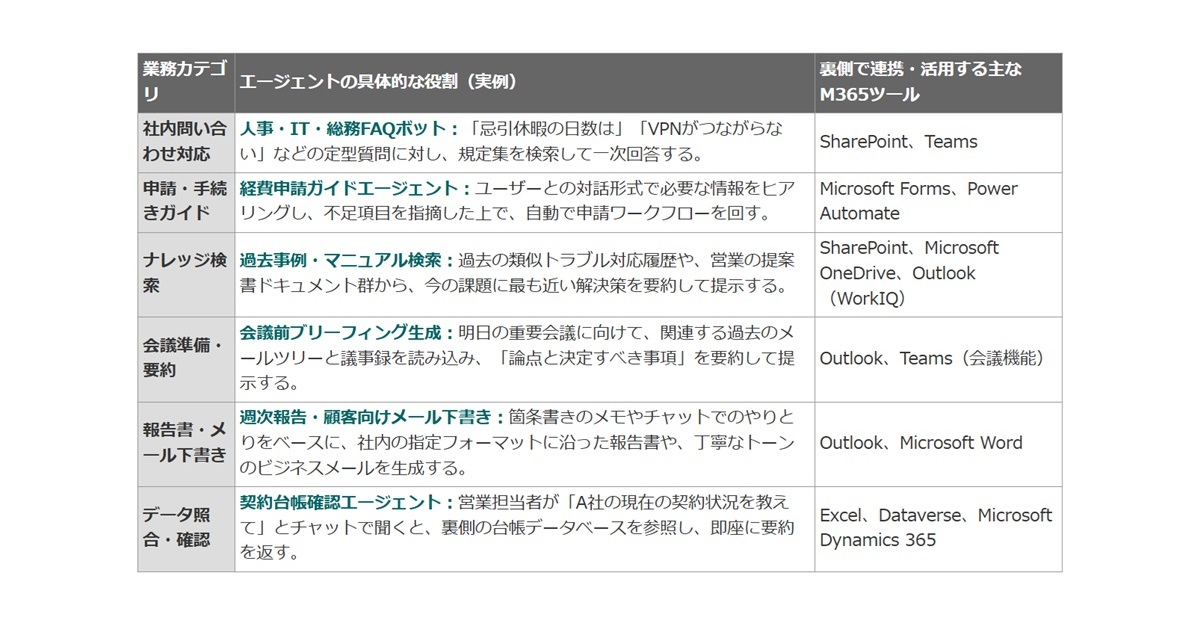
Key Strategies for Successful Implementation of Microsoft Copilot Studio in Business Processes
The successful implementation of Microsoft Copilot Studio hinges on the careful selection of business processes. Identifying suitable tasks for AI application is crucial, as it can determine 90% of the project's success. This article outlines the characteristics of tasks that are unsuitable for AI and emphasizes the importance of strategic decision-making in the initial stages. Understanding the right processes to automate can prevent common pitfalls, such as selecting tasks with unclear KPIs or those that require high levels of human judgment. The article provides a framework for selecting appropriate tasks and highlights the need for clear initial design to ensure that AI agents are effectively integrated into business operations. Looking ahead, organizations should focus on refining their approach to task selection and initial design to enhance the effectiveness of AI agents. No further timeline was disclosed at the time of publication.

Heineken Enhances Global S&OP Across 40+ Companies Using Sunstice
Heineken has successfully scaled its global Sales and Operations Planning (S&OP) across more than 40 operating companies with the help of Sunstice. This initiative addresses the complexities of managing a brewing supply chain that produces over 350 brands across 160 breweries and serves nearly 190 markets. The significance of this development lies in Heineken's need for continuous alignment of demand forecasts, production capacity, and inventory flows. Historically, the company relied on locally developed planning tools that varied by market, complicating the planning process. By implementing a unified S&OP strategy, Heineken aims to streamline operations and enhance efficiency across its vast network. Looking ahead, it will be important to monitor how effectively Heineken integrates this new S&OP system across its diverse operating companies. No further timeline was disclosed at the time of publication.
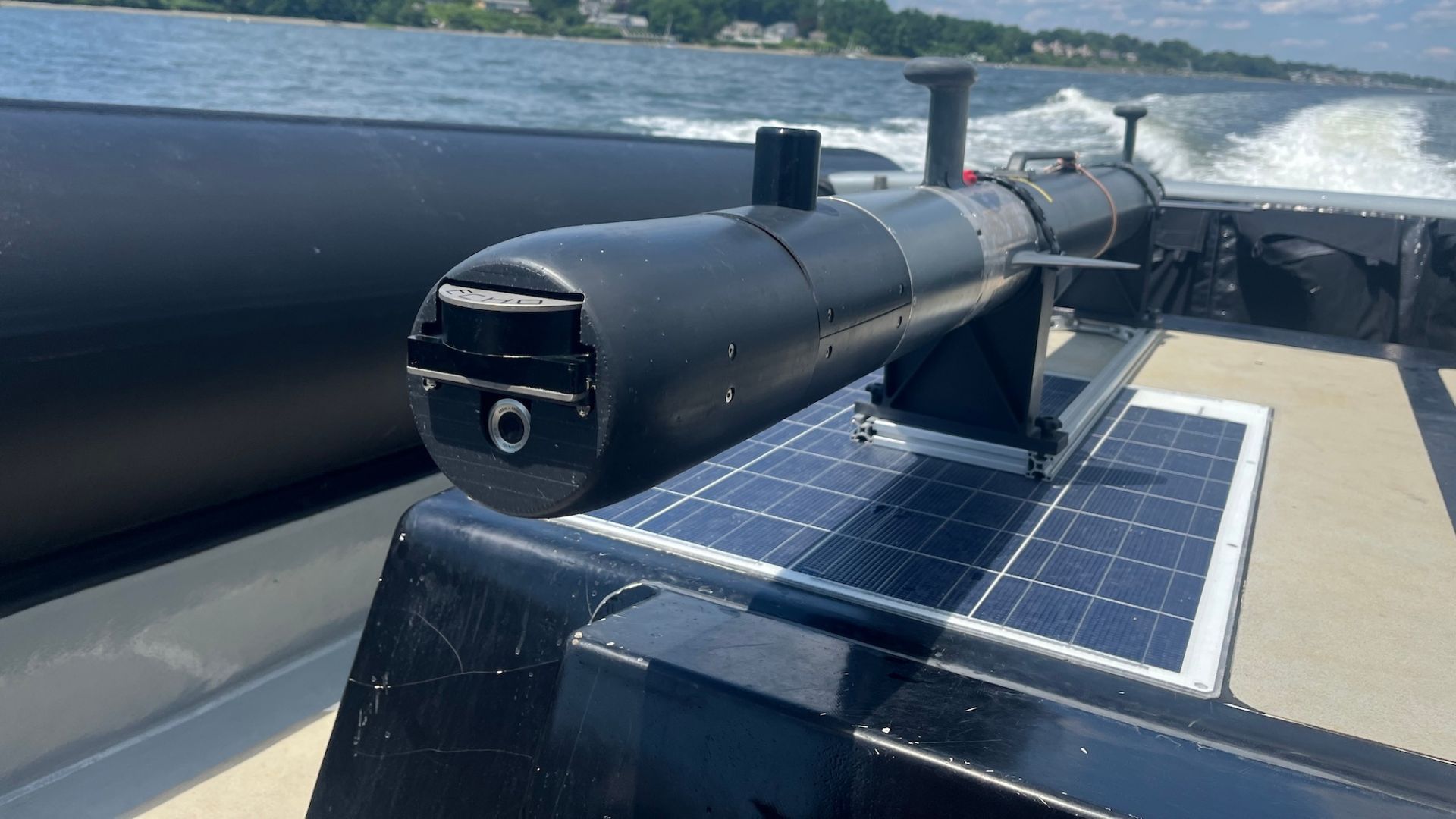
Vatn Systems Launches SIGURD Autonomous System for Naval Mine Detection and Neutralization
U.S. defense startup Vatn Systems has unveiled SIGURD, a compact autonomous system designed to detect and neutralize naval mines. This innovative platform allows military operators to locate underwater mines without the need for large mine warfare vessels, addressing a critical challenge in naval operations. SIGURD is currently being tested by government customers, with deployment expected later this year. The introduction of SIGURD is significant as naval mines remain a cost-effective threat in maritime conflict, capable of disrupting shipping and delaying naval operations. Traditional mine countermeasure missions are resource-intensive, often requiring specialized ships and trained personnel. Vatn's autonomous underwater vehicle aims to streamline this process, enabling quicker responses to mine threats in contested waters. Looking ahead, Vatn Systems is preparing to support U.S. military and allied nations in expanding their autonomous mine warfare capabilities. The demand for such systems is rising, particularly in light of increasing tensions in strategic maritime regions. The successful testing of SIGURD against inert naval mines suggests a promising future for autonomous solutions in mine countermeasures.
Military
Advancements in Humanoid Robotics Driven by Power Management Solutions
The latest episode of Designing the Future highlights the significant progress in humanoid robotics, driven by advancements in speed, mobility, and dexterity. As these technologies evolve, the role of power management becomes increasingly critical, particularly in the context of battery and fuel cell usage. Engineers face challenges in converting energy from onboard sources to effectively power mechatronics and logic systems. This focus on power management is essential for the realization of humanoid robots that can perform a wide range of tasks, fulfilling the long-held promise of general-purpose machines. The conversation between Jim Anderton and John Quinlan from Murata Power Solutions underscores the importance of efficient power solutions in enhancing robotic performance. As the industry continues to innovate, the interplay between power systems and robotic capabilities will shape future developments. Looking ahead, the demand for compact and efficient power products will likely grow as humanoid robots become more prevalent in various sectors, including industrial and medical markets. No further timeline was disclosed at the time of publication.
Humanoids
NVIDIA Discusses Evaluating General-Purpose Robot Policies for Real-World Applications
NVIDIA has highlighted the challenges in evaluating general-purpose robot policies as their capabilities advance. The company emphasizes that while current robotics models can follow natural language instructions to manipulate various objects, rigorous evaluation remains a significant hurdle due to the limitations of existing benchmarks. Real-world testing is costly and slow, necessitating effective simulation methods for large-scale evaluations. The importance of this evaluation process lies in the need for robots to generalize their skills beyond memorized setups. NVIDIA points out that many benchmarks suffer from visual and task-domain overlap, which can lead to misleading performance metrics. As models achieve high scores on static task sets, it becomes increasingly difficult to differentiate their true capabilities, raising concerns about the meaningfulness of reported results. Looking ahead, NVIDIA's focus on improving simulation environments and task generation methods is crucial for advancing robotic evaluation. The company aims to address the diagnostic gaps in current benchmarks, which often fail to provide insights into the reasons behind a robot's performance. No further timeline was disclosed at the time of publication.
Artificial Intelligence Artificial Intelligence / Cognition Design / Development Motion Control News Software / Simulation
Boeing Awards BAE Systems Contract for ROKAF F-15K Electronic Warfare System
Boeing has awarded BAE Systems a contract to provide the Eagle Passive Active Warning Survivability System (EPAWSS) for the Republic of Korea Air Force's F-15K Slam Eagle fighter jets. This contract is significant as it enhances the electronic warfare capabilities of the F-15K fleet, ensuring that the Republic of Korea Air Force can effectively counter modern threats in the airspace. Looking ahead, the integration of the EPAWSS into the F-15K fleet will be crucial for maintaining operational readiness and superiority. No further timeline was disclosed at the time of publication.
News
Booster Robotics Launches Booster T2 Humanoid Robot with NVIDIA Thor Computing Power
Booster Robotics has introduced the Booster T2, a humanoid robot platform aimed at real-world applications and embodied AI research. The T2 Pro version utilizes NVIDIA’s Thor chip, delivering up to 2,070 TFLOPS for real-time perception and control. The robot is designed for tasks requiring mobility and manipulation, showcasing advanced capabilities such as walking, dynamic balance, and athletic movements. The significance of the Booster T2 lies in its integration of cutting-edge technology and open development. With features like whole-body coordination and onboard AI computing, it supports a wide range of applications in robotics. The introduction of Booster Studio, an open software platform, further enhances its utility by allowing developers to simulate and deploy AI models effectively. Looking ahead, the Booster T2 is positioned to advance research in embodied AI and robotics. Its robust design, including 31 degrees of freedom and multiple hardware configurations, makes it suitable for various manipulation tasks. No further timeline was disclosed at the time of publication.
AI and Robotics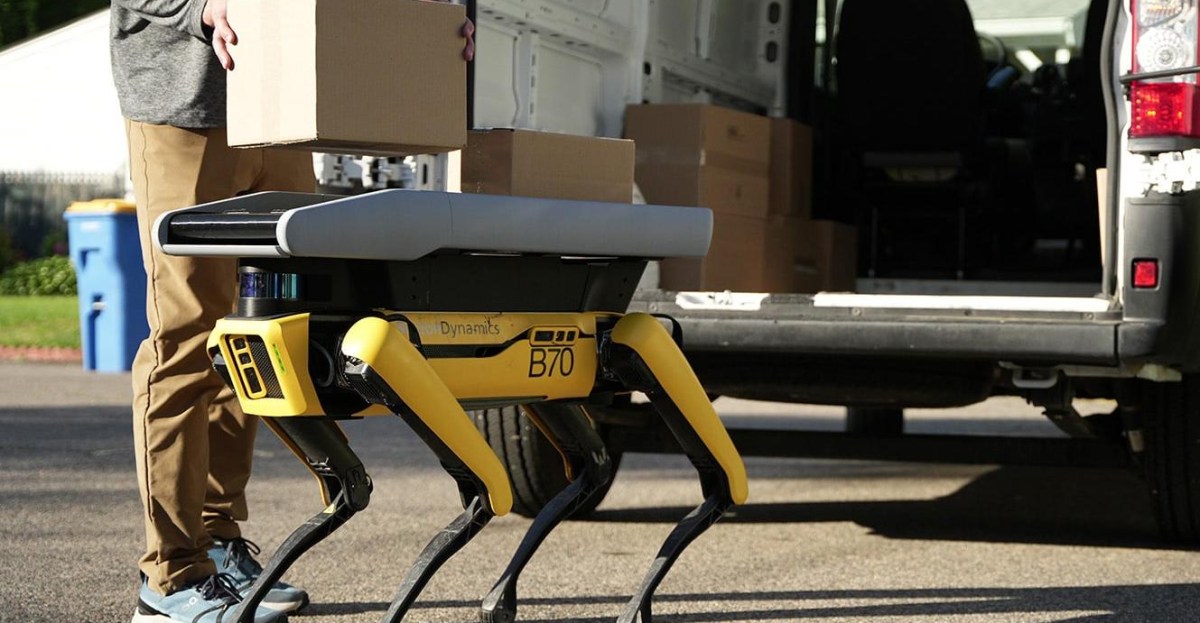
Boston Dynamics Tests Spot Robot for Last-Mile Delivery Solutions
Boston Dynamics is exploring the use of its Spot robot for package deliveries, equipped with a new conveyor belt accessory. This innovation aims to autonomously transport packages from vehicles to customers' doorsteps, potentially easing the workload of delivery drivers. The initiative is significant as it addresses the challenges of last-mile delivery, where human navigational skills are often required to overcome obstacles like stairs and cluttered pathways. Boston Dynamics is currently in discussions with major logistics companies to transition from demonstrations to a full pilot project. Looking ahead, the company believes Spot's ability to navigate uneven terrain will enhance its effectiveness in suburban environments. This could not only alleviate physical strain on delivery drivers but also increase their efficiency, allowing them to handle more packages. No further timeline was disclosed at the time of publication.
Gadgets News Robot Tech
MIT and Toyota Research Institute Unveil SceneSmith for Robot Household Training
MIT's Computer Science and Artificial Intelligence Laboratory (CSAIL) and the Toyota Research Institute have developed SceneSmith, an AI-powered system that allows robots to practice household tasks in a virtual environment. This system utilizes three visual language models to collaboratively create realistic 3D scenes, enabling robots to learn complex skills through extensive simulation. SceneSmith not only generates lifelike environments but also incorporates physical properties like mass, friction, and inertia, allowing robots to interact meaningfully within these spaces. The research team tested over 100 unique action plans in the digital world, revealing flaws in the robots' planning that were validated by human consensus over 99% of the time, helping to refine their strategies before real-world application. The effectiveness of SceneSmith was highlighted at a recent international machine learning conference, where it received positive feedback from over 200 testers, with more than 90% rating its visual realism highly. As robots learn to perform tasks like moving objects in a kitchen, the prospect of robots handling household chores may soon become a reality.
AI Robotics Virtual Reality Machine Learning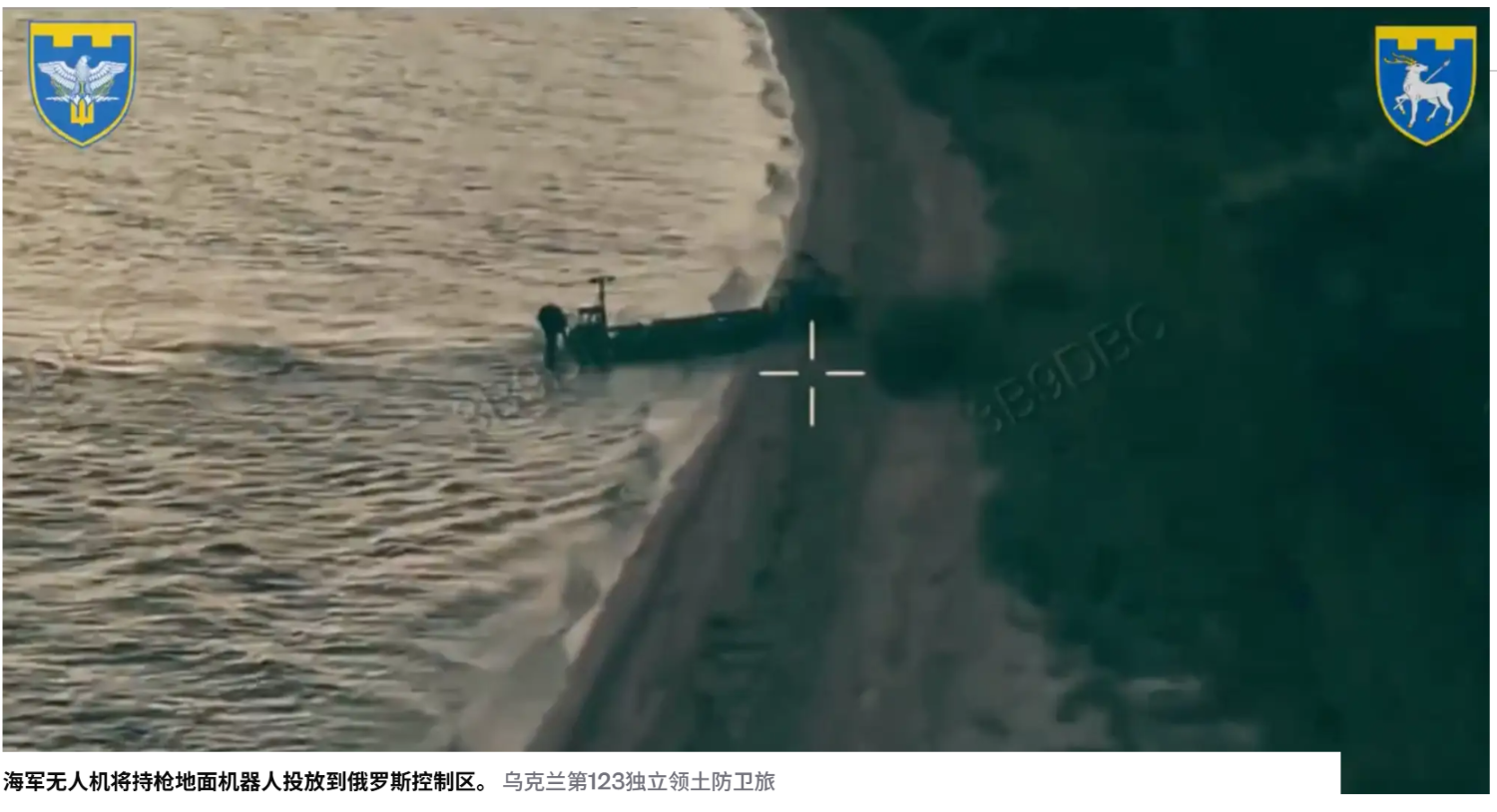
Ukraine's 123rd Territorial Defense Brigade Conducts Historic Amphibious Operation with Unmanned Systems
On July 13, 2026, Ukraine's 123rd Independent Territorial Defense Brigade executed a historic amphibious operation utilizing unmanned systems. This marked the first known joint combat mission involving an unmanned surface vessel (USV) and an unmanned ground vehicle (UGV) in a military context. The operation took place on the Kinburn Spit, an area long controlled by Russian forces, where the USV successfully delivered the UGV to the enemy coast without any human soldiers stepping onto hostile territory. The significance of this operation lies in its demonstration of a new combat paradigm where unmanned systems can effectively replace human soldiers in high-risk scenarios. The UGV, reportedly manufactured by Lviv's Roboneers, was equipped with a PKT 7.62mm machine gun and was able to engage targets after landing. The 123rd Brigade emphasized that this operation is not merely a technological novelty but represents a fundamental shift in warfare, highlighting the potential for machines to undertake dangerous missions. Looking ahead, the use of unmanned systems in military operations is expected to expand, as the Ukrainian military has already received over 1,000 various ground robot systems. The ongoing evolution from traditional amphibious assaults to unmanned operations could redefine the nature of warfare, reducing risks to human soldiers while increasing operational effectiveness.
Unmanned Systems Robotics Amphibious Operations Military Technology
Tesla's Optimus Gen 3 Approved: Musk Aims for 100,000 Units Production Target
Elon Musk has officially approved the latest version of the Optimus Gen 3 robot, marking a significant milestone after over three years of development. With the production line nearing completion, Tesla has issued clear procurement guidelines to suppliers, aiming to ramp up production to 1,000 units per week by September and 2,000 to 2,500 units per week by year-end. This ambitious target of producing 100,000 units annually underscores Tesla's commitment to revolutionizing the labor landscape with robotics. The Optimus Gen 3 features a more compact design with 38 degrees of freedom and a refined dexterous hand, which has been a challenging aspect of its development. The production line is set to begin operations in late July to August, with a long-term plan for a second factory in Texas. As Tesla strives to catch up with competitors in the robotics sector, the success of the Optimus Gen 3 will depend on meeting production goals and effectively integrating the robot into various applications. The target of 100,000 units represents a critical turning point in this four-year journey, with the potential to reshape economic dynamics if realized.
Humanoid Robots AI Robotics Manufacturing Automation
Efort to Showcase Universal Base Technology at WAIC 2026 for Robotics Advancement
Efort's QiZhi will present its Universal Base technology at the WAIC 2026, aiming to enhance the capabilities of robots. The technology focuses on providing a foundational infrastructure that allows robots to learn and perform tasks across various scenarios, addressing the industry's need for a generalized capability rather than just hardware improvements. This initiative is crucial as the robotics sector has seen a significant influx of capital, with funding in the domestic embodied intelligence sector surpassing 93.5 billion yuan in the first half of 2026. However, the industry consensus highlights a gap in data availability and the need for a robust framework to enable effective learning and task execution by robots. Looking ahead, Efort's approach could redefine the landscape of robotics by shifting the focus from hardware specifications to a comprehensive technological foundation. As the industry transitions from demonstration to practical applications, the success of this Universal Base technology will be pivotal in overcoming existing challenges and enhancing the deployment of robots in real-world scenarios. No further timeline was disclosed at the time of publication.
Robotics AI Industrial Automation Machine Learning
Key Factors Influencing Trust in Explainable AI Among Infrastructure Professionals
A recent study has identified essential factors that influence trust in artificial intelligence among infrastructure professionals. The research highlights transparency, explainability, and accountability as the primary drivers that foster confidence in AI systems used in infrastructure projects. Understanding these factors is crucial as trust in AI can significantly impact the adoption and implementation of technology in infrastructure. Professionals are increasingly seeking systems that not only perform effectively but also provide clear insights into their decision-making processes. Looking ahead, it will be important to monitor how these trust factors evolve and influence the integration of explainable AI in infrastructure. No further timeline was disclosed at the time of publication.
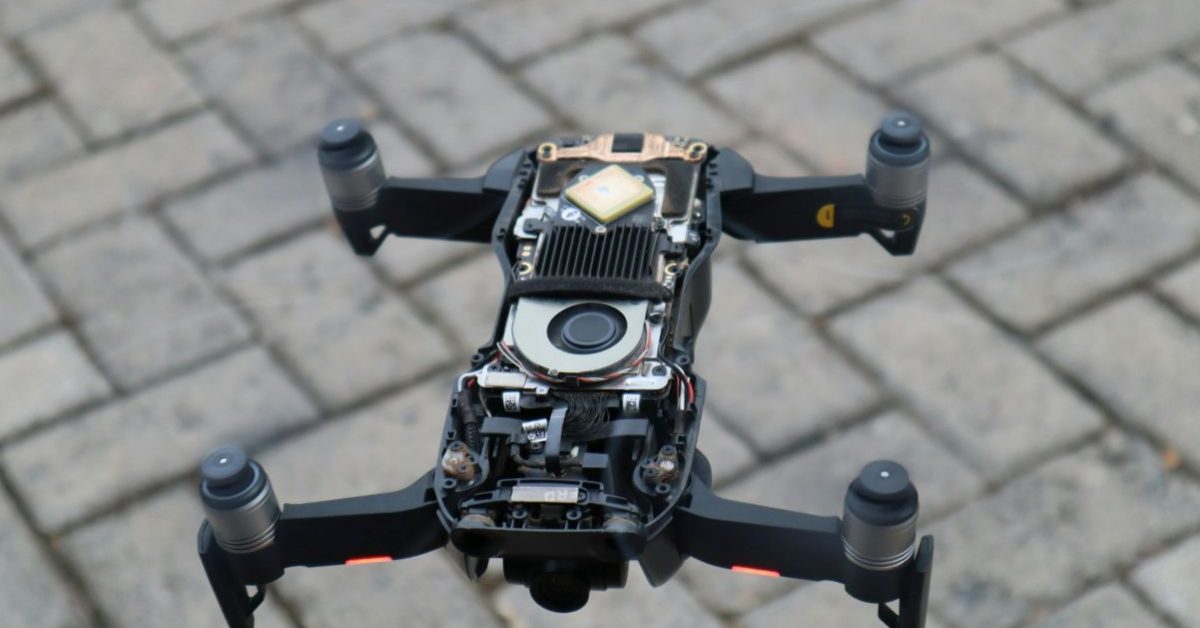
Cellebrite Enhances Drone Investigation Platform with SkySafe Partnership
Cellebrite has expanded its partnership with SkySafe to enhance its drone investigation platform by integrating real-time drone detection and airspace intelligence. This collaboration aims to streamline the process of connecting aerial incidents with digital evidence stored on drones, facilitating a more comprehensive investigation. This development is significant as unauthorized drone activity poses increasing risks around critical infrastructures such as airports and correctional facilities. By combining SkySafe's technology with Cellebrite's forensic capabilities, investigators can monitor drone activity in real-time and analyze evidence more effectively, potentially improving the speed and accuracy of investigations. Looking ahead, Cellebrite's integration of live airspace intelligence with forensic data positions it as a key player in the drone investigation market. As drone usage continues to rise, the ability to quickly correlate aerial events with digital evidence will be crucial for law enforcement agencies in addressing drone-related incidents efficiently. No further timeline was disclosed at the time of publication.
News
ETCO Incorporated Launches New Electrical Connectors and Terminals for Robotics and Automation
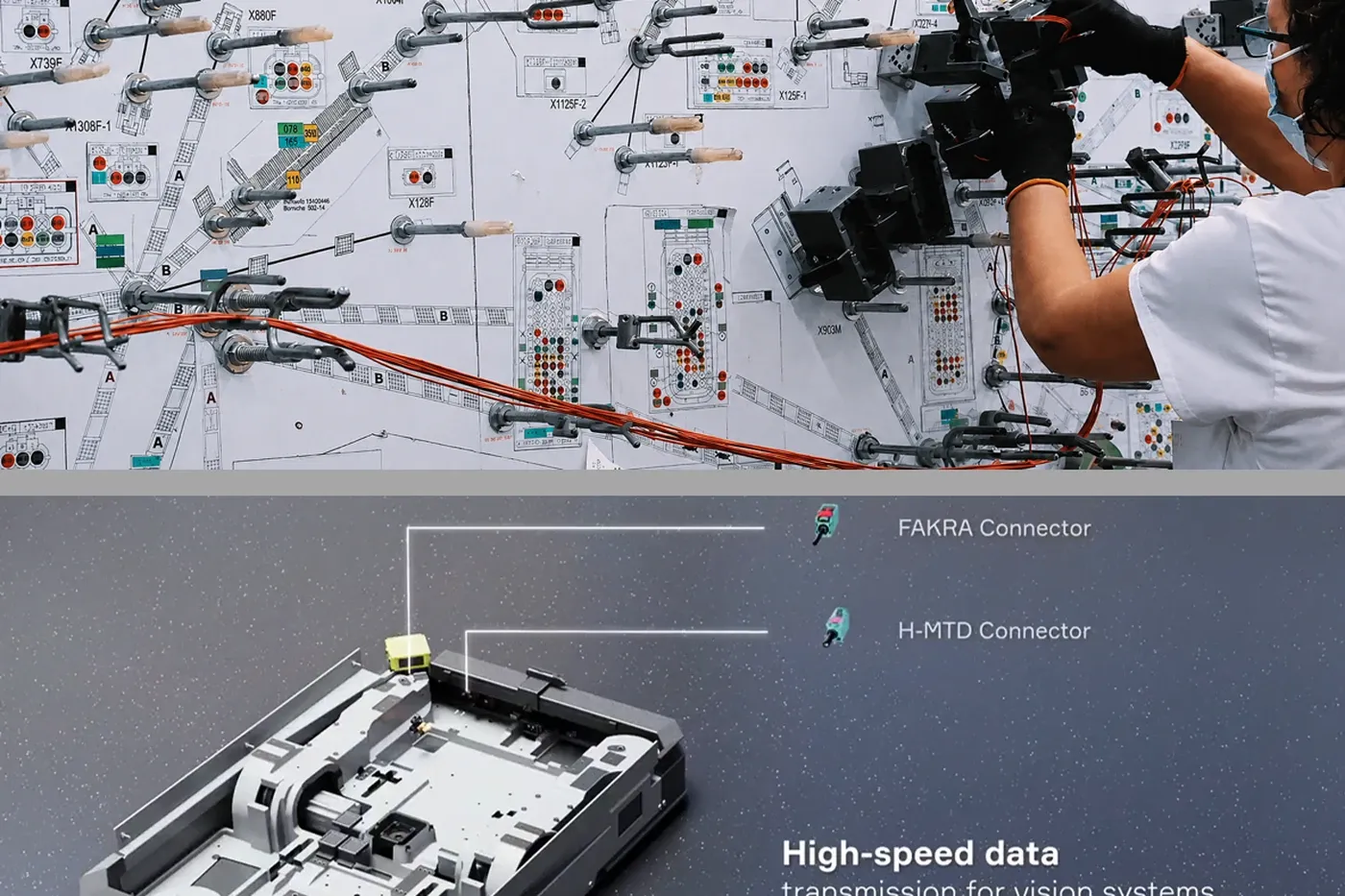
ETCO Incorporated has unveiled a new range of standard and custom electrical connectors and terminals designed specifically for automation systems and robotics. These products are engineered to endure intense operations, constant motion, and vibration, making them suitable for demanding applications. The introduction of these connectors and terminals is significant as they address the growing need for reliable electrical components in automation and robotics. With the increasing complexity of automated systems, the durability and performance of electrical connections are crucial for operational efficiency and safety. Looking ahead, industry stakeholders should monitor the adoption of ETCO's new products in various applications. The effectiveness of these connectors and terminals in real-world scenarios will be key to their success in the market. No further timeline was disclosed at the time of publication.

The Advantages for OEMs Collaborating with Skilled Robotics Integrators
A proficient robotics integrator serves as a vital link between robot manufacturers and customers' operational needs. By leveraging their deep understanding of technology, integrators facilitate the effective application of robotic solutions in real-world scenarios. This collaboration is essential as it ensures that the unique requirements of customers are met while maximizing the potential of robotic technology. OEMs benefit from this partnership by gaining insights into customer operations, leading to tailored solutions that enhance productivity and efficiency. Looking ahead, the role of integrators will continue to evolve as they adapt to emerging technologies and customer demands. OEMs should monitor these developments to optimize their strategies and maintain a competitive edge in the robotics market.

São Paulo Becomes First City to Implement Citywide Drone Detection as a Service Network
R2 Wireless and Ôguen Tecnologias have partnered to launch a managed drone detection service in São Paulo, Brazil, making it the first city to implement a municipal-scale Drone Detection as a Service (DDaaS) network. This initiative aims to address rising concerns over the use of drones by criminal organizations, offering a cost-effective alternative to traditional counter-drone systems. The DDaaS network will provide continuous monitoring of urban airspace through a subscription model, allowing public agencies and private organizations to access drone detection, geolocation, and real-time airspace awareness without the need for hardware purchases. R2 Wireless's technology operates at the physical RF layer, enabling it to detect and geolocate various types of drones, including modified and spoofed systems. As commercial drones evolve, the demand for adaptable counter-drone solutions grows. The partnership aims to support a wide range of users, including critical infrastructure operators and government sites, and reflects a broader trend towards service-based approaches in airspace security. No further timeline was disclosed at the time of publication.
Anti-drone technology C-UAS Drones in the News News ADaaS airspace monitoring
Indonesian Deputy Attorney General for Special Crimes Faces Graft Allegations
Febrie Adriansyah, Indonesia's deputy attorney general for special crimes, is under investigation for graft, raising concerns about police-military tensions. This scandal highlights ongoing issues within Indonesia's legal system and the integrity of its anti-corruption efforts. The investigation into Adriansyah has intensified scrutiny on the relationships between law enforcement and military agencies, as well as the credibility of the prosecution. This situation underscores the challenges faced by Indonesia in combating corruption effectively and maintaining public trust in its institutions. Observers will be watching how this case unfolds and its potential impact on Indonesia's anti-corruption initiatives. No further timeline was disclosed at the time of publication.
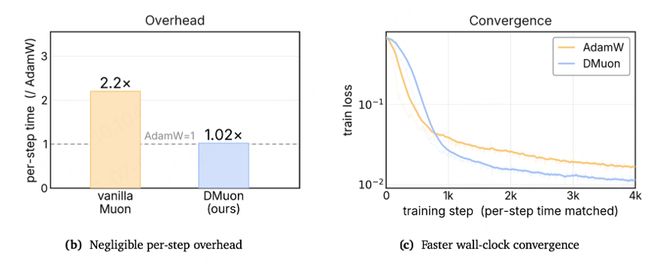
Variable Launches DMuon Optimizer to Improve Distributed Muon Model Infrastructure Efficiency by 30%
Variable Robotics has introduced the DMuon optimizer, enhancing the distributed Muon model infrastructure's efficiency by approximately 30%. This new optimizer addresses the additional computational and communication costs associated with using Muon in distributed training, which previously resulted in an end-to-end step time 2.2 times longer than AdamW. The significance of DMuon lies in its ability to maintain the faster convergence benefits of the Muon optimizer while reducing the end-to-end step time to just 1.02 times that of AdamW. This improvement is achieved through fine-grained communication optimization, computation-aware load balancing, and a high-performance kernel system, making DMuon a viable option for embodied model training without requiring changes to parameter update rules or training frameworks. Looking ahead, DMuon is expected to become a new default choice for embodied model training, as it effectively mitigates the redundant computations and communication overhead that previously hindered Muon's performance in distributed environments. No further timeline was disclosed at the time of publication.
Neural Network Optimization Distributed Training Machine Learning Infrastructure AI Models
Microsoft CEO Satya Nadella Warns Companies About AI Data Risks and Ownership
In a recent blog post, Microsoft CEO Satya Nadella raised concerns about the risks associated with using AI models from proprietary labs like OpenAI and Anthropic. He highlighted that companies are not only paying for AI usage but are also inadvertently sharing sensitive business information, which could be exploited by these labs as they learn from user interactions. Nadella emphasized that enterprises are effectively teaching AI models about their unique business nuances, which could lead to competitors gaining access to invaluable institutional knowledge. He criticized the current model where AI companies can freely train on public data while imposing restrictions on how enterprises can learn from their models. To address these concerns, Nadella suggested that companies should retain ownership of their data and develop proprietary learning environments on cloud platforms. He advocated for the creation of orchestration layers that allow businesses to switch between different AI models, thus avoiding dependency on a single provider. No further timeline was disclosed at the time of publication.
AI Enterprise Microsoft open source ai Satya Nadella
Robbyant Launches LingBot-VA 2.0, the First Embodied-Native AI Model for Robotics
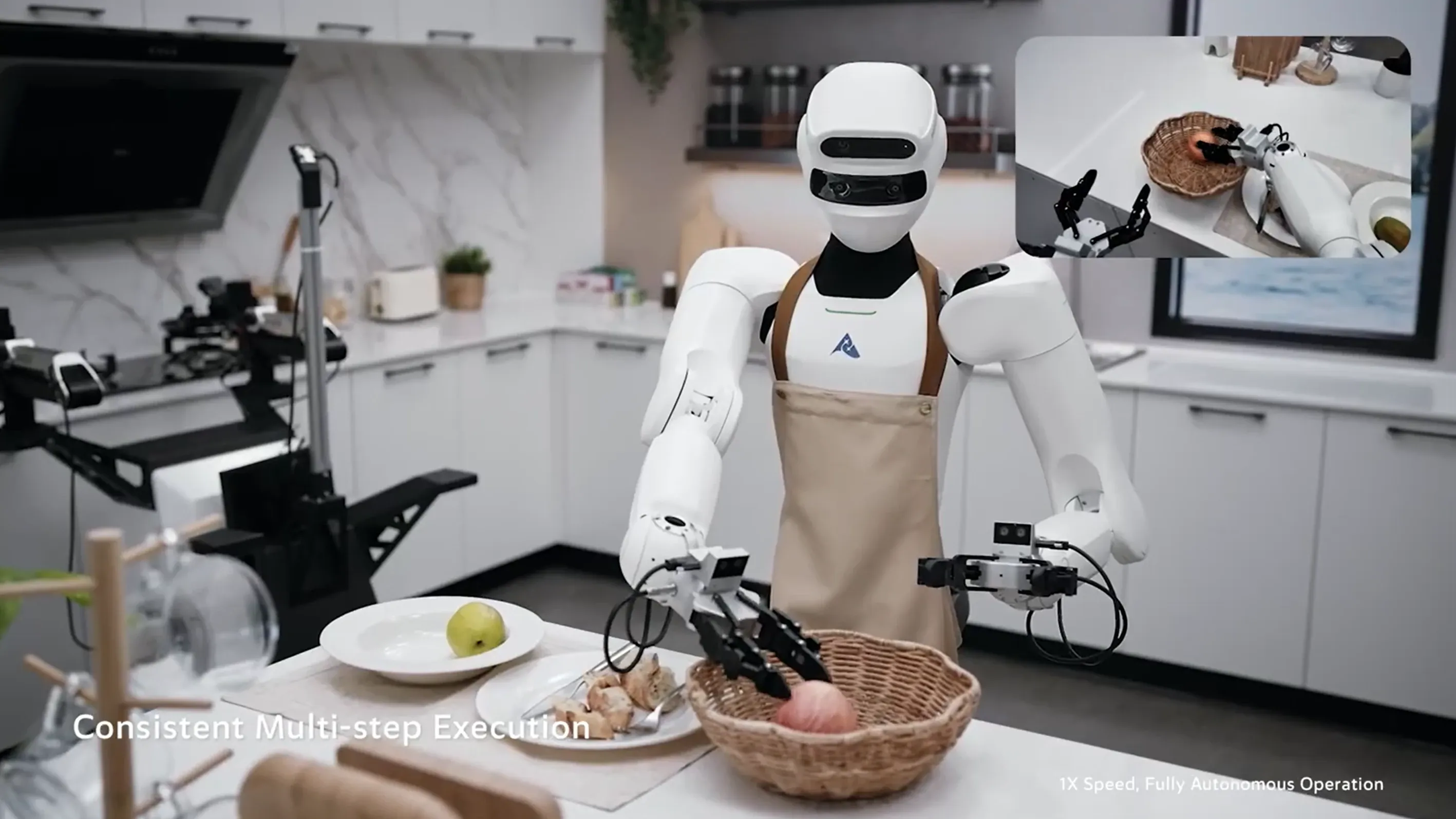
Robbyant, a company under China's Ant Group, has introduced LingBot-VA 2.0, touted as the first embodied-native video-action world model specifically designed for robotics. Unlike traditional models adapted from digital content, LingBot-VA 2.0 is built from the ground up for physical-world tasks, enhancing physical accuracy and execution efficiency through its autoregressive architecture. This innovation is significant as it marks a departure from conventional robotics models that often compromise real-world performance by relying on video generation systems. Robbyant's approach allows for better prediction of how robot actions affect their environment, thus improving generalization and operational effectiveness in real-world applications. Looking ahead, Robbyant's LingBot-VA 2.0 is expected to advance the capabilities of robots in various tasks, demonstrated through its performance in complex scenarios such as preparing breakfast and unpacking deliveries. No further timeline was disclosed at the time of publication.
AI and Robotics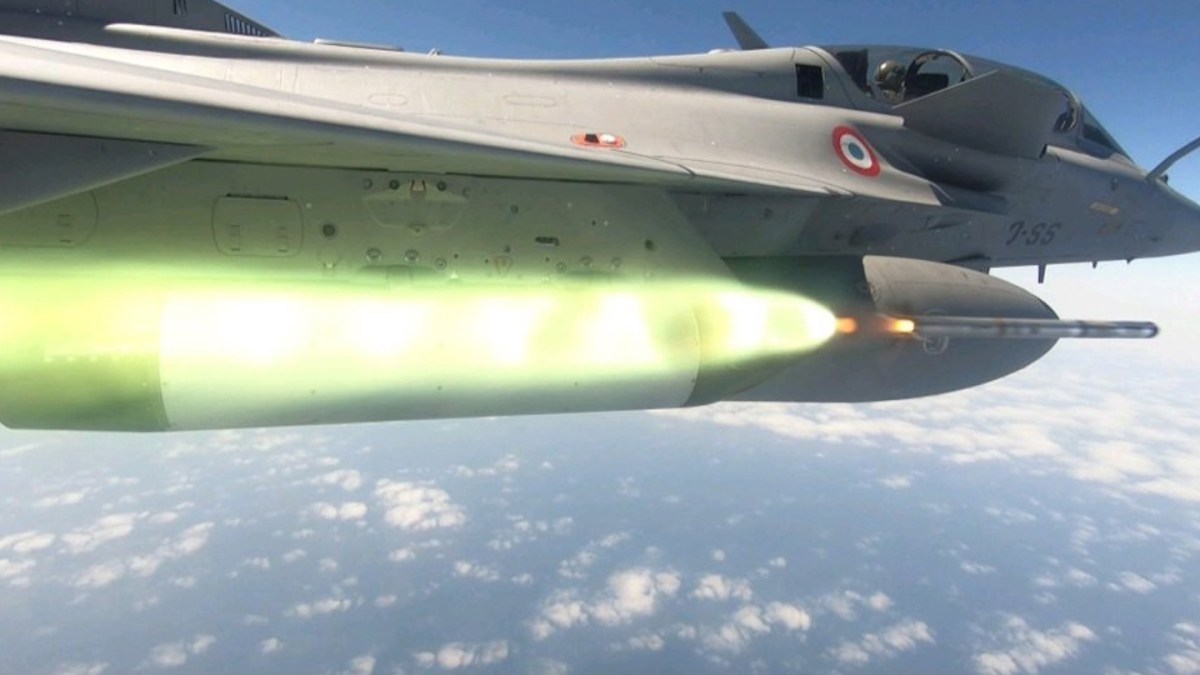
France's Rafale Fighter Integrates Affordable Laser-Guided Rockets for Anti-Drone Operations
France has successfully conducted live-fire tests of 68mm laser-guided rockets from its Rafale fighter, enhancing its anti-drone capabilities. This development follows a trend among air forces to adopt cost-effective solutions for countering drones, rather than relying solely on expensive missiles. The Directorate General of Armaments (DGA) announced the integration of these rockets, which were tested in collaboration with the French Air and Space Force and supported by Dassault Aviation and Thales. The integration program, known as Lutte antidrone sur avion de combat (LADAC), aims to provide French Rafales with a more economical option for countering threats posed by drones like the Iranian Shahed-136. The DGA confirmed that the time from contract award to achieving initial operational capability was under eight months, indicating a swift development process. This capability may also be extended to export customers of the Rafale and potentially other combat aircraft. Looking ahead, the focus will be on the operational deployment of these laser-guided rockets, which are designed to work with the Rafale’s modified RBE2 radar and Talios pod for target tracking. The Aculeus-LG rocket, with a range of 3.7 miles, represents a significant advancement in the cost-effective defense against unmanned aerial systems (UAS). No further timeline was disclosed at the time of publication.
Air Air Forces Drones Fighters French Air Force News & Features
UK Ministry of Defence Awards £3.16m Contracts for Low-Cost Drone Interceptors
The UK Ministry of Defence has allocated £3.16 million in contracts to three British SMEs for the development and testing of new low-cost drone interceptors. This initiative aims to enhance the UK's capabilities in countering drone threats effectively and affordably. The significance of this funding lies in its potential to bolster national security by enabling rapid development of innovative solutions to address emerging aerial threats. By engaging SMEs, the MoD is fostering a competitive environment that encourages technological advancements in drone interception. Looking ahead, the success of these trials could lead to further investments in drone defense technologies. No further timeline was disclosed at the time of publication.
News
The Escalating AI Arms Race in Software Engineering Technical Interviews
The landscape of software engineering job interviews is rapidly evolving due to the increasing use of AI by both candidates and employers. Applicants are employing AI assistants to enhance their performance during remote technical interviews, while companies are countering with AI tools designed to detect such assistance. This dynamic creates a competitive environment where the human element of hiring remains crucial despite the technological advancements. The rise of AI in hiring processes is largely driven by the current job market, which is characterized by a surplus of applicants and ongoing tech layoffs. Experts like AI hiring strategist Tatiana Teppoeva highlight that candidates often resort to AI tools as a response to automated hiring practices that may not favor them. This situation leads to a cycle where both parties leverage AI, potentially shifting the focus from genuine capability to algorithm optimization. As AI tools become more prevalent, concerns regarding their effectiveness and fairness have emerged. While some companies are embracing AI in interviews, others warn of the risks associated with bias and privacy. The need for human oversight in the hiring process is emphasized, as relying solely on AI could result in the exclusion of qualified candidates. No further timeline was disclosed at the time of publication.
Hiring-trends Interviews Ai-bias Software-engineering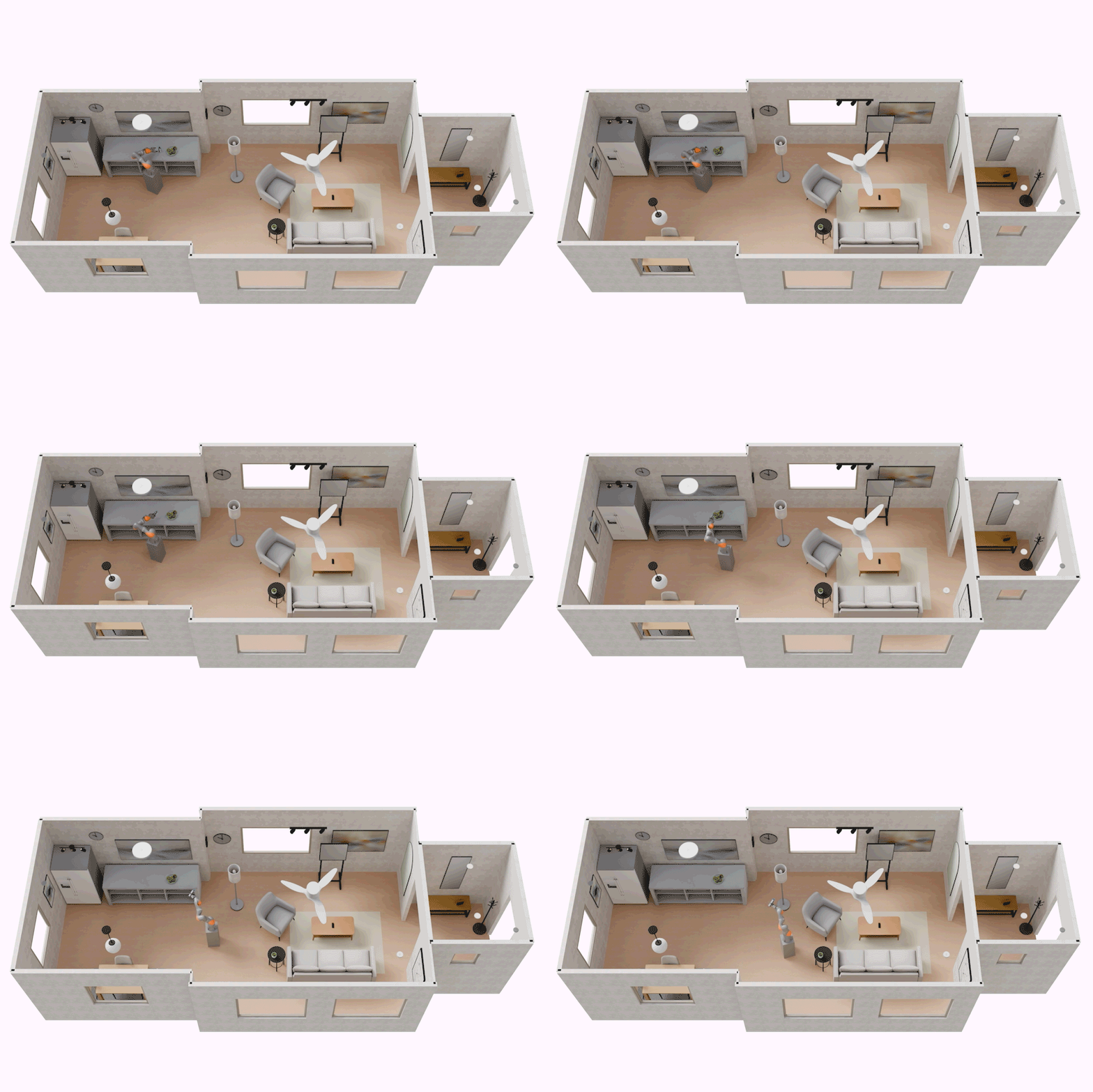
MIT and Toyota Develop SceneSmith to Enhance Robot Training with AI-Generated Environments
MIT and the Toyota Research Institute have introduced SceneSmith, a system that utilizes AI agents to create realistic 3D environments for robot training. This innovation addresses the significant challenge of generating diverse simulation content, which is crucial for teaching robots various tasks in a cost-effective manner. The SceneSmith system employs three AI agents, leveraging the advanced vision-language model GPT-5.2, to design intricate indoor scenes. These environments, featuring up to six times more objects than previous methods, allow robots to practice skills in a rich virtual playground, ultimately reducing the need for extensive real-world testing. As the research progresses, the effectiveness of these AI-generated environments will be closely monitored. The team has already demonstrated that robots can successfully navigate and perform tasks in these virtual settings, indicating a promising future for robotic training methodologies. No further timeline was disclosed at the time of publication.
Research Robotics Artificial intelligence Simulation Computer science and technology Machine learning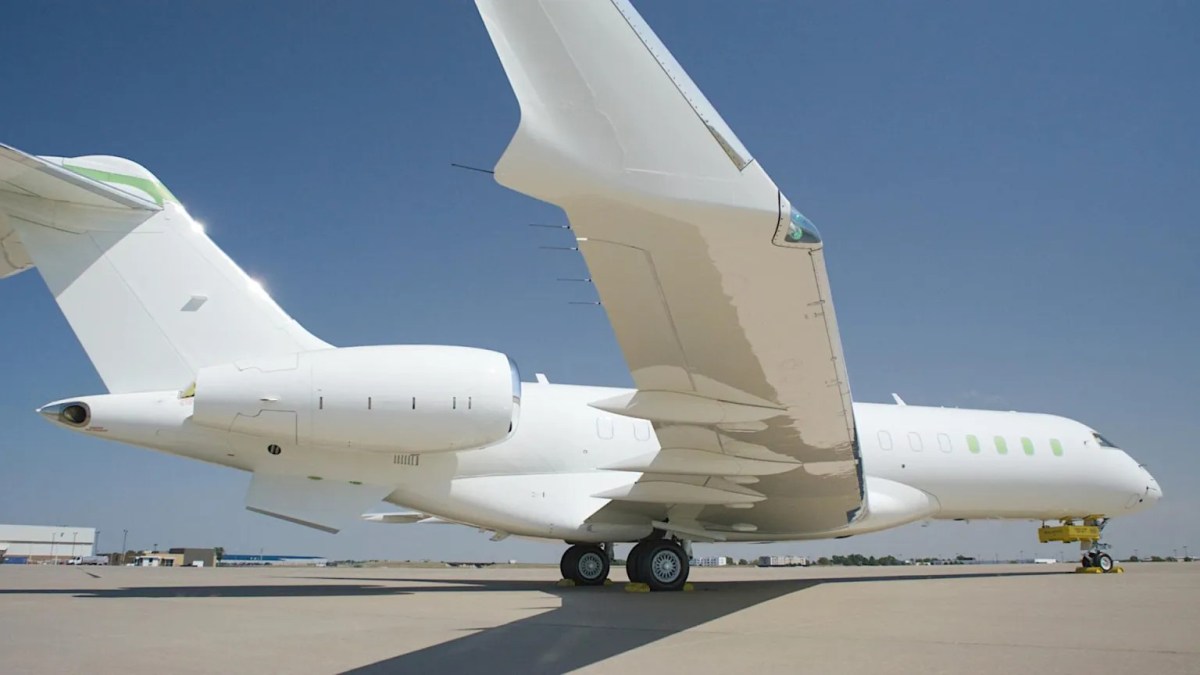
U.S. Army to Establish HADES Aircraft and Drone Battalion at Fort Hood
The U.S. Army has announced that its future fleet of ME-11B High Accuracy Detection and Exploitation System (HADES) aircraft will be stationed at Fort Hood, Texas. This initiative includes the formation of a unique operational drone battalion, aimed at consolidating aerial intelligence, surveillance, and reconnaissance (ISR) assets following the retirement of turboprop ISR planes last year. This development is significant as it marks a pivotal step in modernizing the Army's global aerial ISR capabilities. The relocation of the 116th Military Intelligence Brigade from Fort Gordon to Fort Hood is part of this strategy, enhancing the Army's ability to conduct multi-domain and large-scale combat operations. The ME-11B jets, converted from Bombardier Global 6500 business jets, are expected to improve operational efficiency with higher speed, altitude, and advanced sensor capabilities. Looking ahead, the Army anticipates the delivery of the first ME-11B prototype by the end of the year, with plans to acquire at least six production models. The HADES system is designed to extend the Army's intelligence-gathering reach significantly, utilizing long-range drones to enhance operational effectiveness while minimizing exposure to threats. No further timeline was disclosed at the time of publication.
Air Armies Drones Land Manned ISR News & Features
Ukraine Executes Historic Combat Mission Using Drone Boat to Deploy Armed Robot
Ukraine has conducted a groundbreaking military operation, deploying an armed ground robot via a sea drone on the Russian-occupied Kinburn Spit. This mission, executed by the 123rd Separate Territorial Defense Brigade, marks the first known instance of a sea drone transporting a combat robot into enemy territory, showcasing Ukraine's innovative use of uncrewed systems in warfare. The significance of this operation lies in its demonstration of advanced military technology and strategy, as Ukraine seeks to leverage unmanned systems to counter Russian forces. The use of the uncrewed surface vessel (USV) to deliver the Rys family ground robot reflects a shift towards automation in combat, potentially changing the dynamics of modern warfare. Looking ahead, the continued integration of uncrewed systems in military operations will be crucial for Ukraine's strategy. As the conflict evolves, further developments in robotic warfare and the effectiveness of these technologies in combat scenarios will be closely monitored. No further timeline was disclosed at the time of publication.
Sea Armies Around The Globe Drones Europe Land
X Square Robot Develops Integrated Stack for General-Purpose Robotics
X Square Robot, a Chinese company focused on embodied AI, is pioneering an integrated stack for general-purpose robots. This stack combines data learning, a world model for predicting physical changes, and an action model that integrates perception, planning, reasoning, and decision-making. The company emphasizes the importance of quality interaction data over sheer quantity, utilizing its Universal Manipulation Interface (UMI) to enhance data collection. The significance of X Square Robot's approach lies in its potential to unify various aspects of robotic intelligence, addressing the fragmented nature of current systems. By prioritizing interaction quality and establishing a closed inspection loop for data validation, the company aims to create a more effective learning environment for robots. This method not only reduces costs but also enhances the reliability of the training data, which is crucial for developing general-purpose robots capable of performing diverse tasks. Looking ahead, X Square Robot's WALL-WM world model represents a shift towards event-based action prediction, allowing for more coherent and context-aware robotic behavior. As the company continues to refine its models and data collection methods, the broader robotics community will be watching for independent validation of its results and the potential implications for the future of general-purpose robotics.
Home-robots Type-sponsored Large-language-models Embodied-intelligence Ai-robots Robot-learning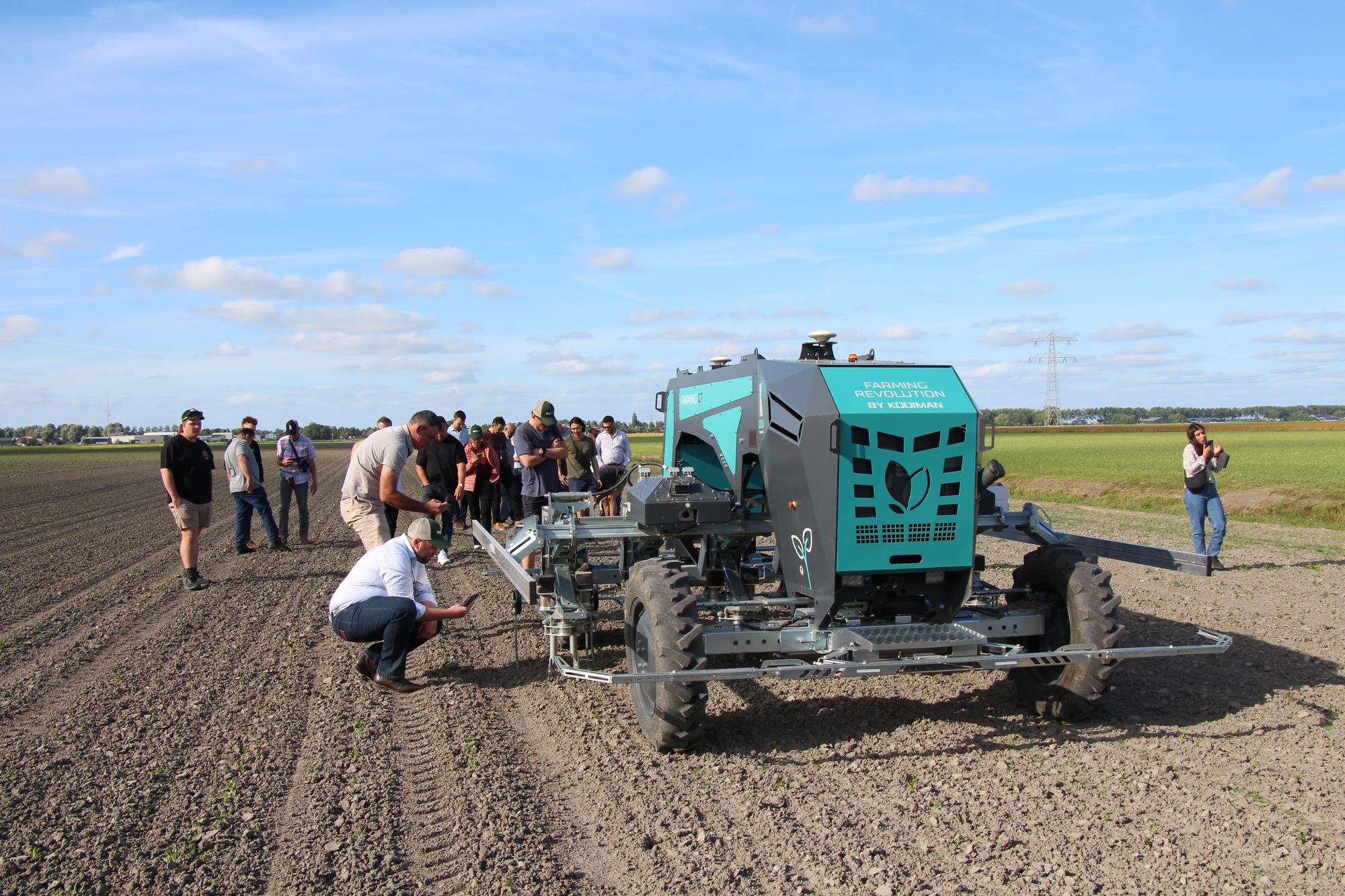
Australian Growers Gain Insights from European Study Tour on Automation and Robotics
Twenty Australian vegetable and onion growers participated in a 10-day study tour across the UK and the Netherlands, organized under the VegMech project. This initiative, led by the Department of Primary Industries (Queensland) and funded by Hort Innovation, aimed to showcase how European farmers are integrating automation and robotics into their agricultural practices. The tour provided firsthand insights into the use of technologies like the Farming GT hoeing robot, which has been effective in managing weeds in crops such as celeriac and pumpkins. With about 40 units sold in Europe, the Farming GT can hoe 8 to 10 hectares daily, addressing labor shortages and promoting sustainable weed management. Looking ahead, Australian growers are keen to explore precision agriculture solutions to enhance crop health while minimizing herbicide use. The interest in technologies like laser weeding indicates a shift towards more sustainable farming practices. No further timeline was disclosed at the time of publication.
Smart farming field robots laser weeding mechanical weeding robotic harvesting sustainable farming
The Importance of Nearshore Call Centers in Supporting Robotics and Automation
Robotics and automation are transforming various sectors, including manufacturing, healthcare, and logistics. While these technologies enhance efficiency and reduce costs, they still require human intervention for troubleshooting. Nearshore call centers have emerged as essential support systems, providing real-time assistance for complex technical issues that automated systems cannot resolve. As businesses increasingly adopt automation, the need for effective customer support becomes critical. Nearshore call centers offer a cost-effective solution, delivering high-quality support that enhances customer experience. These centers facilitate smoother communication and faster response times due to their proximity and cultural familiarity, ensuring that customers receive the personalized assistance they need when unexpected issues arise. Looking ahead, companies must balance operational efficiency with customer satisfaction. The role of nearshore call centers will continue to be vital in maintaining service standards, offering multilingual support, and ensuring that customers can easily access help. No further timeline was disclosed at the time of publication.
Business Communications artificial intelligence automation business automation contact centers
FF Robotics Upgrades Strategy with 'Quad-Core Intelligence' Ecosystem and 2000 Units Target
On July 13, FF founder Jia Yueting announced the upgrade of FF Robotics' strategy from a 'Trinity' model to a 'Quad-Core Intelligence' ecosystem. This strategic iteration follows the launch of four major robot series in February and the completion of the 'Full-Form EAI Robot World' in June, marking a significant advancement in embodied intelligence. The upgrade introduces a new core module focused on industry productivity solutions and a developer platform, targeting four key sectors: education, industrial, security, and inspection. Jia emphasized that this shift aims to transition from standalone capabilities to a comprehensive system that addresses industry-specific pain points, facilitating the practical application of FF robots in real-world scenarios. Looking ahead, FF aims to achieve a sales target of 2000 units by the end of the year, with the Q3 launch of the first FF EAI Robot Productivity Practical League to showcase real-world applications. This initiative, alongside the sales goal, is expected to validate the effectiveness of robots as productivity tools, moving beyond mere demonstrations to practical utility.
Robotics Artificial Intelligence Industry Solutions Productivity Tools
Singapore Team Develops ME-SOFS: A Mechanical Sensor for Touch Perception Without Electronics
A research team from the National University of Singapore has introduced a groundbreaking soft force sensor called ME-SOFS, which converts touch into fluid-driven motion without any electronic components. This innovative sensor features a 3D-printed soft porous structure with a central pillar connected to five fluid-filled chambers. When pressure is applied, the pillar tilts, compressing the corresponding chamber and driving fluid to actuators, enabling the detection of forces in multiple directions. The significance of ME-SOFS lies in its ability to operate without electronic interference, making it ideal for applications in medical training and elderly care. The sensor can generate readable signals through integrated magnets and coils, allowing it to measure force without external power. This technology has been successfully demonstrated in a soft glove that detects grip strength and predicts object weight, as well as in a tactile feedback system that enables operators to control robotic arms through force feedback. Looking ahead, the ME-SOFS sensor demonstrates robust performance under extreme conditions, such as high temperatures and underwater pressures. Its unique design allows it to function effectively in various environments, making it a valuable tool for soft robotics that require safe interaction with humans. No further timeline was disclosed at the time of publication.
Soft Robotics Fluid Sensors Mechanical Systems Robotics Technology
In-Depth Analysis of Adsorption and Locomotion Codesign for Wall-Climbing Robots
The Journal of Field Robotics has published a comprehensive review focusing on the adsorption-locomotion codesign of wall-climbing robots. This review highlights the intricate relationship between the robots' ability to adhere to surfaces and their locomotion capabilities, which are crucial for performing complex operations on various surfaces. Understanding the codesign of these robots is essential as it directly impacts their efficiency and effectiveness in real-world applications. The review emphasizes the importance of optimizing both adsorption and locomotion to enhance the performance of wall-climbing robots, which are increasingly being utilized in fields such as inspection, maintenance, and exploration. Looking ahead, researchers and developers in the robotics field should pay close attention to advancements in adsorption technologies and locomotion strategies. Continued innovation in these areas could lead to significant improvements in the functionality and versatility of wall-climbing robots. No further timeline was disclosed at the time of publication.
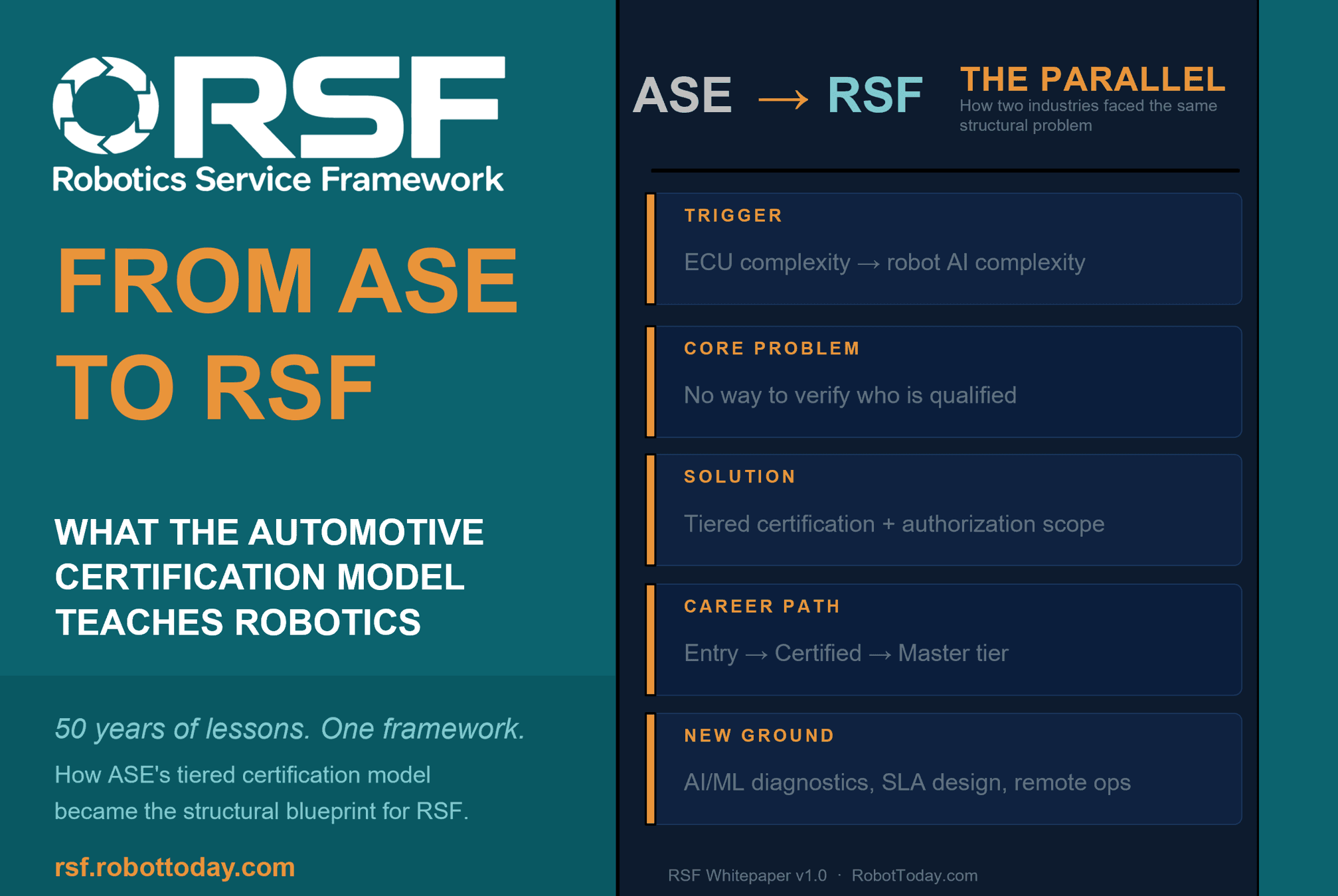
SURVEY ARTICLERobotics needs a service framework.
RSF defines a common language for robot service capability, lifecycle operations, certification pathways, and service-provider networks.