Industry Briefing
A single destination for timely, editor-curated robotics news from around the world.
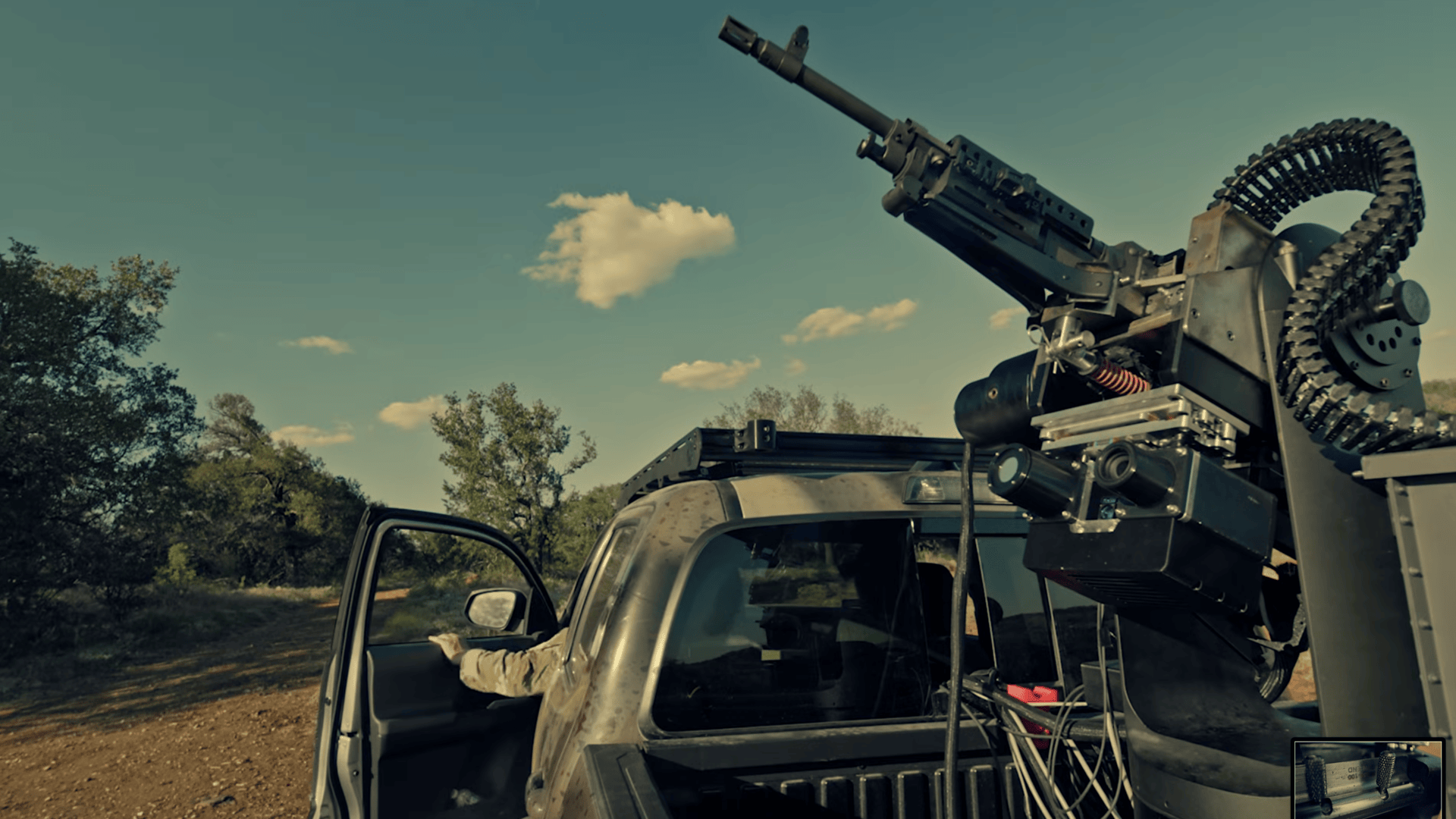
Alien Control Systems Opens 191,000-Square-Foot Facility for Bullfrog Counter-Drone Production
Alien Control Systems (ACS) is launching a new 191,000-square-foot manufacturing facility in Austin, Texas, to enhance production of its Bullfrog counter-drone system. This expansion is a direct response to increased demand from the U.S. and allied nations for effective countermeasures against weaponized drones. The new facility will allow ACS to rapidly scale production of Bullfrog, which integrates computer vision, autonomous control, and precision robotics. The system has already been deployed by the U.S. Army and Navy, and it has contracts with Joint Interagency Task Force 401 and several allied militaries, underscoring its significance in safeguarding critical infrastructure. Looking ahead, ACS aims to further expand Bullfrog's deployment across U.S. military services, following its recent selection by the U.S. Marine Corps for the Ground Based Air Defense program. No further timeline was disclosed at the time of publication.
Military
Teledyne Secures $15.4 Million Contract to Boost European Drone Production
Teledyne Energetics UK, a division of Teledyne Technologies, has secured a $15.4 million contract with a European defense technology manufacturer. This agreement aims to supply specialist energetics for advanced unmanned systems, facilitating the transition of next-generation drone programs from development to large-scale production. The contract is significant as it aligns with Europe's efforts to enhance its own drone capabilities and reduce reliance on external supply chains. Teledyne's role involves providing critical components that ensure the reliability and safety of unmanned systems, which are increasingly vital in modern warfare. Looking ahead, Teledyne anticipates that the initial contract could evolve into a relationship exceeding $50 million as production needs grow. Deliveries are commencing immediately, and the company is poised to expand its regional manufacturing capacity to support European drone makers in scaling production effectively.
News
Vision Aerial Begins Production of Vulcan Drones Ahead of Mobix Labs Acquisition
Vision Aerial has commenced production of its new Vulcan drone family, including the Vulcan SX and the pre-order launch of the Vulcan YX. This move follows the announcement of its acquisition by Mobix Labs, which aims to enhance its portfolio with American-made autonomous aerial systems. The production of the Vulcan drones is significant as it reflects Vision Aerial's commitment to meeting the demands of commercial and government sectors, including infrastructure inspection and public safety. The company anticipates a revenue increase of approximately 46% in 2026 and 93% in 2027, contingent on various market factors. As the acquisition by Mobix Labs approaches, Vision Aerial is poised to leverage its established relationships with clients like the US Navy and L3Harris. The successful integration of Vision Aerial's manufacturing capabilities into Mobix's strategy could enhance the development of secure drone platforms, particularly as demand for US-made products rises.
News
Japan Accelerates Production of 3D-Printed Interceptor Drones to Mitigate Supply Chain Risks
Japan is fast-tracking the production of 3D-printed interceptor drones to enhance its defense capabilities against potential supply chain attacks. This initiative underscores the importance of advanced manufacturing technologies in military applications, particularly in ensuring rapid availability of critical components. The move is significant as it reflects Japan's commitment to strengthening its defense infrastructure amid rising global tensions. By leveraging 3D printing, Japan aims to create a more resilient supply chain for military hardware, which is crucial for maintaining operational readiness in the face of evolving threats. Looking ahead, the focus will be on the successful implementation of these 3D-printed drones within Japan's defense strategy. No further timeline was disclosed at the time of publication.
Military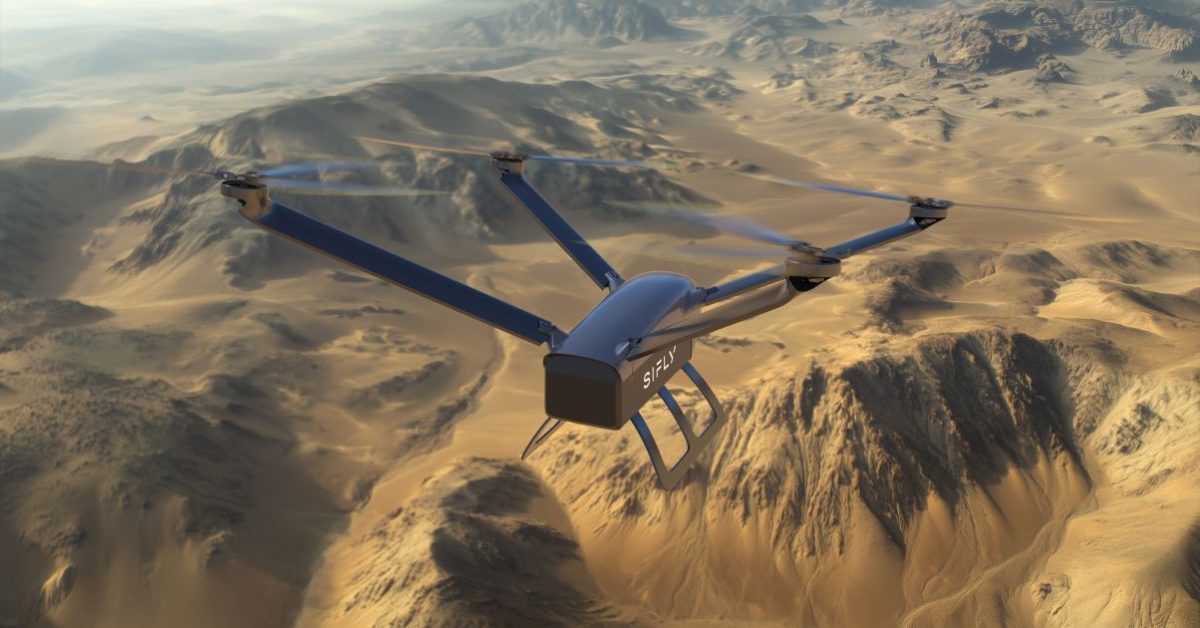
SiFly Aviation Secures $20 Million to Enhance Q12 Drone Production in the US
SiFly Aviation, based in California, has successfully raised $20 million in Series A funding to boost production of its Q12 electric drone and advance its DronePort infrastructure. This funding round was led by Shield Capital, with contributions from various investors including Qudit and BBK Capital. The significance of this funding lies in SiFly's claims regarding the Q12's capabilities, which reportedly include flying four to five times longer and up to 10 times farther than leading multirotor drones, while carrying payloads of up to 10 pounds. With thousands of test flights completed, including a Guinness World Record for the longest flight in its class, the Q12 is positioned to meet the needs of industries requiring longer flight times. Looking ahead, SiFly aims to leverage this funding to expand its manufacturing capabilities in the US and fulfill its order backlog. The company targets sectors such as public safety, utility inspection, and agriculture, where the Q12's extended range can significantly enhance operational efficiency. No further timeline was disclosed at the time of publication.
News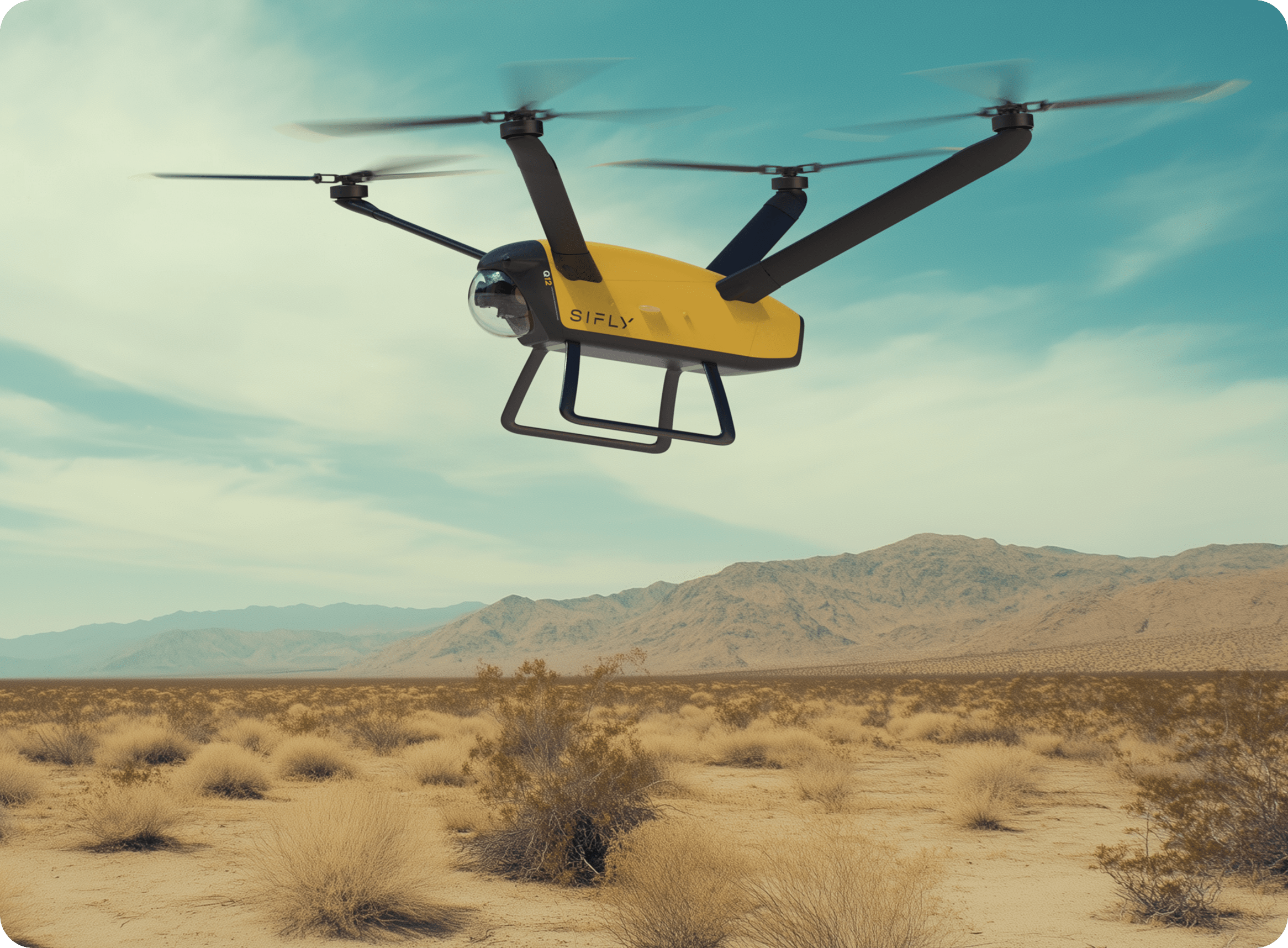
SiFly Secures $20 Million to Boost U.S. Production of Q12 Long-Endurance Drones
SiFly Aviation has successfully raised $20 million in Series A funding to enhance the U.S. production of its long-endurance Q12 electric drone. The financing round was led by Shield Capital, with contributions from Qudit, BBK Capital, Alumni Ventures, and other investors. The funds will be utilized to ramp up production and facilitate customer deliveries while continuing the development and field testing of its DronePort multi-drone infrastructure system. This funding is significant as it allows SiFly to address the limitations of traditional multirotor drones, particularly in flight endurance. The Q12 can fly four times longer and up to 10 times farther than leading enterprise drones, carrying payloads of up to 10 pounds. The aircraft has undergone extensive testing, achieving a Guinness World Record for the longest electric multirotor flight in its weight class, lasting over three hours. Looking ahead, SiFly aims to leverage the Q12's capabilities across various sectors, including public safety, utilities, infrastructure, and agriculture. The company believes that the longer endurance of the Q12 will enhance operational efficiency and response capabilities for drone operators. No further timeline was disclosed at the time of publication.
Applications DFR Drone News Drone News Feeds Featured – Safety and Security Fire and Police
SiFly Secures $20 Million Series A to Enhance U.S. Production of Q12 Drones
SiFly Aviation has announced a successful $20 million Series A funding round led by Shield Capital, with participation from Qudit, BBK Capital, and Alumni Ventures. This financing aims to boost the manufacturing and customer delivery processes for SiFly's Q12 long-endurance electric aircraft. The significance of this funding lies in its potential to accelerate the production capabilities of SiFly, allowing for quicker deployment of the Q12 aircraft. Additionally, the investment will support the development and field validation of SiFly's DronePort multi-drone infrastructure system, which is crucial for enhancing operational efficiency. Looking ahead, stakeholders should monitor SiFly's progress in scaling production and fulfilling customer orders for the Q12. No further timeline was disclosed at the time of publication.
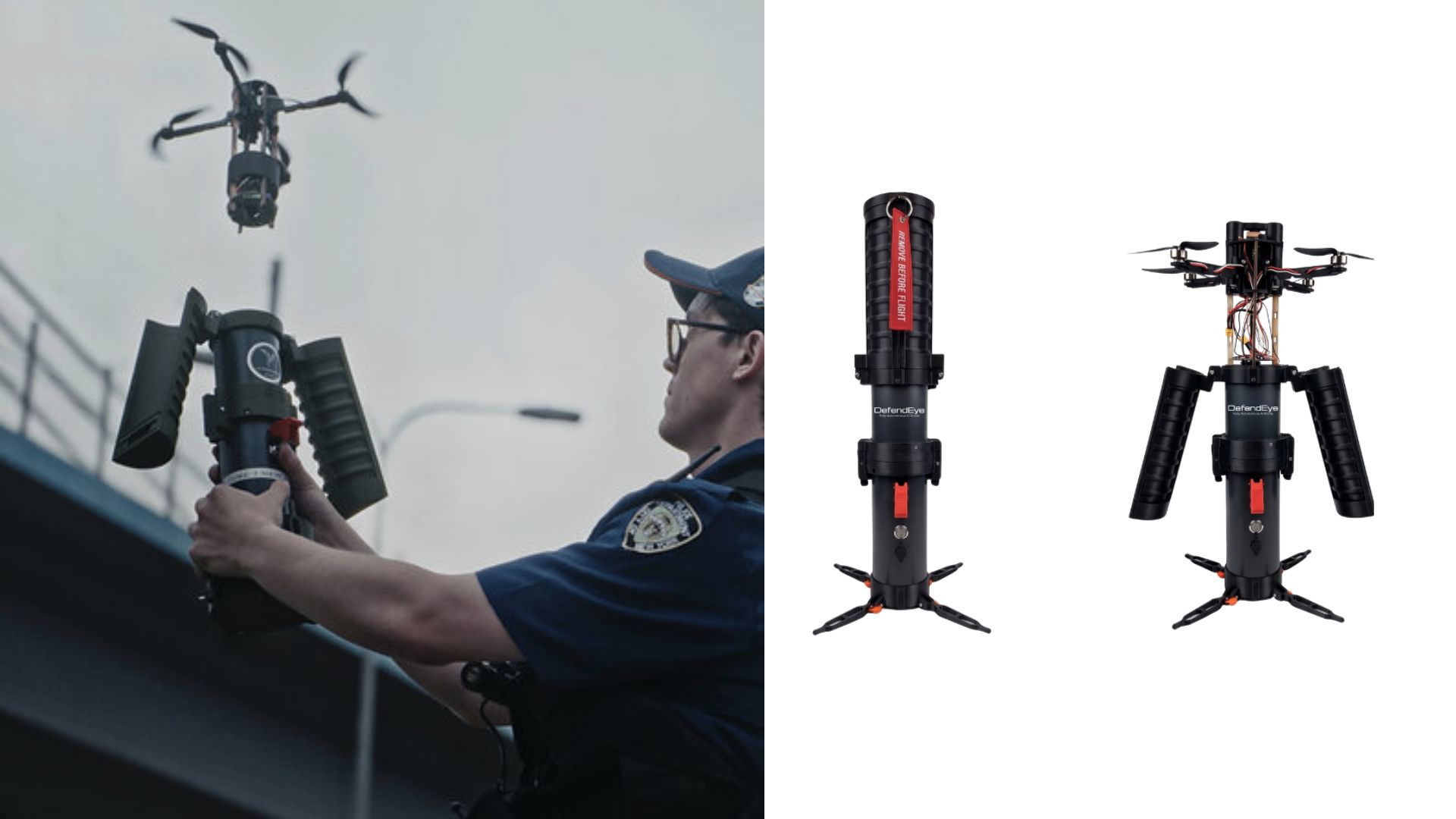
DefendEye to Scale Production of First Autonomous AI Drone for First Responders
DefendEye has announced plans to scale up production of the Overwatch Drone, the world's first autonomous AI drone designed for first responders, following a significant investment round led by NovaCapital. This funding will enable the company to enhance its operations and manufacturing capabilities at its facilities in Hallandale Beach, Florida, and Krakow, Poland. The Overwatch Drone is engineered to provide emergency personnel with immediate situational awareness, deploying in seconds without the need for trained pilots. This innovative system utilizes onboard AI to detect and identify individuals from the air, making it a vital tool for police, firefighters, and search-and-rescue teams in high-stakes environments. Looking ahead, DefendEye aims to redefine crisis management through its autonomous aerial capabilities, ensuring that first responders have rapid access to live video feeds and critical information. No further timeline was disclosed at the time of publication.
AI and Robotics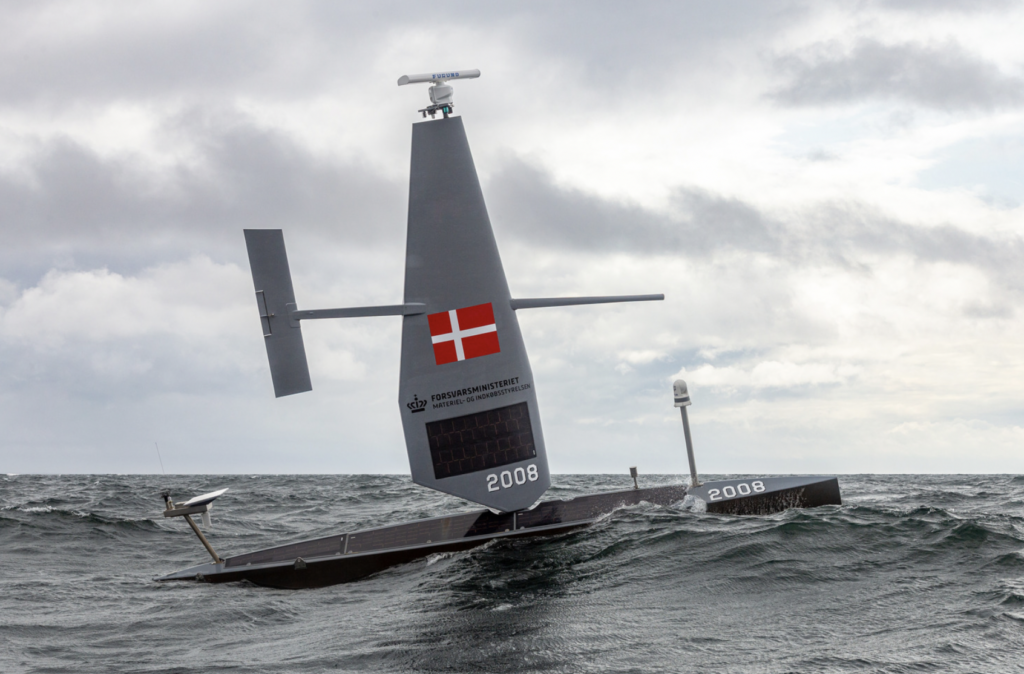
Saildrone Expands European Operations with Production Facilities in Three Nations
Saildrone, a US manufacturer of unmanned surface vessels, is broadening its European presence by establishing production facilities in the Netherlands, Norway, and Poland. This expansion coincides with the upcoming DALO Industry Days in Denmark, where Saildrone has also set up its EU headquarters earlier this year. The company is initiating three construction projects aimed at enhancing its capacity to quickly build and deploy unmanned surface vessels (USVs) across European waters. The first 52-meter Saildrone Spectre will be constructed at Van Der Valk Shipyard in the Netherlands, while the next generation Saildrone Surveyor will be produced in Norway. Additionally, Southern Spars will manufacture the wings of the Surveyor USVs in Poland. Looking ahead, Saildrone's operations will support maritime surveillance and intelligence-gathering efforts, particularly with the Danish Armed Forces trialing Saildrone Voyager USVs in 2026. The company emphasizes its commitment to meeting demand in Europe, although specific future contracts remain undisclosed at this time.
Naval Warfare Denmark Europe Navy Netherlands Norway
Florida Firm Haddy Utilizes Robotic Arms for 3D Printed TF-179 Drone Boat Production
Haddy, a Florida-based manufacturing company, has successfully produced the TF-179 Drone Boat using large-format robotic 3D printing. This innovative approach highlights the integration of additive manufacturing into maritime and defense sectors, allowing for faster production and more complex designs compared to traditional methods. The significance of this development lies in the evolving landscape of maritime manufacturing, where digital production technologies enable the rapid creation and modification of specialized vessels. Haddy's use of industrial robotic arms not only enhances production efficiency but also shortens development cycles, which is crucial for adapting to the dynamic requirements of unmanned maritime systems. Looking ahead, Haddy's advancements in robotic manufacturing indicate a growing demand for specialized maritime platforms within the US defense sector. As the company continues to refine its capabilities, the focus will likely remain on producing unmanned vessels that meet the changing operational needs of defense applications. No further timeline was disclosed at the time of publication.
Innovation
Robinson Unmanned Progresses in Drone Dominance Program as Pentagon Emphasizes Scalable Production
Robinson Unmanned has progressed to the next stage of the U.S. Department of Defense’s Drone Dominance Program, marking a significant shift in defense procurement practices. The program now assesses not only drone performance but also the ability of manufacturers to produce reliable and cost-effective systems at scale using secure U.S. supply chains. This advancement is crucial as the Pentagon's challenge-based acquisition process seeks to identify companies capable of rapidly delivering thousands of mission-ready drones while ensuring resilient supply chains. Robinson Unmanned is competing with its SPIRIT-FPV system, built on the Blue UAS Cleared SPIRIT platform, and must meet stringent production requirements to qualify for the next phase. Looking ahead, the emphasis on manufacturing readiness in the Drone Dominance Program indicates a changing landscape in military procurement. Companies must demonstrate their ability to manufacture complete systems under tight timelines, with military operators evaluating the systems in realistic scenarios. No further timeline was disclosed at the time of publication.
Applications Defense defense Drone News Drone News Feeds Drones in the News
Kratos Begins Production of XQ-58 Valkyrie Drones with Landing Gear
Kratos has initiated production of its XQ-58 Valkyrie drones equipped with landing gear, alongside ongoing production of rocket-assisted takeoff variants. The U.S. Marine Corps is acquiring these landing gear-equipped drones for its MUX TACAIR program, highlighting the Valkyrie's strategic importance in military operations. The introduction of landing gear enhances the Valkyrie's operational versatility, allowing for conventional landings while maintaining the option for rocket-assisted takeoffs. This dual capability is crucial for various mission profiles, as noted by Kratos' President of Unmanned Systems Division, Steve Fendley, during a recent update on the program. Looking ahead, Kratos aims to deliver the first CTOL Valkyries by 2029, with production ramping up for both configurations. The company is also exploring international sales opportunities, indicating a growing interest in the Valkyrie platform among global defense customers. No further timeline was disclosed at the time of publication.
Air Drones Loyal Wingman News & Features Unmanned XQ-58
PDW and DOD Secure $820M Conditional Loan to Enhance Domestic Drone Component Production
The Department of Defense (DOD) has awarded an $820 million conditional loan through its Office of Strategic Capital to PDW. This funding aims to establish the production of drone and robotic components in the United States, including propulsion, power and control systems, and vision technologies that enhance drone performance. This initiative is significant as it supports the manufacturing of components for Group 1 and Group 2 unmanned aircraft systems, which weigh up to 55 pounds and can reach altitudes of 3,500 feet with speeds of approximately 288 miles per hour. The move is part of a broader strategy to reduce reliance on Chinese drone technology amid national security concerns, especially as China currently holds a dominant position in the global drone market. Looking ahead, the DOD's actions, including the National Defense Authorization Act for fiscal year 2026, will further restrict procurement from foreign entities of concern. As the industry adapts to these changes, companies are expected to expand their production capacities domestically. No further timeline was disclosed at the time of publication.

Ukraine Aims to Double Drone Production to 20 Million Annually with EU Support
Ukrainian President Volodymyr Zelenskyy announced that Ukraine is currently producing 10 million drones each year. With the assistance of partners, the country aims to increase its drone production capacity to 20 million annually. This initiative is significant as it highlights Ukraine's commitment to enhancing its unmanned systems capabilities amid ongoing challenges. The collaboration with partners, particularly the EU, is expected to accelerate the production process and improve the technological advancements in drone manufacturing. Looking ahead, stakeholders will be keen to monitor the progress of this production increase and the potential impact on Ukraine's defense capabilities. No further timeline was disclosed at the time of publication.
Air Warfare Air Force Drones EU Europe Fincantieri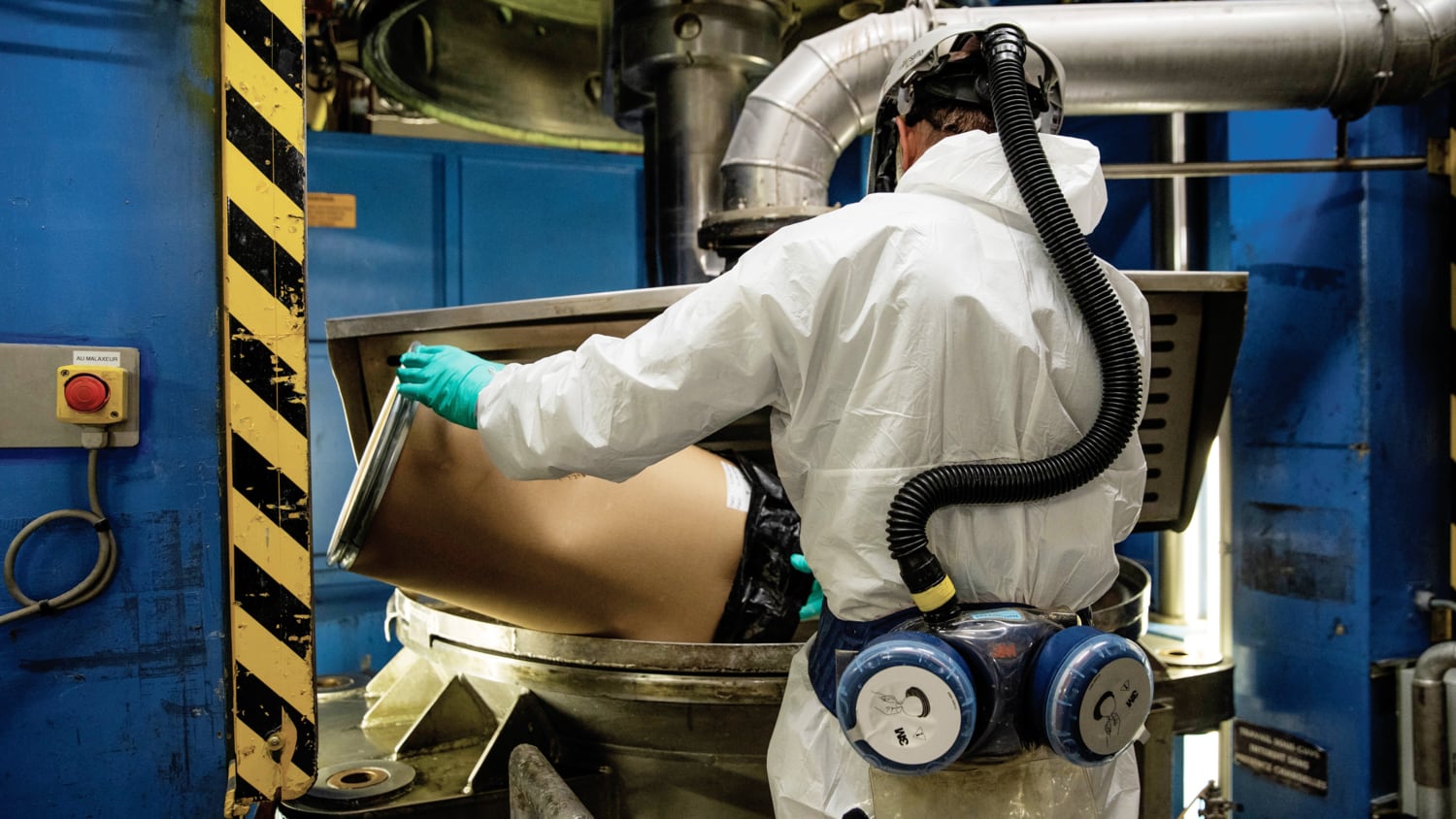
Eurenco to Enter Drone Market with Production of Military-Specific Explosive Heads
At the Eurosatory exhibition held in mid-June in Villepinte, France, Eurenco announced its plans to enter the drone market by producing specific military explosive heads. The company stated it is capable of manufacturing between 10,000 and 15,000 explosive heads per month. This move is significant as it positions Eurenco to meet the growing demand for drone munitions, reflecting a broader trend in military technology where drones are increasingly utilized in combat scenarios. The production capacity of 10,000 to 15,000 units monthly indicates a strong commitment to scaling operations in this emerging market. Looking ahead, industry observers will be keen to see how Eurenco's entry into the drone munitions sector will influence competition and innovation in military applications. No further timeline was disclosed at the time of publication.
Drones
Japan Plans Defense Subsidies to Boost Domestic Drone and Ammunition Production Capacity
Japan is set to introduce defense subsidies aimed at enhancing domestic production capabilities for critical items such as drones and ammunition. This initiative is part of a broader strategy to ensure that the country can meet its national security needs in times of crisis, particularly in light of increasing regional threats. The significance of these subsidies lies in their potential to attract new suppliers and support existing ones, thereby strengthening Japan's defense industrial base. As the geopolitical landscape evolves, the ability to produce essential military supplies domestically becomes increasingly vital for national security. Looking ahead, stakeholders will be monitoring the implementation of these subsidies and their impact on Japan's defense capabilities. No further timeline was disclosed at the time of publication.
PDW CEO Emphasizes Domestic Drone Production and Component Manufacturing for U.S. Military
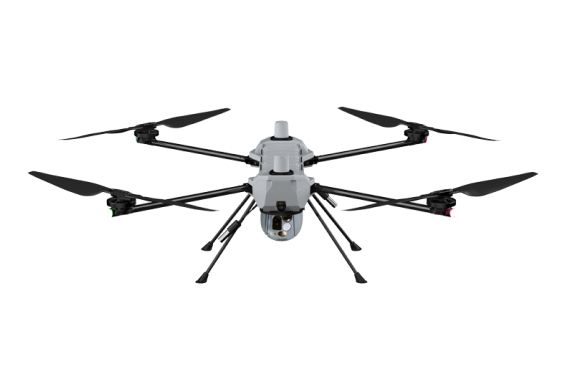
James Slider, CEO of PDW Holdings, highlighted the necessity of establishing domestic production for drones and their critical components to support the U.S. military. He emphasized that while America excels in innovation, the real challenge lies in scaling production effectively. PDW has secured a conditional loan of up to $820 million from the Department of War to enhance domestic manufacturing capabilities. The urgency for U.S. drone production is underscored by the ongoing conflict in Ukraine, which has shown the importance of rapid drone deployment and the need for resilient supply chains. Slider pointed out that the U.S. must learn from Ukraine's strategy, as innovation alone does not equate to capability without production. The reliance on foreign supply chains for essential drone components poses significant risks to U.S. defense readiness. Looking ahead, the focus will be on increasing domestic manufacturing to reduce dependence on foreign sources, particularly for critical components like rare-earth magnets. Slider's comments reflect a broader industry concern about maintaining a robust supply chain to ensure the U.S. military can effectively respond to emerging threats. No further timeline was disclosed at the time of publication.
DL Exclusive Drone News Drone News Feeds Dual Use Feature 1 News
Saildrone Expands European Operations with New Manufacturing and Headquarters in Copenhagen
Saildrone has announced a significant expansion in Europe, establishing multiple manufacturing sites and its EU headquarters in Copenhagen. This expansion includes contracts for building the 52-meter Saildrone Spectre in the Netherlands, the next-generation Saildrone Surveyor in Norway, and Surveyor wings in Poland. This move is crucial as it enhances Saildrone's capacity to support European customers with unmanned surface vehicles (USVs) that address maritime challenges such as illegal fishing and drug trafficking. The establishment of local operations will enable Saildrone to provide direct support and maintenance for its USVs in the region. Looking ahead, Saildrone's new headquarters will facilitate business development and operational activities across Europe. The company aims to strengthen its presence and capabilities in the European market, responding to the growing demand for advanced maritime technology solutions. No further timeline was disclosed at the time of publication.
saildrone major european expansion production operations usv
Neros Technologies Secures $250 Million to Enhance Defense Drone Production by 2026
Neros Technologies announced the successful completion of a $250 million Series C funding round, elevating its valuation to $2.5 billion. The funding aims to expedite the development and production of its defense drones, including the Archer AI and Bandit models, which are set for deployment by the end of 2026. This funding is crucial as Neros seeks to fulfill its ambitious goal of producing 1 million drones annually, a mission that remains unchanged despite the expanding range of capabilities and mission sets. The company has secured significant contracts with the U.S. Army, Marine Corps, and various allied nations, positioning itself as a key player in the defense drone market amid rising global demand. Looking ahead, Neros Technologies plans to leverage this capital to enhance its drone manufacturing capabilities, particularly in response to the ongoing conflicts in Ukraine, Gaza, and Iran. The company aims to deliver advanced drone solutions that provide credible deterrence and support military operations effectively.
Defense / Security Drones Financial Investments Markets / Industries News
Neros Secures $250 Million Funding to Advance Drone Production and Technology
Drone startup Neros has successfully raised $250 million in a funding round co-led by Sequoia, increasing its valuation to $2.5 billion. This investment will support Neros as it expands its offerings beyond strike drones to include autonomous systems and drone interceptors. The significance of this funding lies in Neros's ambition to establish a robust US supply chain for drone production, reducing reliance on China. CEO Soren Monroe-Anderson and Sequoia partner Shaun Maguire highlighted their goal of ramping up production capabilities, aiming to manufacture one million drones annually. Looking ahead, stakeholders should monitor Neros's progress in scaling production and the development of its autonomous systems. No further timeline was disclosed at the time of publication.

EU Motors Aims for 350,000 Drone Motors by 2026 with New U.S. Production Plans
EU Motors, a prominent manufacturer of high-performance brushless drone motors, has announced its goal to produce over 350,000 drone motors by 2026. The company is expanding its operations in the U.S. with plans to establish exclusive stator production and deploy advanced robotic assembly lines at its facility in Hallandale Beach, Florida. This expansion is significant as it highlights EU Motors' commitment to enhancing its manufacturing capabilities and increasing its market presence in the drone industry. By investing in proprietary intellectual property and custom robotics, the company aims to improve efficiency and production quality, positioning itself competitively in the growing drone market. Looking ahead, the deployment of next-generation robotic assembly lines is set for Q4 2026. This move will not only bolster production capacity but also showcase EU Motors' innovative approach to manufacturing. No further timeline was disclosed at the time of publication.

France's New Partnerships Aim to Boost Domestic Drone Production Using Automotive Expertise
France is advancing its domestic drone production through partnerships between major automotive companies and drone manufacturers. This initiative aims to utilize France's robust automotive manufacturing base to enhance the production of autonomous systems, reflecting a significant shift in industrial strategy across Europe and North America. The collaboration involves established automakers and suppliers, with Renault and Thales redesigning the Toutatis loitering munition for automotive-style production, targeting 1,000 units per month by 2027. Additionally, Delair and Schaeffler plan to produce about 100 drones daily by November, while Valeo and Forvia are expanding their roles in electric motors and counter-UAS technologies, respectively. This approach emphasizes efficient manufacturing over design. Looking ahead, the partnerships signify a broader trend in the drone industry, where operational deployment and manufacturing capacity are becoming as crucial as technological innovation. No further timeline was disclosed at the time of publication.
Drone Manufacturing Drone News Drone News Feeds Drones in the News Europe Drone Industry News
Terra Drone to Begin Mass Production of Japanese-Made Drone Battery Packs
Terra Drone Corporation announced on July 27, 2026, its plans to mass-produce cylindrical-cell battery packs in Japan. This initiative aims to reduce reliance on Chinese suppliers and cater to NDAA-compliant defense customers. The company will utilize these battery packs for its own industrial and defense drones while also supplying third-party manufacturers domestically and internationally. This development is significant as Japan currently depends heavily on foreign sources for high-output cylindrical-cell batteries, with Chinese suppliers dominating approximately 90% of the global industrial drone market. The Japanese government has identified batteries as critical components exposed to supply chain risks, making Terra Drone's domestic production a strategic move to enhance national security and self-sufficiency in defense capabilities. Looking ahead, Terra Drone plans to expand its production capabilities to include motors and controllers. The company will leverage its existing sales network and overseas offices to market the battery packs to various sectors, including heavy industry and defense primes. No further timeline was disclosed at the time of publication.
battery technology Drone News Drone News Feeds Japan Drone Industry Japan Drone News News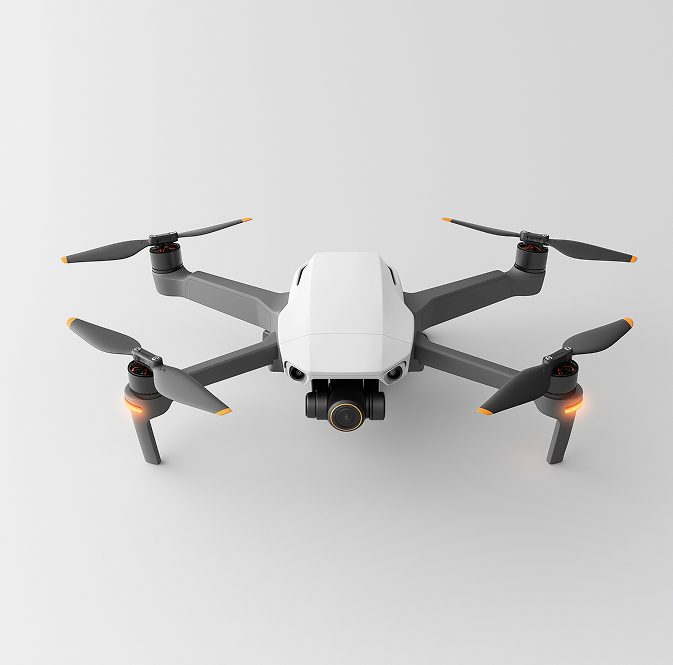
Sila Secures $300 Million to Enhance U.S. Battery Anode Production for Drones
Sila has successfully raised $300 million in private funding aimed at expanding its silicon-carbon battery anode technology production in the United States. This investment will bolster manufacturing capacity at its Moses Lake, Washington facility, facilitating a Phase 2 expansion and accelerating the production of its Titan Silicon® anode technology. The significance of this funding lies in its potential to strengthen domestic supply chains for advanced battery materials, particularly in light of the current dominance of China in anode material processing and battery cell manufacturing. With battery materials becoming increasingly crucial for technology security, Sila's efforts could mitigate supply chain risks for industries reliant on advanced batteries, including drones, defense systems, and electric vehicles. Looking ahead, Sila's expansion plans include increasing its Moses Lake facility's capacity from an initial 2 GWh to as much as 250 GWh over the next five years, potentially establishing it as the world's largest anode production site. No further timeline was disclosed at the time of publication.
Applications Drone Manufacturing Drone News Drone News Feeds News AI infrastructure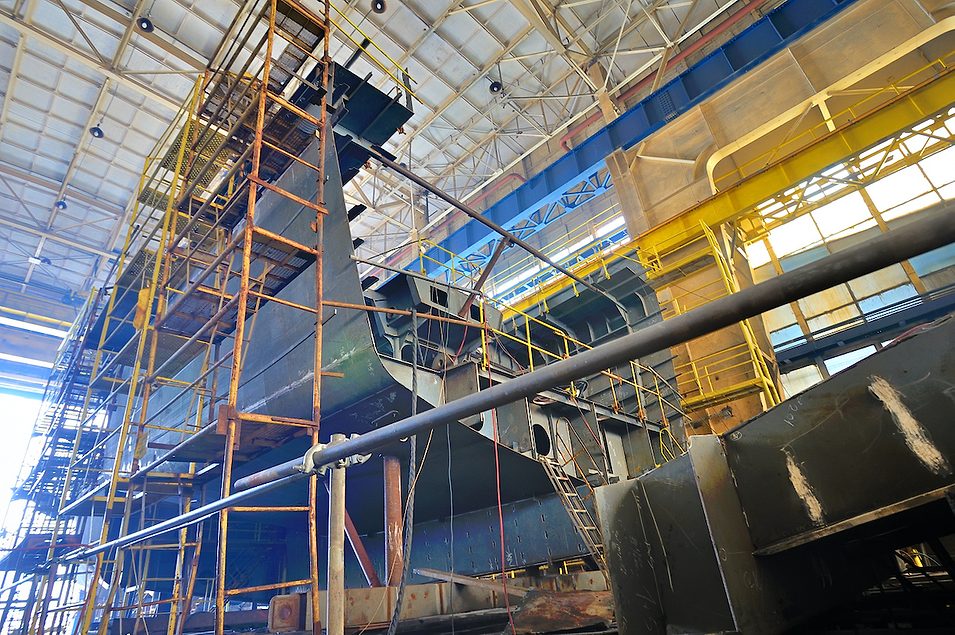
Drone Boat Startup to Establish Port Alpha Shipyard in Texas for Large Vessel Production
A new shipyard named Port Alpha is set to be established by a drone boat startup in Texas. This facility will have the capacity to manufacture ships measuring up to 1,200 feet in length. The development of Port Alpha is significant as it represents a major investment in maritime manufacturing capabilities, particularly for drone technology applications. The ability to construct large vessels will enhance the startup's operational capabilities and market reach. Looking ahead, industry stakeholders will be keen to observe the progress of Port Alpha and its impact on the local economy and the broader maritime sector. No further timeline was disclosed at the time of publication.
Impossible Objects Secures $40 Million for Carbon-Fiber 3D Printing Expansion
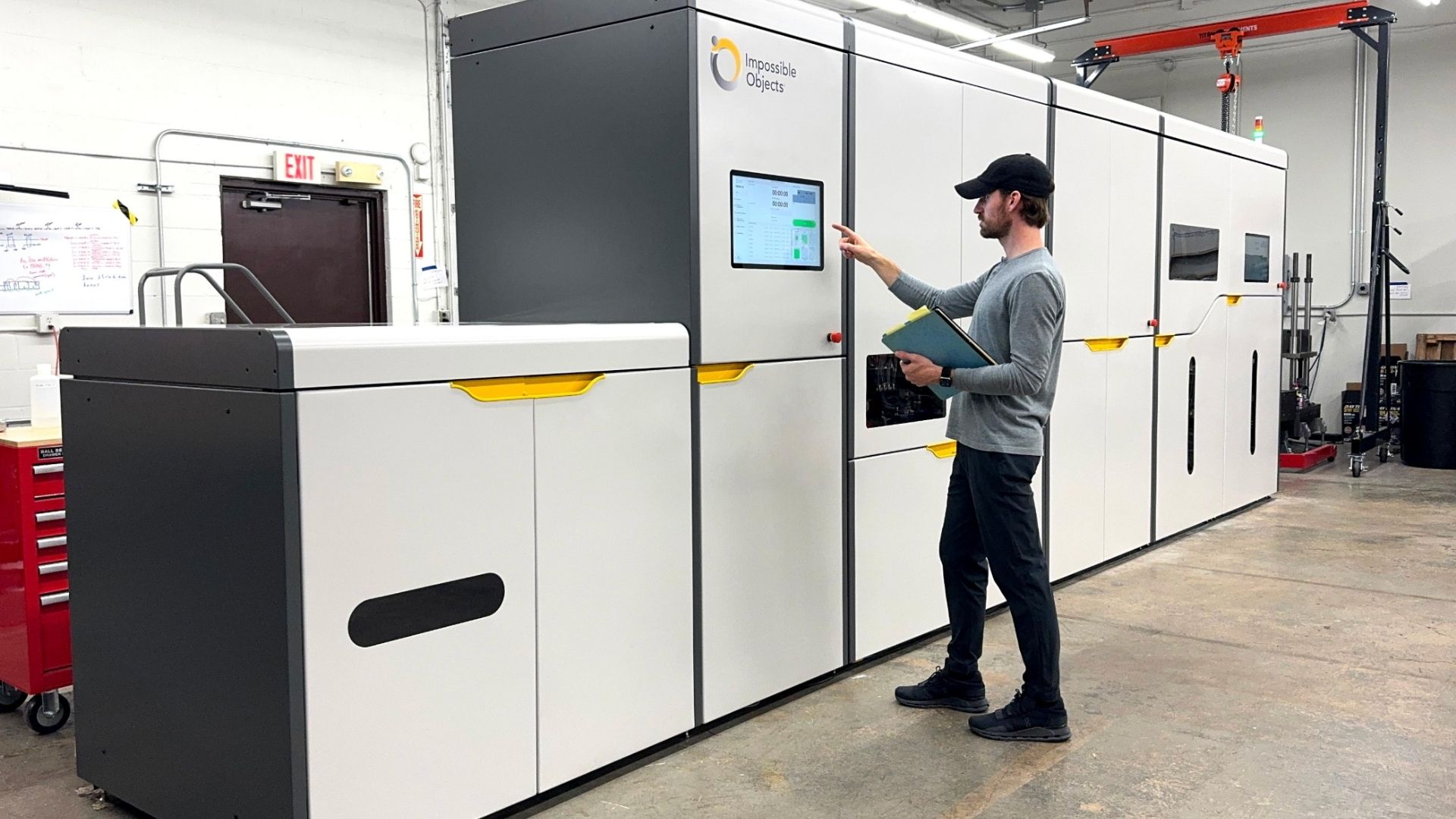
Impossible Objects, an Illinois-based manufacturing technology firm, has raised $40 million in a Series B funding round led by Inflection Equity. This investment aims to enhance the production capabilities of its Composite-Based Additive Manufacturing (CBAM) systems, particularly the CBAM 25, which specializes in carbon-fiber printing for drones and aircraft parts. The significance of this funding lies in its potential to revolutionize industrial-scale 3D printing, traditionally limited to prototyping due to slow speeds and high costs. The CBAM 25 addresses these challenges by enabling rapid production of strong, lightweight components, thereby reducing tooling requirements and lead times, making it competitive with CNC machining and injection molding. Looking ahead, Impossible Objects has already received five orders for the CBAM 25 since its introduction in early 2025. The company aims to deploy its technology across aerospace, defense, and advanced manufacturing sectors. No further timeline was disclosed at the time of publication.
Innovation
Terra Drone's Domestic Interception Drone 'Terra B1' Passes Defense Test, Moves to Mass Production Phase
On August 25, 2026, Terra Drone announced that its domestic interception drone, 'Terra B1', successfully passed the demonstration test conducted by the Acquisition, Technology & Logistics Agency (ATLA) and will advance to the mass production phase. This program aims to equip the Self-Defense Forces with effective drone countermeasures in response to the increasing security threats posed by attack drones. The significance of this development lies in the growing need for cost-effective defense solutions against low-cost attack drones, such as the Shahed UAVs used extensively in the Middle East. The ATLA's requirements for the 'Terra B1' included various performance metrics directly related to operational effectiveness and mass procurement, highlighting the importance of rapid and efficient defense capabilities. Looking ahead, Terra Drone plans to accelerate its production and supply system for the 'Terra B1', initially targeting the Japan Maritime Self-Defense Force, with future expansions to the Japan Air Self-Defense Force and Japan Ground Self-Defense Force. The ATLA has indicated a swift timeline for procurement, with contracts expected to be finalized by late August 2026, and delivery anticipated around September 2026. No further timeline was disclosed at the time of publication.

MP Materials Initiates Rare-Earth Magnet Production for Domestic Drone Manufacturing
MP Materials has launched an initiative to produce neodymium-iron-boron (NdFeB) magnets, essential for drone motors, aiming to reduce U.S. dependence on foreign sources. Currently, 75% of U.S. imports of these magnets come from China, highlighting the need for domestic production. The initiative will allow manufacturers to reserve up to 2 million drone magnet capacities annually, as stated by Chairman and CEO James Litinsky. This initiative is crucial as it seeks to aggregate demand and provide certainty for companies developing new technologies in the drone sector. MP Materials plans to create a fully integrated American magnetic solution, from mining to magnetization, in collaboration with the Department of Defense. The project aims to standardize production processes and enhance the domestic supply chain for rare-earth materials. The initiative is expected to commence with the operation of MP's 10X plant in 2028. As MP Materials forms agreements with various drone manufacturers, it also intends to expand its reach to motor manufacturers and defense technology companies, responding to China's dominance in the drone market and its recent export restrictions on related technologies.
AVSS sets production record amid rising global drone demand
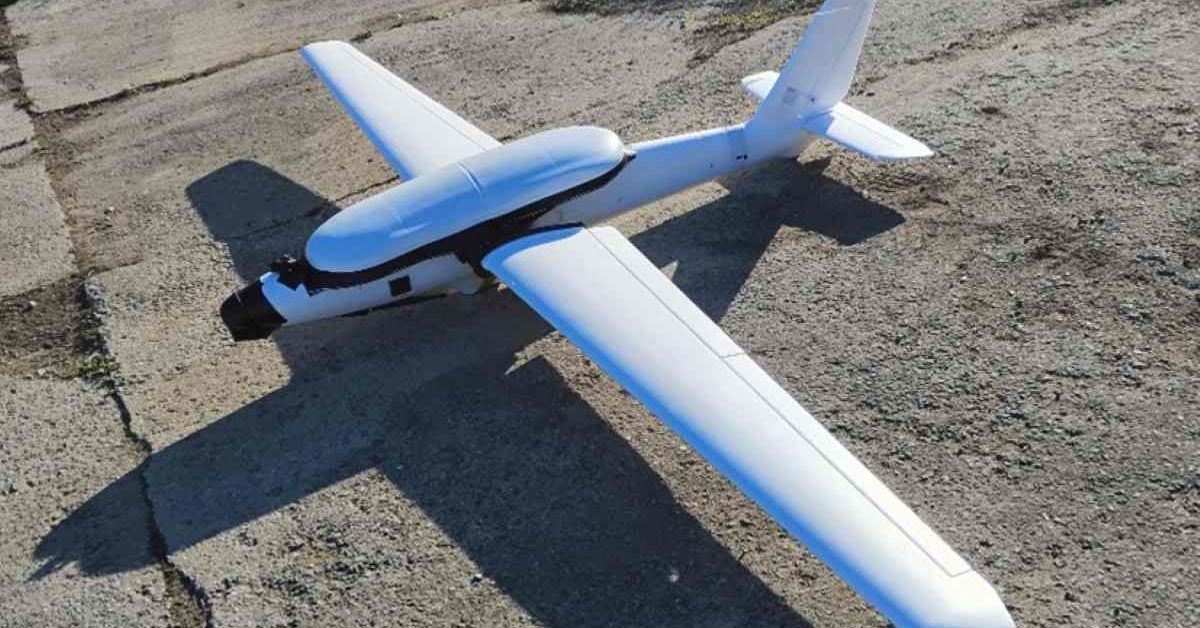
Canadian drone company AVSS says it has already built more than 2,000 drone components and systems this fiscal year, surpassing its entire production total from the previous year with several months still remaining.
News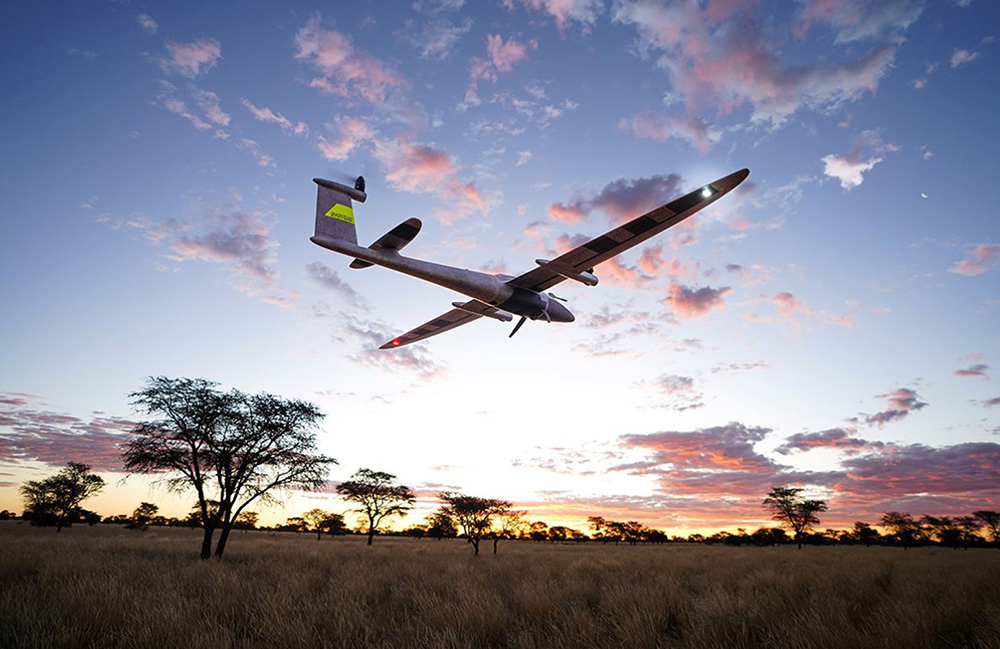
Quantum Systems raises $1.2B to expand drone production and deployments
Quantum plans to use the proceeds to expand production capacity, strengthen supply chain resilience, and more. The post Quantum Systems raises $1.2B to expand drone production and deployments appeared first on The Robot Report.
Defense / Security Drones Financial Investments Markets / Industries News
Kratos announces Oklahoma plant expansion to boost jet drone production
Kratos Defense & Security Solutions has expanded its manufacturing campus in Oklahoma City with the addition of more than 100,000ft2 of production and assembly space.
News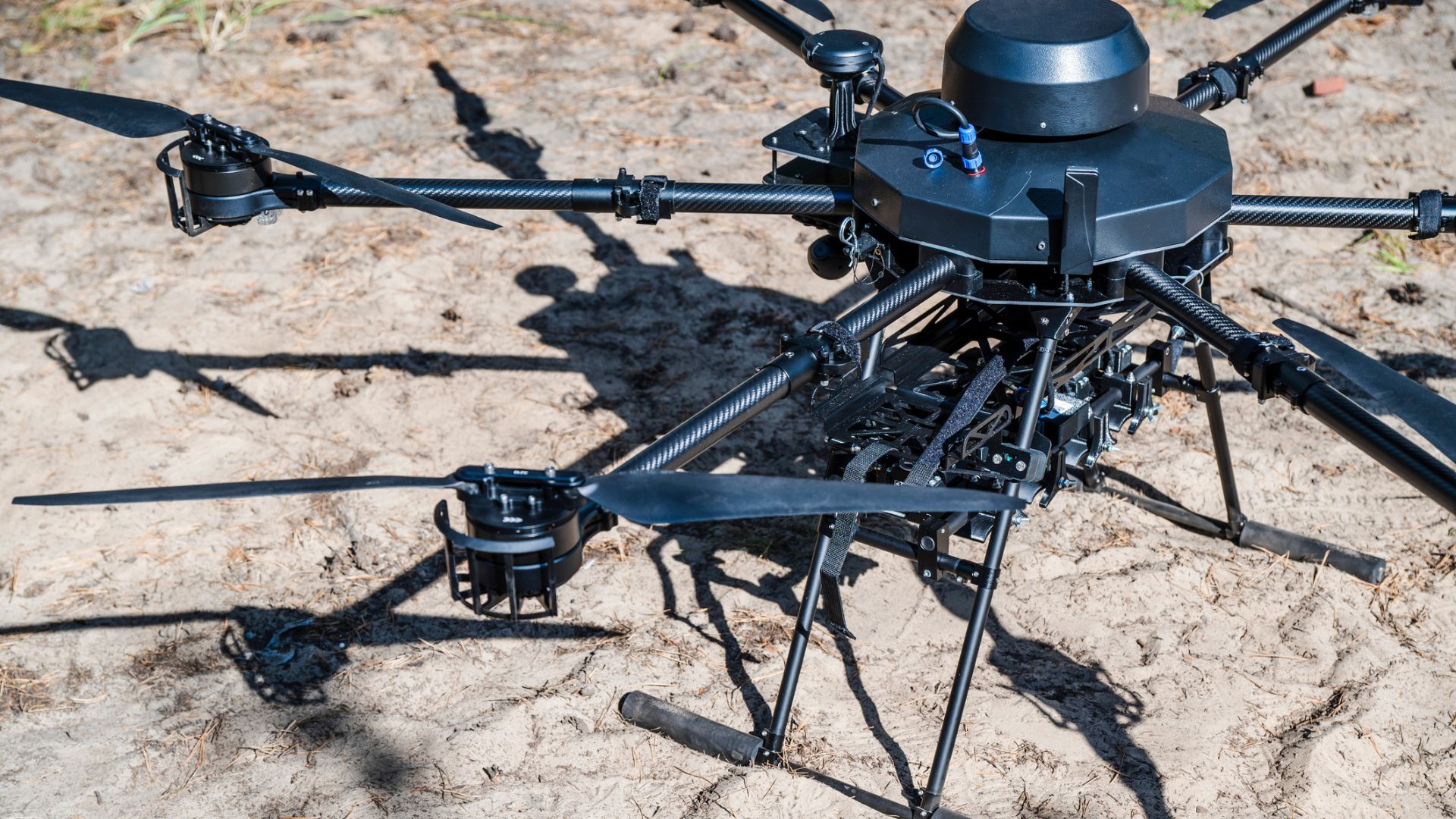
Ukraine’s battlefield-tested wartime drones to get a US production plant in Ohio
A Ukrainian defense drone manufacturer has announced plans to establish its first significant assembly and manufacturing center in the United States. This development comes as part of the company’s strategy to expand its operations and enhance its presence in the North American market. The facility is expected to be located in a yet-to-be-disclosed state and aims to bolster local job creation while meeting the increasing demand for advanced drone technology. The decision to set up the center is motivated by the growing interest in defense innovations amid ongoing geopolitical tensions. The company intends to leverage U.S. resources and expertise to streamline production processes and improve supply chain efficiency, ultimately contributing to the defense capabilities of both Ukraine and its allies. The assembly center is anticipated to begin operations in the coming months, marking a significant step in international defense collaboration.
Military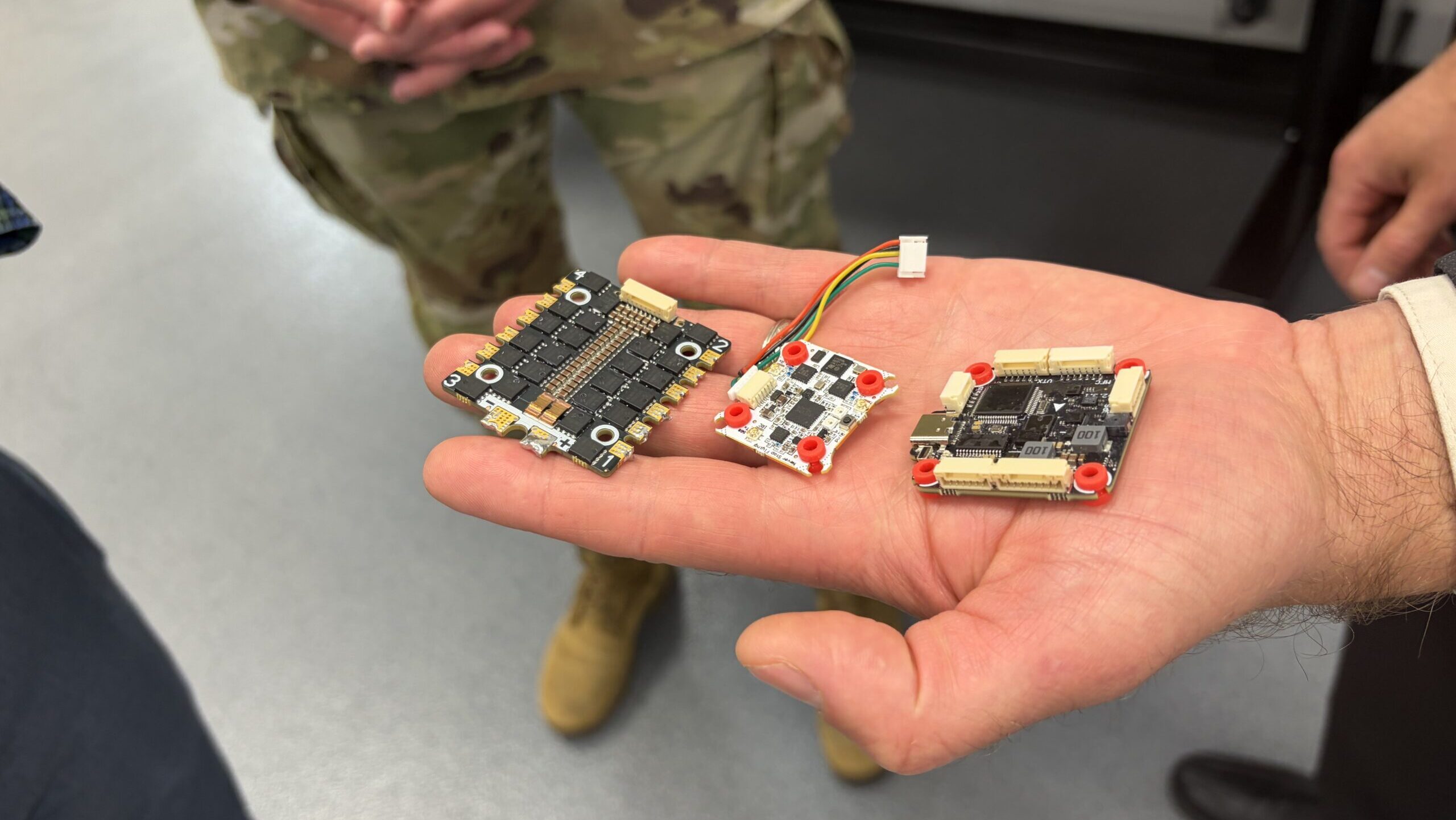
Tobyhanna Depot boosts drone component production with new assembly lines
In preparation for the Army's advanced manufacturing strategy, leaders from the Army's organic industrial base have announced plans to enhance the production of drone components under the Drone Dominance initiative. This initiative aims to bolster the Army's capabilities in unmanned aerial systems, reflecting a strategic focus on modernizing military technology. The details were unveiled during a recent briefing, highlighting the Army's commitment to increasing efficiency and output in drone manufacturing. By leveraging advanced manufacturing techniques, the Army seeks to ensure that its drone fleet remains competitive and effective in various operational environments. This move comes as part of a broader effort to adapt to evolving warfare dynamics and maintain technological superiority.
Land Warfare Networks & Digital Warfare advanced manufacturing Army Army Material Command cyber security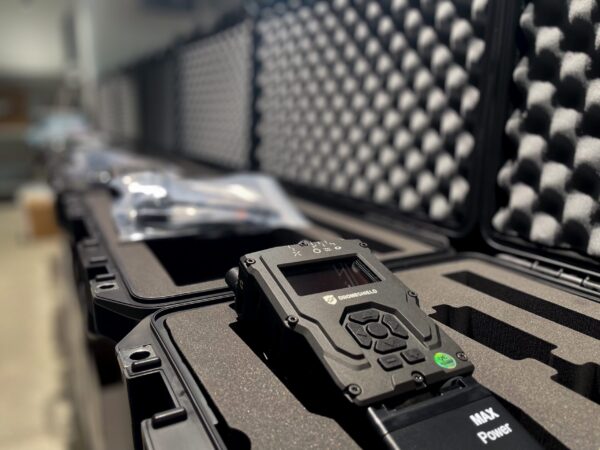
First DroneShield Products Roll Off Production Line in Europe
Western European nations are responding to increasing threats from drones operated by malicious actors by enhancing their domestic production of unmanned aerial vehicles (UAVs) and counter-drone technology. This initiative aims to streamline supply chains and bolster regional manufacturing capabilities. In a significant development, the first products from DroneShield’s production line in Europe have recently been completed, marking a step forward in the region's efforts to address these challenges. The move is part of a broader strategy to ensure that UAS manufacturing is localized, thereby improving security and reducing reliance on external suppliers.
Anti-drone technology Defense Drone News Drone News Feeds Europe Drone Industry European Union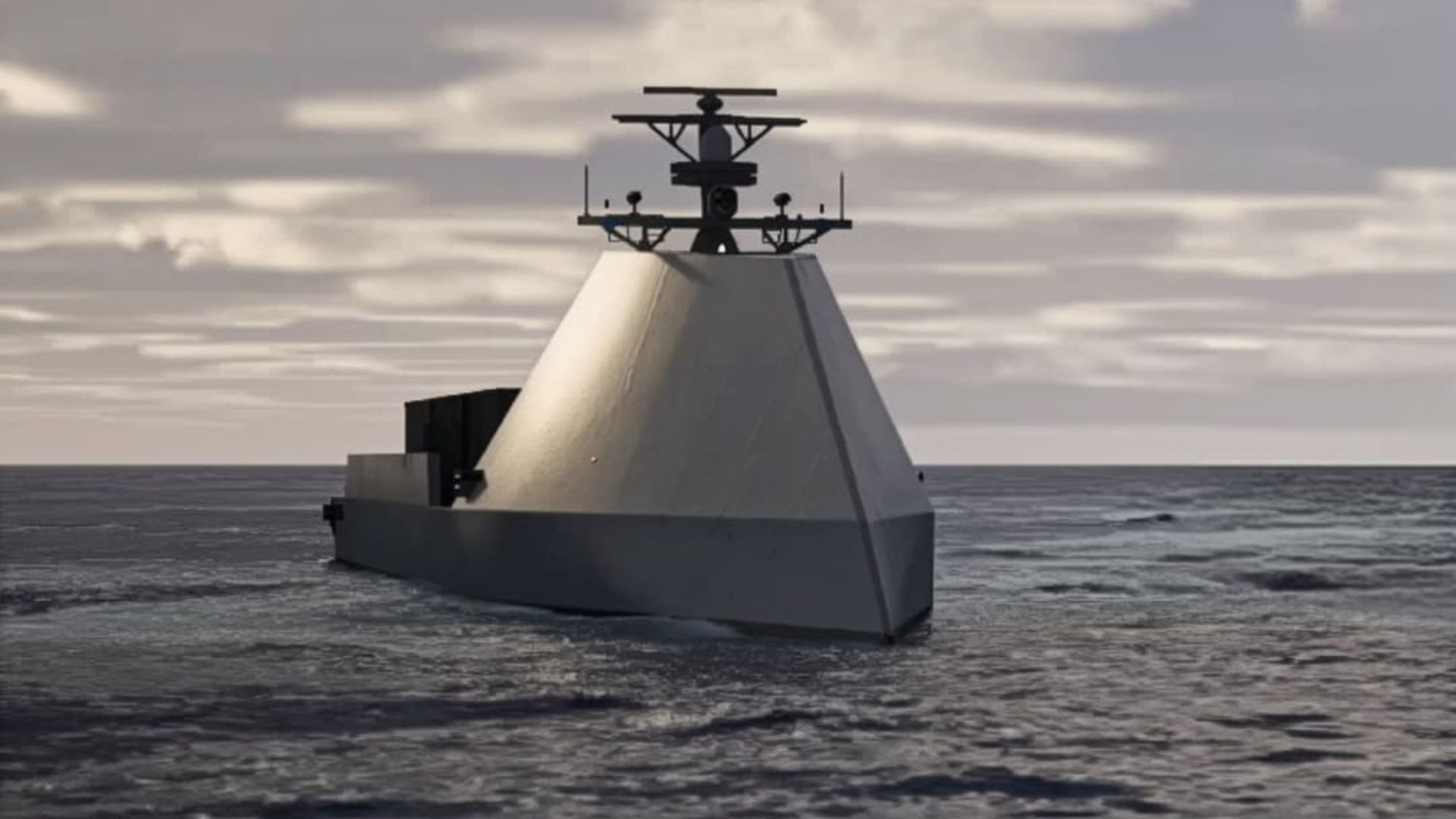
US Navy drone ship gets its own production line to speed up fleet deliveries
Bayou Metals, a key manufacturing partner of defense shipbuilder Huntington Ingalls Industries (HII), has announced the establishment of a new facility aimed at enhancing its production capabilities. This development, which took place in early October 2023, is located in the Gulf Coast region, a strategic area for defense manufacturing. The decision to expand comes in response to increasing demand for advanced materials and components necessary for military vessels. By investing in this new facility, Bayou Metals aims to streamline its operations and improve efficiency, ultimately supporting HII's commitment to delivering high-quality defense products. The facility is expected to create numerous jobs and contribute to the local economy, while also reinforcing the supply chain for the defense sector.
Military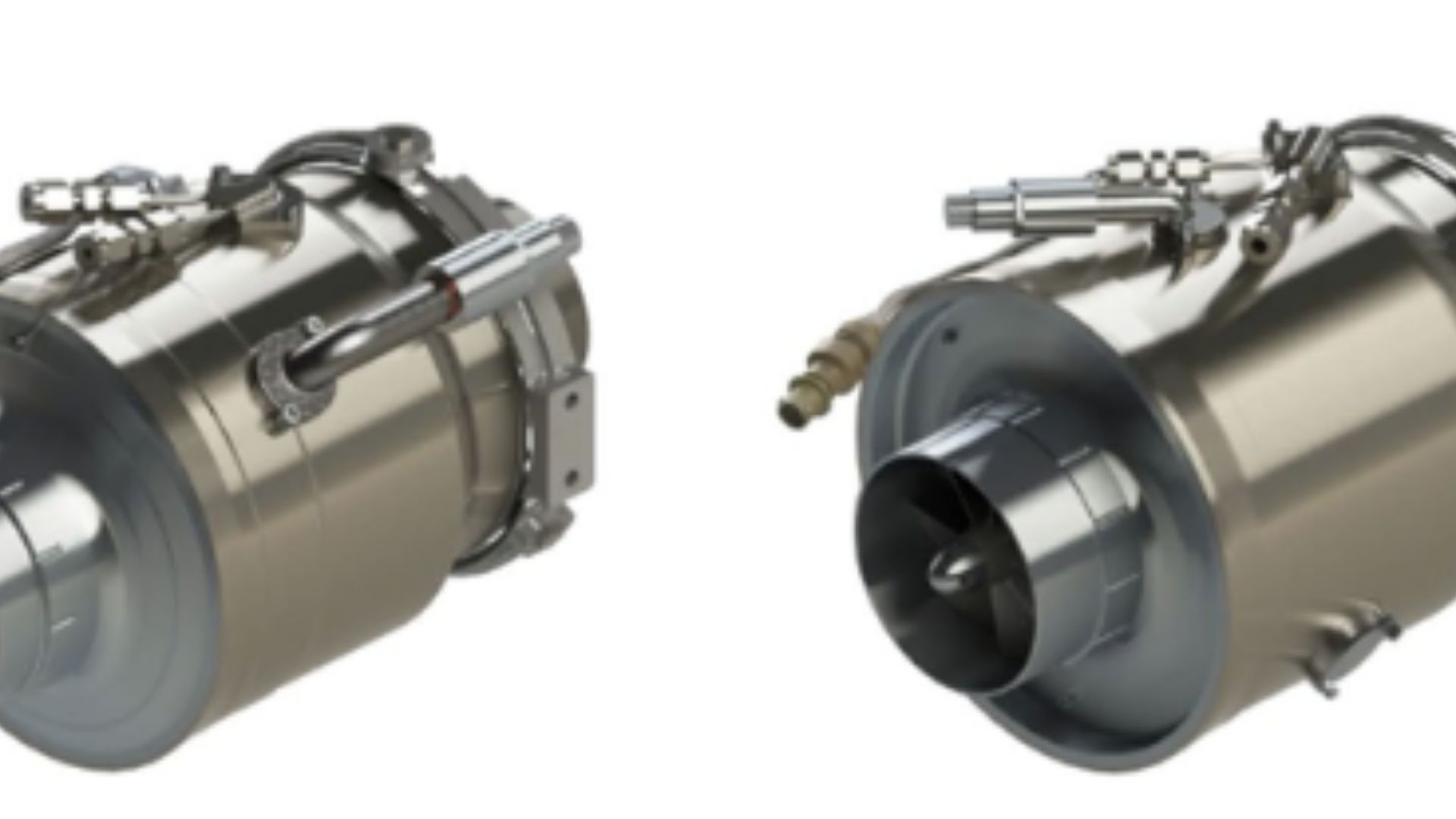
Kratos to upscale engine production to 3000 units for powering one way attack drones
Kratos Defense & Security Solutions is significantly increasing its manufacturing capacity for the Spartan family of unmanned aerial vehicles (UAVs) to meet growing demand. This strategic move comes as the company aims to enhance its production capabilities in response to heightened interest from both military and commercial sectors. The expansion is set to take place at Kratos' facilities in California, with plans to streamline operations and implement advanced technologies to boost efficiency. The decision to ramp up production is driven by the rising need for advanced drone systems, which are increasingly being utilized for surveillance, reconnaissance, and various defense applications. By enhancing its manufacturing capabilities, Kratos seeks to solidify its position as a leader in the UAV market and ensure timely delivery of its products to clients.
News
Quantum Cyber Signs LOI for Connecticut Manufacturing Facility as Drone Firms Pursue Domestic Production
Quantum Cyber (NASDAQ: QUCY) has taken a significant step towards enhancing domestic drone production by signing a letter of intent to acquire a 43,000-square-foot manufacturing facility in Bridgeport, Connecticut. This announcement, made on June 8, underscores the company's commitment to establishing a vertically integrated supply chain within the U.S. drone manufacturing sector. The acquisition aligns with a broader industry trend favoring domestic production capabilities, reflecting a growing emphasis on local manufacturing in response to supply chain challenges. Through this move, Quantum Cyber aims to bolster its operational capacity and contribute to the evolving landscape of the drone industry.
Defense defense Drone News Drone News Feeds News autonomous drones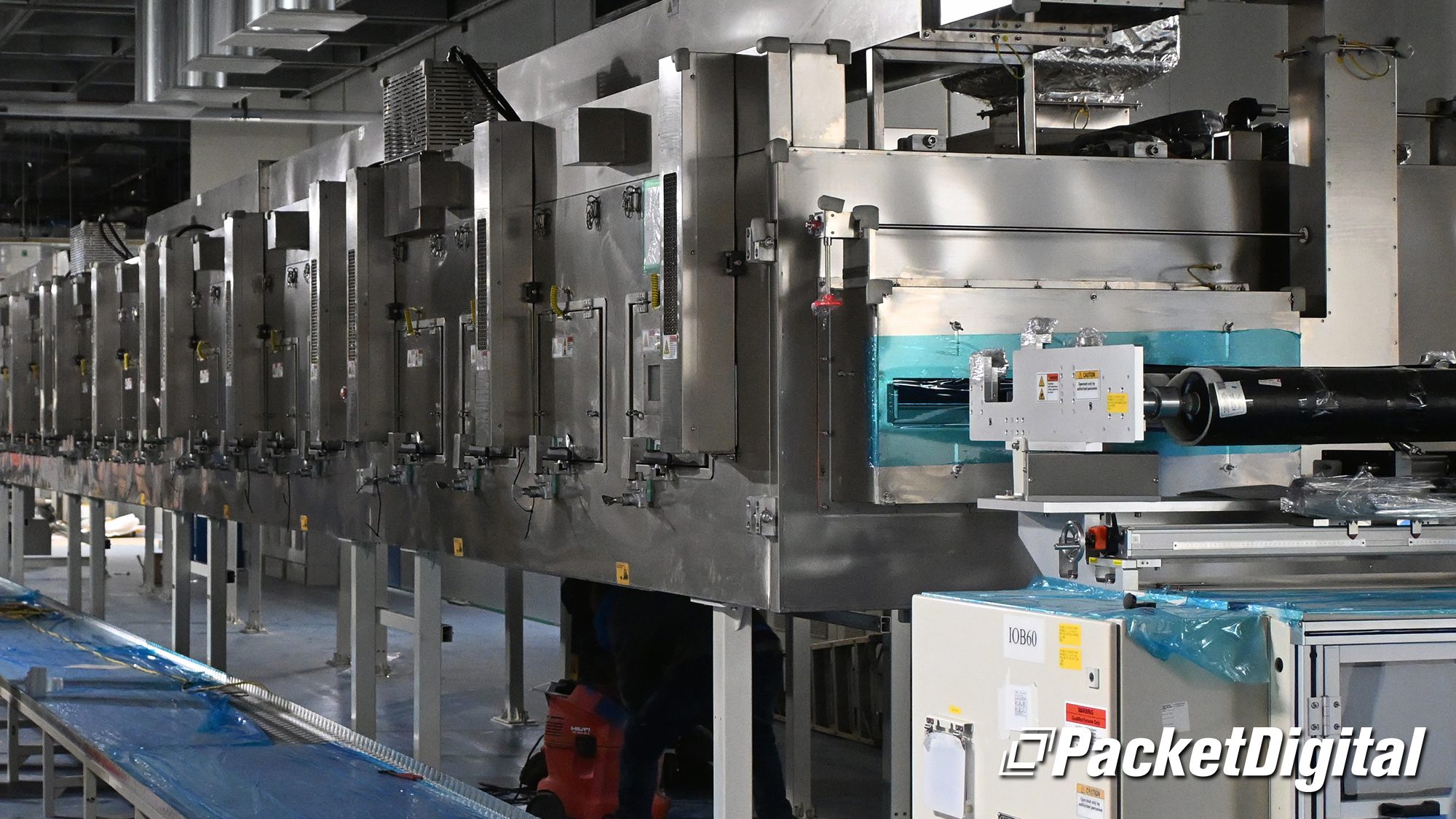
U.S. Navy Awards Packet Digital $9.8 Million to Scale Drone Battery Production in North Dakota
Packet Digital and its subsidiary, Badland Batteries, have secured $9.8 million from the U.S. Navy as part of Phase 3 of a contract aimed at developing advanced battery cells compliant with the National Defense Authorization Act (NDAA). This funding will facilitate the manufacturing of these battery cells in North Dakota, specifically designed for logistics drones and unmanned systems. The initiative reflects the Navy's commitment to enhancing the capabilities of its drone technology and defense systems. The investment is expected to boost production capacity and support the growing demand for reliable energy sources in military applications.
battery technology Drone News Drone News Feeds drone technology Dual Use News
How to avoid supply chain issues as drone and robot production increases exponentially
Researchers predict a significant surge in the production of drones and autonomous robots by the late 2030s, estimating a tenfold increase for commercial drones and a hundredfold increase for humanoid and quadruped robots. This forecast, published in the journal Chem Circularity, highlights potential impacts on the supply chains of 18 essential raw materials used in these technologies, both in the United States and globally. The anticipated rise in demand for rare earth metals and carbon fiber could lead to supply challenges. To mitigate these risks, the researchers recommend that technology developers leverage existing capacities from other industries, particularly electric vehicles, to ensure a stable supply and avoid shortages in critical materials.
BusinessRobotics needs a service framework.
RSF defines a common language for robot service capability, lifecycle operations, certification pathways, and service-provider networks.
Join the RobotToday community on LinkedIn
Daily robotics news, in-depth analysis, conference highlights, and discussions with professionals worldwide.