Industry Briefing
A single destination for timely, editor-curated robotics news from around the world.
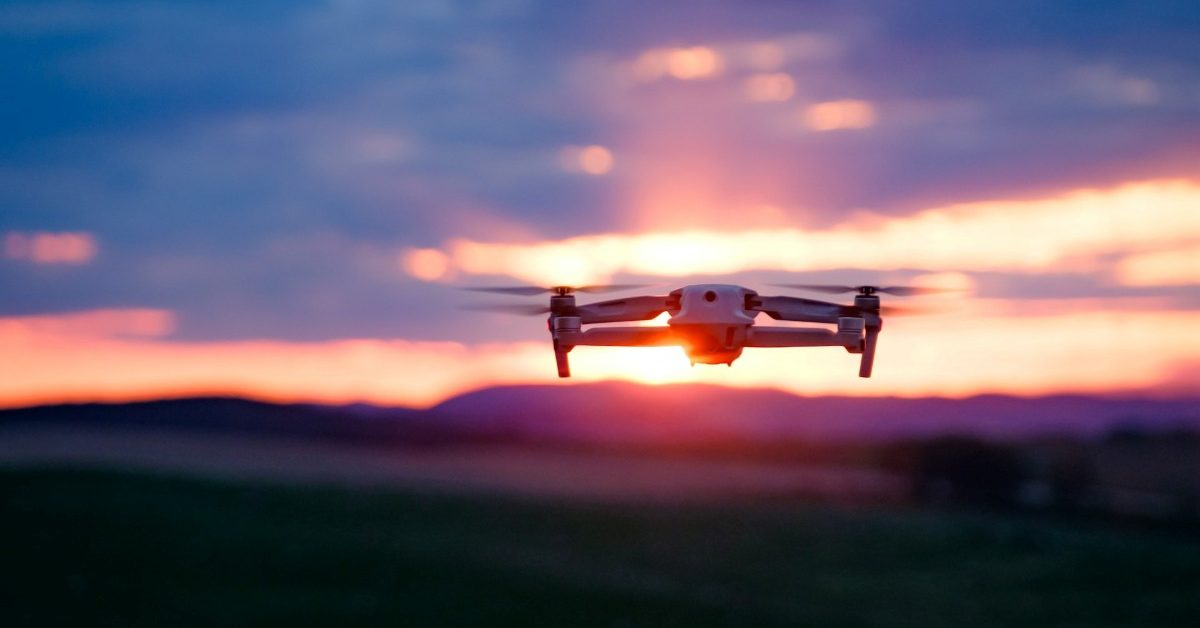
FCC’s DJI drone ban review now depends on public feedback
American drone users are facing a critical deadline to voice their opinions in a significant policy debate regarding drone regulations in the United States. As discussions intensify, stakeholders are urged to participate in shaping the future of drone usage. This policy battle, considered one of the largest in the nation’s history, highlights the growing importance of drone technology and the need for comprehensive regulations. The urgency for public input is underscored by the impending deadlines set by regulatory bodies, which aim to address safety, privacy, and operational guidelines for drone operations. Engaging in this dialogue is crucial for users who wish to influence the outcome and ensure their interests are represented in the evolving landscape of drone legislation.
News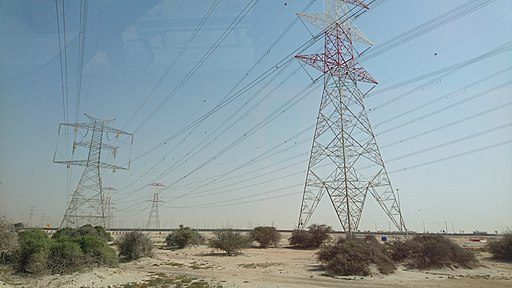
New Senate Bill Targets Drone Threats to Critical Infrastructure
A new Senate bill introduced by Arkansas Senator Tom Cotton seeks to enhance the authority of critical infrastructure operators to combat unauthorized drone activity. As concerns over drone threats grow, particularly in anticipation of significant events, the legislation outlines provisions for increased authority, necessary training, and funding to better equip operators. This initiative reflects lawmakers' recognition of the rising risks posed by drones to essential facilities and aims to bolster security measures in response to these emerging challenges.
Anti-drone technology C-UAS Drone News Drone News Feeds drone security News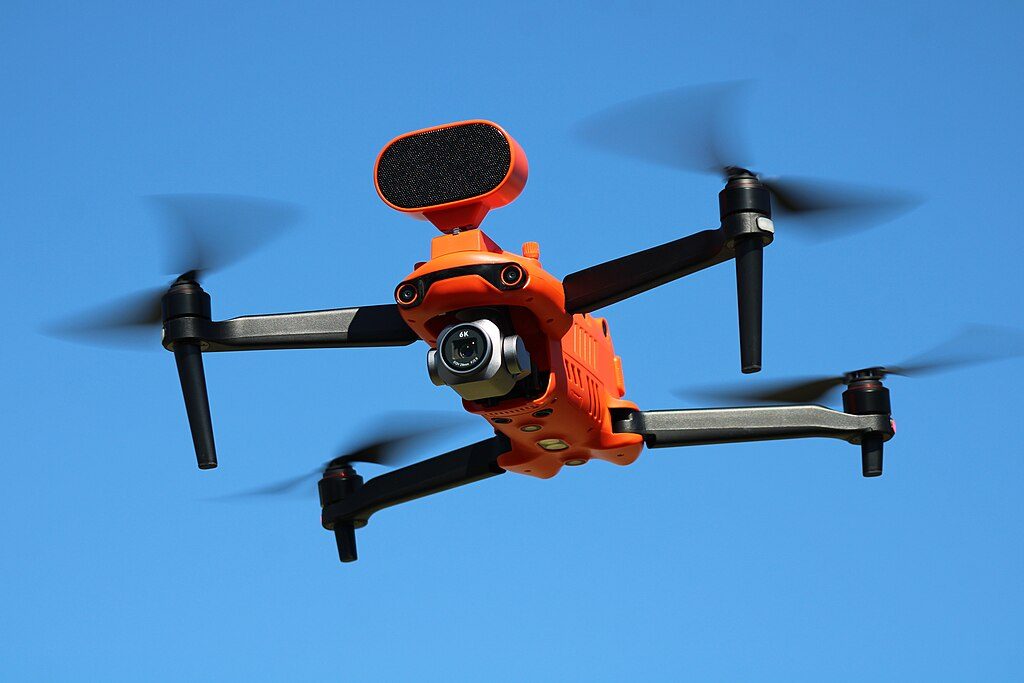
Proposed Patent Bill Could Have Major Implications for Drone Industry Intellectual Property
A newly introduced bill in Congress, the Prohibiting Adversarial Patents Act of 2026 (PAPA), aims to address concerns over certain foreign technology companies by making specific patents unenforceable while retaining ownership rights. Sponsored by Rep. Scott Fitzgerald (R-WI), the legislation seeks to expand U.S. scrutiny into the realm of intellectual property rights, particularly impacting the drone industry. The bill reflects growing apprehension regarding the influence of foreign entities on American innovation and aims to safeguard domestic technological advancements. If passed, PAPA could significantly alter the landscape of patent enforcement, particularly for companies operating within the drone sector.
Drone Manufacturing Drone News Drone News Feeds Drones in the News News US Government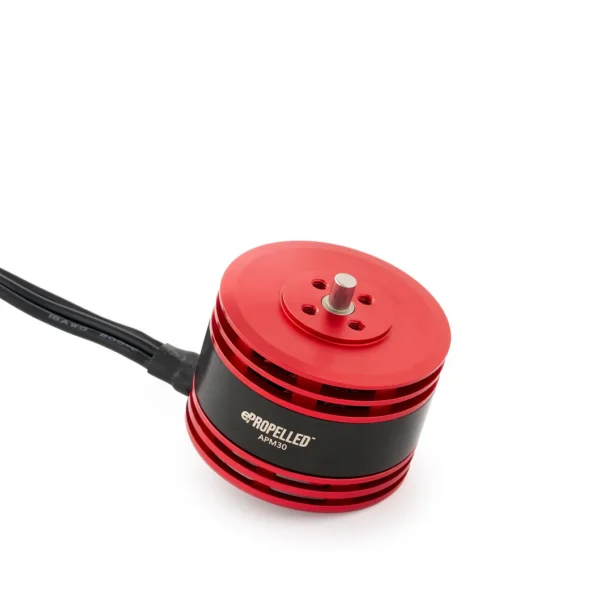
The Next Drone Supply Chain Challenge: Rare Earth Magnets
A new bipartisan bill has been introduced in Congress to bolster the United States' domestic supply chain for rare earth magnets, which are essential components in drone motors. The legislation, spearheaded by Chairman John Moolenaar (R-MI) and Ranking Member Ro Khanna (D-CA), addresses the growing concern over America's reliance on China for these critical materials. The initiative comes amid increasing recognition of the challenges faced by the drone industry, particularly regarding the sourcing of permanent magnets necessary for electric motor functionality. By enhancing domestic production capabilities, the bill aims to ensure a more secure and reliable supply chain for the burgeoning drone sector.
Drone Manufacturing Drone News Drone News Feeds drone parts drone technology Feature 1
SASC’s $1.14T defense policy bill creates combatant command for drones
Members of the Senate Armed Services Committee (SASC) approved a significant piece of legislation on Wednesday, advancing the bill with an 18-9 vote. This decision reflects the committee's ongoing efforts to address critical defense issues and enhance military readiness. The approval comes amid increasing concerns about national security and the need for updated military policies. The committee's action is a crucial step in the legislative process, paving the way for further discussions and potential amendments before the bill is presented to the full Senate for consideration.
Air Warfare Congress Land Warfare Naval Warfare Pentagon 2027 NDAA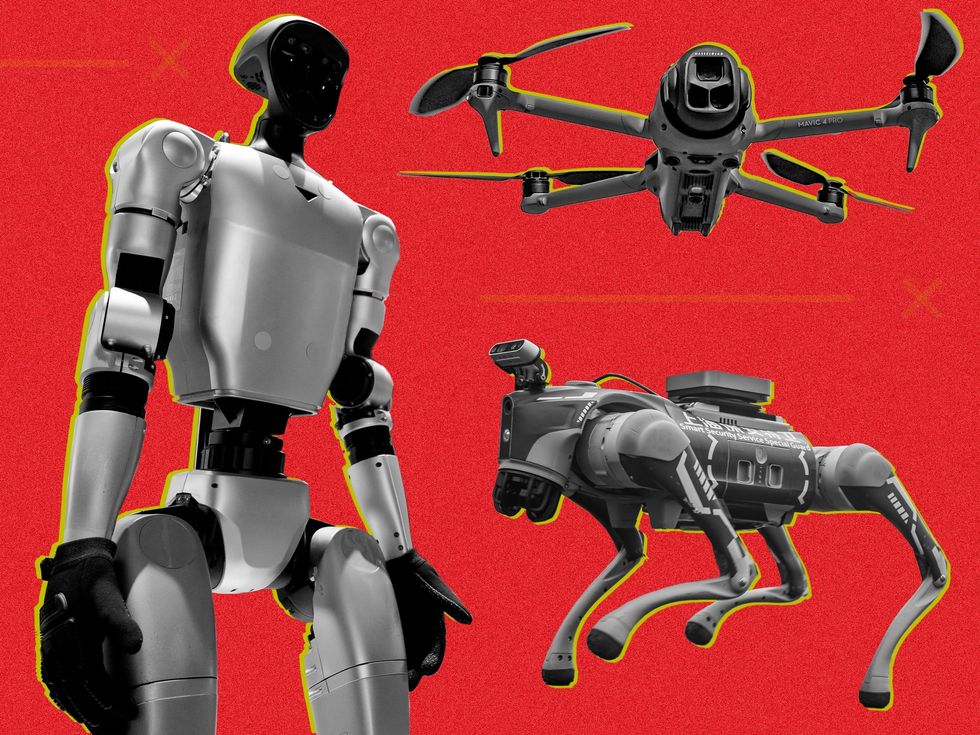
Proposed Chinese Robot Ban Is Latest U.S. Tech Sovereignty Move
A bipartisan initiative led by Senators Tom Cotton and Chuck Schumer, along with Representative Elise Stefanik, seeks to restrict the U.S. government's use of Chinese-made ground robots, including humanoids and drones. Introduced in March, the American Security Robotics Act aligns with recent actions by the Federal Communications Commission (FCC) to tighten regulations on foreign-made routers, marking a significant step in the ongoing decoupling of sensitive U.S. technology from China. This legislative push comes amid rising concerns over national security related to Chinese technology, as highlighted by sociologist Kyle Chan during his testimony before Congress. The proposed restrictions could benefit U.S. firms like Ghost Robotics, which are positioned to meet government demand for domestic ground robots. However, if the legislation extends to prohibit American manufacturers from sourcing Chinese components, it could hinder their ability to fulfill orders. The U.S. robotics industry currently faces challenges due to its nascent stage and reliance on foreign supply chains, particularly from countries like South Korea and Japan. The FCC's recent actions, including the addition of uncrewed aircraft systems to its import ban list, reflect a broader trend of bipartisan scrutiny of Chinese technology. While some industry experts welcome these security measures, they express concerns over the abrupt nature of policy changes, which lack comprehensive strategies and stakeholder engagement. As the U.S. navigates its techno-economic competition with China, the future of its robotics industry remains uncertain amid evolving regulatory landscapes.
Robots Robot-policy China Us-congress Trump-administration American-security-robotics-act
Congress Introduces GUARD Act, Extending FCC Covered List Framework to Robotics
A bipartisan coalition of U.S. lawmakers has introduced the Guarding the U.S. against Adversarial Robotics Dominance (GUARD) Act, aimed at implementing national security reviews for certain foreign-made humanoid and quadruped robots. This legislation reflects a growing concern over the implications of connected autonomous systems on national security. By extending the existing Federal Communications Commission (FCC) covered list framework to include robotics, the bill seeks to ensure that these technologies do not pose risks to U.S. safety and security. The introduction of the GUARD Act marks a significant step in the U.S. government's approach to regulating advanced robotic systems, highlighting the increasing recognition of their potential impact on national defense.
Applications Drone News Drone News Feeds drone security Dual Use News
Congress Pushes for Expanded ADS-B Requirements Following Deadly D.C. Midair Collision
Bipartisan lawmakers are advocating for enhanced aircraft visibility measures as Congress works on finalizing aviation safety legislation. On June 1, Representatives Nick Langworthy (R-NY) and Don Beyer (D-VA), leaders of the House Aviation Safety Caucus, spearheaded a letter urging negotiators to adopt stricter requirements for aircraft visibility. This push comes in the wake of a deadly midair collision in Washington, D.C., highlighting the urgent need for improved safety protocols in the aviation industry. The lawmakers are calling for the expansion of Automatic Dependent Surveillance–Broadcast (ADS-B) requirements to prevent future accidents and ensure the safety of air travel.
BVLOS Drone News Drone News Feeds News US Government ADS-BRobotics needs a service framework.
RSF defines a common language for robot service capability, lifecycle operations, certification pathways, and service-provider networks.