Industry Briefing
A single destination for timely, editor-curated robotics news from around the world.

Kyiv Enhances Drone Interception Strategies with Western Fighter Jets and Modified Aircraft
Since last year, Kyiv has adopted Western fighter jets to counter aerial threats, while also implementing dispersed air defense teams. This multifaceted approach aims to improve the effectiveness and affordability of Ukraine's drone interception capabilities against Russian drones. The reliance on both advanced Western technology and modified aircraft highlights Ukraine's strategic shift in addressing aerial threats. By diversifying its defense methods, Kyiv seeks to enhance its operational readiness and resilience in the face of ongoing challenges posed by Russian drone activities. Looking ahead, it will be crucial to monitor how these strategies evolve and whether additional support from Western allies will further bolster Ukraine's air defense capabilities. No further timeline was disclosed at the time of publication.
Air Warfare Global Land Warfare air defense Air Force Army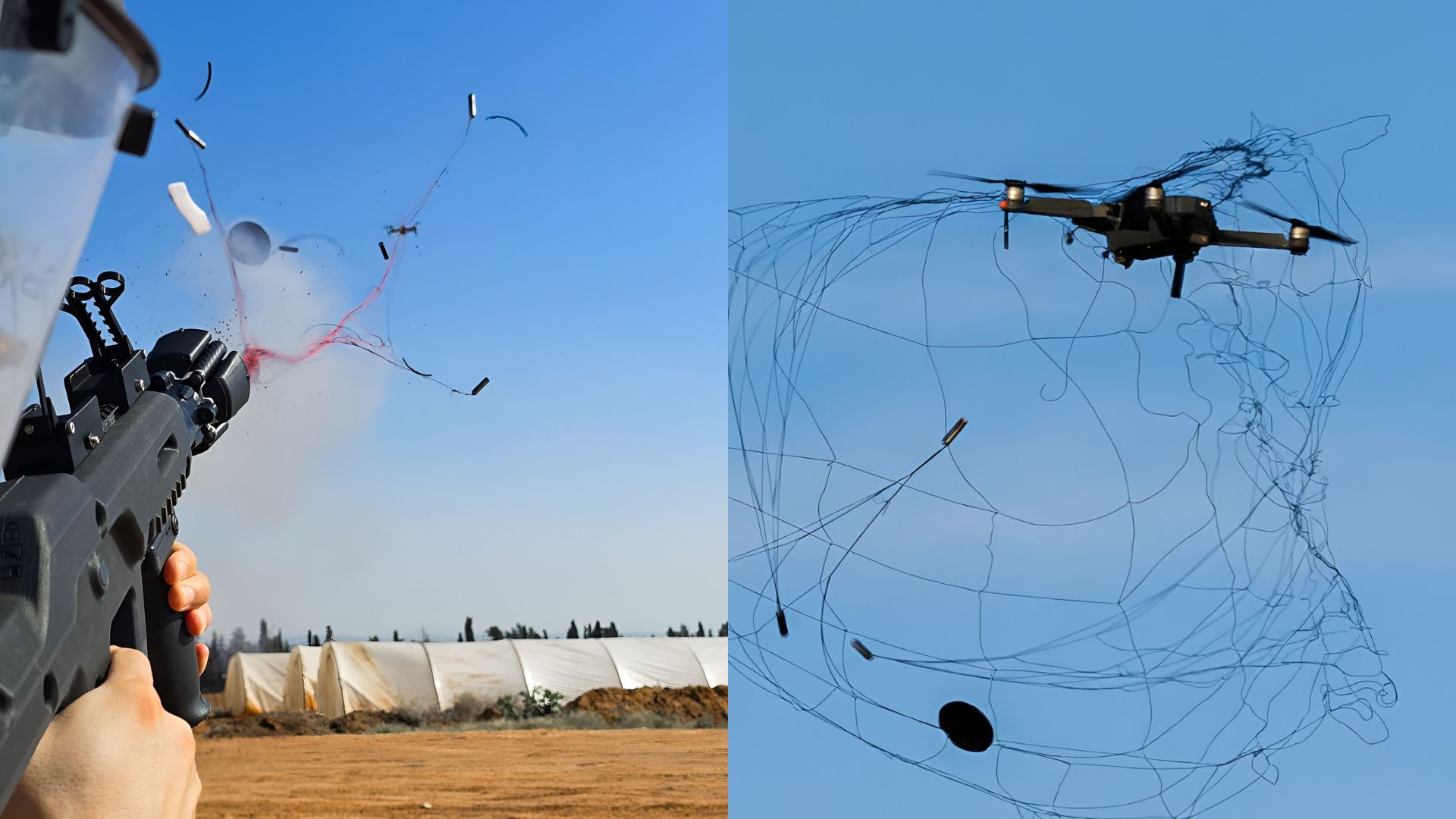
ParaZero Technologies Launches DefendAir for Autonomous Drone Interception in Military Applications
ParaZero Technologies has introduced its DefendAir platform, designed to intercept first-person view (FPV) drones autonomously before they can strike military vehicles. This system utilizes a non-explosive net-based interception method, creating a 360-degree defensive envelope around assets. The platform aims to enhance protection for both moving and stationary high-value military targets without the weight penalties of traditional armor. The rise of low-cost FPV drones has prompted militaries to seek effective countermeasures, as these drones have proven capable of damaging expensive military equipment. ParaZero's DefendAir addresses the limitations of conventional protective measures, such as steel cages, by offering a more agile and responsive solution. The system's ability to detect and neutralize threats rapidly is crucial for modern battlefield scenarios, where speed and precision are paramount. ParaZero is currently collaborating with Tier-1 defense companies to refine the DefendAir technology for operational requirements. While the company has not disclosed specific partners or a timeline for deployment, the focus on active counter-drone systems reflects a broader trend in military strategy, emphasizing the need for innovative solutions to counter evolving aerial threats. No further timeline was disclosed at the time of publication.
Military
Terra Drone's Domestic Interception Drone 'Terra B1' Passes Defense Test, Moves to Mass Production Phase
On August 25, 2026, Terra Drone announced that its domestic interception drone, 'Terra B1', successfully passed the demonstration test conducted by the Acquisition, Technology & Logistics Agency (ATLA) and will advance to the mass production phase. This program aims to equip the Self-Defense Forces with effective drone countermeasures in response to the increasing security threats posed by attack drones. The significance of this development lies in the growing need for cost-effective defense solutions against low-cost attack drones, such as the Shahed UAVs used extensively in the Middle East. The ATLA's requirements for the 'Terra B1' included various performance metrics directly related to operational effectiveness and mass procurement, highlighting the importance of rapid and efficient defense capabilities. Looking ahead, Terra Drone plans to accelerate its production and supply system for the 'Terra B1', initially targeting the Japan Maritime Self-Defense Force, with future expansions to the Japan Air Self-Defense Force and Japan Ground Self-Defense Force. The ATLA has indicated a swift timeline for procurement, with contracts expected to be finalized by late August 2026, and delivery anticipated around September 2026. No further timeline was disclosed at the time of publication.
SkyDefense unveils AI-powered VTOL CobraJet for drone interception
US-based SkyDefense has introduced CobraJet, an AI-powered autonomous vertical takeoff and landing (VTOL) interceptor aircraft.
News
UK fast track APKWS for Middle East drone interception
The United Kingdom has successfully tested and deployed the Advanced Precision Kill Weapon System (APKWS) on its Typhoon jets within a remarkably short timeframe of just two months. This rapid integration reflects the UK's commitment to enhancing its military capabilities and ensuring that its air force remains at the forefront of modern warfare technology. The APKWS, known for its precision and effectiveness, is expected to significantly improve the operational efficiency of the Typhoon jets, allowing for more accurate targeting in various combat scenarios. This development underscores the UK's strategic focus on maintaining a robust defense posture amid evolving global security challenges.
NewsRobotics needs a service framework.
RSF defines a common language for robot service capability, lifecycle operations, certification pathways, and service-provider networks.
Join the RobotToday community on LinkedIn
Daily robotics news, in-depth analysis, conference highlights, and discussions with professionals worldwide.