Industry Briefing
A single destination for timely, editor-curated robotics news from around the world.
In-Depth Analysis of Adsorption and Locomotion Codesign for Wall-Climbing Robots
The Journal of Field Robotics has published a comprehensive review focusing on the adsorption-locomotion codesign of wall-climbing robots. This review highlights the intricate relationship between the robots' ability to adhere to surfaces and their locomotion capabilities, which are crucial for performing complex operations on various surfaces. Understanding the codesign of these robots is essential as it directly impacts their efficiency and effectiveness in real-world applications. The review emphasizes the importance of optimizing both adsorption and locomotion to enhance the performance of wall-climbing robots, which are increasingly being utilized in fields such as inspection, maintenance, and exploration. Looking ahead, researchers and developers in the robotics field should pay close attention to advancements in adsorption technologies and locomotion strategies. Continued innovation in these areas could lead to significant improvements in the functionality and versatility of wall-climbing robots. No further timeline was disclosed at the time of publication.
SURVEY ARTICLE
AI Is Designing Radio Chips That Humans Couldn’t Even Imagine
Researchers at Princeton University have made significant strides in the design of radio-frequency integrated circuits (RFICs), a critical component for advancing wireless technologies such as 5G, autonomous vehicles, and satellite communications. Utilizing reinforcement learning and inverse design techniques, the team has developed a method to create RFICs from scratch, drastically reducing design time and achieving record performance levels. This innovative approach leverages AI to navigate the complex design space of RFICs, traditionally seen as an art requiring years of expertise. By employing machine learning algorithms, the researchers can generate novel circuit layouts that outperform existing designs while minimizing the time taken for development. The project, which began after the success of AI in games like Go, aims to overcome the limitations of conventional RFIC design, which has remained largely artisanal. The researchers emphasize the need for large, shared datasets and open ecosystems to further enhance AI's capabilities in understanding electromagnetic and circuit behaviors. As the demand for advanced RFICs grows, the potential for AI-driven design to revolutionize the field is becoming increasingly apparent. The findings have attracted attention within the RF community, sparking discussions about the future of AI in circuit design and the importance of collaboration between AI researchers and chip designers to unlock new possibilities in technology.
Machine-learning Ic-design Chip-design Rf Rfic
AI Agent Designs a RISC-V CPU Core From Scratch
In a significant advancement for AI-driven chip design, Verkor.io, an AI chip design startup, has successfully created a RISC-V CPU core entirely through an autonomous AI system named Design Conductor. This milestone was achieved in December 2025, with the resulting CPU, dubbed VerCore, boasting a clock speed of 1.5 GHz and performance comparable to a 2011 laptop CPU. Suresh Krishna, co-founder of Verkor.io, emphasized that their approach, which allows the AI to tackle the entire design process rather than just specialized tasks, is more effective. Design Conductor operates as a structured harness for large language models (LLMs), guiding the AI through a series of steps akin to those followed by human engineers, from design to testing. The system autonomously generated the VerCore design in just 12 hours based on a 219-word specification. While VerCore has not yet been physically produced, it has been verified through simulation, achieving a score of 3,261 on the CoreMark benchmark. Verkor.io plans to release the design files for VerCore and other projects by the end of April and will showcase an FPGA implementation at the upcoming DAC conference. Despite the potential of AI in chip design, experts caution that human intuition remains crucial, as AI systems can struggle with complex design challenges. While Design Conductor may streamline the design process, it is not yet capable of replacing human engineers entirely, requiring a team of experts to achieve production-ready designs.
Eda Chip-design Agentic-ai Risc-v Cpu
Kystdesign Signs Historic Agreement with DeepOcean on New E-ROV Technology
Kystdesign has entered into a landmark agreement with DeepOcean to supply cutting-edge E-ROV technology, responding to the increasing demand for fully electric remotely operated vehicles (ROVs) in upcoming inspection, maintenance, and repair (IMR) contracts. The deal includes the delivery of two ZEEROV IMR versions and one ZOROV observation ROV, with options for an additional six ZEEROV IMRs and three ZOROVs. Furthermore, the contract outlines the potential development of four specialized electric ROVs designed for more demanding construction tasks and operations in challenging ocean currents. The first units are expected to be delivered by January 2027. This agreement represents a significant advancement in E-ROV technology, aiming to enhance sustainability in offshore operations moving forward.
kystdesign agreement deepocean e-rov technology
Omega Subsea Awards Contract to Kystdesign for 12 New ROV Systems
Omega Subsea has secured a significant contract with Norwegian ROV manufacturer Kystdesign for the production of 12 new remotely operated vehicles (ROVs), with deliveries set to commence in 2026. This agreement also includes an option for an additional 10 ROV systems, expected to be delivered in 2027 and 2028. Among the initial 12 ROVs, eight are earmarked to support various vessel and subsea operations for Solstad, while the remaining four will be allocated to undisclosed clients. This partnership highlights Omega Subsea's commitment to enhancing its operational capabilities in the subsea sector.
omega subsea contract kystdesign rov systems
Chouest Group Strengthens Subsea Platform with Acquisition of Kystdesign
The Chouest Group has announced its acquisition of Kystdesign, a leading manufacturer of remotely operated vehicle (ROV) systems. This strategic acquisition, which underscores Chouest's dedication to innovation and excellence in underwater robotics, aims to enhance its capabilities and reinforce its status as a global leader in subsea technology. The move reflects the company's commitment to advancing its technological offerings and expanding its influence in the underwater exploration sector.
chouest group acquisition kystdesign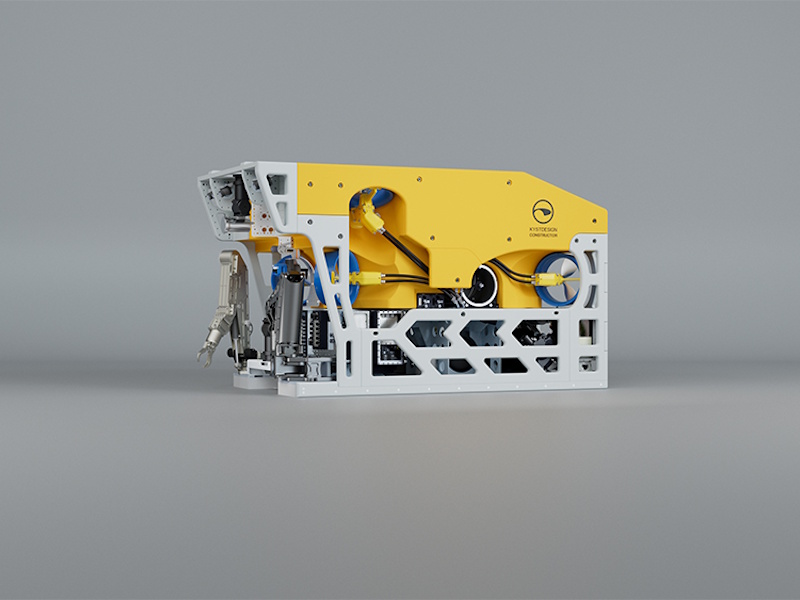
Kystdesign Secures Landmark Contract with a New International Client
Kystdesign has secured its largest contract to date with an undisclosed international client, marking a significant milestone for the company. The agreement, announced recently, involves the provision of four Work Class Remotely Operated Vehicles (ROVs), specifically the Constructor and Constructor Compact models. In addition to the ROVs, Kystdesign will supply Launch and Recovery Systems (LARS), Remote Operating Centres (ROC), as well as spare parts and additional equipment. These advanced ROV solutions are set to enhance the operational capabilities of two Construction Support Vessels (CSVs) within the client’s fleet. This contract underscores Kystdesign's growing presence in the international market and its commitment to delivering comprehensive solutions for marine operations.
kystdesign new contract
Kystdesign Signs Contract with New Client
Kystdesign has secured a contract with the Royal Netherlands Institute for Sea Research (NIOZ) to develop an advanced Remotely Operated Vehicle (ROV) named the Supporter 6000. The agreement was finalized this week, with NIOZ Director Han Dolman and Kystdesign Director Tore Nedland signing the contract. Scheduled for delivery in June 2026, the Supporter 6000 is set to enhance the capabilities of the Dutch marine research community, providing vital support for various underwater research initiatives. This collaboration underscores Kystdesign's commitment to advancing marine technology and NIOZ's dedication to improving research methodologies in marine environments.
kystdesign new contract supporter 6000 rov
Chinese Company Wins Red Dot Award for Panda-Inspired Delivery Robot Design
The Shenzhen-based company, Wandachang Innovation Intelligent Co., has won the prestigious Red Dot Award for its Panda-inspired meal delivery robot, known as Xiong Da. This recognition highlights the robot's unique design that embodies Eastern aesthetics, setting it apart in a market often dominated by minimalist technology. The significance of this award lies in its affirmation of Wandachang's commitment to blending cultural heritage with advanced robotics. The Xiong Da robot features a bionic design inspired by the giant panda, integrating a SLAM positioning system and multi-sensor technology for efficient navigation in narrow spaces. This innovative approach positions the robot as not just a tool, but a companion that resonates emotionally with users. Looking ahead, Wandachang aims to expand its intelligent service system for healthcare and wellness, leveraging its award-winning design to tell the story of Chinese manufacturing on a global stage. No further timeline was disclosed at the time of publication.
Robotics Product Design Cultural Aesthetics Healthcare Technology
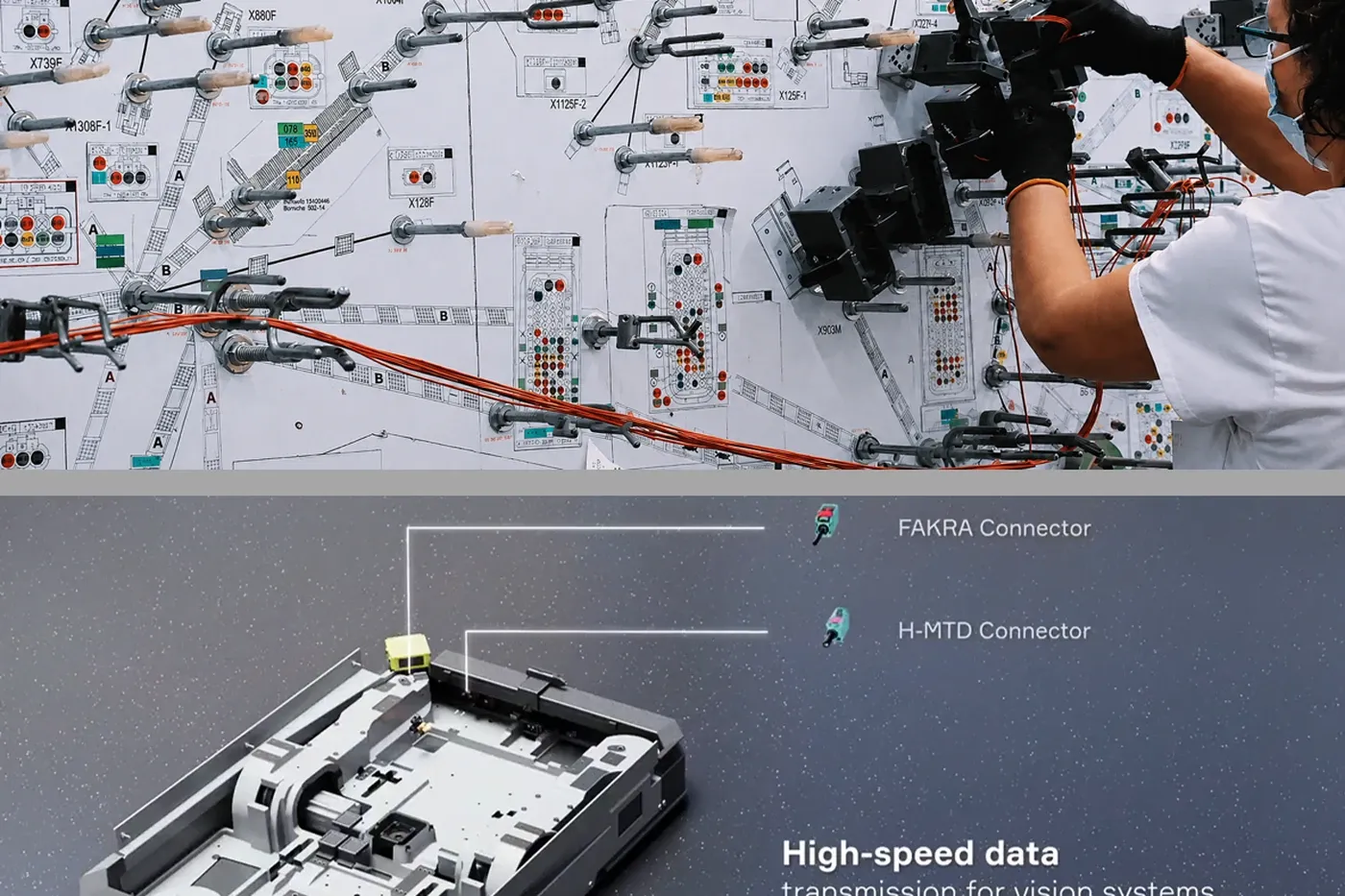
ETCO Incorporated Launches New Electrical Connectors and Terminals for Robotics and Automation
ETCO Incorporated has unveiled a new range of standard and custom electrical connectors and terminals designed specifically for automation systems and robotics. These products are engineered to endure intense operations, constant motion, and vibration, making them suitable for demanding applications. The introduction of these connectors and terminals is significant as they address the growing need for reliable electrical components in automation and robotics. With the increasing complexity of automated systems, the durability and performance of electrical connections are crucial for operational efficiency and safety. Looking ahead, industry stakeholders should monitor the adoption of ETCO's new products in various applications. The effectiveness of these connectors and terminals in real-world scenarios will be key to their success in the market. No further timeline was disclosed at the time of publication.
Phoenix International's CURV 7 ROV Successfully Completes Initial Mission for Navy SUPSALV
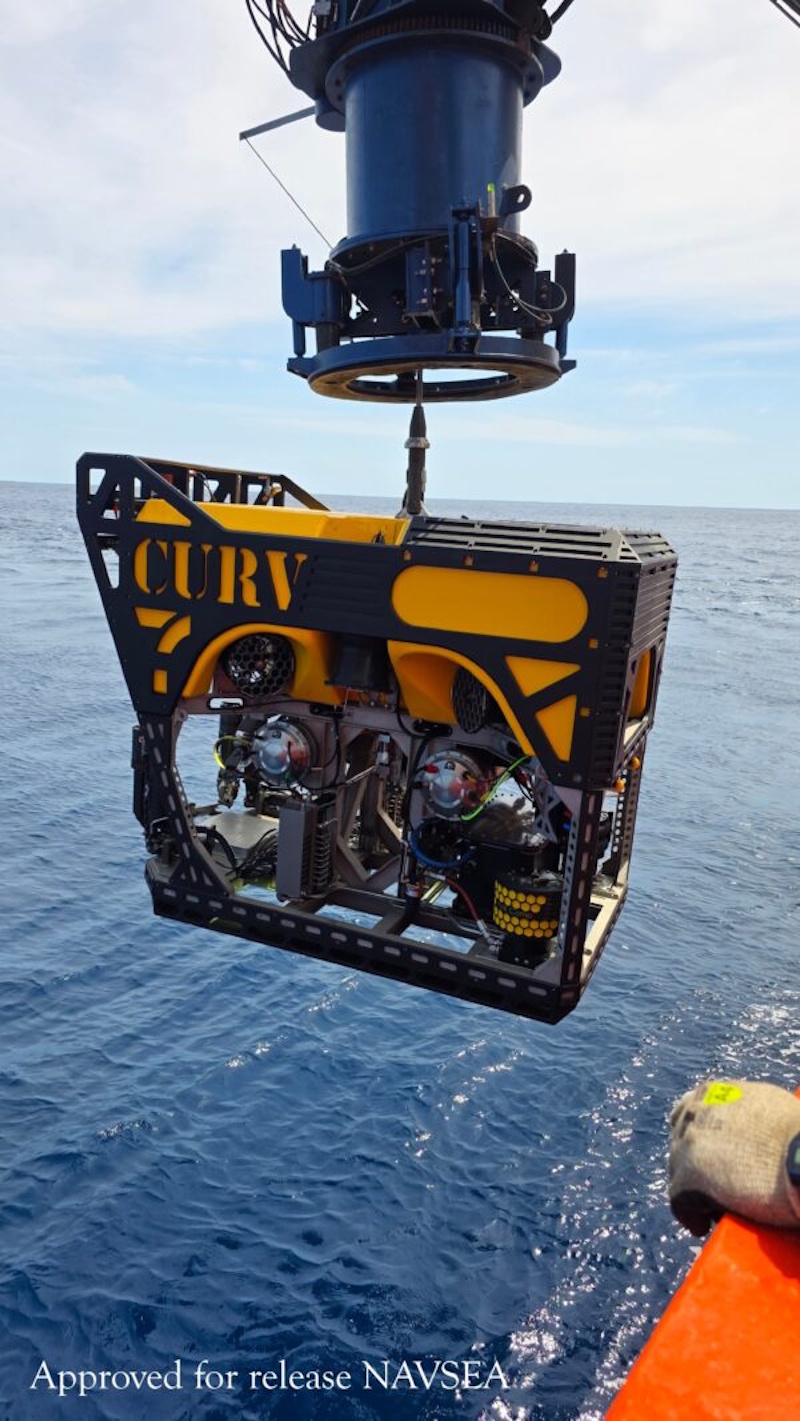
Phoenix International has announced the successful completion of the inaugural mission for its CURV 7 Remotely Operated Vehicle (ROV), developed for the Naval Sea Systems Command Supervisor of Salvage and Diving (SUPSALV). This mission highlights the advanced capabilities of the CURV 7, which is part of a long-standing family of ROV systems designed for deep-ocean operations. The CURV 7 system includes a range of components such as an electro-optic umbilical cable, a traction winch, and various support vans, providing a comprehensive solution for underwater interventions. Its six electric thrusters allow for precise maneuverability in all directions, making it suitable for complex underwater tasks. The successful mission underscores Phoenix's commitment to delivering reliable systems for the U.S. Navy. Looking ahead, additional testing is scheduled for later this year to further validate the CURV 7's capabilities and enhance its operational readiness. This milestone not only reflects years of engineering and collaboration with SUPSALV but also positions the CURV 7 as a critical asset for the Navy's underwater operations worldwide. No further timeline was disclosed at the time of publication.
phoenix international.curv 7 rov u.s. navy supsalv
MIT and EPFL Develop Flapping Robot for Seamless Water-Air Transition with Advanced Wing Design
Researchers from MIT and EPFL have created a flapping robot capable of transitioning between water and air without legs. Weighing approximately 250 grams, the robot features a streamlined body, two flexible wings, and a controllable tail. It can flap its wings at frequencies of up to 6 Hz underwater and 5.2 to 11 Hz in the air, mimicking the behavior of diving birds, as detailed in a recent Science publication. This innovation is significant as it addresses the complex physical challenges of transitioning from water to air, a feat that most diving birds achieve with the aid of their legs. The robot's flexible wings reduce drag and allow for a higher flapping frequency underwater compared to rigid wings. This design not only enhances its swimming efficiency but also aligns with biological observations of diving birds, providing insights into their locomotion strategies. Looking ahead, the research team is exploring optimal wing configurations and has tested various sizes and stiffnesses. Future experiments will focus on the robot's ability to transition from water to air solely through wing flapping, a critical milestone that could reveal more about the mechanics of avian flight and inspire advancements in robotic design. No further timeline was disclosed at the time of publication.
Flapping Robots Aerial Robotics Aquatic Robotics Bio-inspired Engineering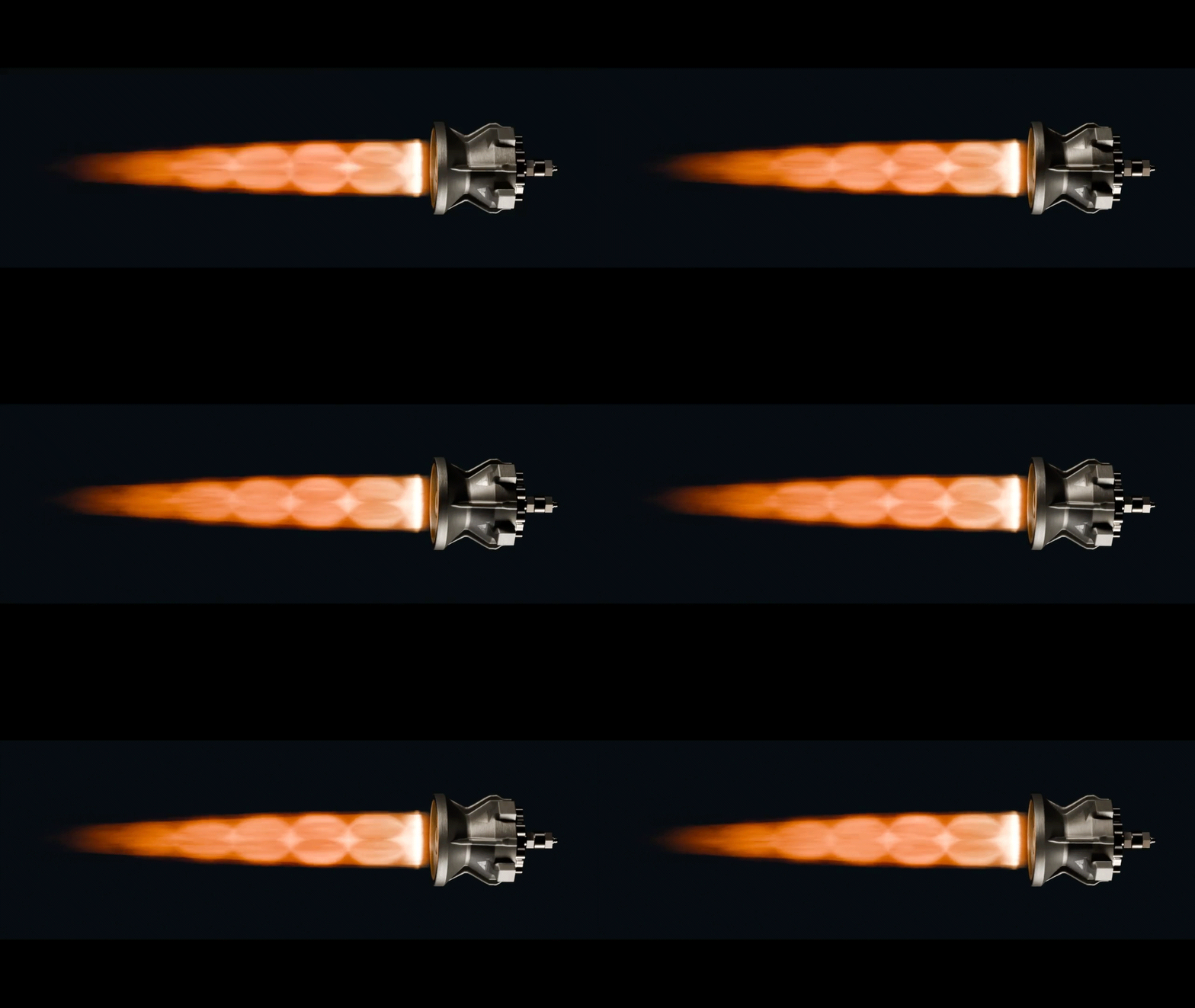
Revolutionary rocket engine company Venus Aerospace raises $91 million to scale design
Venus Aerospace has raised $91 million to further develop the company's rotating detonation rocket engine and plans to bring its designs from testing to production across multiple applications.
Technology
SpaceX Launches Starmind Project for 1 Million AI Satellites by 2028
SpaceX has officially named its orbital AI infrastructure project 'Starmind,' which aims to deploy a constellation of up to 1 million satellites. This initiative, confirmed by Elon Musk on June 22, 2026, will enable AI inference directly in space, utilizing solar energy rather than terrestrial power sources. The first satellite, designated AI1, was unveiled on June 8, 2026, and is designed to operate in sun-synchronous orbits. The significance of Starmind lies in its potential to overcome the limitations faced by ground-based data centers, such as land, power, and water constraints. By running AI computations in orbit, Starmind can provide a more efficient solution to the growing demand for AI computing power. The project leverages the existing Starlink infrastructure for data transmission, distinguishing its function from Starlink's internet relay capabilities. Looking ahead, SpaceX plans to begin hardware deployment with the AI1 satellite, while full-scale production and deployment of the satellite constellation are targeted for 2028. As of now, no Starmind satellites have been launched, and further engineering challenges remain to be addressed, particularly regarding the scalability of the satellite design.

SpaceX's Starmind Project: Supplier Strategy and Chip Manufacturing Plans for 2026
SpaceX's Starmind project, aimed at deploying up to 1 million AI satellites, was filed with the FCC on January 30, 2026. The initiative is designed to minimize reliance on external suppliers, with CEO Elon Musk stating that current chip production capabilities only meet 2% of the projected needs. The first satellite, AI1, is set for prototype launches in early 2027, featuring a 70-meter wingspan and a modular payload system that allows for interchangeable chips from various suppliers. The significance of Starmind lies in its ambitious supply chain strategy, which seeks to transition from external hardware suppliers to a fully integrated Musk-owned facility by 2028. The Gigasat manufacturing site in Bastrop, Texas, is expected to be operational by the end of 2027, with plans for high-volume production of the D3 chip, specifically designed for space applications. This approach aims to consolidate chip manufacturing processes under the Terafab joint venture, which has an estimated initial investment of $55 billion. Looking ahead, the next milestone for Starmind is the launch of AI1 prototypes in early 2027, while the full-scale chip production at Terafab is projected to ramp up significantly thereafter. However, analysts express skepticism regarding the feasibility of achieving Musk's ambitious compute goals, which may require substantial investment and time to establish the necessary manufacturing capabilities.

Tesla's Optimus Robots to Support Starmind Satellite Production, Not Maintenance
Tesla's Optimus robots will not be used to repair Starmind satellites in orbit, as confirmed by recent statements from Elon Musk. Instead, these robots are intended to assist in the construction and operation of the Terafab chip manufacturing facility in Texas. The AI1 satellites, designed to disintegrate upon reentry, highlight the company's swap-and-replace strategy rather than traditional maintenance practices. This approach is significant as it reflects a broader trend in satellite management, where mass-produced satellites are replaced rather than repaired. The economics of servicing missions are prohibitive, with the cost of launching a replacement satellite being significantly lower than conducting a repair mission. This model aligns with SpaceX's operational history, where rapid replacement of satellites is more efficient than attempting to maintain them in orbit. Looking ahead, the focus will remain on the production capabilities of the Gigasat factory, which is expected to support the continuous replacement of satellites. No further timeline was disclosed at the time of publication, but the demand for rapid satellite turnover suggests a robust future for Optimus robots in terrestrial manufacturing rather than in-space servicing.

Why the Autonomous Delivery Robot "Kachakapro" is Selling Well: Design Philosophy and Development Strategy Behind Its Market Leadership
In a recent online seminar hosted by Robosta, Takashi Isobe, CEO of Preferred Robotics, discussed the company's success in capturing the top market share in Japan with their product "Kachakapro." The seminar focused on the development of practical robots that serve real societal needs, highlighting the design philosophy behind creating usable products and the realities of mass production and distribution. Isobe's insights aim to shed light on how robotics can effectively integrate into everyday life, emphasizing the importance of functionality and accessibility in robotic design.

The Rise of Robotic Arms in Tourist Attractions: A Call for Safety and Design Innovation
Robotic arms are increasingly being integrated into tourist attractions, providing exciting experiences for visitors. However, this trend has raised safety concerns regarding the use of industrial robots in public spaces. Experts are calling for the development of specially designed robots that prioritize human interaction and safety. While these advanced technologies have the potential to significantly enhance the tourism experience, it is crucial to address safety issues to ensure public confidence and enjoyment. The ongoing dialogue emphasizes the importance of balancing innovation with the well-being of visitors as the tourism industry continues to evolve.
Robotics Tourism Technology Safety Standards Human-Robot Interaction
Designed to tempt: How mini AI lines up carrots to look their best
Researchers have developed an innovative packaging machine designed to efficiently package snack carrots, utilizing a program that operates on a local PC rather than relying on distant cloud servers. This initiative aims to enhance the speed, cost-effectiveness, and visual appeal of the packaging, ultimately enticing consumers to choose locally sourced, healthy snack options. By teaching the machine to recognize the orientation of the carrots, the team is focused on improving the overall consumer experience and promoting healthier eating habits. The project reflects a growing trend towards sustainable and locally produced food products, aligning with consumer preferences for nutritious snacks.
Robotics
DARPA X-Plane Designed To Maneuver With Just Bursts Of Air Finally Gets Its Wings
Aurora Flight Sciences, in collaboration with the Defense Advanced Research Projects Agency (DARPA), is aiming to launch the X-65 drone in the upcoming year following previous delays and budget increases. This innovative drone is designed to maneuver using only bursts of air, showcasing advanced aerodynamics and control technology. The project reflects DARPA's commitment to pushing the boundaries of aviation technology and enhancing military capabilities. The successful flight of the X-65 could mark a significant milestone in drone development, potentially leading to new applications in both defense and civilian sectors.
Air Drones News & Features Unmanned
Design and Testing of a Minimal Configuration Underwater Micro‐Glider: Automating Lake and Reservoir Monitoring
The Journal of Field Robotics has recently published an early view article highlighting advancements in robotic technology and its applications in various fields. This publication, which became available in October 2023, showcases innovative research conducted by a team of engineers and scientists from leading universities and research institutions. The article focuses on the development of autonomous robots designed for complex tasks in environments such as agriculture, disaster response, and exploration. The research aims to address the growing need for efficient and reliable robotic systems capable of operating in challenging conditions, driven by the increasing demand for automation in various industries. Through rigorous testing and experimentation, the authors detail the methodologies employed in creating these advanced robotic systems, emphasizing their potential to enhance productivity and safety. The findings presented in this publication are expected to contribute significantly to the ongoing discourse on the future of robotics and its integration into everyday life. As the field of robotics continues to evolve, this early view article serves as a timely reminder of the transformative impact that innovative technologies can have on society, paving the way for further research and development in the coming years.
RESEARCH ARTICLE
Design and Verification of a Multi‐Feature Wind Field Generation Device Based on Array‐Type Rotors
A recent study published in the Journal of Field Robotics explores advancements in robotic technology aimed at enhancing agricultural efficiency. Conducted by a team of researchers from various universities, the study highlights the development of autonomous robots capable of performing tasks such as planting, weeding, and harvesting crops. This research, which was initiated in early 2023, took place at agricultural fields across multiple locations in the Midwest United States. The motivation behind this initiative stems from the growing need for sustainable farming practices and the increasing labor shortages faced by the agricultural sector. By integrating advanced robotics into farming operations, the researchers aim to reduce reliance on manual labor while simultaneously increasing productivity and minimizing environmental impact. The study details the design and implementation of these robots, which utilize machine learning algorithms to navigate fields and make real-time decisions based on environmental conditions. Initial trials have shown promising results, indicating that these robots can significantly improve crop yields while reducing resource consumption. As the agricultural industry faces mounting challenges, this research represents a critical step toward the future of farming, showcasing how technology can play a pivotal role in addressing food security and sustainability. The findings are expected to influence future developments in agricultural robotics and encourage further investment in this innovative sector.
RESEARCH ARTICLE
Elephant trunk skin reveals design that could reshape soft robotics
Researchers from Zurich University have conducted a study on the unique properties of an elephant's trunk, which is known for its strength and dexterity. The team, led by Lucia Beccai, examined the skin of the trunk to gain insights that could inform the development of advanced soft robotics. This investigation was made possible by the acquisition of a trunk from an adult Asian elephant, which had died of natural causes at the Zurich Zoo in 2020. The study aims to explore how the trunk's muscular and boneless structure allows for both heavy lifting and delicate movements, potentially leading to innovations in robotic design that mimic these capabilities.
Robotics
Deep learning co-design helps scientists project 28-layer 3D images without crosstalk
Engineering researchers at the University of California, Los Angeles (UCLA) have unveiled a groundbreaking three-dimensional printing technology that significantly enhances the production of complex structures. This innovative method, introduced in October 2023, aims to revolutionize various industries by allowing for the rapid and precise fabrication of intricate designs that were previously difficult or impossible to achieve. The researchers' motivation stems from the growing demand for more efficient manufacturing processes that can produce high-quality components while minimizing waste and time. By leveraging advanced materials and techniques, the team has demonstrated that their new approach can streamline production workflows and reduce costs, making it an attractive option for sectors such as aerospace, automotive, and biomedical engineering. This development not only showcases the potential of 3D printing technology but also emphasizes UCLA's commitment to leading research in engineering and technology. The researchers plan to further refine their technique and explore its applications across various fields, aiming to set new standards in manufacturing efficiency and innovation.
Science
Robotics Summit panel explores the state of humanoid robot design
At the Robotics Summit & Expo, industry experts gathered to discuss advancements in humanoid robotics, focusing on the potential to reach a price point of $20,000 for these technologies in the near future. The panel highlighted current design innovations and the challenges that remain in making humanoid robots more accessible. This event, held today, served as a platform for sharing insights on the future of robotics and its implications for various sectors. The discussions underscored the growing interest in humanoid robots and the ongoing efforts to enhance their affordability and functionality.
Actuators / Motors / Servos Arms / Manipulators Artificial Intelligence Cameras / Imaging / Vision Design / Development Events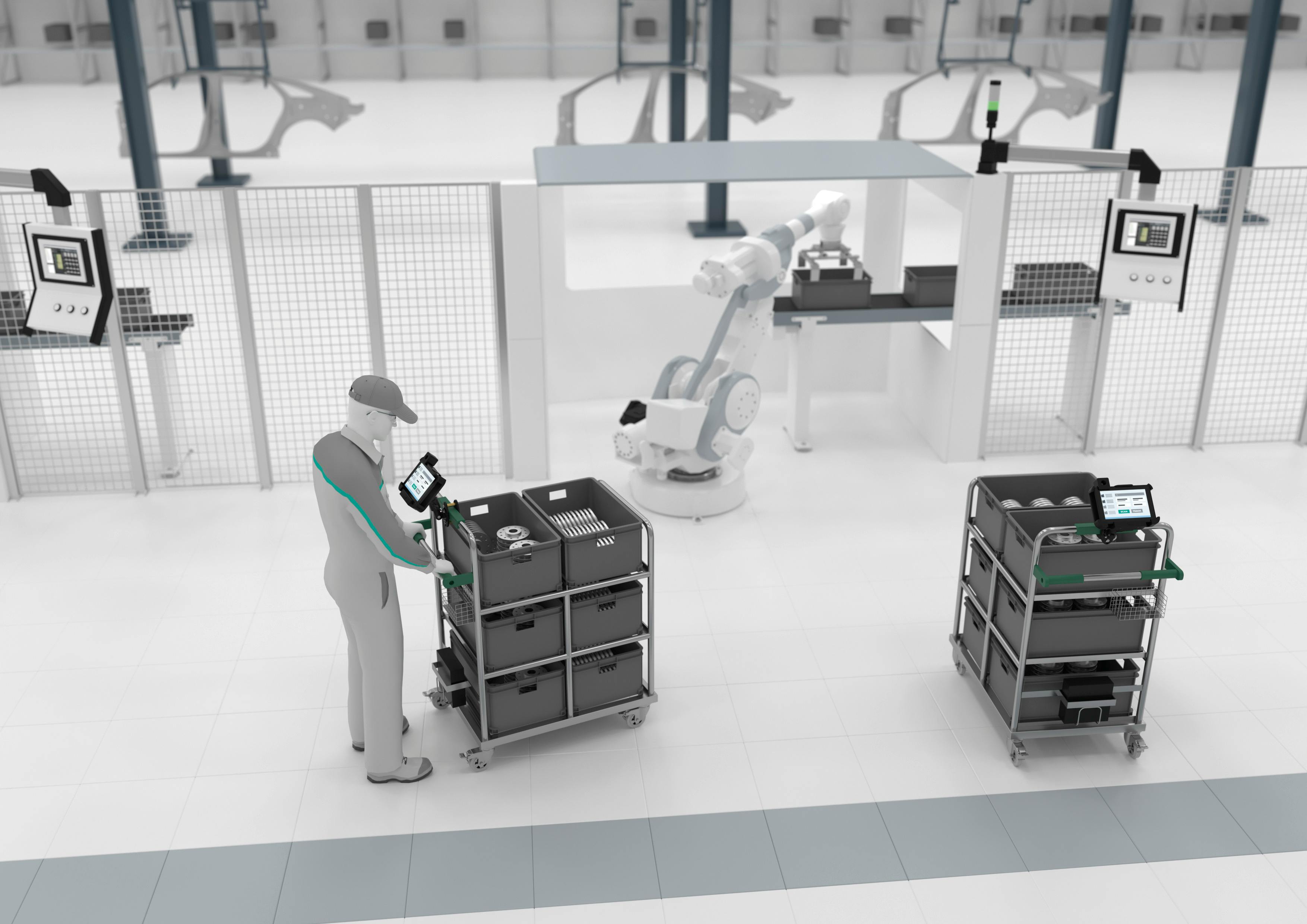
Pepperl+Fuchs Announces Device Series Designed for Industrial Uses
The Tab-IND series, recently launched by a leading technology company, is designed to withstand and perform in challenging environments. This innovative product line aims to cater to users who require reliable devices for demanding conditions, making it suitable for industries such as construction, manufacturing, and outdoor activities. The series was unveiled in October 2023, highlighting the company's commitment to providing durable technology solutions. By incorporating robust features and materials, the Tab-IND series addresses the needs of professionals who often work in extreme weather or rugged terrains, ensuring they remain connected and productive regardless of their surroundings.
Factory / Communication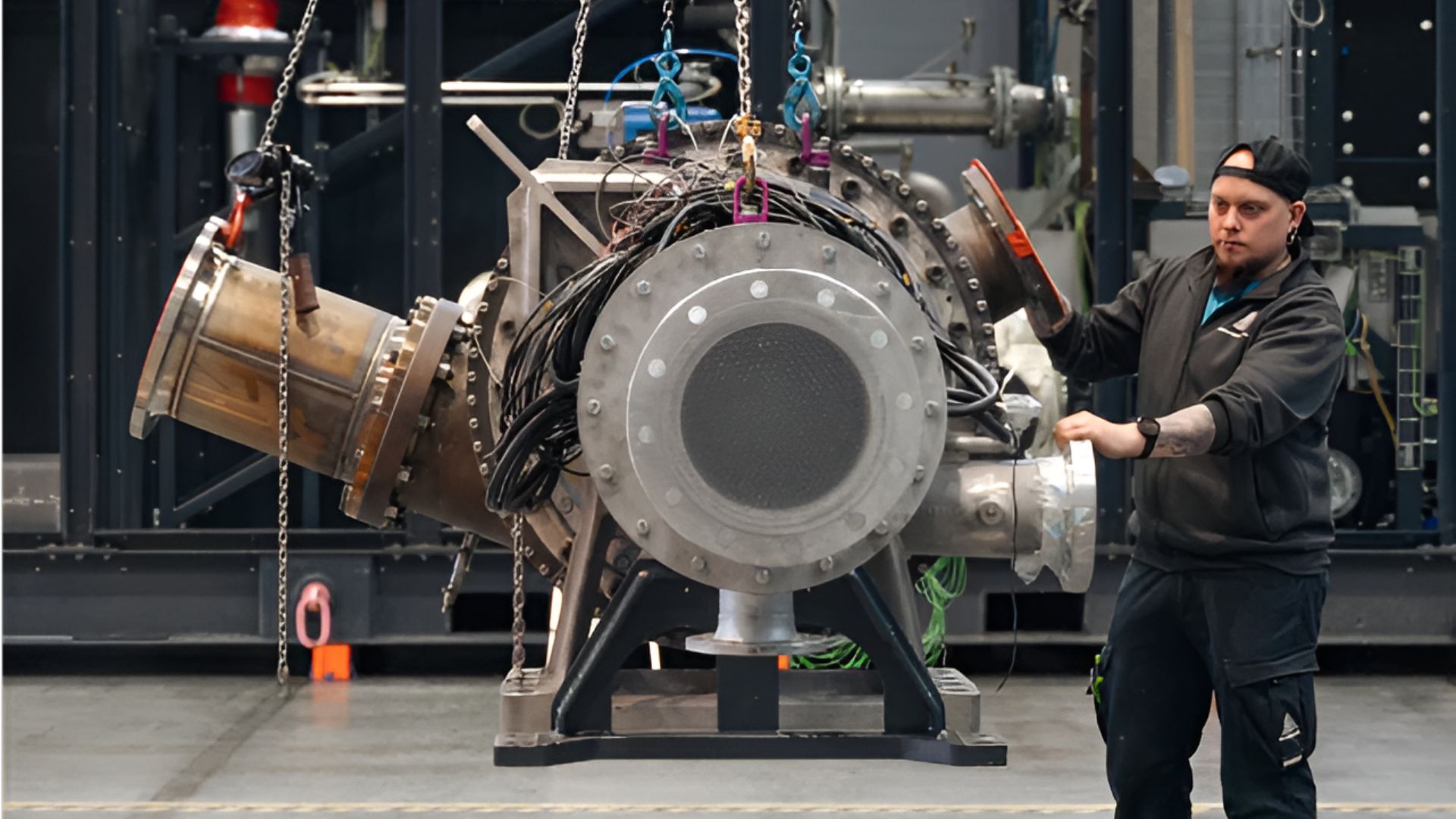
Advanced metal 3D printing minimizes failure points in complex gas turbine designs
Metal additive manufacturing is increasingly being adopted in production-focused energy systems, moving beyond its traditional use in aerospace prototypes. This shift reflects a growing recognition of the technology's potential to enhance efficiency and reduce costs in various sectors. As companies seek innovative solutions to meet rising energy demands, the integration of metal additive manufacturing offers a pathway to streamline production processes and improve the performance of energy systems. This trend is gaining momentum as industry leaders invest in research and development to harness the benefits of this advanced manufacturing technique, which allows for greater design flexibility and material optimization. The transition is expected to reshape the landscape of energy production, paving the way for more sustainable and efficient systems in the future.
Innovation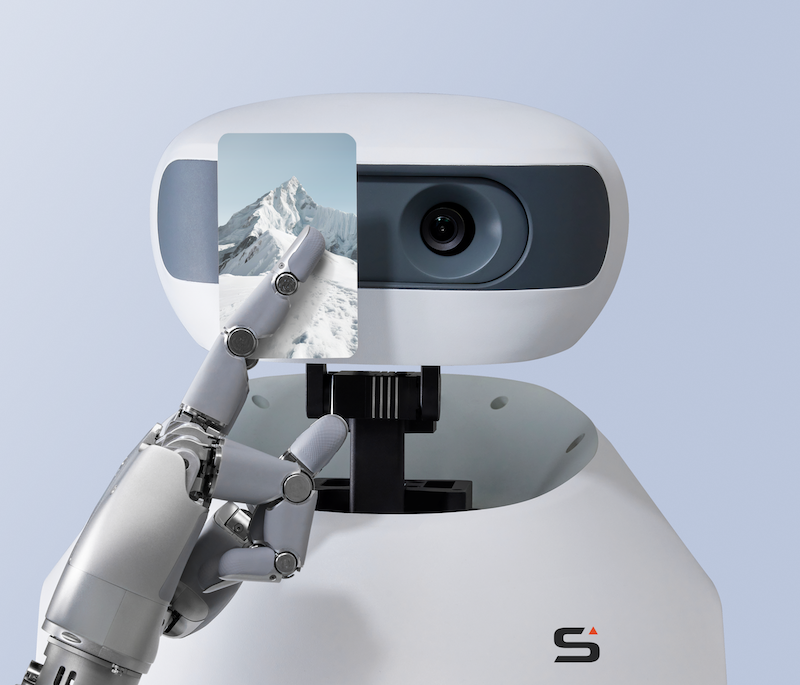
Sharpa brings dexterous robot hands to Nvidia and Unitree humanoid reference design
Sharpa has unveiled the integration of its Wave tactile robot hands into the Unitree H2 Plus humanoid robot reference design, marking a significant advancement in robotics technology. This collaboration makes the Unitree H2 Plus the first dexterous humanoid platform to utilize Sharpa's tactile manipulation technology within Nvidia’s Isaac GR00T development framework. The companies aim to enhance the capabilities of robotics developers and researchers by providing a sophisticated platform that combines advanced tactile feedback with humanoid robotics. This integration is expected to facilitate innovative developments in the field, enabling more nuanced and effective interactions between robots and their environments.
Humanoids News automation news dexterous manipulation humanoid robots nvidia
Jumping spider’s layered retina drives design of low-power 3D camera for AR and robotics
A team of engineers has conducted an in-depth study of the vision capabilities of jumping spiders, leveraging this unique biological model to inspire innovative technological advancements. This research, which took place over several months, aims to enhance the design of visual systems in robotics and artificial intelligence. By examining the spiders' exceptional ability to perceive depth and motion, the engineers have developed new algorithms that could significantly improve the performance of machines in complex environments. The findings were presented at a recent conference focused on biomimicry and robotics, highlighting the potential for nature-inspired solutions to address modern technological challenges. This interdisciplinary approach not only showcases the intricate relationship between biology and engineering but also opens new avenues for creating smarter, more adaptive robotic systems.
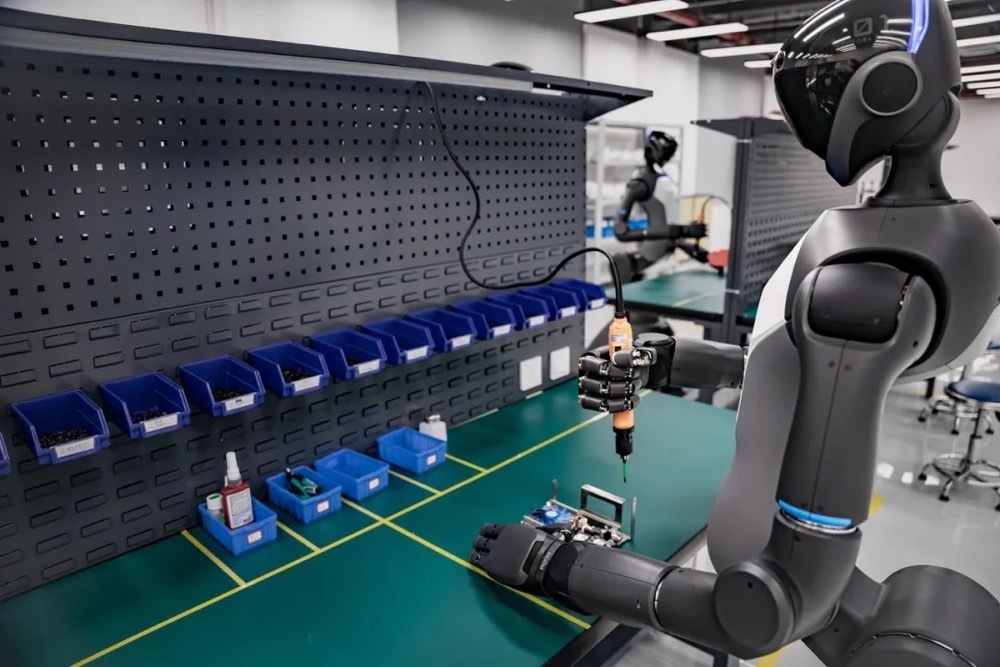
A Design Specifications Template for Wearable Haptic Interfaces: A Case Study for Robotic Gripper Applications
A recent study published in the Journal of Field Robotics highlights advancements in autonomous robotic systems designed for agricultural applications. Researchers from various institutions collaborated to explore the integration of artificial intelligence and machine learning in enhancing the efficiency of farming practices. The study, released in early October 2023, emphasizes the growing need for innovative solutions in agriculture due to increasing global food demands and labor shortages. The research team conducted extensive field tests in multiple agricultural settings to evaluate the performance of these autonomous systems. By employing advanced algorithms, the robots demonstrated improved capabilities in tasks such as planting, harvesting, and monitoring crop health. The findings suggest that these technologies could significantly reduce labor costs and increase productivity, addressing critical challenges faced by the agricultural sector. This initiative aims to provide farmers with reliable tools that can adapt to various environmental conditions and crop types, ultimately contributing to sustainable farming practices. The study's outcomes are expected to influence future developments in agricultural robotics, paving the way for more efficient and environmentally friendly farming solutions.
RESEARCH ARTICLE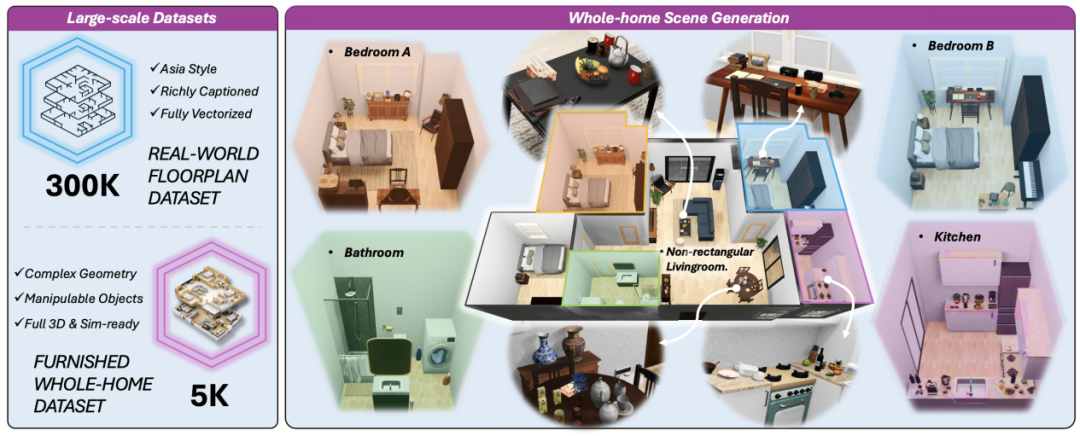
Daxiao Robotics Releases Open Source 3D Dataset for Chinese Home Designs, Challenging Figure AI
Daxiao Robotics, in partnership with the Chinese University of Hong Kong and Shenzhen He Tao College, has unveiled the world's first extensive 3D dataset specifically designed for Chinese households. This groundbreaking resource includes 300,000 authentic floor plans and 5,000 interactive simulation scenes, marking a significant advancement in the field of robotics. Launched recently, the dataset aims to improve the training of robots for various household tasks, thereby contributing to the evolution of embodied AI within the Chinese market. By providing this comprehensive data, the collaboration seeks to enhance the capabilities of robots in domestic environments, ultimately fostering innovation in the sector.
3D Data Sets Embodied AI Home Robotics Simulation Technology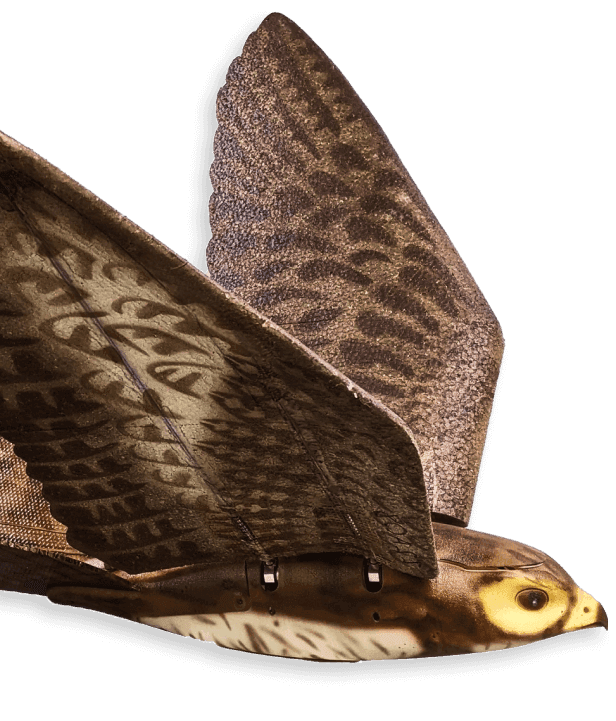
Designed to Fly Like a Falcon, RoBird Takes Aim at Crop-Damaging Birds
A new application for the RoBird drone, designed to mimic the flight of a falcon, is emerging as a solution for agricultural crop protection in Queensland, Australia. Originally developed to prevent bird strikes at airports, this innovative flapping-wing technology is now being tested by local growers to safeguard their crops from damage caused by birds. The shift in usage highlights the versatility of the RoBird, as it adapts to address challenges in agriculture, demonstrating its potential to enhance farming practices while reducing reliance on traditional pest control methods.
Agriculture Applications Conservation Drone News Drone News Feeds Drones in the News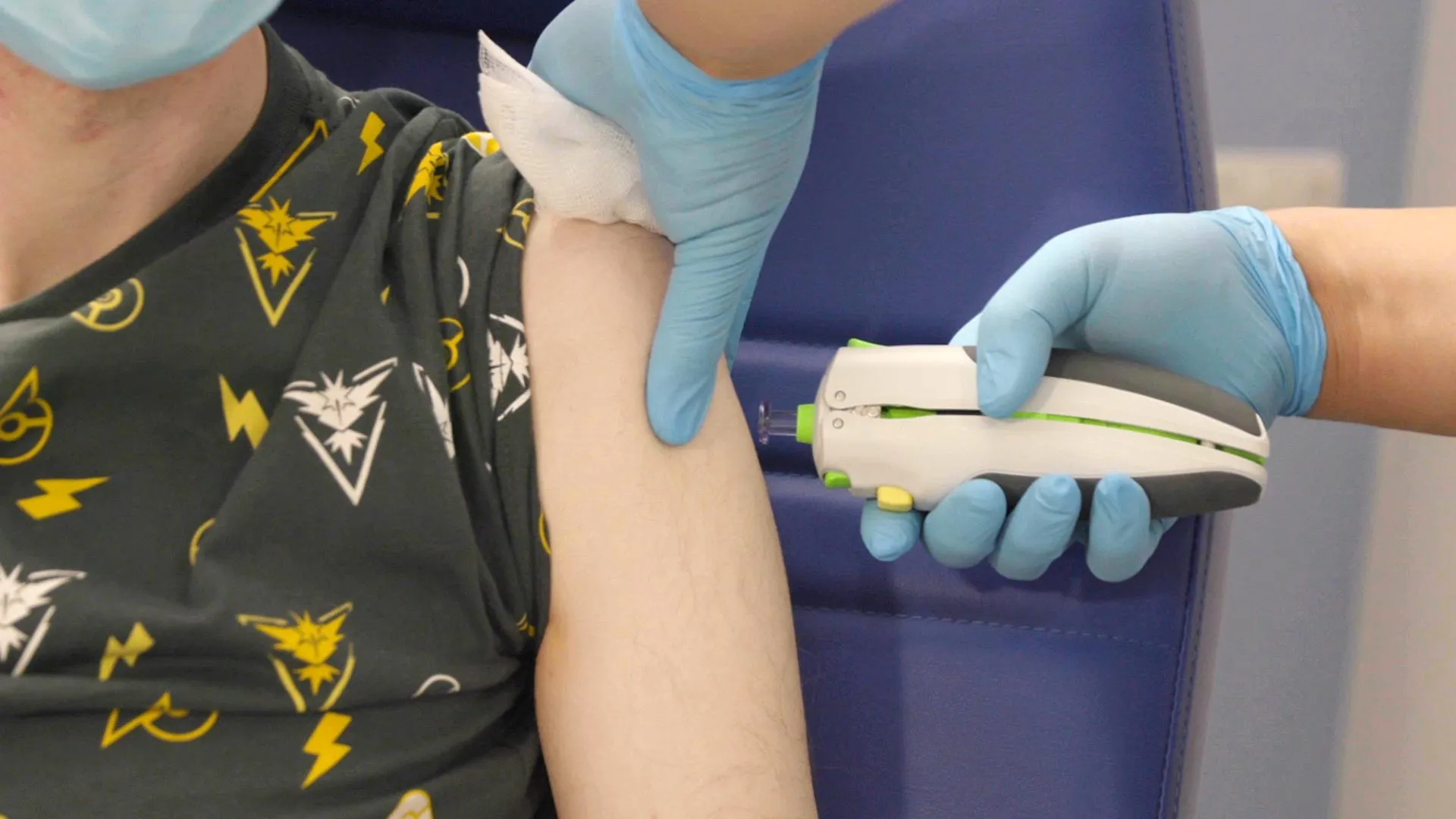
AI-designed universal coronavirus vaccine passes first human trial
In a groundbreaking development, scientists have conducted the first human trials of an AI-designed universal coronavirus vaccine, demonstrating its safety and tolerability. The trials revealed that the vaccine effectively elicited immune responses against a range of coronaviruses, including SARS-CoV-2, SARS, and various bat viruses that pose a potential pandemic threat. This innovative approach focuses on targeting common features shared among the entire coronavirus family, aiming to ensure continued protection as these viruses evolve. The successful results mark a significant step forward in the fight against coronavirus diseases, potentially paving the way for broader and more effective vaccination strategies in the future.

Multiway Robotics Unveils OT10 Omnidirectional Autonomous Pallet Truck, Winner of the 2026 French Design Award
Multiway Robotics has introduced the OT10 Omnidirectional Autonomous Pallet Truck, a cutting-edge solution aimed at enhancing intralogistics operations. Launched on June 5, 2026, the OT10 has been recognized with the prestigious 2026 French Design Award for its innovative design and engineering. This autonomous pallet truck features 360° omnidirectional movement, advanced 3D SLAM navigation, and compatibility with various pallet types, allowing businesses to optimize storage utilization and improve operational flexibility in warehouse and manufacturing settings. The OT10 is designed to navigate tight spaces, making it ideal for environments with narrow aisles, and can operate efficiently where traditional forklifts may struggle. Its infrastructure-free navigation technology enables quick deployment and adaptability to changing layouts, while its autonomous elevator integration facilitates seamless cross-floor material transport. Safety is a priority, with the OT10 equipped with a nine-layer safety protection system that includes obstacle detection and emergency stop functions, ensuring safe operation alongside personnel and equipment. By combining intelligent automation with user-centric design, the OT10 aims to streamline material handling processes, supporting businesses in their digital transformation and efficiency goals.

Watch: Shanghai firm unveils 1.2m humanoid robot with dual brains and compact design
A Shanghai-based robotics company has introduced a new compact humanoid robot, signaling a significant expansion for the firm in the competitive robotics market. The unveiling took place during a technology expo in Shanghai on October 15, 2023. This innovative robot is designed to assist in various tasks, showcasing advanced artificial intelligence and mobility features aimed at enhancing productivity in both domestic and industrial settings. The company aims to address the growing demand for automation solutions, driven by an increasing labor shortage and the need for efficiency in operations. By leveraging cutting-edge technology, the firm hopes to position itself as a leader in the robotics industry, catering to a wide range of applications from personal assistance to complex industrial tasks.

NVIDIA unveils its first open humanoid reference design, "Isaac GR00T."
NVIDIA has unveiled its first open-source humanoid robot reference design, named the NVIDIA Isaac GR00T Reference Humanoid Robot, aimed at advancing robotics research. This announcement was made recently, highlighting NVIDIA's commitment to fostering innovation in the field of robotics. The new design is expected to provide researchers and developers with a versatile platform to explore and develop robotic applications. By making the design open-source, NVIDIA aims to encourage collaboration and accelerate advancements in humanoid robotics, allowing a broader community to contribute to and benefit from this technology.

Free Online Seminar: Why the Autonomous Delivery Robot "Kachakapro" is Successful - Design Philosophy and Development Strategy Behind Its Market
In a recent online seminar hosted by Robosta, Takashi Isobe, CEO of Preferred Robotics, shared insights into the development of practical robots that are making a significant impact in society. The seminar highlighted the company's success in capturing the top market share in Japan with its flagship product, the "Kachaka Pro." Isobe discussed the design philosophy behind creating products that are not only functional but also widely adopted, emphasizing the importance of mass production and distribution in the robotics industry. The event provided a platform for exploring the realities of bringing useful robotic solutions to the market, reflecting the growing role of technology in everyday life.

Microsoft 365 Copilot unveils new design, usage in Excel rises by 33%.
Microsoft has unveiled a new design for its "Microsoft 365 Copilot," significantly enhancing usability and performance through phased rollout strategies and the introduction of context-aware, autonomous agents. This innovative approach has already yielded impressive results, including a 33% increase in usage within Excel. The updates aim to streamline workflows and improve user experience across the Microsoft 365 suite, reflecting the company's commitment to integrating advanced technology into everyday tasks.

Knitting Designers Create Skin for Humanoid Robots
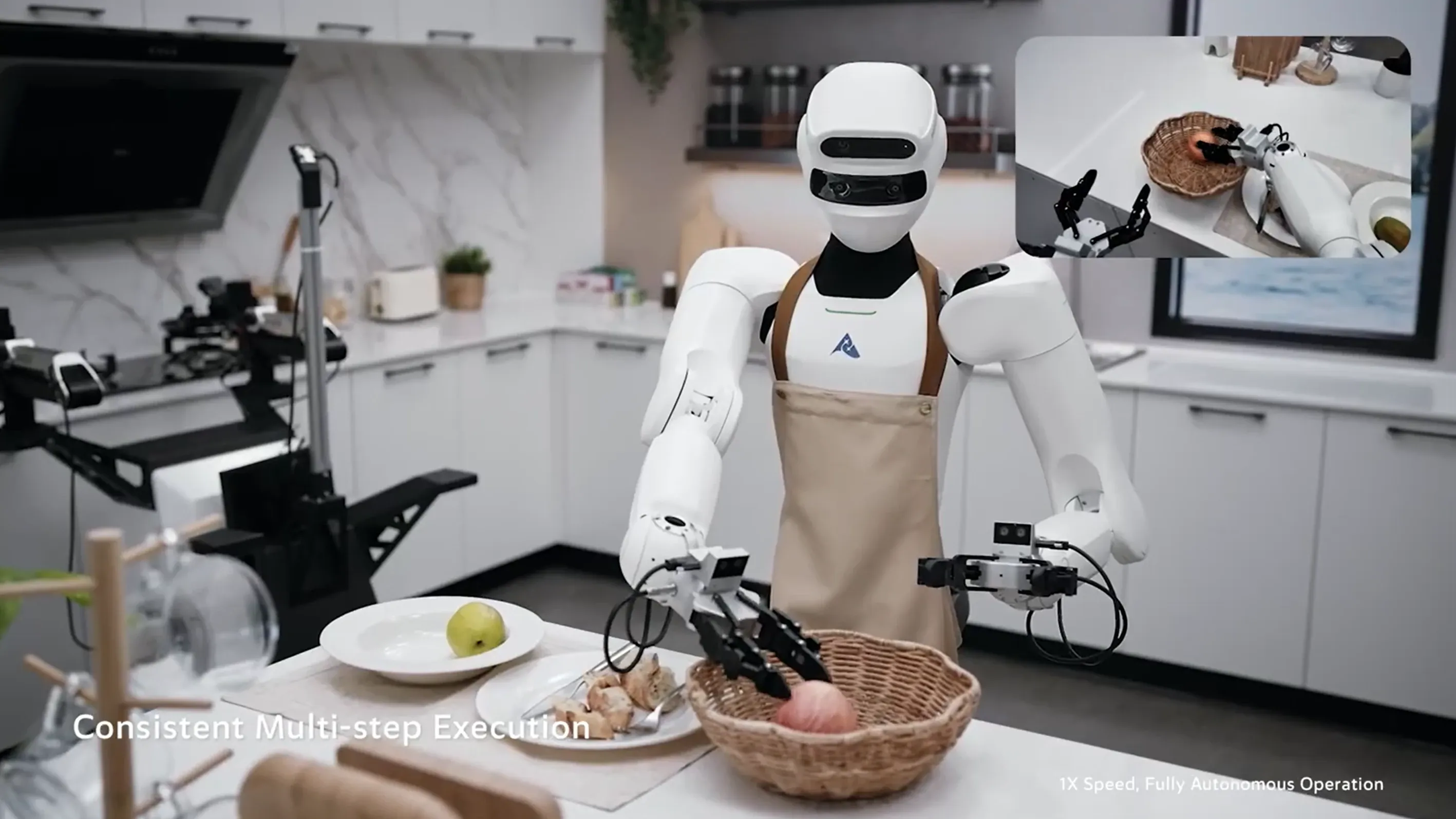
Humanoid robots are undergoing a transformation in their design, as a Shanghai-based knitting design company leads an innovative collaboration to enhance their social acceptance. By dressing these robots in soft, intricately knitted exteriors, the initiative addresses both aesthetic concerns and user comfort, significantly altering public perception of robots in everyday settings. This pioneering effort employs specialized techniques to create flexible and breathable materials that serve as a 'skin' for the robots, promoting more engaging interactions with users. As this trend gains momentum, it marks a notable shift in the integration of robotics into daily life, emphasizing the importance of both functionality and visual appeal.
Humanoid Robots Robotics Design Textile Technology User Interaction AI
New plasma-powered rocket design could make solid motors restartable
The Aerospace Corporation is making significant strides in the development of a restartable solid rocket motor (RSRM), a technology that could enhance the flexibility and efficiency of space missions. This innovative motor design allows for multiple ignitions, which could be crucial for various applications, including satellite deployment and deep-space exploration. The advancements come as part of ongoing efforts to improve propulsion systems in the aerospace industry. The research and testing phases are currently taking place at the company’s facilities in California, with the aim of addressing the growing demand for more adaptable and reliable rocket systems. By enabling rockets to be restarted in-flight, the RSRM could revolutionize mission planning and execution, ultimately contributing to more cost-effective and sustainable space operations. The Aerospace Corporation's work in this area reflects a broader trend in the aerospace sector, where the need for versatile and efficient technologies is becoming increasingly critical as space exploration continues to expand.

Microsoft announces "Surface Laptop Ultra," designed with NVIDIA, enabling local execution of AI models.
Microsoft has unveiled its latest notebook, the Surface Laptop Ultra, marking a significant advancement in its product line. This new device is the first Surface model to feature the RTX Spark system-on-chip (SoC), which was co-designed with NVIDIA. The Surface Laptop Ultra boasts an impressive AI computing performance of 1 petaflop, allowing it to handle complex tasks efficiently. It is equipped with up to 128GB of unified memory, enabling the execution of models with 120 billion parameters locally. The highly anticipated laptop is set to be released in the fall of 2026, reflecting Microsoft's commitment to integrating cutting-edge technology into its devices to meet the growing demands of AI applications.

Nvidia, Unitree and Sharpa unite to design humanoid robot that can perform ‘real work’
Nvidia has announced a collaboration with Unitree Robotics, a leading Chinese robotics company, and Singapore-based Sharpa, a manufacturer of robotic hands, to introduce a new humanoid robot reference design aimed at fostering innovation in the global humanoid robotics sector. CEO Jensen Huang revealed the initiative on Monday, highlighting the design, named H2+ or Isaac GR00T, which is intended to enhance industry-wide research in humanoid robotics. This new reference design will facilitate a more efficient development process for developers by streamlining essential workflows, including data collection, policy training, and real-world application testing. The partnership underscores Nvidia's commitment to advancing robotics technology and supporting developers in creating more sophisticated humanoid robots.

Saronic’s Marauder Enters On-Water Trials: Designed, Built, and Launched in Under a Year
Saronic has unveiled its inaugural Marauder Medium Unmanned Surface Vessel (MUSV), which is engineered to provide autonomous capabilities for both defense and commercial uses far from shore. This significant launch marks a remarkable achievement in American shipbuilding, as the transition from initial design to on-water trials was completed in less than a year—a pace not recorded since World War II. The swift development underscores Saronic's innovative approach and the effectiveness of its integrated production model.
saronic marauder usv on-water trials
NVIDIA and TSMC Bring AI Into Fabs to Advance Semiconductor Design and Manufacturing
NVIDIA has revealed that TSMC, the leading semiconductor manufacturer globally, is leveraging NVIDIA's accelerated computing and artificial intelligence technologies to enhance its semiconductor design and manufacturing processes. This collaboration aims to improve efficiency and innovation in the semiconductor industry, reflecting the growing importance of advanced computing solutions in driving technological advancements. The announcement underscores the strategic partnership between the two companies, highlighting their commitment to pushing the boundaries of semiconductor capabilities.
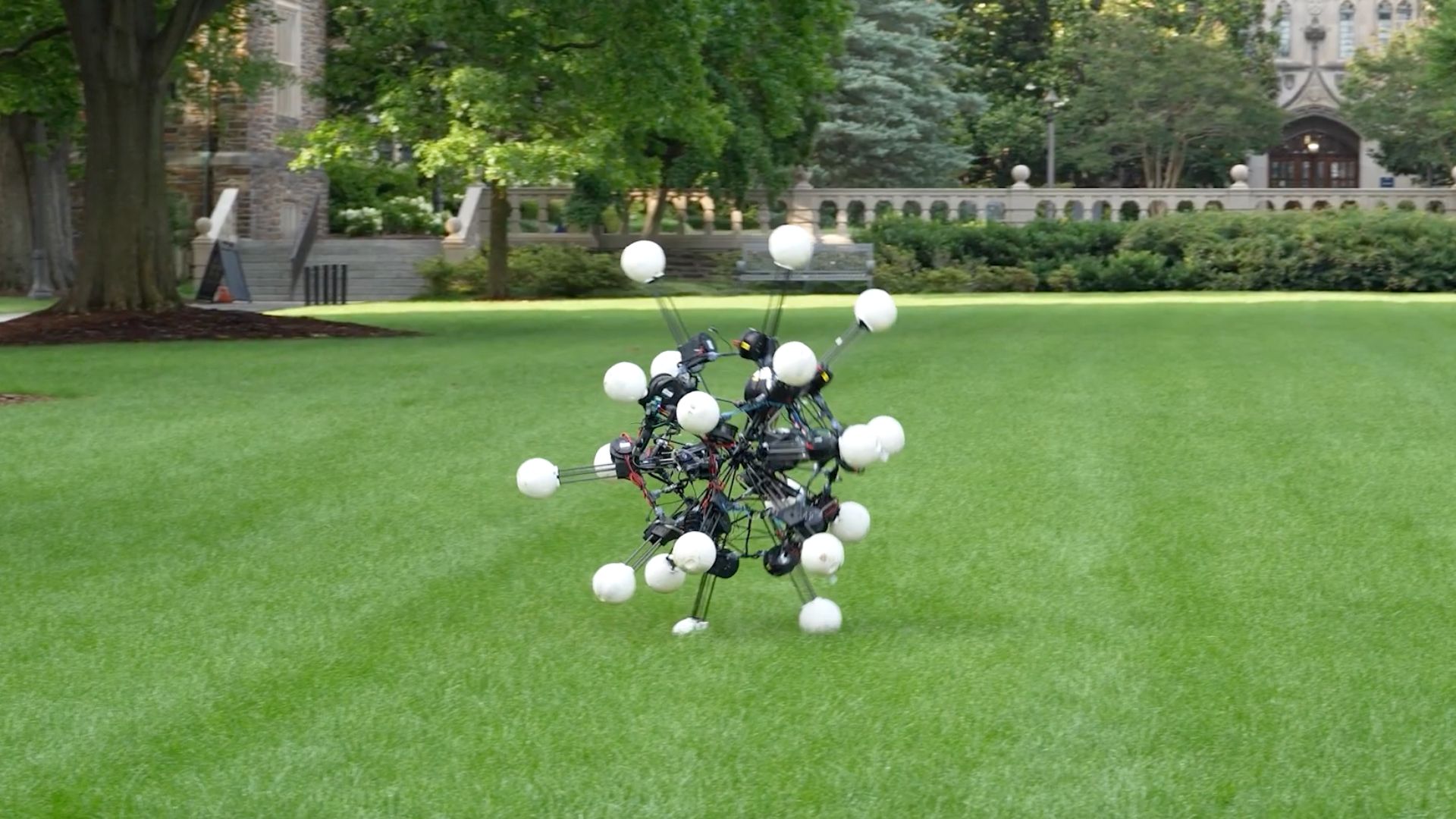
New 20-legged Argus robot redefines robotics with directionless movement design
Researchers at Duke University have unveiled an innovative robotic system that redefines conventional design principles in robotics. This groundbreaking development, announced on October 15, 2023, aims to enhance the adaptability and functionality of robots in various environments. Located in Durham, North Carolina, the team’s work is driven by the need for more versatile robots capable of performing complex tasks in unpredictable settings. The new system employs advanced algorithms and flexible materials, allowing robots to adjust their shapes and movements in real-time based on their surroundings. This adaptability is crucial for applications ranging from search and rescue missions to automated manufacturing processes, where conditions can change rapidly and unpredictably. By integrating insights from biology and engineering, the researchers have created a platform that not only improves the robots' operational efficiency but also reduces the need for extensive reprogramming when faced with new challenges. The implications of this technology extend beyond robotics, potentially influencing fields such as artificial intelligence and materials science. This innovative approach represents a significant step forward in robotic design, promising to enhance the capabilities of machines in both industrial and everyday applications. As the research progresses, the team at Duke University aims to collaborate with industry partners to bring these advancements to practical use, ultimately transforming how robots interact with the world around them.

What Robot Designers Should Check Before Choosing Right-Angle Gearing
In the realm of real right-angle gear projects, industry experts have identified significant challenges that arise not from the gear types themselves, but rather from discrepancies in joint targets, support design, and acceptance criteria. These mismatches can lead to complications during the development and implementation phases, ultimately affecting project outcomes. As professionals navigate these complexities, understanding the underlying issues becomes crucial for ensuring successful project execution. Addressing these concerns requires a thorough analysis of design specifications and alignment between all stakeholders involved. By focusing on these critical areas, teams can enhance the efficiency and reliability of right-angle gear projects, paving the way for improved performance and satisfaction in future endeavors.

Designing a Global MES/MOM Template that Plants can Actually Use
A new template has been developed to enhance operational efficiency within organizations, emphasizing the need for a balance between global consistency and localized network requirements. This initiative, which aims to streamline processes and improve communication, was introduced in response to the growing complexity of managing diverse operations across different regions. The rollout of the template is set to begin in early November 2023, with implementation expected to occur across various departments and teams worldwide. This strategic approach is designed to ensure that while global standards are maintained, local adaptations can be made to meet specific needs and challenges. By fostering this dual focus, organizations hope to enhance collaboration and drive better results in their operations.
Factory / Plant Maintenance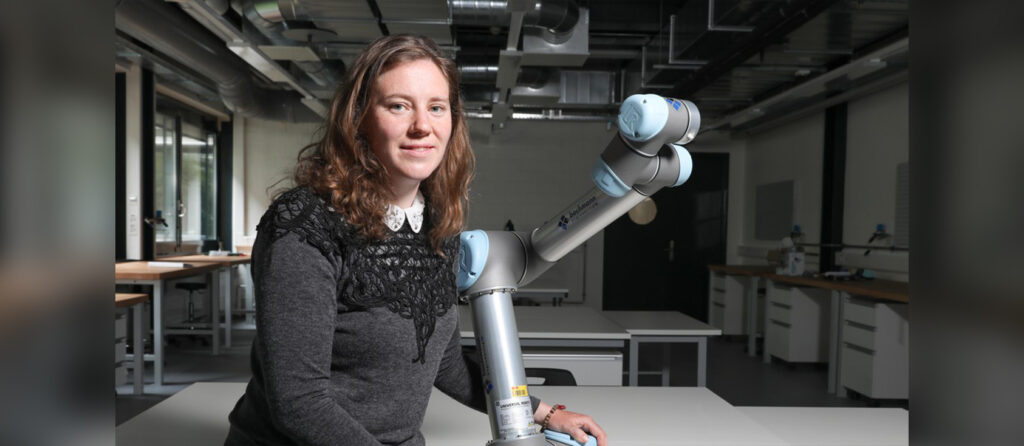
Robot Talk Episode 157 – Generating new robot designs, with Josie Hughes
Claire recently engaged in a discussion with Josie Hughes, an Assistant Professor at École Polytechnique Fédérale de Lausanne (EPFL), regarding the innovative application of artificial intelligence in the design of robotic manipulators. Hughes, who founded the CREATE Lab at EPFL in 2021, shared insights from her extensive academic background, including her PhD work at the University of Cambridge, where she focused on bio-inspired robotics. The conversation highlighted the potential of AI to revolutionize the field by enhancing the functionality and efficiency of robotic systems, reflecting a growing trend in integrating advanced technologies into robotics research.
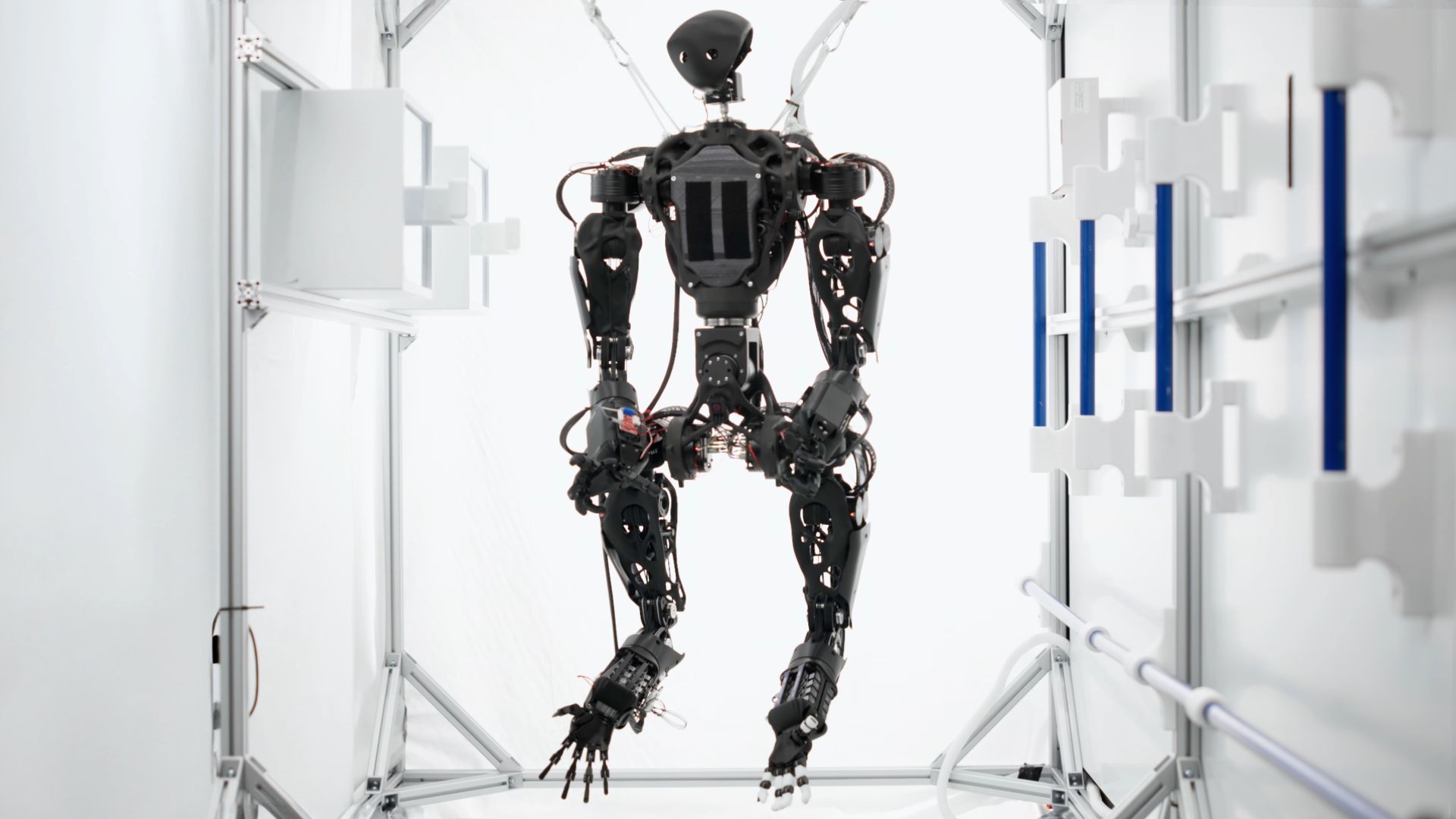
Video: Helios humanoid robot brings a four-armed design for in-orbit missions
A Canadian robotics company has introduced an innovative humanoid robot intended for space exploration. The unveiling took place recently, showcasing the robot's advanced capabilities and potential applications in extraterrestrial environments. This development aims to enhance human efficiency and safety during missions beyond Earth, addressing the growing need for reliable robotic assistance in space. The robot is designed to perform various tasks that could support astronauts, thereby reducing their workload and allowing them to focus on critical operations. The project reflects ongoing efforts in the aerospace sector to integrate cutting-edge technology into future space missions, highlighting the importance of robotics in advancing human exploration of the cosmos.

Airbus triples compute power with supercomputer upgrade for next-gen aircraft design
Airbus, the leading French aerospace manufacturer, has officially launched a new supercomputing infrastructure designed to enhance its aircraft design and manufacturing processes. The inauguration took place recently at two locations in France, marking a significant investment in advanced technology. This initiative aims to improve the efficiency and performance of Airbus's operations, enabling the company to better meet the growing demands of the aviation industry. By leveraging cutting-edge computing capabilities, Airbus seeks to accelerate innovation and streamline its development cycles, ultimately contributing to the production of more efficient and environmentally friendly aircraft. The new infrastructure is expected to play a crucial role in the company's future projects and competitive positioning in the global market.
Robotics needs a service framework.
RSF defines a common language for robot service capability, lifecycle operations, certification pathways, and service-provider networks.