

Industry Briefing
A single destination for timely, editor-curated robotics news from around the world.

Recent Investment Surge in Deep-Sea Robotics Sector Highlights Industry Growth
The deep-sea robotics sector has recently seen a surge in investment, with Gongzhi Ocean announcing nearly 100 million yuan in angel funding from several investors including Zhongxin Zhidi and Lihe Financial. Founded in 2024, Gongzhi Ocean focuses on high-end underwater propulsion equipment and bionic underwater vehicles, with its core product, 'Hetu,' being the industry's first integrated underwater robot for detection operations. This influx of capital is significant as it reflects the ongoing demand for underwater operations driven by the rapid development of China's marine economy. The market for underwater robots is expected to grow from 3.5 billion yuan in 2022 to 5.16 billion yuan by 2024, with an annual growth rate exceeding 20%. The competition is shifting from merely selling equipment to providing comprehensive services that reduce operational costs in tasks such as hull cleaning and seabed exploration. Looking ahead, the focus will be on how these companies can translate laboratory technology into reliable, maintainable, and scalable operational capabilities in real marine environments. The successful application of these robots in practical scenarios will be more telling than any financing news, as it will demonstrate their effectiveness in various underwater tasks.
Underwater Robotics Marine Technology Investment Trends Autonomous Systems
Harbin Engineering University Alumni Drive Significant Investment in Deep-Sea Robotics
In the summer and autumn of 2026, the deep-sea robotics sector experienced a surge in funding, with three major investments announced. Shihang Intelligent secured over 1 billion yuan in Series A funding, achieving a unicorn valuation; Deep-Sea Intelligence raised over 500 million yuan, backed by prominent investors including Guohua Venture Capital and others; and Gongzhi Ocean set a new record with nearly 100 million yuan in angel funding. These investments highlight the influence of alumni from Harbin Engineering University, with key figures such as Professor Guo Chunyu, who founded Gongzhi Ocean, and Ma Yiming, the founder of Deep-Sea Intelligence, both having strong ties to the university. Their companies are positioned to lead in various applications, including offshore oil and gas, underwater communication, and deep-sea mining, with Deep-Sea Intelligence already capturing a significant share of the domestic market. The deep-sea robotics industry is gaining momentum, with the Chinese government recognizing deep-sea technology as a strategic emerging industry. The global underwater service market is projected to reach 1.5 trillion yuan, growing at an annual rate of over 20%. As the industry transitions from research to commercialization, deep-sea robotics startups are poised for unprecedented opportunities.
Deep-Sea Robotics Marine Technology Investment Startups
Harbin Engineering University Professor Seeks to Establish 'Huawei of the Deep Sea' with Record Financing
A professor from Harbin Engineering University has set a record by securing 5 billion in financing aimed at developing deep-sea technologies. This ambitious initiative seeks to position the university as a leader in the sector, drawing parallels to Huawei's success in telecommunications. The substantial funding reflects growing interest and investment in deep-sea innovation, marking a pivotal moment for the industry. The significance of this financing lies in its potential to advance deep-sea exploration and technology, which is increasingly critical for various applications, including resource extraction and environmental monitoring. The professor's vision to create a 'Huawei of the Deep Sea' underscores the importance of innovation in this field, as it could lead to breakthroughs that enhance our understanding of oceanic environments. Looking ahead, stakeholders will be keen to observe how this funding translates into tangible advancements in deep-sea technologies. The professor's initiative could attract further investment and partnerships, shaping the future landscape of deep-sea exploration. No further timeline was disclosed at the time of publication.
Robotics Automation AI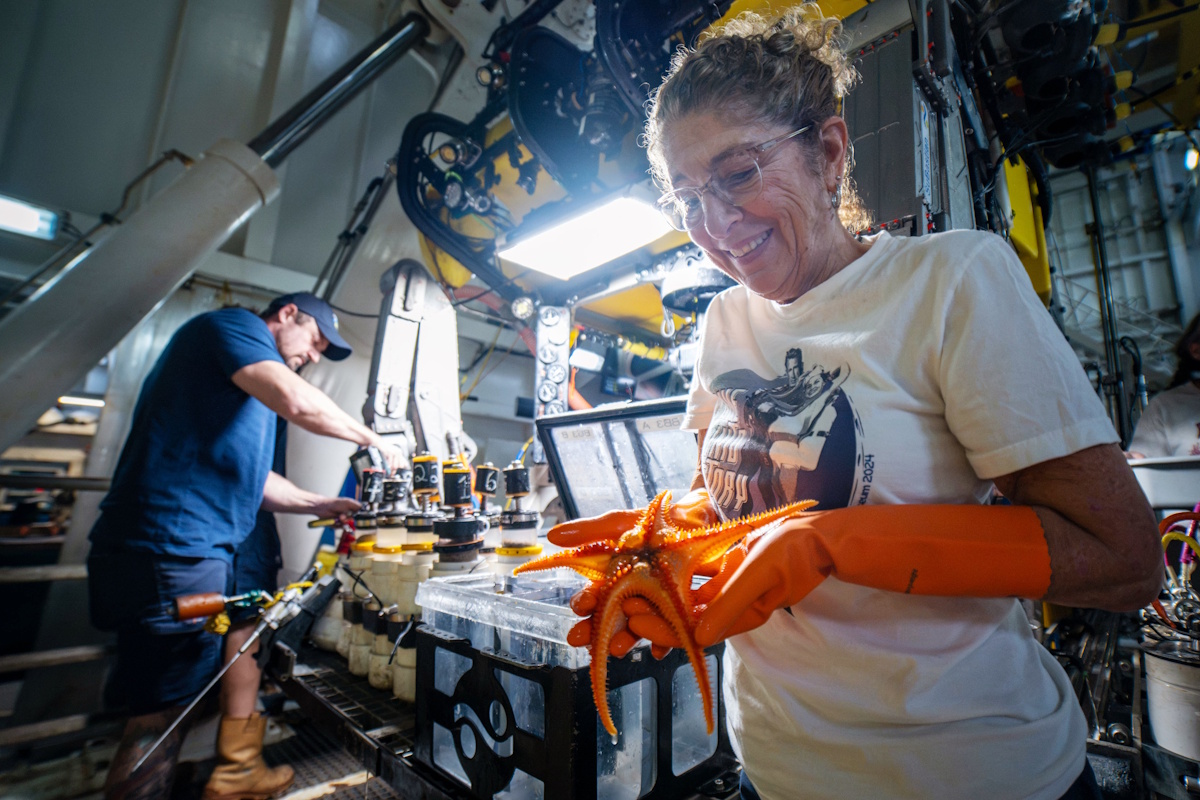
Trinidad and Tobago's First Local Expedition Reveals Deep Sea Ecosystems and New Species
Marine scientists from Trinidad and Tobago conducted the first comprehensive deep-sea survey of the islands' waters aboard the Schmidt Ocean Institute's R/V Falkor (too) in July 2026. The month-long expedition resulted in the discovery of over 25 active cold seeps and 20 suspected new species, mapping approximately 13% of the marine territory. This expedition is significant as it showcases the capabilities of Caribbean scientists to explore and document their own marine ecosystems. The findings, including over 700 specimens collected, will enhance the deep-sea collection at the Zoology Museum at the University of the West Indies, St. Augustine, increasing it twelve-fold. The discoveries underscore the importance of understanding and preserving these ecosystems, which are vital for marine biodiversity. Looking ahead, the data collected will aid in marine governance and spatial planning in Trinidad and Tobago, potentially leading to the establishment of marine protected areas. The expedition also tested a novel cryoprotectant for preserving living animal tissues, contributing to future research on ecosystem changes. No further timeline was disclosed at the time of publication.
caribbean expedition deep sea schmidt ocean institute (soi) r/v falkor (too)
Development and Enhancement of a Deep Sea Bionic Robot Fish Utilizing Phase Change Actuator Technology
A recent study published in the Journal of Field Robotics details the design and optimization of a deep sea bionic robot fish that employs phase change actuator technology. This innovative approach aims to enhance the robot's performance in underwater environments, allowing for more efficient movement and adaptability to various conditions. The significance of this development lies in its potential applications in marine exploration and environmental monitoring. By mimicking the natural movement of fish, the bionic robot can navigate complex underwater terrains, providing valuable data for researchers and contributing to the understanding of marine ecosystems. Looking ahead, advancements in phase change actuator technology may lead to further improvements in the robot's capabilities. Researchers are expected to explore additional functionalities and applications, although no specific timeline for future developments was disclosed at the time of publication.
RESEARCH ARTICLE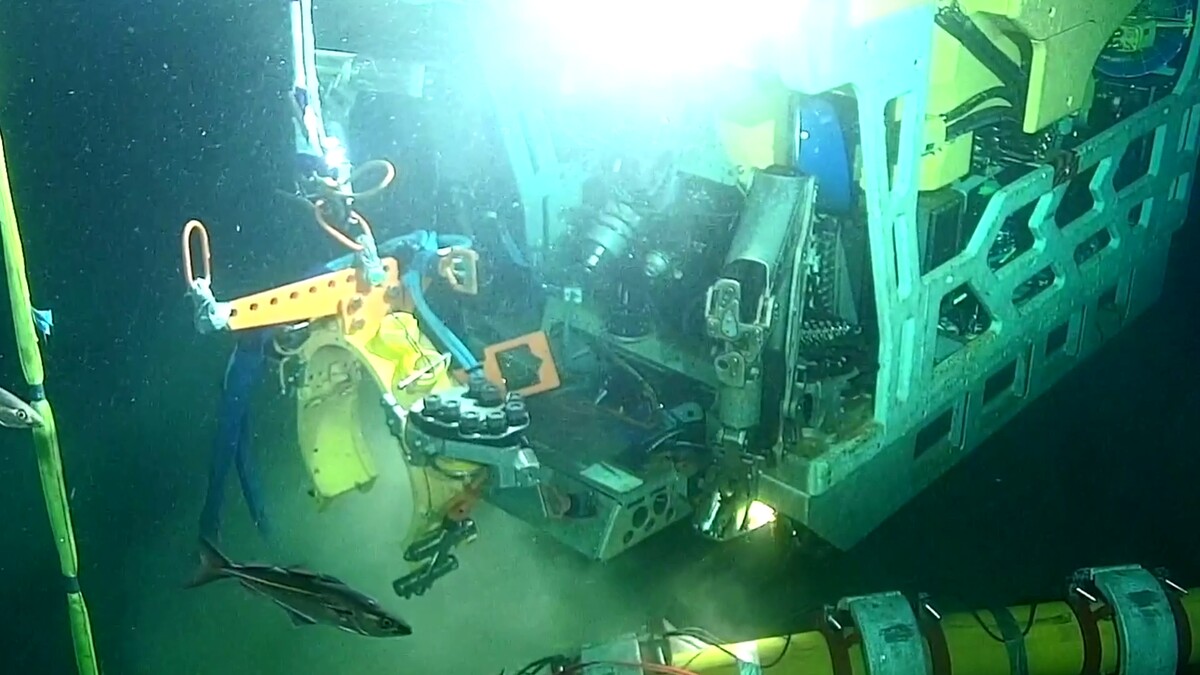
DeepOcean Finalizes Subsea Construction for Teal West Development Project
DeepOcean has successfully completed the subsea construction and tie-in work for the Teal West development, located on the UK Continental Shelf, for Anasuria Operating Company. This project involved the installation of a flexible production riser, flowline, and umbilical to connect the Teal West subsea Christmas tree to the Anasuria FPSO. The completion of the Teal West project is significant as it showcases the collaboration between operators, contractors, and service companies in the UK North Sea, particularly during uncertain times for the industry. Richard Beattie, CEO of Anasuria, emphasized the importance of such projects in maximizing the value of existing infrastructure and supporting domestic energy production. Looking ahead, the Teal West development includes two production wells and a water injection well, with the first production well connected to the Anasuria FPSO via approximately three kilometers of subsea flowlines. No further timeline was disclosed at the time of publication.
Impossible Metals to Launch Advanced Marine Robotics Hub for Deep-Sea Mineral Harvesting
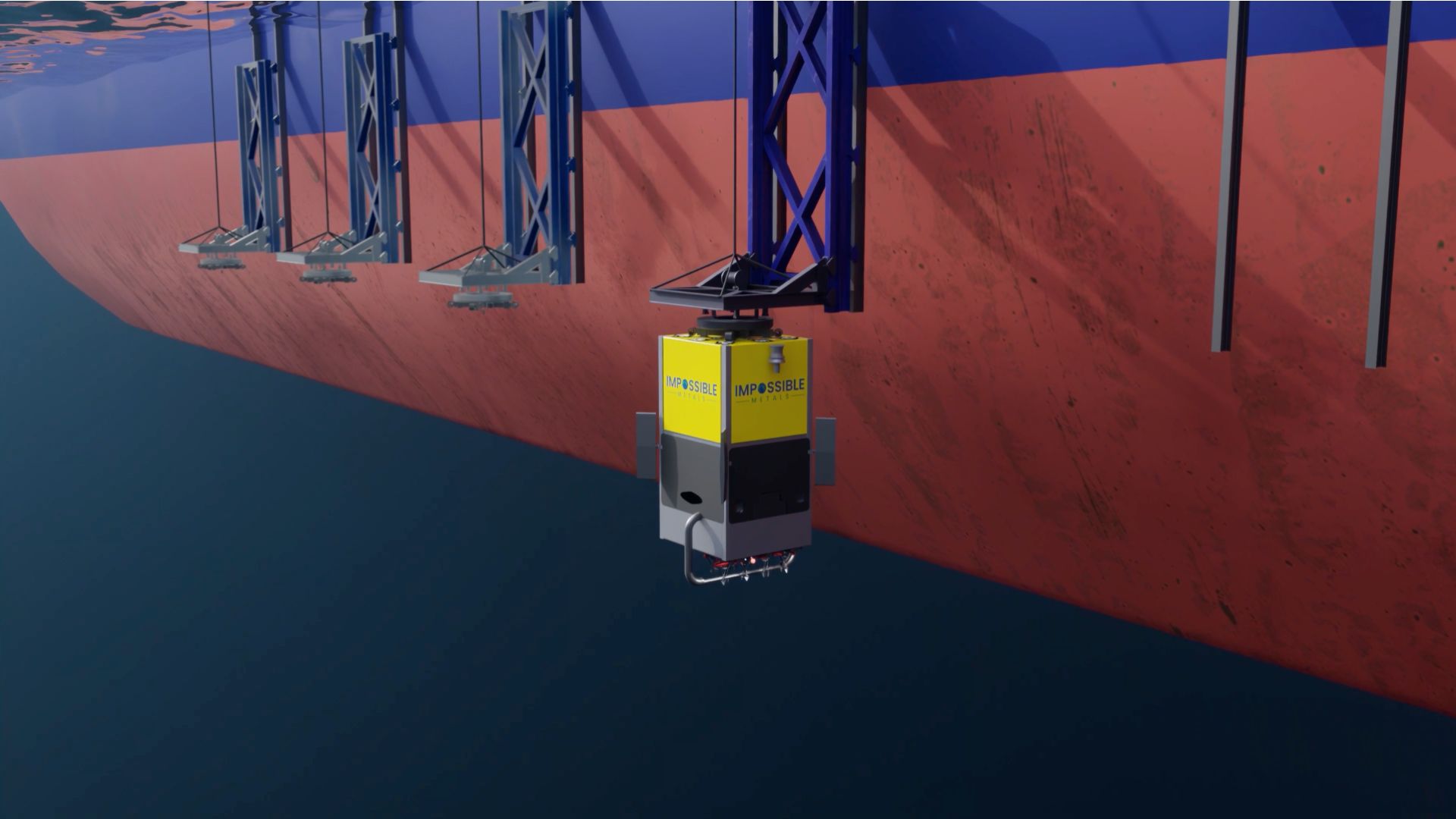
Impossible Metals, a US mining technology company, has announced plans to establish an Advanced Marine Robotics Hub in Pittsburgh, Pennsylvania. This facility will focus on developing autonomous marine systems for the deep-sea collection of critical minerals, creating over a dozen high-paying engineering and science jobs. The hub aims to enhance US capabilities in marine robotics and critical mineral technologies through collaboration with local universities and researchers. The significance of this initiative lies in its potential to redefine deep-sea mining practices. According to Mike Regan, Chief Growth Officer at Impossible Metals, the hub will enable swarms of autonomous robots to harvest critical minerals like nickel, cobalt, copper, and manganese with minimal environmental impact. This approach not only promises to produce the lowest-cost critical metals on Earth but also aims to strengthen the US supply chain and reduce reliance on foreign sources of essential materials. Looking ahead, the Advanced Marine Robotics Hub will serve as the primary research center for advancing the Eureka autonomous underwater platform and Smart Launch and Recovery Systems. The company plans to continue developing dual-use technologies that cater to both commercial and naval applications. No further timeline was disclosed at the time of publication.
AI and Robotics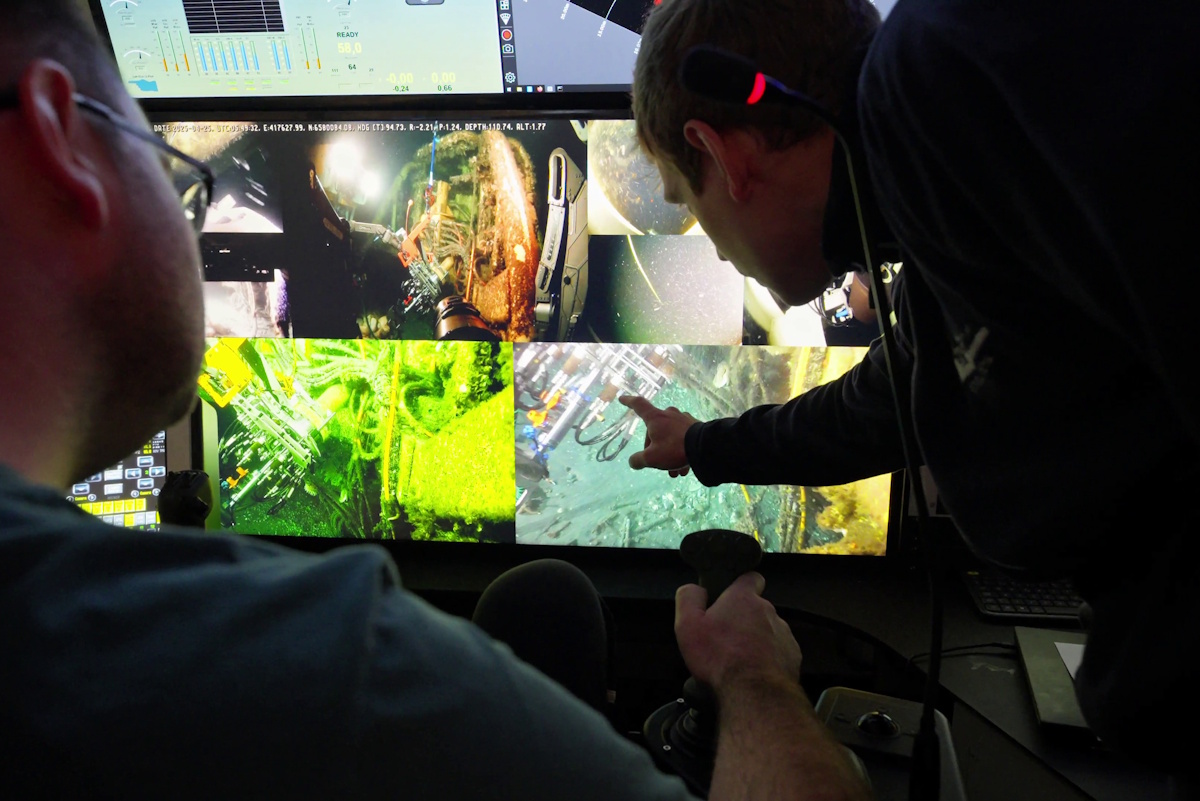
DeepOcean Completes Subsea Infrastructure Removals for Spirit Energy in North Sea
DeepOcean has successfully completed the recovery of the subsea wellhead protection structure at Spirit Energy's Seven Seas field and disconnected subsea infrastructure at the Grove West field in the North Sea. This operation utilized proprietary tooling developed in-house for decommissioning and was executed using the high-specification construction vessel Edda Freya. The project is part of Spirit Energy's broader decommissioning program for the Seven Seas and Grove West fields, aiming to maximize material recovery and minimize waste. DeepOcean's operations, managed from Aberdeen, UK, have ensured that all recovered materials are either reused, recycled, or disposed of responsibly, contributing to environmental sustainability. Looking ahead, DeepOcean's successful execution of these subsea removals positions them well for future projects with Spirit Energy. The company has demonstrated its capability in subsea decommissioning, with a focus on efficiency and environmental responsibility, as highlighted by the recycling of over 95% of materials from decommissioned assets.
deepocean subsea removals spirit energy seven seas grove west field oil and gas
E/V Nautilus Embarks on Two Expeditions to Explore Mariana Deep-Sea Regions
The Ocean Exploration Trust's Exploration Vessel (E/V) Nautilus has set sail for two expeditions to explore the deep sea around the Mariana Islands. These expeditions, taking place from June to August 2026, will utilize the vessel's remotely operated vehicle (ROV) and telepresence systems, alongside Woods Hole Oceanographic Institution's autonomous underwater vehicle (AUV) Sentry, to investigate previously unsurveyed areas. These missions are significant as they aim to enhance understanding of abyssal plain habitats and ancient seamounts east of the Mariana Trench, a region known for its tectonic activity and unique geological features. The expeditions are supported by NOAA Ocean Exploration and the Bureau of Ocean Energy Management, highlighting the collaborative effort to advance oceanographic research and fill knowledge gaps in this critical area. Looking ahead, the E/V Nautilus will focus on characterizing deep ocean habitats and biodiversity, as well as geological formations, including marine critical minerals. The outcomes of these expeditions are expected to contribute to both US and international scientific priorities, addressing the need for comprehensive data on the largely unexplored deep-sea environments around the Mariana Islands.
e/v nautilus marianas deep-sea exploration ocean exploration trust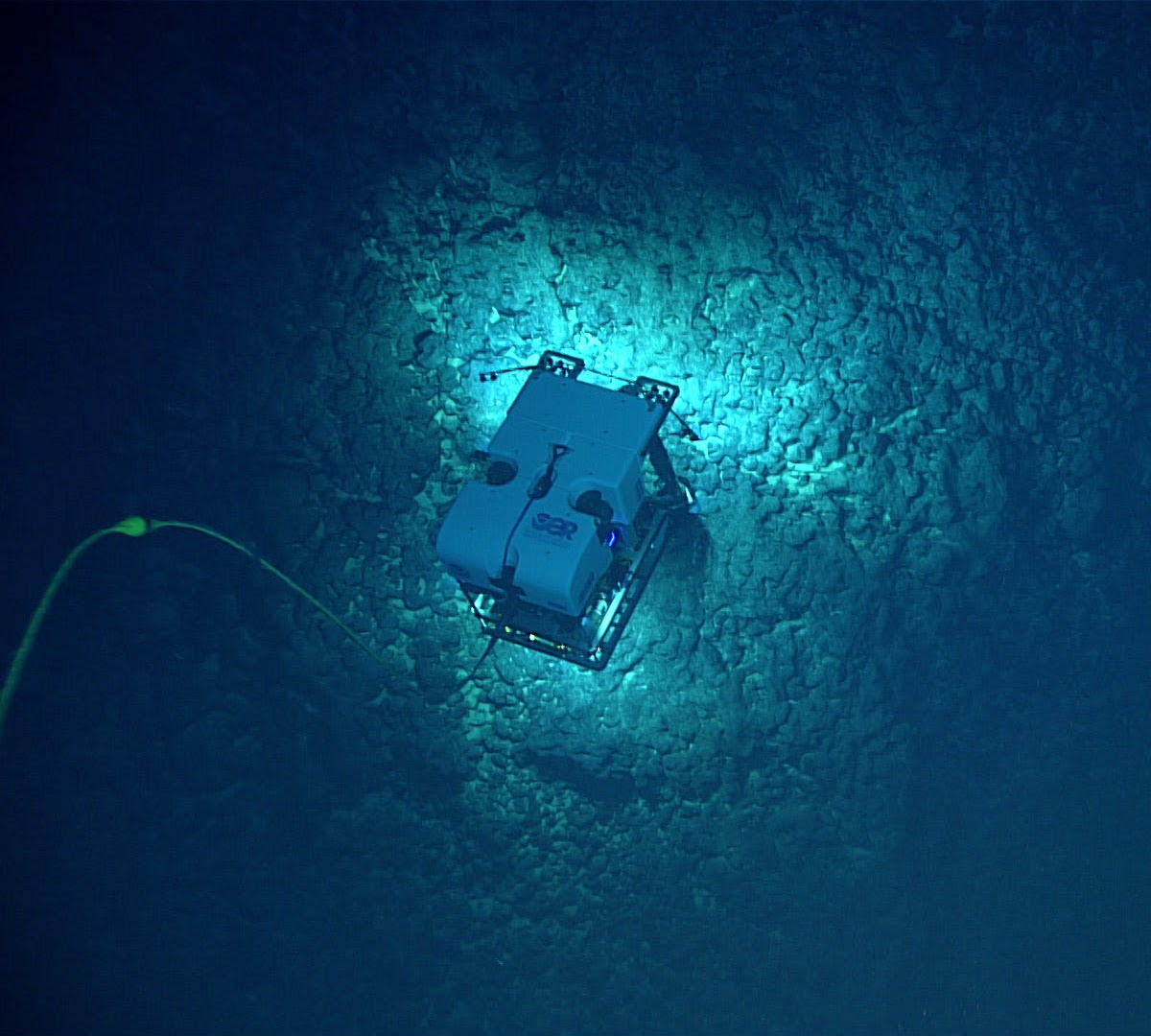
NOAA and Partners to Conduct Expeditions for Deep-Sea Mapping in American Samoa
NOAA Ocean Exploration, alongside its partners, is set to conduct two significant expeditions in the waters surrounding American Samoa during the summer and fall of 2026. These expeditions aim to map and characterize the deep seafloor in a region prioritized for offshore critical mineral exploration, generating publicly available data to enhance understanding of mineral potential and support decision-making. The importance of these expeditions lies in their potential to uncover unknown marine habitats and mineral resources vital for national prosperity and security. NOAA's Principal Deputy Assistant Secretary Erik Noble emphasized the commitment to providing scientific research that supports commerce, while Captain William Mowitt highlighted the need for authoritative science to guide responsible marine resource management. The first expedition will occur from August to September 2026, followed by a second from late September to October 2026, utilizing advanced mapping technology and observational sensors aboard the NOAA Ship Okeanos Explorer. Real-time ROV operations will be streamed online, allowing public engagement and transparency in the exploration process. No further timeline was disclosed at the time of publication.
noaa exploration mapping deep water rov
Shenhai Zhiren Secures 500 Million Yuan Funding, Launches SEAgent 1.0 Underwater Robot
Shenhai Zhiren, a Guangzhou-based deep-sea robotics company, has successfully raised 500 million yuan in a Series A funding round. New investors include GGV Capital and a fund backed by TotalEnergies, while existing investors such as BYD and Lightspeed China also participated in the round. This funding is significant as it will support the development of Shenhai Zhiren's innovative underwater robotics, including the newly launched SEAgent 1.0 model. The company’s Phoenix 600 cable-burial robot, capable of operating at depths of 3,000 meters, has already secured a 100 million yuan order from a telecommunications group in the UAE. Looking ahead, the focus will be on the deployment of the SEAgent 1.0 and the continued expansion of Shenhai Zhiren's capabilities in deep-sea robotics. No further timeline was disclosed at the time of publication.
CNRS Deploys Ten SEAEXPLORER Autonomous Gliders for Mediterranean Ecosystem Research
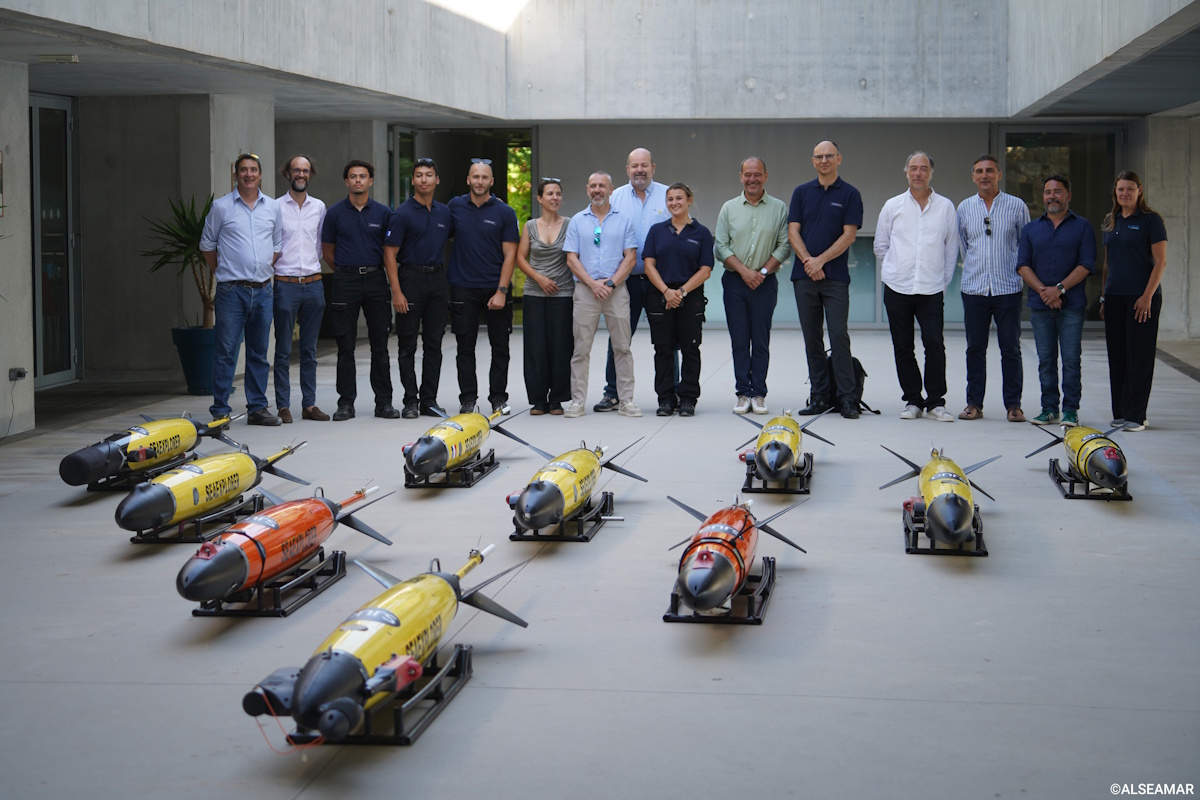
In mid-June 2026, the CNRS deployed ten SEAEXPLORER autonomous underwater gliders in the Ligurian Sea as part of Mission 6 under France's 2030 funding plan. This initiative aims to create a comprehensive environmental data atlas for the northwestern Mediterranean, focusing on the impacts of human activities on marine ecosystems. The gliders will operate for one month, diving to depths of 1,000 meters and equipped with sensors to monitor underwater noise and ocean currents. The deployment is significant as it represents a strategic effort by the French government to enhance industrial competitiveness and develop next-generation technologies for deep-sea exploration. By utilizing coordinated fleets of autonomous gliders and advanced sensing technologies, researchers aim to better understand the dynamics of marine ecosystems and the effects of climate change, maritime traffic, and ocean acidification. This innovative approach will facilitate the study of plankton distribution and biodiversity through methods such as environmental DNA monitoring. Looking ahead, the next phases of Mission 6 will involve additional deployments in the Gulf of Lion in 2028 to test new sensors, followed by operations in French Polynesia between 2028 and 2029. These efforts will further expand the capabilities of autonomous underwater vehicles in marine research, with no further timeline disclosed at the time of publication.
autonomous gliders cnrs exploration mediterranean marine ecosystems
France 2030: Ifremer entrusts ALSEAMAR with the design of a deep-sea glider capable of reaching 3,500m
Ifremer has awarded a contract to French company ALSEAMAR for the design and development of a deep-sea underwater glider, following a call for proposals under the “Deep Seabed” priority of the France 2030 investment plan. This initiative, funded by the French National Research Agency (ANR) on behalf of the French government, aims to enhance France’s capabilities in deep-ocean exploration and observation, addressing significant global scientific and societal challenges. The project, led by Ifremer in collaboration with CNRS and Shom, will involve a scientific user group that will play a crucial role in defining the necessary sensors for the glider, ensuring that the system aligns with the evolving needs of ocean research.
france 2030 ifremer alseamar deep-sea glider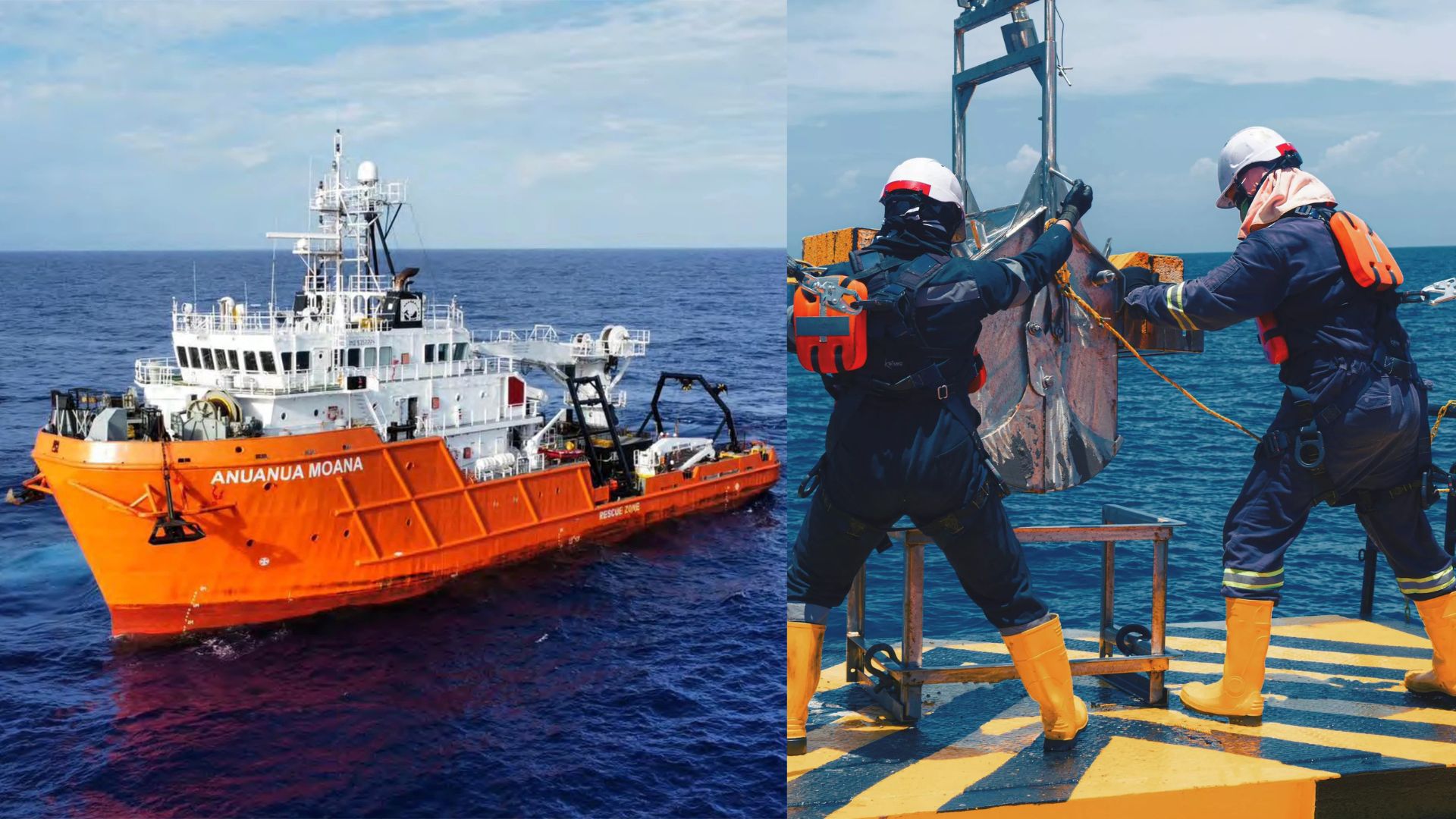
Major American deep-sea expedition delivers 4,059 samples across 53 survey sites
American Ocean Minerals Corporation (AOMC) has successfully completed a significant deep-sea environmental research initiative aimed at assessing the impact of mineral extraction on marine ecosystems. The project, which took place over the past several months, focused on various locations in the Pacific Ocean known for their rich mineral deposits. This research is part of AOMC's broader commitment to sustainable practices in the mining industry, driven by the increasing demand for critical minerals used in technology and renewable energy solutions. By conducting thorough environmental assessments, AOMC seeks to ensure that its operations do not adversely affect marine life or habitats. The findings from this extensive study will inform future mining practices and regulatory compliance, as the company aims to balance economic development with environmental stewardship. AOMC plans to share the results with stakeholders and the scientific community to foster transparency and collaboration in the pursuit of responsible ocean resource management.
Science
Norway sends deep-sea drone 20,000 feet down to uncover hidden ocean secrets
Norway has initiated the inaugural expedition of its advanced robot submarine, designed to reach depths of nearly 6,000 meters. This groundbreaking mission commenced recently in the North Atlantic, showcasing the submarine's capabilities in deep-sea exploration. The project aims to enhance scientific research and environmental monitoring in the region, addressing the growing need for innovative technology in oceanography. The submarine is equipped with state-of-the-art sensors and imaging systems, allowing it to gather critical data on marine ecosystems and geological formations. This expedition marks a significant step forward in Norway's commitment to advancing underwater research and understanding the complexities of ocean environments.
Science
OMS Advances Sea Acceptance Tests for USV Elite, Validating Deepwater Survey P Capability and Long-range Endurance
OMS Group (OMS) has announced significant progress in the Sea Acceptance Tests (SAT) for its long-range DriX O-16 Uncrewed Surface Vessel (USV), taking place off the southern coast of France. The ongoing tests are showcasing remarkable seakeeping abilities and promising initial results regarding the vessel's deepwater multibeam echosounder performance. This development aligns with OMS's strategic objective to enhance and expand its long-range uncrewed survey capabilities on a global scale.
oms group sea acceptance tests usv deepwater survey long-range endurance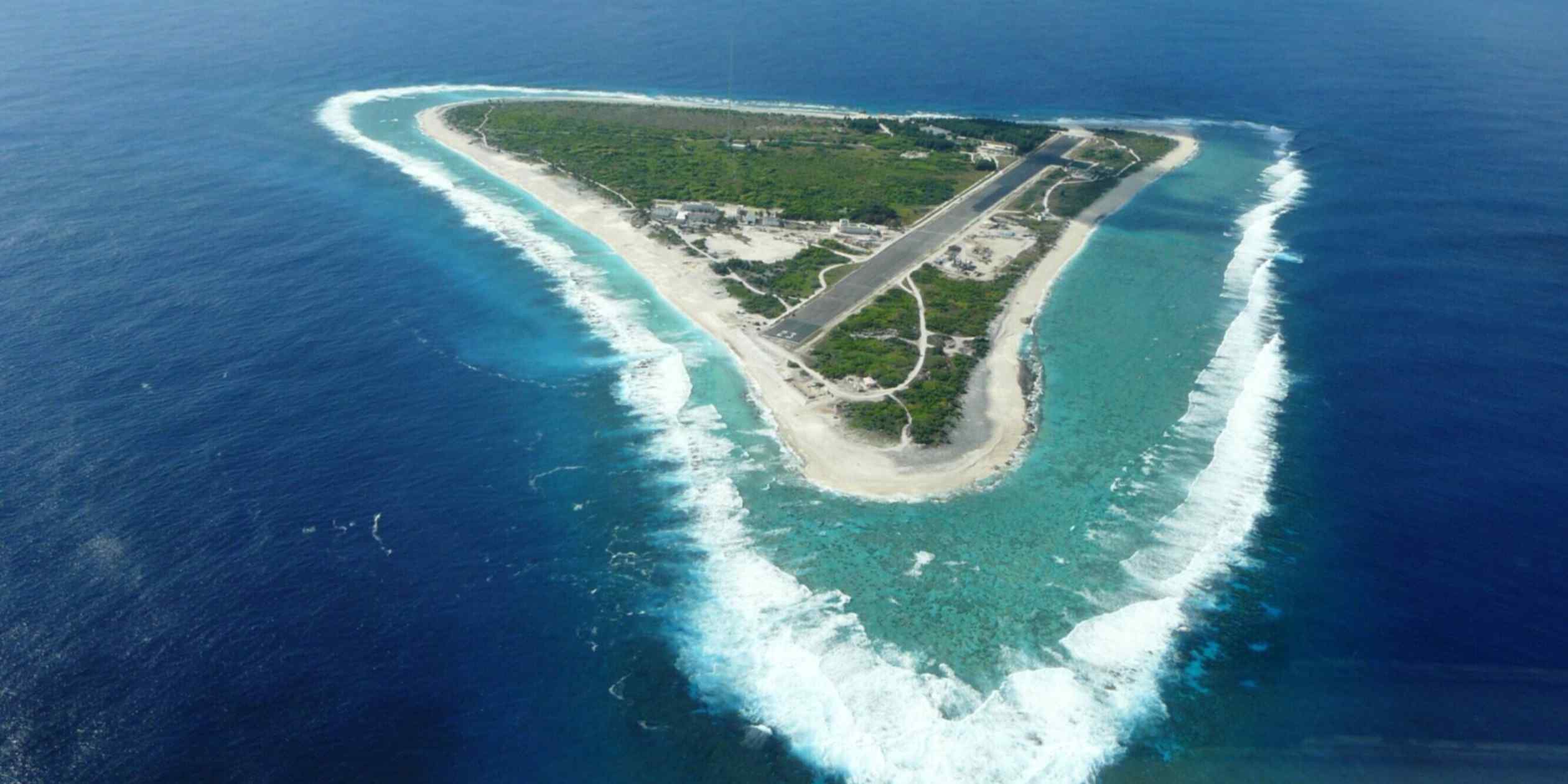
Japan to develop deep-sea drone in hunt for rare earths
A Japanese marine research agency is set to develop an advanced autonomous underwater vehicle (AUV) by fiscal 2028 to enhance the search for rare earth elements and other mineral resources in the seabed near Minamitorishima, Japan's easternmost territory. This initiative, announced on June 3, 2026, aims to secure a stable supply of these critical materials, which are essential for various high-tech industries. The project reflects Japan's ongoing efforts to reduce its dependence on foreign sources, particularly China, amid rising global demand for rare earths. The development of this hybrid vessel is expected to significantly accelerate exploration and retrieval processes in the region, positioning Japan as a key player in the global rare earth supply chain.
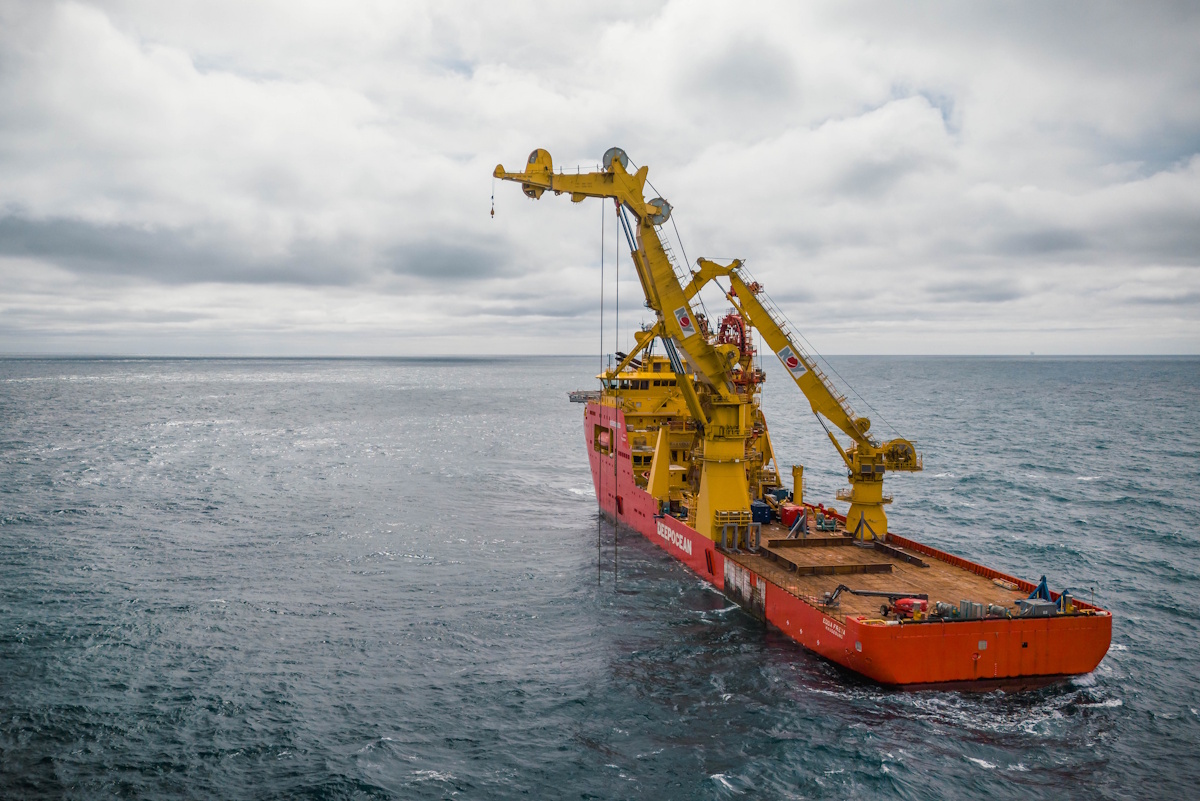
DeepOcean awarded subsea contracts by Equinor
DeepOcean, a global leader in ocean services, has secured a substantial subsea contract from Equinor for various fields located on the Norwegian continental shelf, including the Barents Sea. The offshore operations are scheduled to take place over two years, from 2027 to 2028. This contract underscores DeepOcean's commitment to supporting Equinor's initiatives in the region, reflecting the growing demand for subsea services in the energy sector. The collaboration aims to enhance the efficiency and sustainability of operations in these vital offshore areas.
deepocean contract award equinor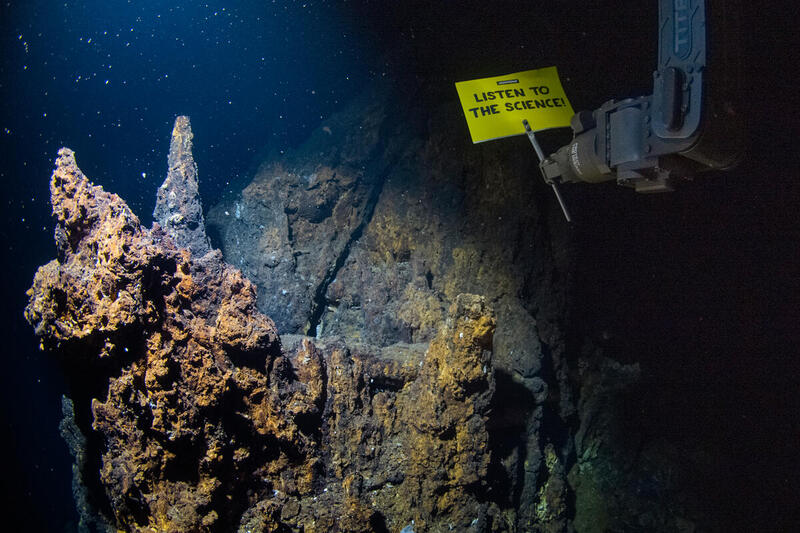
Greenpeace robot stages deepest-ever seabed protest
In a groundbreaking initiative, Greenpeace has launched an underwater robot to conduct a scientific survey of vulnerable deep-sea ecosystems along the Arctic Mid-Ocean Ridge. This event marks the deepest banner protest ever executed from the seabed, occurring at a depth of 2,300 meters. The robot displayed a powerful message urging global leaders to heed scientific advice, stating, “LISTEN TO THE SCIENCE!” The campaign aims to raise awareness about the urgent need for action to protect these unexplored marine environments. Dr. Sandra Schöttner, a key figure in the initiative, emphasized the importance of scientific research in informing policy decisions regarding environmental conservation. This innovative protest not only highlights the threats facing deep-sea ecosystems but also seeks to galvanize international attention and action on climate change and marine protection.
Environment News Arctic Ocean automation news autonomous underwater vehicles climate change
China completes record 537-day deep-sea materials experiment under extreme pressure
China has announced the successful completion of a groundbreaking 537-day deep-sea material corrosion exposure experiment, claiming it to be the first of its kind in the world. Conducted in the South China Sea, the project aimed to assess the durability and longevity of various materials used in marine engineering and construction. The initiative is part of China's broader efforts to enhance its capabilities in deep-sea exploration and technology, driven by the increasing demand for sustainable and resilient infrastructure in challenging underwater environments. Researchers monitored the materials' performance and degradation over the extended period, providing valuable data that could inform future developments in maritime engineering. This achievement underscores China's commitment to advancing its scientific research and technological prowess in the field of marine sciences.
Deep Reinforcement Learning Based Autonomous Decision‐Making for Cooperative Uncrewed Aerial Vehicles: A Search and Rescue Real World Application
A recent study published in the Journal of Field Robotics highlights advancements in autonomous robotic systems designed for agricultural applications. Researchers from various institutions collaborated to develop innovative algorithms that enhance the efficiency and precision of robotic farming equipment. The findings, released in early October 2023, emphasize the growing importance of automation in agriculture, particularly in response to labor shortages and the need for sustainable farming practices. The research was conducted in multiple agricultural settings, showcasing how these robotic systems can adapt to different crop types and environmental conditions. By integrating machine learning and sensor technology, the robots are capable of performing tasks such as planting, weeding, and harvesting with minimal human intervention. This development aims to address the challenges faced by farmers, including the rising costs of labor and the increasing demand for food production. The study underscores the potential for these autonomous systems to revolutionize the agricultural sector, making it more efficient and environmentally friendly. As the agricultural industry continues to evolve, the implementation of such technologies could lead to significant improvements in productivity and sustainability.
RESEARCH ARTICLE
DeepOcean Delivers First Remote Subsea Intervention with Offshore Management Based Onshore
DeepOcean, a global leader in ocean services, has achieved a significant milestone by completing its inaugural subsea intervention project with offshore operational leadership managed from onshore. This project, which underscores the company's commitment to advancing remote subsea capabilities, highlights the growing trend of utilizing onshore resources to enhance operational efficiency in offshore environments. The successful execution of this project marks a pivotal moment in DeepOcean's development strategy, reflecting the industry's shift towards innovative solutions in subsea operations.
deepocean remote subsea intervention offshore management
From DeepSeek to DeepRoute: Why a Top AI Researcher Bet on the Physical World
At the 2026 Beijing Auto Show, DeepRoute.ai announced a strategic transformation from being an Advanced Driver Assistance Systems (ADAS) supplier to focusing on developing Physical AI infrastructure. This shift is underscored by the integration of a unified foundation model and extensive real-world data to enhance AI applications in the physical realm. The company also highlighted its commitment to innovation with the recent addition of Ruan Chong, a former scientist from DeepSeek, to its team. This move reflects DeepRoute.ai's ambition to leverage AI technology to create more effective solutions for real-world challenges.
News
Sonardyne Fetch Precision for New Deep-sea Neutrino Telescope
A groundbreaking deep-sea neutrino detector is currently under construction, aimed at revolutionizing our understanding of the universe. This ambitious project, which is set to enhance scientific research significantly, will utilize advanced positioning technology provided by the underwater technology firm Sonardyne. The collaboration between scientists and Sonardyne is expected to ensure the detector's precise placement in the challenging underwater environment. As the project progresses, it promises to contribute valuable insights into fundamental questions about cosmic phenomena, potentially reshaping our knowledge of particle physics and astrophysics. The initiative highlights the growing intersection of technology and scientific exploration, as researchers strive to unlock the mysteries of the universe.
sonardyne fetch deep-sea neutrino telescope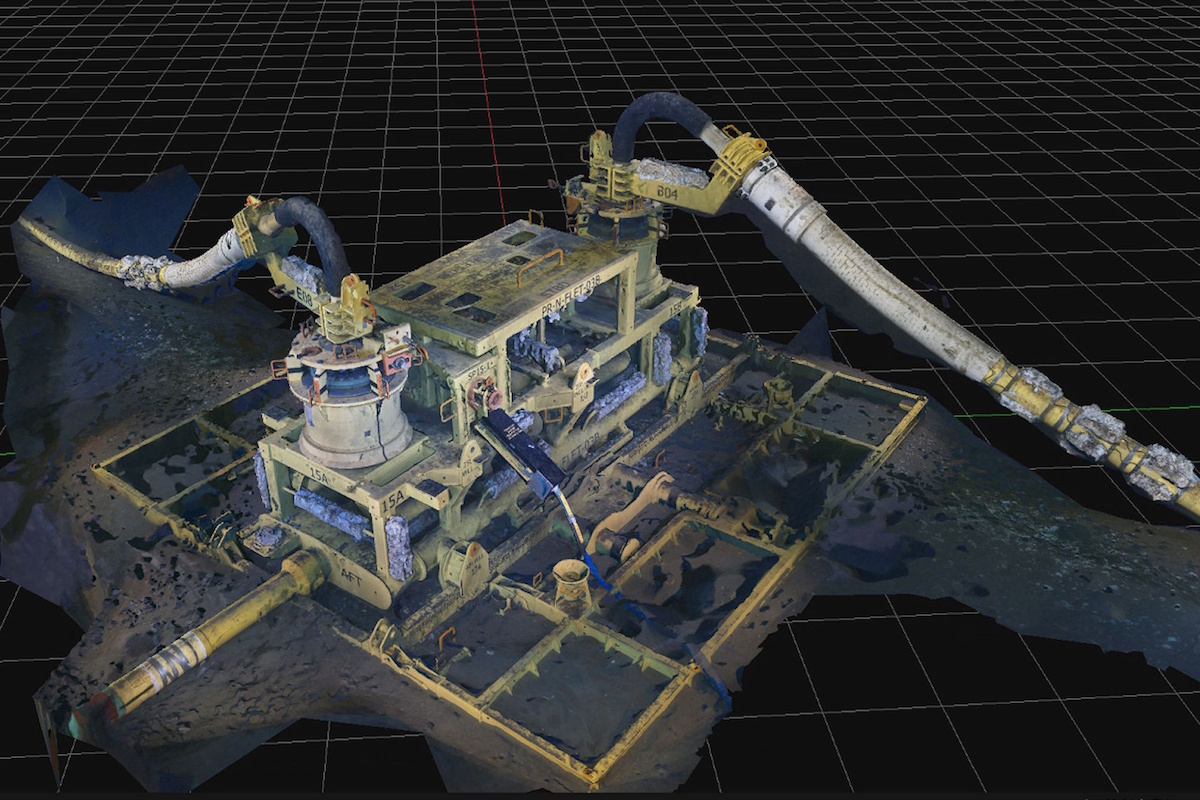
DeepOcean and Woodside Advance Subsea Efficiency Through Dual-scope Approach
DeepOcean, a global ocean services provider, has partnered with Woodside Energy (Senegal) B.V. to conduct simultaneous inspections and 3D scanning of subsea infrastructure at the Sangomar field, located offshore Senegal. This operation, which took place recently, aims to enhance the understanding and management of the subsea assets in the area. By utilizing advanced technology for inspection and scanning, the collaboration seeks to ensure the integrity and safety of the infrastructure, which is crucial for ongoing energy operations. The successful execution of this project underscores the commitment of both companies to leveraging innovative solutions for efficient subsea management in the energy sector.
deepocean woodside subsea efficiency
Research on ORB–SLAM2 Deep‐Sea Visual Localization Technique Based on Image Enhancement
A recent study published in the Journal of Field Robotics highlights advancements in autonomous robotic systems designed for agricultural applications. Conducted by a team of researchers from various universities, the study was released in early October 2023. The research focuses on the development of innovative robotic technologies aimed at improving efficiency and sustainability in farming practices. The motivation behind this initiative stems from the growing need for sustainable agricultural solutions in response to increasing global food demands and environmental concerns. The researchers employed a combination of machine learning algorithms and sensor technologies to enhance the robots' capabilities in tasks such as planting, harvesting, and monitoring crop health. Field tests were conducted in diverse agricultural settings, demonstrating the robots' ability to adapt to varying conditions and perform complex tasks autonomously. The findings suggest that these robotic systems could significantly reduce labor costs and increase productivity while minimizing the environmental impact of farming. The study underscores the potential of robotics to transform the agricultural sector, paving the way for more efficient and eco-friendly farming practices. As the agricultural industry faces challenges from climate change and population growth, the integration of advanced robotic technologies may offer viable solutions for future food production.
RESEARCH ARTICLE
Enabling Under Ice Glider Operations: A Backseat Driver Approach
A recent study published in the Journal of Field Robotics highlights advancements in robotic technology aimed at enhancing agricultural efficiency. Researchers from various institutions collaborated to develop a new robotic system designed to optimize crop monitoring and management. The findings were released in early October 2023, showcasing the potential for these innovations to revolutionize farming practices. The study was conducted in agricultural fields across multiple regions, where the robotic system demonstrated its ability to gather real-time data on crop health and soil conditions. This technology aims to address the growing challenges faced by farmers, including labor shortages and the need for sustainable practices. By utilizing advanced sensors and machine learning algorithms, the robots can analyze vast amounts of data, providing farmers with actionable insights to improve yields and reduce resource waste. The motivation behind this research stems from the increasing demand for food production amid a rising global population and the urgent need for environmentally friendly agricultural solutions. The collaborative effort underscores the importance of integrating robotics into traditional farming methods, paving the way for smarter, more efficient agricultural practices that can adapt to the changing climate and economic pressures. As the agricultural sector continues to evolve, this innovative approach could play a crucial role in shaping the future of food production, ensuring that farmers can meet the demands of a growing population while maintaining sustainable practices.
RESEARCH ARTICLE
Teledyne RDI ADCPs to Support Japan’s Deep-Sea Environmental Assessment of Polymetallic Nodule Mining
Teledyne RD Instruments (RDI), a division of Teledyne Marine, has been chosen by Deep Reach Technology (DRT), a marine engineering consultancy, to provide support for a significant deep-sea environmental impact assessment (EIA) project in Japan’s Exclusive Economic Zone (EEZ). The project, aimed at evaluating the ecological effects of deep-sea activities, will utilize 20 of RDI's advanced Acoustic Doppler Current Profilers (ADCPs). This collaboration highlights the growing emphasis on environmental sustainability in marine engineering and underscores the importance of accurate data collection in assessing the potential impacts of deep-sea operations. The deployment of these sophisticated instruments is expected to enhance the quality of the assessment and contribute to informed decision-making regarding marine resource management in the region.
teledyne
Storms, Gliders and Seaweed Farms: the Best of Teledyne Marine’s 2025 Photo & Data Contest
Teledyne Marine has announced the winners of its 2025 Photo & Data Contest, recognizing the innovative and technical skills of its customers who utilize Teledyne instruments. The contest showcased a variety of striking marine projects, including images of storms, underwater gliders, lost excavators, and a seaweed farm at sunrise. These winning entries highlight the diverse environments and applications of Teledyne technology, which plays a crucial role in gathering data that influences the management of rivers, ports, coastlines, and offshore scientific research. The contest celebrates the creativity of participants from around the globe, emphasizing the impact of Teledyne's instruments in marine data collection and environmental monitoring.
best of teledyne marine 2025 photo & data contest
DeepOcean Awarded Subsea Tie-back Contract in the UK
DeepOcean, a leading ocean services provider, has secured a contract for subsea construction and tie-in operations at a development site located on the UK continental shelf. This project, which aims to enhance subsea infrastructure, underscores the growing demand for advanced marine services in the region. The contract was awarded recently, reflecting the company's expertise and commitment to supporting offshore energy projects. DeepOcean will employ its specialized equipment and skilled workforce to ensure the successful execution of the construction and tie-in work, contributing to the overall advancement of subsea capabilities in the UK.
deepocean contract award subsea tie-back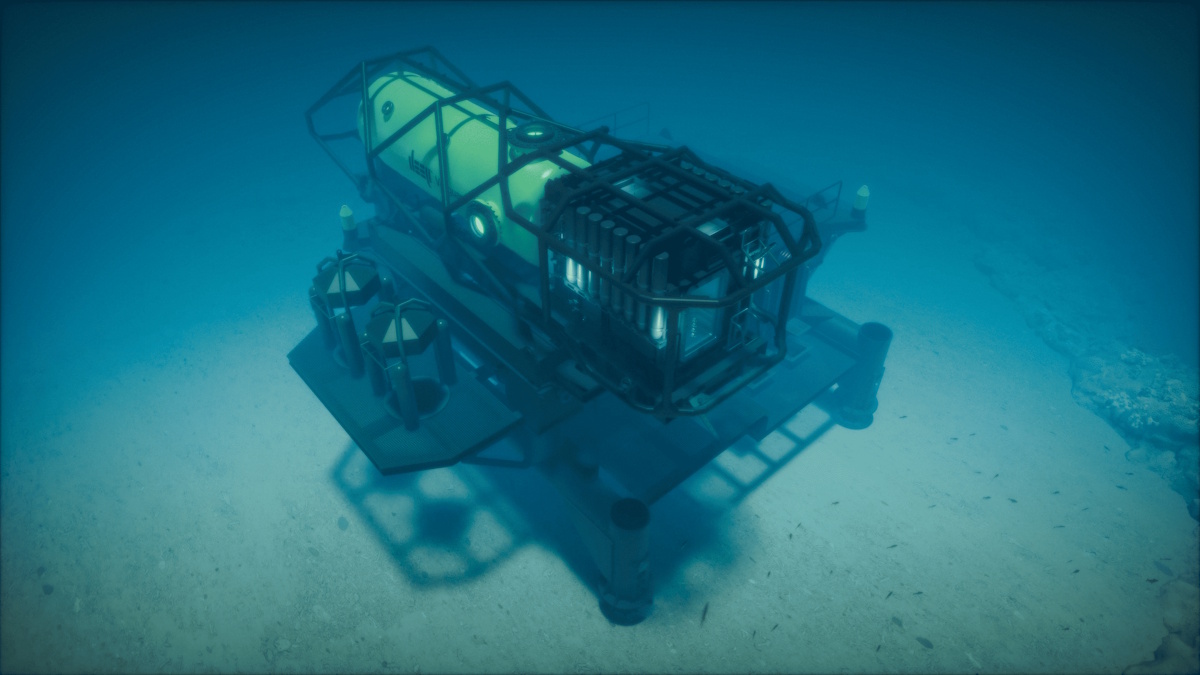
DEEP Partners with Unique Group to Deliver Next-Generation Subsea Human Habitat
Unique Group, a prominent player in subsea technologies and engineering, has been appointed as the specialized technology provider for DEEP’s innovative subsea human habitat initiative. This collaboration focuses on the design, engineering, and project management of essential systems necessary for the deployment of Vanguard, the pilot habitat. The partnership aims to advance underwater living capabilities, reflecting a growing interest in sustainable and long-term habitation solutions beneath the sea.
deep partnership unique group subsea human habitat
PlanBlue and Orpheus Ocean Join Forces to Advance Sustainable Seafloor Intelligence into the Deep Sea
PlanBlue and Orpheus Ocean have formed a strategic partnership aimed at enhancing sustainable seafloor intelligence in the deep sea. This collaboration, announced recently, seeks to leverage advanced technologies and data analytics to promote environmental sustainability and better understand marine ecosystems. By combining their expertise, the two organizations aim to address critical challenges facing ocean health and biodiversity. The partnership reflects a growing commitment to innovative solutions that can support conservation efforts and sustainable ocean management.
planblue orpheus ocean sustainable seafloor intelligence deep sea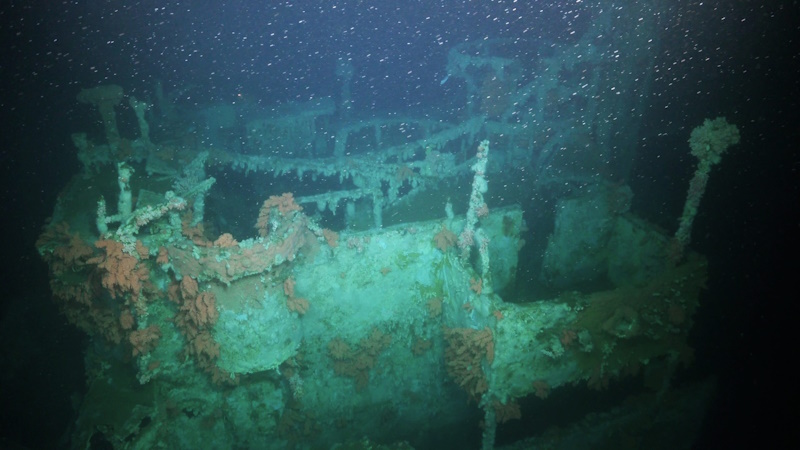
Vibrant Coral Reefs Discovered in Historic Exploration of Uruguay’s Deep Sea
In a significant scientific expedition, researchers have uncovered vibrant deep coral reef ecosystems that are facing global threats, alongside identifying at least 30 potential new species. This exploration, which took place recently, marks the first visit to the wreck of the ROU Uruguay, enhancing our understanding of marine biodiversity and the impacts of environmental changes. The findings underscore the urgent need for conservation efforts as these unique habitats are increasingly at risk. The team's innovative methods and dedication to marine research highlight the importance of preserving these underwater treasures for future generations.
Exail to Equip Deep Ocean Search with Next-Generation Navigation and Positioning Systems for Deep-Sea Missions
Deep Ocean Search (DOS), a prominent company in deep-sea exploration, has partnered with Exail to enhance its navigation and acoustic positioning for forthcoming missions. This collaboration will see DOS utilize Exail's advanced Rovins 9-DVL navigation system and Gaps M7 acoustic positioning system, which are designed to operate at depths of up to 6,000 meters. The integration of these technologies is expected to significantly improve DOS's operational capabilities in challenging underwater environments, facilitating more precise and efficient exploration efforts.
exail deep ocean search navigation and positioning systems for deep-sea missions
Memorandum of Understanding Between Deep Ocean Search and Deep Sea Vision
Deep Ocean Search and Deep Sea Vision, two leaders in ultra-deep-water technology, have announced the launch of advanced solutions featuring an Autonomous Underwater Vehicle (AUV) and new Remotely Operated Vehicles (ROVs) capable of operating at depths of 19,700 feet (6,000 meters). This significant development, revealed in October 2023, aims to enhance exploration and research capabilities in the challenging deep-sea environment. The collaboration between these two companies is driven by the growing demand for innovative underwater technology to support various industries, including marine research, oil and gas exploration, and environmental monitoring. By combining their expertise, Deep Ocean Search and Deep Sea Vision are set to provide cutting-edge tools that will facilitate deeper and more efficient underwater operations.
memorandum of understanding (mou) deep ocean search deep sea vision
New Autonomous Vehicle Helps Advance Understanding of the Deep Sea and its Critical Minerals
A groundbreaking mission led by the Ocean Exploration Cooperative Institute (OECI) has successfully deployed a new autonomous underwater vehicle (AUV) to explore a previously uncharted section of the seafloor in the ultra-deep waters near the Mariana Trench. This significant operation took place recently and marks the first time this advanced technology has been utilized for such exploration. The initiative received crucial support from several federal agencies, including the National Oceanic and Atmospheric Administration (NOAA), the Bureau of Ocean Energy Management (BOEM), and the U.S. Geological Survey (USGS). The mission aims to enhance our understanding of deep-sea ecosystems and geological formations, contributing valuable data to oceanographic research and conservation efforts.

French Navy Orders Initial Acoustic Data Acquisition Capability with ALSEAMAR's SEAEXPLORER 1000-M Gliders
ALSEAMAR has secured a contract with the French Navy to supply five SEAEXPLORER 1000-M gliders, the military variant of its latest generation of underwater drones. This agreement marks a significant step in enhancing the French Navy's operational capabilities and is set to be fulfilled by the end of 2025. The decision to incorporate these advanced gliders is driven by the need for improved surveillance and reconnaissance in maritime operations. The SEAEXPLORER 1000-M gliders are designed to operate in challenging environments, providing the Navy with enhanced data collection and analysis capabilities.
french navy acoustic data acquisition capability alseamar seaexplorer 1000-m gliders
ALSEAMAR Joins NATO Task Force X Baltic to Demonstrate SEAEXPLORER Glider Capabilities in the Baltic Sea
ALSEAMAR has announced its participation in Task Force X Baltic (TFXB), which is currently operating in the Baltic Sea. This initiative, coordinated by NATO's Allied Command Transformation (ACT), seeks to integrate various innovative uncrewed systems and evaluate their effectiveness in realistic operational scenarios. The deployment underscores NATO's commitment to enhancing maritime security and advancing technological capabilities within its member nations.
alseamar nato task force x seaexplorer glider baltic sea
DeepOcean Strengthens Subsea Robotics Asset Base
DeepOcean, a leading ocean services provider, has announced a significant expansion of its fleet by adding eight new remotely operated vehicles (ROVs) to its existing inventory of nearly 60 units. This move, revealed recently, underscores the company's commitment to advancing modern electric ROV technology. The expansion aims to enhance operational capabilities and meet the growing demand for innovative underwater solutions in various sectors, including offshore energy and marine research. By integrating these new ROVs, DeepOcean is positioning itself to better serve its clients and contribute to the evolving landscape of ocean exploration and services.
deepocean
U-Boat Worx Launches “Wet Lease” Program to Make the Deep Sea Accessible to All
U-Boat Worx, a leading manufacturer of manned submersibles, has introduced its Wet Lease program, making deep-sea exploration accessible to a wider audience. This innovative initiative allows commercial operators to provide unique submarine diving experiences without the necessity of owning a submersible or possessing operational expertise. The program aims to democratize underwater adventures, enabling more people to explore the depths of the ocean. By offering a fully managed, turnkey solution, U-Boat Worx is poised to transform the underwater tourism industry, catering to both seasoned adventurers and newcomers alike.
u-boat worx “wet lease” program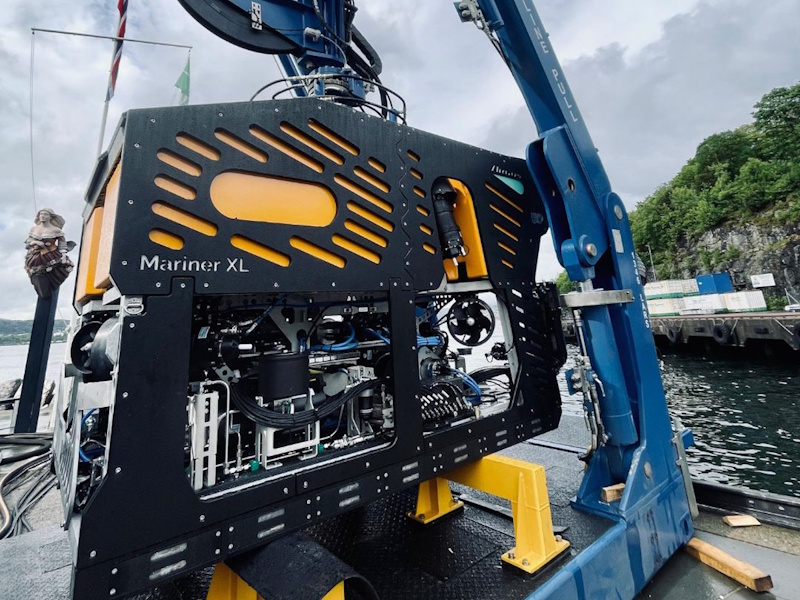
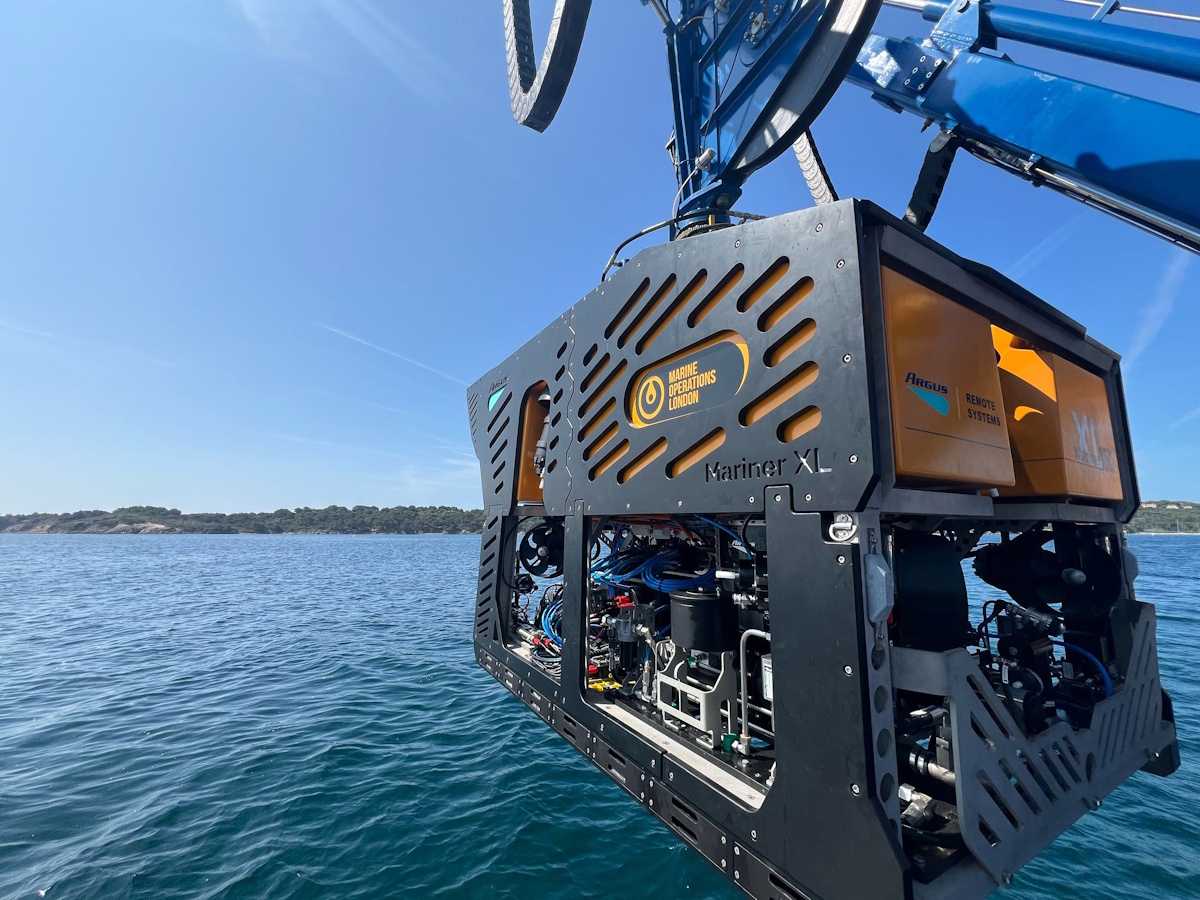
Deep Ocean Search Launches its New 6,000m Depth Rated ROV: Mariner XL
Deep Ocean Search, in partnership with Marine Operations London LTD, has introduced the Mariner XL, a highly capable work-class remotely operated vehicle (WROV) designed for ultra-deep operations. This advanced ROV can operate at depths of up to 6,000 meters and is available for hire, offering rapid deployment capabilities worldwide. The system includes a launch and recovery mechanism, an ultra-long range inertial and acoustic positioning system, a pilot station, and storage space, all efficiently packed into four 20-foot containers. The Mariner XL is engineered for a variety of tasks, including inspection, sampling, object recovery, imaging, and data acquisition, making it a versatile tool for marine operations. Notably, its deployment does not necessitate significant structural modifications to the support vessel, nor does it require calibration, streamlining the operational process. This innovative solution aims to enhance efficiency and effectiveness in deep-sea exploration and recovery missions.
deep ocean search 6 000m depth rated rov mariner xl deep sea rov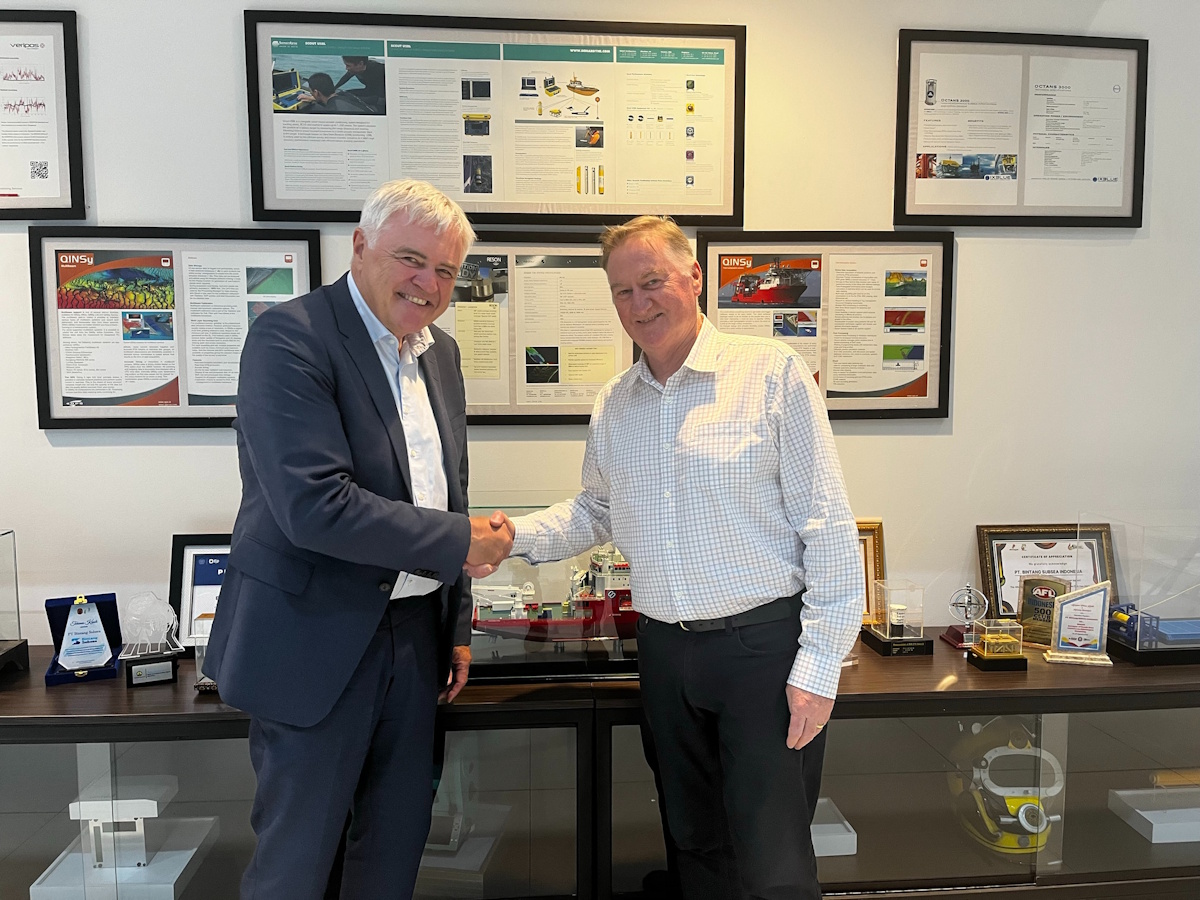
DeepOcean Acquires Shelf Subsea to Create a Global Subsea Player
DeepOcean, a prominent ocean services provider, has announced its acquisition of Shelf Subsea, an independent subsea services company well-established in the eastern hemisphere. This strategic move, finalized recently, aims to enhance DeepOcean's global presence in the subsea services market by expanding its operational reach into the Asia-Pacific and Middle East regions. The acquisition is driven by a strong industrial fit between the two companies, allowing for a more comprehensive portfolio of solutions to meet the growing demands of the subsea industry. With this merger, DeepOcean positions itself as a significant player in the global subsea services sector, poised to leverage its expanded capabilities to better serve clients worldwide.
deepocean acquisition shelf subsea
Humanoid Startup Foundation Pins Hopes on Decades of AI Research to Give Robots a Deeper Understanding of Physics
Startup Foundation, under the leadership of former Synapse CEO Sankaet Pathak and AI research chief Professor Patrick van der Smagt, has announced plans to develop humanoid robots that utilize Deep Variational Bayes Filters to enhance their interaction with the environment. The initiative aims to revolutionize how robots learn and adapt to their surroundings. As the company sets ambitious fundraising targets to support this innovative project, experts are scrutinizing the scientific principles behind these claims, as well as the potential challenges that may arise during development. The project is positioned at the forefront of AI and robotics, promising to push the boundaries of technology and human-robot interaction.
sankaet-pathak phantom foundation
Taobao and Tmall deepen partnership with Xiaohongshu to power seamless cross-platform shopping
Taobao and Tmall Group have enhanced their collaboration with the lifestyle platform Xiaohongshu by enabling merchants to embed direct product links from their stores into posts on the platform. This new feature allows users to seamlessly transition from discovering products on Xiaohongshu to completing purchases within the Taobao app, thereby simplifying the shopping experience. The integration, which was initially trialed in select categories, aims to boost sales by facilitating easier access to products for consumers. This strategic move reflects the growing trend of merging social media and e-commerce to create a more efficient online shopping environment.
News Feed
TMC USA Submits Application for Commercial Recovery of Deep-Sea Minerals in the High Seas Under U.S. Seabed Mining Code
The Metals Company (TMC), a leader in the exploration of critical metals essential for infrastructure, defense, and energy technologies, has announced that its U.S. subsidiary, The Metals Company USA LLC, has submitted applications for a commercial recovery permit and two exploration licenses. This move is in accordance with the Deep Seabed Hard Mineral Resources Act (DSHMRA) and the regulations set forth by the National Oceanic and Atmospheric Administration (NOAA), which together establish the framework for seabed mining in the United States. The applications mark a significant step in TMC's efforts to tap into the world's largest undeveloped resource of critical metals, aiming to support future technological advancements and sustainable resource management.
tmc usa application commercial recovery of deep-sea minerals u.s. seabed mining code
DeepOcean Engaged by Vattenfall for Subsea Cable Support
DeepOcean, a prominent ocean services provider, has secured framework agreements with Vattenfall to deliver subsea cable operations and maintenance services. These agreements are specifically designed to support Vattenfall's operational offshore wind portfolio across Europe. The partnership aims to enhance the reliability and efficiency of subsea cable systems, which are crucial for the functioning of offshore wind farms. This collaboration marks a significant step in advancing sustainable energy solutions in the region, reflecting the growing demand for renewable energy infrastructure.
deepocean vattenfall subsea cable support
DeepOcean’s Subsea Services Offering Reinforced by Vessel Capacity Extensions
DeepOcean, a prominent ocean services provider, has enhanced its subsea capabilities by extending its charter agreements with Østensjø Rederi for three vessels. This strategic move ensures that DeepOcean's advanced subsea vessel, Edda Freya, will continue to be part of its fleet until at least 2026, with further options for extension available. The decision reflects DeepOcean's commitment to bolstering its operational capacity in the subsea sector, responding to increasing demand for specialized marine services.
deepocean subsea services vessel capacity østensjø rederi edda freyaRobotics needs a service framework.
RSF defines a common language for robot service capability, lifecycle operations, certification pathways, and service-provider networks.
Join the RobotToday community on LinkedIn
Daily robotics news, in-depth analysis, conference highlights, and discussions with professionals worldwide.







