Industry Briefing
A single destination for timely, editor-curated robotics news from around the world.

DeepSeek to launch V4 in mid-July with new peak-time API pricing
The DeepSeek team has announced that the official release of DeepSeek V4 is set for mid-July. This new version will enhance the existing preview release with additional features and performance improvements. Notably, it will include a 1-million-token context window across the entire model lineup, promising stronger performance capabilities. The updates aim to provide users with a more robust and efficient tool for their needs.
News Feed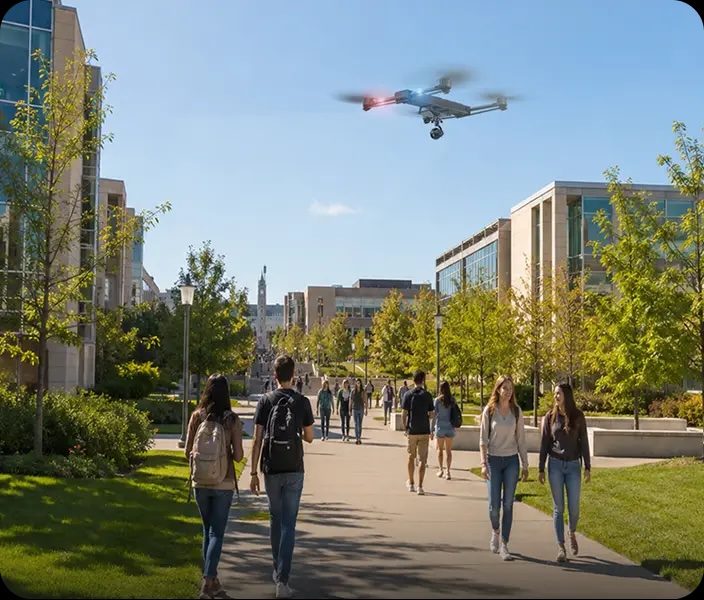
IACLEA Launches National Campus Drone Program with Draganfly
The International Association of Campus Law Enforcement Administrators (IACLEA) has introduced a national initiative aimed at assisting colleges and universities in developing compliant drone programs that prioritize public safety, training, and governance. This program, launched recently, seeks to provide a structured framework for educational institutions to effectively integrate drone technology into their safety protocols. To enhance this initiative, IACLEA has partnered with Draganfly, a leading drone manufacturer, to ensure that the programs align with best practices and regulatory standards. The collaboration aims to equip campus law enforcement with the necessary tools and knowledge to utilize drones effectively, thereby improving safety measures on campuses across the nation.
Applications Defense defense Drone News Drone News Feeds drone security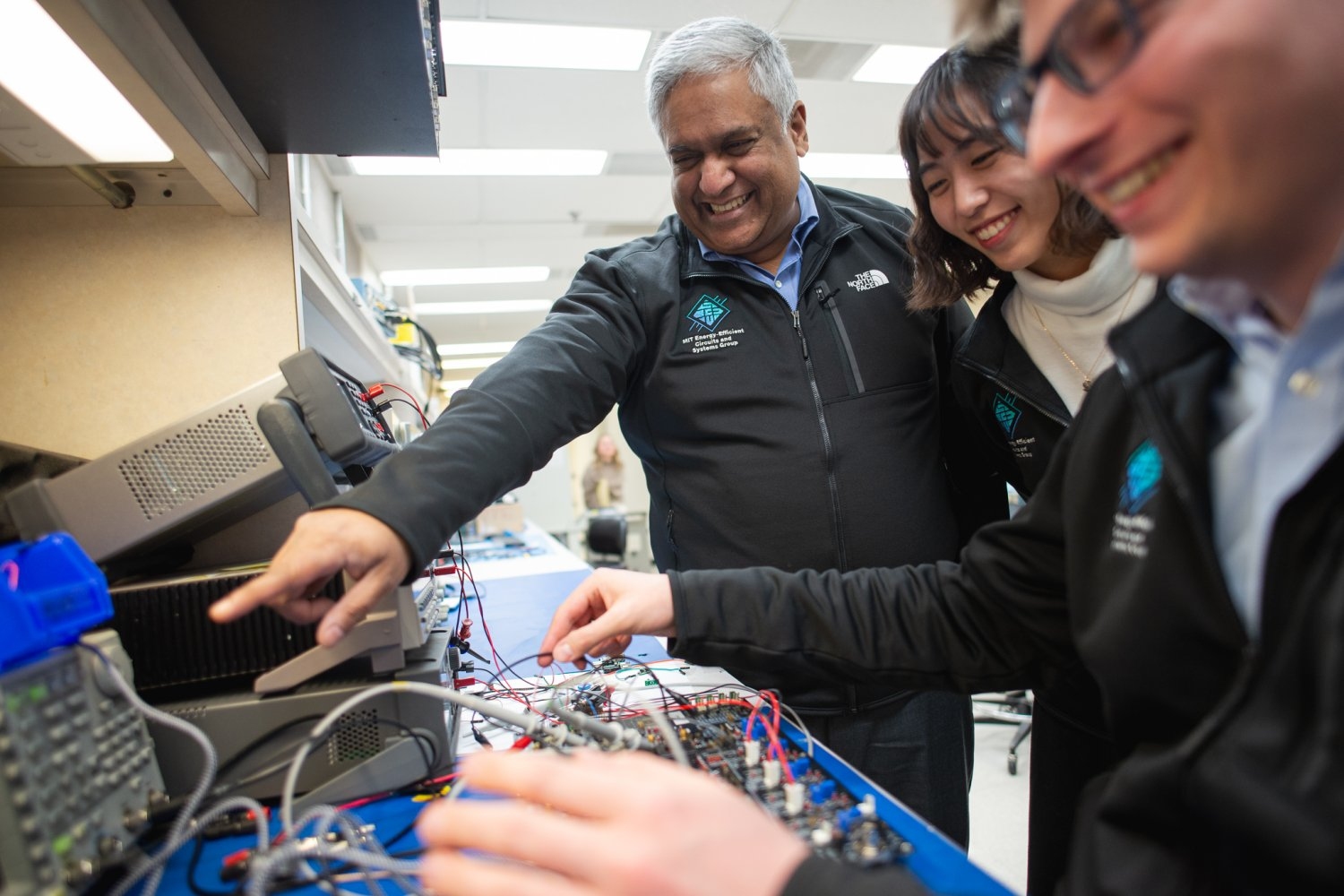
Care in the midst of pressure
Anantha P. Chandrakasan, a prominent figure in the field of electrical engineering, is making significant strides in redefining mentorship by emphasizing the importance of presence and perspective. His commitment to caring for students and young professionals is evident in his approach, which prioritizes meaningful interactions and guidance. Chandrakasan's efforts aim to foster a supportive environment that encourages personal and professional growth. By actively engaging with mentees and sharing his insights, he seeks to inspire the next generation of leaders in technology and engineering. His initiatives reflect a broader movement within academia to enhance mentorship practices, ensuring that they are not only informative but also deeply impactful.
School of Engineering Electrical engineering and computer science (EECS) Microsystems Technology Laboratories Awards, honors and fellowships Community Mentoring
3 Questions: Beyond data-driven aesthetics
Alexandros Haridis, a recent graduate with a master's degree in 2017 and a PhD in 2022, is showcasing his work in a new exhibition at the Keller Gallery. The exhibition delves into the evolution of aesthetic judgment over the centuries and examines the role of design in rendering complex computational systems more accessible and understandable. By highlighting the intersection of art and technology, Haridis aims to foster a deeper appreciation for how design influences our perception of intricate data. The exhibition is set to attract visitors interested in both the historical context of aesthetic principles and contemporary design practices.
School of Architecture and Planning Architecture Computer science and technology Artificial intelligence Machine learning Algorithms
Import AI 463: Self-improving robots; a 10k Chinese GPU cluster; and an elegiac essay for the human era
In a recent discussion, historians and scholars gathered to explore the significant periods that frame the current interregnum, a term referring to a gap or pause in governance or authority. The event took place on October 15, 2023, at the National History Museum, where experts aimed to analyze the socio-political transitions that have shaped contemporary society. The motivation behind this gathering stemmed from a growing interest in understanding how historical events influence present-day governance and societal norms. Participants delved into various eras, examining their impacts on current political structures and cultural dynamics. Through a series of presentations and panel discussions, attendees engaged in critical dialogue, sharing insights on how past events can inform future governance. The discussions highlighted the importance of recognizing historical patterns to navigate the complexities of today’s political landscape. This event not only aimed to foster a deeper understanding of historical contexts but also sought to encourage proactive thinking about the future of governance in an increasingly uncertain world.

Apple price hike sparks surge in Sam's Club purchases; DeepSeek launches major hiring; gold falls below $4000 again.
OpenAI has officially announced the launch of its new flagship AI model, GPT-5.6, on June 27, 2023. However, due to restrictions from the U.S. government, only a select group of "trusted partners" have access to this advanced model, which includes three variations: Sol, Terra, and Luna, each designed for different applications. The introduction of GPT-5.6 aims to enhance AI reasoning capabilities and streamline complex tasks. In related news, on June 26, the price of gold fell below $4,000 per ounce, influenced by several investment banks, including Goldman Sachs, lowering their price targets for the precious metal. This decline has led to a corresponding drop in gold jewelry prices across various retail outlets in China. Meanwhile, in the tech sector, Asian stock prices related to Apple's supply chain experienced significant declines following the company's announcement of price increases for its MacBook and iPad products. This has raised concerns about the potential impact of rising semiconductor costs on consumer demand and overall tech spending. In the automotive industry, Tesla has shifted its Full Self-Driving (FSD) sales model to a subscription basis globally, with plans to phase out the one-time purchase option by June 30. Additionally, Volkswagen is reportedly planning to cut up to 100,000 jobs as part of a restructuring effort aimed at reducing costs by €11 billion by 2030.

What lessons is Ideal learning to catch up with FSD V14?
The competitive landscape of the intelligent driving industry has undergone significant changes in recent years, shifting from hardware specifications to advanced model development. Companies are increasingly recognizing that merely having larger models is insufficient for achieving generational advantages; instead, the integration of models, data, computing power, and chips into a continuous iterative loop is becoming crucial. This realization has prompted many automakers to invest in in-house research and development. Tesla has established a comprehensive ecosystem that spans data collection, training infrastructure, and self-developed chips, while Chinese companies like Li Auto, Xpeng, and NIO are also deepening their technological foundations. Li Auto has introduced its self-developed Mach M100 chip in its L8 and L9 models, which it views as a significant advancement in AI technology. In a recent discussion with Li Auto's autonomous driving and chip leaders, they emphasized that the industry should focus on the practical problems these investments aim to solve rather than merely the existence of in-house development. They outlined their strategies to achieve performance comparable to Tesla's Full Self-Driving (FSD) system, highlighting the importance of safety, efficiency, and comfort in user experience. As the industry moves towards higher levels of autonomy, the integration of vision and language models is seen as essential for developing systems that can handle complex, unforeseen scenarios. The executives noted that achieving higher levels of autonomy (L3 and L4) requires models that can reason and think like humans, underscoring the growing significance of language in AI systems. Overall, the conversation revealed the industry's focus on enhancing AI capabilities through innovative chip design and data utilization, aiming for a future where autonomous driving technology can meet the challenges of real-world driving conditions.
Smart Hand valued at $1 billion after 5 months, achieves profit in first quarter; DeepSeek plans to double all departments.
On June 26, 2026, Wuliangye announced the removal of Zeng Zongqin from his position as chairman due to his inability to fulfill his duties. The decision was made during the company's annual shareholder meeting, where a proposal to appoint Deng Min as the new chairman was approved. Zeng's departure, effective immediately, will not affect the company's operations, as he held no shares and had no outstanding commitments. In Yantai, JD Pharmacy has established a new company, JD Pharmacy (Yantai) Co., Ltd., with a registered capital of 100,000 RMB. The company, fully owned by JD Pharmacy (Qingdao) Chain Co., Ltd., will engage in retailing pharmaceuticals and providing medical device services. SpaceX, led by Elon Musk, plans to launch a new Starlink mobile service in the U.S. and develop its own ground mobile network, aiming to compete with major carriers like Verizon, AT&T, and T-Mobile. He Xiaopeng announced on June 25 that XPeng Motors is set to expand globally, with the second-generation VLA model expected to enter international markets by 2027, coinciding with new EU regulations on autonomous driving. Meanwhile, Lingqiao Shou, a company spun off from Zhiyuan Robotics, has achieved a valuation of $1 billion within just five months of its establishment, following significant funding rounds. Beijing Tongrentang Medical and Health Investment Co. plans to raise up to HKD 671.6 million through an IPO in Hong Kong, with shares priced between HKD 5.48 and HKD 6.21, expected to begin trading on July 7. Lastly, DeepSeek announced plans to double its workforce across all departments, while Apple reported a surge in memory demand due to the rapid expansion of AI data centers, presenting challenges for the electronics industry.
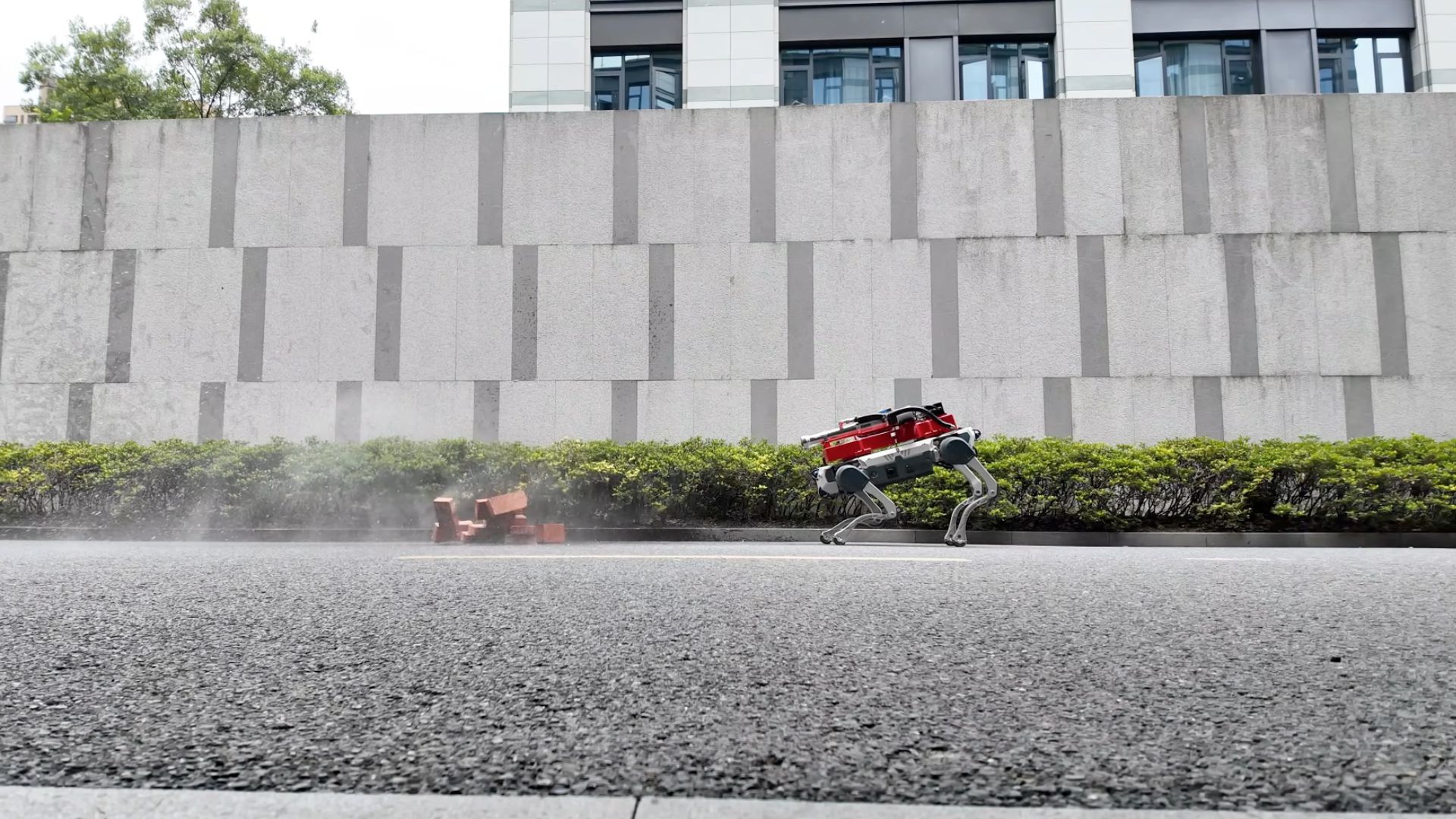
Video: Robot dog delivers pulse-powered firefighting for safer emergency operations
DEEP Robotics, a prominent Chinese robotics company, has unveiled a groundbreaking fire-extinguishing robot dog that aims to enhance firefighting efforts. This innovative technology was showcased during a recent demonstration in Hangzhou, China. The robot dog is equipped with advanced sensors and firefighting capabilities, allowing it to navigate hazardous environments and effectively combat fires in areas that may be too dangerous for human firefighters. The motivation behind this development stems from the increasing need for efficient firefighting solutions, especially in urban areas where traditional methods can be limited by accessibility and safety concerns. By integrating robotics into emergency response, DEEP Robotics seeks to improve safety for firefighters and increase the effectiveness of fire control measures. The demonstration highlighted the robot dog's agility and precision, showcasing its ability to operate autonomously while also being remotely controlled by operators. This dual functionality ensures that the robot can adapt to various situations, providing crucial support during emergencies. As urbanization continues to rise, the introduction of such technology could significantly transform firefighting strategies, making them safer and more efficient.
AI and Robotics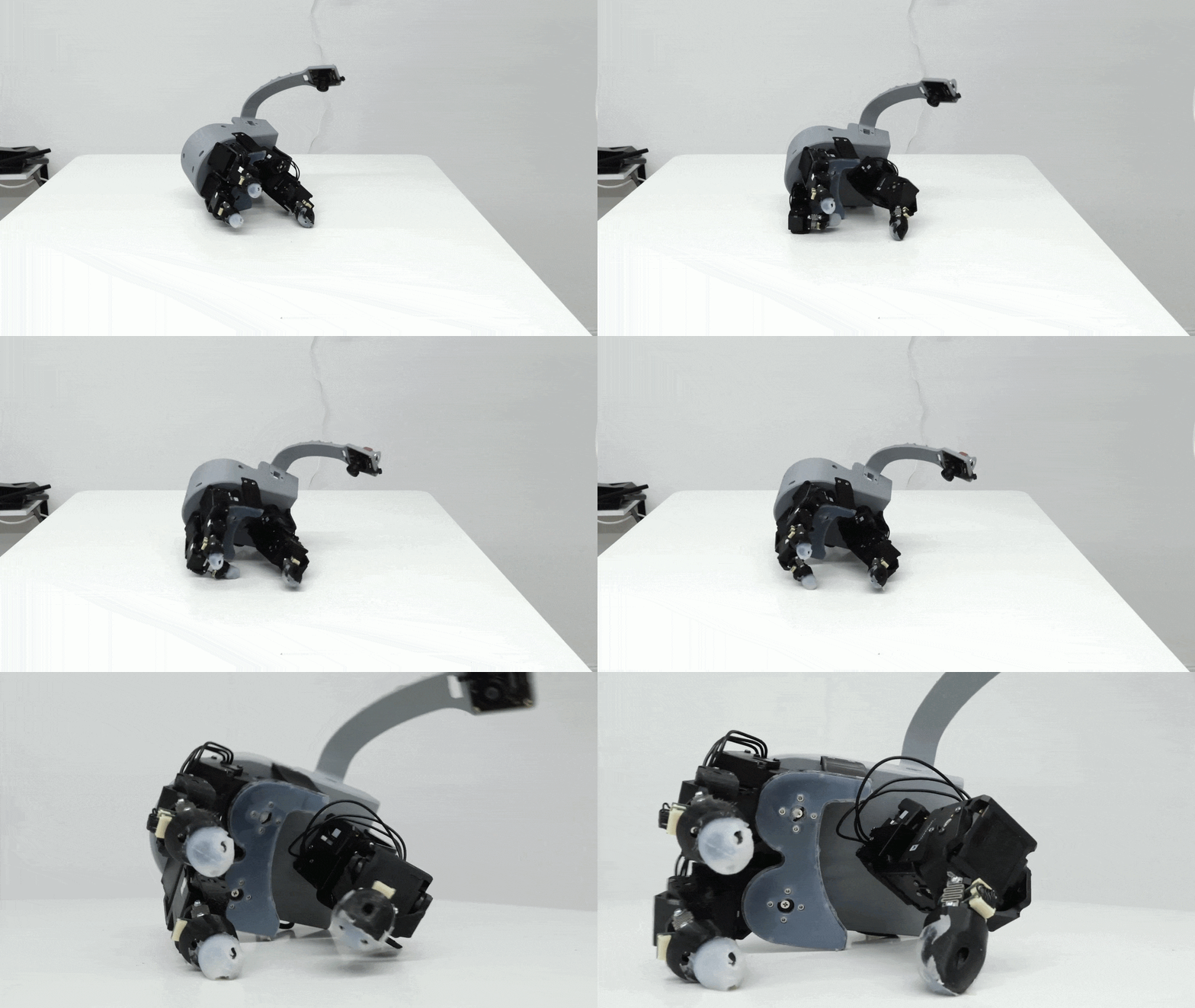
Video Friday: Give Robots a Hand
IEEE Spectrum robotics has released its latest edition of "Video Friday," showcasing a collection of innovative robotics videos along with a calendar of upcoming robotics events scheduled for 2026. The events include the RSS conference in Sydney from July 13-17, the Summer School on Multi-Robot Systems in Prague from July 29 to August 4, Actuate in San Francisco on August 18-19, and IROS in Pittsburgh from September 27 to October 1. Among the featured videos, Pulkit Agrawal from MIT CSAIL discusses his "SoftMimic" approach to enhancing robot safety around humans. The DARPA Lift Challenge, taking place from August 6-9 at the National Museum of the US Air Force, invites public participation. Notable demonstrations include Agility Robotics' Digit, which showcases advanced footstep planning to navigate obstacles, and DEEP Robotics' aggressive firefighting robot. Additionally, the potential for AI-driven robots to understand whale behavior and communication is explored by Harvard SEAS Professor Stephanie Gil. The edition also highlights discussions with Rodney Brooks, the creator of the Roomba, about the future of robotics. The content aims to engage the robotics community and stimulate interest in technological advancements and their applications.
Humanoid-robots Video-friday Robot-hands Quadruped-robots Robot-videos Firefighting-robots
Roundtable: We Celebrate Adventure - Sooner, Smaller, and Deeper | 36Kr WAVES 2026 New Wave
In 2026, the investment landscape in China is witnessing a significant shift as artificial intelligence (AI) transitions from a conceptual technology to a mainstream industry force. The WAVES 2026 conference, hosted by 36Kr and AnYun, took place over two days in the Liangcang Creative Park in Panyu, Guangzhou, under the theme "This Summer." The event brought together top investors, industry leaders, and emerging entrepreneurs to explore key sectors such as AI, hard technology, healthcare, and international expansion through 14 in-depth roundtable discussions and numerous independent speeches. Prominent figures in the venture capital sector, including Liu Yuan from ZhenFund, Xu Shi from Shanhang Capital, Lin Haizhuo from Zhuoyuan Asia, and Xu Zhihao from Mingshi Capital, shared insights on the challenges and opportunities in early-stage investments. They discussed the current state of angel investments, which account for only 1.9% of the total equity market, emphasizing the need for a deeper understanding of the evolving technology landscape and the importance of backing resilient founders who can adapt to rapid changes. The conference highlighted the critical role of early-stage investors in identifying promising startups and supporting them through various funding rounds, despite the inherent risks and uncertainties. As the AI revolution continues to unfold, the dialogue among industry experts underscored the necessity of fostering innovation and collaboration to drive China's technological future.

DEEPX and Sixfab Launch 'DEEPX AI HAT' to Drive Edge Physical AI on Raspberry Pi
A new partnership has emerged to enhance the Raspberry Pi ecosystem by providing high-performance, low-power AI acceleration. This initiative aims to eliminate the reliance on cloud services for real-time inference, particularly benefiting applications in robotics and smart automation. The collaboration has introduced a production-ready Starter Kit and software development kits (SDKs) designed to lower entry barriers for developers worldwide. By making these tools accessible, the partnership seeks to empower a broader range of innovators to integrate advanced AI capabilities into their projects, fostering growth and development within the global tech community.

UCF-led virtual experience research accelerator achieves initial milestones for XR science
An international research consortium, spearheaded by the University of Central Florida (UCF), has unveiled two groundbreaking advancements in renewable energy technology. This announcement was made during a press conference held on October 15, 2023, at the UCF campus in Orlando. The consortium, which includes experts from various institutions across the globe, aims to address the urgent need for sustainable energy solutions in response to climate change and rising global energy demands. The first innovation involves a new type of solar panel that significantly increases energy conversion efficiency, making solar power more viable for widespread use. The second breakthrough focuses on an advanced energy storage system that allows for more efficient and reliable storage of renewable energy, addressing one of the key challenges in the transition to sustainable energy sources. These developments are expected to play a crucial role in reducing carbon emissions and promoting the use of clean energy. By leveraging cutting-edge research and collaboration among leading scientists and engineers, the consortium hopes to accelerate the adoption of renewable energy technologies worldwide. The project exemplifies a commitment to innovation and sustainability, aiming to contribute to a greener future for generations to come.
AI and Robotics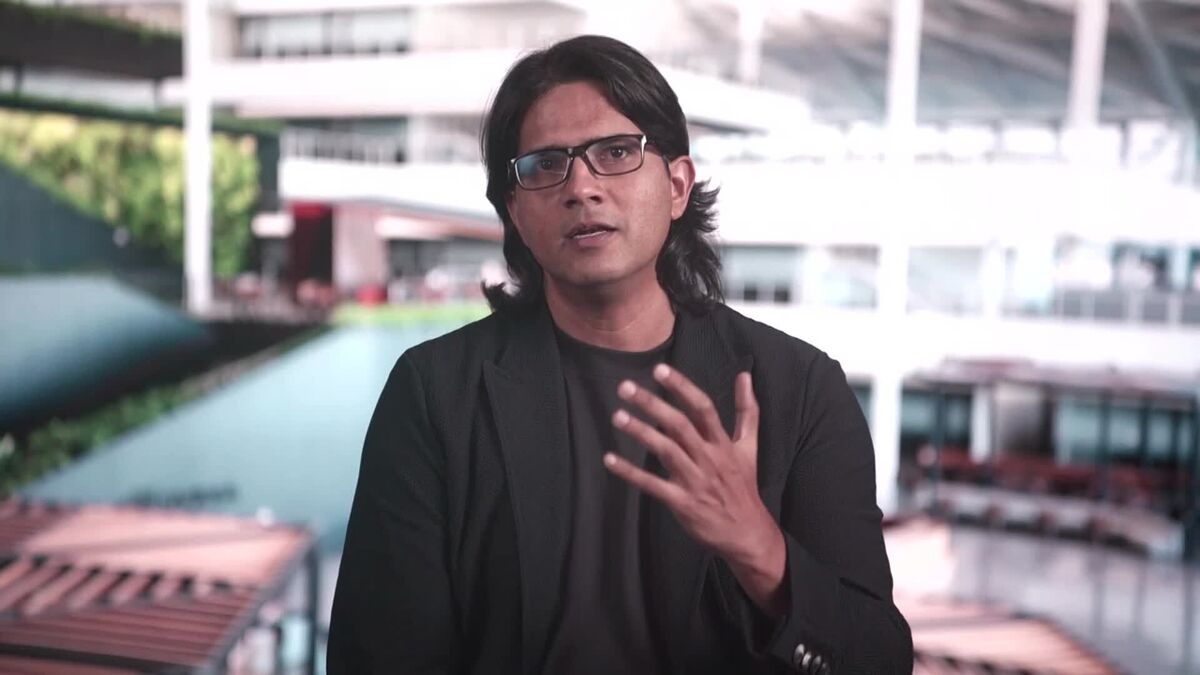
Nvidia Wants to Make Humanoid AI Robots Safer Around Humans
Nvidia is advancing the development of humanoid robots, emphasizing the critical need for these machines to recognize and respond to danger swiftly before they can effectively collaborate with humans. In an interview with Bloomberg's Ed Ludlow, Deepu Talla, Vice President of Robotics and Edge AI at Nvidia, discussed the innovative technologies being designed to enhance robots' situational awareness. This initiative is part of Nvidia's broader efforts to integrate artificial intelligence into robotics, aiming to create safer and more responsive machines for various applications. The conversation highlights the importance of safety in robotics as the industry moves towards more sophisticated and capable humanoid systems.
NMS:NVDA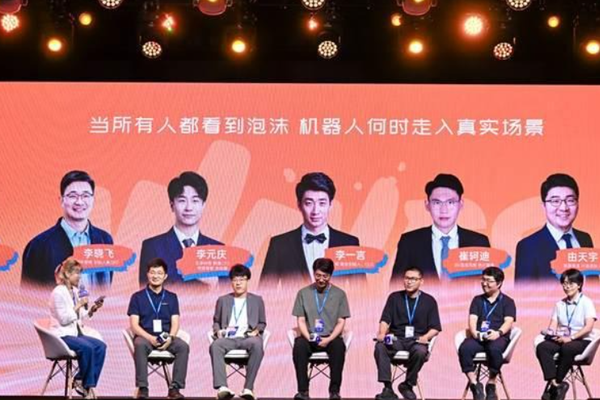
Roundtable: When Will Robots Enter Real Scenarios Amid Widespread Bubble Awareness?
In 2026, the investment landscape in China is witnessing a significant shift as artificial intelligence (AI) transitions from a conceptual technology to a driving force in various industries. The WAVES 2026 conference, hosted by 36Kr and AnYun, took place in Guangzhou's Panyu district, bringing together top investors, industry leaders, and emerging entrepreneurs to explore the evolving landscape of AI, hard technology, and healthcare through 14 in-depth roundtable discussions and numerous independent speeches. Prominent figures in the field, including CEOs and CTOs from leading tech companies, gathered to discuss the potential of embodied intelligence—a rapidly growing sector attracting substantial investment. The discussions highlighted the challenges and opportunities within this domain, particularly regarding the commercialization of robotics and AI technologies. Participants shared insights on the current state of the market, with some companies already generating revenue through innovative applications of AI in various sectors. However, concerns about market bubbles and the sustainability of investments were also raised, emphasizing the need for a deeper understanding of the underlying business models and real-world applications. As the conference concluded, the consensus among attendees was that while the industry is still in its infancy, the potential for growth and innovation remains vast, driven by a new generation of entrepreneurs eager to redefine the future of technology in China.
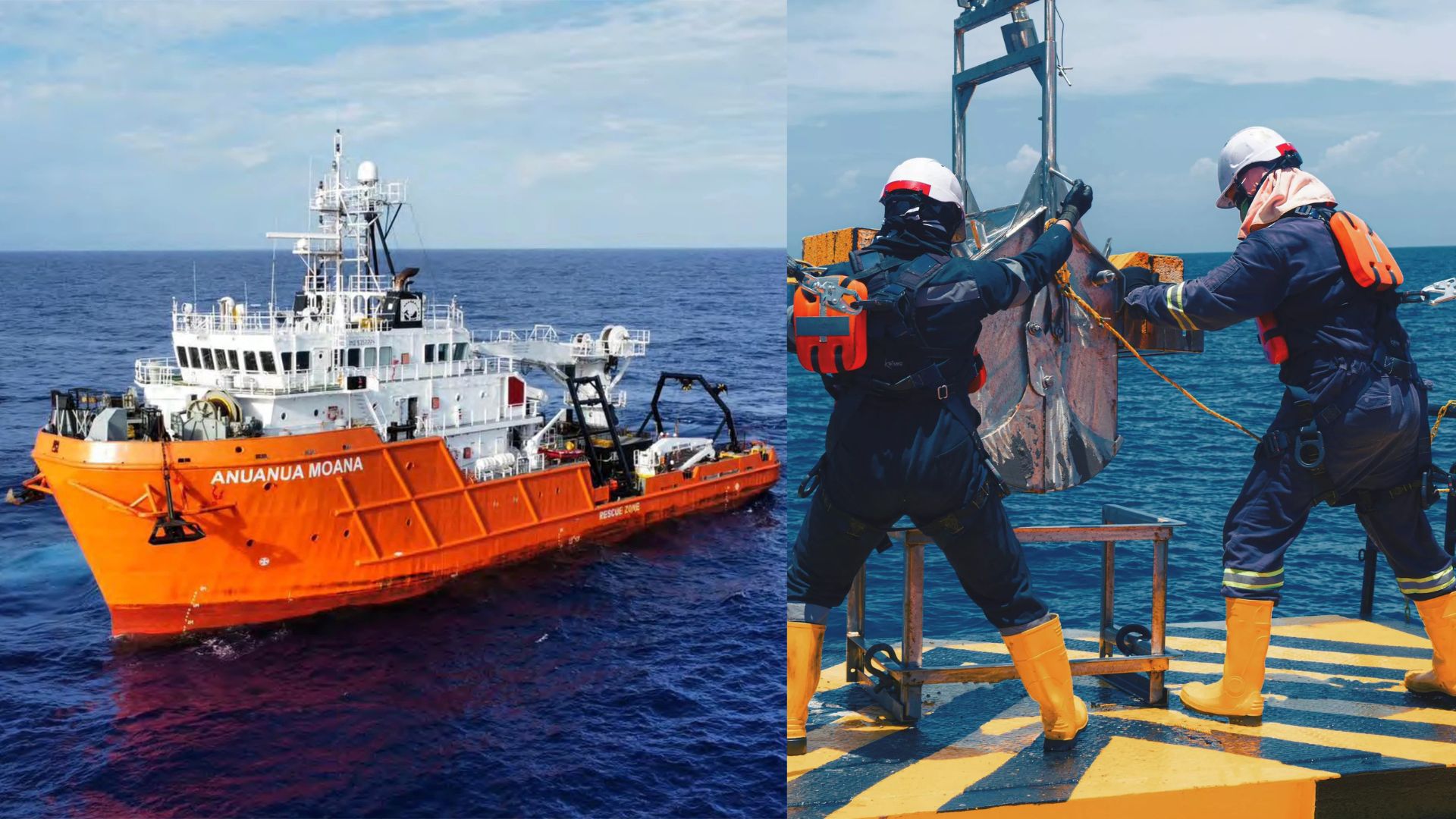
Major American deep-sea expedition delivers 4,059 samples across 53 survey sites
American Ocean Minerals Corporation (AOMC) has successfully completed a significant deep-sea environmental research initiative aimed at assessing the impact of mineral extraction on marine ecosystems. The project, which took place over the past several months, focused on various locations in the Pacific Ocean known for their rich mineral deposits. This research is part of AOMC's broader commitment to sustainable practices in the mining industry, driven by the increasing demand for critical minerals used in technology and renewable energy solutions. By conducting thorough environmental assessments, AOMC seeks to ensure that its operations do not adversely affect marine life or habitats. The findings from this extensive study will inform future mining practices and regulatory compliance, as the company aims to balance economic development with environmental stewardship. AOMC plans to share the results with stakeholders and the scientific community to foster transparency and collaboration in the pursuit of responsible ocean resource management.
Science
Roundtable Discussion: Hey? AI! This Month, This Year, and Next Five Years of AI | 36Kr WAVES 2026 New Wave
In 2026, the investment landscape in China is witnessing a significant transformation as artificial intelligence (AI) evolves from a mere technical concept to a driving force in various industries. The WAVES 2026 conference, organized by 36Kr and AnYun, took place in Guangzhou's Panyu district, gathering top investors, industry leaders, and emerging entrepreneurs to explore the implications of AI and hard technology on the future of innovation. Over two days, the event featured 14 in-depth roundtable discussions and numerous independent presentations, focusing on key sectors such as AI, hard technology, international expansion, and healthcare. During the conference, industry experts discussed the rapid pace of AI development, highlighting how companies are now experiencing frequent valuation updates and financing rounds. Investors shared insights on the changing dynamics of funding, with many companies securing multiple rounds of financing within months, a stark contrast to previous trends. The conversation also touched on the implications of regulatory challenges, particularly concerning AI models and their accessibility. Participants emphasized the importance of stability and reliability in AI applications, as well as the need for a deep understanding of specific industries to successfully implement AI solutions. The discussions underscored a growing interest in physical AI applications, with expectations for commercialization in sectors like pharmaceuticals and materials science within the next few years. As the AI landscape continues to evolve, investors are increasingly focused on identifying unique opportunities and fostering innovative solutions that address real-world challenges.
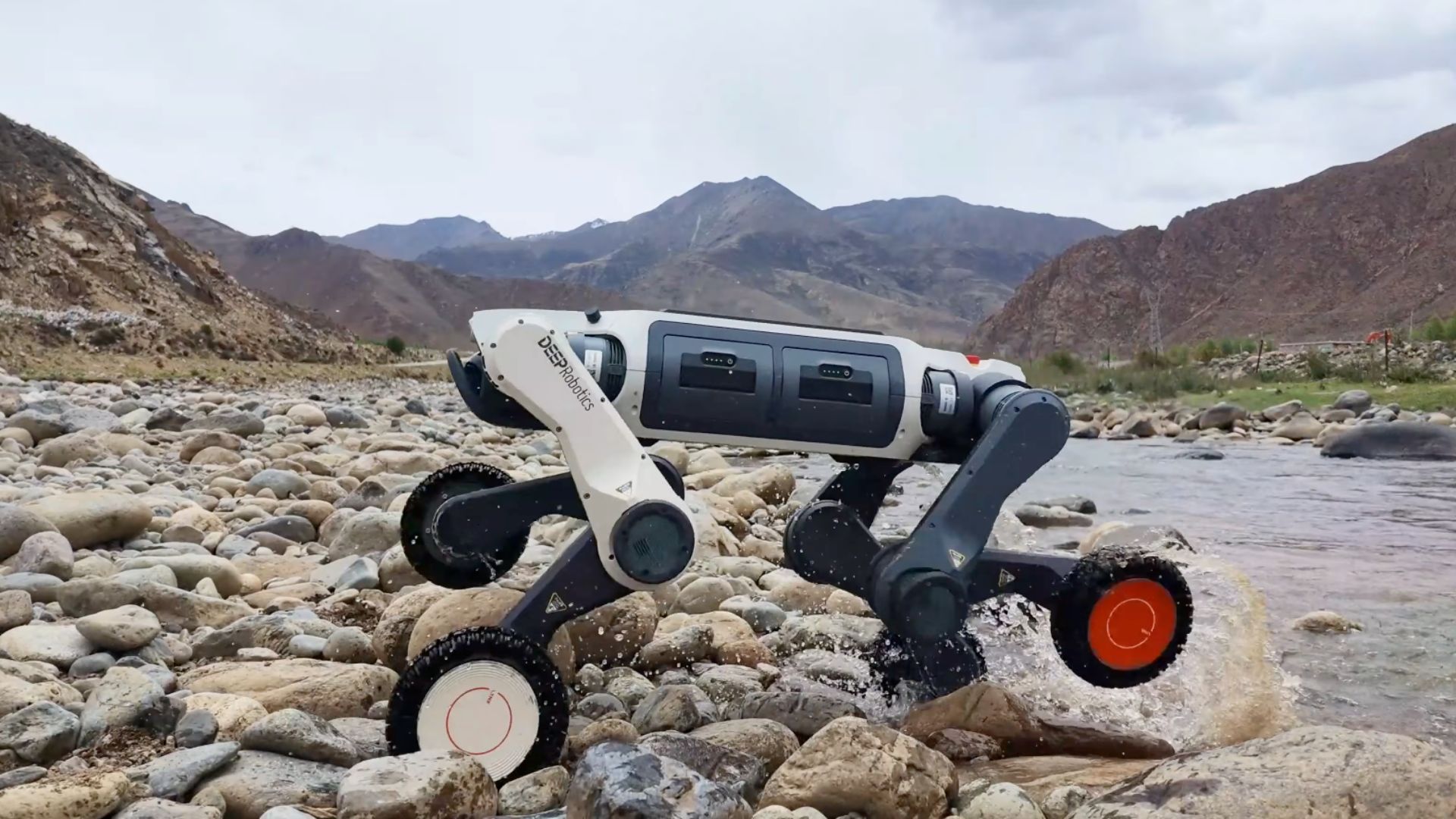
China’s new robot dog tackles -22°F cold, crosses river and rugged terrain in demo
DEEP Robotics has unveiled its latest innovation, a wheeled-legged robot specifically engineered to navigate and perform tasks in challenging industrial environments. The demonstration took place recently, showcasing the robot's capabilities in handling various terrains and obstacles typically encountered in industrial settings. This development aims to enhance operational efficiency and safety in sectors that require robust and versatile robotic solutions. The unique design combines the agility of legs with the stability of wheels, allowing the robot to adapt to different surfaces and tasks seamlessly. By integrating advanced technology, DEEP Robotics seeks to address the growing demand for automation in industries facing labor shortages and increasing operational complexities.
AI and Robotics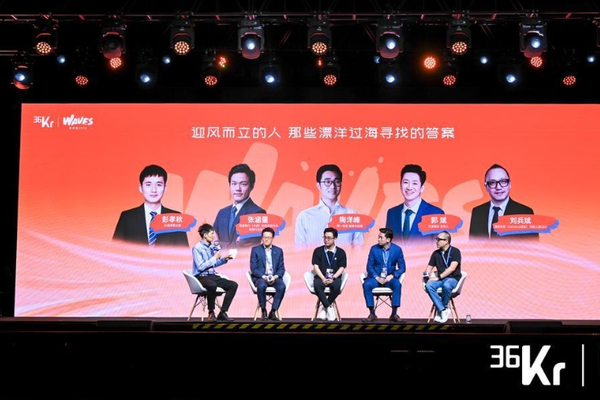
Roundtable: Those who stand against the wind, seeking answers across the sea | 36Kr WAVES 2026 New Wave
In 2026, the WAVES conference, organized by 36Kr and AnYun, took place in Panyu, Guangzhou, focusing on the theme "This Summer." The event gathered top investors, industry leaders, and emerging entrepreneurs over two days to discuss the evolution of AI and hard technology, which are shifting from niche areas to mainstream consensus. The conference featured 14 in-depth roundtable discussions and numerous independent speeches that explored the underlying logic of key sectors such as AI, hard technology, overseas expansion, and healthcare. Key speakers included Peng Xiaoqiu, editor-in-chief of 36Kr, Zhang Hanliang from DBS Bank, Tao Yangfeng from Zero One Capital, Guo Bin from Paradise Silicon Valley, and Liu Bingbin, CEO of Zendure. They shared insights on the changing landscape of entrepreneurship, particularly the transition from manufacturing advantages to brand and engineering advantages in the past decade. Discussions highlighted the importance of understanding market demands and the risks associated with overseas expansion, emphasizing that successful ventures require a deep understanding of both domestic and international markets. The conference underscored the necessity for entrepreneurs to be aware of their capabilities and the potential pitfalls of blindly pursuing global opportunities. As the landscape of international business continues to evolve, the insights shared at WAVES 2026 aim to guide entrepreneurs in navigating the complexities of global markets.

Deep dive into ARM’s physical AI and robotics strategies with Drew Henry
Drew Henry, a representative from ARM, recently shared insights into the evolving landscape of physical AI, robotics, and autonomous systems, emphasizing their development to meet real-world challenges. In a detailed discussion, Henry outlined ARM's strategic approach to integrating advanced technologies in these fields, highlighting the necessity for systems that can operate effectively within the constraints of everyday environments. This conversation comes at a time when the demand for intelligent automation solutions is rapidly increasing, driven by the need for efficiency and innovation across various industries. The dialogue took place in a recent interview featured on The Robot Report, showcasing ARM's commitment to pioneering advancements in robotics and AI.
Artificial Intelligence Business Resources Controllers Development Tools / SDKs / Libraries Logistics Materials
AI Is Learning to Read the Room
Recent advancements in emotion AI technology are reshaping how machines interpret human feelings, particularly in professional settings. Companies like Meta and startups such as Hume AI are developing systems that analyze facial expressions, voice tones, and behaviors to gauge emotions during interactions like performance reviews. This technology, which has applications in employee well-being, recruitment, and customer service, aims to enhance communication by providing real-time feedback. Despite its rapid growth, current emotion AI systems often struggle to capture the complexity of human emotions, typically categorizing feelings into simplistic labels like "happy" or "sad." Researchers are now focusing on a new approach called human-context AI, which combines multiple inputs—such as facial dynamics and voice modulation—with situational context to better understand emotional nuances. This shift aims to close the gap between human emotional expression and machine interpretation. The origins of emotion AI trace back to the MIT Media Lab, where Rosalind Picard pioneered the concept of affective computing. Over the years, advancements in data collection and analysis have improved the accuracy of emotion detection. However, ethical concerns remain, particularly regarding privacy and the potential for misuse in workplaces and public spaces. As this technology evolves, it promises to enhance various applications, from professional development platforms to health care, by providing a deeper understanding of human emotions. Yet, experts caution against over-reliance on AI for critical decisions, emphasizing the importance of human insight in interpreting emotional signals.
Emotions Affective-computing Facial-expressions Companion-robots Multimodal-ai Machine-learning
NASA's AstroPix Technology Demonstration to Advance Next-Generation Gamma-Ray Detection
NASA is set to conduct an in-orbit demonstration of its innovative AstroPix gamma-ray sensor, a cutting-edge pixel-based detector designed to enhance the study of gamma-ray bursts and active galaxies. This significant event is scheduled to take place in the near future as part of NASA’s ongoing efforts to advance astrophysical research. The AstroPix sensor aims to provide unprecedented insights into cosmic phenomena, which could deepen our understanding of the universe. By utilizing this advanced technology in space, NASA hopes to gather critical data that will inform future missions and studies in astrophysics. The demonstration marks a pivotal step in harnessing new detection methods to explore the mysteries of high-energy astrophysical events.

Norway sends deep-sea drone 20,000 feet down to uncover hidden ocean secrets
Norway has initiated the inaugural expedition of its advanced robot submarine, designed to reach depths of nearly 6,000 meters. This groundbreaking mission commenced recently in the North Atlantic, showcasing the submarine's capabilities in deep-sea exploration. The project aims to enhance scientific research and environmental monitoring in the region, addressing the growing need for innovative technology in oceanography. The submarine is equipped with state-of-the-art sensors and imaging systems, allowing it to gather critical data on marine ecosystems and geological formations. This expedition marks a significant step forward in Norway's commitment to advancing underwater research and understanding the complexities of ocean environments.
Science
Commemorating 70 Years of Artificial Intelligence
Artificial intelligence (AI), a transformative technology of the 21st century, is reshaping various aspects of life and has seen unprecedented adoption rates since its formal establishment in 1956 at the Dartmouth Summer Research Project. Pioneers like John McCarthy and Marvin Minsky introduced the concept, envisioning machines that could simulate human intelligence. Over the past 70 years, AI has evolved significantly, impacting fields such as business, education, healthcare, and military applications. The journey of AI has been marked by innovation and setbacks, including periods known as "AI winters," where interest and funding waned. However, a resurgence in the 2010s, driven by advances in deep learning and generative AI, has led to the development of sophisticated systems like ChatGPT, which was publicly released in 2022. This evolution has enabled AI to perform cognitive tasks at unprecedented speeds, automate processes, and enhance creativity. Despite its advantages, AI poses significant risks, including biased outputs, privacy concerns, and the potential for misinformation. The IEEE has played a crucial role in guiding AI's development, promoting ethical standards, and fostering research through publications and conferences. As AI continues to advance, the focus remains on ensuring it is human-centered and beneficial for society, emphasizing the need for responsible governance and informed decision-making. The future of AI will depend on the choices made today, as the technology's trajectory is shaped by collective actions and ethical considerations.
Type-ti Ieee-history Artificial-intelligence Ai History-of-technology
Our sun is destined to 'kick and spit' its way across the solar system when it dies
Recent research has revealed that dying stars, specifically red giants, exhibit dramatic behavior as they approach the end of their life cycle. These stars eject blobs of plasma into space, a phenomenon that is accompanied by a notable reaction known as a "kick." This discovery sheds light on the complex processes that occur during stellar death, highlighting the dynamic interactions between a star's outer layers and its core. The findings contribute to a deeper understanding of stellar evolution and the life cycles of celestial bodies. The study was conducted by a team of scientists and was published in a leading astronomical journal, emphasizing the significance of these observations in the field of astrophysics.
Stars Astronomy
Interview with Olo Robotics COO Eleanor Tang-Smith: Making robot programming accessible to everyone
Recent advancements in robotics hardware have led to the emergence of highly capable autonomous mobile robots, quadrupeds, robotic arms, and humanoid robots, which are now more commercially available than ever. However, many organizations face significant challenges in adopting these technologies due to the complexities associated with software development. Creating robotic applications often necessitates specialized knowledge in platforms like ROS 2 (Robot Operating System 2). This gap in expertise hinders the widespread implementation of robotic solutions in various sectors, despite the promising capabilities of the hardware. As the industry continues to evolve, addressing the software barriers will be crucial for facilitating broader adoption and maximizing the potential of robotic innovations.
Computing Design Features Robot simulation ai robotics automation news
Fusion to quantum: 9 projects lined up for US’ new Discovery supercomputer
America's next major exascale supercomputer, named Discovery, is set to tackle its inaugural scientific challenges. This advanced computing system, which represents a significant leap in processing power, is designed to handle complex simulations and data analysis that were previously unattainable. Scheduled to begin operations in the coming months, Discovery will be located at Oak Ridge National Laboratory in Tennessee. The motivation behind developing such a powerful supercomputer stems from the need for enhanced computational capabilities to address pressing scientific questions and accelerate research across various fields, including climate modeling, drug discovery, and materials science. By leveraging its unprecedented speed and efficiency, researchers aim to gain deeper insights and make breakthroughs that could have far-reaching implications for both science and society. The operationalization of Discovery involves collaboration among leading scientists and engineers who will utilize its capabilities to run extensive simulations and analyze large datasets. This initiative not only underscores America's commitment to maintaining leadership in high-performance computing but also highlights the growing importance of advanced technology in solving some of the world's most complex challenges.
AI and Robotics
Interview with Paul Dawalibi: Can Ras Al Khaimah become the Silicon Valley of the Middle East?
In recent years, the focus of technology companies aiming to establish a foothold in the Middle East has shifted from the traditional hubs of Dubai and Abu Dhabi to emerging innovation centers. As competition for investment in artificial intelligence, robotics, and deep technology escalates globally, smaller cities are increasingly positioning themselves as viable alternatives. These agile hubs are actively working to attract tech firms by offering unique advantages and fostering an environment conducive to innovation. This shift reflects a broader trend in the region, where diverse locations are striving to enhance their appeal in the rapidly evolving tech landscape.
Business Economy Features Technology AI infrastructure artificial intelligence
Microsoft Can't Afford Unlimited Token Either — Enter DeepSeek
Microsoft has announced a shift in its pricing strategy for Copilot Cowork, moving to a usage-based model in response to rising operational costs. This decision comes as the company seeks to enhance affordability for users while managing expenses effectively. To support this transition, Microsoft is also adopting DeepSeek V4, an open-source alternative that promises to deliver cost-effective solutions for its services. The changes are set to take effect immediately, reflecting the company's commitment to adapting its offerings in a rapidly evolving market. By leveraging open-source technology, Microsoft aims to maintain competitive pricing while continuing to provide robust features to its users.
AI
Microsoft warns about new cyber threats and response strategies.
The rise of sophisticated phishing attacks utilizing multi-factor authentication (MFA) has been observed, with cybercriminals increasingly employing tactics that exploit popular AI services such as ChatGPT, Claude, and DeepSeek. This alarming trend highlights the evolving nature of phishing strategies in the AI era, where attackers use these well-known platforms as bait to deceive users into revealing sensitive information. Experts are now emphasizing the importance of understanding these advanced threats and implementing effective defense mechanisms to protect against such vulnerabilities. As the digital landscape continues to evolve, awareness and proactive measures are crucial in safeguarding personal and organizational data from these emerging cyber threats.
DeepSeek Raises $7.4 Billion in Historic Series A: Tencent Leads, CATL Crosses Over, Alibaba and ByteDance Sit Out
Chinese AI startup DeepSeek has successfully raised around 51 billion yuan in a Series A funding round, achieving a valuation of 400 billion yuan. The funding, which took place recently, saw significant investment from tech giant Tencent, contributing 10 billion yuan, while battery manufacturer CATL has also joined as a strategic investor. This substantial financial backing highlights the growing interest and confidence in DeepSeek's innovative technology and its potential impact on the AI landscape.
AI
IEEE Rolls Out Large Language Models Virtual Training Course
Large language models (LLMs) have transitioned from research labs to everyday use in engineering, significantly altering how digital infrastructures are developed and maintained. As technical professionals increasingly rely on LLMs for complex tasks—such as identifying vulnerabilities in source code and converting fragmented discussions into detailed specifications—the demand for expertise in this technology is surging. According to MarketsandMarkets, the LLM technology market is projected to grow by approximately 33% annually through 2030. To effectively utilize LLMs, engineers must move beyond basic interactions and understand the underlying transformer architecture that enables these models to process vast datasets simultaneously. This knowledge is crucial to mitigate risks associated with inaccuracies, often referred to as "hallucinations," and to ensure reliable performance in coding and data handling. Key advancements include integrating LLMs with application programming interfaces (APIs) for direct database connections, addressing hallucination issues through retrieval-augmented generation (RAG), and prioritizing data security by establishing private model instances. Additionally, LLMs automate repetitive tasks, allowing engineers to focus on higher-level design and problem-solving. To bridge the growing knowledge gap, IEEE has launched an online program titled "Large Language Models Demystified," designed to equip technical professionals with a deeper understanding of LLMs. The curriculum covers the evolution of AI technology, transformer architectures, and practical model-building exercises. Participants will earn professional development credits and a digital badge upon completion, enhancing their credentials in this rapidly evolving field. Organizations interested in training their teams can consult with IEEE for tailored enrollment options.
Ai Type-ti Education Ieee-educational-activities Large-language-models Ieee-products-and-services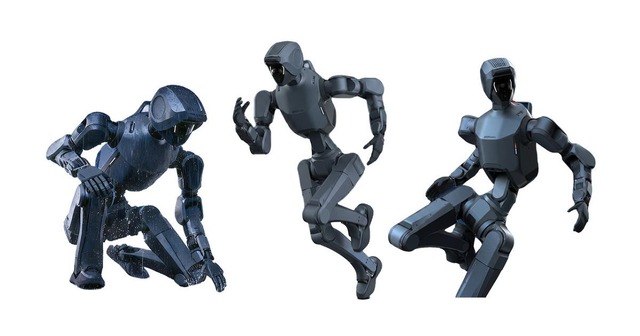
Elza Japan starts handling the world's first fully IP66 waterproof industrial humanoid, DEEPRobotics DR02.
Elsa Japan Co., Ltd. announced the launch of the DEEPRobotics DR02, an all-weather industrial humanoid robot, for the domestic market on June 18, 2026. This new product aims to enhance operational efficiency in various industries by providing advanced robotic solutions capable of functioning in diverse environmental conditions. The introduction of the DR02 reflects the growing demand for automation and robotics in Japan, as companies seek innovative technologies to improve productivity and safety in their operations.
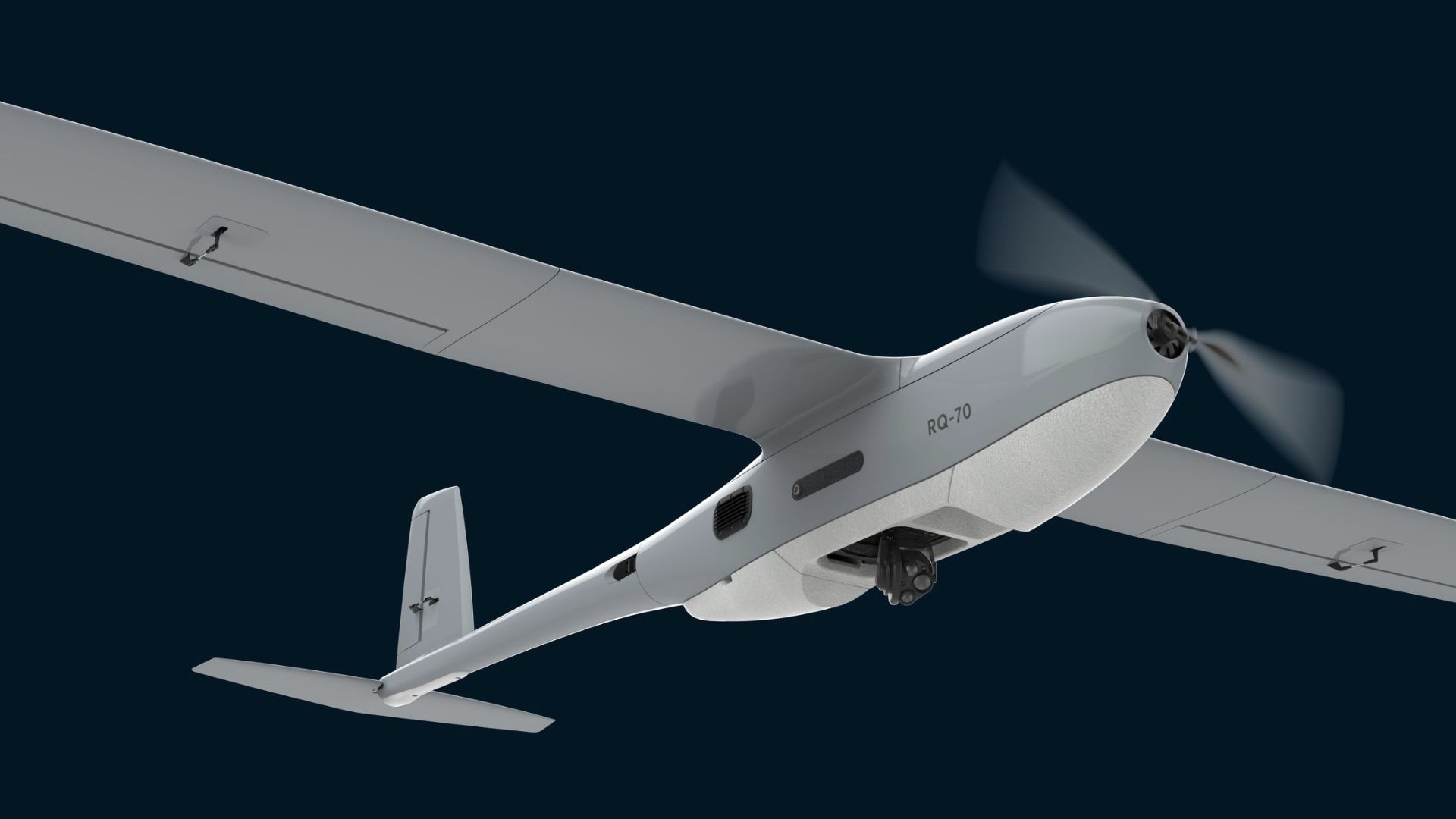
US firm’s new deep-reach drone can conduct surveillance beyond tactical frontline
An aerospace and defense company has introduced its latest deep-reach intelligence, surveillance, and reconnaissance (ISR) system, designed to enhance military operations and situational awareness. The announcement was made during a defense technology conference held in Washington, D.C., on October 15, 2023. This cutting-edge system aims to provide armed forces with advanced capabilities to gather critical data over vast distances, improving their ability to monitor and respond to threats in real-time. The development of this ISR technology is motivated by the increasing demand for enhanced surveillance solutions in modern warfare, where timely and accurate information is crucial for mission success. The company plans to integrate this system into existing military platforms, ensuring seamless operation and compatibility with current defense strategies.
Military
Three Years Later: Remembering the TITAN Tragedy and Advancing Submersible Safety
Three years after the tragic loss of the OceanGate submersible TITAN in the North Atlantic, Pelagic Research Services (PRS) commemorates the lives lost during the incident. The organization joins the global maritime and undersea community in reflecting on the profound impact of this event, which marked one of the most significant deep-ocean emergency responses in recent history. The remembrance serves not only as a tribute to those who perished but also as a reminder of the challenges and risks associated with deep-sea exploration.
oceangate submersible titan pelagic research services
OMS Advances Sea Acceptance Tests for USV Elite, Validating Deepwater Survey P Capability and Long-range Endurance
OMS Group (OMS) has announced significant progress in the Sea Acceptance Tests (SAT) for its long-range DriX O-16 Uncrewed Surface Vessel (USV), taking place off the southern coast of France. The ongoing tests are showcasing remarkable seakeeping abilities and promising initial results regarding the vessel's deepwater multibeam echosounder performance. This development aligns with OMS's strategic objective to enhance and expand its long-range uncrewed survey capabilities on a global scale.
oms group sea acceptance tests usv deepwater survey long-range endurance
No driver, no operator: Inside redundant sensor infrastructure of a commercial robot bus
A significant initiative to expand the use of driverless shuttles beyond corporate campuses and testing sites is gaining momentum. This effort, which has been in progress for several years, aims to integrate autonomous vehicles into public transportation systems, thereby enhancing mobility options for urban residents. The push is particularly relevant as cities seek innovative solutions to address traffic congestion and reduce carbon emissions. Recent developments indicate that several municipalities are collaborating with technology companies to pilot driverless shuttle programs in urban environments. These trials are designed to assess the feasibility and safety of autonomous vehicles in real-world settings, with the goal of eventually implementing them as a regular mode of transport for the public. The motivation behind this initiative stems from the increasing demand for efficient and sustainable transportation solutions. By leveraging advancements in artificial intelligence and vehicle technology, proponents believe that driverless shuttles can provide a reliable alternative to traditional public transit, particularly in underserved areas. As cities prepare for these trials, stakeholders are focused on ensuring regulatory compliance and addressing public concerns regarding safety and privacy. The successful deployment of driverless shuttles could mark a transformative shift in urban mobility, paving the way for smarter, more sustainable cities.
Innovation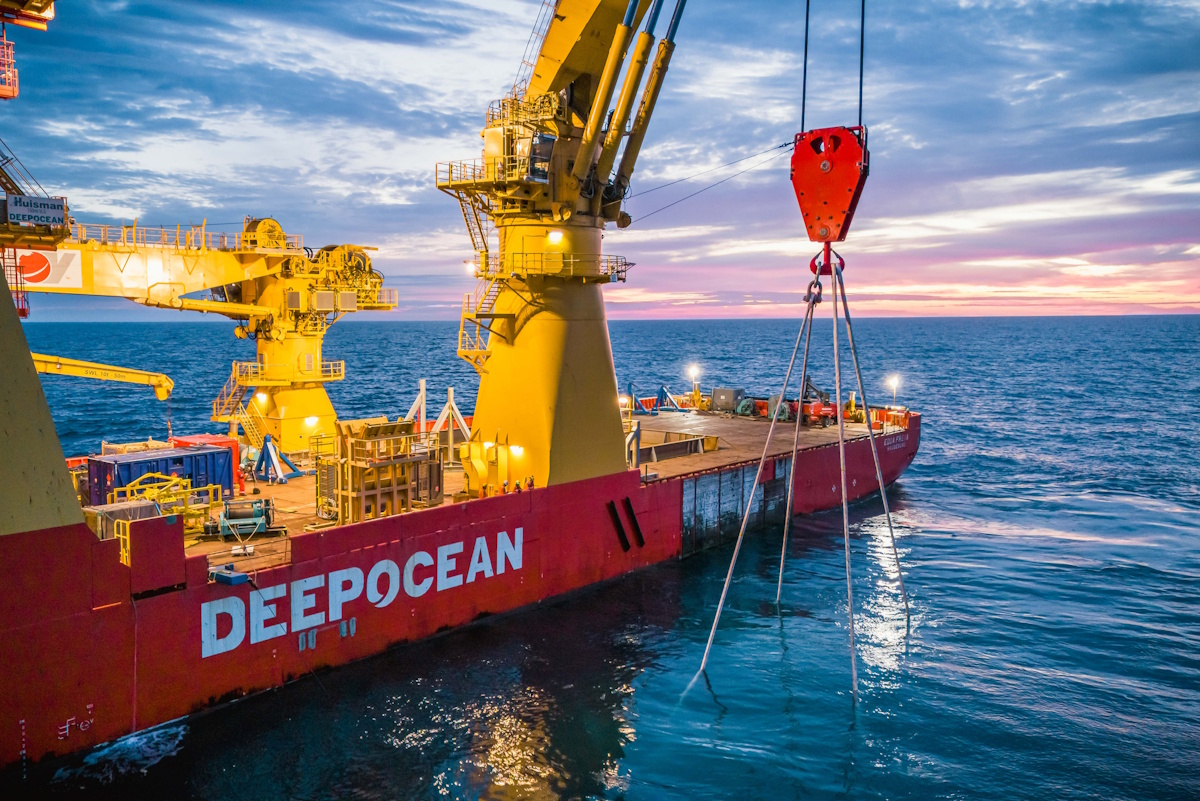
DeepOcean Awarded Foinaven Contract
DeepOcean, a global ocean services provider, has secured a contract with bp to assist in the decommissioning and recycling of subsea equipment at the Foinaven field, located west of Shetland in the UK. This collaboration aims to ensure the environmentally responsible dismantling of infrastructure as bp transitions away from active operations in the area. The agreement underscores the growing emphasis on sustainable practices within the energy sector, particularly in the context of decommissioning aging offshore facilities. The project is set to commence shortly, reflecting both companies' commitment to minimizing environmental impact while adhering to regulatory standards.
deepocean contract award foinaven
Interview with Luo Jianlan: The true scaling law of robots occurs in real deployment loops.
In the past six months, the focus of the domestic embodied intelligence sector has shifted from hardware competition to the deeper challenges that define the intelligence limits of robots. Luo Jianlan, an associate professor at Shanghai Chuangzhi Academy and chief scientist at Zhiyuan Robotics, argues against the prevailing notion that robots can replicate large language models through sheer data accumulation. He emphasizes that the core issue in embodied intelligence is not about breakthroughs in isolated components but rather the ability to create a closed-loop system in real-world deployments. Luo, who has a background in both academia and industry, including roles at Google X and DeepMind, believes that many teams in the sector are not genuinely pre-training models but are instead engaged in mid-training or fine-tuning due to the scarcity of high-quality interaction data. He asserts that true embodied intelligence requires a scalable closed-loop system, where deployment leads to data collection, which in turn enhances model capabilities. His current focus includes developing scalable online post-training infrastructure, enabling robots to learn continuously in real-world environments, and creating a world model that predicts the consequences of actions rather than merely generating video. Luo suggests that the future of embodied intelligence hinges on successfully integrating these elements into a cohesive system, with significant advancements expected in the next 12 to 18 months. He believes that the first team to effectively implement a "deployment-data-iteration" cycle in semi-structured environments like convenience stores will gain a substantial competitive edge.
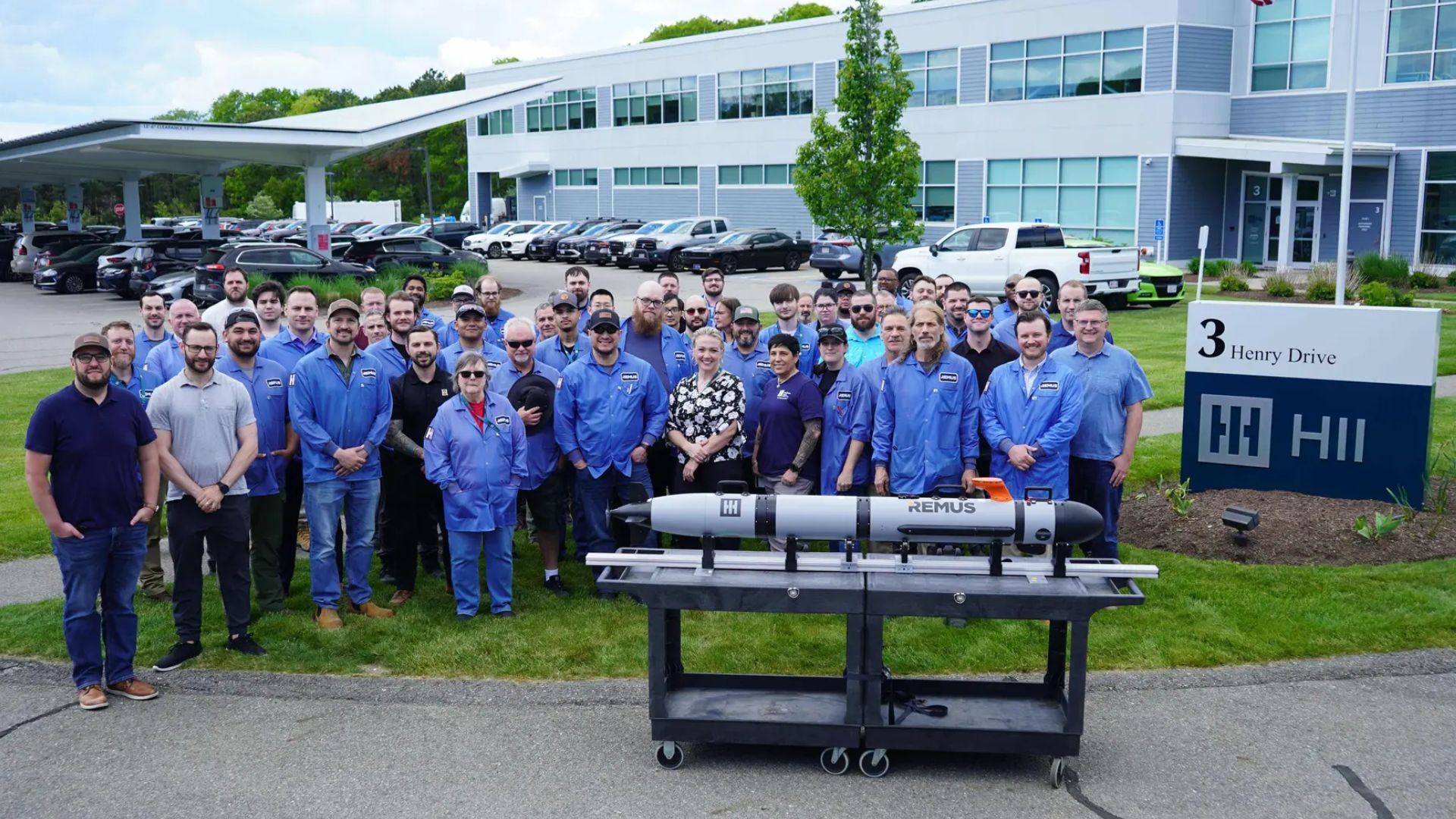
New mini submarine-like drone from HII can dive 328 feet deep with 10 hour battery life
Huntington Ingalls Industries (HII), a prominent U.S. military shipbuilder, has successfully delivered the first REMUS 130 unmanned underwater vehicle. This significant milestone was achieved as part of HII's commitment to advancing maritime technology. The delivery took place in October 2023, showcasing the company's ongoing efforts to enhance the capabilities of the U.S. Navy and other defense partners. The REMUS 130 is designed for various underwater missions, including reconnaissance and surveillance, addressing the growing need for advanced unmanned systems in naval operations. This development reflects HII's strategic focus on innovation and its role in supporting national security objectives through cutting-edge maritime solutions.
Military
Elephant trunk skin’s dual-zone design offers blueprint for advanced robotic grippers
An elephant's trunk, a remarkable adaptation of the species, showcases its strength and versatility as it can effortlessly transport heavy logs across open spaces. This impressive ability not only highlights the physical prowess of elephants but also serves a crucial role in their daily activities, such as foraging and building shelters. Observations of these behaviors contribute to a deeper understanding of elephant intelligence and their interactions with the environment. The trunk's dexterity allows elephants to manipulate objects with precision, demonstrating their complex problem-solving skills and social behaviors. As researchers continue to study these magnificent creatures, they uncover insights into their ecological impact and the importance of preserving their habitats.
AI and Robotics
RAI to Demonstrate a Brain with Identity for Humanoid Robots at World Robot Conference 2026
A Dutch artificial intelligence company has unveiled an innovative approach to machine intelligence that emphasizes memory, identity, beliefs, and long-term development. This new methodology aims to enhance the capabilities of AI systems by enabling them to better understand and process information in a way that mimics human cognitive functions. The announcement was made during a technology conference held in Amsterdam on October 15, 2023. The motivation behind this development stems from the growing need for AI to not only perform tasks but also to engage in more complex interactions that require a deeper understanding of context and human-like reasoning. By integrating concepts of memory and identity into AI systems, the company believes it can create machines that are more adaptable and capable of evolving over time, thus improving their utility in various applications. The implementation of this approach involves advanced algorithms and neural networks designed to simulate human-like thought processes. This breakthrough could potentially revolutionize industries ranging from healthcare to education, where personalized and context-aware AI solutions are increasingly sought after. As the technology continues to evolve, the company aims to collaborate with other tech firms and researchers to further refine its methods and explore new possibilities in the field of artificial intelligence.
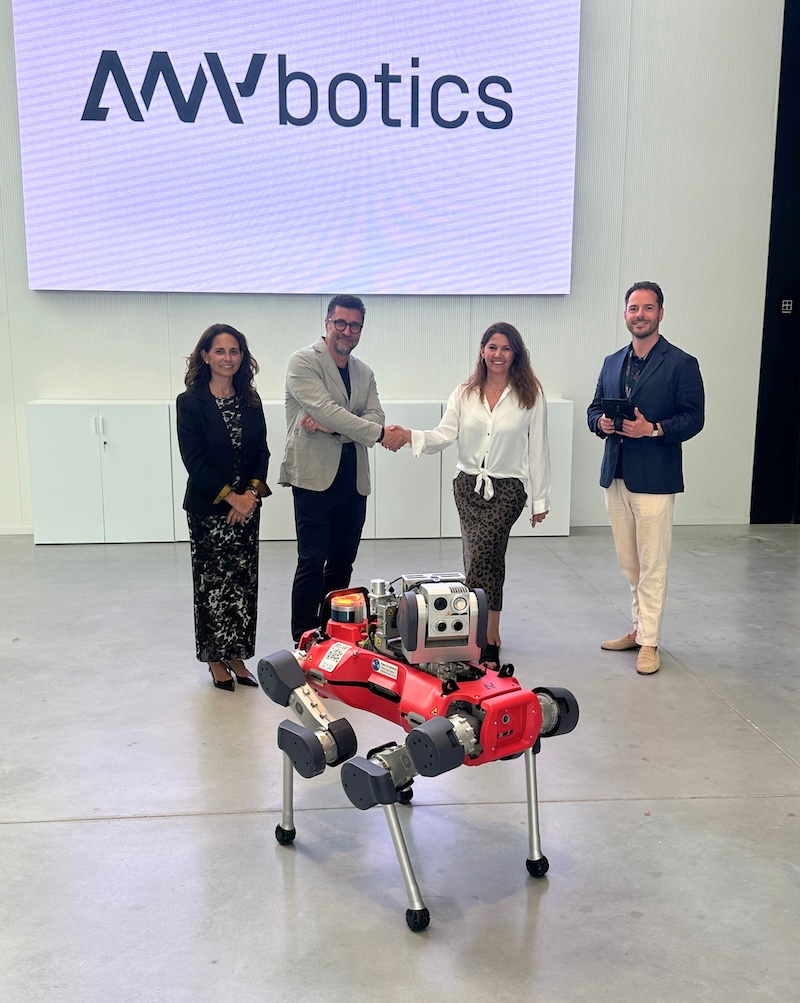
ANYbotics expands global presence with new engineering and AI hub in Barcelona
ANYbotics, a leader in AI-driven robotic inspection solutions, has inaugurated a new office in Barcelona, Spain, situated at the DFactory Barcelona campus. This marks the company’s third global location, joining its existing offices in Zurich and San Francisco. The expansion comes in response to the growing demand for ANYbotics' autonomous inspection technologies, particularly in asset-intensive and process-driven sectors. The new engineering and AI hub is expected to enhance the company’s capabilities and support its strategic growth in the region.
Infrastructure News ai robotics anybotics automation news autonomous inspection robots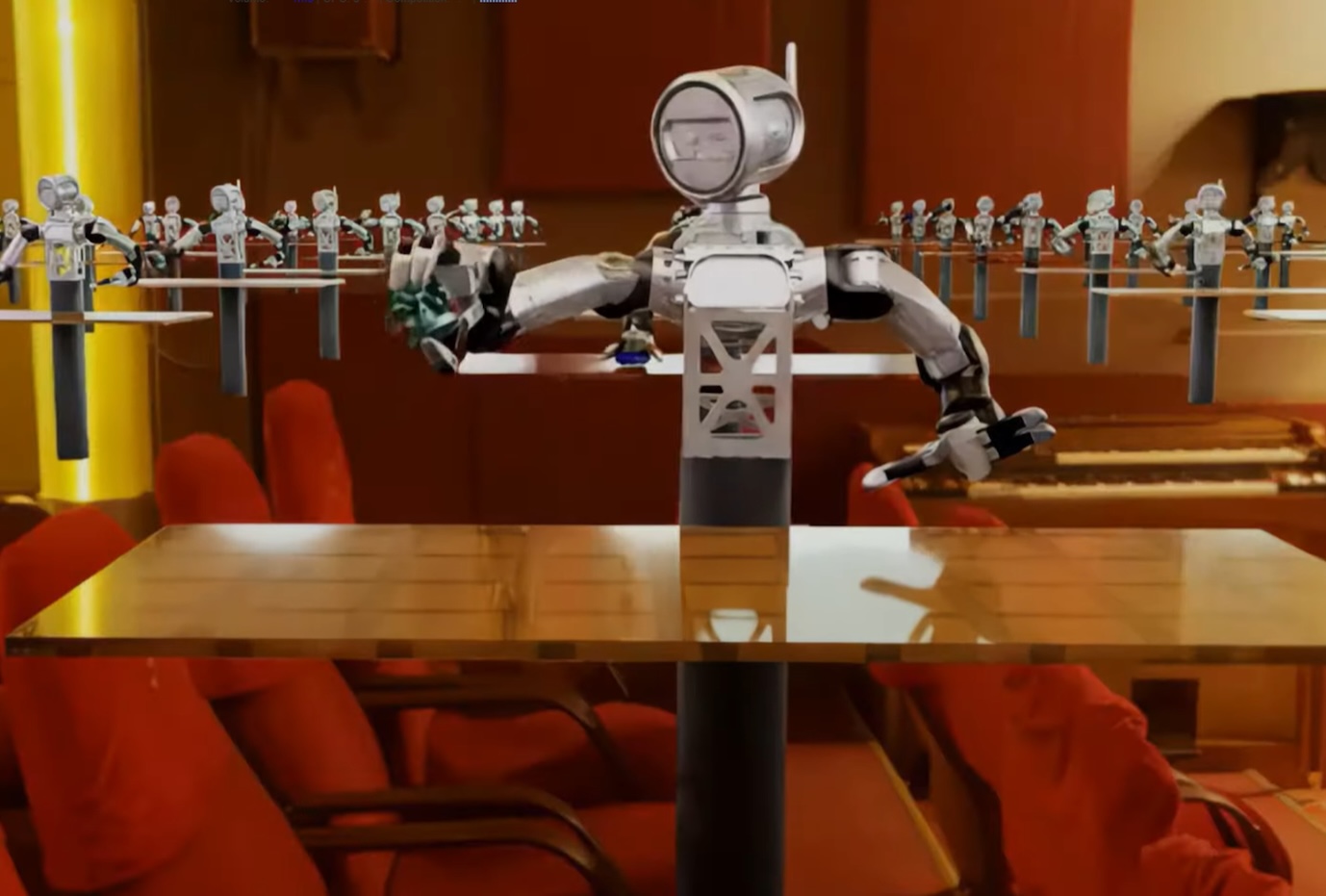
Deep Learning Based Dirt Detection and Cleanliness Evaluation in Autonomous Indian Domestic Concrete Water Tank Cleaning Robot
A recent study published in the Journal of Field Robotics highlights advancements in autonomous robotic navigation. Researchers from a leading robotics institute conducted experiments to enhance the efficiency of robots in complex environments. The study, released in early October 2023, focuses on the integration of advanced algorithms that allow robots to better interpret their surroundings and make real-time decisions. The research was carried out in various challenging terrains, including urban settings and natural landscapes, to test the robots' adaptability. The motivation behind this work stems from the growing demand for autonomous systems in sectors such as agriculture, search and rescue, and urban planning. By improving navigation capabilities, the researchers aim to facilitate the deployment of robots in scenarios where human intervention is limited or dangerous. Through a series of simulations and field tests, the team demonstrated that the new algorithms significantly reduced the time taken for robots to complete tasks while increasing their accuracy in obstacle avoidance. This breakthrough could lead to more reliable and efficient robotic systems, paving the way for wider applications in everyday life. The findings underscore the potential of robotics to transform various industries by enhancing operational efficiency and safety.
RESEARCH ARTICLE
The Week Ahead in AI: Anthropic’s Models Suspended, Meta’s AI Model Monetizing Question, Deepfake Challenges, Plus Upcoming Earnings & Events
Anthropic, a prominent AI company, announced that it has received a directive from the U.S. government requiring the suspension of access to its AI models, Fable 5 and Mythos 5. This development comes as part of ongoing regulatory scrutiny surrounding artificial intelligence technologies. The suspension is set to take effect during the week of June 14-20, 2023, raising concerns about the implications for AI research and development. The government's decision aims to address potential risks associated with these advanced AI systems, reflecting a growing emphasis on safety and ethical considerations in the rapidly evolving tech landscape. As the situation unfolds, industry experts and stakeholders are closely monitoring the impact of this directive on both Anthropic and the broader AI sector.
AI Exclusives Robotics Accenture AI Summit Anthropic
Deep learning co-design helps scientists project 28-layer 3D images without crosstalk
Engineering researchers at the University of California, Los Angeles (UCLA) have unveiled a groundbreaking three-dimensional printing technology that significantly enhances the production of complex structures. This innovative method, introduced in October 2023, aims to revolutionize various industries by allowing for the rapid and precise fabrication of intricate designs that were previously difficult or impossible to achieve. The researchers' motivation stems from the growing demand for more efficient manufacturing processes that can produce high-quality components while minimizing waste and time. By leveraging advanced materials and techniques, the team has demonstrated that their new approach can streamline production workflows and reduce costs, making it an attractive option for sectors such as aerospace, automotive, and biomedical engineering. This development not only showcases the potential of 3D printing technology but also emphasizes UCLA's commitment to leading research in engineering and technology. The researchers plan to further refine their technique and explore its applications across various fields, aiming to set new standards in manufacturing efficiency and innovation.
Science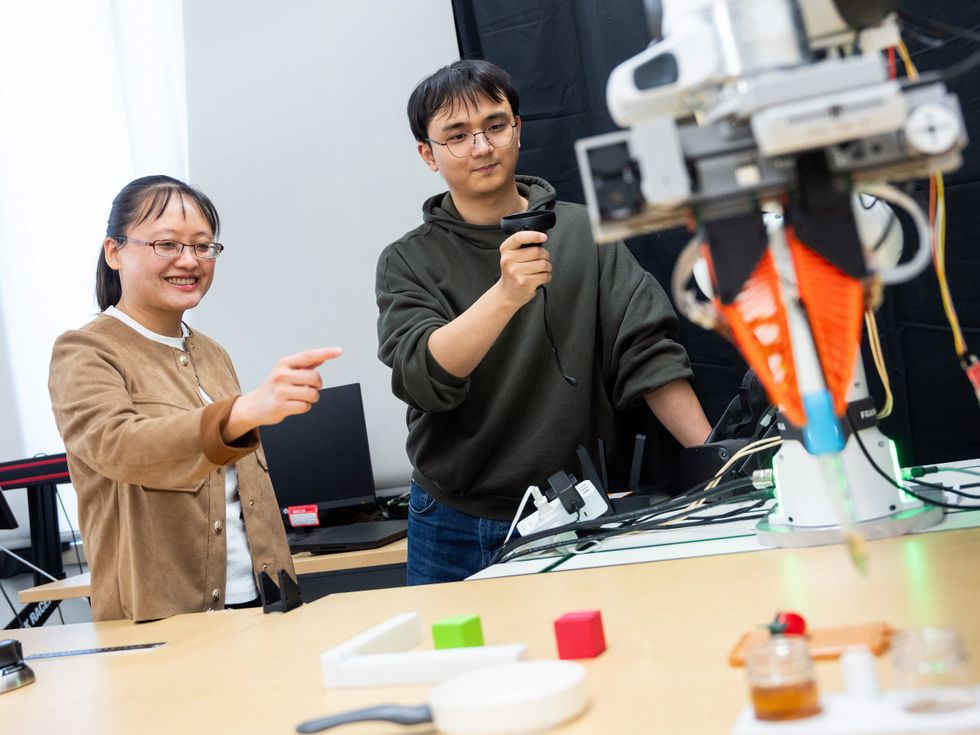
Award-Winning Researcher Trains Robots to Make Educated Guesses
Yen-Ling Kuo, an assistant professor of computer science at the University of Virginia, has been recognized for her significant contributions to robotics and automation. Last year, she received the IEEE Robotics and Automation Society’s inaugural Outstanding Women in Robotics and Automation Early Career Contribution Award for her paper, “Diff-DAgger: Uncertainty Estimation with Diffusion Policy for Robotic Manipulation.” This innovative research introduces a method that enhances robots' ability to identify and manage uncertainty during unfamiliar tasks, thereby reducing the need for human supervision and increasing task completion rates. Kuo’s journey began in Taiwan, where her fascination with science and technology was sparked by early exposure to programming and computer logic. After earning her degrees from National Taiwan University and MIT, she gained practical experience at Google, where she contributed to AI-driven shopping technologies. This experience motivated her to pursue a Ph.D. to deepen her understanding of neural networks. Her current research focuses on developing computational models that enable robots to interpret both explicit data and subtle social cues, aiming to replicate human-like reasoning in machines. Kuo's work has garnered attention from the National Science Foundation, which awarded her a five-year Career Award to support her research on human-robot interactions. As robotics and autonomous vehicles become more prevalent, Kuo envisions creating robots that can seamlessly integrate into social environments, enhancing human-robot collaboration.
Ieee-member-news Robots Artificial-intelligence Ieee-robotics-and-automation-soc Careers Type-ti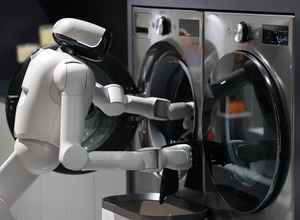
LG to build Korea's first humanoid 'data factory' to train robots
LG Electronics is transforming its research and development campus in the Yangjae district of southern Seoul into South Korea's first "data factory" dedicated to humanoid robots, according to industry sources. This initiative, announced on Friday, aims to utilize hundreds of CLOiD machines that will perform everyday tasks to generate essential real-world data. As the development of humanoid robots increasingly hinges on data rather than hardware, this facility seeks to address the growing challenge of acquiring the necessary information for effective robot training. By creating a controlled environment where robots can learn from repetitive tasks, LG Electronics is positioning itself at the forefront of the competitive humanoid robotics sector.
All News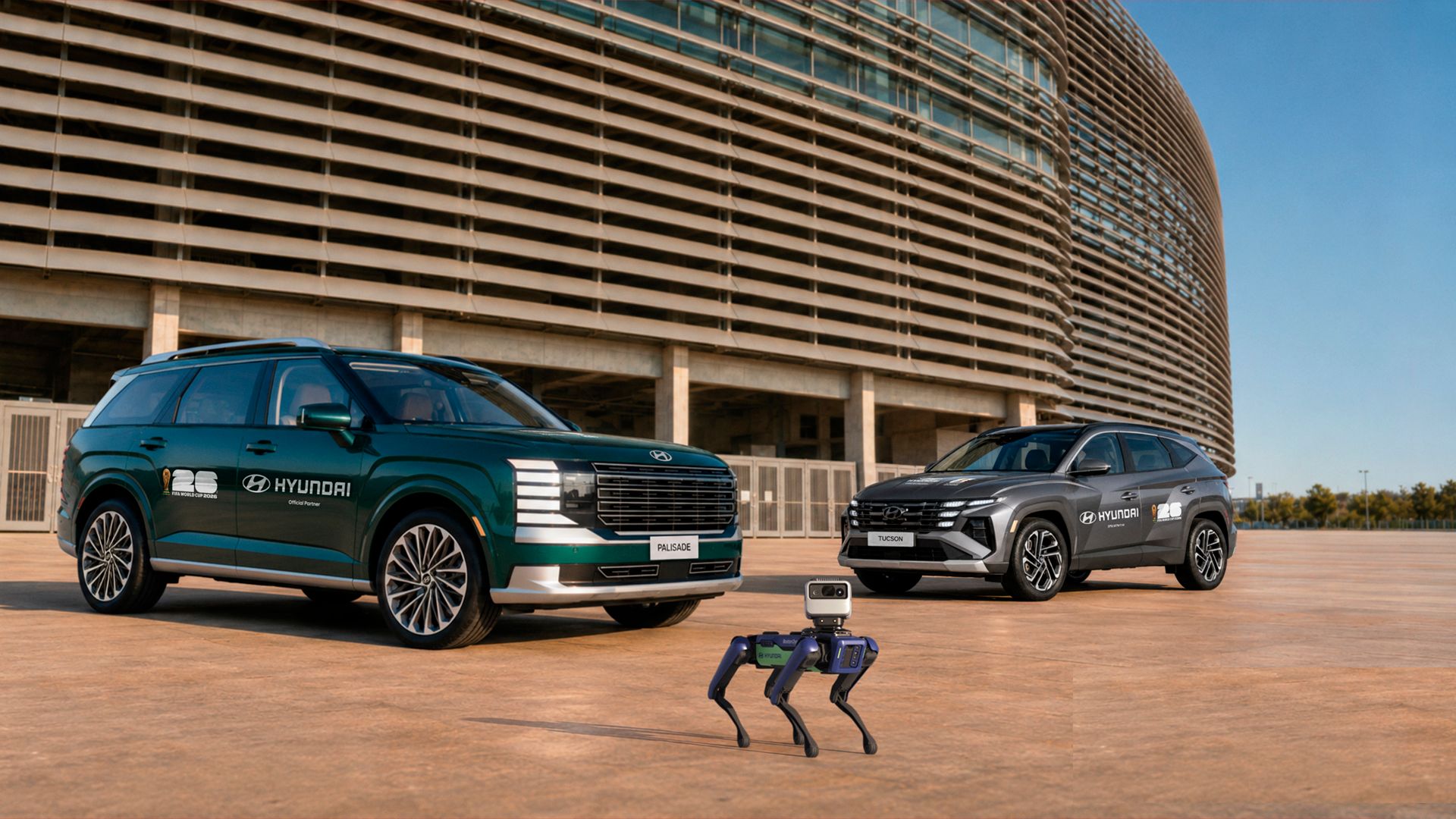
FIFA World Cup 2026 gets Hyundai robot dogs for venue security patrols
As the 2026 FIFA World Cup approaches, Hyundai Motor Company has unveiled its latest marketing campaign aimed at enhancing fan engagement during the tournament. The initiative, which was announced in early October 2023, will leverage innovative technology and interactive experiences to connect soccer enthusiasts across North America. Hyundai's campaign is designed to capitalize on the excitement surrounding the World Cup, which is set to take place in the United States, Canada, and Mexico. The automotive giant aims to strengthen its brand presence and foster a deeper connection with fans by integrating digital platforms and live events into its promotional strategy. Through a series of interactive activations, Hyundai plans to provide fans with unique opportunities to participate in the World Cup experience, including virtual reality experiences and social media engagements. This approach not only highlights Hyundai's commitment to the sport but also aligns with its broader marketing objectives of reaching a diverse audience and enhancing customer loyalty. By embracing the global appeal of soccer, Hyundai seeks to position itself as a key player in the automotive market while celebrating the spirit of the World Cup. The campaign reflects the company's dedication to innovation and community engagement, aiming to create memorable moments for fans during this prestigious sporting event.
AI and Robotics
Leonardo in ‘advanced’ talks to expand Italian Army’s AW249 combat helicopter fleet
The Italian Army is exploring advanced applications for its AH-249 helicopter, with plans to utilize the aircraft for high-speed, low-level flights to penetrate deep into enemy territory. Marco Marinoni, the head of the AH-249 acquisition program, highlighted this strategic capability as a key feature of the platform. This development reflects the Army's commitment to enhancing its operational effectiveness in modern warfare scenarios. The initiative aims to bolster Italy's defense capabilities and ensure readiness in increasingly complex combat environments.
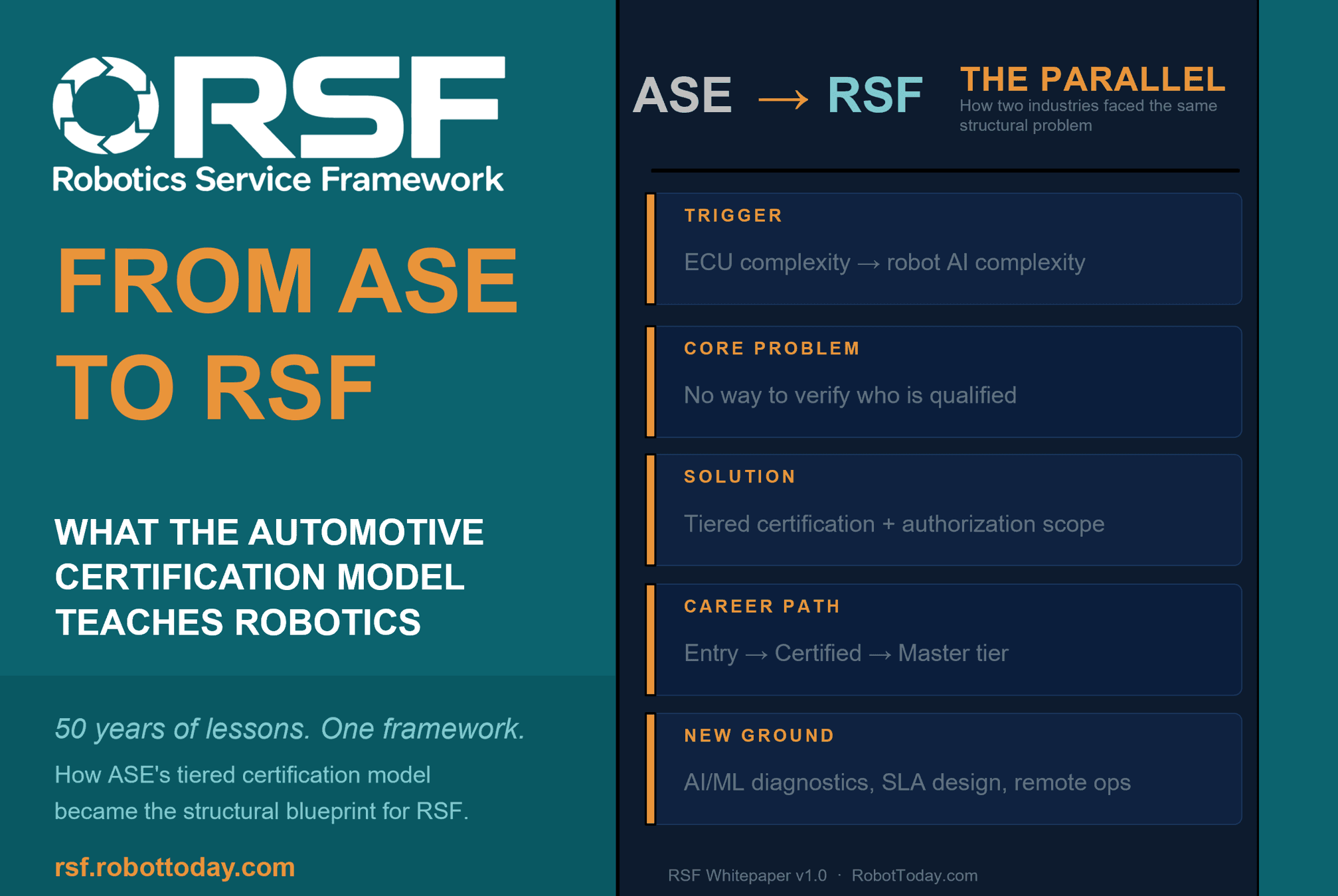
Air Warfare Global Aerovironment Air Force AW-249 DronesRobotics needs a service framework.
RSF defines a common language for robot service capability, lifecycle operations, certification pathways, and service-provider networks.