

Industry Briefing
A single destination for timely, editor-curated robotics news from around the world.

DeepSeek Unveils DSec Sandbox Infrastructure for Large-Scale Agent Training
DeepSeek has introduced the DSec platform, a sandbox infrastructure tailored for extensive agent training. This innovative system integrates various sandbox types, including function-call, container, microVM, and full-VM sandboxes, while effectively managing their lifecycle alongside reinforcement learning tasks. The significance of DSec lies in its ability to support large-scale operations, with a production-scale unit comprising approximately 160 nodes. It can handle around 3 million sandboxes daily and accommodate over 380,000 concurrent sandboxes, showcasing its robust capabilities in the field of agent training. Looking ahead, the DSec platform's ability to create more than 5,000 sandboxes per second positions it as a critical tool for developers and researchers in the AI domain. No further timeline was disclosed at the time of publication.
News Feed
DeepCybo Releases PhysBrain 1.5 with 72.5 Average on 28 Benchmarks as Open Source
DeepCybo has announced the open-source release of PhysBrain 1.5, achieving an impressive average score of 72.5 across 28 public embodied benchmarks. This model, which features both 2B and 8B parameters, is designed to enhance unified understanding, action, and future-state token capabilities, alongside an evaluation kit. The significance of this release lies in DeepCybo's claim of leading the open-source sector with PhysBrain 1.5. By providing a robust framework for embodied AI, the model aims to facilitate advancements in various applications that require physical interaction and understanding, thereby pushing the boundaries of current AI capabilities. Looking ahead, industry stakeholders should monitor the adoption and performance of PhysBrain 1.5 in real-world applications. The evaluation kit provided with the model will be crucial for developers and researchers to assess its effectiveness and potential integration into existing systems. No further timeline was disclosed at the time of publication.
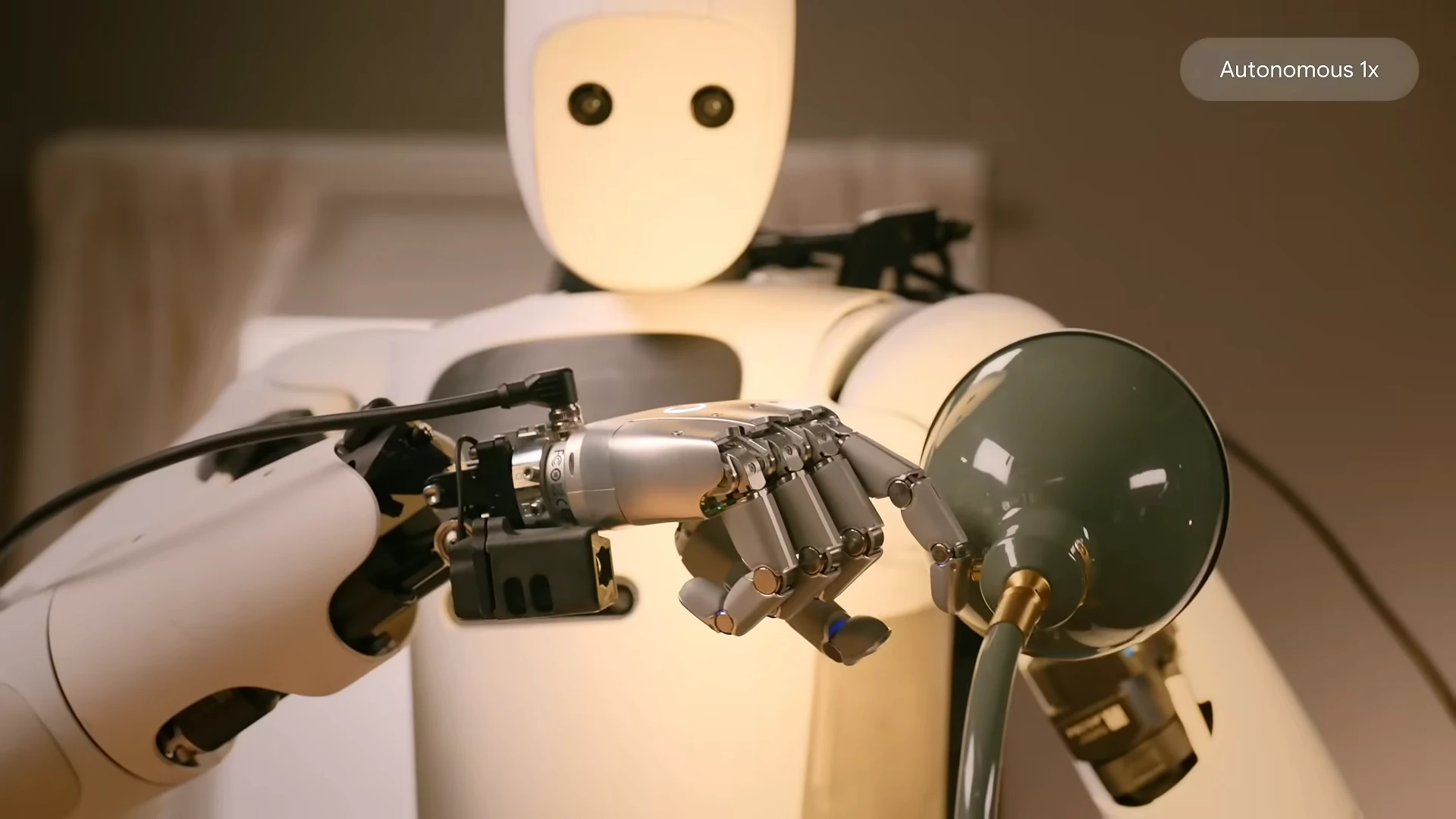
Sharpa Wave Robotic Hand Gains Traction with NVIDIA and DeepMind in 2026
In 2025, Sharpa introduced its robotic hand, the Sharpa Wave, designed for humanoid robotics. This innovative hand features 22 active degrees of freedom and camera-based tactile fingertips, making it a notable advancement in the field. Initial shipments began in October 2025, following successful demonstrations at events like ICRA 2025. The significance of the Sharpa Wave is underscored by its adoption in high-profile robotics programs. NVIDIA integrated the hand into its Isaac GR00T reference humanoid, while Google DeepMind utilized it in Apptronik’s Apollo 2 for complex tasks. This collaboration highlights the confidence in Sharpa's technology and its role in advancing robotic dexterity. Looking ahead, Sharpa's ongoing production and testing capabilities suggest a promising future for its robotic hands. As the company continues to refine its products, the impact of the Sharpa Wave on AI development and robotic applications will be closely monitored. No further timeline was disclosed at the time of publication.
Sharpa Robotics
Recent Investment Surge in Deep-Sea Robotics Sector Highlights Industry Growth
The deep-sea robotics sector has recently seen a surge in investment, with Gongzhi Ocean announcing nearly 100 million yuan in angel funding from several investors including Zhongxin Zhidi and Lihe Financial. Founded in 2024, Gongzhi Ocean focuses on high-end underwater propulsion equipment and bionic underwater vehicles, with its core product, 'Hetu,' being the industry's first integrated underwater robot for detection operations. This influx of capital is significant as it reflects the ongoing demand for underwater operations driven by the rapid development of China's marine economy. The market for underwater robots is expected to grow from 3.5 billion yuan in 2022 to 5.16 billion yuan by 2024, with an annual growth rate exceeding 20%. The competition is shifting from merely selling equipment to providing comprehensive services that reduce operational costs in tasks such as hull cleaning and seabed exploration. Looking ahead, the focus will be on how these companies can translate laboratory technology into reliable, maintainable, and scalable operational capabilities in real marine environments. The successful application of these robots in practical scenarios will be more telling than any financing news, as it will demonstrate their effectiveness in various underwater tasks.
Underwater Robotics Marine Technology Investment Trends Autonomous Systems
DeepSeek Expands Engineering Team by 150 as ByteDance Accelerates Video Generation
DeepSeek has announced a significant expansion of its engineering team, adding 150 new engineers to enhance its capabilities in AI and robotics. This move reflects the growing demand for advanced AI solutions in various sectors, particularly in the development of large models that go beyond traditional parameter counts. The expansion is crucial as it positions DeepSeek to better compete in the rapidly evolving AI landscape, where companies are increasingly focusing on innovative applications of technology. By bolstering its workforce, DeepSeek aims to accelerate the development of its products and services, particularly in the realm of video generation, where ByteDance is also making strides. Looking ahead, industry observers will be keen to see how this recruitment drive impacts DeepSeek's product offerings and market position. No further timeline was disclosed at the time of publication.
Robotics Automation AI
Google DeepMind Launches AlphaGenome Atlas Mapping 9 Billion DNA Variants
Google DeepMind has announced the public release of the AlphaGenome Atlas, an online repository that provides pre-computed predictions for all 9 billion possible single-letter changes to the human genome. This tool simplifies the process for researchers, allowing them to access predictions without needing to write code or run complex models themselves. The significance of the AlphaGenome Atlas lies in its potential to enhance our understanding of gene regulation and its implications for disease. As noted by genomicist Carl de Boer, comprehending how DNA variations affect gene activity is crucial for disease research. The Atlas aims to accelerate biological research by helping scientists prioritize experiments based on the model's predictions. Looking ahead, the Atlas could serve as a valuable resource for researchers in fundamental biology and treatment development. However, it is important to note that the predictions have limitations, particularly in the context of diseases associated with multiple genetic variants. No further timeline was disclosed at the time of publication.
Genome Google-deepmind Genetics Ai-models
Harbin Engineering University Alumni Drive Significant Investment in Deep-Sea Robotics
In the summer and autumn of 2026, the deep-sea robotics sector experienced a surge in funding, with three major investments announced. Shihang Intelligent secured over 1 billion yuan in Series A funding, achieving a unicorn valuation; Deep-Sea Intelligence raised over 500 million yuan, backed by prominent investors including Guohua Venture Capital and others; and Gongzhi Ocean set a new record with nearly 100 million yuan in angel funding. These investments highlight the influence of alumni from Harbin Engineering University, with key figures such as Professor Guo Chunyu, who founded Gongzhi Ocean, and Ma Yiming, the founder of Deep-Sea Intelligence, both having strong ties to the university. Their companies are positioned to lead in various applications, including offshore oil and gas, underwater communication, and deep-sea mining, with Deep-Sea Intelligence already capturing a significant share of the domestic market. The deep-sea robotics industry is gaining momentum, with the Chinese government recognizing deep-sea technology as a strategic emerging industry. The global underwater service market is projected to reach 1.5 trillion yuan, growing at an annual rate of over 20%. As the industry transitions from research to commercialization, deep-sea robotics startups are poised for unprecedented opportunities.
Deep-Sea Robotics Marine Technology Investment Startups
Harbin Engineering University Professor Seeks to Establish 'Huawei of the Deep Sea' with Record Financing
A professor from Harbin Engineering University has set a record by securing 5 billion in financing aimed at developing deep-sea technologies. This ambitious initiative seeks to position the university as a leader in the sector, drawing parallels to Huawei's success in telecommunications. The substantial funding reflects growing interest and investment in deep-sea innovation, marking a pivotal moment for the industry. The significance of this financing lies in its potential to advance deep-sea exploration and technology, which is increasingly critical for various applications, including resource extraction and environmental monitoring. The professor's vision to create a 'Huawei of the Deep Sea' underscores the importance of innovation in this field, as it could lead to breakthroughs that enhance our understanding of oceanic environments. Looking ahead, stakeholders will be keen to observe how this funding translates into tangible advancements in deep-sea technologies. The professor's initiative could attract further investment and partnerships, shaping the future landscape of deep-sea exploration. No further timeline was disclosed at the time of publication.
Robotics Automation AI
Google DeepMind Unveils WeatherNext 3, Its Most Advanced AI Weather Forecasting Model to Date
Google DeepMind and Google Research have launched WeatherNext 3, an AI weather forecasting model designed to enhance weather information across various Google platforms, including Search and Google Maps. This model is notable for its ability to directly integrate core forecasting variables into major Google products, marking a significant advancement in AI-driven weather predictions. The introduction of WeatherNext 3 is significant as it outperforms competitors like Microsoft and Nvidia on the Operational WeatherBench benchmark, achieving a 60% improvement in rain prediction over its predecessor. This model can generate hourly forecasts and utilizes real-time satellite data, making it a powerful tool for accurate weather forecasting. Looking ahead, WeatherNext 3's unique capability to target forecasts to specific weather stations could revolutionize applications such as airport weather predictions. No further timeline was disclosed at the time of publication.
AI AI Funding & Investment AI Research & Advances AI Weather Forecasting Model Google DeepMind insights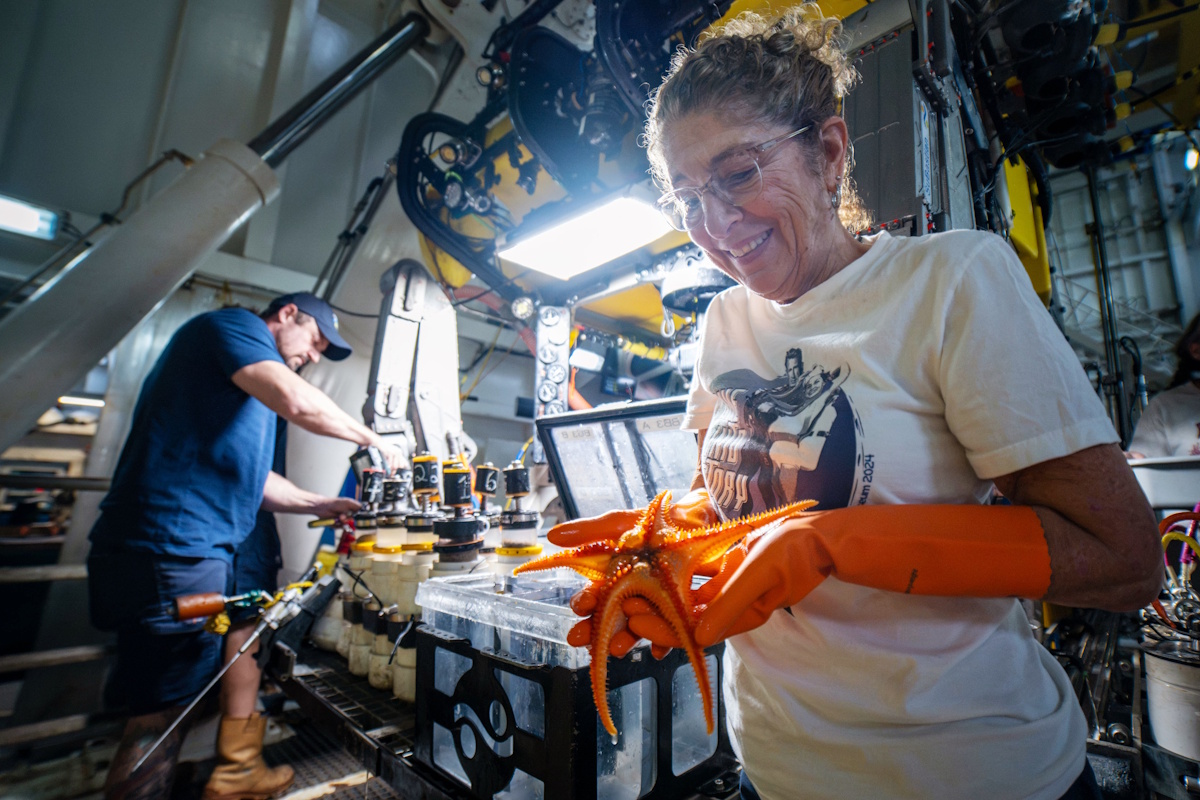
Trinidad and Tobago's First Local Expedition Reveals Deep Sea Ecosystems and New Species
Marine scientists from Trinidad and Tobago conducted the first comprehensive deep-sea survey of the islands' waters aboard the Schmidt Ocean Institute's R/V Falkor (too) in July 2026. The month-long expedition resulted in the discovery of over 25 active cold seeps and 20 suspected new species, mapping approximately 13% of the marine territory. This expedition is significant as it showcases the capabilities of Caribbean scientists to explore and document their own marine ecosystems. The findings, including over 700 specimens collected, will enhance the deep-sea collection at the Zoology Museum at the University of the West Indies, St. Augustine, increasing it twelve-fold. The discoveries underscore the importance of understanding and preserving these ecosystems, which are vital for marine biodiversity. Looking ahead, the data collected will aid in marine governance and spatial planning in Trinidad and Tobago, potentially leading to the establishment of marine protected areas. The expedition also tested a novel cryoprotectant for preserving living animal tissues, contributing to future research on ecosystem changes. No further timeline was disclosed at the time of publication.
caribbean expedition deep sea schmidt ocean institute (soi) r/v falkor (too)
Development and Enhancement of a Deep Sea Bionic Robot Fish Utilizing Phase Change Actuator Technology
A recent study published in the Journal of Field Robotics details the design and optimization of a deep sea bionic robot fish that employs phase change actuator technology. This innovative approach aims to enhance the robot's performance in underwater environments, allowing for more efficient movement and adaptability to various conditions. The significance of this development lies in its potential applications in marine exploration and environmental monitoring. By mimicking the natural movement of fish, the bionic robot can navigate complex underwater terrains, providing valuable data for researchers and contributing to the understanding of marine ecosystems. Looking ahead, advancements in phase change actuator technology may lead to further improvements in the robot's capabilities. Researchers are expected to explore additional functionalities and applications, although no specific timeline for future developments was disclosed at the time of publication.
RESEARCH ARTICLE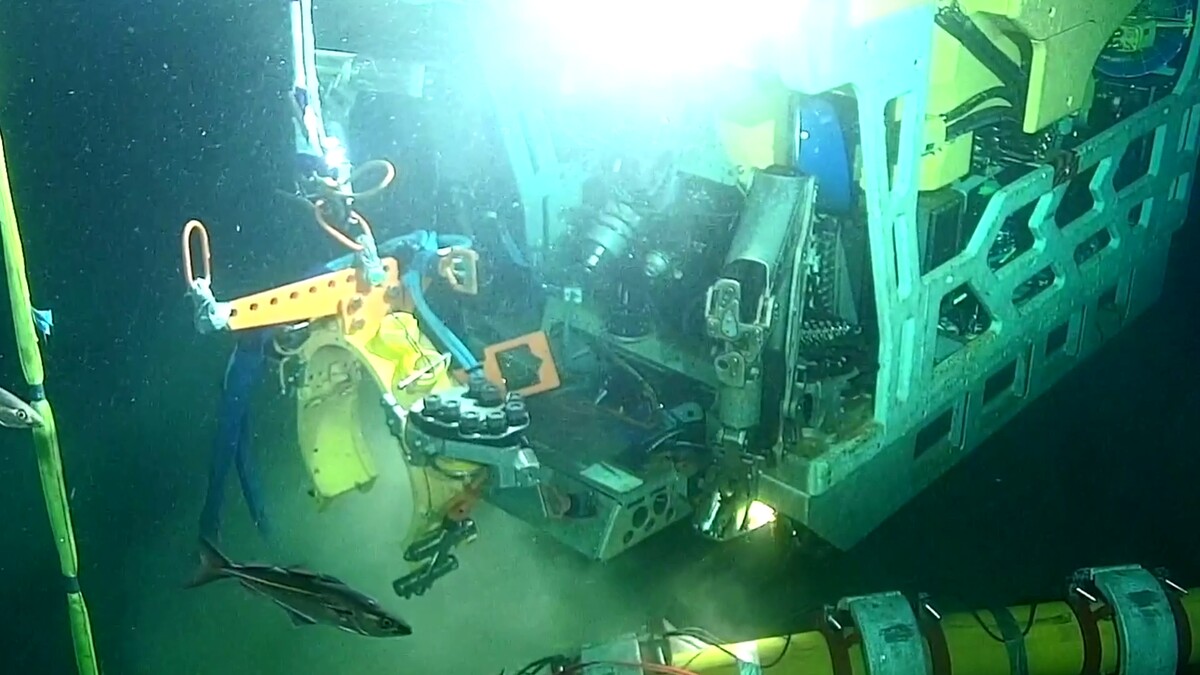
DeepOcean Finalizes Subsea Construction for Teal West Development Project
DeepOcean has successfully completed the subsea construction and tie-in work for the Teal West development, located on the UK Continental Shelf, for Anasuria Operating Company. This project involved the installation of a flexible production riser, flowline, and umbilical to connect the Teal West subsea Christmas tree to the Anasuria FPSO. The completion of the Teal West project is significant as it showcases the collaboration between operators, contractors, and service companies in the UK North Sea, particularly during uncertain times for the industry. Richard Beattie, CEO of Anasuria, emphasized the importance of such projects in maximizing the value of existing infrastructure and supporting domestic energy production. Looking ahead, the Teal West development includes two production wells and a water injection well, with the first production well connected to the Anasuria FPSO via approximately three kilometers of subsea flowlines. No further timeline was disclosed at the time of publication.

DeepSeek Implements New API Pricing Structure with Increases Up to 1,100%
DeepSeek has introduced a new API pricing structure that took effect at midnight on August 17. The updated pricing features peak and off-peak rates for its V4-Flash and V4-Pro models, establishing a 1:2 ratio. Notably, the peak-hour cache-hit input for the V4-Pro has seen an increase of 1,100% compared to previous rates. This significant price adjustment is crucial for users of DeepSeek's API services, as the overall increases vary between 50% and 1,100%, depending on the specific model, token type, and time slot. Such changes could impact budgeting and operational strategies for businesses relying on these services. Looking ahead, it will be important to monitor how these pricing changes affect user adoption and overall market dynamics. No further timeline was disclosed at the time of publication.
NOAA and Partners to Conduct Expeditions for Deep-Sea Mapping in American Samoa
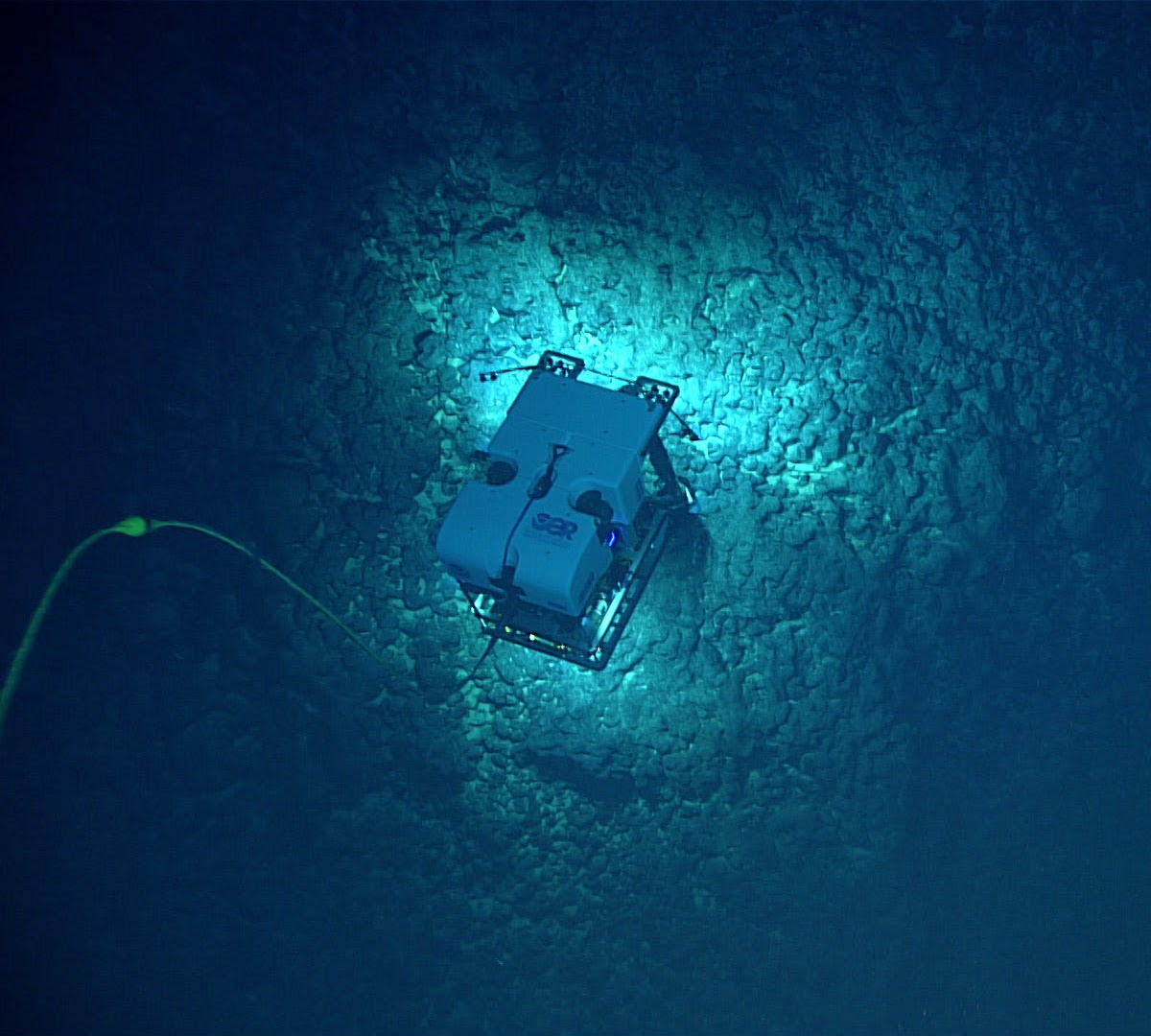
NOAA Ocean Exploration, alongside its partners, is set to conduct two significant expeditions in the waters surrounding American Samoa during the summer and fall of 2026. These expeditions aim to map and characterize the deep seafloor in a region prioritized for offshore critical mineral exploration, generating publicly available data to enhance understanding of mineral potential and support decision-making. The importance of these expeditions lies in their potential to uncover unknown marine habitats and mineral resources vital for national prosperity and security. NOAA's Principal Deputy Assistant Secretary Erik Noble emphasized the commitment to providing scientific research that supports commerce, while Captain William Mowitt highlighted the need for authoritative science to guide responsible marine resource management. The first expedition will occur from August to September 2026, followed by a second from late September to October 2026, utilizing advanced mapping technology and observational sensors aboard the NOAA Ship Okeanos Explorer. Real-time ROV operations will be streamed online, allowing public engagement and transparency in the exploration process. No further timeline was disclosed at the time of publication.
noaa exploration mapping deep water rov
Deep Robotics' DR02 Humanoid Robot Demonstrates Stair Climbing and Terrain Navigation
Deep Robotics has unveiled new footage of its DR02 humanoid robot successfully climbing outdoor concrete stairs, showcasing its capability to navigate challenging terrains. This demonstration marks a pivotal moment for the Hangzhou-based company as it advances its development and commercialization strategies, positioning the DR02 for complex real-world tasks. The significance of this demonstration lies in the competitive landscape of Chinese robotics, where investors are keen to see humanoid robots perform reliably in practical environments. The DR02's ability to traverse uneven surfaces and carry equipment, such as a fire extinguisher, highlights its potential for industrial applications and hazardous environments. Looking ahead, Deep Robotics is preparing for a significant financial milestone with its application to raise approximately $367.4 million through an initial public offering on Shanghai’s STAR Market. As the company aims to build on its first-ever net profit of about $4.2 million reported in 2025, the ongoing development of the DR02 will be crucial in attracting investor confidence and demonstrating the robot's capabilities in real-world scenarios.
AI and Robotics
DEEP Robotics' DR02 Humanoid Robot Successfully Climbs Outdoor Stairs
DEEP Robotics has released an 18-second video showcasing its humanoid robot, DR02, successfully ascending outdoor stairs. The video highlights the robot's ability to maintain balance and control while navigating the stairs, demonstrating its advanced walking capabilities. This achievement is significant as it lays the groundwork for robots to operate in environments where humans typically move, such as outdoor and indoor settings. The ability of DR02 to ascend stairs without relying on handrails illustrates its sophisticated balance control, which is crucial for practical applications in various environments. The video captures the robot's steady progress, emphasizing that each stable step contributes to the overall advancement of humanoid robotics technology. This progress is essential for the future deployment of robots in everyday scenarios. Looking ahead, the development of humanoid robots like DR02 is expected to play a vital role in the growing field of AI robotics. No further timeline was disclosed at the time of publication, but the ongoing advancements in walking technology will be critical for the practical implementation of robots in society.

DEEP Robotics' DR02 Humanoid Robot Successfully Climbs Outdoor Stairs
DEEP Robotics has released an 18-second video showcasing its humanoid robot, DR02, successfully climbing outdoor stairs. The video captures DR02's ability to maintain balance and control while ascending each step, demonstrating advanced bipedal walking capabilities. This achievement highlights the robot's potential for practical applications in environments where humans navigate daily. The significance of DR02's stair-climbing ability lies in its implications for the future of humanoid robots in real-world settings. By navigating stairs without relying on handrails, DR02 exemplifies the advancements in balance control necessary for robots to operate effectively in various environments, including outdoor and indoor spaces. Looking ahead, the development of humanoid robots like DR02 could pave the way for increased integration of robotics in everyday life. The steady progress in walking technology, as evidenced by the video, suggests a promising future for practical applications of humanoid robots in tasks such as patrolling and transporting goods in human-centric environments. No further timeline was disclosed at the time of publication.

Chinese LLMs Dominate Global Token Usage for Fifteen Consecutive Weeks with DeepSeek-V4-Flash Leading
Chinese large language models (LLMs) have achieved a significant milestone by surpassing 34.25 trillion weekly tokens for the first time, according to OpenRouter data. This marks the fifteenth consecutive week that Chinese LLMs have led global token usage, with the top four positions occupied by Chinese models. The rise of DeepSeek-V4-Flash is particularly noteworthy, as its official release propelled it to the number one spot with an impressive 570 percent growth week-on-week. This surge highlights the increasing adoption and performance of Chinese LLMs in the global market. Looking ahead, the continued dominance of Chinese LLMs in token usage will be crucial to monitor, especially as they maintain their lead in the industry. No further timeline was disclosed at the time of publication.

Unitree Robotics Prices IPO at RMB150.80, DeepSeek Invests RMB141 Million
Unitree Robotics has announced the pricing of its IPO on the Shanghai STAR Market at RMB150.80 per share, with a total of 40.45 million shares to be issued. As part of this offering, Hangzhou DeepSeek AI Basic Technology Research has been allocated 933,900 shares, amounting to approximately RMB141 million, which will be subject to a 36-month lockup period. This investment from DeepSeek highlights the strategic importance of collaboration in the fields of large models, embodied intelligence, and robotics development. Unitree's decision to select strategic investors like DeepSeek reflects its commitment to fostering partnerships that can enhance its technological capabilities and market position. Looking ahead, stakeholders should monitor the development of Unitree's partnerships and the impact of this IPO on its growth trajectory. No further timeline was disclosed at the time of publication.
News Feed
Unitree Sets IPO Valuation at $9 Billion with DeepSeek's $20.9 Million Investment
Unitree has announced its initial public offering (IPO) with a valuation set at $9 billion. This significant milestone highlights the company's growth and potential in the robotics sector. DeepSeek has invested 141 million yuan (approximately $20.9 million) in Unitree, which is subject to a three-year lock-up period. The investment from DeepSeek underscores the confidence in Unitree's business model and future prospects. As the robotics industry continues to expand, Unitree's IPO could attract further investments and partnerships, enhancing its market position. The valuation reflects the increasing interest in innovative robotics solutions and the potential for substantial returns. Investors and industry watchers should keep an eye on Unitree's performance post-IPO, particularly how it leverages the funding from DeepSeek to drive growth. No further timeline was disclosed at the time of publication.
Artificial Intelligence News Robotics China IPO robotics
DeepSeek and State Oil Giant Support Unitree Robotics' $900 Million IPO
Chinese AI developer DeepSeek and a state oil giant are backing Unitree Robotics' initial public offering, which aims to raise 6.1 billion yuan ($900 million) in Shanghai. This significant investment highlights the growing confidence in the humanoid robotics sector, as the company prepares for its market debut. The backing from prominent investors like DeepSeek underscores the increasing interest and potential in the humanoid robotics market. Unitree Robotics is positioned to capitalize on this trend, aiming to enhance its production capacity to meet rising demand for humanoid robots, which are expected to play a crucial role in various applications. Looking ahead, stakeholders will be monitoring the IPO's performance closely, as it could serve as a barometer for investor confidence in the emerging robotics sector. No further timeline was disclosed at the time of publication.

Fugro Secures Three-Year Deepwater ROV Contract for Offshore Energy in India
Fugro Survey India Pvt. Ltd. has been awarded a three-year contract by Vantage International Management Company to provide ROV-based deepwater drill support services for ONGC’s offshore drilling operations in India. This contract involves supporting drilling activities at depths of up to 3,000 meters using the Platinum Explorer drill ship. The significance of this contract lies in its contribution to ONGC’s deepwater exploration program, which aims to enhance India’s energy security and boost domestic oil and gas production. Fugro will deliver comprehensive subsea ROV support, including installation, intervention, and monitoring services, ensuring safe and efficient drilling operations throughout the project. Looking ahead, the deployment of Fugro’s FCV3000 ROV system is expected to provide reliable support in challenging deepwater environments. No further timeline was disclosed at the time of publication.
fugro contract award deepwater rov contract offshore energy
DeepSeek V4-Flash Dominates Global Token Consumption as Chinese Models Excel
DeepSeek V4-Flash has emerged as the leader in OpenRouter's weekly rankings, achieving a remarkable consumption of 7.1 trillion tokens. In a significant trend, Chinese models have secured nine of the top ten positions globally, indicating a strong performance in the AI token landscape. Overall, global weekly AI token usage has surpassed 56.8 trillion, highlighting the growing demand for AI technologies. This development is crucial as it underscores the competitive landscape within AI token consumption, particularly the dominance of Chinese models. The impressive figures reflect a shift in developer preferences and the evolving price-performance dynamics that are influencing market choices. The ability of DeepSeek V4-Flash to lead the rankings demonstrates its effectiveness and appeal among developers. Looking ahead, it will be important to monitor how these trends evolve and whether DeepSeek V4-Flash can maintain its lead amid increasing competition. Additionally, the performance of Chinese models in the AI token market will be a key area to watch as developers continue to seek optimal solutions for their needs. No further timeline was disclosed at the time of publication.

DEEP Robotics Integrates Quadruped Robots and AI for Warehouse Inventory Management and Safety Monitoring
DEEP Robotics has launched an innovative warehouse operation solution that combines quadruped robots with advanced AI models. This system, unveiled on July 31, 2026, enables one-click inventory management, significantly enhancing end-to-end operational efficiency in logistics and warehouse management. The technology automates tasks traditionally reliant on human resources, accelerating the digital transformation of warehouses. DEEP Robotics' quadruped robots autonomously navigate the warehouse, performing various tasks such as automatic identification of goods through QR code and RFID tag scanning, thus building accurate inventory data. Additionally, the integration of digital twin technology allows real-time visualization of the entire warehouse environment. This solution not only improves inventory accuracy but also enhances safety through early fire detection and unauthorized entry monitoring. DEEP Robotics is setting new standards in the logistics industry by merging inventory management, safety monitoring, and data-driven decision-making.

Google DeepMind Launches Gemini Robotics 2: A Comprehensive Robot with Advanced Capabilities
On August 2, Google DeepMind introduced Gemini Robotics 2, the latest version of its visual-language-action model. This new model enhances full-body control, advanced dexterity, and multi-robot collaboration, marking a significant advancement from its predecessor, which only managed upper-body tasks. Gemini Robotics 2 allows the Apptronik Apollo 2 humanoid robot to autonomously execute complex tasks, such as placing a watering can into a designated bucket, requiring coordinated decision-making and balance. While there is room for improvement in movement speed, this development represents a crucial step towards handling more intricate real-world tasks. The model also introduces multi-robot collaboration, enabling different robots to communicate and work together on complex workflows. With the ASIMOV-Agentic benchmark, Gemini Robotics 2 excels in safety compliance and human proximity detection, ensuring safe operation. The Gemini Robotics On-Device 2 is designed for applications requiring offline functionality, adapting to new robotic forms with minimal data and time.
Humanoid Robots Robotics Technology AI Automation
Google DeepMind Introduces Gemini Robotics 2 for Enhanced Humanoid Control
Google DeepMind recently launched Gemini Robotics 2, an advanced version of its vision-language-action model. This iteration features intelligent whole-body control, enabling robots to perform complex tasks such as walking, crouching, and object manipulation. The model can adapt to new robotic bodies quickly, enhancing its versatility. The significance of Gemini Robotics 2 lies in its ability to expand physical AI capabilities, allowing robots to execute intricate movements and collaborate with other robots. This development is crucial for achieving the finesse required for real-world applications, such as household chores and workplace tasks. Looking ahead, the focus will be on further improving movement speed and dexterity. Gemini Robotics 2 represents a pivotal advancement in robotics, as it can control sophisticated end effectors like the SharpaWave hand, enabling delicate actions. No further timeline was disclosed at the time of publication.
Artificial Intelligence Artificial Intelligence / Cognition Design / Development End Effectors / Grippers Humanoids News
Introducing Google DeepMind's Gemini Robotics 2: A Leap in Robot Adaptability
Google DeepMind has unveiled Gemini Robotics 2, marking a significant advancement in robotics. This new intelligence layer enables robots to achieve whole-body control, enhanced dexterity, and collaborative capabilities among multiple robots. The introduction of Gemini Robotics 2 is crucial as it represents a step towards creating truly adaptable robots that can perform complex tasks in dynamic environments. This technology could revolutionize various applications, from industrial automation to personal assistance. Looking ahead, the development of Gemini Robotics 2 will be closely monitored as it progresses. The potential for multi-robot collaboration and advanced dexterity opens up new possibilities in robotics, making it a key area of interest for future innovations.
Humanoid-robots Video-friday Quadruped-robots Robot-videos Drones Home-robots
Google DeepMind Unveils Gemini Robotics 2 AI Model for Humanoid Robots
On July 30, 2026, Google DeepMind announced the latest AI model for humanoid robots, Gemini Robotics 2. This model advances from upper-body control to full-body control, enabling walking, bending, and advanced dexterity, as well as collaborative tasks among multiple robots. Gemini Robotics 2 translates visual and language inputs into motion control, supporting full-body and dual-arm robot operations. It features enhanced physical reasoning capabilities with Gemini Robotics ER 2, which manages human communication and multi-step task planning, and Gemini Robotics On-Device 2, which adapts quickly to new robots with minimal data. The model demonstrated its capabilities using Apptronik's humanoid robot Apollo 2, performing tasks such as walking to a table, lifting objects, and accurately storing them. With a 22-degree-of-freedom hand, it can execute delicate tasks like tying knots. The introduction of the ASIMOV-Agentic benchmark emphasizes safety, allowing the robot to detect human presence and stop safely, marking it as the safest model to date.

Google DeepMind Launches Gemini Robotics 2 for Enhanced Autonomy in Humanoid Robots
Google DeepMind has introduced Gemini Robotics 2, a suite of AI models aimed at enhancing the autonomy of humanoid and other robots through advanced whole-body control and dexterity. This system is currently showcased on Apptronik's Apollo 2 humanoid robot, which can execute full-body autonomous movements such as walking and manipulating objects while reasoning through complex tasks in real time. The significance of this development lies in its ability to enable robots to move beyond pre-programmed tasks, adapting to dynamic environments. Gemini Robotics 2 serves as an 'intelligence layer' for robots, facilitating coordination from 'feet to fingertips' and improving dexterity with tasks like tying trash bags or unscrewing light bulbs. This advancement builds on the collaboration between Google DeepMind and Apptronik, which recently launched Robot Park to gather data for training future AI models. Looking ahead, the introduction of multi-robot collaboration capabilities allows different robot types to work together on complex workflows. Gemini Robotics On-Device 2 is designed for industrial settings with limited cloud connectivity, enabling rapid adaptation to new hardware. No further timeline was disclosed at the time of publication.
Artificial Intelligence Humanoids News Apptronik Apollo 2 embodied ai Gemini Robotics 2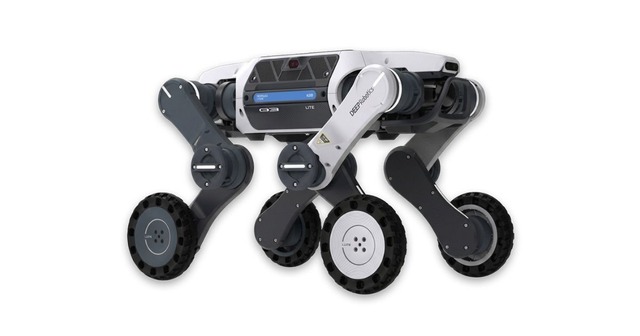
Elza Japan Secures Exclusive Sales Rights for DEEPRobotics Lynx S10 in Japan
Elza Japan has obtained exclusive sales rights for the DEEPRobotics Lynx S10, a compact wheeled quadruped robot, set to begin pre-orders on August 3, 2026. The Lynx S10 inherits all-terrain capabilities from its predecessor, the Lynx M20 series, while achieving significant downsizing and weight reduction, weighing approximately 19 kg compared to the M20's 33 kg. This next-generation robotics platform features a hybrid structure that combines wheels and legs, allowing it to navigate continuous stairs up to 20 cm and overcome obstacles up to 50 cm. With a maximum speed of 18 km/h (5 m/s) on flat ground and 16 degrees of joint freedom, it is expected to be utilized in various missions, including industrial patrols and emergency responses. The Lynx S10 complies with IP66 dust and water resistance standards, enabling operation in rainy and dusty environments. It can function in a wide temperature range from -20°C to 55°C, making it suitable for outdoor fields, factories, and cold storage. No further timeline was disclosed at the time of publication.
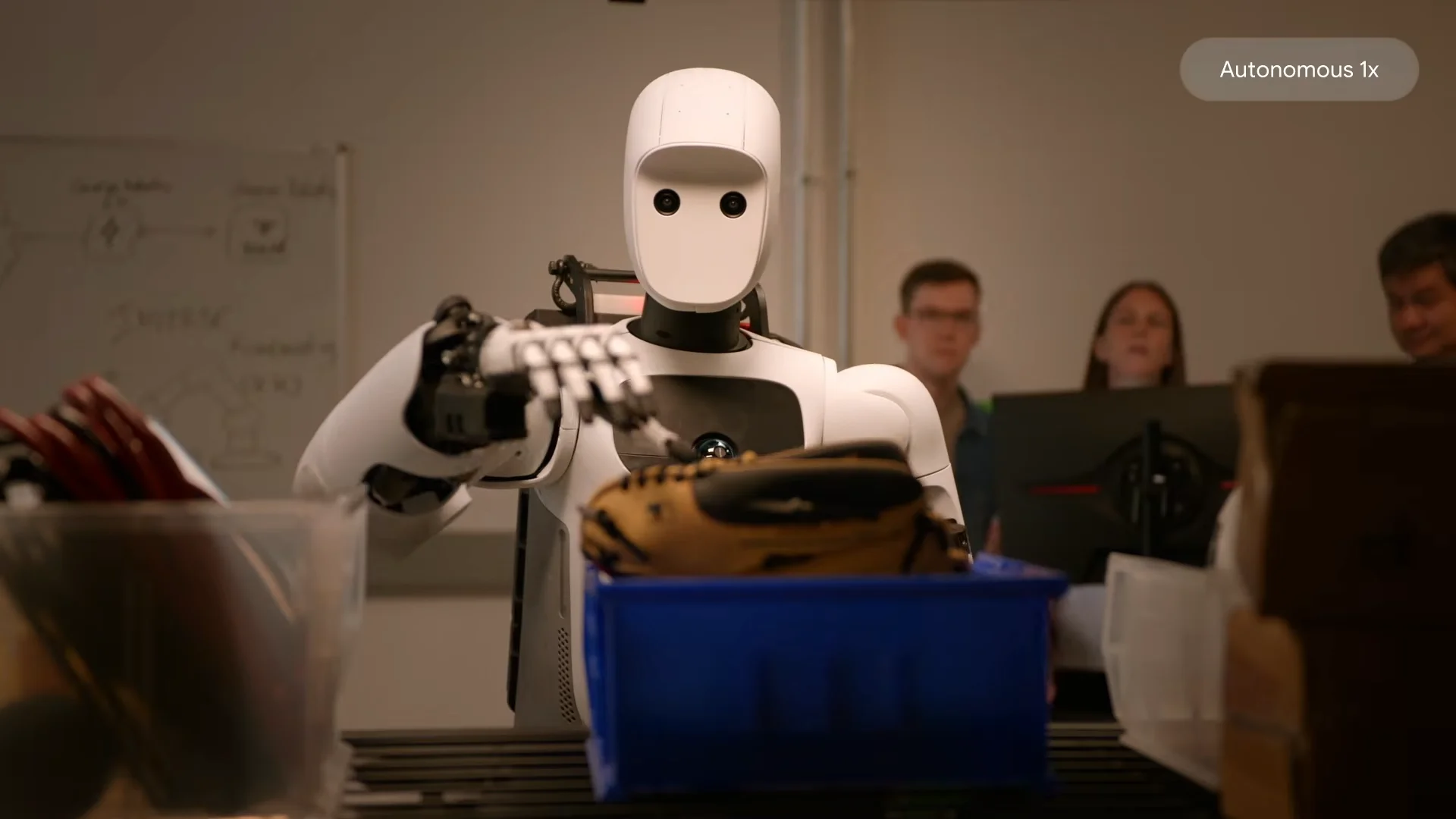
Google DeepMind Launches Gemini Robotics 2, Enhancing Whole-Body Intelligence and Multi-Robot Collaboration
Google DeepMind has introduced Gemini Robotics 2, a significant update that enhances its robotics capabilities. This new version expands beyond previous iterations by incorporating full-body movement control for humanoids, advanced manipulation for multi-fingered hands, and improved collaboration among multiple robots. The importance of Gemini Robotics 2 lies in its ability to unify locomotion and manipulation, addressing a common limitation in robotics. As Carolina Parada, Head of Robotics at Google DeepMind, stated, the new model enables robots to think, act, and interact intelligently, which is crucial for tackling complex tasks in diverse environments. Looking ahead, Gemini Robotics 2 is now available through Google AI Studio and in private preview on the Gemini Enterprise Agent Platform. The rollout of the core VLA and On-Device 2 models to early-access hardware partners is also underway. No further timeline was disclosed at the time of publication.
DeepMind US Apollo SharpaWave Sharpa Robotics Google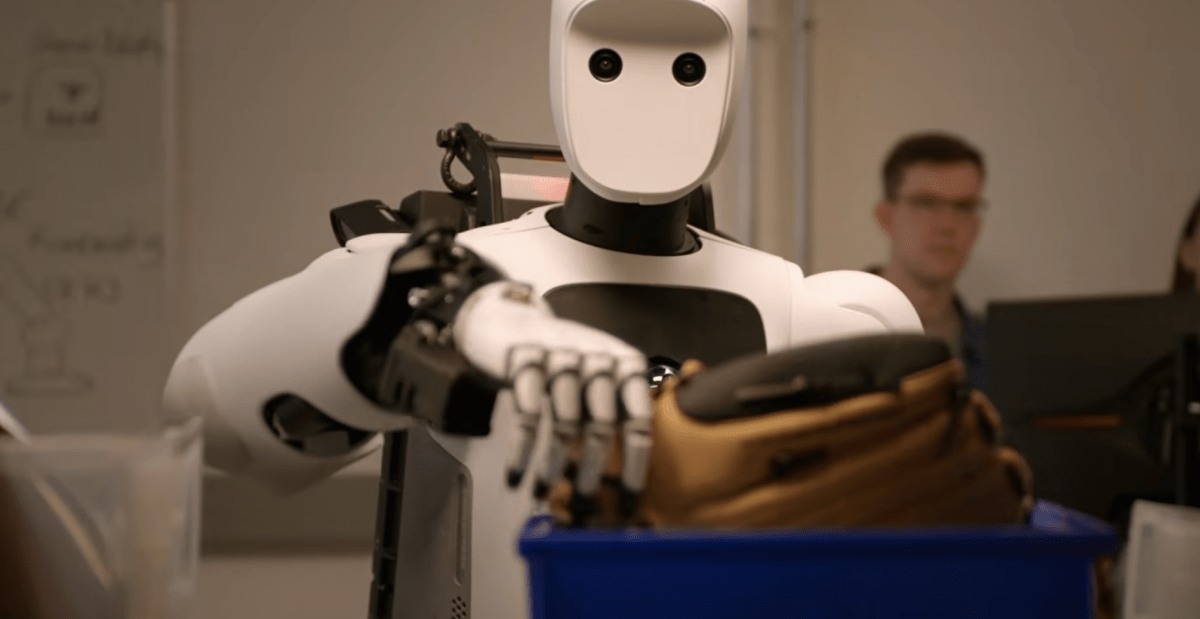
Google DeepMind Unveils Gemini Robotics 2 for Full-Body Control of Humanoid Robots
Google DeepMind has announced the launch of Gemini Robotics 2, an advanced AI model capable of controlling humanoid robots from 'feet to fingertips.' This new version enhances the robot's ability to perform a variety of actions, including walking, crouching, and manipulating objects, significantly expanding its functional capabilities. The importance of this development lies in its potential to enable humanoid robots to undertake more complex, real-world tasks that require whole-body coordination. With improved dexterity, Gemini Robotics 2 allows robots to perform intricate tasks such as sealing bags and unscrewing lightbulbs, marking a significant advancement in robotic manipulation. Looking ahead, Google DeepMind is also enhancing its Gemini Robotics ER model, which aids robots in analyzing their environment and executing multi-step tasks. This update aims to improve collaboration among different types of robots, enhancing safety features and operational efficiency. No further timeline was disclosed at the time of publication.
AI Google News Robot Tech
Moonshot AI Unveils K3 Report Detailing Advanced Technologies for DeepSeek
Moonshot AI has released a comprehensive 47-page technical report on the K3 project, highlighting several innovative technologies. Key features include the KDA+Gated MLA hybrid attention mechanism, AttnRes cross-layer retrieval, and Stable LatentMoE, which utilizes 896 experts. Additionally, the report discusses the implementation of 51.2 million reinforcement learning sandboxes. The significance of this report lies in its potential to redefine the capabilities of DeepSeek through advanced AI methodologies. The introduction of hybrid attention and cross-layer retrieval could enhance the efficiency and effectiveness of AI systems, making them more adept at handling complex tasks. The large number of reinforcement learning sandboxes indicates a robust framework for training and testing AI models. Looking ahead, industry stakeholders should monitor how these technologies will be integrated into existing systems and their impact on AI development. The advancements presented in the K3 report may set new benchmarks in AI performance and scalability. No further timeline was disclosed at the time of publication.
Technology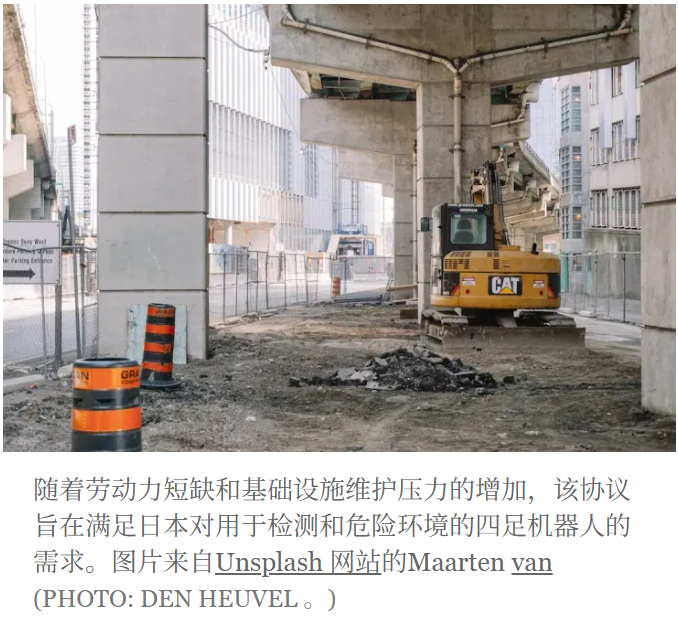
Marubeni and DEEP Robotics Collaborate to Address Japan's Labor Shortage and Infrastructure Issues
On July 23, Marubeni Corporation, a major Japanese electronic trading company, signed a memorandum of understanding with DEEP Robotics, a leader in quadruped robots, to enhance the sales and development of quadruped robots in Japan. This partnership aims to address Japan's significant labor shortage due to an aging population and the challenges posed by deteriorating infrastructure. The collaboration is crucial as Japan faces increasing pressure to maintain its infrastructure and ensure safety in hazardous environments. Quadruped robots, capable of autonomous operation in complex terrains, are expected to play a vital role in replacing human labor in dangerous situations. Marubeni's extensive customer network and technical support will complement DEEP Robotics' deployment experience in various sectors, including power, construction, and rescue. Looking ahead, Marubeni plans to introduce the all-terrain quadruped robot 'LYNX M20S' and the highly mobile 'LYNX S10' to accelerate sales in the Japanese market. DEEP Robotics' CEO highlighted the importance of Marubeni's market understanding for promoting robotic solutions, while Marubeni's director emphasized the potential of these advanced robots to address Japan's labor and infrastructure challenges.
Quadruped Robots Robotics Solutions Labor Automation Infrastructure Technology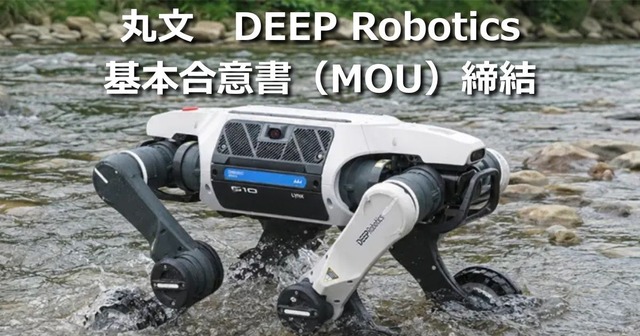
Marubeni and DEEP Robotics Sign MOU to Accelerate Automation with Quadrupedal Robots
On July 23, 2026, Marubeni Corporation announced a memorandum of understanding with DEEP Robotics to expand the sales of quadrupedal robots in the Japanese market. The collaboration aims to address labor shortages and aging infrastructure in Japan's industrial sector, where autonomous robots can operate in hazardous environments. This partnership is significant as it combines Marubeni's extensive customer network and technical support with DEEP Robotics' advanced AI and motion control technologies. The quadrupedal robots are designed to navigate complex terrains and perform tasks autonomously, offering a solution to Japan's pressing labor issues and safety concerns in industrial settings. Looking ahead, Marubeni plans to leverage both companies' strengths to develop new applications for quadrupedal robots in Japan. The focus will be on sectors such as power, construction, and disaster response, where the deployment of these robots could enhance operational efficiency and safety. No further timeline was disclosed at the time of publication.

Developing Reliable Monocular Visual SLAM for Underwater Bionic Robotic Fish Using Image Enhancement and Deep Feature Matching
Recent advancements in monocular visual simultaneous localization and mapping (SLAM) have been applied to underwater bionic robotic fish. This approach integrates image enhancement techniques with deep feature matching to improve the robustness of navigation and mapping in aquatic environments. The significance of this development lies in its potential to enhance the operational capabilities of underwater robotic systems. By leveraging advanced image processing and machine learning techniques, the integration aims to address challenges faced in underwater navigation, such as low visibility and dynamic environments. Looking ahead, further research and testing will be crucial to refine these techniques and ensure their effectiveness in real-world underwater applications. No further timeline was disclosed at the time of publication.
RESEARCH ARTICLE
Apple's AI Features Approved in China; DeepSeek Prepares for IPO
Apple's 'Apple Smart' AI model has completed its registration in China as of July 8, with Alibaba and Baidu providing support for text and image generation capabilities. This collaboration enhances the domestic version of Apple's AI suite and Siri functionality, marking a significant step in AI integration for Apple devices. The approval of Apple's AI features is crucial as it indicates the company's commitment to enhancing user experience in China, a key market for Apple. With Alibaba's Qianwen and Baidu's AI search capabilities, the partnership aims to create a competitive edge in the rapidly evolving AI landscape, which is essential for maintaining relevance in the tech industry. Looking ahead, the focus will be on how effectively these AI capabilities are integrated into Apple's product lineup and the potential impact on user engagement. No further timeline was disclosed at the time of publication.

xAI Files Lawsuit Against Terry Harwood for Allegedly Using Grok to Create CSAM Deepfakes
Elon Musk's xAI has initiated legal action against Terry Wayne Harwood, accusing him of using the Grok AI chatbot to generate child sexual abuse material (CSAM). The lawsuit alleges that Harwood intentionally bypassed Grok's safeguards to alter images and create CSAM, violating the company's policies. Harwood, who was arrested in February on multiple felony charges related to CSAM, is claimed to have used Grok to convert non-consensual images into explicit content. This lawsuit is significant as it highlights the potential legal and reputational risks associated with AI technologies like Grok, especially following the introduction of features that allow image editing. xAI's claims suggest that Harwood's actions not only breached their policies but also exposed the company to substantial legal challenges. The case follows a trend of increasing scrutiny on AI-generated content and the responsibilities of companies in preventing misuse. Looking ahead, xAI is seeking damages and legal expenses from Harwood, as well as a court order to prevent him from using Grok in the future. This lawsuit marks a notable moment in the ongoing conversation about the ethical implications of AI tools and the accountability of their users. No further timeline was disclosed at the time of publication.
AI News Policy Tech Twitter - X xAI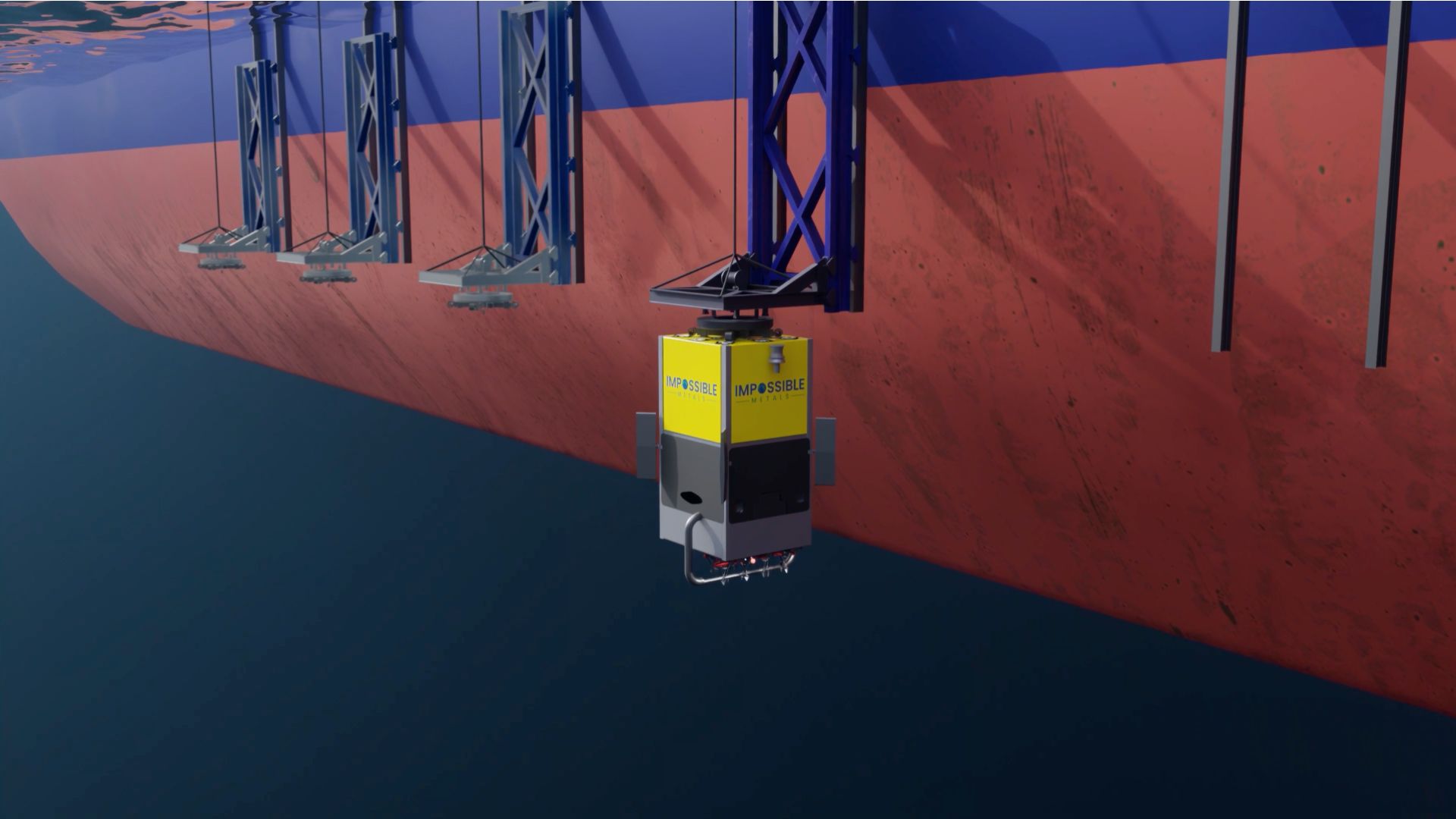
Impossible Metals to Launch Advanced Marine Robotics Hub for Deep-Sea Mineral Harvesting
Impossible Metals, a US mining technology company, has announced plans to establish an Advanced Marine Robotics Hub in Pittsburgh, Pennsylvania. This facility will focus on developing autonomous marine systems for the deep-sea collection of critical minerals, creating over a dozen high-paying engineering and science jobs. The hub aims to enhance US capabilities in marine robotics and critical mineral technologies through collaboration with local universities and researchers. The significance of this initiative lies in its potential to redefine deep-sea mining practices. According to Mike Regan, Chief Growth Officer at Impossible Metals, the hub will enable swarms of autonomous robots to harvest critical minerals like nickel, cobalt, copper, and manganese with minimal environmental impact. This approach not only promises to produce the lowest-cost critical metals on Earth but also aims to strengthen the US supply chain and reduce reliance on foreign sources of essential materials. Looking ahead, the Advanced Marine Robotics Hub will serve as the primary research center for advancing the Eureka autonomous underwater platform and Smart Launch and Recovery Systems. The company plans to continue developing dual-use technologies that cater to both commercial and naval applications. No further timeline was disclosed at the time of publication.
AI and Robotics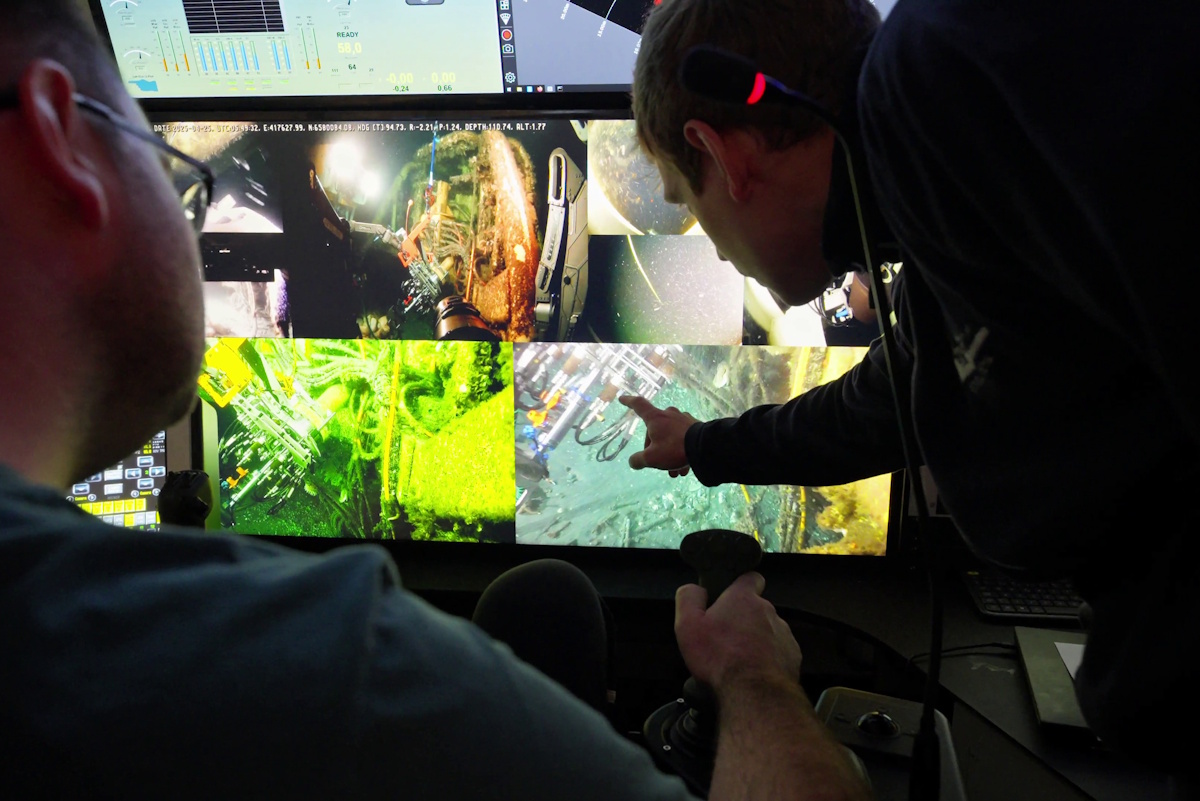
DeepOcean Completes Subsea Infrastructure Removals for Spirit Energy in North Sea
DeepOcean has successfully completed the recovery of the subsea wellhead protection structure at Spirit Energy's Seven Seas field and disconnected subsea infrastructure at the Grove West field in the North Sea. This operation utilized proprietary tooling developed in-house for decommissioning and was executed using the high-specification construction vessel Edda Freya. The project is part of Spirit Energy's broader decommissioning program for the Seven Seas and Grove West fields, aiming to maximize material recovery and minimize waste. DeepOcean's operations, managed from Aberdeen, UK, have ensured that all recovered materials are either reused, recycled, or disposed of responsibly, contributing to environmental sustainability. Looking ahead, DeepOcean's successful execution of these subsea removals positions them well for future projects with Spirit Energy. The company has demonstrated its capability in subsea decommissioning, with a focus on efficiency and environmental responsibility, as highlighted by the recycling of over 95% of materials from decommissioned assets.
deepocean subsea removals spirit energy seven seas grove west field oil and gas
E/V Nautilus Embarks on Two Expeditions to Explore Mariana Deep-Sea Regions
The Ocean Exploration Trust's Exploration Vessel (E/V) Nautilus has set sail for two expeditions to explore the deep sea around the Mariana Islands. These expeditions, taking place from June to August 2026, will utilize the vessel's remotely operated vehicle (ROV) and telepresence systems, alongside Woods Hole Oceanographic Institution's autonomous underwater vehicle (AUV) Sentry, to investigate previously unsurveyed areas. These missions are significant as they aim to enhance understanding of abyssal plain habitats and ancient seamounts east of the Mariana Trench, a region known for its tectonic activity and unique geological features. The expeditions are supported by NOAA Ocean Exploration and the Bureau of Ocean Energy Management, highlighting the collaborative effort to advance oceanographic research and fill knowledge gaps in this critical area. Looking ahead, the E/V Nautilus will focus on characterizing deep ocean habitats and biodiversity, as well as geological formations, including marine critical minerals. The outcomes of these expeditions are expected to contribute to both US and international scientific priorities, addressing the need for comprehensive data on the largely unexplored deep-sea environments around the Mariana Islands.
e/v nautilus marianas deep-sea exploration ocean exploration trust
Apple price hike sparks surge in Sam's Club purchases; DeepSeek launches major hiring; gold falls below $4000 again.
OpenAI has officially announced the launch of its new flagship AI model, GPT-5.6, on June 27, 2023. However, due to restrictions from the U.S. government, only a select group of "trusted partners" have access to this advanced model, which includes three variations: Sol, Terra, and Luna, each designed for different applications. The introduction of GPT-5.6 aims to enhance AI reasoning capabilities and streamline complex tasks. In related news, on June 26, the price of gold fell below $4,000 per ounce, influenced by several investment banks, including Goldman Sachs, lowering their price targets for the precious metal. This decline has led to a corresponding drop in gold jewelry prices across various retail outlets in China. Meanwhile, in the tech sector, Asian stock prices related to Apple's supply chain experienced significant declines following the company's announcement of price increases for its MacBook and iPad products. This has raised concerns about the potential impact of rising semiconductor costs on consumer demand and overall tech spending. In the automotive industry, Tesla has shifted its Full Self-Driving (FSD) sales model to a subscription basis globally, with plans to phase out the one-time purchase option by June 30. Additionally, Volkswagen is reportedly planning to cut up to 100,000 jobs as part of a restructuring effort aimed at reducing costs by €11 billion by 2030.

Smart Hand valued at $1 billion after 5 months, achieves profit in first quarter; DeepSeek plans to double all departments.
On June 26, 2026, Wuliangye announced the removal of Zeng Zongqin from his position as chairman due to his inability to fulfill his duties. The decision was made during the company's annual shareholder meeting, where a proposal to appoint Deng Min as the new chairman was approved. Zeng's departure, effective immediately, will not affect the company's operations, as he held no shares and had no outstanding commitments. In Yantai, JD Pharmacy has established a new company, JD Pharmacy (Yantai) Co., Ltd., with a registered capital of 100,000 RMB. The company, fully owned by JD Pharmacy (Qingdao) Chain Co., Ltd., will engage in retailing pharmaceuticals and providing medical device services. SpaceX, led by Elon Musk, plans to launch a new Starlink mobile service in the U.S. and develop its own ground mobile network, aiming to compete with major carriers like Verizon, AT&T, and T-Mobile. He Xiaopeng announced on June 25 that XPeng Motors is set to expand globally, with the second-generation VLA model expected to enter international markets by 2027, coinciding with new EU regulations on autonomous driving. Meanwhile, Lingqiao Shou, a company spun off from Zhiyuan Robotics, has achieved a valuation of $1 billion within just five months of its establishment, following significant funding rounds. Beijing Tongrentang Medical and Health Investment Co. plans to raise up to HKD 671.6 million through an IPO in Hong Kong, with shares priced between HKD 5.48 and HKD 6.21, expected to begin trading on July 7. Lastly, DeepSeek announced plans to double its workforce across all departments, while Apple reported a surge in memory demand due to the rapid expansion of AI data centers, presenting challenges for the electronics industry.
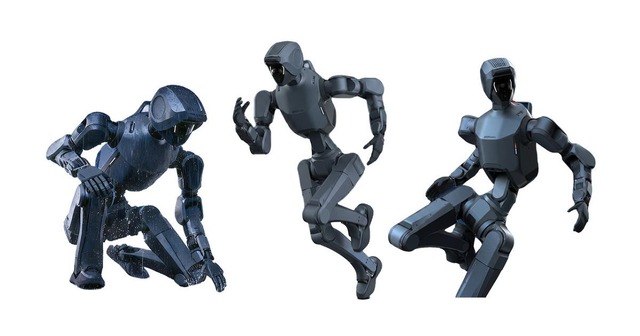
Elza Japan starts handling the world's first fully IP66 waterproof industrial humanoid, DEEPRobotics DR02.
Elsa Japan Co., Ltd. announced the launch of the DEEPRobotics DR02, an all-weather industrial humanoid robot, for the domestic market on June 18, 2026. This new product aims to enhance operational efficiency in various industries by providing advanced robotic solutions capable of functioning in diverse environmental conditions. The introduction of the DR02 reflects the growing demand for automation and robotics in Japan, as companies seek innovative technologies to improve productivity and safety in their operations.

Deep Robotics Unveils Enhanced DR02 Humanoid with Firefighting Capabilities in New Demo
Deep Robotics has released a new video demonstration of its DR02 humanoid robot, showcasing its advanced mobility and utility in hazardous environments. The bipedal robot is seen navigating uneven terrain, jumping over obstacles, and equipped with a fire extinguisher, emphasizing its application in firefighting and industrial inspections. This demonstration is significant as it highlights Deep Robotics' transition from a venture-backed startup to a publicly traded company, with an IPO application accepted by the Shanghai Stock Exchange. The DR02's enhanced capabilities, including increased payload capacity and improved balance control, reflect the company's commitment to evolving its technology in a competitive market. Looking ahead, Deep Robotics aims to leverage the anticipated CNY 2.5 billion from its IPO to fund advancements in embodied AI and scaling manufacturing. The competitive landscape is intensifying, as rival Unitree Robotics also seeks to raise substantial funds through its own IPO, indicating a burgeoning robotics sector in China.
Market Deep Robotics China
Deep Robotics Seeks $367 Million IPO on STAR Market After Achieving Profitability
Deep Robotics, a robotics developer based in Hangzhou, has had its IPO application accepted by the Shanghai Stock Exchange, aiming to raise approximately $367.4 million on the STAR Market. This marks a significant milestone for the company, which reported its first profit last year, with a net profit of $4.2 million on operating revenue of $49.6 million. The company has transitioned from heavy R&D spending to profitability, a notable achievement in the capital-intensive robotics sector. Deep Robotics has carved out a niche in hazardous environments, with its 'embodied AI' segment accounting for over 95% of its income. The IPO proceeds will support R&D for AI algorithms and expand manufacturing capacity, particularly for the DR02 humanoid robot. As Deep Robotics prepares for its public offering, it faces a competitive landscape filled with emerging robotics firms. The anticipated capital injection will be crucial for scaling production and advancing its technology, especially as the company aims to develop more complex humanoid robots that require significant R&D investment. No further timeline was disclosed at the time of publication.
Market Deep Robotics China IPO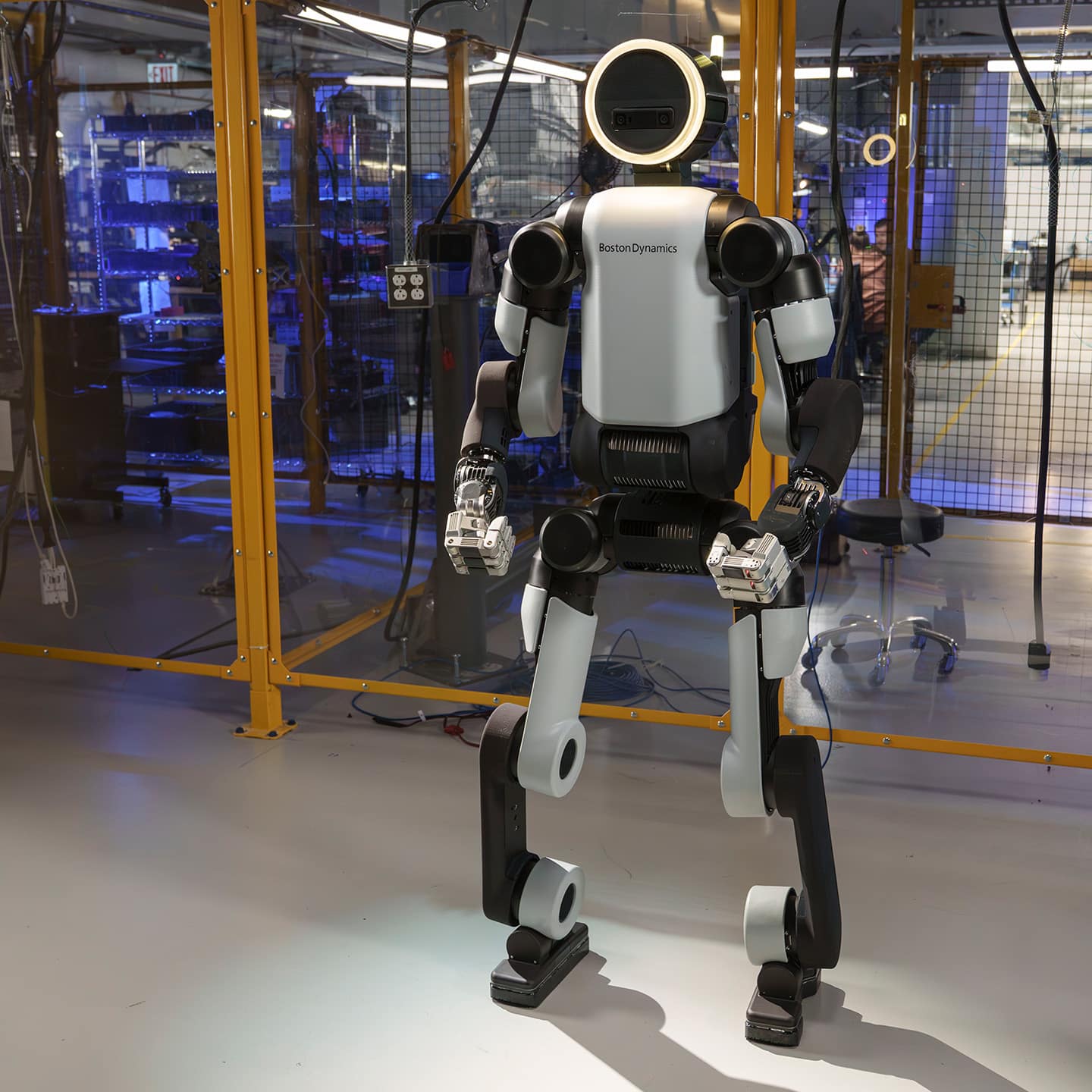
Boston Dynamics and Google DeepMind Announce Strategic AI Partnership for Humanoid Robots
Boston Dynamics and Google DeepMind have announced a new AI partnership aimed at enhancing humanoid robots with advanced artificial intelligence. This collaboration, revealed at CES 2026 in Las Vegas, will integrate Gemini Robotics AI foundation models with Boston Dynamics' Atlas® robots, focusing on industrial tasks, particularly in the automotive sector. The partnership is significant as it marks a pivotal step in the evolution of humanoid robots, leveraging AI advancements to transform manufacturing processes. Alberto Rodriguez from Boston Dynamics emphasized the need for reliable and scalable models that can be safely deployed across various industries, highlighting the expertise of Google DeepMind in this area. As the joint research effort is set to commence in the coming months, industry observers should watch for developments in how these humanoid robots will be trained and utilized in real-world applications. No further timeline was disclosed at the time of publication.
Fugro Completes AUV-Based Geohazard Survey for Petronas Carigali in Malaysia
Fugro has successfully executed a geohazard site survey contract for Petronas Carigali at the Megah and Limbayong fields off the coast of Sabah, East Malaysia. This initiative is part of ongoing efforts to enhance Malaysia's offshore resource development. The survey provided essential Geo-data to identify seabed and subsurface hazards, facilitating informed engineering decisions in an ultra-deepwater environment. The significance of this project lies in its application of autonomous underwater vehicle (AUV) technology, which played a crucial role in conducting geohazard assessments and engineering studies. This technology supports the safe and efficient development of offshore activities, ensuring that potential risks are identified and managed effectively. The deployment of the Echo Surveyor 8 AUV from the Fugro Equator allowed for the acquisition of high-resolution data necessary for geohazard assessment and field development planning. Looking ahead, the successful completion of this offshore campaign, which ran from June to August 2026, underscores Fugro's commitment to innovation in the Asia Pacific region. No further timeline was disclosed at the time of publication.
Competition in Embodied Intelligence: Openness Drives Innovation with Cloud Deep Technology's Robot
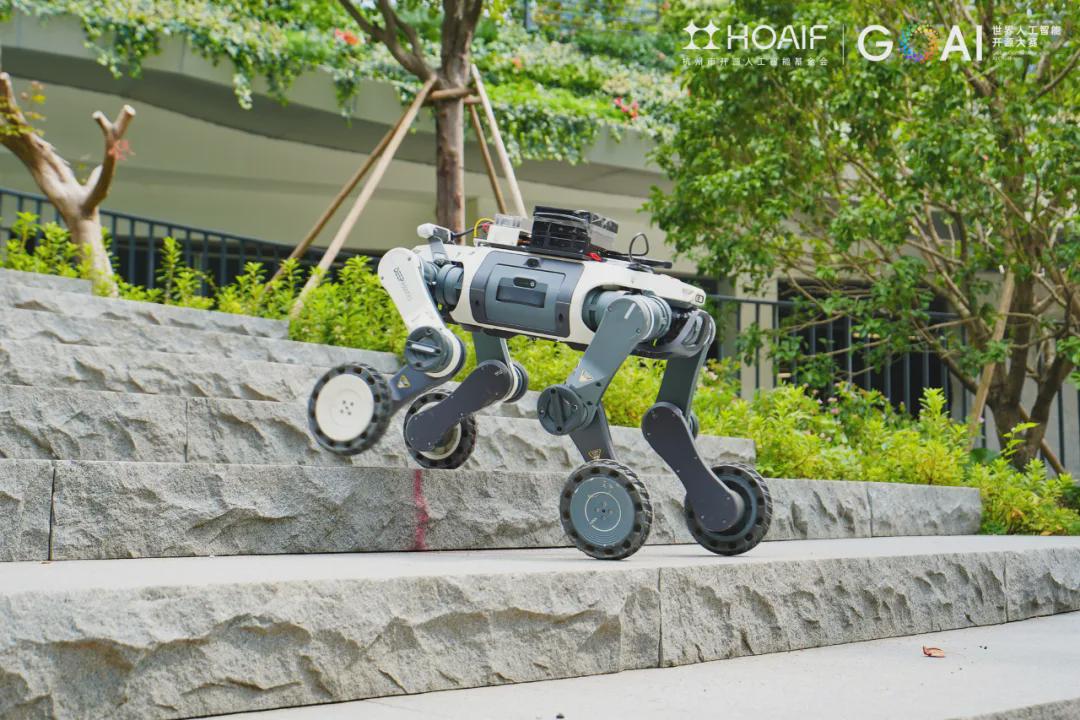
The GOAI World AI Open Source Competition featured teams using the Cloud Deep Technology's Cat S10 robot to tackle real-world terrain challenges. The competition emphasized practical problem-solving over theoretical presentations, allowing diverse teams to develop algorithms and deploy solutions on the same robotic platform. This approach highlights the importance of collaboration and openness in advancing embodied intelligence. By providing access to their mature product, Cloud Deep Technology encourages innovation and collective progress in the industry, moving from individual success to broader possibilities for all participants. Looking ahead, the competition showcased various strategies, including autonomous navigation and reinforcement learning, emphasizing the need for reliable solutions in real-world applications. No further timeline was disclosed at the time of publication.
Embodied Intelligence Robot Competitions Algorithm Development Real-World Applications
Teradyne Establishes New Office in Bengaluru to Support India's Semiconductor Sector
Teradyne, Inc. has opened a new office in Bengaluru, Karnataka, to enhance its support for India's semiconductor manufacturing industry. This move signifies Teradyne's long-term commitment to the country's growing electronics sector, particularly as demand surges due to advancements in AI technology. The establishment of the Bengaluru office aligns with India's ambitions under the India Semiconductor Mission, which aims to boost domestic fabrication and manufacturing capabilities. Greg Smith, Teradyne's president and CEO, emphasized the importance of a local presence to meet the industry's rapid pace and support customers and government partners. Looking ahead, Teradyne plans to celebrate the office opening on September 15, 2026, and will participate in SEMICON India from September 17-19 in New Delhi. This strategic move is expected to strengthen the semiconductor value chain in India and contribute to the development of a robust manufacturing ecosystem.
Robotics needs a service framework.
RSF defines a common language for robot service capability, lifecycle operations, certification pathways, and service-provider networks.
Join the RobotToday community on LinkedIn
Daily robotics news, in-depth analysis, conference highlights, and discussions with professionals worldwide.







